Yuja Madeleines (Brown Butter Citrus French Shell Cakes)
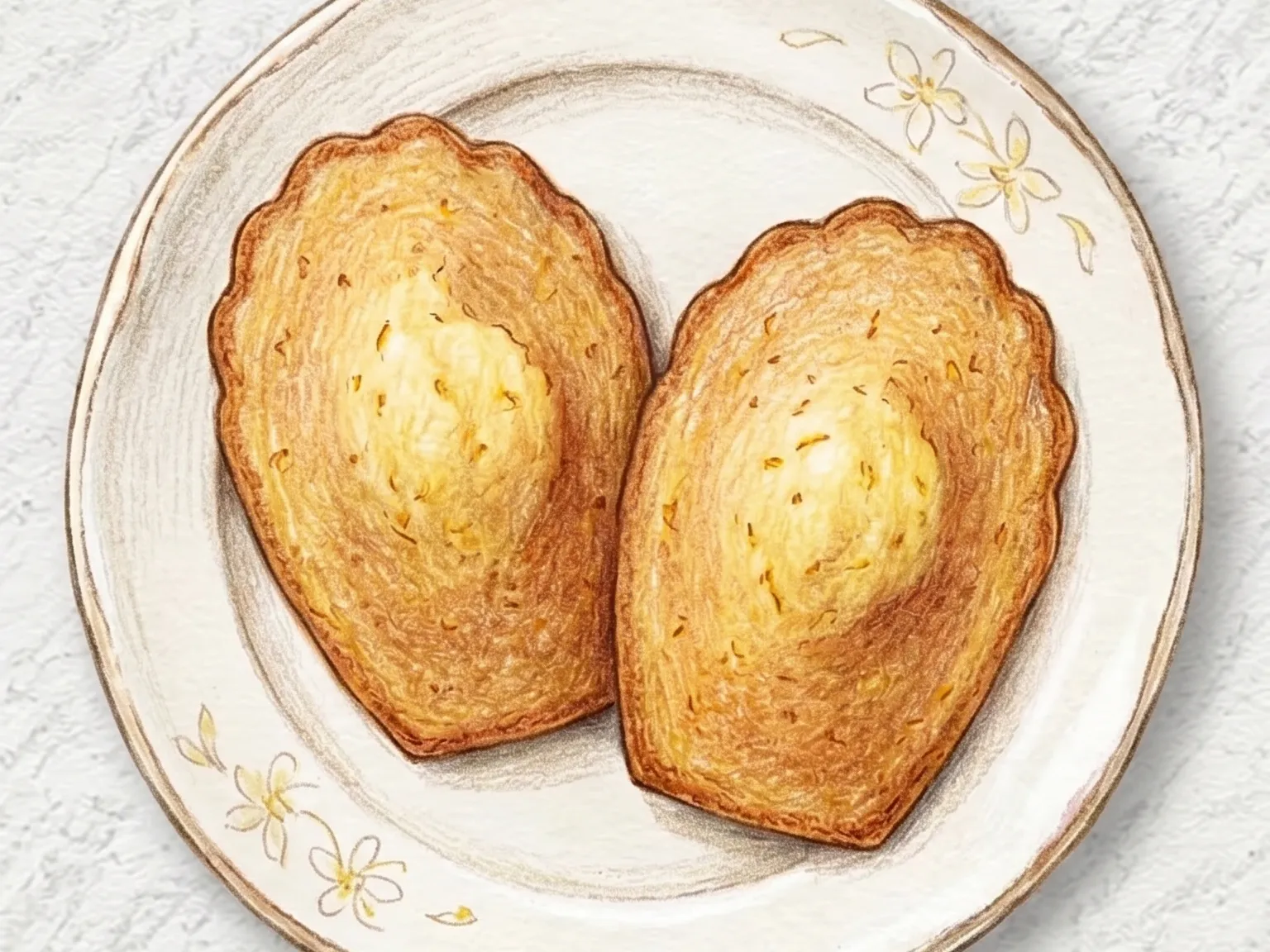
These yuja madeleines rely on brown butter for a deeply nutty base that elevates the batter beyond a standard madeleine. About 35 grams of yuja marmalade is folded directly into the mixture, distributing bright citrus oil and small shreds of peel throughout each shell-shaped cake. A 30-minute rest in the refrigerator helps develop the signature madeleine hump during baking. The two-stage bake - 3 minutes at 200 degrees Celsius followed by 8 to 9 minutes at 180 degrees - crisps the thin edges while keeping the center moist and springy. A small measure of lemon juice reinforces the yuja acidity, preventing the sweetness from becoming one-dimensional.
Adjust Servings
Instructions
- 1
Melt butter over low heat until lightly nutty (brown butter), then cool until lukewarm.
- 2
Whisk eggs and sugar for about 2 minutes until the sugar is mostly dissolved.
- 3
Sift in cake flour, baking powder, and salt, fold gently, then add milk and lemon juice.
- 4
Fold in yuja marmalade and cooled butter until smooth, cover, and rest in the fridge for 30 minutes.
- 5
Grease the madeleine pan lightly, fill each mold to 80%, bake at 200°C for 3 minutes, then 180°C for 8–9 minutes.
- 6
When edges turn golden, cool on a rack, then store airtight after fully cooling to keep them moist.
As an Amazon Associate, we may earn from qualifying purchases.
Tips
Nutrition (per serving)
More Recipes

Yuja Saenggang Scone (Yuja Ginger Scone)
Cold butter is rubbed into flour to form coarse crumbs, then yuja marmalade and ginger juice are mixed in to create a dough that bakes into scones with a crumbly, flaky exterior and a moist, tender center. The yuja contributes a bright citrus fragrance that is more aromatic and floral than lemon, pairing naturally with the buttery richness of the scone. Ginger adds a subtle warmth that tempers the sweetness and leaves a clean finish. Minimal handling of the dough preserves the cold butter pockets that generate flaky layers during baking - if the dough warms, it should be returned to the refrigerator immediately. Shaping into rounds and brushing the tops with egg wash produces a golden, glossy crust. These scones are at their best served warm with clotted cream or yuja curd, where the citrus notes in the spread echo those baked into the scone itself. The combination of Korean citrus and British baking tradition makes this a distinctive cross-cultural pastry.

Yuzu Poppy Seed Loaf Cake
This loaf cake pairs the fragrant acidity of 80 grams of yuja marmalade with 12 grams of poppy seeds that add a subtle crunch to every slice. Creaming 120 grams of room-temperature butter with sugar traps air in the batter, producing a fine, tender crumb once baked. Eggs are added one at a time to maintain emulsion, and the dry ingredients are folded in gently to avoid toughening the gluten. Bits of yuja peel and pulp appear throughout the cross-section, releasing bursts of citrus when bitten. Baked at 175 degrees Celsius for 40 to 45 minutes, the loaf develops a golden crust on top while staying plush inside, holding its moisture well for a day or two after cooling.

Yuja Ricotta Tea Cake (Korean Citron Ricotta Loaf Cake)
Yuja ricotta tea cake pairs the gentle creaminess of ricotta cheese with the bright citrus punch of yuja marmalade in a single tender loaf. Ricotta replaces much of the butter found in traditional pound cakes, keeping the crumb exceptionally moist and giving it a soft, almost custard-like quality. Pieces of yuja peel and pulp are folded into the batter, creating pockets of fragrant sourness that cut through the richness with each bite. Once baked, the top develops a thin golden crust while the interior remains plush and yielding. The cake pairs naturally with black tea or green tea, where the yuja's aromatic acidity complements the tannins in the brew. It keeps well for a day or two without drying out.

Injeolmi Scone (Soybean Powder & Rice Cake Scone)
This scone folds roasted soybean powder and small pieces of glutinous rice cake into a classic British scone dough, capturing the flavor of Korean injeolmi in a handheld baked form. The soybean powder lends the crumb a warm, toasted nuttiness that plain flour cannot achieve, while the tteok bits soften in the oven and create chewy pockets scattered throughout. Keeping the butter cold and cutting it into the dry ingredients in small pieces ensures the scone develops flaky layers that crack open at the surface and stay tender inside. A light glaze of honey or a side of sweetened condensed milk echoes the traditional way injeolmi is enjoyed, reinforcing the sweet-nutty pairing. Served alongside warm tea, these scones make an appealing afternoon treat. The key technique is minimal mixing: overworking the dough develops too much gluten and produces a tough, dense result instead of the desired crumbly softness.

Yuja Cheesecake Bars (Citron Cheesecake)
Yuja cheesecake bars start with a pressed base of cracker crumbs and melted butter, pre-baked for 8 minutes, then topped with a filling of cream cheese, eggs, sugar, and yuja citron marmalade baked at 170 degrees Celsius. Pre-baking the crust before adding the filling ensures the layers stay distinct, and bringing the cream cheese to room temperature beforehand lets it blend into a completely smooth batter. Seventy grams of yuja marmalade cuts through the dense cheese richness with a sharp citrus fragrance and clean acidity, keeping the aftertaste light. Chilling for two full hours before slicing produces neat, straight edges, and the texture lands between dense and silky, melting slowly on the palate.

Red Bean Pastry (Korean Gyeongju Soft Bun with Anko)
Gyeongju-ppang is a baked Korean pastry made from a yeast-leavened dough enriched with milk and butter, wrapped around a generous filling of sweet red bean paste. The dough is rolled thin, sealed around the paste with the seam facing down, and baked at 180 degrees Celsius until the top puffs up with a smooth, light golden surface. Because the filling-to-dough ratio is high, the first flavor in each bite is the dense, sweet red bean, followed by the mild dairy aroma of the thin bread shell. Rooted in the baking traditions of Gyeongju and its famous hwangnam-ppang, this pastry stays moist even after cooling, making it suitable as a packaged gift or an everyday snack.