Yuzu Poppy Seed Loaf Cake
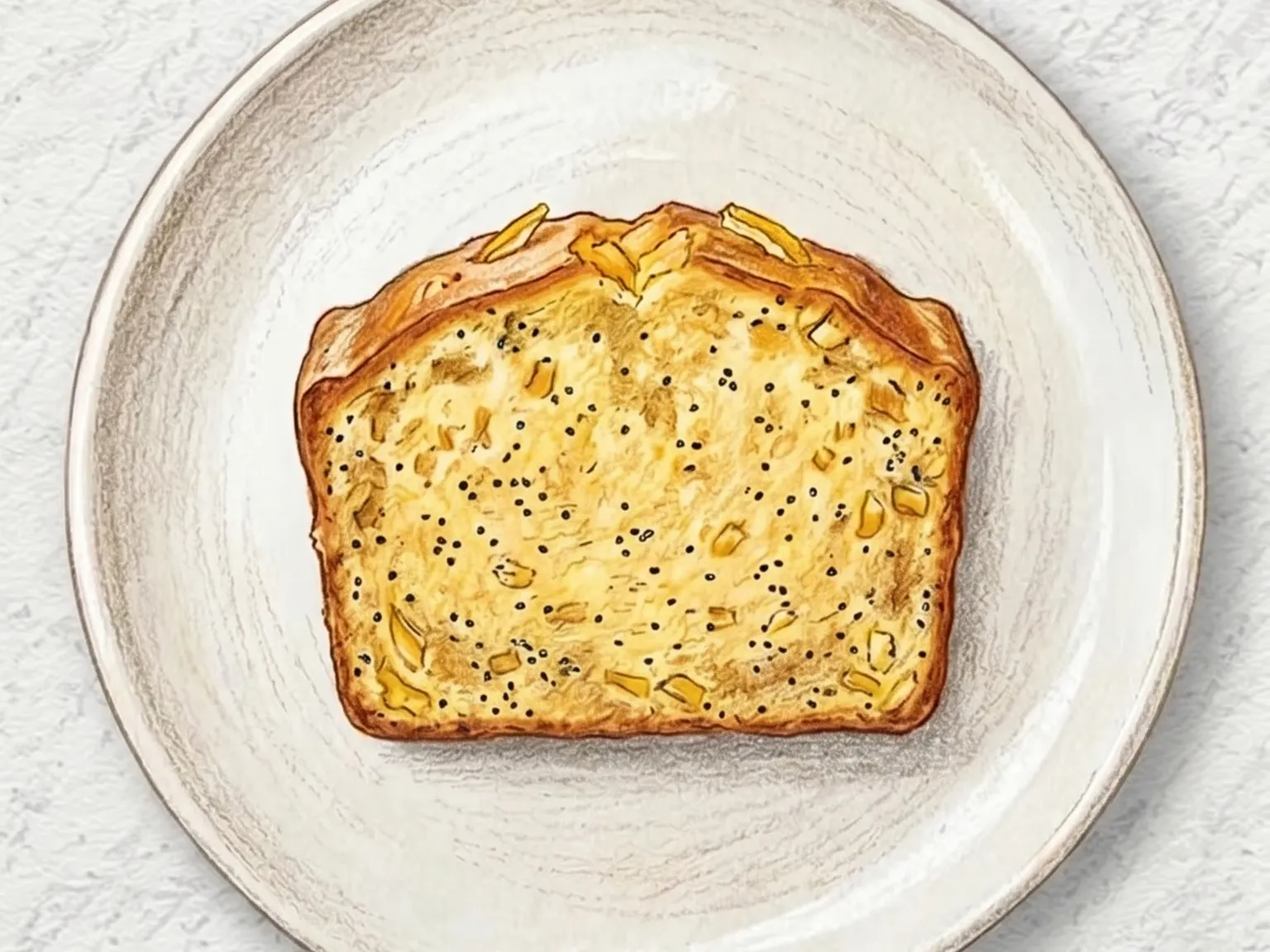
This loaf cake pairs the fragrant acidity of 80 grams of yuja marmalade with 12 grams of poppy seeds that add a subtle crunch to every slice. Creaming 120 grams of room-temperature butter with sugar traps air in the batter, producing a fine, tender crumb once baked. Eggs are added one at a time to maintain emulsion, and the dry ingredients are folded in gently to avoid toughening the gluten. Bits of yuja peel and pulp appear throughout the cross-section, releasing bursts of citrus when bitten. Baked at 175 degrees Celsius for 40 to 45 minutes, the loaf develops a golden crust on top while staying plush inside, holding its moisture well for a day or two after cooling.
Adjust Servings
Instructions
- 1
Preheat the oven to 175C and line a loaf pan with parchment paper.
- 2
Sift and combine flour, baking powder, and salt in a bowl.
- 3
Cream butter and sugar until pale, then add eggs one at a time.
- 4
Mix in yuzu marmalade and milk, then fold in dry ingredients and poppy seeds.
- 5
Pour batter into the pan, level the top, and bake for 40-45 minutes.
- 6
When a skewer comes out clean, cool for 15 minutes, then fully cool before slicing.
As an Amazon Associate, we may earn from qualifying purchases.
Tips
Nutrition (per serving)
More Recipes

Yuja Madeleines (Brown Butter Citrus French Shell Cakes)
These yuja madeleines rely on brown butter for a deeply nutty base that elevates the batter beyond a standard madeleine. About 35 grams of yuja marmalade is folded directly into the mixture, distributing bright citrus oil and small shreds of peel throughout each shell-shaped cake. A 30-minute rest in the refrigerator helps develop the signature madeleine hump during baking. The two-stage bake - 3 minutes at 200 degrees Celsius followed by 8 to 9 minutes at 180 degrees - crisps the thin edges while keeping the center moist and springy. A small measure of lemon juice reinforces the yuja acidity, preventing the sweetness from becoming one-dimensional.

Black Sesame Pound Cake (Dense Roasted Sesame Grey-Crumb Cake)
Black sesame pound cake incorporates a generous amount of black sesame paste into the classic equal-ratio formula of butter, eggs, sugar, and flour. The paste tints the batter a distinctive grey-brown and fills the kitchen with a deep, roasted sesame fragrance as it bakes. Because only a small amount of baking powder is used, the cake rises modestly, producing a tight crumb that nonetheless feels soft and yielding on the palate. Milk in the batter regulates moisture, preventing the dense structure from becoming stiff or dry. When sliced, the cross-section reveals fine particles of ground sesame distributed evenly throughout. It pairs especially well with green tea or black coffee, where the sesame's toasty notes find a natural echo.

Tofu Chocolate Loaf Cake (Light Cocoa Loaf with Silken Tofu)
Soft tofu is blended smooth and folded into a cocoa batter, replacing some of the butter and egg to produce a loaf cake that is moist, dense, and noticeably lighter in fat than a conventional chocolate cake. The cocoa provides deep, bittersweet flavor while the tofu contributes a clean, neutral backdrop - any bean taste is completely masked by the intensity of the cocoa. Neutral oil in the batter maintains moisture over several days, so the cake stays soft well after baking. The crumb is compact yet tender, somewhere between a brownie and a pound cake in density. Smoothing the surface of the batter before it enters the oven ensures an even rise and a flat top suitable for dusting with powdered sugar or glazing with dark chocolate ganache. Because the tofu adds water content, the baking time may run slightly longer than a standard loaf; a skewer inserted into the center should come out with only a few moist crumbs, not wet batter.

Goguma Streusel Loaf Bread (Sweet Potato Streusel Loaf)
Sweet potato puree is whisked into a batter enriched with brown sugar, eggs, and neutral oil, then baked in a loaf pan with a generous layer of butter streusel on top. The puree keeps the crumb remarkably moist and dense, while the streusel bakes into crunchy, crumbly clusters that shatter against the soft interior. Cinnamon reinforces the sweet potato's warmth, and brown sugar deepens the flavor with a faint molasses note. The streusel must be prepared with cold butter rubbed by hand into flour and sugar - the coarse, irregular texture is what creates the satisfying crunch after baking. If the puree is particularly wet, reducing the milk by ten milliliters prevents a batter that is too loose. Should the top brown too quickly during the long bake, a loose tent of foil protects the streusel without trapping steam. The loaf slices most neatly after cooling completely on a rack.

Yuja Cheesecake Bars (Citron Cheesecake)
Yuja cheesecake bars start with a pressed base of cracker crumbs and melted butter, pre-baked for 8 minutes, then topped with a filling of cream cheese, eggs, sugar, and yuja citron marmalade baked at 170 degrees Celsius. Pre-baking the crust before adding the filling ensures the layers stay distinct, and bringing the cream cheese to room temperature beforehand lets it blend into a completely smooth batter. Seventy grams of yuja marmalade cuts through the dense cheese richness with a sharp citrus fragrance and clean acidity, keeping the aftertaste light. Chilling for two full hours before slicing produces neat, straight edges, and the texture lands between dense and silky, melting slowly on the palate.

Walnut Cakes (Korean Bite-Sized Red Bean Walnut Pastries)
Hodu-gwaja are bite-sized Korean walnut cakes made from a batter of cake flour, baking powder, eggs, milk, and melted butter, cooked in a dedicated walnut-shaped iron mold. Each cavity is half-filled with batter, topped with sweet red bean paste and a toasted walnut half, then sealed with more batter and cooked over medium-low heat for six to eight minutes per side. Toasting the walnut halves at 160 degrees Celsius for five minutes beforehand deepens their fragrance noticeably in the finished cake. Resting the batter for ten minutes before pouring relaxes the gluten, reducing air pockets and yielding a smoother exterior crust.