Yuja Ricotta Tea Cake (Korean Citron Ricotta Loaf Cake)

Yuja Ricotta Tea Cake (Korean Citron Ricotta Loaf Cake)

Quick answer

Yuja ricotta tea cake pairs the gentle creaminess of ricotta cheese with the bright citrus punch of yuja marmalade in a single tender loaf.

What makes this special

  • Yuja Ricotta Tea Cake incorporates ricotta cheese to produce a soft, moist citrus loaf.
  • 180g ricotta replaces most butter, giving a lighter, moister crumb than pound cake
  • Yuja-cheong pulp and peel pieces burst with bright acidity as you chew
Total time
55 min
Level
Easy
Servings
4 servings
Ingredients
9
Calories
360 kcal
Protein
9 g

Key ingredients

ricotta cheesesugareggsyuja marmaladeall-purpose flour

Core cooking flow

  1. 1 Preheat the oven fully to 170C, and coat an 18cm round pan with a thin layer of butter.
  2. 2 Beat 180g ricotta cheese with 110g sugar until smooth and free of large lumps.
  3. 3 Add 70g yuja marmalade, 60ml milk, and 60g melted unsalted butter in that order.

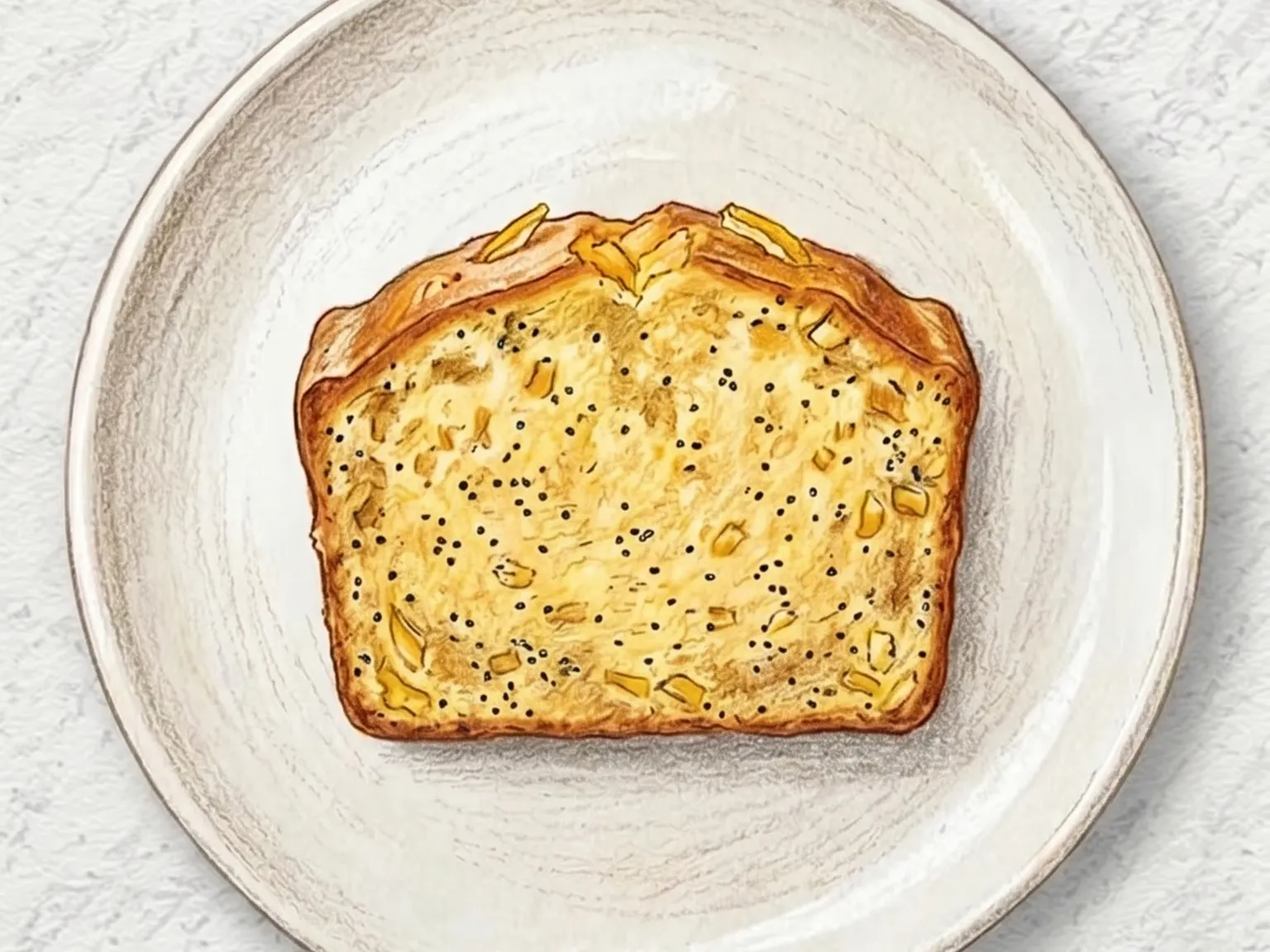
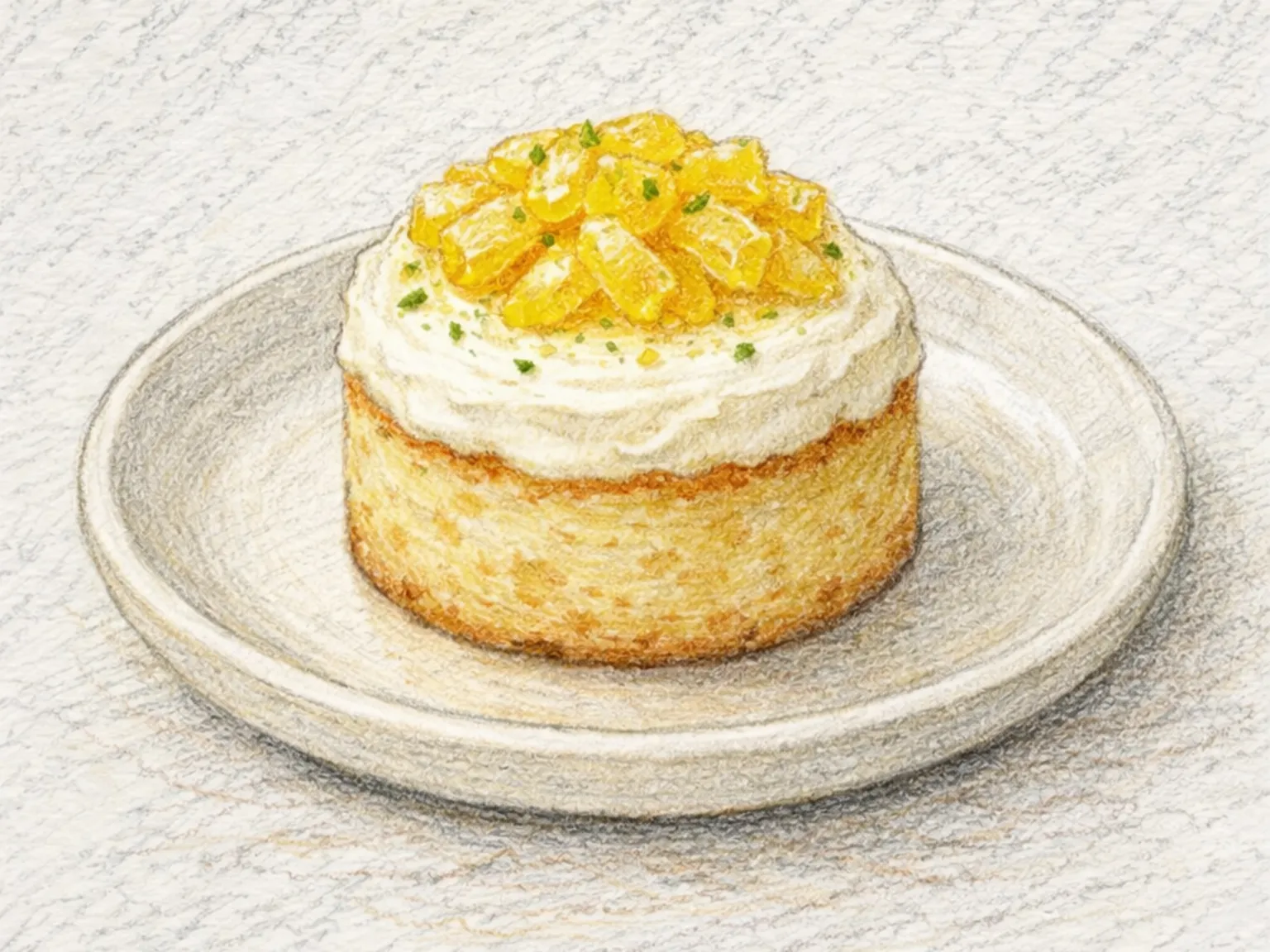
Yuja ricotta tea cake pairs the gentle creaminess of ricotta cheese with the bright citrus punch of yuja marmalade in a single tender loaf. Ricotta replaces much of the butter found in traditional pound cakes, keeping the crumb exceptionally moist and giving it a soft, almost custard-like quality. Pieces of yuja peel and pulp are folded into the batter, creating pockets of fragrant sourness that cut through the richness with each bite. Once baked, the top develops a thin golden crust while the interior remains plush and yielding. The cake pairs naturally with black tea or green tea, where the yuja's aromatic acidity complements the tannins in the brew. It keeps well for a day or two without drying out.

Prep 15min Cook 40min 4 servings

Instructions

Read the steps as a cooking flow: prep, heat, seasoning, doneness control, and finish.

6 steps
  1. 1
    Heat

    Preheat the oven fully to 170C, and coat an 18cm round pan with a thin layer of butter.

    Finely chop the peel and pulp in the yuja marmalade so the cake crumb bakes more evenly.

  2. 2
    Season

    Beat 180g ricotta cheese with 110g sugar until smooth and free of large lumps.

    Add the 2 eggs one at a time, mixing fully after each addition so the batter stays creamy instead of separating.

  3. 3
    Season

    Add 70g yuja marmalade, 60ml milk, and 60g melted unsalted butter in that order.

    Let the butter cool until warm, not hot, so it blends in without cooking the eggs or tightening the batter.

  4. 4
    Season

    Sift in 160g all-purpose flour, 6g baking powder, and 2g salt together.

    Fold with a spatula from the bottom of the bowl just until no dry flour is visible, avoiding overmixing.

  5. 5
    Heat

    Pour the batter into the prepared pan and level the top gently.

    Bake on the middle rack at 170C for 35-40 minutes, until the surface is lightly golden and the center looks set.

  6. 6
    Step

    Insert a skewer into the center, and remove the cake when no wet batter clings to it.

    Cool in the pan for 10 minutes, then unmold and let it cool completely before serving with tea.

After the steps

Pick a recipe that fits this dish.

Continue with shared ingredients, meal pairings, or a similar method.

Recipes That Go Well With This

More Baking →

Based on shared ingredients and meal pairing

Yuja Madeleines (Brown Butter Citrus French Shell Cakes)
Shared ingredient: egg Baking

Yuja Madeleines (Brown Butter Citrus French Shell Cakes)

These yuja madeleines rely on brown butter for a deeply nutty base that elevates the batter beyond a standard madeleine. About 35 grams of yuja marmalade is folded directly into the mixture, distributing bright citrus oil and small shreds of peel throughout each shell-shaped cake. A 30-minute rest in the refrigerator helps develop the signature madeleine hump during baking. The two-stage bake - 3 minutes at 200 degrees Celsius followed by 8 to 9 minutes at 180 degrees - crisps the thin edges while keeping the center moist and springy. A small measure of lemon juice reinforces the yuja acidity, preventing the sweetness from becoming one-dimensional.

Yuja Saenggang Baked Donuts (Yuja Ginger Baked Donuts)
Shared ingredient: egg Baking

Yuja Saenggang Baked Donuts (Yuja Ginger Baked Donuts)

The preparation of these doughnuts involves folding yuja marmalade and finely grated fresh ginger into a light batter base. The mixture is then transferred to a doughnut pan and baked in the oven rather than being fried in oil. This specific cooking method produces an oil-free doughnut characterized by a soft and fluffy crumb that is highly fragrant with citrus notes. The yuja component contributes a floral and complex citrus profile that offers a perfumed quality more intricate than the flavor of a standard lemon or orange. Complementing this, the ginger provides a mild and warm spiciness that persists quietly in the background of each bite. Because the doughnuts are baked, the internal structure stays light, which ensures that the specific flavor of the yuja is not masked by the presence of frying oil. While the doughnuts are still warm from the oven, a thin honey glaze is brushed over the surface. This application creates a glossy appearance and adds a layer of sweetness that functions to seal in the moisture of the crumb. During the preparation of the batter, the ingredients should be combined only until the dry components are just incorporated. Mixing the batter too much will lead to a finished product that is tough and dense. Filling the pan cavities to eighty percent of their capacity allows for an even rise and prevents the batter from spilling over the edges during baking. Finally, the doughnuts require a five-minute rest period within the pan after they are removed from the oven. This time allows the structure to firm up, ensuring that each doughnut can be removed cleanly from the mold.

Kimchi Burrata Salad
Serve together Salads

Kimchi Burrata Salad

Aged napa kimchi brings fermented tang and concentrated umami that meets the mild, milky richness of fresh burrata in a pairing that achieves harmony rather than conflict. Peppery arugula adds a bitter counterpoint that lifts the overall weight of the dish, and halved cherry tomatoes scatter bright fruit acidity across the plate. The dressing blends perilla oil with olive oil, combining the nutty depth of Korean cuisine with the fruity character of Mediterranean cooking in a single drizzle. Pine nuts add a buttery, creamy crunch between bites that reinforces the richness of the cheese. The defining moment of this salad comes at the table, when the burrata is torn open with both hands and the soft stracciatella center spills into the surrounding ingredients. The creamy interior of the cheese mixes into the kimchi brine and perilla oil dressing, and that combination is what makes this salad more than a simple fusion exercise.

Yuja Cream Cheese Tart (Korean Citron Cream Cheese No-Bake Tart)
Similar recipe Baking

Yuja Cream Cheese Tart (Korean Citron Cream Cheese No-Bake Tart)

Yuja Cream Cheese Tart features a crunchy biscuit crust filled with a smooth, oven-baked cream cheese filling sweetened with yuja marmalade. The crust is made from crushed digestive biscuits and melted butter, pressed into a pan and baked until fragrant. For the filling, softened cream cheese is whipped with sugar, eggs, heavy cream, and Korean citron marmalade. A splash of lemon juice is added to elevate the acidity and brighten the citrus notes. This filling is poured over the pre-baked base and baked until the edges set while the center remains slightly soft. After cooling, the tart is chilled in the refrigerator for at least two hours to achieve a dense, mousse-like consistency. Resting the tart overnight allows the citrus peel to infuse the creamy filling, creating a balance of sweet and tangy flavors.

Serve with this

Candied Tangerine Peel (Korean Citrus Honey Confection)
Desserts Medium

Candied Tangerine Peel (Korean Citrus Honey Confection)

Gyul jeonggwa is a traditional Korean confection made by cutting tangerine peels into 0.8 cm strips with a moderate amount of white pith left on, blanching the strips twice in salted water to eliminate bitterness, then cooking them low and slow in a syrup of sugar, honey, and cinnamon for thirty-five to forty minutes. Keeping the pith is deliberate: it holds the essential citrus oils that define the candy's fragrance, so trimming too much away produces a noticeably flatter result. The longer the peels simmer, the more completely they turn translucent, pulling syrup into every layer of fiber until the texture becomes dense and springy, close to a firm fruit jelly. Lemon juice added toward the end of cooking performs two functions: it inhibits crystallization of the syrup as it cools, and its acidity trims back the sweetness for a cleaner finish. Draining the pieces and resting them on a rack for an hour produces a dry, non-tacky surface that holds its shape well.

🧒 Kid-Friendly 🎉 Special Occasion
Prep 25min Cook 70min 4 servings
Clafoutis (French Baked Cherry Custard Dessert)
Western Easy

Clafoutis (French Baked Cherry Custard Dessert)

Clafoutis is a traditional French dessert from the Limousin region made by arranging fresh cherries in a buttered baking dish, then pouring over a thin batter of eggs, sugar, milk, and flour and baking at 180 degrees Celsius for thirty to thirty-five minutes. The batter is considerably thinner than pancake batter, and the result when baked is a texture that sits between a creamy custard and a light sponge -- the edges puff and turn golden while the center around the cherries stays moist and yielding. Using unpitted cherries is the traditional method: the pits release a faint almond scent during baking that perfumes the surrounding batter in a way that pitted fruit cannot replicate. The cherries also hold their shape better with the pits in. Vanilla extract deepens the egg-and-milk base, and the cherries' own tart juice seeps into the batter during baking, creating concentrated pockets of fruit flavor that balance the overall sweetness. Clafoutis is served directly from the baking dish, typically dusted with powdered sugar and brought to the table while still warm, because the custard texture softens and loosens slightly as it cools, making the warm version noticeably more appealing. Made with blueberries, plums, or apricots instead of cherries, the dessert takes a different name -- flaugnarde -- though the technique remains identical.

🎉 Special Occasion 🧒 Kid-Friendly
Prep 15min Cook 35min 4 servings
Korean Sweet Corn Latte (Butter Sauteed Corn Milk Drink)
Drinks Easy

Korean Sweet Corn Latte (Butter Sauteed Corn Milk Drink)

Sweet corn latte begins by sauteing cooked corn kernels in butter until fragrant, then simmering them in milk to draw out the corn's natural sugars before blending everything smooth. The butter amplifies the starchy, roasted aroma during the initial saute, coating each kernel so that the fat-soluble flavor compounds dissolve fully into the milk during the five-minute simmer. Blending the mixture until completely smooth and then straining it through a fine sieve removes any remaining hull pieces, producing a texture as silky as a custard sauce. This straining step makes a noticeable difference in the final quality. Condensed milk adds a rounded sweetness, and a small amount of white pepper introduces a faint spiced warmth that gives the drink depth beneath the sweetness. It works equally well served hot in a ceramic mug or chilled and poured over ice; the corn aroma remains vivid in both versions.

🍺 Bar Snacks 🧒 Kid-Friendly
Prep 8min Cook 10min 2 servings

Similar recipes

Pan de Elote (Mexican Corn Cake)
Baking Easy

Pan de Elote (Mexican Corn Cake)

Fresh corn kernels are blended into a smooth puree and folded into a buttery batter, producing a baked cake saturated with natural corn flavor. The crumb is dense yet tender, closer to custard than to sponge, with a faint golden hue from the corn itself. Heavy cream in the batter locks in moisture so the cake stays soft for several days without drying out. Because the corn provides substantial natural sweetness, refined sugar plays a supporting role rather than leading. If using frozen kernels, thorough thawing and draining are essential to prevent a watery batter. An overnight rest at room temperature allows the corn starch to redistribute, deepening the flavor and firming the texture to a satisfying slice.

🧒 Kid-Friendly 🎉 Special Occasion
Prep 20min Cook 45min 4 servings
Yuja Cheesecake Bars (Citron Cheesecake)
Desserts Medium

Yuja Cheesecake Bars (Citron Cheesecake)

Yuja cheesecake bars are a baked dessert that begins with a pressed crust of cracker crumbs and melted butter, pre-baked for eight minutes to set a firm base before the filling goes in. The filling combines softened cream cheese, eggs, sugar, and yuja citron marmalade, poured over the crust and baked at 170 degrees Celsius until just set. Pre-baking the crust is essential for keeping the layers distinct, and room-temperature cream cheese is non-negotiable for a batter free of lumps. Seventy grams of yuja marmalade introduces the fruit's sharp, floral citrus fragrance alongside clean acidity that cuts through the dense richness of the cheese layer, preventing the aftertaste from feeling heavy or cloying. Chilling for two full hours in the refrigerator before slicing produces straight, clean edges on each bar, and the texture sits between dense and silky, dissolving slowly once it hits the palate.

🧒 Kid-Friendly 🎉 Special Occasion
Prep 20min Cook 32min 4 servings
Walnut Cakes (Korean Bite-Sized Red Bean Walnut Pastries)
Desserts Medium

Walnut Cakes (Korean Bite-Sized Red Bean Walnut Pastries)

Hodu-gwaja are bite-sized Korean walnut cakes baked in a dedicated walnut-shaped cast iron mold, made from a batter of cake flour, baking powder, eggs, milk, and melted butter. Each cavity is half-filled with batter, then topped with sweet red bean paste and a toasted walnut half, sealed with a second pour of batter, and cooked over medium-low heat for six to eight minutes per side. The result is a thin, lightly browned shell encasing a moist, soft interior. Toasting the walnut halves at 160 degrees Celsius for five minutes beforehand makes a noticeable difference: the finished cakes carry a deeper, more fragrant nut aroma compared to those made with untoasted walnuts. Resting the batter for ten minutes before using it relaxes the gluten, which reduces air pockets during pouring and produces a smoother exterior surface. The cake originated as a regional specialty of Cheonan in South Chungcheong Province and has since become one of the most recognized snacks sold at highway rest stops and traditional markets across the country.

🧒 Kid-Friendly 🎉 Special Occasion
Prep 25min Cook 20min 4 servings

Tips

Finely chopping yuja peel gives a more even crumb.
Flavor settles and improves by the next day, ideal for tea time.

Nutrition (per serving)

Calories
360
kcal
Protein
9
g
Carbs
42
g
Fat
17
g