Charim

2686 Korean & World Recipes

2686+ Korean recipes, clean and organized. Ingredients to instructions, all at a glance.

Yukgaejang (Fiery Shredded Beef and Vegetable Soup)
SoupsMedium

Yukgaejang (Fiery Shredded Beef and Vegetable Soup)

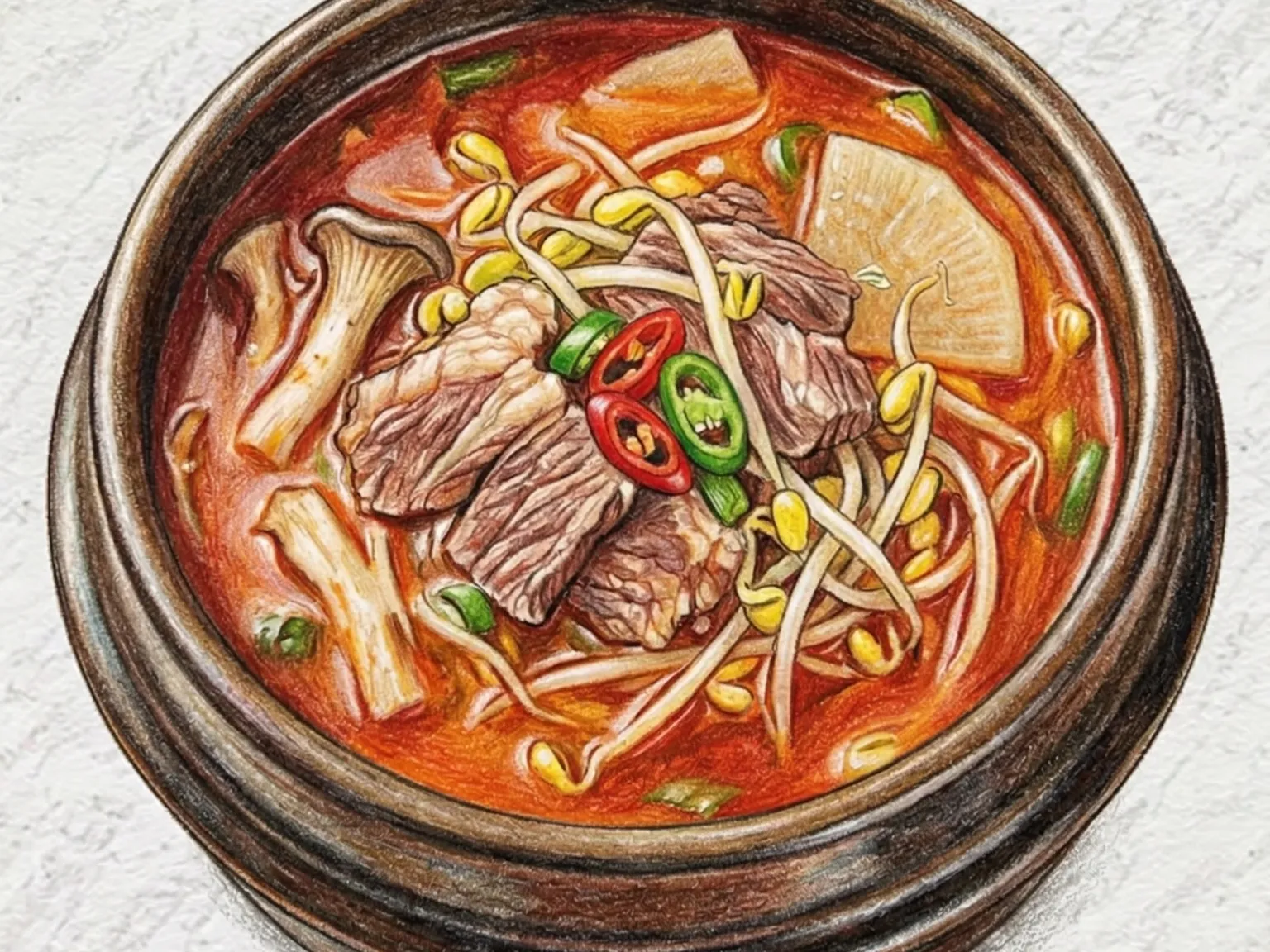
Yukgaejang is a fiery Korean beef soup that starts with brisket simmered until it can be pulled apart along the grain into long, thin shreds. The shredded meat is then hand-mixed with red pepper flakes, soup soy sauce, sesame oil, and minced garlic so the seasoning penetrates each strand before the final cook. Bracken fern, bean sprouts, and generous lengths of green onion join the pot, and everything boils together for thirty minutes in the brisket stock, which turns a deep red from the chili. The fern contributes an earthy chew, the sprouts add a clean crunch, and the green onion breaks down into the broth, lending natural sweetness that tempers the heat.

Prep 20minCook 90min4 servings

Adjust Servings

2servings
servings

Instructions

  1. 1

    Soak brisket in cold water 30 minutes, then boil to make broth.

  2. 2

    Remove beef and shred along the grain into strips.

  3. 3

    Season shredded beef with red pepper, soy sauce, garlic, sesame oil.

  4. 4

    Add seasoned beef, fern, sprouts, and green onion to broth; simmer 30 minutes.

  5. 5

    Adjust salt and serve hot.

🛒Shop Ingredients on Amazon

As an Amazon Associate, we may earn from qualifying purchases.

Tips

Beef shank can be substituted for brisket.

Nutrition (per serving)

Calories
280
kcal
Protein
26
g
Carbs
8
g
Fat
15
g

More Recipes

Korean Spicy Beef Soup Noodles
NoodlesMedium

Korean Spicy Beef Soup Noodles

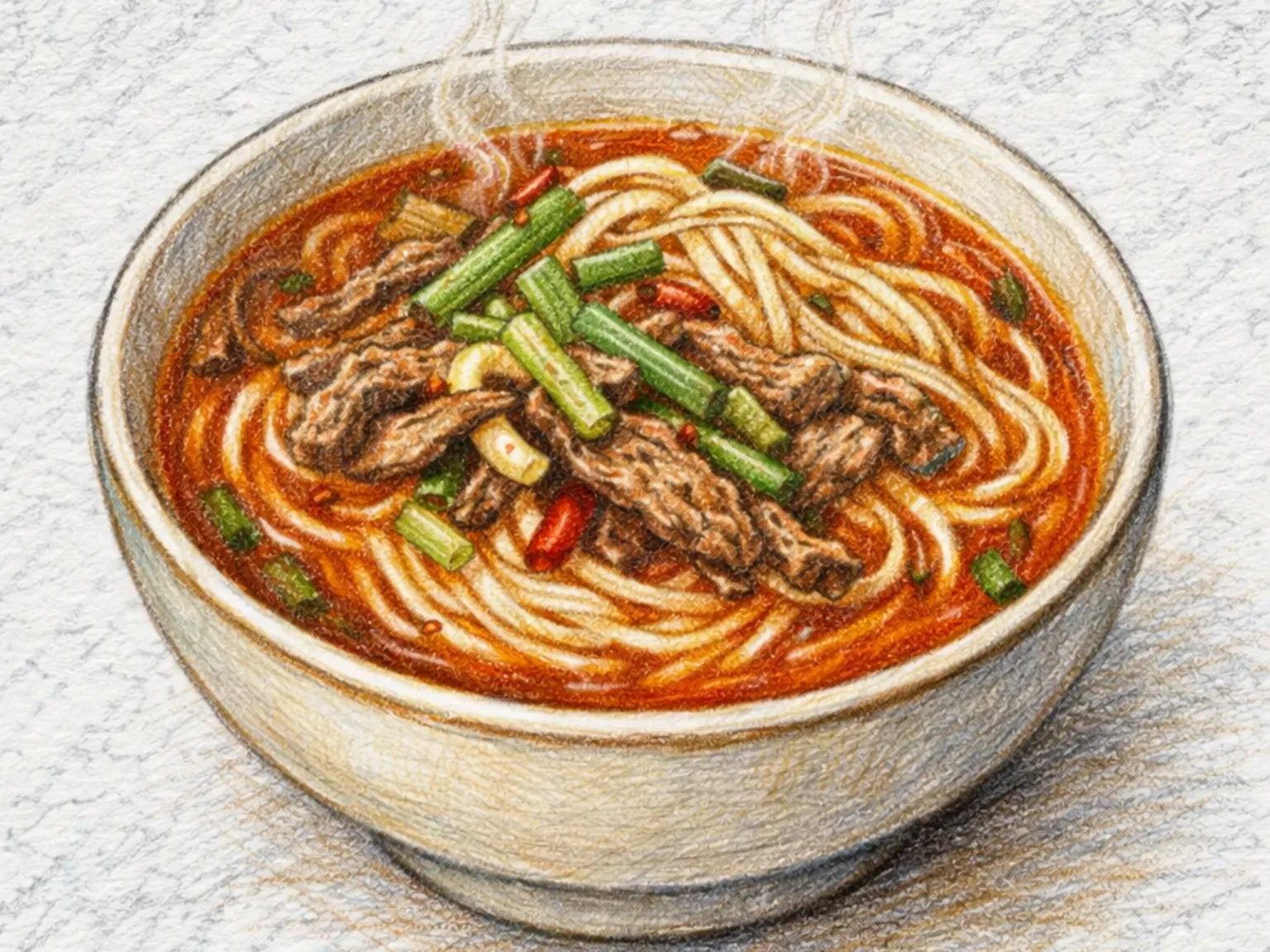
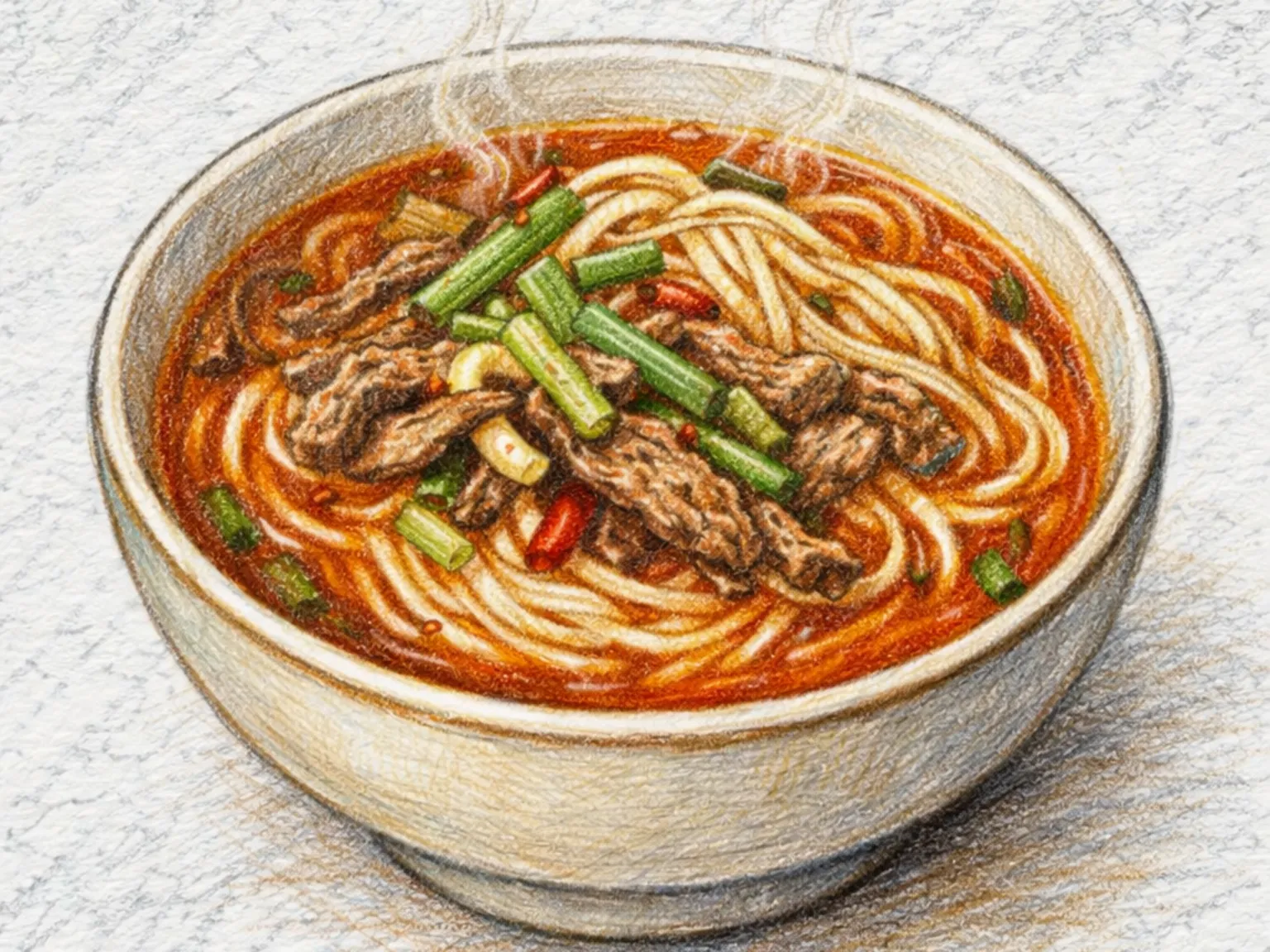
Yukgaejang guksu starts with a deep broth made by simmering beef brisket until the liquid turns rich and full-bodied. The meat is shredded along the grain and returned to the pot alongside fernbrake, bean sprouts, and green onion that have been seasoned with gochugaru, sesame oil, and garlic before a brief stir-fry. This pre-seasoning step lets the chili heat dissolve into the oil, producing a rounded spiciness rather than raw powder burn. Korean soup soy sauce adjusts the salt level without clouding the broth's color. Thin wheat somyeon noodles are boiled separately and added at the end so they absorb the broth without turning mushy. Swapping in glass noodles changes the texture to a chewier, more slippery bite that holds onto the soup longer.

🏠 Everyday
Prep 15minCook 20min2 servings
Kimchi Soegogi-guk (Fermented Kimchi Beef Soup)
SoupsEasy

Kimchi Soegogi-guk (Fermented Kimchi Beef Soup)

Kimchi-soegogi-guk is a Korean soup that unites two powerhouse ingredients-well-fermented kimchi and beef-in a ruddy, aromatic broth. The beef is stir-fried in sesame oil first, building a savory foundation, then chopped kimchi joins the pan and cooks until its acidity mellows and merges with the rendered fat. Water is added, and as the pot simmers, the kimchi continues to break down, thickening the liquid and staining it a deep red. Soup soy sauce and garlic adjust the seasoning, while blocks of tofu absorb the surrounding flavors and provide a soft counterpoint to the chewy beef. The finished soup is robust and warming, with the tangy complexity of aged kimchi meeting the clean savoriness of beef in every spoonful. It pairs inseparably with a bowl of steamed rice, which soaks up the broth and balances the heat.

🏠 Everyday
Prep 10minCook 30min4 servings
Naejang-tang (Spicy Mixed Beef Tripe Soup)
SoupsHard

Naejang-tang (Spicy Mixed Beef Tripe Soup)

Naejang-tang is a Korean offal soup that simmers a medley of beef innards - tripe, large intestine, abomasum, and omasum - in a robust broth seasoned with gochugaru, gochujang or doenjang, garlic, and green onion. Each organ brings a different texture to the bowl: tripe is chewy and ridged, large intestine is fatty and tender, and the stomach linings offer a firm, almost crunchy bite. As the innards cook for an extended period, their rendered fat and natural gelatin melt into the broth, producing a thick, savory liquid with a distinctive richness that leaner soups cannot approach. Some versions include seonji, coagulated ox blood, which darkens the broth and adds a mineral, iron-forward depth. The soup is characteristically spicy and served at near-boiling temperature, often in a stone pot that keeps it bubbling at the table. In Korea, naejang-tang is strongly associated with early-morning hangover recovery - specialized restaurants near traditional markets and drinking districts begin serving it well before dawn. The combination of fat, heat, and protein makes it one of the most physically restorative soups in the Korean repertoire.

🏠 Everyday🎉 Special Occasion
Prep 30minCook 90min2 servings
Kimchi Dwaejigogi-guk (Kimchi Pork Tofu Soup)
SoupsEasy

Kimchi Dwaejigogi-guk (Kimchi Pork Tofu Soup)

Kimchi-dwaejigogi-guk begins by stir-frying pork shoulder in perilla oil until the fat renders, then well-fermented kimchi and chili flakes join the pot for three more minutes of cooking. This initial step melds the tangy acidity of the kimchi with the pork drippings, creating a base that carries the entire soup. Water and sliced onion simmer for fifteen minutes, and blocks of firm tofu go in near the end, absorbing the ruddy, peppery broth. The result has more liquid than a typical jjigae, making it well suited for spooning over a bowl of rice.

🏠 Everyday
Prep 12minCook 25min2 servings
Haejangguk (Korean Pork Bone Hangover Soup)
SoupsMedium

Haejangguk (Korean Pork Bone Hangover Soup)

Haejangguk is Korea's iconic hangover soup, a thick and fiery bowl designed to restore the body after a night of drinking. The base is a long-simmered pork spine broth that delivers a deep, porky richness. Napa cabbage outer leaves, called ugeoji, are seasoned with doenjang and garlic and added to the broth, contributing a chewy, fibrous texture. Congealed ox blood, known as seonji, is a traditional addition that lends an iron-rich density and dark visual contrast. Gochugaru provides a persistent, forehead-sweating heat that Koreans believe helps flush out toxins and clear the head. The finished soup is served bubbling in a stone pot, and the first few spoonfuls tend to produce an involuntary sigh of relief. Dedicated haejangguk restaurants open before dawn to serve construction workers and late-night revelers, and the dish has been a fixture of Korean culinary tradition for centuries.

🏠 Everyday
Prep 20minCook 120min4 servings
Korean Spicy Beef Stir-Fry
Stir-fryEasy

Korean Spicy Beef Stir-Fry

Sogogi gochujang-bokkeum marinates thin-sliced beef in a paste of gochujang, soy sauce, sugar, and minced garlic, then stir-fries it over high heat. The chili paste's spiciness and the sugar caramelize together on the meat's surface, building a dark, sticky glaze with layered heat. Onion cooked alongside the beef releases moisture that helps the seasoning distribute evenly across every slice. A finish of sesame oil adds a roasted nuttiness on top of the bold, spicy-sweet profile -- intensely flavored enough that a small portion carries a full bowl of rice.

🏠 Everyday🍱 Lunchbox
Prep 15minCook 10min2 servings
More Soups