Korean Clear Broth Tofu Stew
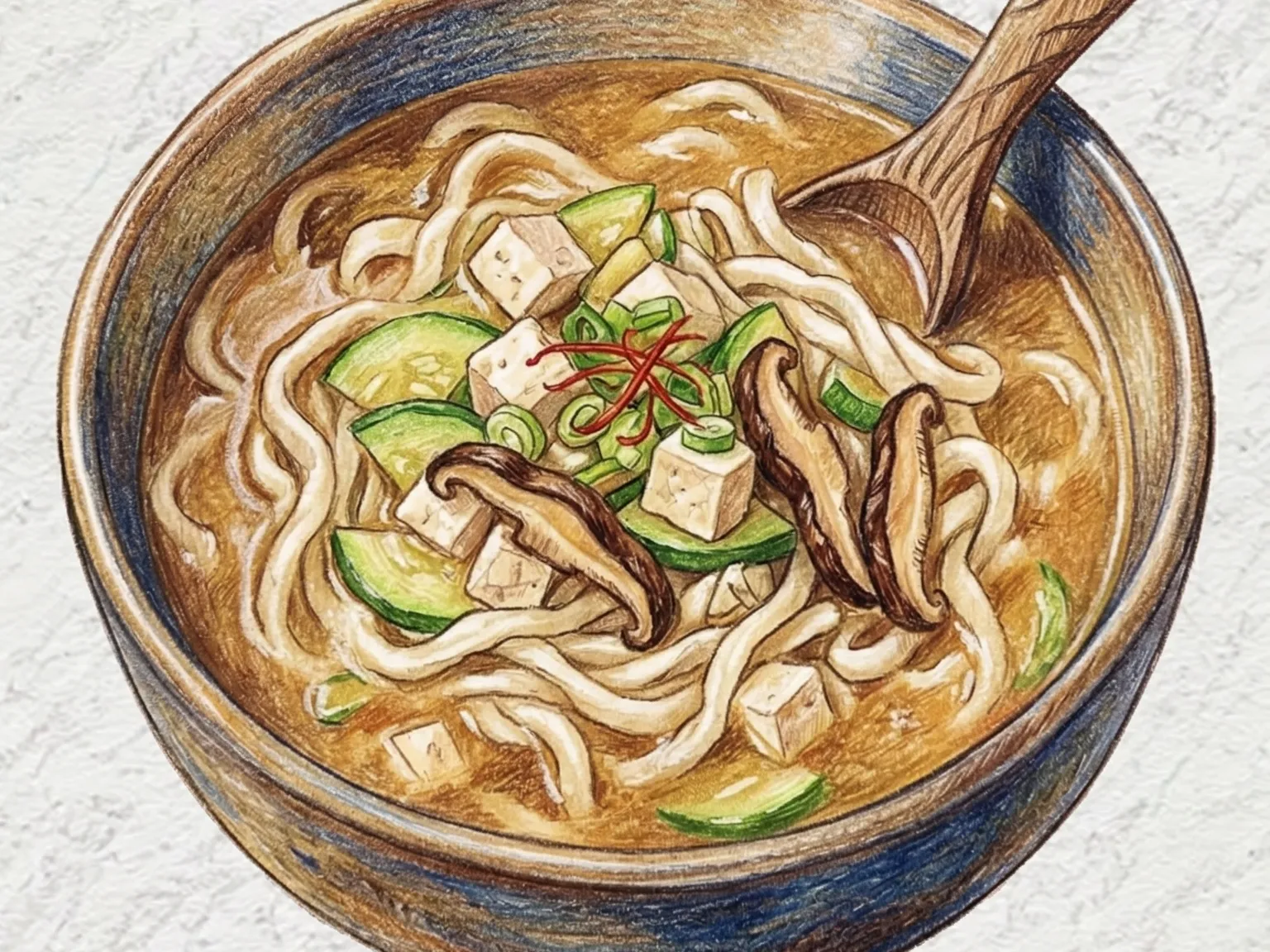
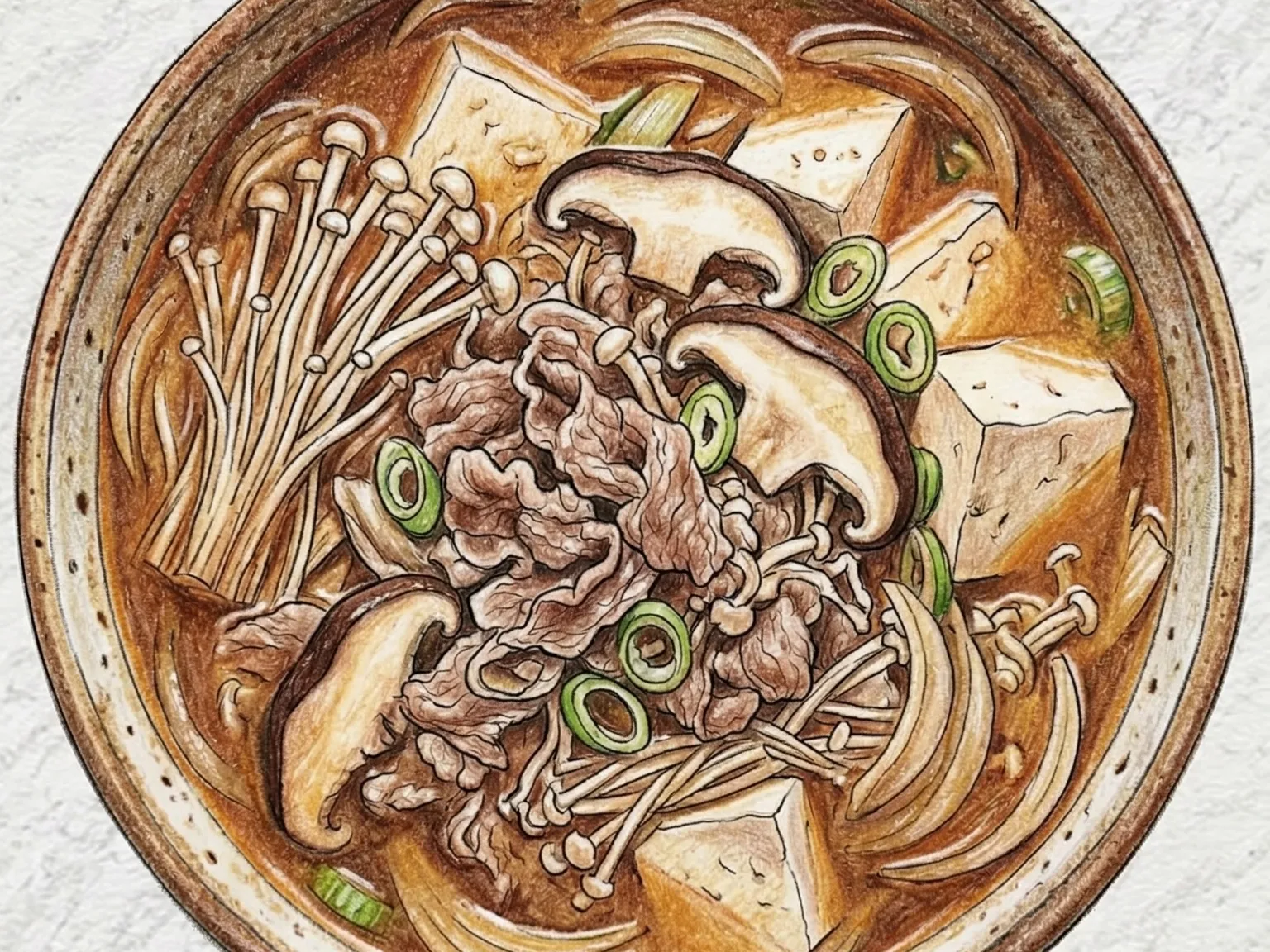
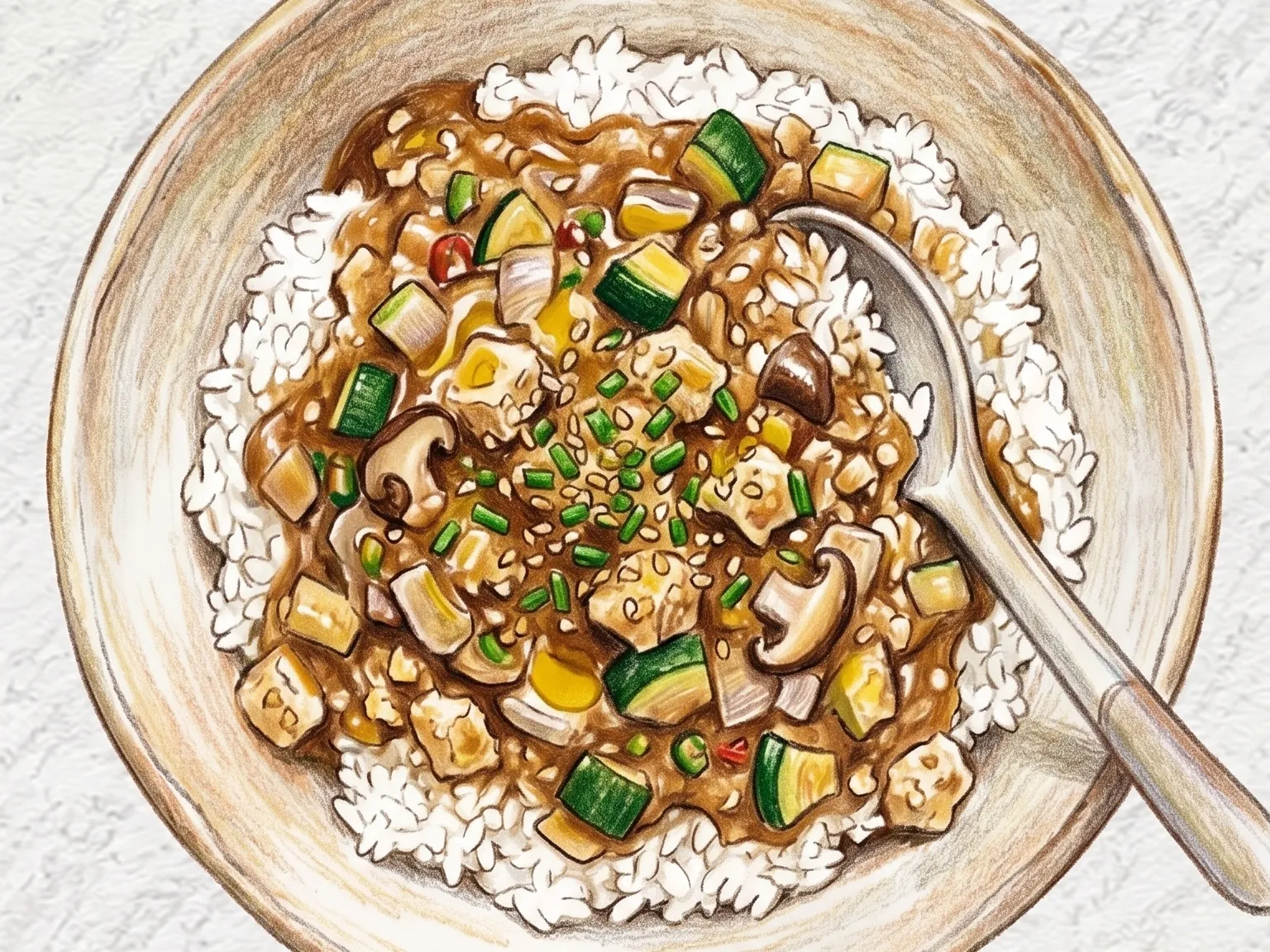
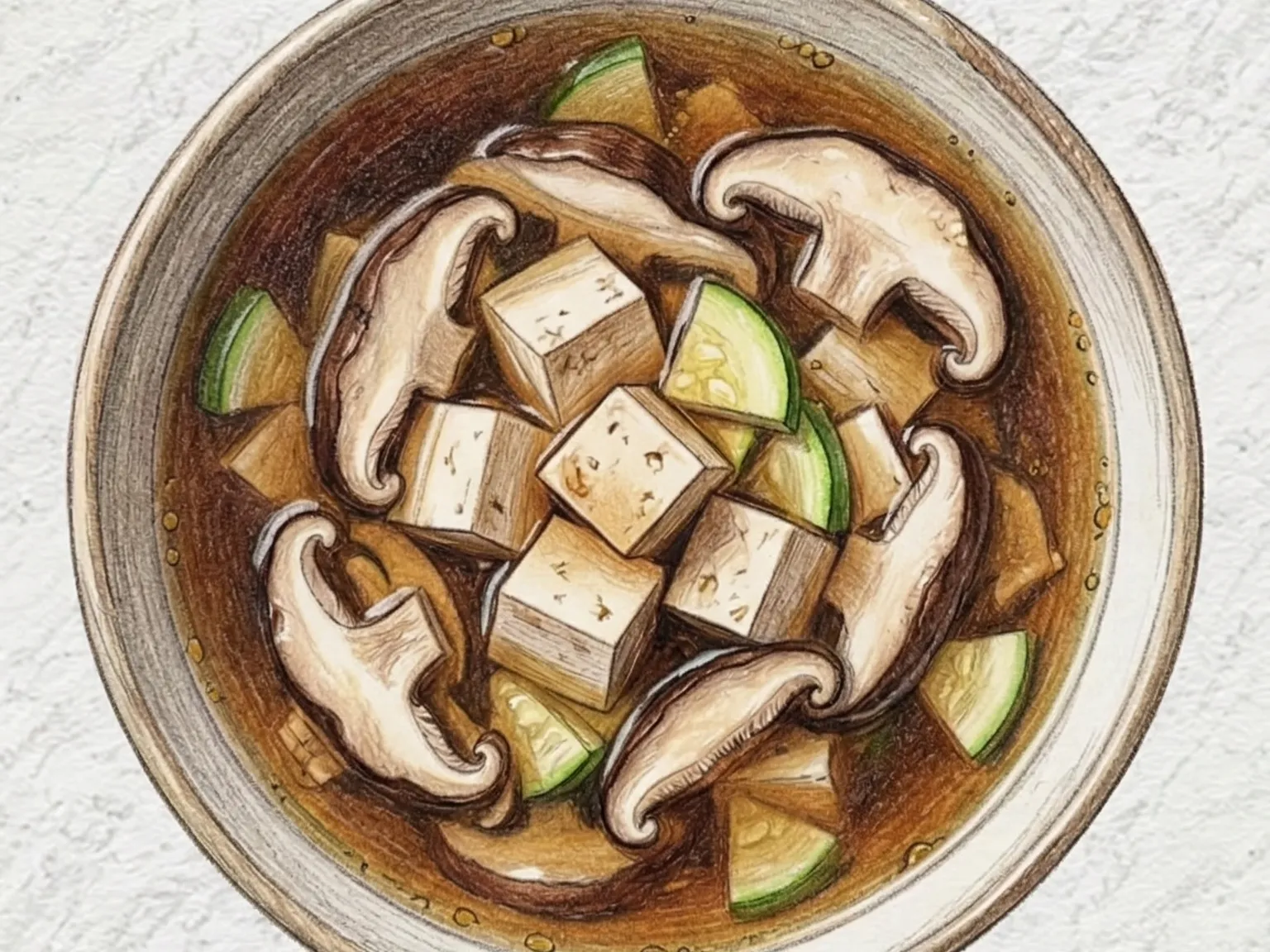
Tofu simmers in a deep beef stock alongside shiitake mushrooms and zucchini in this clean-flavored stew. The quality of the beef stock drives the entire dish, with shiitake mushrooms reinforcing the umami depth. Soft tofu cubes absorb the rich broth, while zucchini contributes a mild sweetness. Seasoned only with soup soy sauce and salt, this stew showcases a restrained, elegant approach to Korean jjigae without any chili heat.
Adjust Servings
Instructions
- 1
Season beef stock with soup soy sauce, salt, and garlic.
- 2
Add shiitake and zucchini; bring to a boil.
- 3
Add tofu and simmer 5 minutes.
- 4
Top with green onion and serve.
As an Amazon Associate, we may earn from qualifying purchases.
Tips
Nutrition (per serving)
More Recipes

Korean Soybean Sprout Stew
This spicy stew features soybean sprouts as the star, with tofu and optional pork in a broth seasoned with Korean chili flakes and soup soy sauce. The sprouts release a clean, refreshing liquid that balances the heat of the gochugaru. Tofu soaks up the broth and provides a soft contrast, while the pork adds savory depth. Finished with green onion and minced garlic, it is a straightforward home-style stew known as a hangover remedy.

Korean White Kimchi Tofu Stew
Baek kimchi dubu jjigae is a mild Korean stew where the gentle tang of white kimchi replaces the bold heat of regular kimchi. Anchovy-kelp stock provides the umami foundation, and chopped white kimchi is added so its fermented acidity dissolves into the broth, creating a refreshingly different direction from typical doenjang or kimchi stews. Thick tofu slabs go in after the broth reaches a boil to prevent them from crumbling, and enoki mushrooms are added in the final two minutes to keep their delicate texture. Guk-ganjang adjusts the salt level cautiously since the white kimchi already carries its own brine salinity. A sliced cheongyang chili introduces a controlled spicy note into the otherwise gentle broth. Unlike the intense red broth of standard kimchi jjigae, this version stays clear, lightly tart, and nearly fat-free, making it noticeably light on the stomach.

Korean Mild Puffer Fish Stew
This clear-broth stew features puffer fish fillet simmered with Korean radish, bean sprouts, and water dropwort. The fish yields a firm, delicate bite, while the radish slowly releases its sweetness into the soup soy sauce-seasoned broth. Finished with fragrant water dropwort and green onion, it is a light yet restorative dish traditionally enjoyed as a hangover remedy.

Korean Tofu Hot Pot (Tofu & Beef Kelp Broth Pot)
Dubu jeongol is a Korean hot pot centered on tofu and beef simmered in kelp broth. Shiitake mushrooms contribute a deep umami backbone, while napa cabbage and green onion add freshness and texture. The broth is seasoned with soup soy sauce, keeping it light enough to let each ingredient shine. Traditionally served bubbling at the table, this is a communal dish meant to be enjoyed slowly, with each diner ladling broth and ingredients into their own bowl.

Korean Tofu Soy Broth Soup
Clean, simple, and surprisingly deep - this dubu guk (Korean tofu soup) proves you need nothing more than soy broth, tofu, radish, and shiitake for a satisfying bowl. Radish boils first for seven minutes to sweeten the base, then shiitake and garlic cook for four more minutes, contributing enough umami that plain water and a single seasoning produce a surprisingly deep flavor. Tofu goes in last over low heat for just three minutes to preserve its edges - scooping it with a spoon rather than cutting with a knife creates rougher surfaces that absorb more broth. Substituting anchovy stock for water elevates the umami to another level entirely.

Korean Fish Soup (White Fish and Radish Clear Broth)
Saengseon-guk is a traditional Korean fish soup made with white-fleshed fish and radish in a clear broth. The radish simmers first, building a base of natural sweetness, before garlic and soup soy sauce are added for depth. The fish goes in once the radish is halfway cooked, and timing matters - it should cook only until the flesh turns opaque and begins to flake, as prolonged boiling would break it apart and cloud the broth. Tofu and sliced Korean chili peppers join near the end, adding soft texture and a mild kick. Green onion finishes the bowl with a fresh note. The result is a light, transparent soup where the fish's own clean, marine flavor does most of the work. It is the kind of straightforward home cooking that appears on Korean dinner tables throughout the year, requiring little more than fresh fish and basic pantry staples.