Zabaglione (Italian Warm Marsala Egg Yolk Custard Cream)
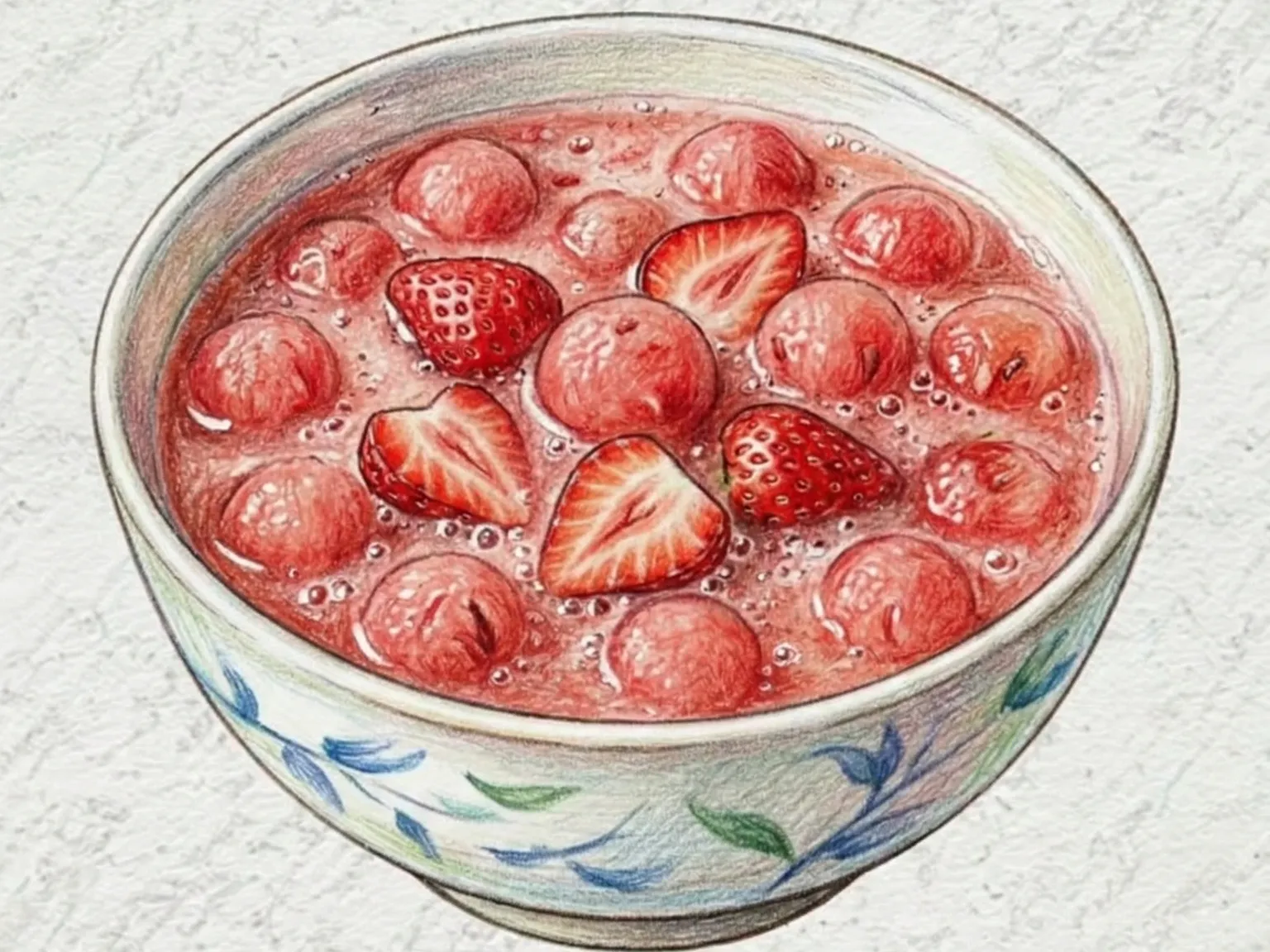
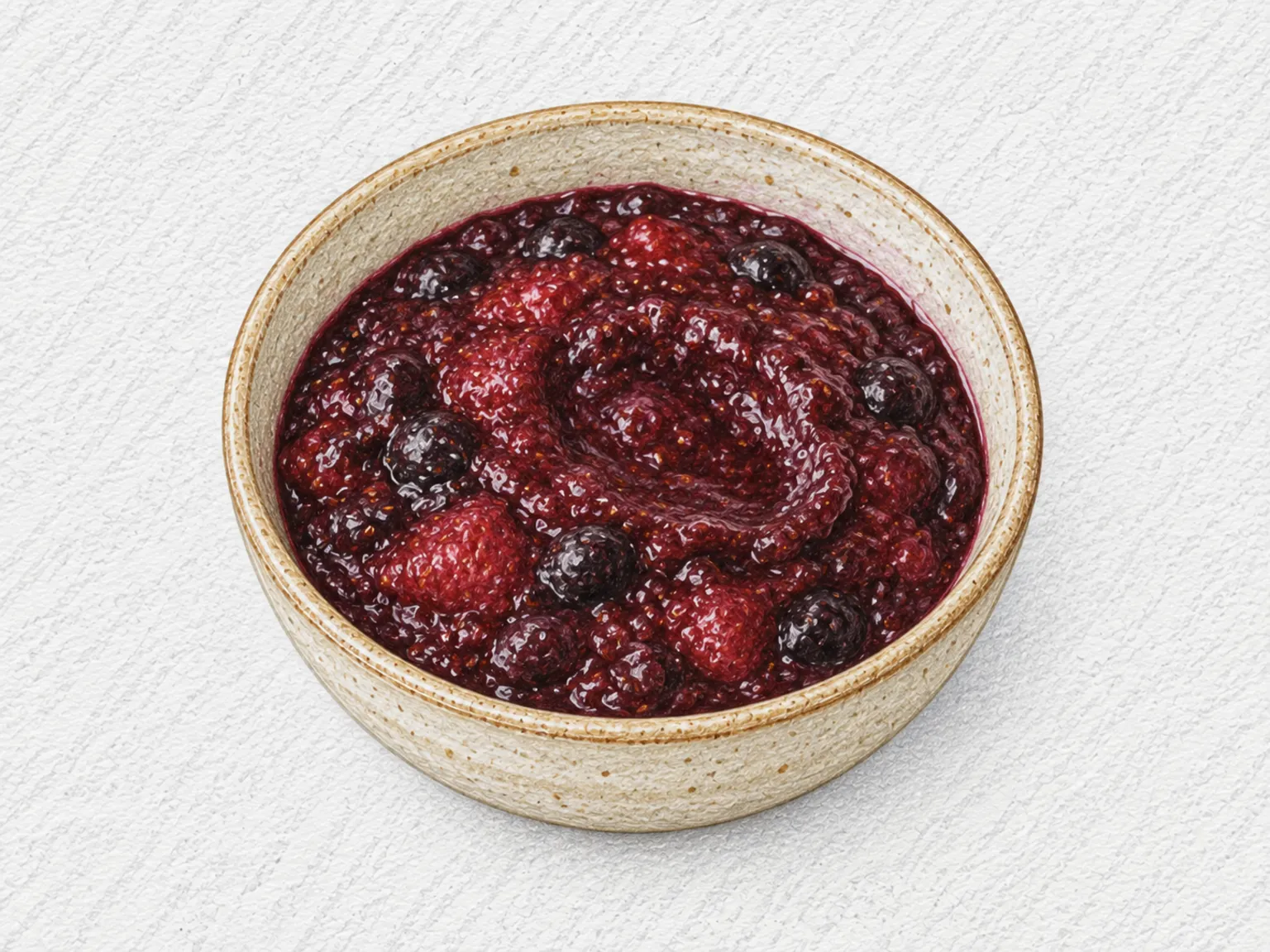
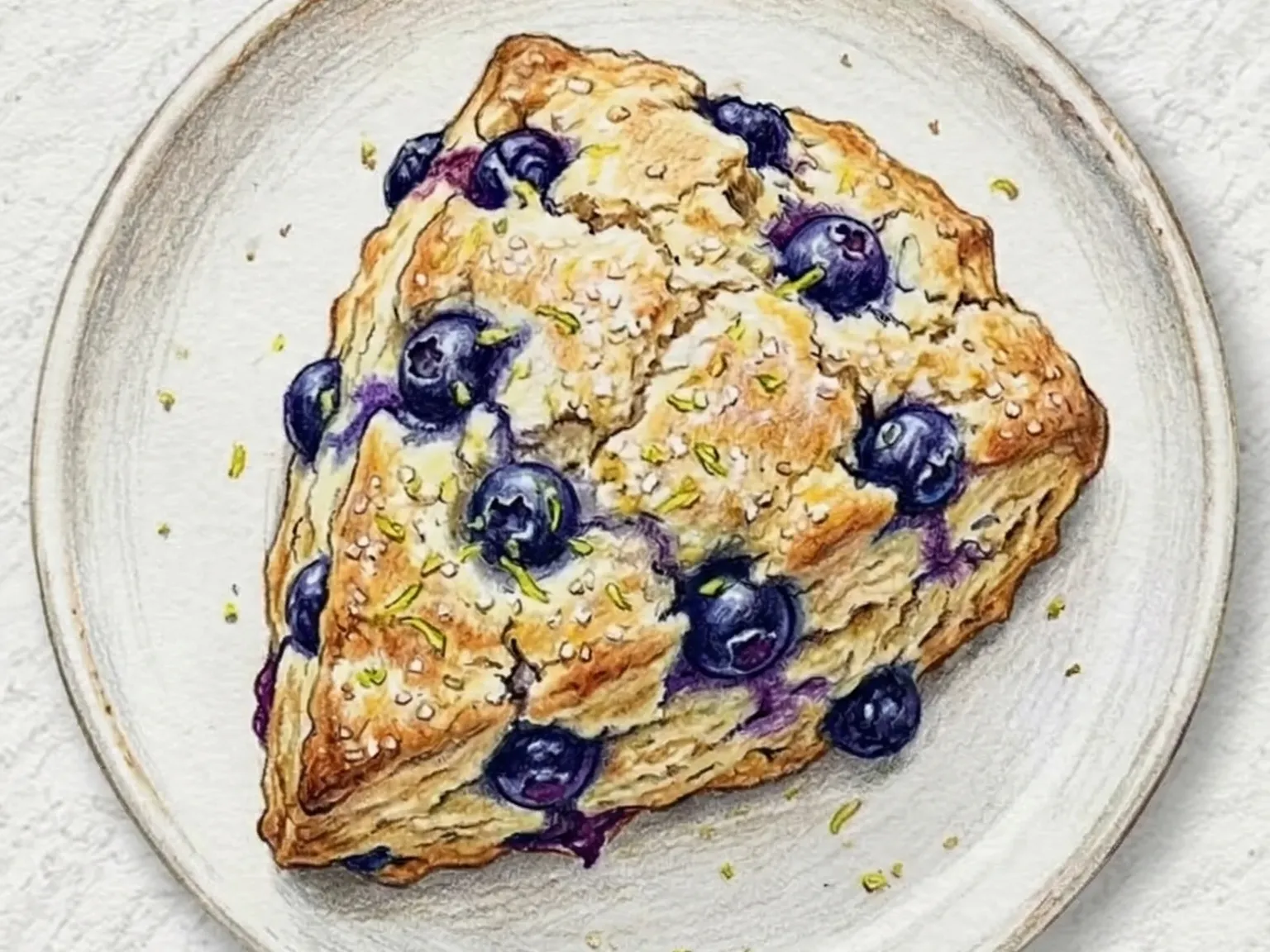
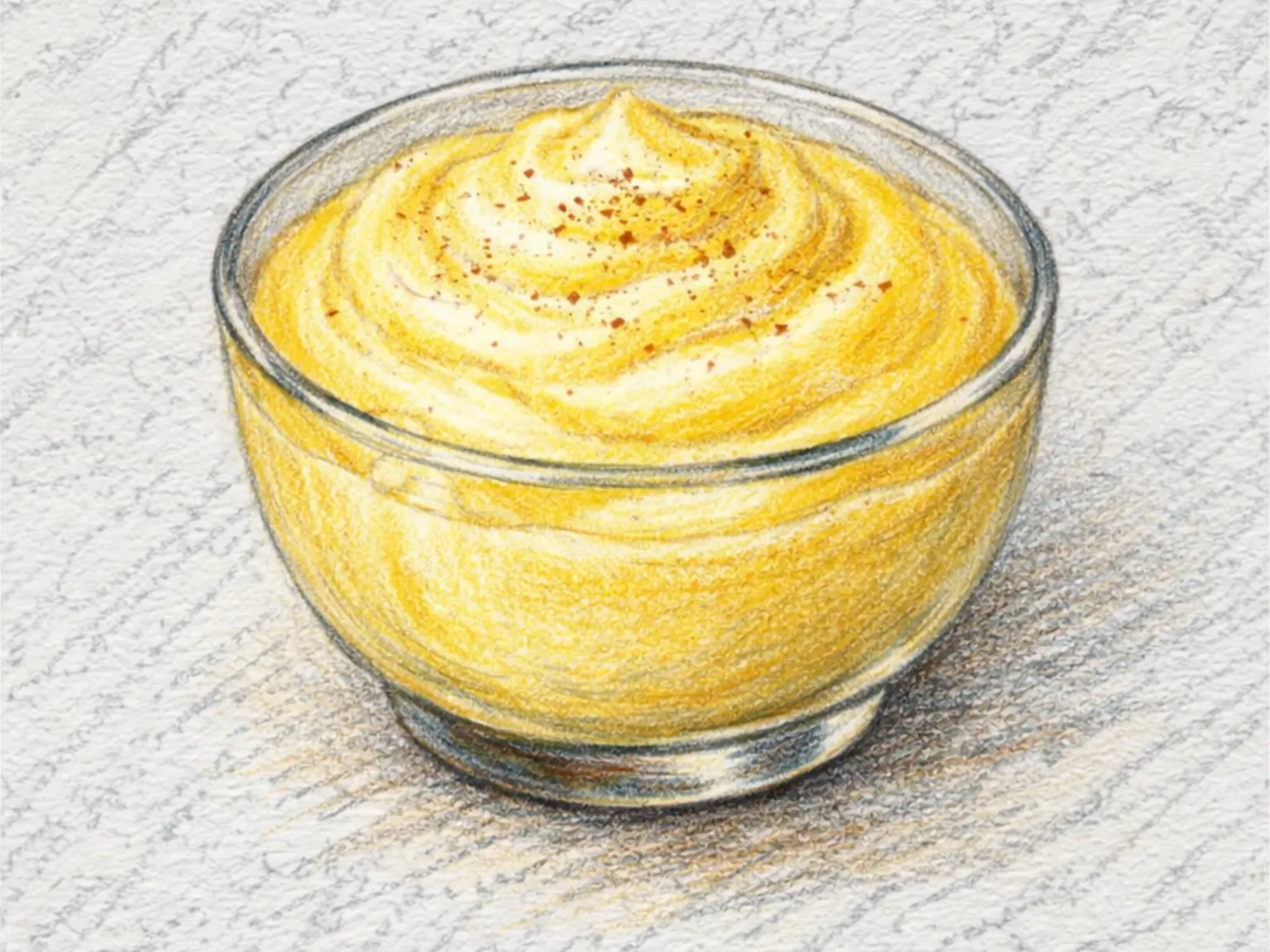
Zabaglione is a warm Italian dessert custard made from just three ingredients: egg yolks, sugar, and Marsala wine. The yolks and sugar are whisked vigorously over a bain-marie until they double or triple in volume, forming a pale, foamy cream with a satiny sheen. Marsala is added in a slow stream while whisking continues; the alcohol cooks off, leaving behind a sweet, nutty wine fragrance that permeates the custard. The finished texture is airy and mousse-like, light enough to pool gently on a spoon without feeling heavy. Served warm in a glass alongside fresh strawberries or blueberries, the fruit's tartness sharpens the custard's sweetness into something more balanced. The entire preparation takes under fifteen minutes but demands careful temperature control.
Adjust Servings
Instructions
- 1
Whisk yolks and sugar until pale.
- 2
Add wine, mix, and place the bowl over simmering water.
- 3
Whisk constantly for 8-10 minutes until thick ribbon stage.
- 4
Remove from heat and add lemon zest.
- 5
Serve immediately over fresh fruit in cups.
As an Amazon Associate, we may earn from qualifying purchases.
Tips
Nutrition (per serving)
More Recipes

Italian Semifreddo (No-Churn Frozen Mousse Dessert)
Semifreddo is an Italian frozen dessert that achieves a creamy, mousse-like texture without an ice cream machine. Egg yolks and sugar are whipped with hot syrup into a thick sabayon, then folded together with firmly whipped cream so that the mixture traps enough air to stay soft even after freezing. Poured into a loaf mold and frozen, the result sits between ice cream and mousse in both temperature and texture: it is cold and sliceable yet yields effortlessly to a spoon after a few minutes at room temperature, melting across the tongue in a smooth wave. Pistachios, toasted almonds, or chocolate chips folded in before freezing introduce crunch and flavor variation. A drizzle of berry coulis or caramel sauce on the plate adds acidity or extra sweetness as a counterpoint. Because it is assembled entirely in advance and simply unmolded before serving, semifreddo is an ideal make-ahead dessert for entertaining.

Affogato
Affogato means 'drowned' in Italian - a scoop of vanilla gelato submerged under a shot of freshly pulled espresso. The dessert likely originated in Milan's coffee bars during the mid-20th century, though its exact origin remains debated. What makes it work is the collision of temperatures and flavors: near-boiling espresso meets frozen cream, creating a rapidly melting pool where bitter coffee and sweet vanilla swirl together. The espresso must be poured at the table, moments after extraction, so the crema is still intact and the heat is at its peak. A shaving of dark chocolate on top adds a snap of cocoa bitterness, while toasted almond slices provide a textural crunch against the dissolving ice cream. The entire experience lasts only a few minutes before it becomes a warm coffee drink - that urgency is part of its appeal.

Classic Tiramisu
Classic tiramisu layers ladyfingers briefly soaked in a syrup of cooled espresso and Marsala wine with a cream made from egg yolks whipped with sugar over a bain-marie, then folded with mascarpone and softly whipped heavy cream. Dipping the ladyfingers for only about one second prevents them from absorbing too much liquid and collapsing. Whipping the cream to soft peaks and folding it gently keeps the filling light rather than dense. The bittersweet depth of espresso plays against the rich, buttery smoothness of mascarpone, creating a flavor contrast that develops further with chilling. A minimum of four hours in the refrigerator - ideally overnight - allows the layers to meld into a cohesive, melt-in-the-mouth texture.

Panettone
Studded with candied orange peel and raisins, this tall Italian holiday bread rises dramatically in a cylindrical mold to a dome that often extends above the rim. The crumb is open-textured and pulls apart in long, buttery strands, with pockets of dried fruit appearing at every tear. Orange peel contributes a bright, citrus fragrance that cuts through the richness of the egg-and-butter dough, while raisins add concentrated sweetness in scattered bursts. Cooling the baked loaf upside down, suspended by skewers, prevents the heavy dough from collapsing under its own weight and preserves the lofty height. Wrapped tightly, panettone stays moist for three to four days, and many consider it even better on the second day as the flavors meld.

Cassata Siciliana (Sicilian Ricotta Marzipan Layer Cake)
Cassata Siciliana is an elaborate Sicilian celebration cake that layers liqueur-soaked sponge with sweetened ricotta cream, candied fruits, and a marzipan shell. The ricotta filling is mixed with sugar, chopped pistachios, and chocolate chips, producing a cream that is smooth yet textured, with bursts of flavor from the embedded pieces. Candied cherries and orange peel contribute concentrated sweetness and chewy contrast. The entire assembly is wrapped in a thin sheet of marzipan, which adds an almond fragrance, then glazed with a white sugar icing that sets to a smooth, porcelain-like finish. Overnight refrigeration is essential - it allows the layers to meld, the sponge to absorb the surrounding moisture, and the flavors to deepen into a unified whole. Slicing reveals a cross-section of white ricotta, green marzipan, and bright fruit that is as visually striking as it is flavorful.

Panna Cotta
Panna cotta is a cold dessert from the Piedmont region of Italy, made by gently warming heavy cream with vanilla and sugar, then setting it with gelatin. The gelatin ratio is critical - too much produces a rubbery texture like firm pudding, while too little leaves it unable to hold its shape. A properly made panna cotta trembles when nudged with a spoon yet scoops cleanly. The cream must be heated only until small bubbles appear at the edges, never brought to a full boil, which would cause the fat to separate and ruin the silky consistency. Strawberry coulis or caramel sauce provides contrast - fruit acidity or bittersweet caramel against the rich cream. Using a whole vanilla bean rather than extract yields a more complex fragrance, and the dark seeds suspended in the white cream create visual appeal.