Charim

2686 Korean & World Recipes

2686+ Korean recipes, clean and organized. Ingredients to instructions, all at a glance.

Zi Ran Yang Rou (Cumin Lamb Stir-Fry)
Asian Medium

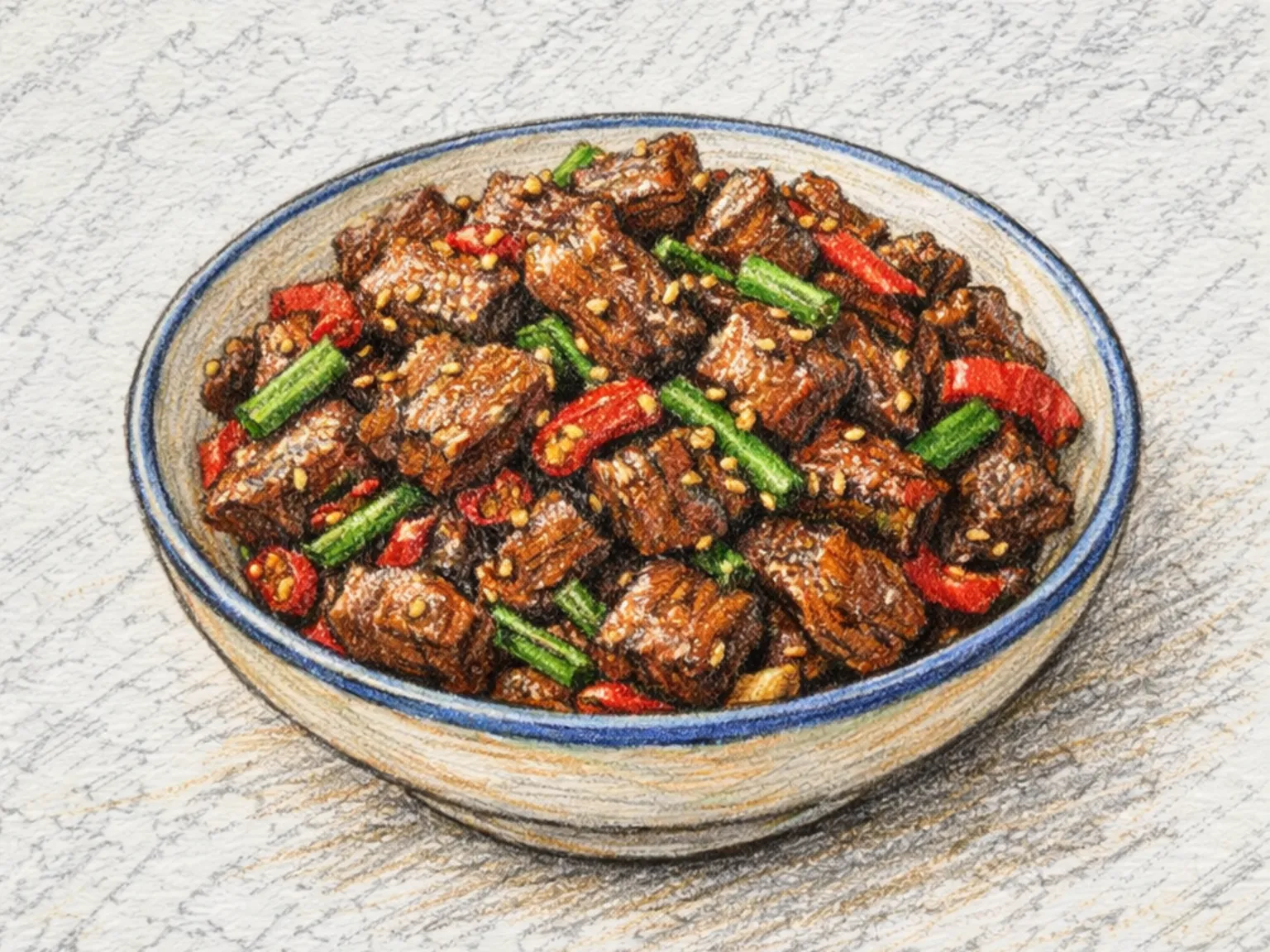
Zi Ran Yang Rou (Cumin Lamb Stir-Fry)

Zi ran yang rou is a cumin lamb stir-fry originating from China's northwestern provinces, particularly Xinjiang and Gansu, where lamb and cumin are foundational ingredients. Lamb is cut into bite-sized pieces and seared over the highest possible heat, then showered with ground cumin and chili flakes while still in the wok. The cumin's warm, earthy aroma bonds with the assertive flavor of lamb in a way that neither ingredient achieves alone - cumin needs lamb's fat to bloom, and lamb needs cumin's fragrance to focus its richness. Minced garlic and sliced onion contribute underlying sweetness that tempers the spice, while soy sauce ties the seasoning together.

Prep 15min Cook 10min 2 servings

Adjust Servings

2servings
servings

Instructions

  1. 1

    Slice lamb thinly and marinate with 0.5 tbsp soy sauce for 10 minutes.

  2. 2

    Slice onion and cut scallions into 4 cm pieces.

  3. 3

    Heat a pan on high, add oil, and stir-fry garlic for 10 seconds.

  4. 4

    Add lamb and stir-fry quickly; once seared, add onion.

  5. 5

    Add cumin, chili flakes, and remaining soy sauce, stir-fry 1 more minute, then finish with scallions.

🛒Shop Ingredients on Amazon

As an Amazon Associate, we may earn from qualifying purchases.

Tips

Avoid overcooking lamb to keep it tender.
Add cumin near the end for stronger aroma.

Nutrition (per serving)

Calories
470
kcal
Protein
31
g
Carbs
8
g
Fat
34
g

Goes Well With

Dan Dan Mian (Sichuan Spicy Noodles)
NoodlesMedium

Dan Dan Mian (Sichuan Spicy Noodles)

Dan dan mian is a Sichuan noodle dish built on a thick sauce of sesame paste, soy sauce, chili oil, and vinegar, topped with wheat noodles and browned ground pork. Ground Sichuan peppercorn brings a lip-numbing, almost electric sensation that sits underneath the chili oil's direct heat and the sesame paste's deep richness, creating multiple distinct layers in a single mouthful. Browning the pork thoroughly before adding any liquid is essential -- the caramelized crust develops a roasted meatiness that permeates the entire sauce and prevents the dish from tasting flat. Blanched bok choy provides a fresh counterpoint to the oily intensity and keeps the bowl from feeling too heavy. Sichuan peppercorn's numbing effect accumulates quickly, so starting with a small quantity and tasting as you go gives precise control. Draining the cooked noodles completely is equally important; any residual water will thin the sauce and break the coating on the noodles.

🍺 Bar Snacks🎉 Special Occasion
Prep 15minCook 20min2 servings
Yu Sheng Prosperity Salad
SaladsHard

Yu Sheng Prosperity Salad

Yu sheng prosperity salad arranges thinly sliced sashimi-grade salmon and finely julienned daikon, carrot, and cucumber in a ring on a large platter, dressed with plum sauce, lemon juice, and sesame oil, then tossed vigorously just before eating. The salmon must be sashimi-grade for food safety, and patting it dry before slicing thin allows the sweet-tart plum sauce to cling more effectively to the fish surface. Cutting all vegetables as finely as possible maximizes the surface area in contact with the dressing, ensuring every chopstick-full carries the full spectrum of flavors. Keeping the prepared vegetables chilled maintains the freshness of the raw fish once assembled. Sesame seeds sprinkled on top add a nutty aroma that layers over the fruity plum sauce, completing the festive character of the dish.

🥗 Light & Healthy🎉 Special Occasion
Prep 30min4 servings
Tomato Egg Rice Bowl (Stir-fried Tomatoes with Soft Scrambled Eggs)
RiceEasy

Tomato Egg Rice Bowl (Stir-fried Tomatoes with Soft Scrambled Eggs)

Ripe tomatoes are cut into wedges and stir-fried over high heat until they release their juices and form a natural, tangy sauce. Beaten eggs are poured in and gently folded so they stay soft and barely set, mingling with the tomato pulp. A small amount of sugar and soy sauce brings the sweet-tart balance into focus. Spooned over hot rice, the sauce soaks into the grains and the whole bowl comes together in under ten minutes, drawing on the simplicity of Chinese home cooking.

🏠 Everyday
Prep 10minCook 12min2 servings
Korean Bokbunja Wine (Black Raspberry Soju-Infused Fruit Wine)
DrinksHard

Korean Bokbunja Wine (Black Raspberry Soju-Infused Fruit Wine)

Bokbunja-ju is a deep ruby Korean fruit wine made by layering fresh black raspberries and sugar in a sterilized jar, then covering them with soju along with a strip of lemon peel and a cinnamon stick. At 1.2 kg of fresh fruit per batch, the berry flavor comes through with real concentration. The jar rests in a cool place for at least thirty days and is shaken gently once a week to dissolve the sugar evenly throughout the liquid. After straining through fine cloth, additional bottle aging softens the acidity and rounds out the berry aroma, producing a wine where the warm spice undertones from the cinnamon balance the tartness of the raspberries.

🍺 Bar Snacks🎉 Special Occasion
Prep 20minCook 10min10 servings

More Recipes

Hui Guo Rou (Twice-Cooked Pork)
AsianMedium

Hui Guo Rou (Twice-Cooked Pork)

Hui guo rou, literally 'twice-cooked pork,' stands as one of the defining dishes of Sichuan cuisine. Pork belly is first simmered whole until cooked through, then cooled completely and sliced thin before returning to a screaming-hot wok. The initial boiling renders excess fat and firms the meat, making clean, uniform slices possible. Back in the wok, those slices fry until their edges curl and crisp while the fat layers turn chewy rather than soft. Doubanjiang, the fermented chili bean paste that forms the backbone of Sichuan cooking, goes in along with fermented black beans, and together they build the dish's signature salty-spicy character. A splash of soy sauce and a pinch of sugar round out the depth. Diagonally sliced leek and green bell pepper are added only in the final one to two minutes over maximum heat, keeping their snap and fresh color against the richly seasoned pork. Because doubanjiang's saltiness varies significantly by brand, the soy sauce amount should always be adjusted to taste after the paste is added. When the wok is hot enough to generate wok hei, all the elements fuse into a cohesive, smoky whole that captures the bold spirit of Sichuan cooking.

🏠 Everyday🍱 Lunchbox
Prep 25minCook 20min2 servings
Hakka Noodles (Indo-Chinese Stir-Fried Noodles)
AsianEasy

Hakka Noodles (Indo-Chinese Stir-Fried Noodles)

Hakka noodles represent the Indo-Chinese culinary tradition, a fusion cuisine that originated in the Chinese immigrant community of Kolkata and has since spread to cities across India. Egg noodles are boiled just short of fully cooked, rinsed under cold water to stop cooking, and tossed with a small amount of oil so the strands stay separate and pick up seasoning evenly during stir-frying. The vegetables, cabbage, carrot, and bell pepper, are julienned into matchstick-width strips that match the diameter of the noodles, ensuring a balanced forkful in every bite, and are cooked for no more than two minutes over intense heat to preserve their snap. The seasoning mix is deliberately spare: soy sauce for salinity, a splash of rice vinegar for a faint sour note, and black pepper for warmth. What matters more than the ingredient list is the speed and heat of the cooking. The intense wok temperature creates a light char and smoky depth on the noodles and vegetables, a quality called wok hei that cannot be achieved at lower temperatures regardless of the seasoning. Spring onions are added only after the heat is off to keep their fresh aroma and bite intact. Slightly undercooking the noodles before the wok is key; overcooked noodles turn mushy under the heat of stir-frying.

🏠 Everyday🌙 Late Night
Prep 15minCook 10min2 servings
Crispy Chili Garlic Chicken
Stir-fryMedium

Crispy Chili Garlic Chicken

Kkanpunggi is a Korean-Chinese chicken dish where bone-in or boneless thigh pieces are coated in potato starch and deep-fried until the crust is completely shatter-crisp, then tossed quickly over high heat in a sauce built from garlic, dried red chilies, soy sauce, rice vinegar, and sugar. The sauce must go on while the chicken is still hot from the fryer: the heat helps the thin glaze bond to the surface without softening the coating, while allowing the seasoning to penetrate just enough. Leaving the chicken in the sauce any longer causes the starch shell to absorb moisture and go limp, which destroys the entire point of the dish. The balance of salty, sour, and sweet in the sauce coats each piece evenly, and the assertive garlic aroma combined with the slow heat of dried chilies forms the flavor signature that makes kkanpunggi instantly recognizable. Additional sliced fresh chilies, green or red, can be added at the end to control heat intensity to personal preference. Crisping the skin side of the thigh thoroughly during frying deepens both the textural contrast and the roasted savory aroma. This is one of the most popular anju dishes in Korea, routinely paired with beer or soju, and it must be eaten immediately while the crunch is intact.

🍺 Bar Snacks🏠 Everyday
Prep 20minCook 18min3 servings
Spicy Fried Chicken Stir-fry
Stir-fryMedium

Spicy Fried Chicken Stir-fry

Rajogi is a Korean-Chinese dish of chicken thigh pieces coated in potato starch and deep-fried at 170 degrees Celsius until golden, then tossed in a sauce built from gochujang, ketchup, and vinegar. Onion and bell pepper are stir-fried separately to form the sauce base before the crispy chicken is folded in. The coating absorbs just enough glaze to deliver sweetness, tanginess, and chili heat simultaneously while retaining crunch underneath. Timing is critical -- the chicken must be tossed in sauce moments before serving to preserve its texture.

🏠 Everyday
Prep 25minCook 20min3 servings
Yu Xiang Eggplant (Sichuan Spicy Garlic Pork Eggplant)
Stir-fryMedium

Yu Xiang Eggplant (Sichuan Spicy Garlic Pork Eggplant)

Yu Xiang Qiezi is a Sichuan-style eggplant stir-fry with ground pork, doubanjiang, black vinegar, and sugar. The eggplant is pre-fried to firm it up so it holds its shape in the sauce, while the pork and doubanjiang create a spicy, aromatic oil base. Soy sauce, vinegar, and sugar layer sweet and sour notes over the heat, producing the characteristic Yu Xiang flavor profile. Garlic and ginger add fragrance, and the eggplant absorbs the sauce deeply so every bite releases a concentrated burst of seasoning.

🏠 Everyday🌙 Late Night
Prep 15minCook 12min2 servings
Dry Mala Stir-fry (Sichuan Numbing Spice Dry Wok)
Stir-fryMedium

Dry Mala Stir-fry (Sichuan Numbing Spice Dry Wok)

Mala xiangguo is a dry Sichuan stir-fry where beef slices, bok choy, shiitake mushrooms, and lotus root are coated in mala sauce and tossed over high heat without any broth. The Sichuan peppercorn's numbing tingle and the chili's sharp burn hit simultaneously, and the absence of liquid concentrates the seasoning directly onto each ingredient's surface. Lotus root adds crunch, shiitake contributes chewiness, and bok choy provides a soft counterpoint - the textural variety within a single plate is part of the appeal. Overcrowding the pan releases moisture and dilutes the sauce, so controlled portions are essential.

🏠 Everyday🌙 Late Night
Prep 20minCook 12min2 servings
More Asian →