🎉 Special Occasion Recipes
Impressive dishes for guests and special occasions
929 recipes. Page 34 of 39
When guests are coming, the menu needs a little extra care. This tag features impressive dishes suited for entertaining - galbi-jjim, japchae, and bulgogi for a Korean spread, or pasta and steak for a Western-style course.
The key to stress-free hosting is choosing recipes that allow advance preparation. Do the heavy lifting the day before, then finish plating when guests arrive. That way, you can relax and enjoy the meal together.
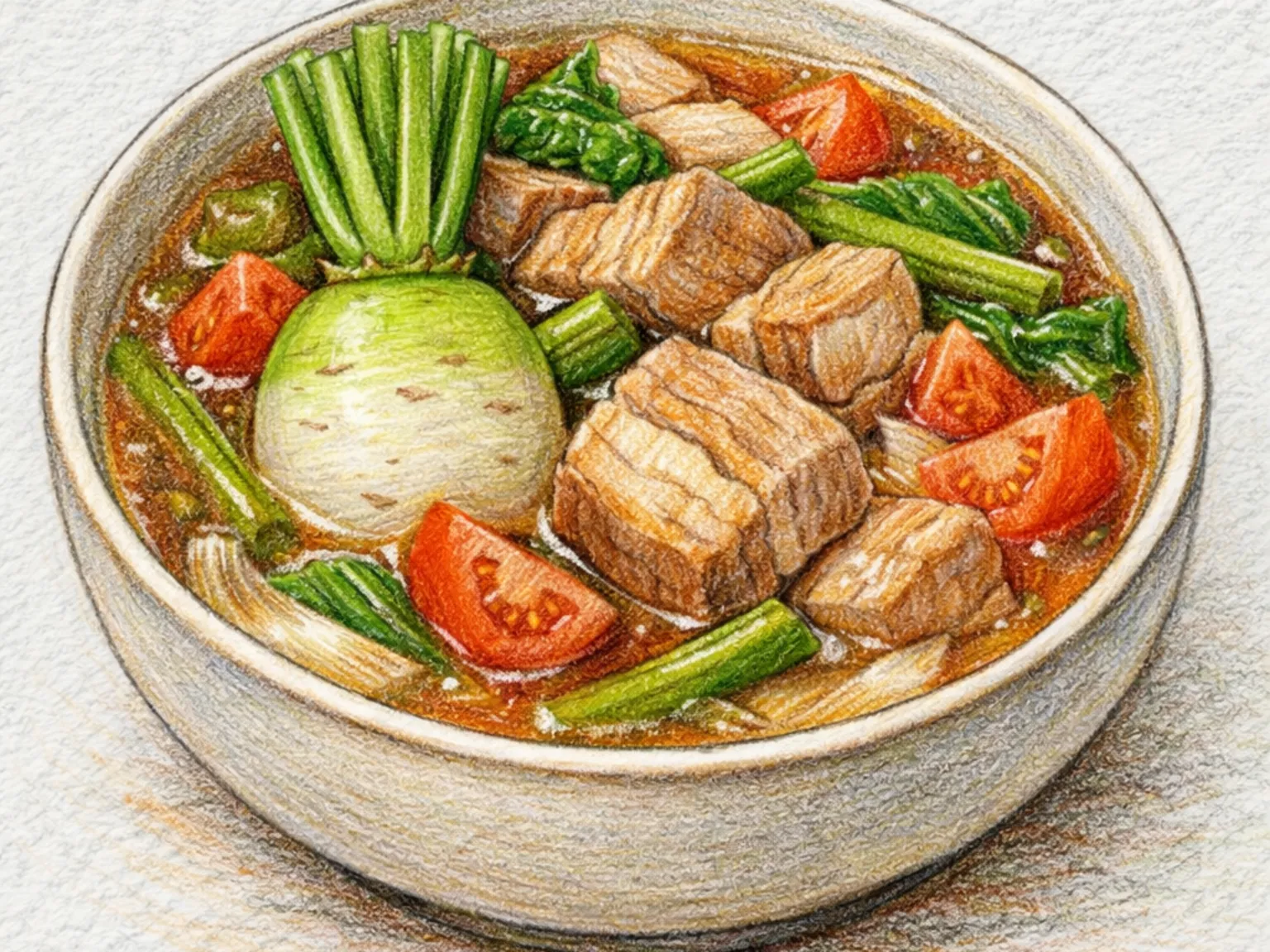
Sinigang na Baboy (Filipino Tamarind Sour Pork Rib Soup)
Sinigang na baboy is a Filipino sour soup that appears on family tables across the Philippines with the comforting regularity of a weekly ritual. Pork ribs are simmered until the meat loosens from the bone, then the broth is sharpened with tamarind - either fresh pods pounded and strained, or a spoonful of tamarind paste for convenience. Tomatoes, onions, and daikon radish go in early and soften into the broth, while eggplant, long green beans, finger chilies, and leafy greens like water spinach are added toward the end so they keep their color and bite. The resulting broth is clear, tart, and savory all at once, with the pork fat adding a subtle richness beneath the acidity. Filipinos ladle the soup generously over steamed rice, and the sourness is said to sharpen the appetite rather than satisfy it, which explains why second helpings are almost mandatory.
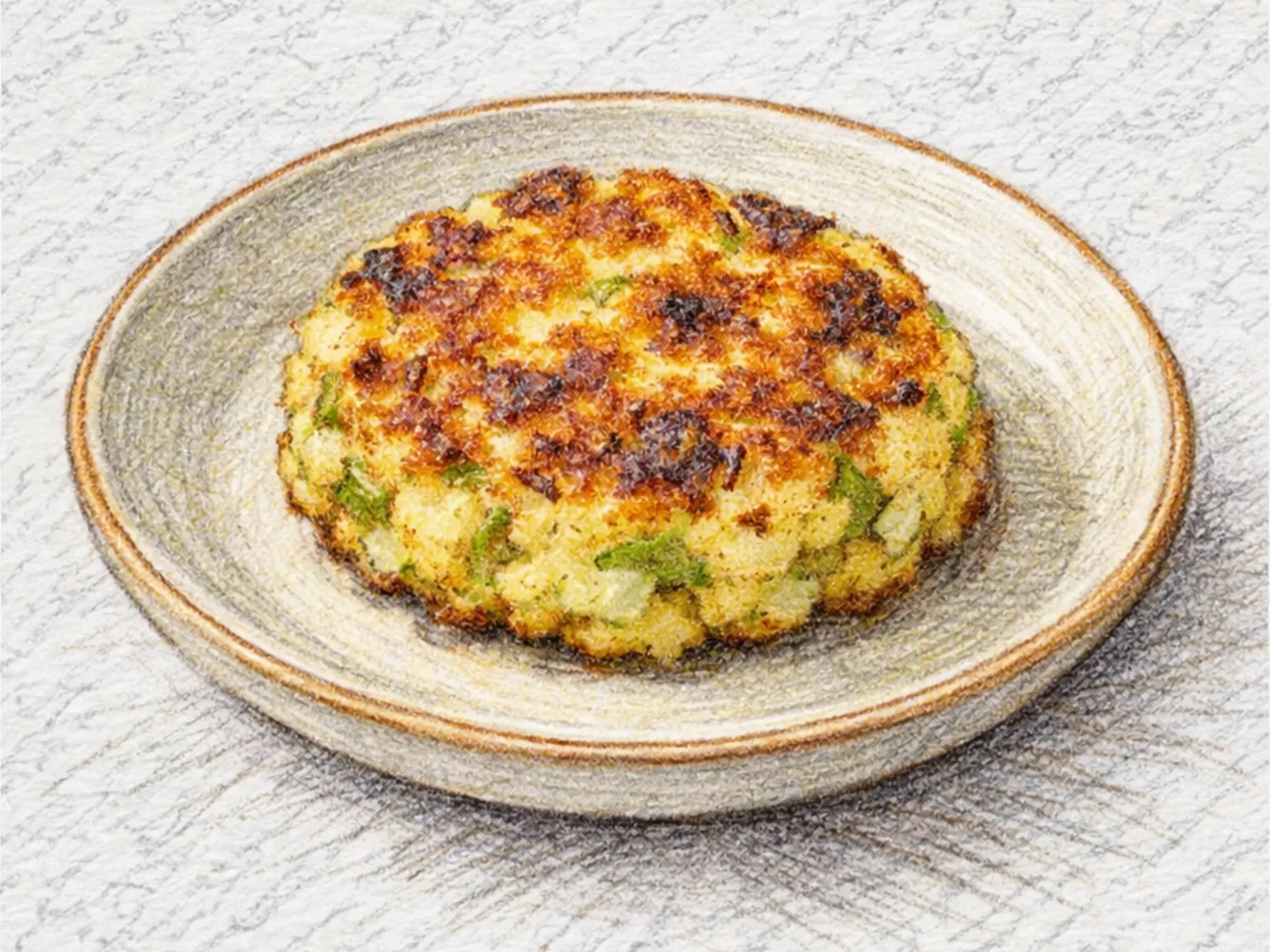
Fluffy Pancakes
A straightforward American breakfast staple built from flour, egg, milk, and melted butter. Baking powder lifts the batter into thick, pillowy rounds with a golden-brown exterior. The key to a tender pancake is restraint when mixing: a few small lumps in the batter are preferable to a smooth but overworked one, which produces a tough, chewy result. Resting the batter for five to ten minutes lets the gluten relax and the leavener activate fully, yielding a noticeably fluffier rise on the griddle. Cooking over medium-low heat prevents the outside from scorching before the center sets. Maple syrup, fresh berries, or a pat of butter on the warm stack are the classic accompaniments.
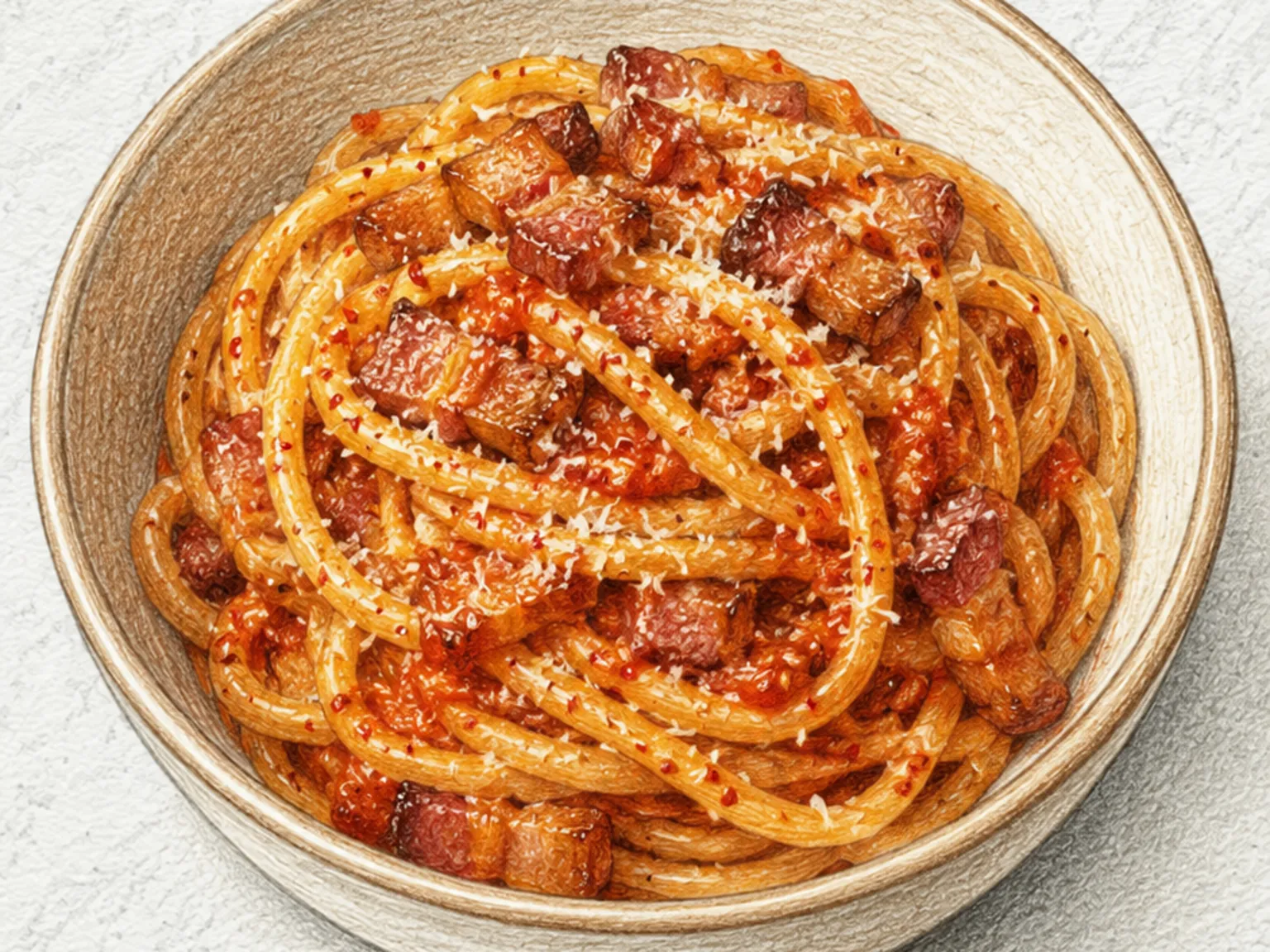
Pasta all'Amatriciana (Roman Guanciale Tomato Pasta)
Pasta all'Amatriciana originates from the town of Amatrice east of Rome and is built on the rendered fat of guanciale - cured pork jowl - which provides the deep, savory backbone of the entire dish. The guanciale is cooked slowly over low heat until its fat fully renders and the meat turns crisp, and this fat becomes the base of the tomato sauce. Hand-crushed whole tomatoes are simmered at medium heat until their raw acidity fades and a concentrated sweetness emerges. Chili flakes add a gentle warmth that lifts the sauce, while Pecorino Romano grated over the finished plate brings a sharp saltiness that sharpens every other flavor. Bucatini is the traditional pasta choice - its hollow center traps sauce inside, delivering consistent flavor in every bite.
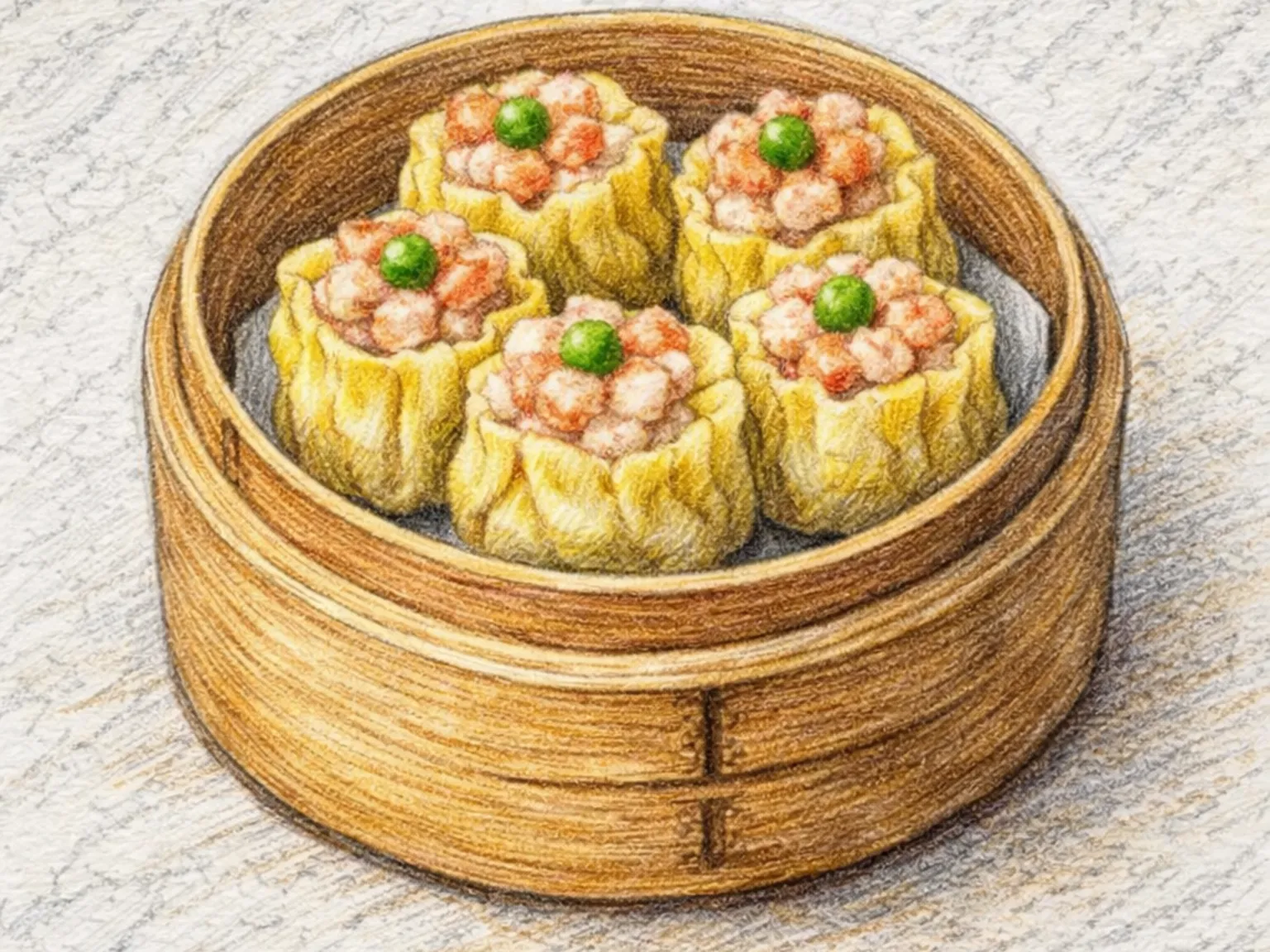
Siu Mai (Cantonese Open-Top Steamed Pork and Shrimp Dumpling)
Siu mai is a Cantonese dim sum dumpling that wraps a seasoned filling of ground pork and chopped shrimp inside a thin wheat wrapper left open at the top. The filling is mixed vigorously with soy sauce, sesame oil, minced ginger, and cornstarch until it develops a sticky, springy texture that holds together when steamed. Shaped into small cylinders with the tops exposed, each dumpling reveals its filling like a tiny cup. A ten-to-twelve-minute stint in a bamboo steamer turns the wrappers translucent and lets the pork and shrimp meld their flavors-earthy pork fat meeting clean, briny sweetness. The cornstarch traps the juices inside so each bite releases a burst of savory liquid. Siu mai is a cornerstone of the yum cha table, eaten alongside tea and other small plates in an unhurried, communal style of dining.

Verona Butter Bread Cake (Star-Shaped Italian Yeast Cake)
This tall Italian bread cake relies on generous amounts of egg yolk and butter worked into a yeasted dough through long, patient kneading. Baked in a star-shaped mold, the risen loaf emerges with a distinctive silhouette and a crumb so airy it pulls apart in long, feathery strands. Vanilla perfumes the interior without competing with the buttery richness, and a thick dusting of powdered sugar before serving gives the cake its signature snow-capped appearance. Adding the softened butter in three stages prevents the dough from breaking and ensures even distribution of fat through every strand of gluten. Maintaining a proof temperature between twenty-six and twenty-eight degrees Celsius produces the best balance of flavor development and structural rise.
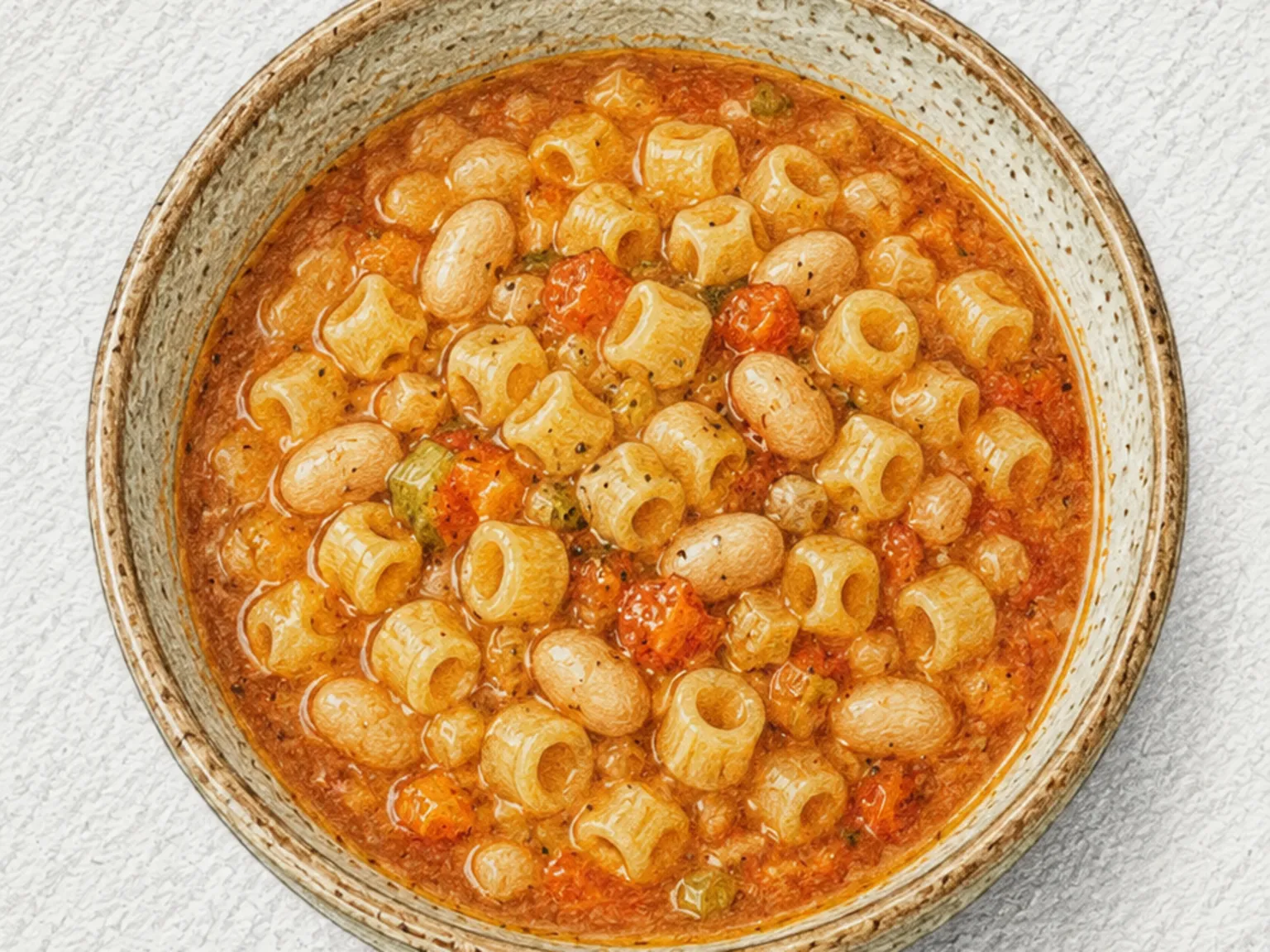
Pasta e Fagioli (Italian Rustic Bean and Pasta Soup)
Pasta e Fagioli is a bean and pasta soup rooted in the rural Italian kitchen, where cannellini beans and short pasta come together in a thick, starchy broth. A soffritto of finely diced onion, celery, and carrot sauteed in olive oil forms the flavor foundation, layered with garlic and fresh rosemary. Crushing half the beans and stirring them into the broth thickens the soup naturally without any added starch. Short pasta like ditalini is cooked directly in the broth, releasing its starch to further enrich the texture. Whole peeled tomatoes contribute a mild acidity, and simmering a Parmigiano rind in the pot infuses the entire broth with a deep, savory umami that transforms the dish from simple to complex.
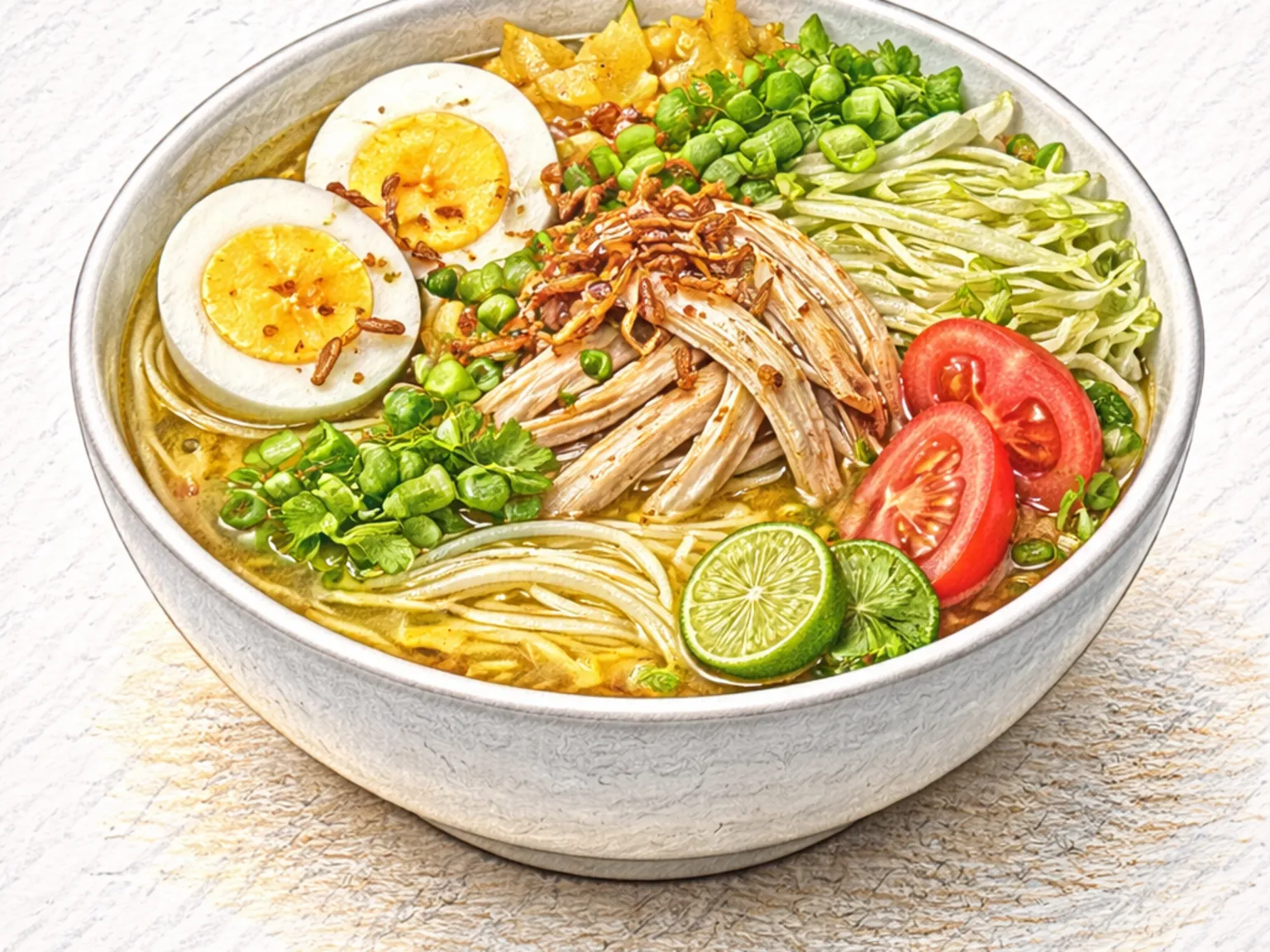
Soto Ayam (Indonesian Golden Turmeric Chicken Noodle Soup)
Soto ayam is Indonesia's beloved chicken soup, recognizable by its vivid golden broth colored with turmeric. The flavor base is a paste of garlic, turmeric, and galangal, fried until fragrant and then simmered with chicken pieces and lemongrass stalks for at least thirty minutes to build a deeply aromatic stock. The chicken is removed, shredded by hand, and returned to the bowl along with rice noodles, halved boiled eggs, and a handful of fresh bean sprouts. Each component adds its own texture-the silky noodles, the springy sprouts, the tender chicken-while the broth ties everything together with its warm, earthy spice profile. A squeeze of lime at the table brightens the bowl and lifts the heavier notes of galangal and turmeric. Soto ayam appears at breakfast stalls, family dinners, and celebrations across the Indonesian archipelago.
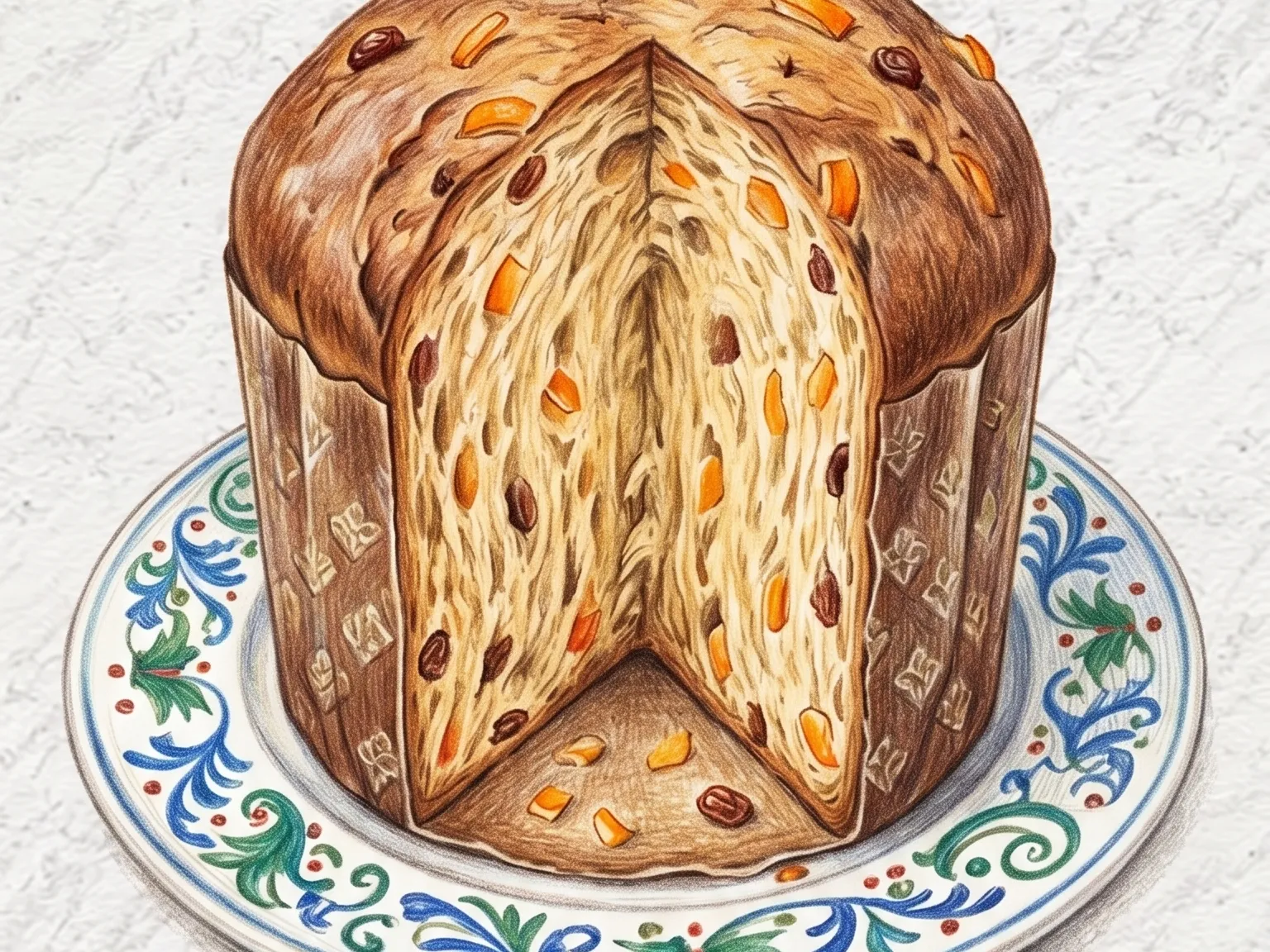
Panettone
Studded with candied orange peel and raisins, this tall Italian holiday bread rises dramatically in a cylindrical mold to a dome that often extends above the rim. The crumb is open-textured and pulls apart in long, buttery strands, with pockets of dried fruit appearing at every tear. Orange peel contributes a bright, citrus fragrance that cuts through the richness of the egg-and-butter dough, while raisins add concentrated sweetness in scattered bursts. Cooling the baked loaf upside down, suspended by skewers, prevents the heavy dough from collapsing under its own weight and preserves the lofty height. Wrapped tightly, panettone stays moist for three to four days, and many consider it even better on the second day as the flavors meld.
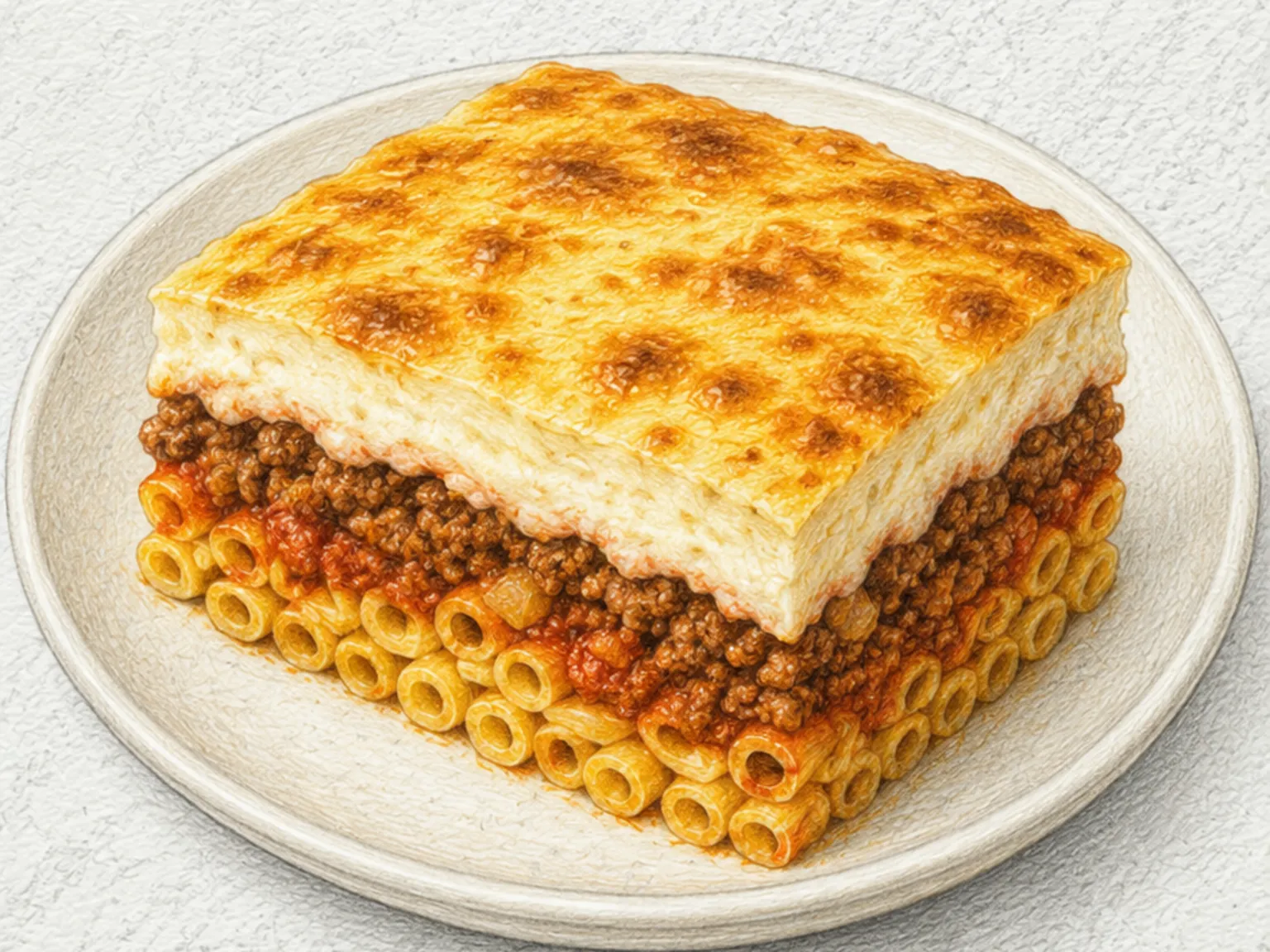
Pastitsio (Greek Cinnamon Beef Macaroni Bechamel Bake)
Pastitsio is a signature Greek oven-baked pasta composed of three distinct layers - macaroni on the bottom, spiced ground beef in the middle, and a thick bechamel on top. The beef is browned with onion and simmered in tomato sauce seasoned with ground cinnamon, which gives pastitsio its distinctive aroma that sets it apart from lasagna. Adding eggs to the bechamel allows it to set firmly in the oven, forming a custard-like cap that can be sliced cleanly with a knife. The macaroni should be slightly undercooked before assembly, as it continues to absorb liquid and soften during baking. Parmesan scattered between the pasta layers bridges the salty richness of the cheese with the meat sauce and creamy bechamel. After baking, a rest of at least fifteen minutes is essential for the layers to hold their structure when cut.
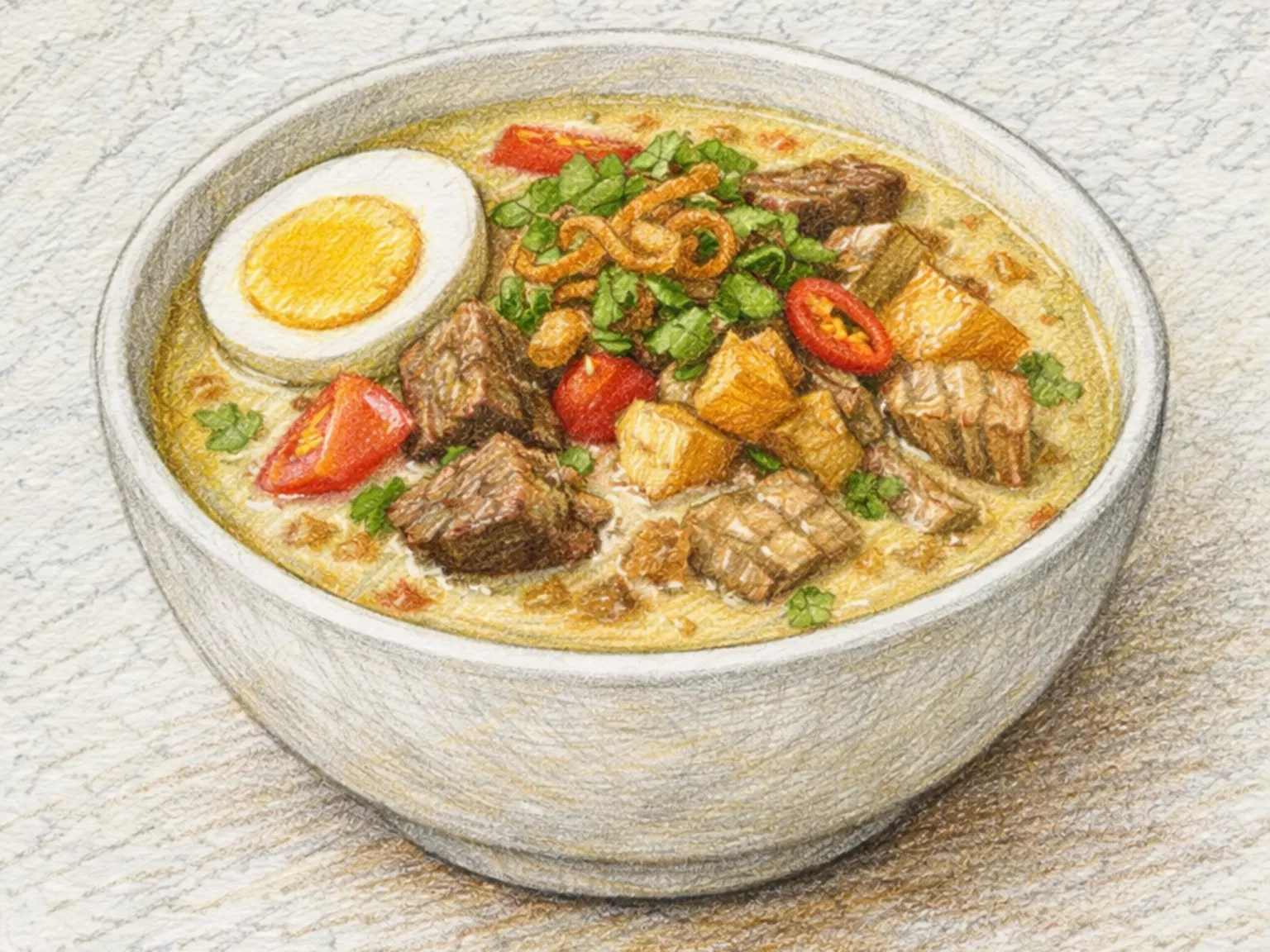
Soto Betawi (Jakarta Creamy Coconut Milk Beef Soup)
Soto Betawi is a Jakarta-born beef soup distinguished by its creamy, coconut-enriched broth and a layered spice profile. The aromatics begin with a paste of onion, garlic, and ginger, bloomed in oil alongside ground coriander and a cinnamon stick to build a warm, complex base. Beef brisket simmers in this fragrant liquid for forty minutes or more until it yields to the touch, its collagen enriching the stock. Coconut milk and fish sauce are stirred in toward the end, transforming the broth into something rich and velvety while rounding off the sharper spice edges. The finished soup is neither thin nor heavy-it sits in a satisfying middle ground, substantial enough to serve as a main course with steamed rice or crusty bread on the side. Soto Betawi is a point of pride for Jakarta's Betawi community and a fixture of the city's street-food landscape.
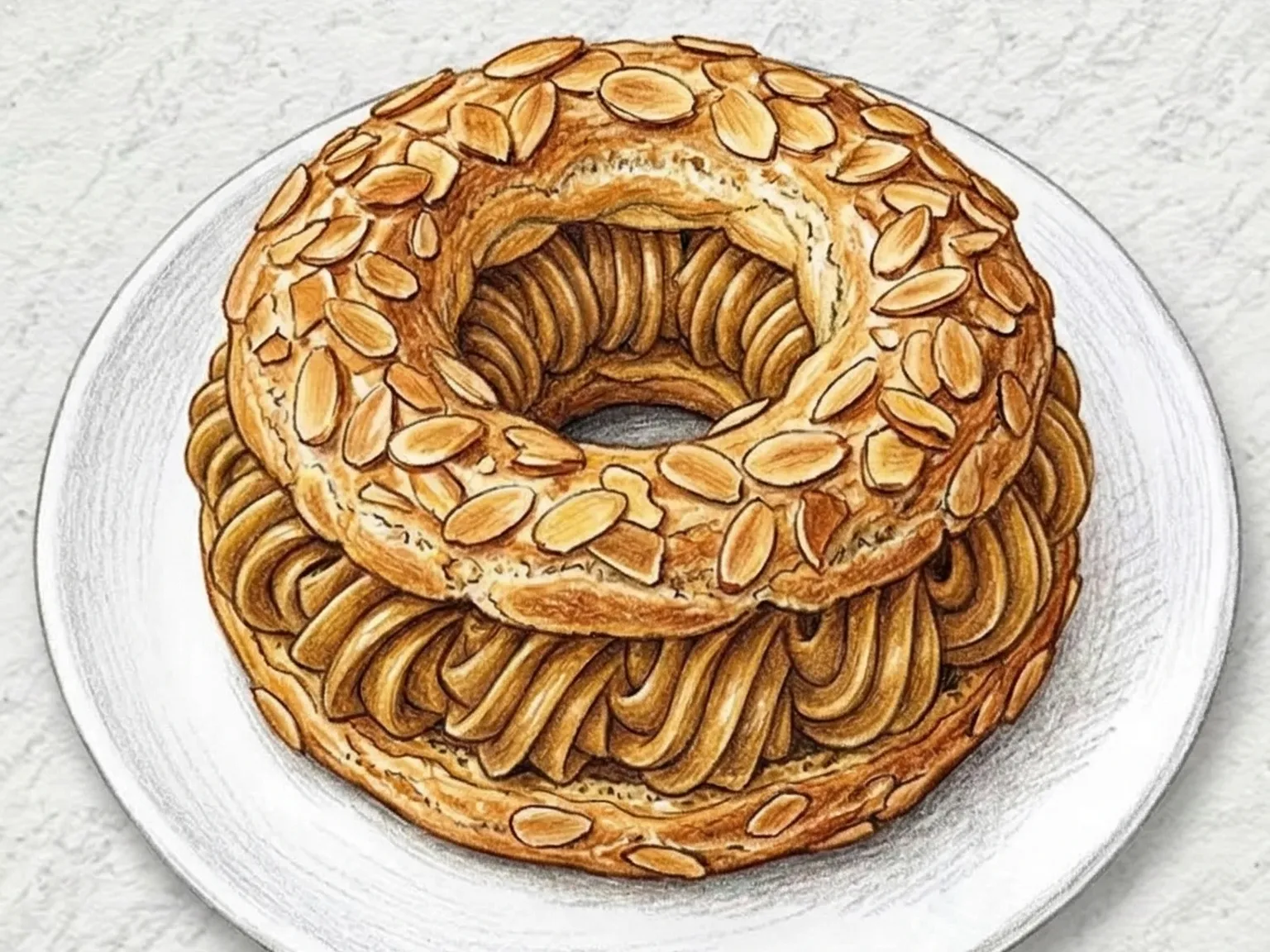
Paris-Brest (Ring-Shaped Choux with Praline Cream)
A ring of choux pastry is baked until deeply golden and hollow, then split and generously filled with praline mousseline cream made from roasted hazelnut paste. The shell shatters on first bite, giving way to a smooth, nutty cream that carries an intense toasted aroma. Sliced almonds pressed onto the raw dough before baking add a secondary layer of crunch and visual texture. The choux must cool completely before filling to prevent the cream from melting and the shell from going soft. Eggs are added to the hot dough gradually, checking the consistency after each addition, because the exact amount needed varies with flour absorption and egg size. Once assembled, a brief chill in the refrigerator sets the cream without softening the pastry.
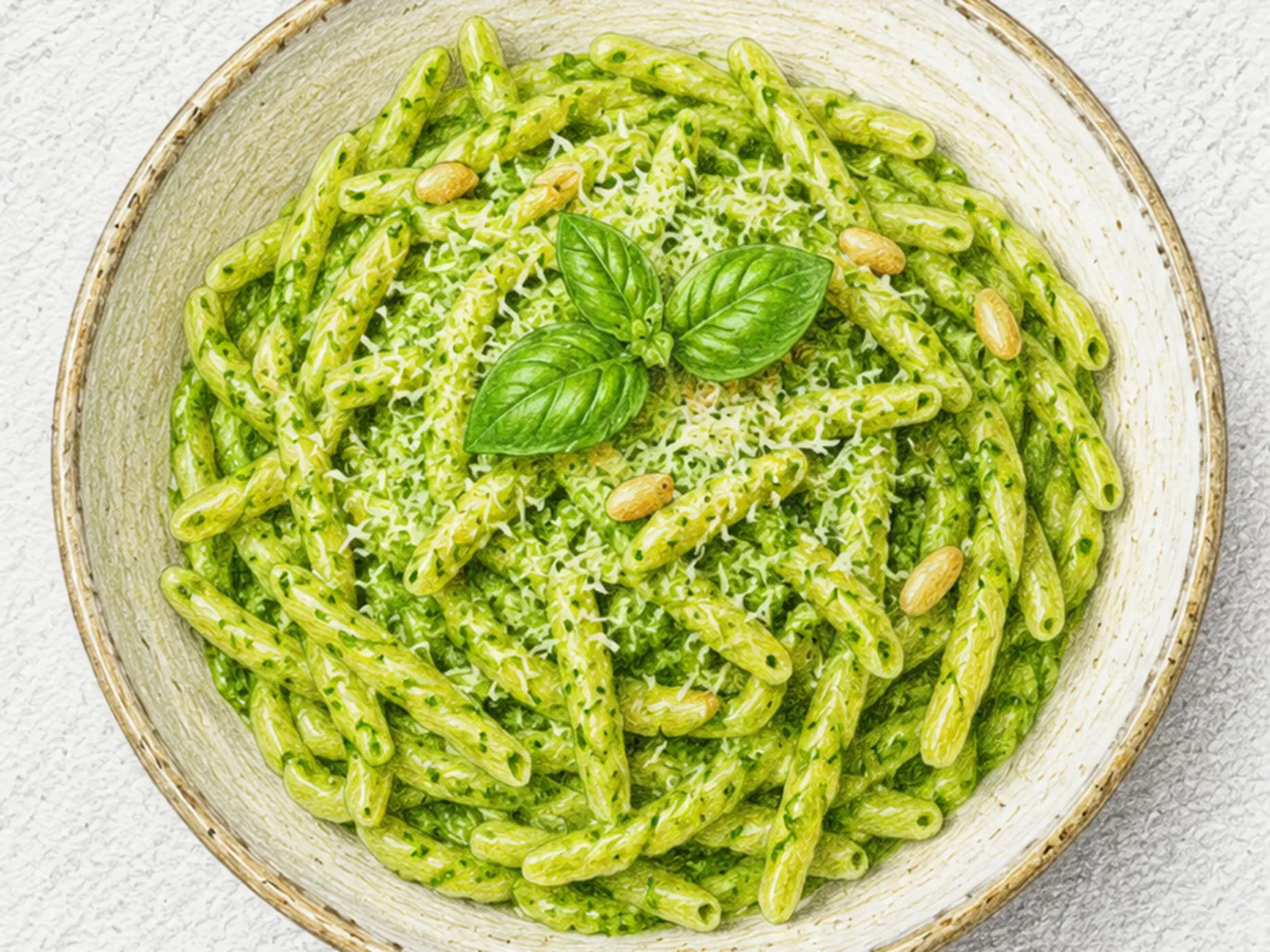
Pesto Genovese Pasta
Pesto Genovese pasta originates from Genoa in the Ligurian coast of Italy, where fresh basil leaves are ground with pine nuts, garlic, Parmesan cheese, and extra virgin olive oil to create an uncooked sauce. Basil oxidizes and darkens quickly when exposed to heat, so the pesto must be prepared either in a mortar and pestle or pulsed briefly in a food processor to avoid raising the temperature. Toasting the pine nuts in a dry pan before grinding intensifies their nutty flavor, and the olive oil must be extra virgin to contribute the grassy, fruity notes that complement the basil. When tossing the pesto with hot pasta, a splash of starchy pasta water emulsifies the sauce and helps it coat every strand evenly. The sauce should be warmed only by the residual heat of the pasta - direct heat would dull the vivid green color and diminish the fresh herbal aroma.
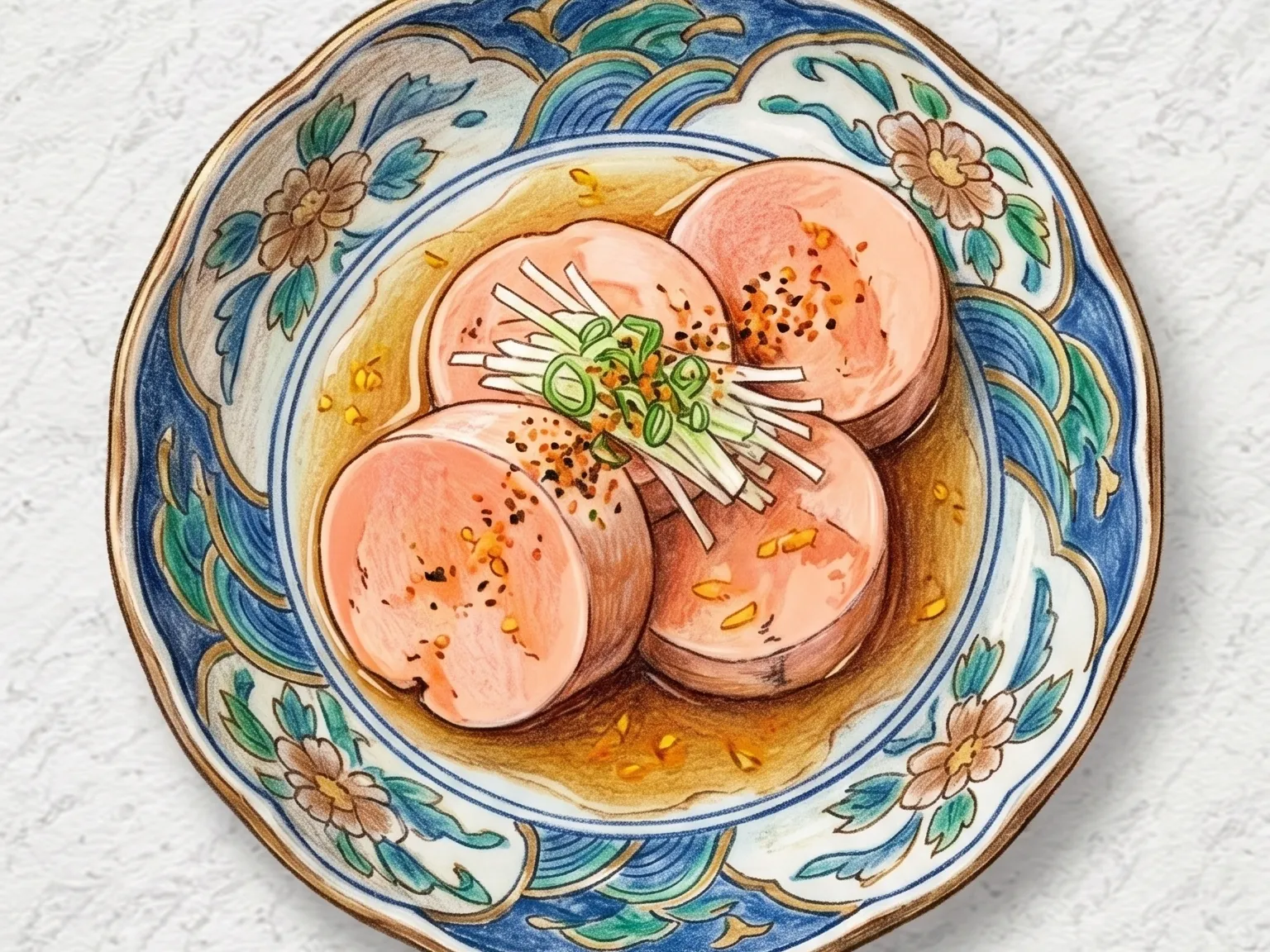
Steamed Monkfish Liver (Ankimo) with Ponzu
This recipe provides instructions for making steamed monkfish liver, also known as ankimo, at home. The preparation begins by meticulously cleaning the fresh liver, removing all visible veins and membranes to ensure a clean flavor. The liver is then soaked in a mixture of sake and salt for thirty minutes to eliminate its strong natural odor. After drying, it is rolled tightly in aluminum foil into a cylinder shape, twisting the ends firmly to create a dense texture. The wrapped liver is steamed over medium heat for twenty to thirty minutes. To prevent crumbling, the steamed roll is cooled in ice water and chilled in the refrigerator until firm. Sliced into rounds, it is served cold with ponzu sauce, grated daikon radish mixed with chili powder, chives, and lemon. The acidic components cut through the rich fat of the liver.
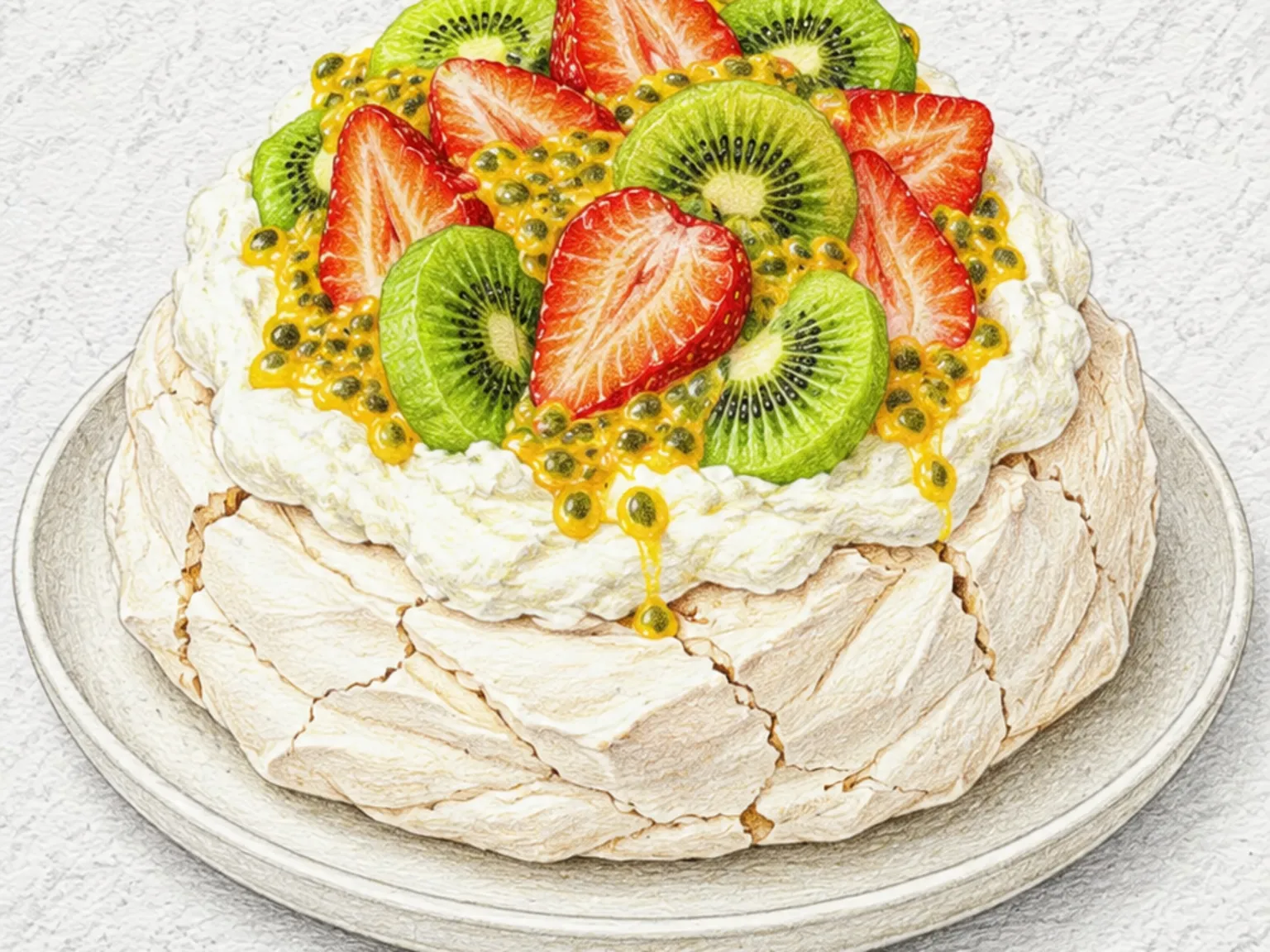
Pavlova
Egg whites are whipped to stiff, glossy peaks with sugar, then baked at low temperature for ninety minutes to create a meringue shell that is crisp on the outside and marshmallow-soft within. Once cooled, the base is crowned with billowy whipped cream and an arrangement of fresh fruit, most commonly strawberries, kiwi, and passion fruit. The tartness of the fruit balances the sweetness of the meringue and the richness of the cream, keeping each bite from feeling heavy despite the sugar content. A small amount of vinegar and cornstarch folded into the meringue before baking stabilizes the structure and encourages the characteristic soft center. Any trace of yolk in the whites will prevent them from whipping properly, so careful separation is essential.
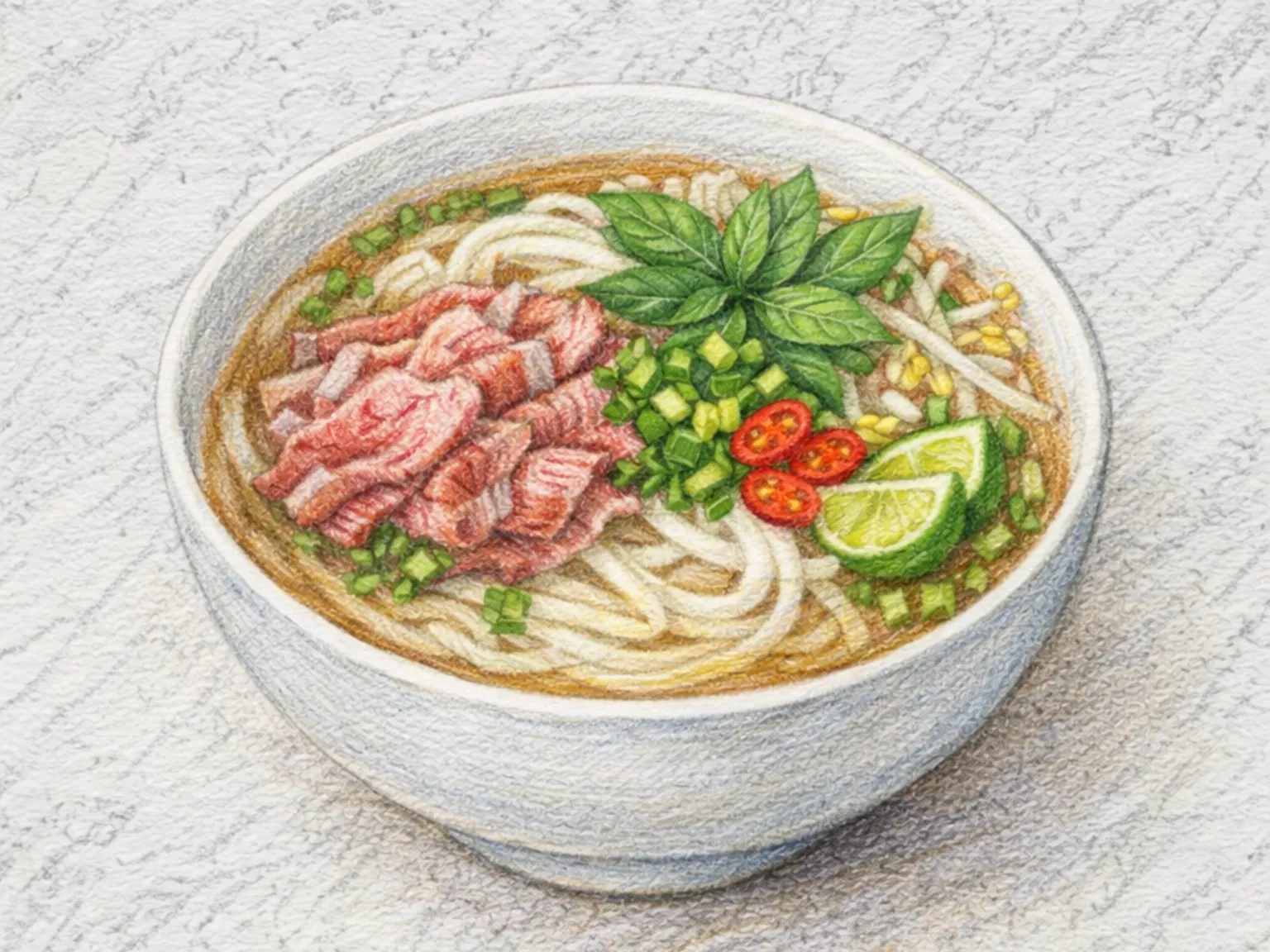
Vietnamese Beef Pho
Vietnamese beef pho begins with a broth made by simmering beef bones for eight hours or more to extract a clear yet deeply flavored stock. The defining step is dry-toasting whole spices - star anise, cinnamon sticks, and cloves - in a pan until fragrant, then charring halved onion and ginger over open flame to develop smoky sweetness before adding them to the pot. Skimming impurities from the surface throughout the cooking process is essential for maintaining the broth's signature clarity and golden transparency. Blanched rice noodles are placed in a bowl with paper-thin slices of raw beef on top, and the boiling broth is poured over to partially cook the meat, leaving it tender and faintly pink. Fish sauce adjusts the salinity, and a plate of fresh bean sprouts, lime wedges, Thai basil, and sliced chili allows each diner to customize their bowl.
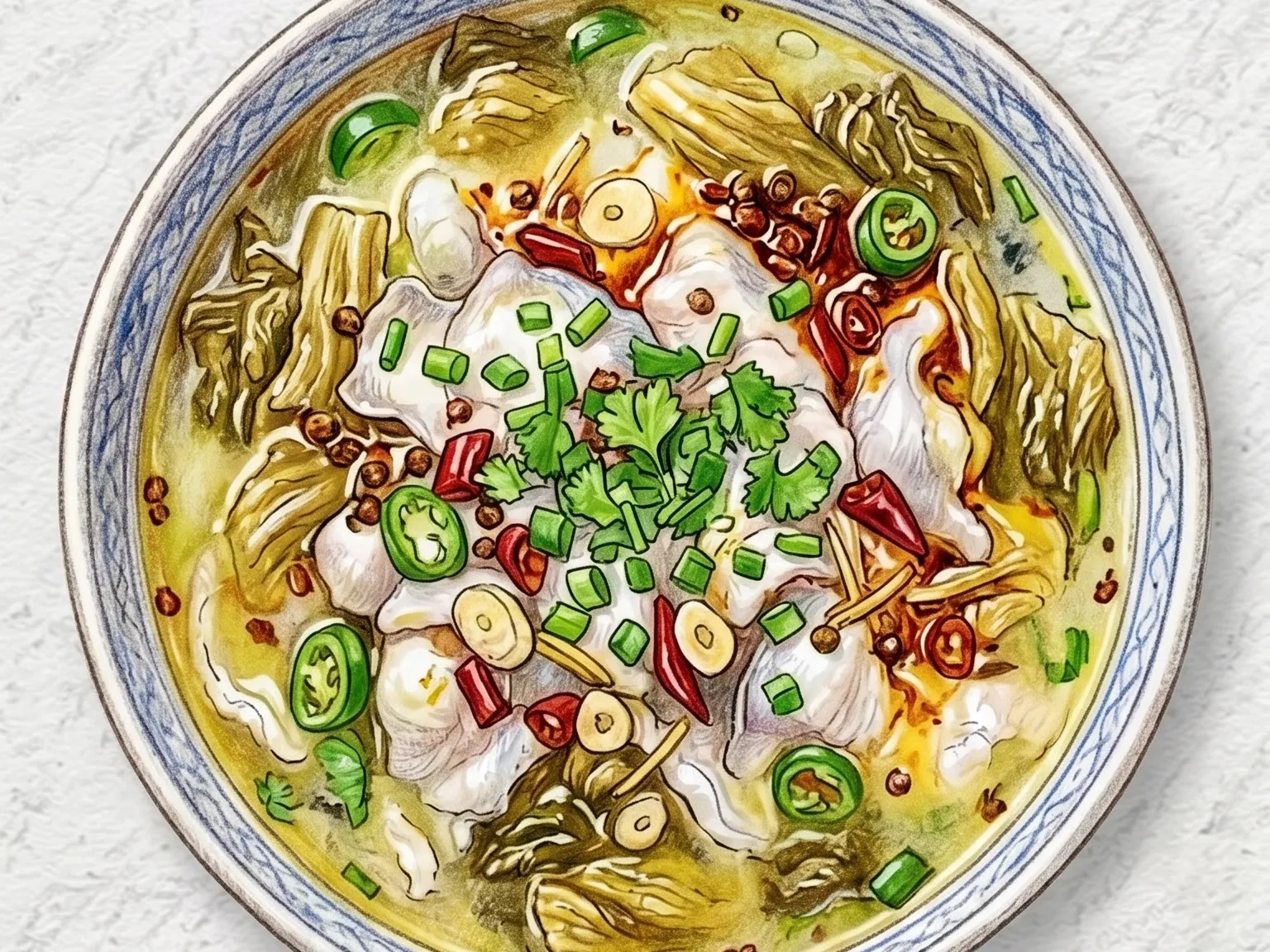
Suan Cai Yu (Sichuan Pickled Mustard Greens Fish Stew)
Suan cai yu is a Sichuan fish stew that draws its defining character from pickled mustard greens-fermented vegetables whose sharp acidity provides the tangy backbone of the dish. The cooking starts with chili oil, garlic, ginger, and dried chilies sizzled together to create a pungent, aromatic base. The rinsed pickled greens go in next, their sour bite mellowing slightly as they simmer in stock for ten minutes, releasing a complex fermented depth into the broth. Thin slices of white fish, lightly dusted with starch to protect their delicate texture, are added at the very end and cooked for only a few minutes so they remain silky and intact. The finished bowl is a study in contrasts: the broth is simultaneously sour from the pickled greens, spicy from the chili oil, and savory from the stock, while the fish offers a clean, mild counterpoint. It is a deeply satisfying dish that showcases Sichuan cuisine's mastery of bold, layered flavors.
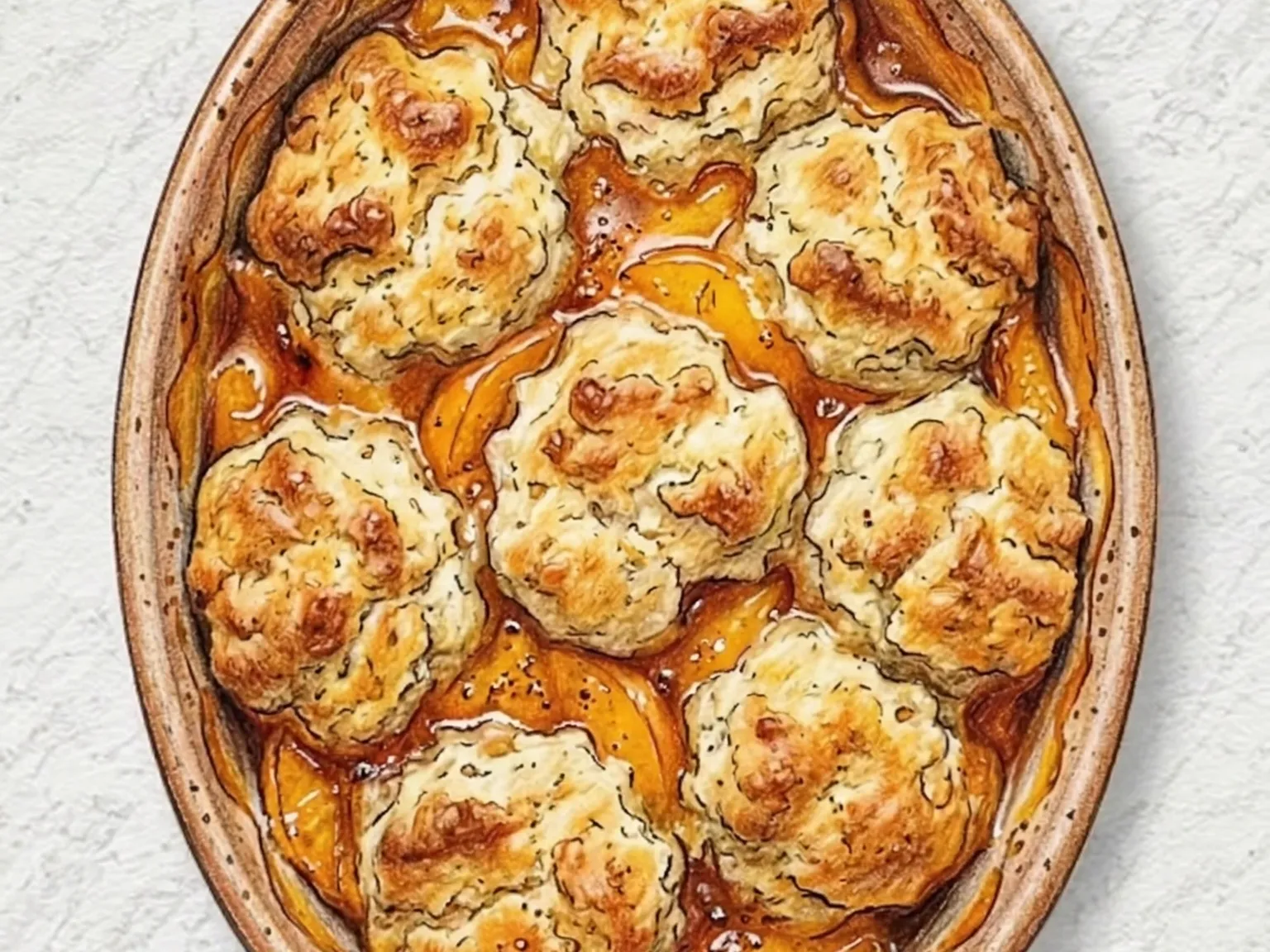
Peach Cobbler
Sliced peaches are tossed with sugar and lemon juice, spread in a baking dish, and covered with spoonfuls of biscuit batter that bakes into a golden, slightly craggy topping. In the oven, the fruit juices bubble up around the edges and seep into the base of the dough, creating a zone where crisp crust meets soft, fruit-soaked interior. The lemon sharpens the peach flavor and prevents it from tasting flat under all the sugar. If the peaches lack sweetness on their own, an extra tablespoon of sugar in the fruit layer compensates without making the topping heavier. Served warm with a scoop of vanilla ice cream, the contrast between hot cobbler and cold cream is as much a part of the experience as the flavor itself.
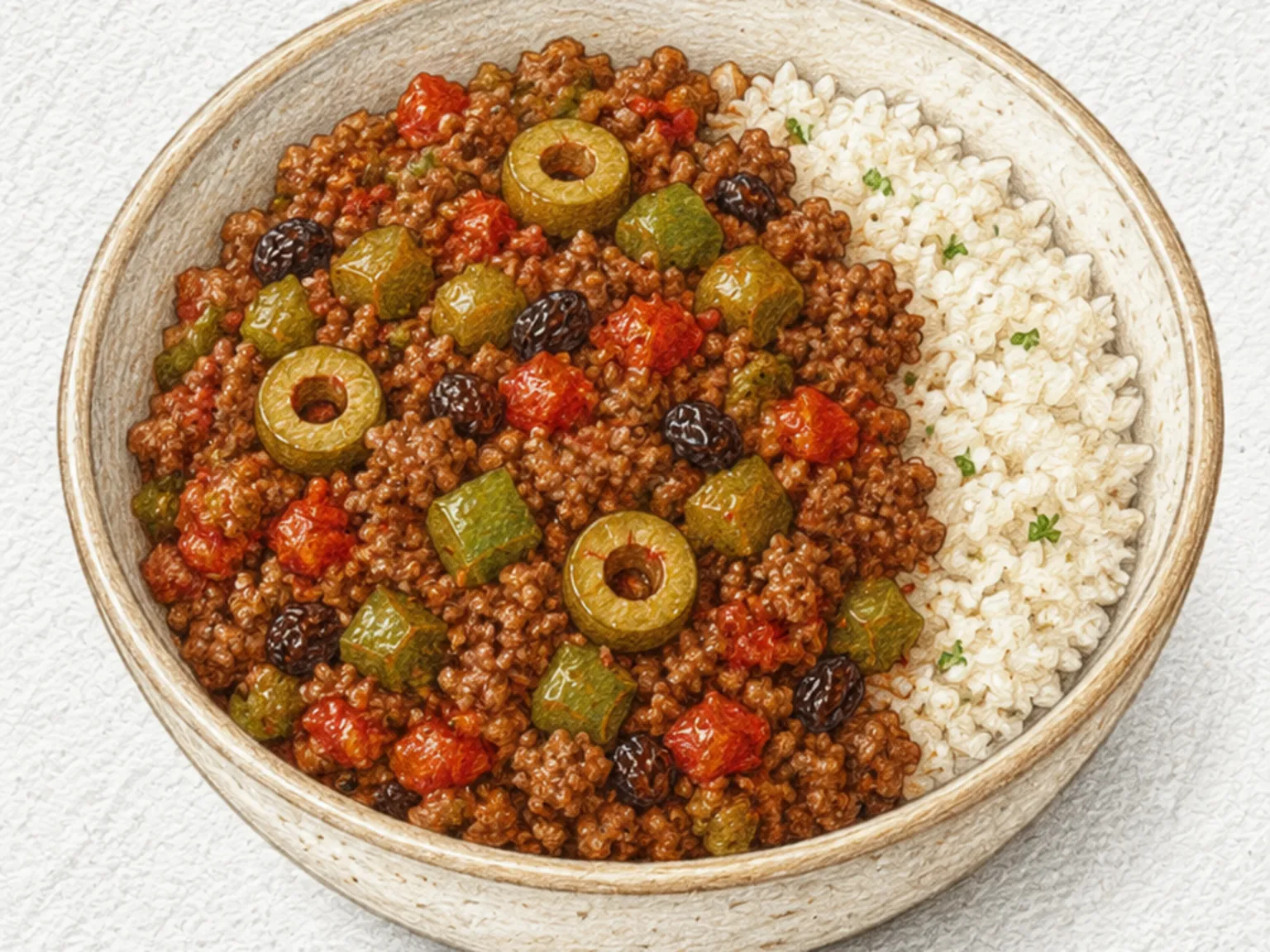
Picadillo Cubano (Cuban Ground Beef with Olives and Raisins)
Picadillo Cubano is a cornerstone of Cuban home cooking, made by browning ground beef and simmering it with crushed tomatoes, green olives, and raisins. The identity of the dish lies in the interplay between the briny, savory olives and the subtle sweetness of the raisins, creating a sweet-salty balance within a single pan. The beef must be spread in a single layer over high heat so moisture evaporates quickly and the meat develops brown caramelization - crowding the pan causes it to steam and turn gray. Cumin and oregano contribute the earthy, warm spice profile characteristic of Latin cooking, while diced bell pepper adds a crisp freshness. Served over white rice in the most traditional fashion, it becomes a complete Cuban plate when accompanied by black beans and fried plantains.
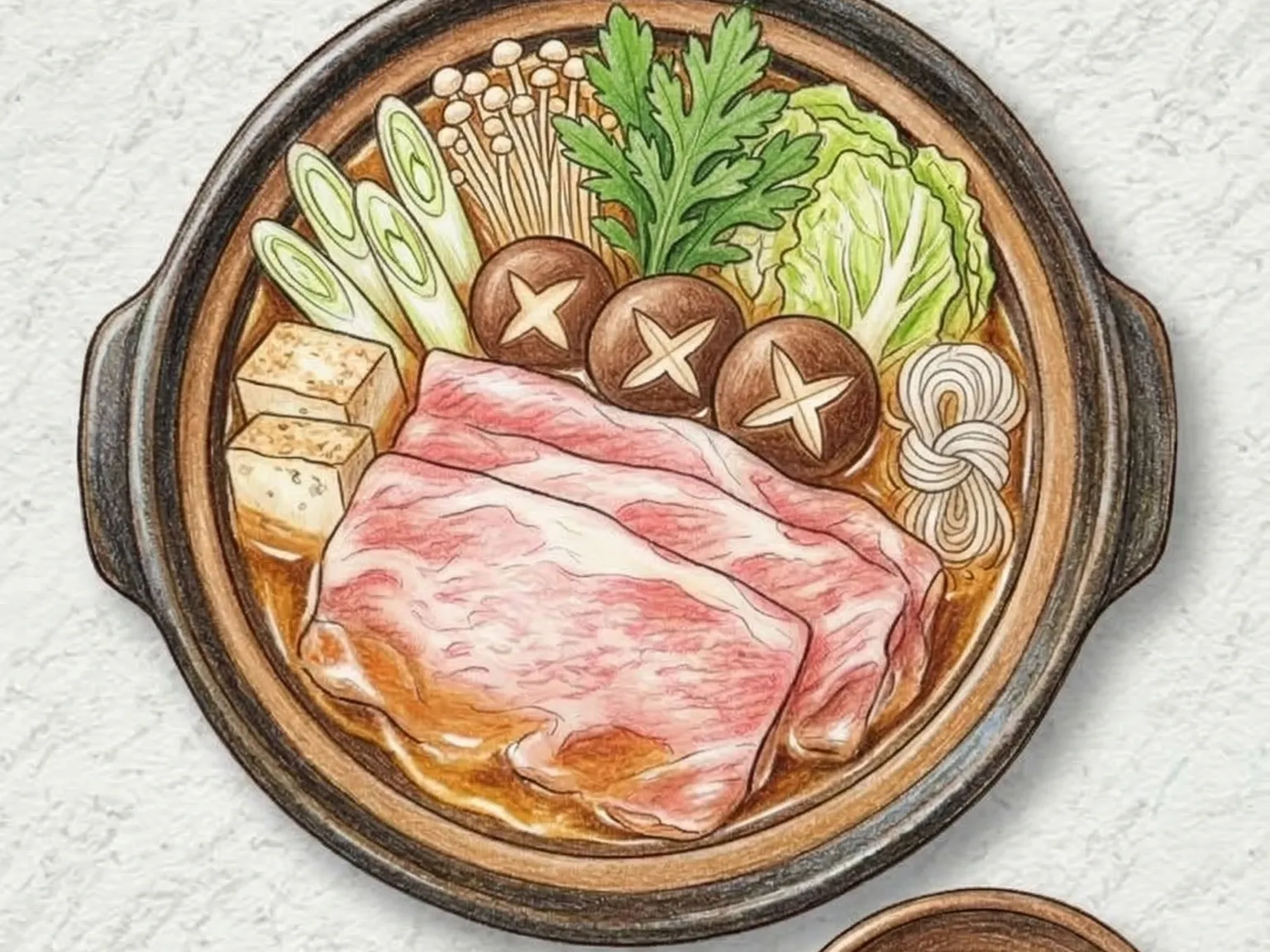
Kanto-Style Sukiyaki (Japanese Beef Hot Pot in Sweet Soy Warishita Broth)
Kanto-style sukiyaki is a Japanese hot pot in which thinly sliced beef, vegetables, and tofu simmer together in a pre-made broth called warishita-a mixture of soy sauce, mirin, sugar, and sake. The preparation begins by searing thick-cut leek in beef fat to release its sweetness, then pouring in the warishita and adding the remaining ingredients: napa cabbage, shiitake mushrooms, grilled tofu, and shirataki noodles. Each component absorbs the sweet-salty broth differently-the cabbage wilts and soaks it up, the mushrooms intensify their earthiness, and the tofu becomes a sponge for the surrounding liquid. The signature ritual is dipping each cooked morsel into a bowl of beaten raw egg before eating; the egg forms a silky coat that tempers the concentrated sauce and adds richness. Sukiyaki is a fixture of Japanese winter cooking, prepared at the table over a portable burner so the pot stays bubbling throughout the meal.
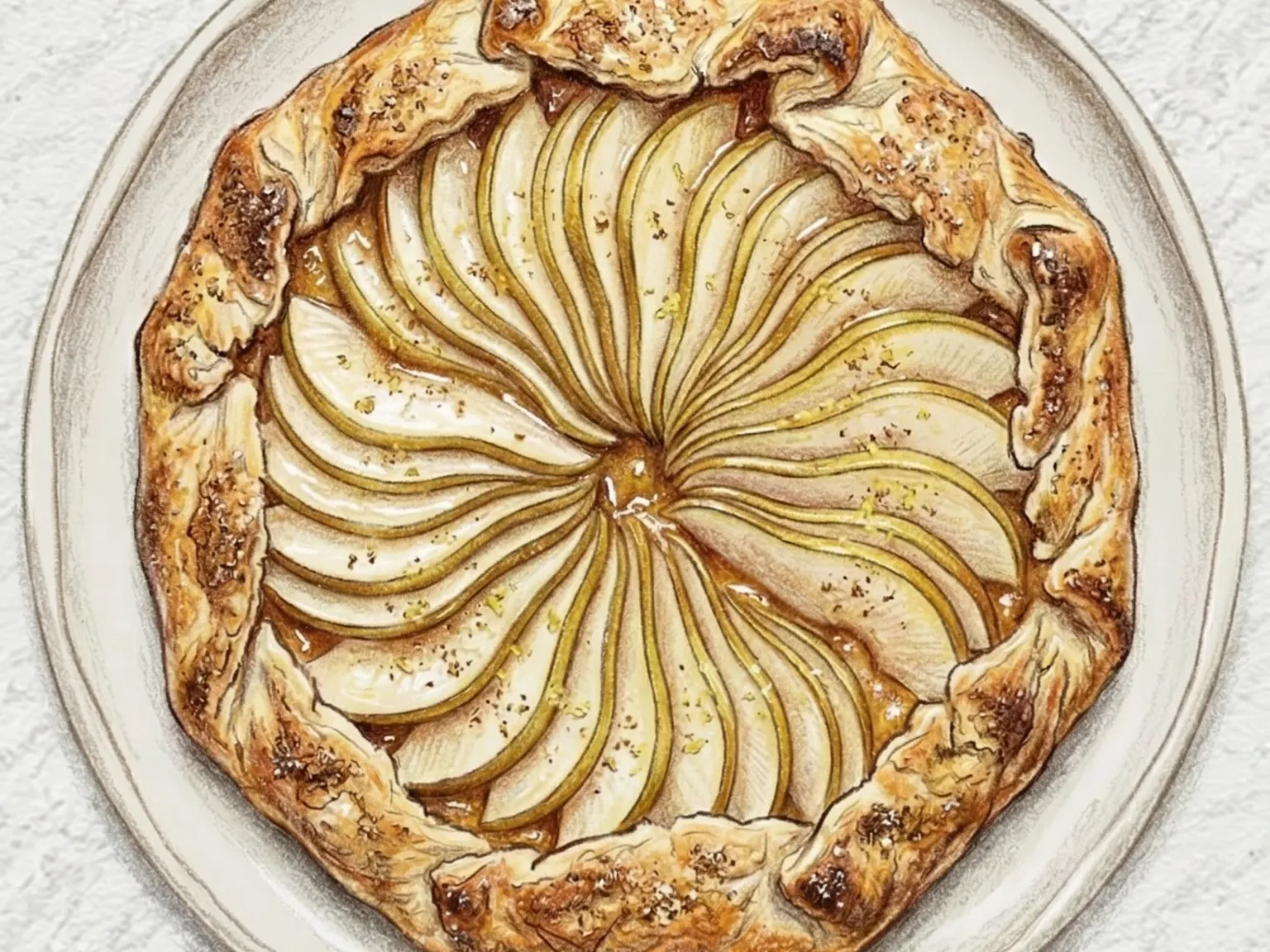
Bae Saenggang Galette (Pear Ginger Galette)
The construction of this pear and ginger galette involves a roughly shaped circle of buttery pastry dough. Thinly sliced pears are distributed across the surface, after which the outer edges are folded inward to create a rustic, free-form tart. Fresh ginger juice is used to introduce a warm and slightly spicy element that emphasizes the clean sweetness of the fruit without becoming the primary flavor. The addition of brown sugar and ground cinnamon serves to add depth to the fruit filling. To prevent the pastry base from becoming soggy, cornstarch is used to soak up any excess liquid released by the fruit during baking. Throughout the baking process, the visible sections of the crust turn a deep golden brown while the pear slices soften into translucent and jammy layers. If the pears appear to be releasing too much moisture during the preparation phase, the slices can be patted dry before they are arranged on the dough to keep the crust from losing its structure. Maintaining the cold temperature of the butter within the dough is necessary for achieving a flaky texture, so the pastry should be returned to the refrigerator whenever it begins to soften during handling.
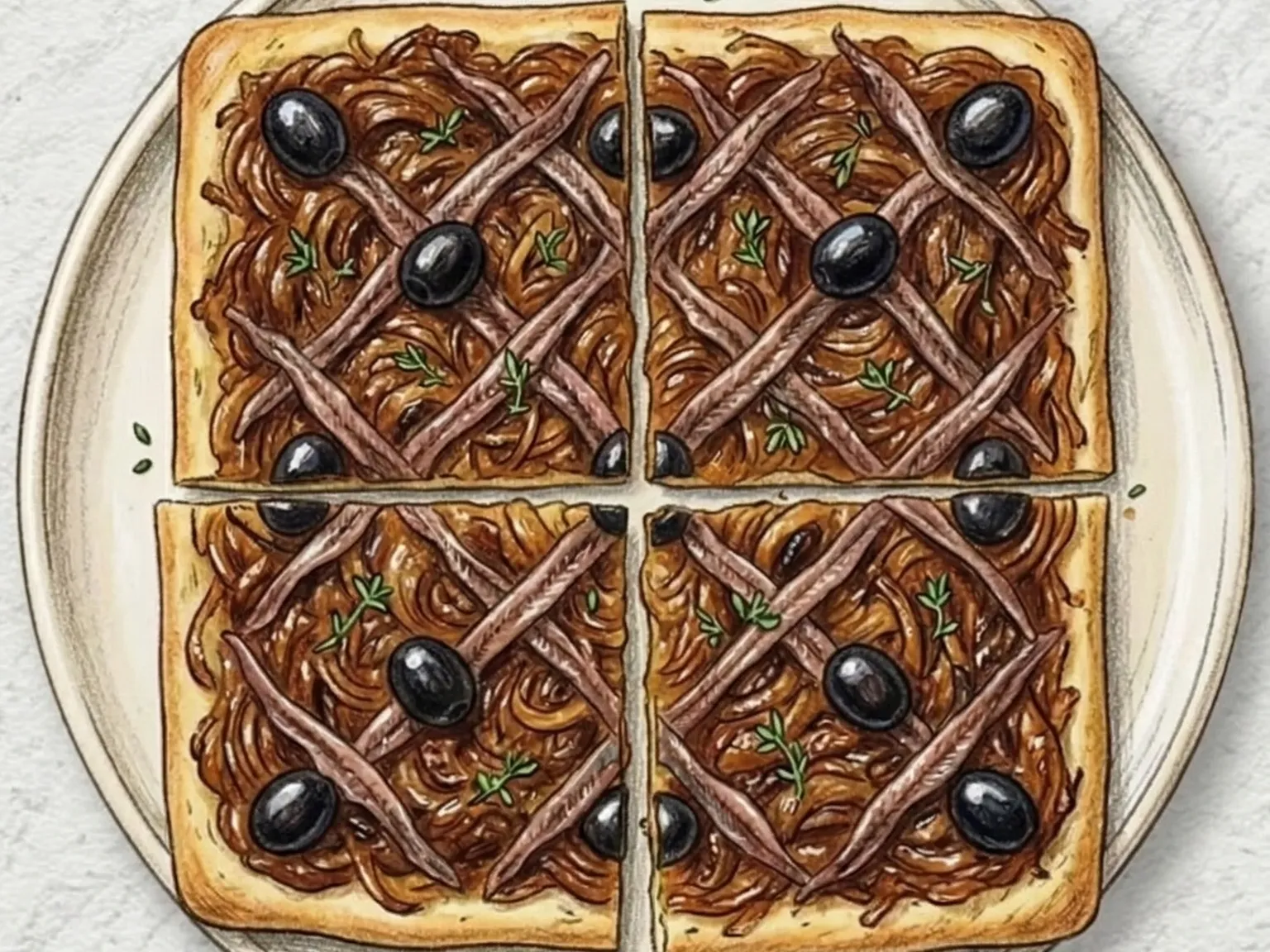
Pissaladiere (Provencal Caramelized Onion Anchovy Tart)
Pissaladiere is a traditional tart from Provence in southern France, built on a thin bread dough blanketed with slowly cooked onions and adorned with anchovy fillets and black olives arranged in a lattice pattern. The onions must cook in olive oil over low heat for at least forty minutes until their moisture evaporates completely and their natural sugars caramelize into a dark, jam-like sweetness. This thick layer of onion jam makes the tart resemble a pizza visually, but the absence of tomato sauce and the primacy of onion sweetness make it an entirely different dish. The anchovies contribute sea-salt brininess and umami, while the olives add a bitter, savory counterpoint that balances the onion's sweetness. Fresh thyme leaves scattered on top before baking introduce an herbal brightness that lifts the dense, concentrated flavors.
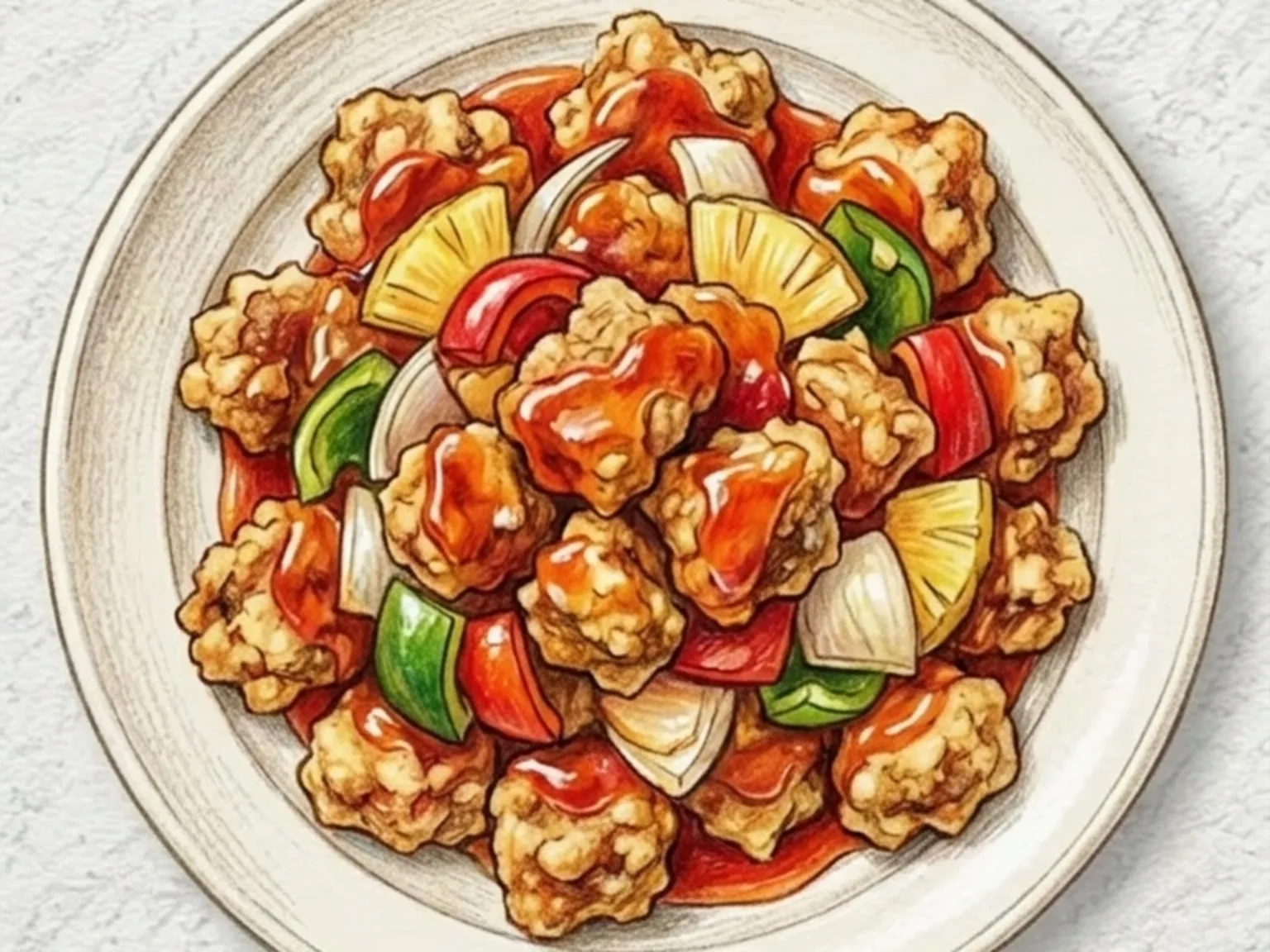
Sweet and Sour Pork
Sweet and sour pork, known in Korea as tangsuyuk, is a Chinese-Korean dish of double-fried pork pieces served under a glossy, tangy sauce. Bite-sized cuts of pork loin are coated in egg and cornstarch, then fried twice at 175 degrees Celsius-the first pass cooks the inside, and the second crisps the crust to a shattering crunch. The sauce is built from ketchup, sugar, vinegar, and soy sauce, brought to a quick boil and tossed with stir-fried bell pepper and onion, which contribute color and a fresh vegetal crunch. Timing is everything: the sauce is poured over the pork at the very last moment so the coating stays audibly crisp when bitten into. The interplay between the crunchy exterior, the soft pork within, and the bright, fruity sauce makes this one of the most popular dishes at Chinese restaurants across Korea.
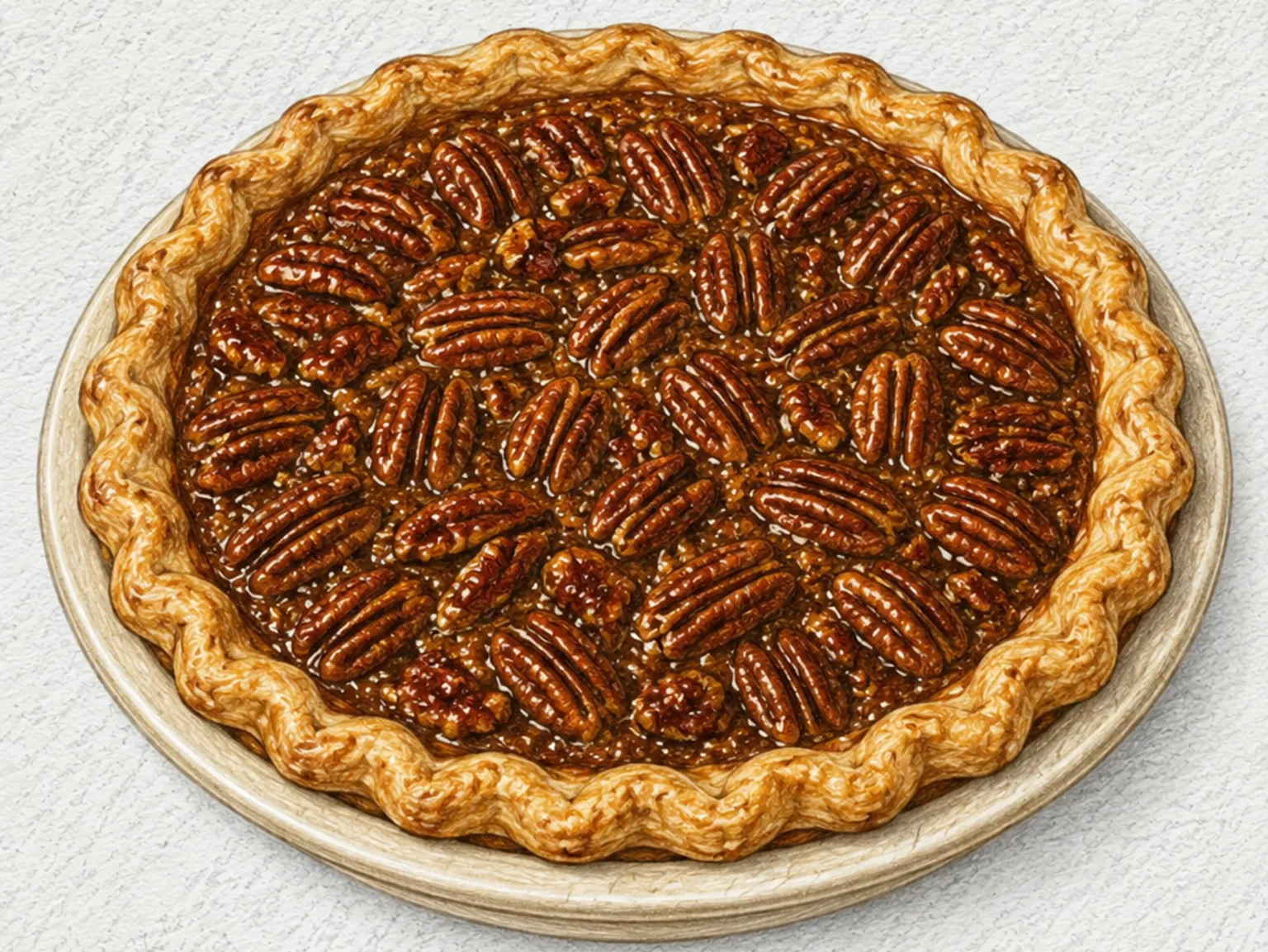
Pecan Pie
A buttery pie crust holds a filling of pecans suspended in a dark, syrupy custard made from brown sugar, corn syrup, eggs, and melted butter. The filling bakes into a glossy, caramel-like layer that is sticky and dense beneath a top crust of whole pecans. The brown sugar gives a molasses depth that white sugar cannot match, while the corn syrup provides the characteristic gooey texture. When the pie comes out of the oven, the center should still wobble slightly; it firms as it cools to room temperature. If the top browns too quickly, a loose tent of foil placed halfway through baking protects the nuts from burning. Slicing is cleanest after the pie has cooled completely, and a scoop of vanilla ice cream alongside each piece rounds out the richness.
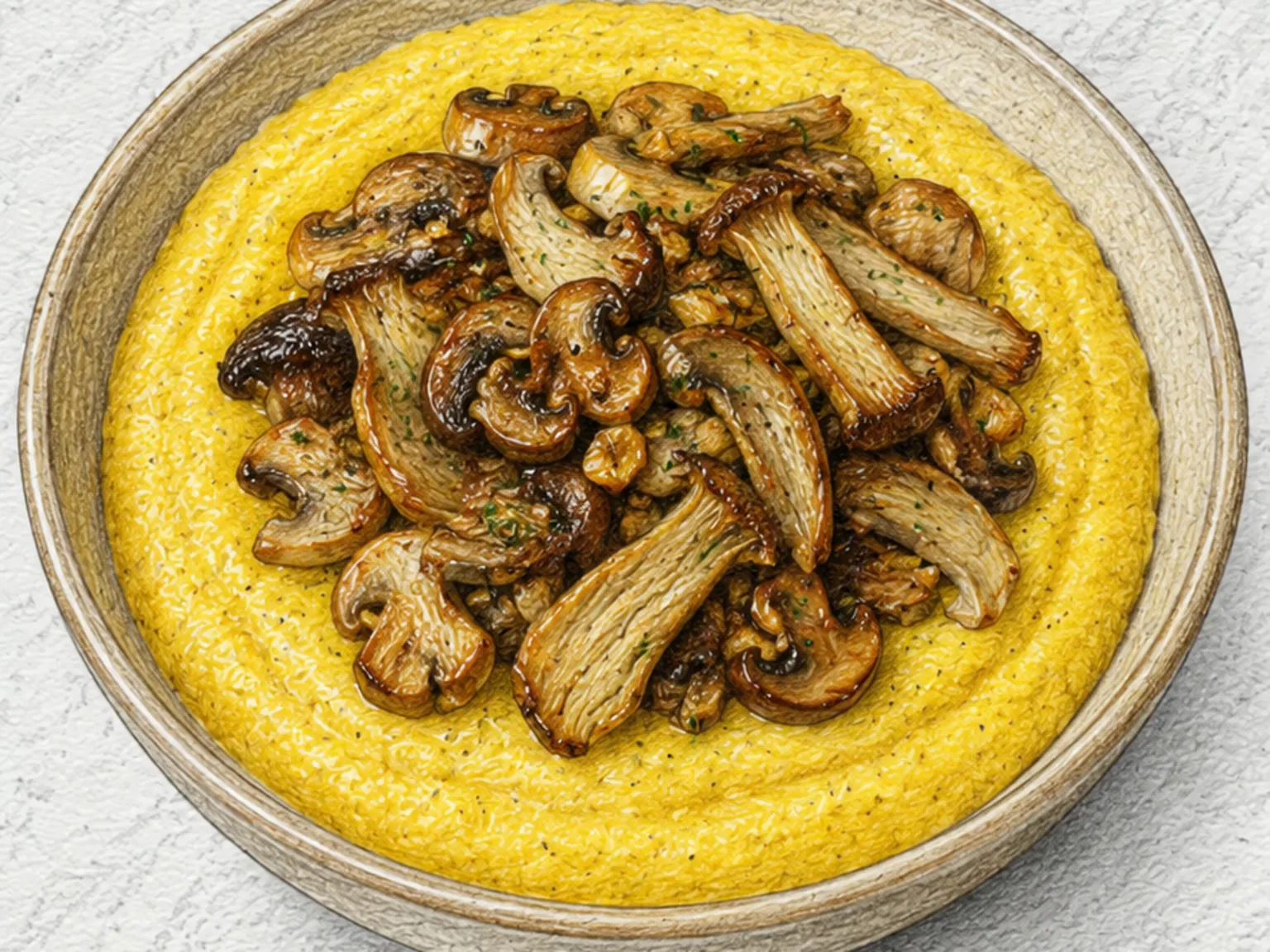
Polenta con Funghi (Italian Creamy Cornmeal with Sauteed Mushrooms)
Polenta con Funghi is a staple winter dish in northern Italian households, made by stirring cornmeal into water or stock for over thirty minutes to achieve a smooth, porridge-like consistency, then topped with sauteed mushrooms. Constant stirring is essential - pausing even briefly causes the polenta to stick to the bottom and form lumps. Folding in butter and grated Parmigiano-Reggiano at the end transforms the coarse grain into a velvety texture enriched with dairy fat and cheese umami. The mushrooms - a mix of porcini, oyster, and cremini - are cooked quickly in olive oil with garlic over high heat to drive off moisture and allow the edges to caramelize and develop depth. The gentle sweetness of the cornmeal against the earthy, woodsy mushrooms creates a pairing that is humble yet deeply satisfying.