Pancakes Easy
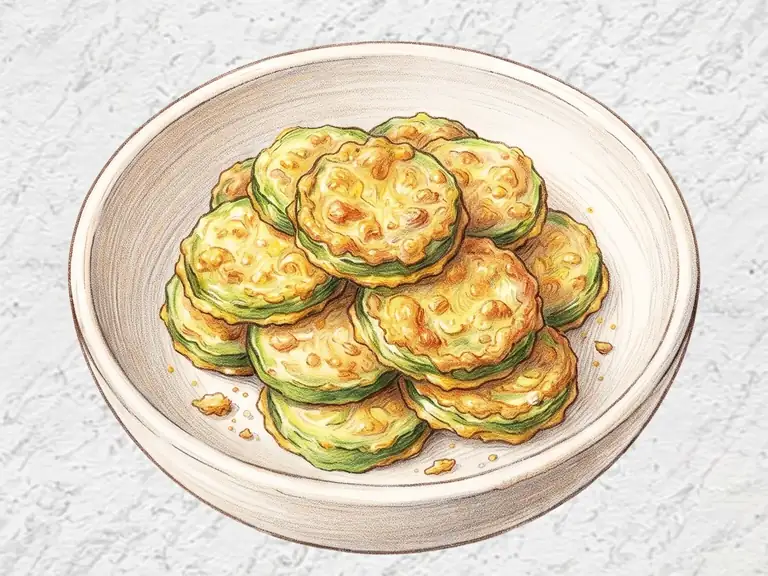
Fried Zucchini
Thin, bite-size coins pile up on a plate as they come out of the skillet and are eaten while hot. The coating is beaten egg and cornmeal, with no flour underneath.
Prep 15min Cook 25min 4 servings
596 American recipes. Page 2 of 25. Compare ingredients and cooking times. Fried Zucchini, Chow Chow, Cajun Shrimp Pasta.
Thin, bite-size coins pile up on a plate as they come out of the skillet and are eaten while hot. The coating is beaten egg and cornmeal, with no flour underneath.
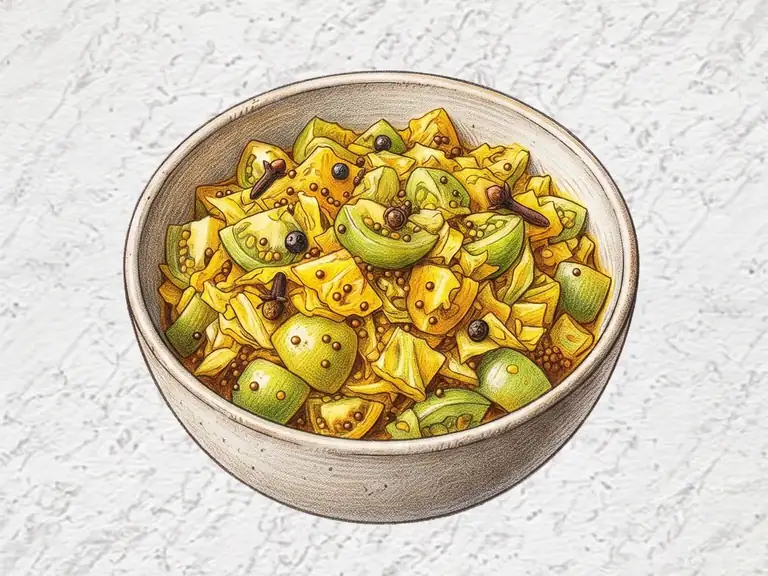
The brine is five parts vinegar to three parts sugar by volume, and the turmeric in it stains the green tomatoes and cabbage yellow. The whole cloves, mustard seeds and peppercorns stay in the jars, which means a spoonful will carry a few of them.
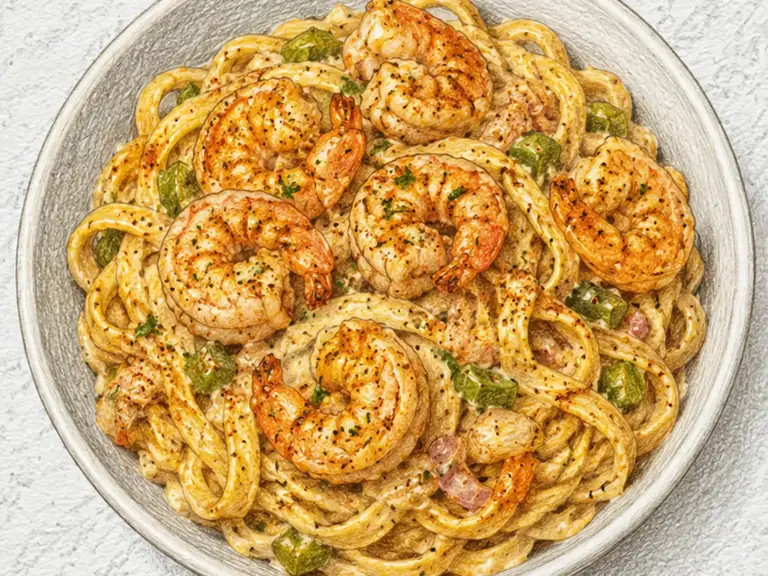
Cajun seasoning, a Louisiana Cajun blend of paprika, cayenne, oregano, thyme, and garlic and onion powders, gives this cream pasta a smoky, moderate heat. Half of it coats the shrimp and the other half seasons the sauce, spreading the spice evenly. The butter and spiced fat left after searing the shrimp become the base for the onion, garlic, and bell pepper, and a mix of cream and milk keeps the sauce lighter than cream alone. The shrimp leave the pan as soon as they turn pink and only return on top at the end, which keeps them snappy.
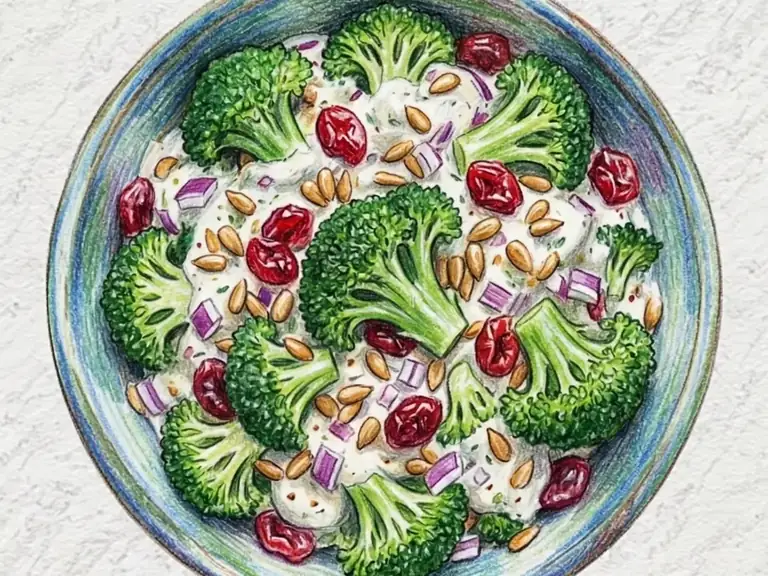
Broccoli blanched for just 30 seconds loses its raw edge but keeps a real crunch. Tart dried cranberries, nutty sunflower seeds, and finely minced red onion are bound by a Greek yogurt dressing brightened with lemon. The salad is served chilled, so it can be made ahead and kept in the fridge.
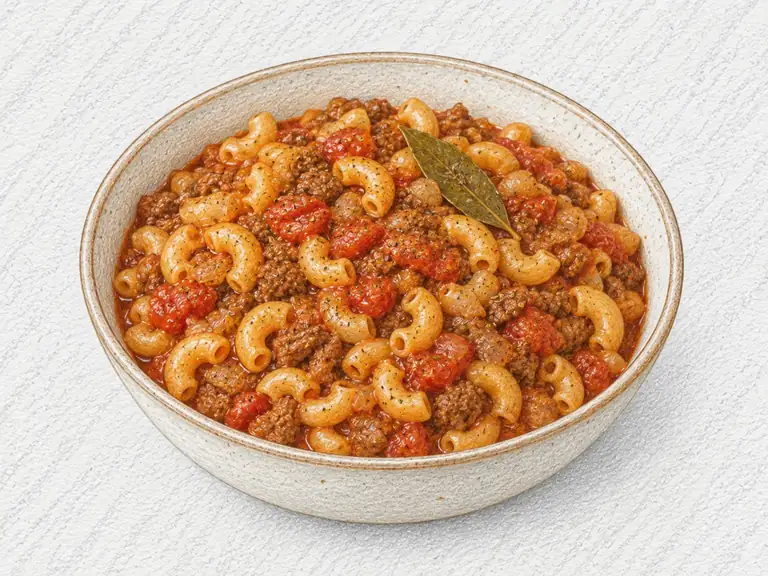
Rather than cubes of beef stewed for hours, this pot holds ground beef, tomatoes and dry elbow macaroni that cook together in the same sauce. The pasta drinks up the seasoned liquid as it softens, and its starch turns the sauce from loose to spoonable. A broad pan evaporates faster than a narrow one, so the reserved water stays nearby rather than going in at the start. A splash of water revives leftovers better than more tomato paste, since the macaroni keeps absorbing sauce after it is made.
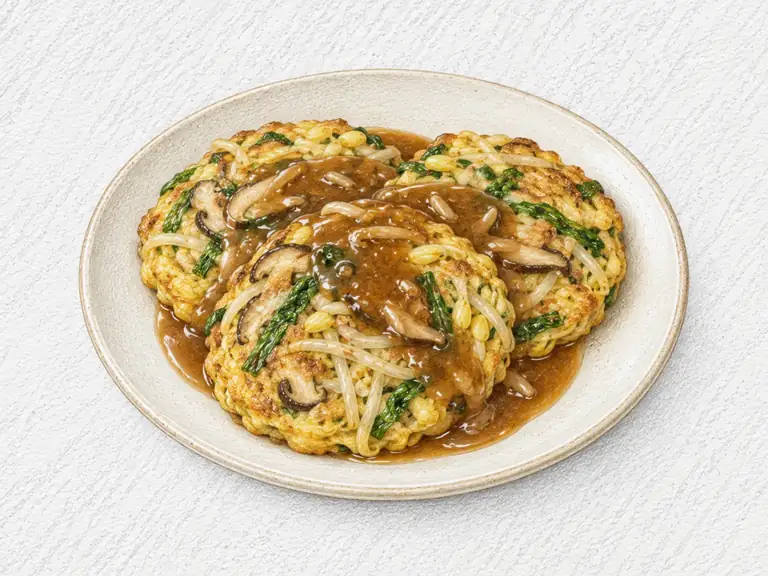
In American Chinese cooking, egg mixed with vegetables is fried into small patties, and a brown gravy made separately is spooned over just before eating. This version has no meat, only mushrooms, bean sprouts, onion and scallion, and it is pan-fried instead of deep-fried, which leaves the edges brown and the middle soft.
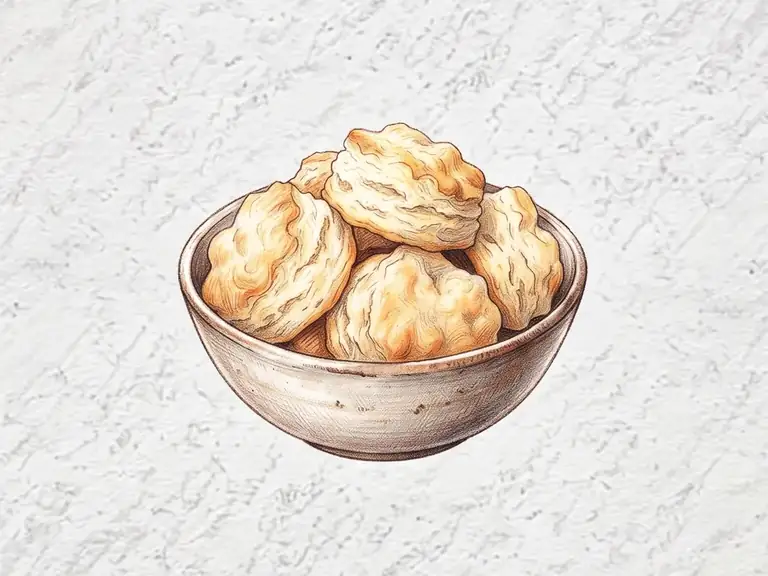
One dough uses yeast as well as baking powder and baking soda, and the biscuits bake up light and fluffy, much like dinner rolls. The second rise happens in the refrigerator and can run overnight. Biscuits meant for breakfast can be cut and set in the pan the evening before.
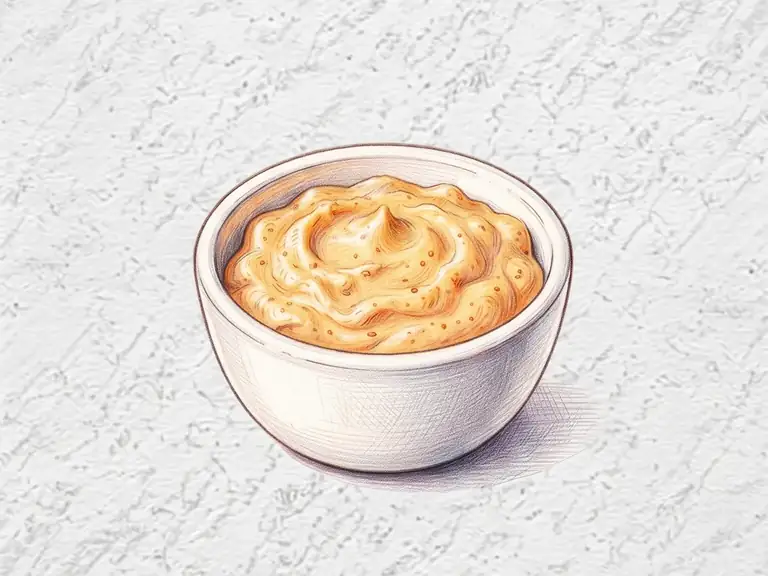
Light beers such as lager, pilsner or blond ale are the usual pick, while an Oktoberfest beer or brown ale brings out more beer flavor. It is blended in a food processor and spread cold, without heating, the Kentucky way.
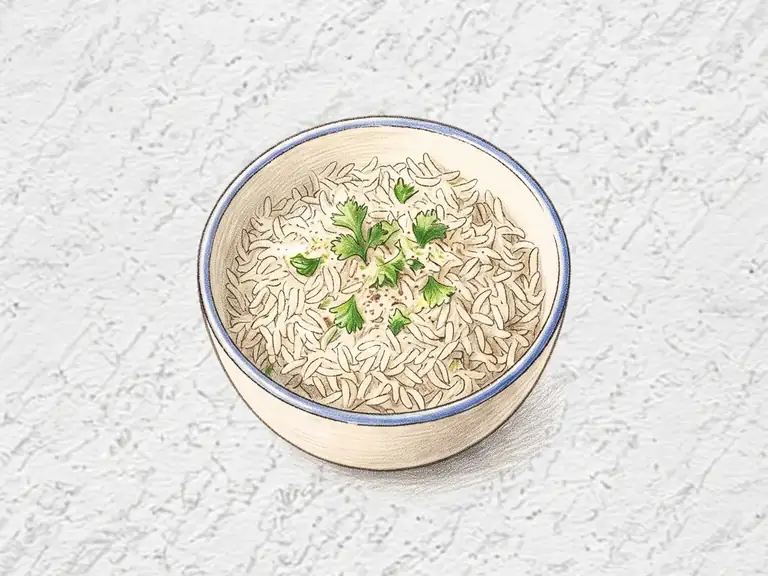
Besides the lime juice and cilantro, this rice gets 1/8 teaspoon of ground nutmeg. A warm spice, it seeps into the grains and adds a slightly spicy aroma. No salt goes in beyond what the reduced-sodium chicken broth carries, and regular broth would make the rice saltier than intended.
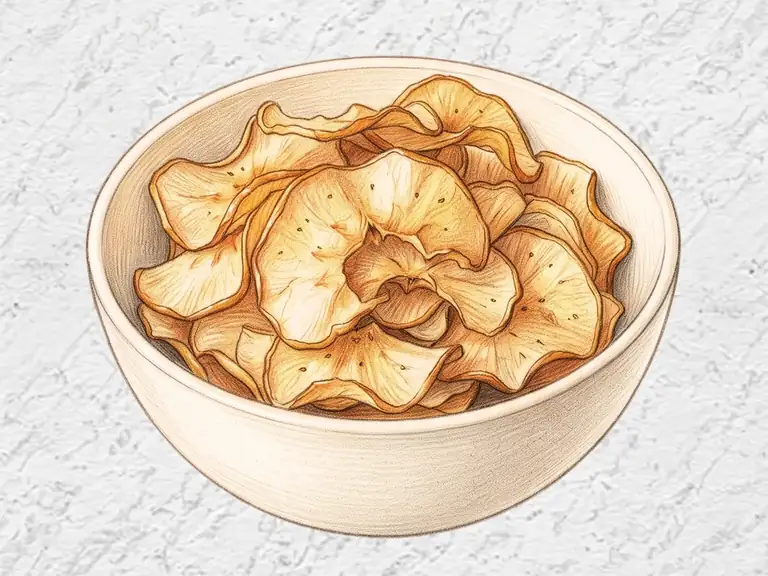
The chips keep crisping after they leave the oven, as they cool. Thinner slices dry crisper, and an oven set above 95°C (200°F) browns the apples before they have dried.
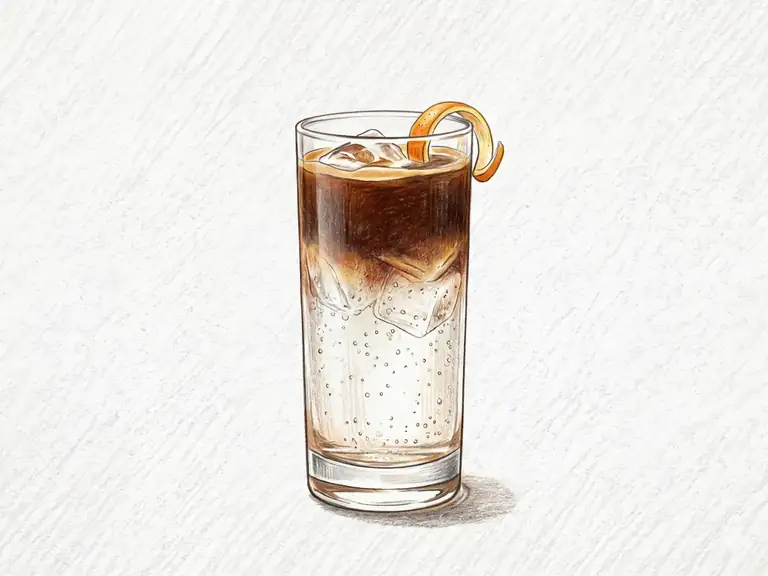
Espresso poured slowly over the back of a spoon floats on cold tonic, leaving a clear, fizzy layer below and a dark coffee layer above. The quinine bitterness in the tonic meets the bitterness of the coffee, and a little syrup plus orange and lemon peel keep the finish bright.
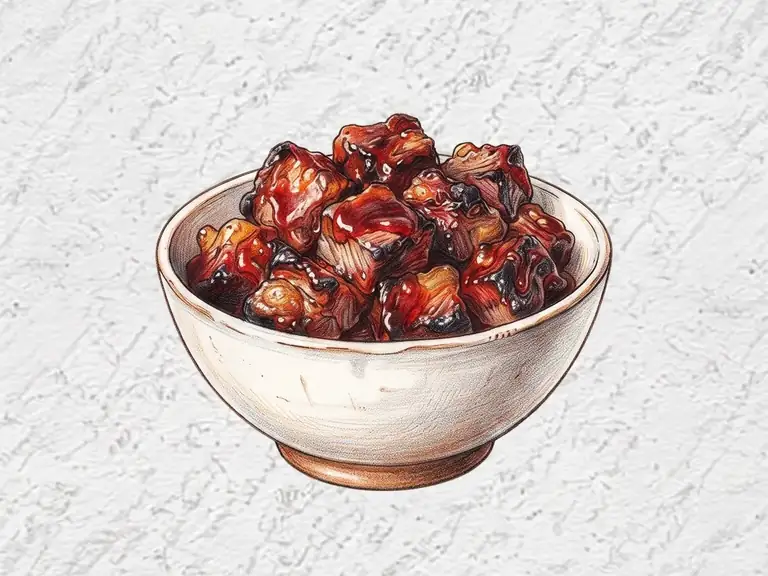
Smoking one 14- to 16-lb (6.3 to 7.3 kg) packer brisket yields both a sliced flat and a pan of burnt ends. The burnt ends are made from the fatty point, which is cut away once the whole brisket is done, then cubed, tossed in sauce and smoked a second time. Plan on about 14 hours from start to finish.
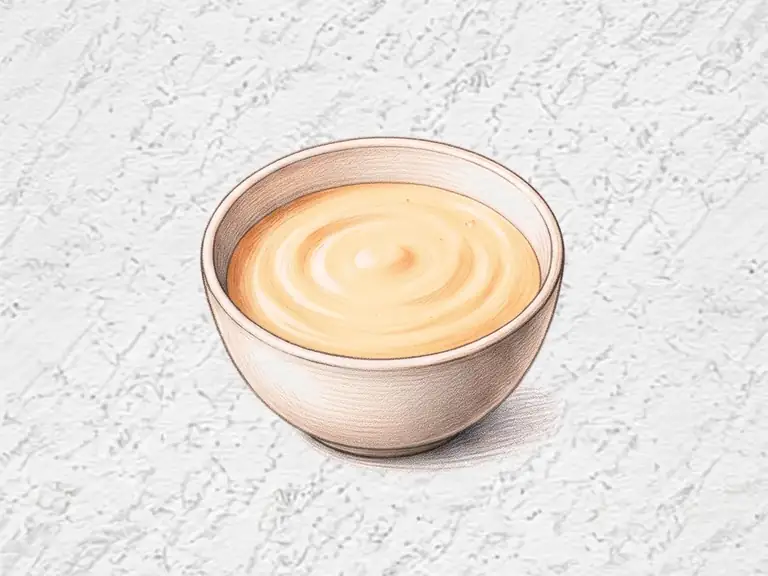
A whole bottle of beer joins the stock as the base, and its flavor comes through clearly in the finished soup.
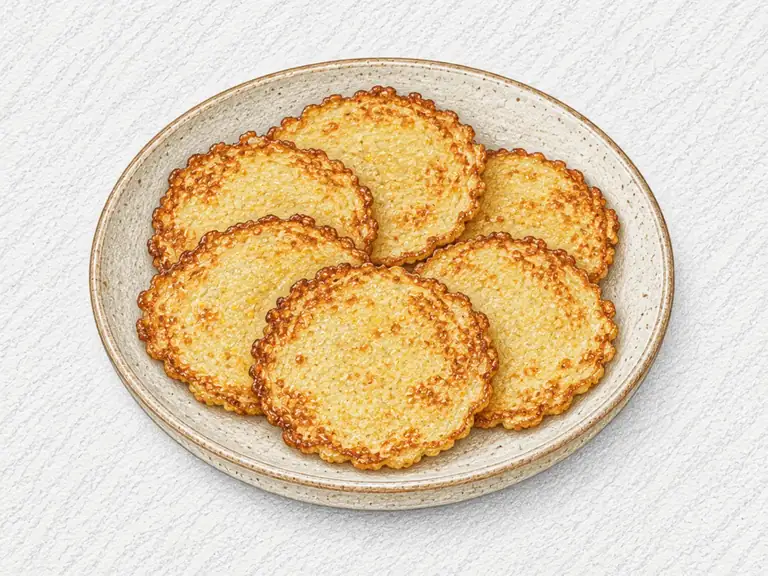
Stone-ground white cornmeal and milk, with no wheat flour, egg or baking powder, make these thin Newport-style cakes with lacy, browned edges. The formula comes from a Rhode Island grist mill, and the result has little in common with fluffy breakfast pancakes or oven-baked cornbread. Cornmeal sinks in the loose batter, and without a stir before every spoonful the last cakes come out thicker than the first.
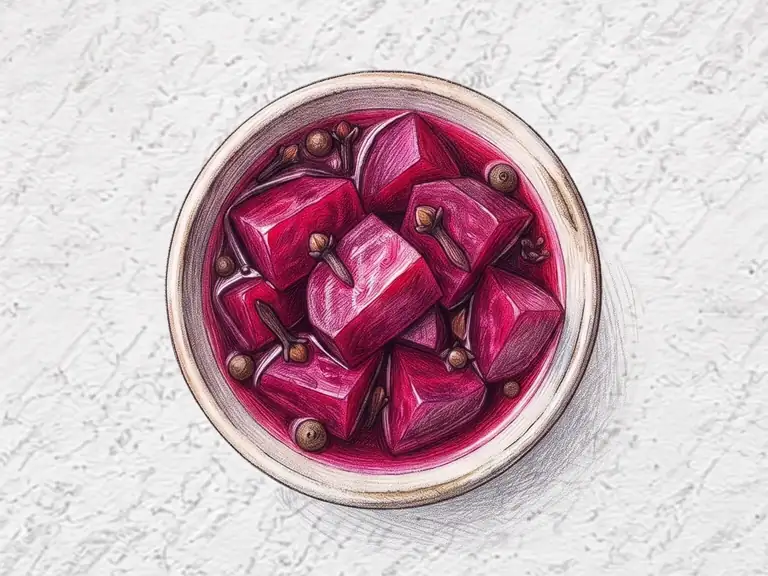
Beet skins taste bitter and come off before pickling; after simmering they slip off easily when rubbed by hand. Golden beets work in the same brine and turn out sweeter and milder, and striped Chioggia beets are milder still.
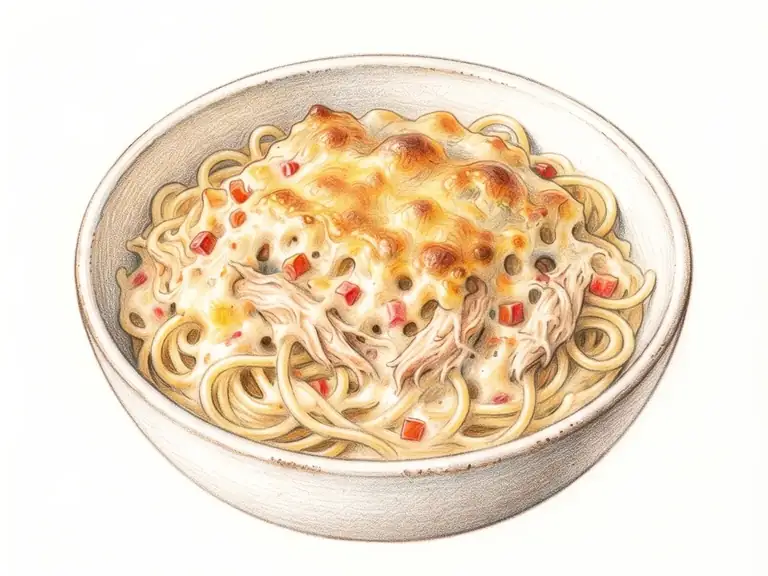
The broth from poaching the chicken gets used twice. Once the chicken is out, set aside 480 ml to loosen the sauce later, then cook the spaghetti in what's left in the pot so the noodles take on the chicken flavor.
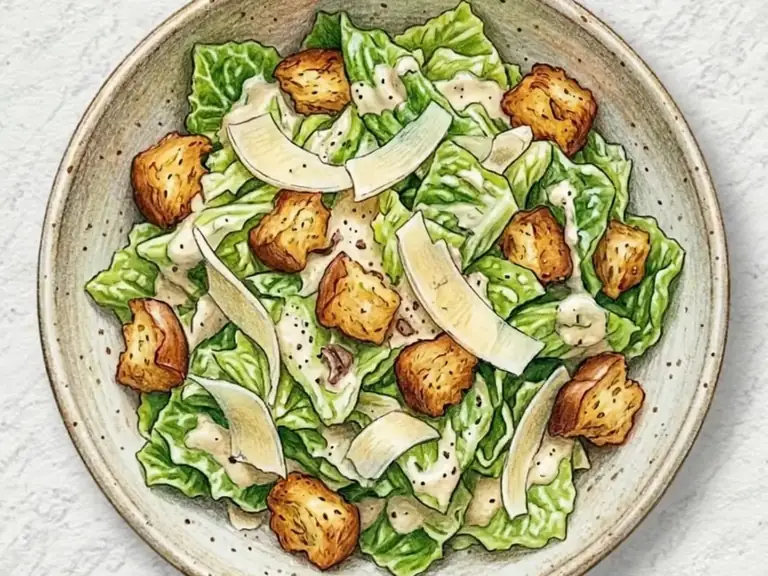
Mayonnaise forms the base of this dressing, and lemon juice lifts its heaviness so a thick coat on the romaine never turns cloying. The anchovy is optional. Minced fine, it melts into the mayo and reads as savory depth rather than fish.
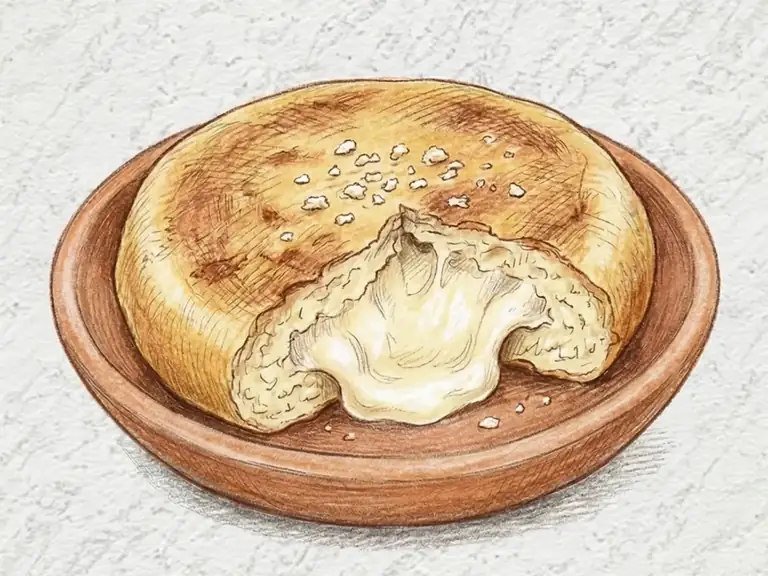
In Venezuela and Colombia, arepas play the role of everyday bread: griddled discs of pre-cooked cornmeal dough with a golden crust and a soft center. The dish goes back to pre-Columbian times in what is now Colombia and Venezuela, and in Colombia street vendors still sell it. This version splits each one into a pocket and fills it with mozzarella that melts against the warm corn. The dough uses only masarepa, water, salt, and butter, with no yeast, so the flavor stays toasty and lightly sweet from the corn. Dough that cracks needs a little more water, and edges smoothed with wet hands are less likely to split on the griddle.
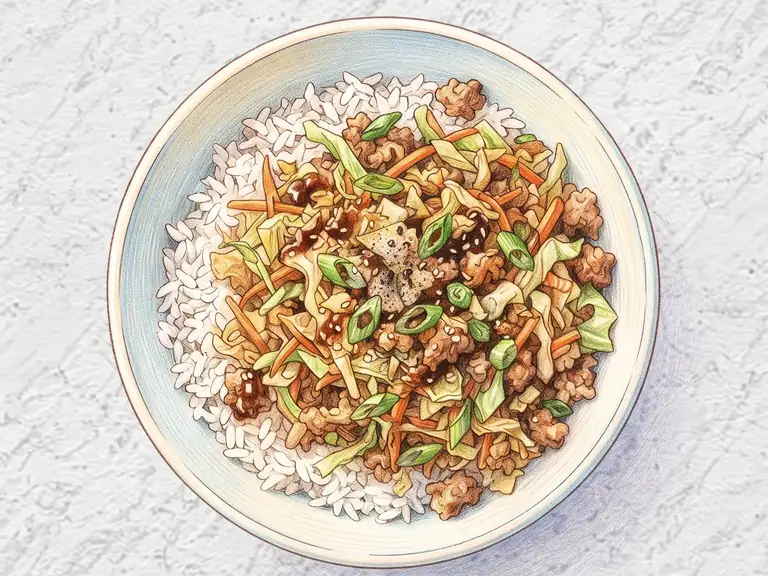
The egg roll filling cooks in a single skillet, with no wrapping or frying. A bag of slaw mix saves shredding the cabbage and carrots by hand.
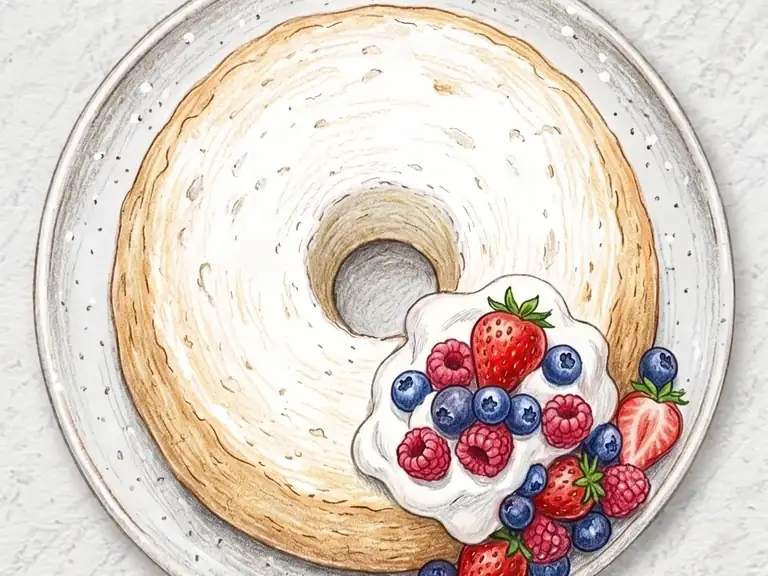
No butter, no oil, no yolks: this tall white ring cake rises entirely on whipped egg whites folded with cake flour and sugar. It took shape in 19th-century America. The top has a slight marshmallow chew over a cloud-light crumb. The pan goes upside down the moment it leaves the oven, because cooling right side up lets the delicate foam sink under its own weight. Fresh berries and whipped cream are the traditional companions.
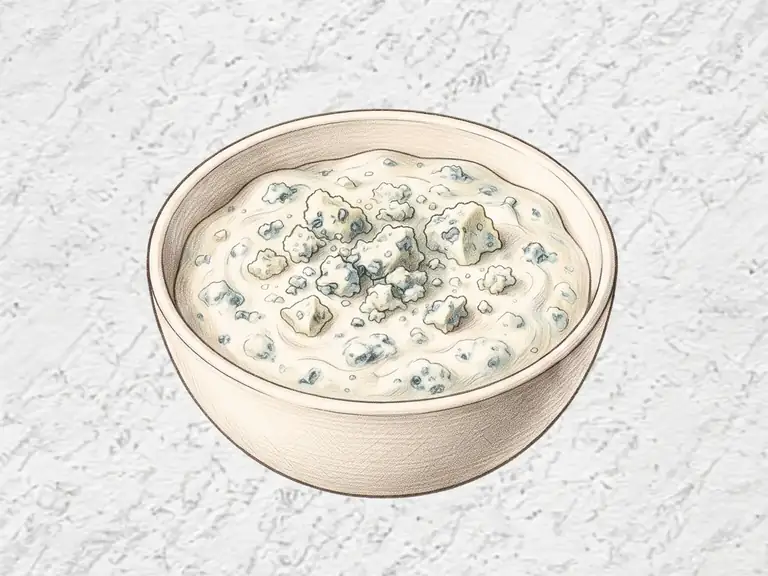
This dressing has more blue cheese in it than sour cream or mayonnaise. Pick a blue cheese you like eating on its own, then mash only half of it into the base with a fork and fold in the rest at the end, leaving it in chunks.
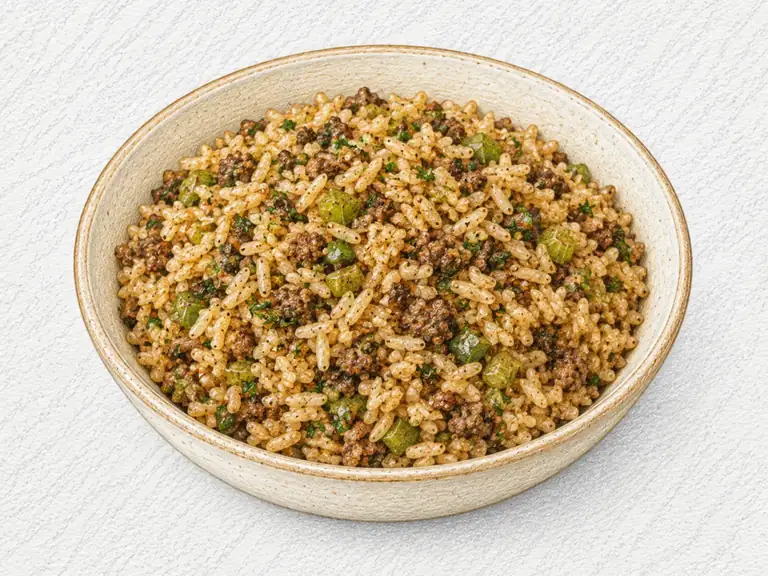
The dirty in the name comes from finely chopped chicken liver and pork, which stain the rice brown. It is a Cajun dish from Louisiana, built on the usual onion, green pepper and celery, with cayenne for heat.
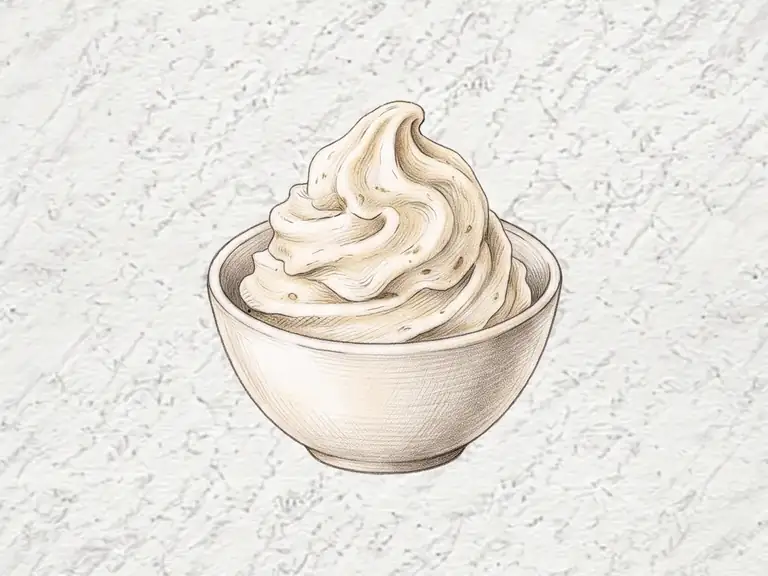
Fully ripe bananas with brown-speckled peels give the sweetest, strongest banana flavor, while slightly less ripe ones whip up fluffier. The sticky, gooey paste that forms partway through is a stage the banana passes through on its way to creamy.
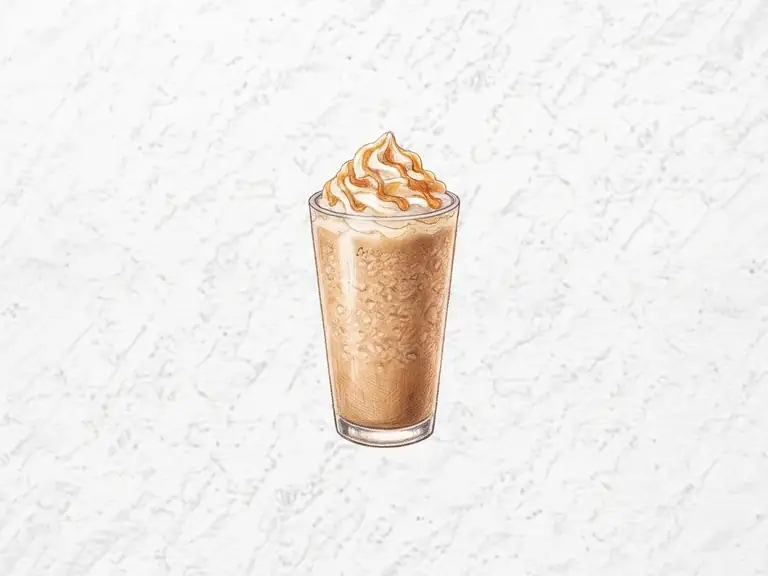
Small ice cubes and strong coffee that is already cold let the blender break the ice into fine crystals and thicken the drink before meltwater has a chance to thin out the coffee. With no ice cream in it, the texture rests entirely on those crystals, and after a few minutes the ice and liquid begin to separate; top it with whipped cream and caramel sauce and serve it right away.