Korean Truffle Mushroom Pot Rice
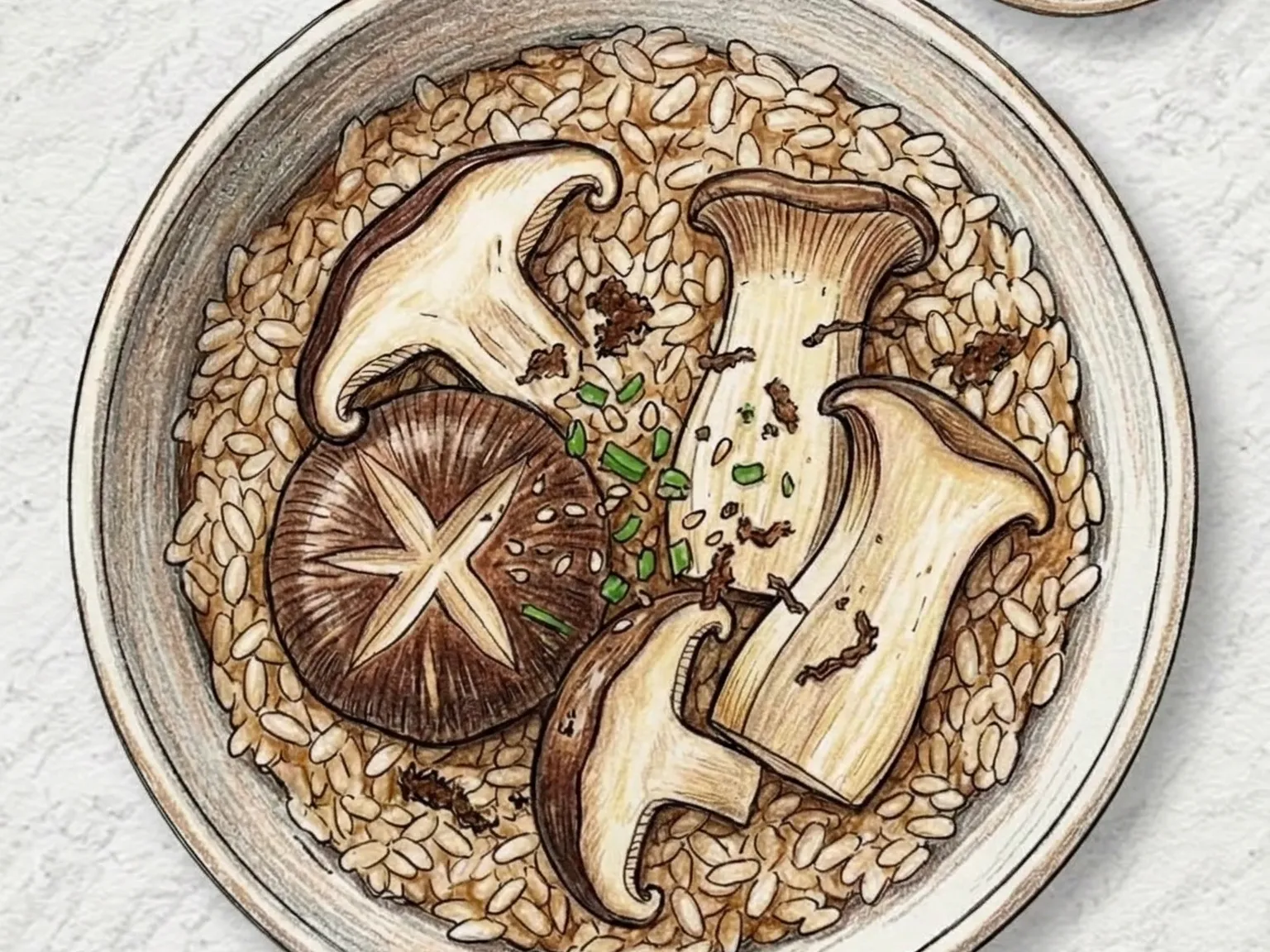
Shiitake and king oyster mushrooms are generously added to a pot of rice and cooked so their released moisture and earthy fragrance infuse every grain. The shiitake stays chewy while thick-sliced king oyster offers a meaty, substantial bite. Once the rice is done, a few drops of truffle oil are drizzled over the top, layering the mushrooms' natural earthiness with the truffle's deep, aromatic intensity. Mixing in a soy-seasoned sauce adds a salty edge that brings the whole bowl into balance. Controlling resting time and grain texture helps the ingredients cook evenly while keeping the final seasoning balanced.
Korean Vegetable Japchae (Glass Noodle Mixed Vegetable Stir-Fry)
Yachae japchae is a vegetarian version of the classic Korean glass noodle dish, made entirely with sweet potato noodles and mixed vegetables - spinach, carrot, shiitake mushrooms, bell pepper, and onion. Each vegetable is stir-fried separately to maintain its color and distinct texture, then combined with pre-seasoned noodles dressed in soy sauce and sesame oil. The varied sweetness and crunch of each vegetable layer together under the soy-sugar seasoning, while the noodles absorb the sauce and turn glossy and chewy. Without meat, the vegetables take center stage, making this equally suitable for everyday meals and celebration spreads.
Korean Clear Broth Tofu Stew
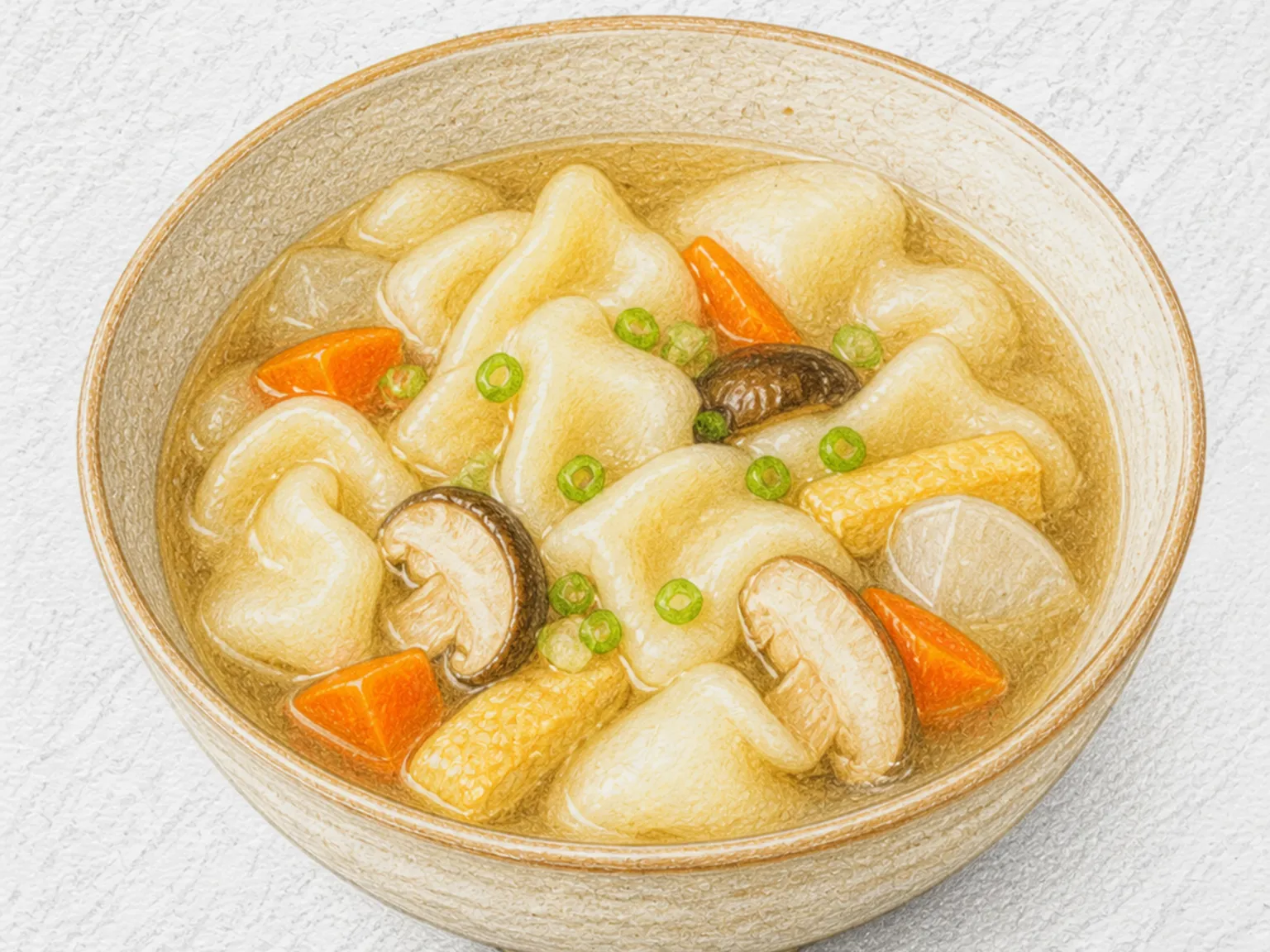
This clear Korean tofu stew is prepared by simmering tofu cubes, shiitake mushrooms, and zucchini in seasoned beef stock. The base relies on a rich beef broth, enhanced by the earthy umami of sliced shiitake mushrooms. Zucchini slices add a mild sweetness as they cook to a tender, translucent state. Seasoned simply with Korean soup soy sauce, salt, and minced garlic, the broth maintains a clean, savory taste without chili heat. To prevent the tofu from breaking, the cubes are gently settled into the pot and simmered over medium-low heat. Sliced green onions are added at the end of cooking to infuse a mild herbal note. Serving the stew hot after letting it rest briefly highlights the natural flavors of the ingredients. The tofu can be lightly pan-seared beforehand to add a nutty flavor and firmer texture.
Korean Vegetable Porridge (Yachae Juk)
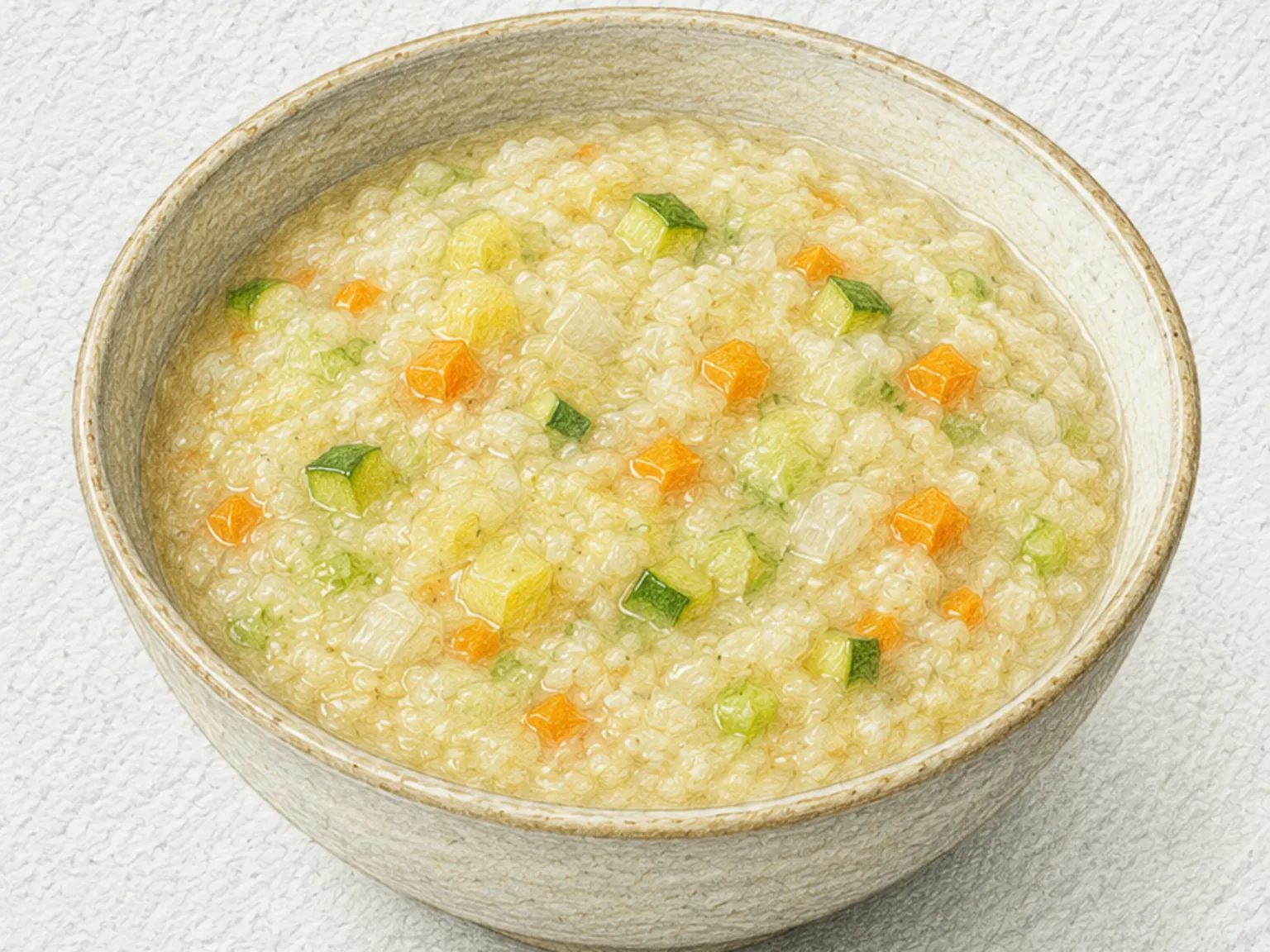
Yachae Juk is a mild, traditional Korean vegetable porridge that is easy on the stomach. The recipe uses finely diced zucchini, carrots, potatoes, and shiitake mushrooms, cooked slowly with pre-soaked rice. Preparing the vegetables in uniform, small pieces ensures they soften at the same rate to create a smooth texture. The cooking process starts by coating the soaked rice in toasted sesame oil in a heavy-bottomed pot before lightly sautéing the vegetables. Water is added, and the porridge is simmered over low heat for about thirty minutes, with regular stirring to prevent the starch from sticking to the bottom. This gentle simmering coaxes out the natural sweetness of the vegetables. A minimal seasoning of salt and soup soy sauce is added at the end to keep the vegetable broth clean and clear. It is a light, digestible dish suited for breakfast or recovery.
Korean Mixed Vegetable Stir-Fry
Yachae-twigim-bokkeum is a straightforward Korean stir-fry of mixed vegetables - carrot, onion, bell pepper, and shiitake mushroom - seasoned with oyster sauce and sesame oil. Firmer vegetables go into the hot pan first, with softer ones added later so each retains its crunch. The oyster sauce provides a thin layer of umami and the sesame oil a nutty finish, but the light seasoning lets the natural sweetness and flavor of the vegetables come through. It is a low-fat, fast-cooking dish that works as an everyday side when time is short.
Korean Lotus Root Shiitake Pot Rice
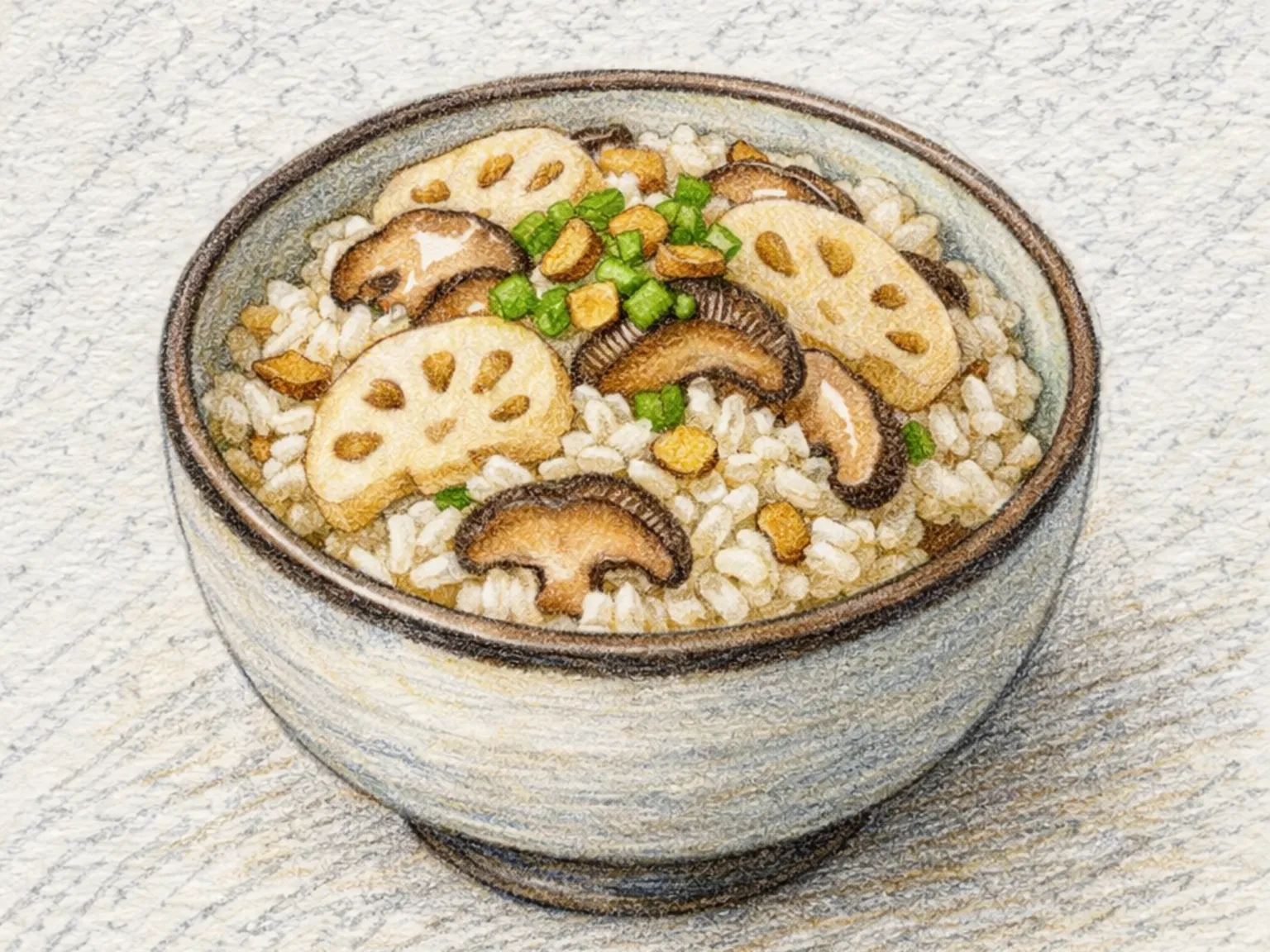
Yeongeun-pyogo-sotbap is a Korean pot rice dish that combines short-grain rice with crisp lotus root and chewy shiitake mushrooms. The process begins by soaking the rice for thirty minutes, then draining it. Minced garlic, diced shiitake, and carrots are sautéed in perilla oil to release moisture. The rice and thinly sliced lotus root are added next, coating the grains in oil to ensure a glossy texture and nutty flavor. Water and soy sauce are poured in, and the pot is simmered on low heat for fourteen minutes. Resting the covered pot off the heat for ten minutes is the key step to settle the aroma and finalize the texture. Before serving, fresh scallions and toasted sesame seeds are scattered over the top and fluffed gently to prevent crushing the rice.
Mixed Seafood and Vegetable Stir-fry
Yusanseul is a Korean-Chinese stir-fry of shrimp, squid, bamboo shoots, shiitake mushrooms, and bok choy, finished with a light cornstarch sauce. The seafood is seared quickly over high heat to maintain a springy bite, while chicken stock and oyster sauce build a clean umami backbone. A starch slurry binds everything in a silky, translucent glaze that clings to each ingredient without heaviness. Bamboo shoots and bok choy retain their crunch, giving the dish textural contrast that makes it well-suited for a special occasion table.
Korean Lotus Root Shrimp Pot Rice
This pot rice pairs shrimp with lotus root, creating a contrast between the bouncy shellfish and the crunchy root vegetable. Shiitake mushroom deepens the umami layer, and garlic weaves a steady aroma throughout. Light soy sauce seasons the rice just enough to let the natural flavors of each ingredient come through. A drizzle of sesame oil at the end gives the grains a glossy sheen and nutty finish. When the lid comes off, the red of the shrimp against the white lotus root cross-sections makes for a striking presentation.
Korean Nutritious Mixed Rice
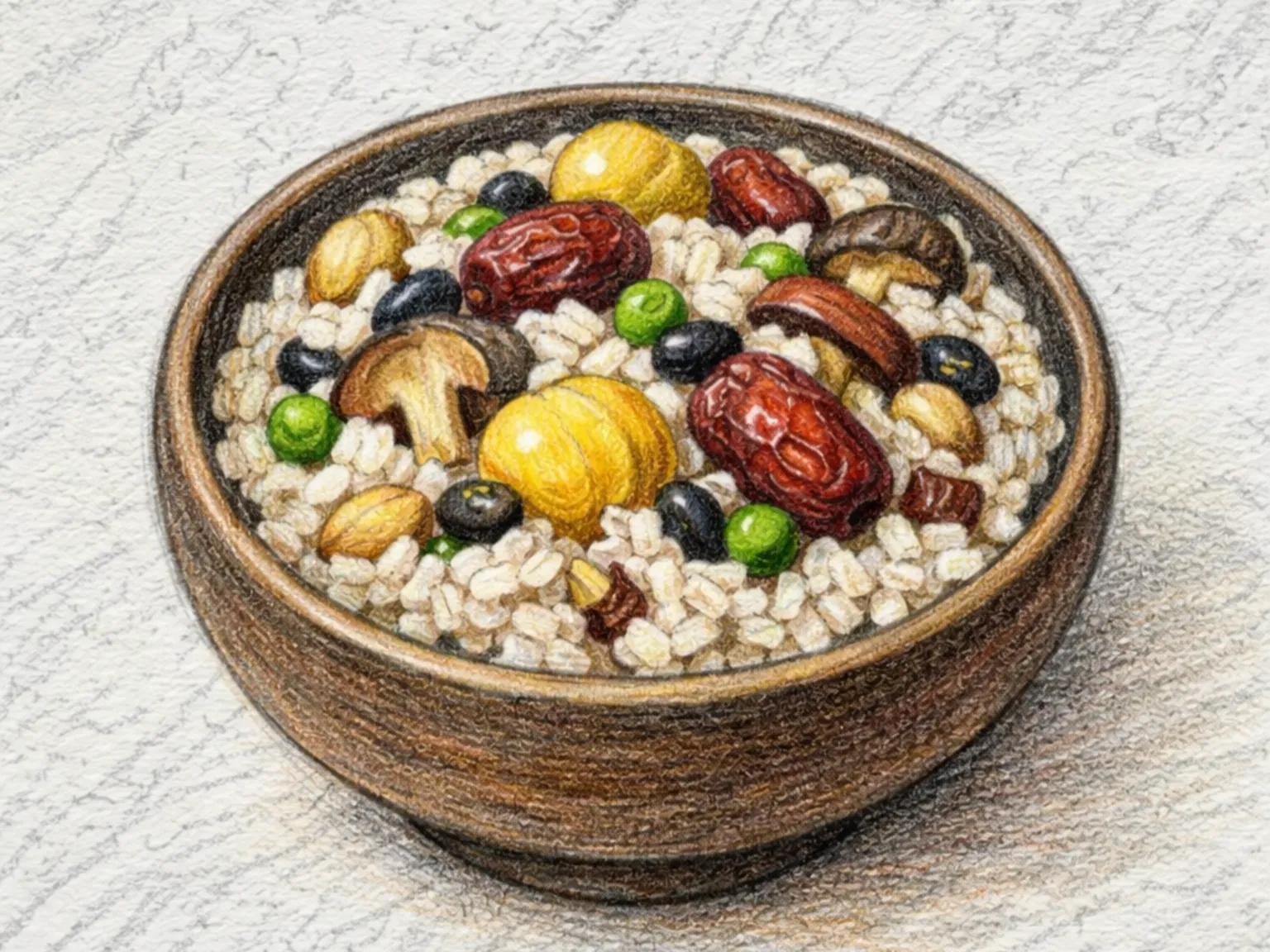
Yeongyangbap is a traditional Korean mixed grain rice made with glutinous and regular rice, chestnuts, jujubes, black beans, and shiitake mushrooms. The chestnuts add a starchy, crumbly texture, jujubes bring natural sweetness, black beans contribute nuttiness, and mushrooms round out the umami. The glutinous rice ratio gives the dish a sticky quality that binds the toppings to each grain. The dish relies on the inherent flavors of its ingredients rather than heavy seasoning. While it often appears on holiday and special occasion tables, it works equally well as an everyday meal.