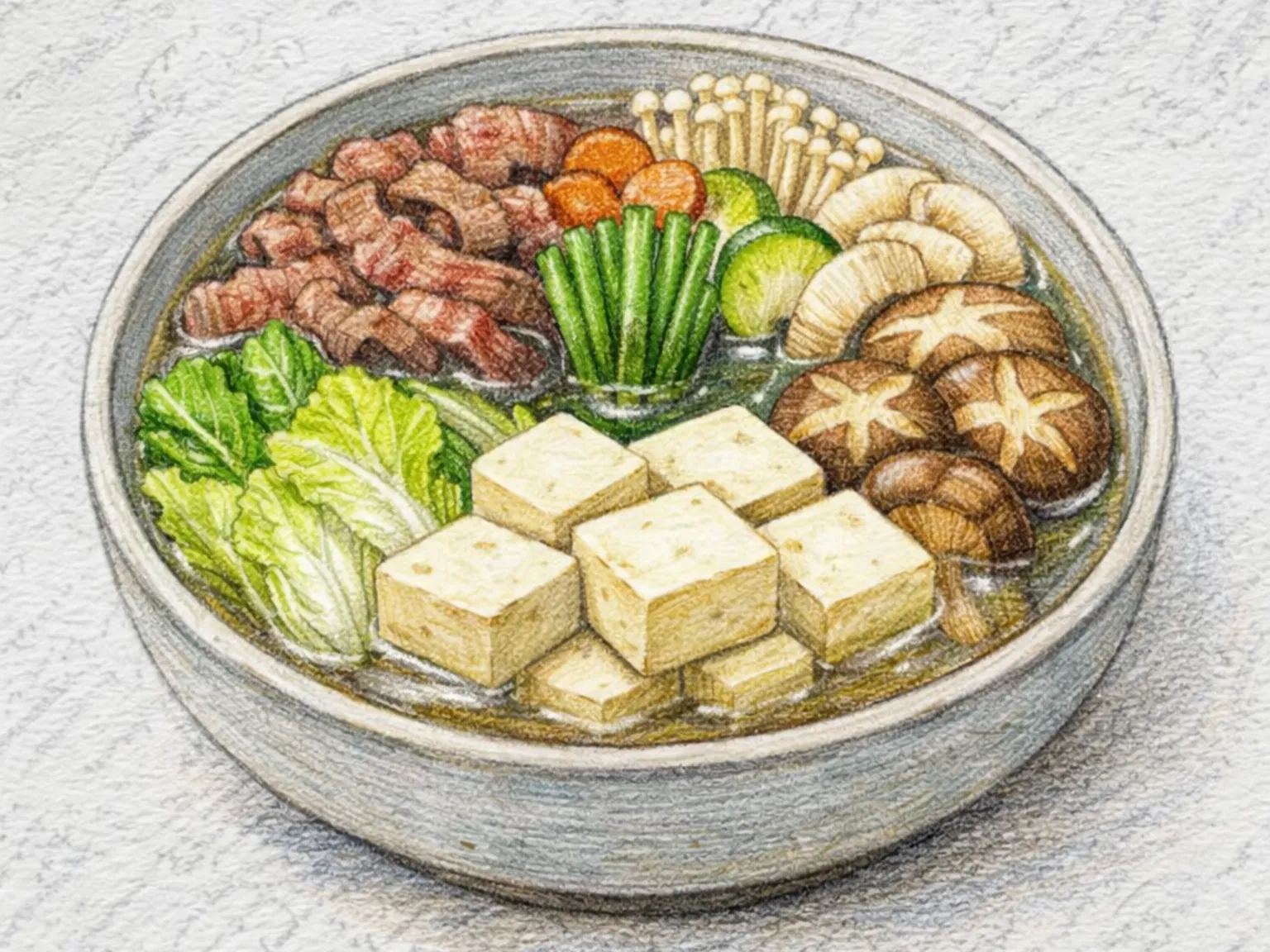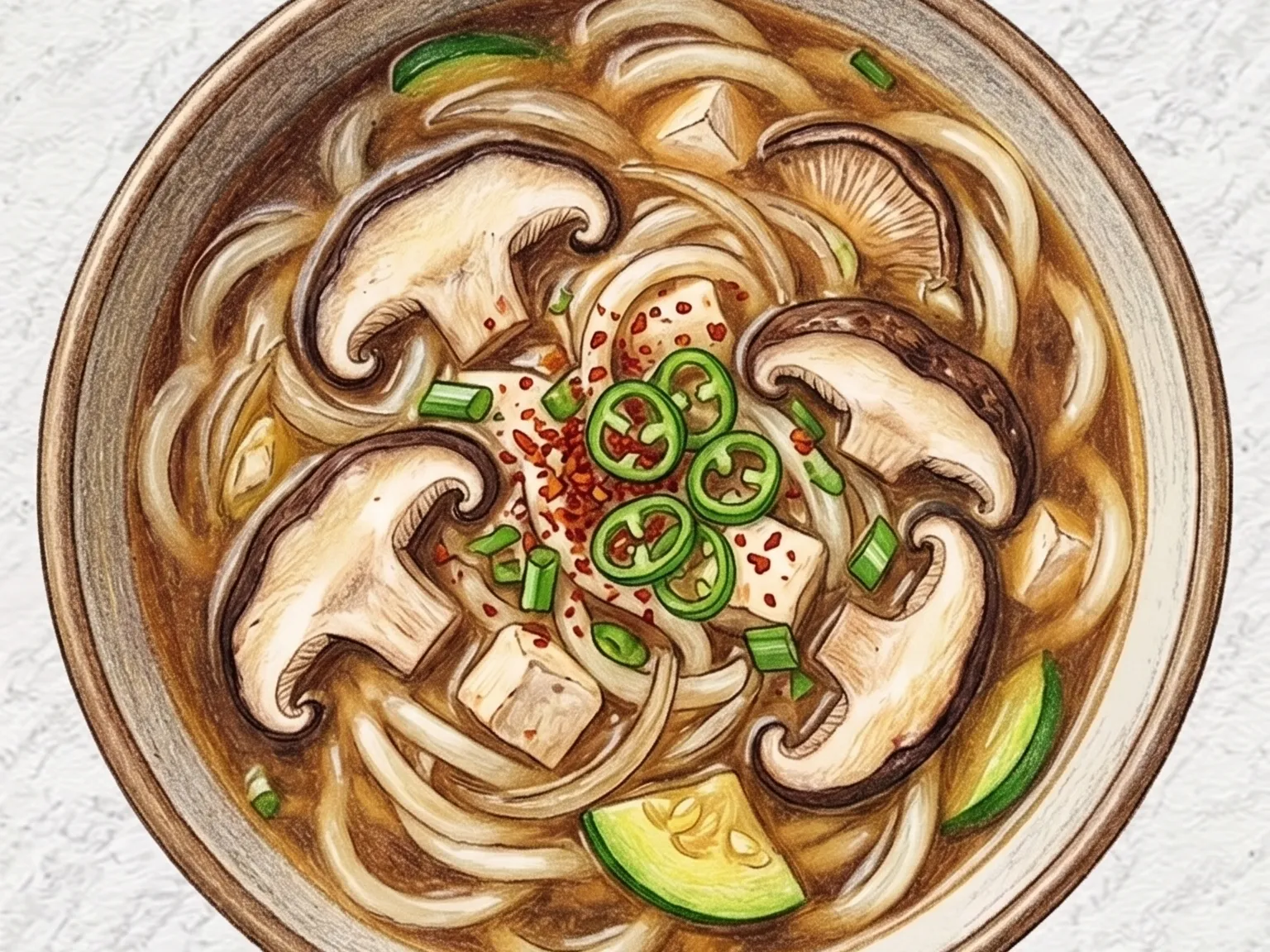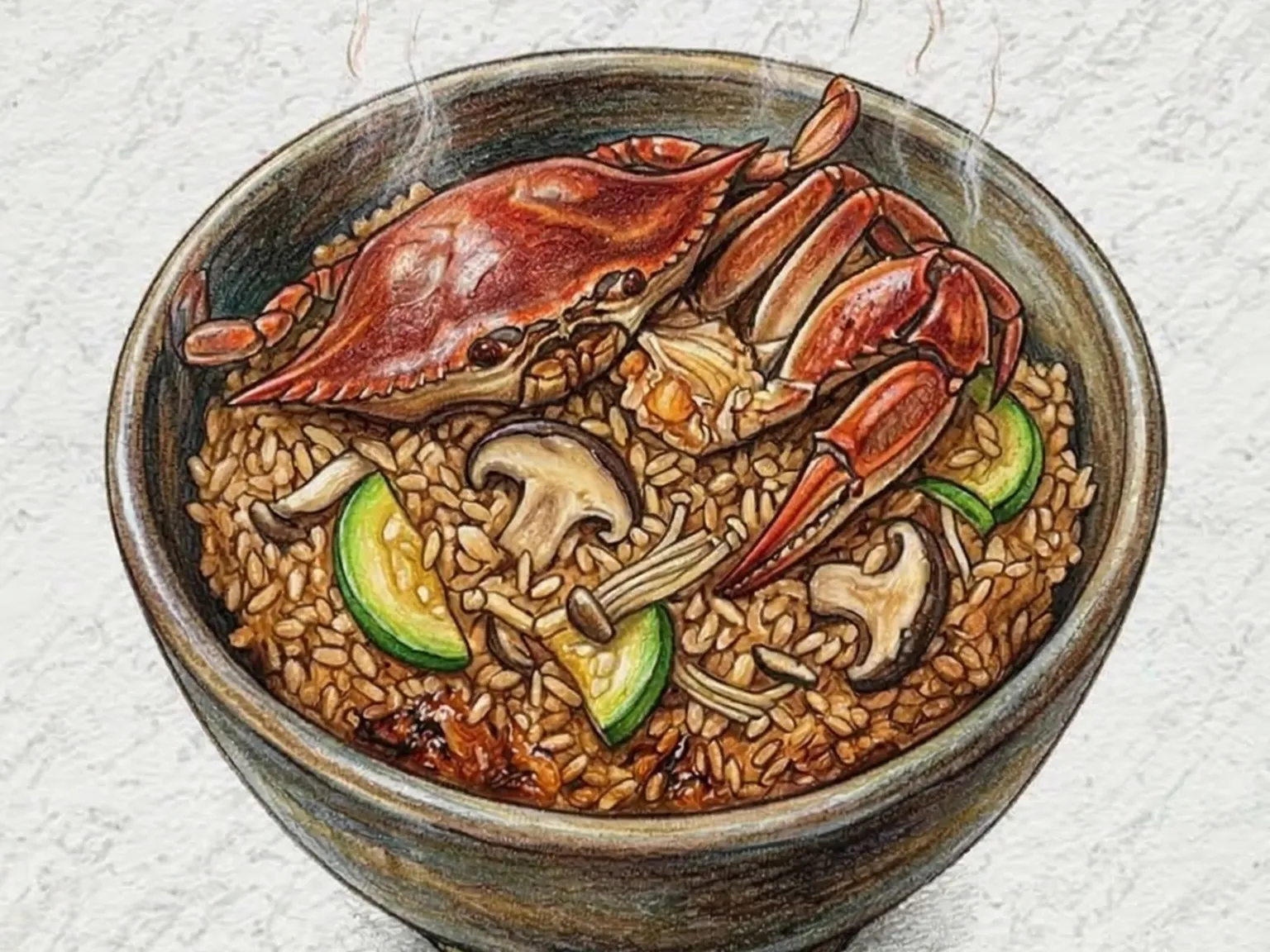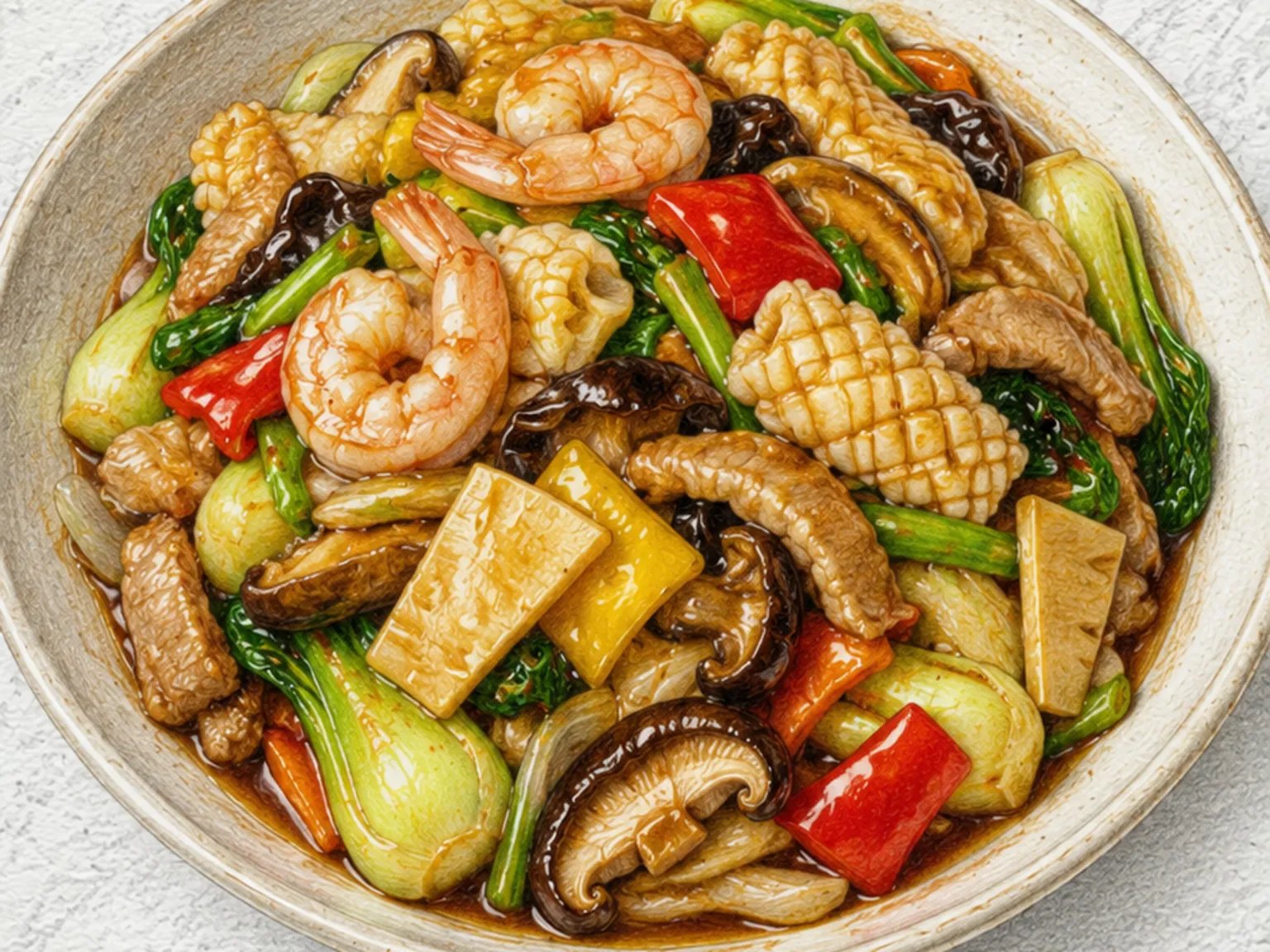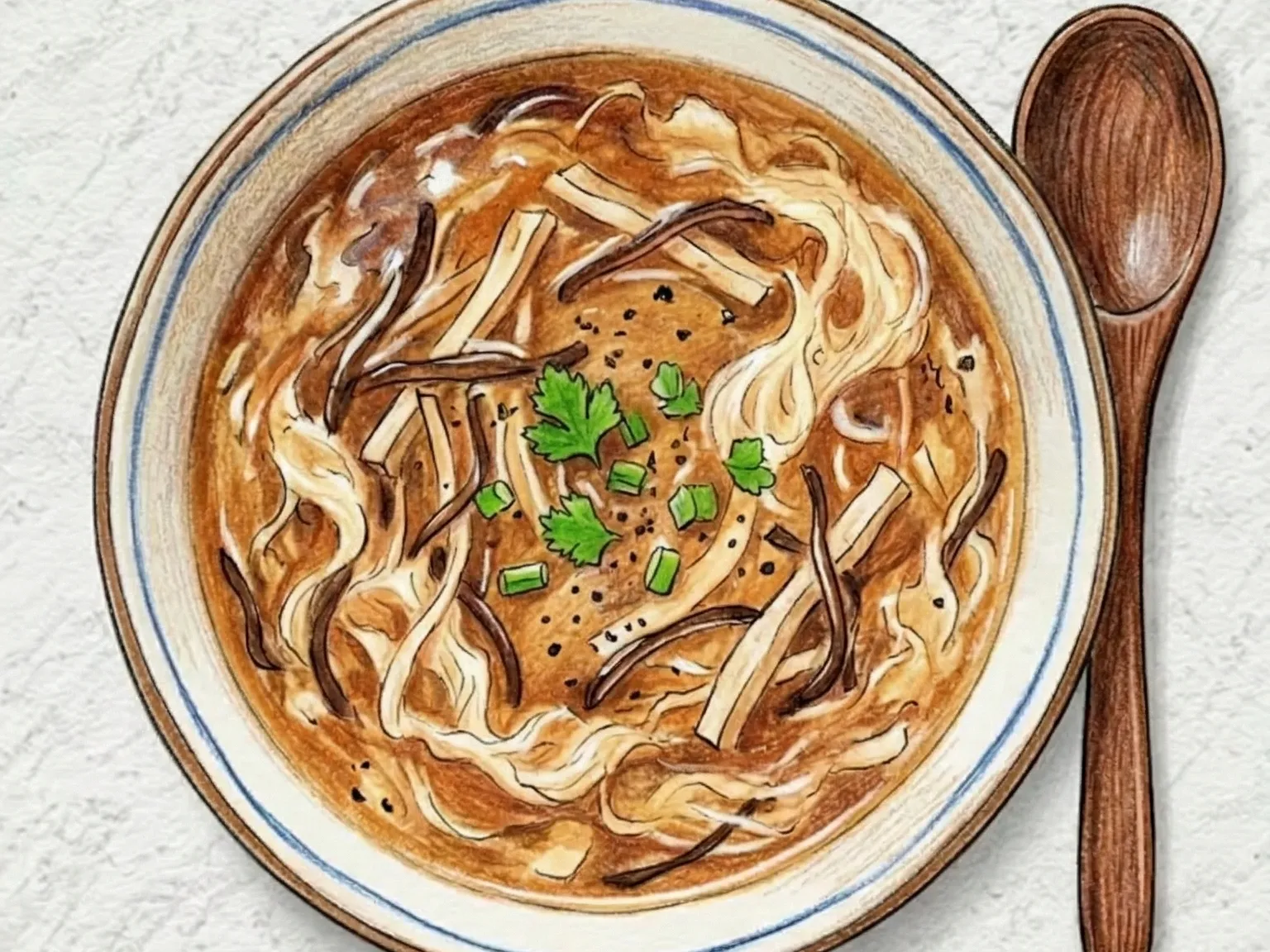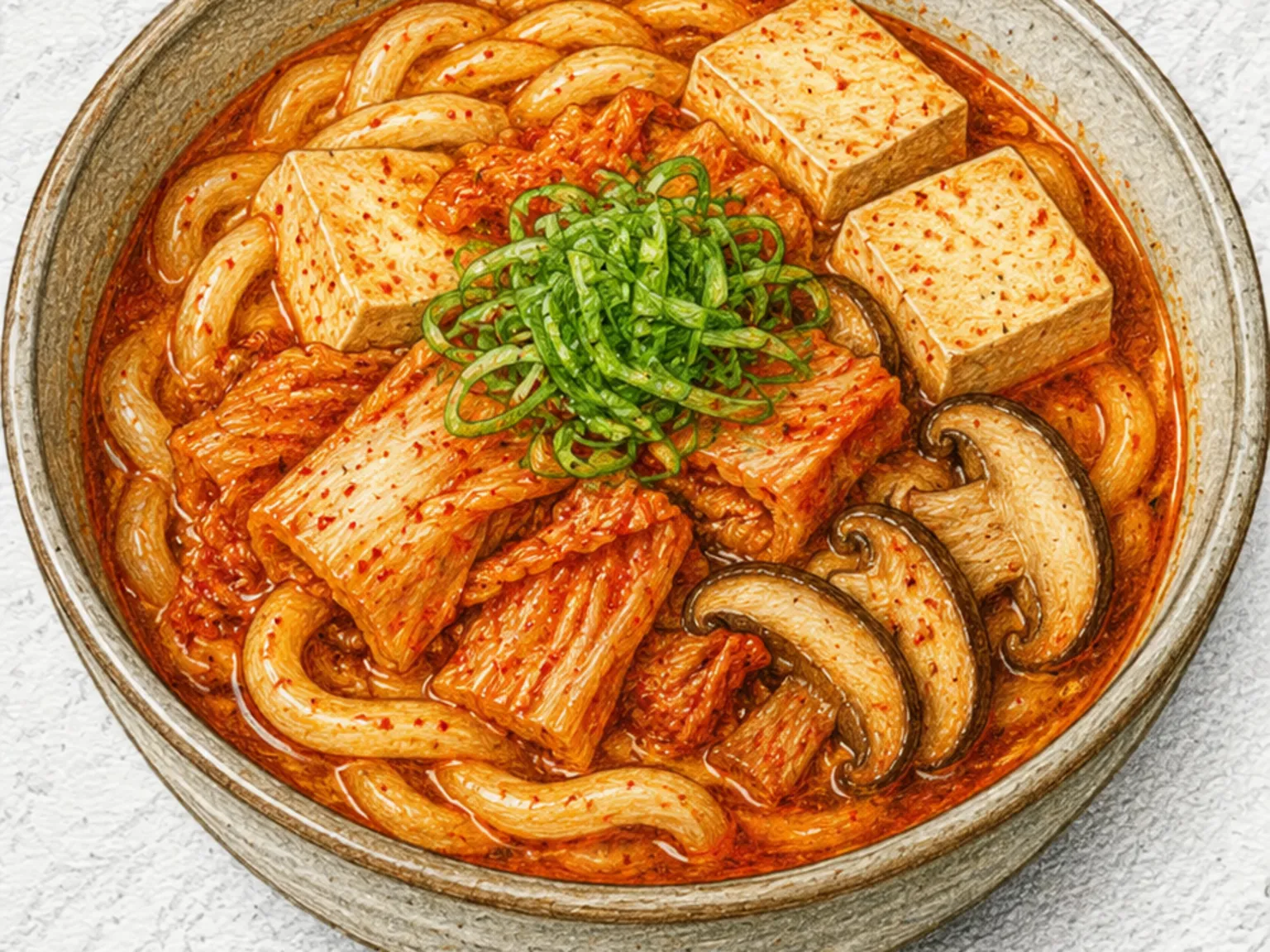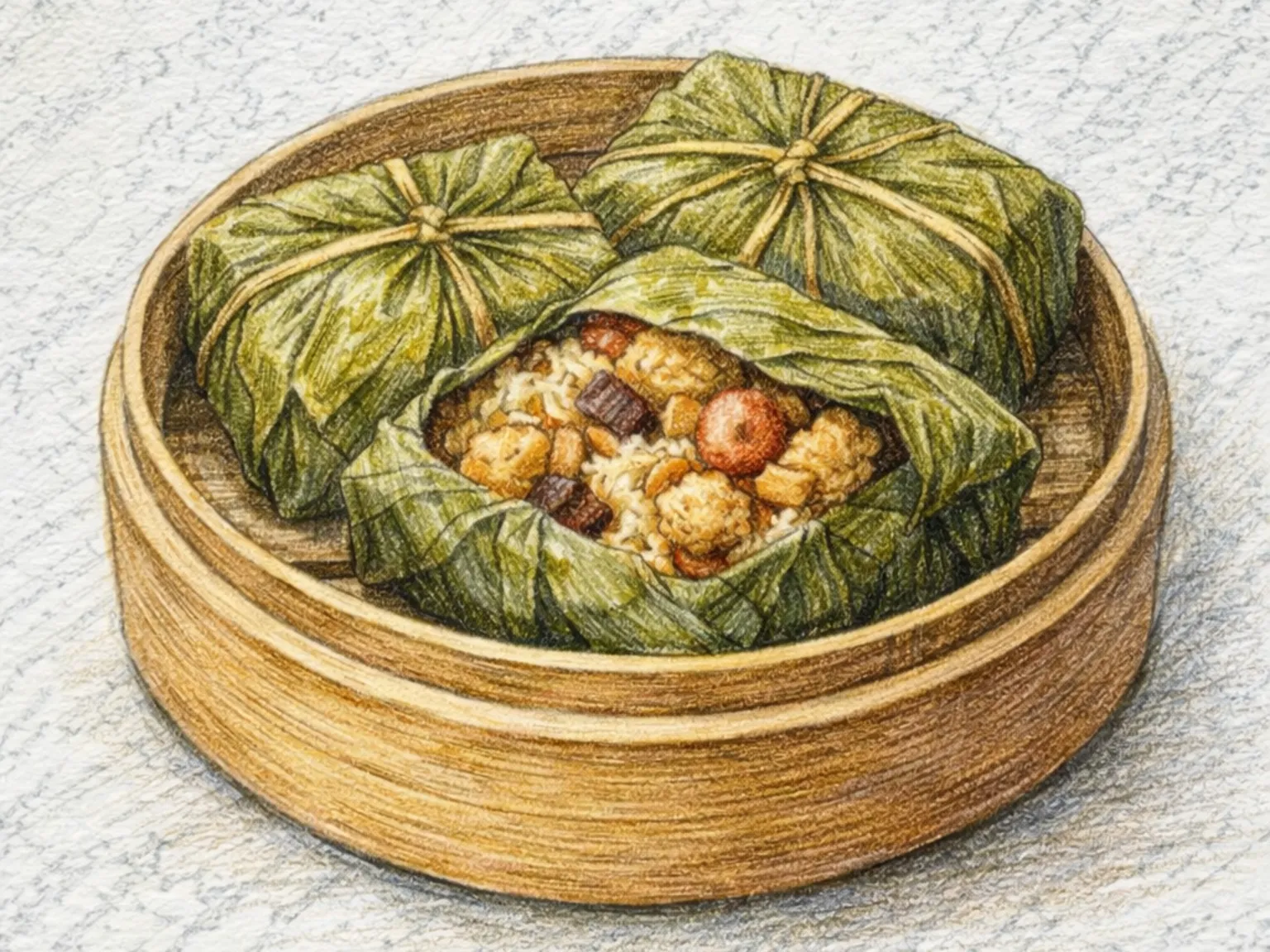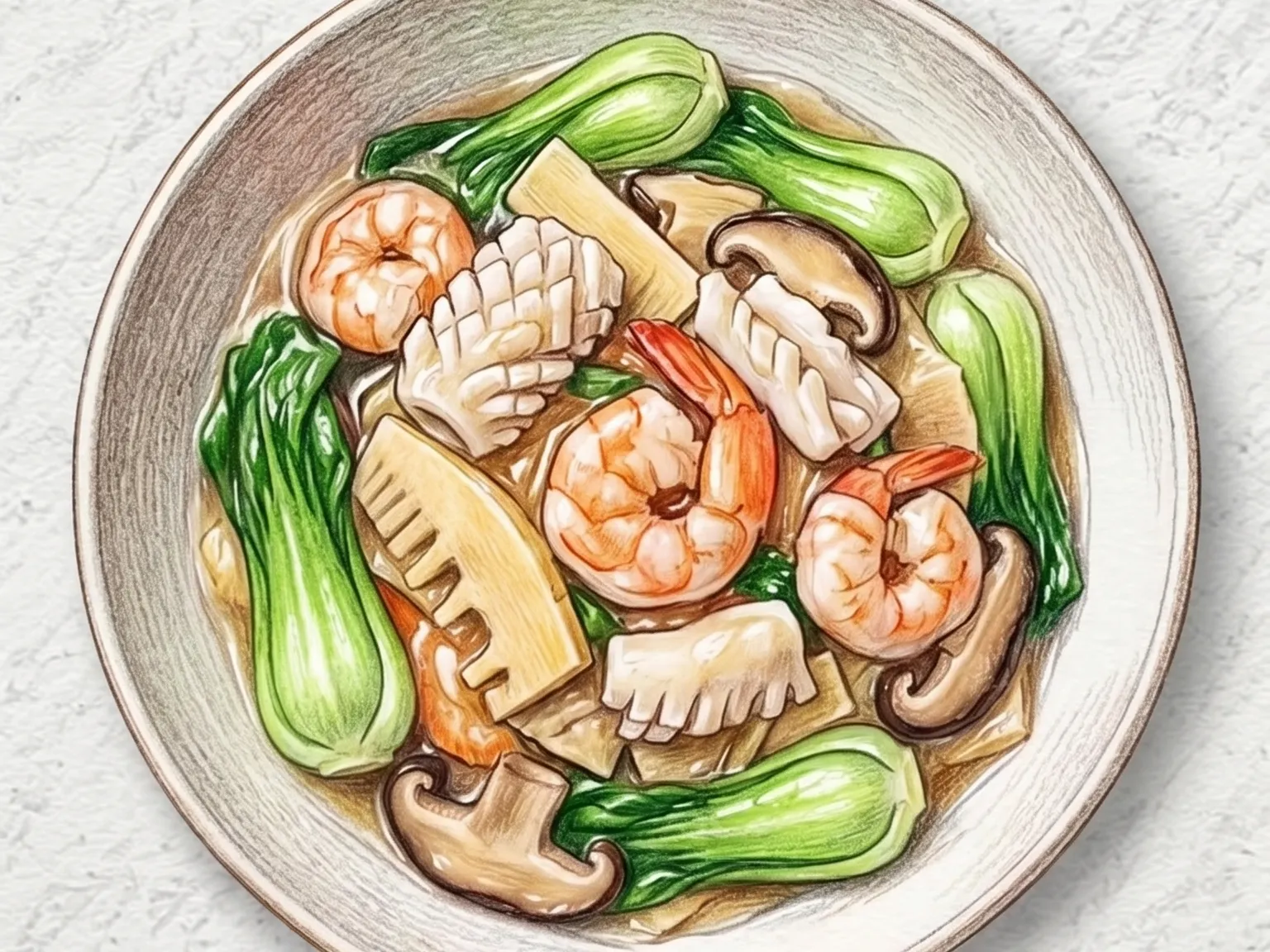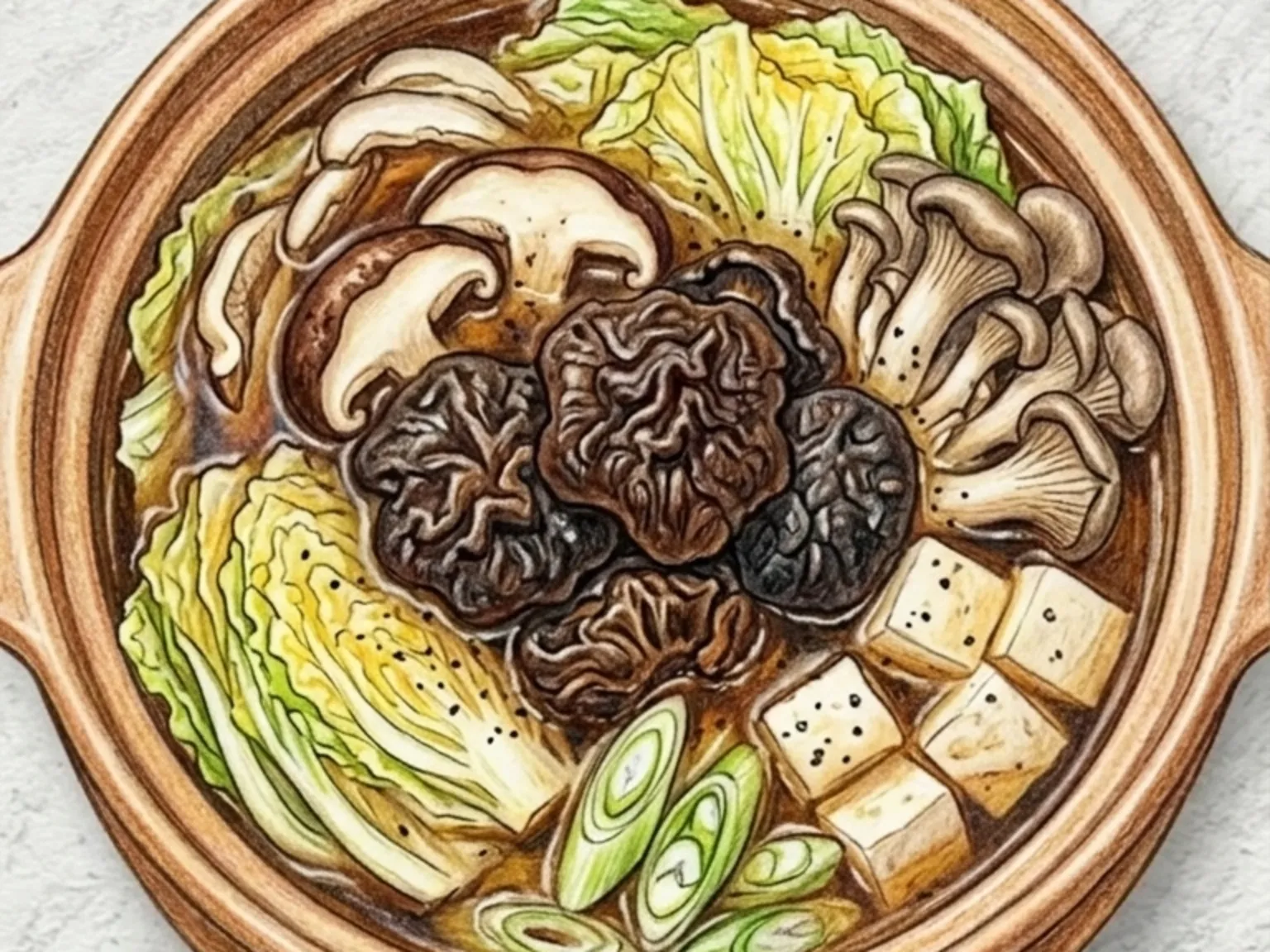
Royal Korean Hot Pot (Court-Style Beef & Tofu Banquet)
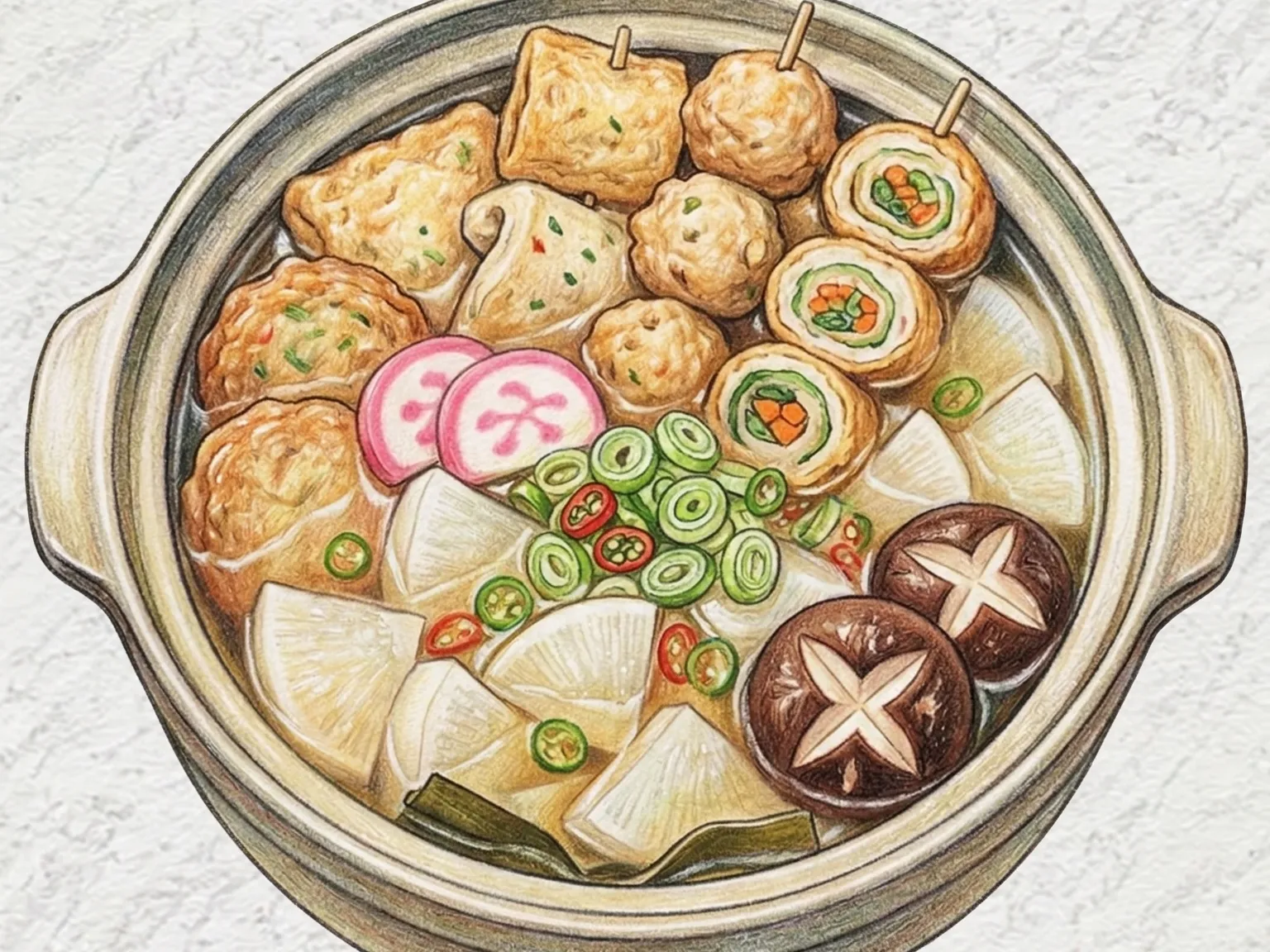
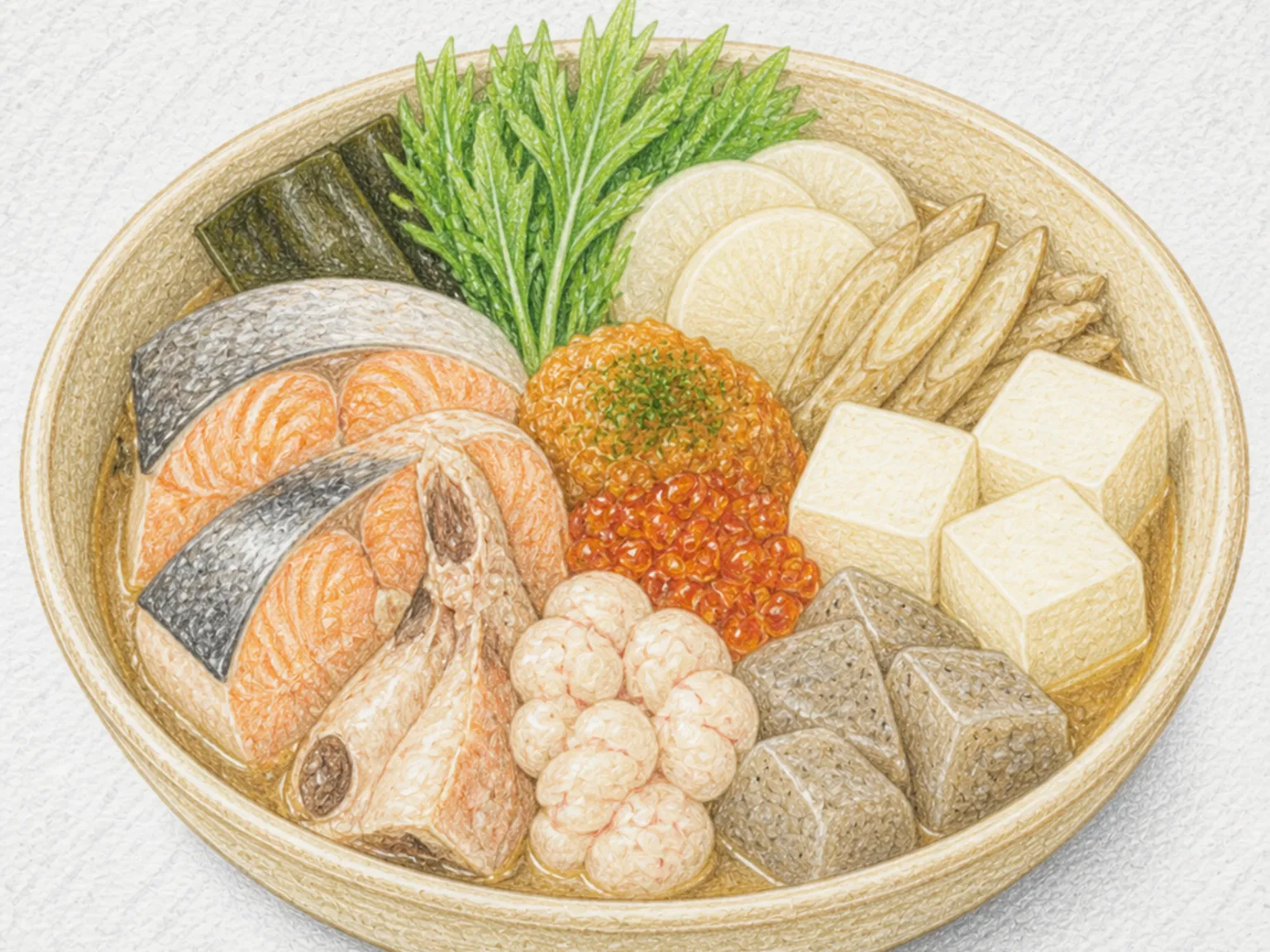
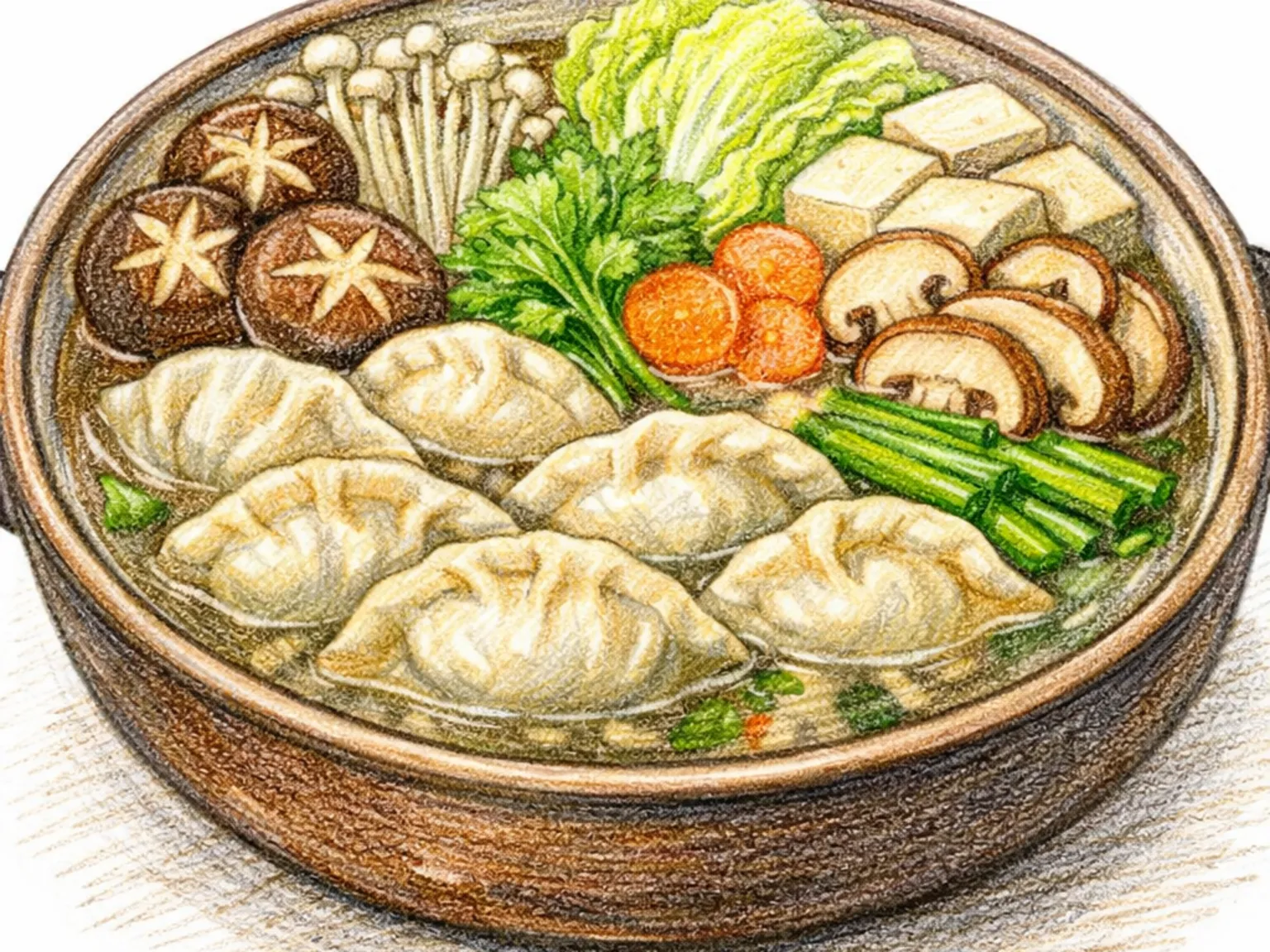
Sinseollo is a traditional Korean royal court hot pot featuring ground beef, tofu, shiitake mushrooms, carrot, and napa cabbage arranged in a rich beef broth. Seasoned with soup soy sauce and finished with beaten egg, the broth develops a velvety body. Historically served in a brass charcoal-heated vessel at the royal table, each ingredient is placed with care to showcase its color and shape. The layered umami from the diverse ingredients creates a remarkably complex flavor.

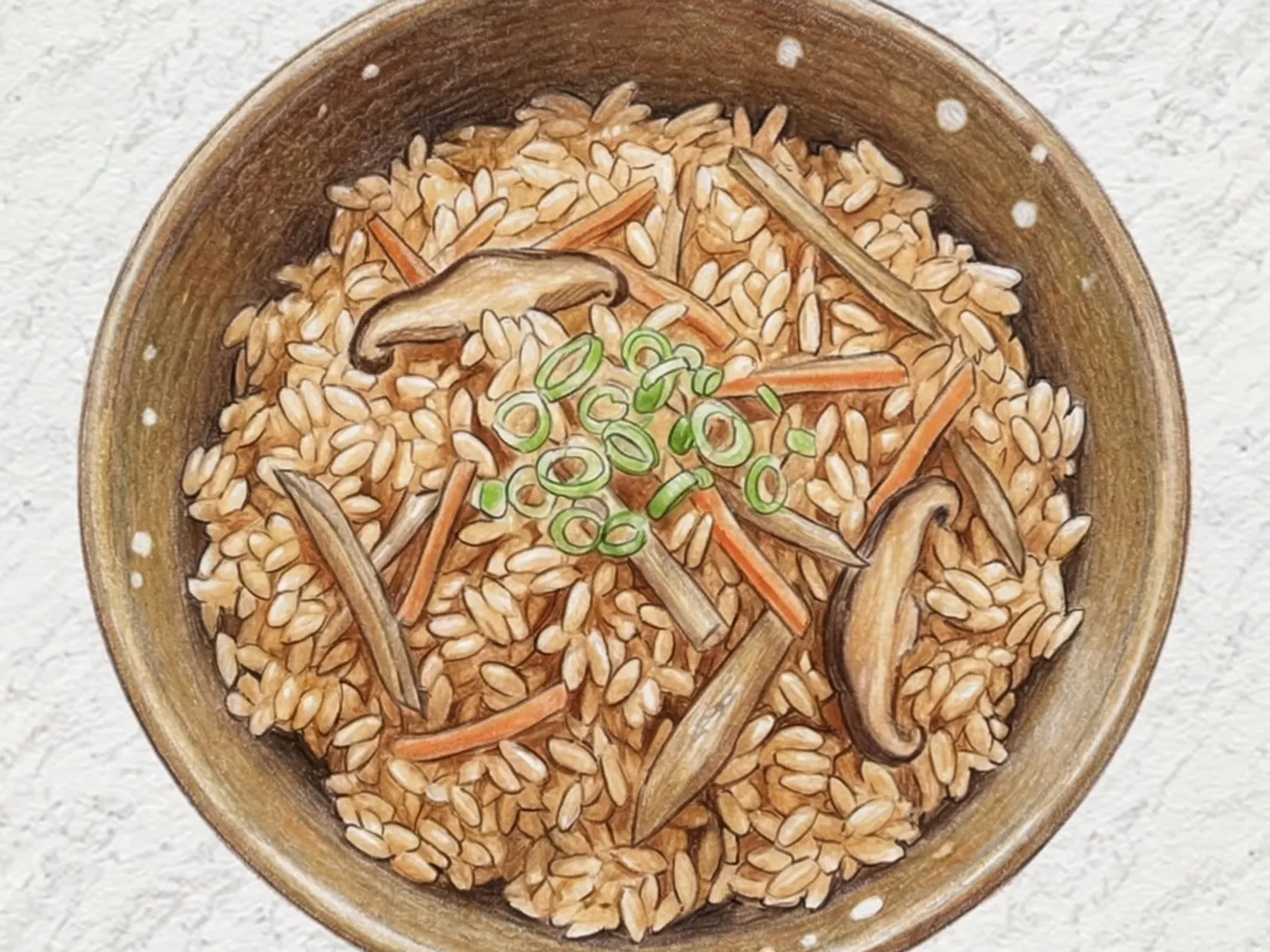
Korean Lotus Root Shiitake Pot Rice
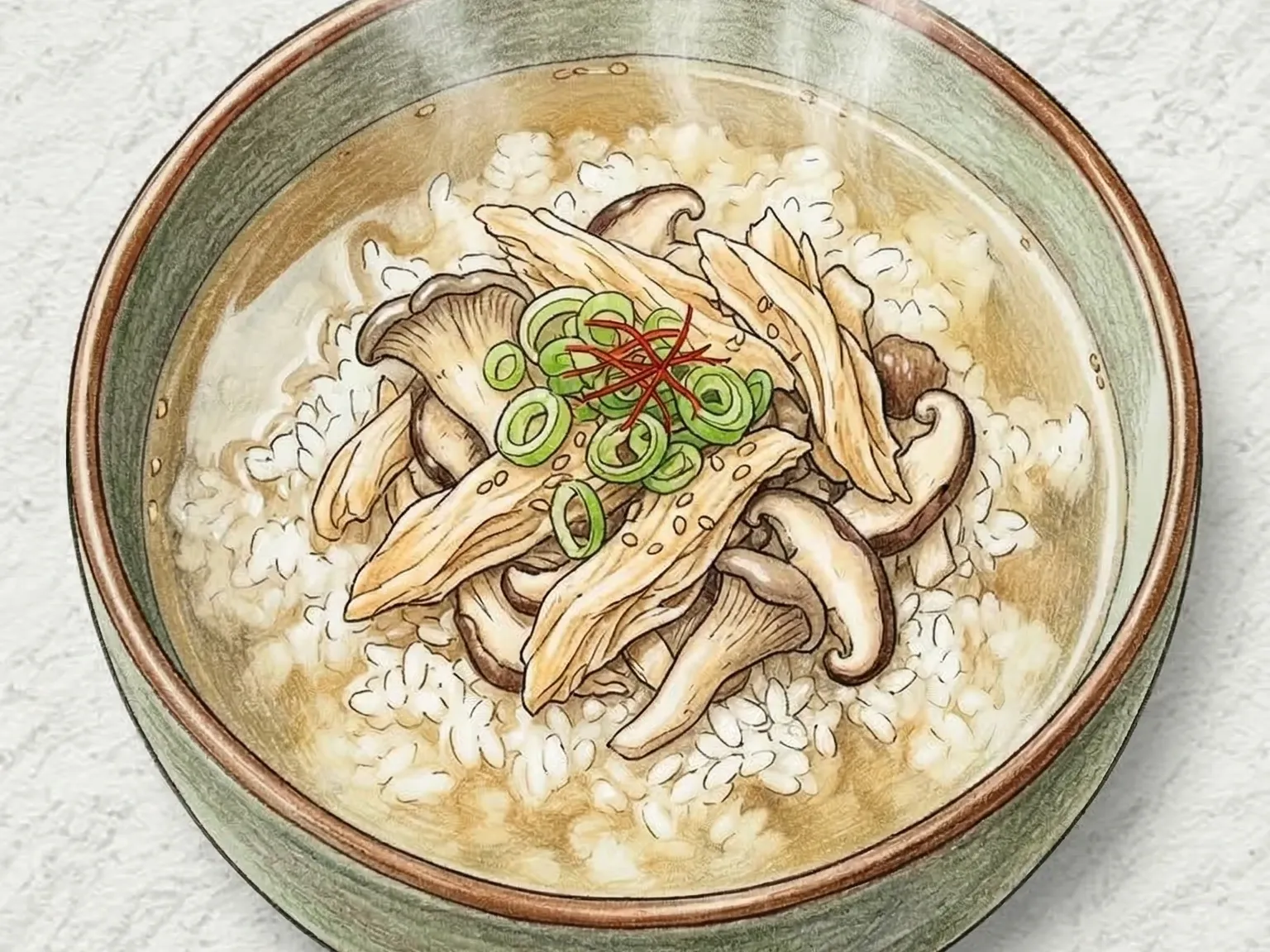
This pot rice combines lotus root and shiitake mushroom, each contributing a different texture to the same pot. Lotus root stays crisp while shiitake offers a chewy bite, keeping the rice from being monotone. The grains are lightly coated in perilla oil before water is added, which gives them a glossy finish and nutty undertone. A soy sauce mix with chopped scallions and sesame seeds is stirred in at the table for a salty, aromatic contrast. Diced carrot adds subtle sweetness and color.

Korean Vegetable Japchae (Glass Noodle Mixed Vegetable Stir-Fry)
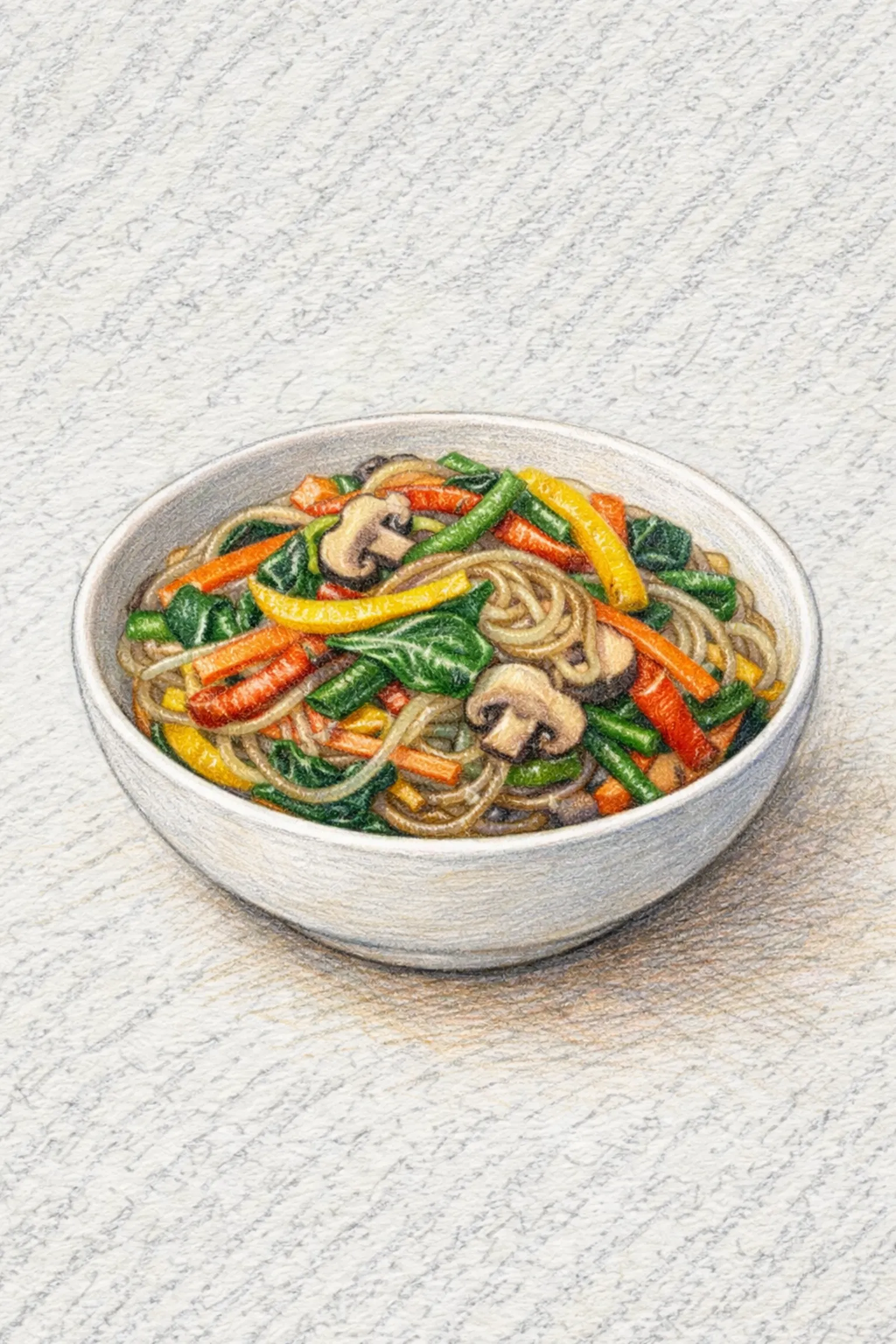
Yachae japchae is a vegetarian version of the classic Korean glass noodle dish, made entirely with sweet potato noodles and mixed vegetables - spinach, carrot, shiitake mushrooms, bell pepper, and onion. Each vegetable is stir-fried separately to maintain its color and distinct texture, then combined with pre-seasoned noodles dressed in soy sauce and sesame oil. The varied sweetness and crunch of each vegetable layer together under the soy-sugar seasoning, while the noodles absorb the sauce and turn glossy and chewy. Without meat, the vegetables take center stage, making this equally suitable for everyday meals and celebration spreads.

Korean Beef Mushroom Stew
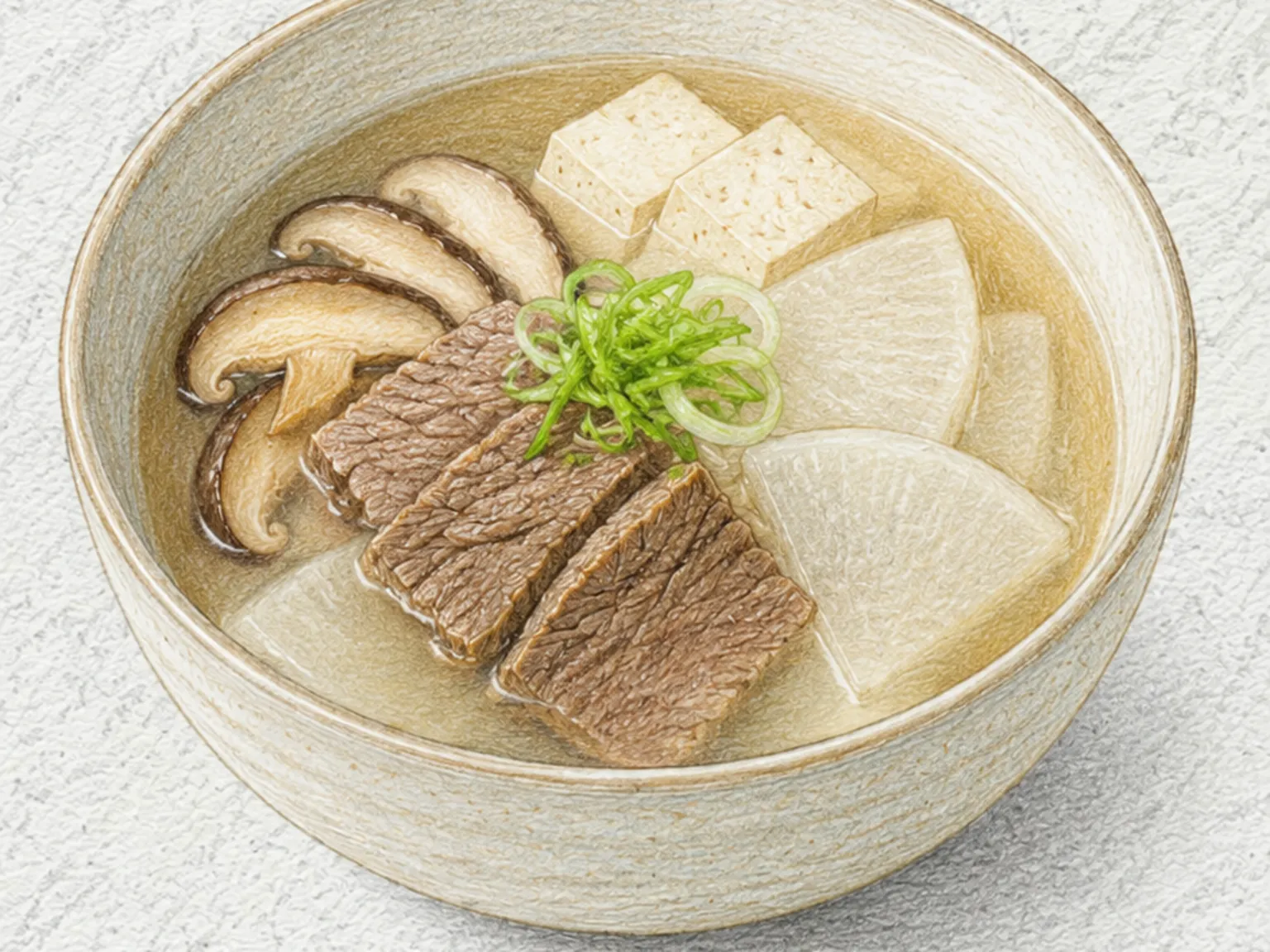
Soegogi-beoseot-jjigae is a Korean stew featuring thinly sliced beef with oyster mushrooms and shiitake mushrooms in a beef stock base. The beef stays tender throughout the cooking time because it is cut thin, and the two varieties of mushrooms contribute layered umami that deepens the broth considerably. Firm tofu absorbs the surrounding liquid and takes on the flavors of the stew while adding protein and body to the pot. Onion and green onion provide sweetness and fragrance that round out the savory base. The stew is seasoned simply with soup soy sauce and garlic, which keeps the natural flavors of beef and mushroom prominent. Tearing oyster mushrooms by hand along their grain allows the broth to penetrate the fibers better than cutting, and removing the tough stems from shiitake mushrooms before adding them keeps the broth clean and free of bitterness.

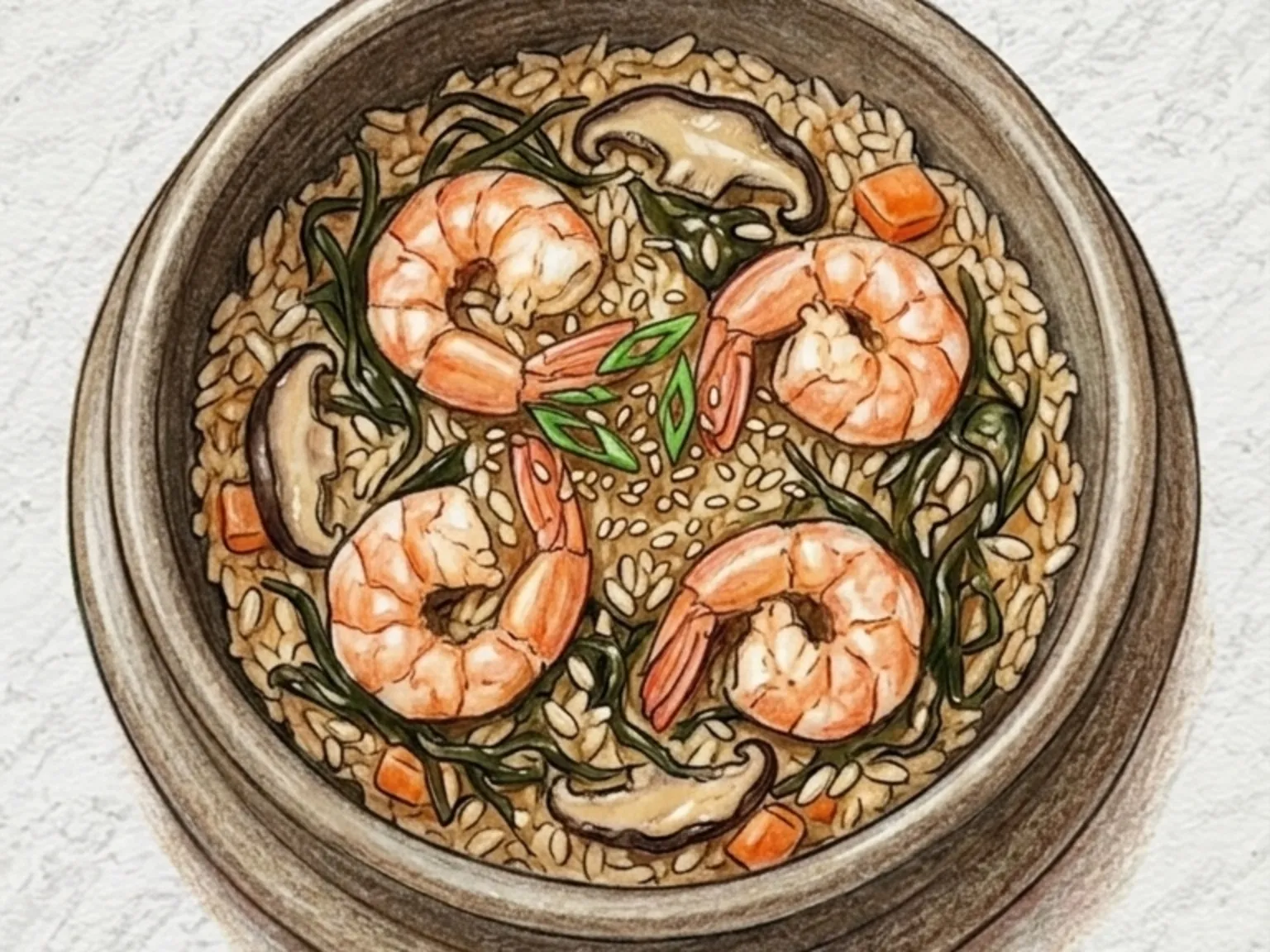
Korean Lotus Root Shrimp Pot Rice
This pot rice pairs shrimp with lotus root, creating a contrast between the bouncy shellfish and the crunchy root vegetable. Shiitake mushroom deepens the umami layer, and garlic weaves a steady aroma throughout. Light soy sauce seasons the rice just enough to let the natural flavors of each ingredient come through. A drizzle of sesame oil at the end gives the grains a glossy sheen and nutty finish. When the lid comes off, the red of the shrimp against the white lotus root cross-sections makes for a striking presentation.

Korean Clear Broth Tofu Stew
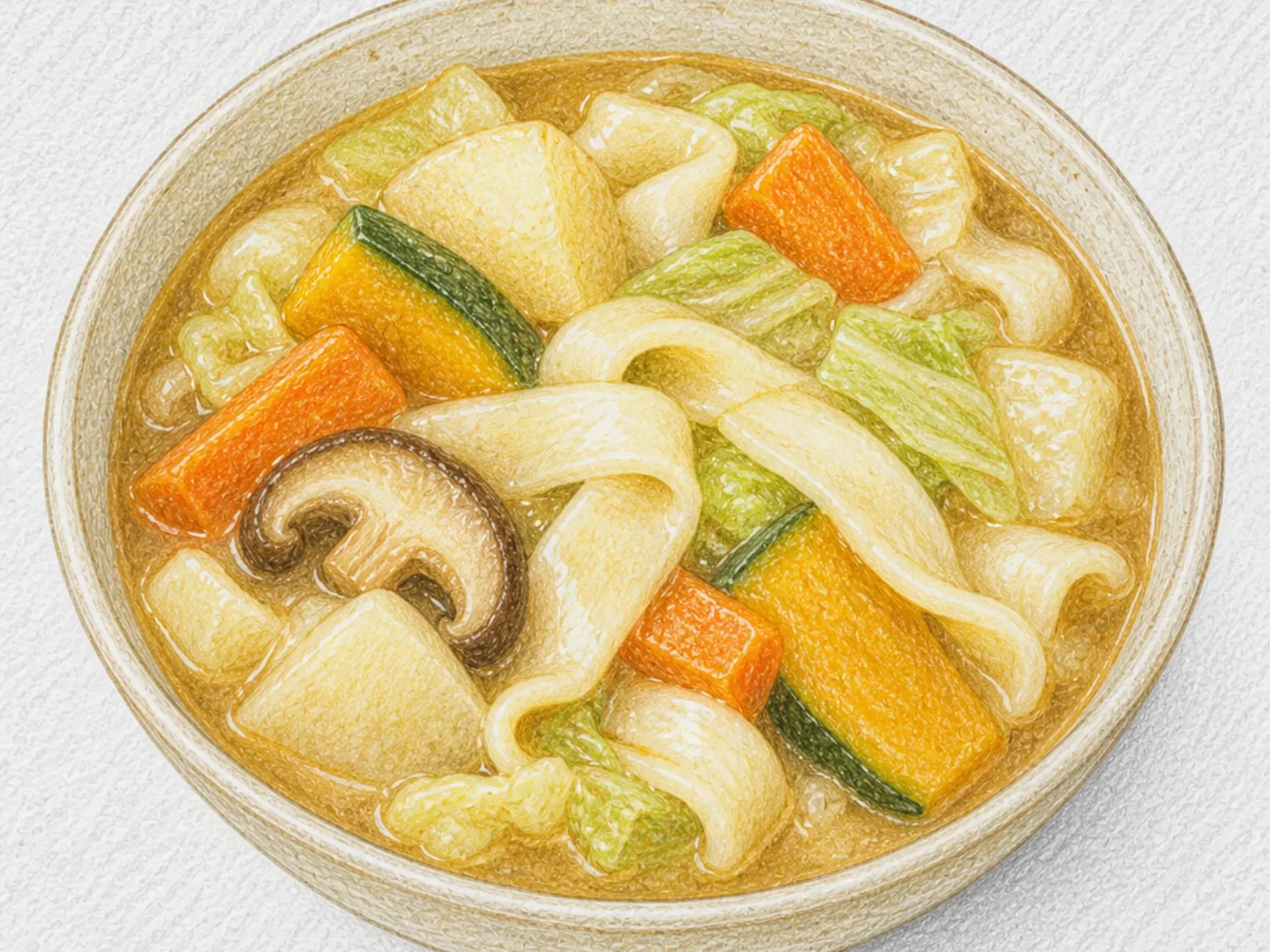
Tofu simmers in a deep beef stock alongside shiitake mushrooms and zucchini in this clean-flavored stew. The quality of the beef stock drives the entire dish, with shiitake mushrooms reinforcing the umami depth. Soft tofu cubes absorb the rich broth, while zucchini contributes a mild sweetness. Seasoned only with soup soy sauce and salt, this stew showcases a restrained, elegant approach to Korean jjigae without any chili heat.

Korean Nutritious Mixed Rice
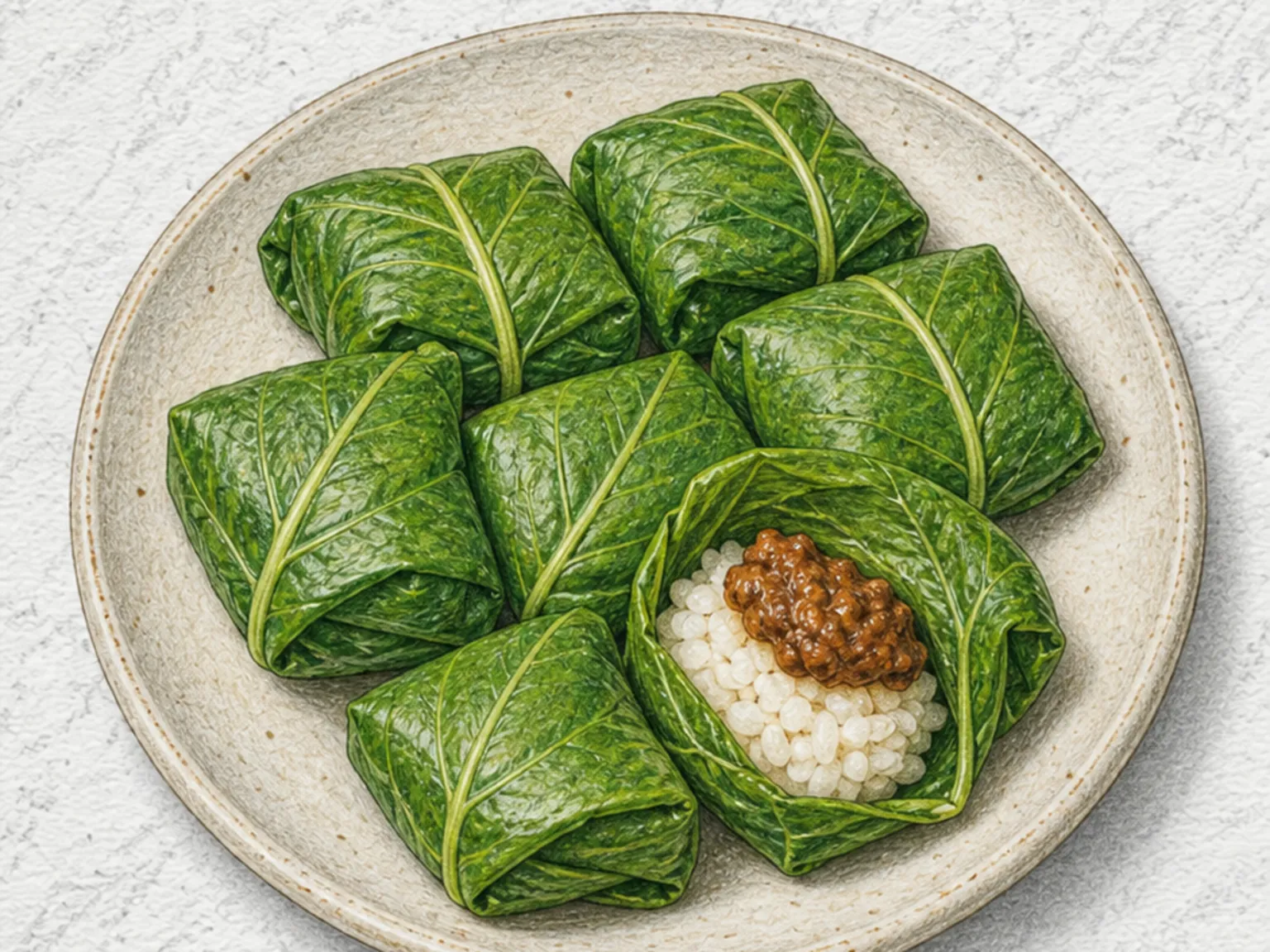
Yeongyangbap is a traditional Korean mixed grain rice made with glutinous and regular rice, chestnuts, jujubes, black beans, and shiitake mushrooms. The chestnuts add a starchy, crumbly texture, jujubes bring natural sweetness, black beans contribute nuttiness, and mushrooms round out the umami. The glutinous rice ratio gives the dish a sticky quality that binds the toppings to each grain. The dish relies on the inherent flavors of its ingredients rather than heavy seasoning. While it often appears on holiday and special occasion tables, it works equally well as an everyday meal.

Korean Doenjang Mushroom Udon
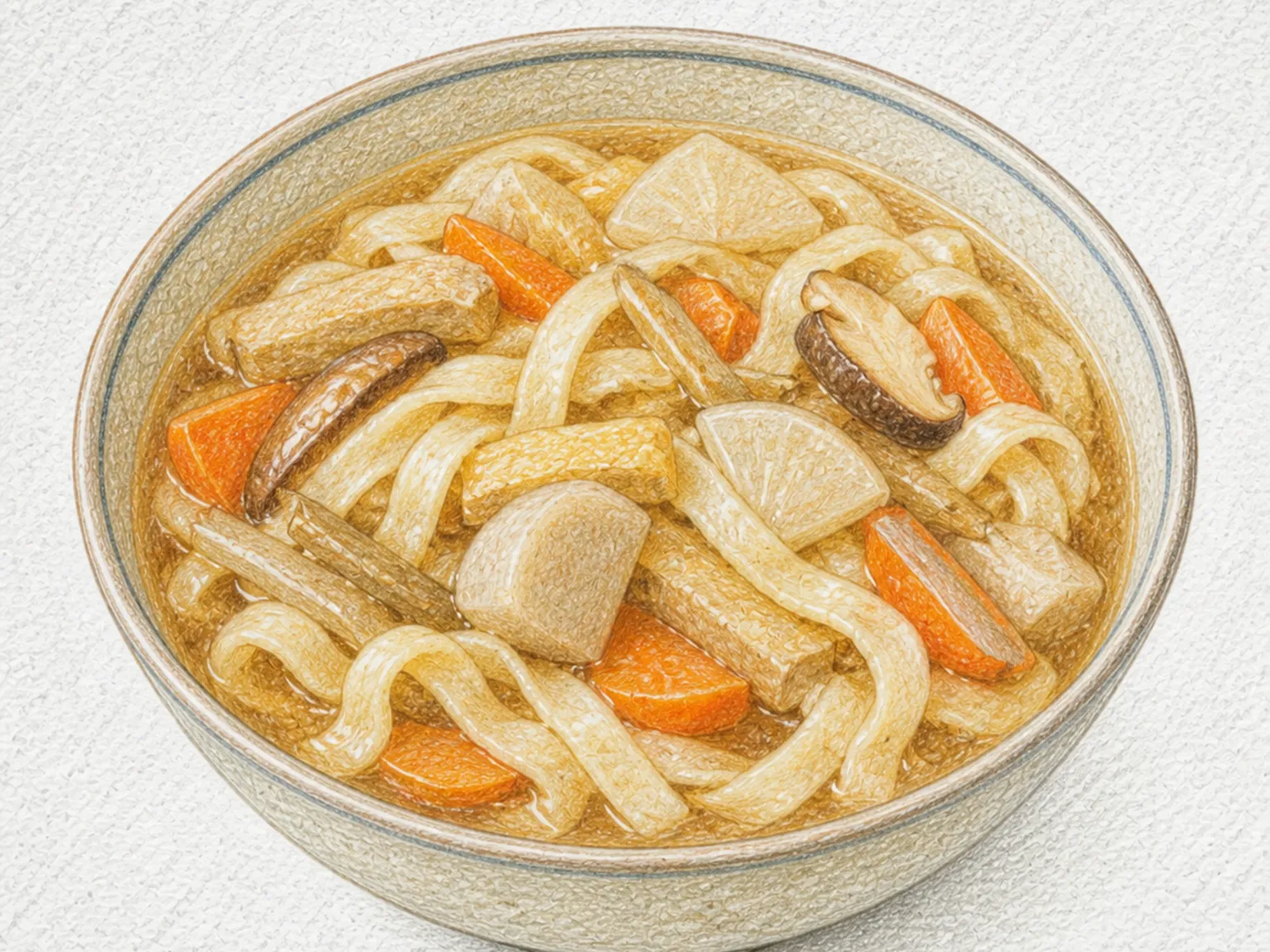
Doenjang mushroom udon is a Korean noodle soup where thick-cut shiitake mushrooms simmer in an anchovy-kelp broth with dissolved soybean paste, building layered depth from two distinct fermented and dried umami sources. The shiitake's aromatic depth stacks on top of the doenjang's fermented, mellow character, while onion adds a quiet sweetness that prevents the broth from tasting one-dimensionally salty. Passing the doenjang through a fine sieve before stirring it into the broth ensures no lumps remain and the paste disperses evenly. Parboiling the udon noodles separately in plain water and rinsing briefly strips away surface starch, keeping the broth clear and clean to the last spoonful. A pinch of gochugaru added during the seasoning stage introduces a faint warmth at the finish that sharpens the overall flavor, and a few thin slices of cheongyang chili on top add color and a sharper bite. Adding silken tofu or sliced zucchini makes the bowl substantial enough to serve as a full meal.

Korean Clear Mushroom Tofu Soup
This clear Korean soup draws its umami from oyster and shiitake mushrooms simmered in plain water for four minutes, seasoned with only soup soy sauce and salt to keep the broth light and direct. Two varieties of mushrooms working together - oyster for soft texture, shiitake for depth - produce a broth that holds its own without meat. Cubed tofu goes in near the end so the pieces stay intact, and chopped green onion finishes the bowl with a clean, mild sharpness. At 155 calories per serving, the dish is genuinely low-calorie without sacrificing the layered, savory quality that makes it worth returning to.

Korean Gangwon-Style Soy Bulgogi
Gangwon-style soy bulgogi represents a regional variation of the traditional Korean grilled beef dish specifically associated with the Gangwon Province. Unlike the bulgogi styles commonly found in the Seoul metropolitan area, which often lean heavily into sweet and fruit-driven marinades, this version prioritizes the clean and savory profile of soy sauce. The preparation begins by marinating thinly sliced beef in a mixture composed of soy sauce, sugar, minced garlic, and toasted sesame oil, along with the addition of fresh pear juice. The inclusion of pear juice serves a dual purpose in the recipe. The natural enzymes within the juice work to tenderize the muscle fibers of the beef, while its sugars provide a subtle and restrained sweetness that complements the salty foundation of the soy sauce without becoming the dominant flavor. When the meat is ready, it is cooked in a preheated pan over high heat. Sliced shiitake mushrooms and onions are added to the pan during this stage, allowing them to absorb the liquid marinade as they soften. This process integrates the flavors of the vegetables with the primary taste of the beef. Maintaining a high temperature is a critical step in the cooking process to ensure that moisture evaporates rapidly. This prevents the dish from taking on the texture of a braised stew and instead produces a slight char and a smoky quality on the edges of the meat. Just before the heat is turned off, diagonally sliced green onions are tossed into the pan. They are cooked only until they begin to wilt, preserving a bright and sharp contrast that balances the finished dish. The result is a soy-focused flavor profile that is clear and direct. Because it avoids being overly aggressive or excessively sweet, this bulgogi serves as a consistent accompaniment for steamed rice that remains palatable through frequent consumption.

Korean Vegetable Porridge (Yachae Juk)
Finely diced carrots, zucchini, potato, and onion are simmered with soaked rice over low heat until the porridge turns creamy and the vegetables soften completely. The long, gentle cooking draws out the natural sweetness of each vegetable, so the porridge tastes mild and comforting without heavy seasoning. A thin drizzle of sesame oil stirred in at the end adds a quiet nuttiness that deepens the otherwise plain flavor. Easy to digest and gentle on the stomach, it works well as a morning meal or a restorative bowl when energy is low.

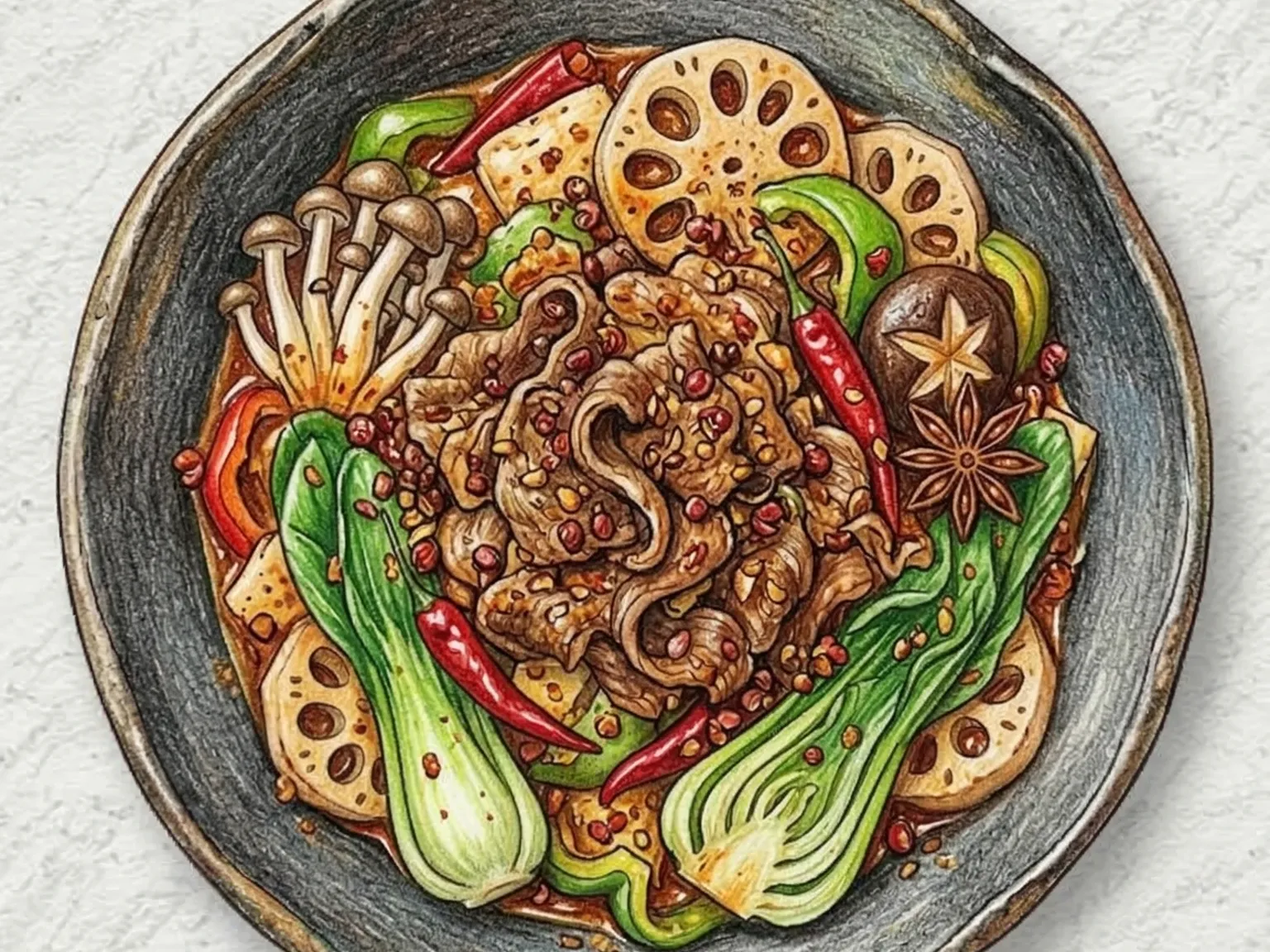
Eight Treasure Seafood Stir-fry
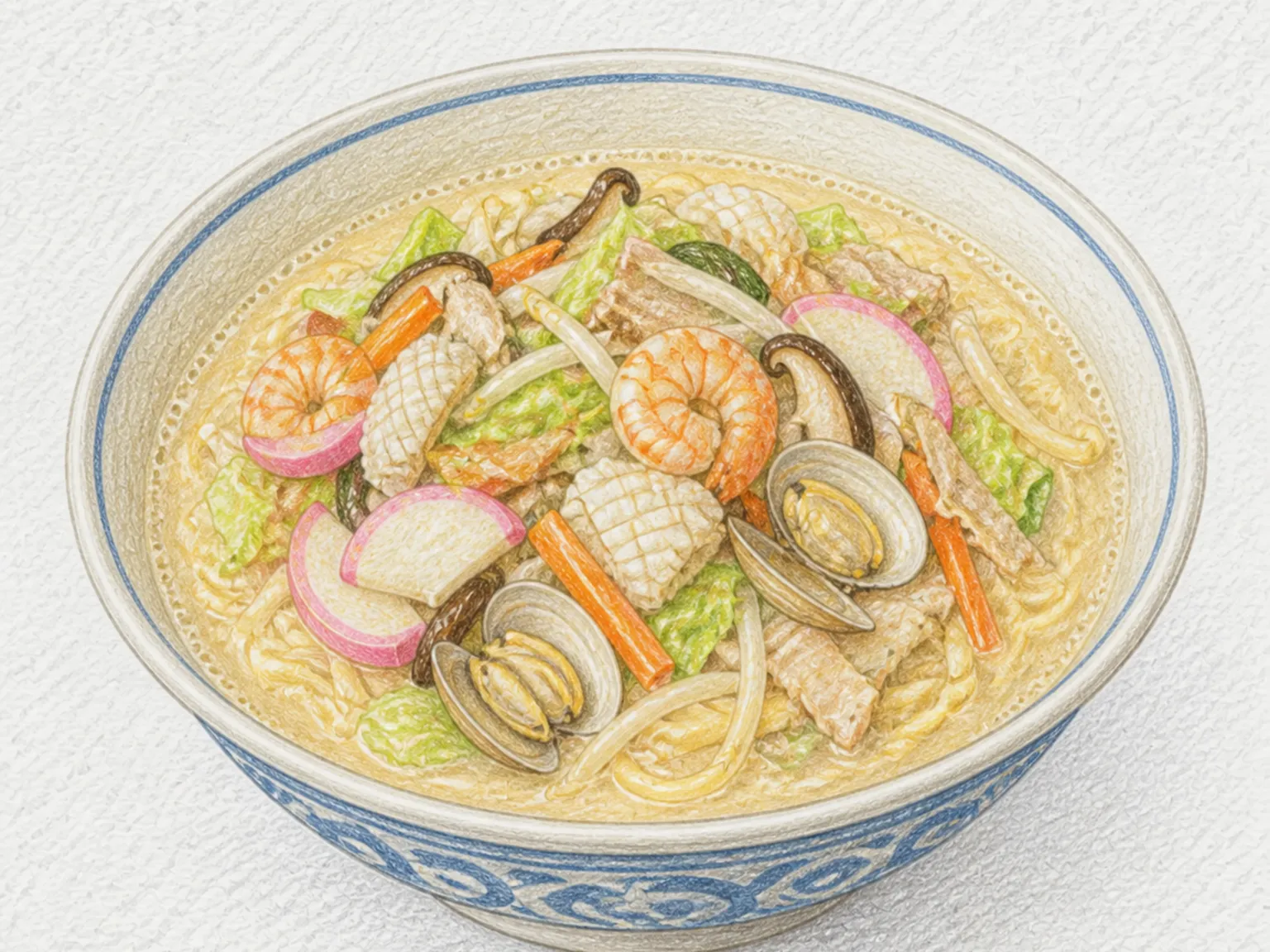
Palbochae is a Korean-Chinese banquet stir-fry that brings together shrimp, squid, pork, bamboo shoots, shiitake mushrooms, and bok choy in a single wok. Each ingredient is added in sequence according to its cooking time, then finished in an oyster-sauce glaze thickened with a light cornstarch slurry. The high-heat technique imparts a pronounced wok char, while the variety of proteins and vegetables creates contrasting textures in every bite. It is a dish traditionally reserved for special occasions, built on the interplay of seafood brine, pork fat, and crisp greens.

Mushroom Memil Soba (Warm Buckwheat Noodles in Mushroom Dashi)
Beoseot memil soba is a warm buckwheat noodle soup built on dashi stock seasoned with soy sauce and mirin, with shiitake and oyster mushrooms simmered for five minutes so their concentrated woodsy depth moves fully into the broth. Dried shiitake contributes far more umami than fresh, and oyster mushrooms torn along the grain absorb more liquid than sliced. The soba noodles are cooked separately and rinsed in cold water to strip off surface starch, which keeps the broth clear and prevents the noodles from turning soft. A small curl of yuzu zest placed on top just before serving sends a sharp citrus note across the broth's earthy weight, lifting the finish without overpowering it. Green onion scattered on top adds a layer of fresh aroma and color.

Korean Kimchi Tofu Nabe Udon
Kimchi tofu nabe udon is a Japanese-Korean hybrid hot pot noodle dish built on an anchovy-kelp stock base. Well-fermented kimchi is sauteed in sesame oil for at least two minutes to tame its sharp raw acidity, then the stock goes in along with Korean red chili flakes and soup soy sauce to form the broth. Thick slabs of firm tofu and sliced shiitake mushrooms simmer for four minutes, absorbing the spicy, savory liquid throughout, before thick udon noodles are added for a final two to three minutes. The udon's substantial mass soaks up the surrounding broth, so every bite carries the full flavor of the pot. Because kimchi saltiness varies by brand and age, soy sauce should be added in small amounts at the end rather than all at once. Pressing the tofu dry with a paper towel before it goes in keeps the broth from turning murky. Shredded green onion on top adds fragrance, and leftover broth with added rice makes a satisfying congee-style finish.

Mixed Seafood and Vegetable Stir-fry
Yusanseul is a Korean-Chinese stir-fry of shrimp, squid, bamboo shoots, shiitake mushrooms, and bok choy, finished with a light cornstarch sauce. The seafood is seared quickly over high heat to maintain a springy bite, while chicken stock and oyster sauce build a clean umami backbone. A starch slurry binds everything in a silky, translucent glaze that clings to each ingredient without heaviness. Bamboo shoots and bok choy retain their crunch, giving the dish textural contrast that makes it well-suited for a special occasion table.

Korean Herb Mushroom Pot Rice
Chamnamul beoseot sotbap is a Korean pot rice cooked with fragrant chamnamul herbs, oyster mushrooms, and shiitake mushrooms in kelp stock. The chamnamul infuses the rice with a fresh, slightly herbaceous scent, while the two types of mushroom contribute contrasting textures and layers of umami. Oyster mushrooms are soft and springy, while shiitake mushrooms are firmer with a deeper, woodsy character. Served with a soy-sesame dipping sauce drizzled over the top and mixed in, every spoonful carries a balanced salty, nutty finish. Even without any meat, the mushroom depth and herbal brightness make each bowl feel substantial. The nurungji crust that forms at the bottom of the pot adds a toasty crunch that is one of the small rewards of cooking rice this way, and scraping it into hot water makes a simple, satisfying nurungji tea to close the meal.

Korean Soy Sauce Stir-Fried Mushrooms
King oyster mushrooms are torn by hand rather than cut, opening up a fibrous surface that absorbs seasoning more readily than a knife-cut edge. Shiitake caps are sliced thin after removing their stems. Both go into a dry, screaming-hot pan first - no oil - to drive off surface moisture until the edges of the king oyster pieces take on light char and a firm, meat-like chew develops. Perilla oil goes in at that point, followed by soy sauce poured along the rim of the pan where the heat is most intense, which caramelizes it instantly and coats every piece in a dark, lacquered glaze. No sugar is added - the soy sauce reduction provides the sweetness. A drizzle of sesame oil off heat and a scatter of scallion finish the dish. Concentrated, deeply savory, and ready in under ten minutes.

Korean Braised Shiitake Mushrooms
Pyogo-beoseot-jorim braises whole shiitake mushrooms in soy sauce with oligosaccharide syrup and minced garlic over low heat until glossy. The mushrooms' natural umami intensifies as they absorb the soy-based braising liquid, while the syrup caramelizes into a lacquer-like sheen on the surface. Each mushroom releases a burst of salty-sweet juice when bitten. A finishing touch of sesame oil and toasted sesame seeds adds a layer of nuttiness to the earthy base.

Korean Mixed Vegetable Stir-Fry
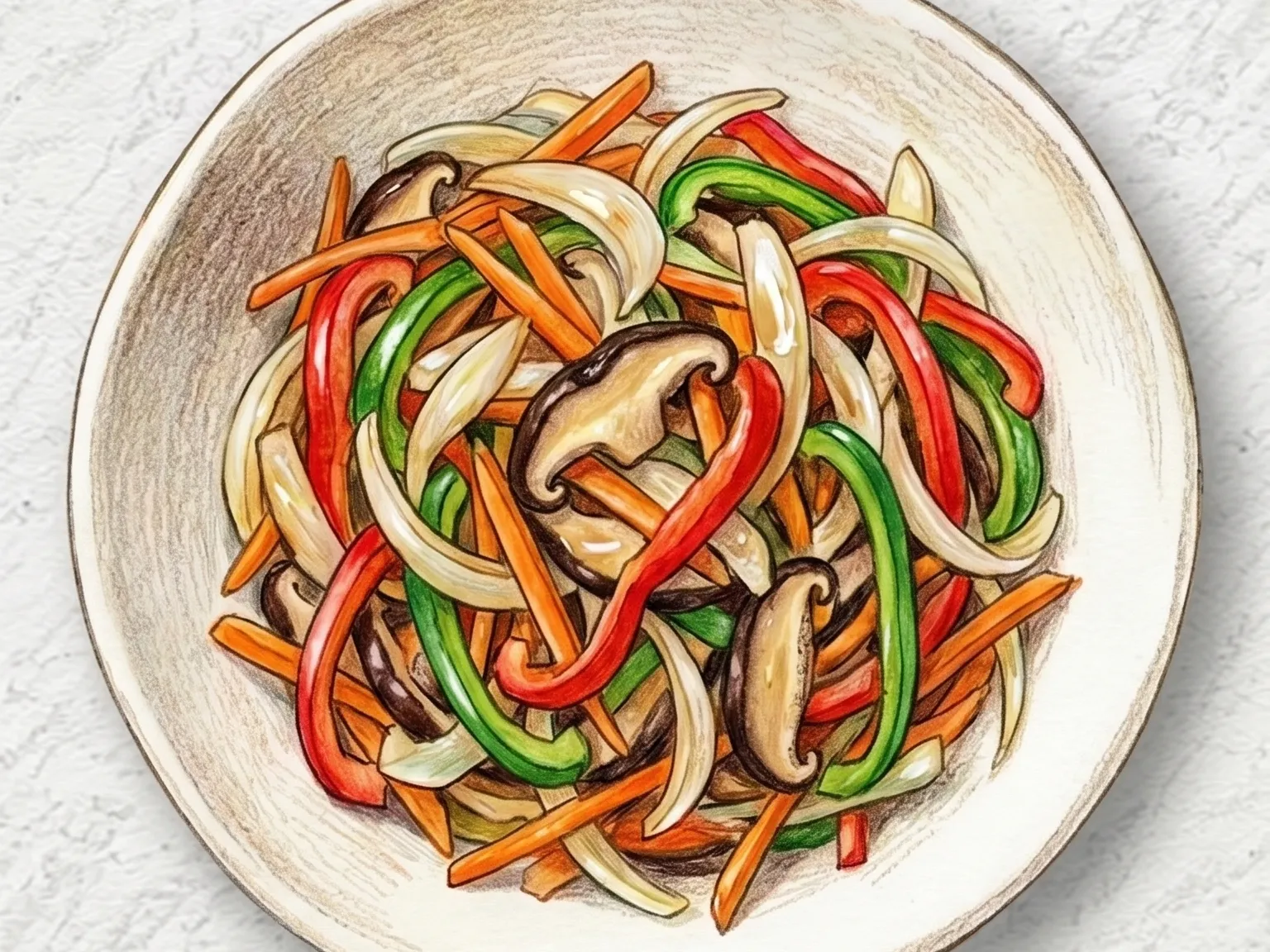
Yachae-twigim-bokkeum is a straightforward Korean stir-fry of mixed vegetables - carrot, onion, bell pepper, and shiitake mushroom - seasoned with oyster sauce and sesame oil. Firmer vegetables go into the hot pan first, with softer ones added later so each retains its crunch. The oyster sauce provides a thin layer of umami and the sesame oil a nutty finish, but the light seasoning lets the natural sweetness and flavor of the vegetables come through. It is a low-fat, fast-cooking dish that works as an everyday side when time is short.

Korean Stuffed Steamed Zucchini
Hobakseon is a Korean royal court dish of zucchini hollowed out and stuffed with a filling of ground beef, mashed tofu, and chopped shiitake mushroom seasoned with soy sauce and sesame oil. Steaming allows the beef juices to permeate the filling while the zucchini shell stays intact and turns tender. The mild, slightly sweet flavor of the zucchini contrasts with the savory, meaty stuffing inside, and the textural gap between the yielding vegetable exterior and the firmer filling is one of the dish's defining characteristics. Proper preparation of the filling is important: the tofu must be wrapped in a cloth and pressed until most of the moisture is squeezed out, or the stuffing will become watery during steaming. The shiitake mushrooms should likewise be stir-fried briefly beforehand to cook off their liquid. A garnish of thin egg strips adds a second color against the pale green shell. Its refined appearance and gentle flavors make it a fitting choice for holiday tables and formal occasions.

Korean Mushroom Doenjang Stew
Three types of mushrooms - shiitake, oyster, and enoki - are simmered together in doenjang-seasoned anchovy broth. The anchovy stock lays the foundational depth of umami, and each mushroom type adds its own compounds to the broth as they cook, building flavor in distinct layers. Shiitake holds its meaty chew, oyster mushroom separates into silky strands along its grain, and enoki stays crisp, so the bowl delivers varied textures from a single pot. Soft tofu absorbs the broth all the way through, carrying the fermented soybean flavor to the center of each cube. The stew is satisfying as a full meal without any meat. A sliced cheongyang chili sharpens the finish if extra heat is wanted.

Korean Mushroom Seaweed Soup
Rehydrated seaweed and two kinds of mushrooms - oyster and shiitake - are stir-fried in sesame oil first, before any water is added, so their flavors concentrate in the fat rather than leaching out into the broth. Water is added after that initial fry and the soup simmers for twenty minutes until the seaweed softens completely and releases a gentle oceanic character into the liquid. Without any meat-based stock, the umami comes entirely from the mushrooms and the natural glutamates in the seaweed, which is enough to give the broth genuine depth. The sesame oil blooms through the whole pot. Seasoned with soup soy sauce and salt at the end, the finished soup has a calm, layered flavor with soft seaweed and slightly chewy mushrooms providing contrasting textures in each bowl.

Korean Mushroom Perilla Soup
Three types of mushrooms - oyster, shiitake, and king oyster - simmer together in an onion-based vegetable stock before ground perilla seeds are stirred in to thicken the broth into a nutty, substantial soup. Cooking the mushrooms and garlic for ten minutes in the stock allows each variety's distinct aroma to build in layers: the fibrous texture of oyster mushrooms, the deep earthiness of shiitake, and the firm, meaty bite of king oyster mushrooms all hold their character in the finished bowl. Cubed tofu is added partway through and gently absorbs the surrounding broth as it warms. Adding the perilla powder in small increments rather than all at once prevents clumping and produces a smooth, even consistency; pulling the pot off the heat at the right moment also stops the broth from separating as it cools. The vegetable stock base delivers a satisfying, full-bodied result without any animal ingredients.

Korean Beef and Mushroom Rice Bowl
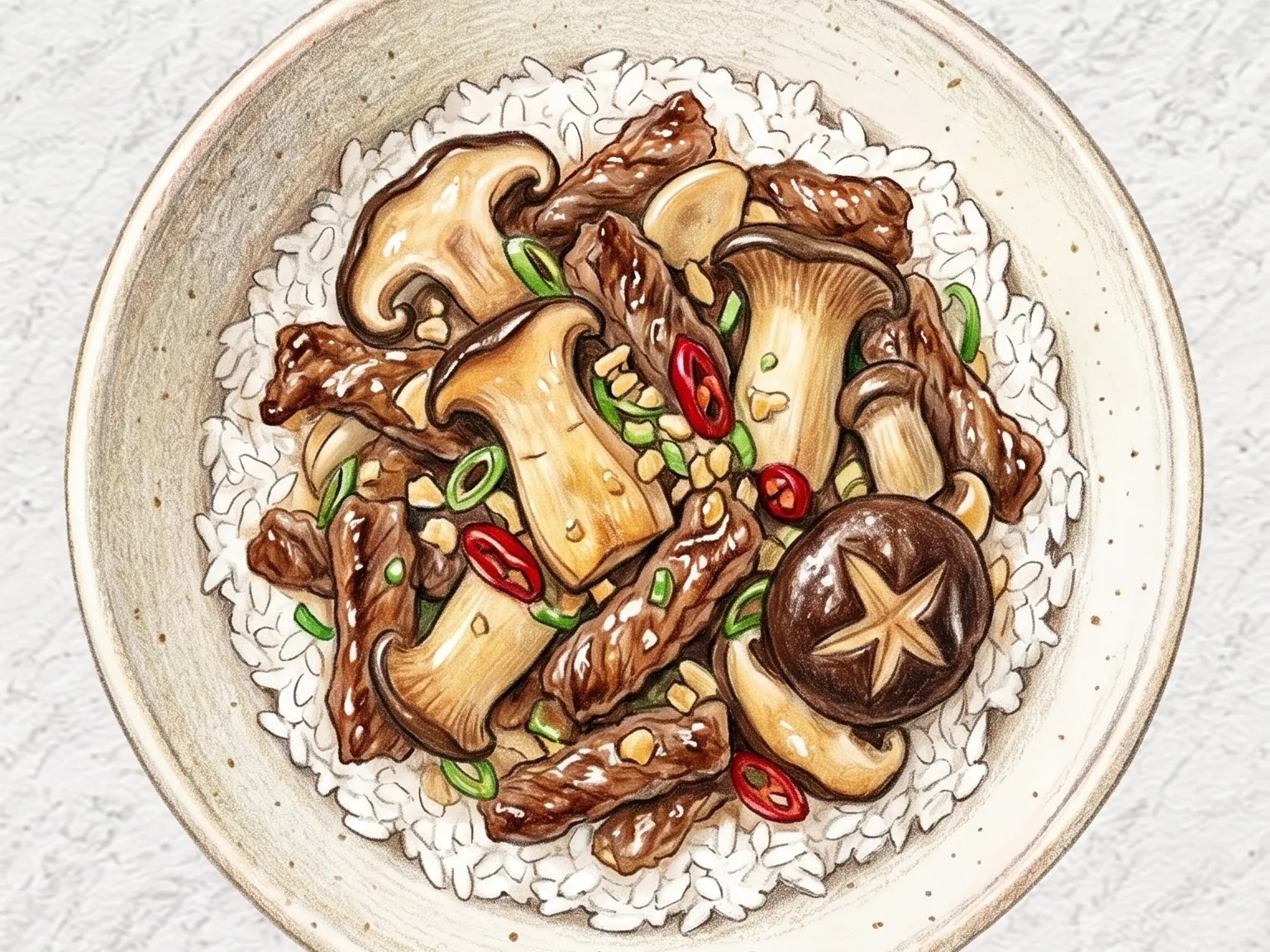
Sogogi-beoseot deopbap is a Korean beef and mushroom rice bowl that sautees sliced beef with king oyster and shiitake mushrooms in soy-butter sauce. The beef is seared first over high heat to develop a golden crust, then the thickly cut mushrooms go in and absorb the rendered juices, forming a naturally concentrated sauce in the pan. A knob of butter melted in at the end adds a creamy richness, while soy sauce ties everything together with a salty umami backbone. Minced garlic and sliced scallion layered into the stir-fry build an aromatic base that makes the topping fragrant the moment it hits the rice. The mushrooms hold their springy bite against the tender beef, giving each mouthful a satisfying textural contrast.