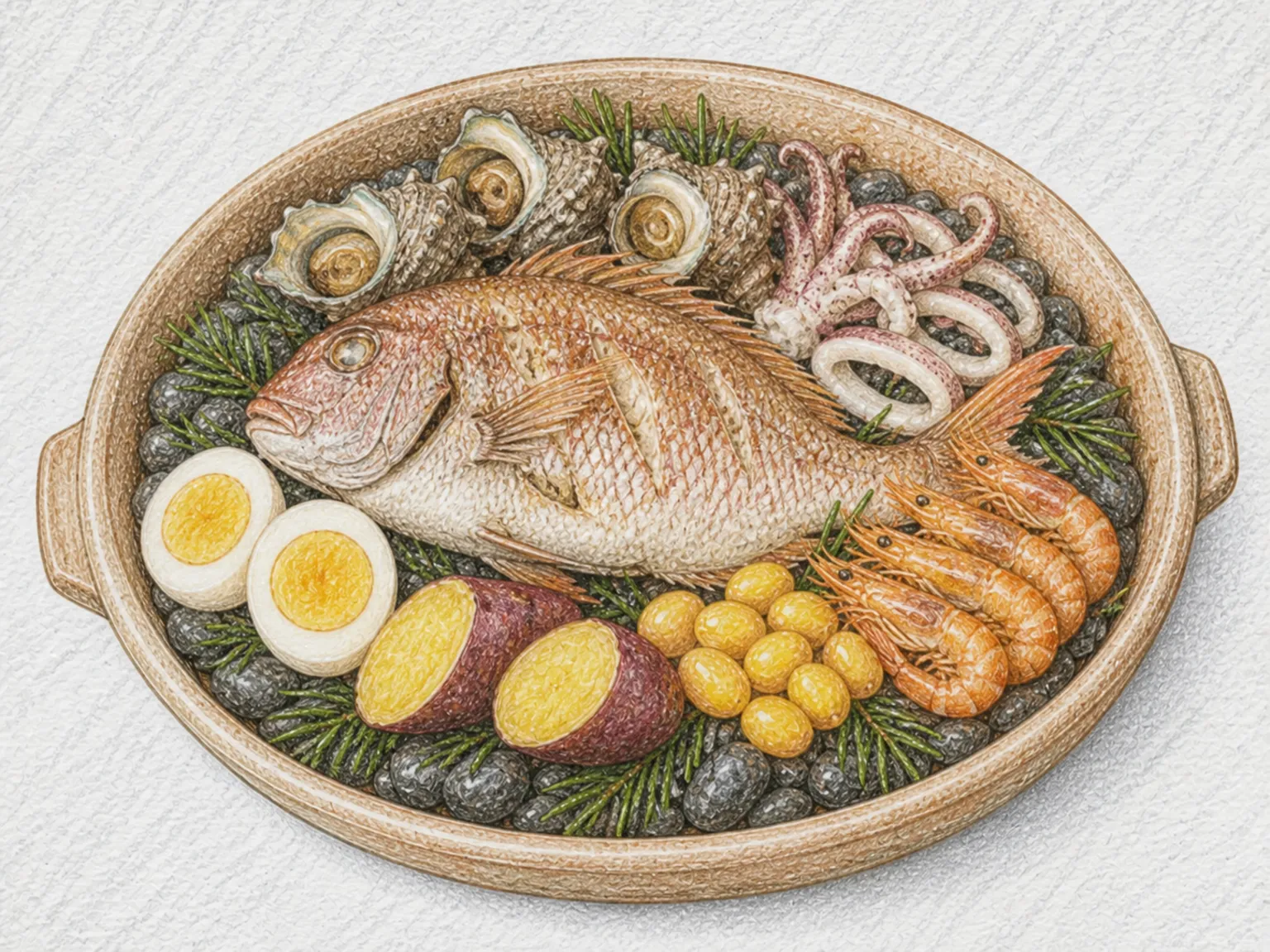
Horaku-yaki (Covered Seafood Roast in Earthenware)
Quick answer
- Total time
- 75 min
- Level
- Hard
- Servings
- 5 servings
- Ingredients
- 10
About this dish
Whole sea bream, turban shells, squid and shrimp are salted and roasted under a tight lid in a horaku, an earthenware pot lined with heat-proof gravel and pine needles, with no water added.
Read more
An Imabari specialty in Ehime, it is tied by tradition to the victory feasts of the Murakami naval forces of the Muromachi period and is also called pirate cuisine. Hard-boiled eggs, sweet potato and ginkgo nuts are tucked around the fish, and the whole pot comes to the table for five. If the pine scent turns burnt or the smoke thickens, the heat comes down at once. To keep the cold pot from cracking, it starts on low heat before the covered roast.
Ingredients
Instructions
- 1
Use 800g certified cooking-safe heatproof pebbles, not randomly collected stones.
Scrub them clean, boil for 10 minutes to sanitize, and dry completely. Wash 60g untreated food-contact-safe pine needles twice in cold water and pat dry.
- 2
Scale 1 sea bream and remove its gills and innards, rinse away blood, and dry inside and out.
Clean 1 squid by removing innards, quill, eyes, and beak; rinse and dry the body and tentacles. Scrub 5 turban shells, devein 5 kuruma prawns, and keep all seafood cold.
- 3
Peel 5 boiled eggs.
Scrub 1 sweet potato and slice it with the skin into 2cm rounds; prepare 15 shelled ginkgo nuts. Divide 20g salt evenly over the bream, squid, turban shells, prawns, eggs, sweet potato, and ginkgo.
- 4
Cover the bottom of a cold horaku earthen pan with one layer of dry pebbles, then cover them with the pine needles.
Place the bream in the center and arrange squid, turban shells, prawns, boiled eggs, sweet potato, and ginkgo around it without crowding. Fit the lid tightly.
- 5
Warm the earthen pan gradually over low heat for 10 minutes to reduce thermal shock, then raise to medium-low and cook covered for 25 minutes without opening. Add no water. Reduce the heat immediately if the pine aroma becomes a burnt smell or smoke grows heavy.
- 6
Open the lid away from your body to avoid steam.
Confirm that the thickest bream flesh is at least 63°C and flakes opaque, the prawns and squid are opaque, and the turban-shell meat is steaming hot and firm. Re-cover and cook in 5-minute increments if any seafood is underdone.
- 7
Set the whole earthen pan on a heatproof trivet and serve hot.
The pebbles and pine needles are a cooking bed and are not edible. Limit ginkgo to 3 nuts per adult serving, and refrigerate leftover seafood within 2 hours.
References checked
These references were consulted when this page was prepared or corrected. A source check does not mean the recipe was independently kitchen-tested.
- 일본 농림수산성 うちの郷土料理
道後温泉ふなや 和食料理長 久保田 昌司氏 · Checked: 2026-08-11
Use-up ingredient planner
Turn these ingredients into two more meals
The overlap excludes basic seasonings. Open the next recipe and your selected dishes will stay with you.
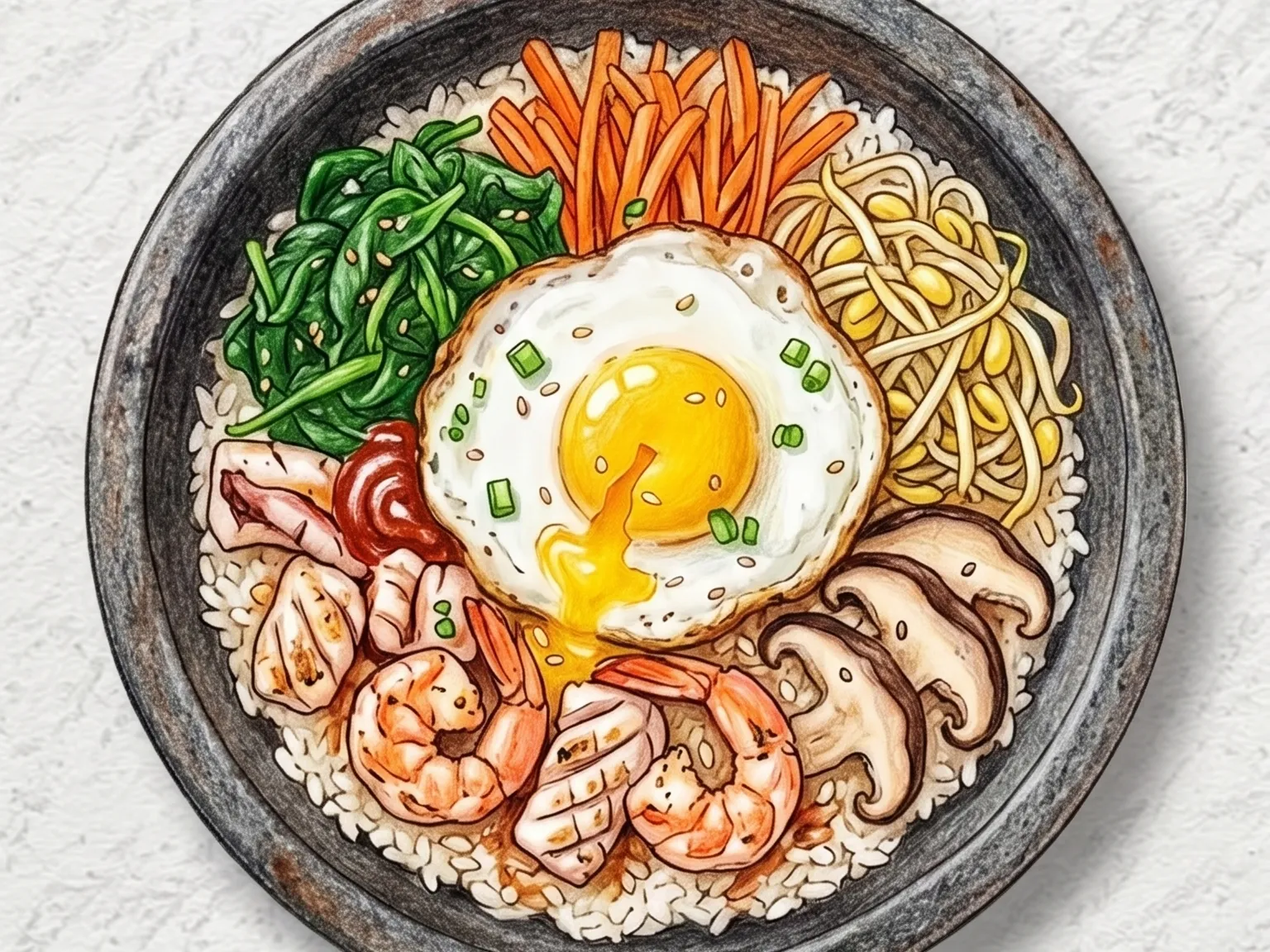
Shrimp and Squid Bibimbap
whole squid, boiled eggs
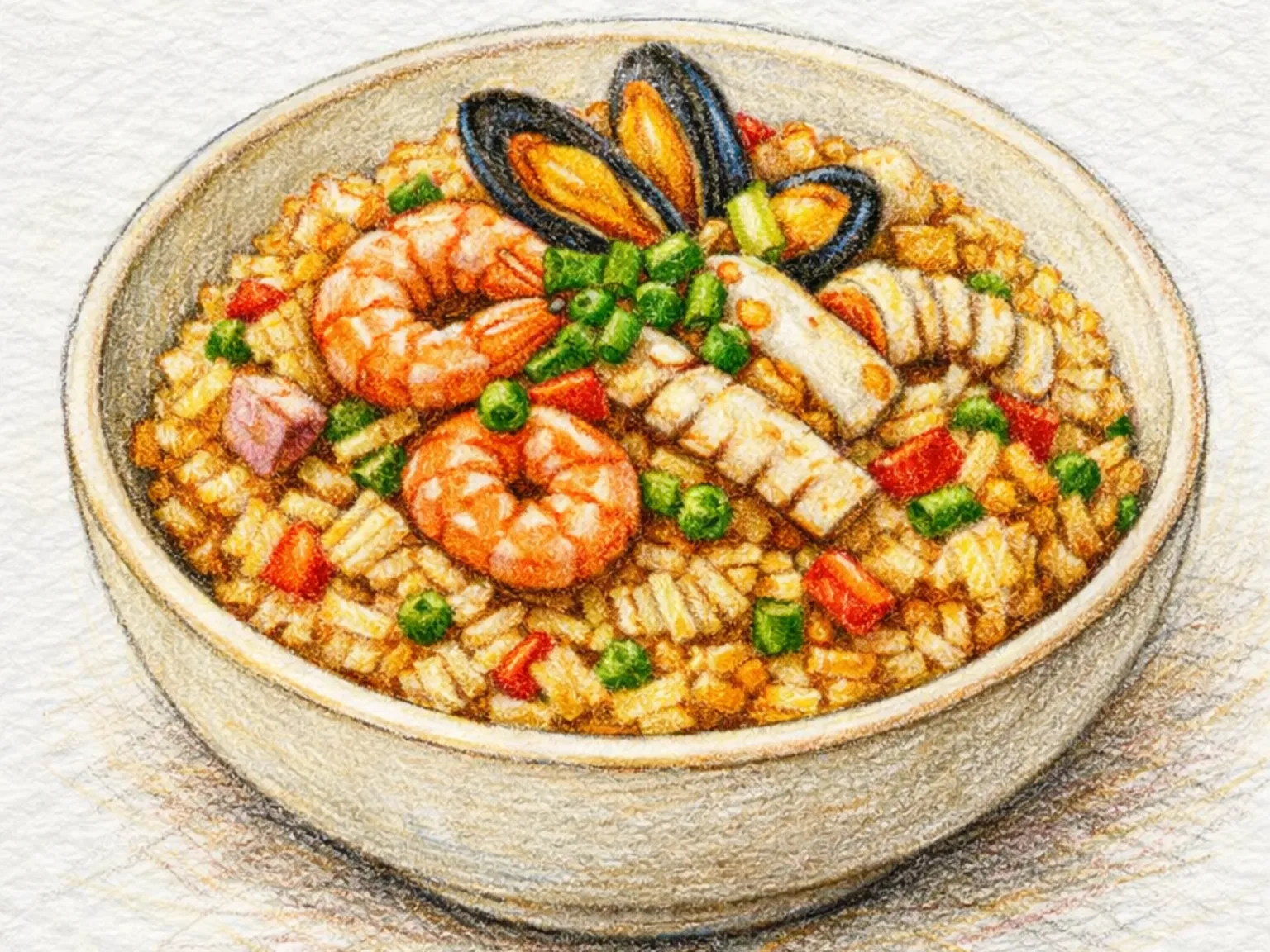
Seafood Fried Rice
whole squid, boiled eggs
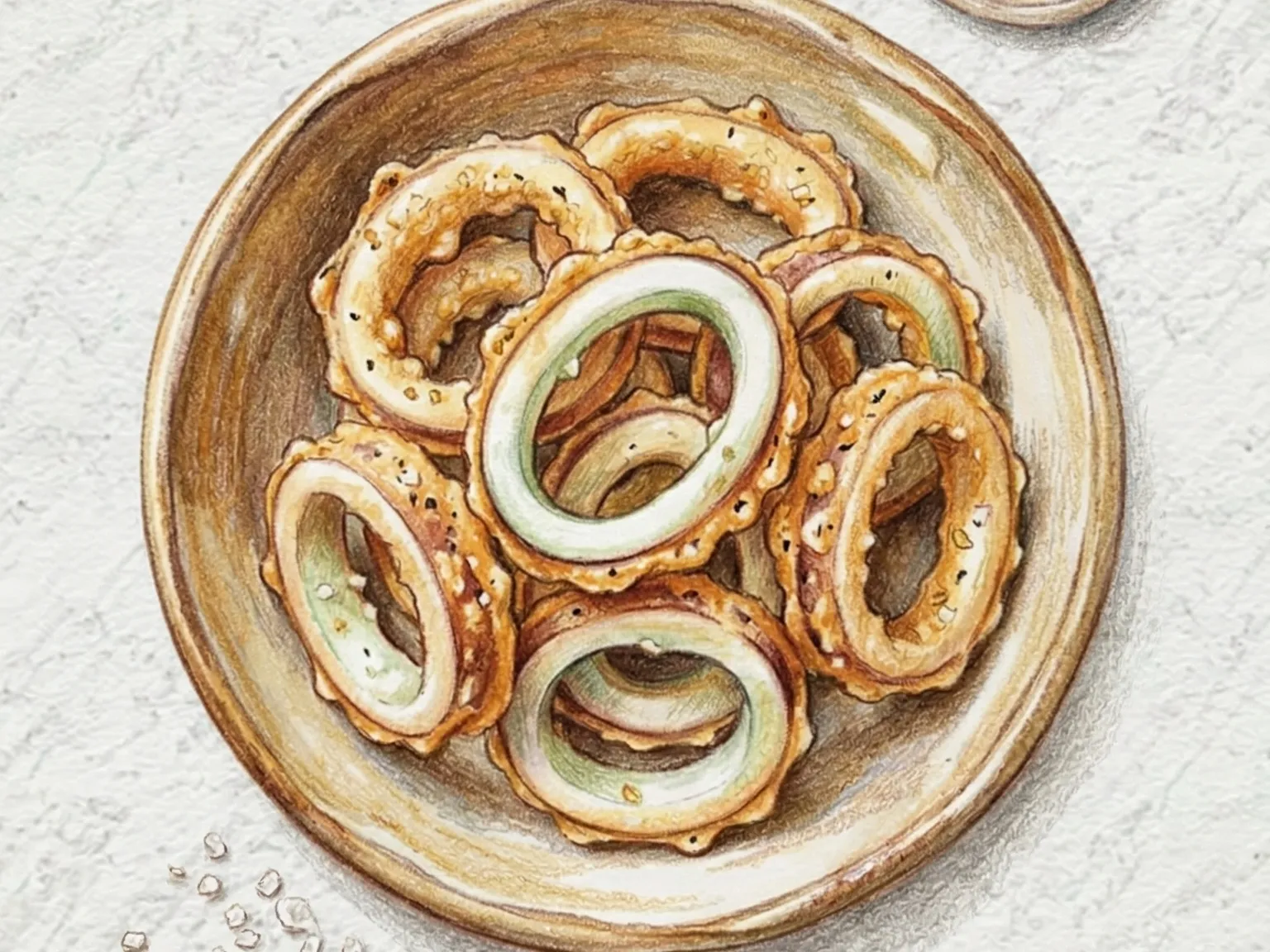
Korean Fried Squid
whole squid, boiled eggs