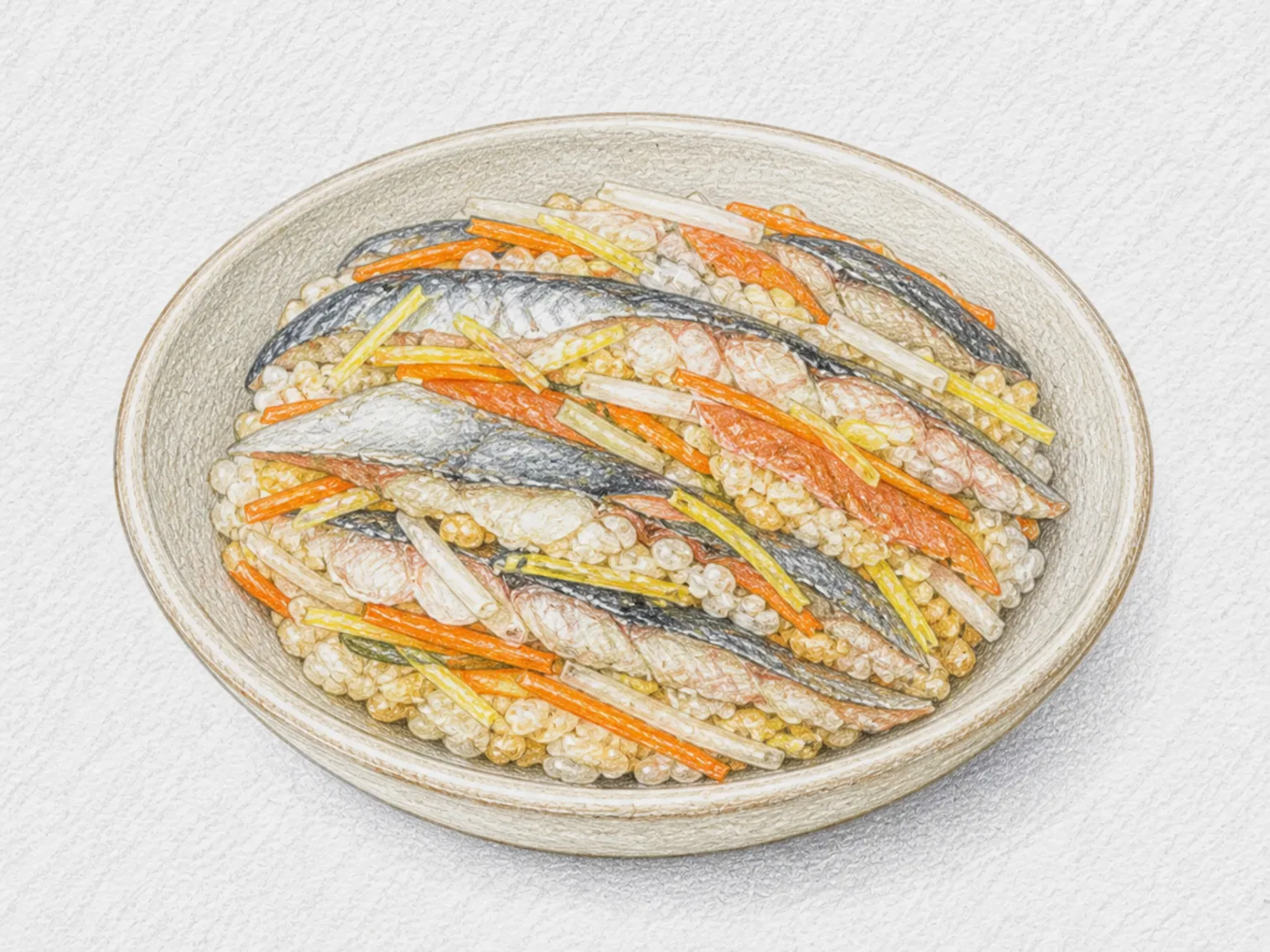
Iizushi Fish and Rice Koji Ferment
Quick answer
- Active time
- 20 min
- Waiting
- See the steps
- Level
- Easy
- Servings
- 4 servings
- Ingredients
- 3
About this dish
Hokkaido fishing households packed iizushi around the first snow to carry them through winter, and the fish changed from coast to coast: hatahata, hokke, salmon, herring, or saury.
Read more
Salted fish, daikon, carrot, and ginger are pressed in layers between rice and rice koji for a lactic ferment that is shorter than for many narezushi, which keeps the aroma mild. The fermenting is not done at home here; a refrigerated, finished product from a licensed maker is served with grated daikon and yuzu peel.
Ingredients
Instructions
- 1
Choose sealed, fully matured iizushi distributed refrigerated by a licensed maker.
Check damage, swelling, leakage, display temperature, and date, then transport at 4°C or colder.
- 2
Keep at 4°C or colder until serving and open with sanitized dry scissors.
Discard without tasting if there is foul or ammonia odor beyond normal sour fermentation, package swelling, colored mold, or abnormal slime.
- 3
Using clean tongs, divide 400g iizushi into four 100g portions so each has fish and rice-vegetable layers.
If the product retains bones, follow its label and remove small bones before eating.
- 4
Lightly squeeze 100g grated daikon and divide among plates.
Remove white pith from 4g yuzu peel, shred finely, and garnish. Serve chilled and do not leave at room temperature longer than 30 minutes.
- 5
Transfer leftovers after opening to a clean sealed container, refrigerate immediately at 4°C or colder, and consume within 24 hours unless the label is shorter. Never return a served portion to the original container.
References checked
These references were consulted when this page was prepared or corrected. A source check does not mean the recipe was independently kitchen-tested.
- 일본 농림수산성 うちの郷土料理
北海道文教大学 山際 睦子氏 · Checked: 2026-08-11
Use-up ingredient planner
Turn these ingredients into two more meals
The overlap excludes basic seasonings. Open the next recipe and your selected dishes will stay with you.
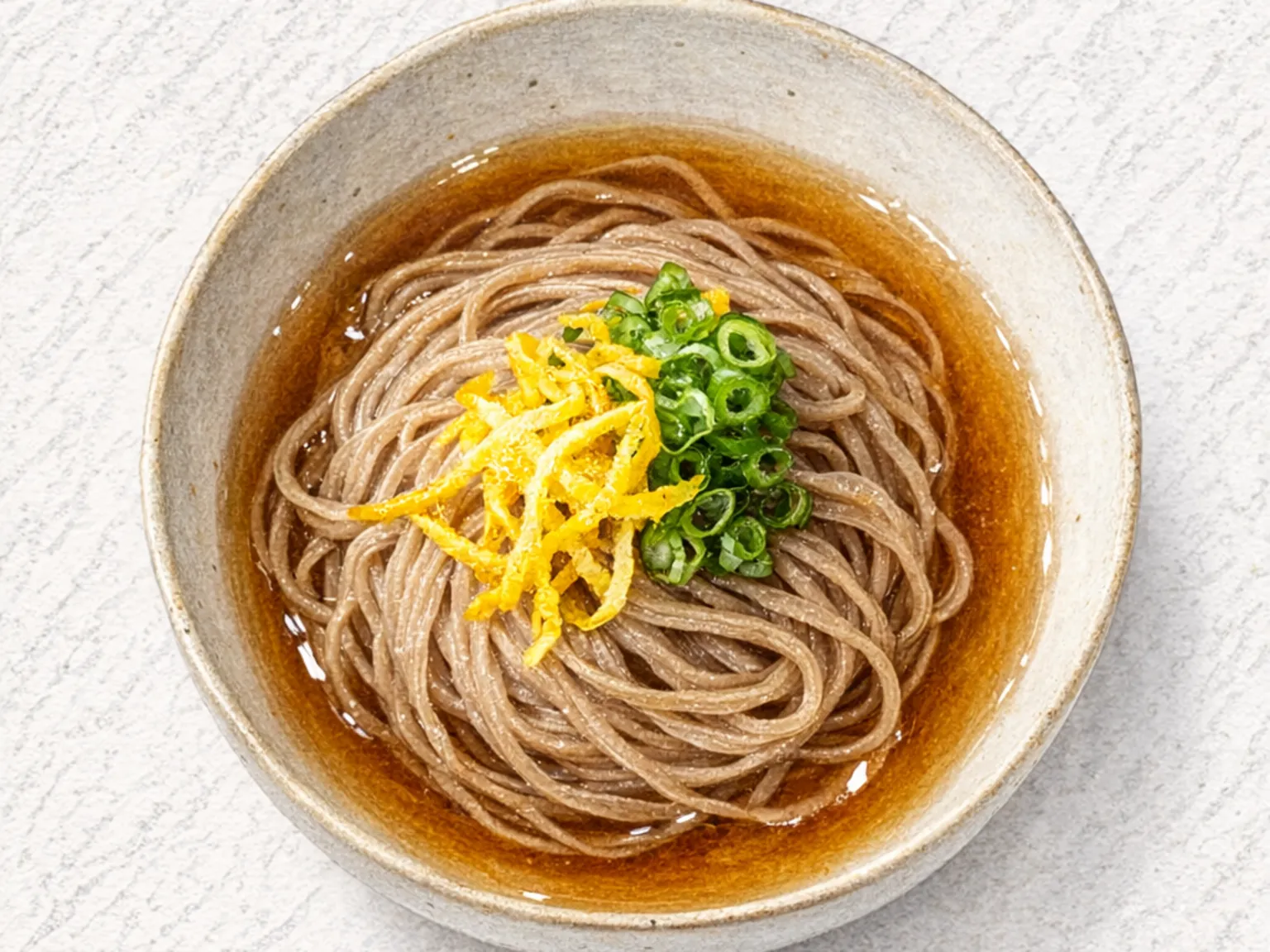
Yuzu Cold Soba (Chilled Buckwheat Noodles with Citrus Dipping Sauce)
grated daikon
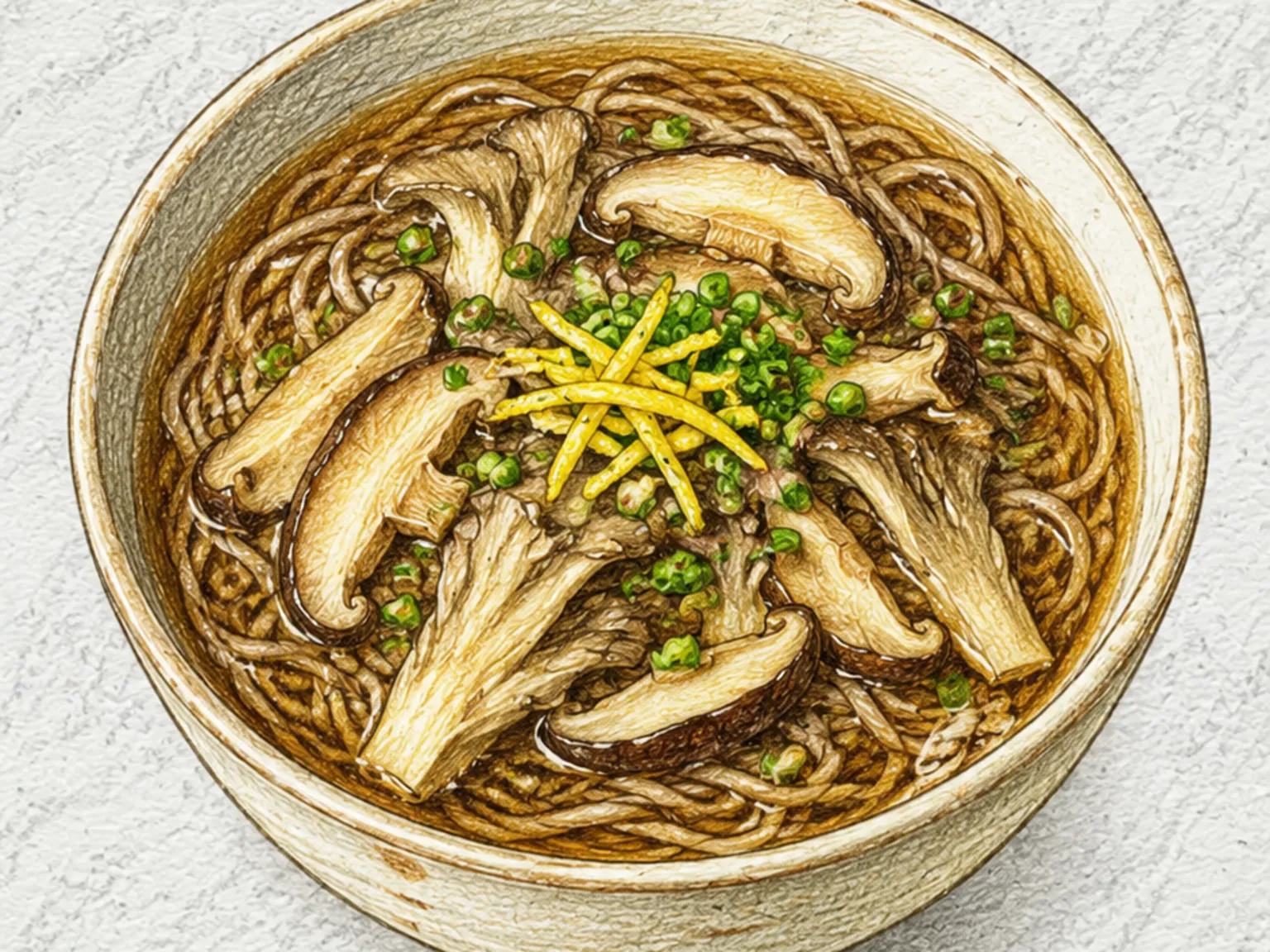
Mushroom Memil Soba (Warm Buckwheat Noodles in Mushroom Dashi)
yuzu peel
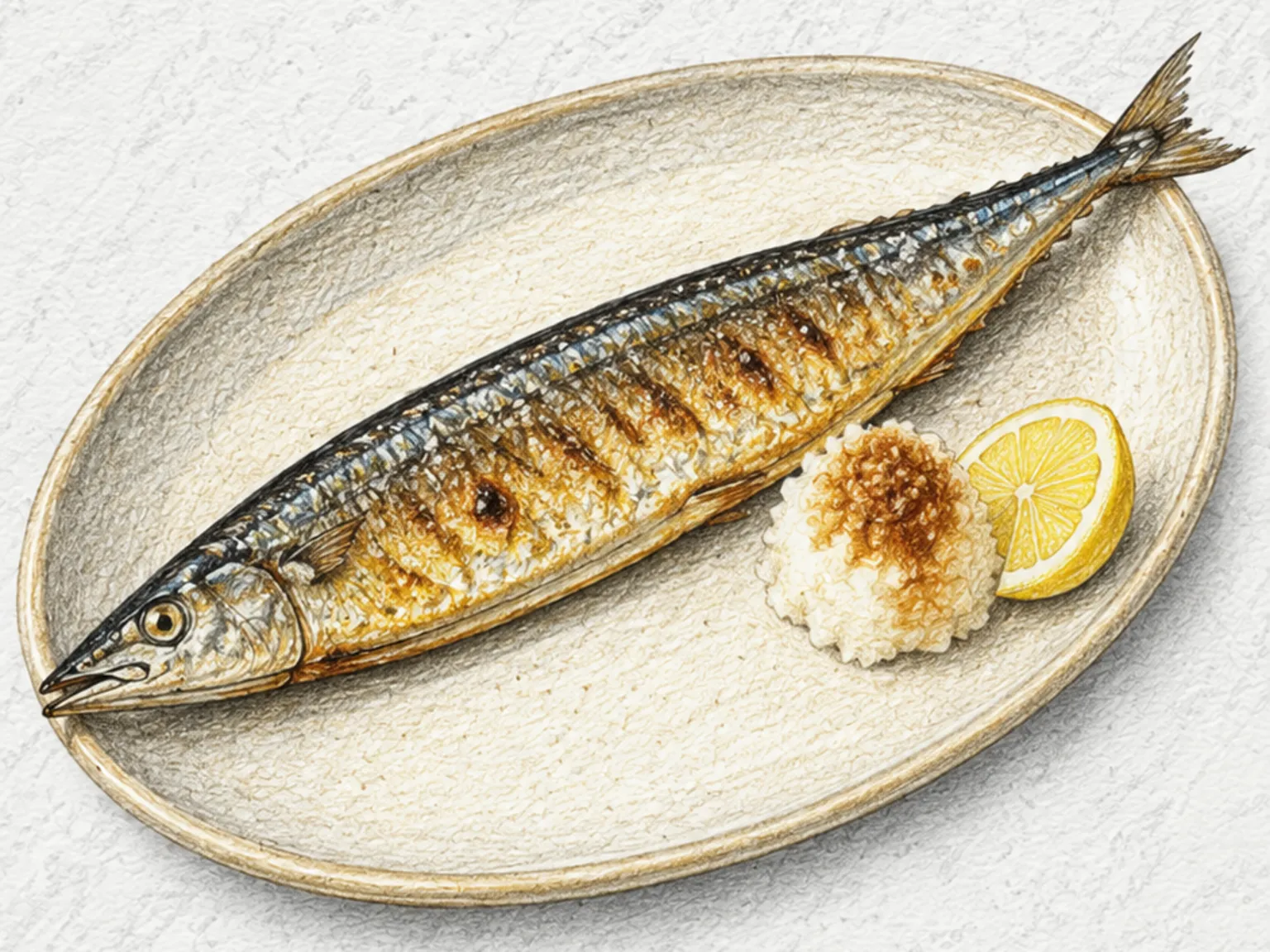
Korean Grilled Pacific Saury
grated daikon