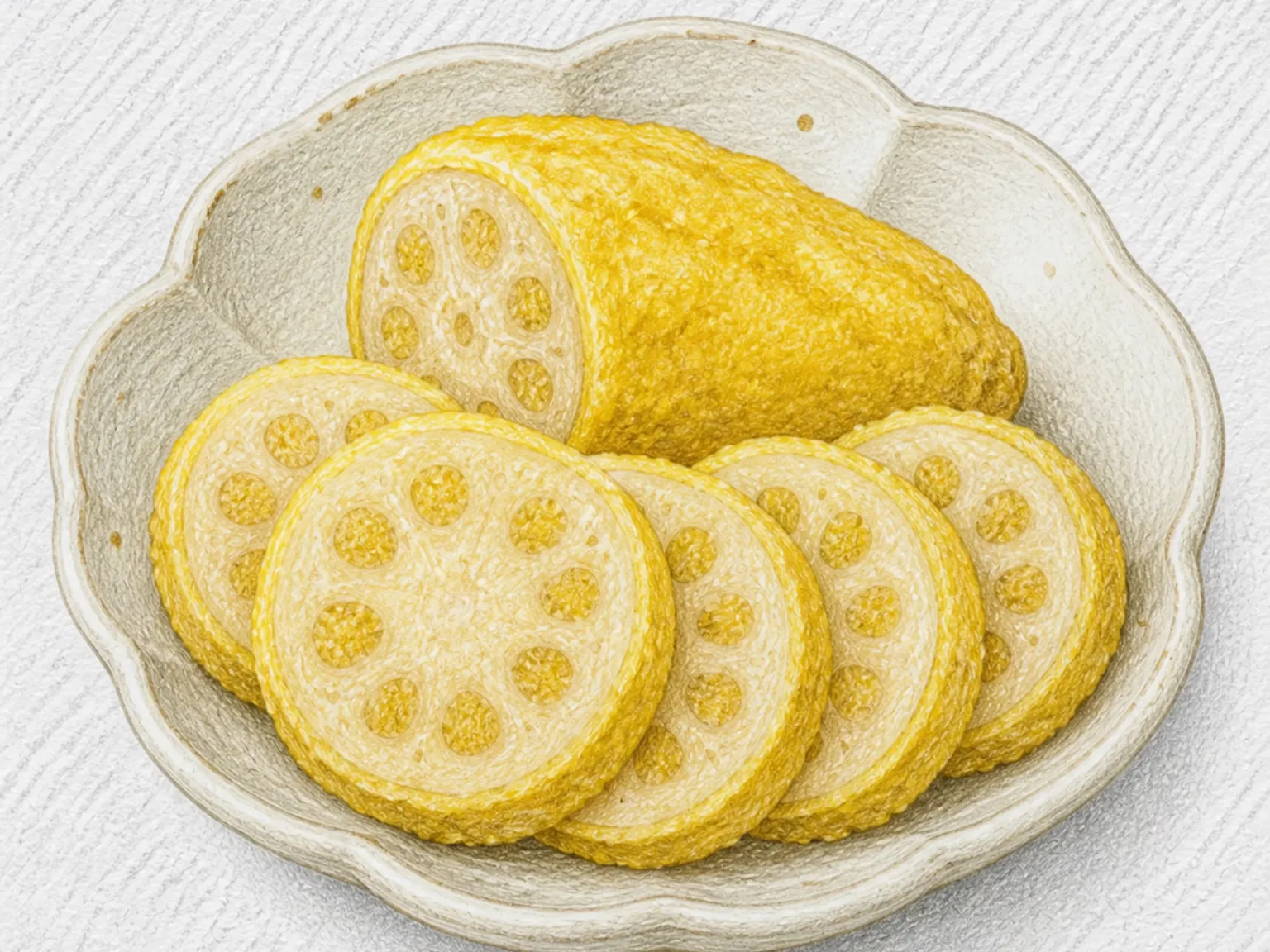
Karashi Renkon (Mustard Miso Lotus Root)
Quick answer
- Total time
- 485 min
- Level
- Hard
- Servings
- 8 servings
- Ingredients
- 7
About this dish
Every channel of a whole lotus root is packed with a hot paste of barley miso and mustard powder before the root is coated in turmeric-yellow batter and fried in one piece.
Read more
Slice this Kumamoto dish and each hole inside the yellow rim holds its own plug of mustard miso.
Ingredients
Instructions
- 1
Scrub the lotus roots clean with a metal scrubber or firm brush, removing soil from the skin while keeping the roots and their internal channels intact.
- 2
Bring enough water to cover the lotus roots to a boil in a large pot.
Boil the roots for 10 to 13 minutes so they remain firm, then drain them in a colander and cool completely.
- 3
Combine the barley miso and mustard powder in a large bowl.
Mix thoroughly until no pockets of dry mustard remain and the filling is uniform.
- 4
Stand a cooled lotus root upright in the mustard miso.
Press and rotate it against the paste until filling rises through every hole, then scrape away the excess from the outside. Repeat with the remaining roots.
- 5
Stand the filled roots upright in a colander without letting them touch and cover them.
Refrigerate for 6 to 7 hours so the mustard miso settles inside the channels.
- 6
Just before frying, mix the flour with the edible turmeric and add 350 ml water to form a stiff yellow batter.
Wipe each lotus root clean and dry with a cloth or paper, removing surface moisture and any leaked miso.
- 7
Fill a deep, stable pot no more than halfway with the frying oil and heat it to 180°C.
Insert a long bamboo skewer slightly above the center of a root, coat the root in batter, and lower it slowly into the oil. Do not crowd the pot, and fry patiently without allowing the oil to exceed 180°C, until the coating is firm and yellow.
- 8
Drain the fried roots on a rack and let them cool completely so the mustard miso inside is stable.
Cut crosswise into 5 to 10 mm rounds and arrange them with the filled pattern visible.
References checked
These references were consulted when this page was prepared or corrected. A source check does not mean the recipe was independently kitchen-tested.
- 일본 농림수산성 うちの郷土料理
「くまもとのふるさとの食レシピ集 上巻」(熊本県) · Checked: 2026-08-11
Use-up ingredient planner
Turn these ingredients into two more meals
The overlap excludes basic seasonings. Open the next recipe and your selected dishes will stay with you.
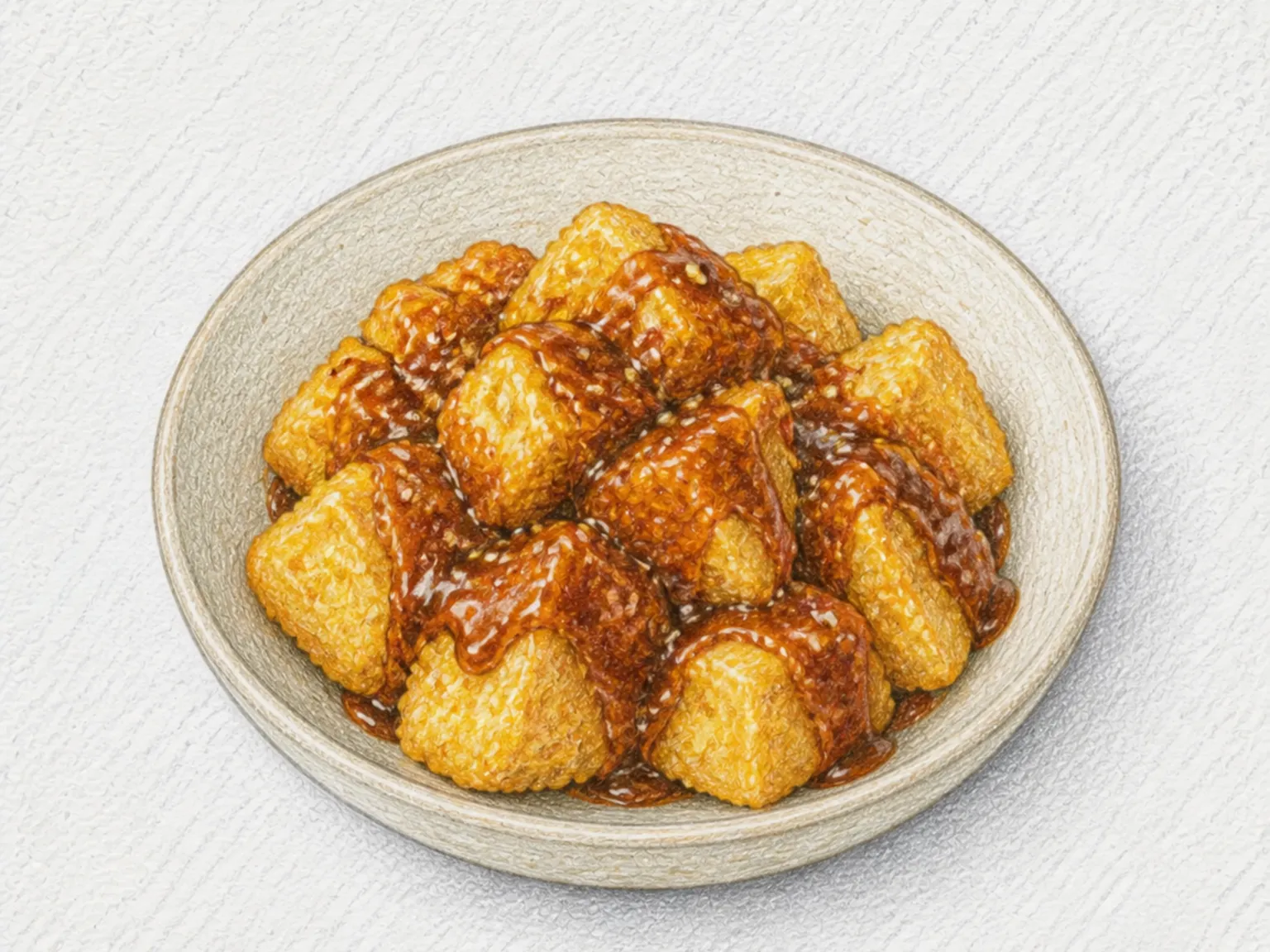
Miso Potato (Fried Potatoes with Sweet Miso Sauce)
wheat flour, frying oil
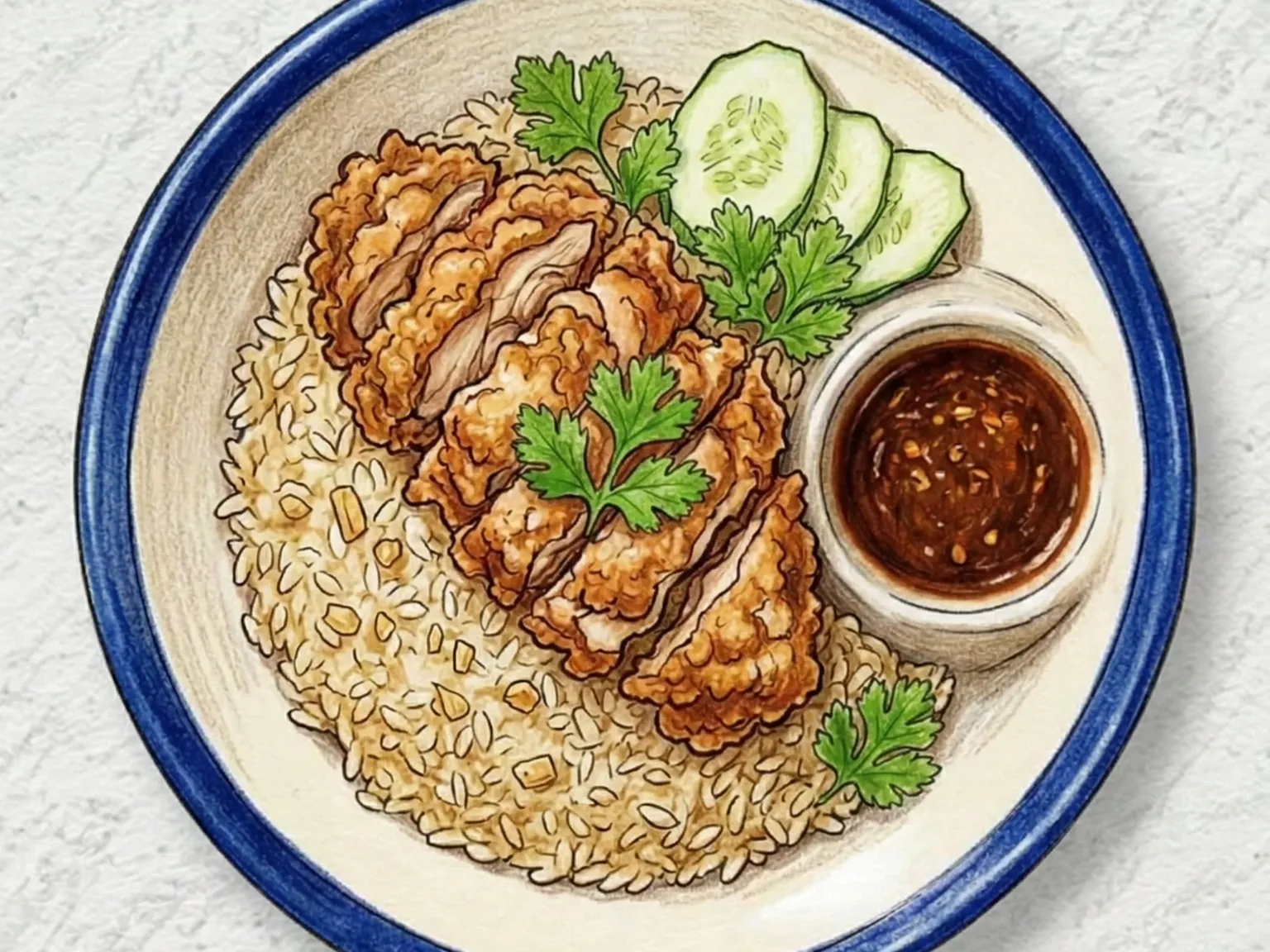
Khao Man Gai Tod (Thai Fried Chicken Rice Bowl)
wheat flour
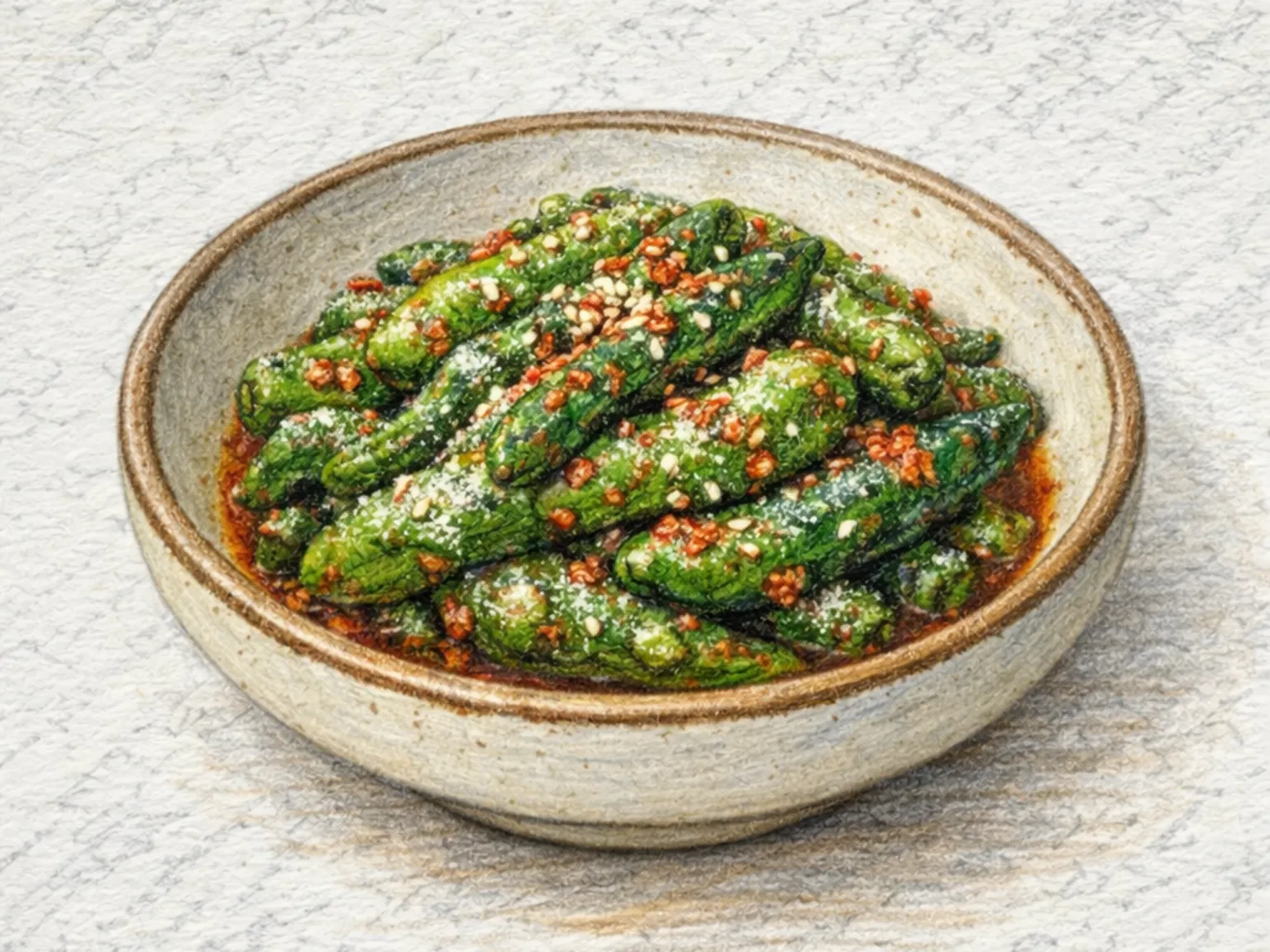
Korean Steamed Shishito Pepper Banchan
wheat flour