Aloo Paratha (Spiced Potato Stuffed Flatbread)
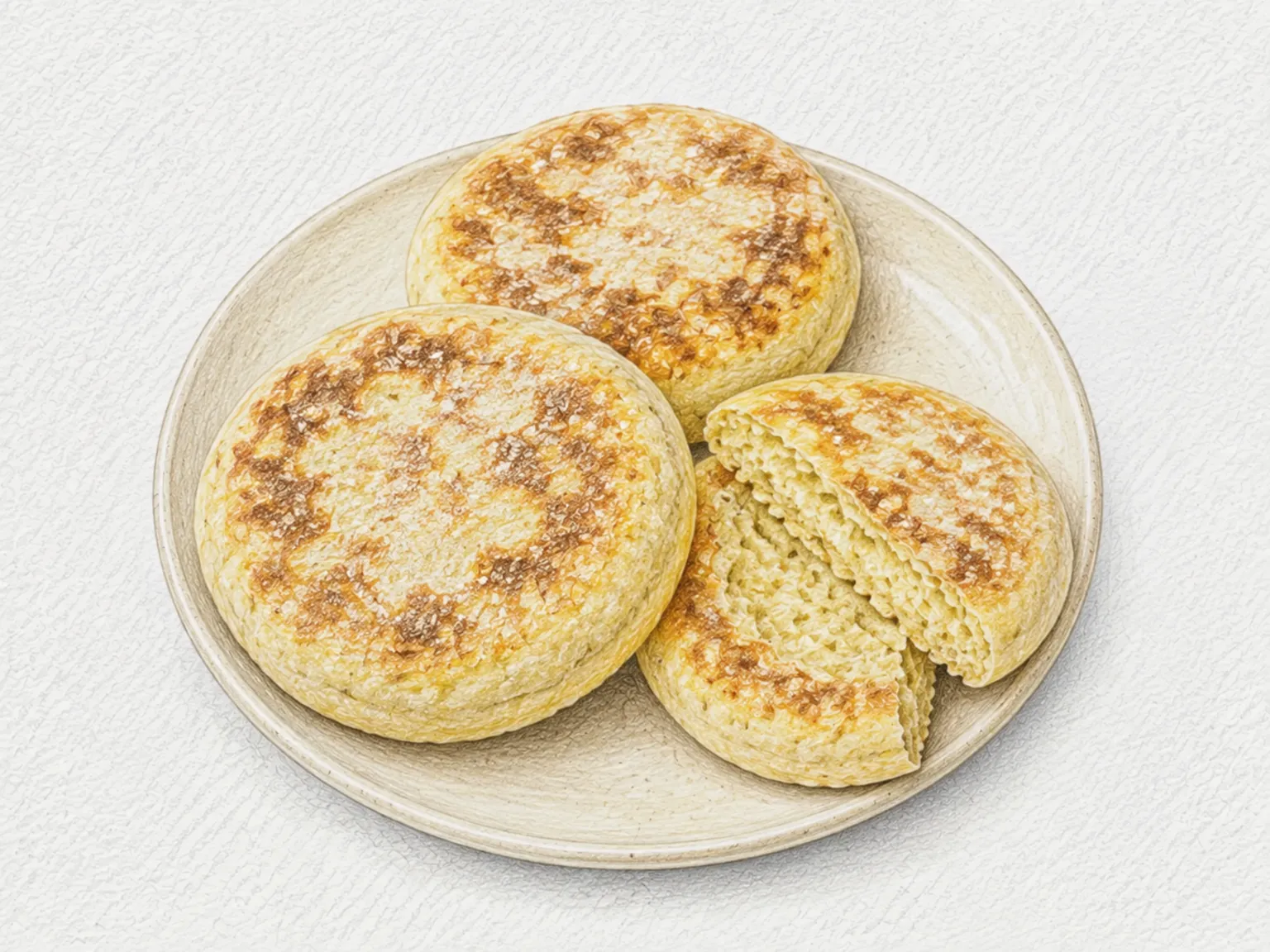
Aloo paratha is a whole wheat flatbread filled with mashed potato, garam masala, chili powder, and cilantro, then cooked in a pan. Mash the cooked potatoes while hot and spread them out to release steam, which helps prevent the filling from leaking and the dough from tearing during rolling. Divide the dough and filling into equal numbers of portions, place the sealed side down, and roll slowly to about 15cm. If the filling begins to show through, reduce pressure and roll from the center outward. Set both sides over medium-low heat, apply the oil in portions, and finish when golden spots and light puffing appear.
Apple Crumble
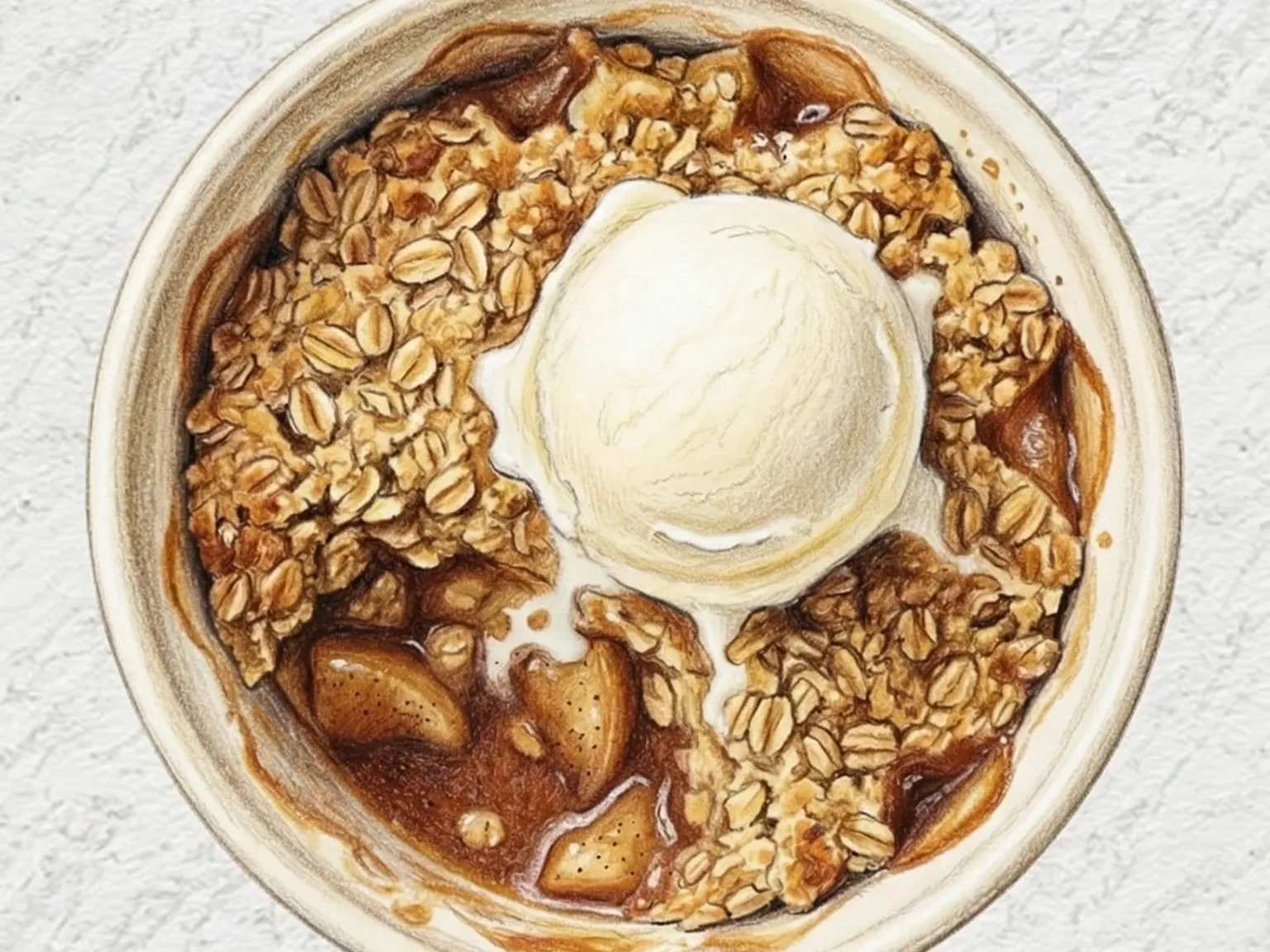
Apple crumble was born from wartime constraint: during World War II, butter and sugar rationing in Britain made traditional double-crust pastry impractical, and bakers found that rubbing a far smaller amount of fat into flour and oats produced a topping that required none of the skill or rolling that pastry demanded. Sliced apples are tossed with sugar, lemon juice, and cinnamon, then spread into a baking dish and covered with the rough, breadcrumb-like mixture. In the oven, the fruit collapses into a thick, bubbling sauce while the topping bakes unevenly: the peaks turn deeply crisp and golden, while the underside where the topping meets the fruit juices becomes slightly sticky and chewy. Tart apple varieties such as Granny Smith hold up better under oven heat than sweet ones, turning into a fragrant sauce that contrasts with the sandy crumble overhead. The tension between the hot, yielding apple beneath and the crunchy, butter-scented rubble on top is the structural logic of the dish. Served with cold vanilla ice cream or warm pouring custard, the contrast multiplies further as cold cream melts into the steaming fruit. It remains the default British home dessert precisely because it needs nothing beyond what a reasonably stocked cupboard can supply and comes together in under an hour.
Crispy Mushroom Tangsu (Sweet & Sour)
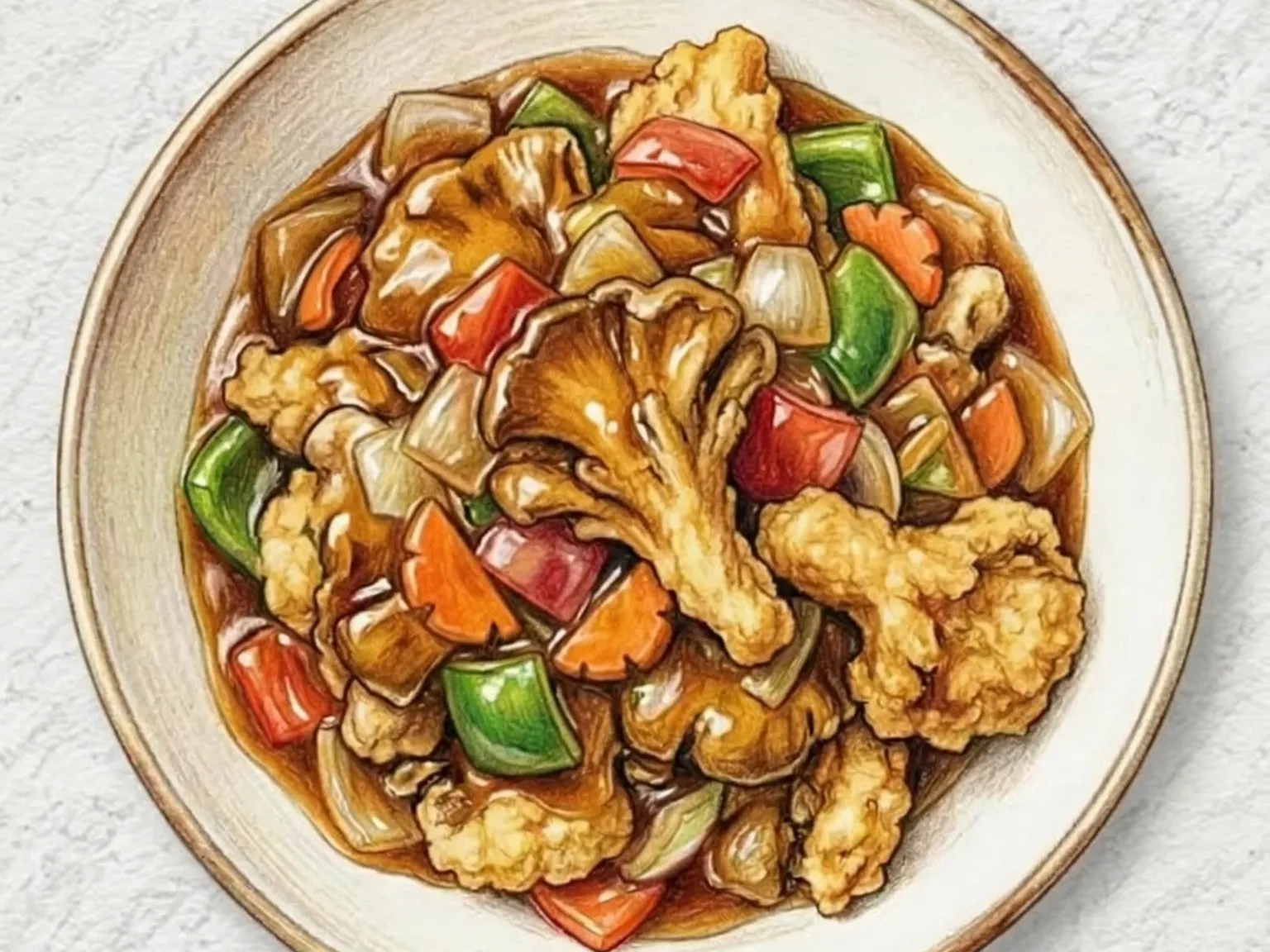
Double-fried oyster mushrooms with the same two-stage frying technique used for Korean tangsu pork. Oyster mushrooms fully dried of moisture are coated in a potato starch and flour batter, fried at 170°C, rested to release steam, then returned to 180°C for a second fry that locks in a crisp exterior while keeping the interior chewy. A sweet-sour sauce of soy sauce, vinegar, and sugar is simmered with onion, bell pepper, and carrot, then thickened with a starch slurry. Pouring the sauce over the mushrooms in advance softens the crust quickly, so serving the sauce separately and ladling it on at the table preserves the crunch. The technique produces a texture comparable to the pork version without any meat.
Hayashi Rice (Japanese Beef and Onion Brown Sauce Rice)
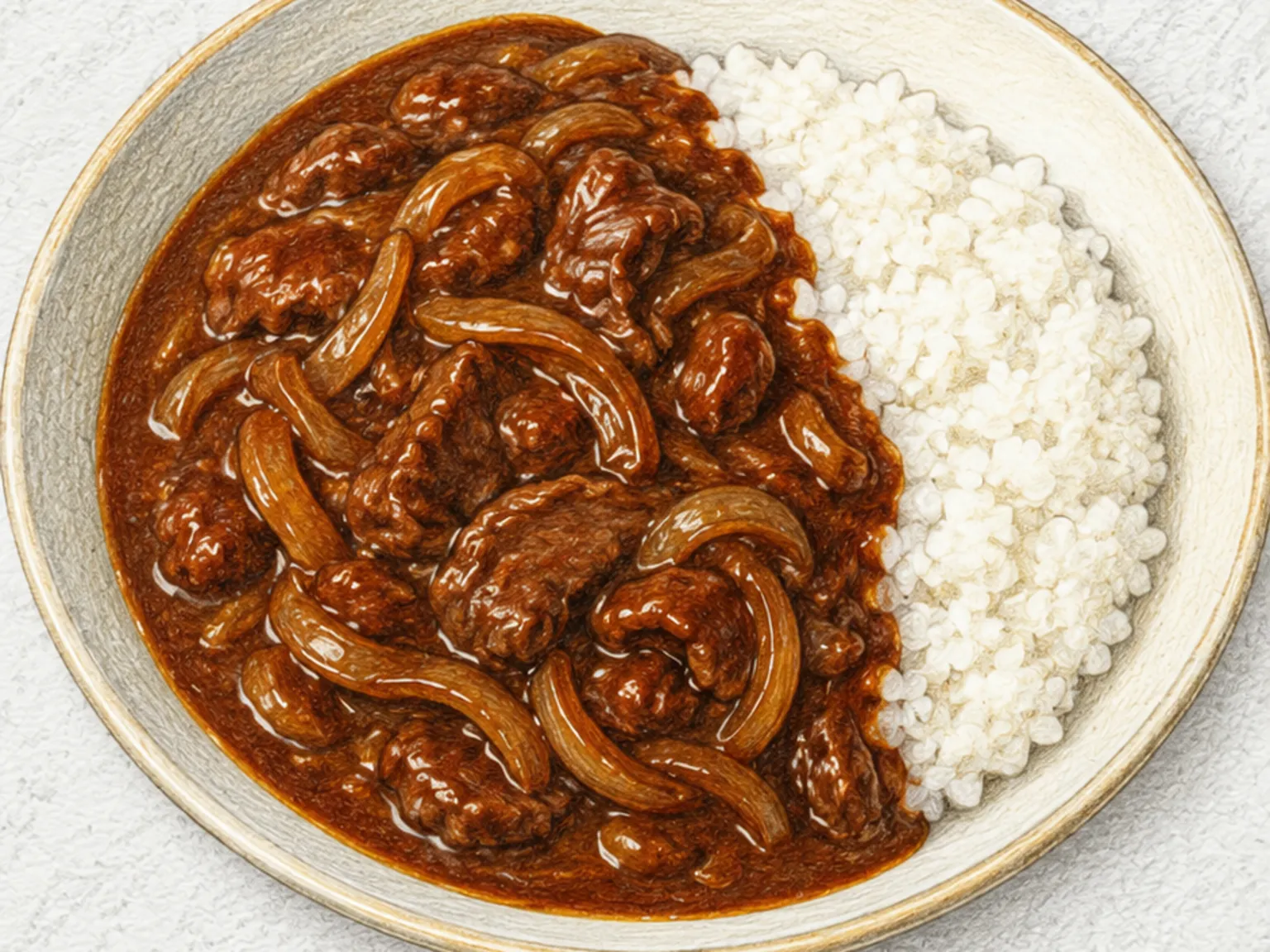
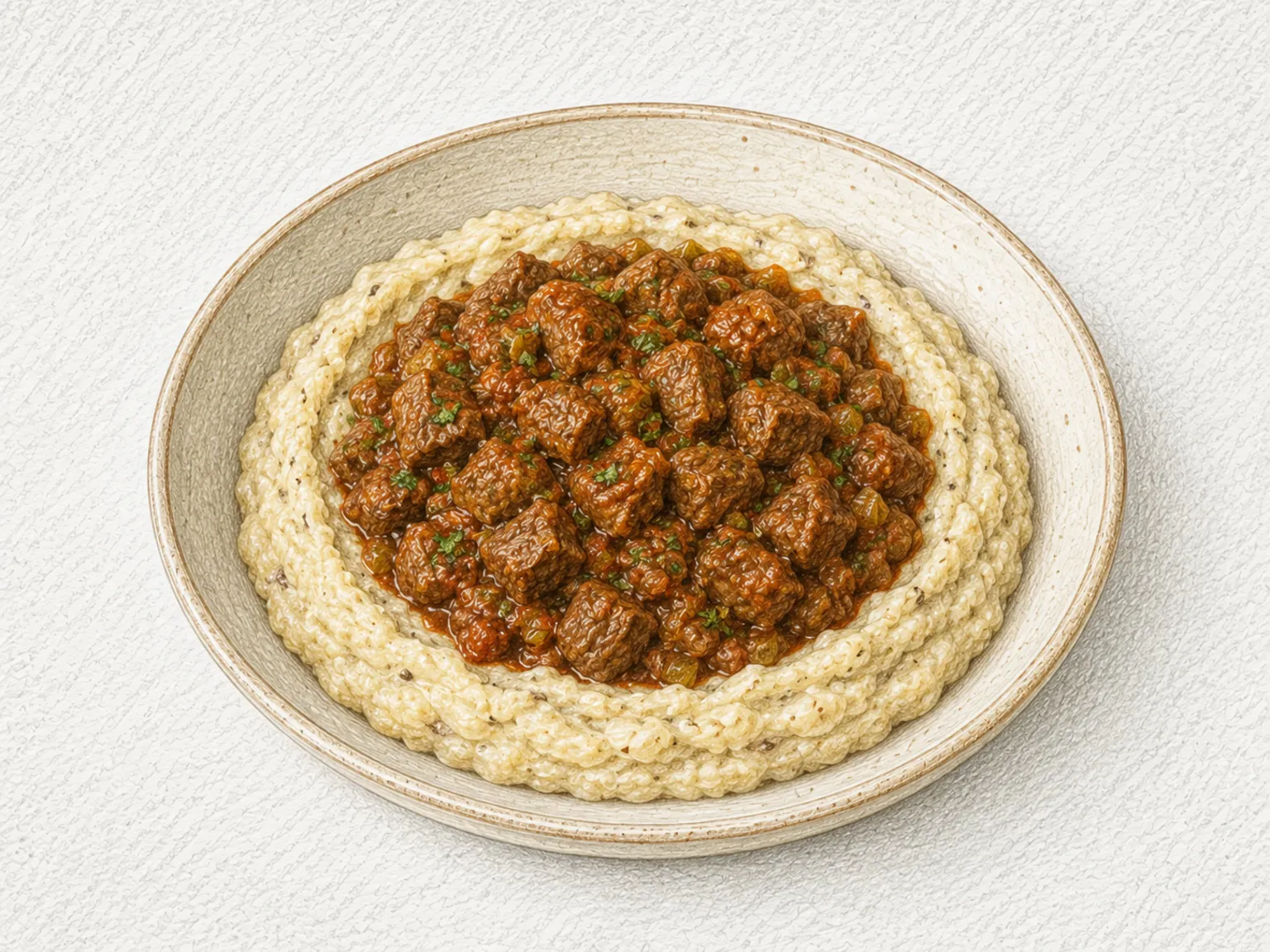
Hayashi rice is a Japanese home-cooking dish in which thinly sliced onions are caramelized in butter for at least eight minutes until deeply golden, then simmered with thin-cut beef, tomato paste, Worcestershire sauce, and flour into a glossy, thick brown sauce served over warm rice. The caramelization of the onions is the single most important step in the recipe. Rushing this stage produces onions that have lost moisture but not developed sweetness, resulting in a flat sauce with no depth. Extended browning converts the onion's natural sugars into a rich, almost candy-like sweetness that forms the foundation of the entire dish and cannot be replicated by any shortcut. Tomato paste adds acidity and deepens the color, Worcestershire sauce contributes a layered spice complexity, and flour gives the sauce enough body to sit on top of the rice without running. The sauce is spooned generously over one side of the rice in the same manner as curry rice, and the complete absence of spicy heat makes it a mild, accessible dish that appeals to both children and adults.
Koneri (Thickened Eggplant and Pepper Stir-Fry)
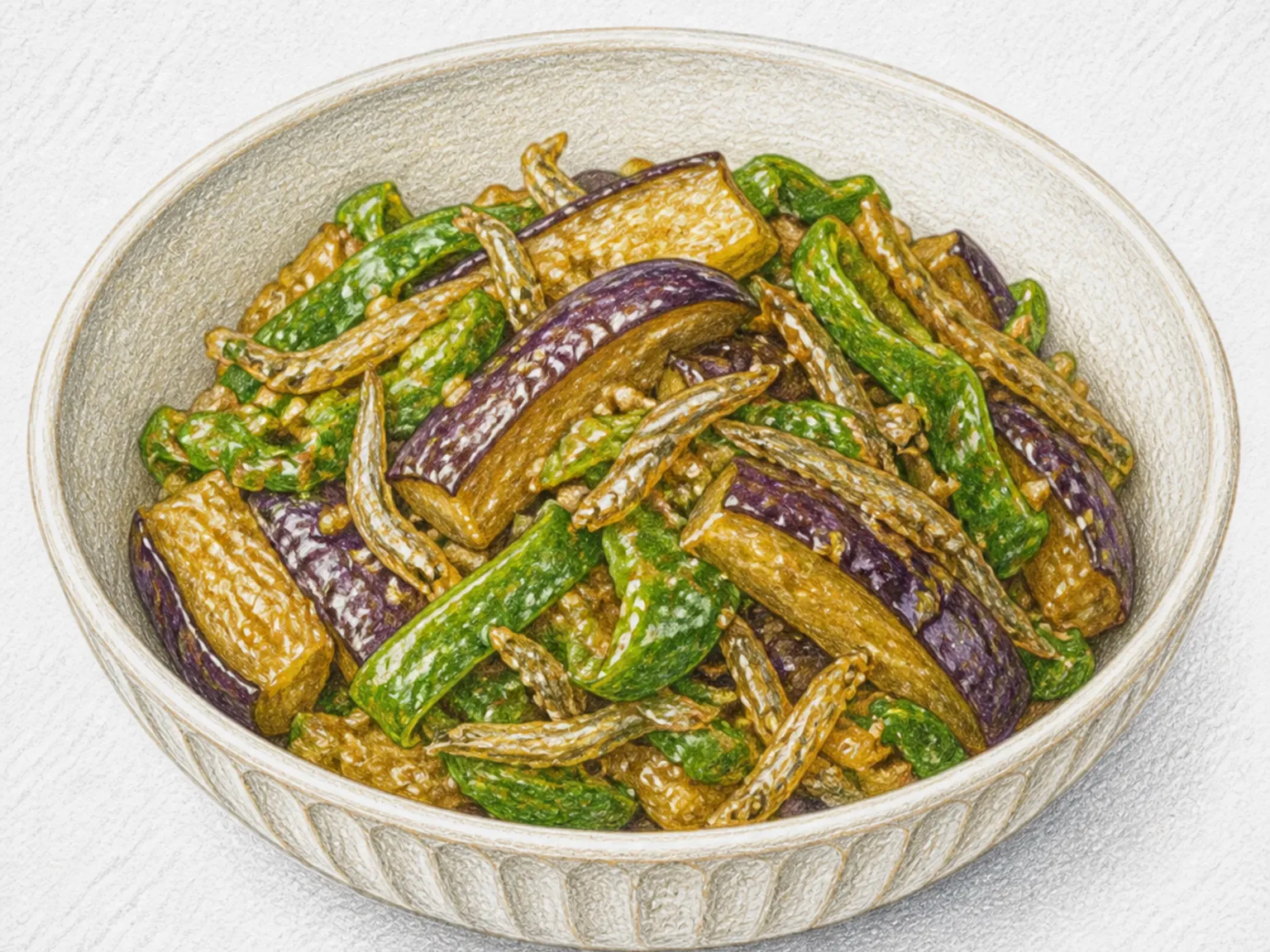
Koneri is a summer home dish from Bungo Ono in Oita, where fried vegetables are bound with a thick mixture of miso and wheat flour. This version uses eggplant and green peppers with small dried sardines, which season the oil before the vegetables soften. Flour, miso, sugar, and water are whisked together and stirred into the pan over low heat until the raw flour cooks away and the sauce clings to every piece. The flour captures the moisture released by the vegetables instead of leaving liquid in the pan. Its name is linked to the kneading and stirring action, and related household versions often use the region's abundant bitter melon.
Akashiyaki (Soft Egg-Dashi Octopus Dumplings)
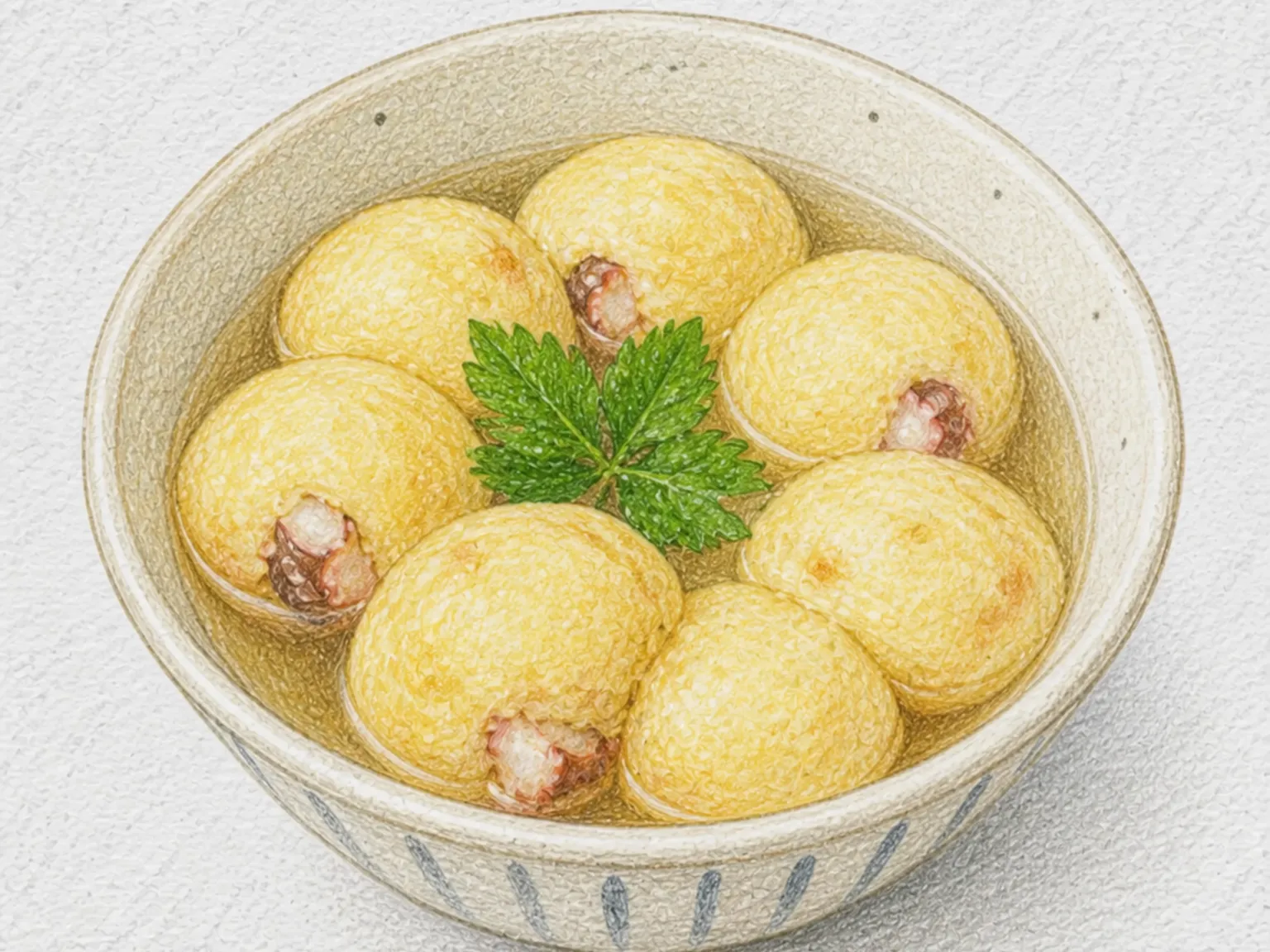
Akashiyaki is an Akashi specialty made by thinning wheat flour and refined wheat starch with dashi, adding eggs, and cooking the loose batter around a piece of boiled octopus in a round copper pan. The tender dumplings are lifted into warm or cold kombu or bonito dipping broth rather than covered with thick sauce. Jin-ko, the purified wheat starch, does not firm as strongly when heated, and the high proportion of egg and stock produces a softer, moister result than takoyaki. Locals have long called the dish tamagoyaki. The name Akashiyaki spread around 1988 as part of city promotion. One origin story links it to Akashi-dama artificial coral ornaments made from the late Edo period onward: egg whites were used in their production, and leftover yolks may have been cooked with octopus caught just offshore.
Akaneko (Wheat and Glutinous Rice Mochi)
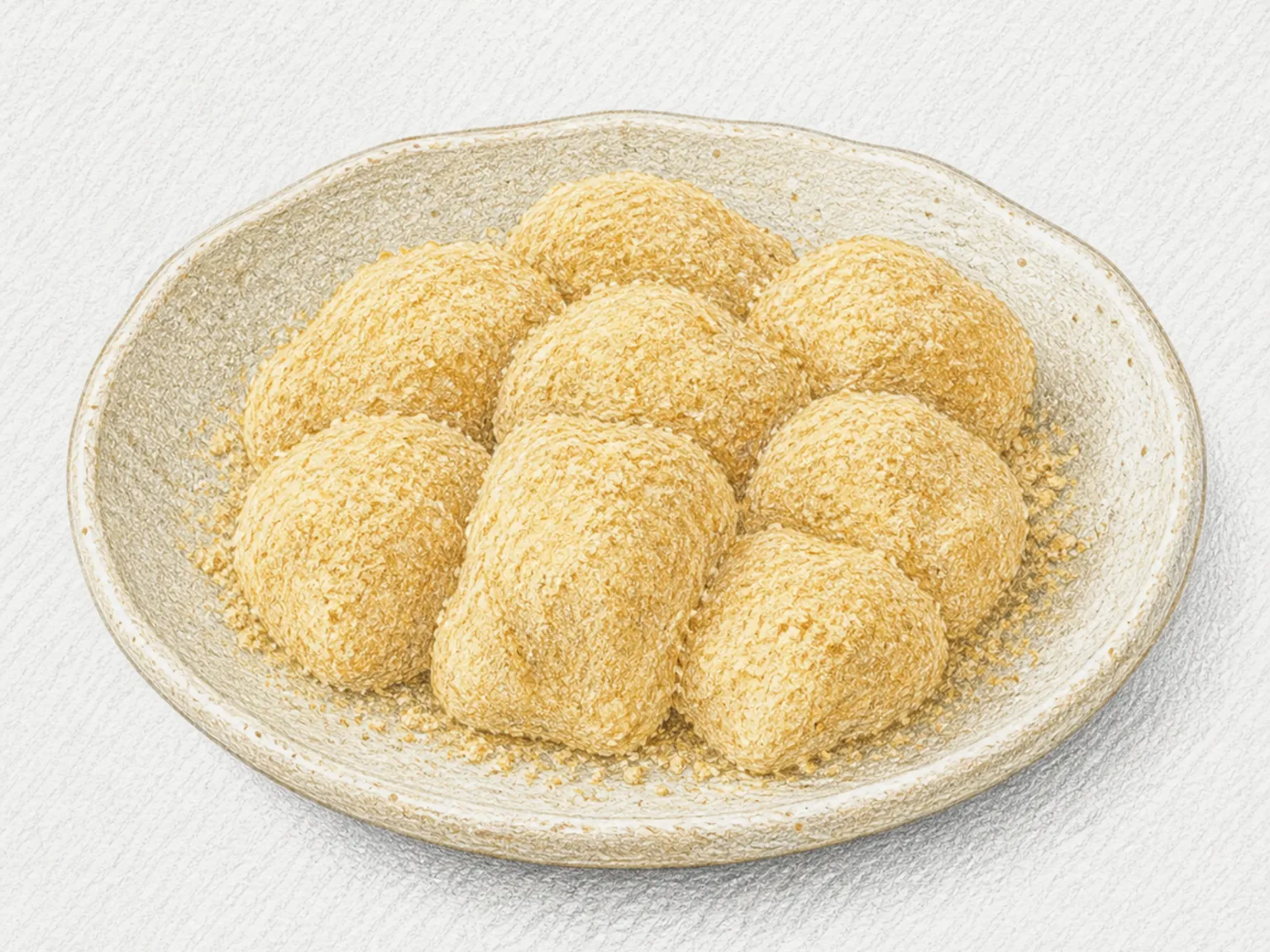
Akaneko is an Osaka mochi associated with the end of rice planting in the Nakakawachi and Minamikawachi areas. Glutinous rice soaked for a full day and a soft salted wheat dough are steamed together, then pounded into one mass. Pieces are torn off and coated with roasted soybean flour mixed with sugar. The wheat makes the mochi less sticky and more tender than mochi made only from glutinous rice. It was traditionally prepared around Hangesho to give thanks for completed planting and pray for a good harvest.
Korean Chive and Beef Jeon
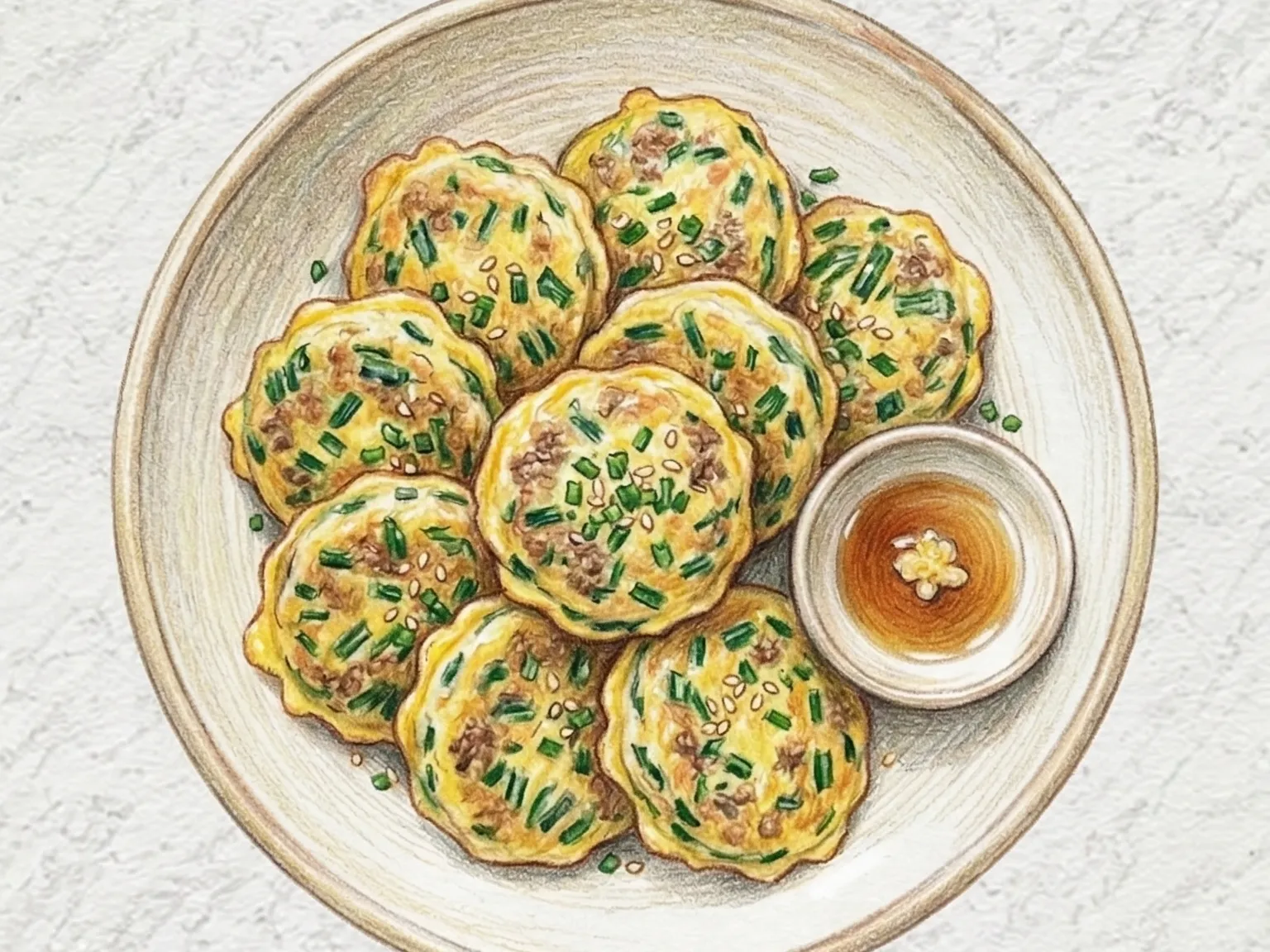
Buchu-soegogi-jeon are Korean chive and beef patties made from ground beef, pressed firm tofu, finely chopped garlic chives, and onion seasoned with soy sauce, garlic, and sesame oil, shaped into small ovals, dipped in beaten egg, and pan-fried for three minutes per side. Squeezing every drop of moisture from the tofu before mixing is the critical step - it prevents the patties from falling apart on the pan while contributing a soft texture that tempers the density of the beef. The egg coating sets into a thin golden crust on the outside, while the interior stays moist and fragrant with seared chive and beef. These are a standard on Korean holiday tables and guest spreads: one-bite sized, easy to pick up, and the soy-garlic-sesame seasoning holds its flavor without degrading as the patties cool.
Mamebu-jiru (Walnut Dumpling Soup)
Mamebu-jiru is a regional soup from Yamagata-cho in Kuji, Iwate. A soy-seasoned kombu and niboshi broth holds carrot, burdock, grilled tofu, kanpyo, mushrooms, and small wheat dumplings enclosing walnut. The contrast appears when a mild, chewy dumpling opens to a nutty center inside the savory soup. The dish is linked to flour dumplings that may have replaced celebratory noodles during poor Edo-period harvests and remains part of winter, New Year, wedding, and memorial meals.
Korean Sweet Pumpkin Pancake
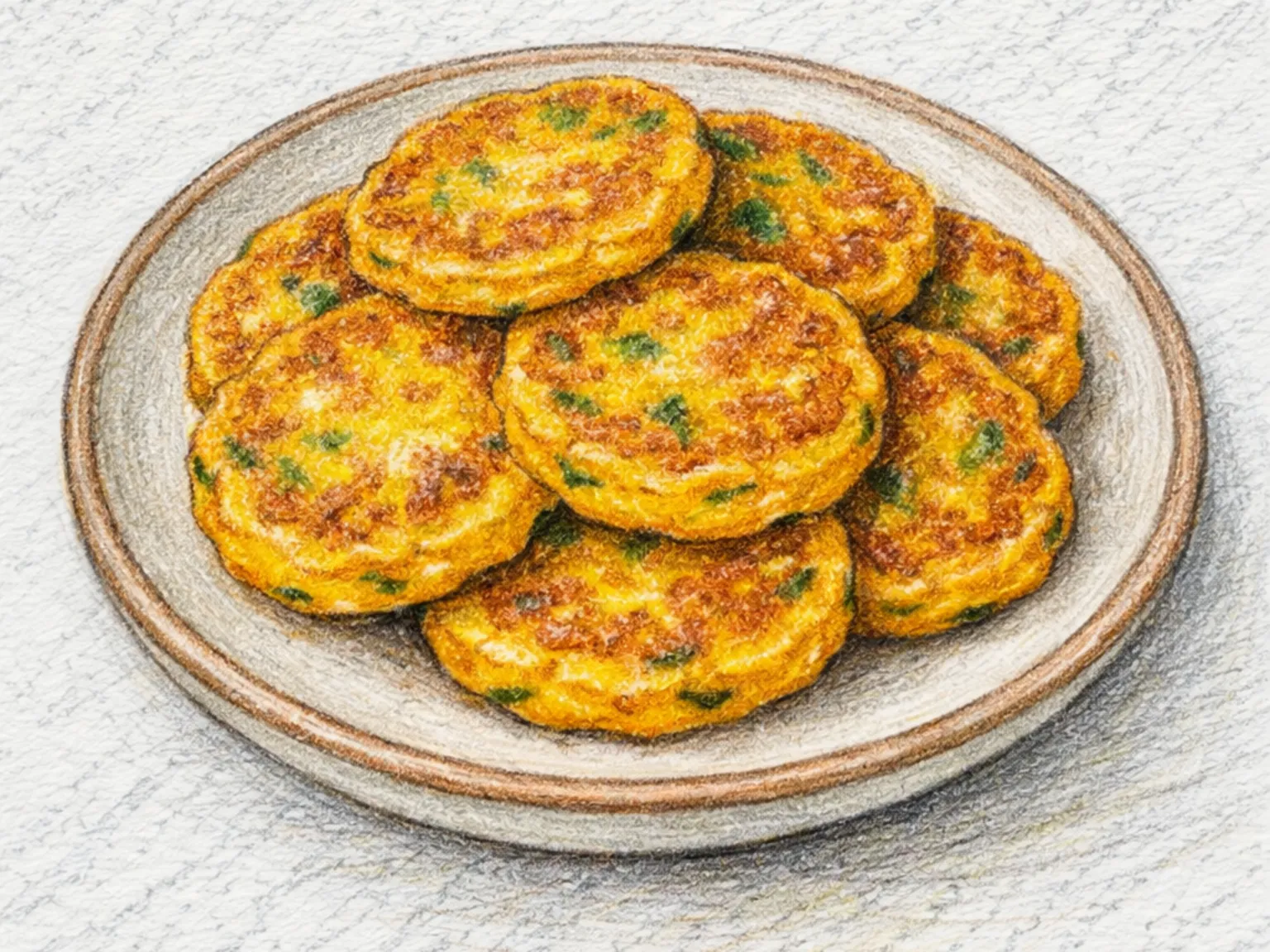
Danhobak jeon is made by steaming kabocha squash, mashing it, then mixing the puree with glutinous rice flour and a small amount of all-purpose flour before shaping the mixture into rounds and pan-frying them in oil. The glutinous rice flour gives each piece a chewy, mochi-like texture, and the squash provides enough natural sweetness to keep added sugar minimal. The exterior crisps up in oil while the center stays soft and moist, like a compressed squash puree. The squash's natural sugars caramelize lightly against the hot pan, producing a golden color on the surface. Best eaten warm, when the squash's sweet, earthy aroma is most pronounced. Well suited as a snack or dessert.
Korean Steamed Stuffed Chili Peppers
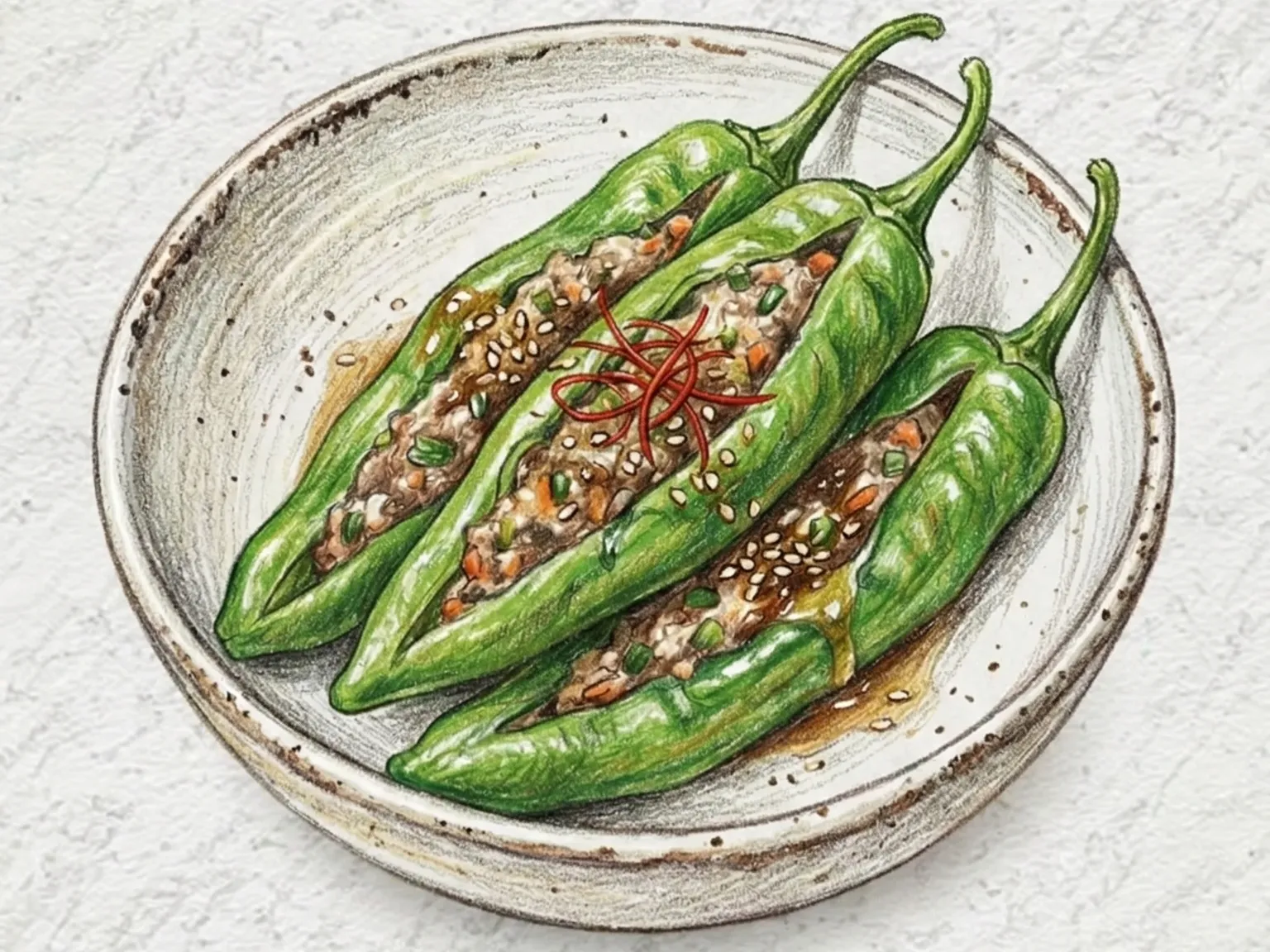
Gochu-jjim is a traditional Korean banchan in which mild green chili peppers are hollowed out, dusted inside with a light coating of flour, then packed with a filling of ground pork, crumbled firm tofu, garlic, and scallion before being steamed until cooked through. The flour coating is not decoration; it creates a thin binding layer that keeps the filling anchored inside the pepper during the entire steaming process, so each piece arrives at the table intact and firmly stuffed. Soy sauce and sesame oil work through the filling as it cooks, producing a savory, slightly nutty flavor that contrasts with the clean bitterness of the pepper skin. The steamed pepper itself stays slightly firm at the bite while the stuffing is soft and moist, and the interplay of those two textures is what makes a simple list of ingredients into a dish worth returning to. Gochu-jjim appears as a regular everyday banchan alongside rice and also earns a place on Korean holiday tables for its restrained elegance.
Korean Perilla Seed Hand-torn Noodle Soup
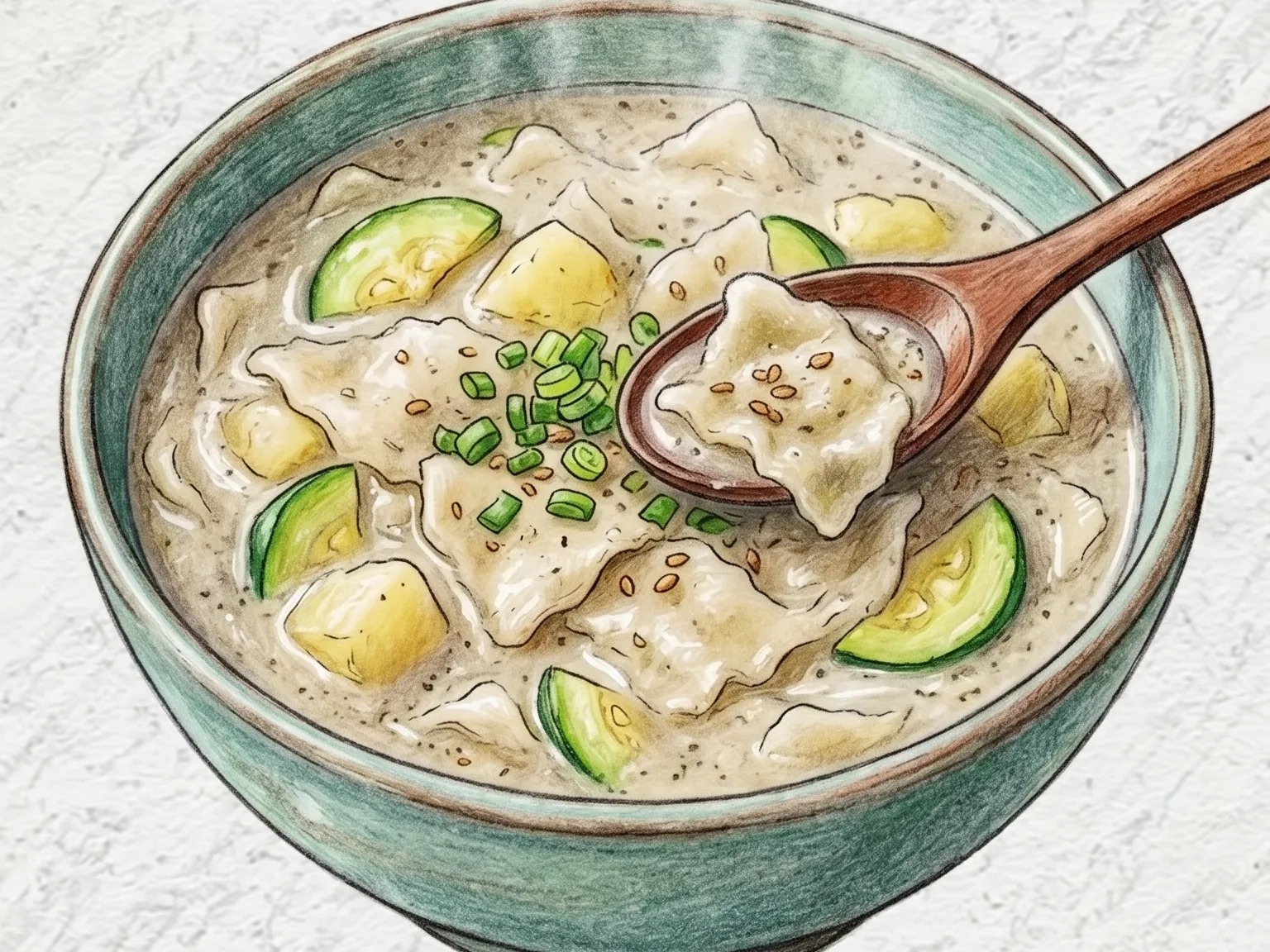
Deulkkae sujebi is a Korean hand-torn noodle soup made by pulling rested wheat dough into thin, rough-edged pieces and simmering them in an anchovy-kelp broth enriched with ground perilla seeds. Resting the dough for at least thirty minutes relaxes the gluten and is what allows it to be stretched thin by hand without snapping back; the thinner each piece, the more quickly it cooks through in the hot broth while still retaining a satisfying, elastic chew. Potato simmers alongside the dough and slowly breaks down, releasing starch that gives the broth a natural body without any thickener added. Zucchini contributes a mild sweetness and a soft texture that contrasts with the chewy dough pieces. When the ground perilla powder is stirred into the broth, it dissolves to form a milky, opaque liquid with a roasted, nutty depth that coats the tongue in every spoonful. The dish is a staple of Korean home cooking on rainy days and cold winter evenings, prized for the warmth it delivers and for the hands-on simplicity of tearing the dough directly into the pot.
Deulkkae Mushroom Lasagna Bianca
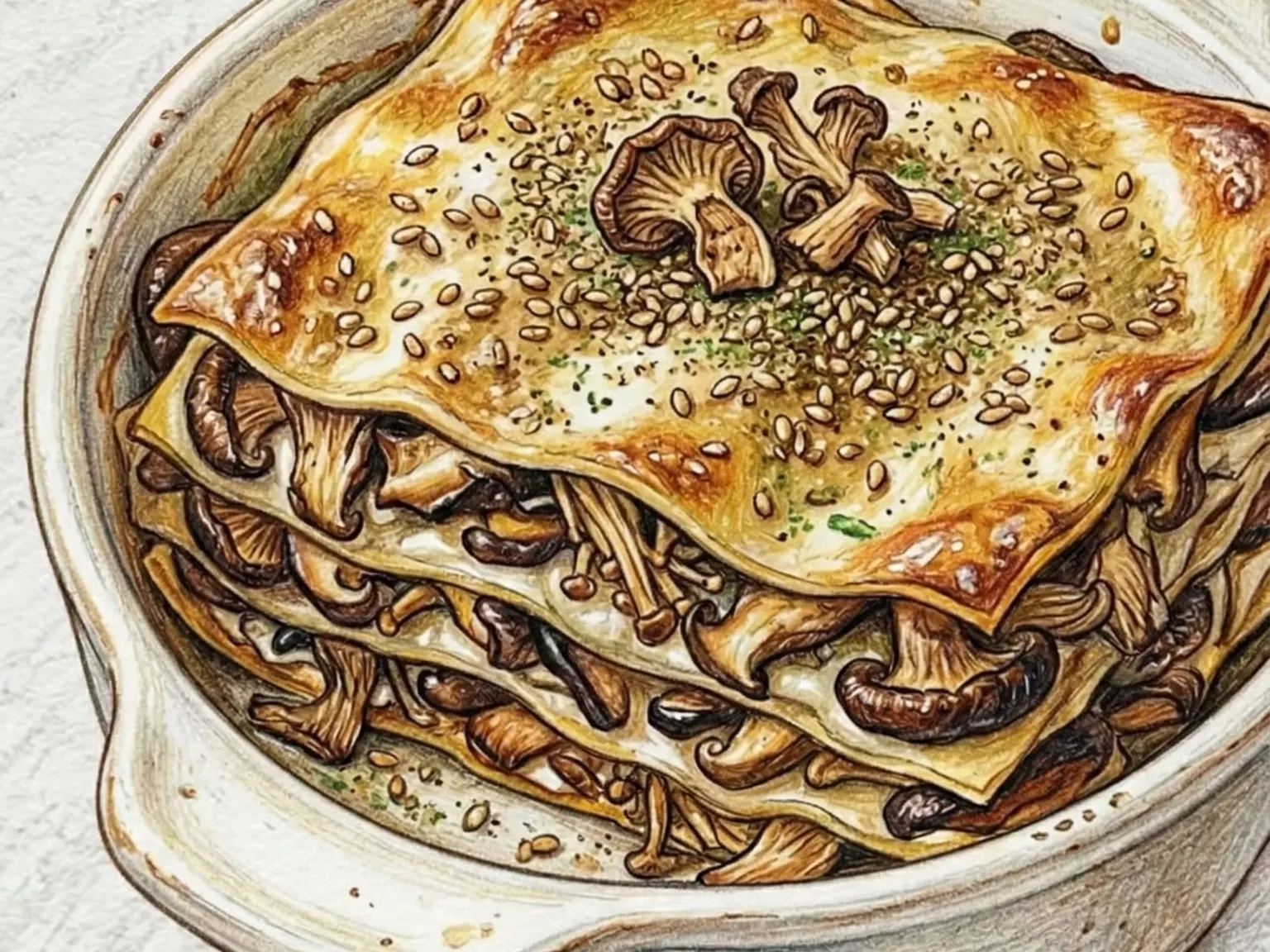
Deulkkae mushroom lasagna bianca layers sauteed button and oyster mushrooms coated in perilla seed powder between lasagna sheets, baking without traditional bechamel into a white lasagna with a distinctly Korean character. The mushrooms must be cooked in small batches over high heat - loading too many at once causes them to steam in their own liquid instead of browning, which loses both color and chew. Ground perilla seeds replace cream as the source of richness: they contribute a dense, nutty weight that fills the layers without dairy fat, and their flavor sits closer to toasted sesame and walnut than to any herb. That nuttiness locks onto the earthy quality of mushrooms in a way that differs noticeably from a standard bechamel-based lasagna. Mozzarella and Parmigiano bind the layers together and develop a golden crust across the top during baking. The lasagna needs to rest for at least ten minutes after it comes out of the oven so the layers compress and each slice cuts cleanly without falling apart.
Arancini (Crispy Sicilian Risotto Balls with Melted Cheese)
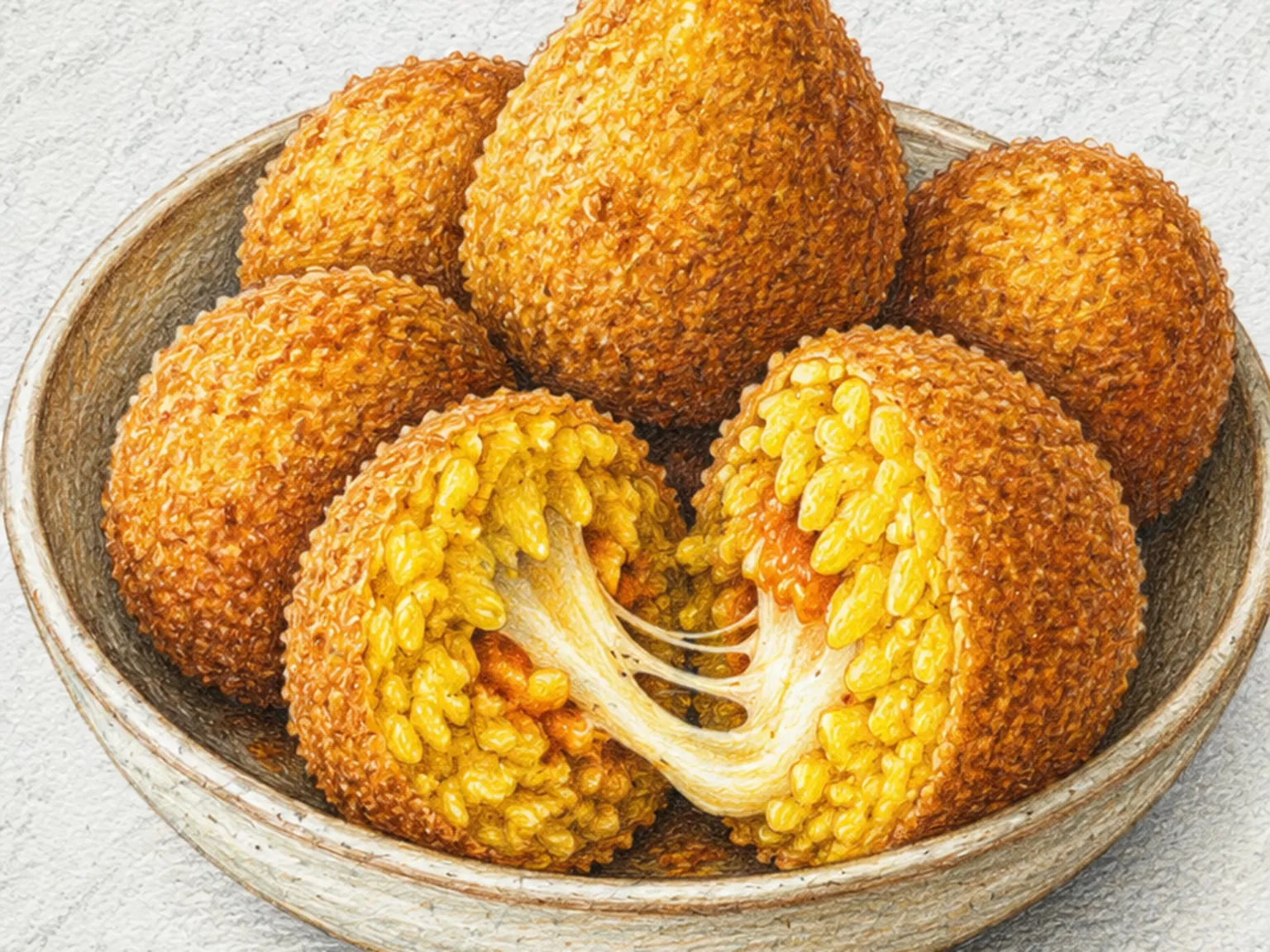
Arancini wrap mozzarella in chilled risotto, coat the balls with flour, egg, and breadcrumbs, and fry them until crisp. Thoroughly mix 500g of cold risotto with 40g of Parmesan cheese and knead the mixture well until the rice grains develop enough stickiness to hold their shape. Flatten a large spoonful of the rice mixture on your palm, place a cheese cube in the center, and compress firmly into a round ball or a pointed cone shape. Dust each ball lightly with flour, dip into 2 beaten eggs, and then coat thoroughly with 160g of breadcrumbs by pressing them firmly onto the surface to prevent leaking. Deep fry the balls in oil preheated to 170-180 degrees Celsius for 3 to 4 minutes until the shell turns a deep amber color and the cheese center melts completely.
Chole Bhature (Chickpea Curry with Puffed Bread)
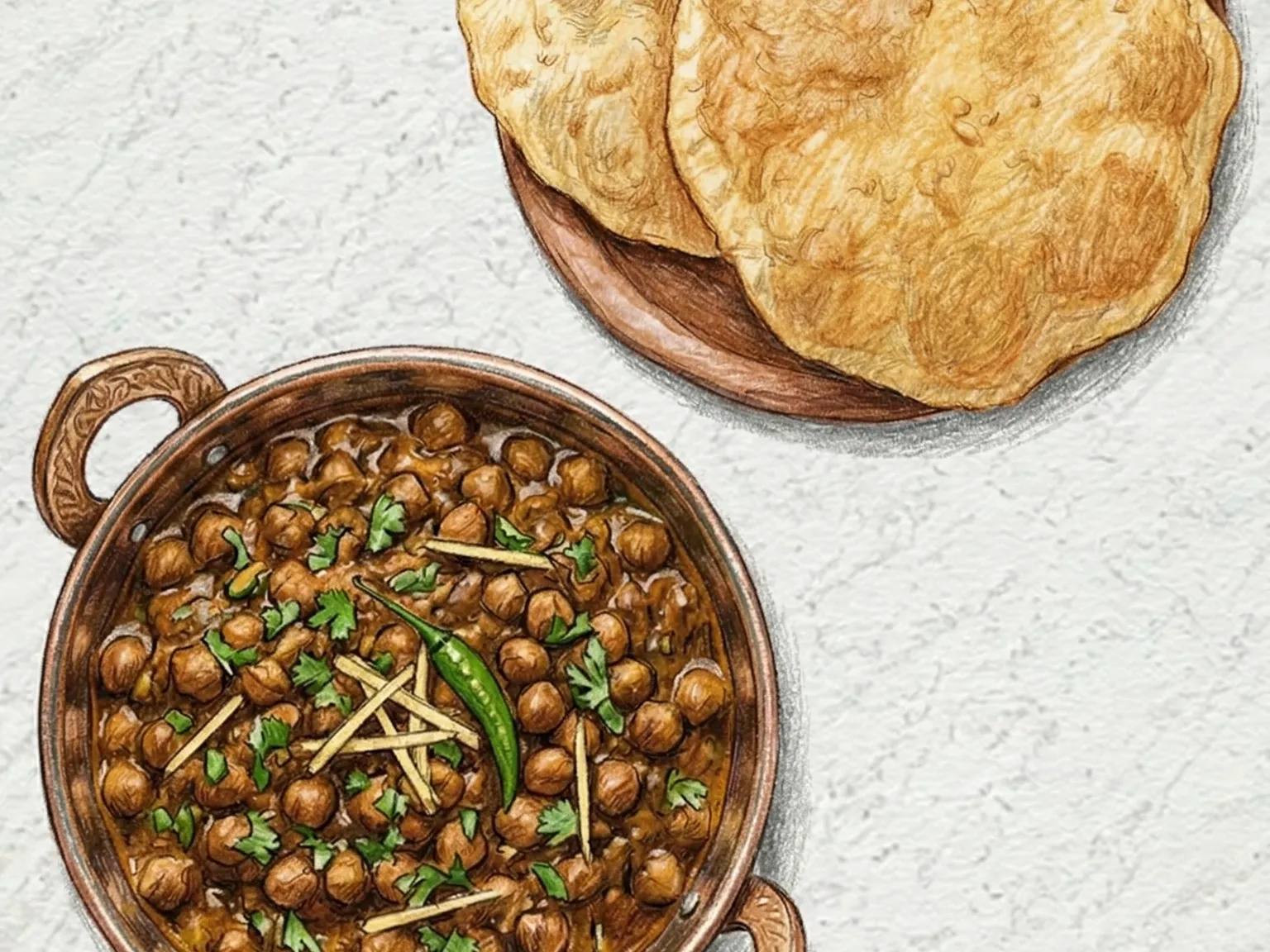
Chole bhature is the definitive breakfast combination of North India's Punjab and Delhi regions, bringing together a dark, intensely spiced chickpea curry and deep-fried puffed bread. The chole begins with dried chickpeas soaked overnight and pressure-cooked until tender, then folded into a base of slow-cooked onion and tomato seasoned with amchur, anardana, and garam masala, simmered until the gravy thickens to a deep, clinging brown. Whole spices - black cardamom, cinnamon, bay leaf - are often tied in muslin and simmered alongside the chickpeas, infusing the pot with fragrance without leaving stray solids in the finished dish. Bhature dough is made with refined flour enriched by yogurt and coarse semolina, rested at room temperature until slightly fermented, then rolled and lowered into hot oil where it balloons into a puffy, golden pillow within seconds. The ritual of tearing a piece of bhature and scooping up chole delivers salty, sour, and spiced-bread richness in a single motion. Raw onion rings and pickled green chilies cut through the heaviness with crunch and heat. In Old Delhi, the most storied shops have maintained their curry by never fully emptying the pot, topping it up over decades so the base carries years of accumulated flavor.
Choux Cream Puffs (French Hollow Pastry with Vanilla Custard)
Choux cream puffs are built around pate a choux, a paste cooked directly on the stovetop by combining water, butter, and flour over heat, then beating in eggs one at a time until the dough is smooth, glossy, and just thick enough to hold a piped shape. Once mounds are piped onto a baking sheet and slid into a hot oven, the water content in the dough converts rapidly to steam, inflating each piece into a hollow shell while the exterior sets into a crisp, deep-golden crust. The key to a reliably hollow interior is patience with the eggs: adding them too quickly or all at once produces uneven expansion, while a gradual approach allows the structure to develop properly. Once completely cooled - cooling fully is not optional, as residual heat will melt the filling - a small hole is pierced in the bottom of each shell and pastry cream is piped inside. The contrast upon biting is what makes the pastry compelling: the thin, shattering shell breaks to release cool, silky custard against the palate. The pastry cream itself is made by simmering milk with a split vanilla bean, then whisking the infused milk into egg yolks, sugar, and cornstarch, cooking until thick, and chilling until cold and set. Filled puffs should be consumed within two to three hours, as moisture from the cream migrates into the pastry over time, softening the crust and eliminating the textural contrast that defines the experience.
Korean Kabocha Tempura (Hobak-twigim)
Hobak-twigim is made by coating thin kabocha crescents in a cold flour and potato starch batter, then deep-frying them until crisp. It differs from hobak-jeon, which uses egg-coated zucchini slices cooked in a pan, and danhobak-jeon, which uses mashed steamed kabocha shaped into patties. Slices 0.5-0.7 cm thick cook through before the coating becomes too dark. Equal amounts of flour and potato starch mixed briefly with ice water produce a thin, crisp shell. Keep the oil at 170-180 degrees Celsius and fry in small batches so the temperature does not drop sharply. Drain the pieces in a single layer on a wire rack and serve them warm with vinegar-soy dipping sauce.
Loco Moco Rice Bowl (Hawaiian Beef Patty Gravy Rice Bowl)
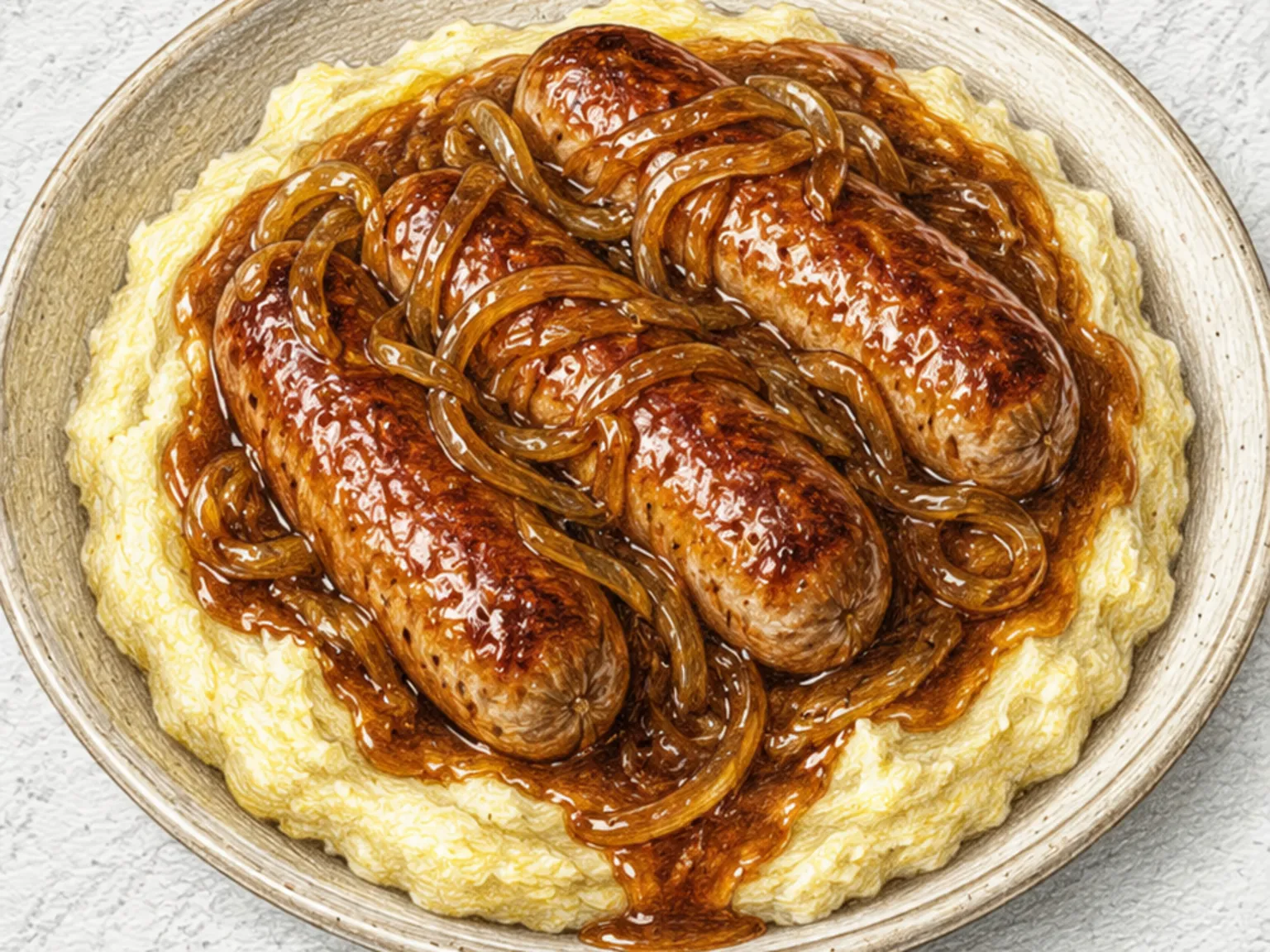
Ground beef is mixed with minced onion, shaped into patties, and pan-seared for four to five minutes per side until a crisp crust forms outside while the center stays moist. The same pan - still coated with beef drippings - gets butter, the remaining onion, and flour to build a quick roux, then water and Worcestershire sauce transform it into a smooth, glossy gravy that captures all the fond. Assembly is straightforward: rice on the bottom, patty on top, gravy ladled over, and a sunny-side egg crowning the bowl. Breaking the runny yolk into the gravy creates a rich, velvety sauce that ties the Hawaiian-born dish together into a hearty, deeply satisfying plate.
Korean Cream Cheese Hotdog
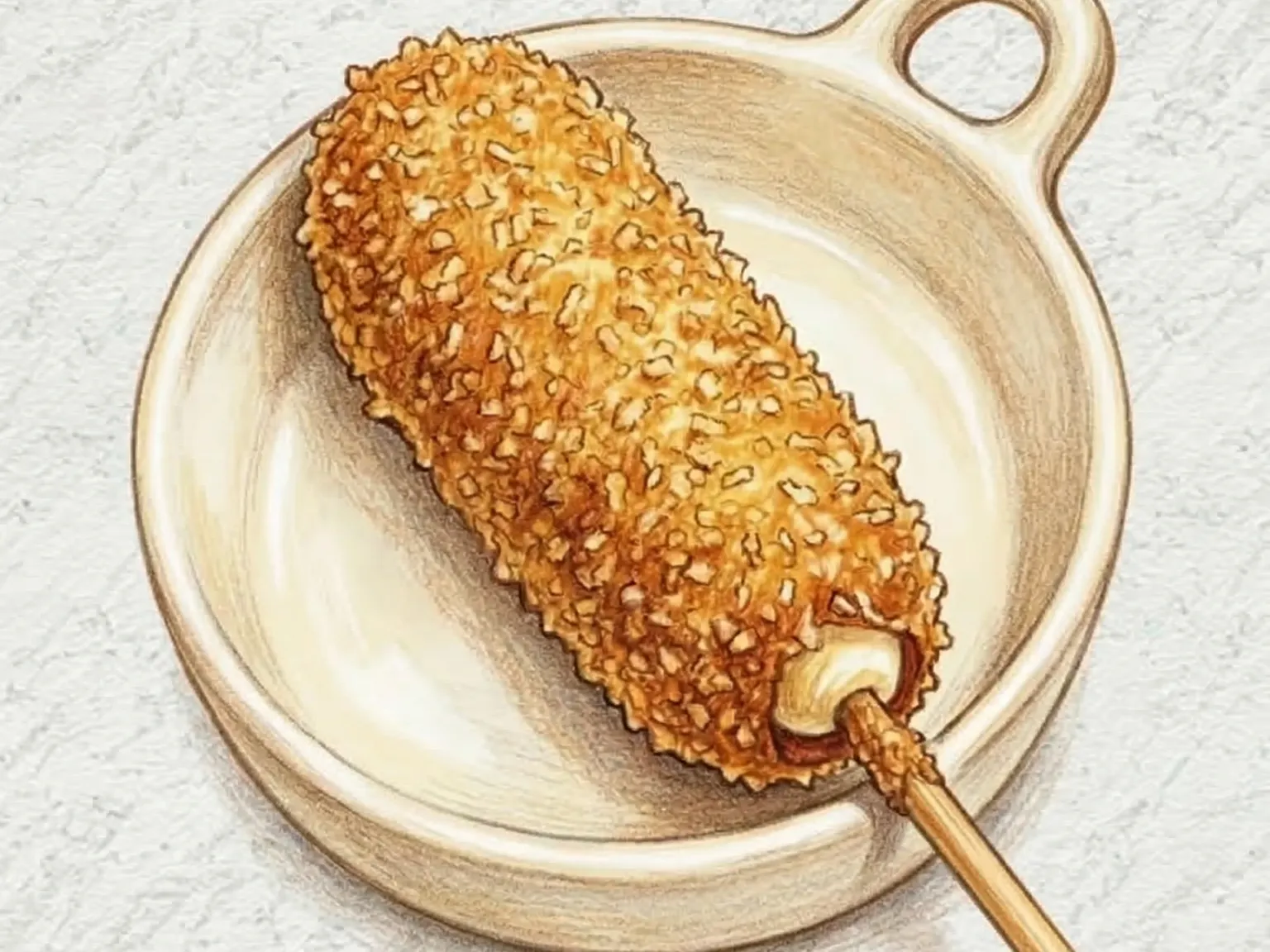
Cream cheese hotdog is a Korean street corn dog made by threading sausage and a log of cream cheese together on a stick, coating in wheat batter, rolling in breadcrumbs, and deep-frying at 170 degrees Celsius. The breadcrumb crust fries to a golden, audibly crunchy shell, while the batter layer underneath stays soft and doughy, creating a distinct middle texture between crust and filling. Each bite delivers the salty snap of sausage alongside the smooth, tangy richness of melted cream cheese. Briefly freezing the cream cheese before assembly is the key step - without it, the cheese melts out through the batter before the crust has a chance to set.
Funayaki (Thin Wheat Crepes with Brown Sugar)
Funayaki is a wheat snack from the Chikugo area of Fukuoka. A thin batter of flour, water, and egg is cooked in a round, then lined with brown sugar and rolled while still warm. It developed as an easy use of wheat grown around the Chikugo River plain. One explanation for the name links funa, meaning boat, to the curved iron pan and the boat-like shape of a folded cake. Gentle heat gives both sides a pale golden color without making the sheet brittle. The small line of brown sugar softens in the residual heat, so each of the four crepes is best rolled immediately and eaten warm.
Korean Pollock Jeon (Egg-Battered Pan-Fried Pollock)
Dongtae-jeon is a Korean pan-fried pollock dish where thin slices of frozen-then-thawed pollock are seasoned with salt, pepper, and cheongju (rice wine), lightly dredged in flour, dipped in beaten egg, and fried in a thin layer of oil. Because frozen pollock releases significant moisture when thawed, pressing it thoroughly with paper towels is a critical step without it, the flour coating will not adhere and the oil will splatter. The flour layer should be thin enough that it barely coats the surface, preserving the fish's mild flavor, and cooking over medium-low heat gives the egg batter time to turn golden while keeping the fish inside soft and flaky. Mixing finely chopped green onion into the egg batter before dipping adds a subtle allium fragrance to the otherwise clean-tasting fish. A staple at Korean ancestral rites and holiday spreads, it is served with soy dipping sauce that draws out the savory, delicate flavor of the pollock.
Mimi (Folded Wheat Dumplings in Miso Soup)
Mimi is a regional soup from Jikkoku in Fujikawa, Yamanashi. Wheat dough is rolled thin, cut into 5cm squares, and joined at two corners on one side to form small scoops before being cooked directly in miso broth with daikon, carrot, taro, burdock, and shiitake. The scoop is associated with gathering good fortune, so the dish is offered on New Year's morning and at celebrations. The pasta is not boiled separately; its flour lightly thickens the soup, and the folded seam must cook completely through.
Jiriyaki Miso Wheat Pancake
Jiriyaki is a Gunma wheat pancake mixed with green onion and sakura shrimp, cooked thickly over low heat, cut into pieces, and coated in a ground perilla seed and miso sauce. It was especially familiar in farming communities within a prefecture with a strong culture of wheat dishes. Traditionally it cooked slowly with the residual heat of ashes in an irori hearth, and its name is said to come from the jiri-jiri sizzling sound. Farmers also ate it by hand during the 10 a.m. and 3 p.m. work breaks. A skillet or hot plate now takes the place of the hearth while preserving its compact snack form.
Korean Boiled Beef Offal Platter
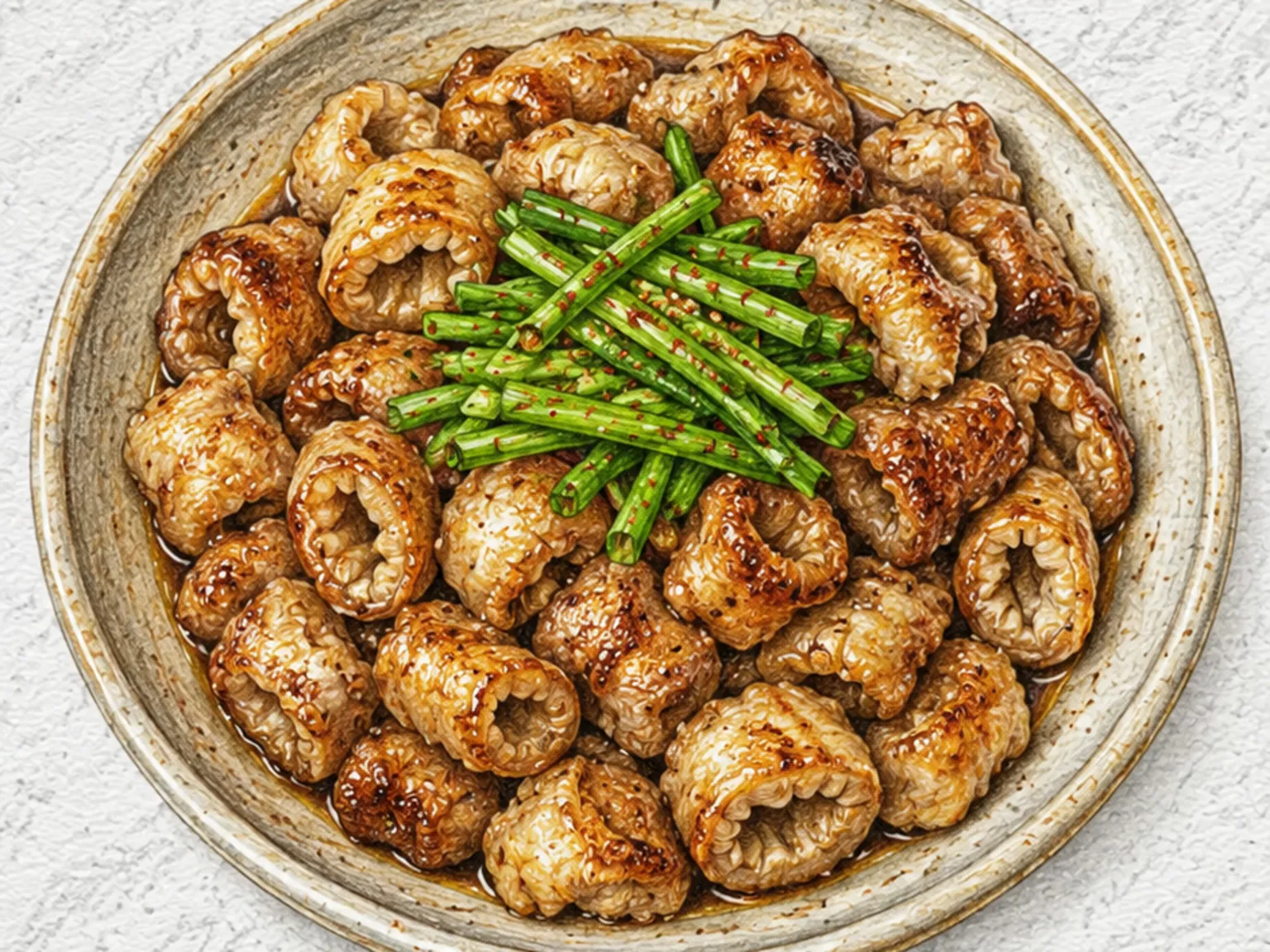
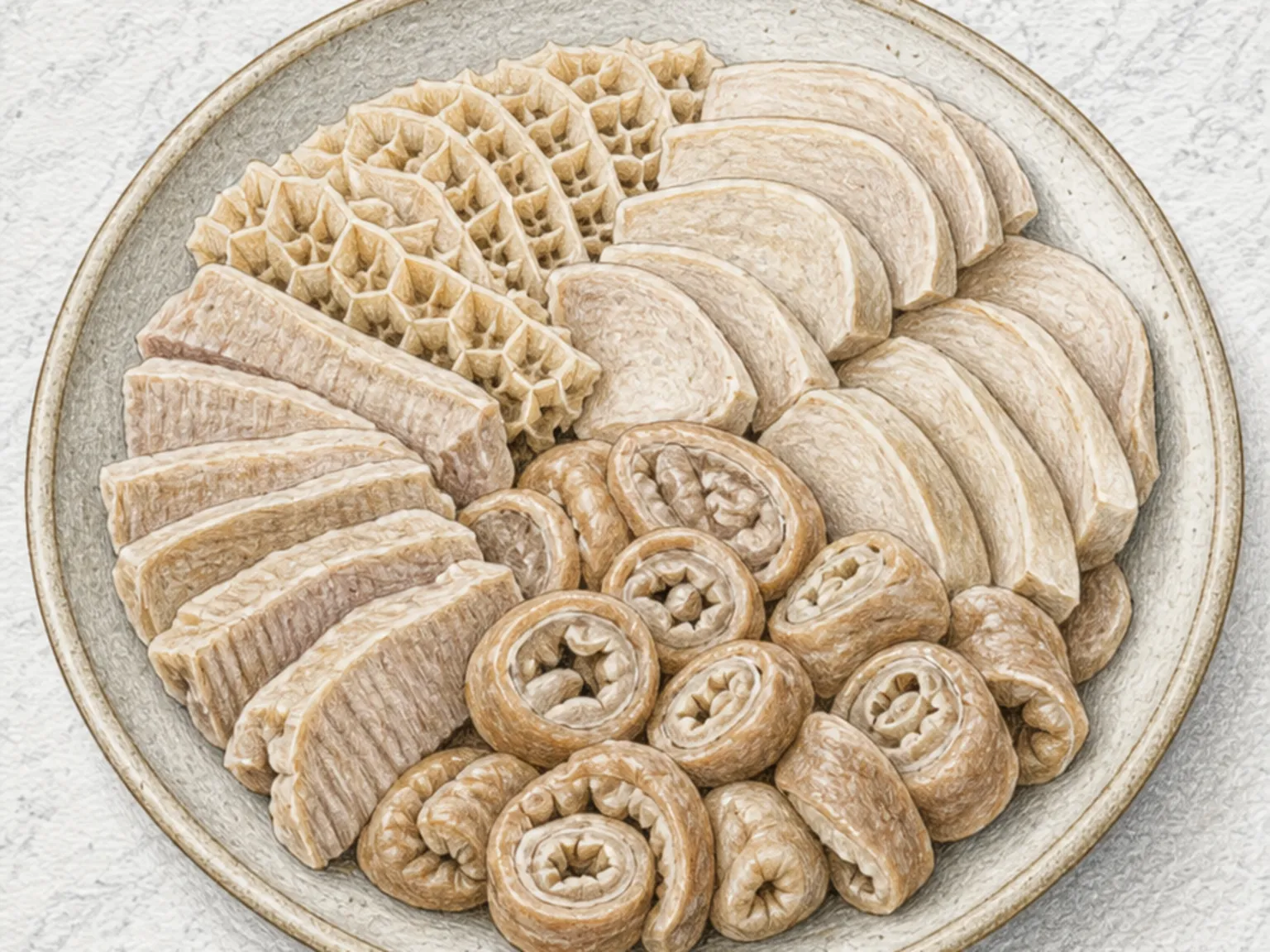
An assortment of boiled beef offal, including tripe and intestines, thoroughly cleaned and simmered. It offers diverse textures and rich flavors, making it a great accompaniment to drinks.