Nachos Supreme
Quick answer
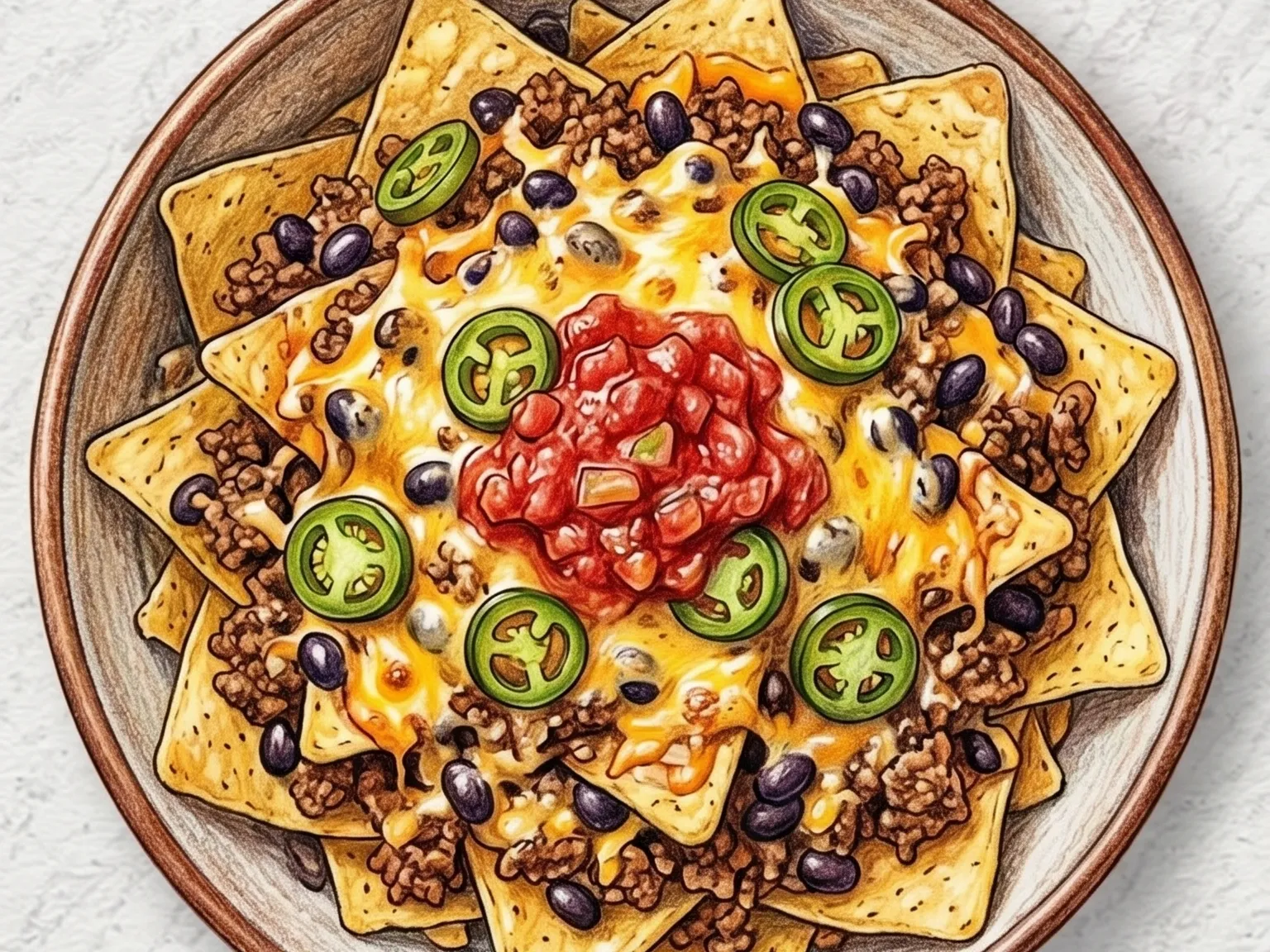
Nachos supreme spreads tortilla chips on a baking tray and tops them with seasoned ground beef, black beans, shredded cheddar cheese, and sliced jalapenos before baking a...
What makes this special
- Nachos Supreme uses a two-layer chip strategy to distribute beef and beans across every bite.
- Two-layer chips spread toppings evenly so every chip gets beef and beans
- Pre-cooked dry beef prevents steam from softening the chips in the oven
Key ingredients
Core cooking flow
- 1 Preheat the oven to 200 C until it is fully hot.
- 2 Heat a pan over medium heat, then add the 250 g of ground beef.
- 3 Spread half of the 220 g of tortilla chips across the tray in an even layer.
Nachos supreme spreads tortilla chips on a baking tray and tops them with seasoned ground beef, black beans, shredded cheddar cheese, and sliced jalapenos before baking at 200 degrees Celsius for 8 to 10 minutes until the cheese is fully melted. Building two layers of chips ensures even topping distribution so every chip comes loaded. The beef should be cooked and drained of moisture beforehand to prevent the chips from turning soggy. Jalapenos add a sharp heat that cuts through the richness of the melted cheese, and salsa is added only after the nachos come out of the oven to preserve the chips' crunch. The shareable format and minimal prep time make nachos supreme a natural choice for game-day gatherings and casual entertaining.
Instructions
Read the steps as a cooking flow: prep, heat, seasoning, doneness control, and finish.
- 1Prep
Preheat the oven to 200 C until it is fully hot.
Prepare a baking tray, loosen the 180 g of cheddar so it spreads evenly, and keep the chips dry until assembly.
- 2Control
Heat a pan over medium heat, then add the 250 g of ground beef.
Cook until it turns brown and the released moisture has mostly evaporated, so the chips do not soften later.
- 3Step
Spread half of the 220 g of tortilla chips across the tray in an even layer.
Scatter some beef, 150 g of black beans, and part of the cheddar so the lower chips also get toppings.
- 4Control
Add the remaining chips as a second layer, then cover them with the rest of the beef and cheddar.
Fill the edges as well, keeping the toppings spread out instead of piled in the center.
- 5Heat
Scatter the 30 g of jalapeno over the top and bake for 8 to 10 minutes.
Remove the tray when the cheddar is melted and the edges look lightly bubbling, before the chips darken too much.
- 6Finish
After removing the tray from the oven, add the 1/2 cup of salsa only just before serving.
Serve immediately while the chips are crisp, starting with any areas touched by salsa.
After the steps
Pick a recipe that fits this dish.
Continue with shared ingredients, meal pairings, or a similar method.
Recipes That Go Well With This
More Western →Based on shared ingredients and meal pairing
Beef Enchiladas
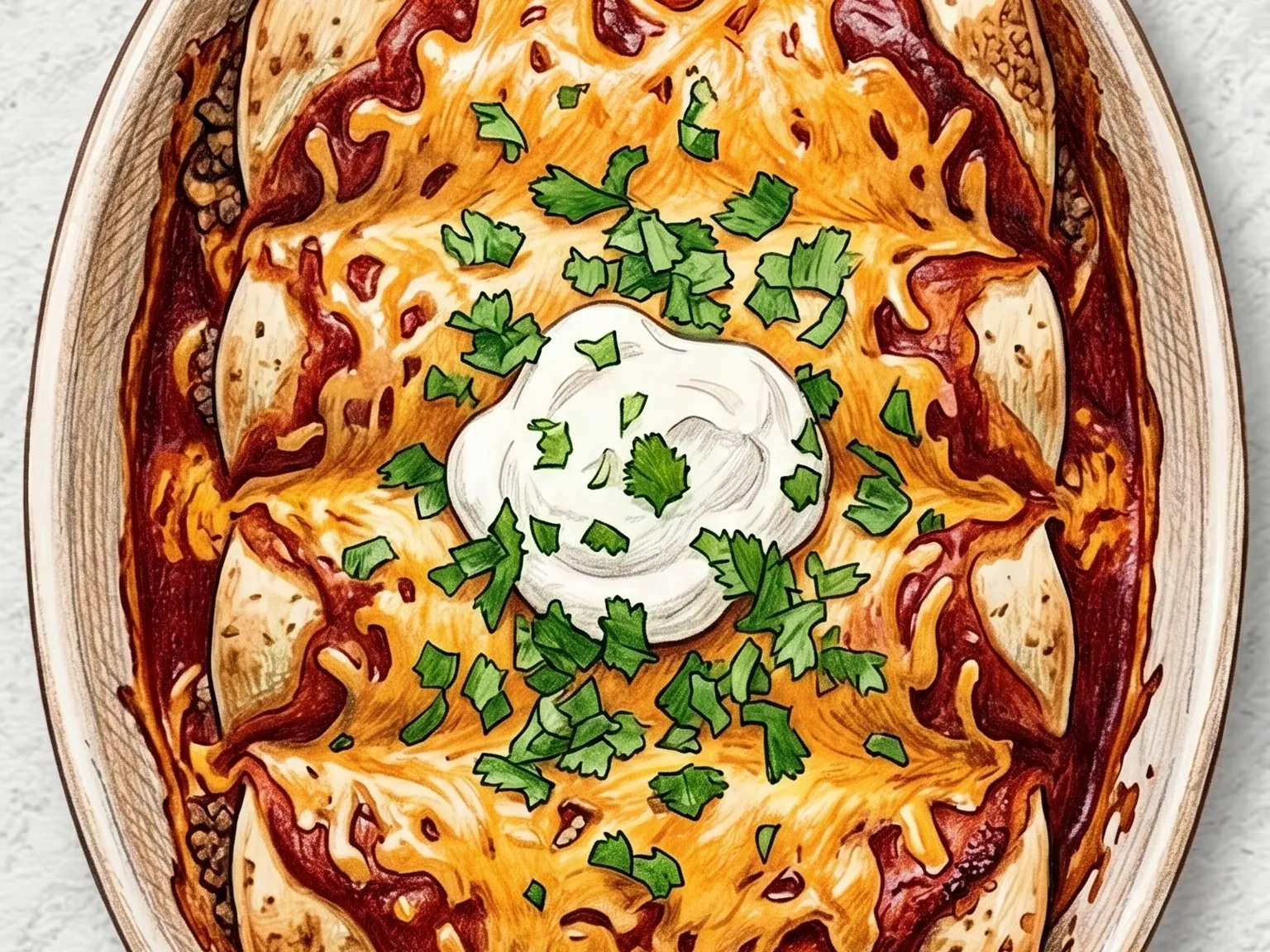
Beef enchiladas are made by seasoning ground beef with chili powder, cumin, and oregano, wrapping it with shredded cheese inside corn tortillas, and arranging the rolls seam-side down in a baking dish before drowning them in red enchilada sauce and baking until bubbling. During baking, the dried-chili-based sauce penetrates the tortillas from the outside in: the interior absorbs moisture and turns soft, while the portions near the exposed edges dry into chewy, concentrated bites. Melted cheese inside binds the meat into a cohesive, creamy layer. The quality of the enchilada sauce is the defining variable - a sauce built on rehydrated dried chilies rather than canned tomato produces a smokier, more complex base that store-bought versions rarely match. Sour cream and coarsely chopped cilantro added at the table cut through the fat and reset the palate between bites. Three or four per plate make a substantial meal, and the dish reheats well the next day as the sauce continues to saturate the tortillas overnight.
Chicken Quesadilla
Chicken quesadilla seasons diced chicken thigh with paprika, sautees it with onion and bell pepper, then presses the filling between flour tortillas with cheddar and mozzarella and toasts on low heat until crisp. Spreading a thin layer of cheese to the edges acts as glue, sealing the tortilla shut so the filling stays in place and the wedges cut cleanly. Low heat is essential - it gives the cheese time to melt evenly through the filling before the tortilla surface browns. The sharp flavor of cheddar and the stretch of mozzarella together wrap around the lean chicken, while paprika and onion add a sweet, smoky undertone. Sliced into eight wedges and served warm with sour cream or salsa on the side.
Black Bean Corn Avocado Salad
Black bean corn avocado salad is a Mexican-style bowl that combines cooked black beans, charred sweet corn, and ripe avocado in a lime dressing. Black beans form the starchy, mildly nutty base, while corn charred in a dry pan brings a caramelized sweetness and a burst of texture against the softer ingredients. Ripe avocado contributes a dense creaminess that absorbs the lime's sharp acidity and rounds the dressing's edges. Fresh cilantro scatters a bright herbal note, and ground cumin or chili powder can deepen the spice dimension. The combination delivers plant protein, dietary fiber, and healthy fats in a single bowl substantial enough to serve as a light meal. Tortilla chips on the side turn it into a dip. Because none of the components require hot cooking, the salad can be assembled in minutes from pre-prepared ingredients and keeps well in the refrigerator for a day or two without the avocado browning significantly if dressed just before serving.
Stuffed Mushrooms
Stuffed mushrooms remove the stems from large mushroom caps, chop and sauté them with garlic, then mix the cooked stems with cream cheese, breadcrumbs, Parmesan, and parsley to create a savory filling that goes back into the caps before baking. Wiping the mushrooms with a paper towel rather than rinsing them is important - mushrooms act like sponges, and absorbed water releases during baking, preventing the caps from crisping. Using the chopped stems in the filling doubles the mushroom flavor and means nothing is wasted. The breadcrumbs serve a structural role, absorbing excess moisture from the cream cheese so the filling holds its shape rather than melting into a puddle. At 190 degrees Celsius for 18 to 20 minutes, the filling turns golden on top while the cream cheese inside becomes molten and savory.
Serve with this
Korean Makgeolli Punch (Rice Wine Yuja Citrus Bowl)
Makgeolli punch is a fruity Korean rice wine cocktail that combines makgeolli with yuja marmalade, lemon juice, and lemon-lime soda in a large bowl over plenty of ice. The creamy grain character of makgeolli merges with the bright citrus of yuja to create a light, festive drink. Thinly sliced apple floated in the bowl adds crisp bites of fruit between each ladle. A single gentle stir just before serving keeps the carbonation intact and the flavors evenly distributed. The main ingredients are makgeolli, lemon-lime soda, yuja marmalade, and lemon juice, and the recipe depends on careful handling of chilling time and sweetness.
Gotgam Cream Cheese Roll (Dried Persimmon Rolls)
Gotgam cream cheese roll is a no-cook Korean dessert that requires nothing more than a knife, a bowl, and a refrigerator. Dried persimmons are slit open and flattened into thin sheets, each one acting as the outer wrapper. The filling is cream cheese mixed with honey and fresh lemon juice to balance its natural richness with acidity, and finely chopped walnuts are folded in throughout to add a crunchy, nutty element to every bite. The filling is spread across the opened persimmon, which is then rolled tightly and wrapped in plastic wrap. Twenty minutes in the refrigerator firms the roll enough to slice cleanly. Dipping the knife in warm water and wiping it dry before each cut produces the smoothest cross-sections. The finished slices reveal clearly defined layers: the chewy, caramel-sweet dried persimmon on the outside, the tangy cream cheese in the middle, and flecks of walnut distributed throughout. The combination makes it a natural pairing with wine or a polished addition to a traditional holiday table.
Spicy Octopus Rose Penne (Octopus Penne in Rose Sauce)
Spicy octopus rose penne starts with pre-cooked octopus that is seared in a very hot, dry pan to burn off surface moisture and trigger a Maillard crust on the skin. This step does more than remove water - it eliminates any residual fishiness and builds a firm outer layer that contrasts with the tender interior when you bite through. The rose sauce is built from tomato passata and heavy cream spiked with Korean gochugaru. The chili flakes are bloomed in oil for no more than 20 seconds, enough to coax out heat and color but not long enough to develop bitterness. Butter is added to the finished sauce to encourage emulsification, keeping the cream and tomato components cohesive and allowing the mixture to coat each piece of pasta evenly rather than pooling at the bottom of the pan. Penne holds this sauce particularly well because its tubular shape captures the thick liquid inside each piece, delivering cream and spice simultaneously with every bite. Fresh basil is stirred in off the heat at the very end, its volatile aromatics intact, providing an herbal lift that cuts the heaviness of the cream base. The natural salinity and sweetness of octopus from the sea add a briny depth that cream-only sauces cannot replicate on their own.
Similar recipes
Spinach Artichoke Dip
Spinach artichoke dip combines blanched and thoroughly squeezed spinach with chopped artichoke hearts, cream cheese, sour cream, grated Parmesan, and shredded mozzarella, then bakes in a 190-degree oven for eighteen to twenty minutes until the surface turns golden and the edges bubble. Squeezing every drop of water from the blanched spinach is the most important prep step - leftover moisture makes the dip runny and prevents it from clinging to chips or bread. Cream cheese provides the smooth, spreadable base; sour cream adds a slight tang that keeps the richness from feeling flat; Parmesan contributes salty, aged depth; and mozzarella melts into stretchy strands that give each scoop visual and textural appeal. The dip is best served immediately out of the oven while still bubbling, alongside sliced baguette or tortilla chips.
Pan de Elote (Mexican Corn Cake)
Fresh corn kernels are blended into a smooth puree and folded into a buttery batter, producing a baked cake saturated with natural corn flavor. The crumb is dense yet tender, closer to custard than to sponge, with a faint golden hue from the corn itself. Heavy cream in the batter locks in moisture so the cake stays soft for several days without drying out. Because the corn provides substantial natural sweetness, refined sugar plays a supporting role rather than leading. If using frozen kernels, thorough thawing and draining are essential to prevent a watery batter. An overnight rest at room temperature allows the corn starch to redistribute, deepening the flavor and firming the texture to a satisfying slice.
Korean Soy-Glazed Chicken Wings
Daknalgae-ganjang-gui is a Korean soy-glazed chicken wing dish coated in a sauce of soy sauce, oligosaccharide syrup, minced garlic, ginger powder, and a splash of vinegar, then baked in an oven or air fryer. The vinegar softens the saltiness of the soy while cutting through the richness of the chicken skin. The oligosaccharide syrup thickens under heat into a glossy, clinging glaze that coats each wing evenly. Scoring the joints before cooking allows the marinade to seep into the inner crevices and promotes even heat distribution so the meat near the bone cooks through completely. A finish of sesame oil and toasted sesame seeds rounds out the savory soy glaze with a warm, nutty aroma. When using an air fryer, baking at 180 degrees Celsius for twenty minutes and then flipping for five more produces a satisfyingly crisp skin without drying out the meat.