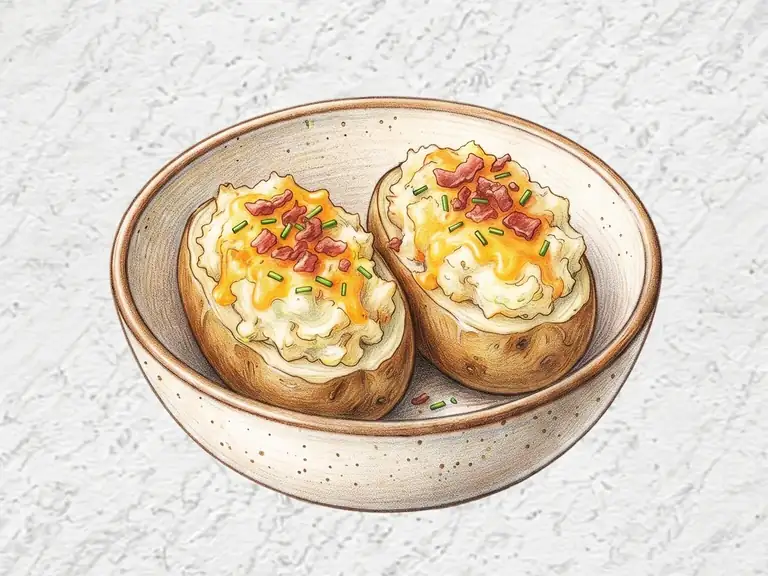
Twice Baked Potatoes
Russets and other starchy baking potatoes hold their shape as shells better than red or new potatoes. Leave about 6 mm of potato against the skin when scooping, and the shells won't slump when they are filled and baked again.
898 recipes. Page 38 of 38
Pasta, steak, and other Western recipes
Russets and other starchy baking potatoes hold their shape as shells better than red or new potatoes. Leave about 6 mm of potato against the skin when scooping, and the shells won't slump when they are filled and baked again.
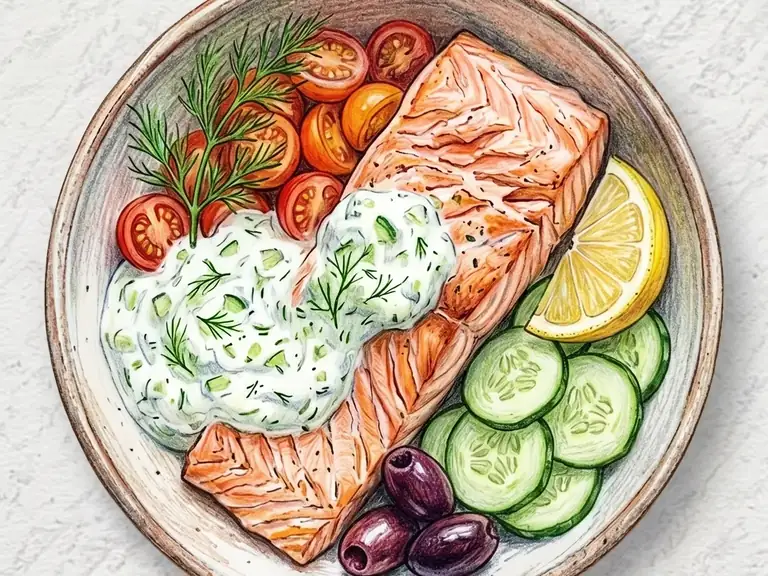
Cold tzatziki over warm grains and pan-seared salmon gives this bowl its contrast in temperature. The Greek sauce mixes thick yogurt with cucumber, garlic, lemon, and dill, and the dill cuts through the richness of the fish. Brown rice or quinoa both work as the base, and halved cherry tomatoes add a bright, sweet note.
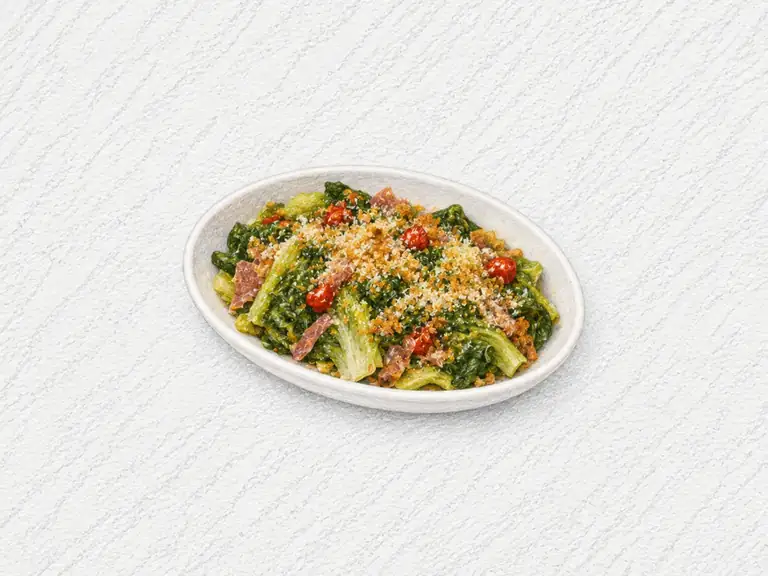
Escarole's broad leaves and mildly bitter edge hold up to a brief blanch, so this dish keeps a leafy bite rather than the long-cooked softness of collards. Squeezing the blanched greens hard matters, because any water left behind turns the breadcrumbs into paste. Part of the crumb mixture goes among the leaves to soak up stray juices, and the rest stays on top to brown with the Pecorino. Prosciutto, cheese and vinegar-packed cherry peppers all bring salt and acidity, so extra salt waits until the greens have been tasted.
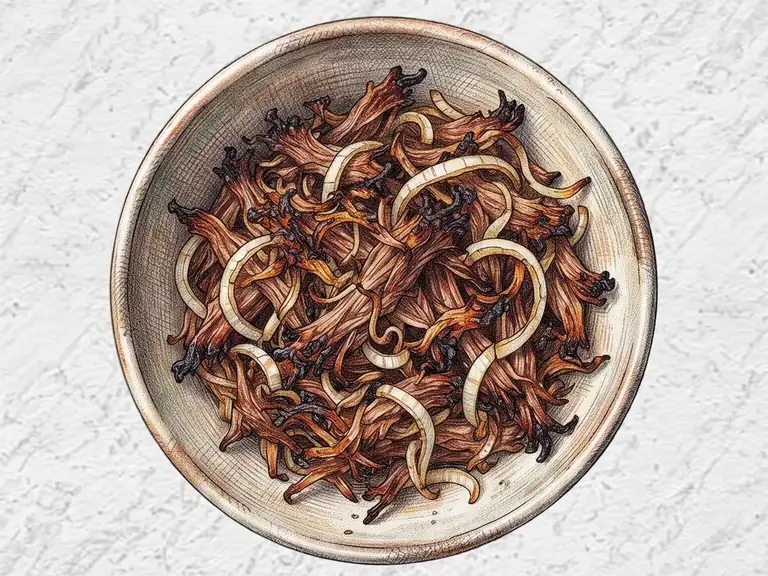
In the skillet, the beef is done when it is deeply browned and crispy in places; it won't crisp all over. Add the lime juice in two parts, spreading the beef back out after each to crisp it again.
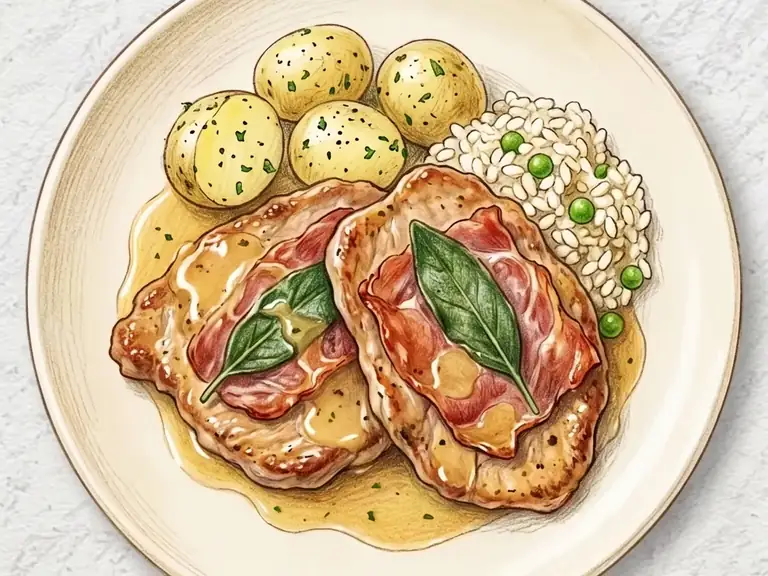
Thin veal cutlets topped with sage and prosciutto cook in only a few minutes, then share the pan with a quick white wine and butter sauce. Speed matters because veal toughens fast, and each piece stays in the pan for no more than 2 to 3 minutes in total. Starting prosciutto side down fuses the ham to the meat without any toothpicks. The sage perfumes the veal against the salty cured ham, and chicken breast or pork tenderloin work the same way.
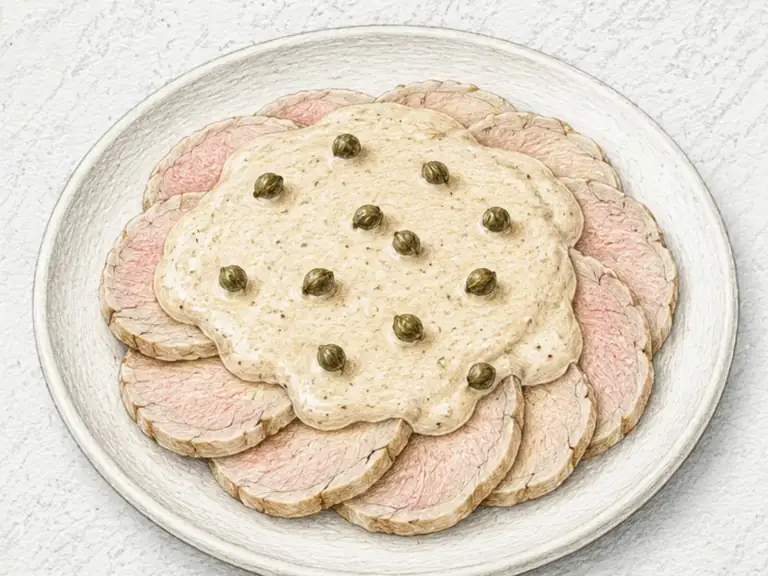
Chilled, thinly sliced veal disappears under a cold sauce of tuna, capers, and anchovy blended smooth with mayonnaise and lemon. The meat is gently cooked in white wine over a bed of onion, then cooled completely so it slices thin without tearing. That cooking liquid is saved to loosen the sauce until it flows slowly off a spoon. Capers and anchovy bring the salt and acidity that the mild veal lacks, and a few extra capers are scattered on top before it is served cold.
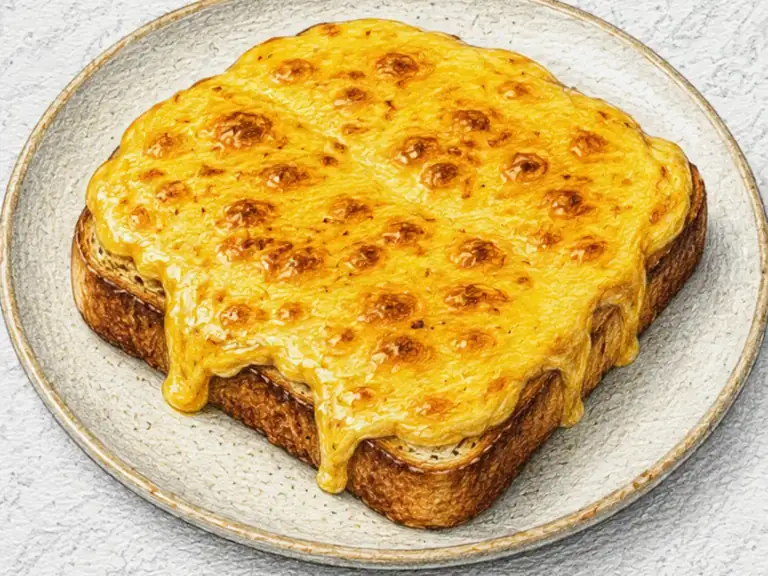
Unlike cheese simply melted on toast, Welsh rarebit starts with a smooth cheddar sauce built on flour and milk, spread thick and flashed under the broiler until it bubbles and spots brown. Dijon mustard and Worcestershire sharpen the cheese. To keep the fat from separating, the cheddar is grated ahead and added a handful at a time over the lowest heat, never at a hard boil. Lightly toasting the bread first keeps it from turning soggy under the thick topping. Under the broiler it needs watching the whole time, since the top goes from bubbling to burnt quickly.
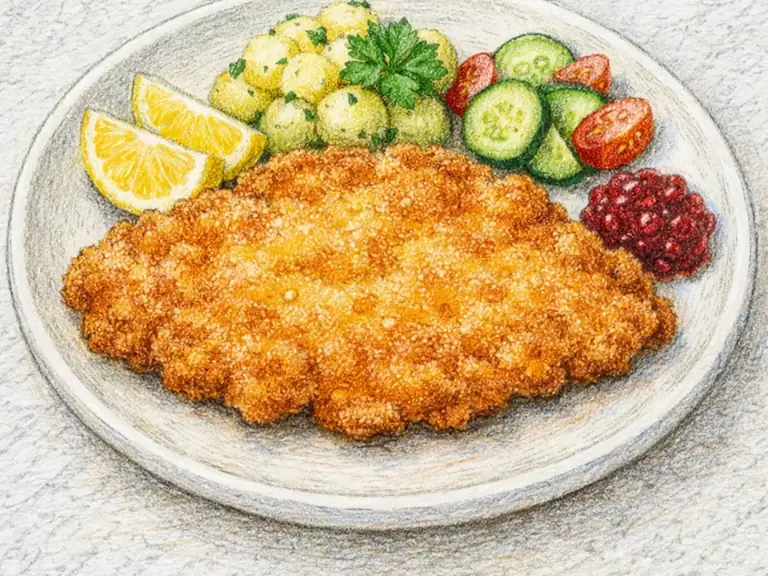
The coating on a proper Wiener schnitzel puffs up slightly away from the thin veal, light and golden rather than packed tight. Two habits make that happen: laying the breadcrumbs on without pressing them in, and frying in enough clarified butter for the cutlet to move freely.
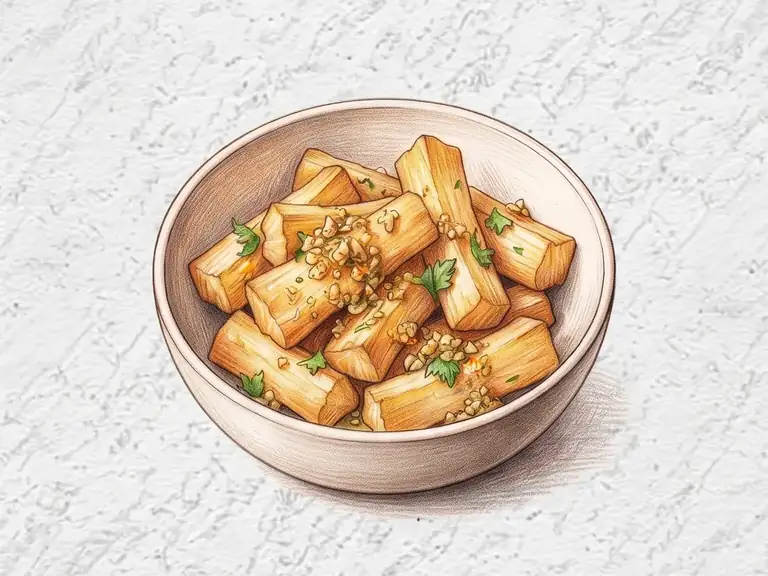
Start with the garlic mojo, which needs at least 2 hours in the refrigerator and can sit overnight. Yuca is a starchy root with a texture close to potato; after peeling, cut out the tough core that runs down the middle of each piece before boiling.
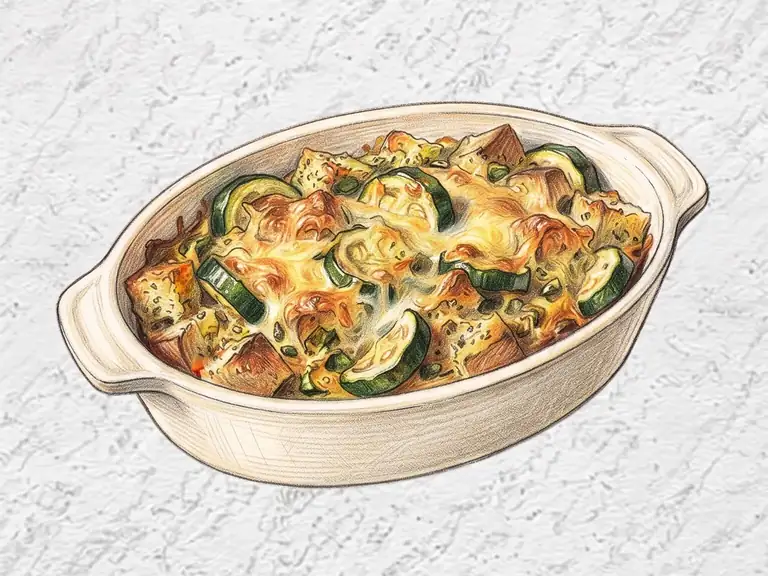
The zucchini goes into this casserole raw, all 900 g of it, and gives up a good deal of water in the oven. To keep the casserole from turning mushy, drain the chopped zucchini in a colander first, or roast it with olive oil, salt and pepper for 25 to 30 minutes and blot it dry before mixing.