Recipes with burdock root

62 recipes. Page 3 of 3

Buy burdock root
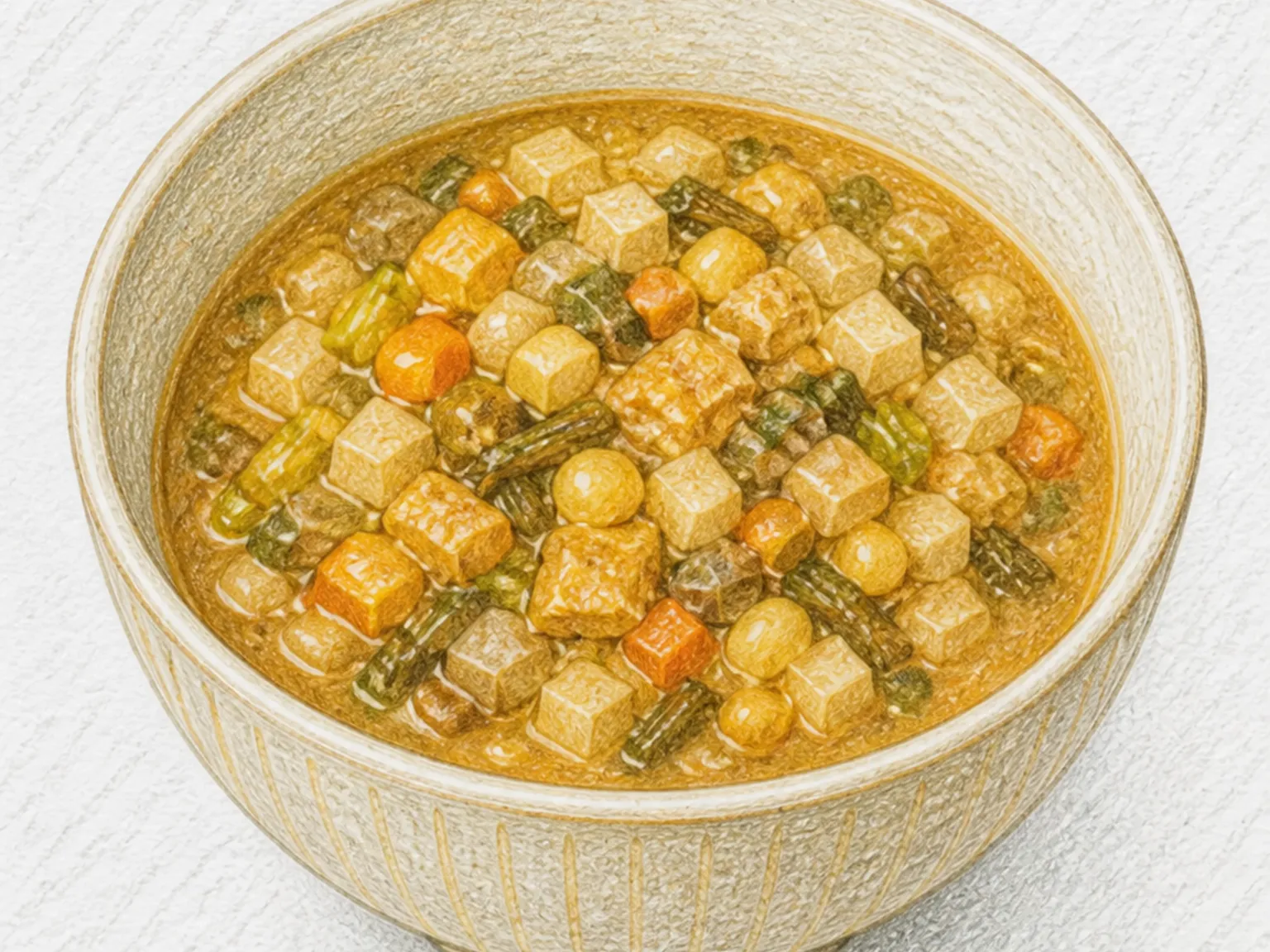
Niai (Sweet-Sour Simmered Root Vegetables)
Steamed Medium

Niai (Sweet-Sour Simmered Root Vegetables)

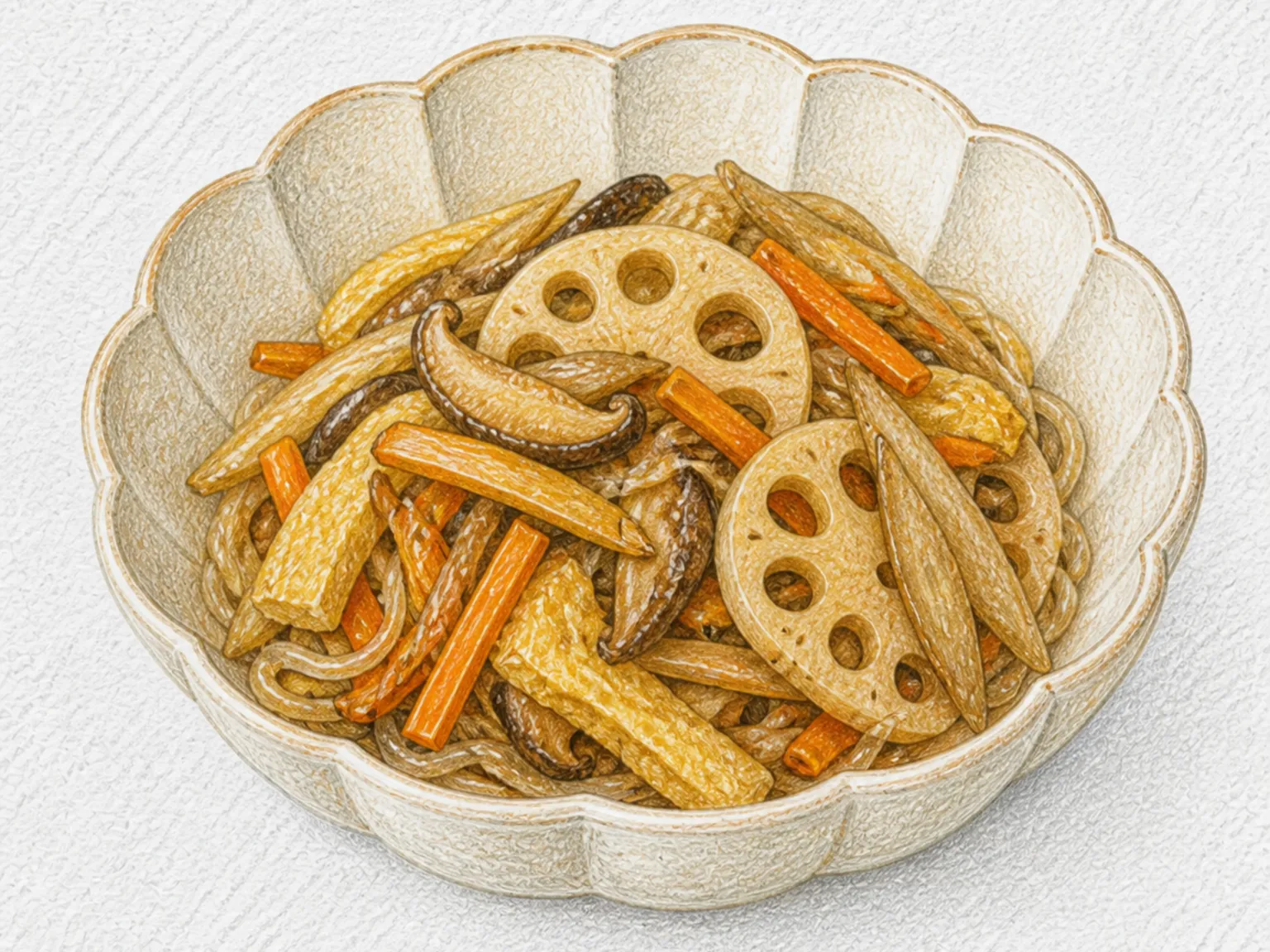
Niai is a sweet-sour root-vegetable side dish from the Mito area of Ibaraki. Burdock, carrot, lotus root, shiitake, shirataki, and fried tofu are stir-fried in sequence, simmered with dashi, soy sauce, and sugar, then finished with vinegar and covered so the flavors settle. One explanation links the name to nite aeru, meaning to simmer and combine. The dish uses roots readily grown around Ibaraki and was prepared in quantity for New Year, celebrations, and ceremonial gatherings. Vinegar brightens the oil from the tofu and the sweet soy seasoning.

🏠 Everyday 🎉 Special Occasion
Prep 35min Cook 35min 4 servings
Mamebu-jiru (Walnut Dumpling Soup)
Soups Hard

Mamebu-jiru (Walnut Dumpling Soup)

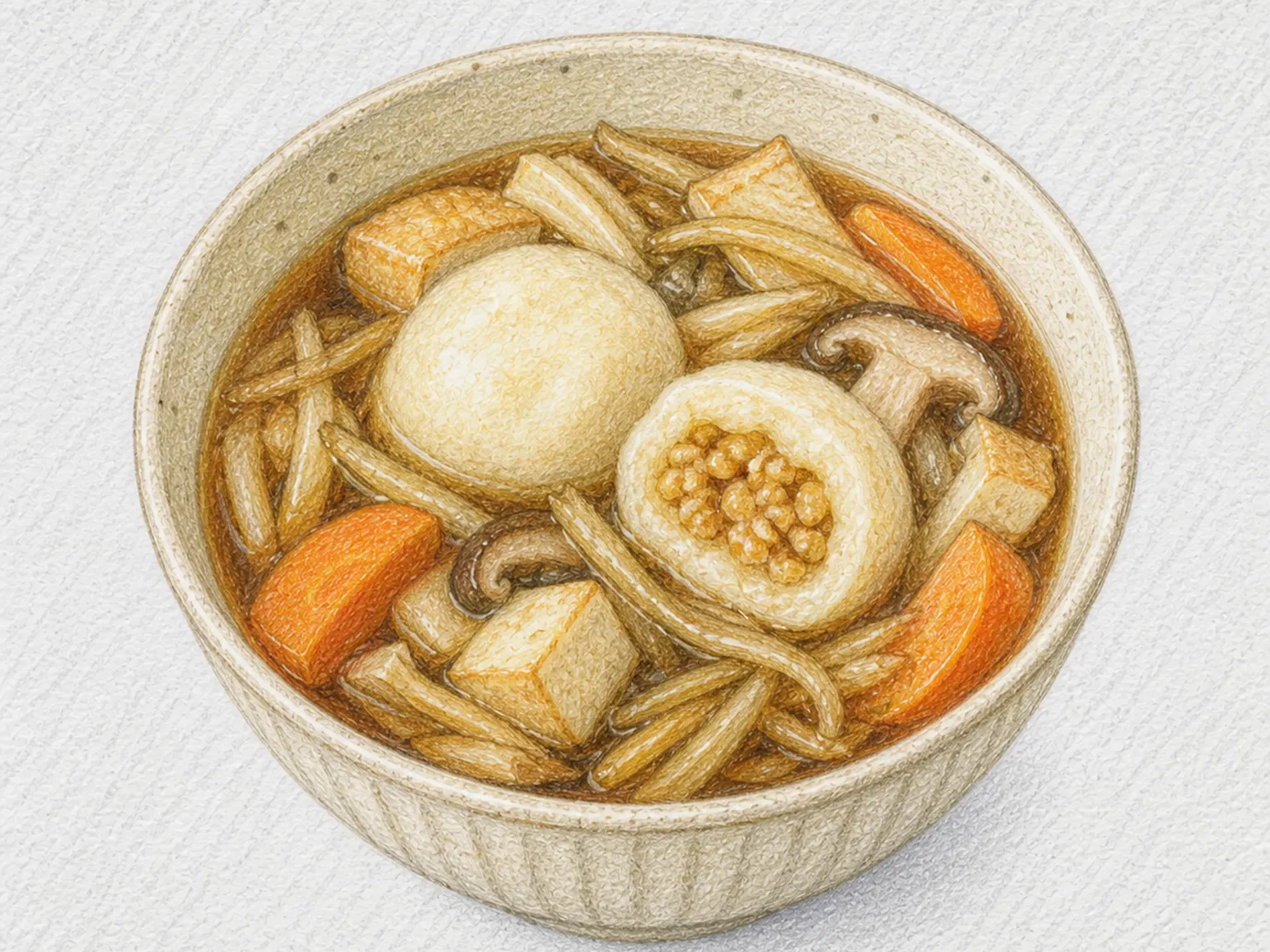
Mamebu-jiru is a regional soup from Yamagata-cho in Kuji, Iwate. A soy-seasoned kombu and niboshi broth holds carrot, burdock, grilled tofu, kanpyo, mushrooms, and small wheat dumplings enclosing walnut. The contrast appears when a mild, chewy dumpling opens to a nutty center inside the savory soup. The dish is linked to flour dumplings that may have replaced celebratory noodles during poor Edo-period harvests and remains part of winter, New Year, wedding, and memorial meals.

🎉 Special Occasion
Prep 40min Cook 35min 4 servings
Nimiso Red Miso Vegetable Stew
Steamed Medium

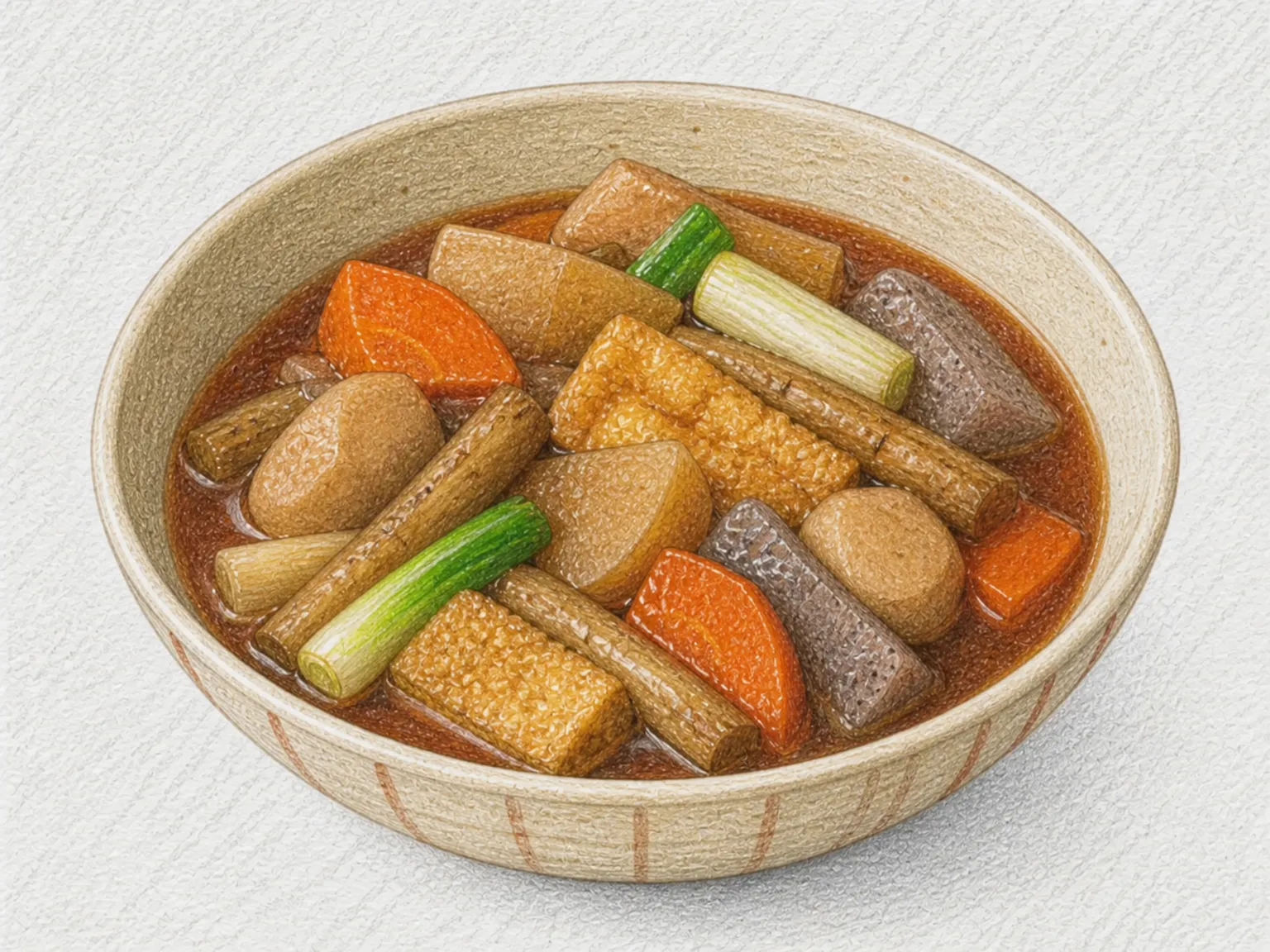
Nimiso Red Miso Vegetable Stew

Nimiso is an everyday Aichi stew that slowly cooks daikon, carrot, burdock, taro, konnyaku, and fried tofu in stock seasoned with dark red soybean miso, mirin, and sugar. Also called misoni, it grew from Aichi's soybean-miso culture, represented by Hatcho miso. Red miso made from soybean koji and aged for one to three years develops deep savoriness, acidity, and a mild astringent edge. Household versions vary: some retain ample broth like a hot pot, while others reduce it to a concentrated simmered dish. Their common feature is cooking a generous batch of root vegetables. Here, burdock, konnyaku, and fried tofu are briefly blanched separately to clean their flavors, while leek is added at the end to preserve its aroma.

🏠 Everyday 🎉 Special Occasion
Prep 30min Cook 45min 4 servings
Mimi (Folded Wheat Dumplings in Miso Soup)
Soups Hard

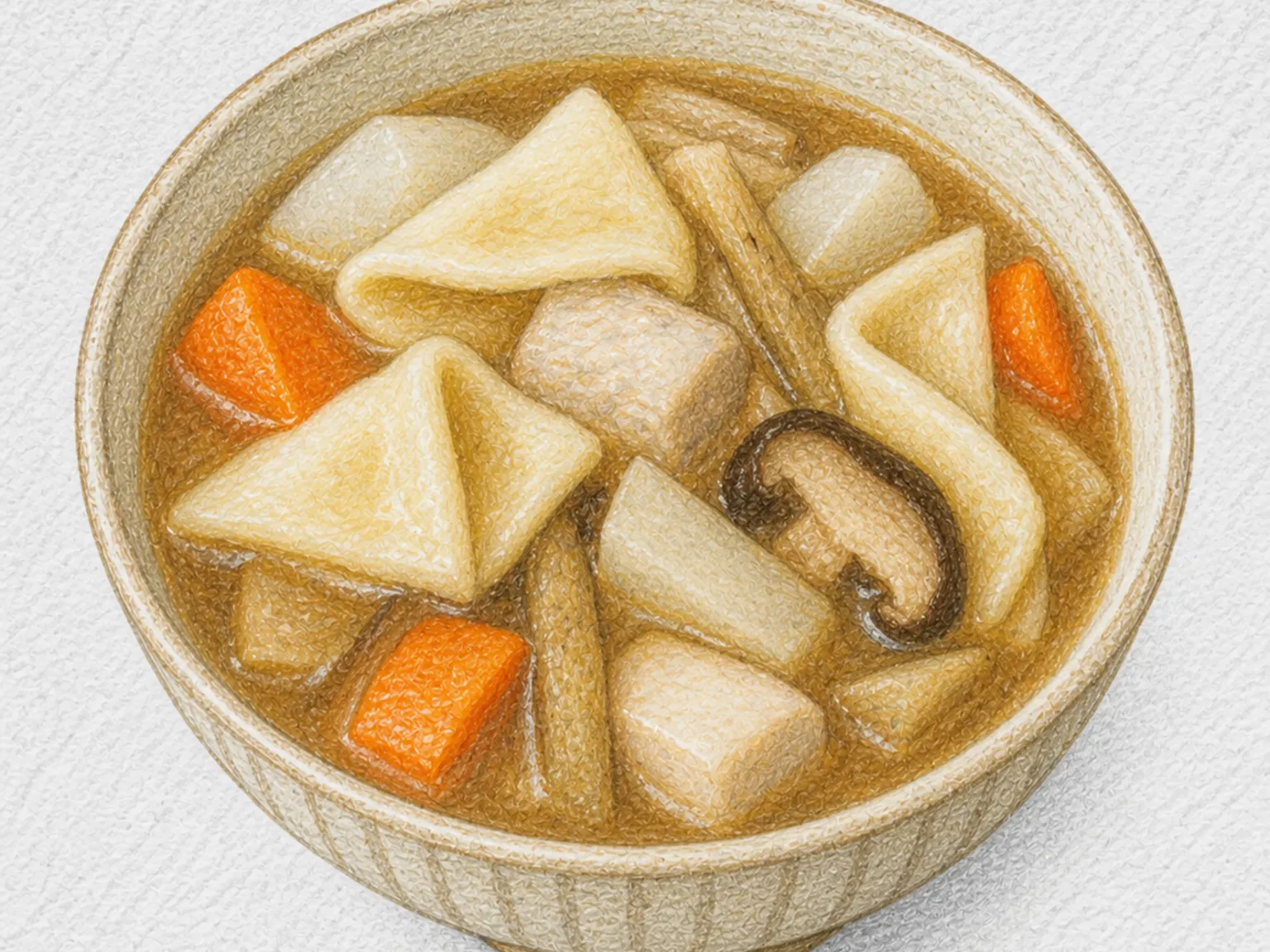
Mimi (Folded Wheat Dumplings in Miso Soup)

Mimi is a regional soup from Jikkoku in Fujikawa, Yamanashi. Wheat dough is rolled thin, cut into 5cm squares, and joined at two corners on one side to form small scoops before being cooked directly in miso broth with daikon, carrot, taro, burdock, and shiitake. The scoop is associated with gathering good fortune, so the dish is offered on New Year's morning and at celebrations. The pasta is not boiled separately; its flour lightly thickens the soup, and the folded seam must cook completely through.

🎉 Special Occasion
Prep 45min Cook 35min 5 servings
Mushidai (Whole Sea Bream Steamed with Okara Stuffing)
Steamed Hard

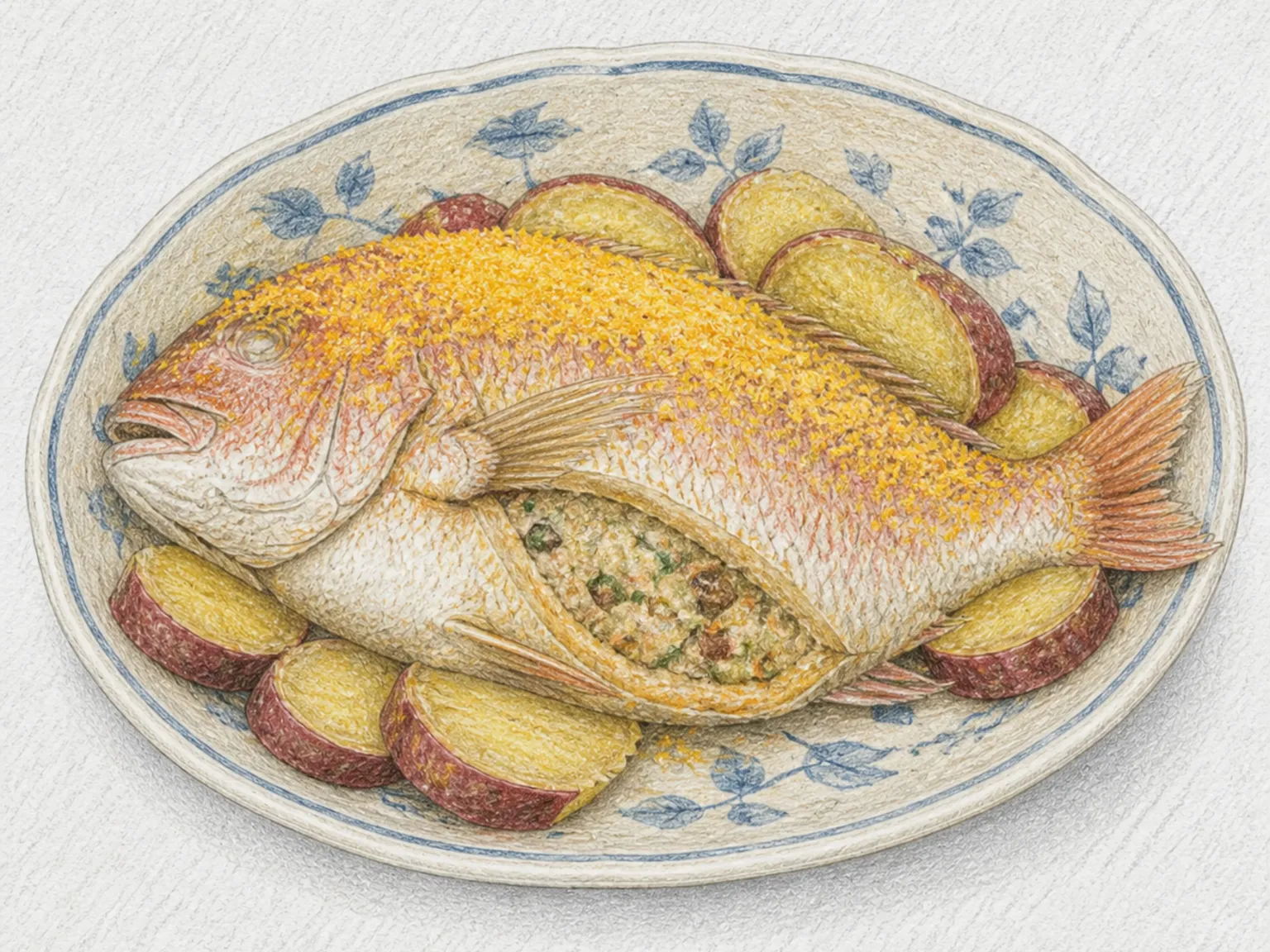
Mushidai (Whole Sea Bream Steamed with Okara Stuffing)

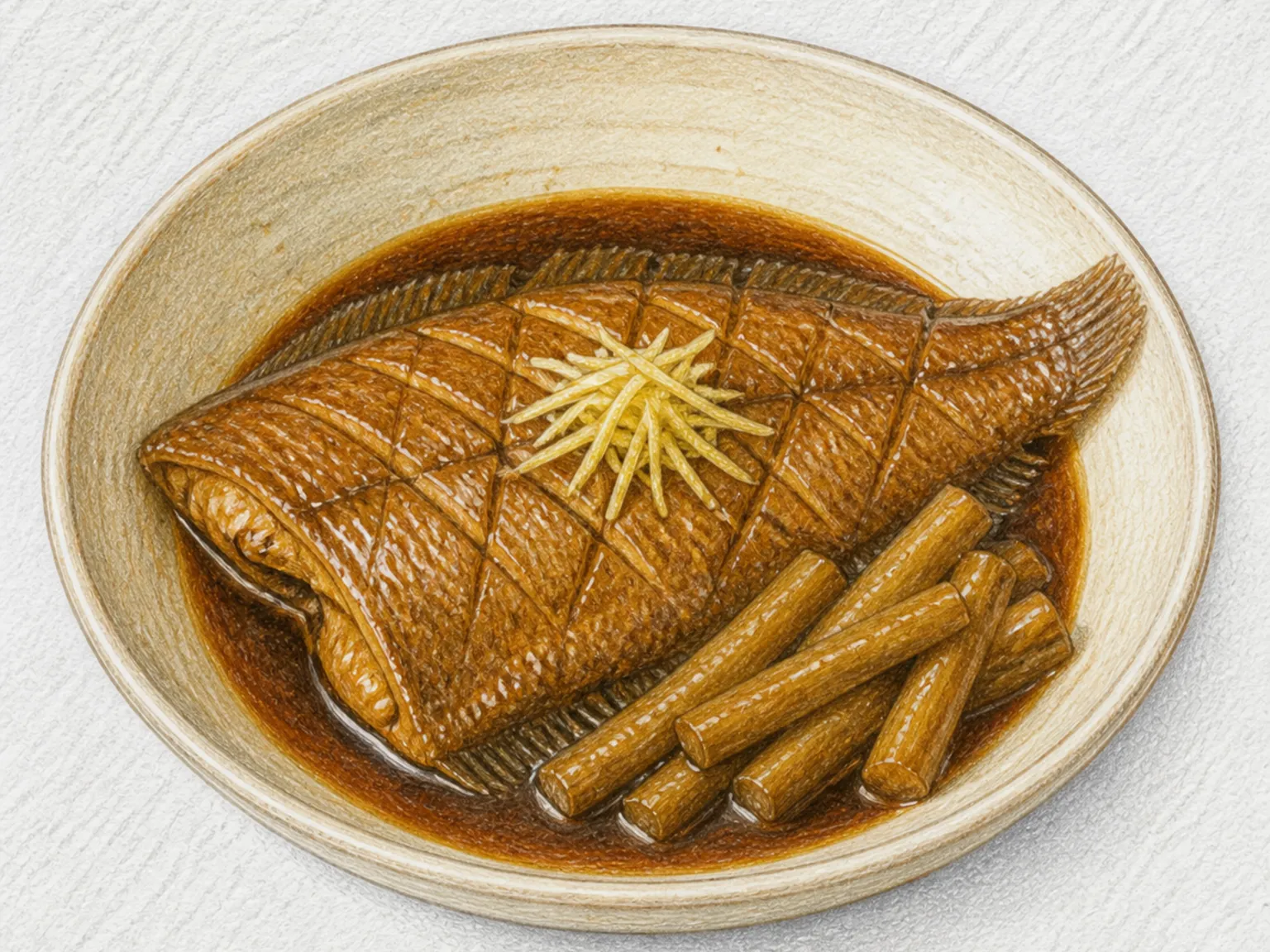
Mushidai is a Kochi celebration dish built around a whole sea bream of about 1 kg. The fish is opened from the back while its fins and overall form remain intact, salted lightly overnight, filled with 500 g okara seasoned with burdock, carrot, shiitake, leaf garlic, eggs, and sugar, then steamed whole for about 45 minutes. A sweet potato steams beside it as a traditional doneness indicator; when a skewer passes through the potato, the fish is checked. Sieved hard-boiled egg yolk finishes the surface. Presented whole on a large sawachi platter, it belongs at weddings, New Year gatherings, and Kochi banquets called okyaku. The center bones are traditionally retained for flavor, so diners must remove bones carefully.

🎉 Special Occasion
Prep 60min Cook 60min 8 servings
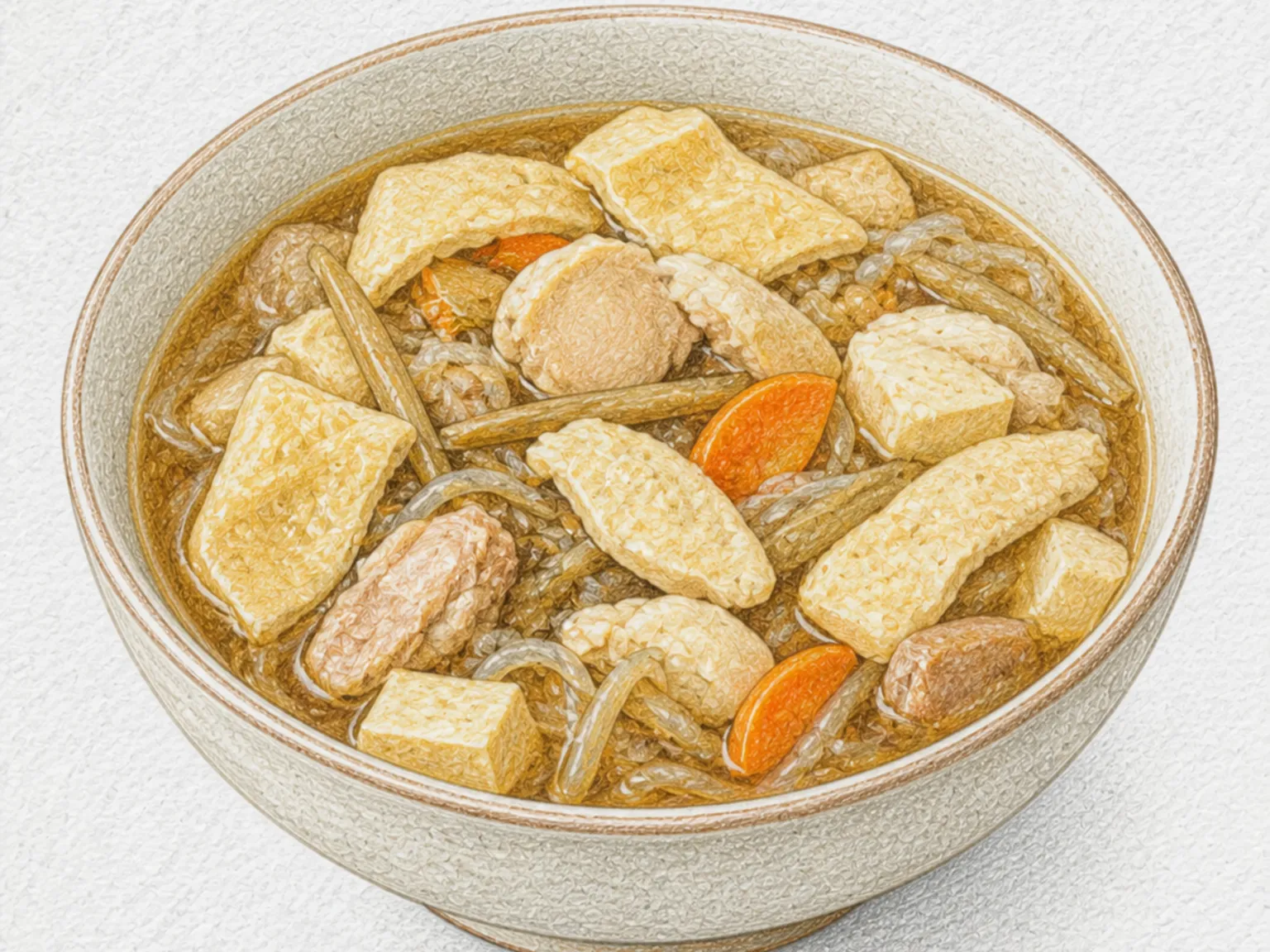
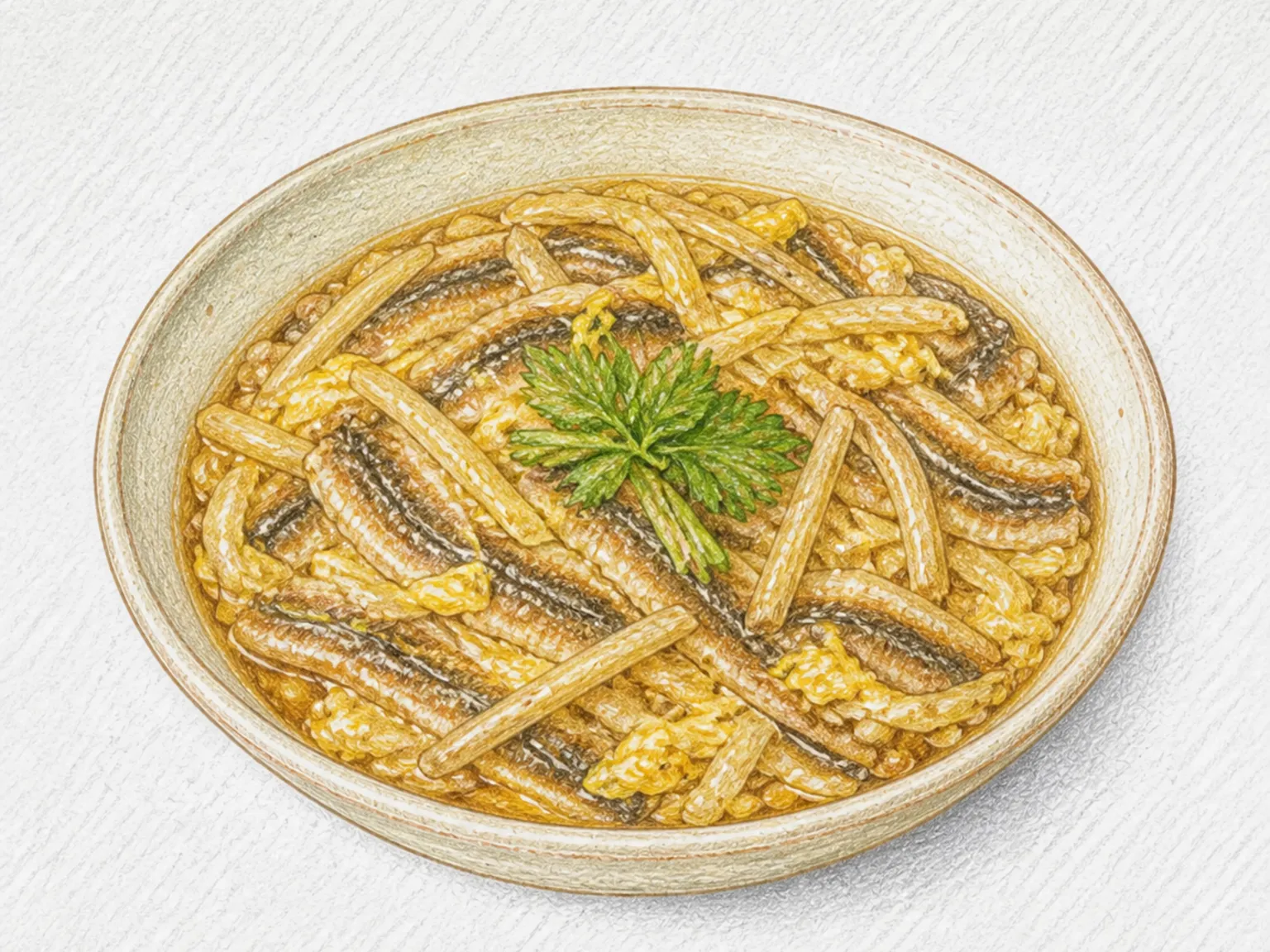
Okuzukake (Thickened Vegetable and Umen Soup)
Soups Medium

Okuzukake (Thickened Vegetable and Umen Soup)

Okuzukake is a Buddhist vegetarian soup served in southern Miyagi during the spring and autumn equinox periods, Obon, and memorial gatherings. Taro, carrot, burdock, cowpea pods, and dried shiitake cook in a broth built from the mushroom soaking liquid. Fried tofu, fresh tofu, shirataki, and small wheat gluten pieces make the bowl substantial without meat or fish. Separately boiled Shiraishi umen noodles are added near the end, then potato starch slurry gives the clear, soy-seasoned broth enough body to cling lightly to the noodles and vegetables. A small amount of mitsuba finishes each serving.

🎉 Special Occasion
Prep 30min Cook 25min 4 servings
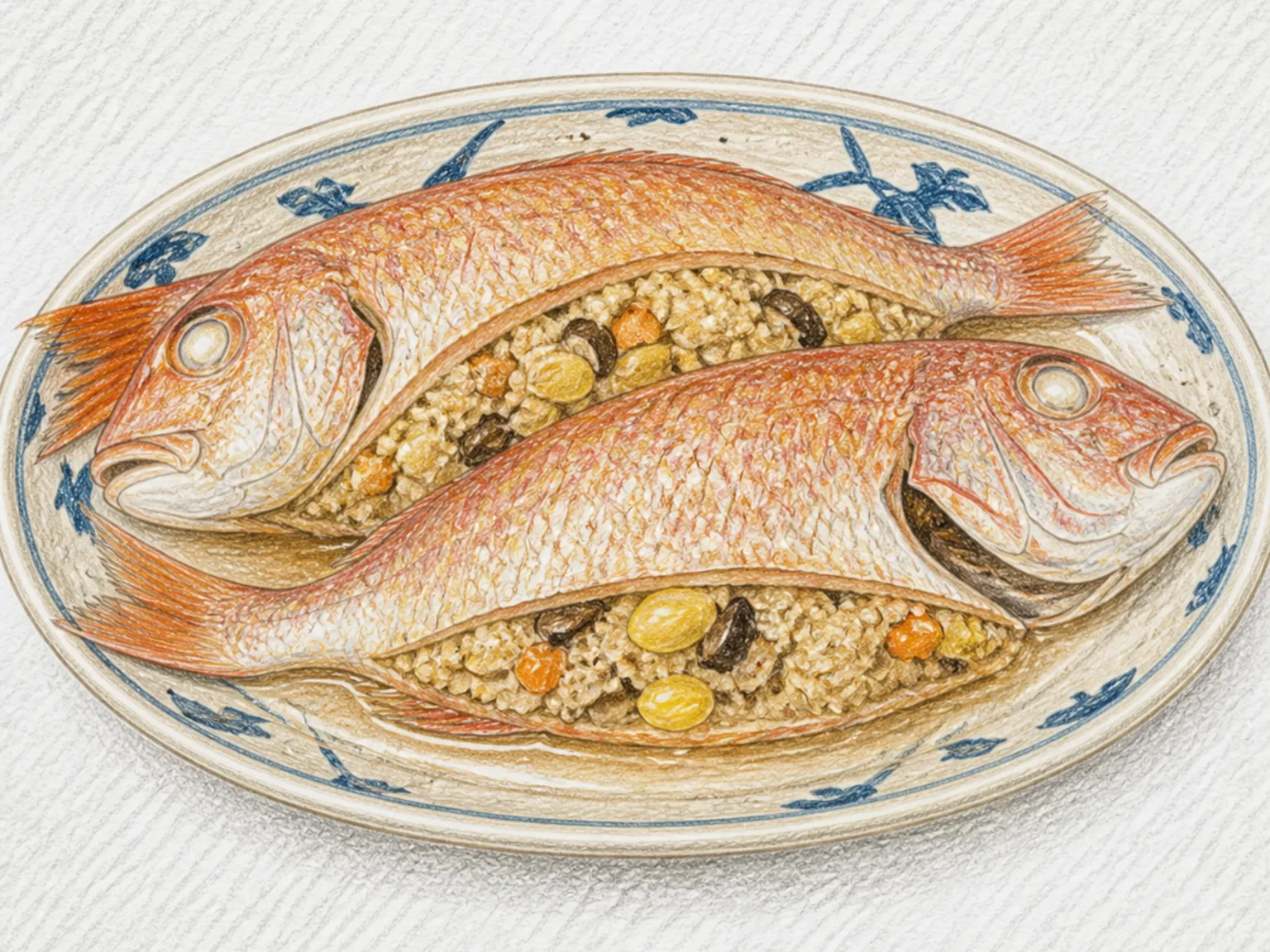
Tai no Karamushi (Steamed Sea Bream Stuffed with Okara)
Steamed Hard

Tai no Karamushi (Steamed Sea Bream Stuffed with Okara)

Tai no karamushi is a celebratory Kaga dish from Ishikawa. Two whole sea bream are opened along the back and packed with okara cooked with bamboo shoot, burdock, carrot, wood ear mushrooms, ginkgo nuts, dashi, sugar, sake, and soy sauce. The fish are traditionally presented with their bellies facing each other, a substantial arrangement served at weddings and other festive tables. The vegetable and okara filling must be cooked until moist rather than wet, then cooled completely before it touches the raw fish. Steaming time changes with the size of the bream, so the thickest flesh and center of the stuffing determine when it is done. Each portion combines tender fish with savory-sweet okara that has absorbed the sea bream juices.

🎉 Special Occasion
Prep 80min Cook 50min 4 servings
Sanpei Jiru (Hokkaido Salted Salmon Soup)
Soups Medium

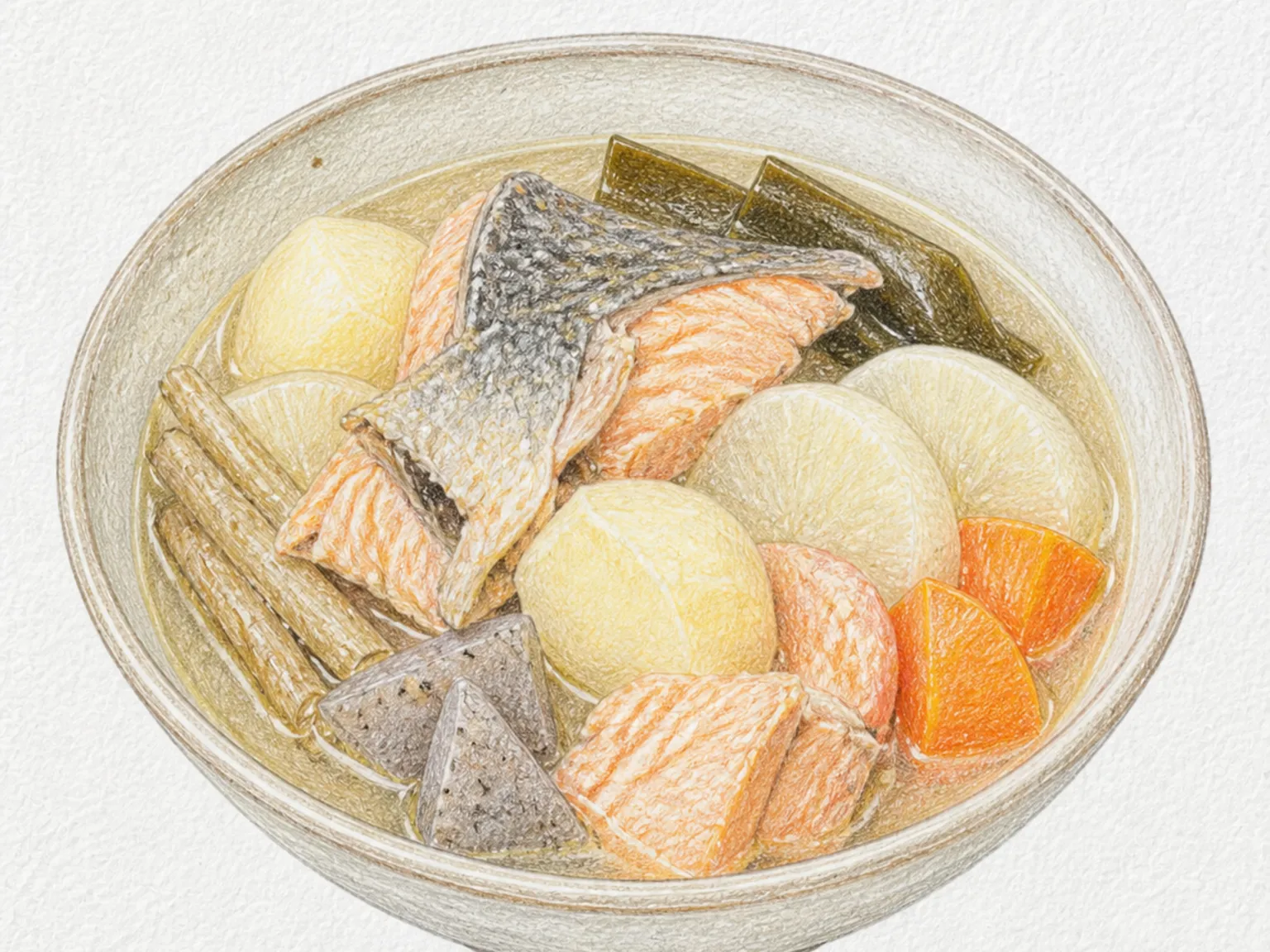
Sanpei Jiru (Hokkaido Salted Salmon Soup)

Sanpei jiru is a winter soup from Hokkaido that simmers salted fish with potatoes, daikon, carrots, and other vegetables in kombu stock. This version uses a salted salmon head and backbone with some flesh attached, allowing the bones and skin to enrich the broth. Unlike Ishikari nabe, which is commonly seasoned with miso and fresh salmon, the salt preserved in the fish provides the main seasoning here. Additional salt is added only after tasting the finished broth. Potatoes and daikon remain in generous pieces, while burdock and konnyaku receive separate preparation to keep the soup clean. Adding the salmon after the root vegetables have started softening prevents overcooked, dry flesh and excessive cloudiness.

🏠 Everyday
Prep 25min Cook 30min 4 servings
Korean Braised Chicken with Burdock
Steamed Medium

Korean Braised Chicken with Burdock

Ueong dak jorim is a Korean braised dish that simmers boneless chicken thigh and burdock root together in soy sauce, sugar, and ginger juice until the liquid reduces and the glaze thickens around each piece. Soaking the burdock in vinegar water draws out the astringent bitterness that raw burdock carries, and marinating the chicken in cooking wine and ginger beforehand removes any lingering gamey odor. Once both are added to the pot, low heat does the work over at least eighteen minutes, bringing the braising liquid down by half and building a glossy, clinging sauce. A final drizzle of sesame oil at the end ties the aroma together and rounds out the flavor. The finished dish sets the crisp yet slightly chewy texture of burdock against the moist tenderness of chicken thigh, with a sweet-savory profile that makes it a reliable companion to steamed rice.

🎉 Special Occasion 🍱 Lunchbox
Prep 20min Cook 35min 4 servings
Senbei-jiru (Nanbu Cracker and Chicken Soup)
Soups Medium

Senbei-jiru (Nanbu Cracker and Chicken Soup)

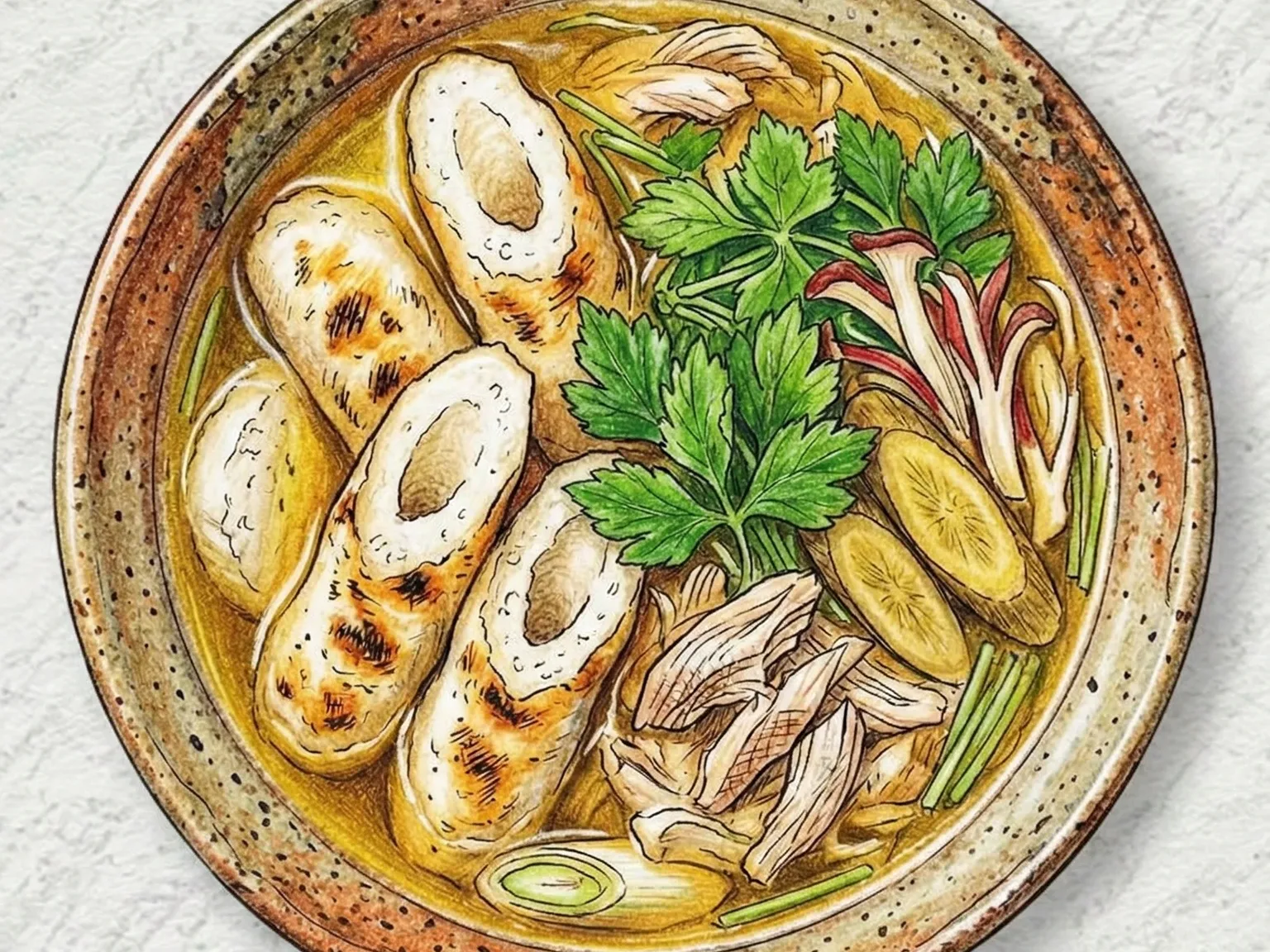
Senbei-jiru is a regional soup from Hachinohe in Aomori. Chicken breast and thigh simmer with burdock, carrot, thread konnyaku, freeze-dried tofu, and wheat gluten in a soy-seasoned broth, then soup-use Nanbu wheat crackers are broken in near the end. Nanbu senbei developed as a durable staple in the former Nanbu domain, where cold damage often made rice harvests unreliable. After the war, makers produced crackers that absorb broth yet keep a chewy center, making them especially useful in winter soups and hot pots. White miso rounds the chicken broth, while the crackers soften at the edges without dissolving.

🏠 Everyday
Prep 25min Cook 35min 4 servings
Korean Braised Burdock and Konjac
Steamed Easy

Korean Braised Burdock and Konjac

Ueong gonyak jorim is a low-calorie Korean braised side dish of diagonally sliced burdock root and bite-size konjac in soy sauce with oligosaccharide syrup. The burdock is soaked in vinegar water to remove astringency, and the konjac is blanched then dry-toasted briefly to minimize its neutral odor. Adding the syrup once the liquid has reduced by half creates a gentle gloss and softens the salt. Sesame oil and sesame seeds finish the dish with a toasted note. Despite using just a handful of inexpensive ingredients, the contrasting textures of crunchy burdock and bouncy konjac make this banchan more interesting than the short ingredient list suggests.

🥗 Light & Healthy 🏠 Everyday
Prep 15min Cook 25min 2 servings
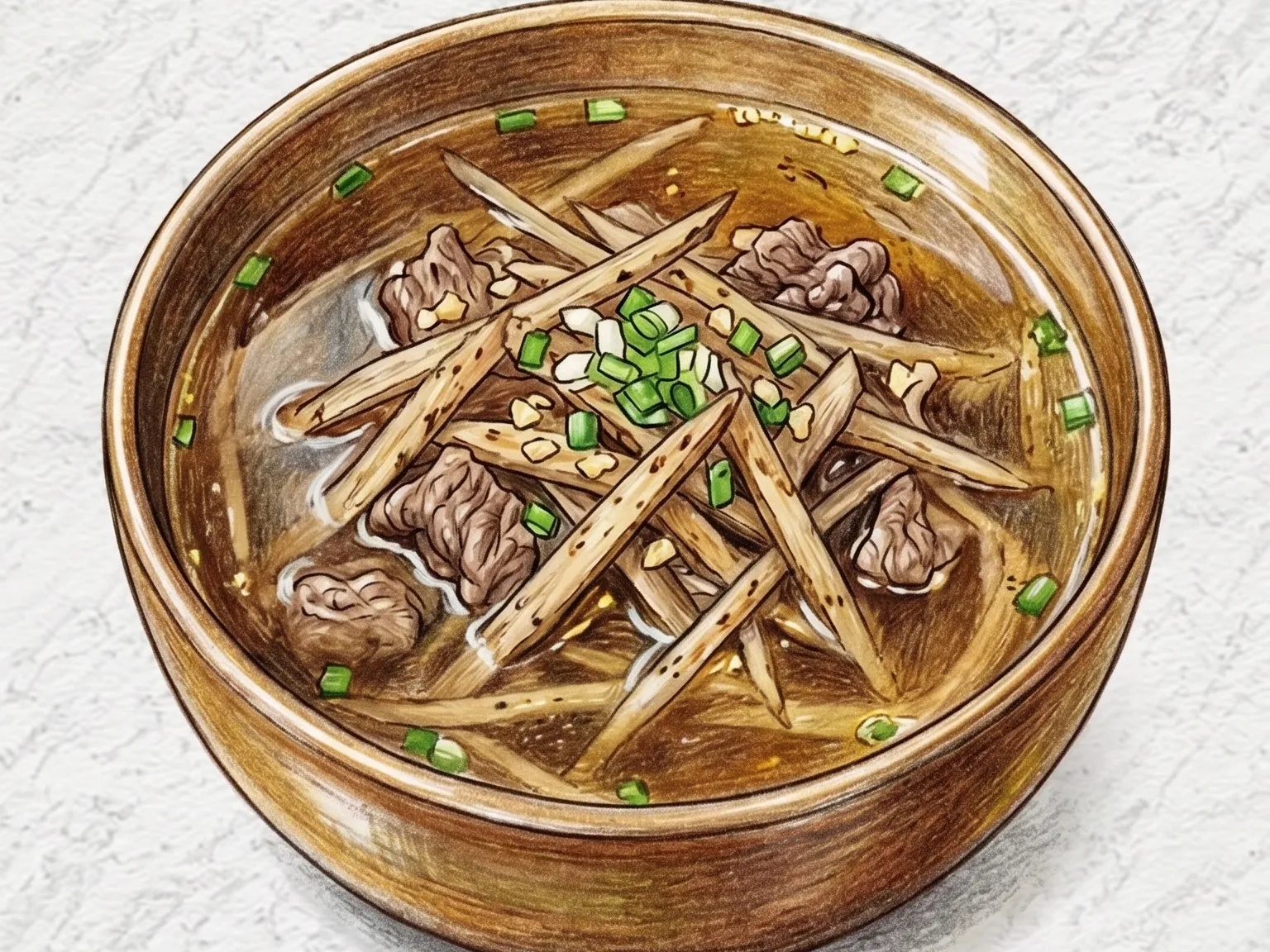
Korean Burdock Root Soup (Earthy Burdock and Beef Clear Broth)
Soups Medium

Korean Burdock Root Soup (Earthy Burdock and Beef Clear Broth)

Ueong-guk is a clear Korean soup that highlights the earthy, almost nutty character of burdock root. Julienned burdock is first stir-fried in sesame oil with thinly sliced beef until the root's raw edge mellows and a toasted aroma rises from the pan. Water is then added and the pot brought to a simmer, during which the burdock's tough fibers gradually soften while maintaining enough structure to provide a pleasant chew. The broth takes on a light brown tint from the initial stir-fry, carrying the sesame and caramelized burdock flavors through to the last spoonful. Soup soy sauce seasons the liquid with umami rather than straight salt, and minced garlic stirred in near the end adds a quiet warmth. Burdock is naturally high in dietary fiber, giving this soup a reputation as a digestive-friendly choice. The root is at its best from autumn through winter, when its sugars concentrate underground, and the soup's understated flavor makes it an easy complement to a multi-dish Korean meal.

🏠 Everyday 🥗 Light & Healthy
Prep 20min Cook 35min 4 servings
Korean Braised Beef and Burdock Steam
Steamed Medium

Korean Braised Beef and Burdock Steam

Ueong sogogi jjim is a Korean braised-and-steamed dish of beef shank and burdock root cooked together in a soy sauce, garlic, and sugar base with just enough liquid to surround the ingredients without submerging them. The shank is first simmered in plain water and skimmed of foam, which produces a clean, clear broth free of the off-flavors that surface during the initial boil. Soy seasoning is added to that broth, the beef cooks for another twenty minutes, and then burdock slices go in with the lid on for fifteen minutes of gentle steaming, during which the root vegetable draws in the beef-enriched liquid through its fibrous structure. Cutting the burdock at a bias to a thickness of roughly 0.5 centimeters keeps its characteristic snap while ensuring the interior cooks through within the target time. The dish is finished when the braising liquid reduces to about half its volume, at which point sesame oil and whole sesame seeds are added to round out the flavor with a nutty finish. The final dish balances the deep, heavy richness of slow-cooked beef shank against the clean, aromatic earthiness that burdock root brings to the plate.

🎉 Special Occasion
Prep 25min Cook 40min 4 servings
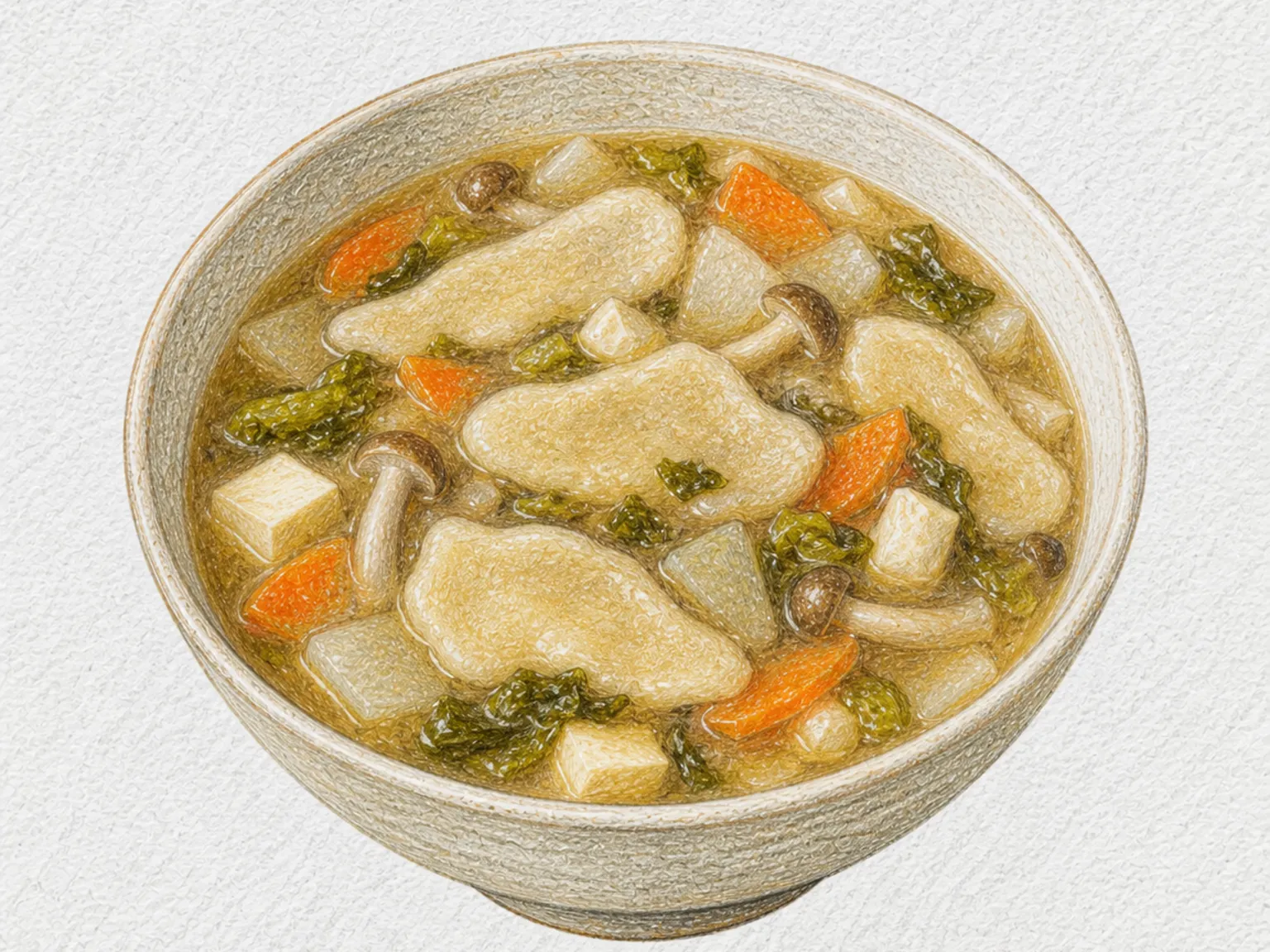
Yanagi Batto (Willow-Leaf Buckwheat Dumpling Soup)
Soups Medium

Yanagi Batto (Willow-Leaf Buckwheat Dumpling Soup)

Yanagi batto is a miso soup from northern Iwate. Buckwheat flour is kneaded with crumbled firm tofu and warm water, rolled into a 1cm rope, torn into 5cm lengths, and flattened into willow leaves with slightly plump centers. Daikon, carrot, burdock, and shimeji simmer in dried-sardine broth; half the miso seasons the vegetables before the dumplings cook directly in the soup, and the rest goes in with rehydrated frozen tofu and desalted takana pickle. It is simpler than cutting fine soba noodles but keeps a springy buckwheat bite. Press the center no thicker than 4mm and continue simmering after pieces float so no raw dough remains.

🏠 Everyday
Prep 35min Cook 35min 4 servings