Recipes with burdock root

62 recipes. Page 1 of 3

Buy burdock root
Kiritanpo Nabe (Akita-Style Grilled Rice Stick Hot Pot)
Asian Hard

Kiritanpo Nabe (Akita-Style Grilled Rice Stick Hot Pot)

Kiritanpo nabe is a rustic hot pot from Akita Prefecture in northern Japan, built around grilled mashed-rice sticks simmered in chicken broth. Freshly cooked rice is pounded in a mortar until partially smooth and sticky, then wrapped around cedar skewers and toasted over charcoal until the surface develops a light char and a faint smokiness. The broth begins with bone-in chicken thighs cooked until the stock is rich and clear, seasoned simply with soy sauce and mirin, then loaded with burdock root, scallions, mushrooms, and Japanese parsley. The kiritanpo sticks are cut into segments and added to the simmering pot, where they absorb the rich broth and soften into a chewy, dumpling-like texture while still holding their cylindrical shape. Akita's harsh mountain winters gave this dish its purpose as a calorie-dense, warming meal built entirely from locally available ingredients. The faint smokiness from the charcoal grilling carries through into the finished broth, and this subtle background note is what distinguishes kiritanpo nabe from similar rice-cake hot pots made elsewhere in Japan.

🎉 Special Occasion 🍺 Bar Snacks
Prep 30min Cook 30min 4 servings
Aimaze (Simmered Root Vegetables with Vinegar)
Side dishes Medium

Aimaze (Simmered Root Vegetables with Vinegar)

Aimaze is a root vegetable side dish from the Noto area of Ishikawa, traditionally prepared for New Year and other special occasions. Soaked flattened soybeans, burdock, and fried tofu are simmered with soy sauce, mirin, sake, and sugar only until they retain some bite. Briefly blanched daikon and carrot are folded in at the end, while vinegar is added after the heat is turned off. The finished dish has distinct vegetable textures and can be served warm or cooled.

🎉 Special Occasion 🍱 Lunchbox
Prep 20min Cook 20min 4 servings
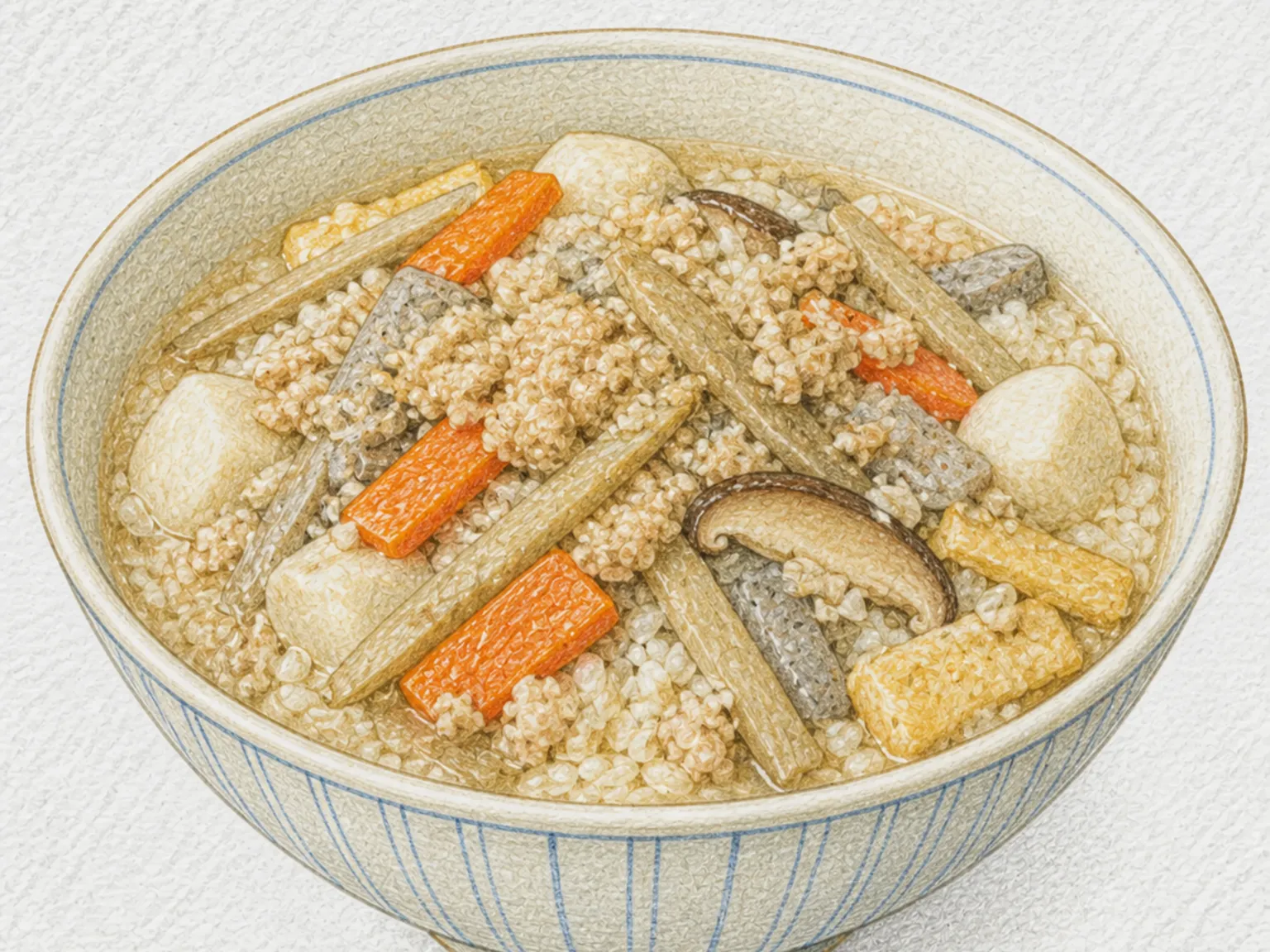
Funa-Meshi (Okayama Minced Crucian Carp Rice Bowl)
Rice Medium

Funa-Meshi (Okayama Minced Crucian Carp Rice Bowl)

Funa-meshi is a rice bowl from southern Okayama made by loosening minced crucian carp in vegetable and sesame oils, briefly frying it with burdock, Kintoki carrot, taro, fresh shiitake, konnyaku, and fried tofu, then simmering everything in dashi seasoned with dark and light soy sauces, mirin, sake, and sugar. The hot, richly flavored soup is ladled generously over rice and finished with sliced onion and torn nori. Cooking the mince gently until pale before adding the vegetables reduces the freshwater aroma and keeps it granular. The dish grew alongside reclamation around Kojima Bay, where rice fields, canals, rivers, and Kojima Lake supported plentiful crucian carp. It was also called tontoko-jiru or tontoko-meshi after the rhythmic chopping sound made when winter fish were minced on a board.

🏠 Everyday
Prep 25min Cook 30min 4 servings
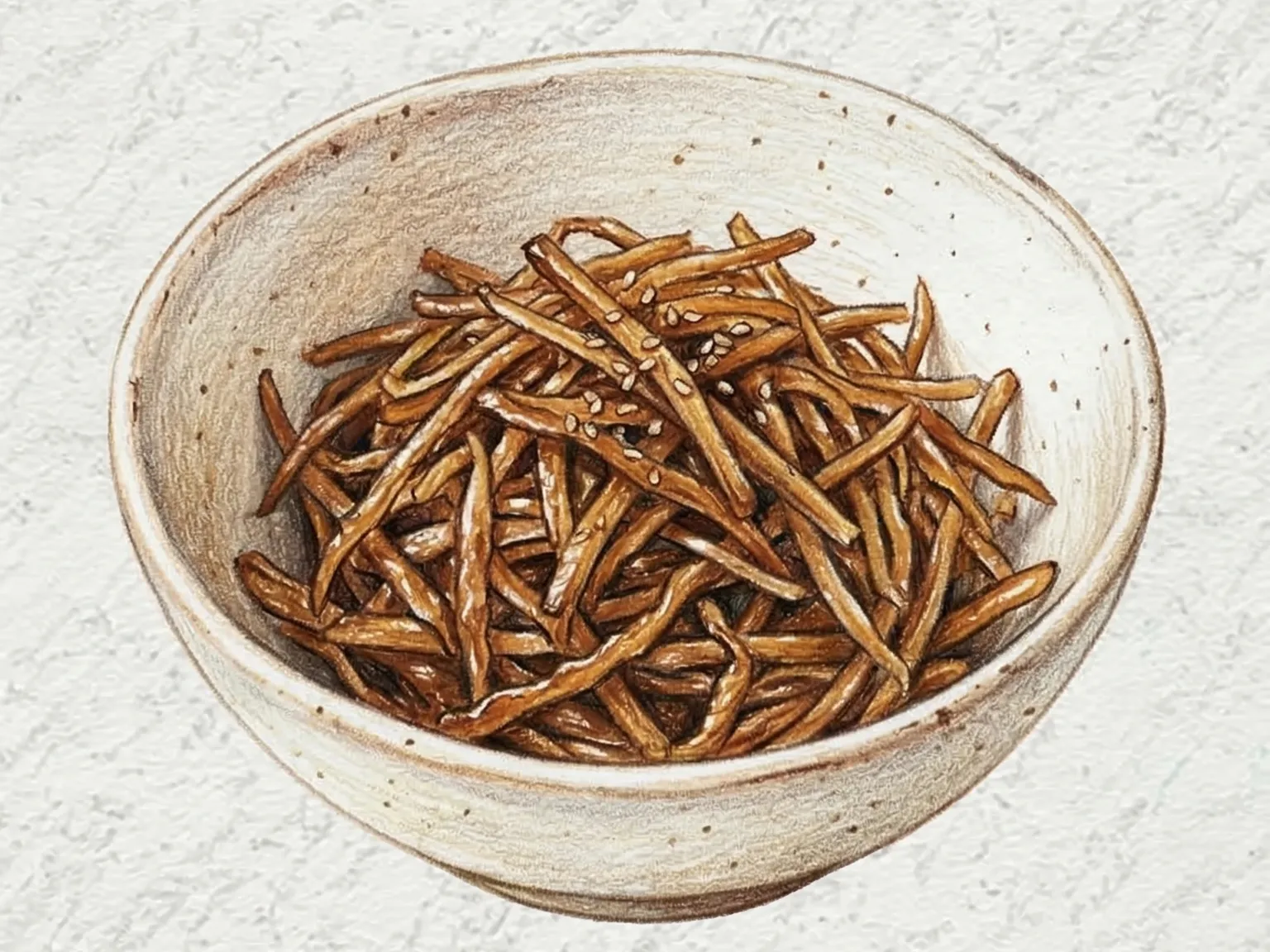
Kinpira Gobo
Stir-fry Easy

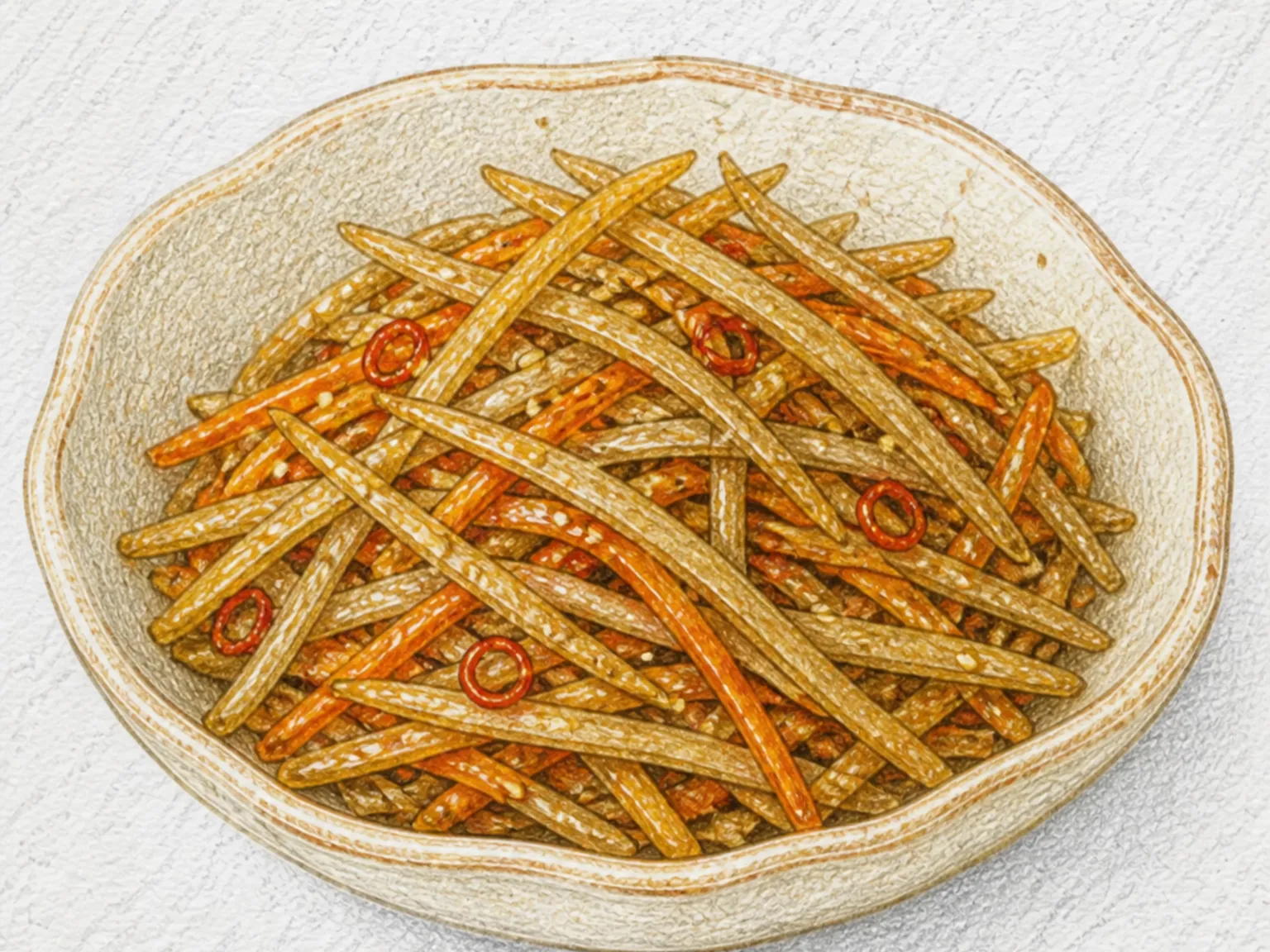
Kinpira Gobo

Kinpira gobo is a Tokyo side dish of finely cut burdock and carrot stir-fried in sesame oil, then simmered with soy sauce, sugar, sake, and chili until almost no liquid remains. Its firm crunch and peppery heat are said to evoke Sakata Kimpira, a strong and valiant character in Edo-period puppet theater, which gave the dish its name. The flavorful burdock skin is scrubbed rather than completely peeled, and the strips are soaked briefly before cooking. Eaten by townspeople from the latter Edo period, it remains an everyday dish and also appears in osechi, celebrations, and mourning meals.

🏠 Everyday 🍱 Lunchbox
Prep 15min Cook 12min 2 servings
Surimi-age (Fried Fish Cakes)
Street food Medium

Surimi-age (Fried Fish Cakes)

Surimi-age is a Toyama home dish that turns fresh fish paste into crisp, bite-size fried cakes. In this version, sardines are cleaned, pounded, and ground with ginger juice before grated mountain yam, beaten egg, and miso are worked in to make a cohesive, airy paste. Chopped onion, carrot, burdock, and shiso provide texture, while a small amount of potato starch helps each spoonful hold together in the oil. The exterior fries thin and crisp as the center stays fluffy. Toyama households and izakaya serve the cakes as a side dish or sake snack, and they can also become ingredients in oden or hot pot.

🏠 Everyday 🍺 Bar Snacks
Prep 30min Cook 15min 4 servings
Tenmondo Candied Vegetable Sweets
Desserts Hard

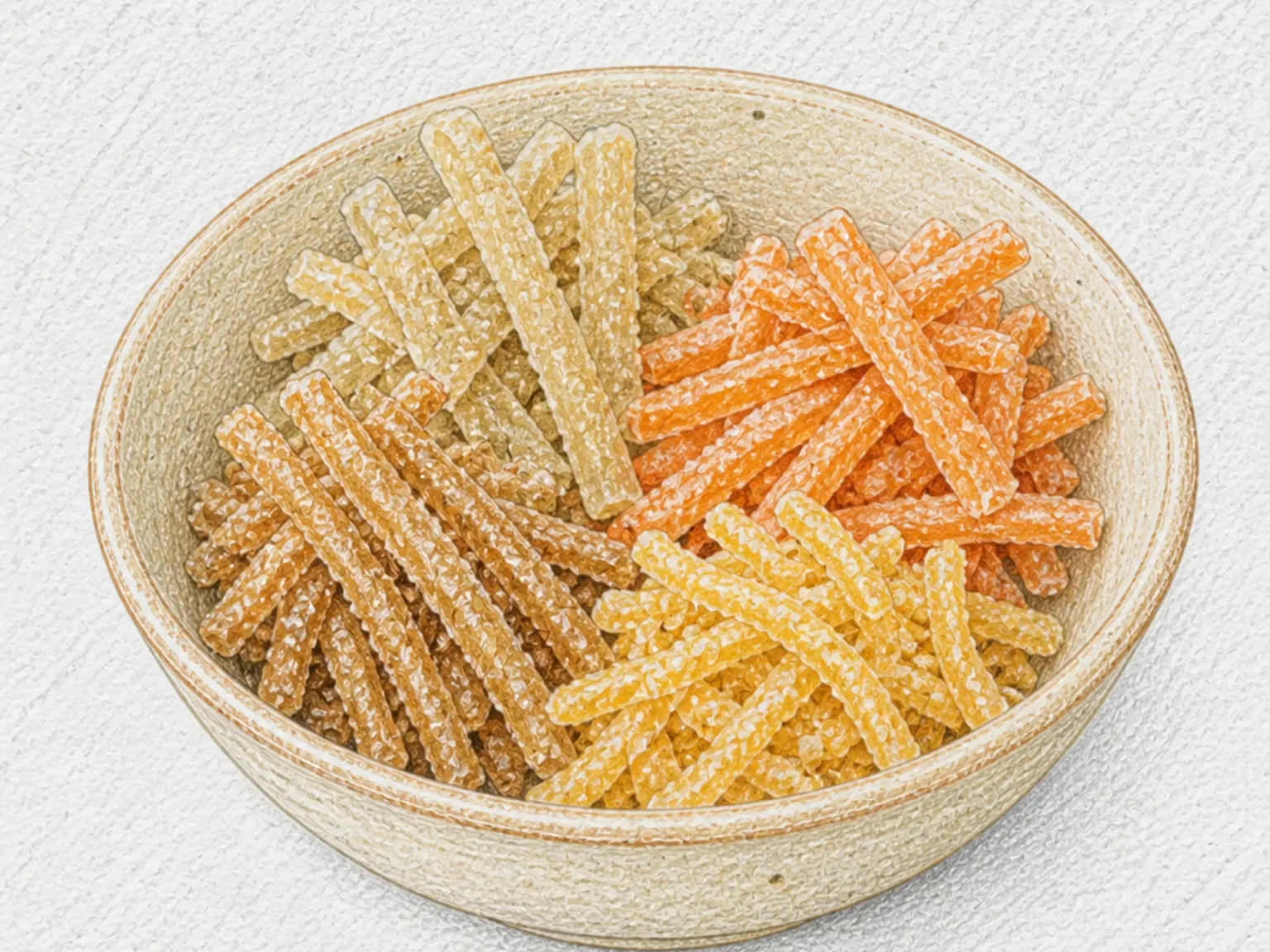
Tenmondo Candied Vegetable Sweets

Tenmondo is a preserved sweet from Chiba made by slowly cooking burdock, carrot, ginger, and citrus peel with sugar until moisture recedes and crystals form on the surface. In a major vegetable-growing region, farm households prepared it to extend the harvest and provide an energy-rich snack during busy fieldwork. The name is linked to tenmondo, a dried medicinal tuber that was once steeped in honey. This recipe follows that structure, cooking each ingredient independently so its own firmness, aroma, and sugar coating remain distinct in the finished assortment.

🧒 Kid-Friendly 🏠 Everyday
Prep 480min Cook 150min 40 servings
Korean Burdock Root Tea
Drinks Medium

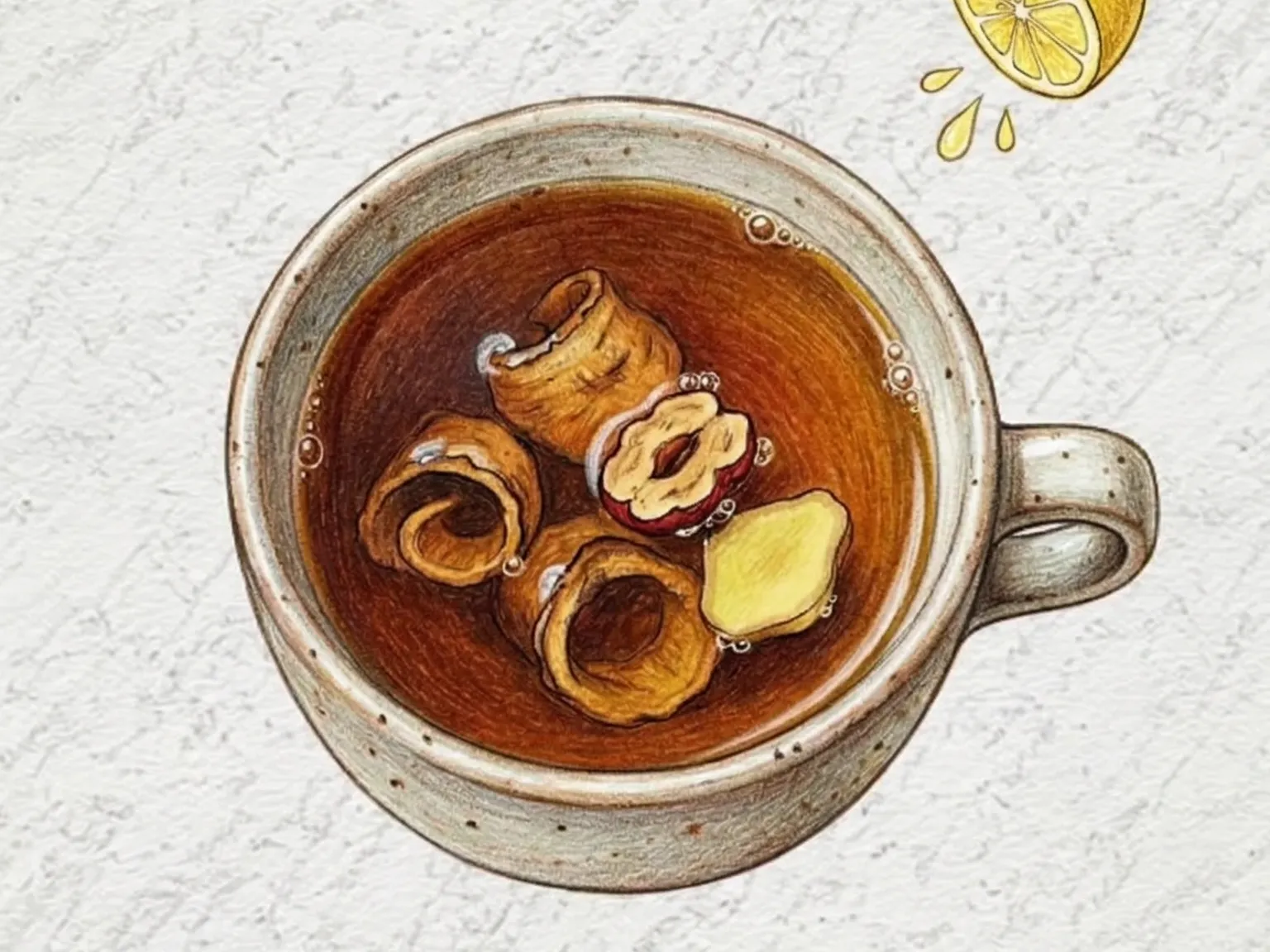
Korean Burdock Root Tea

Ueong-cha is a Korean burdock root tea made by dry-roasting thinly sliced unpeeled burdock in a pan for six minutes, then steeping it with ginger and jujube in boiling water for 15 minutes. The roasting caramelizes the root's starches, creating a deep, nutty aroma without any raw earthiness. Ginger contributes a subtle heat to the finish, while jujubes provide natural sweetness that softens the drink. A spoonful of rice syrup thickens the body, and a few drops of lemon juice at the end clean up the palate, making this caffeine-free tea suitable for any time of day.

🍺 Bar Snacks 🥗 Light & Healthy
Prep 12min Cook 22min 2 servings
Gobo Maki (Burdock Wrapped in Eso Fish Skin)
Grilled Hard

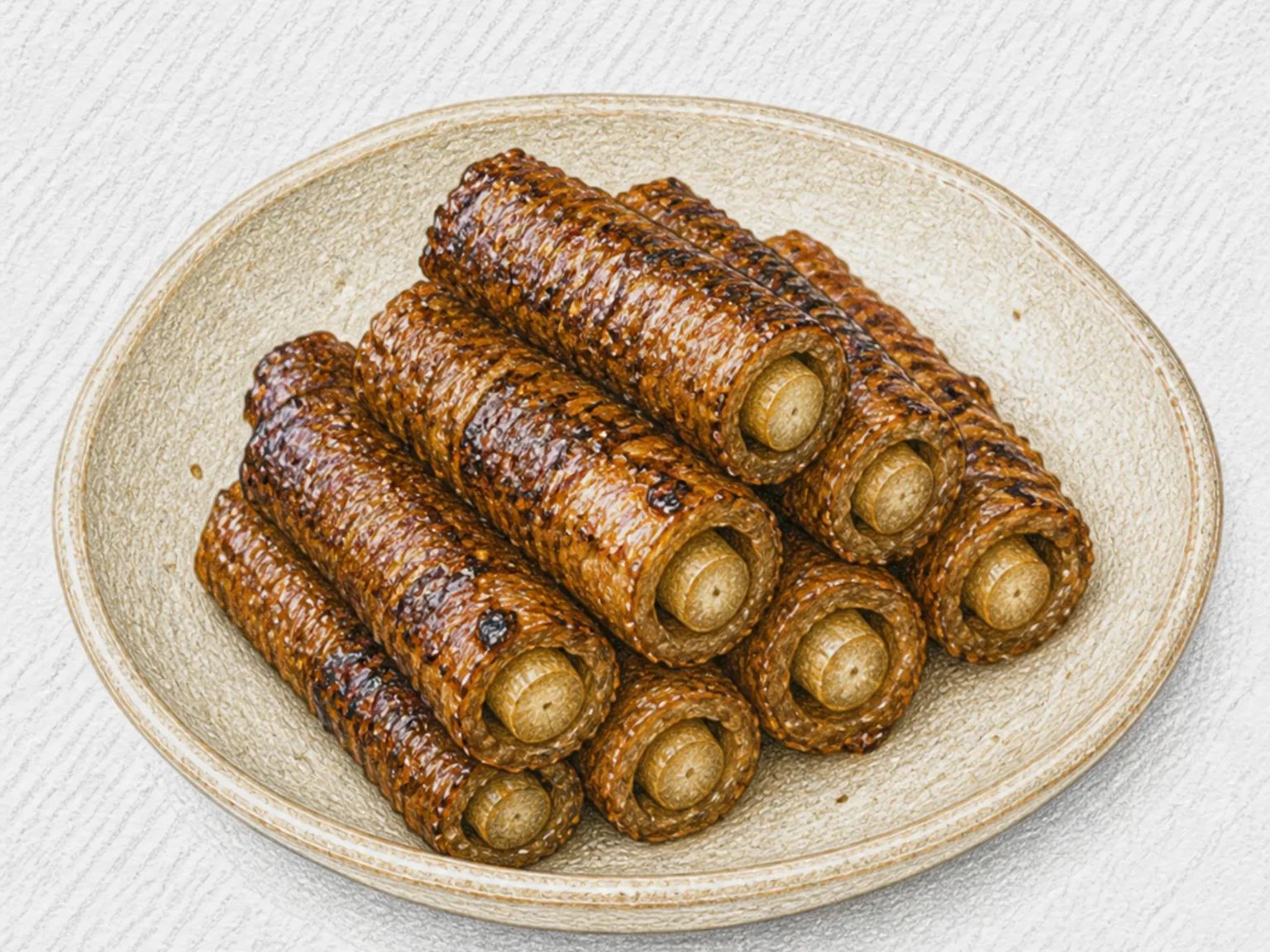
Gobo Maki (Burdock Wrapped in Eso Fish Skin)

Gobo maki is a grilled seafood preparation from Hagi City in Yamaguchi Prefecture, traditionally served at festivals, for guests, and in cherry-blossom viewing lunches. It uses the skin separated from eso fish during local kamaboko production rather than wrapping the burdock in fish paste. The skin is soaked overnight in a concentrated sweet and savory sauce of soy sauce, mirin, cooking sake, and sugar. A burdock root cut to 15 to 20 cm is threaded onto a metal skewer, then wrapped one sheet at a time with the marinated skin. The skewer is turned continuously over the heat so the skin cooks evenly and the sauce darkens without burning in one place. It is ready when the outside is fully cooked and browned with light char marks. After a short rest, the skewer is removed and the roll is sliced to show the burdock center.

🎉 Special Occasion 🍱 Lunchbox
Prep 25min Cook 20min 1 servings
Takasaki Zakuni
Soups Medium

Takasaki Zakuni

Takasaki zakuni is a ceremonial Gunma soup of daikon, carrot, burdock, taro, konjac, shiitake, fish cakes, and dried squid, all cut to about 1cm. The ingredients simmer without oil in water enriched by the squid soaking liquid, then soy seasoning and potato starch give the broth a light gloss. Unlike kenchin-jiru, the vegetables are not fried and dried squid supplies the defining stock. A wedding explanation says oil was omitted so the couple would not separate like oil and water. The soup is also served for New Year, Setsubun, Ebisu observances, and household rites, with uniformly small pieces bringing several ingredients into each spoonful.

🎉 Special Occasion 🏠 Everyday
Prep 40min Cook 45min 10 servings
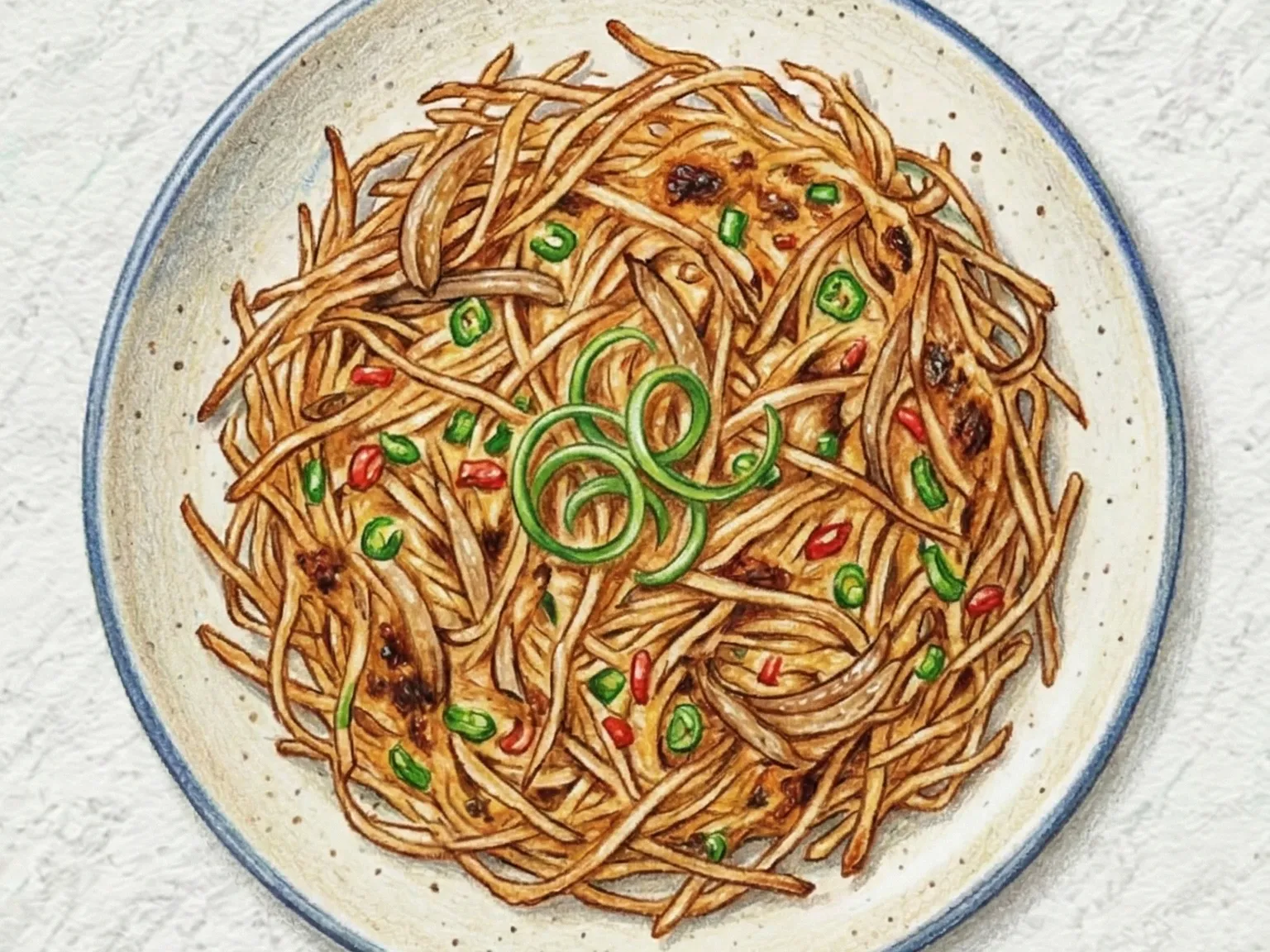
Korean Burdock Matchstick Pancake
Pancakes Easy

Korean Burdock Matchstick Pancake

Burdock root, julienned into thin matchstick strips and pan-fried with onion and cheongyang chili, is a jeon with texture as its main argument. The combination of Korean pancake mix and tempura flour in the batter produces a result that is crispier than standard jeon, particularly at the edges where the thin strips of burdock protrude from the batter and catch the heat. Burdock has an earthy, faintly bitter flavor that holds up in the pan, and the onion provides sweetness alongside it. Cheongyang chili cuts through with a slow-building, lingering heat. Cold water keeps the batter loose and inhibits gluten development, so the finished jeon stays light rather than dense. Hot from the pan, the edges shatter; cooled, they turn chewy.

🍺 Bar Snacks ⚡ Quick
Prep 18min Cook 10min 2 servings
Botan Nabe Wild Boar Hotpot
Stews Medium

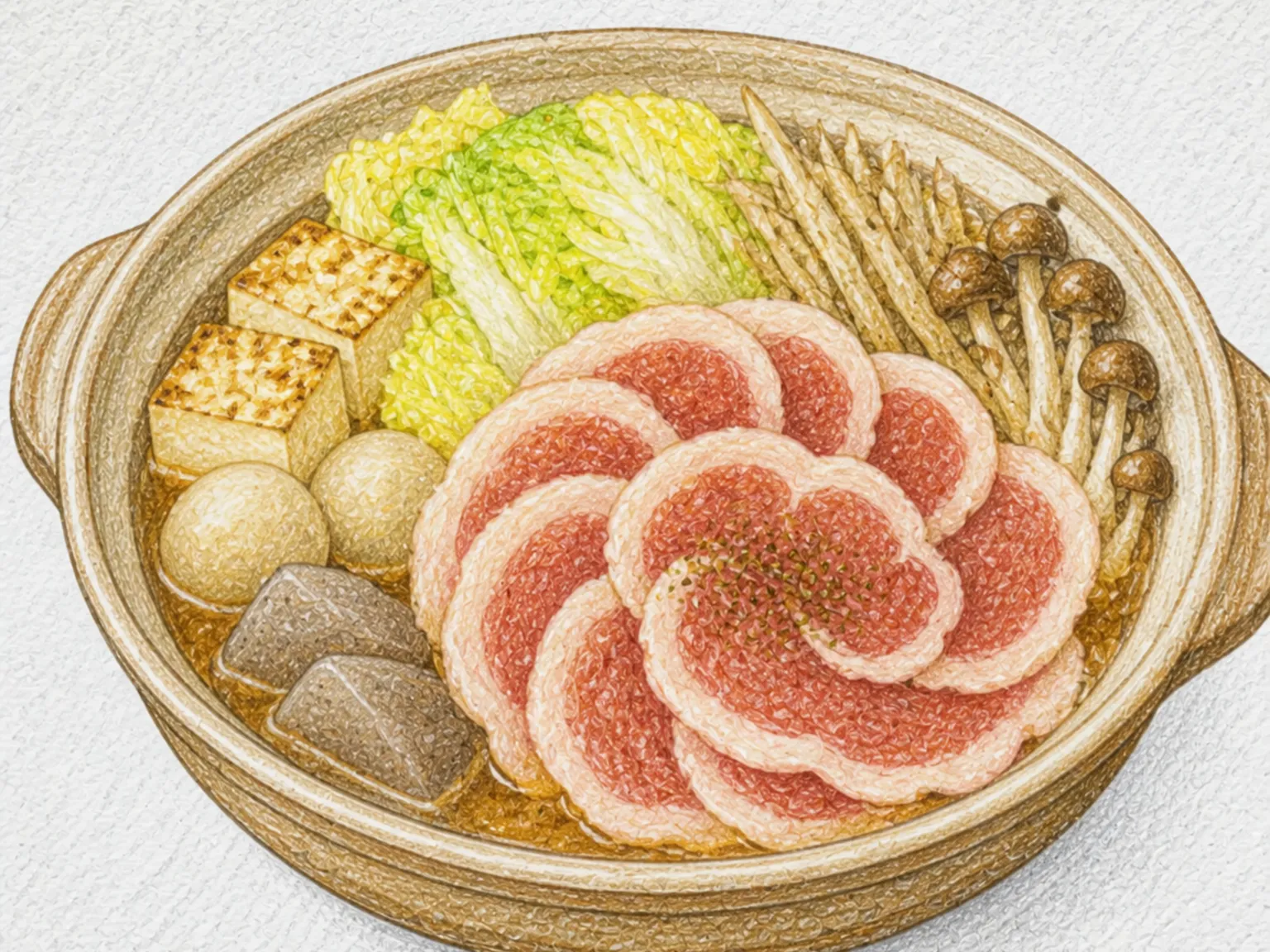
Botan Nabe Wild Boar Hotpot

Botan nabe is a hotpot from Tanba Sasayama City in Hyogo. Thinly sliced wild boar loin, grilled tofu, napa cabbage, burdock, taro, konnyaku, mushrooms, and other vegetables simmer in dashi seasoned with equal amounts of red and white miso. One account traces it to around 1908, when troops stationed in the area put boar caught during training into miso soup or brought the meat to local inns for a miso hotpot. Inns later arranged the slices like peony petals, linking the presentation to the name botan. It is served mainly in winter, at New Year, and for guests, with ground sansho added at the table.

🎉 Special Occasion 🍺 Bar Snacks
Prep 35min Cook 30min 4 servings
Japanese Braised Chicken and Root Vegetables
Steamed Medium

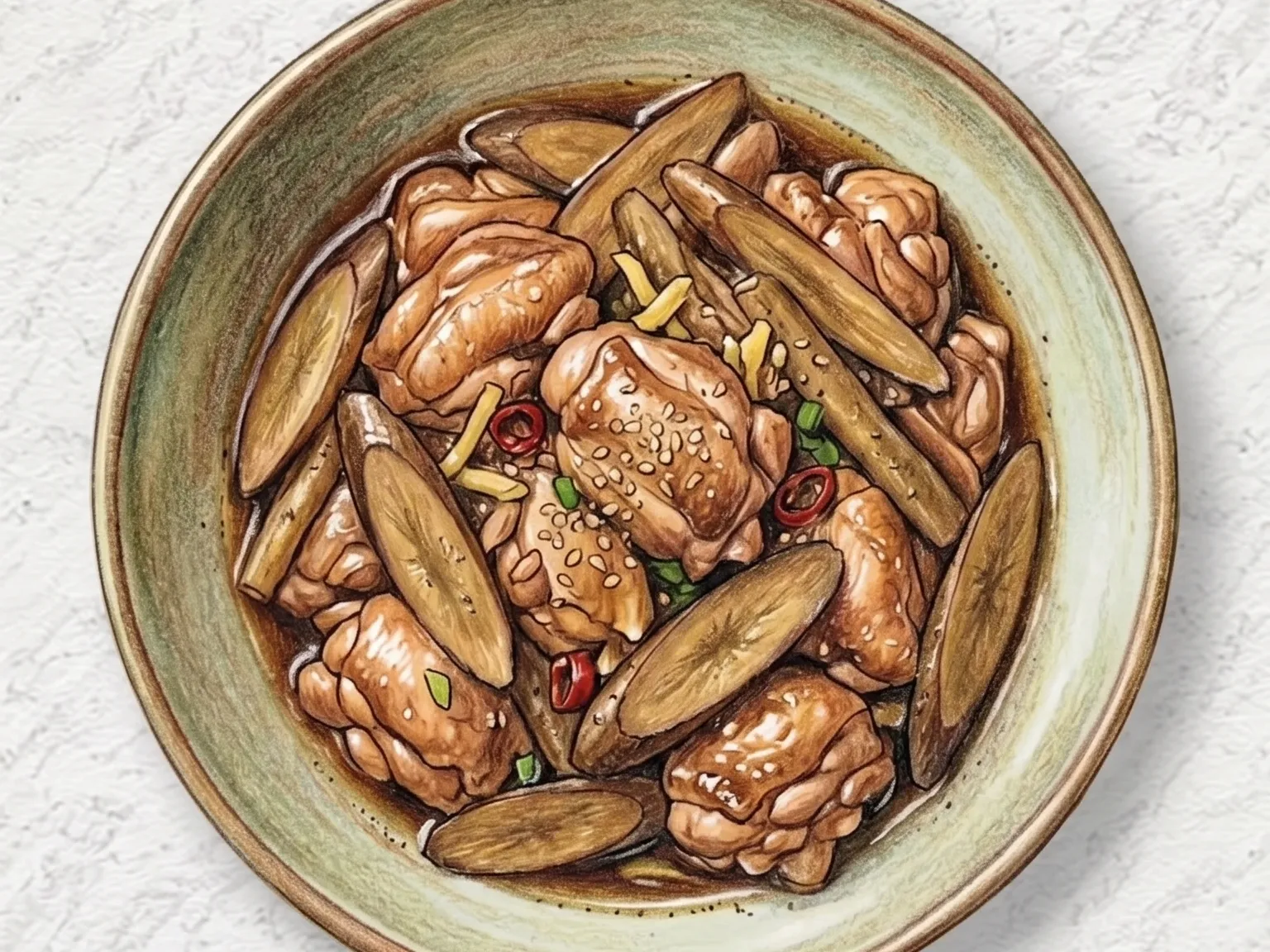
Japanese Braised Chicken and Root Vegetables

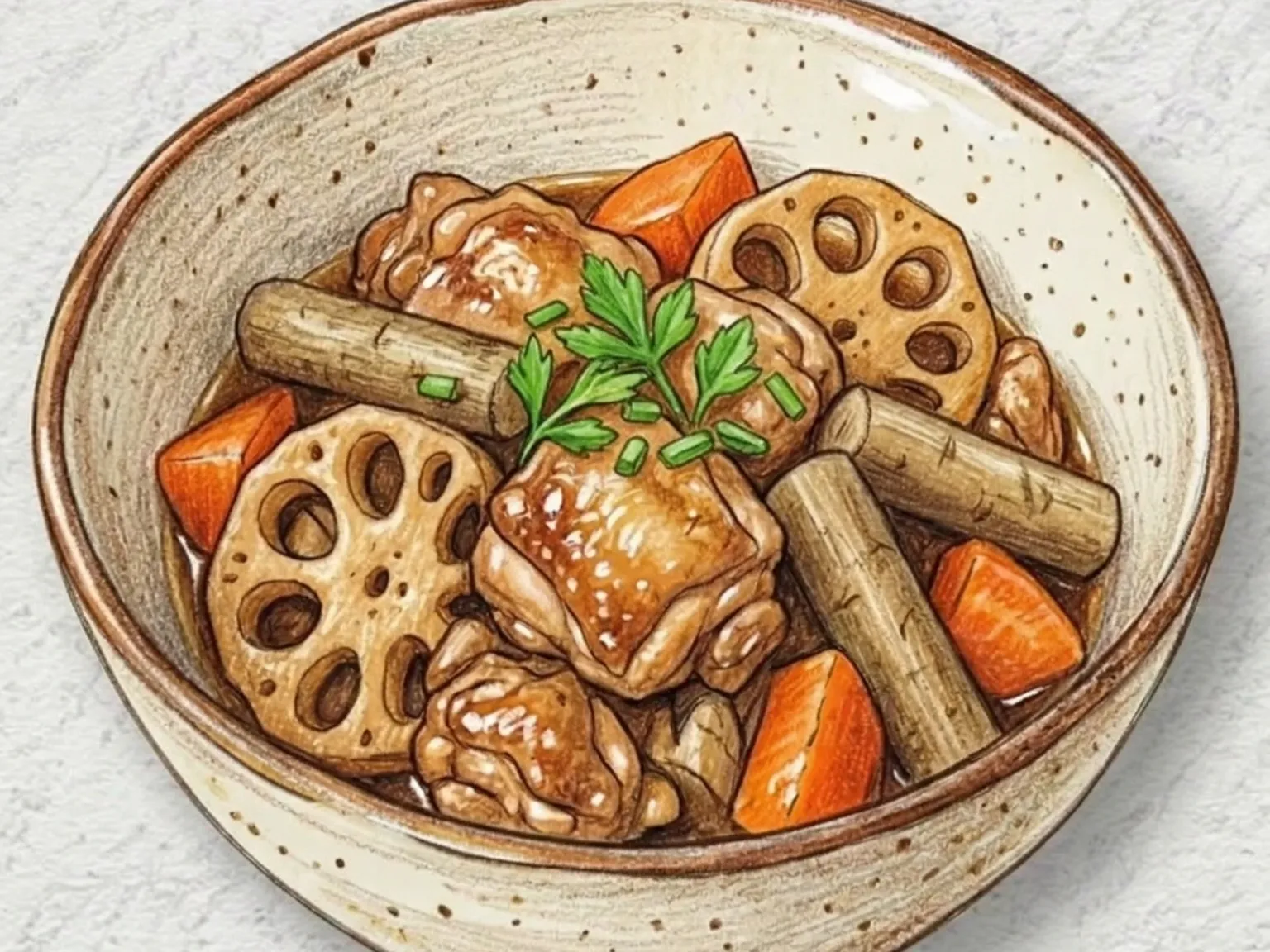
Chikuzenni is a Japanese-style braise of chicken thigh with lotus root, burdock, and carrot simmered in dashi seasoned with soy sauce and mirin. The thigh is seared first to render its fat, which coats each root vegetable piece as they braise together, building savory depth in the broth. Lotus root holds its firm bite through the cook, while burdock develops an earthy, nutty quality that intensifies with chewing. Mirin's restrained sweetness rounds out the soy, producing a side dish that stays satisfying across multiple meals of steamed rice.

🎉 Special Occasion 🍱 Lunchbox
Prep 25min Cook 35min 4 servings
Korean Soy Pickled Burdock
Kimchi Easy

Korean Soy Pickled Burdock

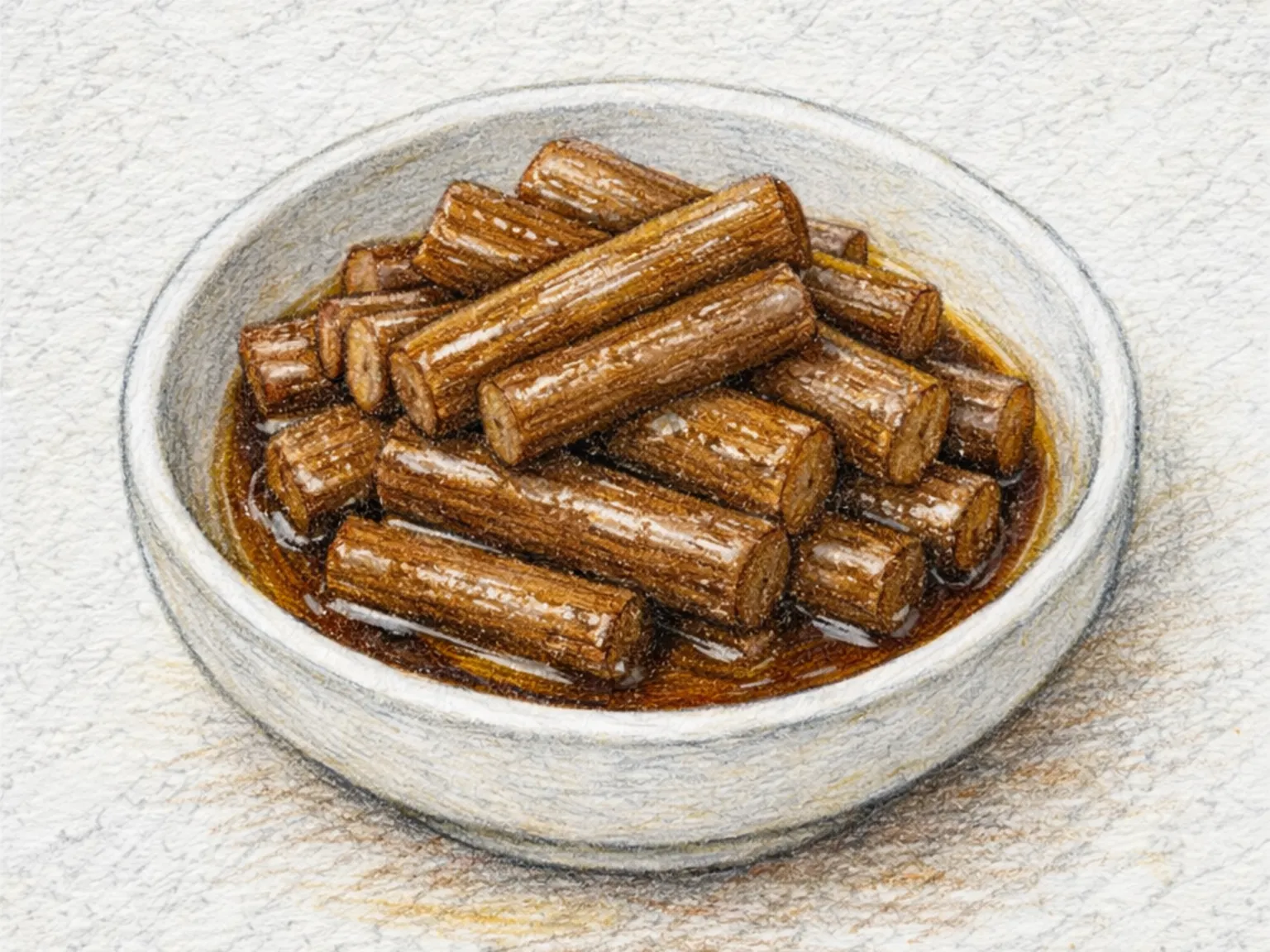
Ueong jangajji is a soy-pickled burdock root prepared by soaking cut burdock in vinegar water to prevent browning, blanching to remove any earthiness, then submerging in a brine of soy sauce, vinegar, and sugar. Kelp, dried red chili, and whole peppercorns boiled into the brine contribute umami depth and a subtle warmth. The root's natural nuttiness and earthy aroma meld with the sweet-salty-tangy brine into a layered, lingering flavor. Its firm, crunchy texture holds up well over days of storage, and reboiling the brine on the third day extends the pickle's shelf life further. Because burdock oxidizes quickly once cut, transferring it to the vinegar soak immediately after slicing is essential for keeping the finished pickle looking clean and bright rather than muddy.

🏠 Everyday 🍱 Lunchbox
Prep 20min Cook 12min 4 servings
Gunma Okirikomi Noodle Stew
Noodles Hard

Gunma Okirikomi Noodle Stew

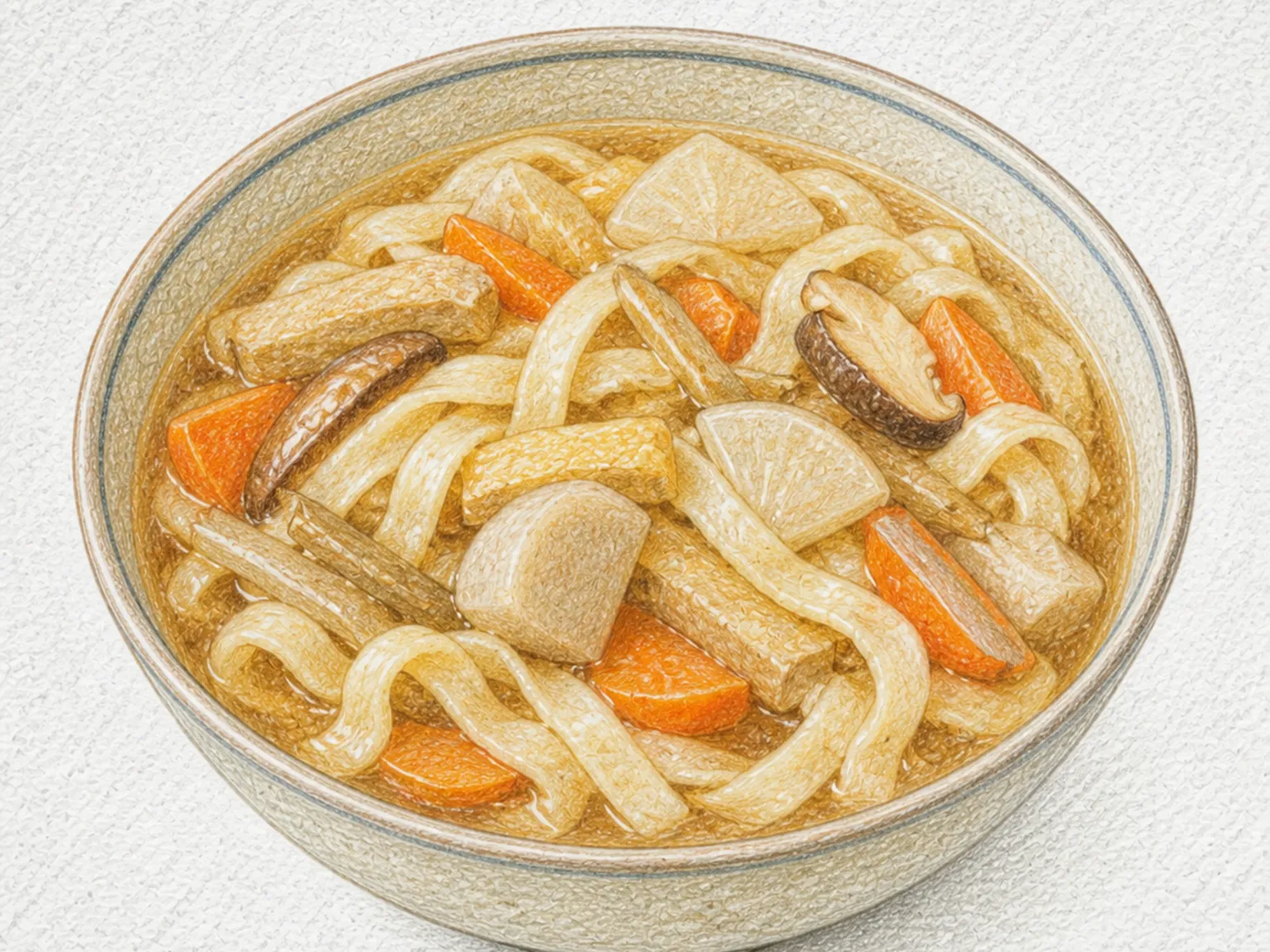
Okirikomi is a Gunma staple of unsalted wheat noodles cut about 1cm wide and cooked directly in broth without separate boiling. Burdock, carrot, daikon, taro, shiitake, and fried tofu simmer first, then the raw noodles release a little flour that naturally thickens the pot. The broth is drawn from dried sardines, kombu, and bonito flakes and finished with soy sauce and miso. The dish reflects Gunma's wheat-based food culture and was prepared as an everyday one-pot meal, with noodle thickness and vegetable choices changing from one household to another.

🏠 Everyday
Prep 50min Cook 35min 4 servings
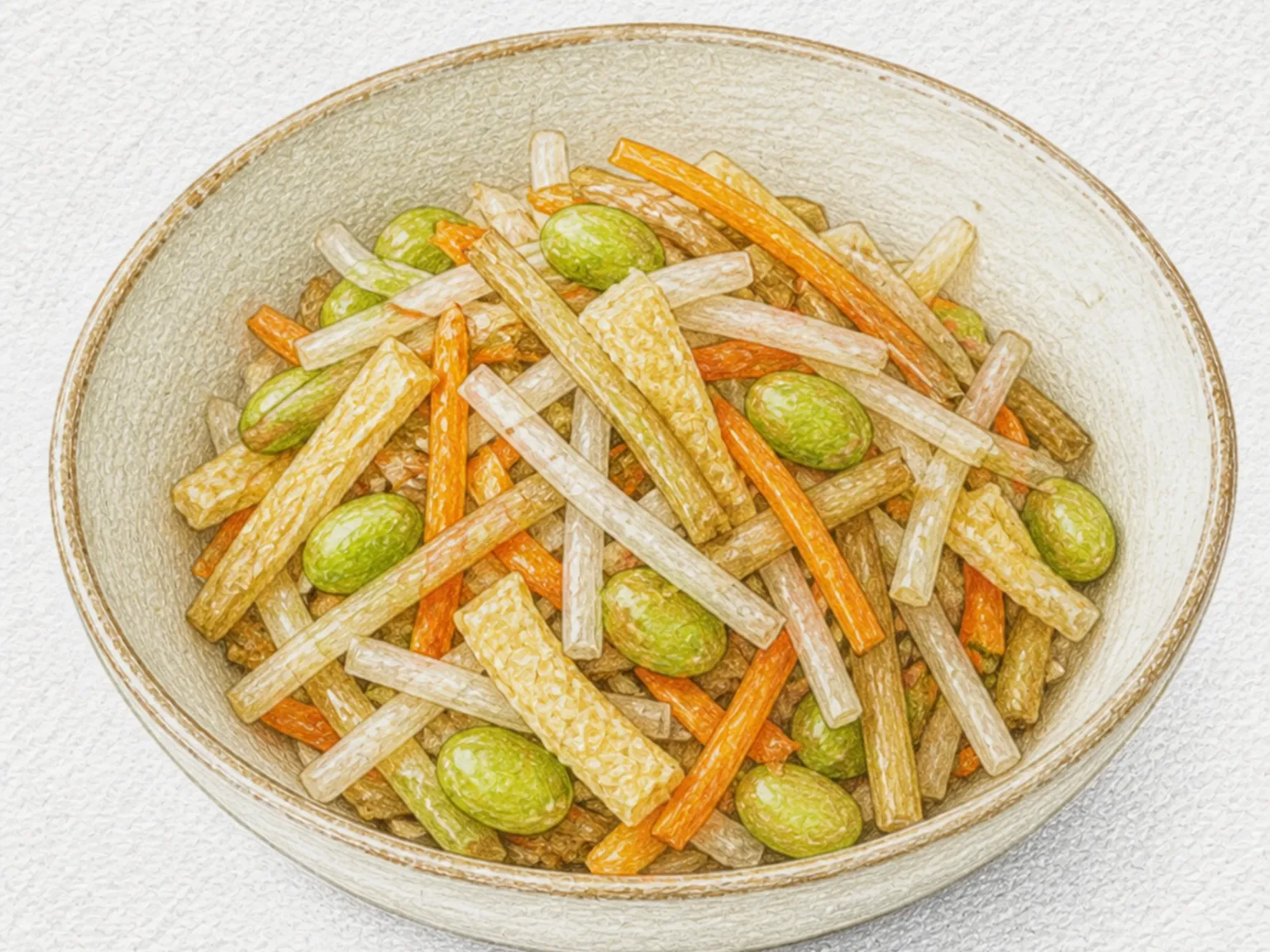
Kurumi Gobo with Edamame Paste
Salads Medium

Kurumi Gobo with Edamame Paste

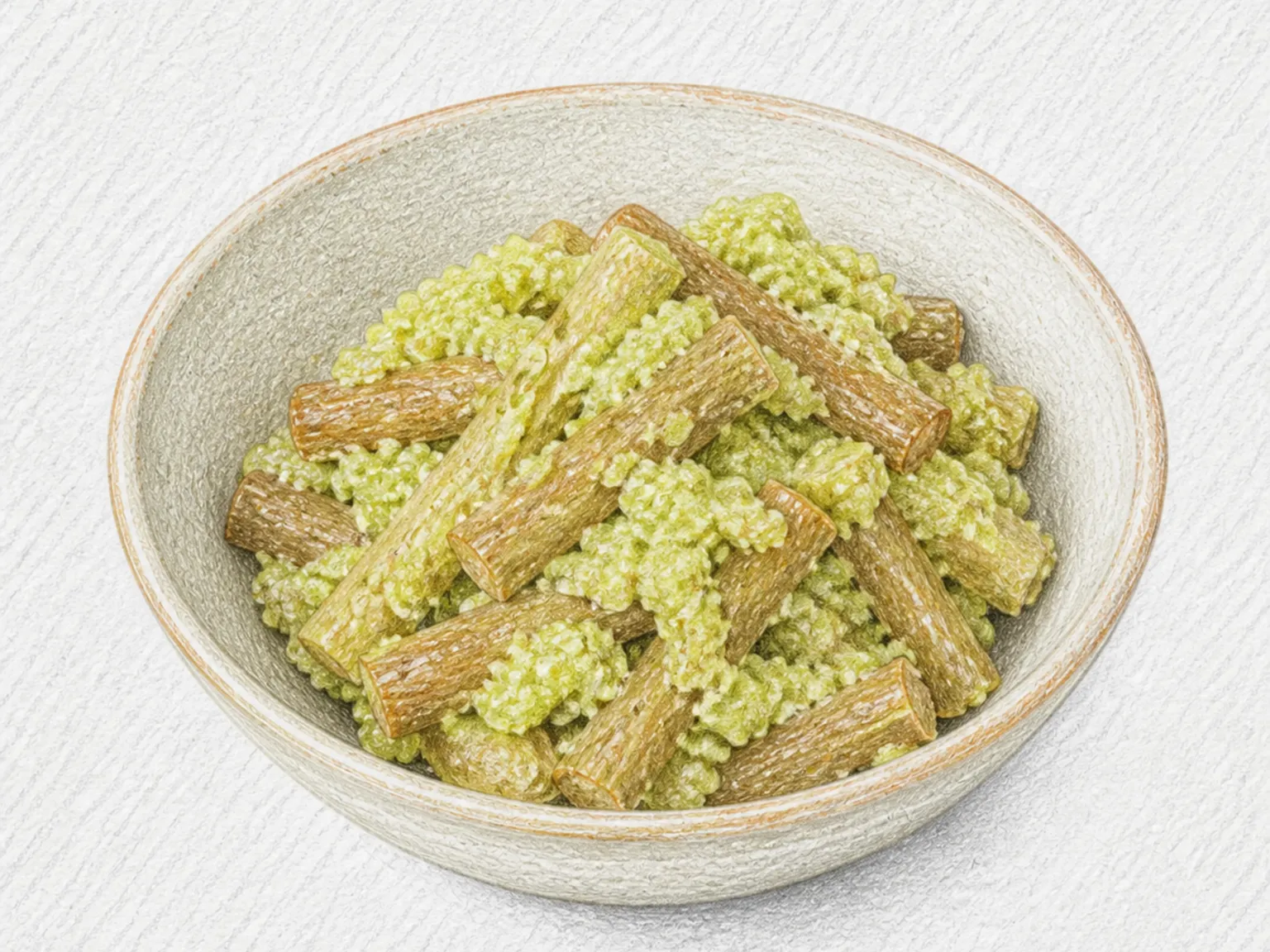
Kurumi gobo is a local dish from Shigaraki in Koka City, Shiga. Burdock is simmered in lightly salted water, while edamame is cooked until soft, peeled of its thin inner skins, and ground with sugar and salt into a thick paste. The 3cm burdock pieces are coated generously so the smooth bean paste meets the root's firm bite. The dish has long been offered and shared with saba sushi at the autumn festival of Sansho Shrine in Kamiasamiya, also called the Gombo or Burdock Festival. Families still prepare it when the festival returns each autumn, preserving its specific edamame dressing method.

🎉 Special Occasion
Prep 25min Cook 18min 4 servings
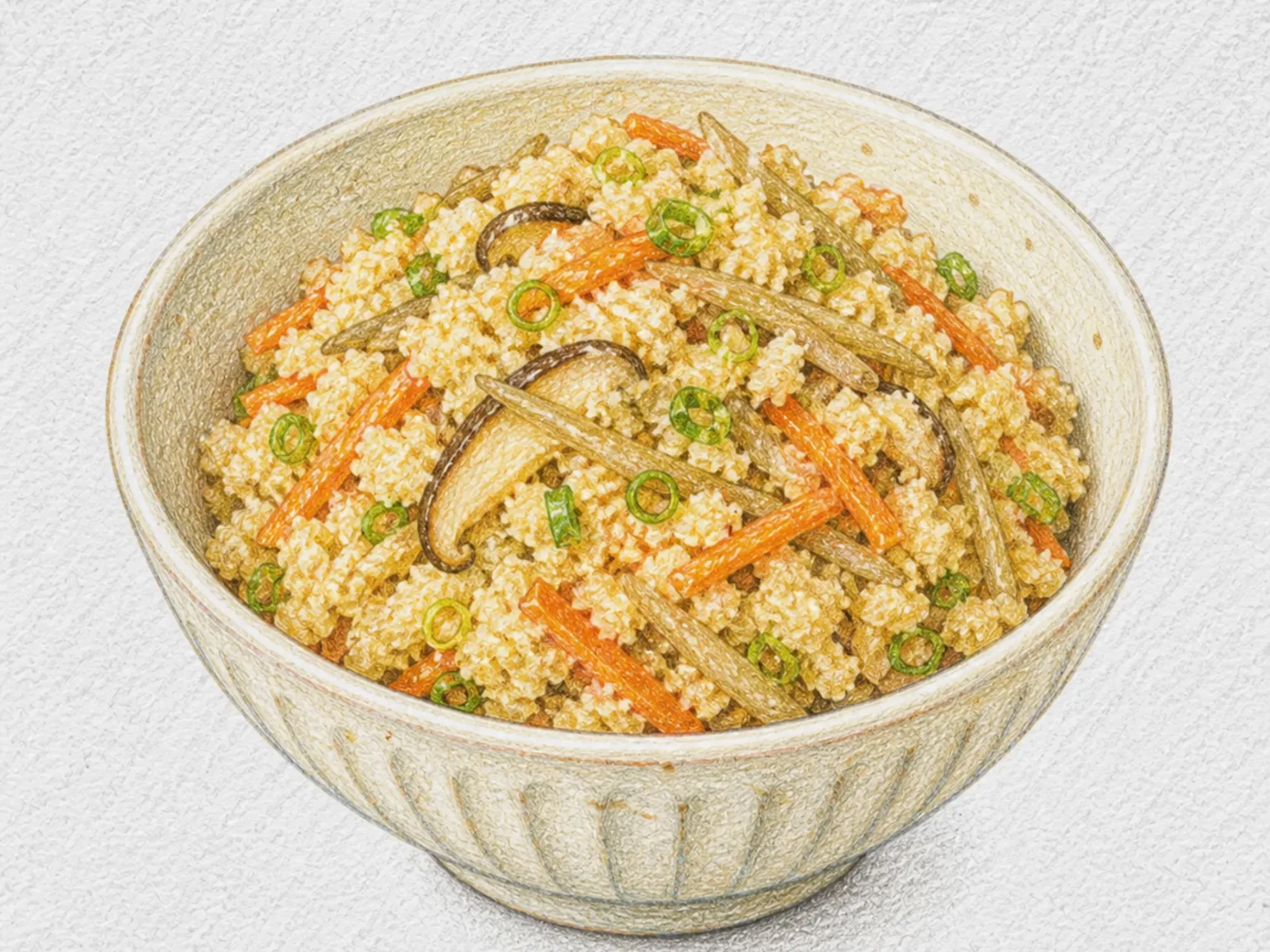
Takikomi Gohan (Japanese Mixed Rice Cooked with Vegetables and Dashi)
Asian Medium

Takikomi Gohan (Japanese Mixed Rice Cooked with Vegetables and Dashi)

Takikomi gohan is a Japanese mixed rice dish in which short-grain rice is cooked together with seasonal vegetables, mushrooms, and a seasoned dashi-soy-mirin liquid instead of plain water. Shiitake mushrooms, carrot, and burdock root are julienned and placed on top of the soaked, drained rice-never stirred in-so the grains cook evenly and stay distinct rather than clumping. As the rice cooker runs its normal cycle, the dashi infuses every grain with a savory depth while the soy sauce adds a gentle salinity and the mirin a whisper of sweetness. After a ten-minute rest with the lid closed, the rice is fluffed and the toppings folded through, releasing an earthy, woodsy aroma from the mushrooms and burdock. The dish is a staple of Japanese home cooking, simple enough for a weeknight yet considered enough for a guest meal when made with premium seasonal ingredients.

🏠 Everyday 🎉 Special Occasion
Prep 15min Cook 35min 4 servings
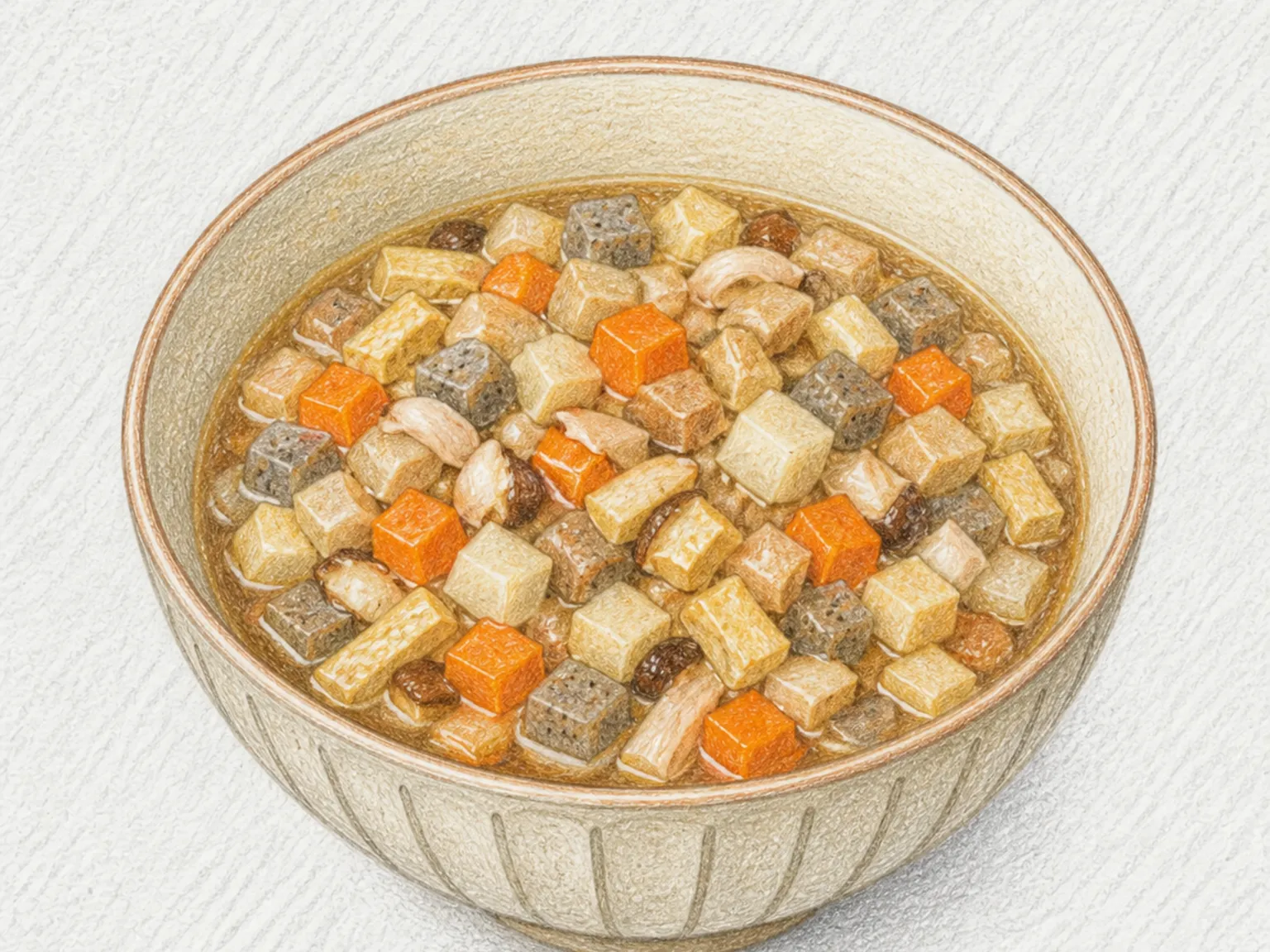
Koya Tofu Powder and Vegetable Nimono
Side dishes Medium

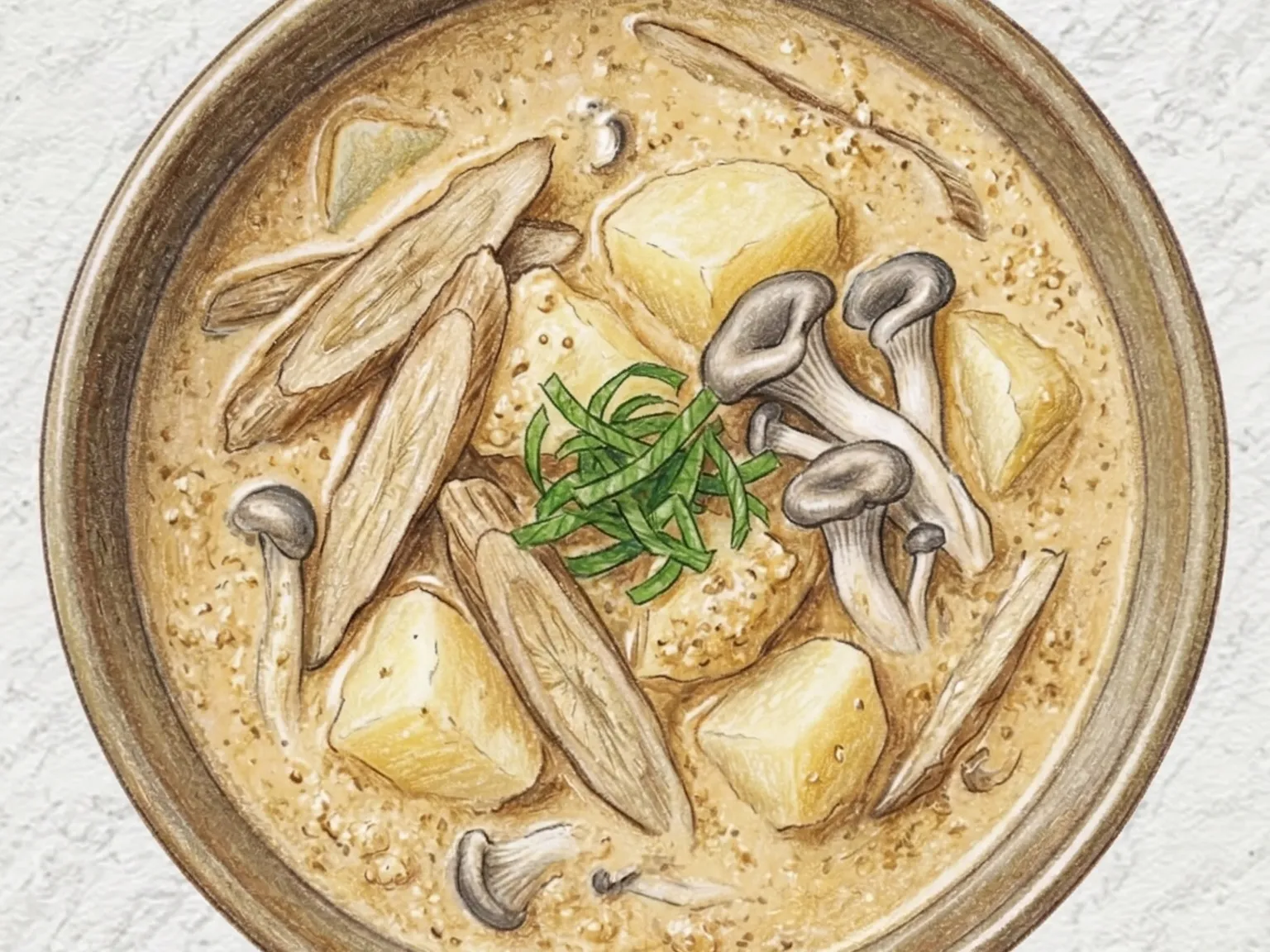
Koya Tofu Powder and Vegetable Nimono

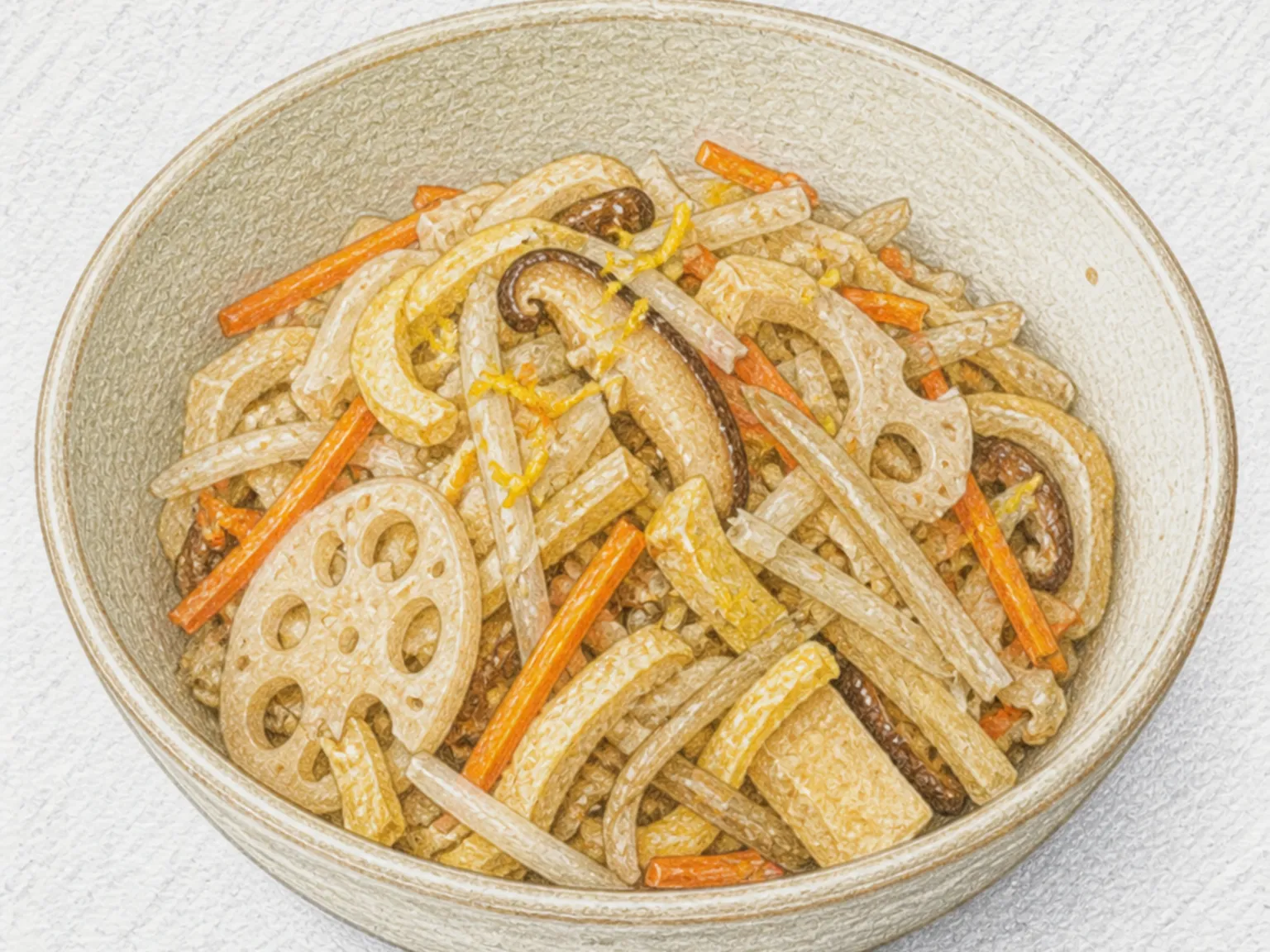
This nimono is a home dish from Taka in Hyogo that uses the fine powder produced during freeze-dried koya tofu making. Small cubes of chicken, carrot, burdock, lotus root, shiitake, konnyaku, chikuwa, and fried tofu are sautéed and simmered before the powder is added. Cutting every solid ingredient to about 8mm distributes several textures in each spoonful. Dashi, mirin, sugar, and light soy sauce first cook the chicken and vegetables for 10 minutes. The koya tofu powder then absorbs much of the 550ml broth and forms soft, crumbly clusters in about 5 minutes. Stopping while a little liquid remains prevents a dry, chalky result. Sliced green onion added at the end keeps a fresh edge against the savory tofu and vegetables.

🏠 Everyday
Prep 25min Cook 20min 5 servings
Itadaki (Rice-Stuffed Simmered Tofu Pouches)
Rice Medium

Itadaki (Rice-Stuffed Simmered Tofu Pouches)

Itadaki is a rice dish from western Tottori and the Yumigahama Peninsula. Raw rice, burdock, carrot, and rehydrated shiitake are packed into large triangular fried tofu pouches, which cook slowly in seasoned broth. Small holes are pierced through each pouch so shiitake soaking liquid, soy sauce, sugar, sake, kombu, and dried sardine stock can move inward as the rice expands. It looks like an oversized inari sushi, but the rice is not cooked beforehand; it absorbs the broth and becomes tender inside the plump tofu pouch.

🍱 Lunchbox 🎉 Special Occasion
Prep 35min Cook 60min 6 servings
Kishazu-iri (Okara and Vegetable Stir-Fry)
Stir-fry Easy

Kishazu-iri (Okara and Vegetable Stir-Fry)

Kishazu-iri is an everyday okara dish eaten year-round throughout Miyagi Prefecture. In Miyagi, the soybean pulp left from tofu making is called kirazu as well as okara. It is cooked with carrot, burdock, and rehydrated dried shiitake. The vegetables are first sautéed in oil, then sugar, salt, soy sauce, and dashi are added and brought to a boil. Fresh okara goes in once the seasoned broth is bubbling. Continuous stirring breaks it up and lets it absorb the broth without scorching on the pan bottom. The dish is ready when there is no loose liquid but the grains remain moist and crumbly. Thinly sliced green onion is folded in only at the end.

🏠 Everyday 🍱 Lunchbox
Prep 20min Cook 25min 10 servings
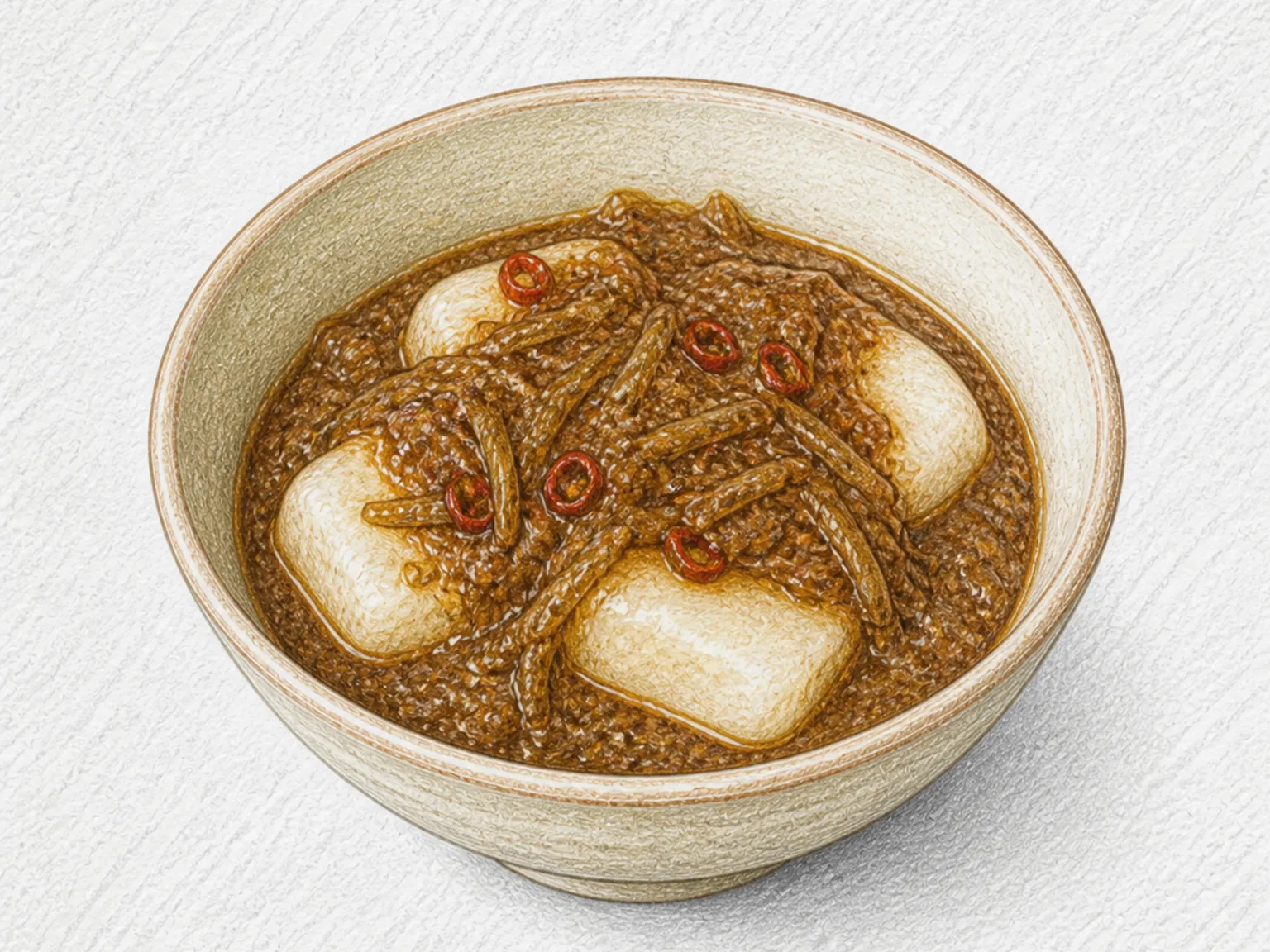
Fusube Mochi (Rice Cakes with Spicy Loach and Burdock Sauce)
Street food Medium

Fusube Mochi (Rice Cakes with Spicy Loach and Burdock Sauce)

Fusube mochi is a rice-cake dish from Kurihara City in Miyagi Prefecture, eaten at New Year, weddings, memorial services, seasonal observances, and pauses in farm work. Grilled, dried loach powder is combined with grated burdock and daikon. The burdock is sautéed first in oil, followed by the daikon, a seeded red chili, and the loach powder. Water is added with attention to the moisture released by the radish. Soy sauce and sake season the mixture, which then simmers gently for about one hour while foam is removed carefully. The roots soften into the liquid and the loach powder gives it body. Freshly pounded, hot mochi is placed in bowls and covered with the spicy sauce just before eating. The name comes from fusuberu, the local term for smoking the grilled loaches dry above the hearth, linking inland Kurihara's freshwater fish traditions with Miyagi's mochi culture.

🎉 Special Occasion
Prep 20min Cook 70min 4 servings
Kappodori (Bamboo-Steamed Chicken)
Grilled Hard

Kappodori (Bamboo-Steamed Chicken)

Kappodori is a bamboo-vessel chicken dish from the mountainous northern part of Miyazaki Prefecture, especially Takachiho. Bamboo is called kappo in this area. A section between the joints of young green bamboo is opened and filled with local chicken, burdock, shiitake, carrot, garlic chives, and garlic seasoned with soy sauce, salt, and pepper. The cut piece is returned as a lid, and the whole tube is heated slowly over charcoal so the ingredients steam in their own moisture while taking on the bamboo aroma. Prepare it outdoors on a stable heatproof grill with glowing coals rather than tall flames, and use only sound, untreated bamboo intended for cooking. Do not seal the opening airtight. Remove the tube when the thickest chicken pieces reach 75°C, then open the hot lid away from the face.

🎉 Special Occasion 🍺 Bar Snacks
Prep 30min Cook 45min 4 servings
Dabu Chicken and Root Vegetable Soup
Soups Medium

Dabu Chicken and Root Vegetable Soup

Dabu is a local soup from the Karatsu area of Saga, simmering chicken, lotus root, taro, burdock, carrot, shiitake, konnyaku, and other small-cut ingredients in abundant broth. Its name is said to come from zabu-zabu, an expression for liquid sloshing generously around the solids. Neighbors once gathered to cook it in large pots for weddings, funerals, and invited guests. The shape and selection changed with the occasion: square pieces and wheat gluten for celebrations, while triangular konnyaku could mark Buddhist memorial meals. This version uses 18g potato starch for 1. 2L broth, adding only a thin sheen rather than turning the soup heavy.

🎉 Special Occasion 🏠 Everyday
Prep 35min Cook 35min 4 servings
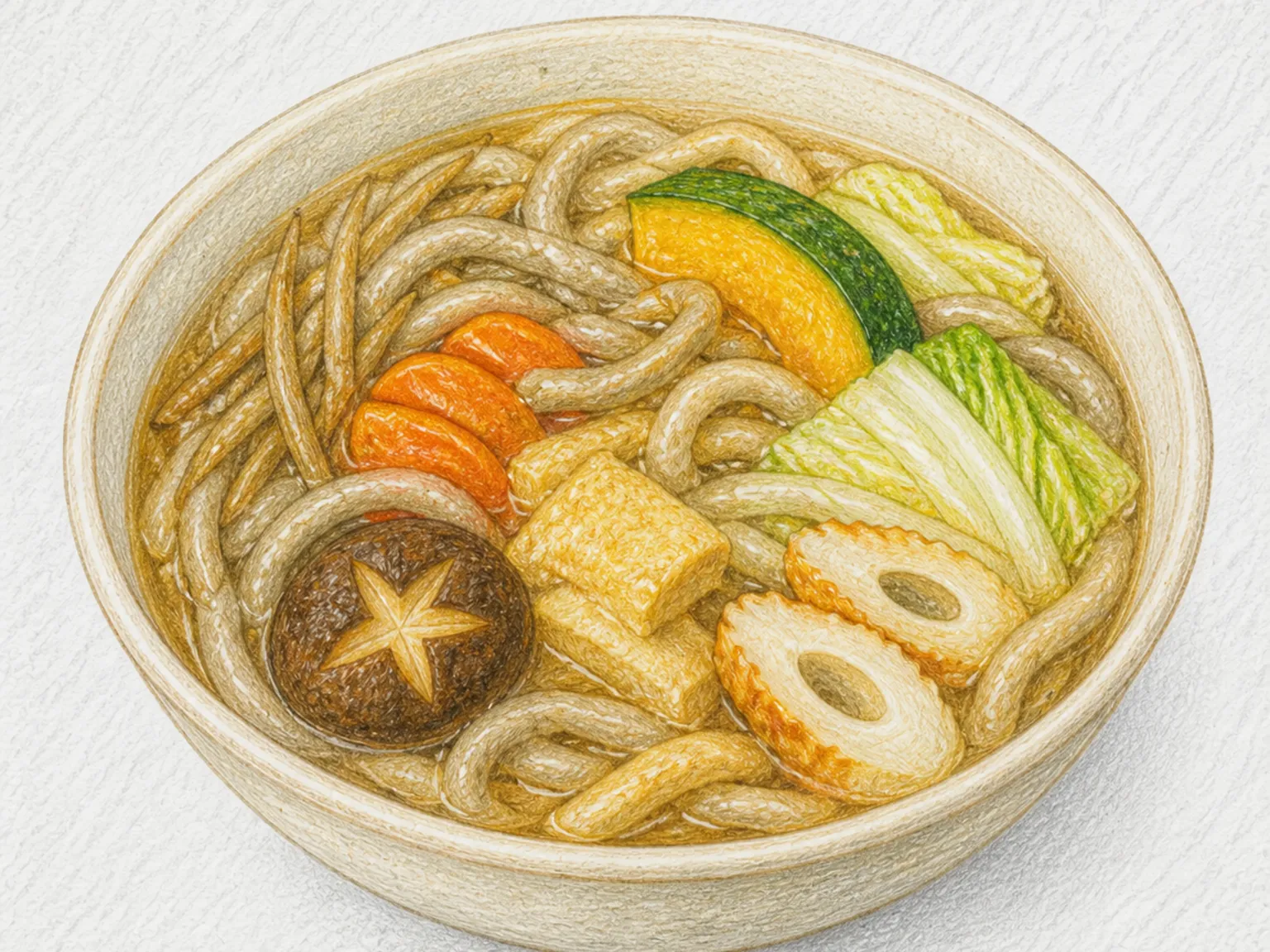
Soba Dojo Buckwheat Dough Hotpot
Stews Medium

Soba Dojo Buckwheat Dough Hotpot

Soba dojo nabe is a winter hotpot from Kagamino in Okayama. Buckwheat flour is kneaded with egg and boiling water, then pinched off and rolled into long, thin pieces shaped like loaches before cooking in dashi with vegetables. Despite the name and shape, the dish contains no loach. Burdock, carrot, napa cabbage, pumpkin, shiitake, fried tofu, and chikuwa simmer together, and soy sauce, mirin, and sake season the broth once the dough is cooked. Passed down in a mountain area as warming cold-weather food, it serves the tender buckwheat pieces and vegetables together in their savory broth.

🏠 Everyday
Prep 30min Cook 25min 4 servings
Dojo-Ni (Whole Loach Simmered with Burdock)
Steamed Hard

Dojo-Ni (Whole Loach Simmered with Burdock)

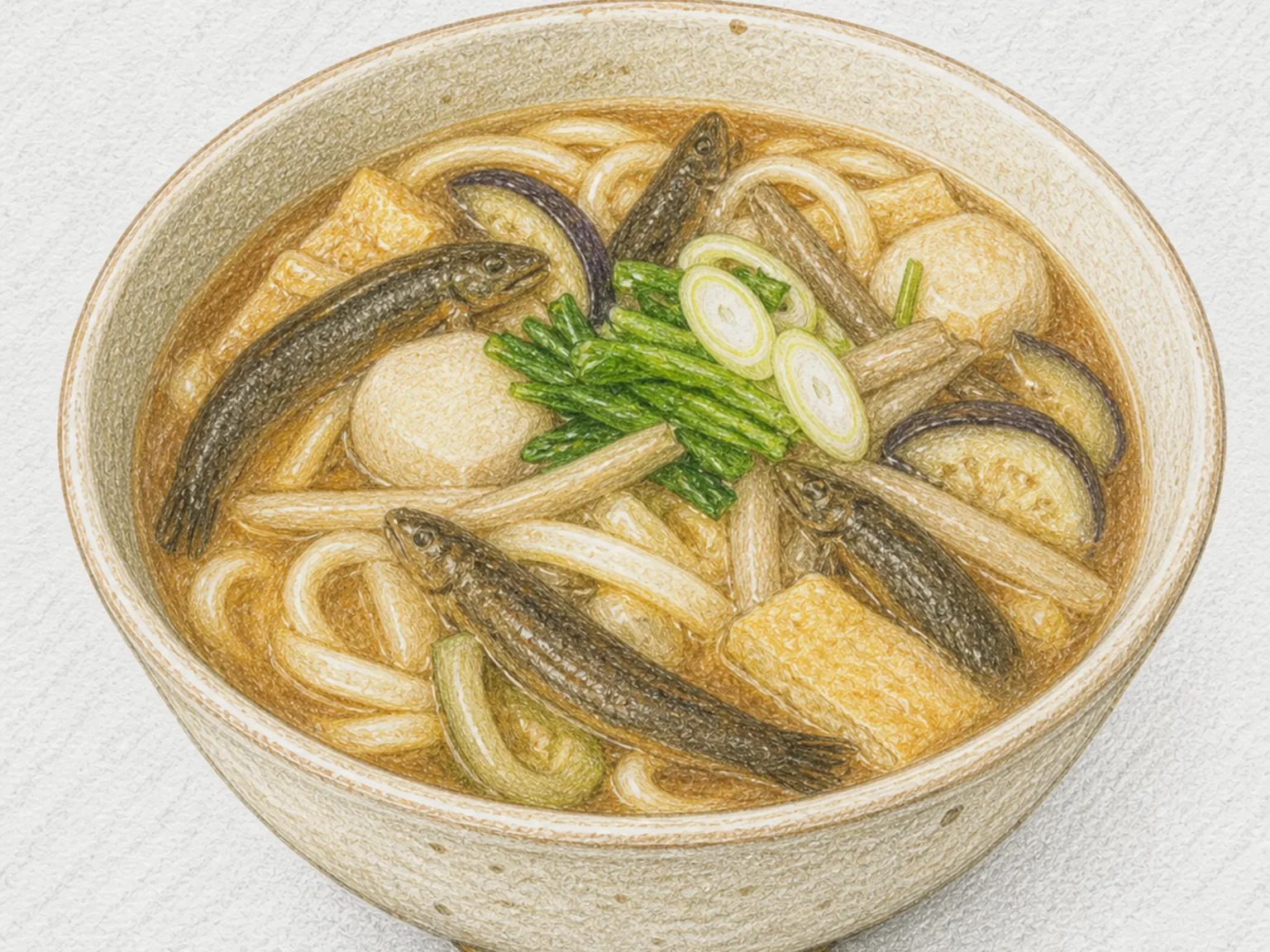
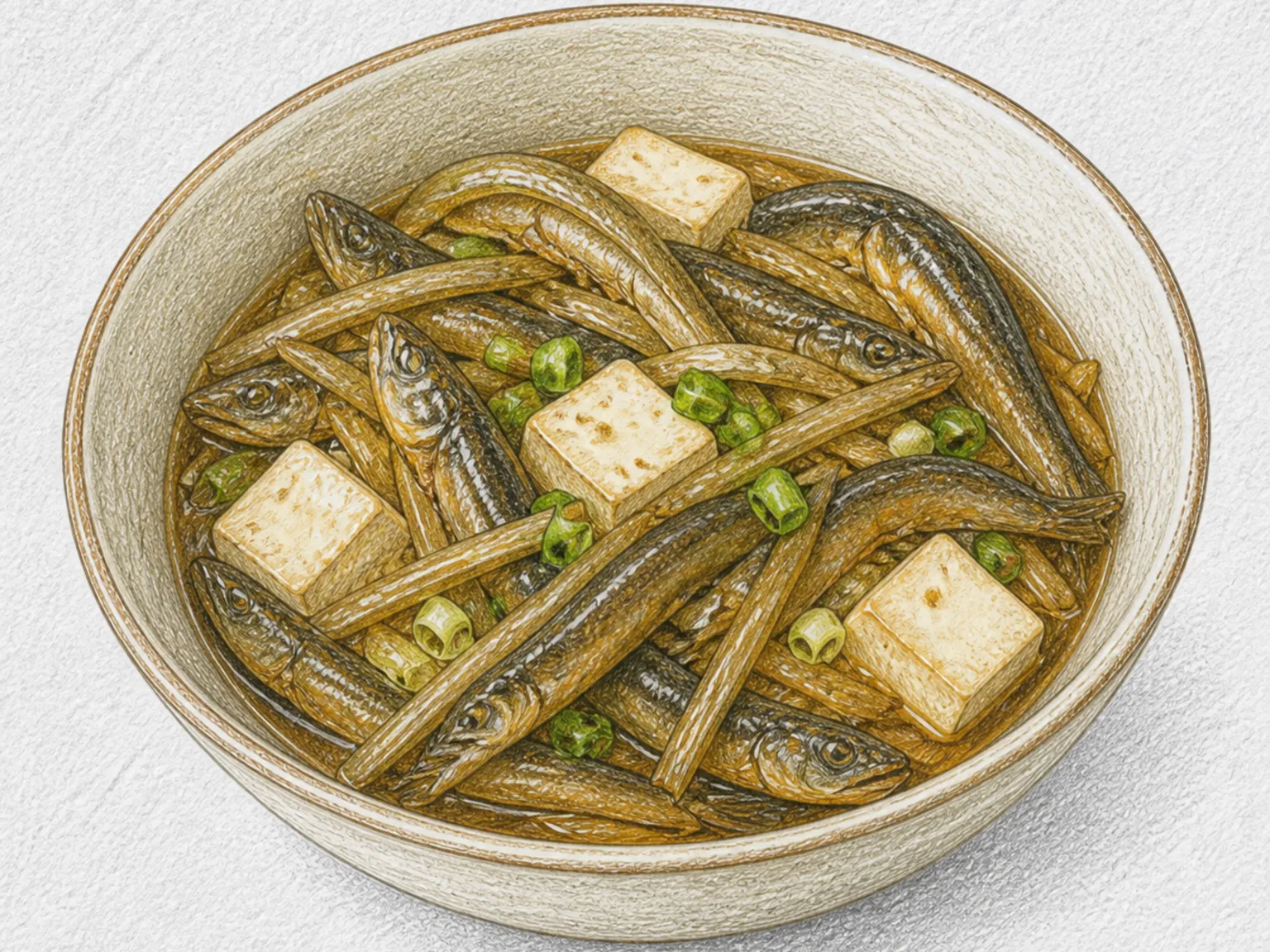
Dojo-ni is a freshwater fish stew from eastern Saitama in which cleaned loaches are simmered whole with burdock, tofu, and long onion in seasoned broth. The loaches are placed in a deep covered container and sake is poured in along the rim; once they stop moving, they are transferred to warishita made in a ratio of four parts water, one part sake, and one part soy sauce, with mirin added. Thinly shaved burdock enters at the same time and the pot is brought to a strong boil. The heat is then lowered before bite-size tofu and chopped onion are added. Cooking continues until the fish is opaque, thoroughly heated, and tender enough to eat with its small bones. The dish reflects river and paddy life around the Tone and Ayase basins, where loaches were caught from summer into autumn. Slender ones went into soup, while plump fish were reserved for whole stewing.

🏠 Everyday 🍺 Bar Snacks
Prep 25min Cook 30min 4 servings