Cooking Guides

Doenjang Jjigae vs Cheonggukjang: Taste, Aroma, and Cooking Differences

Doenjang jjigae and cheonggukjang are both Korean soybean stews, but the paste, aroma, texture, and cooking timing are different. This guide explains which one to cook first.

Doenjang Jjigae vs Cheonggukjang: Taste, Aroma, and Cooking Differences

Short Answer

Choose doenjang jjigae when you want a gentle, everyday Korean stew that works for most tables. Choose cheonggukjang jjigae when you want a stronger fermented aroma, a thicker broth, and a stew that tastes best spooned over rice.

Doenjang Jjigae vs Cheonggukjang

PointDoenjang jjigaeCheonggukjang jjigae
PasteMade with long-fermented doenjang soybean paste.Made with short-fermented cheonggukjang soybean paste.
FlavorEarthy, salty, balanced, and easy to pair with banchan.Stronger, nuttier, thicker, and more assertive.
AromaFermented but familiar and moderate.Pungent before and during cooking.
Common ingredientsTofu, potato, zucchini, onion, and chili.Tofu, zucchini, onion, kimchi, and visible soybean bits.
Cooking timingThe paste can go in early and simmer with the vegetables.The paste is usually added later and simmered briefly.
Best forFamily meals, first-time cooks, and tables with several side dishes.Fermentation lovers, rice bowls, and colder days.

How the Flavor Changes

Doenjang jjigae spreads the fermented soybean paste through the whole pot, so the saltiness, vegetable sweetness, and tofu stay balanced. Brisket doenjang jjigae adds beef fat for a rounder broth, while mushroom doenjang jjigae builds depth without meat.

Cheonggukjang jjigae puts the fermented soybean aroma at the front. The smell is strong, but boiling turns it into a deep, nutty flavor. For a lighter version, cheonggukjang-guk keeps the same fermented base with a higher broth ratio.

The Main Cooking Difference

Doenjang can be dissolved early and simmered with potato, zucchini, onion, and tofu. The flavor becomes rounder as the vegetables absorb the broth.

Cheonggukjang should not be boiled for too long. Add it after the broth and vegetables are already hot, then simmer for about 5 to 7 minutes. If the aroma feels too strong, use less cheonggukjang and blend in a small spoon of doenjang.

Which One Should You Cook First?

  • New to Korean stews: Start with doenjang jjigae. It is easier to balance and accepts more substitutions.
  • Already like fermented foods: Cook cheonggukjang jjigae. Its aroma and thick broth are the point.
  • Worried about the smell: Try doenjang jjigae first, then move to cheonggukjang-guk or cheonggukjang jjigae.
Featured Recipes

Korean Soybean Paste Stew
Stews Easy

Korean Soybean Paste Stew

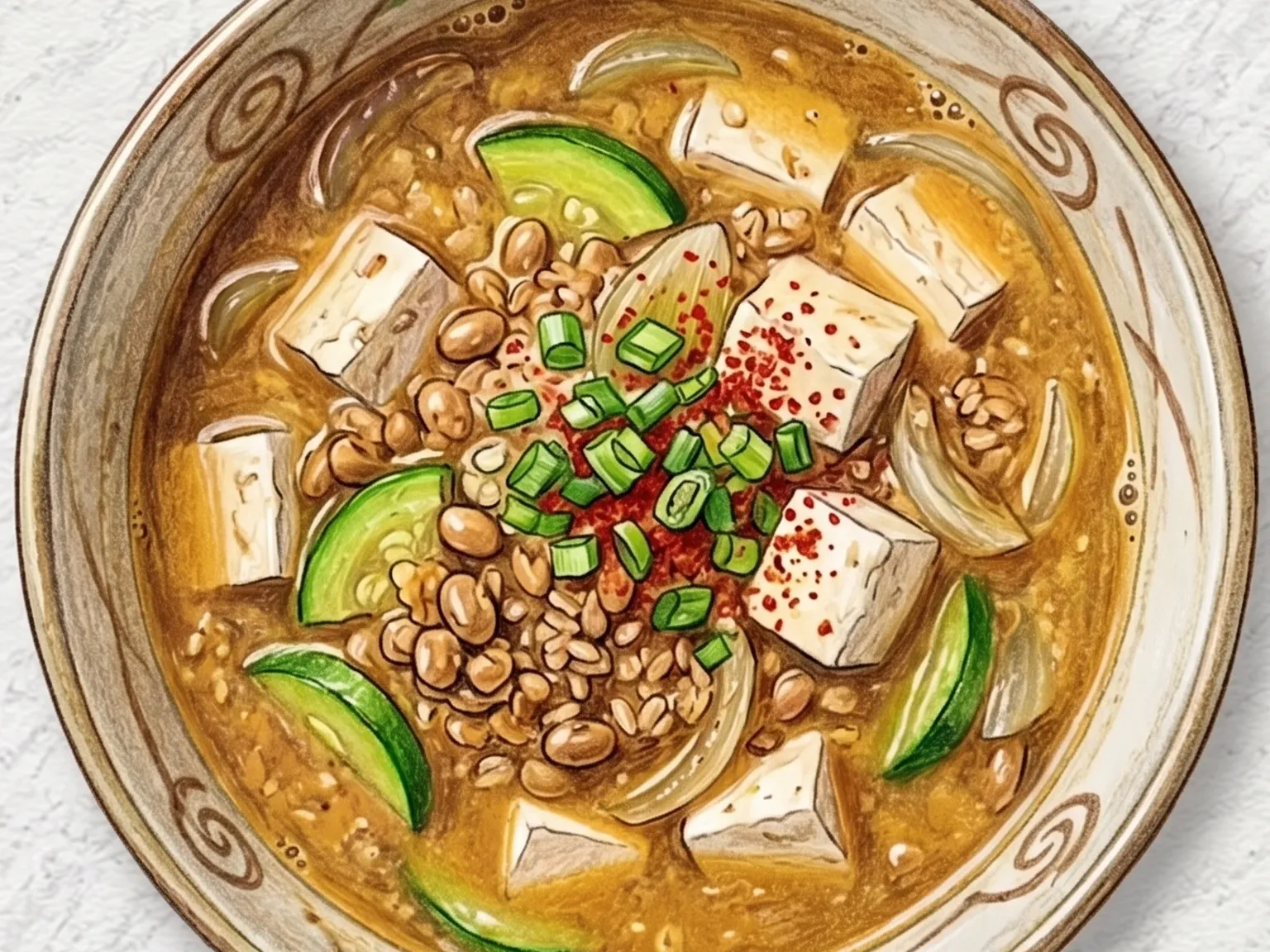
Doenjang-jjigae is a standard Korean stew made by dissolving fermented soybean paste in water and simmering it with vegetables and tofu. To ensure a smooth broth without grits, the paste is strained through a fine sieve into the water. Harder vegetables like potatoes and onions are added first to soften and release their natural sweetness into the broth. Zucchini and minced garlic follow, balancing the soup's richness. In the final stage, tofu and chopped green chili are added, providing a clean kick that cuts through the deep, earthy taste of the fermented soybean paste. Simmering green onions at the very end adds a fresh aroma. The savory stew pairs naturally with steamed rice and various side dishes.

🏠 Everyday 🥗 Light & Healthy
Prep 15min Cook 25min 4 servings
Cheonggukjang Jjigae (Korean Fermented Soybean Stew)
Stews Easy

Cheonggukjang Jjigae (Korean Fermented Soybean Stew)

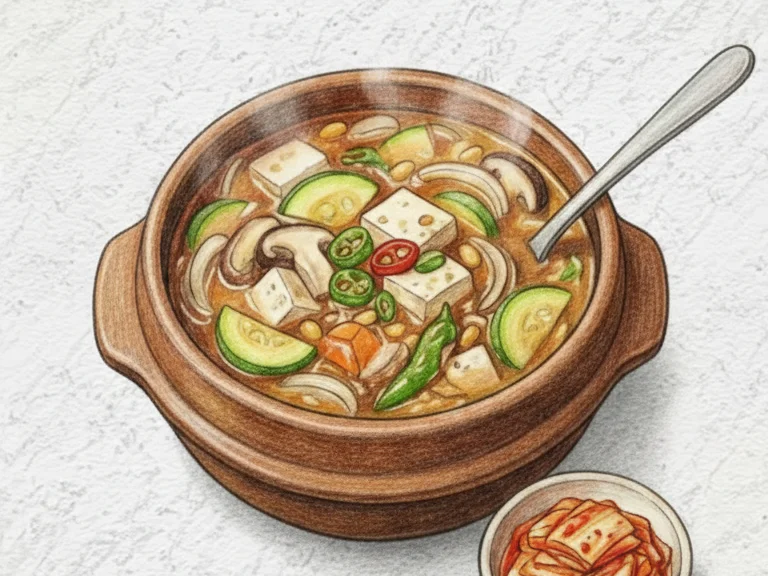
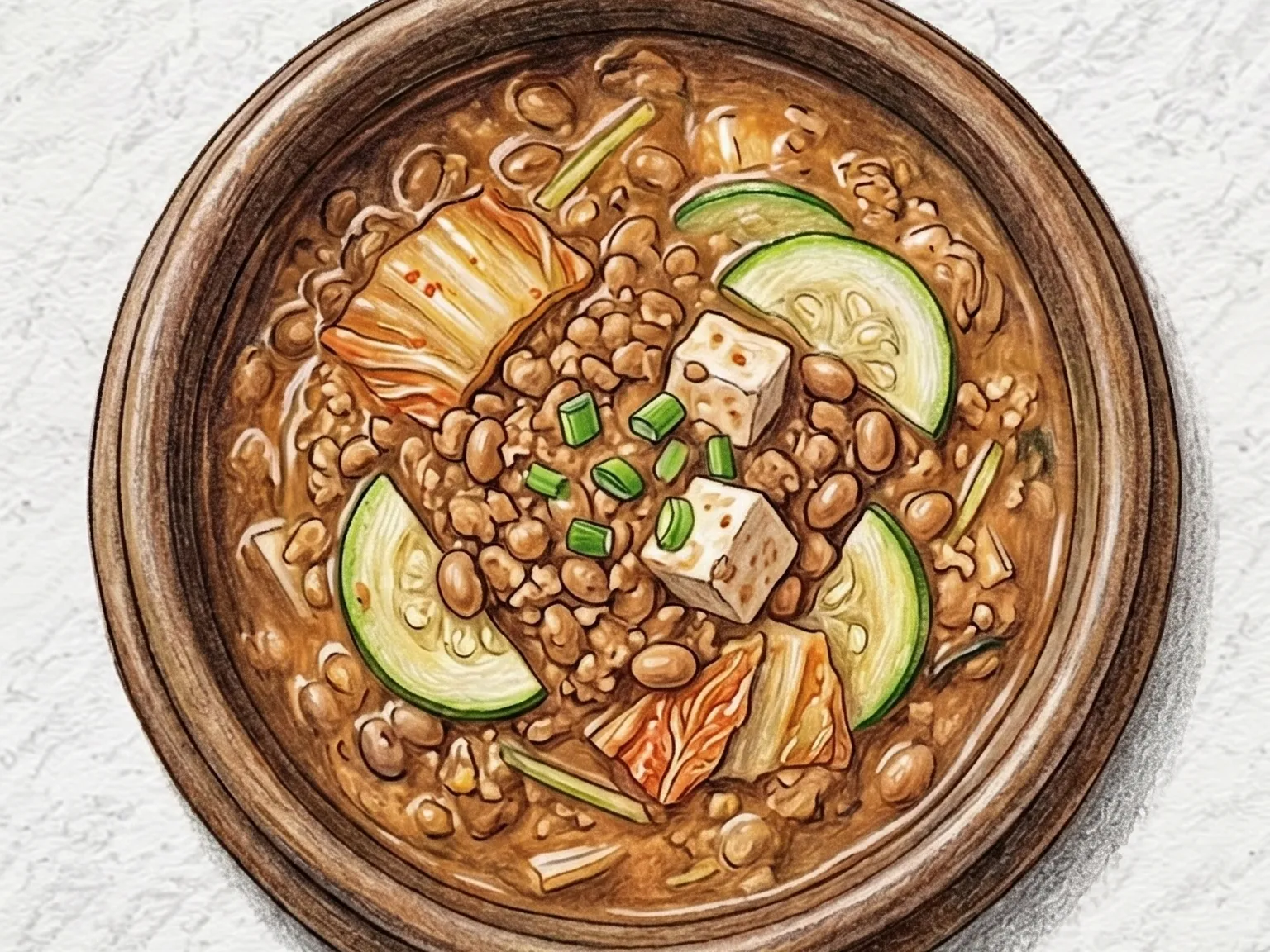
Cheonggukjang is a traditional Korean stew prepared with fast-fermented soybean paste, tofu, zucchini, and kimchi. The short fermentation process gives the paste a strong, pungent aroma that mellows into a deep, nutty flavor when cooked. Preparation starts by boiling water with chopped kimchi and onions to build a red, savory base. The fermented paste is then dissolved into the boiling broth, followed by the addition of tofu cubes, zucchini half-moons, chili flakes, and minced garlic. Simmering is limited to a brief five to seven minutes, as overcooking can cause the characteristic aroma of the paste to evaporate. Sliced green onions are added for the final minute of cooking. Typically served hot in a stone pot, the thick stew is poured over freshly steamed rice, showcasing the unique sticky texture created by the fermented soybeans.

🏠 Everyday ⚡ Quick
Prep 10min Cook 15min 2 servings
Korean Fermented Soybean Soup
Soups Easy

Korean Fermented Soybean Soup

Cheonggukjang-guk is a soup where cheonggukjang -- a short-fermented soybean paste with an assertive, pungent aroma that distinguishes it from the milder doenjang -- is dissolved into anchovy-kelp stock and simmered with zucchini, onion, and tofu. The paste infuses the broth with a deep, earthy fermented quality that forms the core character of the soup. Zucchini and onion contribute natural sweetness that tempers the intensity of the fermented base, keeping the overall flavor approachable rather than overwhelming. Tofu is added partway through to absorb the broth without breaking apart, adding a soft textural contrast. Red chili flakes and sliced green onion go in at the end, lifting the finish with a gentle heat. Because cheonggukjang ferments faster and more aggressively than doenjang, its flavor is noticeably stronger -- starting with a smaller quantity and adjusting to taste is advised for first-time cooks.

🏠 Everyday
Prep 15min Cook 20min 2 servings
Korean Brisket Soybean Paste Stew
Stews Easy

Korean Brisket Soybean Paste Stew

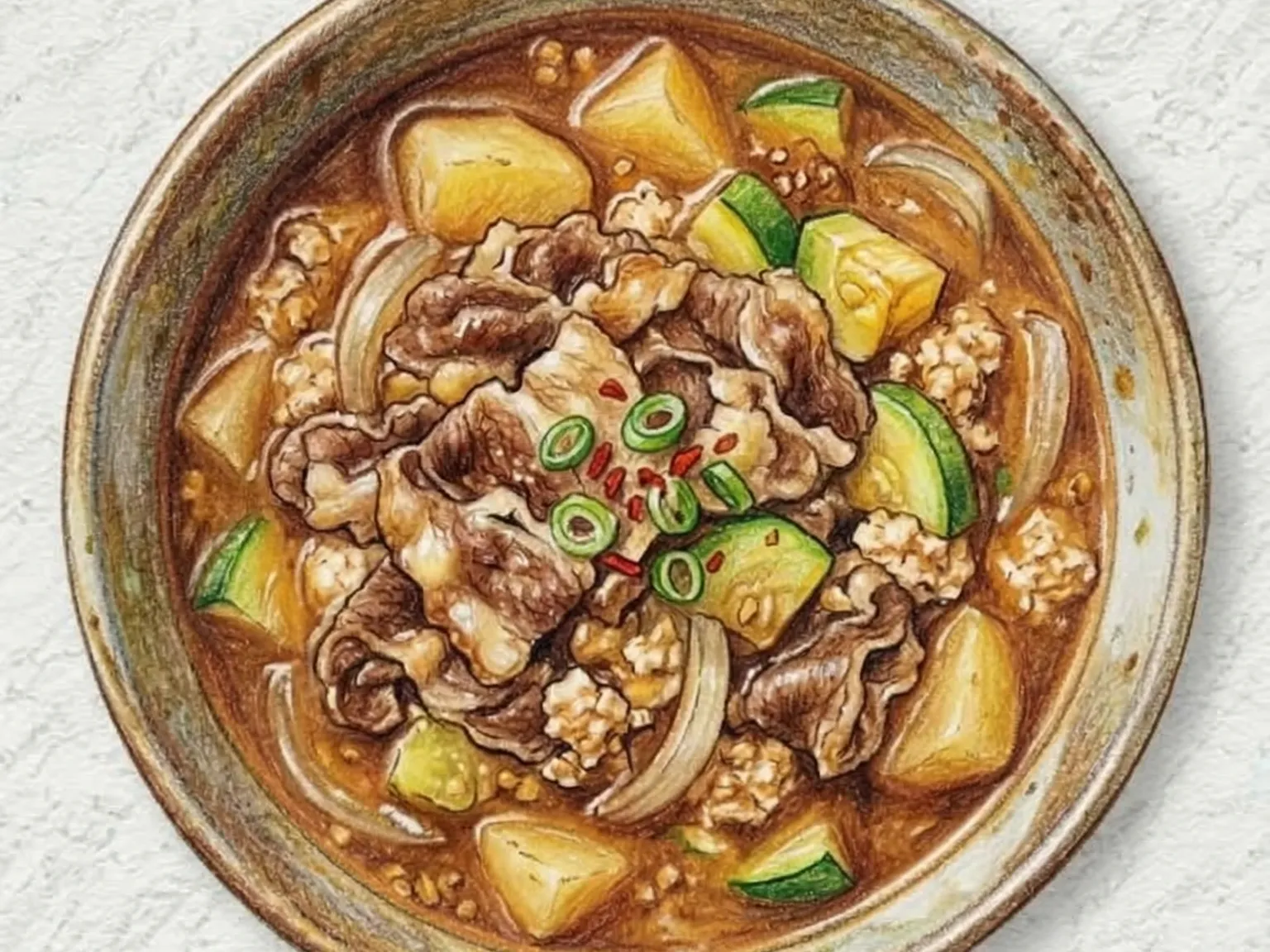
Thinly sliced brisket is added to the classic soybean paste stew base of rice-rinsing water and doenjang, cooked together with potato, zucchini, tofu, and cheongyang chili. The marbled fat in the brisket renders into the broth as it cooks, building a richer and more savory base than the standard vegetable-only version. The cheongyang chili delivers a sharp heat that makes this stew especially good with a bowl of rice. Adding the brisket slices after the vegetables have softened partially prevents the meat from overcooking and turning tough during the remaining simmer time.

🏠 Everyday ⚡ Quick
Prep 10min Cook 15min 2 servings
Korean Mushroom Doenjang Stew
Stews Easy

Korean Mushroom Doenjang Stew

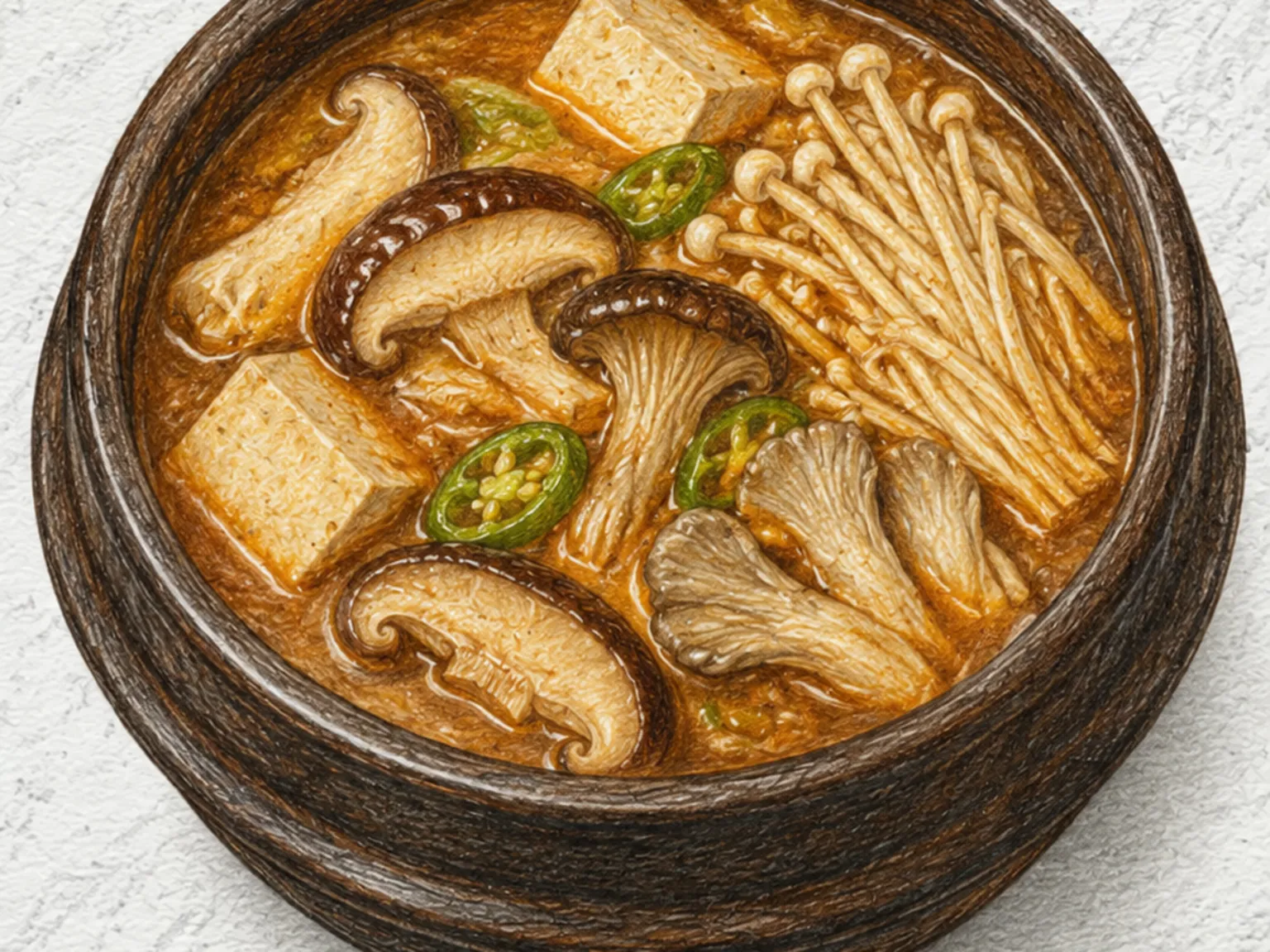
Shiitake, oyster, and enoki mushrooms are simmered together in doenjang-seasoned anchovy broth. The anchovy stock lays the foundational depth of umami, and each mushroom type adds its own compounds to the broth as they cook, building flavor in distinct layers. Shiitake holds its meaty chew, oyster mushroom separates into silky strands along its grain, and enoki stays crisp, so the bowl delivers varied textures from a single pot. Soft tofu absorbs the broth all the way through, carrying the fermented soybean flavor to the center of each cube. The stew is satisfying as a full meal without any meat. A sliced cheongyang chili sharpens the finish if extra heat is wanted.

🏠 Everyday 🥗 Light & Healthy
Prep 15min Cook 20min 3 servings

Related Categories and Tags

Frequently Asked Questions

Are doenjang jjigae and cheonggukjang the same dish?

No. Both use fermented soybeans, but doenjang jjigae uses long-fermented doenjang paste, while cheonggukjang uses a short-fermented soybean paste with a stronger aroma.

Can I make cheonggukjang smell milder?

Use a smaller amount of cheonggukjang and blend in a little doenjang. Adding cheonggukjang near the end instead of boiling it for a long time also keeps the flavor cleaner.

Which stew is better for a first-time cook?

Doenjang jjigae is usually easier. Its flavor is more moderate, and it works well with common ingredients like tofu, potato, zucchini, and onion.

More Guides