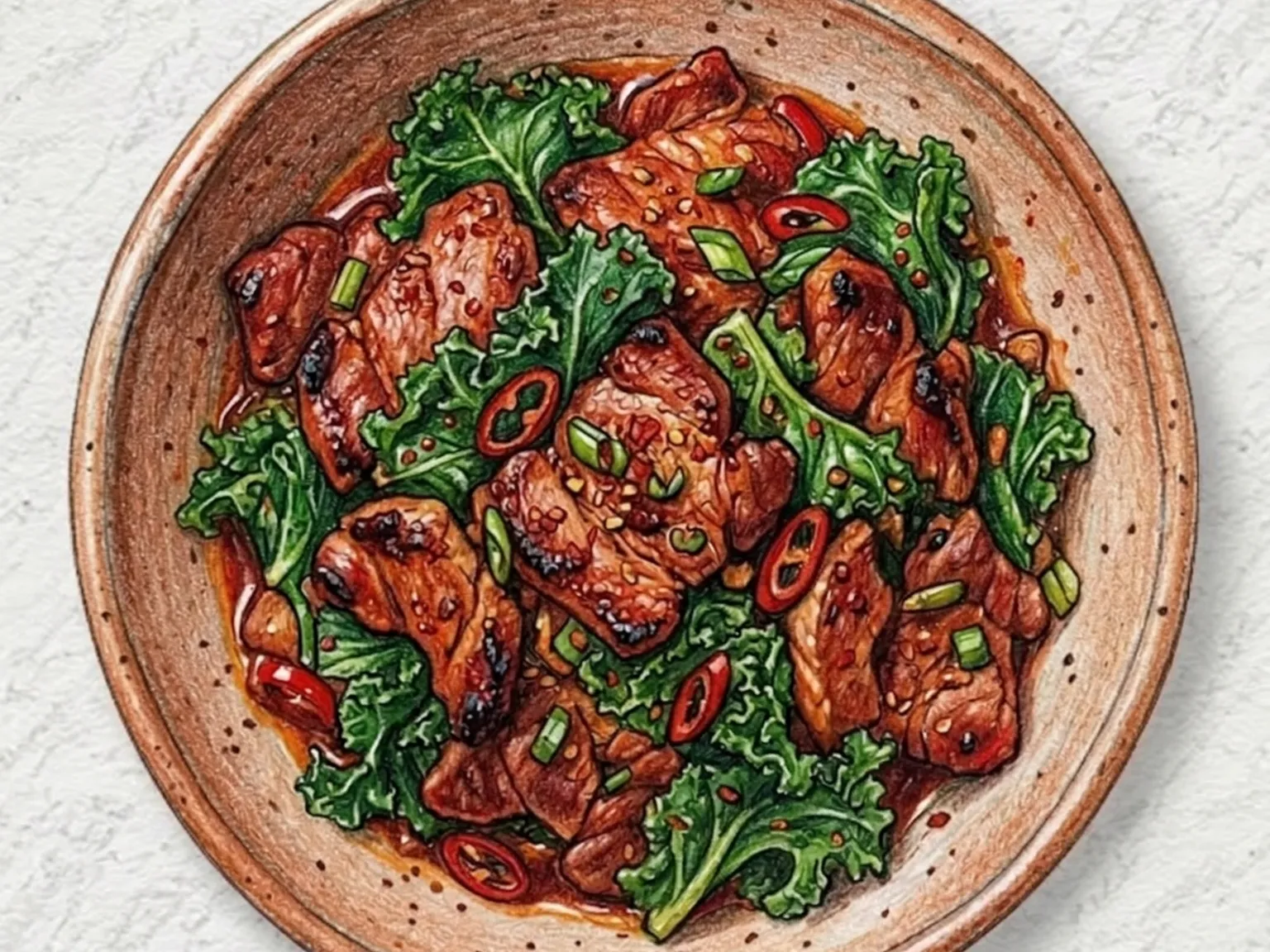
Korean Stir-Fried Kale and Pork with Gochugaru
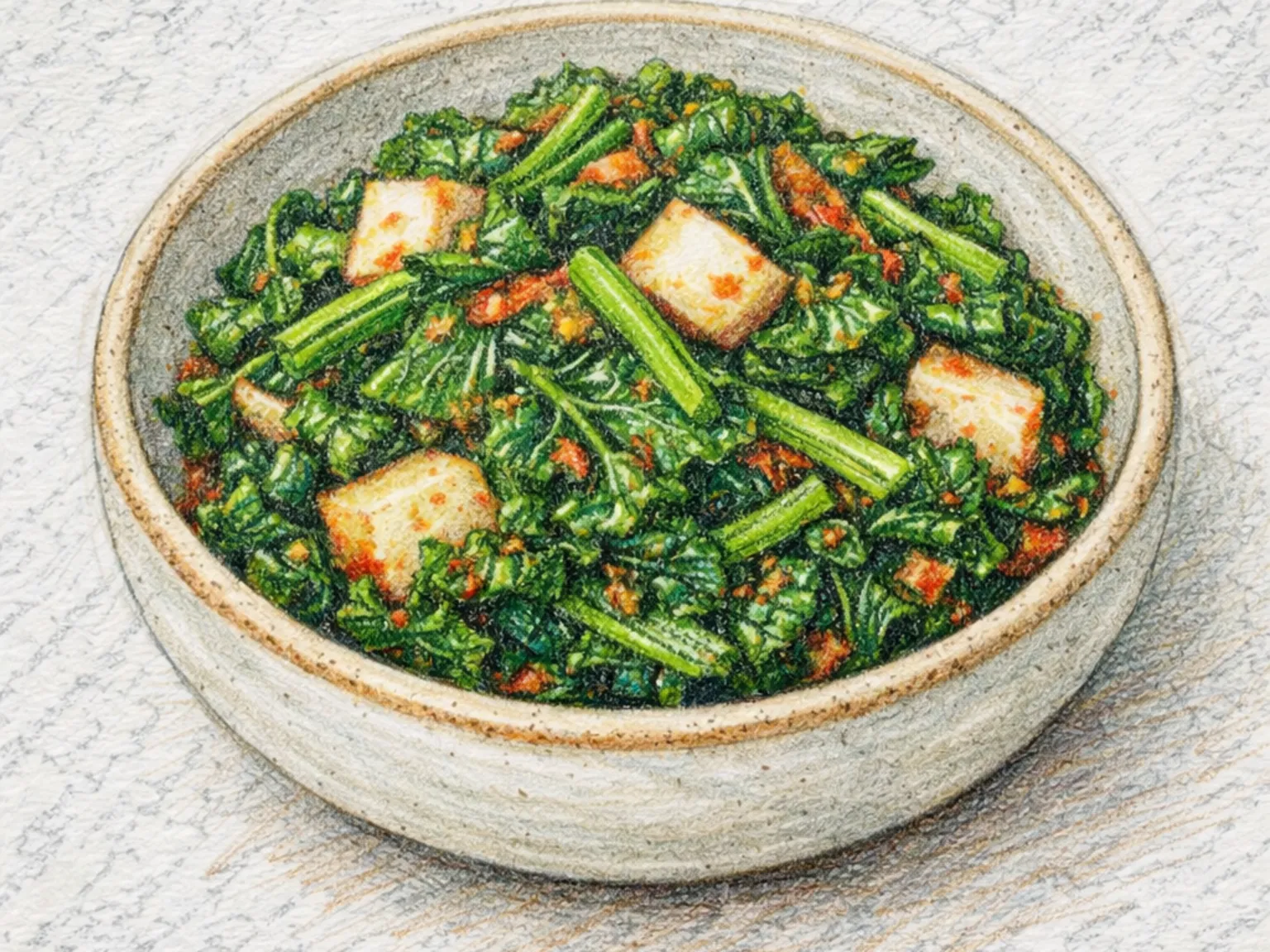
Kale, usually eaten raw as a leaf wrap in Korea, is stir-fried here into chili-seasoned pork. It stays bright green and stands out against the red meat.
10 recipes. Page 1 of 1
As an Amazon Associate, we may earn from qualifying purchases.
Kale, usually eaten raw as a leaf wrap in Korea, is stir-fried here into chili-seasoned pork. It stays bright green and stands out against the red meat.
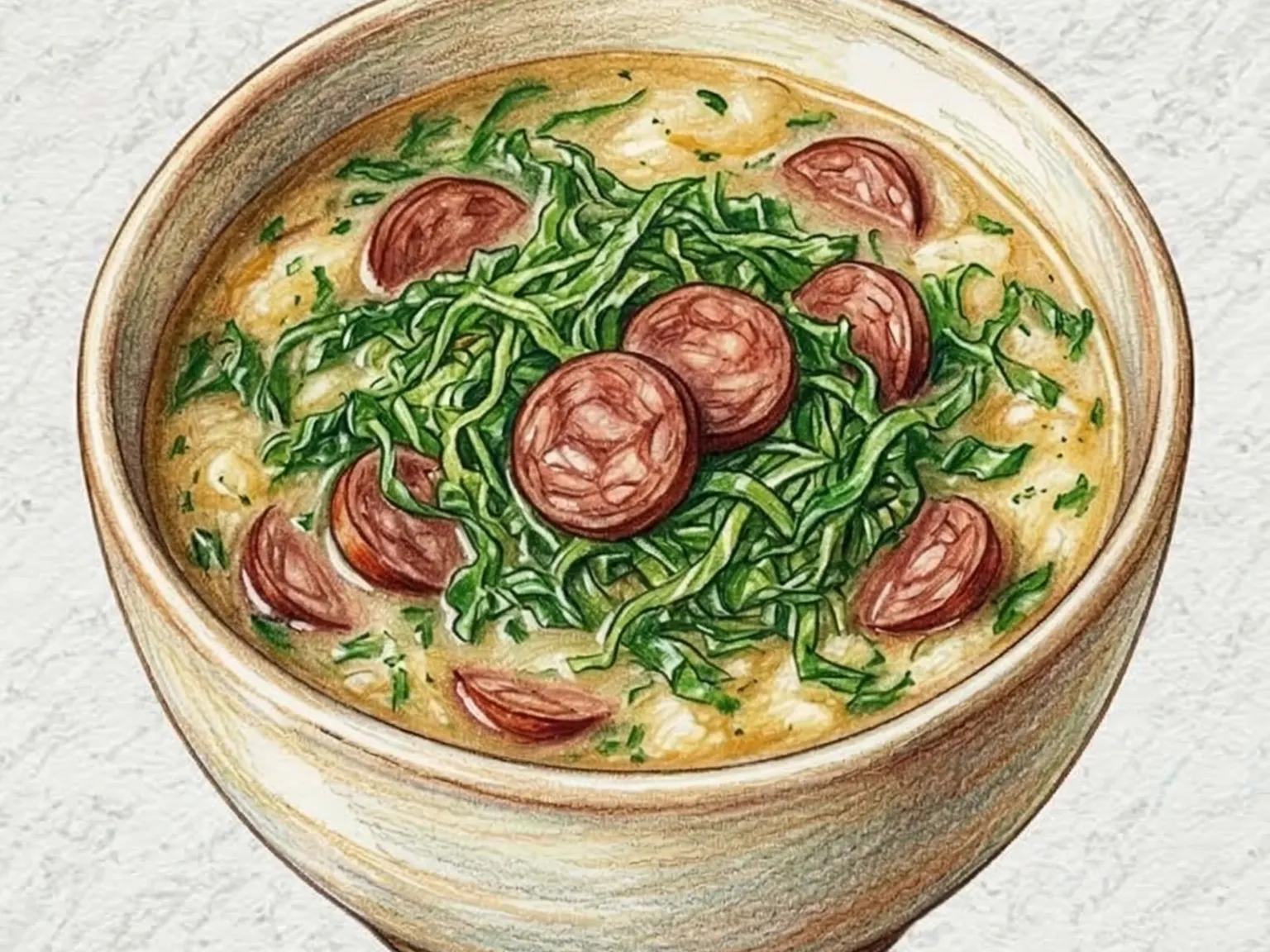
Caldo verde means green broth in Portuguese. The soup is thickened with nothing but blended potato, no cream, and carries kale cut fine as thread along with a few slices of smoked sausage.
Kale's strong green smell mellows as it ferments while the leaves keep a firm bite, giving a kimchi that chews more than napa cabbage kimchi does. Julienned radish adds crunch, and soup soy sauce, rather than fish sauce, supplies the salty depth. Pear puree, or apple puree in its place, wraps the chili heat in fruit sweetness and balances the slightly bitter finish of the kale. It tastes best from the day after making, once the seasoning has settled into the leaves overnight.
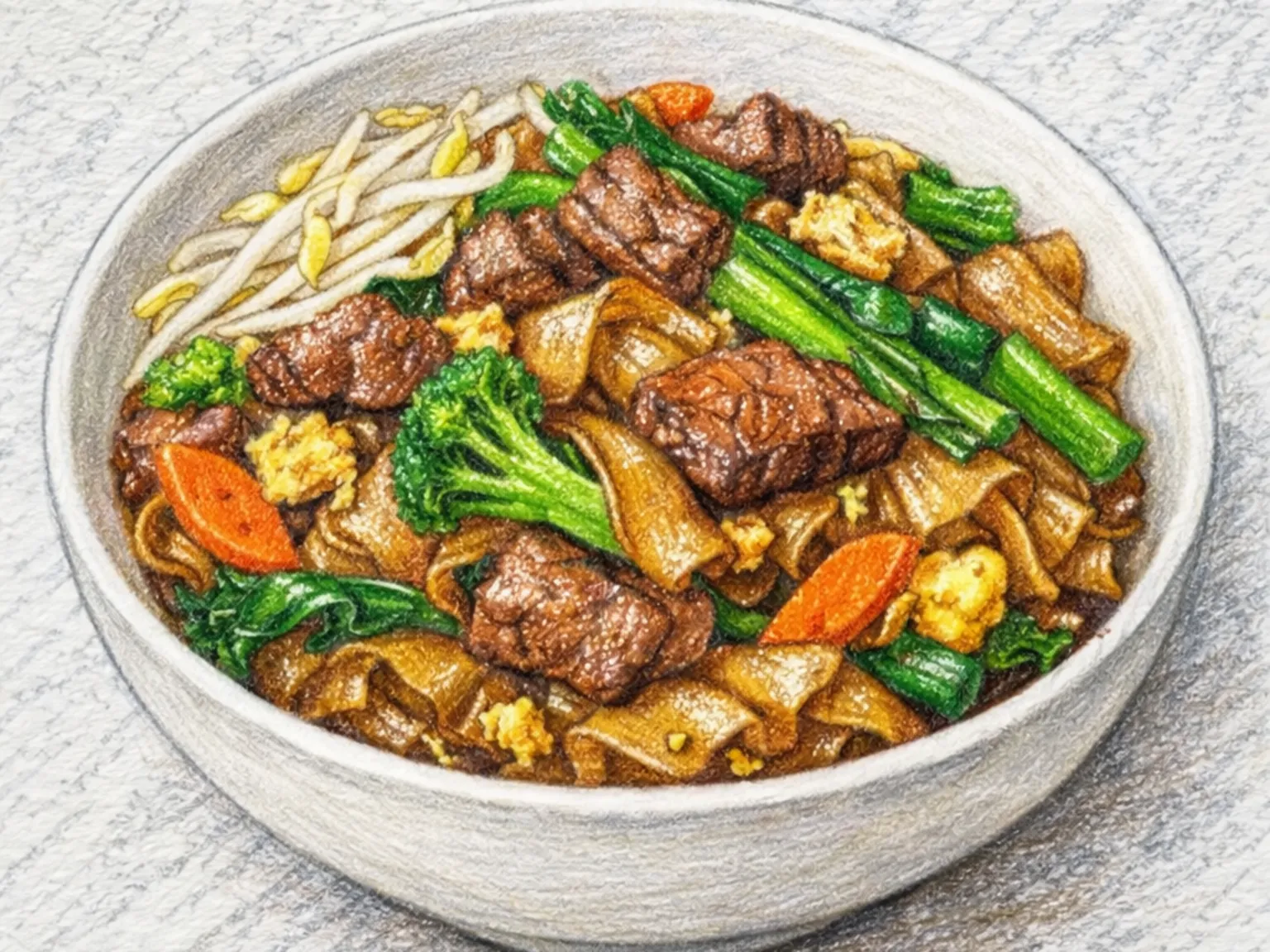
Wide rice noodles pressed against a hot wok for about 20 seconds pick up charred patches, and those toasty spots make pad see ew taste like more than soy-sauced noodles. Dark soy sauce does the coloring, turning the noodles deep brown alongside regular soy and oyster sauce, with a little sugar for sweetness. The wide strands tear easily, so they get lifted and turned in big motions rather than stirred. Kale provides the green, its stems going in ahead of the leaves.
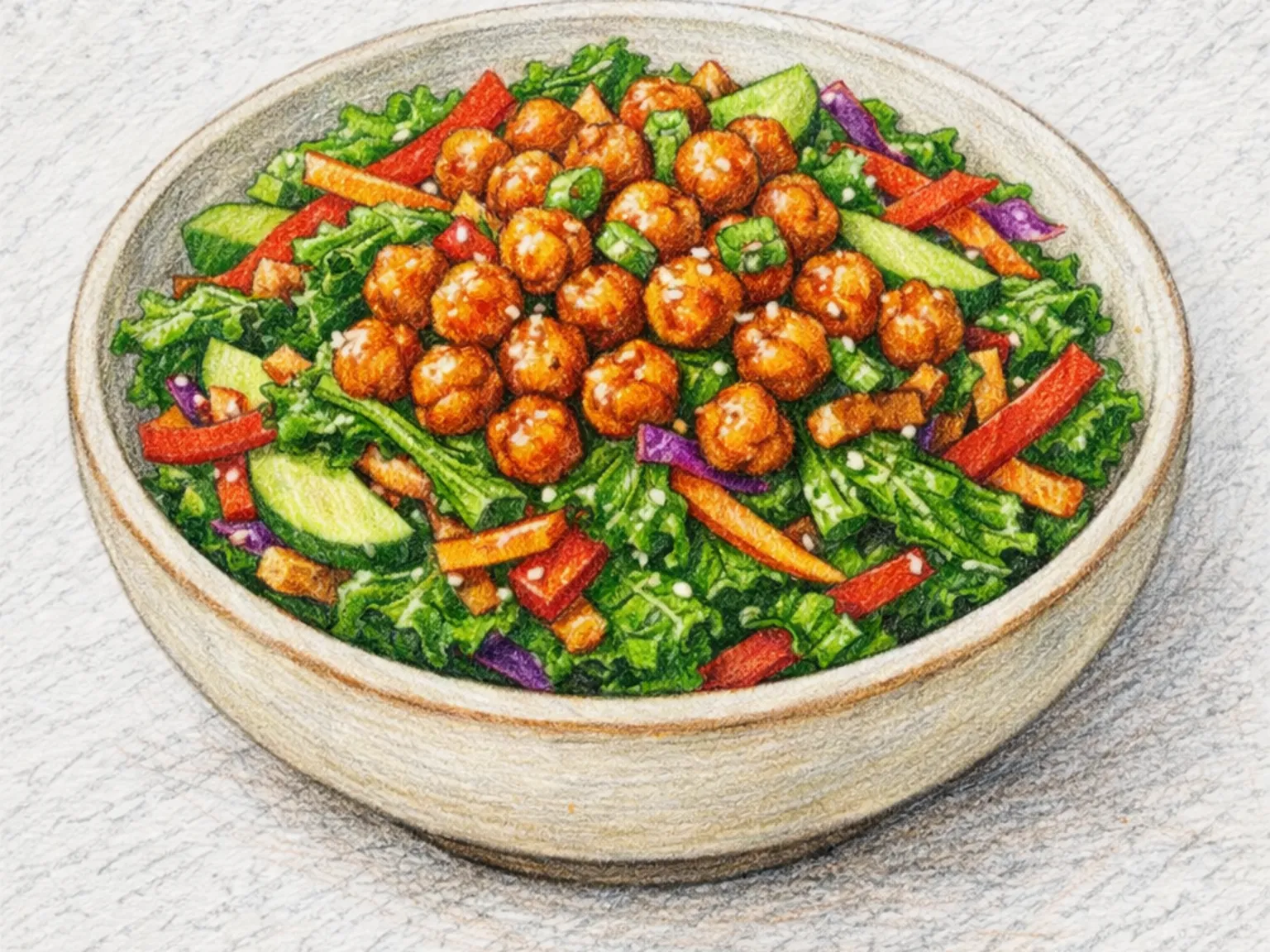
Chickpeas roasted at 200 degrees until crisp play the part of croutons in this bowl of kale, red cabbage, carrot and cucumber. The gochujang dressing, rounded out with maple syrup and rice vinegar, brings heat, sweetness and acidity at once and covers the grassy taste of the raw vegetables. Massaging the kale by hand for a minute softens its tough fibers and takes the edge off its bitterness.
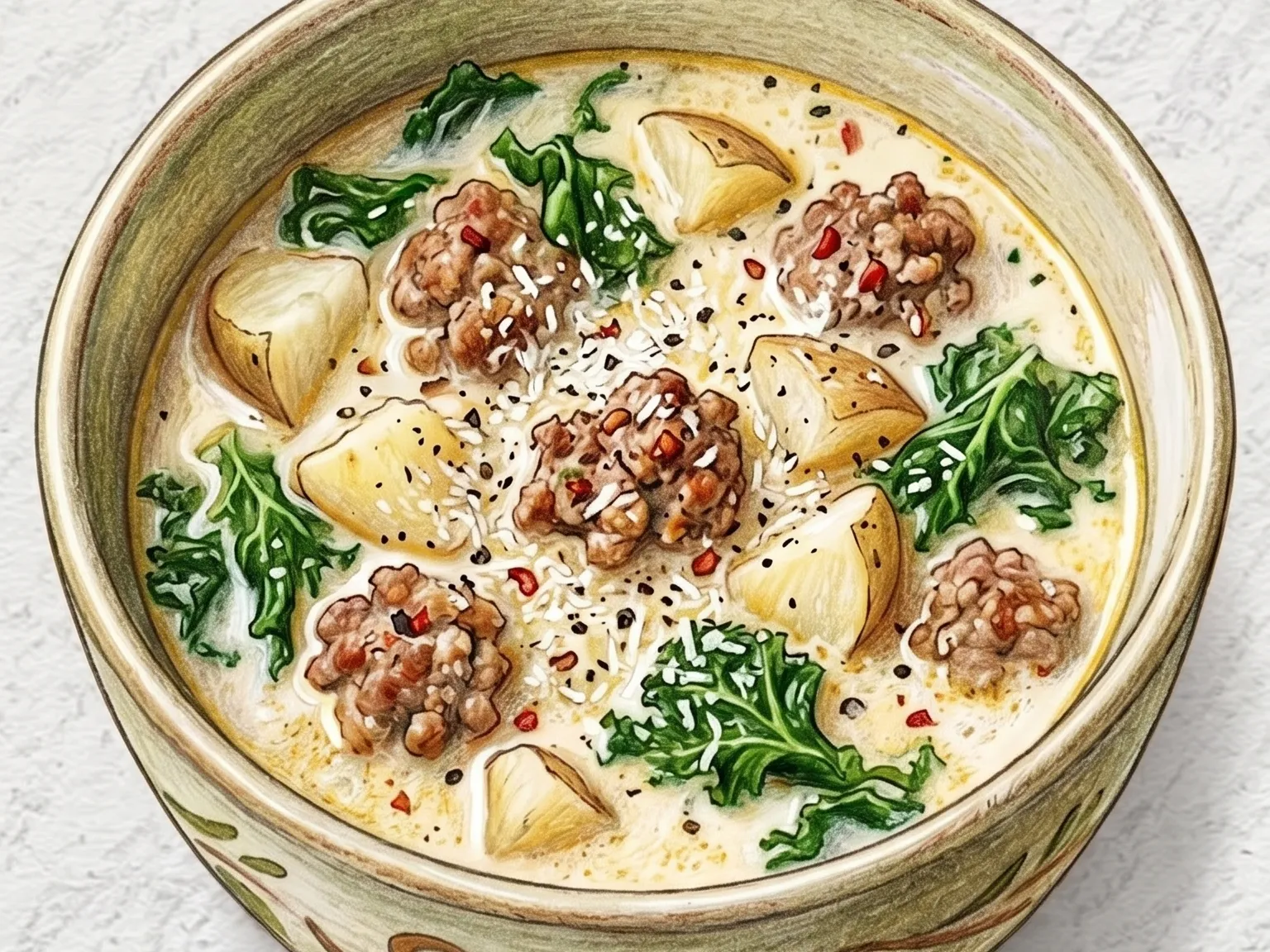
Raw Italian sausage, out of its casing and crumbled, is browned first, and its fat becomes the cooking oil for the onion and garlic. When the chicken stock goes in, the brown layer on the bottom of the pot is scraped up too, carrying the sausage flavor through the whole soup. Potatoes are cut no thinner than 0.5 cm to hold their shape, and the cream is only warmed over low heat at the end.
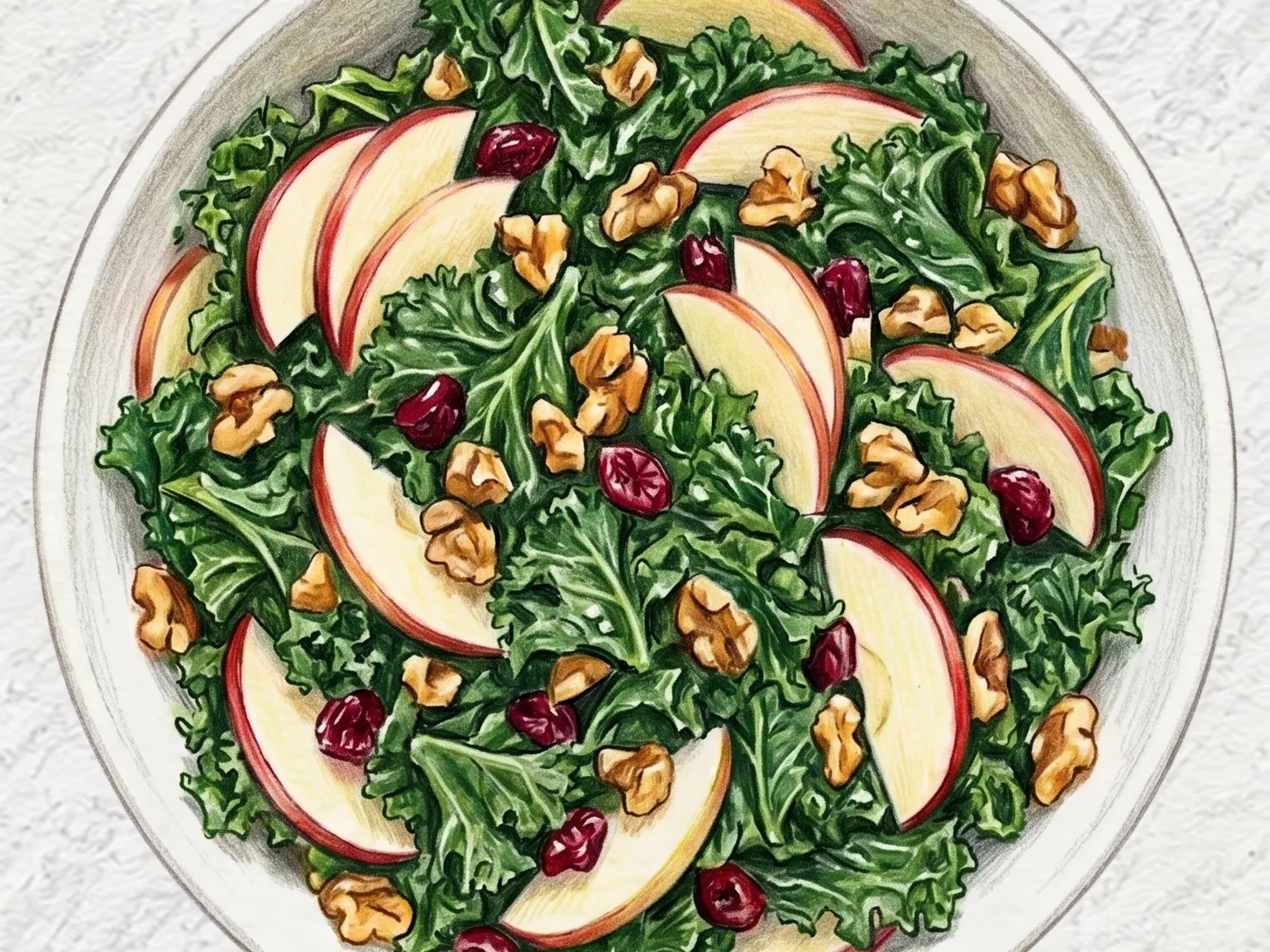
Raw kale is fibrous and scratchy, but massaging it with half the dressing darkens the leaves, shrinks their volume and makes them easy to chew. Lemon juice softens the kale's bitterness, while olive oil and honey round out the acidity. Thin apple slices get a light coat of dressing as soon as they are cut, and they stay pale while the rest is prepared. Just 1 minute in a dry pan brings oil to the surface of the walnuts and makes them far more fragrant. Dried cranberries scattered through the bowl add small sweet-tart bursts.
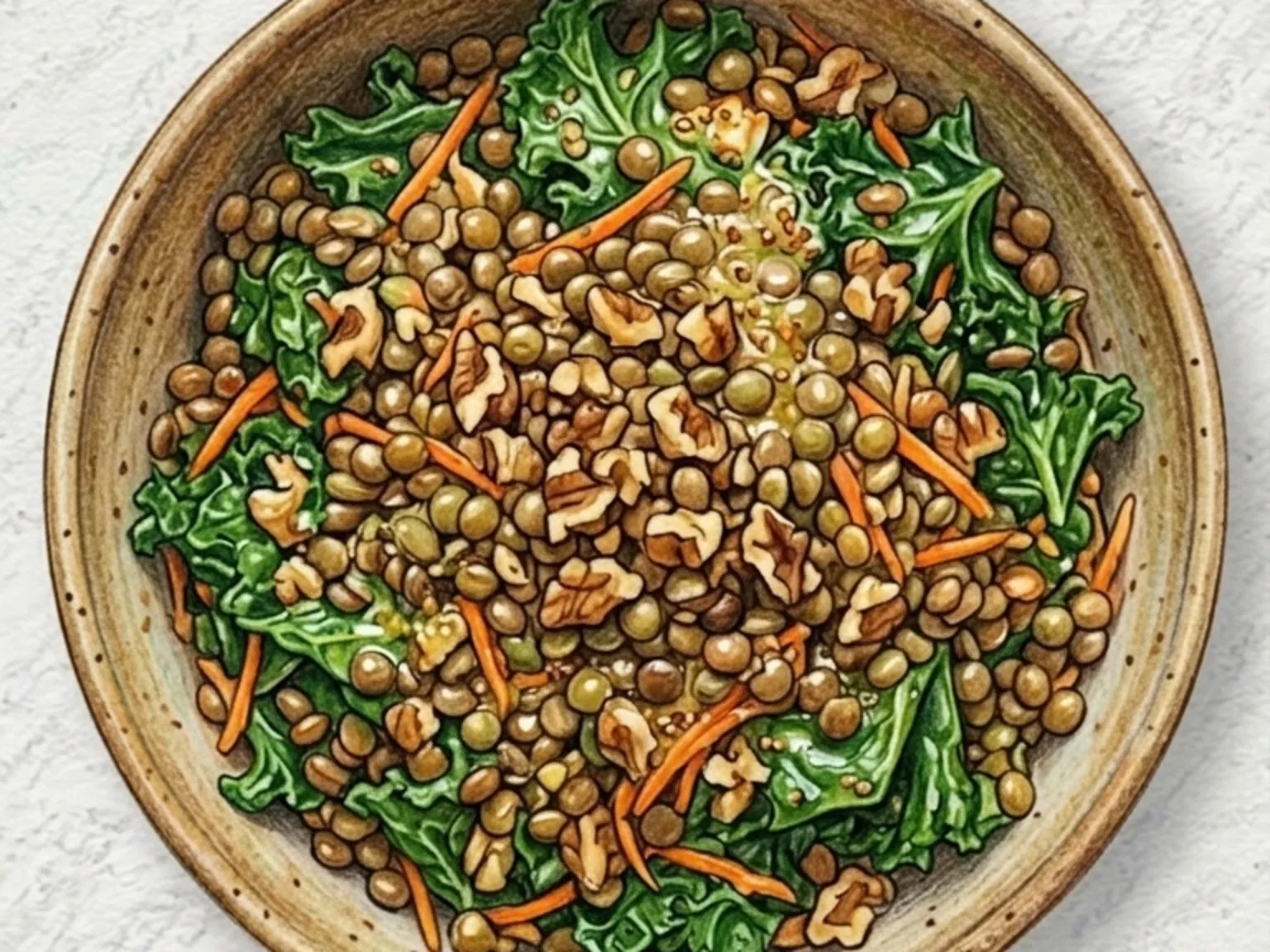
Lentils and kale make this a salad that eats like a meal. Raw kale is tough and bitter on its own, but working part of the dressing into the leaves first darkens and softens them so they sit easily with the lentils. The lentils come off the heat after 20 to 25 minutes, while they still resist the teeth a little, before they turn to mush. The lemon vinaigrette is thickened with Dijon mustard, which keeps the oil from separating and helps it cling to each lentil. Coarsely chopped walnuts add crunch, and shredded carrot brings sweetness and color.
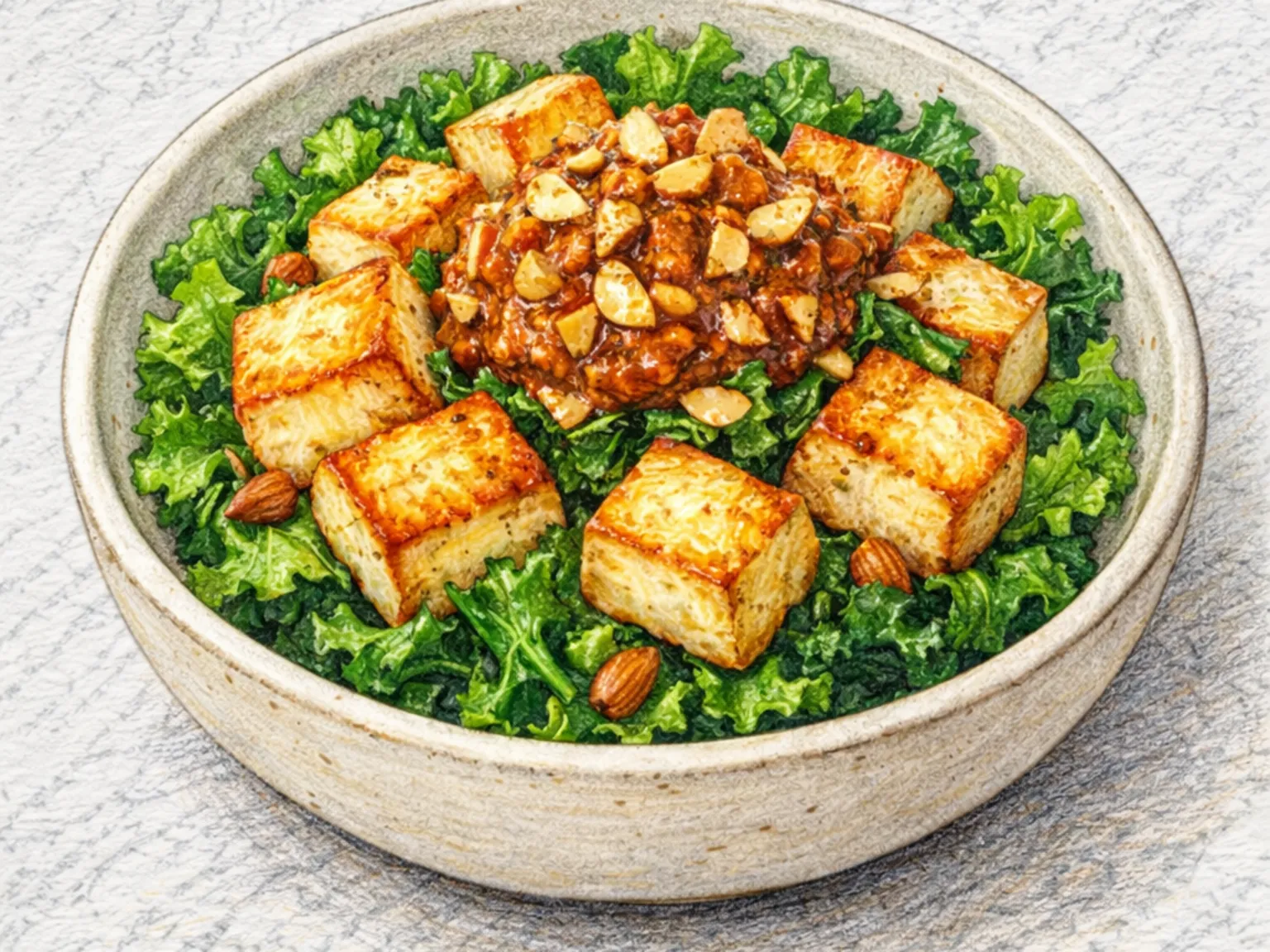
Thinned with lemon juice, ssamjang (the soybean and chili dipping paste used for Korean lettuce wraps) becomes a savory dressing sturdy enough for raw kale. The kale's slight bitterness suits that nutty, salty depth, and red cabbage and cucumber add juicy crunch. Golden pan-seared tofu edges and sliced almonds supply the crunch in the name; scatter the almonds at the last minute so they stay crisp.
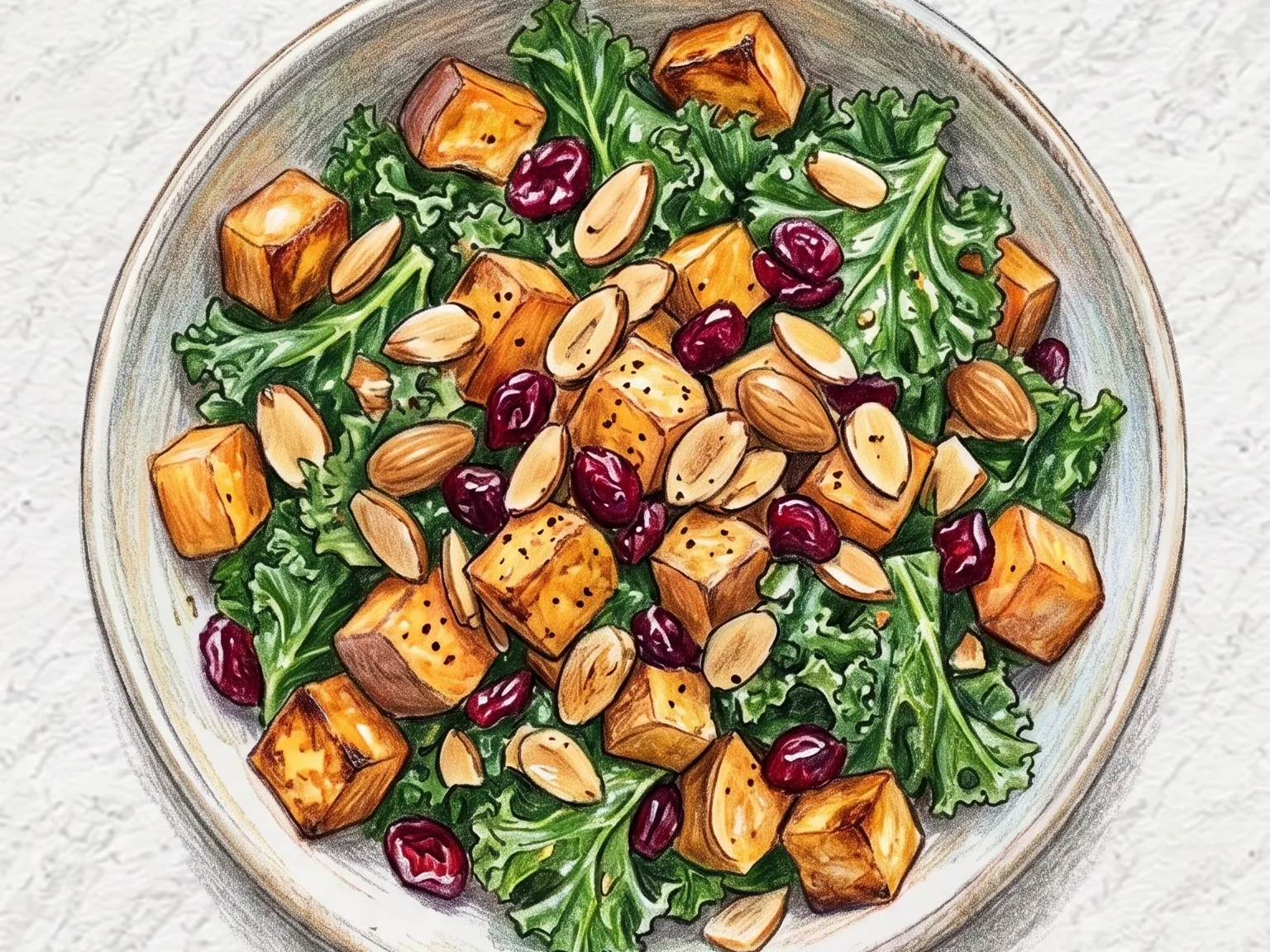
Sweet potato roasted until its edges caramelize gives sturdy, bitter kale a sweet counterweight, enough to make this a filling bowl on its own. Almonds add crunch and dried cranberries a sour note, while a Dijon, lemon, and honey dressing keeps it bright. Cool the roasted cubes completely before they meet the kale, since leftover heat softens the leaves too far, and lift gently from underneath when mixing so the cubes stay intact.