Lemon Pound Cake

Lemon Pound Cake

Quick answer

A dense, buttery pound cake elevated by the brightness of fresh lemon zest and juice.

What makes this special

  • Fresh lemon zest and juice lift the dense, buttery crumb of this Lemon Pound Cake.
  • Natural top crack at 175°C for 55-60 min signals a properly baked pound cake
  • Zest rubbed into flour first disperses lemon oils evenly through the batter
Total time
80 min
Level
Easy
Servings
8 servings
Ingredients
8
Calories
350 kcal
Protein
5 g

Key ingredients

buttersugareggsflourlemon zest

Core cooking flow

  1. 1 Bring 200 g butter and 4 eggs to room temperature before mixing.
  2. 2 Grate only the yellow peel from 2 lemons, then rub the zest into 200 g flour with your fingertips.
  3. 3 Beat the butter on medium speed until creamy, then add 200 g sugar in portions.

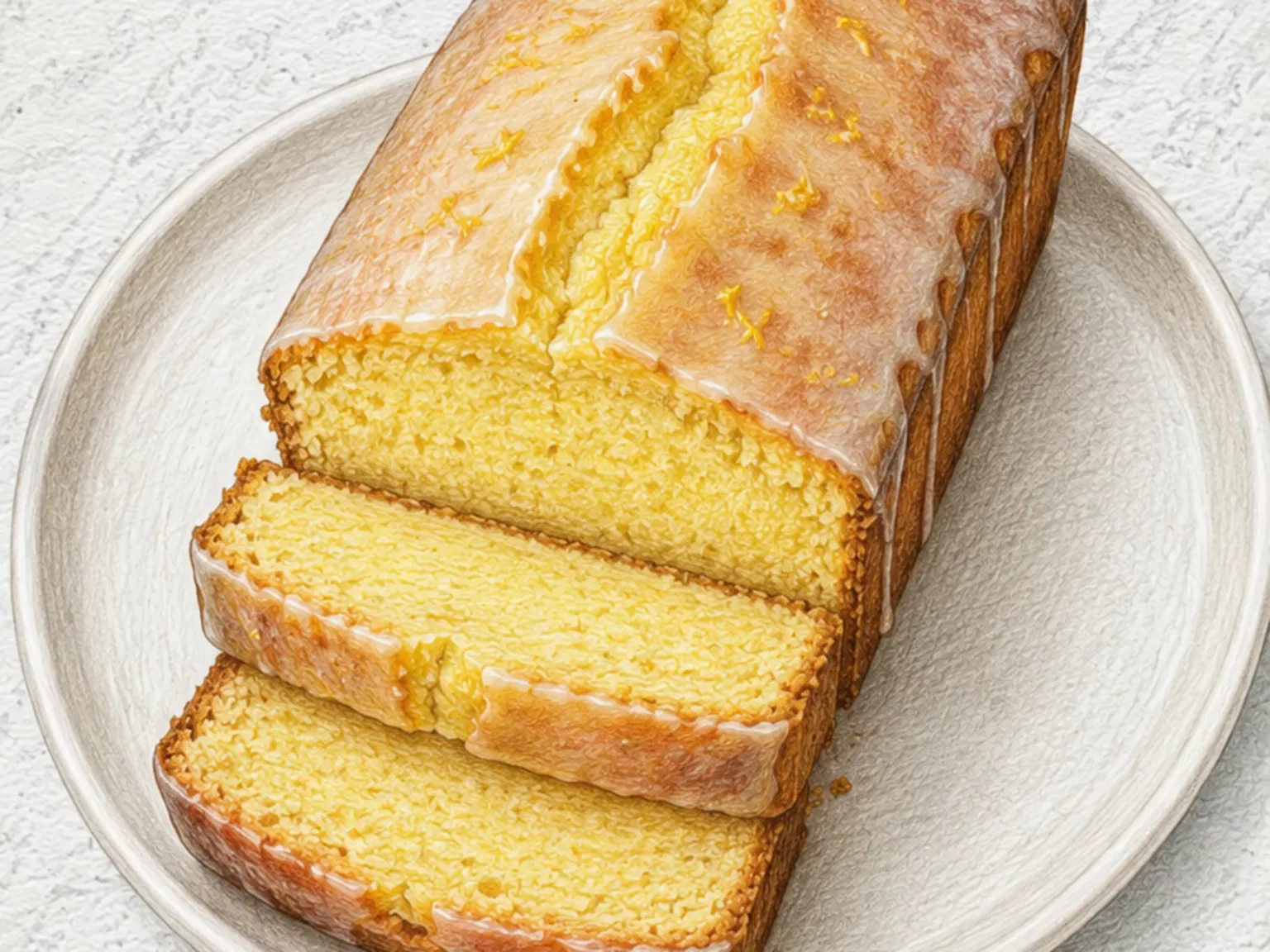
A dense, buttery pound cake elevated by the brightness of fresh lemon zest and juice. Creaming the butter and sugar until light introduces air pockets that keep the heavy crumb from becoming leaden, and adding eggs one at a time ensures the emulsion stays stable. Rubbing the lemon zest into the flour before combining releases its essential oils evenly throughout the batter, so every slice carries the same citrus intensity. Lemon juice raises the batter's acidity just enough to maintain a tender, fine crumb rather than a tough one. During roughly an hour at 175 degrees Celsius, the top splits into the characteristic crack that signals a properly risen pound cake. After cooling completely, a glaze of powdered sugar and lemon juice is drizzled over the surface, hardening into a thin, translucent shell that adds sweetness and a subtle sheen. Wrapped and rested overnight, the lemon flavor deepens as the oils permeate every layer of crumb.

Prep 20min Cook 60min 8 servings

Instructions

Read the steps as a cooking flow: prep, heat, seasoning, doneness control, and finish.

6 steps
  1. 1
    Prep

    Bring 200 g butter and 4 eggs to room temperature before mixing.

    Line a loaf pan with parchment, then preheat the oven to 175C so the batter can go in as soon as it is ready.

  2. 2
    Step

    Grate only the yellow peel from 2 lemons, then rub the zest into 200 g flour with your fingertips.

    Sift it together with 1 teaspoon baking powder to spread the citrus oils and remove lumps.

  3. 3
    Season

    Beat the butter on medium speed until creamy, then add 200 g sugar in portions.

    Whip for 3-4 minutes, stopping to scrape the bowl, until the mixture looks paler and slightly increased in volume.

  4. 4
    Prep

    Add the eggs one at a time, mixing fully after each addition.

    If the batter starts looking curdled or slippery, mix in a spoonful of the flour blend to help the emulsion come back together.

  5. 5
    Prep

    Fold in the sifted flour mixture in two or three additions with a spatula.

    Add 3 teaspoons lemon juice, then stop mixing as soon as no dry flour remains to keep the crumb tender.

  6. 6
    Season

    Spread the batter in the pan, level the top, and bake at 175C for 55-60 minutes until the top cracks and a skewer comes out clean.

    Cool completely before drizzling a glaze made with 100 g powdered sugar.

After the steps

Pick a recipe that fits this dish.

Continue with shared ingredients, meal pairings, or a similar method.

Recipes That Go Well With This

More Baking →

Based on shared ingredients and meal pairing

Lemon Drizzle Cake (Syrup-Soaked British Lemon Loaf)
Shared ingredient: butter Baking

Lemon Drizzle Cake (Syrup-Soaked British Lemon Loaf)

A British loaf cake that owes its lasting moisture to a lemon syrup poured over the surface straight from the oven. Creaming butter and sugar thoroughly at the start incorporates air for a lighter crumb, while lemon zest folded into the batter releases its essential oils during baking, filling the kitchen with citrus fragrance. The critical step comes after baking: a hot syrup of freshly squeezed lemon juice and sugar is drizzled over the cake while it is still warm, and the open crumb absorbs the liquid rapidly. As the cake cools, a thin crust of crystallized sugar forms on top, adding a faintly crunchy texture that gives way to the soft, syrup-soaked interior beneath. A skewer test determines doneness; underbaked cake collapses, while overbaked cake lacks the porosity to absorb the syrup fully. Wrapping the cooled cake and leaving it overnight allows the syrup to distribute evenly, deepening both the lemon flavor and the moist texture. It is a staple of the English afternoon tea table, needing no elaborate decoration to impress.

Maple Pecan Pound Cake
Shared ingredient: butter Baking

Maple Pecan Pound Cake

Maple syrup and toasted pecans anchor this dense, buttery pound cake with woodsy sweetness and deep nuttiness. Brown sugar replaces white, contributing a caramel undertone that aligns naturally with the maple flavor. Creaming the room-temperature butter and sugar for several minutes introduces enough air to lighten the heavy crumb without losing the characteristic density of a pound cake. Eggs added one at a time keep the emulsion stable, and alternating the dry ingredients with milk and maple syrup prevents the batter from splitting. Toasting the pecans for five minutes before chopping and folding them in amplifies their flavor and ensures even distribution throughout each slice. At 170 degrees Celsius, the cake bakes for roughly 45 minutes; if the top darkens too quickly, a foil tent protects it while the center finishes setting. A skewer emerging mostly clean signals doneness. Resting the cake wrapped overnight allows the maple oils to permeate every layer of crumb, producing a deeper, more unified flavor the next day.

Herb Roasted Whole Chicken
Serve together Western

Herb Roasted Whole Chicken

Herb roasted whole chicken is prepared by tucking herb butter - made with rosemary, thyme, and garlic - under the skin and stuffing the cavity with lemon and remaining herbs before roasting. Starting at 220 degrees Celsius for twenty minutes gives the skin an initial sear, then dropping to 180 degrees for sixty more minutes cooks the interior through while the skin crisps to a deep golden brown. The herb butter placed directly under the skin melts during roasting, basting the breast meat with fat and herb flavor from the inside, which prevents even the lean breast from drying out. Resting for fifteen minutes after roasting lets the juices redistribute into the muscle fibers so they stay inside when carved. The pan drippings left behind can be deglazed into a quick gravy that doubles the depth of flavor at the table.

Chiffon Cake (Oil Meringue Airy American Tube Cake)
Similar recipe Baking

Chiffon Cake (Oil Meringue Airy American Tube Cake)

Chiffon cake sits between the density of a butter cake and the airy fragility of an angel food cake, and the difference comes down to one substitution: vegetable oil instead of butter. Oil stays liquid at room temperature, which means the crumb never firms up as it cools. The result is a cake that remains just as tender straight from the refrigerator as it is warm from the oven. The batter is built in two stages. A smooth base of egg yolks, oil, flour, and liquid comes together first, then a stiff meringue of whipped egg whites is folded in carefully to preserve as much trapped air as possible. That air is what makes the finished cake so light. After baking, the pan is immediately inverted and left to cool upside down; if the cake rests right-side up while still hot, its own weight will compress the tender crumb before it sets. Once fully cooled, the cake springs back cleanly when pressed, with a texture that is simultaneously light and moist. The neutral flavor of the base makes chiffon a versatile foundation: vanilla, matcha, yuzu, lemon, and black sesame are all common variations. It is typically served with whipped cream and fresh fruit, though a simple dusting of powdered sugar is enough when the cake itself is made well.

Serve with this

Honey Ginger Ribbon Cookies
Desserts Medium

Honey Ginger Ribbon Cookies

Maejakgwa are traditional Korean ribbon cookies made from a firm dough of wheat flour, sesame oil, and ginger juice, rolled to 2 mm thickness, slit lengthwise through the center, and twisted through the opening into a knot shape before frying. Slow-frying at 160 degrees Celsius turns them light golden and crisp all the way through without darkening the surface unevenly. A warm coating of honey blended with rice syrup is applied while the cookies are still hot, adding a glossy, sweet shell that sets as it cools. The ginger lends a subtle warm bite that sits behind the nuttiness of sesame oil rather than announcing itself upfront, and a final dusting of pine nut powder contributes a soft, buttery fragrance that completes the layering of flavor. Each piece shatters lightly when bitten, yet the syrup-soaked sections at the twisted edges carry a slight chewiness that gives the cookie a layered texture unusual for a fried dough confection. Maejakgwa appear regularly on ritual food tables at memorial ceremonies and are commonly prepared for Lunar New Year and Chuseok.

🎉 Special Occasion 🧒 Kid-Friendly
Prep 30min Cook 25min 4 servings
Korean Cinnamon Persimmon Punch
Drinks Easy

Korean Cinnamon Persimmon Punch

Sujeonggwa is a Korean cinnamon-ginger punch made by simmering cinnamon sticks and sliced ginger in water for 25 minutes, then straining and sweetening the clear liquid with dark brown sugar. The warm, slightly sweet spice of cinnamon and the sharp rising heat of ginger meet the molasses-toned depth of the sugar, building a flavor that is spicy, sweet, and aromatic in equal measure. Quartered dried persimmon slices are added to the chilled punch, where they slowly absorb the liquid and soften into a jam-like texture over time, while floating pine nuts contribute a gentle nuttiness to each sip. Overnight refrigeration in a sealed container melds the individual flavors into something more unified, making the punch cleaner and more rounded when served cold. Sujeonggwa has long been served at Korean holiday tables during Lunar New Year and ancestral rite ceremonies, and its spiced warmth is also considered a natural digestive aid after heavy meals.

🍺 Bar Snacks 🎉 Special Occasion
Prep 10min Cook 35min 4 servings
Roasted Kabocha Miso Nut Salad
Salads Easy

Roasted Kabocha Miso Nut Salad

Kabocha squash is sliced into half-moons and roasted in a hot oven until the cut surfaces caramelize and the flesh turns chestnut-soft and dry in the best possible way. The dressing combines white miso, rice vinegar, and maple syrup into a mixture where salt, acid, and a restrained sweetness reinforce each other and amplify the roasted squash underneath. Arugula provides the peppery, slightly bitter base that keeps the salad from tipping too sweet. Chickpeas add lean protein and a firm, satisfying chew that holds up against the tender squash. Walnuts, crushed roughly rather than chopped fine, contribute crunch and a deep, roasted nuttiness that layers well with the soft squash in each forkful. The contrast between textures, tender squash against resistant walnut, is what makes this salad interesting across every bite. Autumn kabocha, at the peak of its natural sugar content, delivers the most pronounced sweetness, and the dish is filling enough to stand as a vegetarian main course with nothing else alongside it. If using refrigerated squash, adjust oven time and temperature to ensure even caramelization.

🥗 Light & Healthy 🎉 Special Occasion
Prep 15min Cook 25min 4 servings

Similar recipes

Sourdough Bread
Baking Hard

Sourdough Bread

Sourdough bread is leavened entirely by a natural starter - a living culture of wild yeast and lactic acid bacteria maintained through regular feedings of flour and water - without any commercial yeast. The extended fermentation produces organic acids that give the bread its characteristic tangy flavor, a thick, blistered crust, and an open, irregular crumb structure. The process begins with an autolyse, where flour and water rest together before the starter and salt are incorporated. Four rounds of stretch-and-fold during a four-hour bulk fermentation develop gluten without intensive kneading. After shaping, the dough is cold-proofed in the refrigerator for twelve to sixteen hours, during which flavor compounds deepen and the structure firms for easier scoring. Baking in a preheated Dutch oven at 250 degrees Celsius traps steam around the loaf, allowing the crust to expand fully before setting into a thick, crackly shell. Removing the lid partway through finishes the crust to a deep, caramelized brown. The starter must be at peak activity - risen to its highest point and just beginning to dome - when mixed into the dough, or the loaf will not achieve adequate rise.

🎉 Special Occasion 🧒 Kid-Friendly
Prep 30min Cook 45min 1 servings
Crab Cake
Western Medium

Crab Cake

Crab cakes are a signature seafood dish of the American East Coast, made by gently folding crab meat with mayonnaise, Dijon mustard, egg, breadcrumbs, parsley, and lemon juice, then shaping the mixture into patties and pan-frying in butter until golden on each side. Mixing the crab meat with a light touch preserves the large flakes that give each bite its distinctive texture. Lemon juice brightens the flavor and tempers any fishiness. Chilling the formed patties for thirty minutes firms them enough to flip in the pan without breaking apart. The finished crab cake has a crisp, buttery exterior enclosing moist, sweet crab.

🍺 Bar Snacks 🎉 Special Occasion
Prep 20min Cook 10min 2 servings

Tips

Zest only the yellow part of the lemon to avoid bitterness.

Nutrition (per serving)

Calories
350
kcal
Protein
5
g
Carbs
42
g
Fat
19
g