Browse by cuisine

Japanese Recipes

509 Japanese recipes. Page 11 of 22. Compare ingredients and cooking times. Kanimaki Jiru Freshwater Crab Miso Soup.

Tofu Umezu-zuke (Plum Vinegar Pickled Tofu)
Kimchi Medium

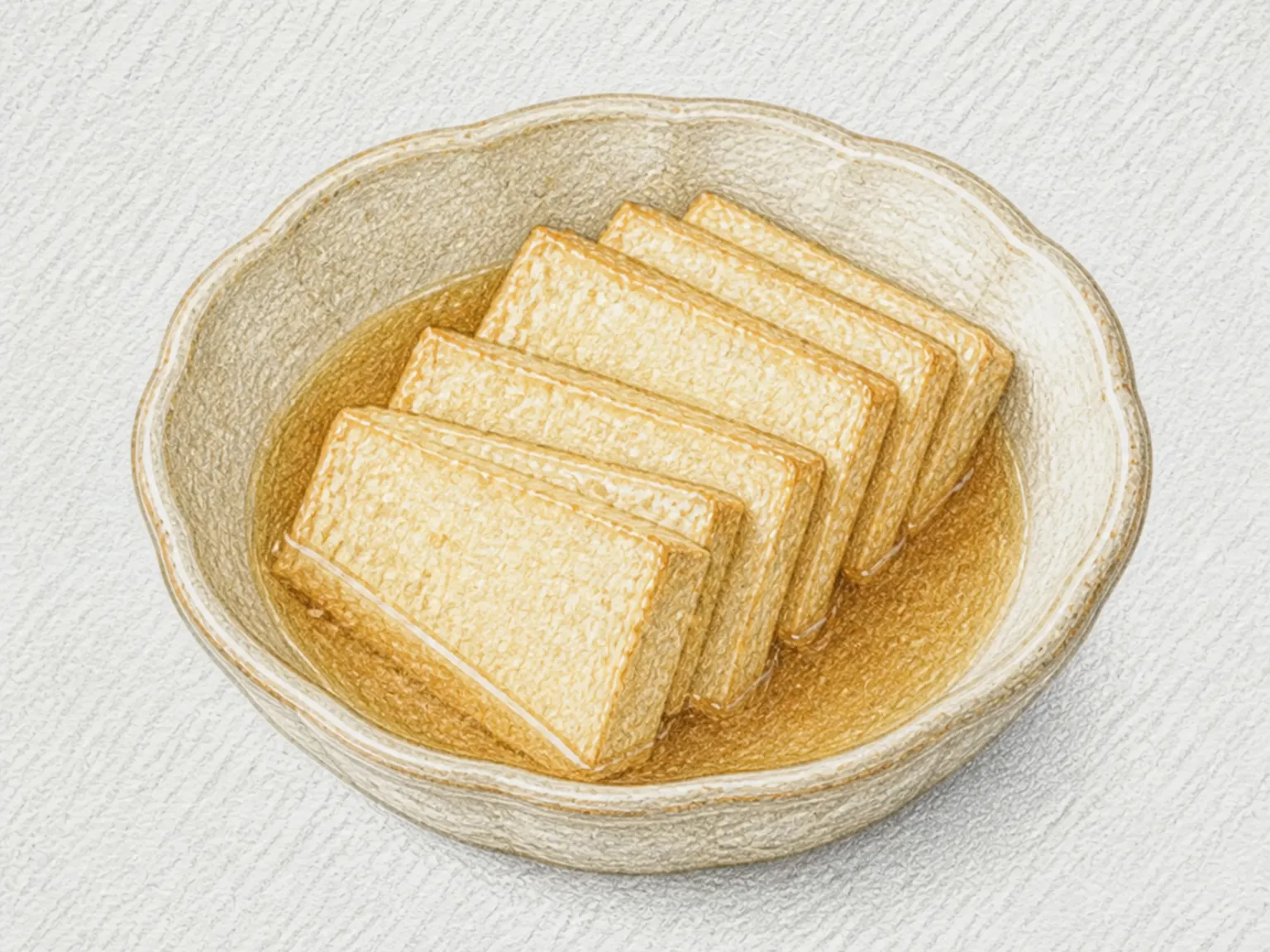
Tofu Umezu-zuke (Plum Vinegar Pickled Tofu)

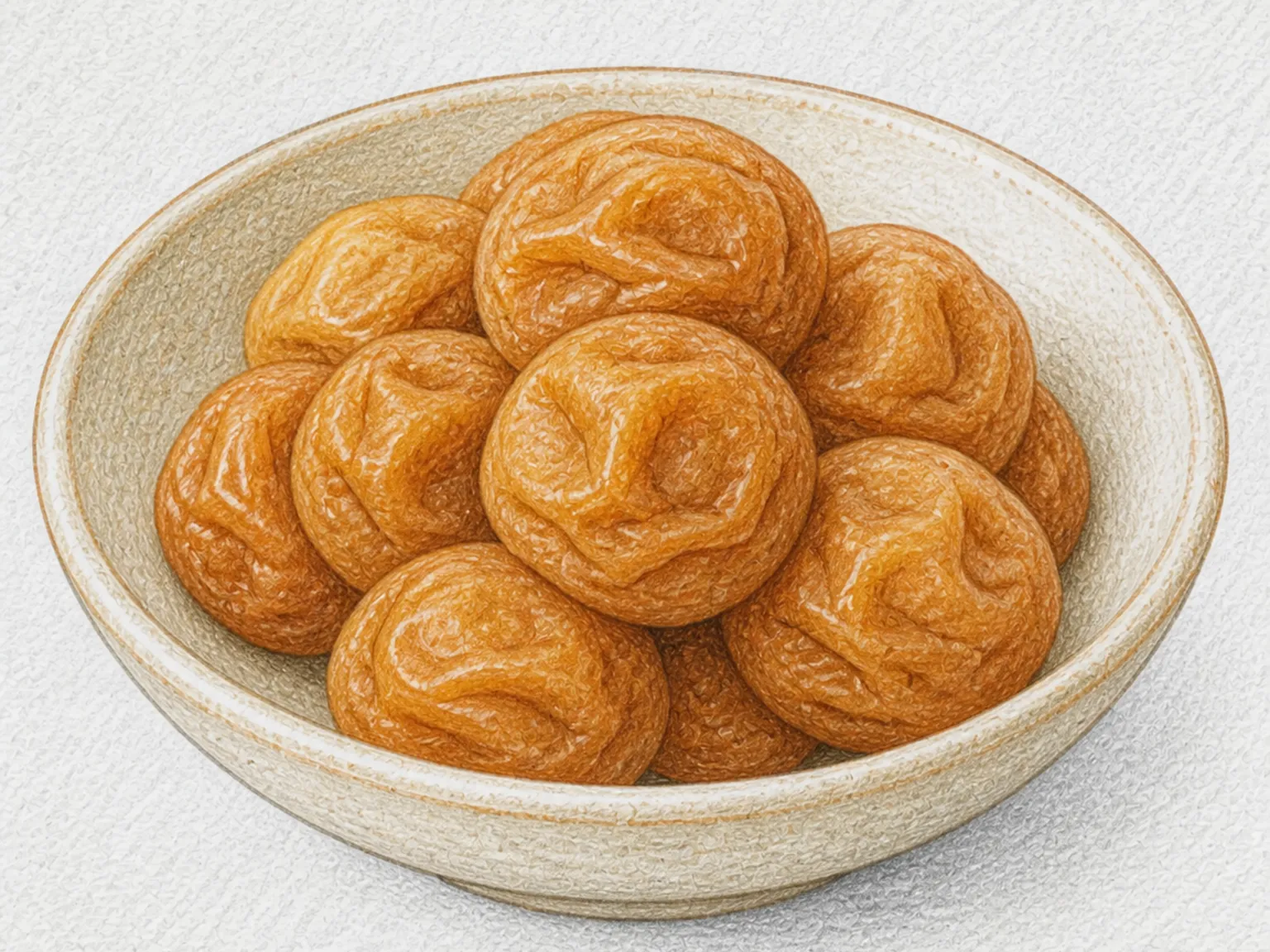
Golden grilled slices of momen tofu soak for about a week in umezu, the salty, sour liquid that rises when plums are cured. The result pairs bright acidity and strong salt with a dense, almost creamy interior. This Kochi side dish is eaten in thin slices with drinks. For home use, the recipe calls for bottled food-grade umezu and tofu heated through before it goes into the refrigerator to cure.

🍺 Bar Snacks
Prep 20min Cook 15min 4 servings
Niku Udon (Japanese Thick Noodles in Dashi Broth with Braised Beef)
Noodles Easy

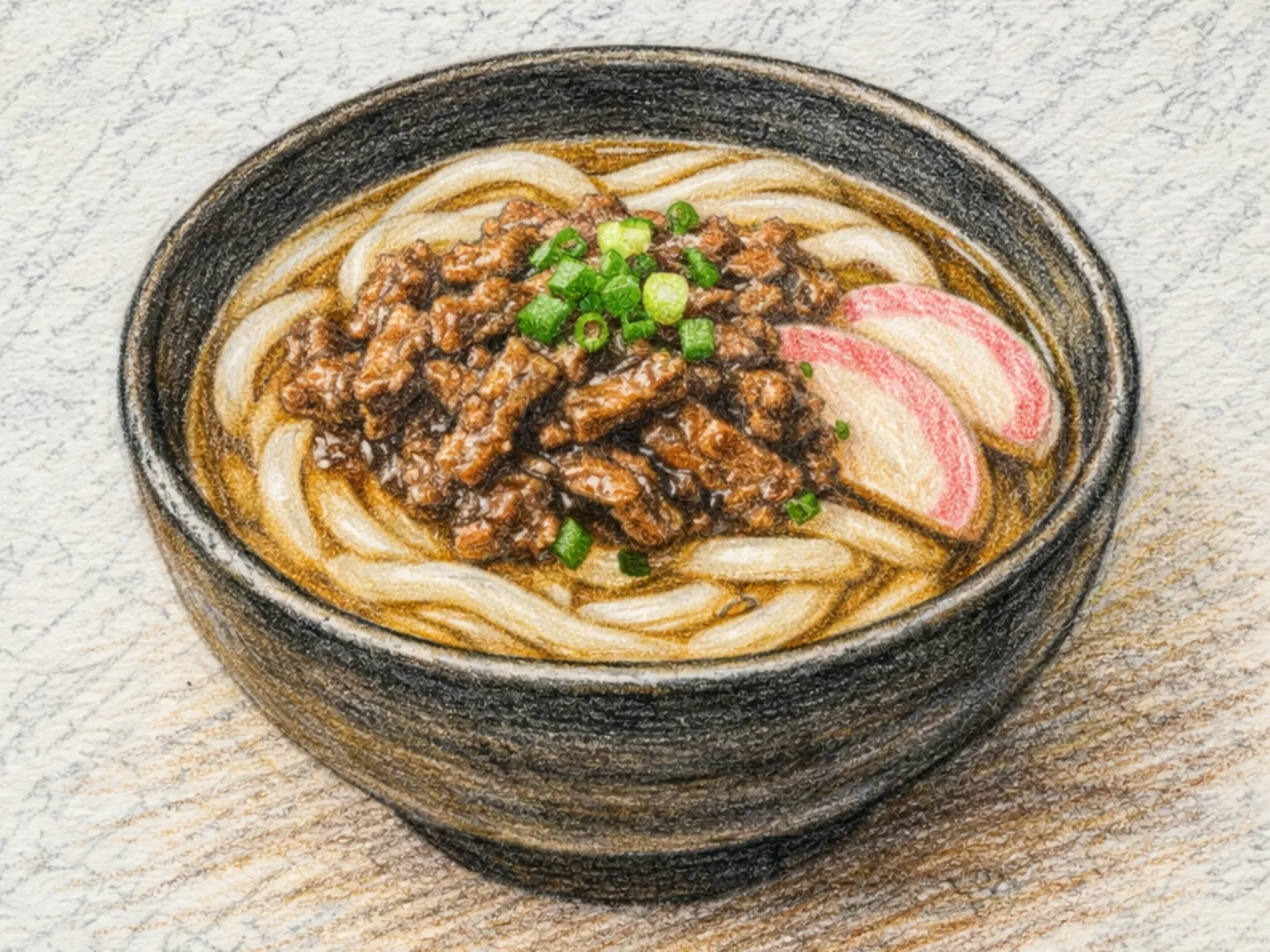
Niku Udon (Japanese Thick Noodles in Dashi Broth with Braised Beef)

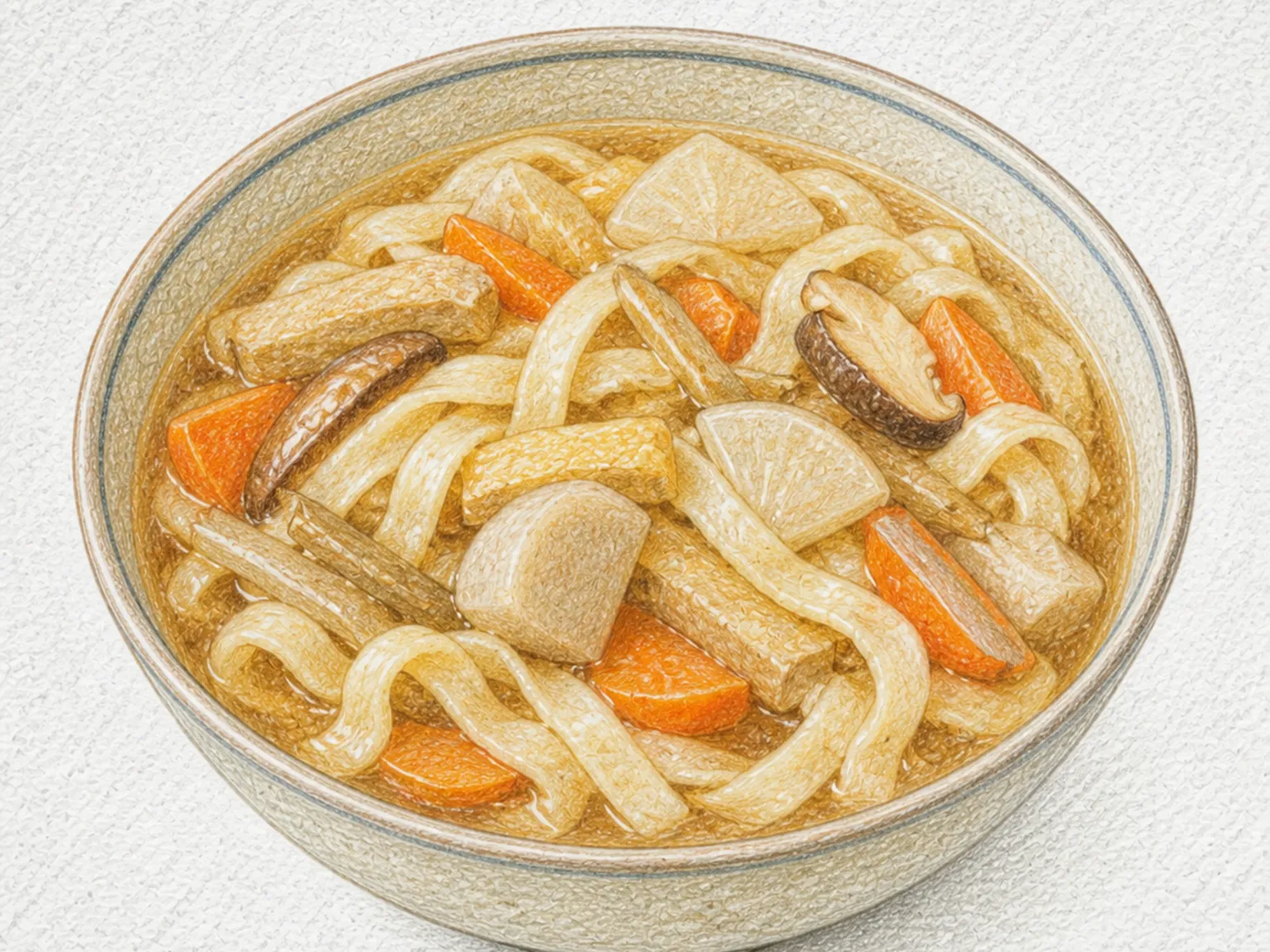
Thin shabu-shabu beef and onion, glazed in soy sauce, mirin, and sugar, sit on top of thick udon in clear dashi, giving the bowl a sweet, savory topping over a light broth. The beef is cooked in a separate pan rather than in the soup, which keeps its glossy finish and stops the broth from turning murky. It needs only about 2 minutes once the seasoning is added, at the point where half the red has gone, or it toughens. A little dashi is held back at the start to soften the broth if it tastes too salty. Rinsing the boiled noodles with hot water clears off their surface starch so the soup stays clean. Sliced scallions finish the bowl with a fresh edge.

Prep 15min Cook 20min 2 servings
Tochigi Yakimochi Leftover Rice Cakes
Rice Easy

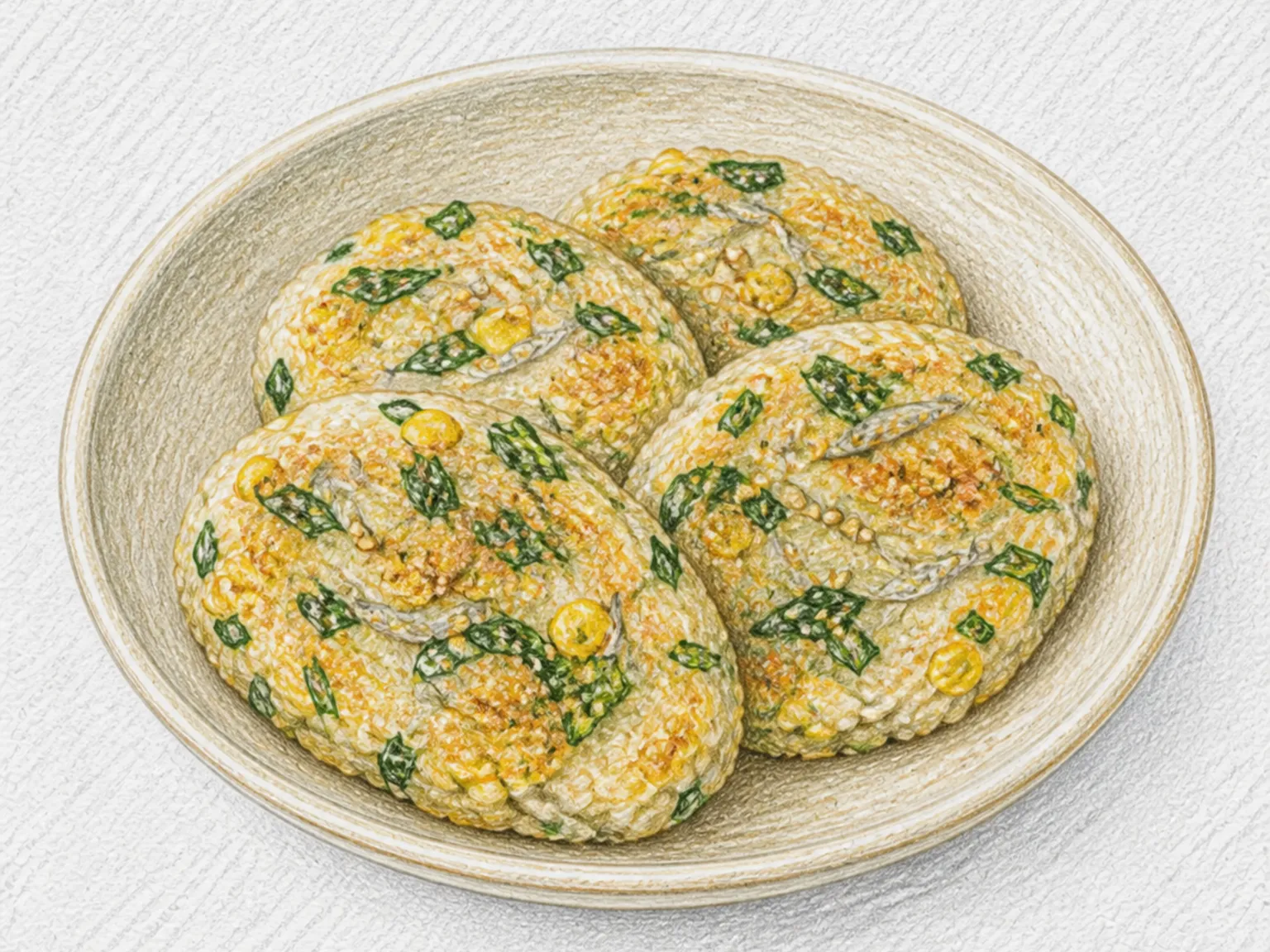
Tochigi Yakimochi Leftover Rice Cakes

In Tochigi, leftover rice gets a second life: soaked in water, kneaded with flour and miso along with corn, kounago (tiny sand lance fish), aonori seaweed and toasted sesame, then pan-cooked into thick oval cakes. The outside turns lightly browned and firm while the center stays chewy, somewhere between a rice cake and a savory pancake. Drain the soaked rice too thoroughly and it will not bind with the flour, leaving cakes that crumble while shaping.

Prep 25min Cook 15min 4 servings
Sansho Leaf Tsukudani with Dried Whitebait
Kimchi Easy

Sansho Leaf Tsukudani with Dried Whitebait

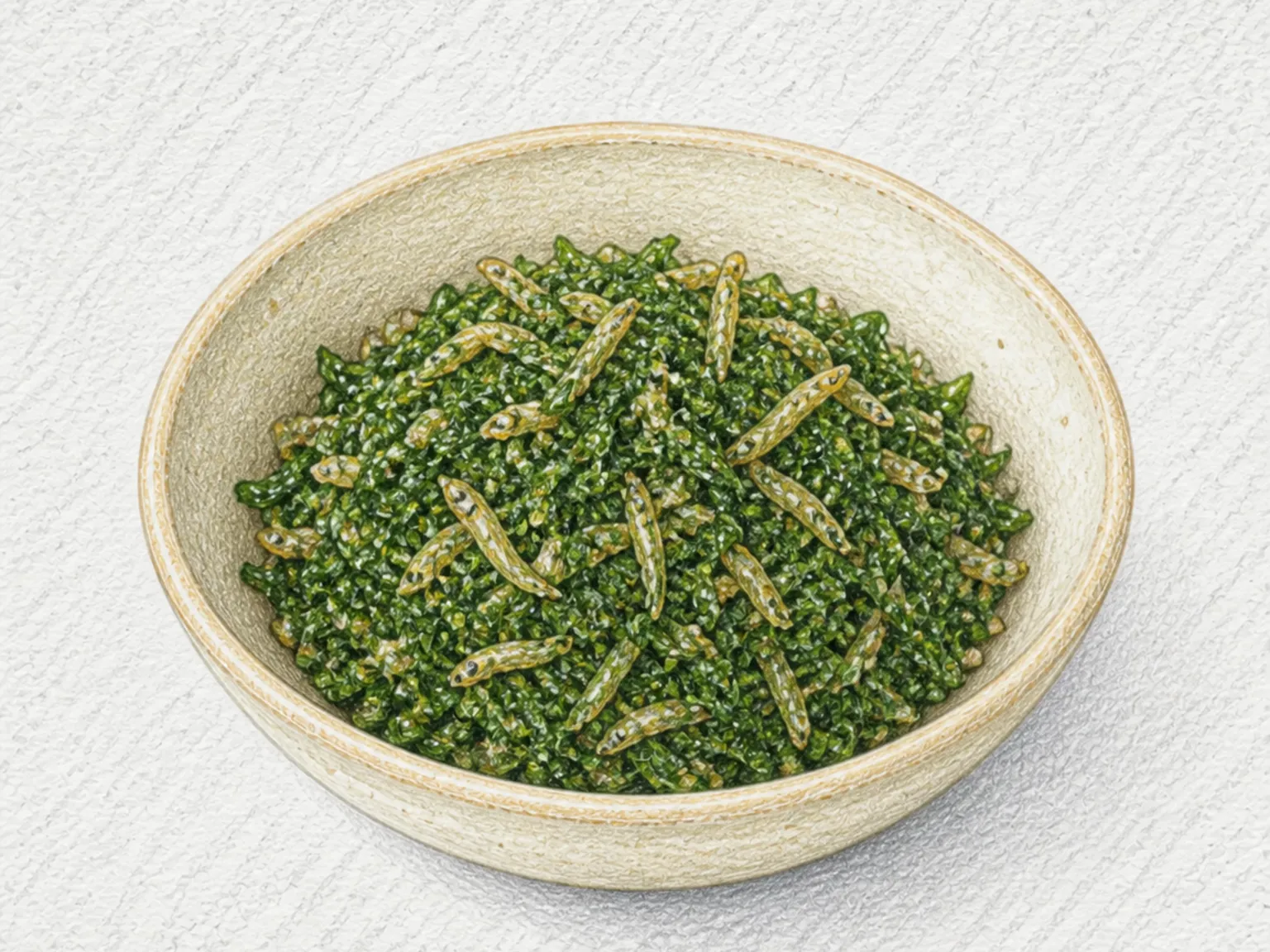
A small spoonful is enough to flavor a bowl of rice: young sansho leaves bring a bright, citrusy aroma and a faint tingle on the tongue, and dried whitebait adds salty savoriness. The preserve comes from the mountain villages of Kyoto, where sansho trees grew wild and the spring shoots, called kinome, were cooked down with sake and light soy sauce until almost no liquid remained. Spoon a little over rice, onigiri, ochazuke, udon, or chilled tofu.

Prep 15min Cook 15min 4 servings
Okinawa Soba (Thick Wheat Noodles with Braised Pork Belly)
Noodles Medium

Okinawa Soba (Thick Wheat Noodles with Braised Pork Belly)

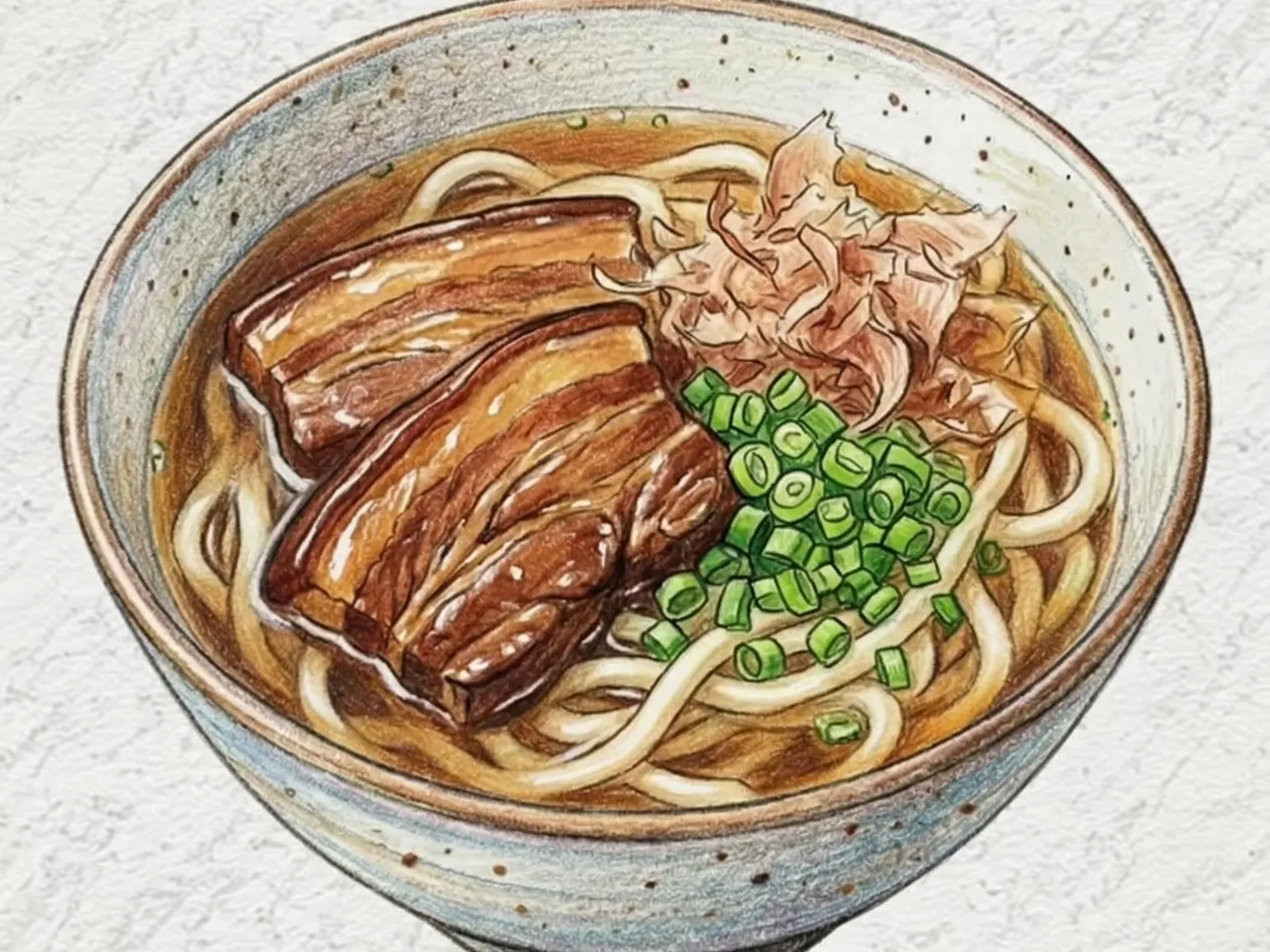
Despite the name, the noodles are thick wheat, not buckwheat, served in a clear bonito broth under pork belly braised sweet and salty in soy, mirin, and sugar. Because the pork carries so much seasoning, the broth gets only a light touch of soy so it stays clean. The cooked noodles get a brief rinse in warm water rather than cold, which removes surface starch without cooling them down, and bonito flakes on top add a smoky aroma.

Prep 20min Cook 40min 2 servings
Heso Daikon Nishime (Miyagi Dried Daikon Simmer)
Asian Medium

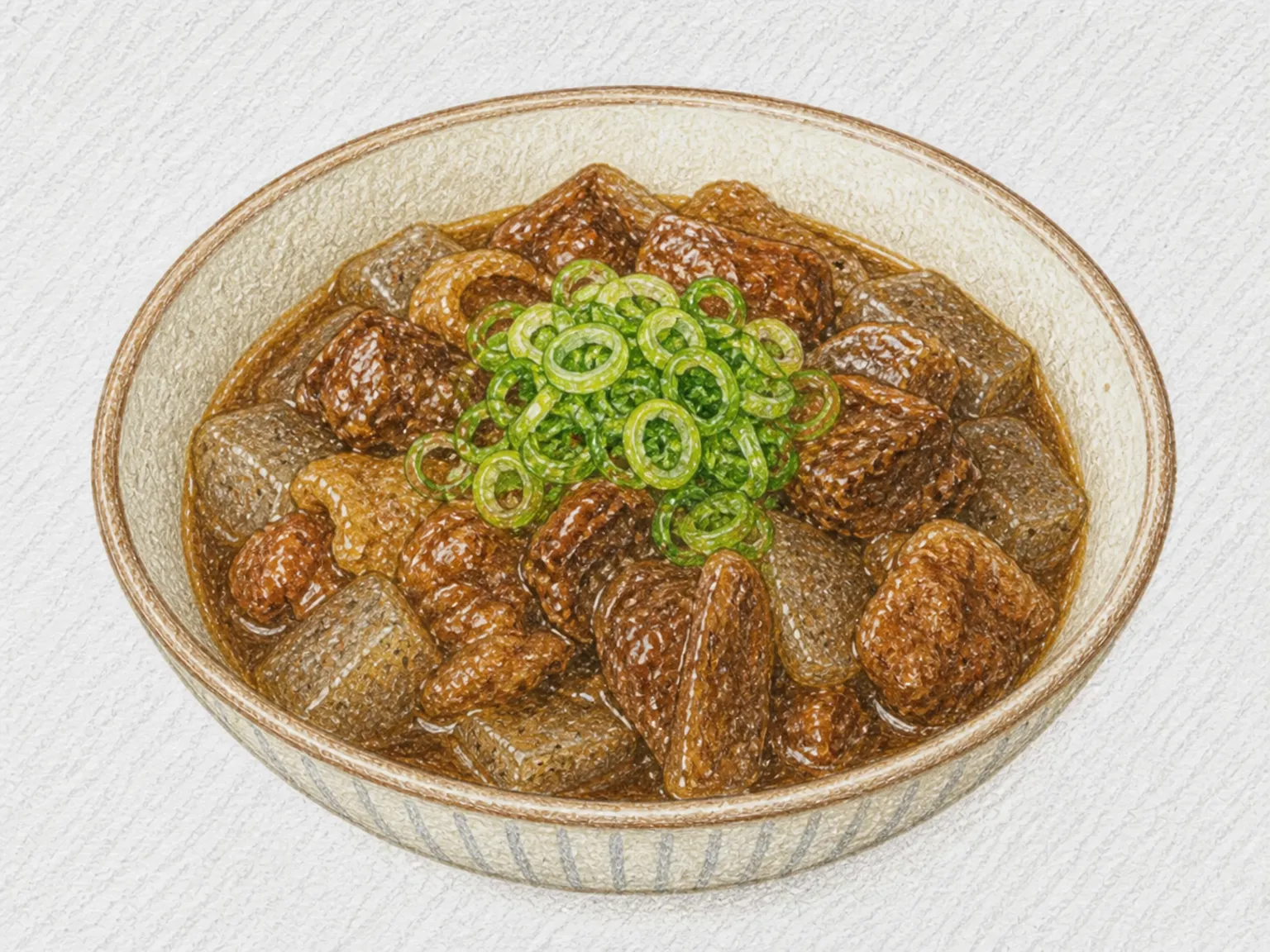
Heso Daikon Nishime (Miyagi Dried Daikon Simmer)

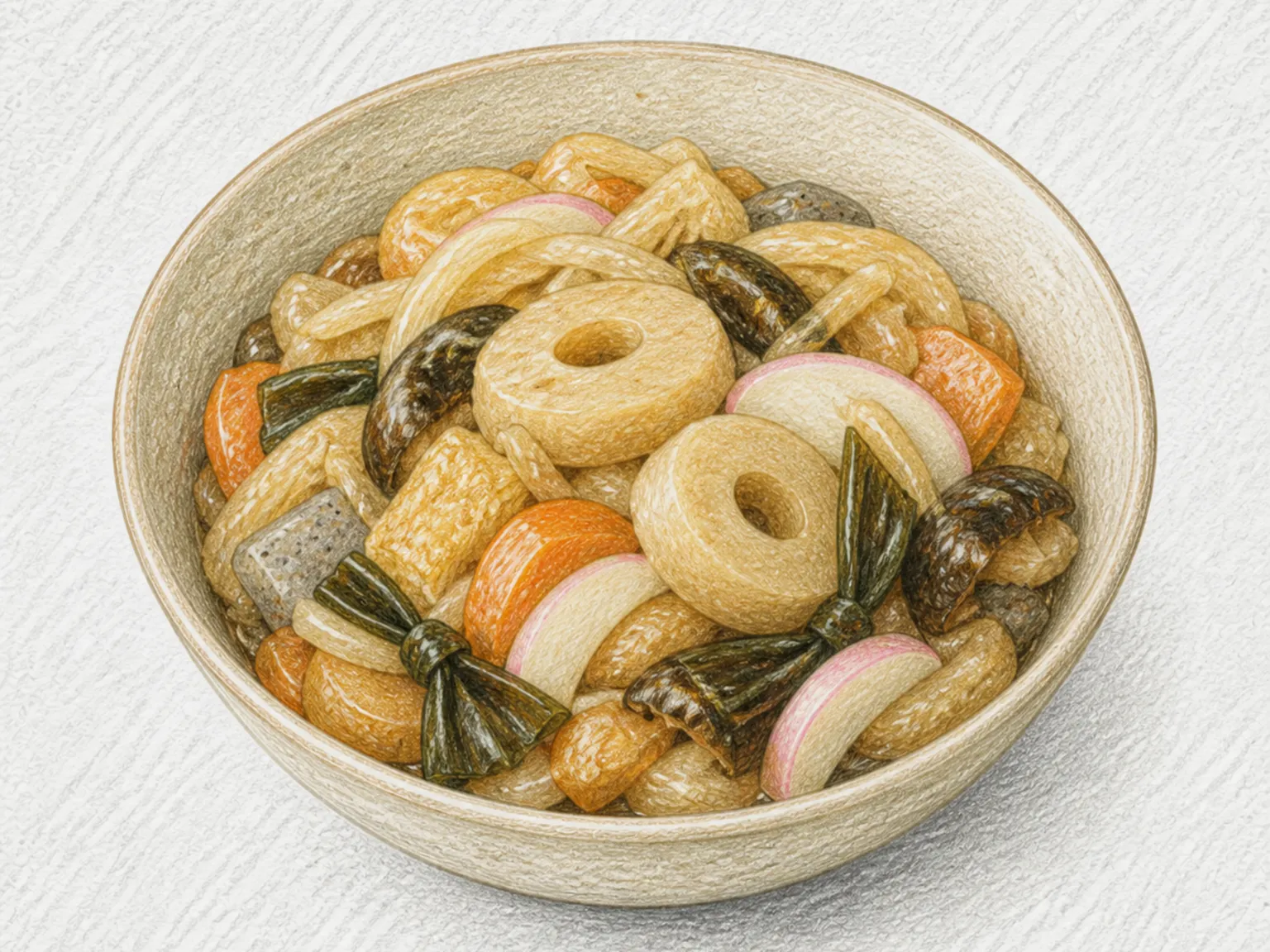
Heso daikon starts as thick rounds of blanched radish threaded on skewers and left to freeze at night and thaw by day for about a month. The hole left by the skewer looks like a navel (heso), which gives it its name, and the dried radish keeps until the following summer. In southern Miyagi Prefecture it is simmered with taro, carrot, shiitake, freeze-dried tofu, knotted kombu and kamaboko fish cake until almost no liquid remains.

Prep 60min Cook 60min 4 servings
Mehari-zushi, Takana-Wrapped Rice Balls
Rice Easy

Mehari-zushi, Takana-Wrapped Rice Balls

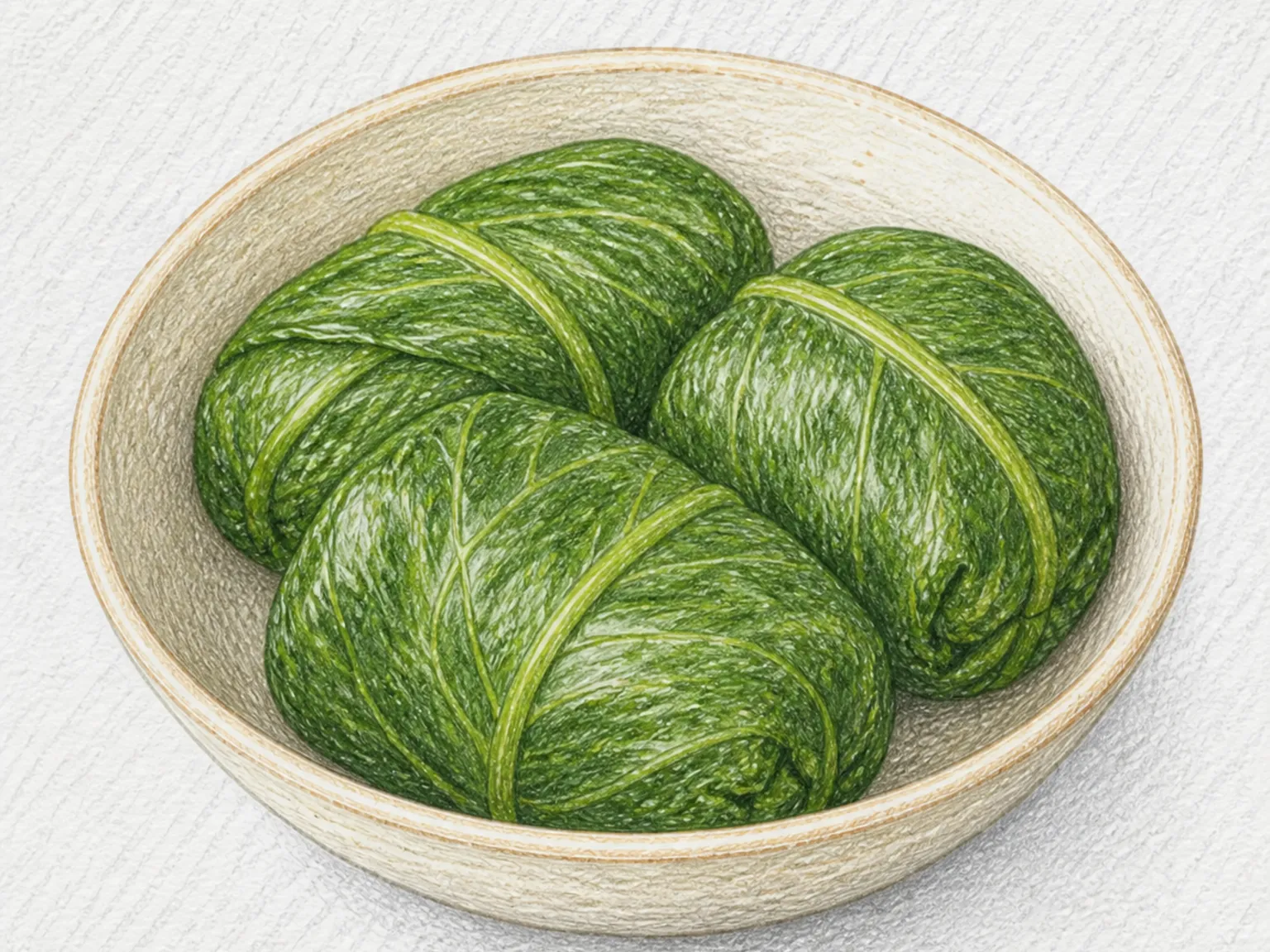
Salt-pickled takana mustard leaves wrap each large rice ball completely, and every bite brings the salty leaf and soy-seasoned rice together. In southern Wakayama these were a portable meal for forestry workers in the mountains and fishers at sea, easy to hold because of the leaf wrapper. Several explanations for the name survive: the mouth opening wide for a big bite, eyes widening at the taste, or the rice sealed with no gaps. Even the thick stems are used, chopped, seasoned, and mixed into the rice.

🍱 Lunchbox
Prep 45min Cook 45min 3 servings
Kujira-mochi (Steamed Walnut Rice-Flour Cake)
Desserts Hard

Kujira-mochi (Steamed Walnut Rice-Flour Cake)

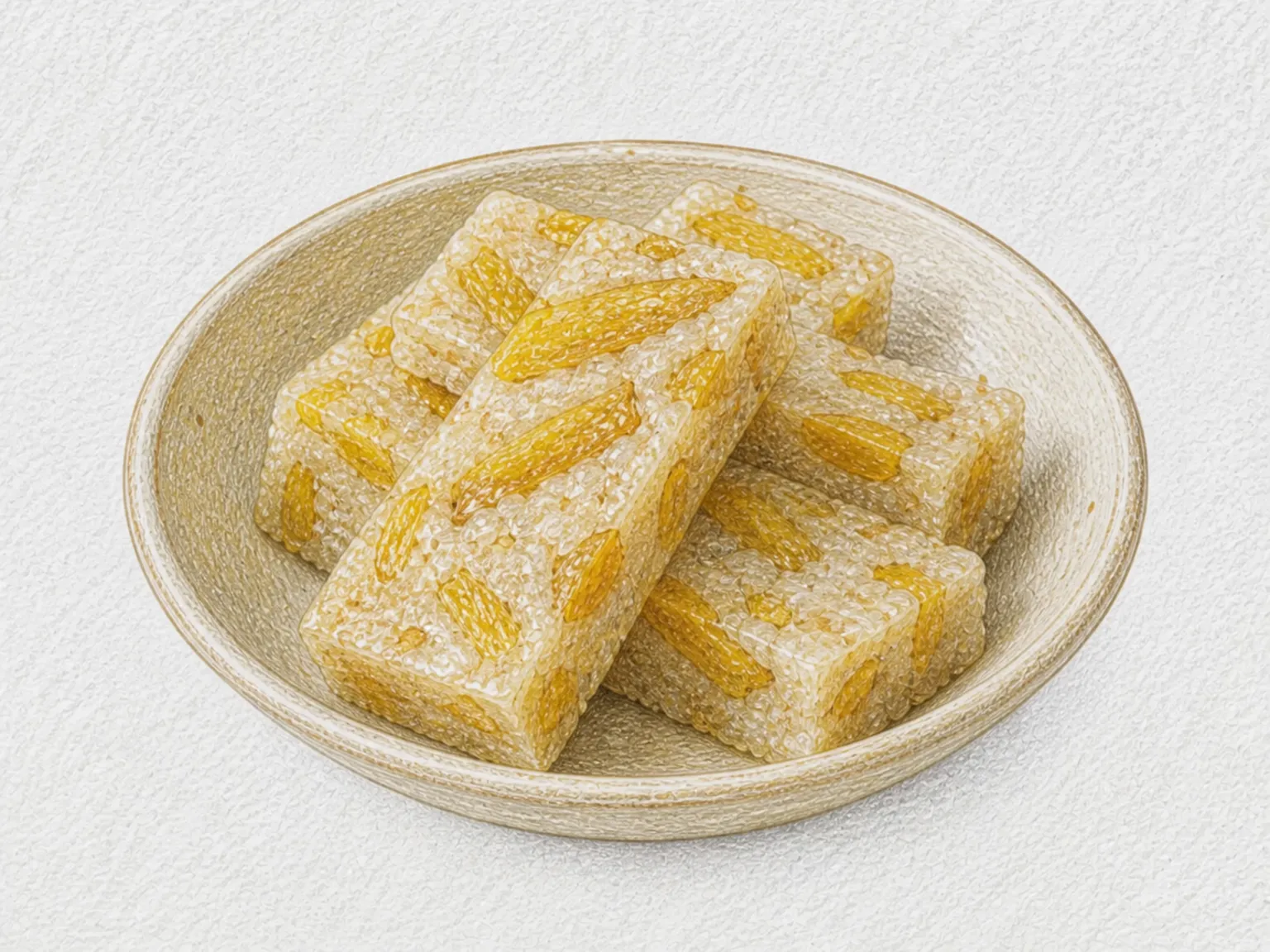
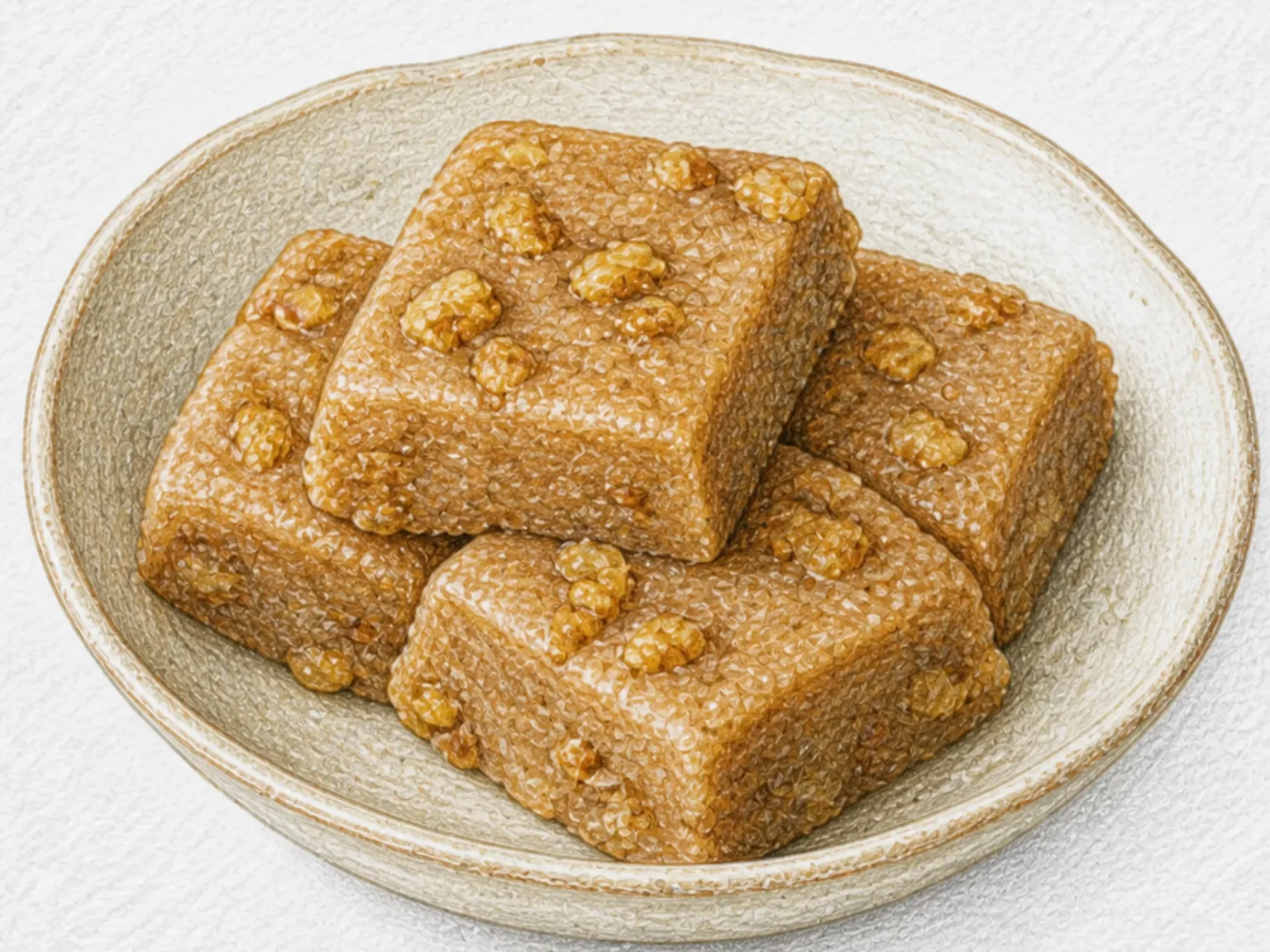
Despite the name, there is no whale in kujira-mochi. One story traces it to kujimochi, a rice cake that keeps well, while another says old versions were as large as a whale. One account links it to provisions made for the Shinjo domain about three centuries ago. In the Mogami and Murayama areas of Yamagata it was set before the doll display for the Peach Festival on April 3. Brown sugar syrup, two kinds of rice flour, an overnight rest, and walnuts at the bottom of a deep mold give a dark, dense cake that slices firm yet chewy.

Prep 45min Cook 65min 40 servings
Hyoboshi no Nimono (Simmered Dried Purslane)
Asian Medium

Hyoboshi no Nimono (Simmered Dried Purslane)

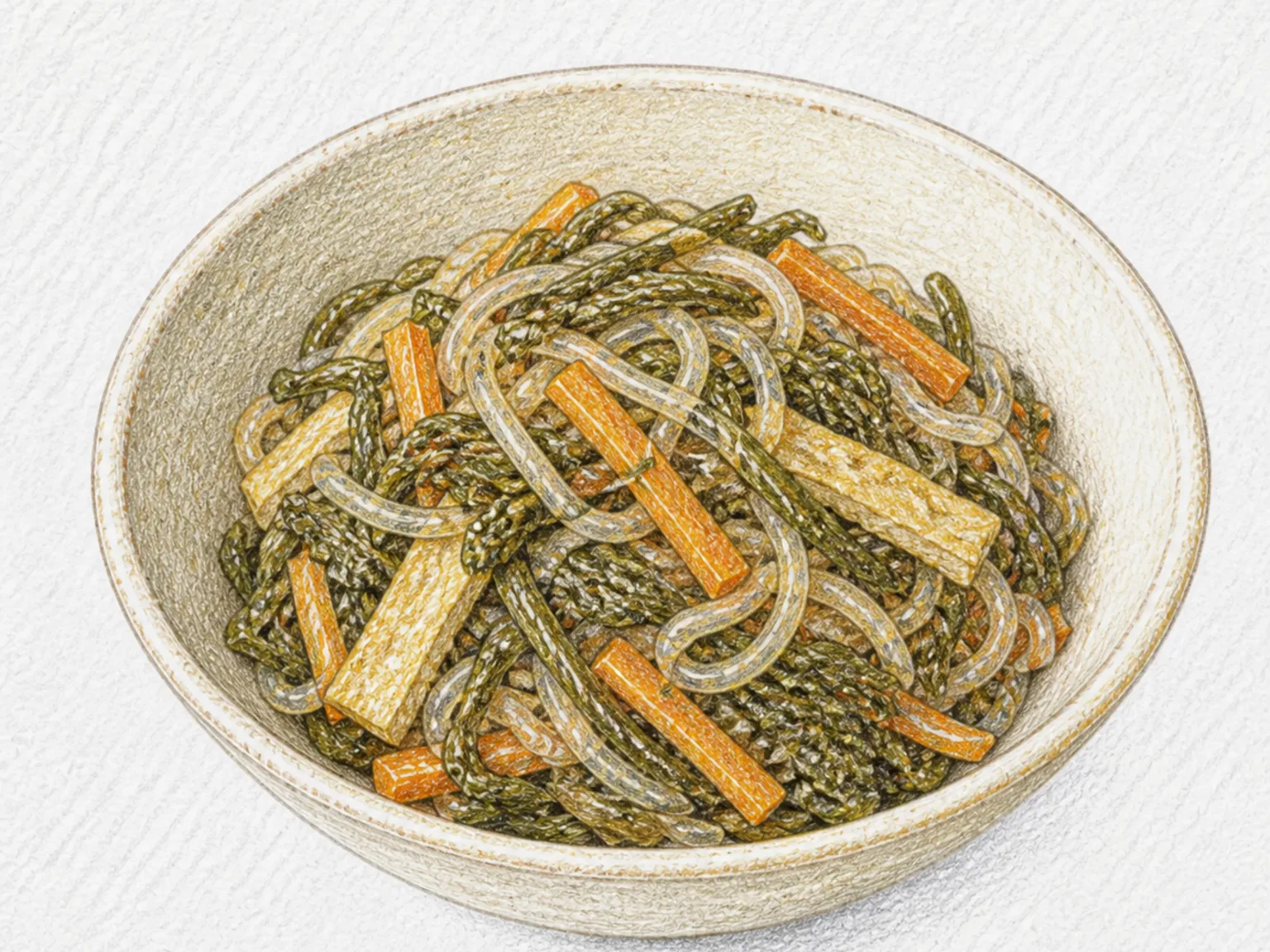
Purslane is blanched and dried in summer, then soaked in winter and stir-fried with shirataki, carrot and fried tofu before simmering in soy-based seasoning. In the snowy Murayama and Okitama areas of Yamagata, wild greens and vegetables were dried this way to eat through the winter. The soaked stems are soft but still have a little give when you bite. The purslane here is commercially made hyoboshi sold for eating, not something picked from a field.

Prep 35min Cook 35min 5 servings
Kuri Kinton (Cloth-Shaped Chestnut Sweet)
Desserts Medium

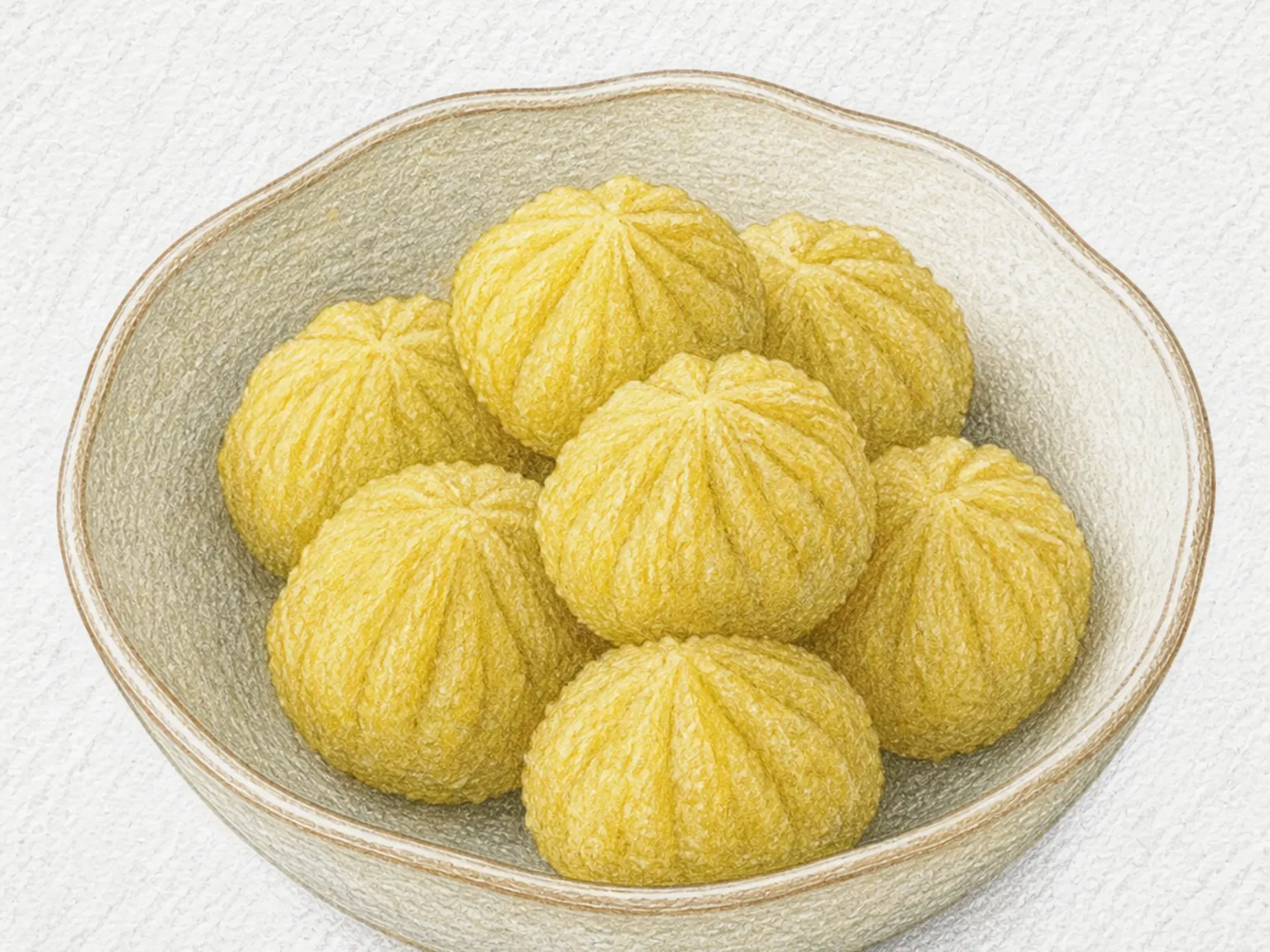
Kuri Kinton (Cloth-Shaped Chestnut Sweet)

The New Year kuri kinton made with sweet potato and candied chestnuts shares only the name. The Nakatsugawa wagashi uses nothing but chestnut flesh kneaded with sugar, keeping the chestnut's crumbly texture and aroma. Boiled chestnuts stick to their shells once they cool, so only a few come out of the hot water at a time for scooping. Each portion is twisted in a damp cloth, leaving pleats on top that look like the tip of a chestnut.

Prep 105min Cook 65min 30 servings
Uri no Teppo-Zuke (Chili-Stuffed Soy-Pickled Melon)
Kimchi Hard

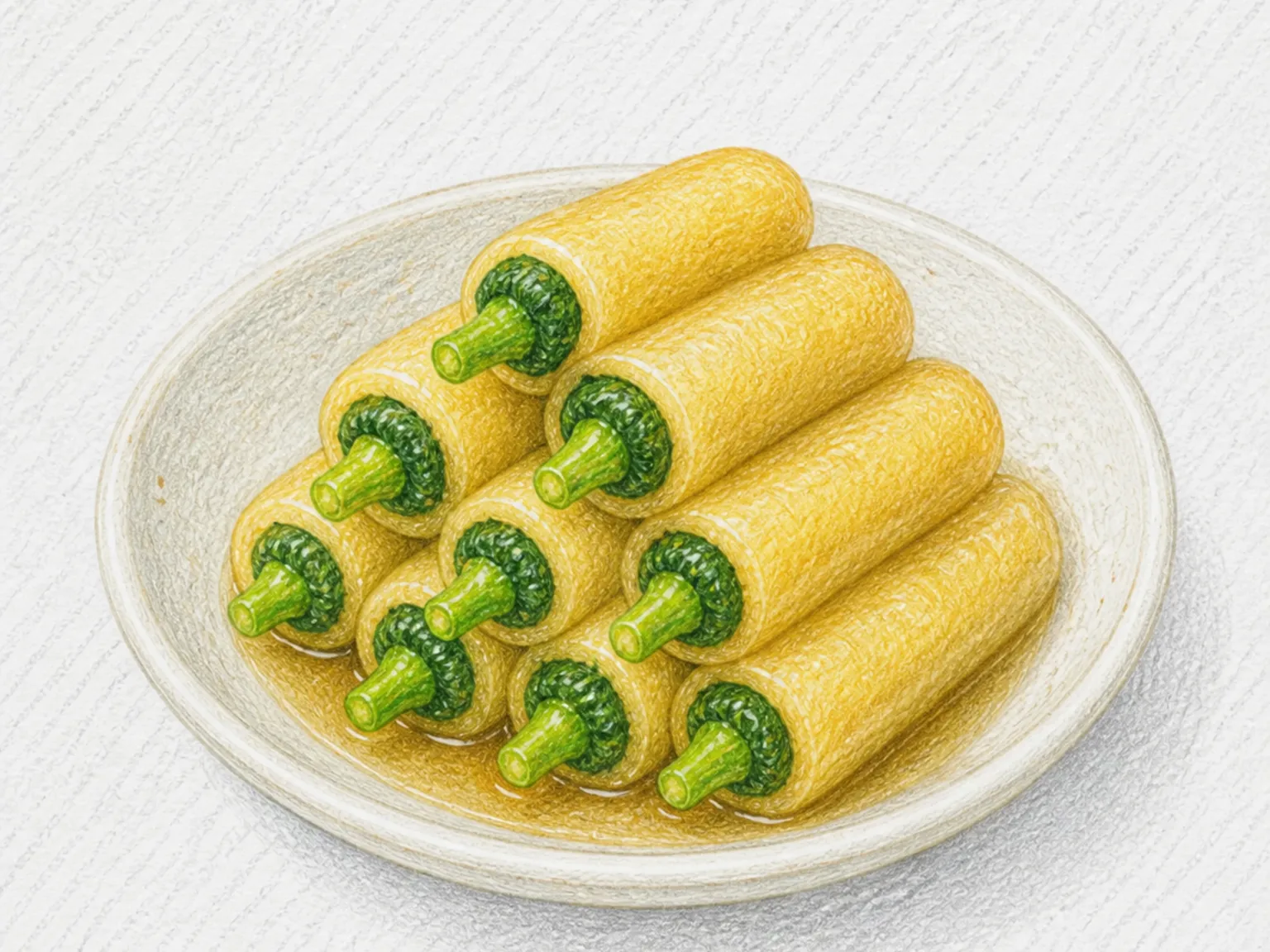
Uri no Teppo-Zuke (Chili-Stuffed Soy-Pickled Melon)

A hollowed white melon is packed with green chilies wrapped in shiso leaves, and each slice shows pale melon around a green center. The look of a gun barrel loaded with ammunition gives teppo-zuke, gun pickle, its name. It began as a winter preserve around Narita and Katori in Chiba, became a crisp, spicy side for rice and sake, and is a well-known souvenir near Naritasan Shinshoji Temple. The salted melon first spends two days in water, changed as it goes, to draw out the salt. Reboiling only the marinade and returning it cold each day for several days is how the seasoning reaches the center of the dense melon.

🍺 Bar Snacks
Prep 60min Cook 50min 4 servings
Okuzukake (Thickened Vegetable and Umen Soup)
Noodles Medium

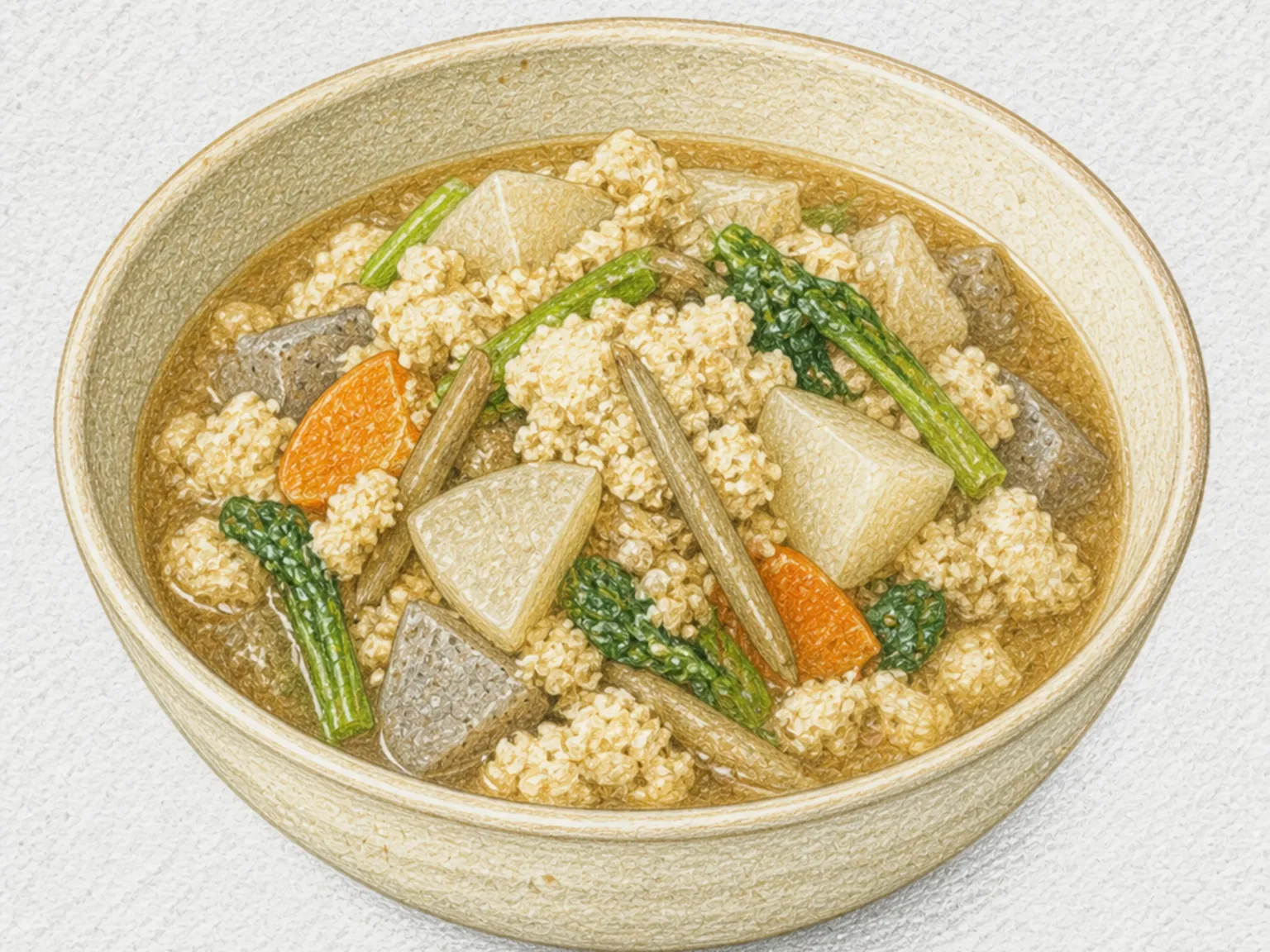
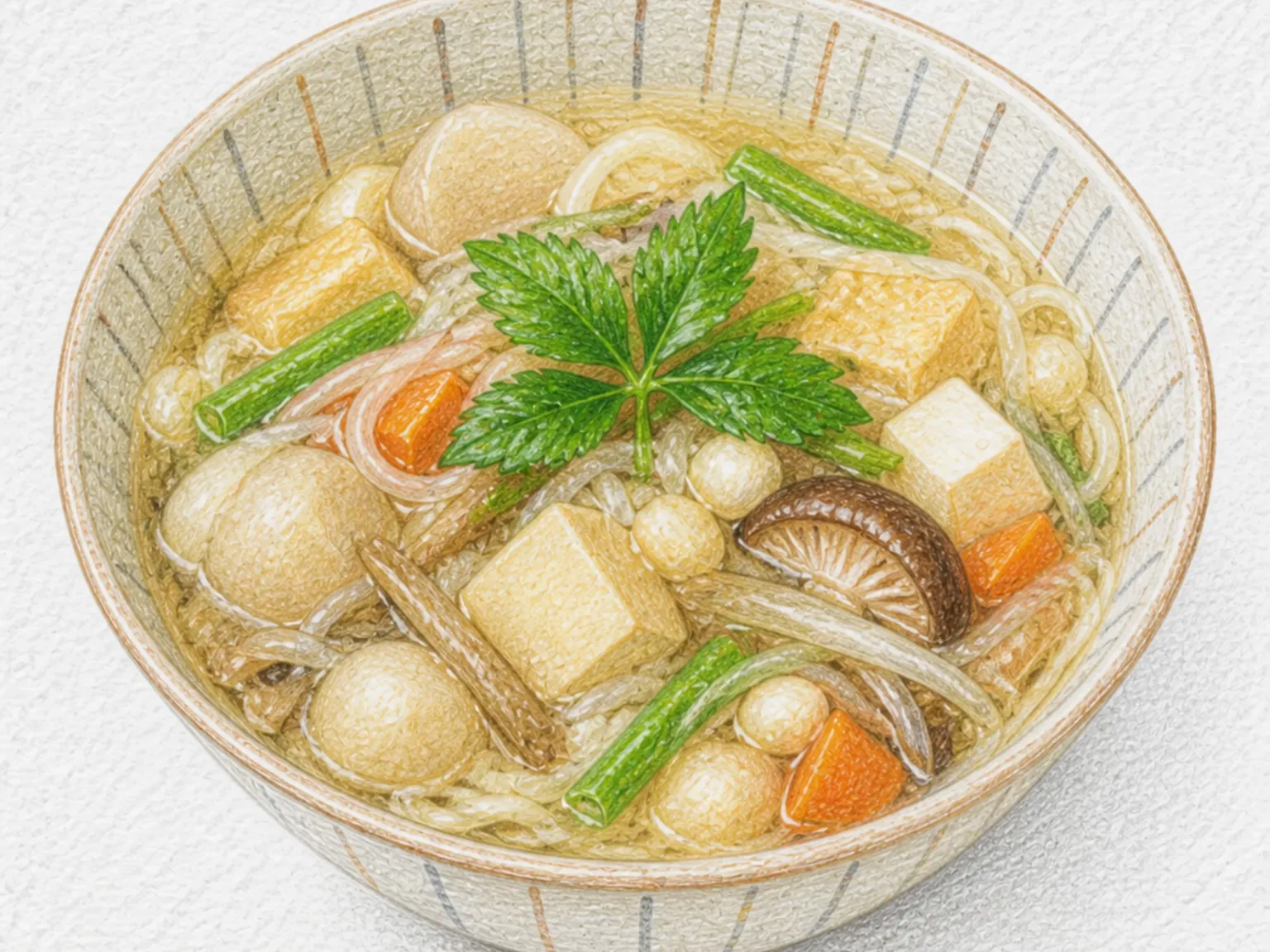
Okuzukake (Thickened Vegetable and Umen Soup)

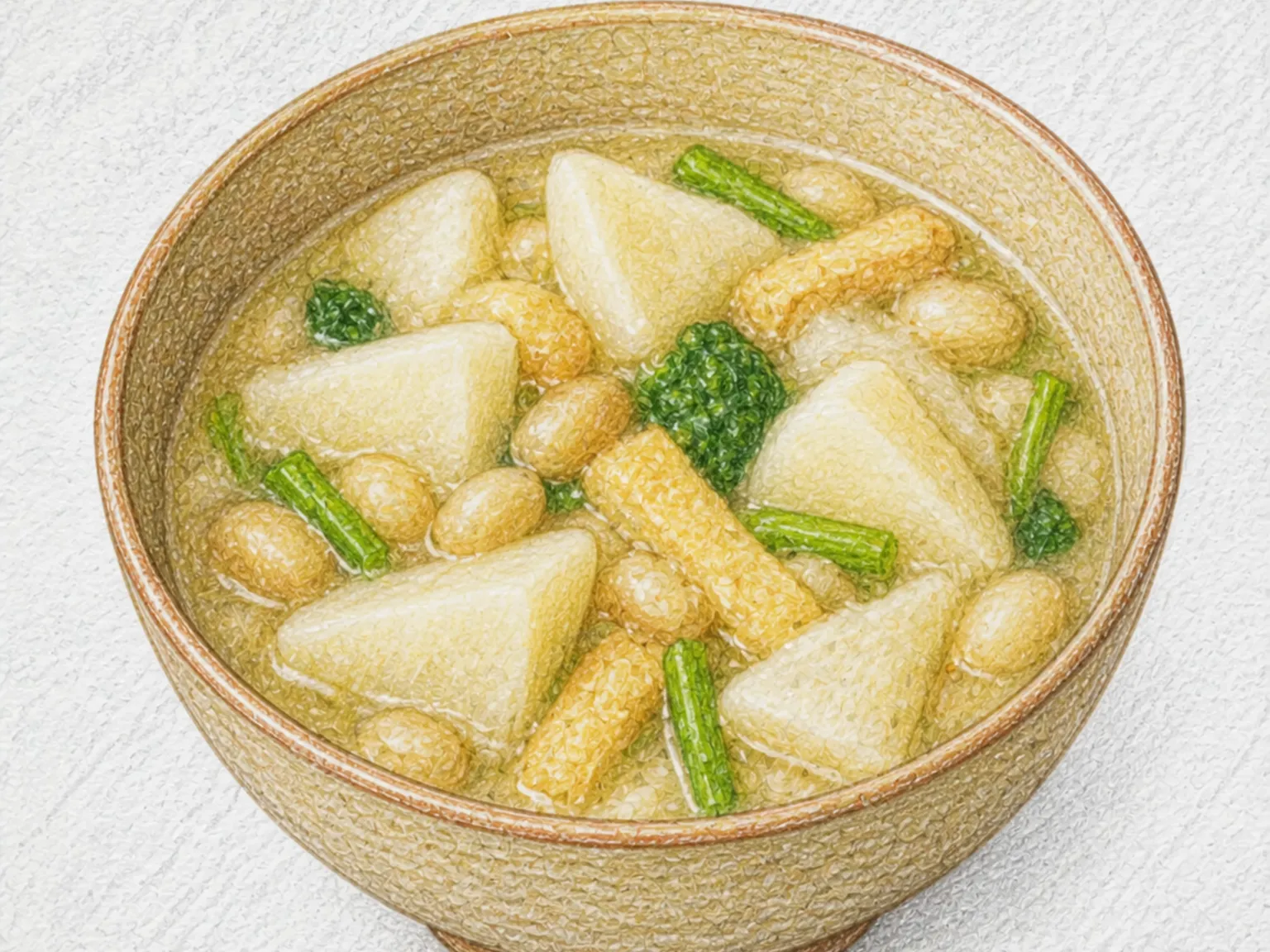
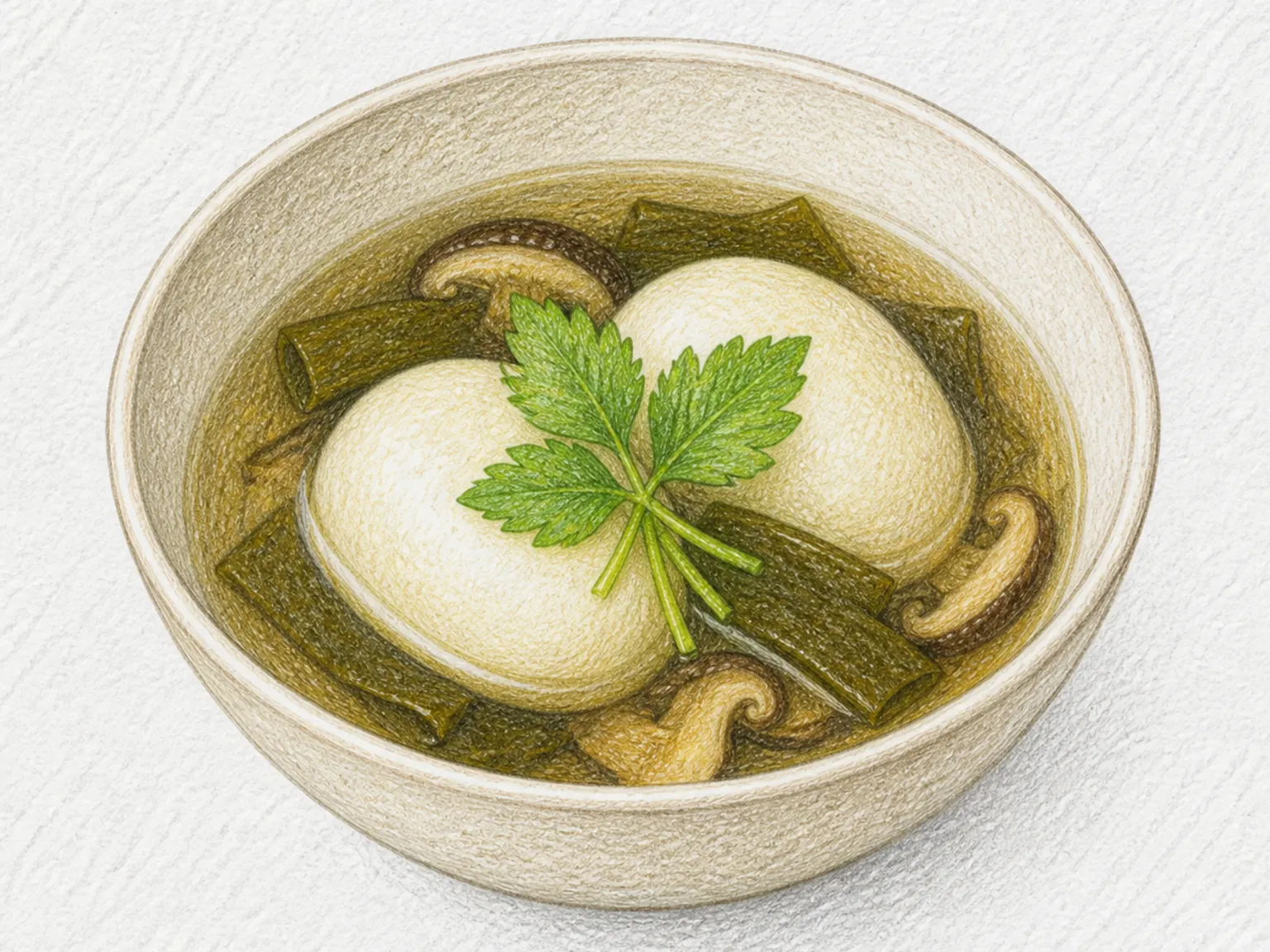
Soaking water from dried shiitake, with no meat or bonito, forms the broth for this Japanese vegetable soup, and potato starch thickens it just enough to coat a spoon. In southern Miyagi it is a Buddhist meatless dish served around the spring and autumn equinoxes, at Obon, and at memorial gatherings. That light body holds taro, burdock, carrot, tofu, and fried tofu in suspension, letting each spoonful bring up both broth and filling. The umen noodles are boiled in a separate pot, since cooking them in the soup would release enough starch to cloud and weigh it down. Shiraishi umen, shirataki, and small wheat gluten puffs (mame-fu) make it something between a soup and a noodle dish, and a scattering of mitsuba adds a fresh herbal note at the end.

Prep 30min Cook 25min 4 servings
Nara Chameshi (Hojicha Rice with Soybeans)
Rice Easy

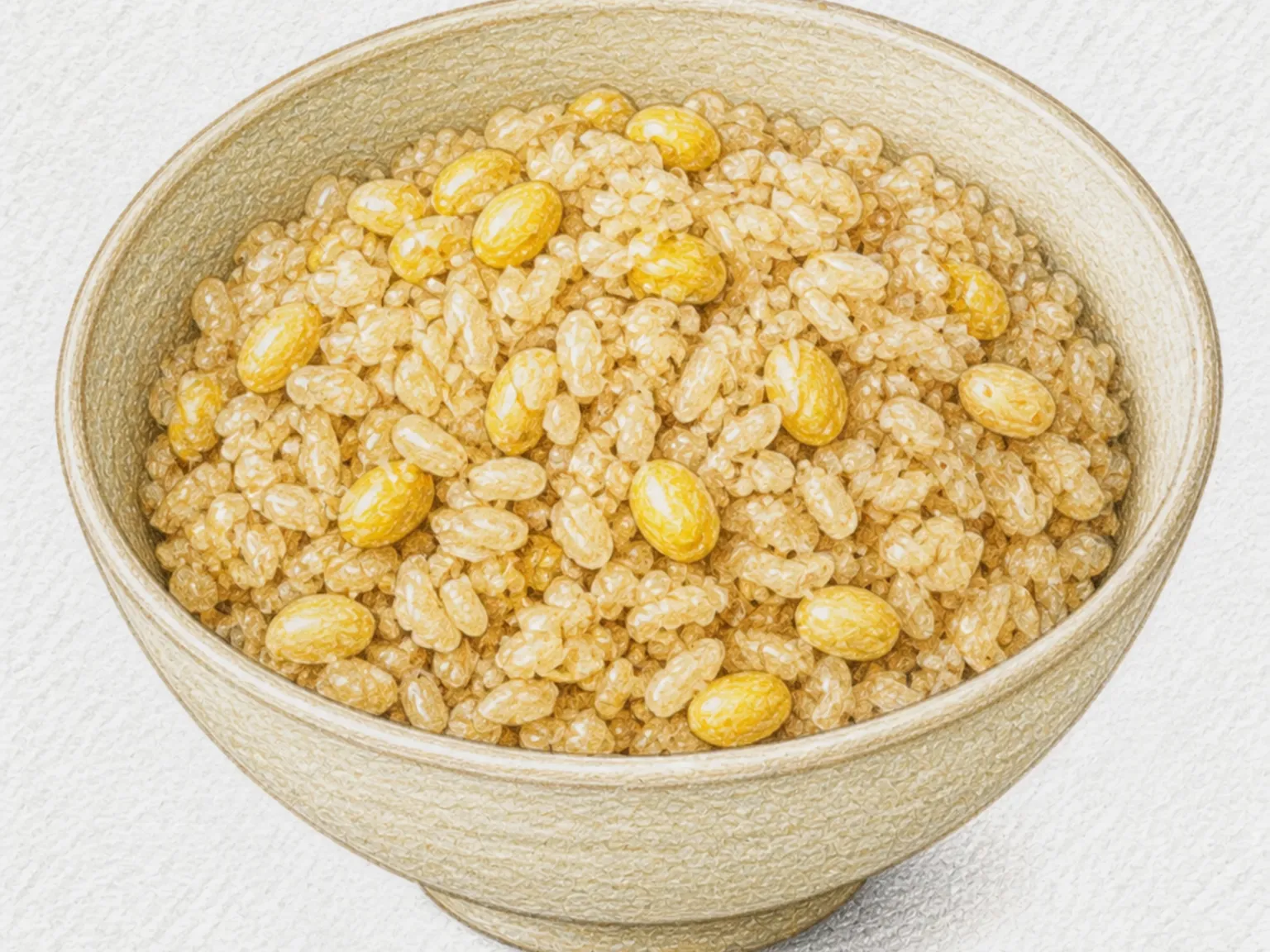
Nara Chameshi (Hojicha Rice with Soybeans)

Rice cooked in cooled hojicha instead of water takes on a quiet roasted aroma, and dry-roasted soybeans add a nutty bite. Its early form is said to be the rice served with tea porridge to monks taking part in Omizutori at Todaiji. Travelers later carried it to Edo, where shops near Sensoji made it widely known. The beans and salt are scattered over the soaked rice and left unstirred while it cooks.

Prep 50min Cook 50min 4 servings