Browse by cuisine

Japanese Recipes

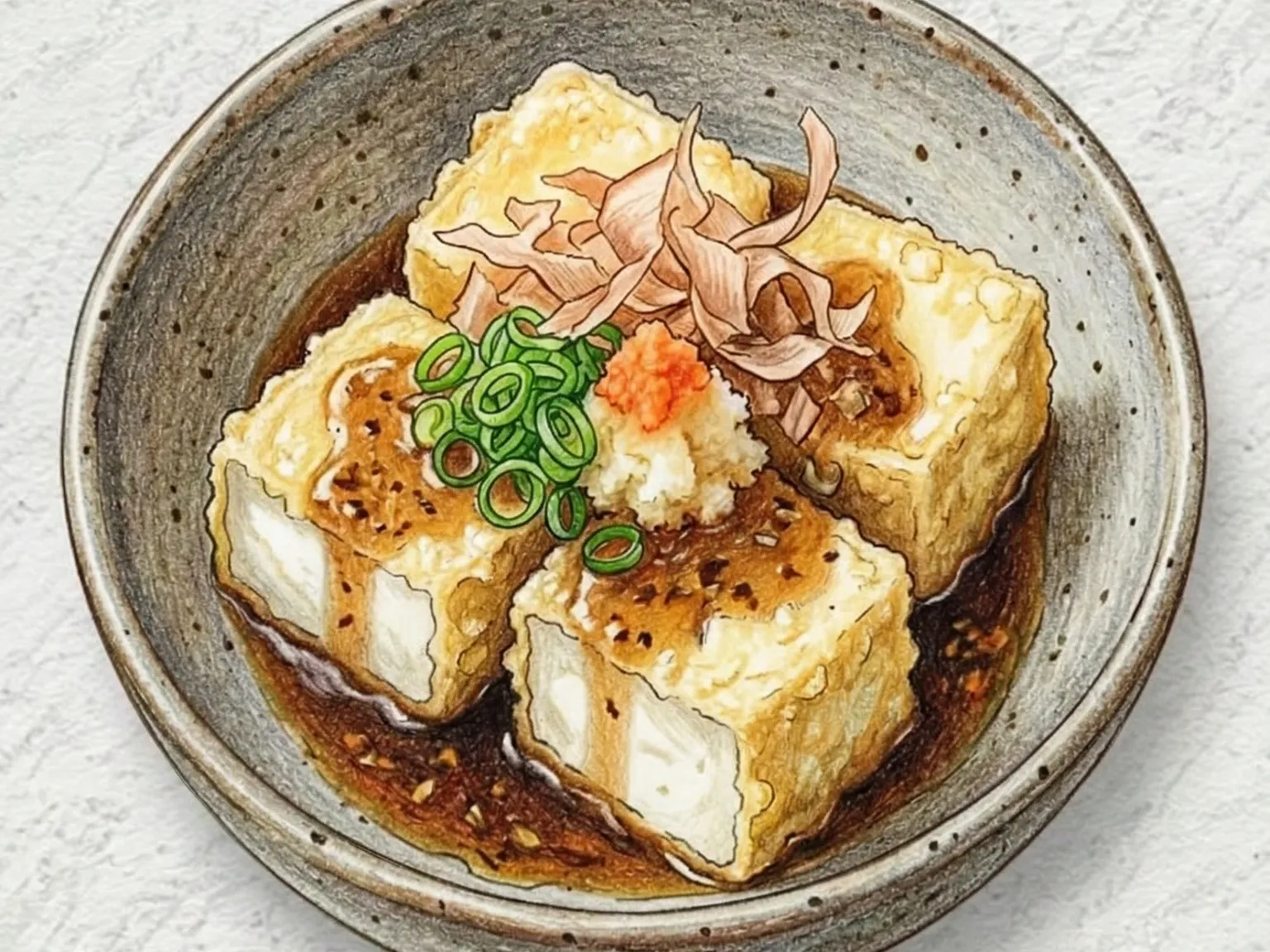
509 Japanese recipes. Page 1 of 22. Compare ingredients and cooking times. Agedashi Tofu (Japanese Crispy Fried Tofu in Dashi Broth).

Shime Saba (Vinegar-Cured Mackerel)
Side dishes Hard

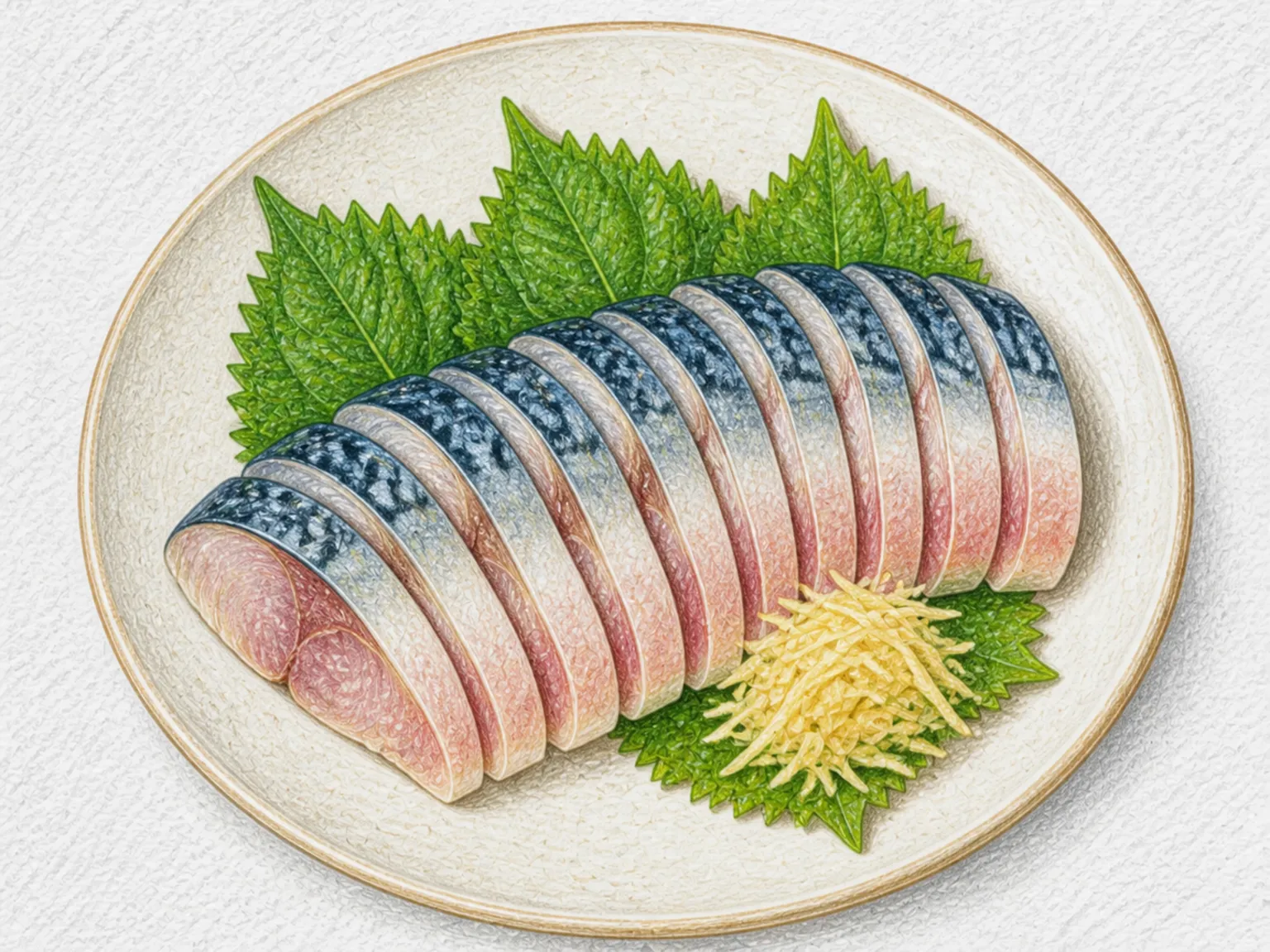
Shime Saba (Vinegar-Cured Mackerel)

Salt first, vinegar second: the salt draws water out of the mackerel and firms it, and a short soak in rice vinegar with kombu turns the surface white while the center stays pink and rich. That pink center is how shime saba should look, which also means the fish is essentially raw. Vinegar and salt do not kill anisakis, so the recipe only works with fillets sold for raw eating with a parasite-control freezing history. Kept at 4°C or below from thawing to serving, it is eaten the day it is made, with perilla leaves and shredded ginger on the side.

🏠 Everyday
Prep 25min Cook 75min 2 servings
Akaneko (Wheat and Glutinous Rice Mochi)
Desserts Medium

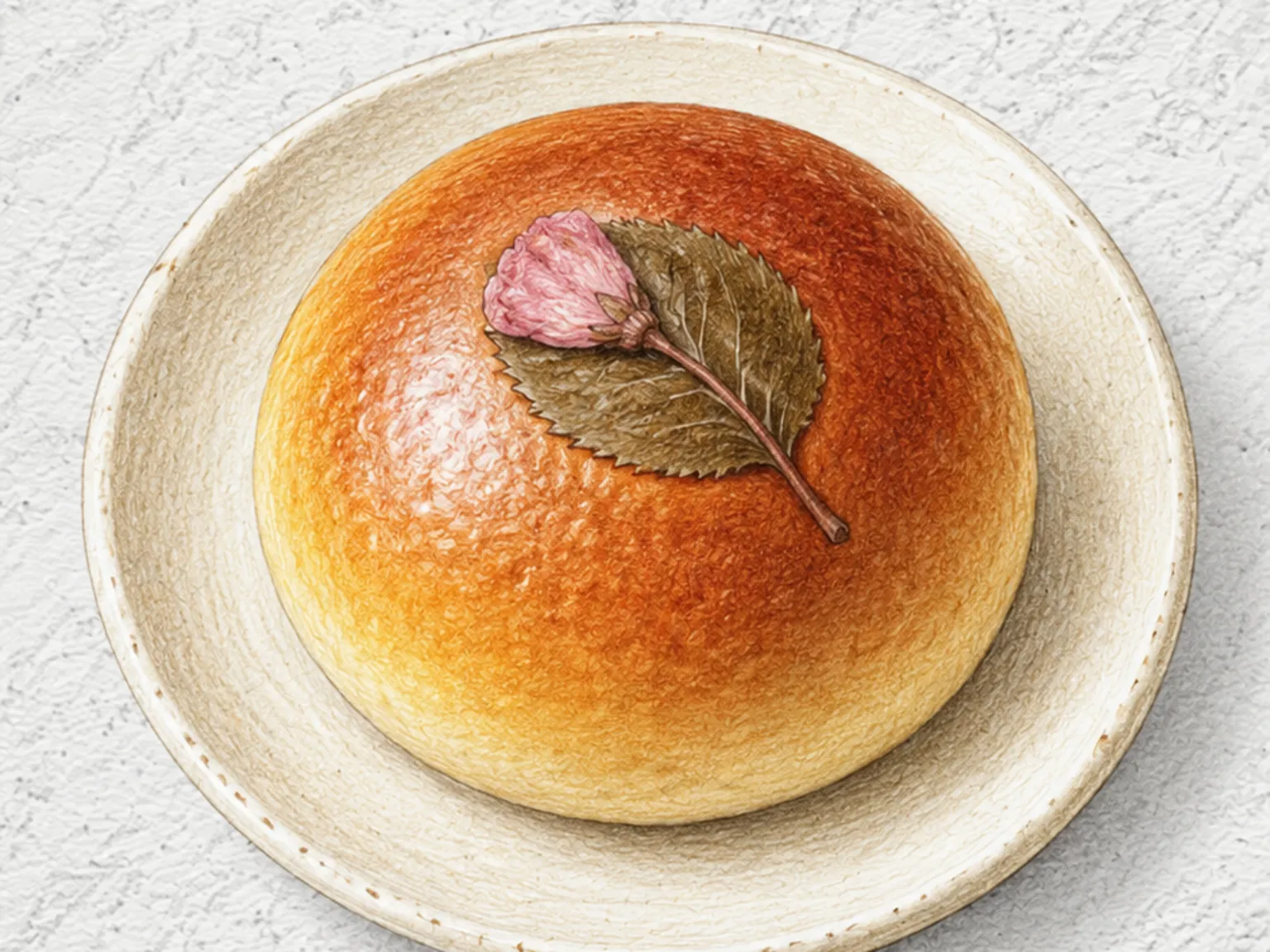
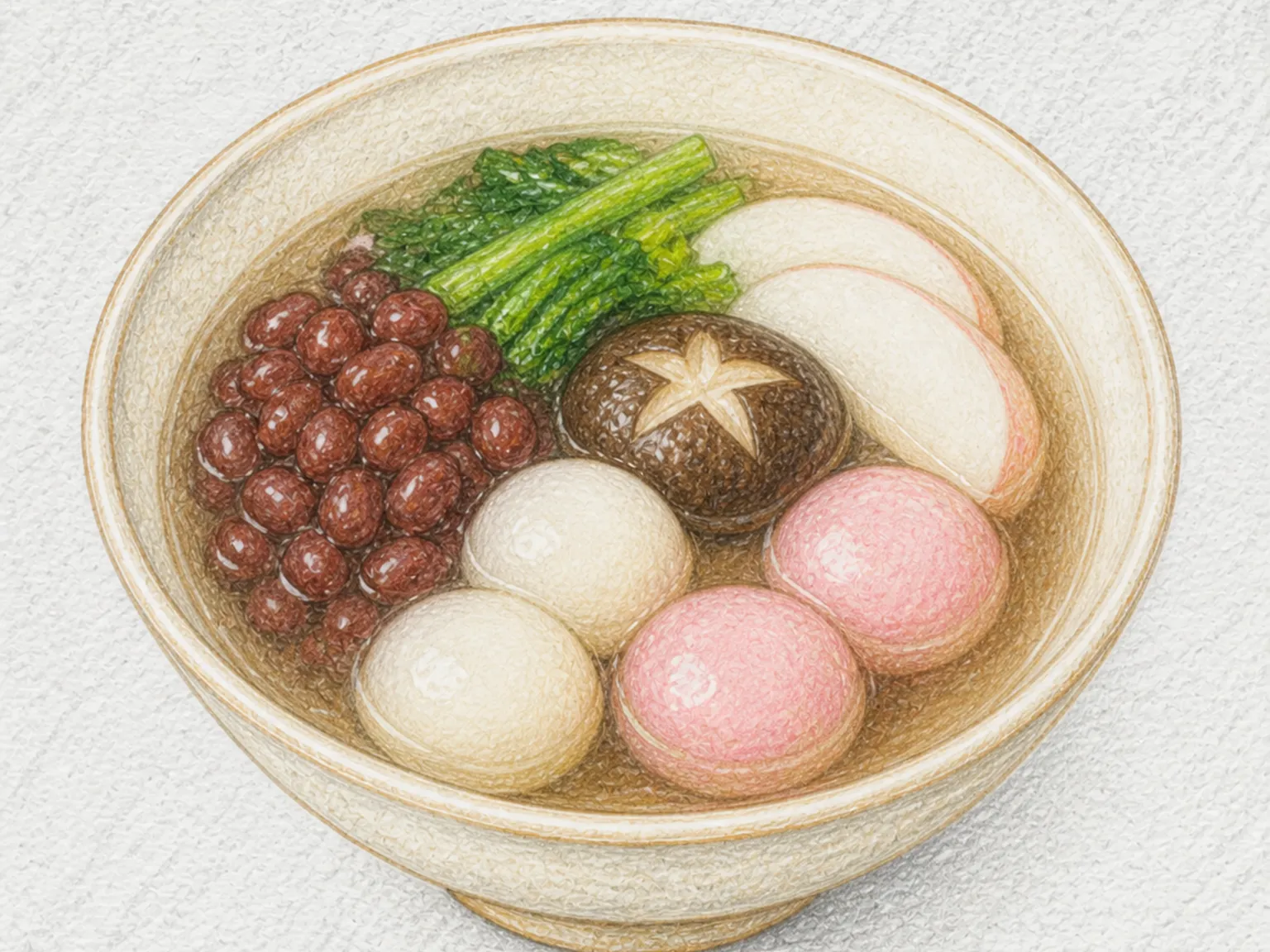
Akaneko (Wheat and Glutinous Rice Mochi)

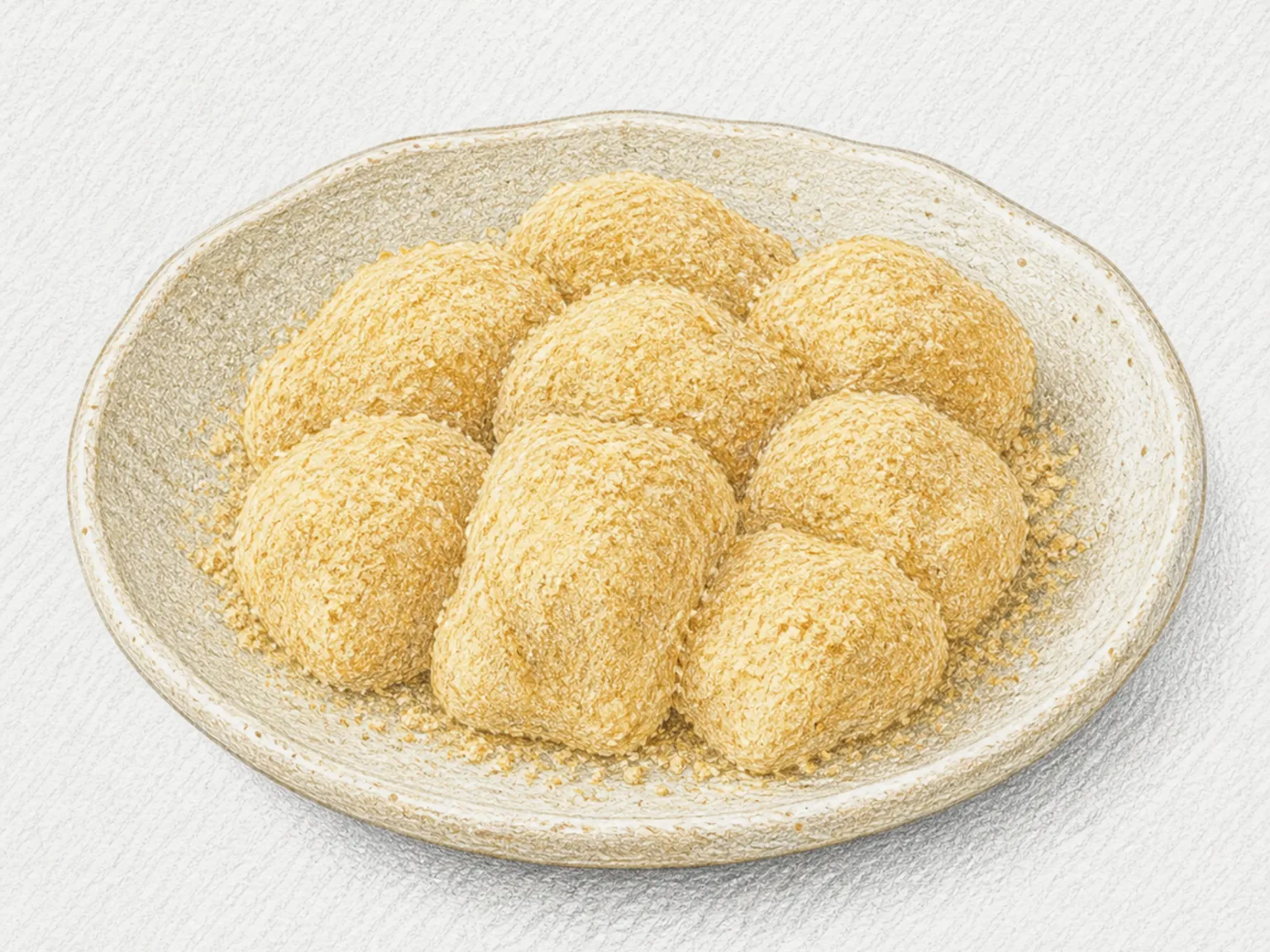
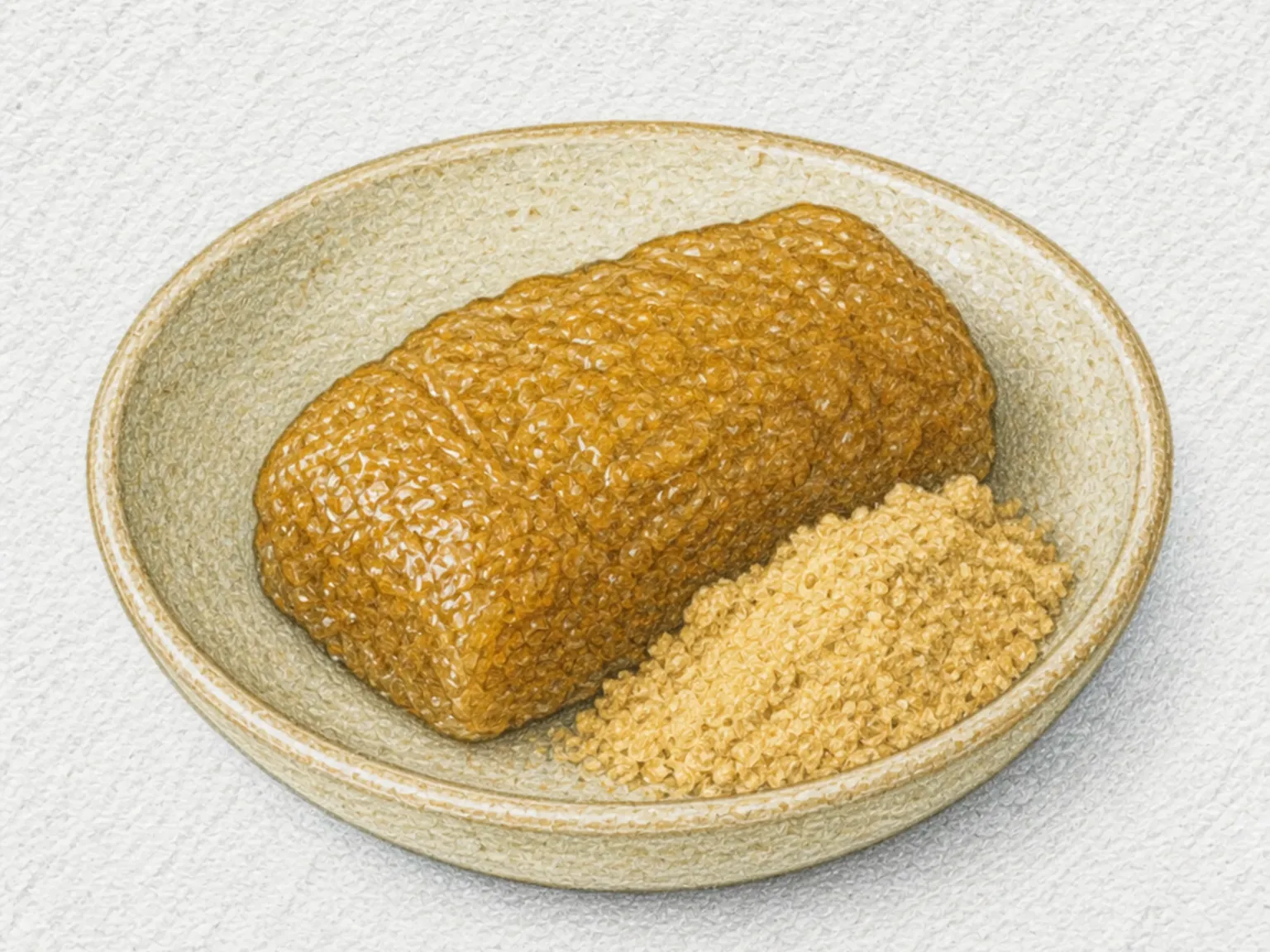
Pull a piece and it breaks off cleanly instead of stretching the way all-rice mochi does. That is the wheat at work: a soft flour dough steams in the same basket as the glutinous rice, and the two are pounded together while hot. In the Nakakawachi and Minamikawachi areas of Osaka it was made around Hangesho, once rice planting was done, to give thanks and pray for a good harvest, and it is rolled in sugared kinako.

Prep 50min Cook 40min 4 servings
Miki (Amami Fermented Rice Drink)
Drinks Medium

Miki (Amami Fermented Rice Drink)

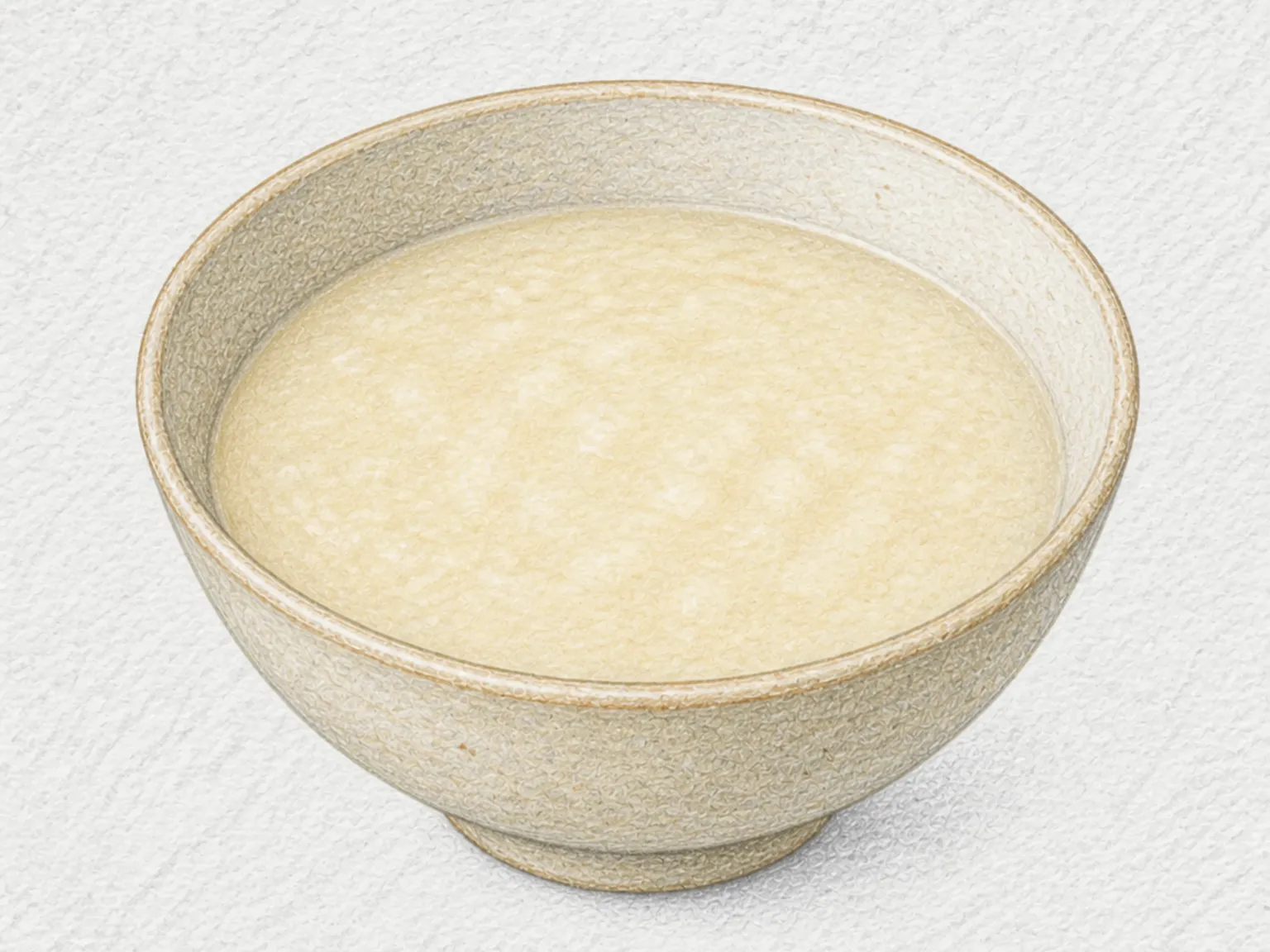
Thick, sweet, and slowly turning sour, miki comes from the Amami area of Kagoshima, where cooked rice flour, sugar, and water are fermented with juice pressed from raw sweet potato. Only the juice is used; the grated solids are left out. Freshly made, it tastes plainly sweet. Over the following days a sour tang builds behind that sweetness, and how much tang you like decides when the jar moves to the fridge, more than the calendar does.

Prep 20min Cook 20min 8 servings
Achara-zuke Pickles
Kimchi Easy

Achara-zuke Pickles

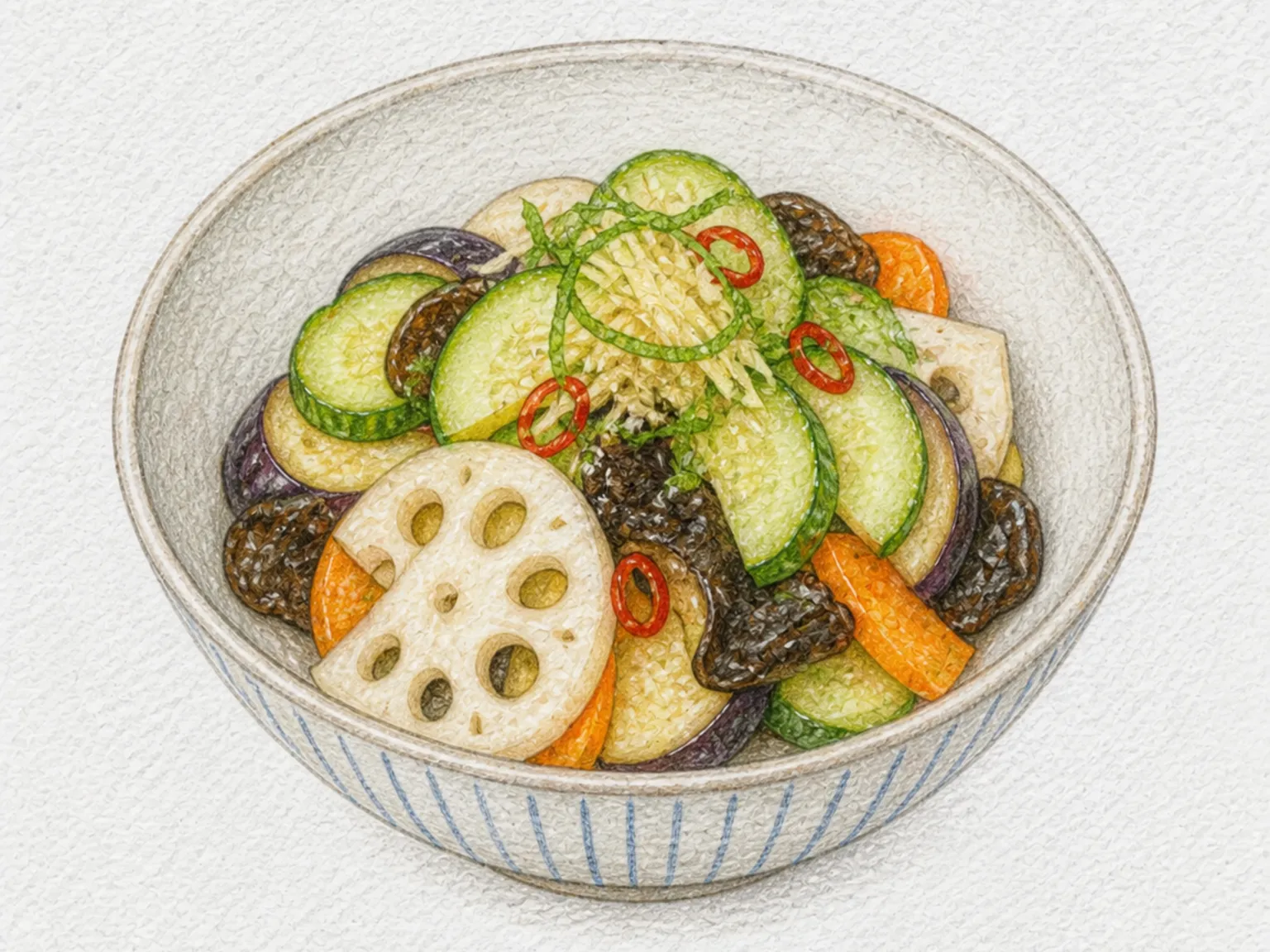
Thin slices of cucumber, eggplant, lotus root and carrot share the bowl with chewy wood ear mushroom, shiso and ginger, and each bite lands somewhere different on the crunch scale. Each vegetable is prepped on its own terms: the hard lotus root and carrot get a short blanch, while the softer cucumber and eggplant are rubbed with salt instead. The sweet vinegar with sliced red chili is boiled once and then cooled all the way down. Poured on while still warm, it costs the cucumber and lotus root their snap. Squeezing the salted cucumber and eggplant hard after rinsing keeps the dressing from going watery. Half an hour in the fridge is enough before serving it cold with its liquid.

Prep 25min Cook 10min 4 servings
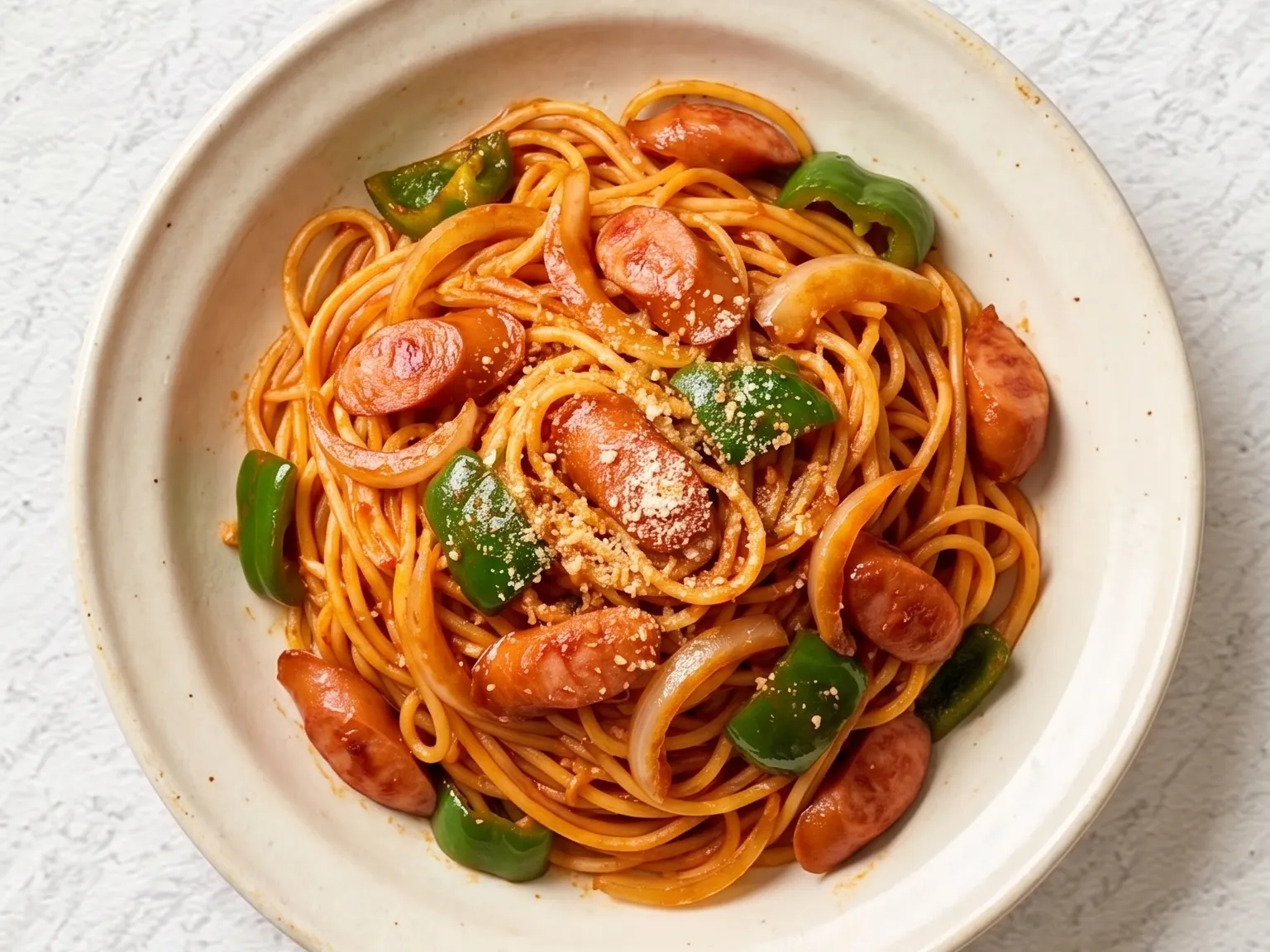
Japanese Napolitan Spaghetti
Pasta Easy

Japanese Napolitan Spaghetti

Napolitan grew out of postwar Japan, when ketchup and Vienna sausages were easier to find than pricier ingredients, and it still tastes like retro home cooking. The ketchup is fried in the pan before the noodles join it, cooking off its water so the raw tang turns into concentrated tomato sweetness, with Worcestershire adding a fermented, savory layer. Sausage browns first, until its edges color and the pan smells of it. The onion and green pepper get only a quick blast of high heat so they stay crisp, and a knob of butter at the end softens the ketchup's tang into a sweet, salty gloss.

Prep 15min Cook 15min 2 servings
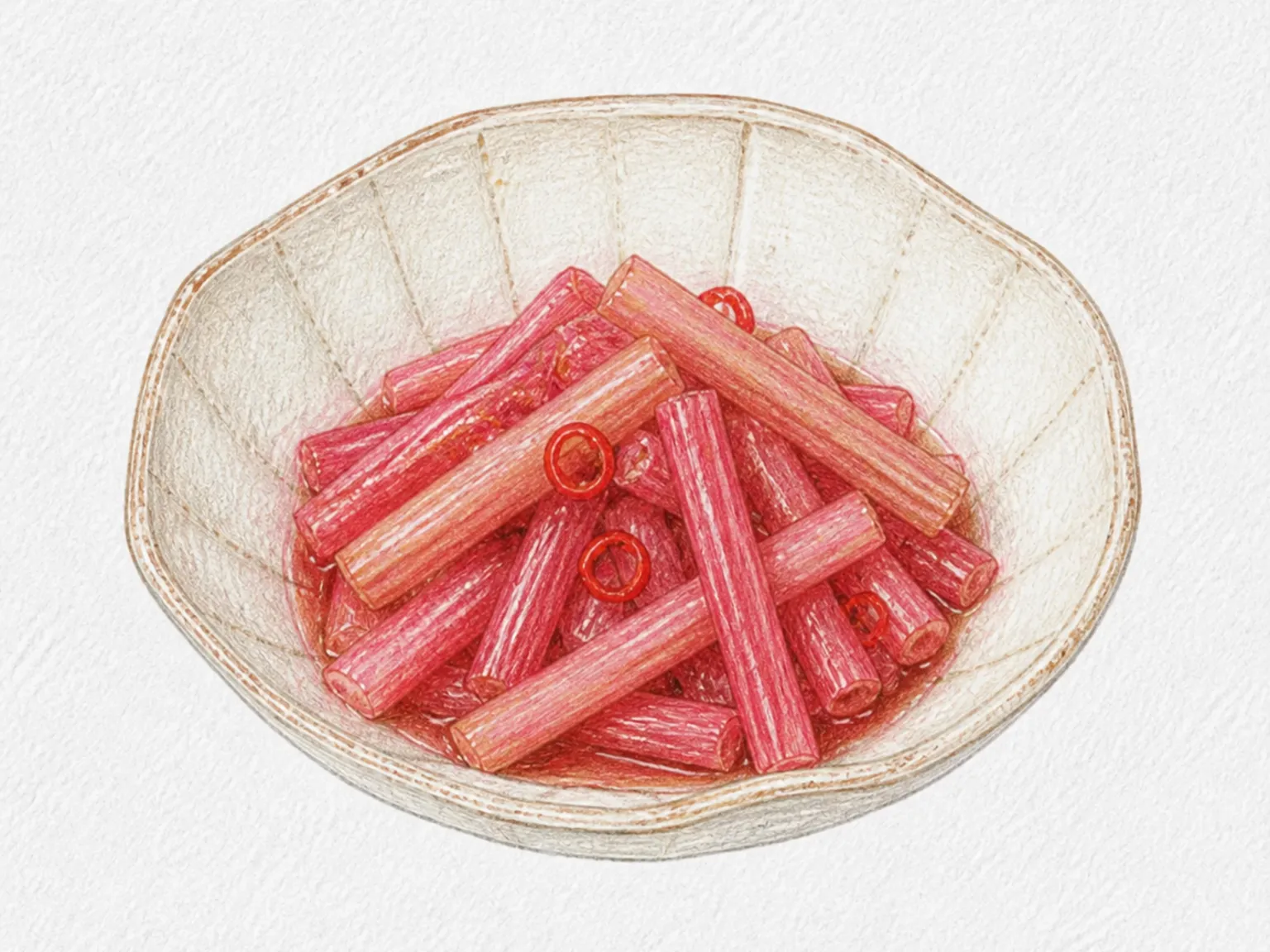
Akadatsu no Subute
Salads Easy

Akadatsu no Subute

Red taro stems (akadatsu) are blanched and steeped in vinegar and mirin, and as they chill the red color spreads evenly through the whole batch. Every strip of outer skin and tough fiber is peeled from top to bottom and the stems are rubbed with salt, or they stay stringy and taste acrid even after dressing. The stems bend but keep a light crunch at the center. That crunch depends on boiling the vinegar mixture to drive off the mirin's alcohol and then letting it cool completely; poured on hot, it keeps cooking the stems. With about twice as much vinegar as mirin, the dish tastes clearly sour before it tastes sweet.

🥗 Lighter Meals
Prep 25min Cook 8min 4 servings
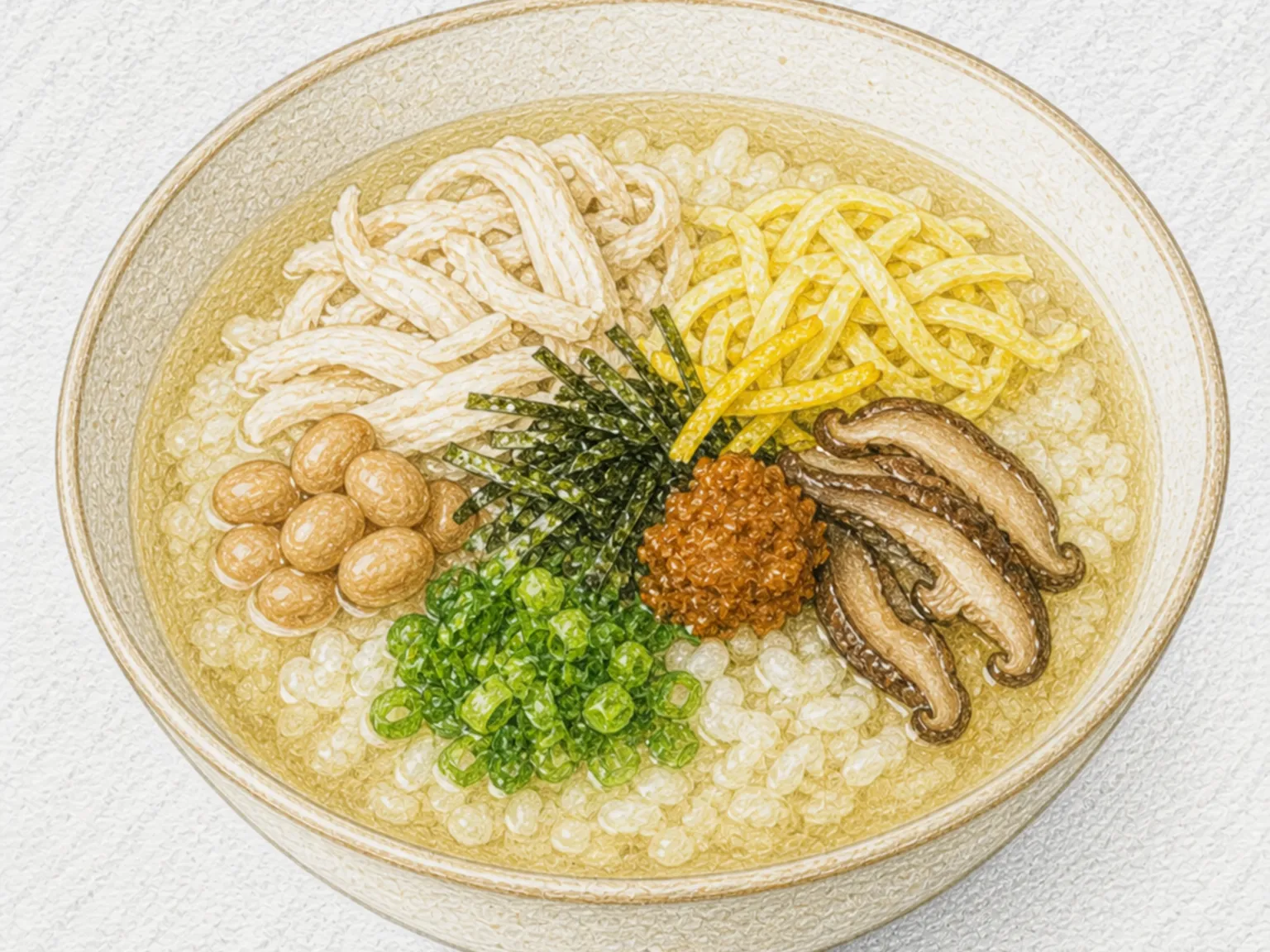
Amami Keihan Chicken Broth Rice
Rice Hard

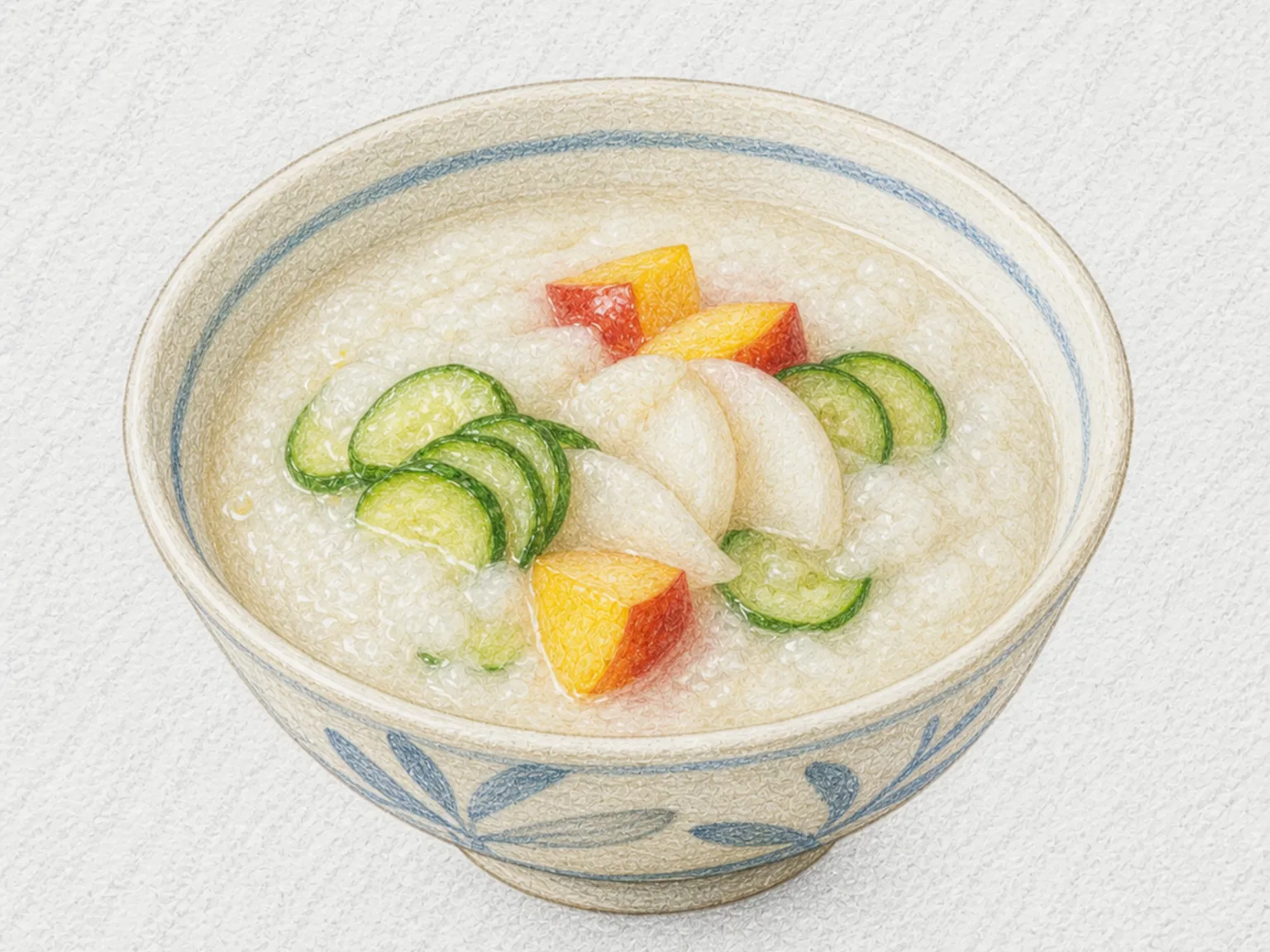
Amami Keihan Chicken Broth Rice

A modest scoop of rice gets its toppings arranged to taste: shredded chicken, thin egg strips, simmered shiitake, green beans, miso-pickled papaya, scallion, citrus peel, and nori. Hot chicken-bone broth is then poured over generously, and the bowl is eaten lightly, almost like soup. On Amami, the earliest form resembled seasoned chicken rice, and the custom of pouring broth over it spread in the Showa era and became standard. The bones simmer with ginger for an hour, and the tenderloin is poached in that same broth, which ties the meat and the soup together.

Prep 40min Cook 90min 4 servings
Buta Shogayaki (Japanese Ginger Pork Stir-Fry with Soy Mirin Glaze)
Stir-fry Easy

Buta Shogayaki (Japanese Ginger Pork Stir-Fry with Soy Mirin Glaze)

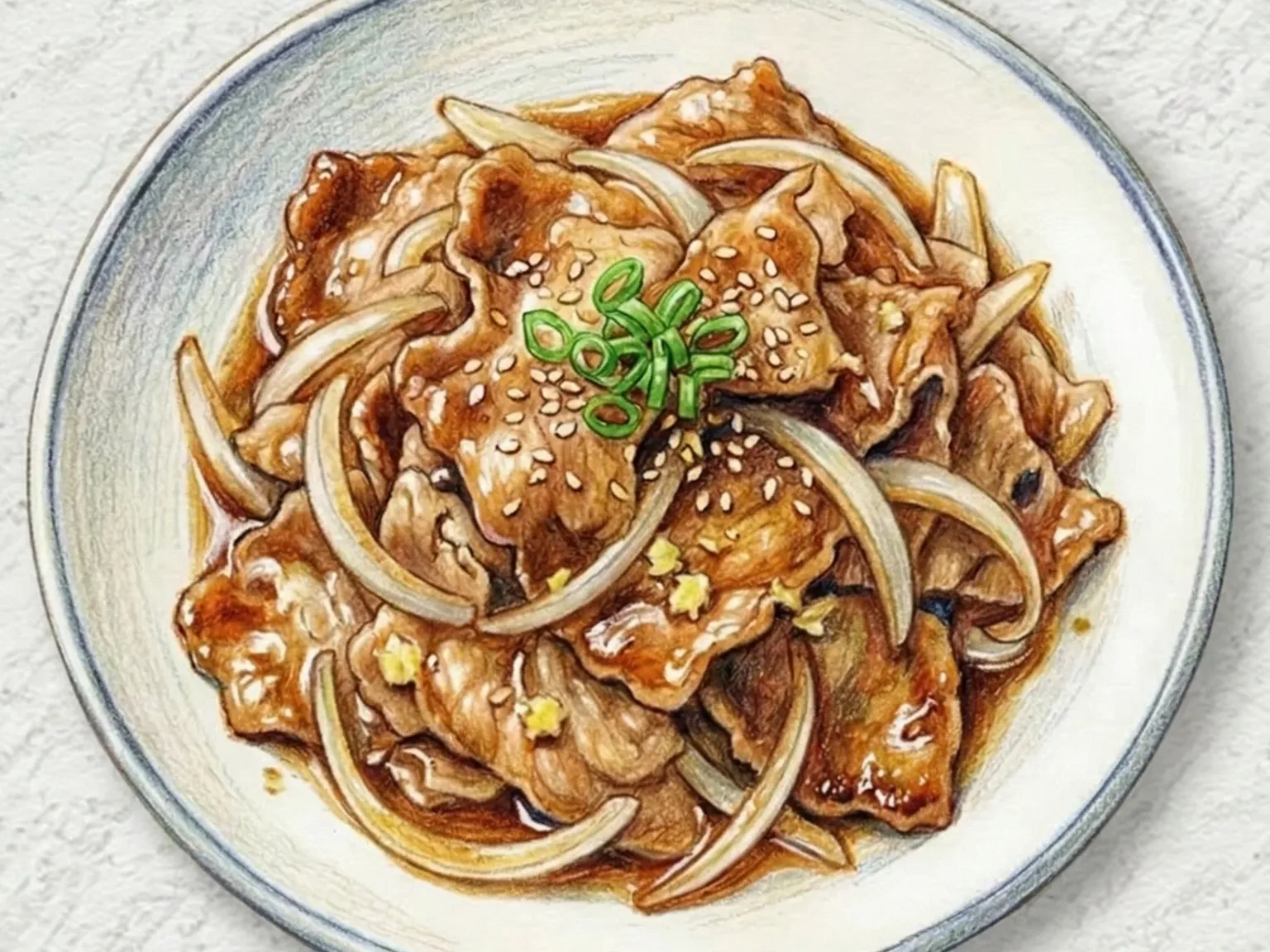
Rather than marinating the pork, this version sears thin slices of pork shoulder first and adds the soy, mirin, and fresh ginger sauce only for the last 30 seconds, when it reduces to a glossy glaze. Laid flat without overlapping, the slices brown at the edges instead of stewing in their own juices. Onion softened in the same pan adds sweetness, and the result is the ginger pork familiar from Japanese set meals and bento boxes.

🏠 Everyday 🍱 Lunchbox
Prep 10min Cook 12min 2 servings