Browse by cuisine

Japanese Recipes

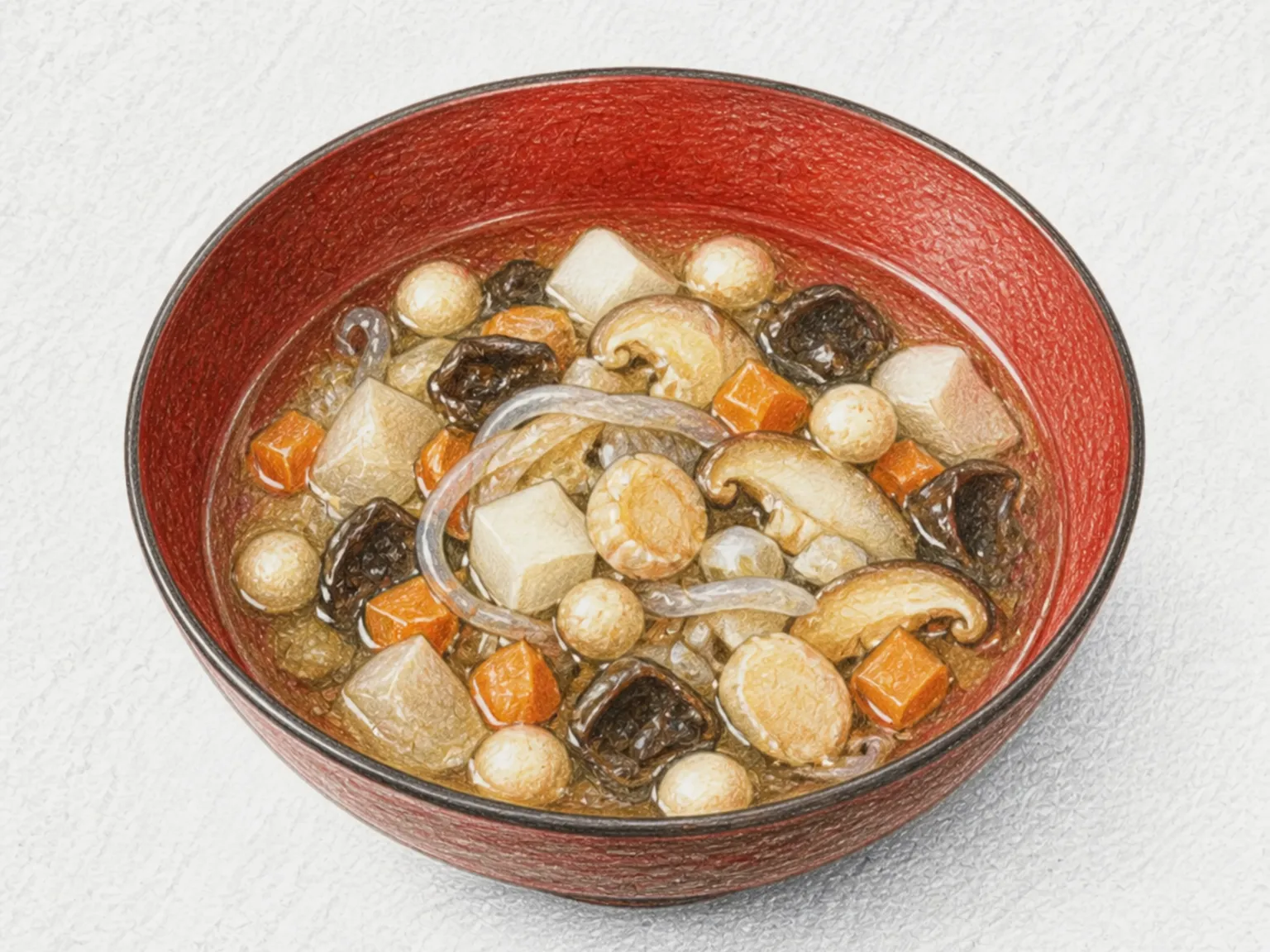
509 Japanese recipes. Page 12 of 22. Compare ingredients and cooking times. Kenojiru (Tsugaru Root Vegetable and Soybean Soup), Zuiki Sweet Vinegar Pickle.

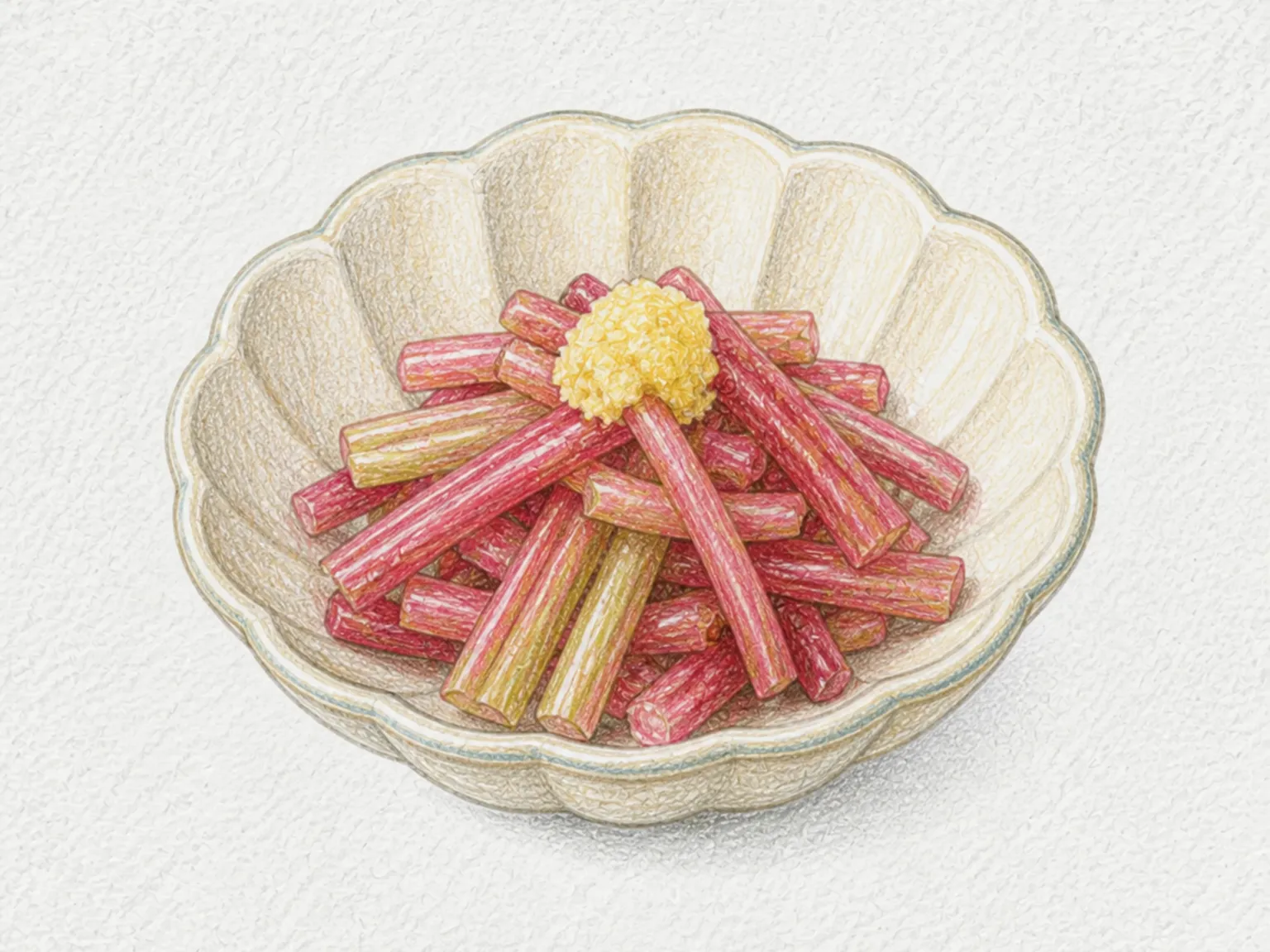
Zuiki Sweet Vinegar Pickle
Kimchi Easy

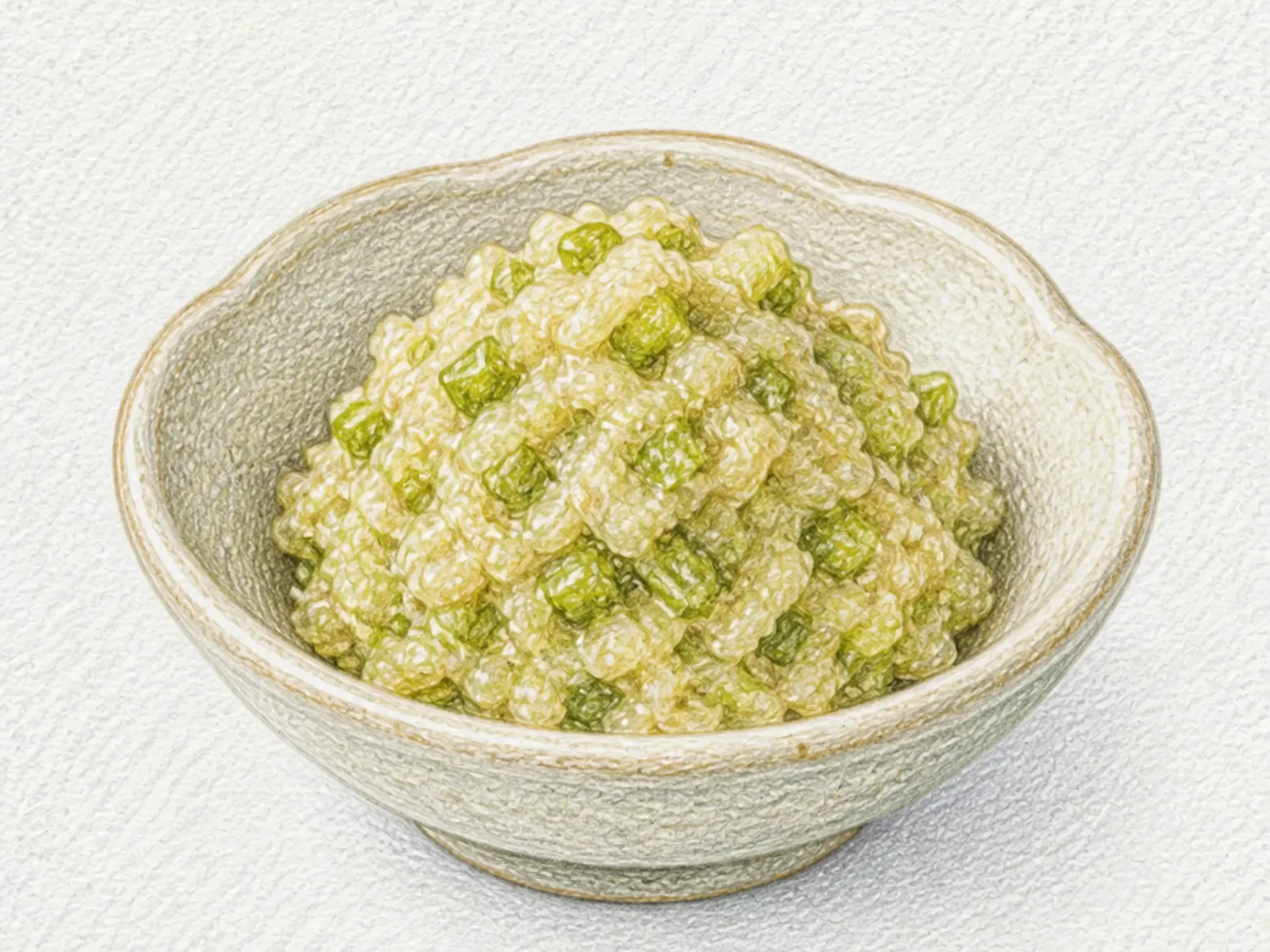
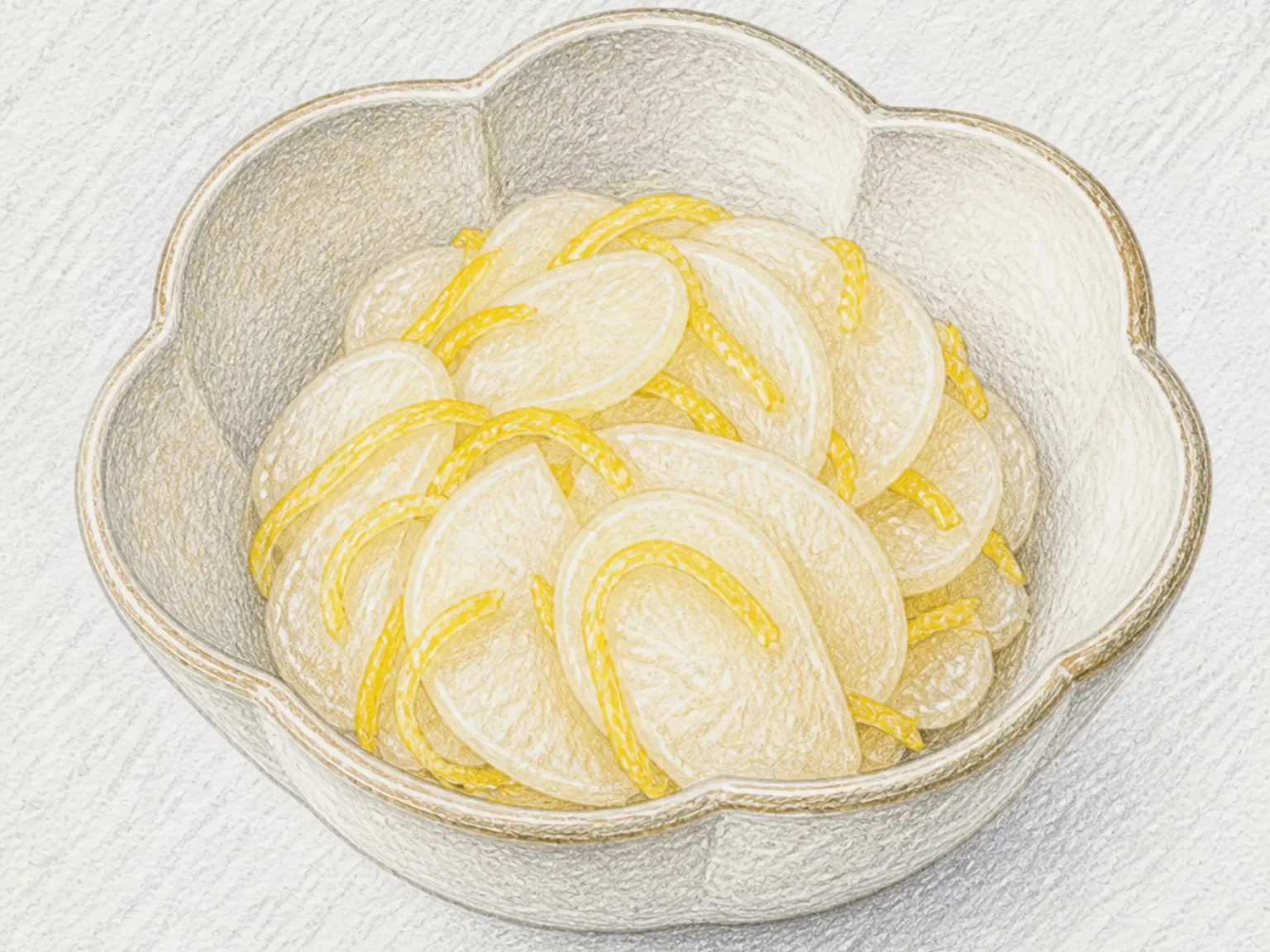
Zuiki Sweet Vinegar Pickle

Blanched taro stalks (zuiki) turn bright and keep a light crunch at the center when they are slipped straight into sweet vinegar. In Niigata this is a summer side dish, made from the leaf stalks of yatsugashira taro harvested from June to September. Both the outer skin and the stringy fibers come off first, and the stalks are weighted under water while soaking so none float. The temperatures run the opposite way from a hot-brine pickle: the brine is cooled ahead of time, while the zuiki is added hot from the pot, which sets the color and texture. Overcooking breaks the fibers down, so they come out as soon as they bend without snapping, and a little grated ginger is spooned on top when served cold.

Prep 45min Cook 8min 4 servings
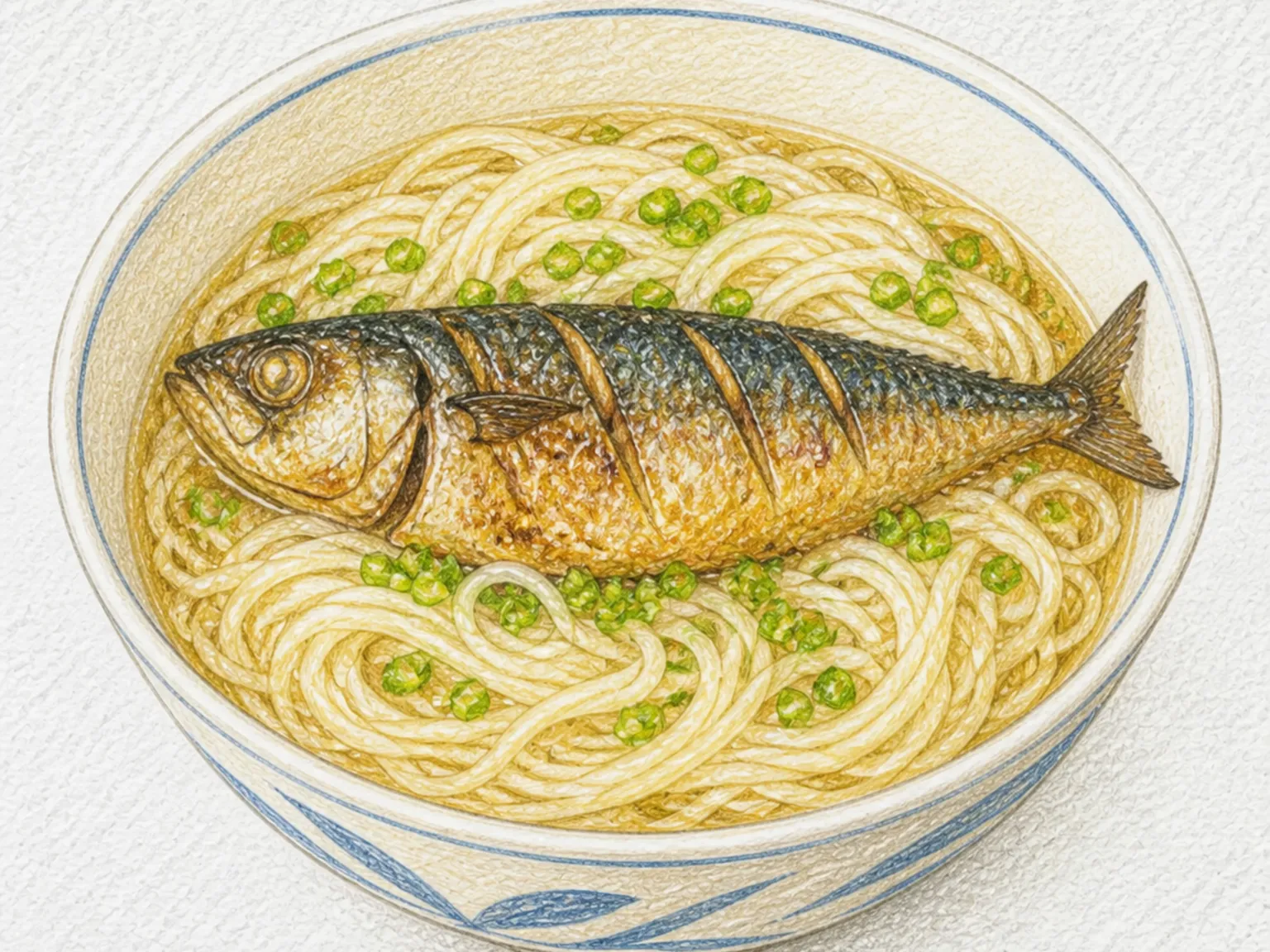
Saba Somen (Simmered Mackerel with Somen)
Noodles Medium

Saba Somen (Simmered Mackerel with Somen)

Grilled mackerel is braised in a sweet soy broth, and that same liquid then seasons somen noodles served around the whole fish. The dish belongs to the Kohoku area of Shiga, where mackerel arrived easily over the Saba Kaido, the old road linking Wakasa and Kyoto. It ties to a May custom of sending grilled mackerel to a married daughter busy with rice planting, and to festive tables at Nagahama's Hikiyama festival.

Prep 15min Cook 30min 5 servings
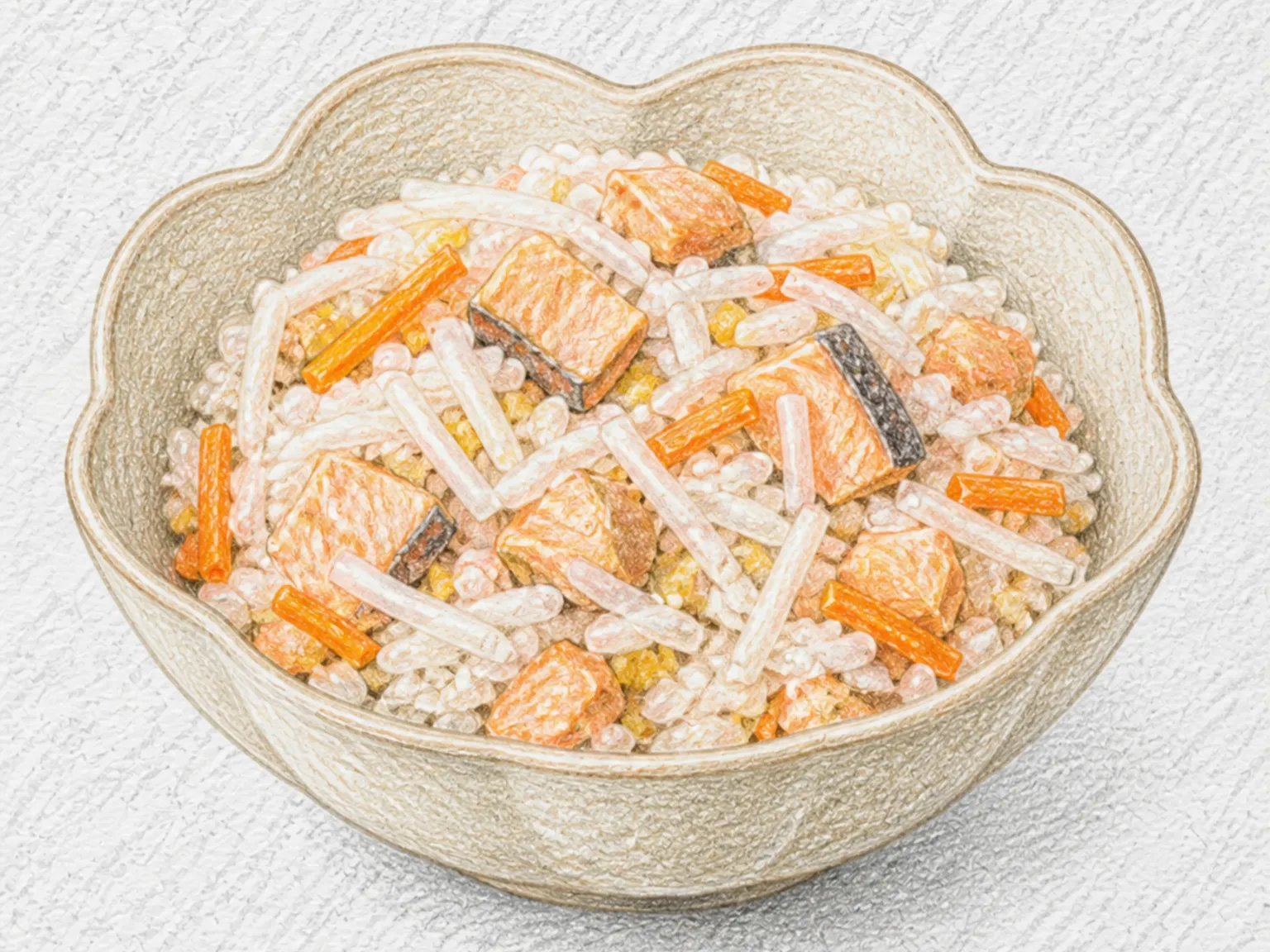
Nezushi (Koji-Fermented Trout and Rice)
Rice Hard

Nezushi (Koji-Fermented Trout and Rice)

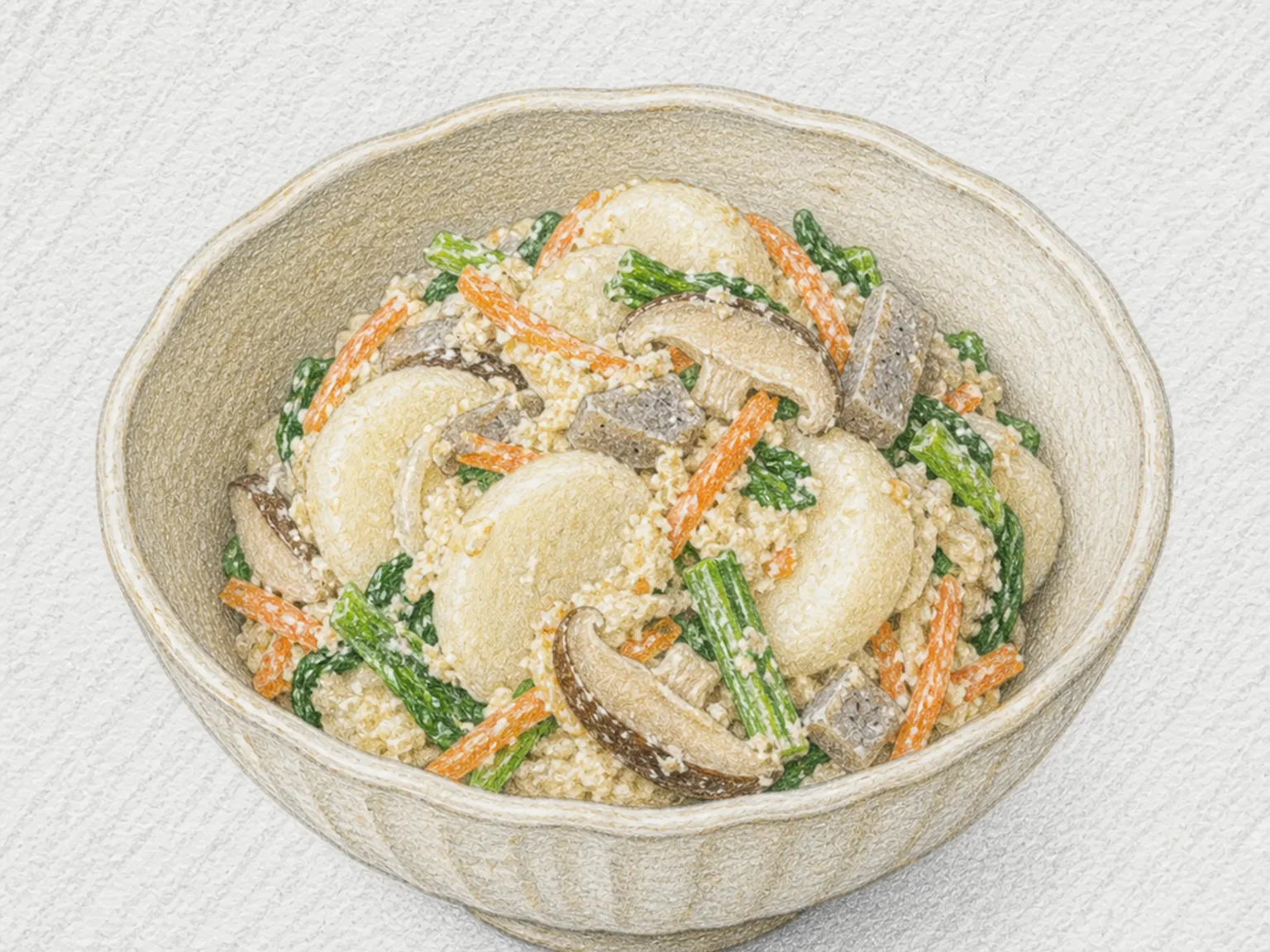
Rice koji and cooked rice slowly develop a mild sweet-sour character in the cold, and that flavor seasons pieces of salted trout, shredded daikon, and carrot. This fermented New Year sushi comes from the Hida and Chuno areas of Gifu, especially around Gero, where it was traditionally started in December. The packed container rests for 14 to 20 days somewhere consistently cold, and the pace changes with the weather and the ingredients.

Prep 35min Cook 25min 4 servings
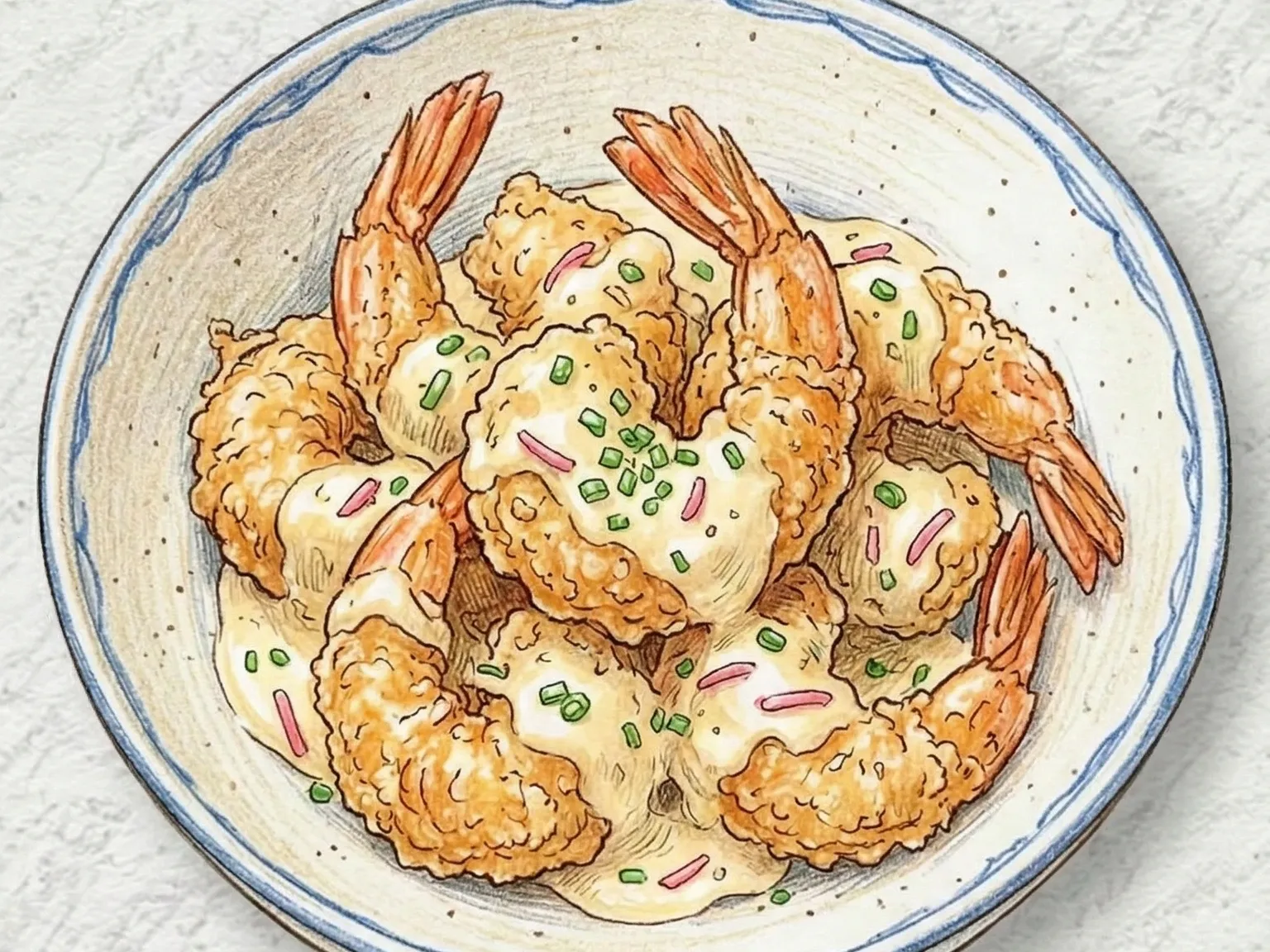
Sara Udon (Crispy Noodles with Seafood Thick Sauce)
Noodles Medium

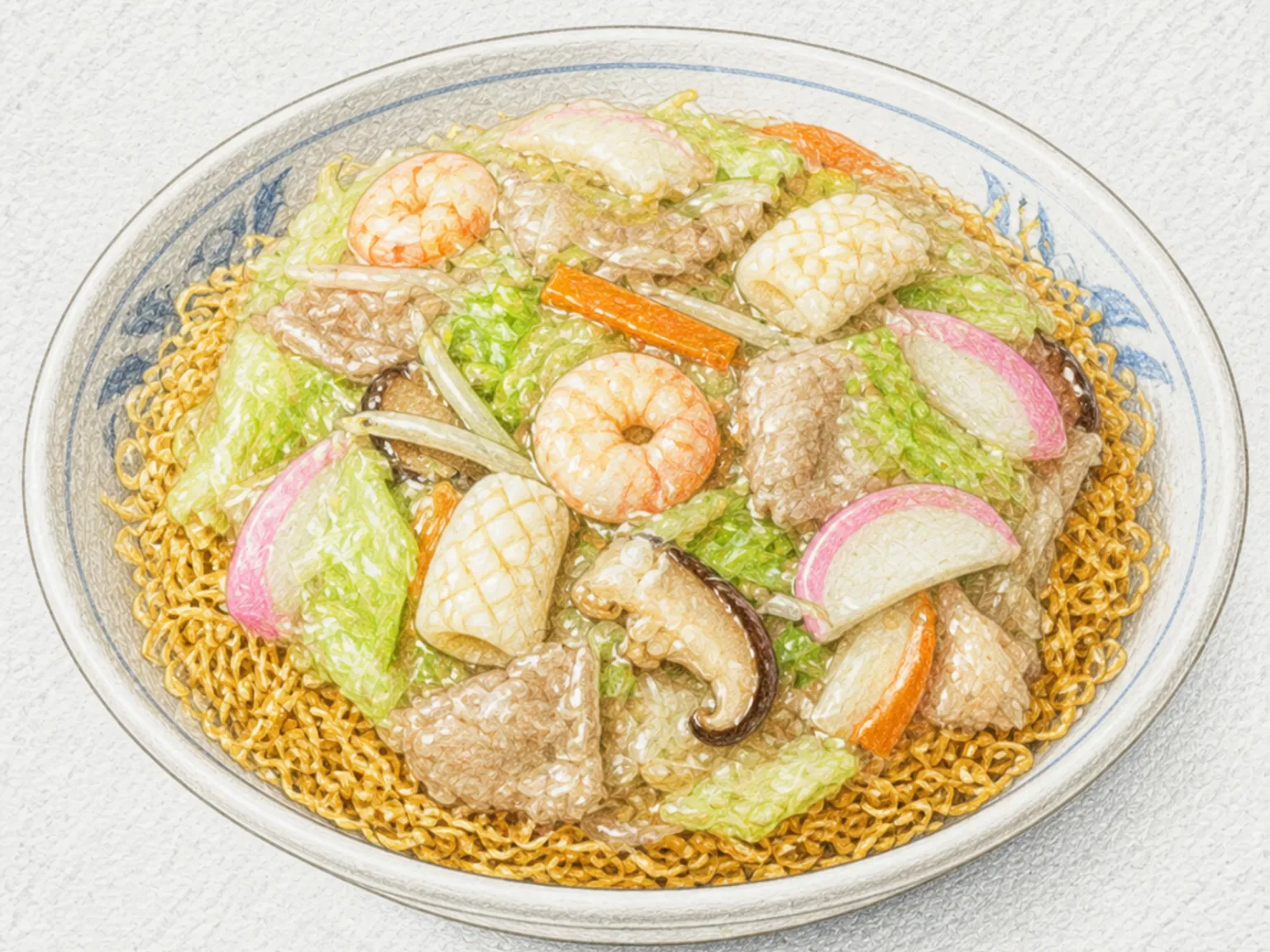
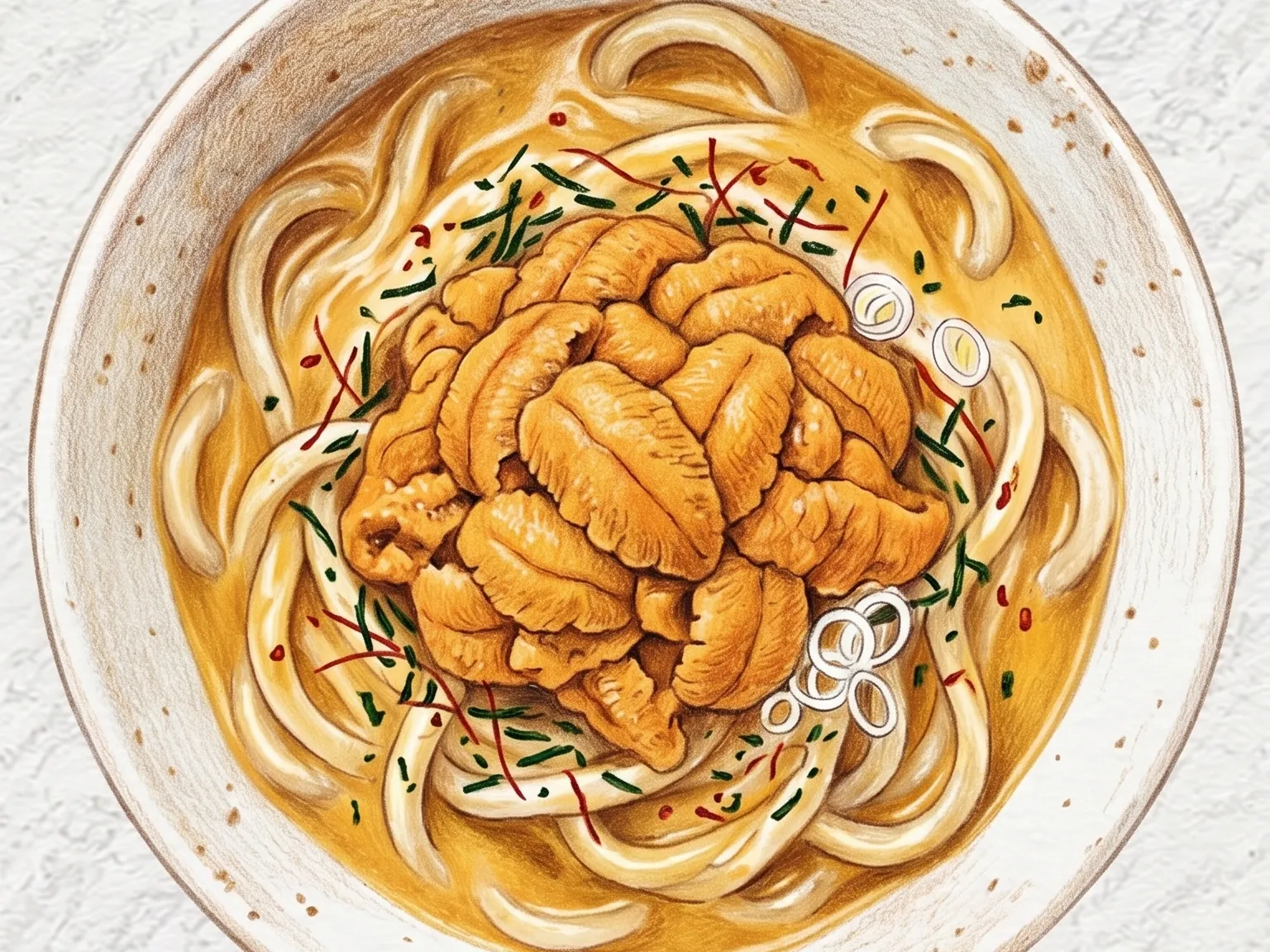
Sara Udon (Crispy Noodles with Seafood Thick Sauce)

Crisp fried thin noodles are buried under a hot, glossy sauce of pork, shrimp, squid, and vegetables thickened with potato starch. Chen Pingshun of Shikairo created it in 1899 as a soupless version of champon. Nagasaki still distinguishes the original thick-noodle style from the thin, crunchy style most people eat today, and this recipe follows the latter with store-bought fried noodles. Kamaboko, bean sprouts, and shiitake are added late so the sprouts keep their snap. Where the sauce soaks in, the noodles soften, and the rest stays crunchy.

Prep 25min Cook 15min 2 servings
Ebiimo to Bodara no Taitan (Simmered Taro and Dried Cod)
Asian Hard

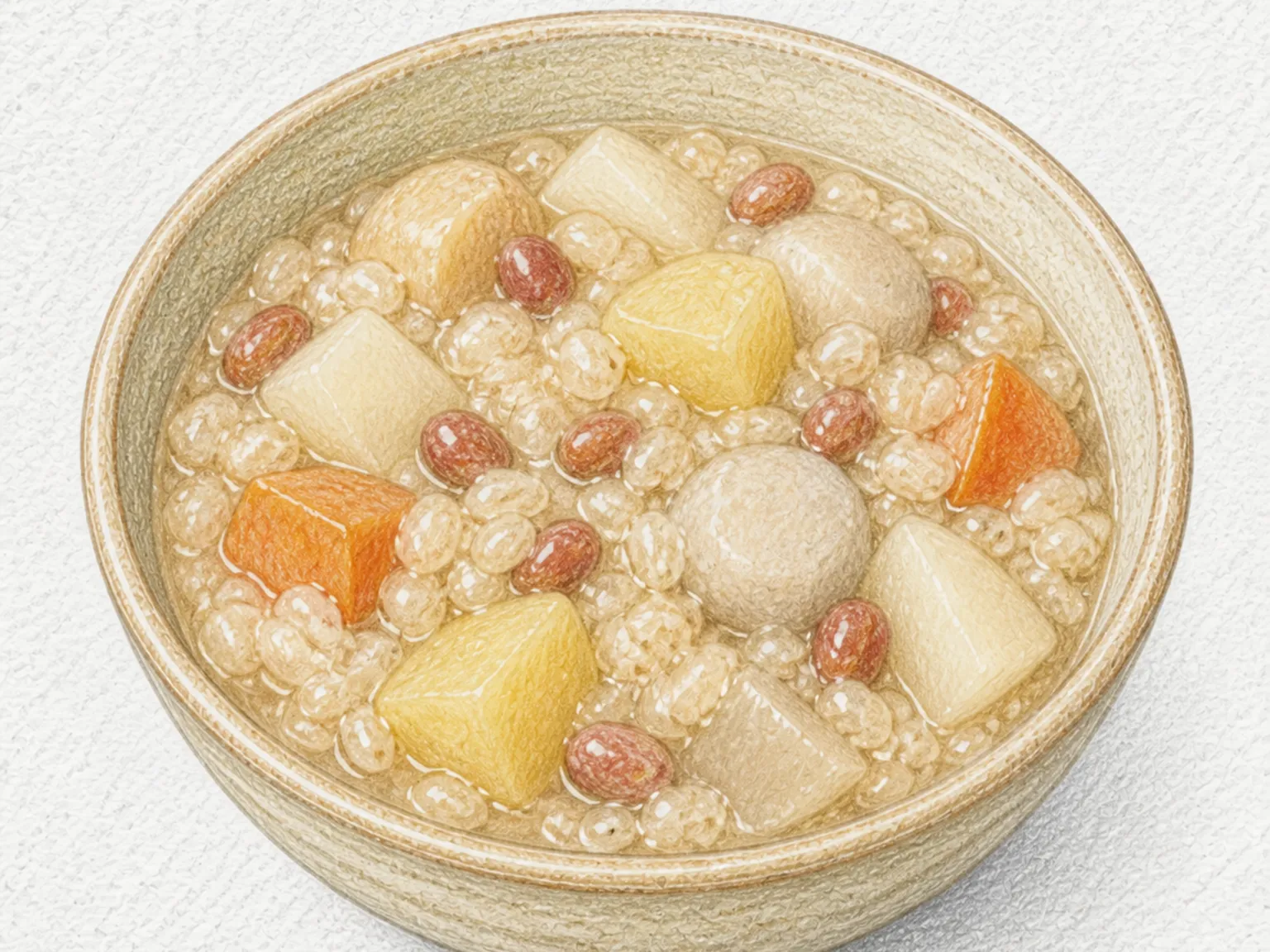
Ebiimo to Bodara no Taitan (Simmered Taro and Dried Cod)

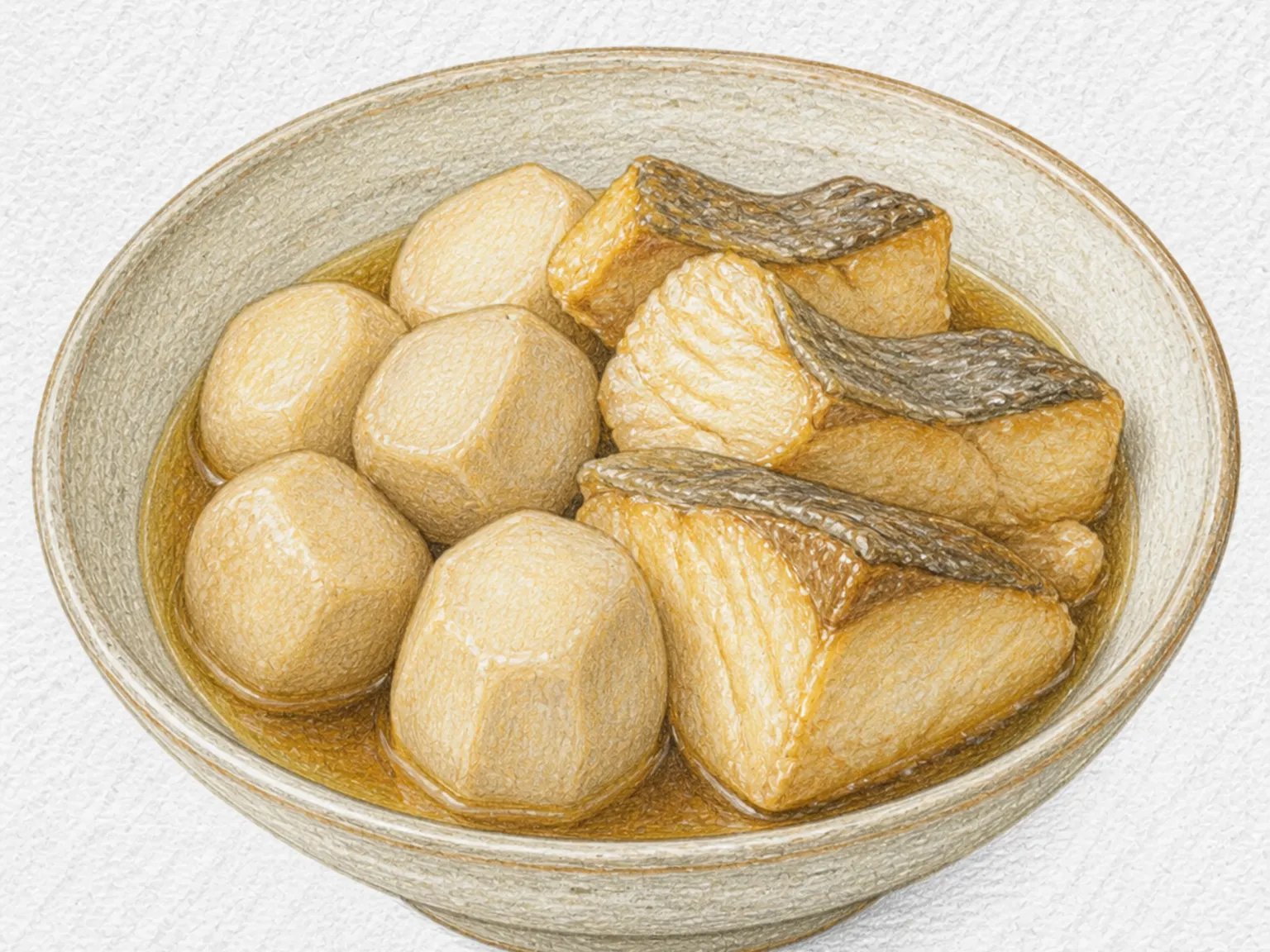
This is a braise meant to be reheated and eaten the day after it is made. Overnight, gelatin from the dried cod coats the taro, and the ebiimo turn sticky and glossy. Ebiimo is a dense, striped taro from Kyoto; the cod is the dried kind traditionally brought down from Hokkaido, first simmered on its own in bancha tea to take off its smell and leftover salt. In Kyoto it is made in autumn and winter and also served at New Year.

Prep 45min Cook 180min 10 servings
Koikoku (Long-Simmered Carp Miso Soup)
Soups Hard

Koikoku (Long-Simmered Carp Miso Soup)

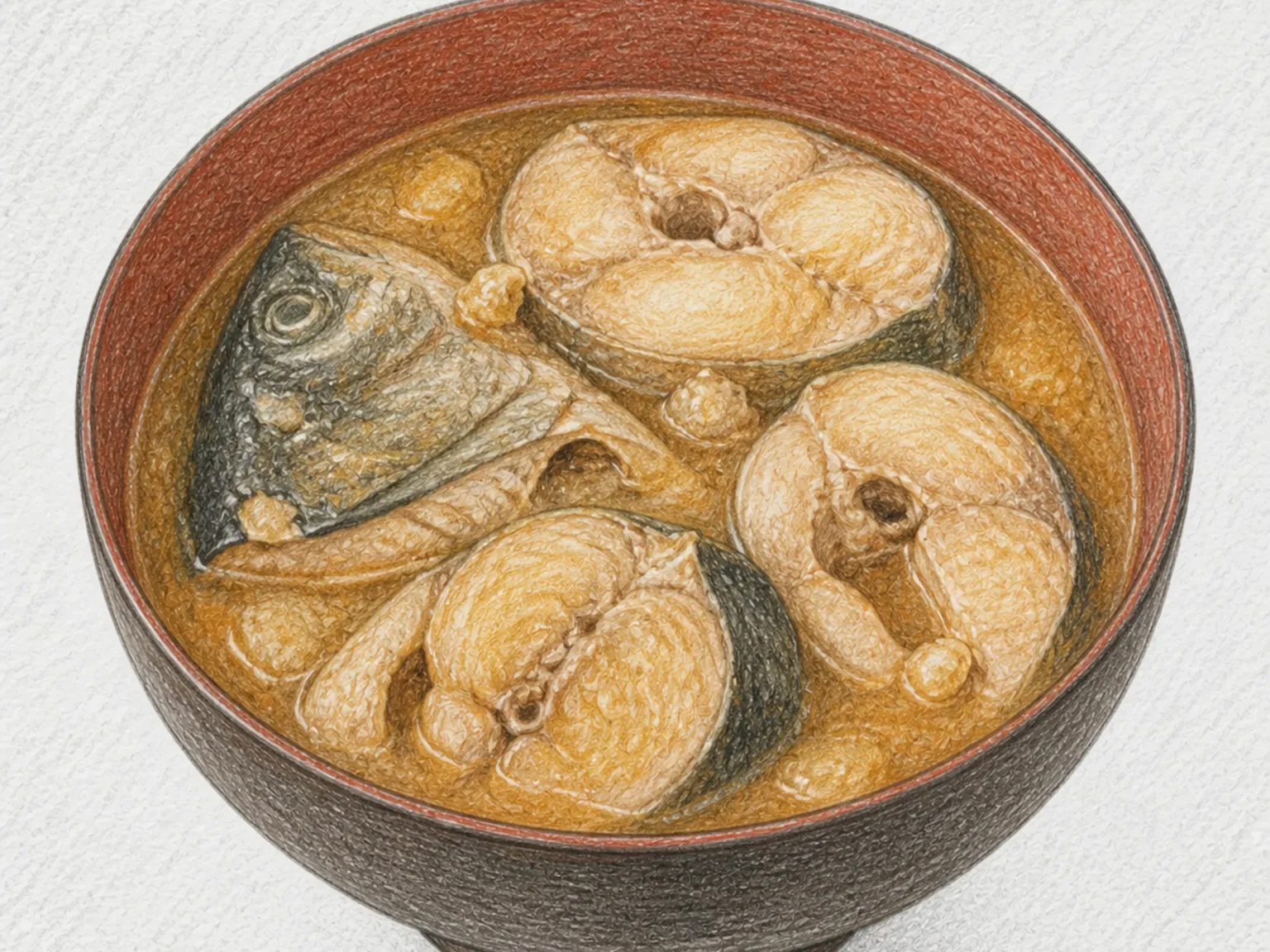
Thick bone-in rounds of carp and the head simmer for close to three hours, until the flesh flakes at a touch of the chopsticks and the miso broth turns thick. This style from the Saku area of Nagano adds miso in three stages. The first portion is added with sugar to season the fish, a middle portion ground smooth with cooked rice thickens the broth, and the last is stirred in near the end for aroma.

🏠 Everyday
Prep 25min Cook 200min 6 servings
Gunma Yuzu Maki
Kimchi Medium

Gunma Yuzu Maki

Thin daikon rounds, dried for a full day in sun and wind, are rolled around fine strips of yuzu peel and left in sweet vinegar until the citrus perfume runs through the jar. Gunma's dry winter, with its karakkaze wind, supported a wide habit of drying konjac, persimmons and daikon, and this pickle grew from that practice. It appears at winter celebrations and can take the place of red-and-white namasu in osechi. Only the thin colored zest of the yuzu is used, with the bitter white pith cut away. Drying makes the slices pliable enough to roll without cracking while keeping a pleasant chew.

Prep 480min Cook 5min 25 servings
Mizu Manju Chilled Translucent Bean-Paste Dumplings
Desserts Medium

Mizu Manju Chilled Translucent Bean-Paste Dumplings

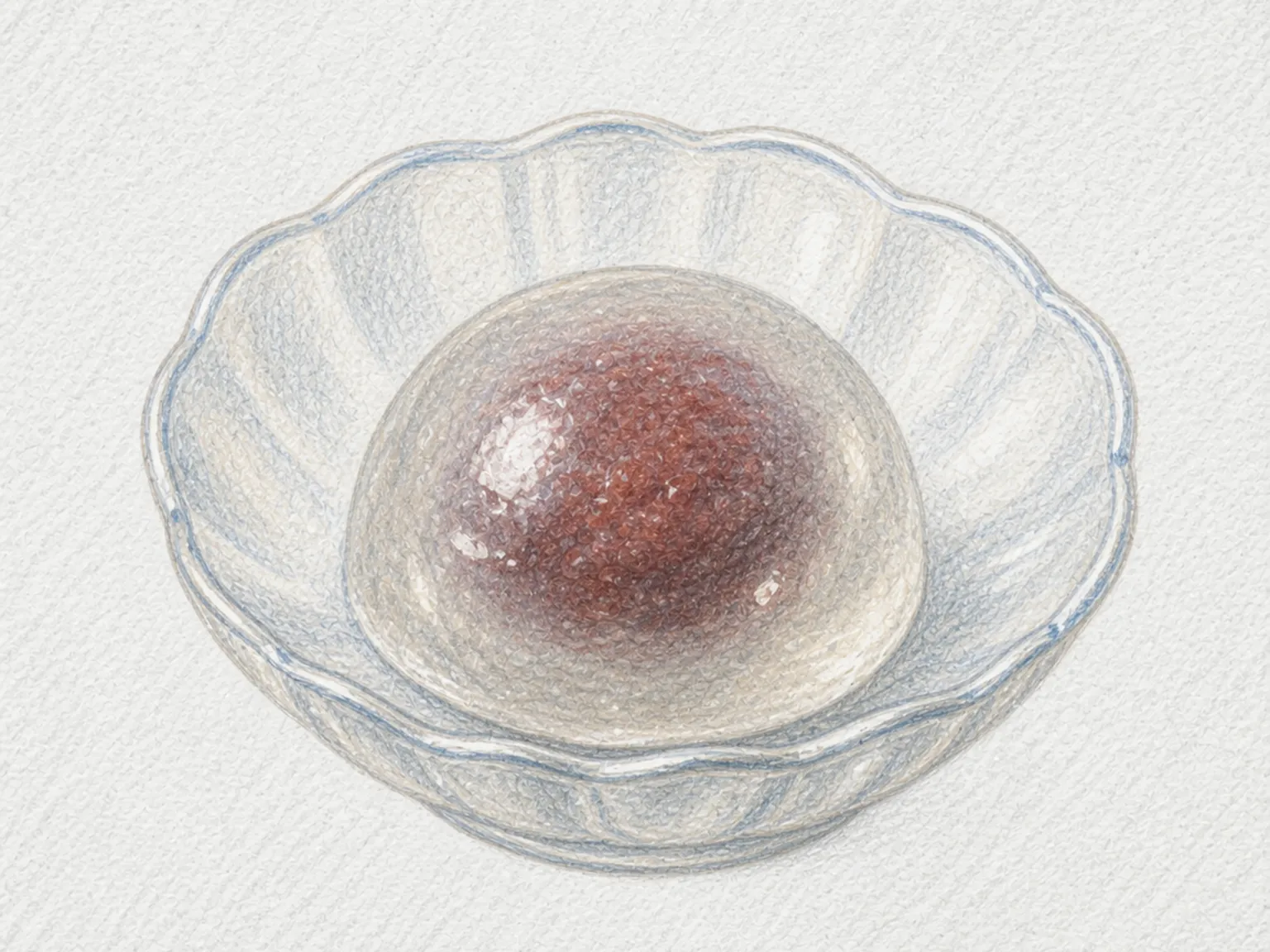
Steamed in sake-cup molds, each clear, chilled shell shows a round of red bean paste inside. The sweet comes from Ogaki in Gifu, a city so rich in groundwater that vegetables and fruit were kept cold in it, and it is said to date from the Meiji era. Kuzu starch alone dissolves easily in water and firms up when chilled, and adding warabi starch gives a chewier wrapper that holds up in water. Wells once did the chilling; at home, ice water made from drinking water does the job, with the molds only half submerged.

Prep 30min Cook 25min 15 servings
Yubeshi (Sweet Soy-Simmered Dried Yuzu Peel)
Kimchi Easy

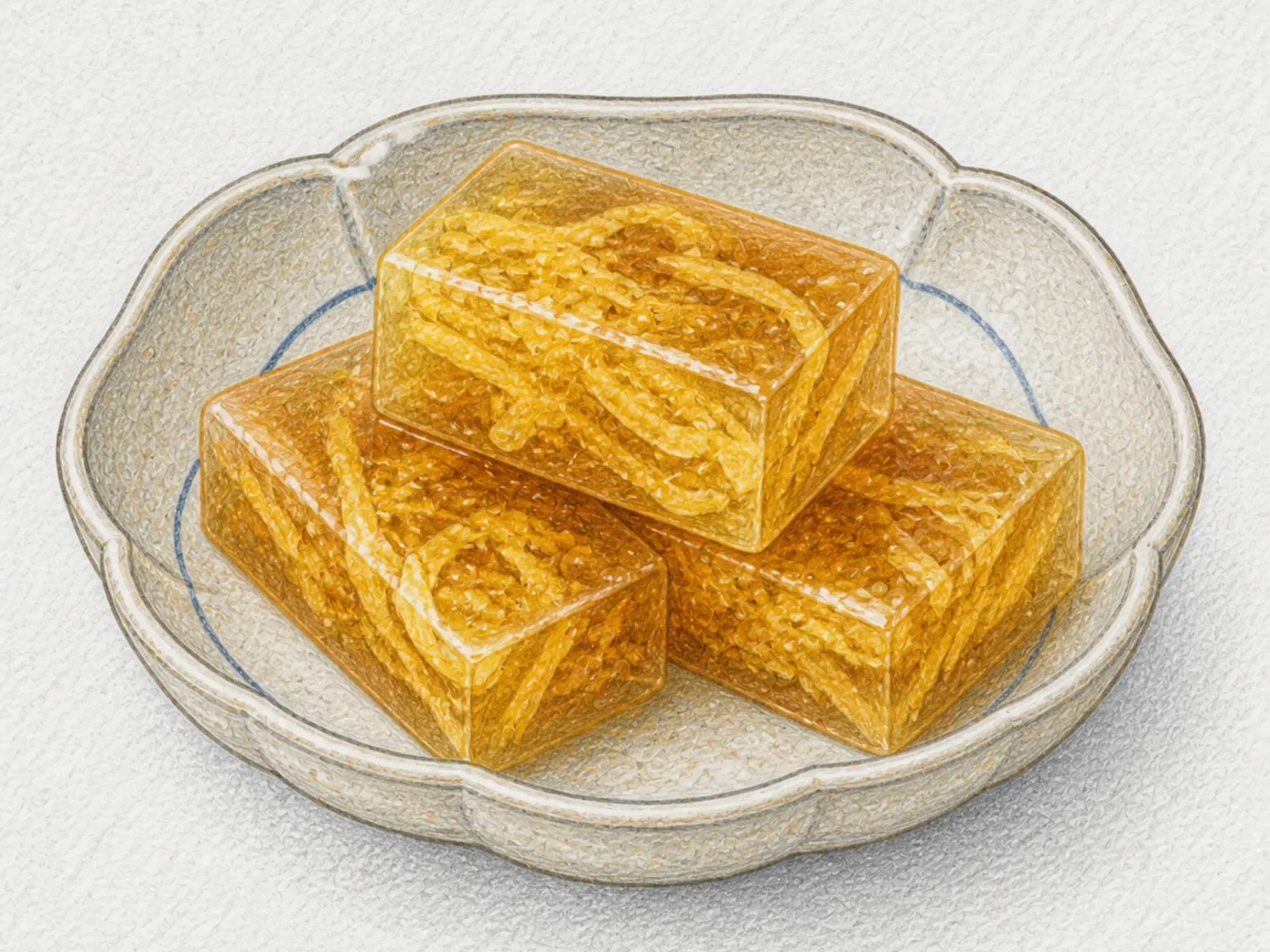
Yubeshi (Sweet Soy-Simmered Dried Yuzu Peel)

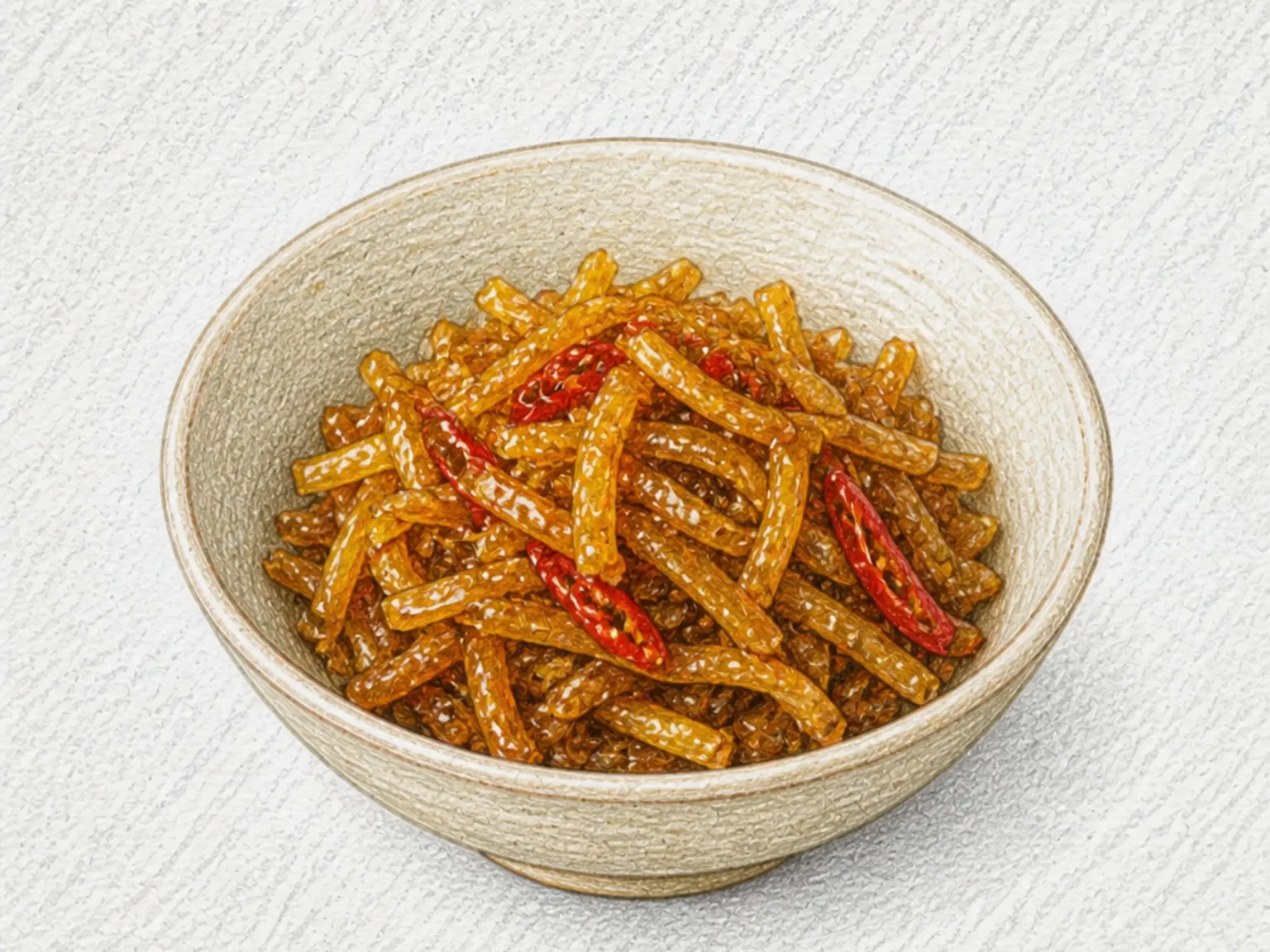
Dried yuzu peel, cut into fine strips, simmers until translucent in sugar, dark soy sauce, mirin and dashi, and the liquid turns sticky as the peel releases its pectin. Regional yubeshi elsewhere stuffs whole yuzu with miso or glutinous rice, while this Tokushima version cooks the chopped peel into a sweet and savory condiment instead. Boiling the peel in three changes of water takes off the harshest bitterness while leaving a controlled bitter edge under the soy sweetness. A bit of chili, if used, gives a brief warm finish.

Prep 15min Cook 45min 4 servings
Hakodate Shio Ramen (Hokkaido Clear Salt-Seasoned Chicken Ramen)
Noodles Medium

Hakodate Shio Ramen (Hokkaido Clear Salt-Seasoned Chicken Ramen)

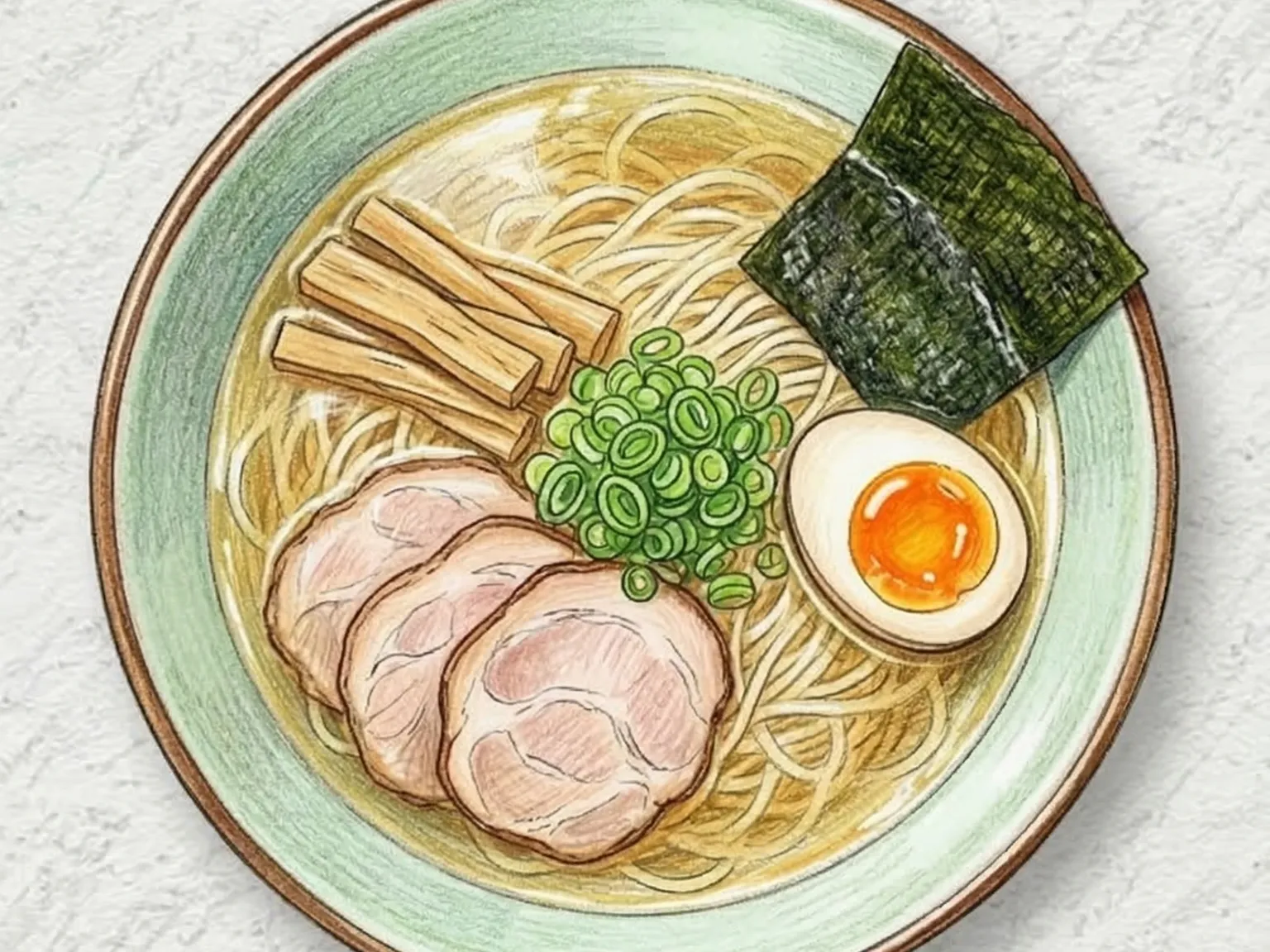
Chicken stock and a separately cooked clam broth, seasoned with nothing but salt, give this Hakodate-style ramen a pale golden soup that tastes clean and briny. Shio ramen traces back to Hakodate in southern Hokkaido, and with no soy or miso to hide behind, every flaw in the stock shows, which makes careful blanching and scrubbing of the bones worth the effort. Toppings stay simple: sliced chashu and blanched spinach.

Prep 15min Cook 90min 2 servings
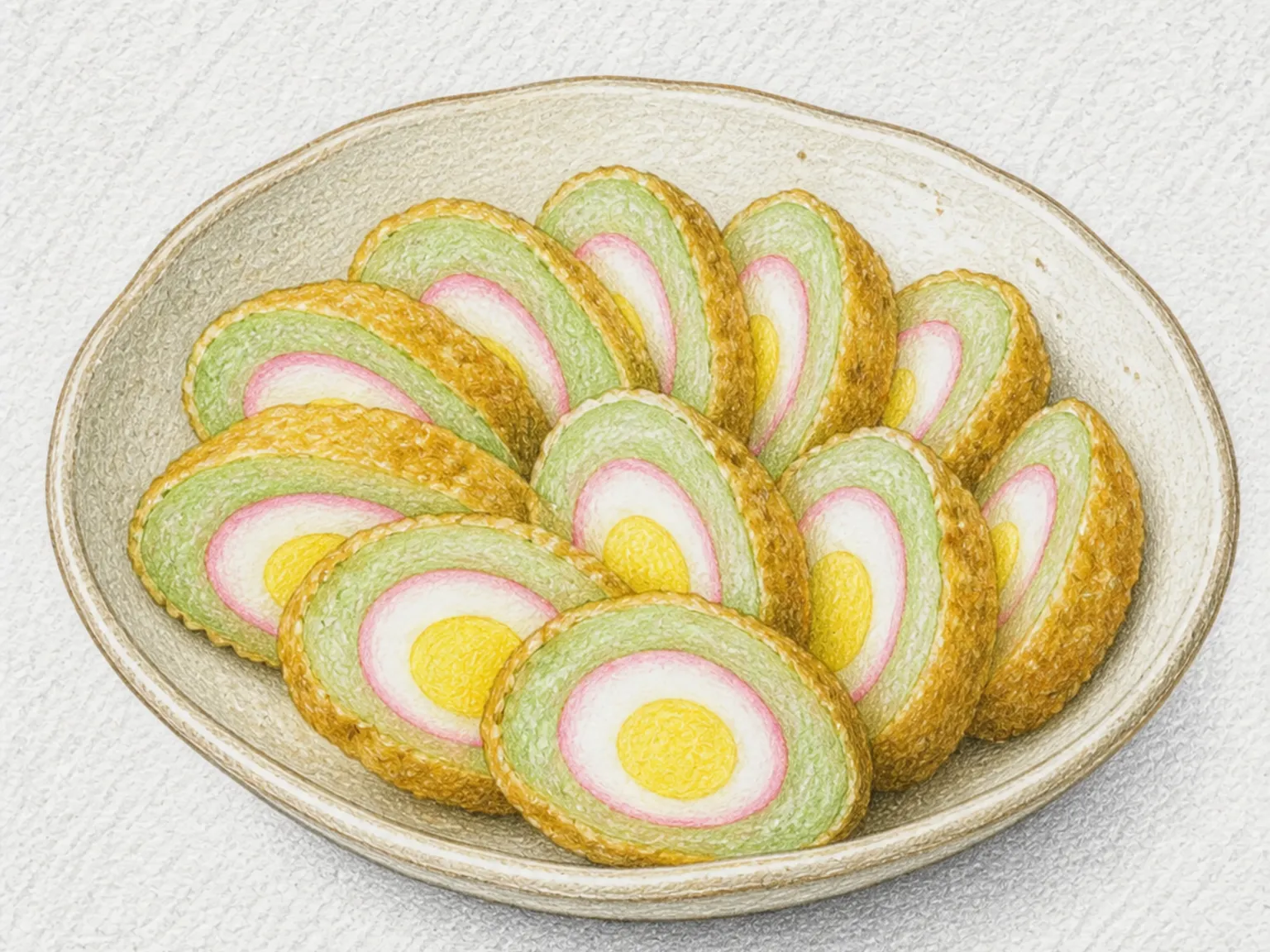
Kujaku (Oita Egg-Stuffed Fried Fish Cake)
Asian Hard

Kujaku (Oita Egg-Stuffed Fried Fish Cake)

Cut lengthwise, each piece shows red-tinted egg white and yellow yolk inside a green ring of fish paste, a cross section said to look like a peacock feather, hence the name kujaku. In Kamae, Saiki, Oita, it comes out for New Year and celebrations. Lizardfish, croaker or a similar white fish is ground fine and kneaded with salt, sugar and egg white, wrapped around a boiled egg, and fried.

🍱 Lunchbox
Prep 45min Cook 35min 20 servings
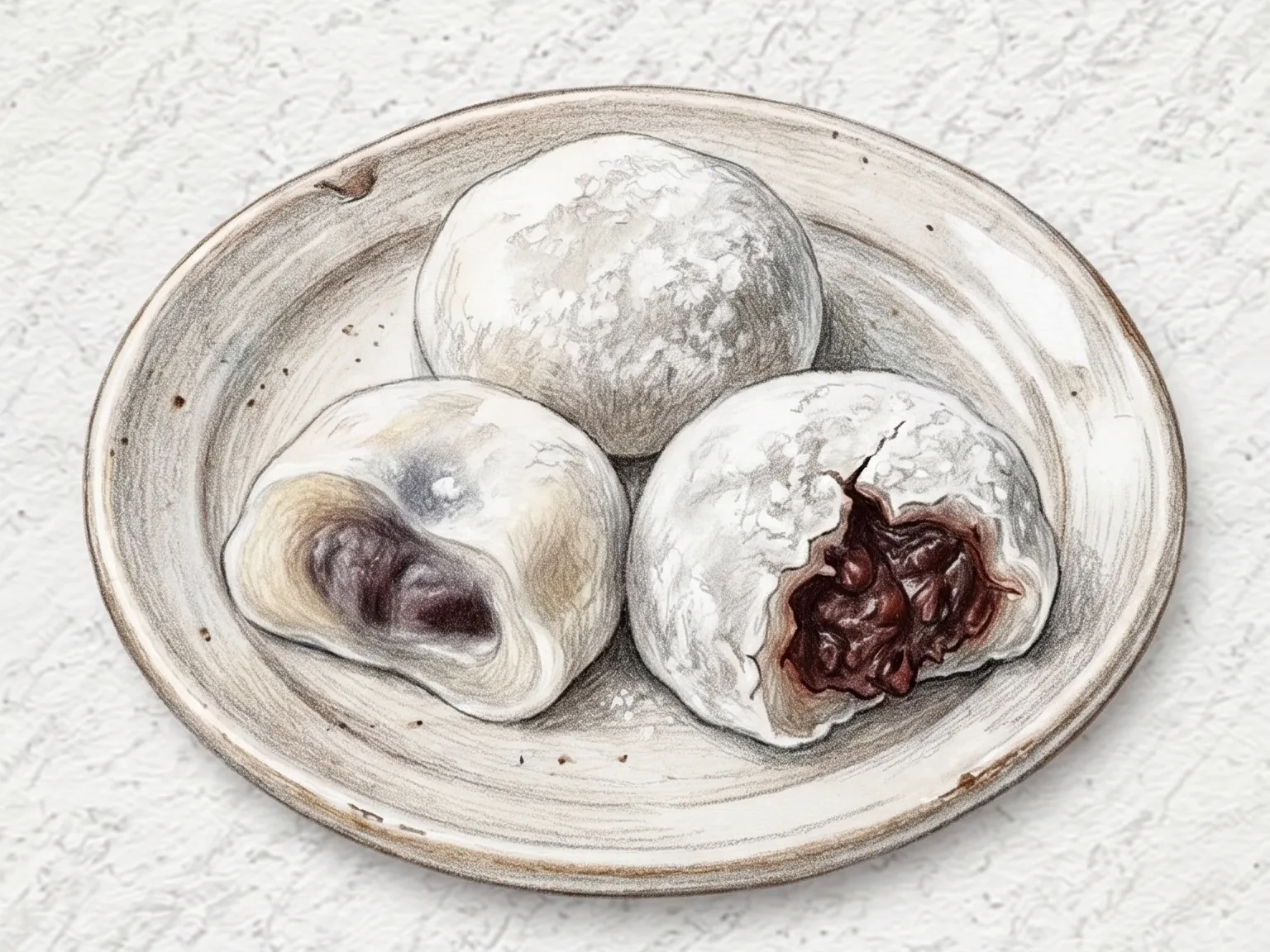
Mochi Daifuku (Soft Rice Cake Stuffed with Red Bean Paste)
Desserts Easy

Mochi Daifuku (Soft Rice Cake Stuffed with Red Bean Paste)

The sweet rice dough cooks in the microwave in a few short rounds instead of a steamer, and once it turns glossy and stretches long, it gets wrapped around balls of red bean paste. Shaping happens on a generous bed of starch, which keeps the tacky dough from clinging to your hands and leaves the finished daifuku dry to the touch. Dough straight from the microwave tears easily, so it cools just until it can be handled.

Prep 20min Cook 10min 4 servings