Browse by cuisine

Japanese Recipes

509 Japanese recipes. Page 14 of 22. Compare ingredients and cooking times. Chicken and Egg Rice Bowl, Oni Manju Chunky Sweet Potato Steamed Cakes, Miso Soup.

Rokubei (Extruded Sweet Potato Noodles)
Noodles Hard

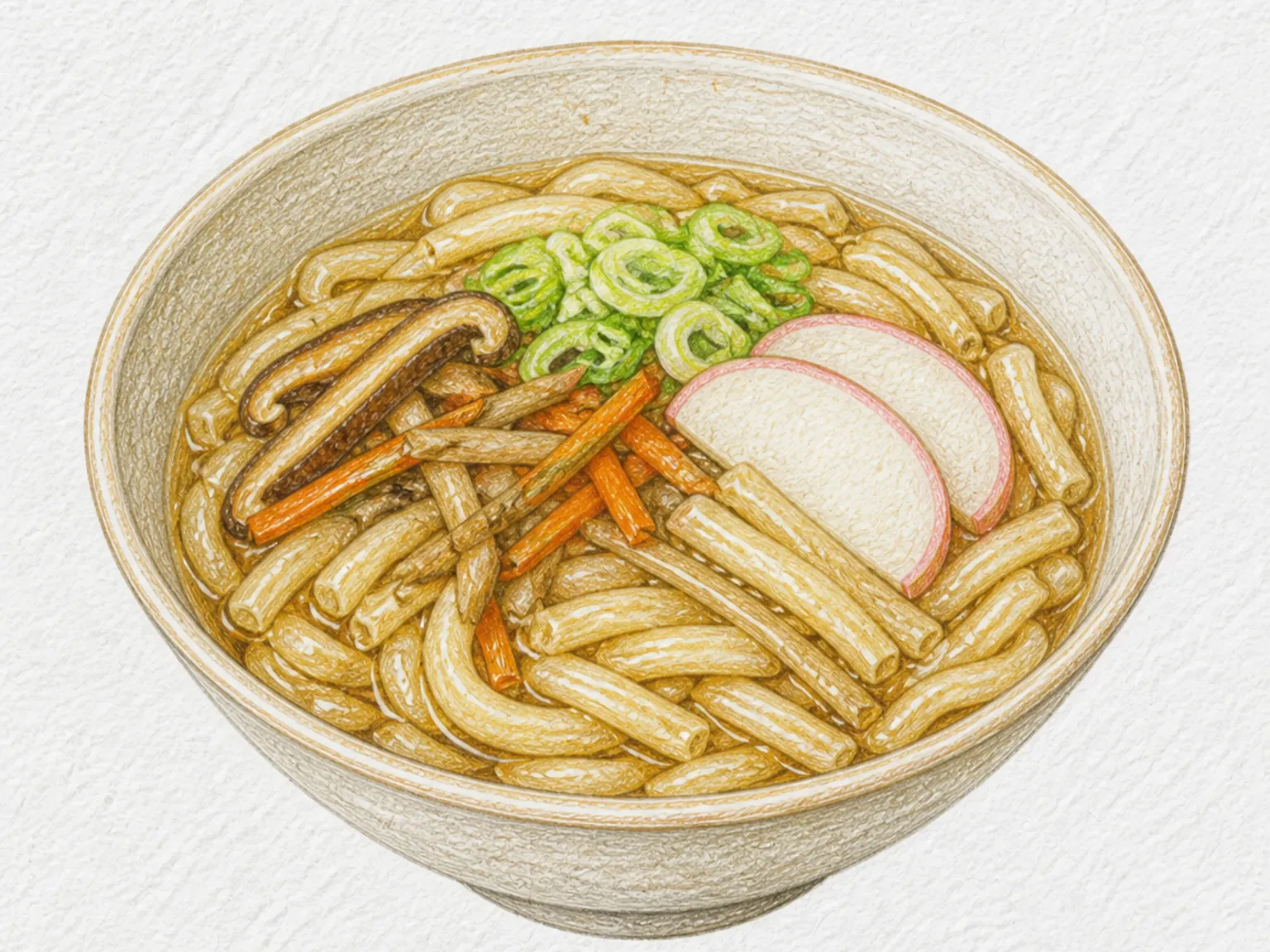
Rokubei (Extruded Sweet Potato Noodles)

Dough made from sendango, a fermented sweet potato preserve, is pressed through a dedicated extruder called a rokubei-segi so short, thick noodles drop straight into boiling water. The dish has been made in Shimabara and Tsushima in Nagasaki since the Edo period. The noodles are smooth outside, chewy inside, and faintly sweet from the potato. Once cooked, they are moved straight to cold water and rinsed to wash off the harsh surface. They are served in a clear broth of burdock, carrot, and shiitake seasoned with two soy sauces and sake, topped with fish cake and scallion.

Prep 35min Cook 30min 5 servings
Sankaku Chimaki (Plain Glutinous Rice in Bamboo Leaves)
Rice Hard

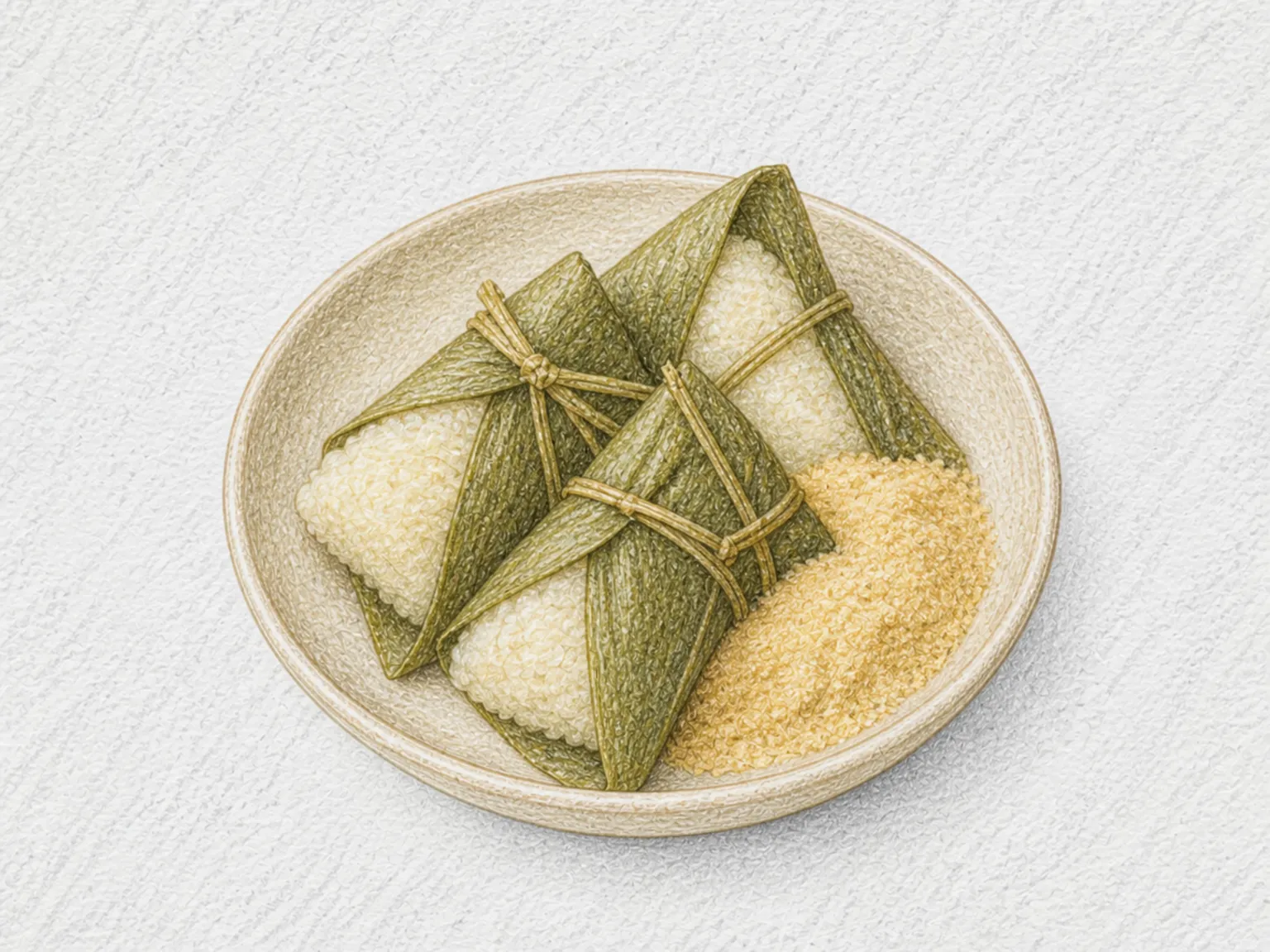
Sankaku Chimaki (Plain Glutinous Rice in Bamboo Leaves)

Plain glutinous rice, with no filling and no seasoning, is folded into triangles of doubled bamboo leaves, tied with rush, and boiled for close to two hours. In Niigata the dense, chewy parcels are unwrapped and dipped in roasted soybean flour mixed with sugar and a little salt. Triangular chimaki turn up in writings from the Nara and Heian periods, and because the leaves kept them from spoiling, they became food for breaks in farm work. Local legend credits the warlord Uesugi Kenshin with ordering them as battle rations.

Prep 40min Cook 120min 20 servings
Tsugani-jiru Mitten Crab Soup
Soups Hard

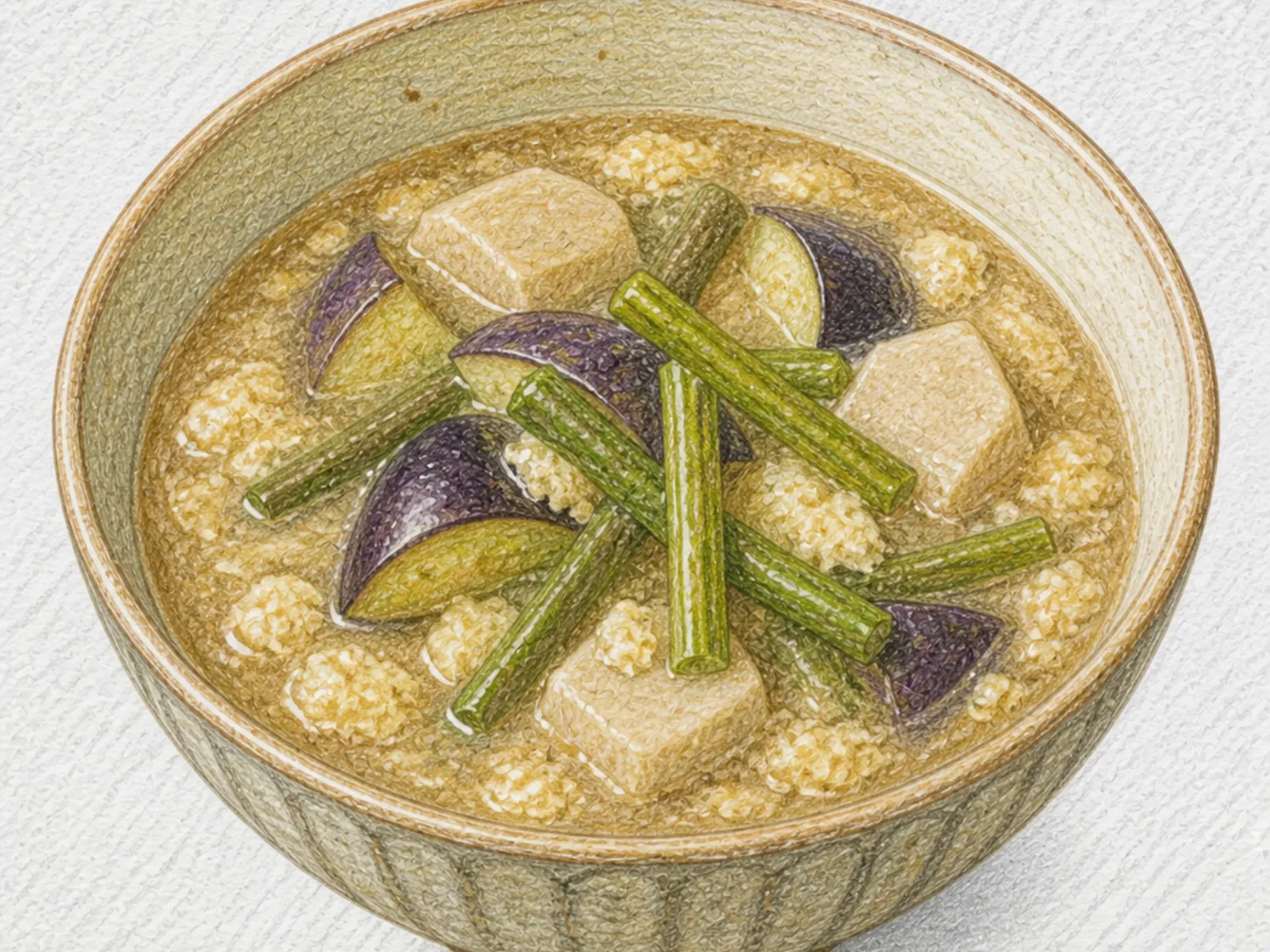
Tsugani-jiru Mitten Crab Soup

This soup comes from the Shimanto, Niyodo and Monobe river basins in Kochi, where it was made in autumn as the mitten crabs move downstream. The crabs are ground shell and all and strained, and as the liquid boils the crab protein gathers into soft curds; eggplant and a stalk vegetable called ryukyu go in with them. Raw freshwater crab can carry parasites and contaminants, so the recipe never uses crabs you caught yourself, only ones sold for cooking by a licensed supplier.

🏠 Everyday
Prep 45min Cook 30min 4 servings
Kumamoto Tai Somen
Noodles Hard

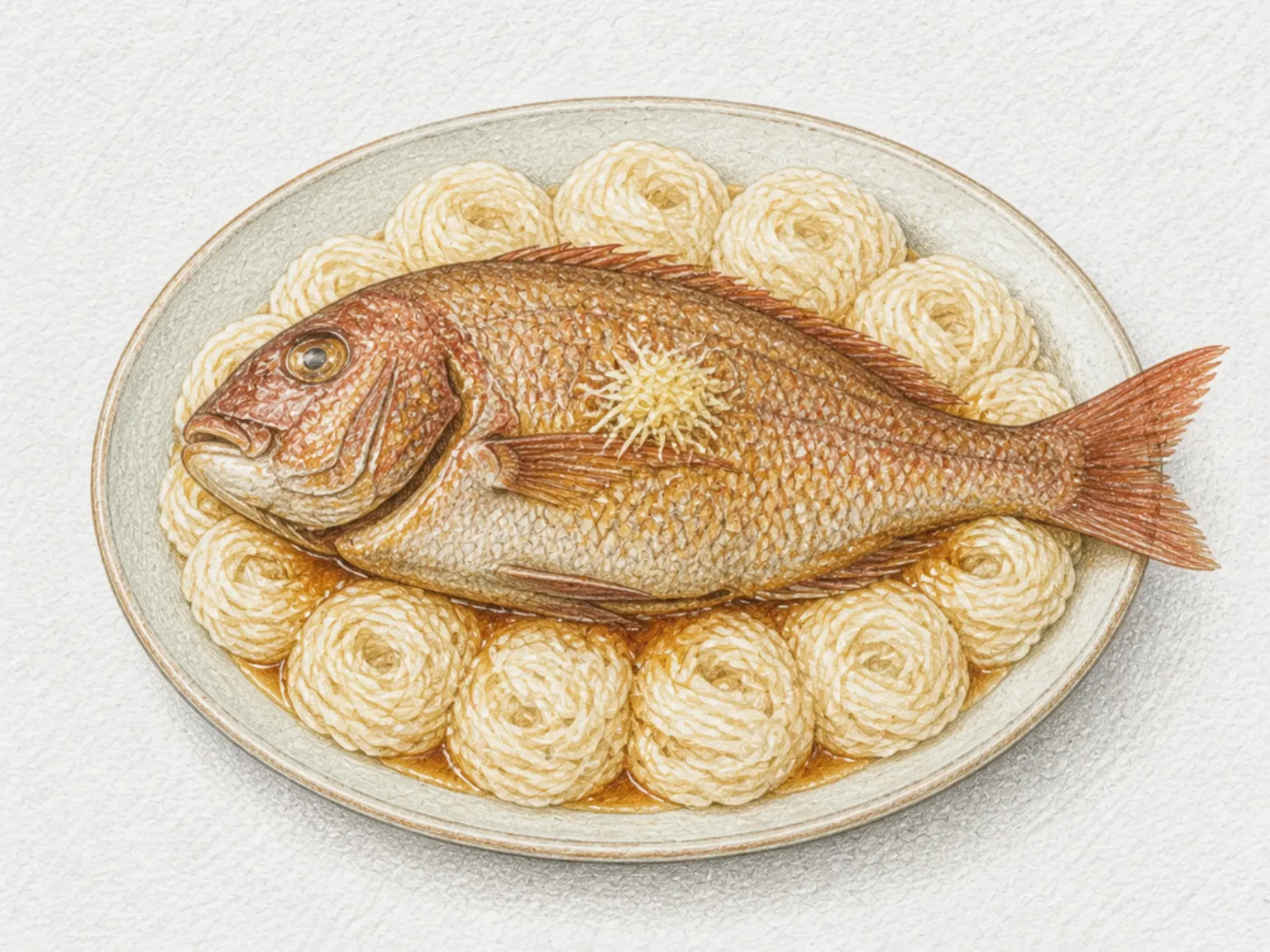
Kumamoto Tai Somen

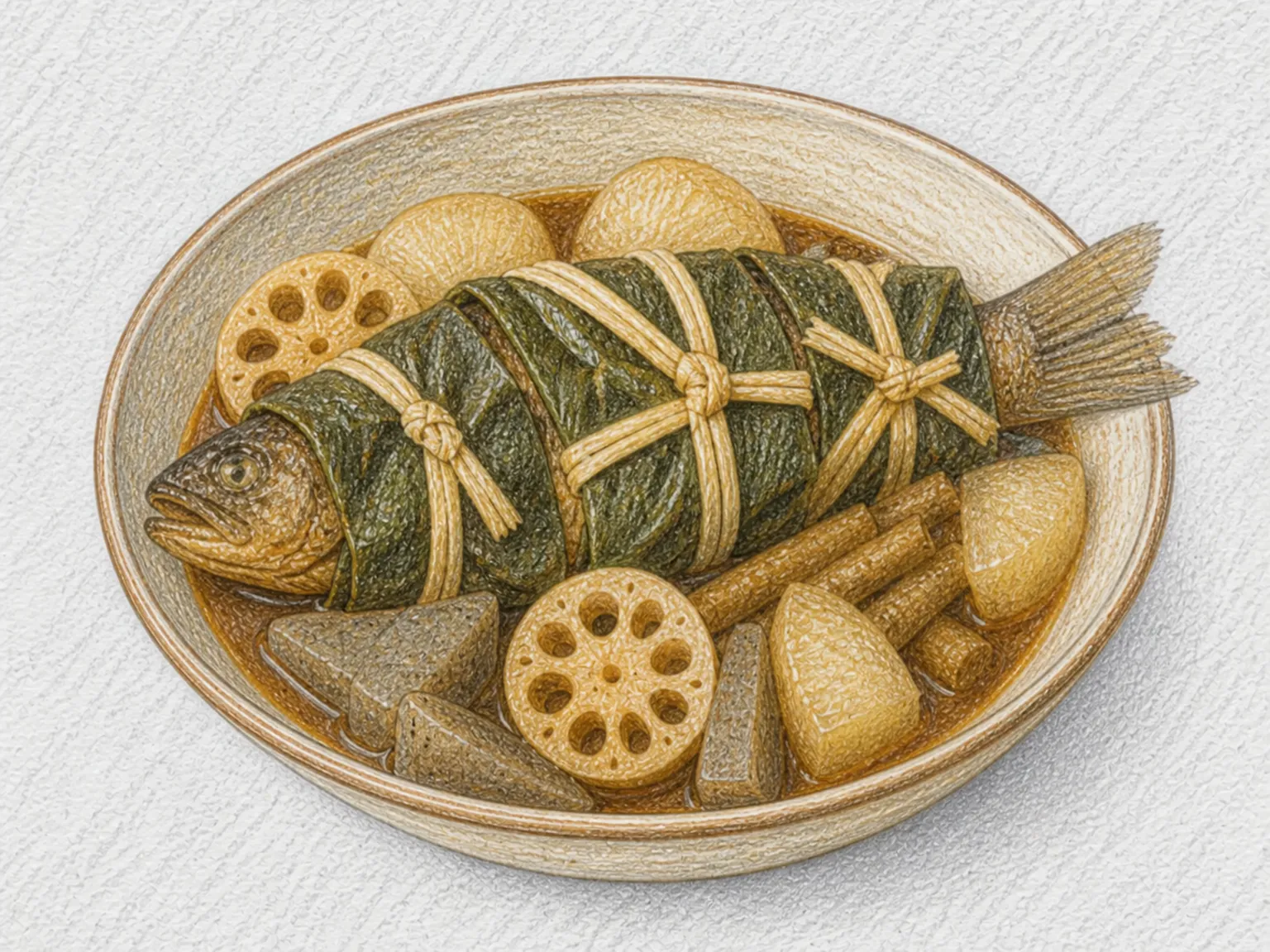
A whole red sea bream braised in soy and sake sits in the middle of a large platter, ringed by coils of somen for five people to share. In Kumamoto it is a celebration platter, and pairing a fish with long noodles carried hopes for a lasting marriage and ties between two families. Mamihara in Yamato keeps the grand wedding form, with the noodles laid out like white waves, while Amakusa makes a practical version from the head and bones left after sashimi. The braising liquid combines light and dark soy sauce with akazake (red sake) and regular sake, so the fish comes out glossy and sweet-savory. The strained liquid is spooned over the noodles only at the table, keeping them from turning soft before serving.

Prep 25min Cook 30min 5 servings
Aka-zuke Red Shiso Rice
Rice Hard

Aka-zuke Red Shiso Rice

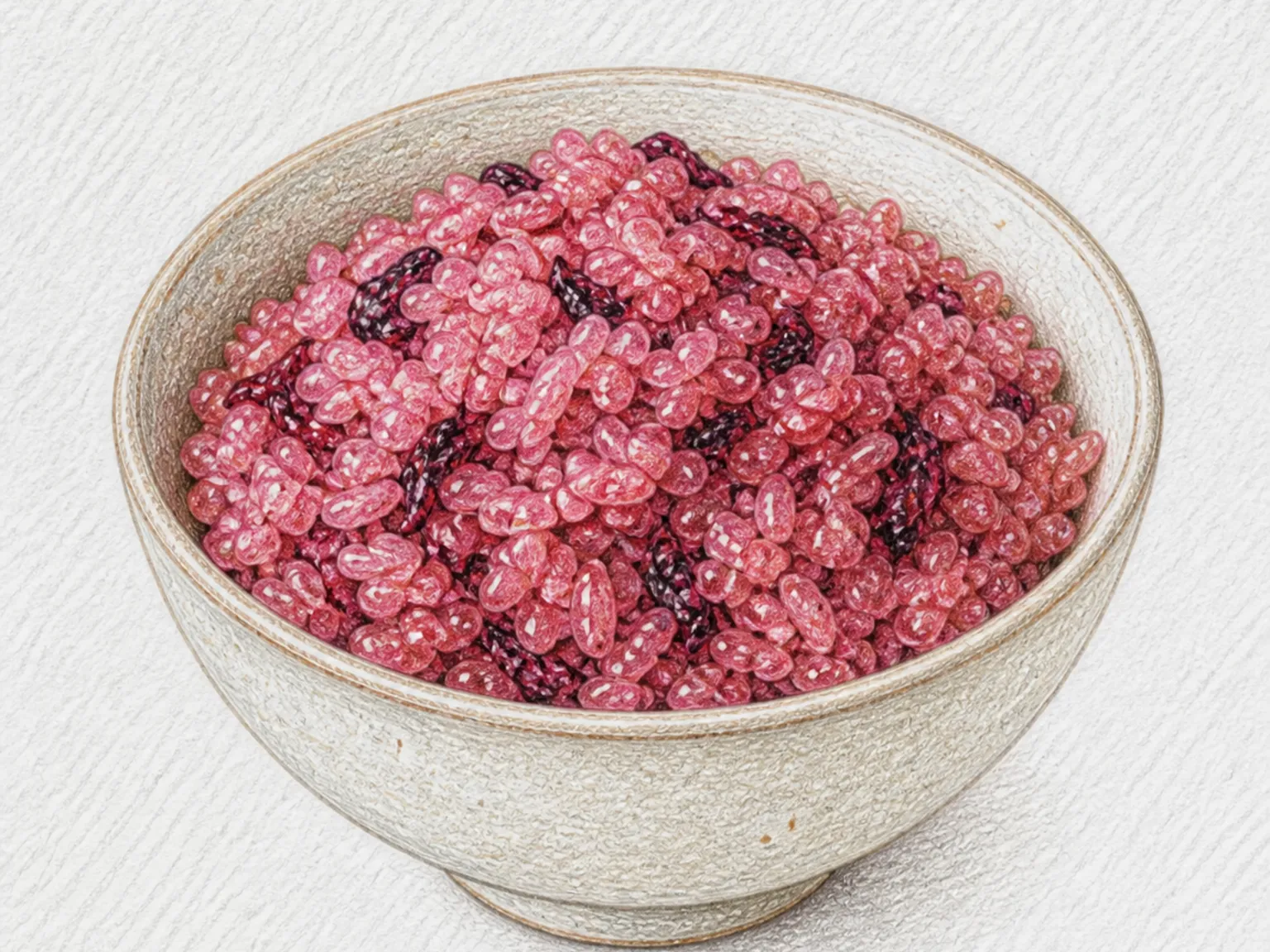
Red shiso rubbed twice with salt releases a deep red juice that dyes cooked glutinous rice, and warm sweetened rice vinegar gives it a sweet-sour edge. This version replaces traditional room-temperature fermentation with refrigerated curing, so it will not taste identical, and it relies on measured pH and temperature instead. The shiso color makes test strips hard to read, which is why a calibrated penetrating food pH meter is required; without one, a finished product from an established producer is the safer route. Only a batch whose highest pH reading, taken at several points, is 4.2 or below moves on to curing. Mold, swelling, bubbles, slime, or an off smell after curing mean the batch is discarded untasted.

Prep 75min Cook 45min 25 servings
Sake Manju (Koji-Fermented Steamed Buns)
Desserts Hard

Sake Manju (Koji-Fermented Steamed Buns)

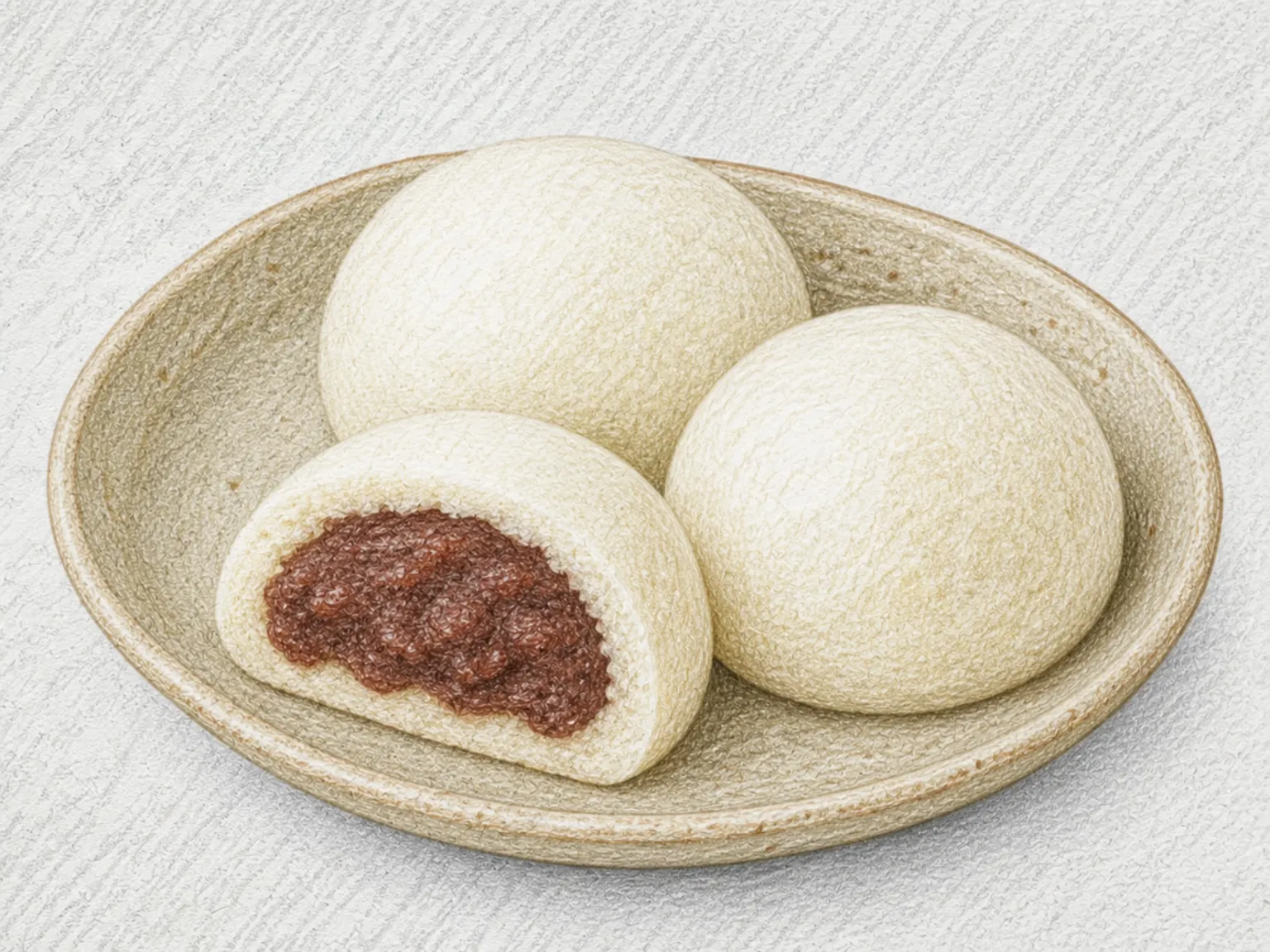
No commercial yeast goes in: a ferment built from glutinous rice and rice koji raises the dough and leaves a clean, sweet aroma in the steamed skin. In Taketa and Bungo-ono in Oita these buns were eaten for Children's Day, Obon, local festivals, and breaks in farm work. They take days, about one for the amazake and 2 to 4 more for it to ferment into a starter, before the red-bean-filled buns are shaped and steamed.

Prep 180min Cook 30min 10 servings
Taipiien (Kumamoto Glass Noodle Soup)
Noodles Medium

Taipiien (Kumamoto Glass Noodle Soup)

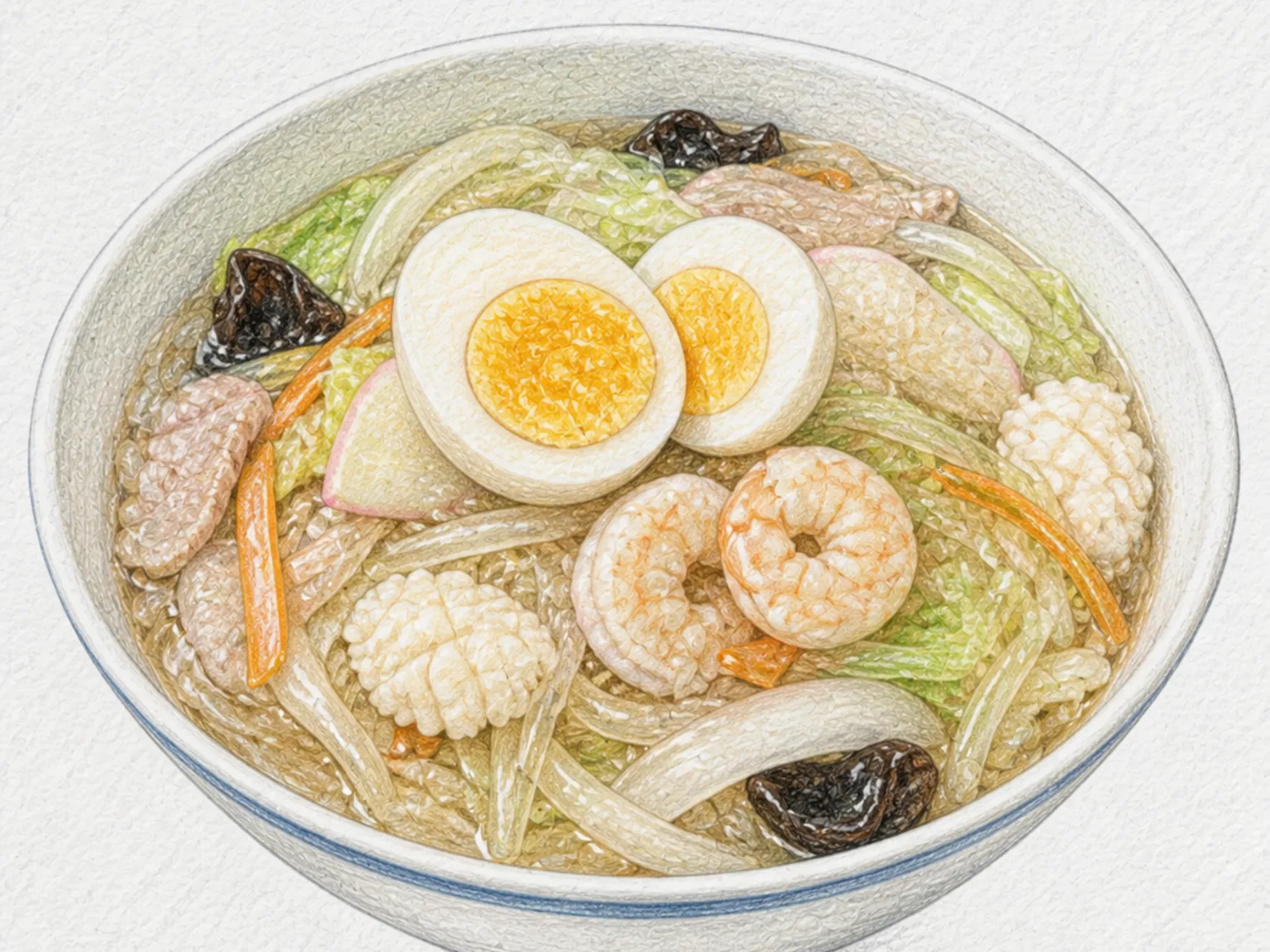
Glass noodles, shrimp, squid, pork, napa cabbage, and wood ear fill a clear chicken broth, finished with half a hard-boiled egg on top. The dish came from Fuzhou in China's Fujian province, where it was a celebration food, and reached Kumamoto by way of Nagasaki in the late Meiji era. Today it appears at Chinese restaurants and home tables in central Kumamoto as lunch, dinner, or a meal after drinking. The seafood is added only after the pork and firm vegetables have cooked, which keeps the shrimp and squid from turning rubbery. To keep the broth clear, the glass noodles are boiled and rinsed separately, warmed in the soup only at the end, and the heat is cut as soon as the sesame oil and scallion are added.

Prep 30min Cook 25min 2 servings
Nakami Jiru (Okinawan Clear Pork Offal Soup)
Soups Hard

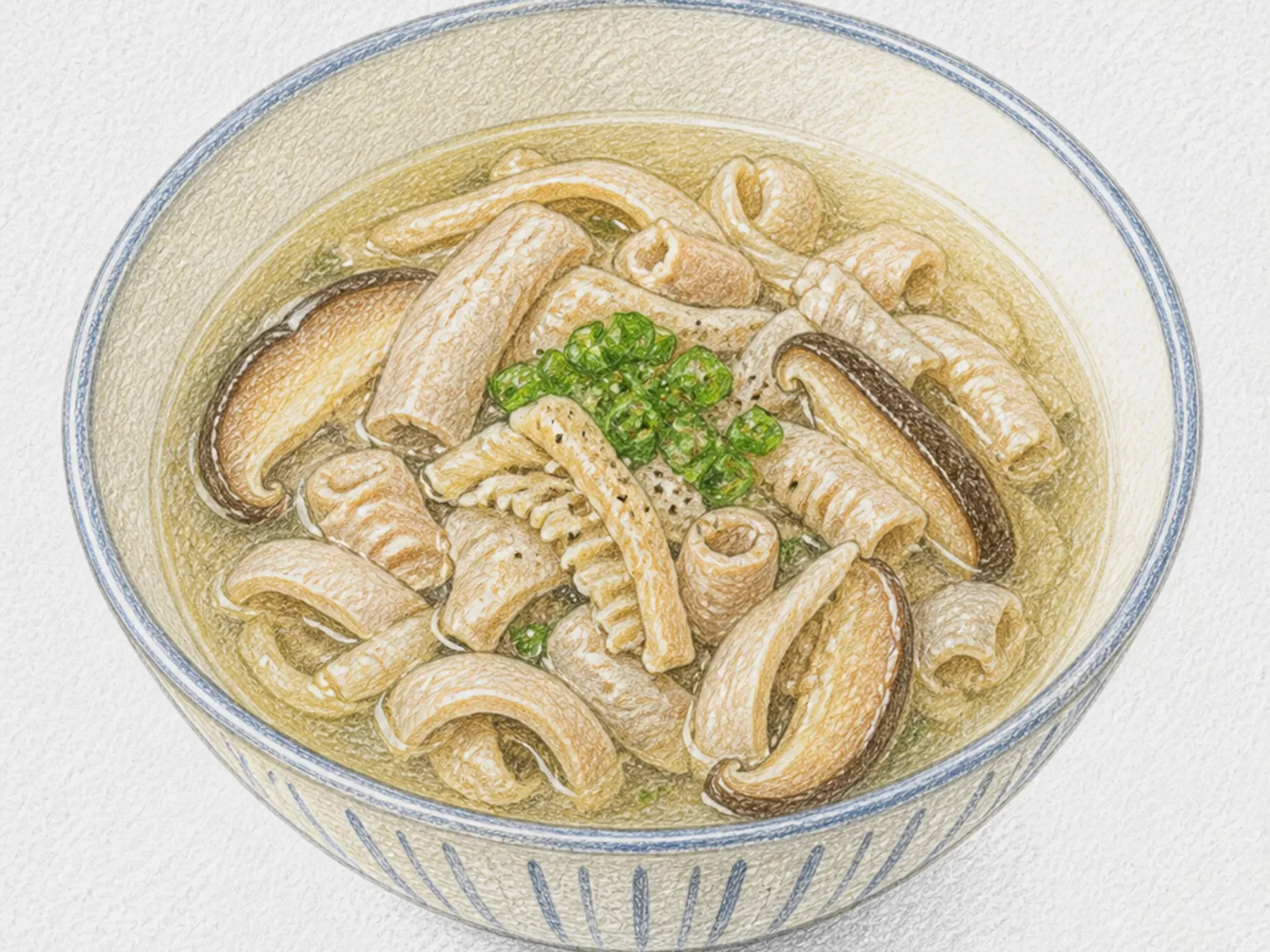
Nakami Jiru (Okinawan Clear Pork Offal Soup)

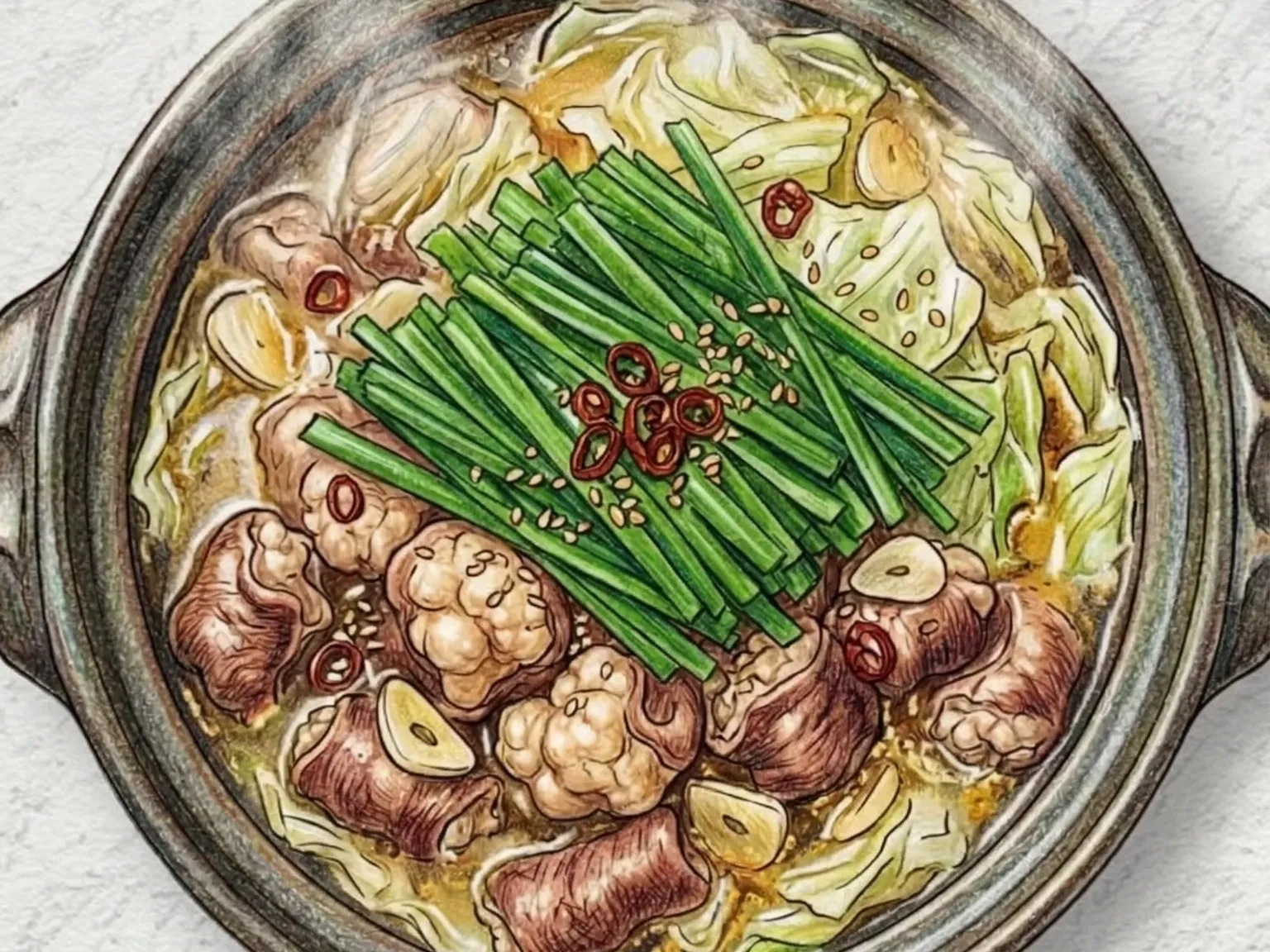
Strips of pork stomach and intestine fill the bowl, yet the broth tastes light and clear, led by bonito and mild pork rather than any offal smell. That clarity comes from bringing the offal to a boil in fresh water and discarding the cloudy liquid again and again, then simmering it for about 2 hours until tender. Salt and a touch of soy sauce season the broth without darkening it, and hihatsu, Okinawan long pepper, finishes each bowl. Once reserved for New Year, celebrations and memorial gatherings, it is now an everyday soup as well.

🏠 Everyday
Prep 45min Cook 180min 4 servings
Japanese Dan Dan Ramen (Sesame Cream Broth with Spicy Pork)
Noodles Medium

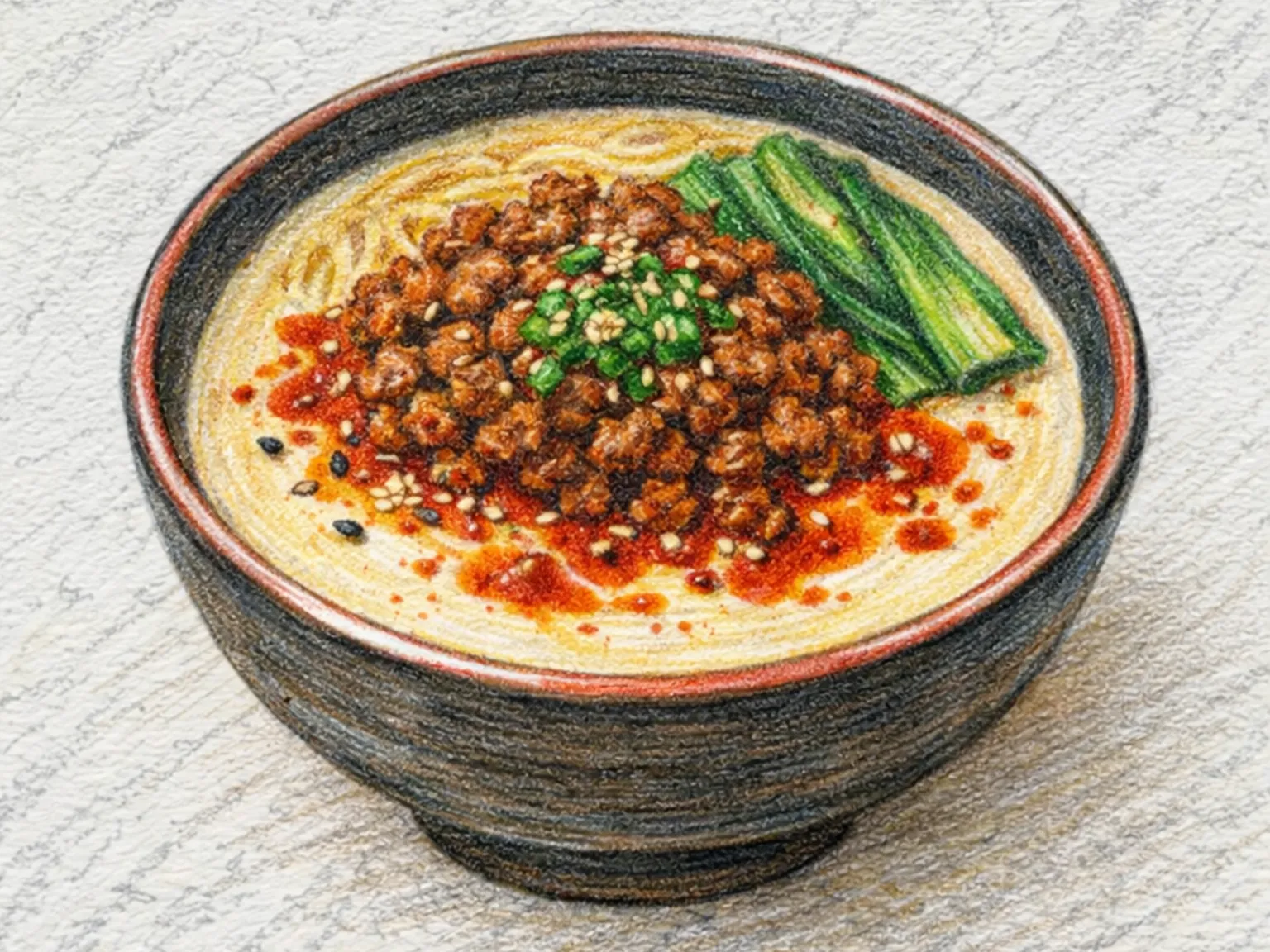
Japanese Dan Dan Ramen (Sesame Cream Broth with Spicy Pork)

A pork bone broth thickened with sesame paste and miso turns creamy and heavy, and pork mince fried with doubanjiang, a Sichuan chili bean paste, sits on top with a slick of chili oil. In this Japanese ramen take on Sichuan dan dan noodles, there is plenty of soup and sesame leads the flavor. The sesame paste and miso get a brief stir over low heat before any stock is added, which draws out their nutty aroma, but they come off before they brown. The stock is then whisked in a little at a time so no lumps remain. The pork fries until its moisture cooks off and the edges brown, and the heat drops to medium if the doubanjiang starts to scorch. Shake the boiled noodles well, since extra water dilutes the thick broth fast.

Prep 20min Cook 25min 2 servings
Furu-takuan no Nimono (Simmered Aged Pickled Daikon)
Asian Easy

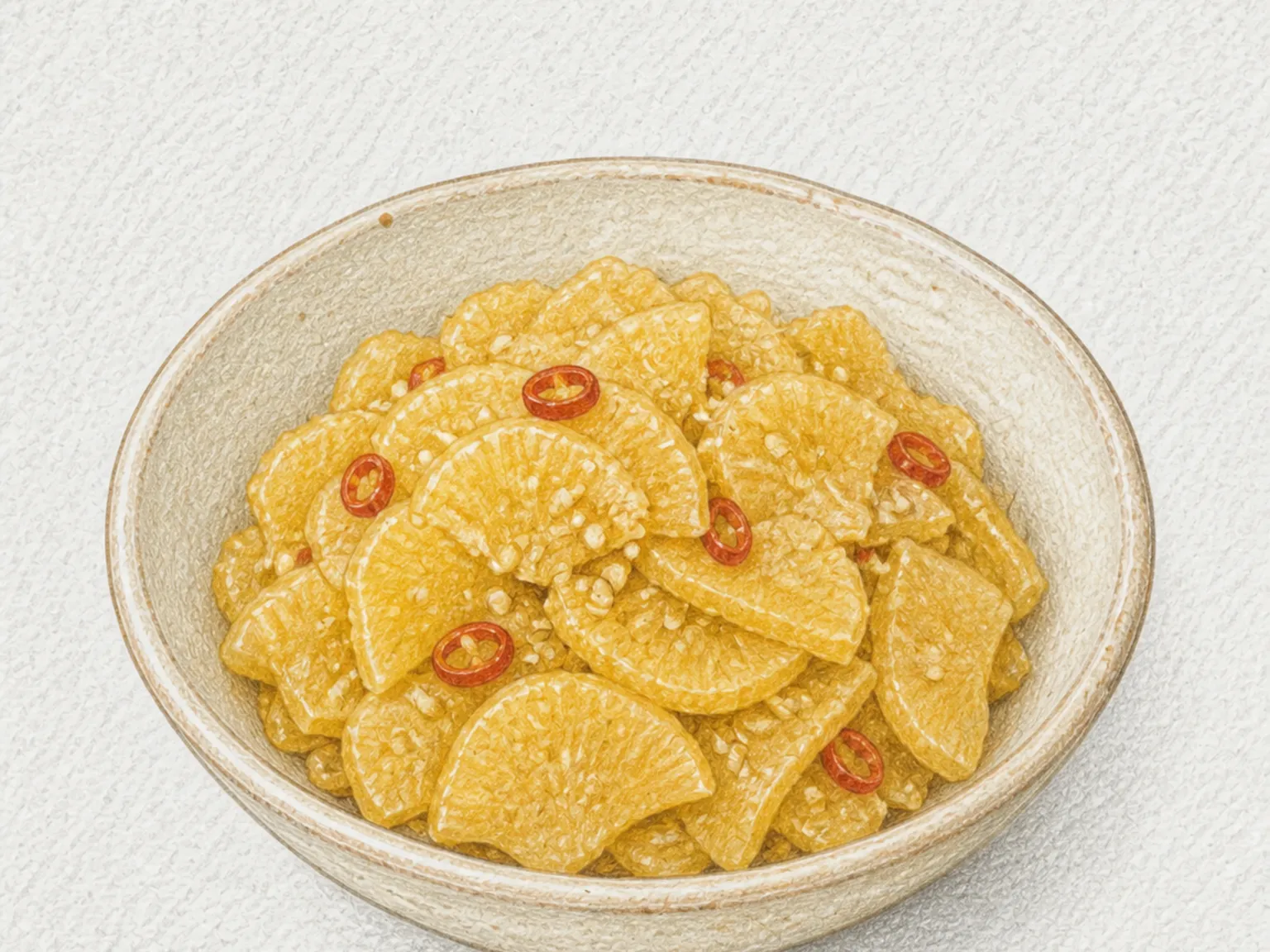
Furu-takuan no Nimono (Simmered Aged Pickled Daikon)

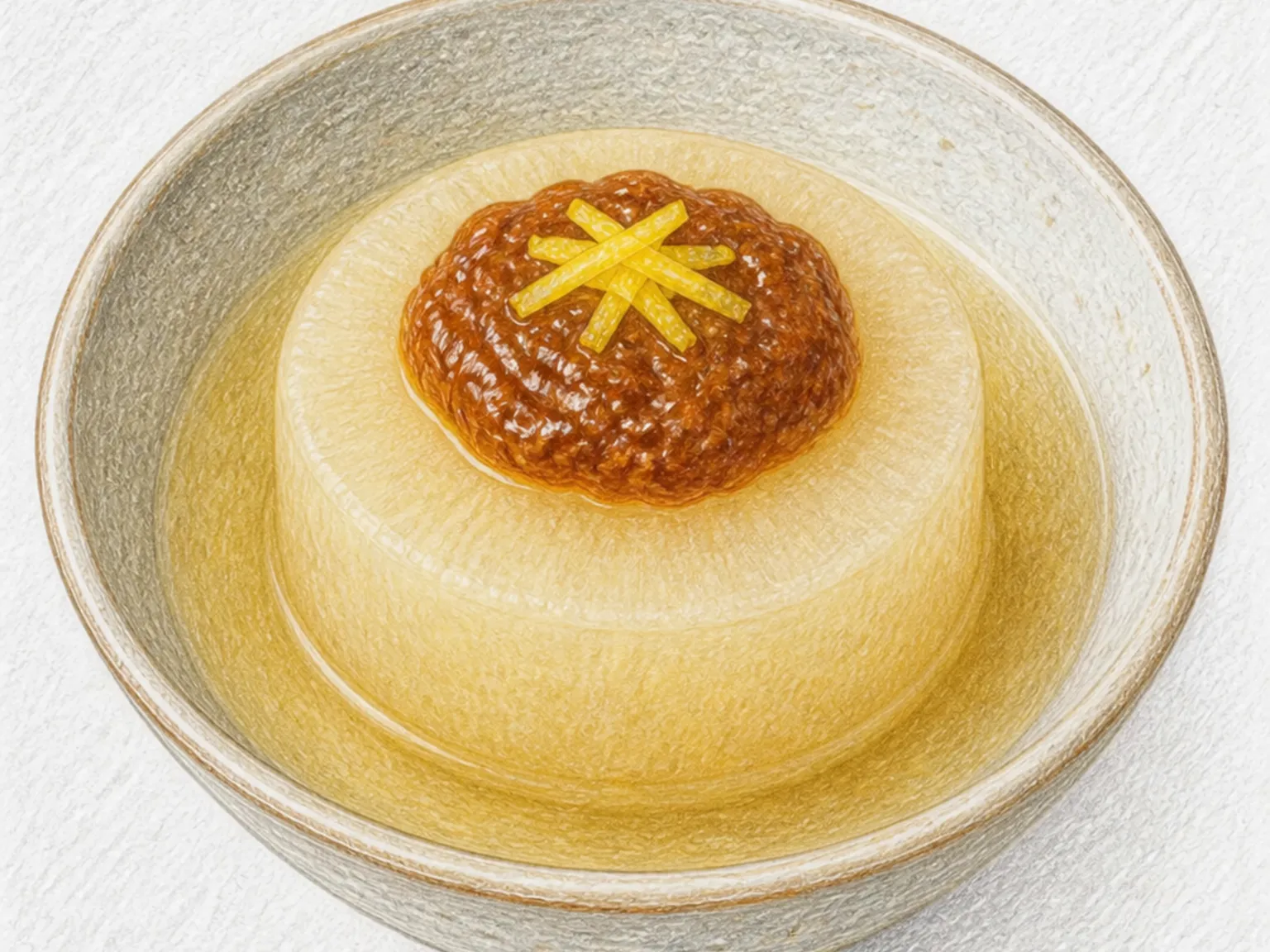
Takuan pickled the year before, by now salty and sour, gets sliced thin and boiled several times in fresh water before a gentle simmer in dashi, soy sauce, and mirin. Because a perfectly edible pickle is given extra work to become a new dish, it is also called zeitaku-ni, the luxurious simmer. Red chili and white sesame finish this Fukui side, which goes with rice, sake, or ochazuke.

Prep 20min Cook 60min 12 servings
Sake-zushi (Layered Sushi Rested with Local Sake)
Rice Hard

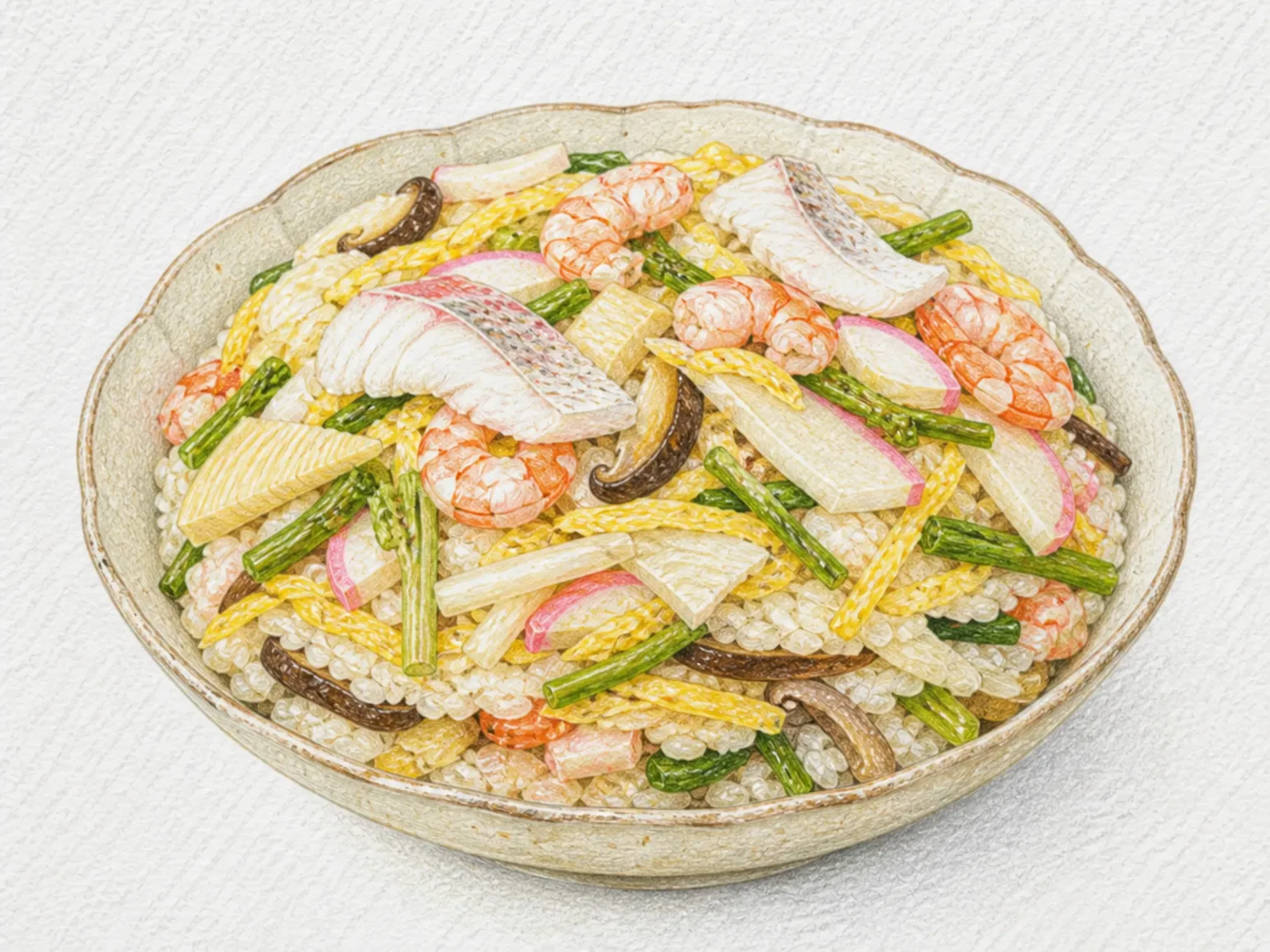
Sake-zushi (Layered Sushi Rested with Local Sake)

Instead of sushi vinegar, the rice gets a generous amount of akumochizake, Kagoshima's ash-treated local sake, and is layered with separately cooked dried daikon, shiitake, butterbur, bamboo shoot, sea bream, shrimp, and fish cakes. Traditional versions use raw cured bream and rest for half a day at room temperature; this home version cooks all the seafood through and rests the covered sushi in the refrigerator for 6 to 8 hours so the aromas meld. Because the sake is never heated, its alcohol stays in the dish, which makes it adults-only and unsuitable for pregnancy, children, or anyone driving afterward.

Prep 120min Cook 60min 10 servings
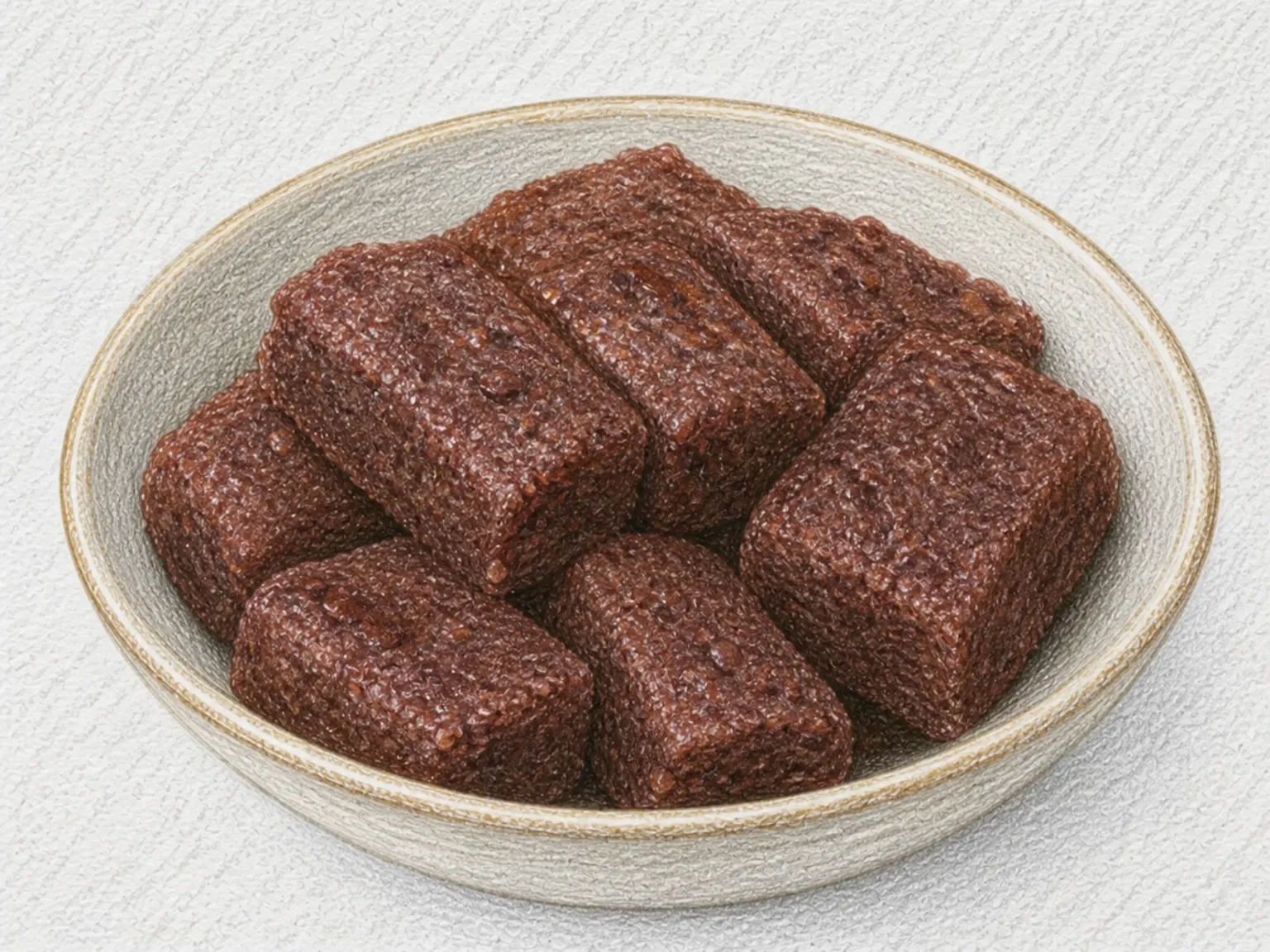
Sanbai Miso Steamed Red Bean Rice Cake
Desserts Hard

Sanbai Miso Steamed Red Bean Rice Cake

Two kinds of sugar, together matching the bean paste in weight, are worked into it for about an hour before the rice flours go in, giving a dense, chewy, very sweet cake. Despite the word miso in the name, no miso is used; one explanation credits three main ingredients added by the cupful, another the dough's miso-like look. The paste cools to room temperature first, which keeps the rice flour from partly cooking and clumping as it is stirred in. In southern Akita it was packed into tiered boxes and shared at family gatherings and during rest breaks in the farming season.

Prep 35min Cook 95min 24 servings
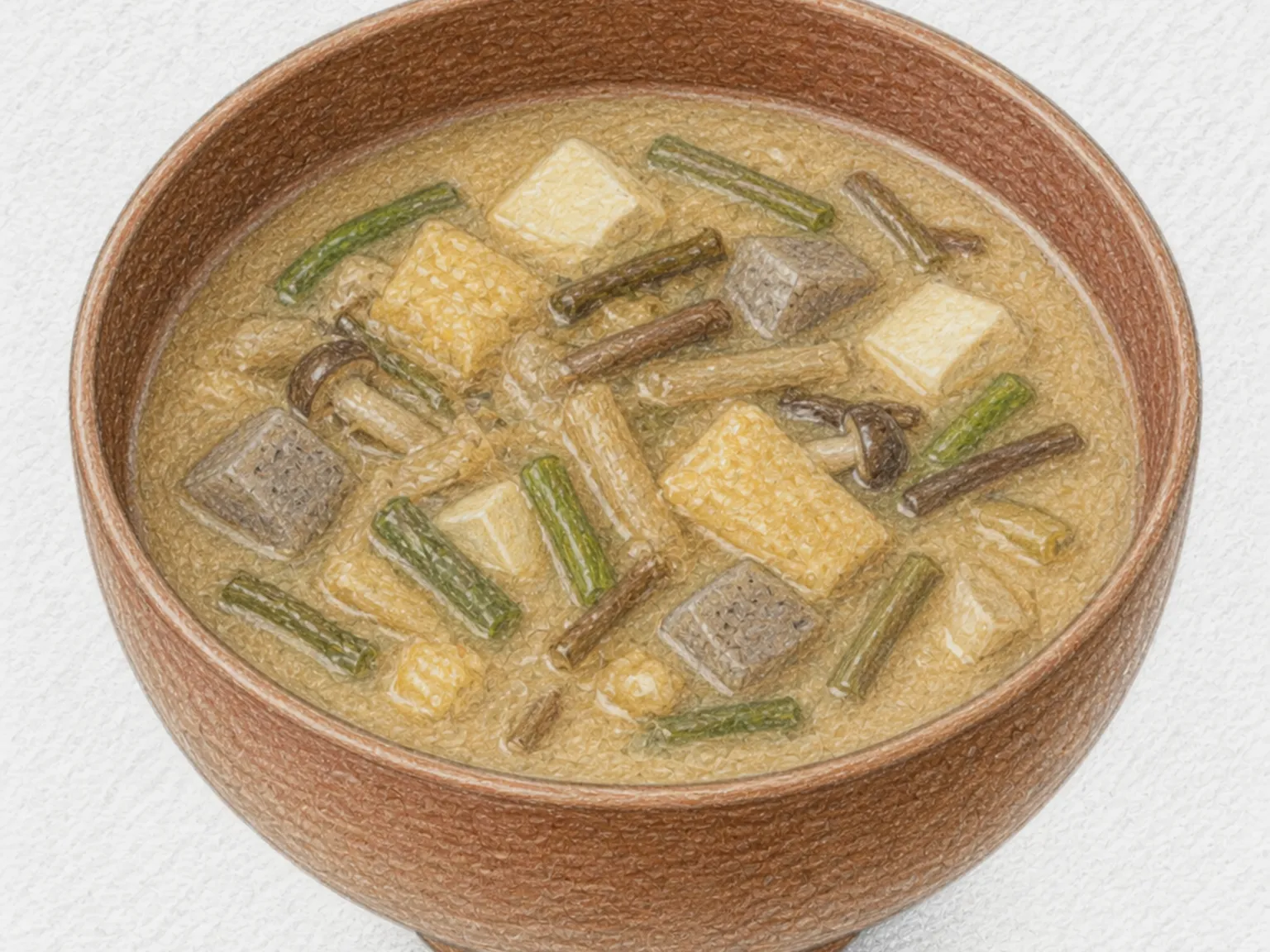
Natto Jiru Ground Natto Miso Soup
Soups Medium

Natto Jiru Ground Natto Miso Soup

Natto is ground in a mortar until no whole beans are left, then stirred into miso soup, and the broth turns softly thick with the fermented aroma spread evenly through it. It is a Yamagata winter home dish from a season when fresh food was scarce, made with stored foods like dried taro stems (imogara) and salted mountain vegetables. In some areas it was also served at New Year, for Nanakusa, or at Daikoku-sama observances.

🏠 Everyday
Prep 35min Cook 30min 5 servings
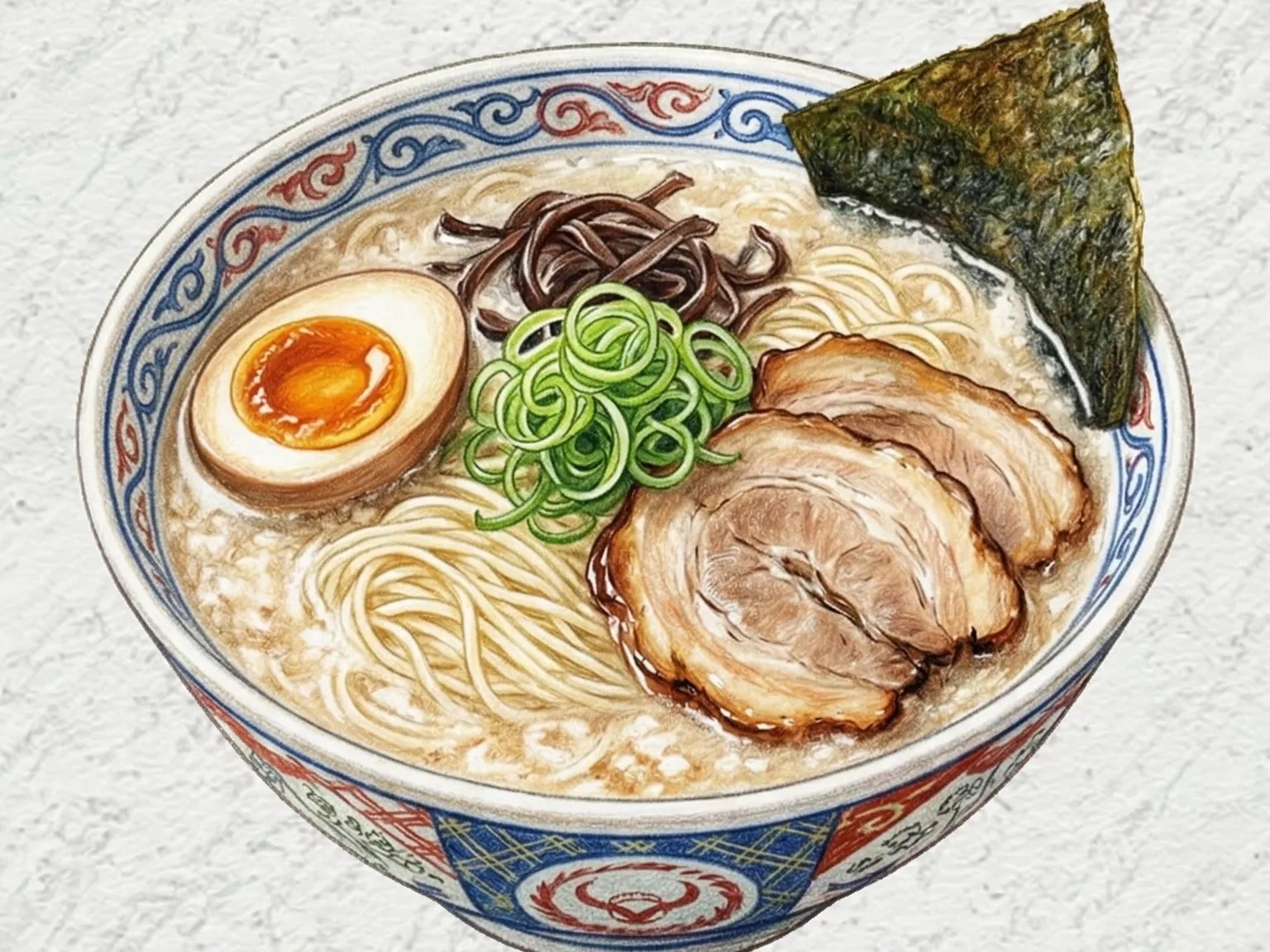
Classic Tonkotsu Ramen (Pork Bone Milky Broth Noodles)
Noodles Hard

Classic Tonkotsu Ramen (Pork Bone Milky Broth Noodles)

Pork back bones and trotters boil hard for hours until their collagen and fat emulsify into a milky broth thick enough to feel sticky on the lips. Soaking and blanching the bones beforehand cuts down the porky smell. That rolling boil is the opposite of the gentle simmer used for clear stocks, and it is what separates tonkotsu from an ordinary pork soup. When the pot runs low, it is topped up with hot water, never with a lower flame. Thin, firm noodles, pork belly chashu braised in soy sauce and mirin, a soft-boiled egg, and sliced green onion top the bowl. The chashu slices thin most easily when made a day ahead and chilled, and the eggs marinate in its braising liquid.

Prep 30min Cook 480min 2 servings