Browse by cuisine

Japanese Recipes

509 Japanese recipes. Page 15 of 22. Compare ingredients and cooking times. Go-ae (Eggplant with Crushed Edamame Dressing), Salmon Brown Rice Power Bowl.

Go-ae (Eggplant with Crushed Edamame Dressing)
Asian Easy

Go-ae (Eggplant with Crushed Edamame Dressing)

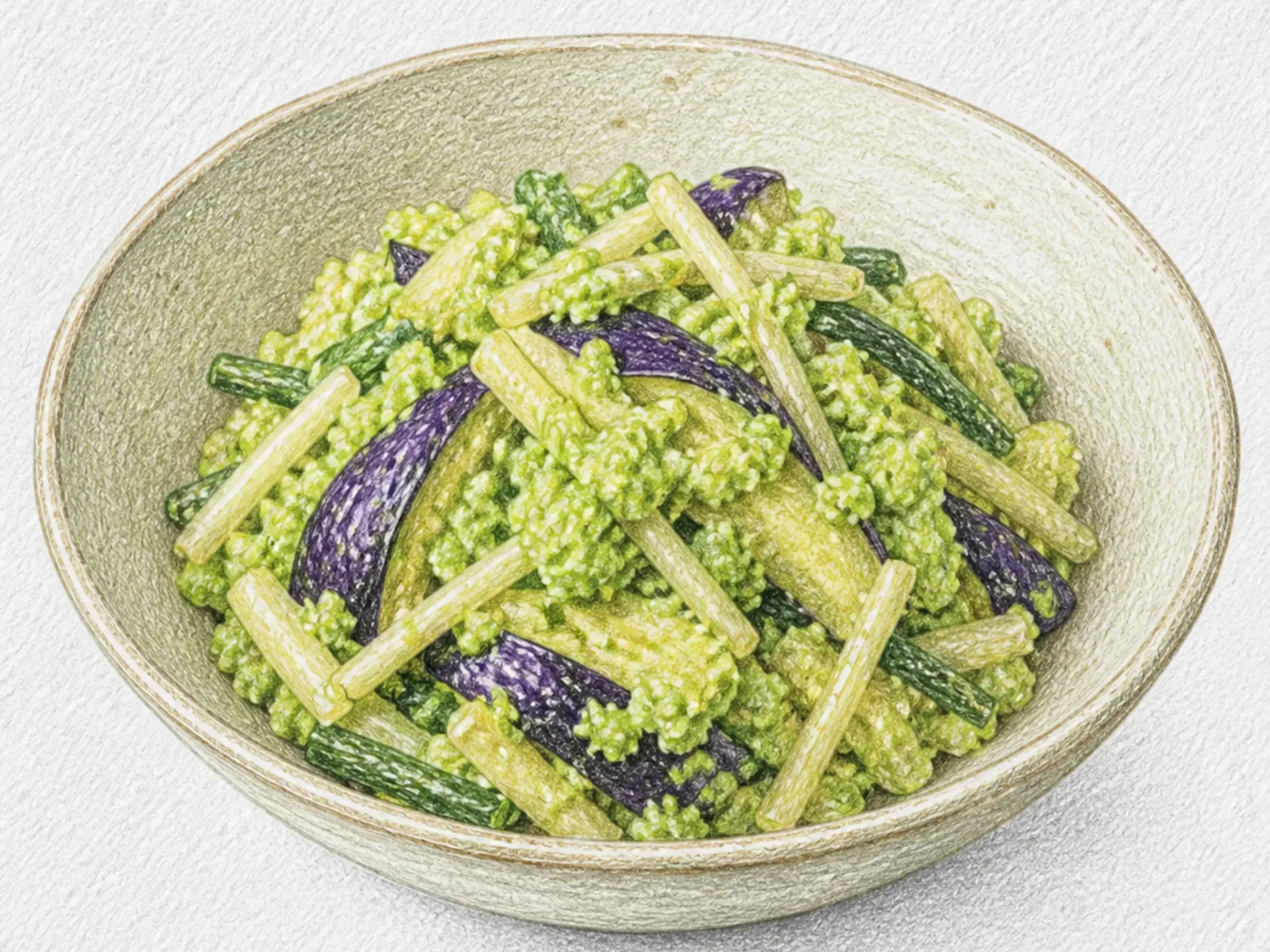
Boiled edamame, crushed into a thick bean dressing called go and seasoned with sugar, miso, and dashi, coats soft eggplant and fine strips of crisp myoga. In season the dressing turns a vivid green. The dish comes from mountainous Nichinan in Tottori, where scarce farmland made soybeans an important protein and ground beans were used to dress vegetables and mushrooms. Served cool, it is a mild summer side for rice.

Prep 20min Cook 10min 4 servings
Nuppei-jiru or Hachihai-jiru (Tofu Soup with Grated Yam)
Soups Medium

Nuppei-jiru or Hachihai-jiru (Tofu Soup with Grated Yam)

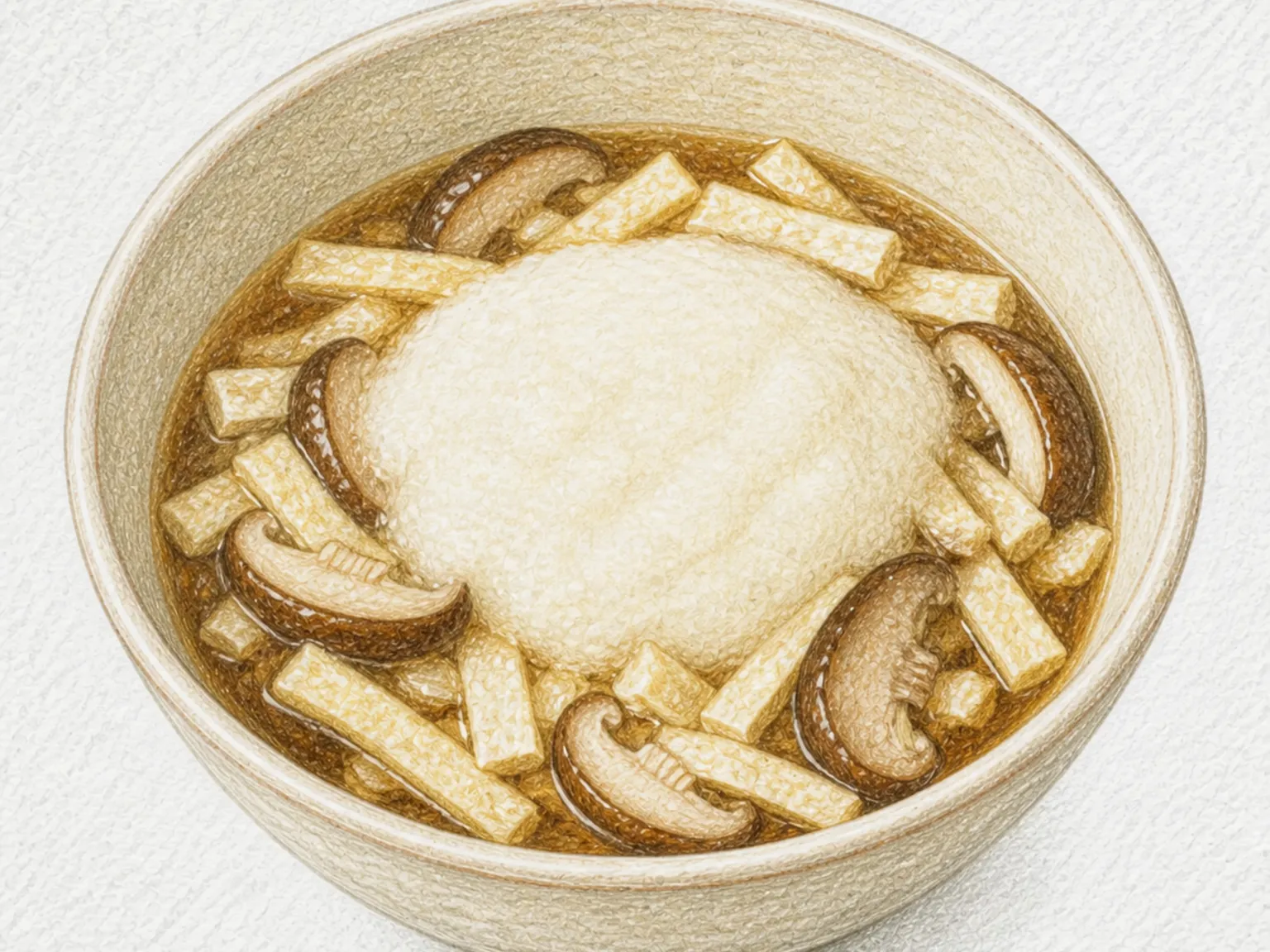
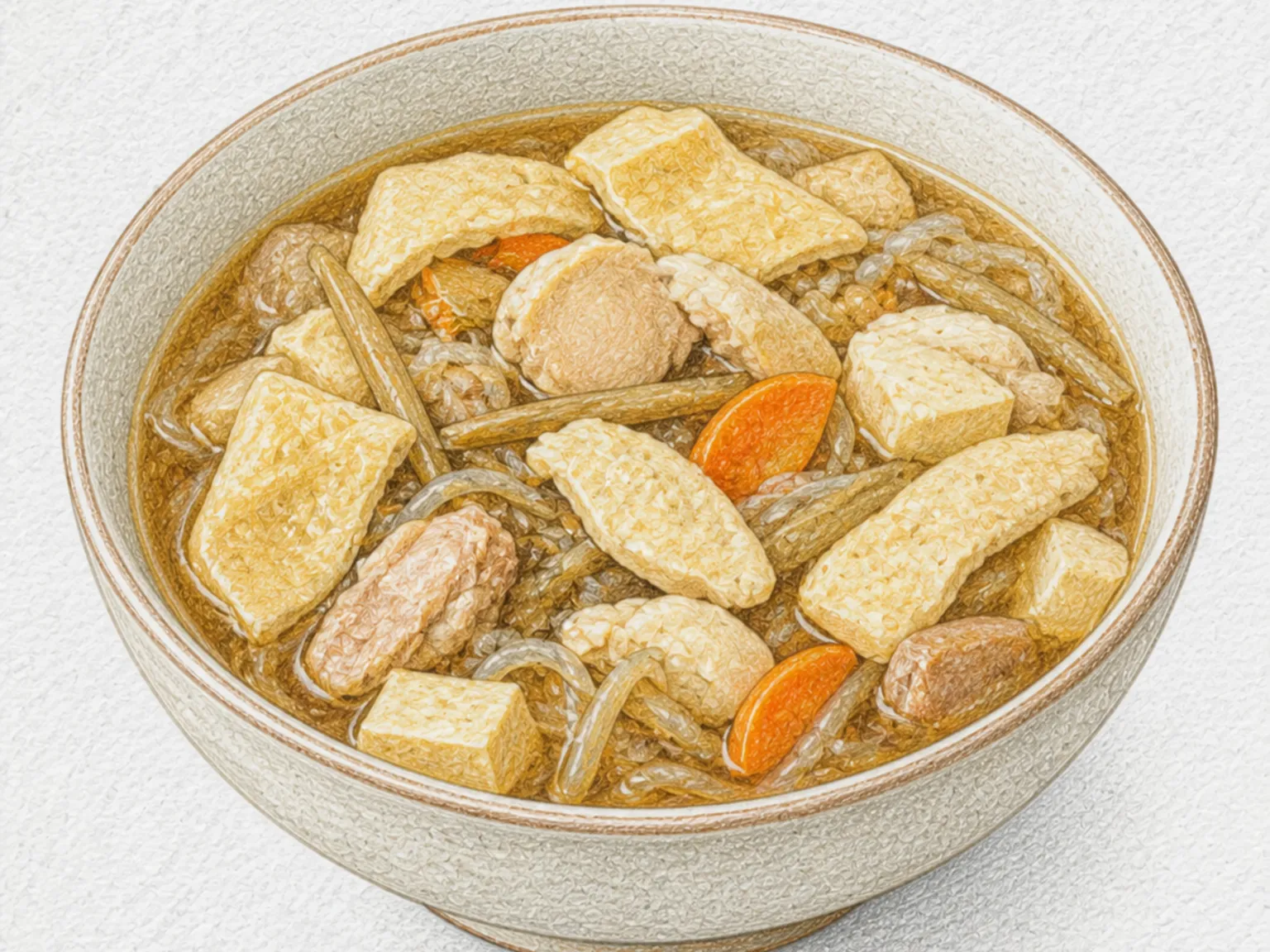
Hot soy-seasoned broth with matchstick tofu goes into each bowl, then gets a ladle of raw grated nagaimo yam loosened with daikon juice, which spreads softly over the surface. This is the formal nuppei style from Iwate's Buddhist cooking, rather than the hachihai variation that thickens the whole pot with potato starch. The name hachihai is linked either to making eight bowls from one block of tofu or to wanting many refills. Gloves help when grating the nagaimo, which can irritate skin, and the topping goes on just before eating.

🏠 Everyday
Prep 35min Cook 20min 4 servings
Dipping Ramen (Japanese Thick Noodles with Concentrated Dipping Broth)
Noodles Hard

Dipping Ramen (Japanese Thick Noodles with Concentrated Dipping Broth)

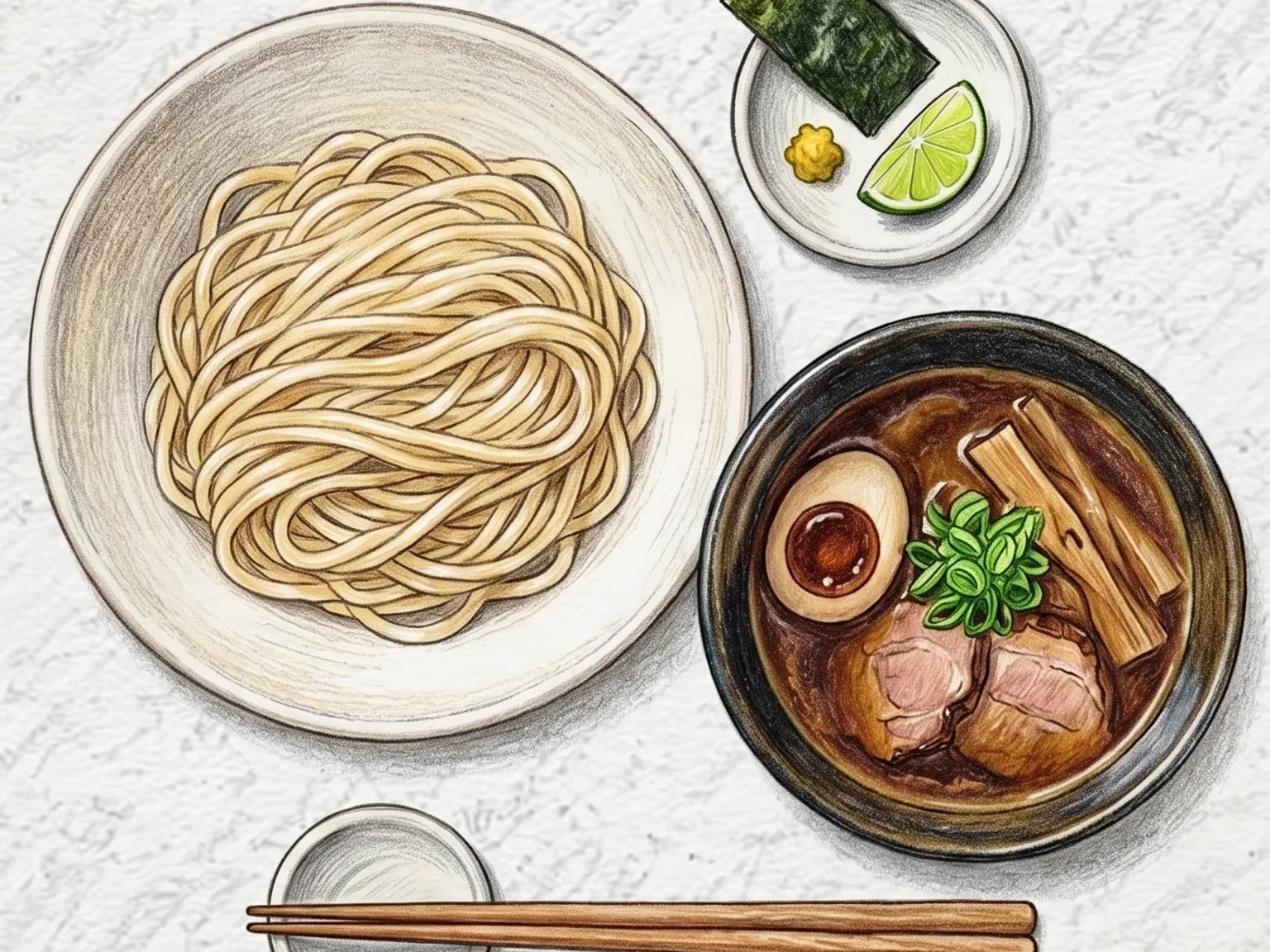
Dipping cold-rinsed thick noodles a mouthful at a time into a hot, reduced pork bone broth keeps the chewy bite and the warmth of the soup separate until the end. The dipping broth simmers for about 15 minutes until it tastes far stronger than ordinary ramen soup, strong enough to season cold noodles in a quick dip. The miso has to dissolve completely, since lumps leave the broth uneven and cloudy. The noodles boil a little under the package time, and the cold rinse firms them so they hold their spring. Rubbing off the surface starch and shaking the noodles dry keeps them from watering down the concentrated broth. Chashu, bamboo shoots and a soft-boiled egg sit with the noodles, not in the broth.

Prep 20min Cook 30min 1 serving
Go-dofu with Sesame Soy Sauce
Asian Medium

Go-dofu with Sesame Soy Sauce

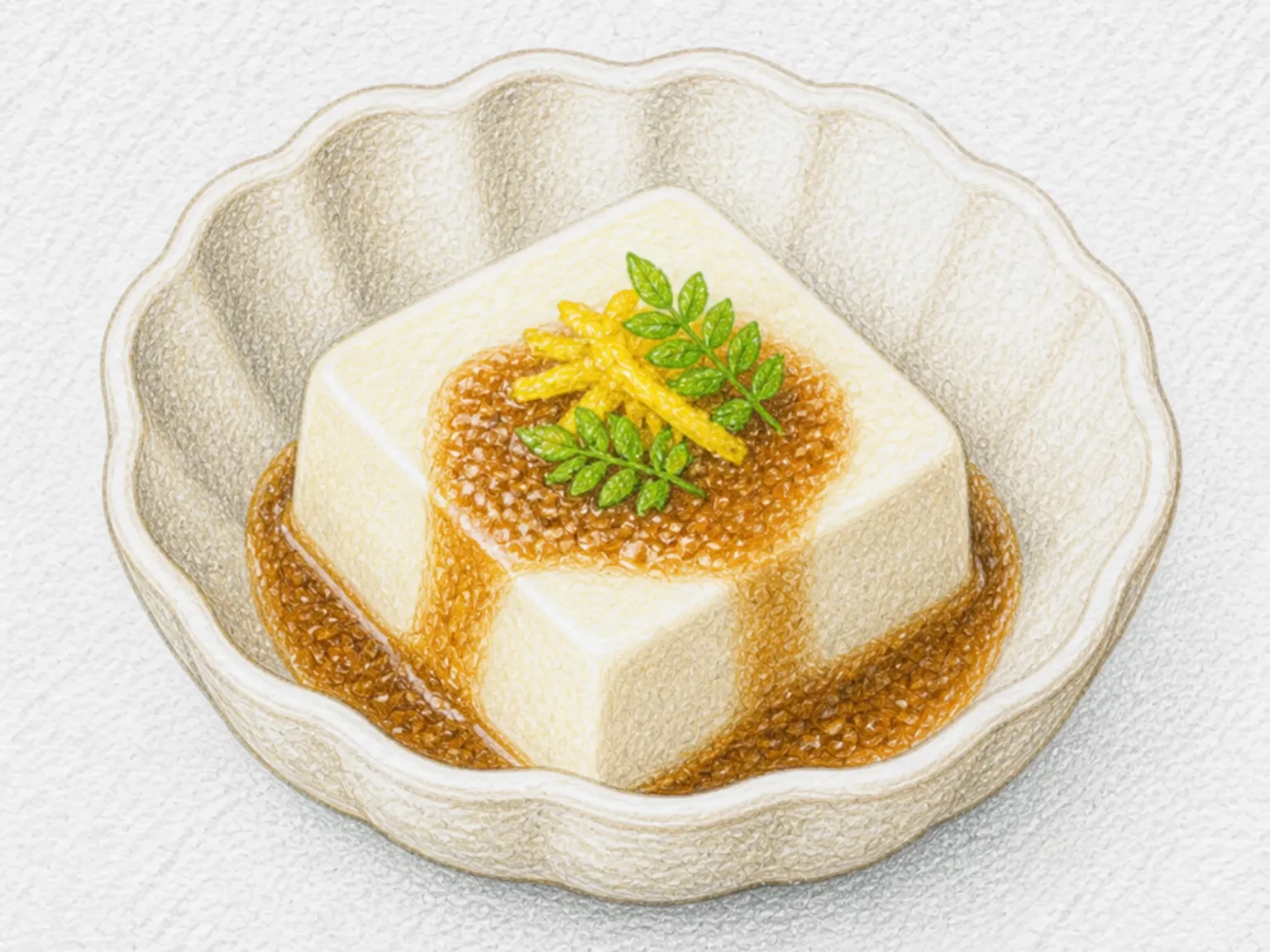
Soy milk and dairy milk are set with kudzu starch and gelatin rather than the nigari used for regular tofu, giving glossy blocks that are pudding-soft but distinctly elastic. This Arita specialty from Saga is served with a sauce of dashi, soy sauce, and ground sesame and finished with yuzu peel or young sansho leaves. Local stories trace it to a kudzu-set soybean method learned from Chinese residents of Nagasaki in the early twentieth century. With brown sugar syrup and kinako instead, it becomes dessert, and the blocks are fried or added to miso soup as well.

Prep 15min Cook 20min 4 servings
Seigaku Mochi (Double-Steamed Rice Cake)
Rice Hard

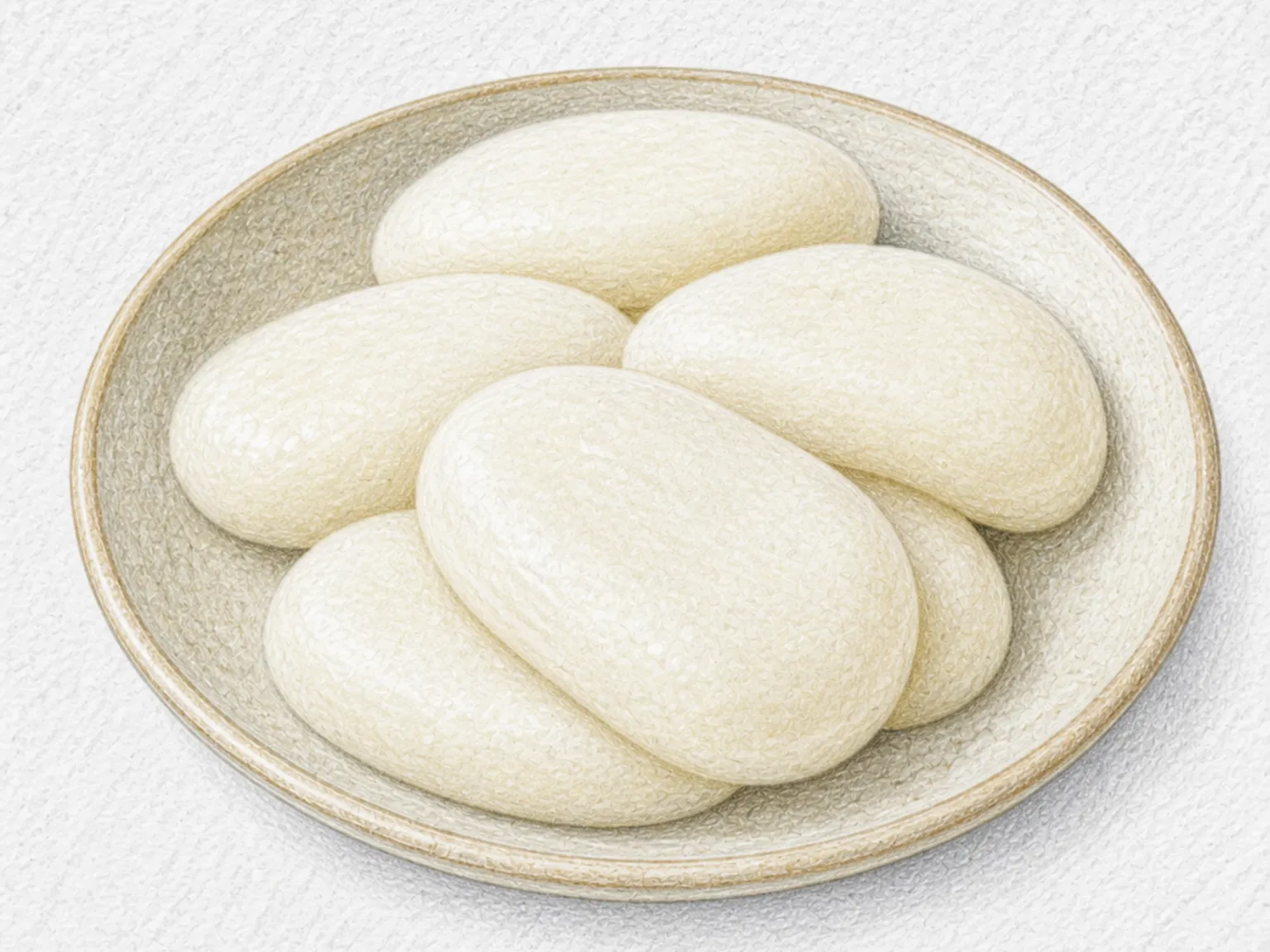
Seigaku Mochi (Double-Steamed Rice Cake)

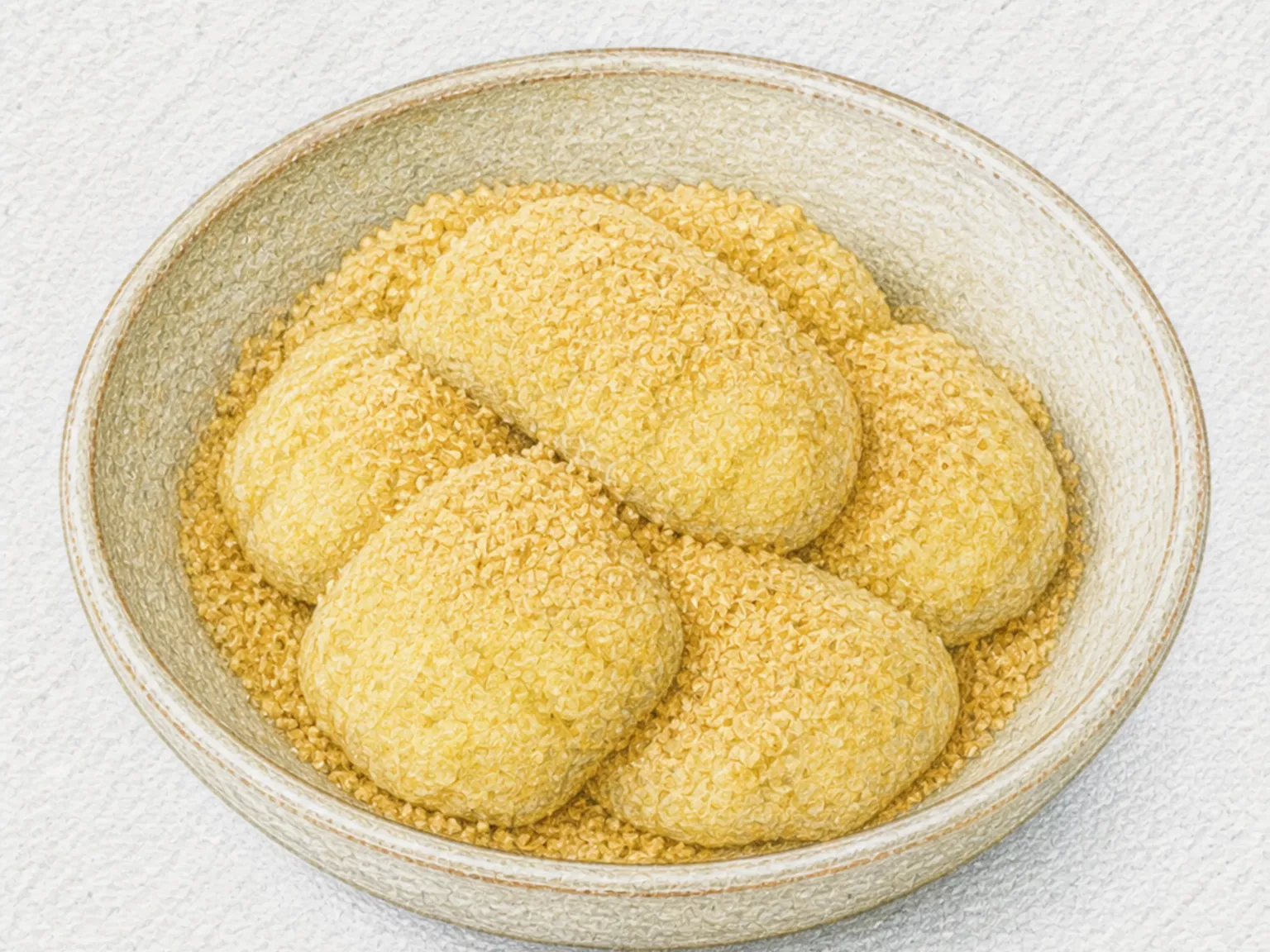
Because ordinary short-grain rice, not glutinous rice, goes into this Chiba rice cake, the finished mochi is less sticky than the usual kind and keeps a soft but clearly grained bite. Non-glutinous rice will not pound smooth after one steaming. The second steaming softens its firm core, and the brief cold-water dip in between separates the kernels and tops up their moisture. Leave the rice in that water too long and the cake turns soggy. It comes from the Sosa area.

Prep 25min Cook 35min 10 servings
Uchikomi-Jiru (Fresh Noodle Miso Soup)
Noodles Medium

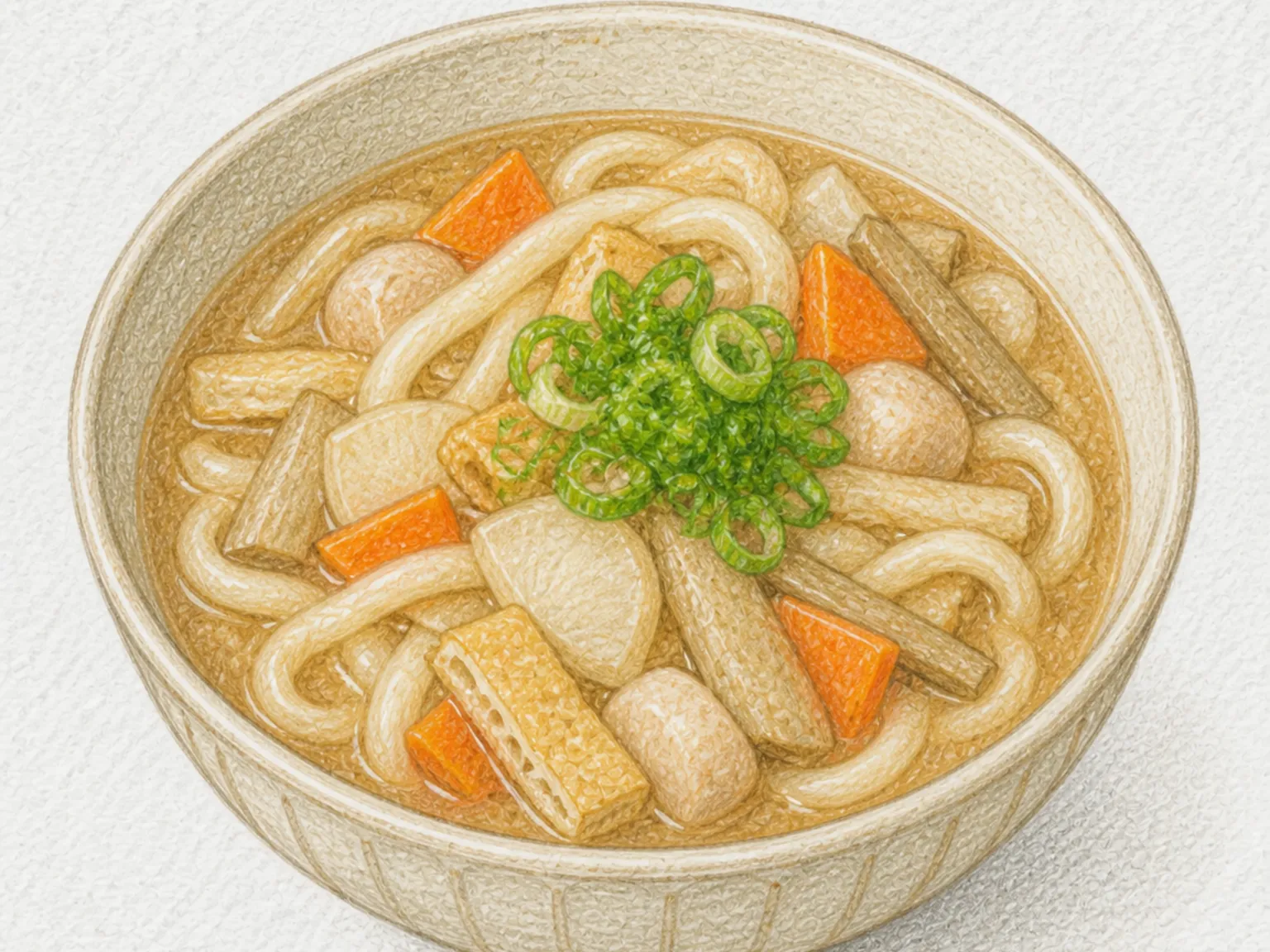
Uchikomi-Jiru (Fresh Noodle Miso Soup)

A quick winter supper from farm kitchens in Kagawa, uchikomi-jiru cooks fresh, slightly thick noodles directly in a root-vegetable miso soup. Kagawa's celebrated handmade udon is boiled on its own; this everyday dish skips that step, and the flour on the noodles thickens the broth. Low rainfall made the region good for growing wheat, and the Seto Inland Sea supplied the dried sardines for the dashi.

Prep 35min Cook 35min 5 servings
Shingoro (Grilled Rice Skewers with Egoma Miso)
Rice Medium

Shingoro (Grilled Rice Skewers with Egoma Miso)

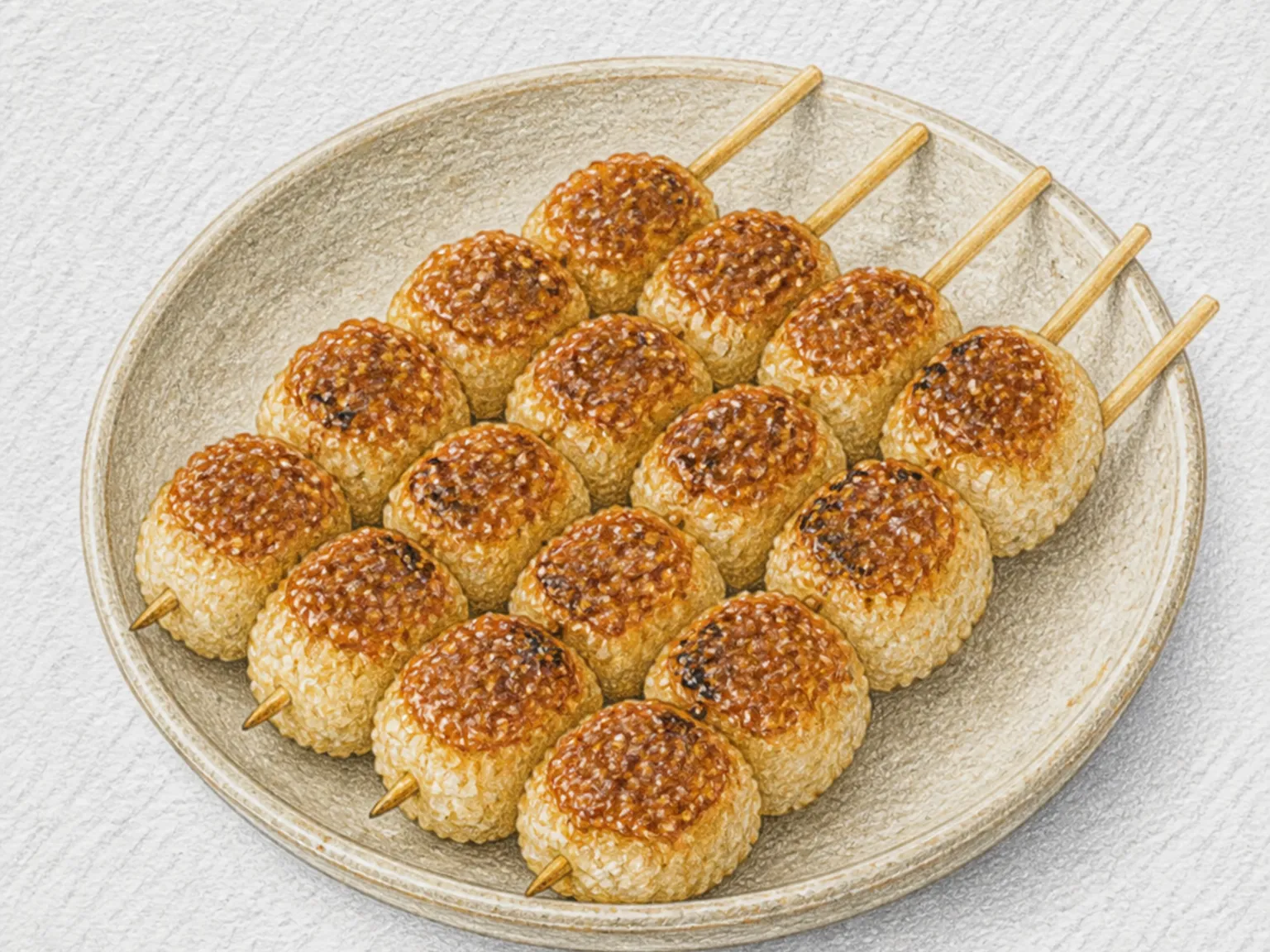
Freshly cooked rice pounded only halfway, rather than all the way into mochi, gives these grilled skewers a toasted outside and an inside with distinct grains. The topping is junen miso: egoma (perilla seed, called junen in Fukushima) toasted, ground until slightly oily, and mixed with sugar, miso, and sake. Pull them from the heat at light char marks, since the sugar in the paste turns bitter once it blackens.

Prep 25min Cook 35min 4 servings
Mushi Decchi Yokan (Bamboo-Wrapped Steamed Red Bean Yokan)
Desserts Medium

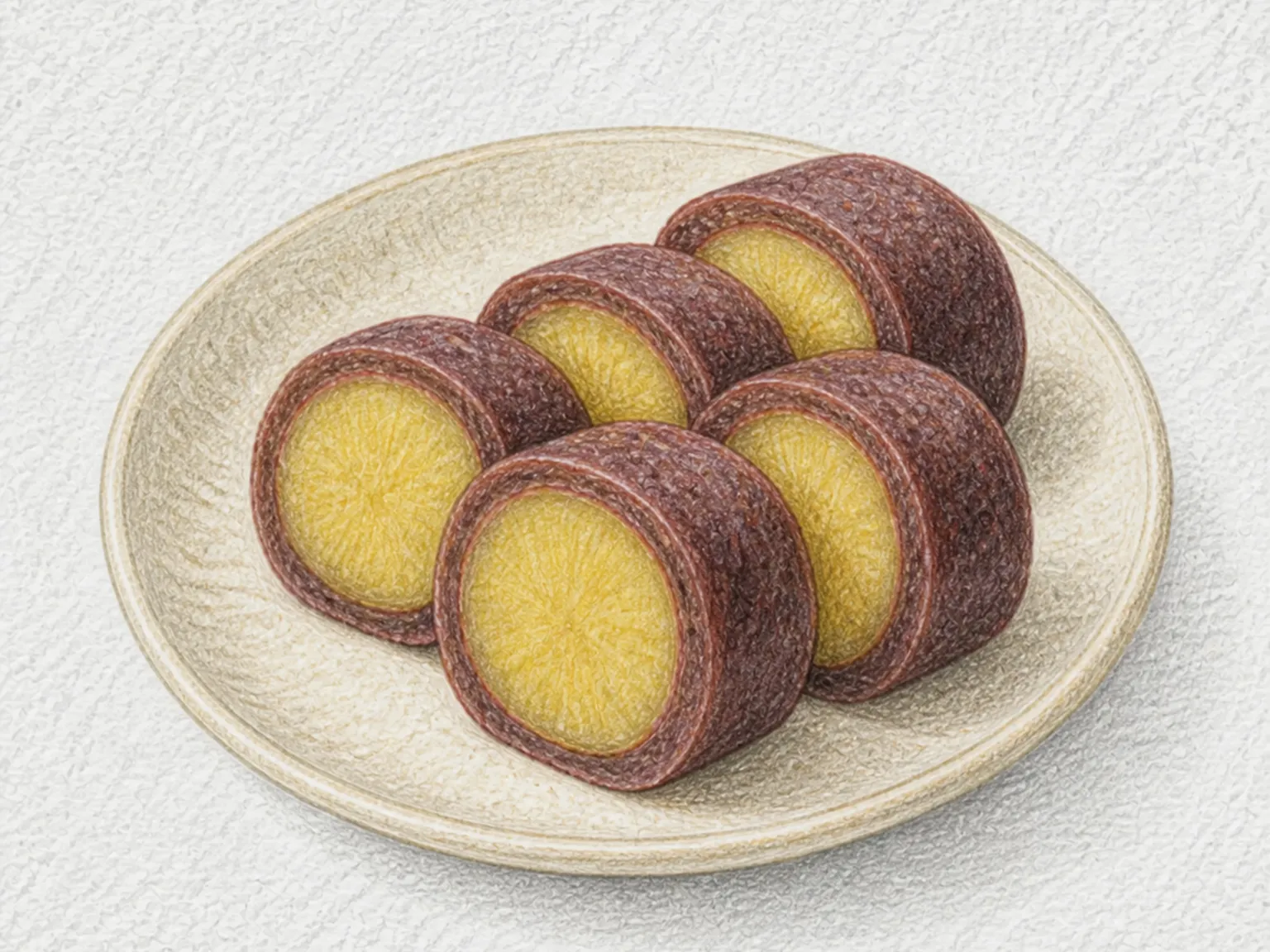
Mushi Decchi Yokan (Bamboo-Wrapped Steamed Red Bean Yokan)

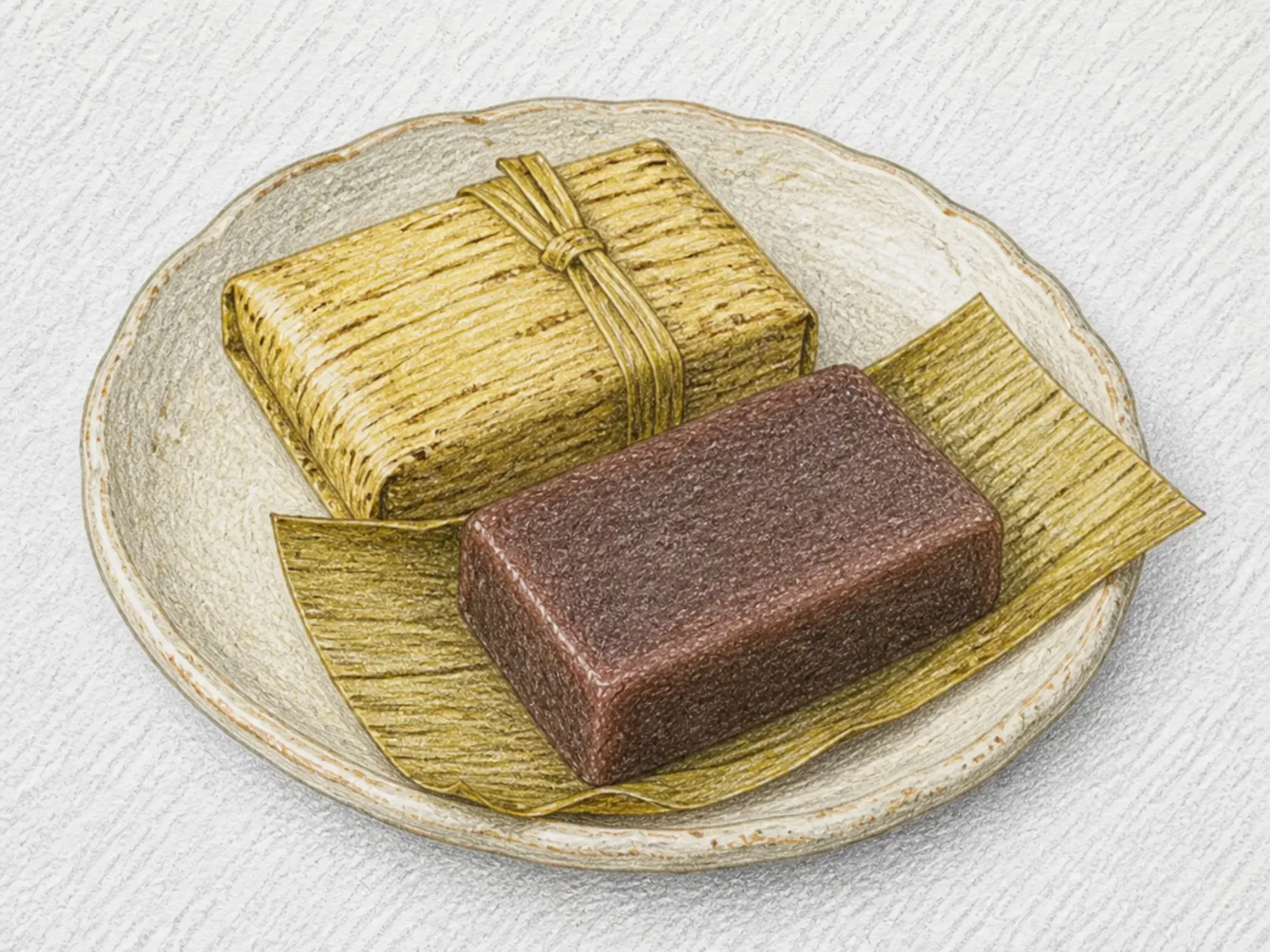
Bound with wheat flour instead of agar, this red bean paste comes out dense and chewy rather than smooth and jellied like neri yokan. In the Omi area of Shiga the batter is wrapped flat in bamboo sheaths and steamed; the sheath keeps it from drying and adds a light aroma. Only sheaths sold for food wrapping are used, washed and blanched, and they are peeled away before serving.

Prep 30min Cook 15min 4 servings
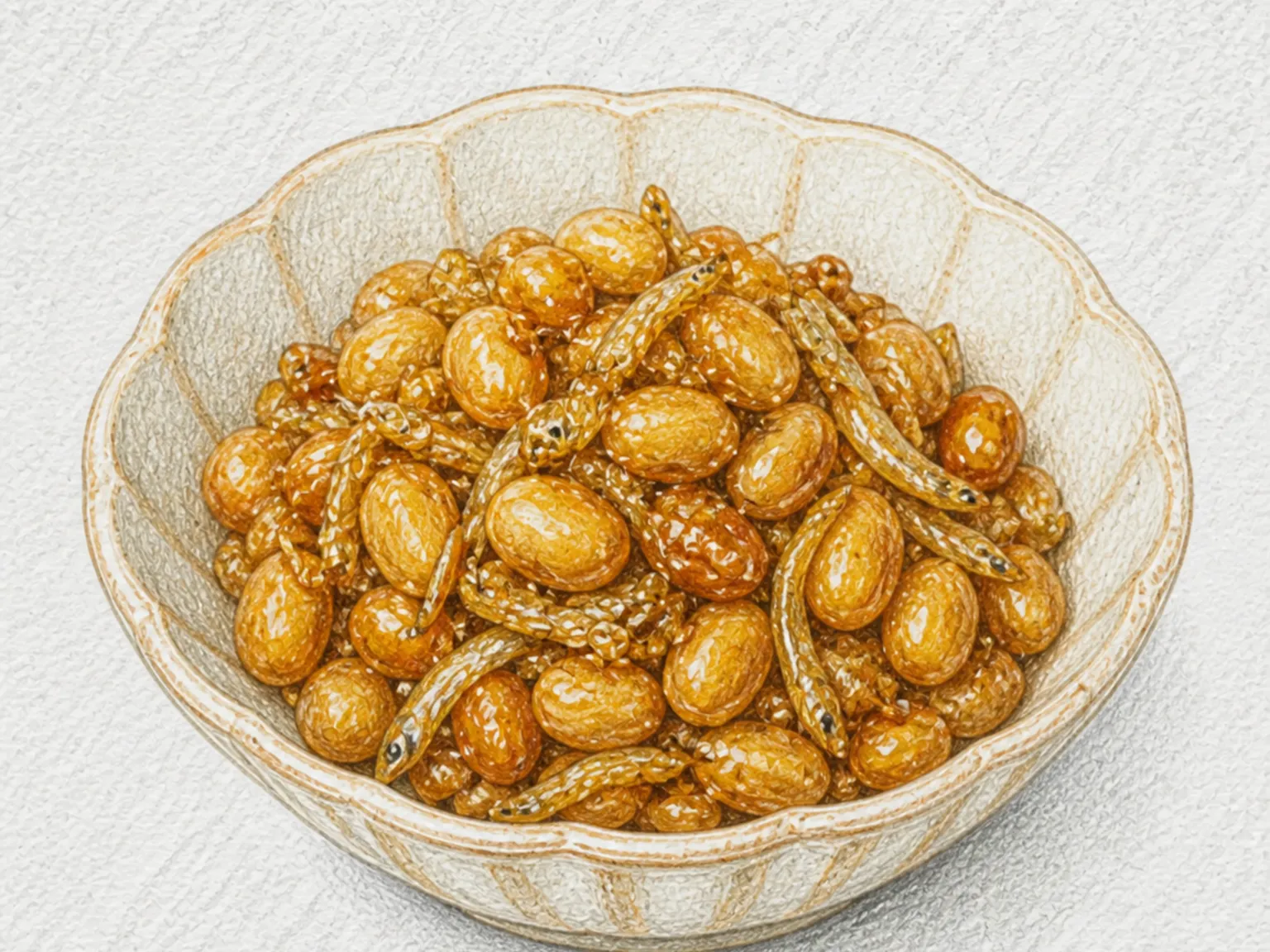
Goyori Mame Soybeans with Dried Small Fish
Asian Medium

Goyori Mame Soybeans with Dried Small Fish

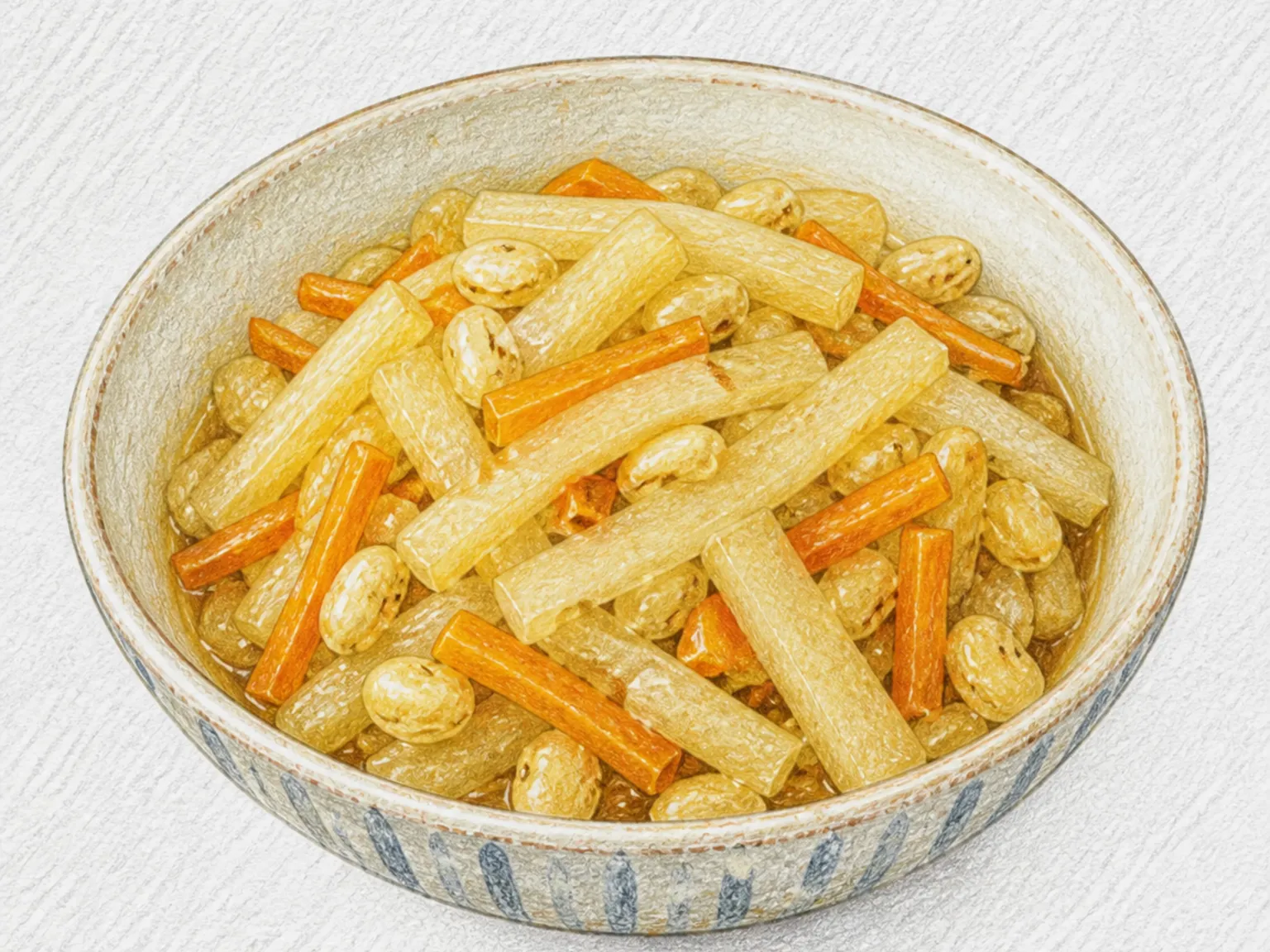
Small fish and shrimp from Osaka Bay, sun-dried together, go into this sweet-salty bean dish as goyori: the mixed catch left over after the saleable pieces were picked out. Dried soybeans are cooked tender with coarse sugar, sake, mirin, and soy, then reduced with the dry-roasted goyori until no liquid remains and the beans shine. It comes from Osaka's Senshu and Kawachi areas, and in Kawachi it also goes by jako mame.

Prep 20min Cook 140min 20 servings
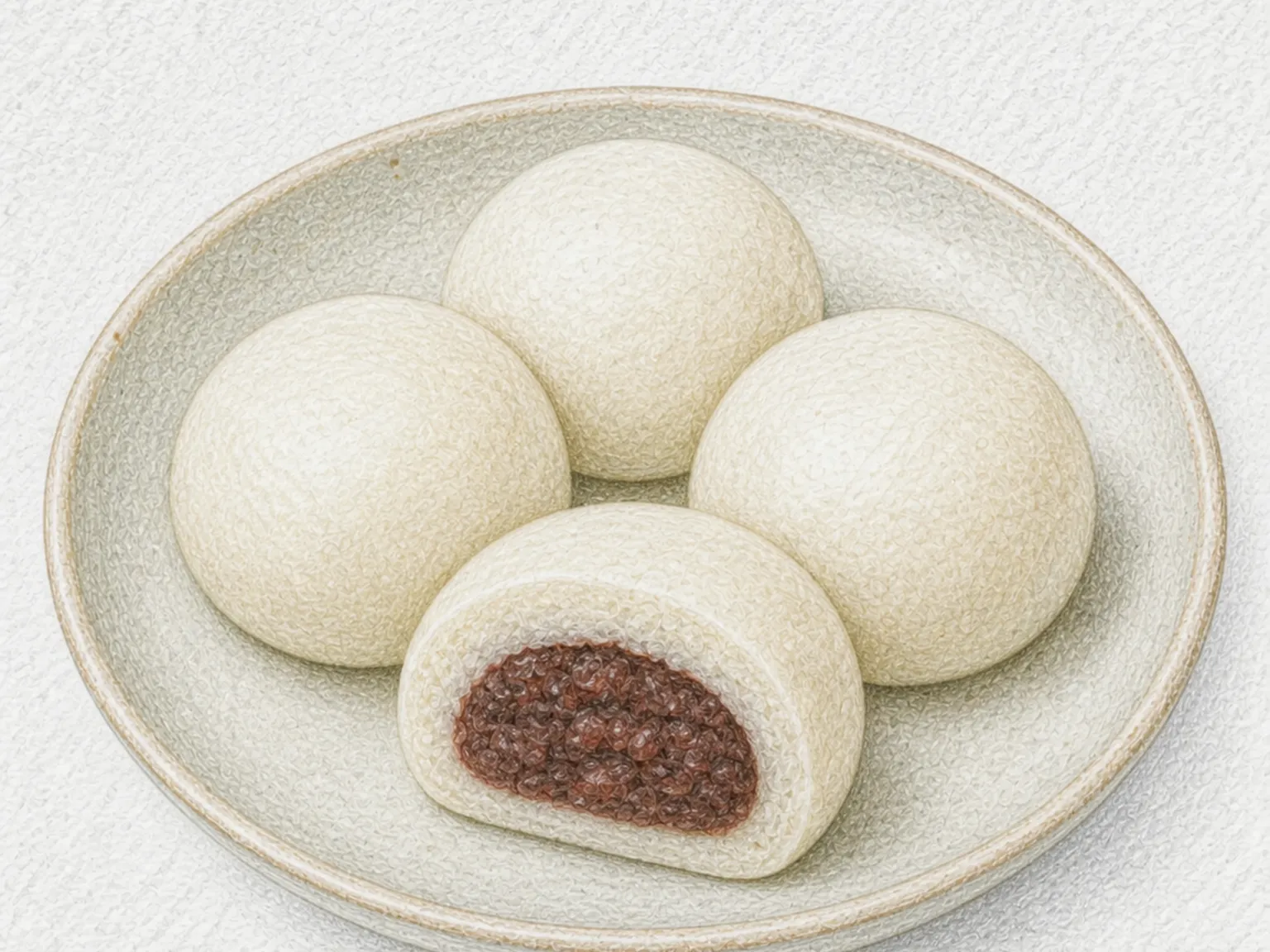
Komugi Manju (Steamed Wheat Buns with Red Bean Paste)
Desserts Medium

Komugi Manju (Steamed Wheat Buns with Red Bean Paste)

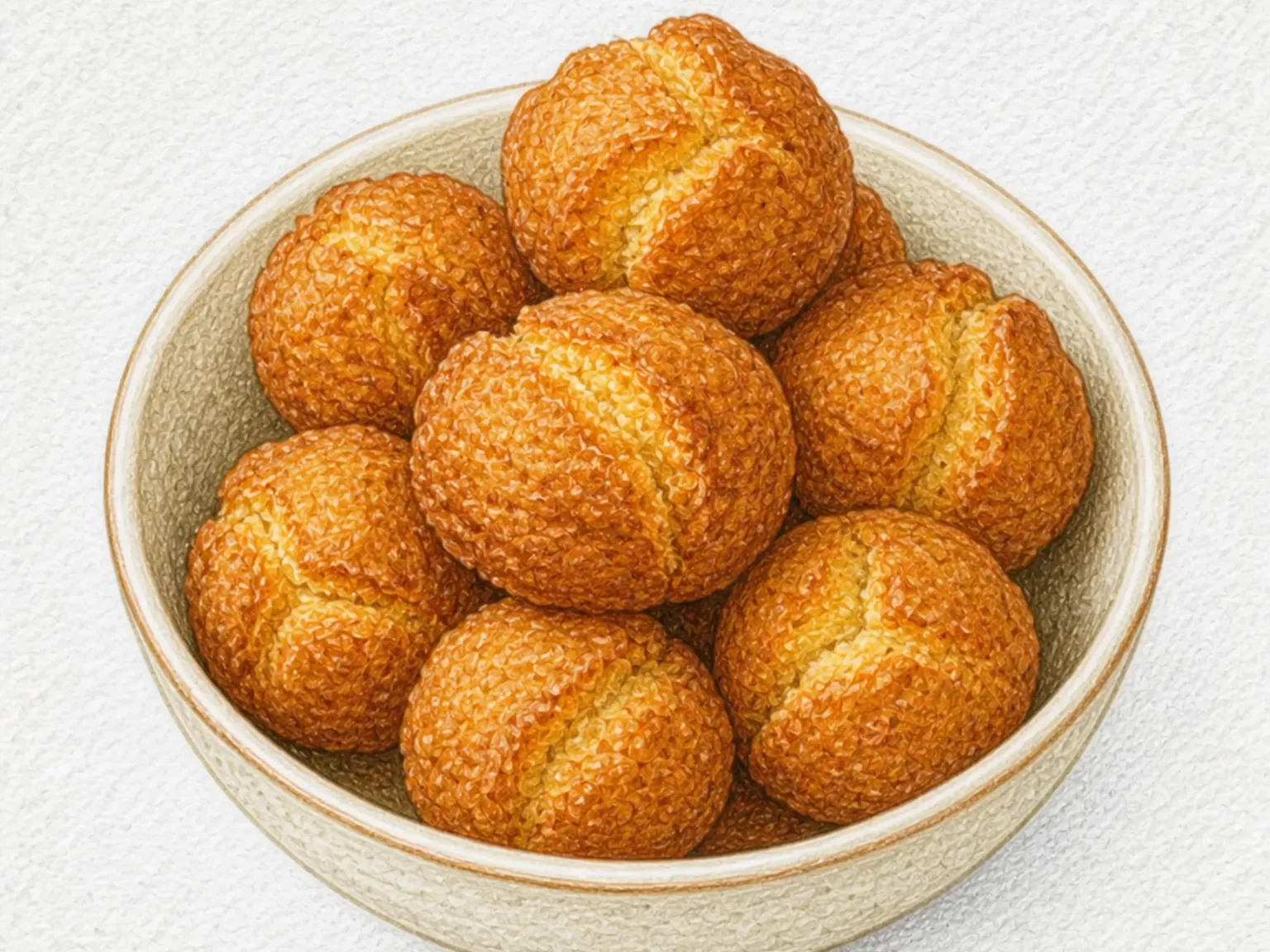
Baking soda puffs the white, tender skin of these Utsunomiya buns, which is why they also go by tansan manju. Wheat thrived in Tochigi's double-cropping fields, and households steamed them with the new flour for Obon, weddings, funerals, and other yearly observances. On Kamafuta Tsuitachi, the first day of the seventh lunar month, families offered them so ancestors traveling home from the other world would not go hungry.

Prep 30min Cook 12min 10 servings
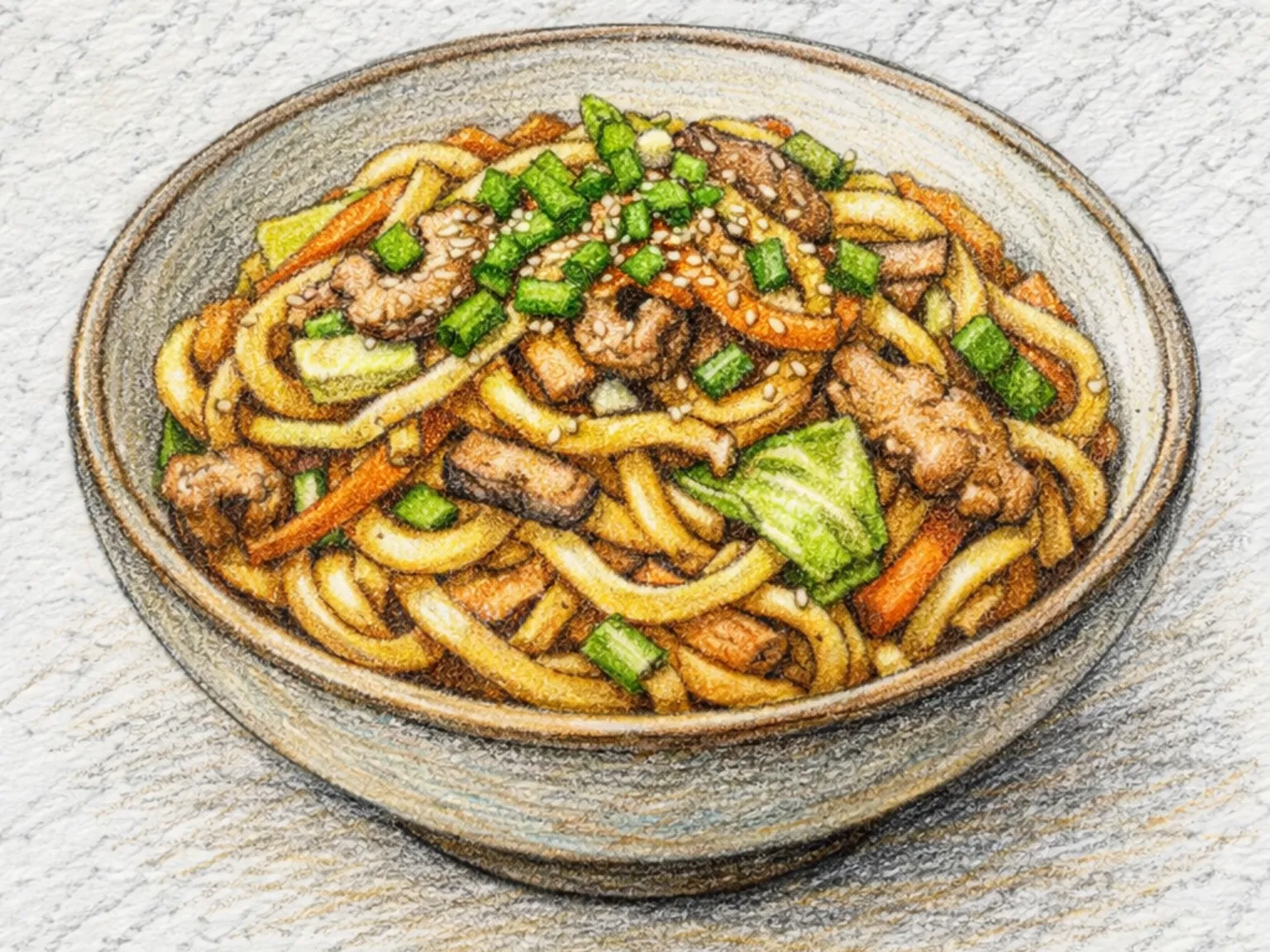
Japanese Stir-Fried Noodles (Yakisoba)
Noodles Easy

Japanese Stir-Fried Noodles (Yakisoba)

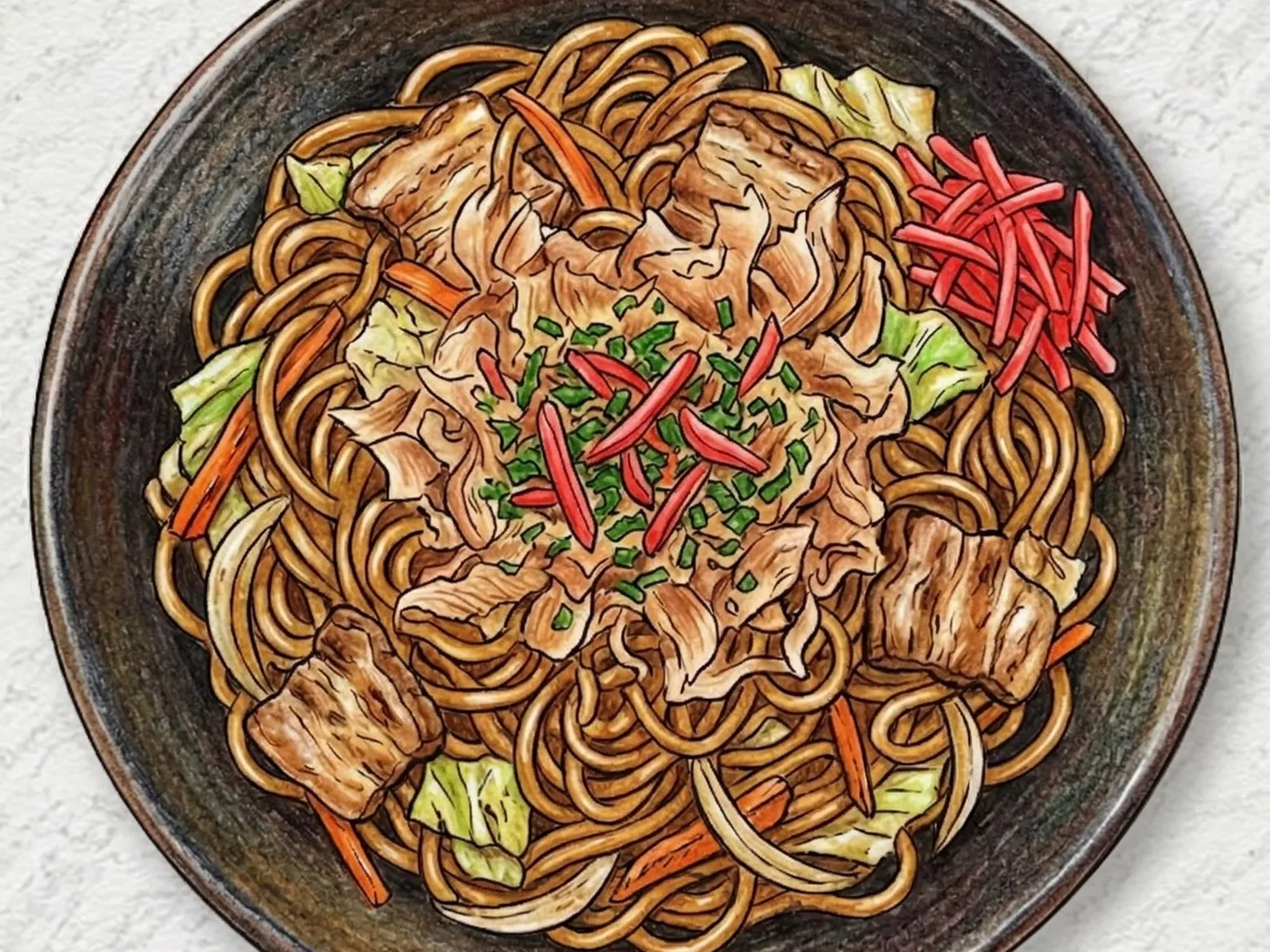
Yakisoba sauce, built on Worcestershire, coats the noodles in a sweet, tangy glaze, and bonito flakes laid on the hot plate sway in the rising heat and add a smoky note. The noodles come precooked and need only about thirty seconds of warming to loosen before they fry, keeping some bounce instead of turning soft. Cabbage, onion, and carrot hit a very hot pan briefly and stay crisp under the sauce. The sauce is poured around the edge of the pan only at the very end, which protects that crunch, and a quick toss coats every strand evenly.

Prep 15min Cook 12min 2 servings
Yaki-saba no Nitsuke (Grilled Mackerel and Onion Simmer)
Asian Easy

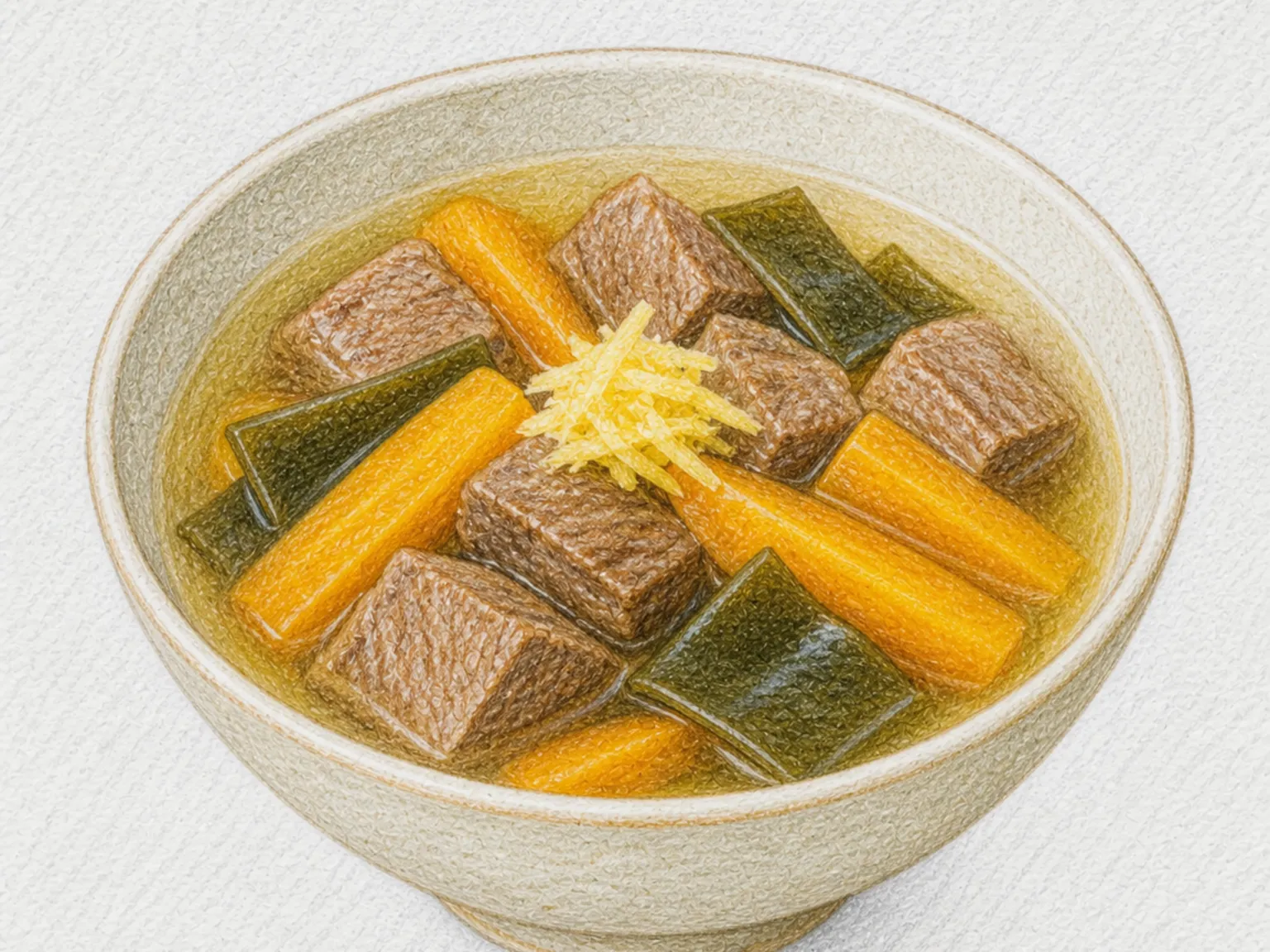
Yaki-saba no Nitsuke (Grilled Mackerel and Onion Simmer)

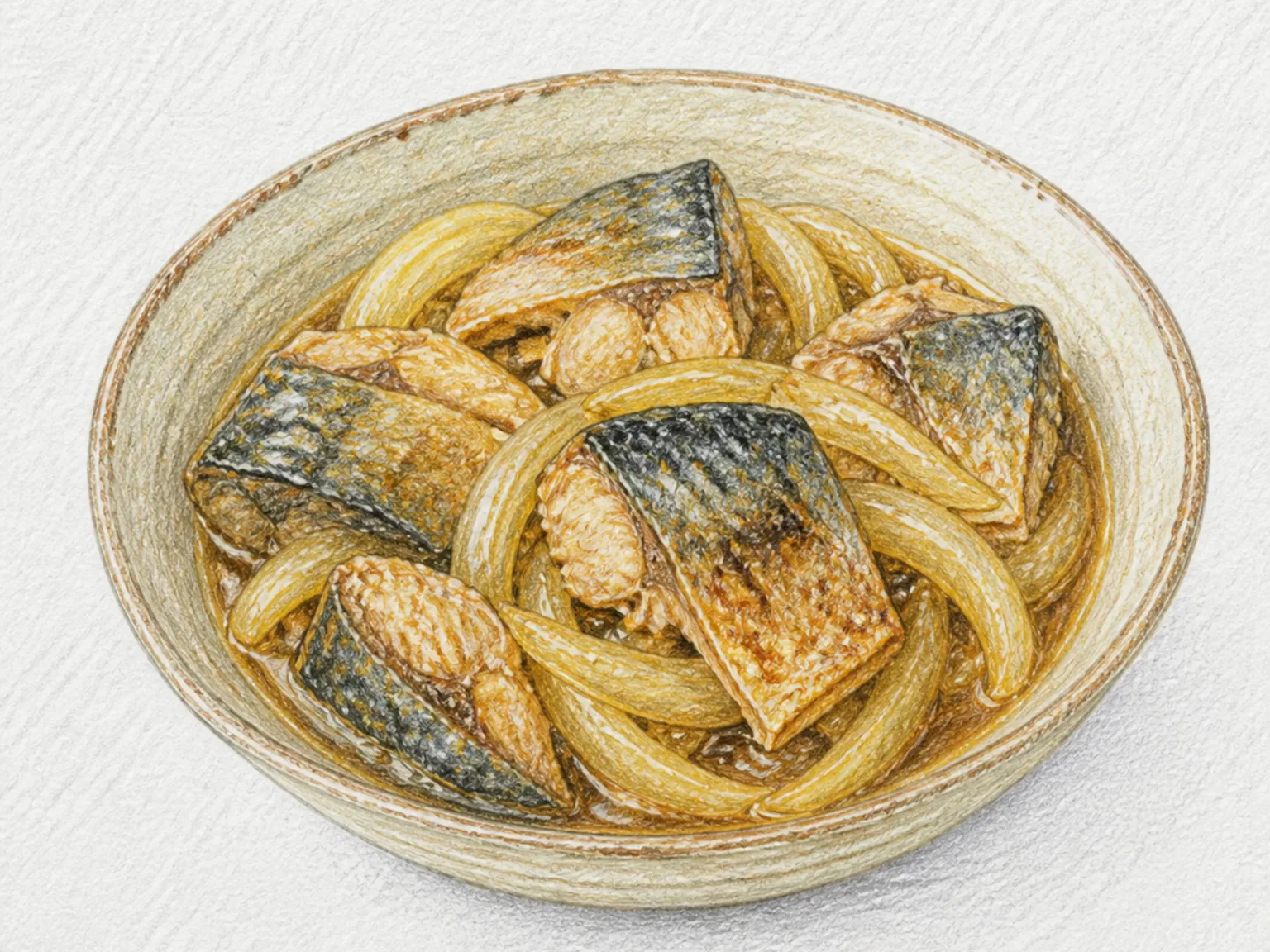
A mackerel that has already been grilled whole is broken into large pieces and simmered a second time with onion. In inland Tottori, grilled fish kept and traveled well, and cooking it again this way became the habit. Even with the head and backbone gone, small bones stay in the grilled flesh, and a fingertip run along it finds them. Ginger is used twice: thin slices go into the broth, and fine shreds go on top.

Prep 15min Cook 20min 3 servings