Browse by cuisine

Japanese Recipes

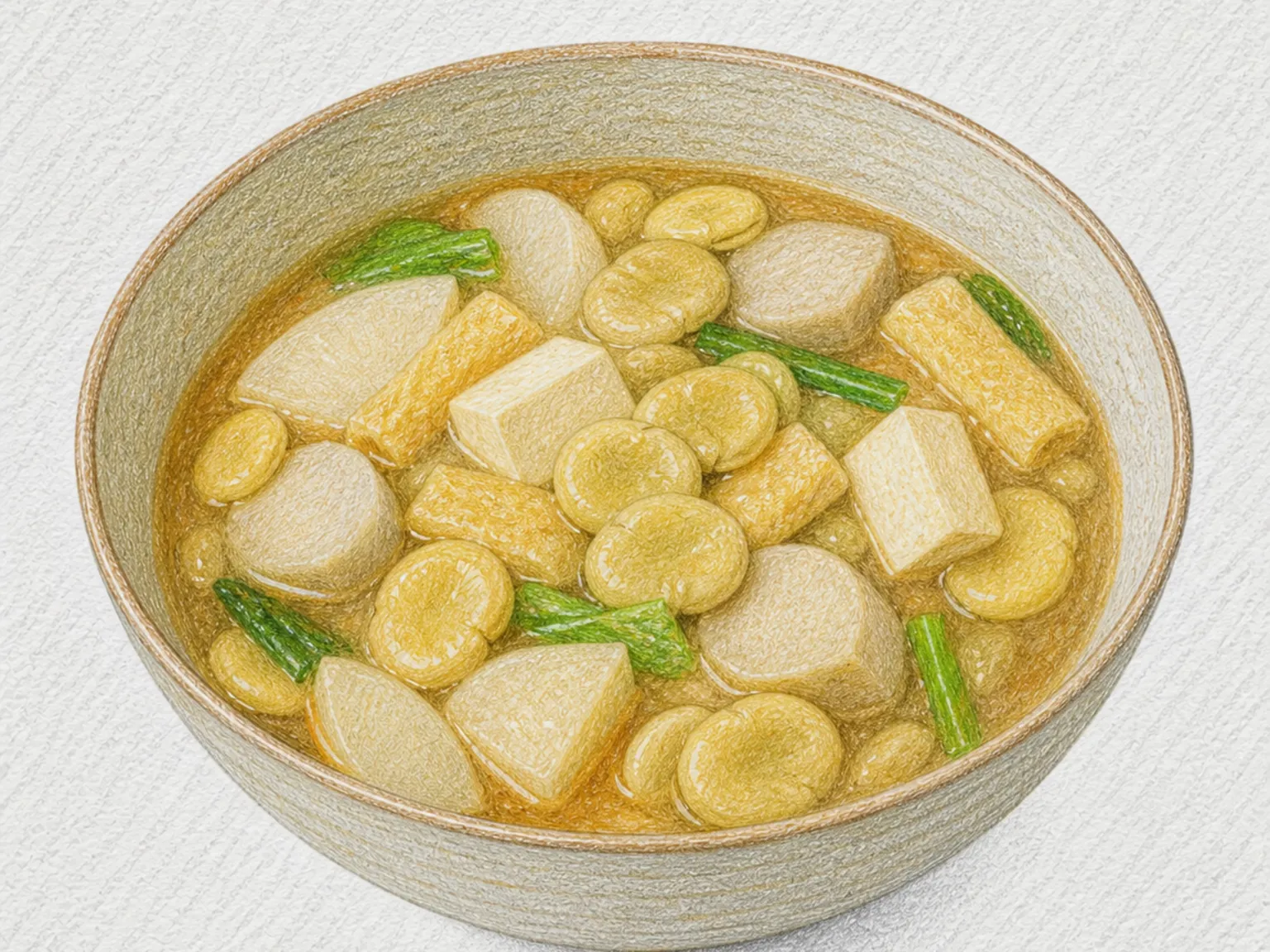
509 Japanese recipes. Page 18 of 22. Compare ingredients and cooking times. Yaseuma (Flat Wheat Ribbons with Kinako), Uchigae Zoni (Rock Tofu and Taro Soup).

Yaseuma (Flat Wheat Ribbons with Kinako)
Desserts Medium

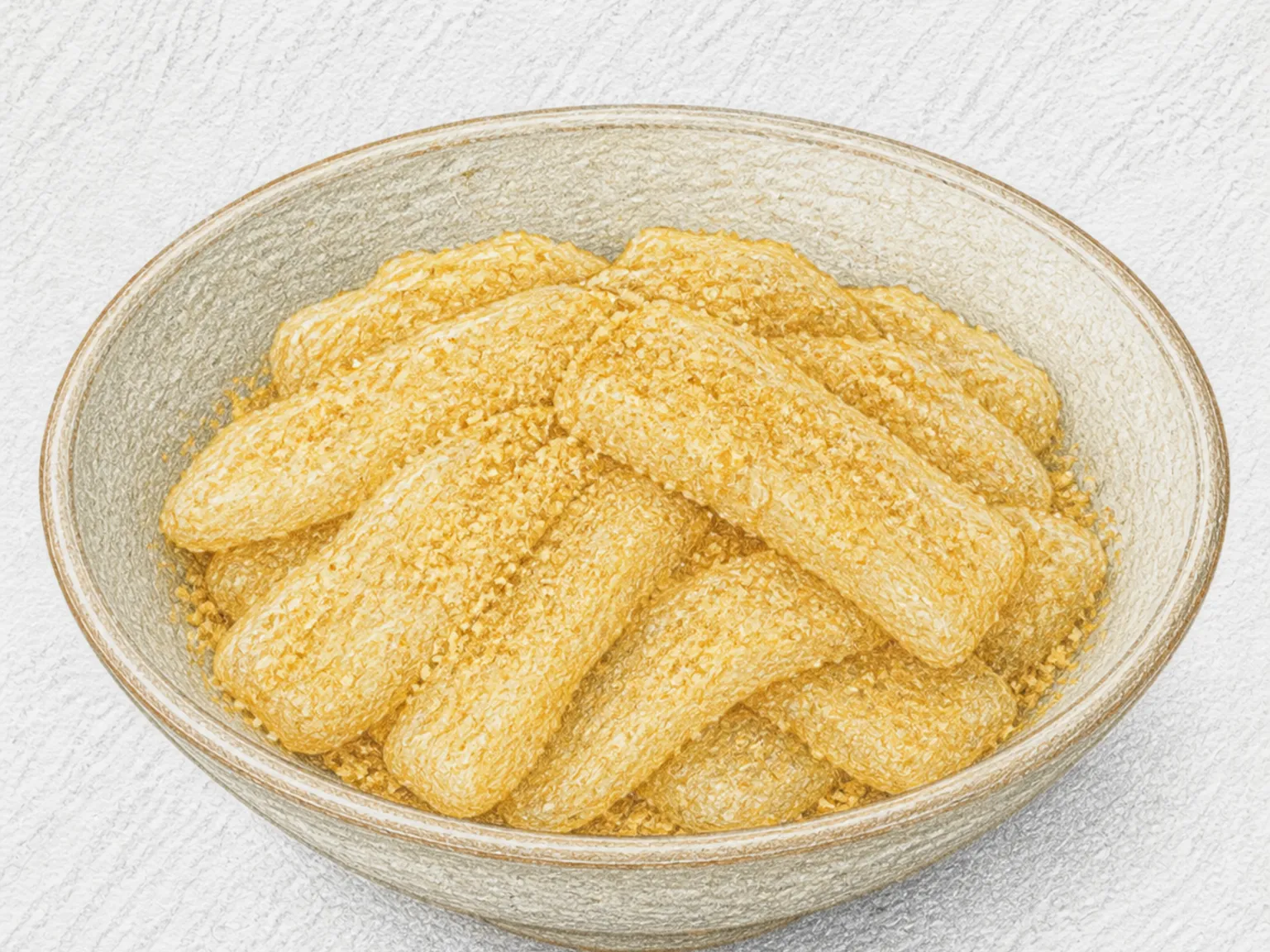
Yaseuma (Flat Wheat Ribbons with Kinako)

Hand-stretched wheat dough becomes long, flat ribbons that are boiled and rolled generously in kinako and sugar. Furuno in Yufu, Oita, is regarded as its birthplace, and it is still offered during Obon and Tanabata. Each ribbon is thinnest in the middle and slightly thicker at the ends, and one piece chews differently from end to end. The dough rests twice, once as a ball and again as short sticks, and that is what lets it stretch past 20cm without tearing.

Prep 100min Cook 20min 10 servings
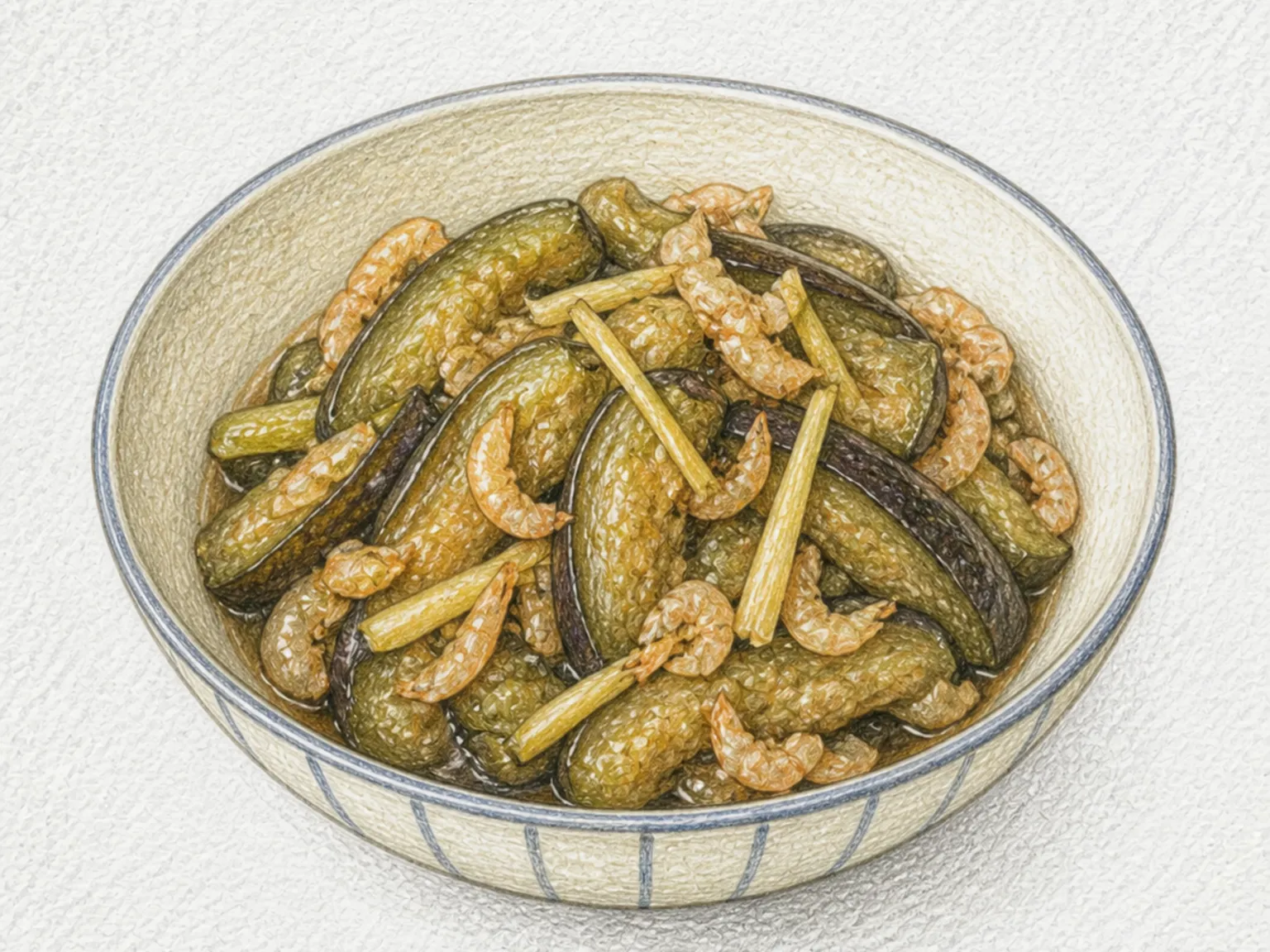
Ikanago no Kugini (Ginger Soy Simmered Sand Lance)
Asian Hard

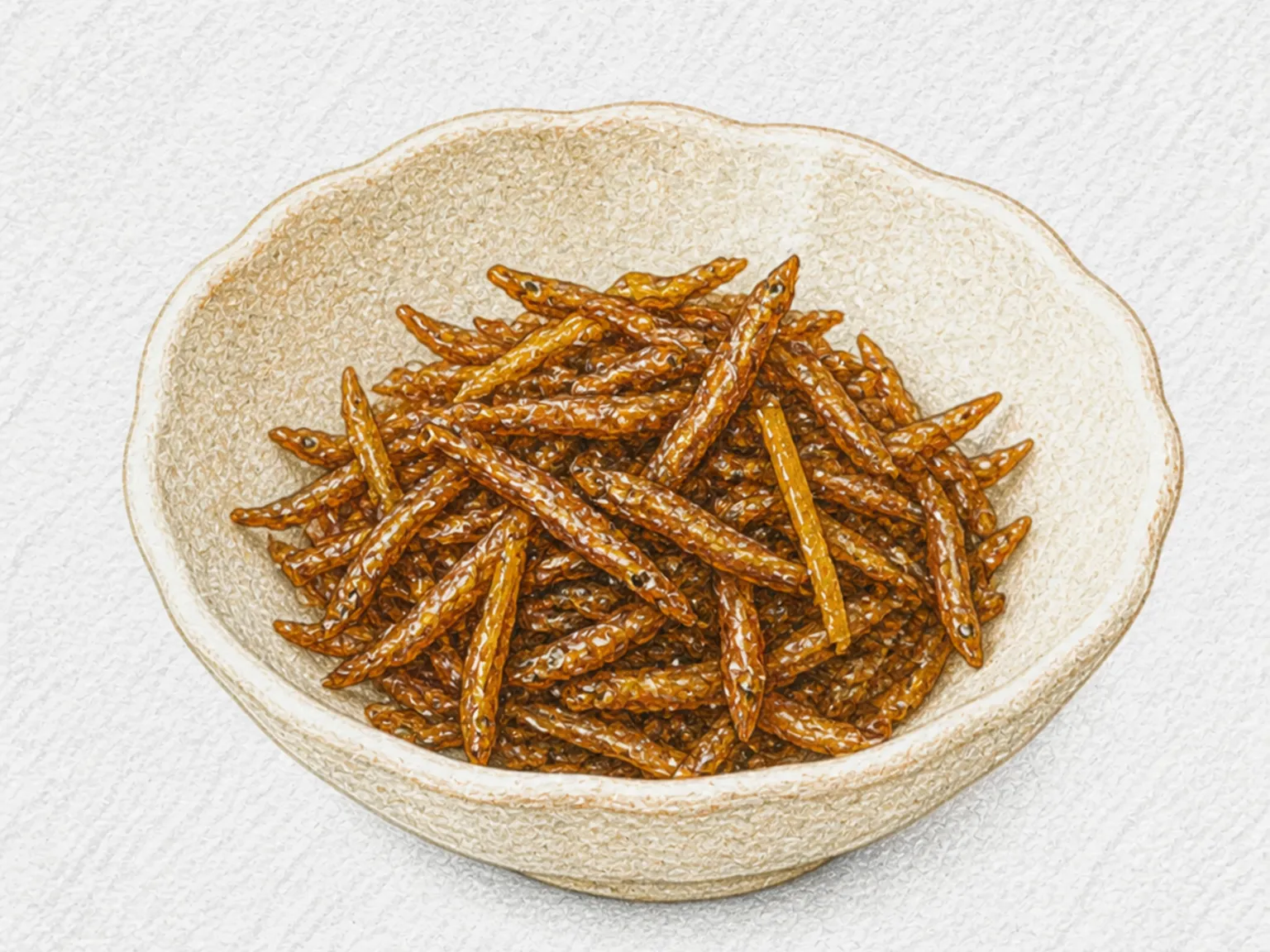
Ikanago no Kugini (Ginger Soy Simmered Sand Lance)

Young sand lance, only 3 to 4 cm long, are reduced with soy sauce, sake, mirin, coarse sugar, and ginger until the pot is nearly dry. As they cook, the glossy fish bend and darken until they look like rusty nails, which is where the name kugini (nail simmer) comes from. This is a preserve from the Ise Bay coast of Mie, made in spring when the young fish are in season, and its sweet-salty glaze is eaten with plain rice.

Prep 20min Cook 45min 4 servings
Yashoma (Patterned Rice-Flour Dumpling)
Desserts Hard

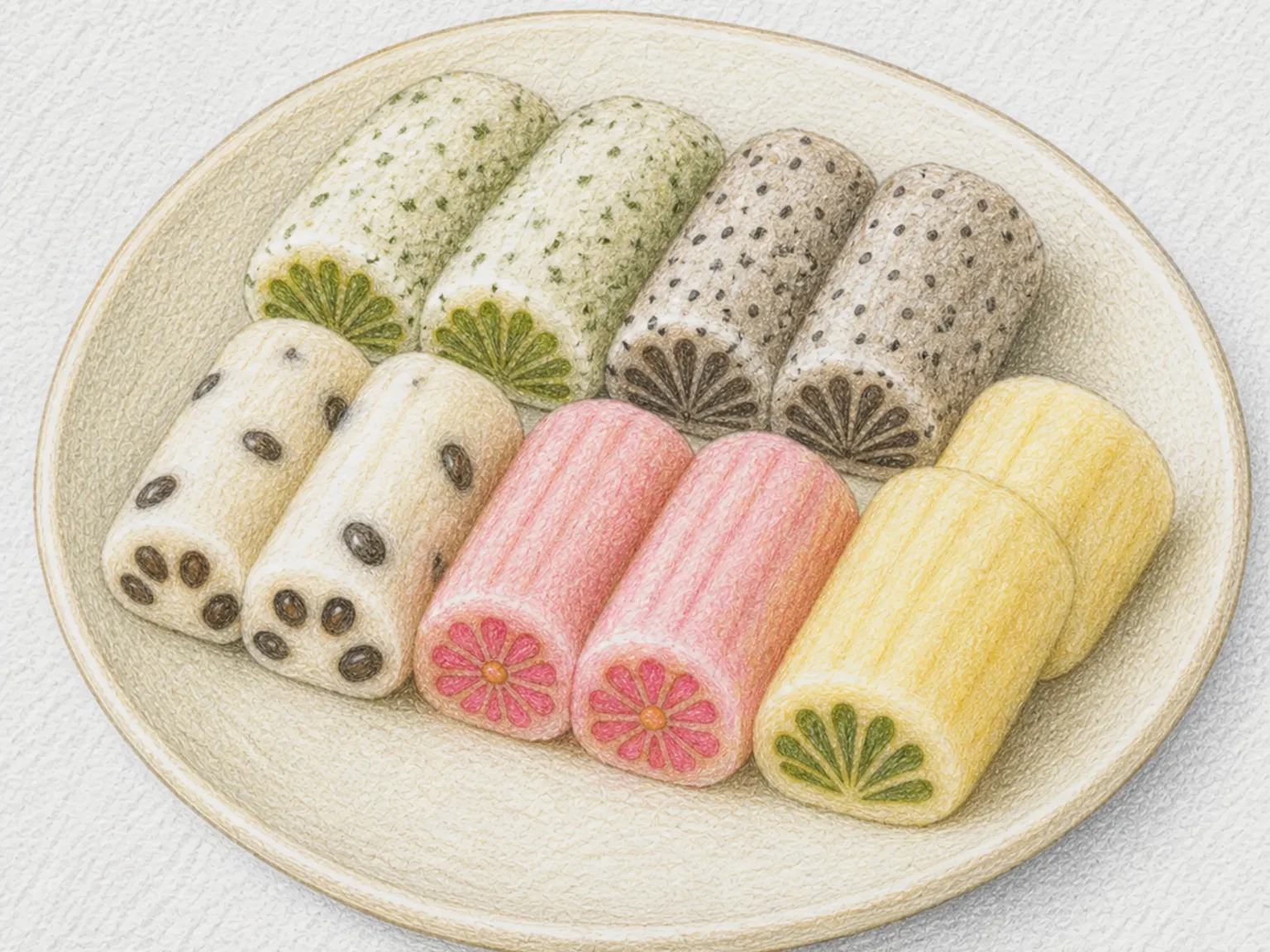
Yashoma (Patterned Rice-Flour Dumpling)

Every slice reveals a pattern built from green aonori, black sesame, black soybeans, and a red-tinted dough worked into rice-flour mochi. In Nagano it was offered at home altars and temples for Nehan-e on February 15 and then shared with children. Strands of each colored dough are laid side by side, wrapped into a long roll, and creased with chopsticks into ridges and petals, and the order of the strands decides the final design. Cotton thread cuts the soft roll without squashing that pattern. Fresh slices are tender; pieces that firm up in the fridge are good toasted.

Prep 45min Cook 50min 12 servings
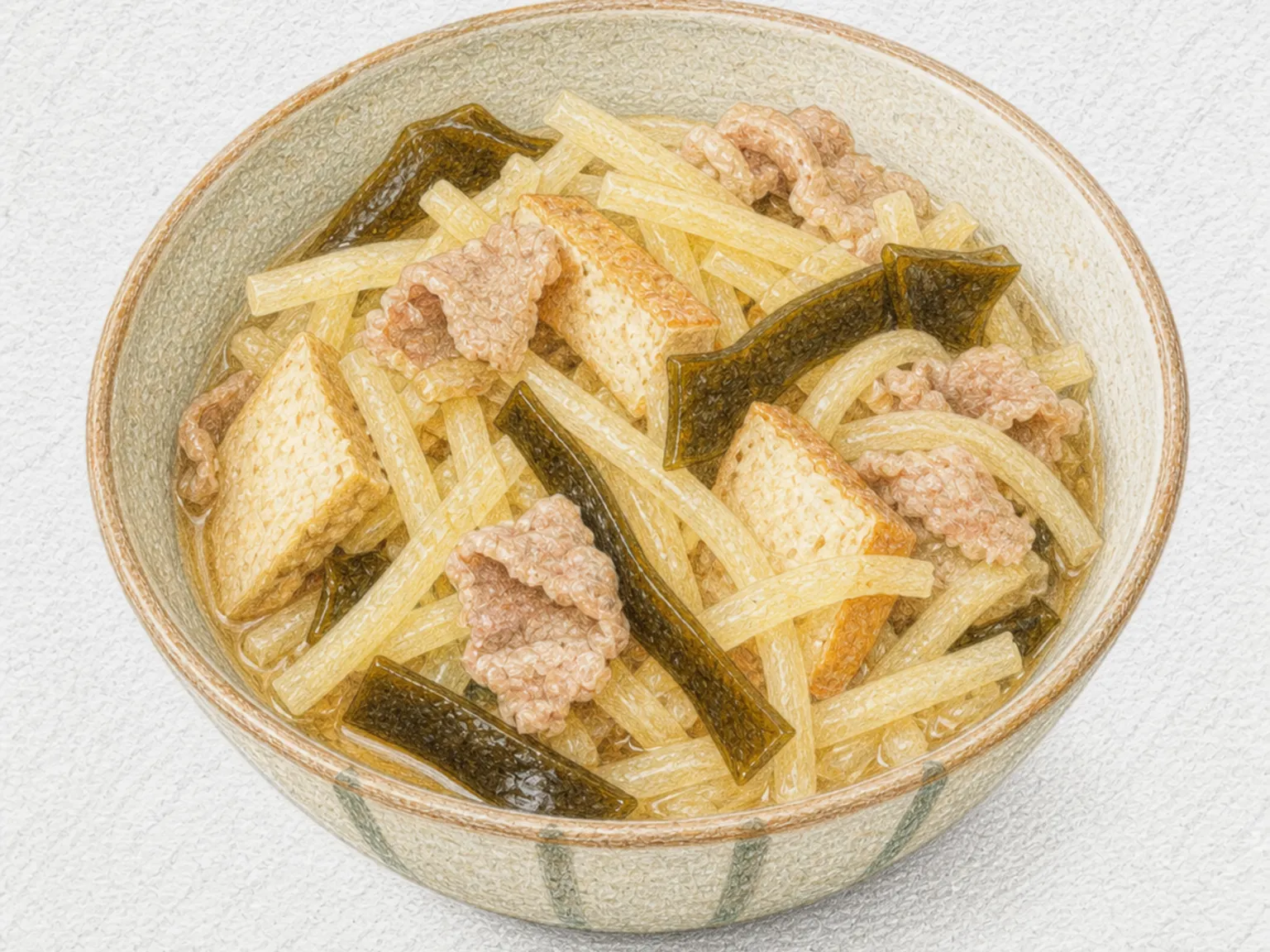
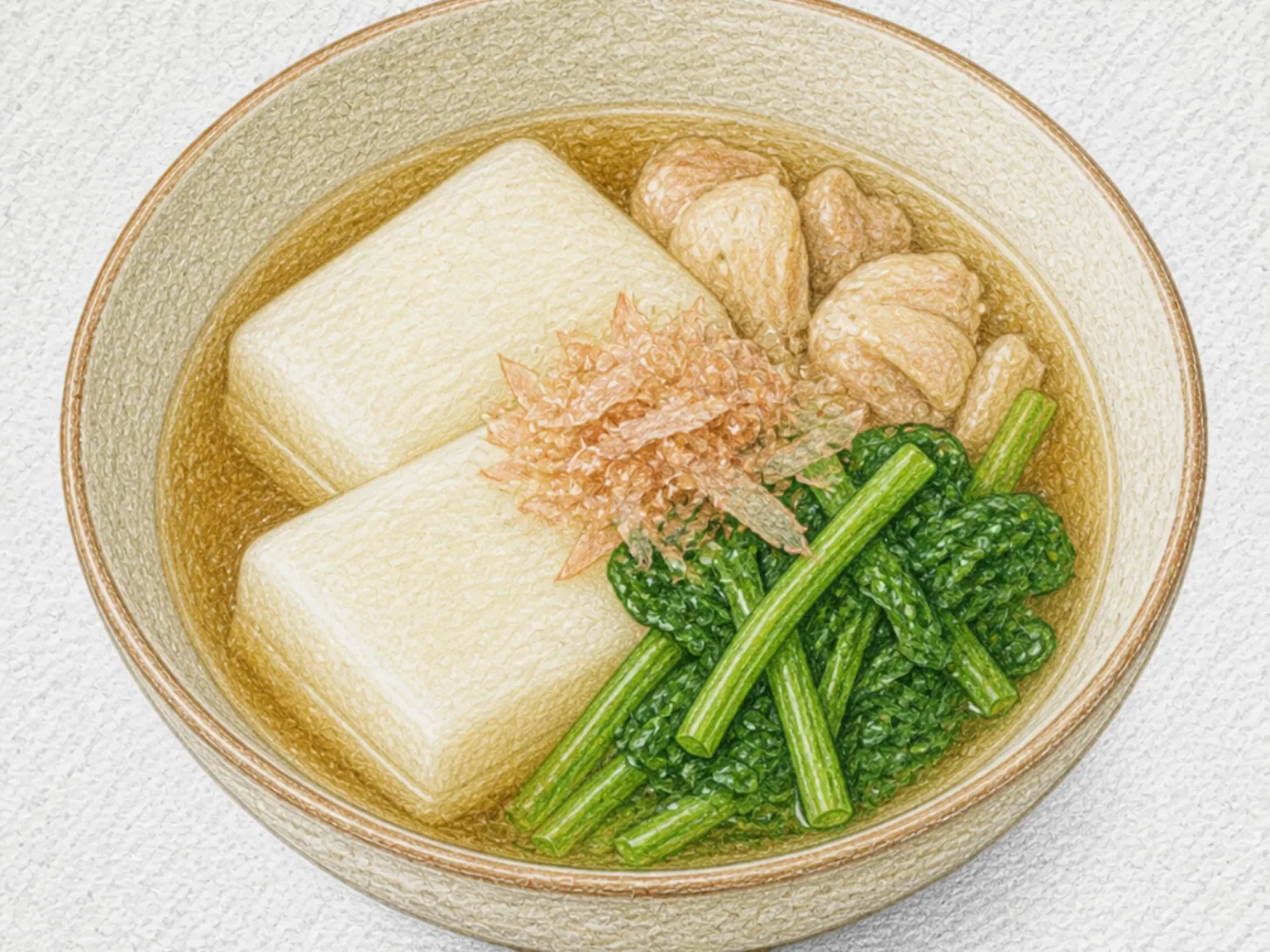
Iragimun, Green Papaya with Pork and Miso
Asian Medium

Iragimun, Green Papaya with Pork and Miso

Unripe green papaya is treated here as a vegetable, and once cooked its firm but tender bite is often compared to daikon. In the Yaeyama islands of Okinawa, families picked it from trees planted near the house for ordinary meals, and also made the dish around the equinoctial observances. Pork, kombu, and atsuage (thick fried tofu) cook with it in small amounts of bonito and pork broth, seasoned with miso and a little sugar. The liquid ends up as a light coating rather than soup, which keeps every piece in shape and the miso mild.

🏠 Everyday
Prep 20min Cook 35min 4 servings
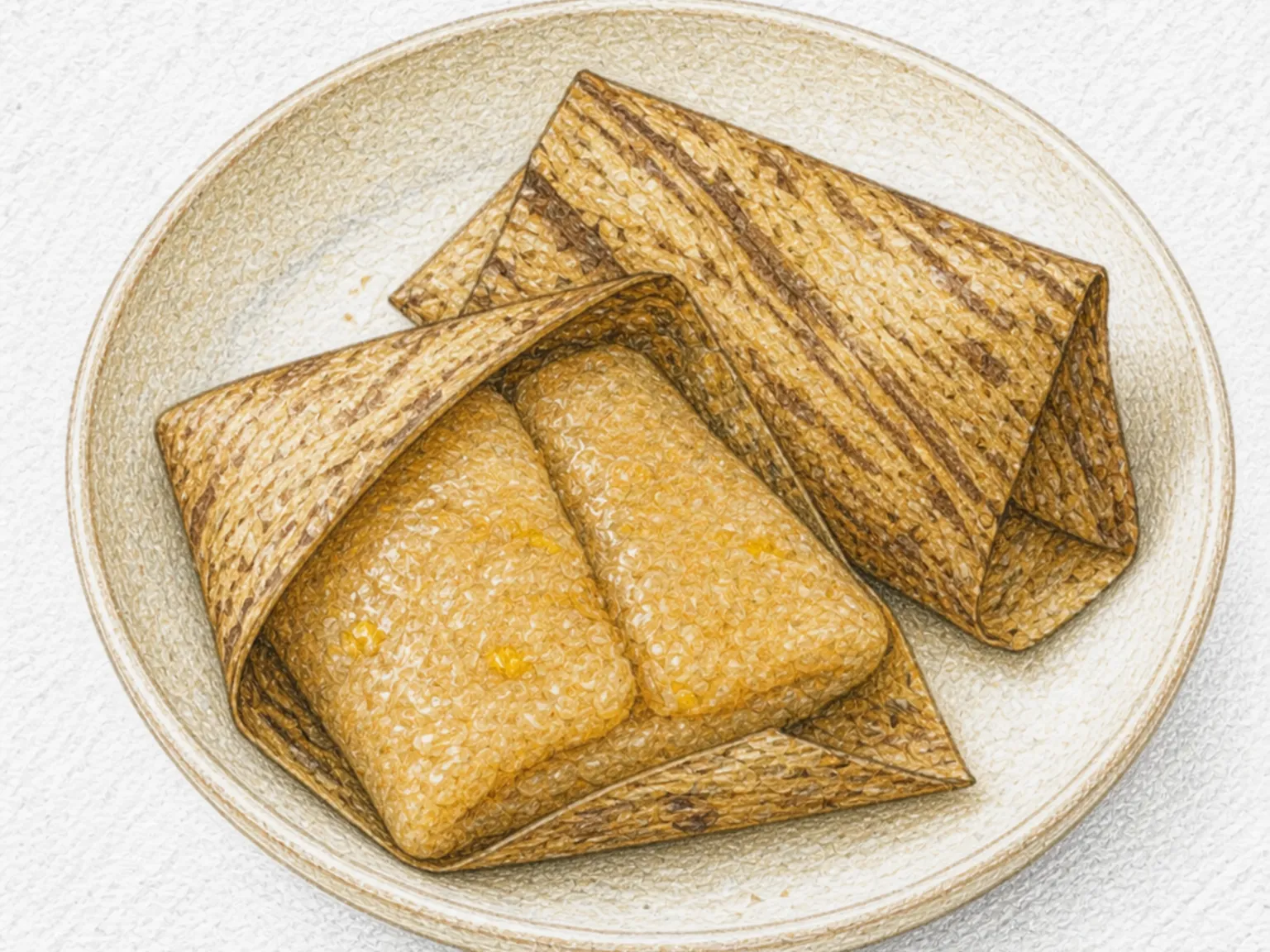
Miso Yubeshi (Steamed Yuzu and Miso Rice Cakes)
Desserts Hard

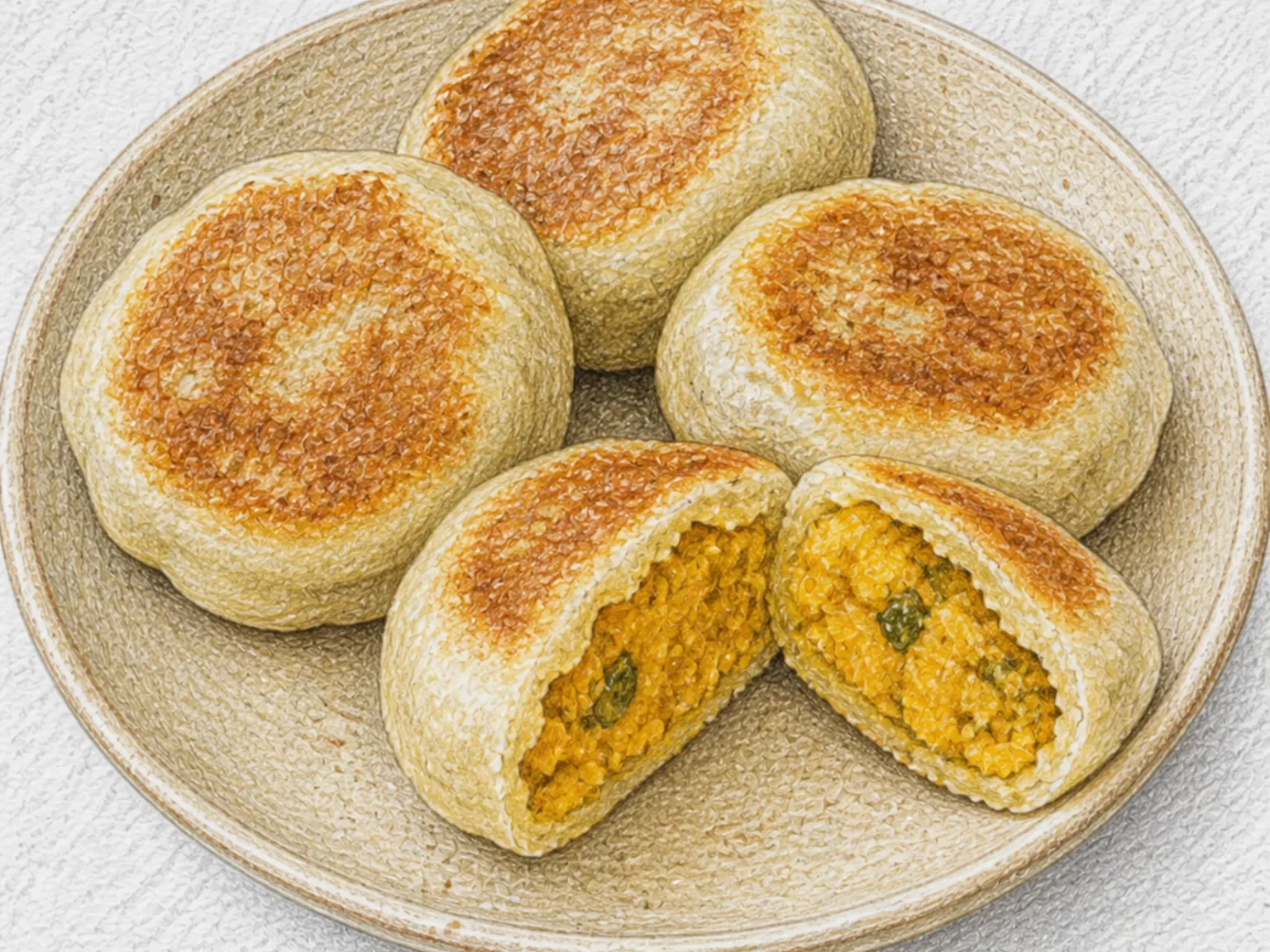
Miso Yubeshi (Steamed Yuzu and Miso Rice Cakes)

Grated yuzu zest and juice, fresh ginger, and miso go into the sweet rice dough, so each piece tastes salty and citrusy as well as sweet. The rice flours are added all at once to the hot yuzu-miso liquid, which cooks them into a dough right in the pot. Each of the 15 portions is wrapped in a food-grade bamboo sheath and steamed. Pieces that firm up soften again when unwrapped and warmed in the microwave or a pan.

Prep 50min Cook 50min 15 servings
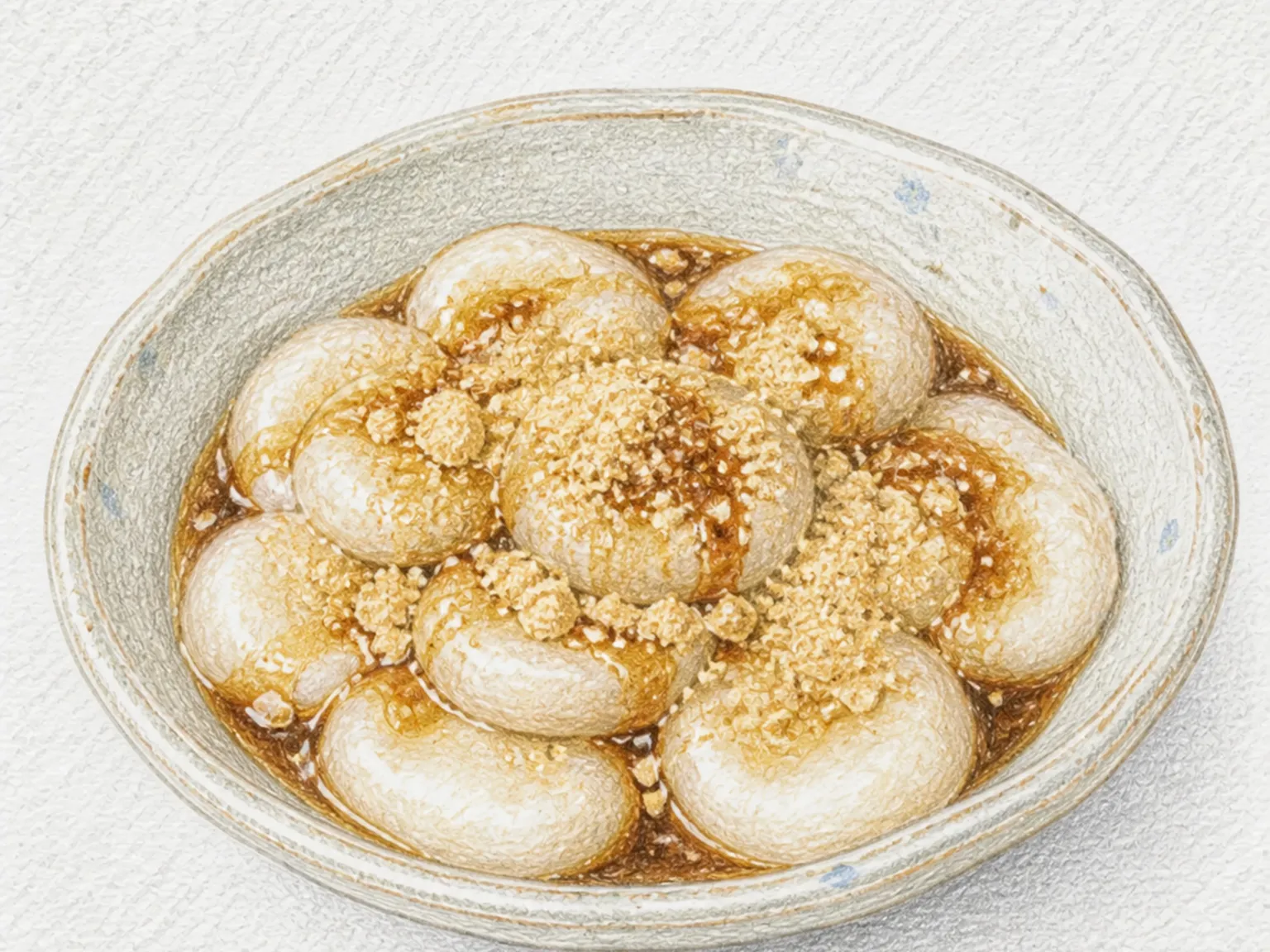
Yudedago Boiled Dumplings with Brown Sugar and Kinako
Desserts Easy

Yudedago Boiled Dumplings with Brown Sugar and Kinako

Wheat flour, shiratamako, and warm cooked rice are worked together with boiling water, and the rice is what keeps these flat dumplings soft after they cool. In Saga, where farmers often grew wheat after the rice harvest, both flours were on hand, and yudedago served as a fieldwork snack or a supplement when a meal ran short. The name is a local shortening of yude dango, and some call it hiradago. Brown sugar never enters the dough but is showered on with kinako while the dumplings are hot, leaving a melting sweet surface over a plain center.

Prep 30min Cook 15min 20 servings
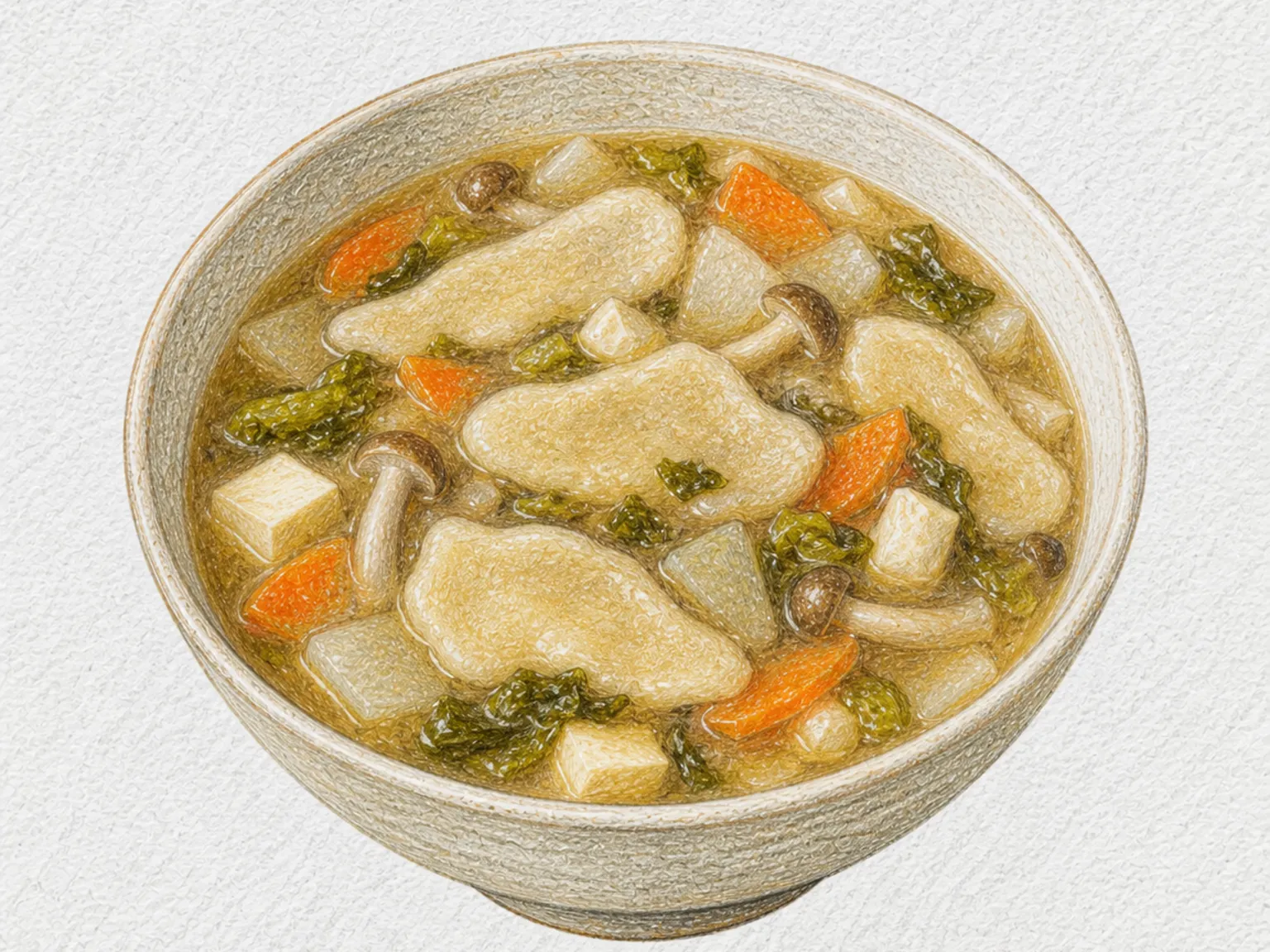
Aichi Zoni (Clear New Year Soup with Square Mochi)
Soups Easy

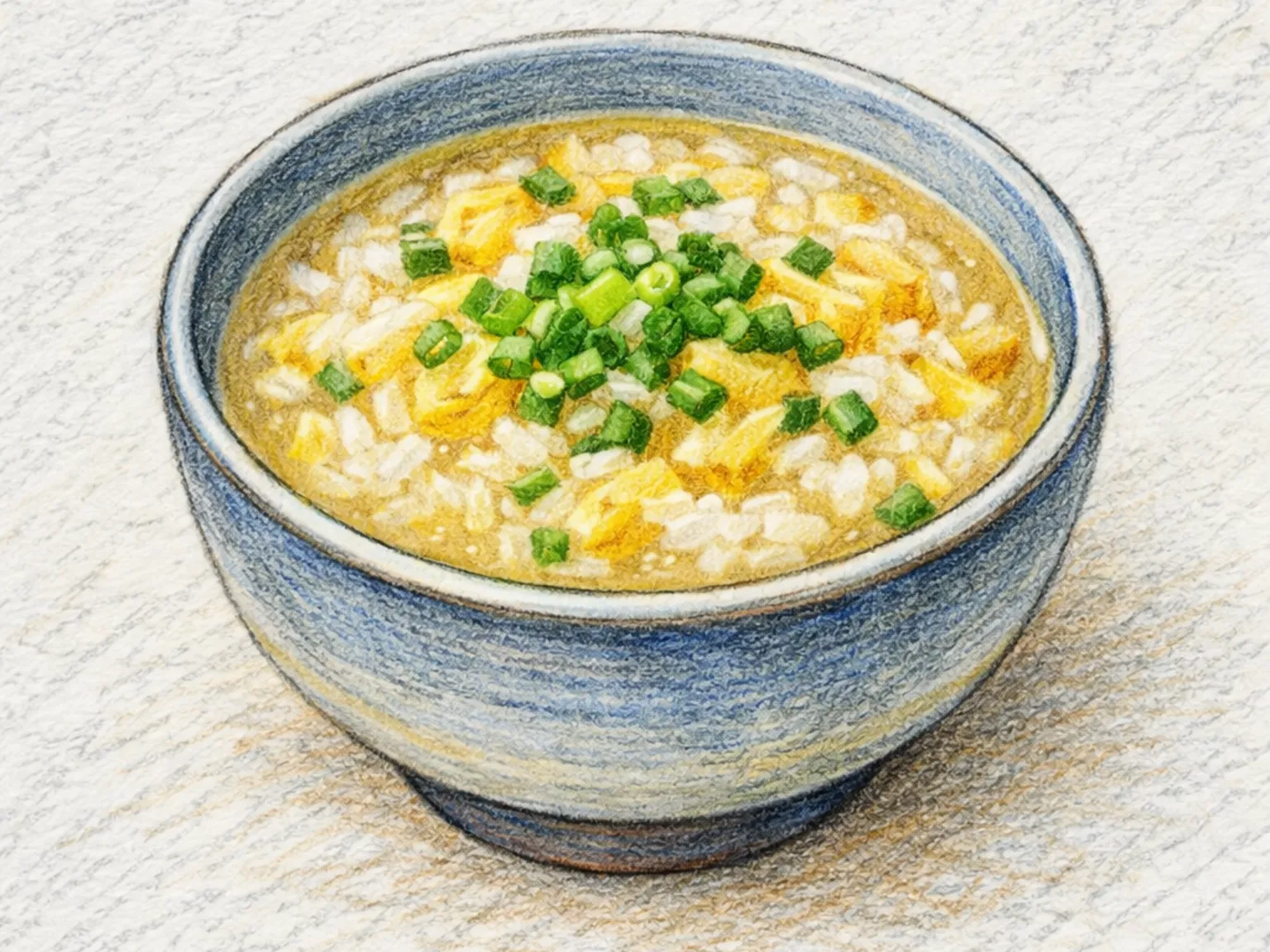
Aichi Zoni (Clear New Year Soup with Square Mochi)

Square rice cakes go into the clear soy-seasoned broth without grilling and turn smooth outside and soft through the middle. Aichi is known for dark soybean miso, yet this New Year soup uses none, keeping the broth light in color. Mochina, a traditional green from the Owari area, looks like komatsuna but is more tender and slightly sweet. It is added only after the rice cakes soften so it stays bright. A pinch of bonito flakes is the only garnish.

🏠 Everyday
Prep 15min Cook 20min 4 servings
Jibuni (Flour-Coated Duck Simmer)
Asian Hard

Jibuni (Flour-Coated Duck Simmer)

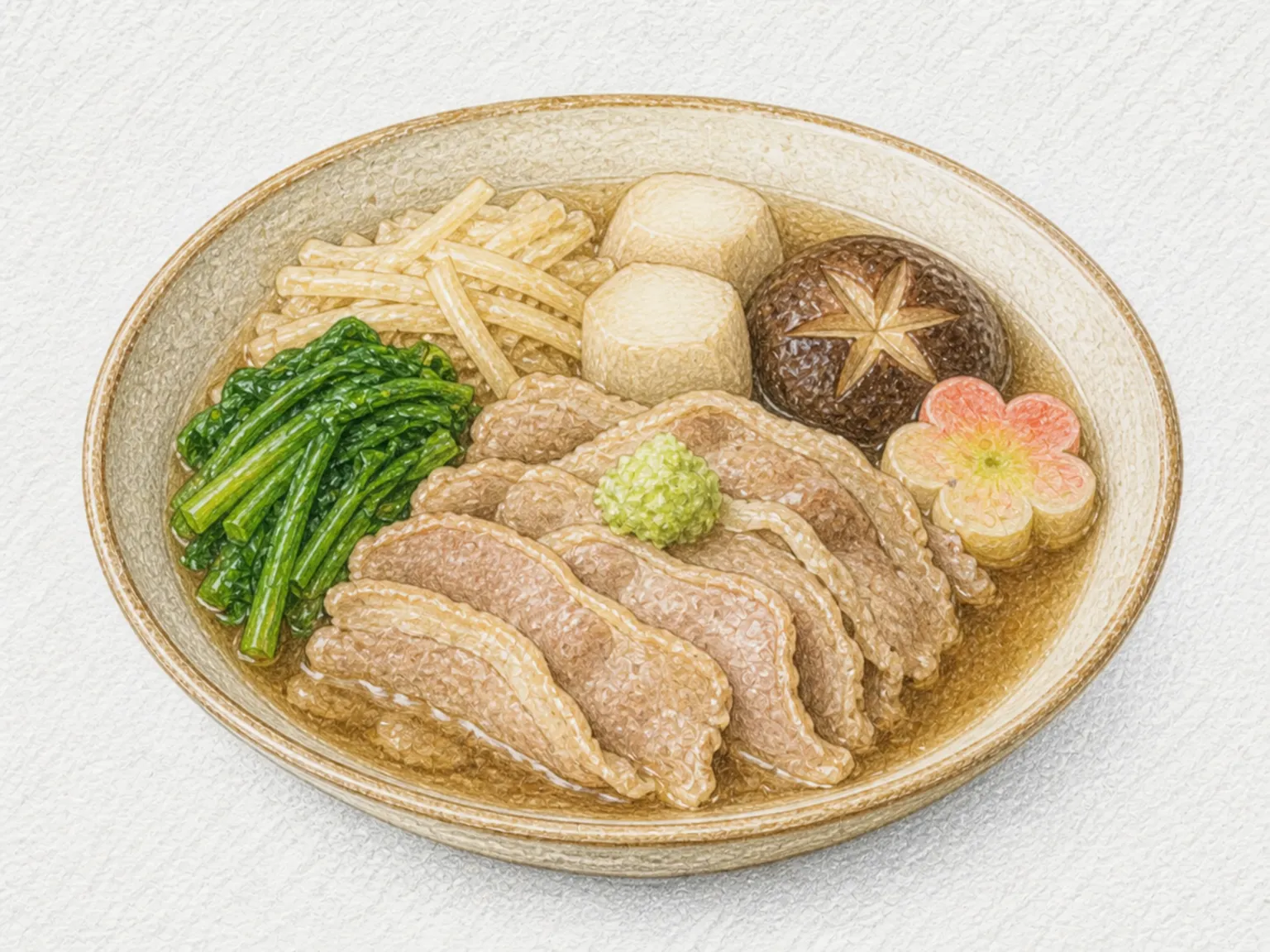
Thin slices of duck breast are dredged generously in flour before going into the broth, and that coating does two jobs: it protects the meat and gives the sauce its body. This is a Kanazawa dish from Ishikawa, with sudare-fu (ridged wheat gluten sheets), taro, shiitake, and flower-shaped fu each cooked separately in the same sweet-salty soy and mirin dashi. They are plated with the duck and blanched spinach under the thickened sauce, and a small mound of fresh wasabi cuts through the sweetness.

Prep 30min Cook 35min 4 servings
Chiba Kaisou Seaweed Jelly
Asian Medium

Chiba Kaisou Seaweed Jelly

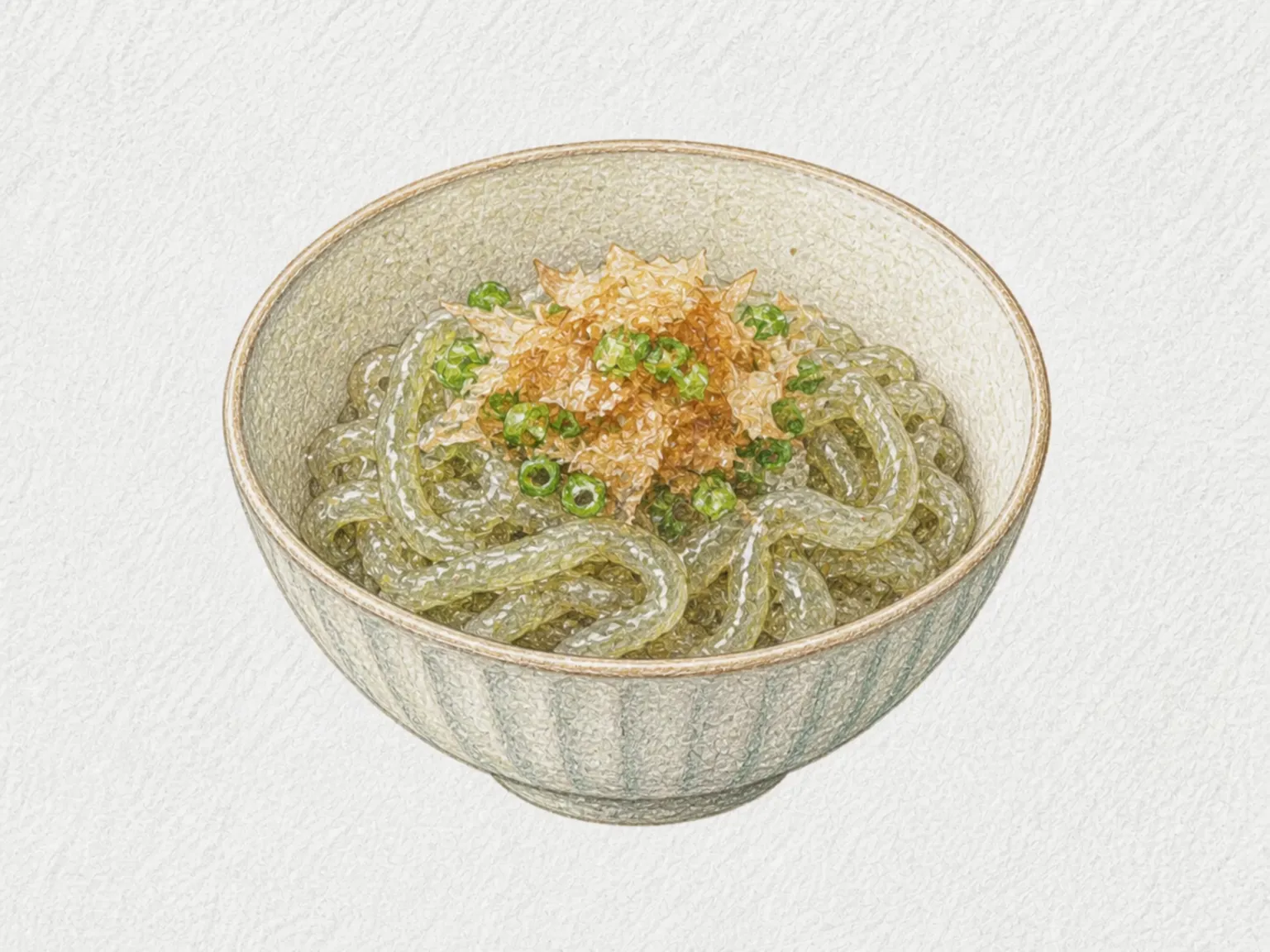
The seaweed behind this Chiba jelly, kotojitsunomata, branches in regular forks that resemble the bridges holding up koto strings, which is how it got its name. Simmered until it dissolves, it sets firm on its own as it cools. Its sticky setting power once made it useful as an adhesive, and year-end merchants selling it for New Year turned it into a cool, plain contrast to strongly seasoned osechi. This version from the Choshi and Kujukuri coasts uses only a little salt, so the marine aroma comes through; eat it as is or with soy sauce, bonito flakes, and scallion.

Prep 70min Cook 45min 4 servings
Kappodori (Bamboo-Steamed Chicken)
Asian Hard

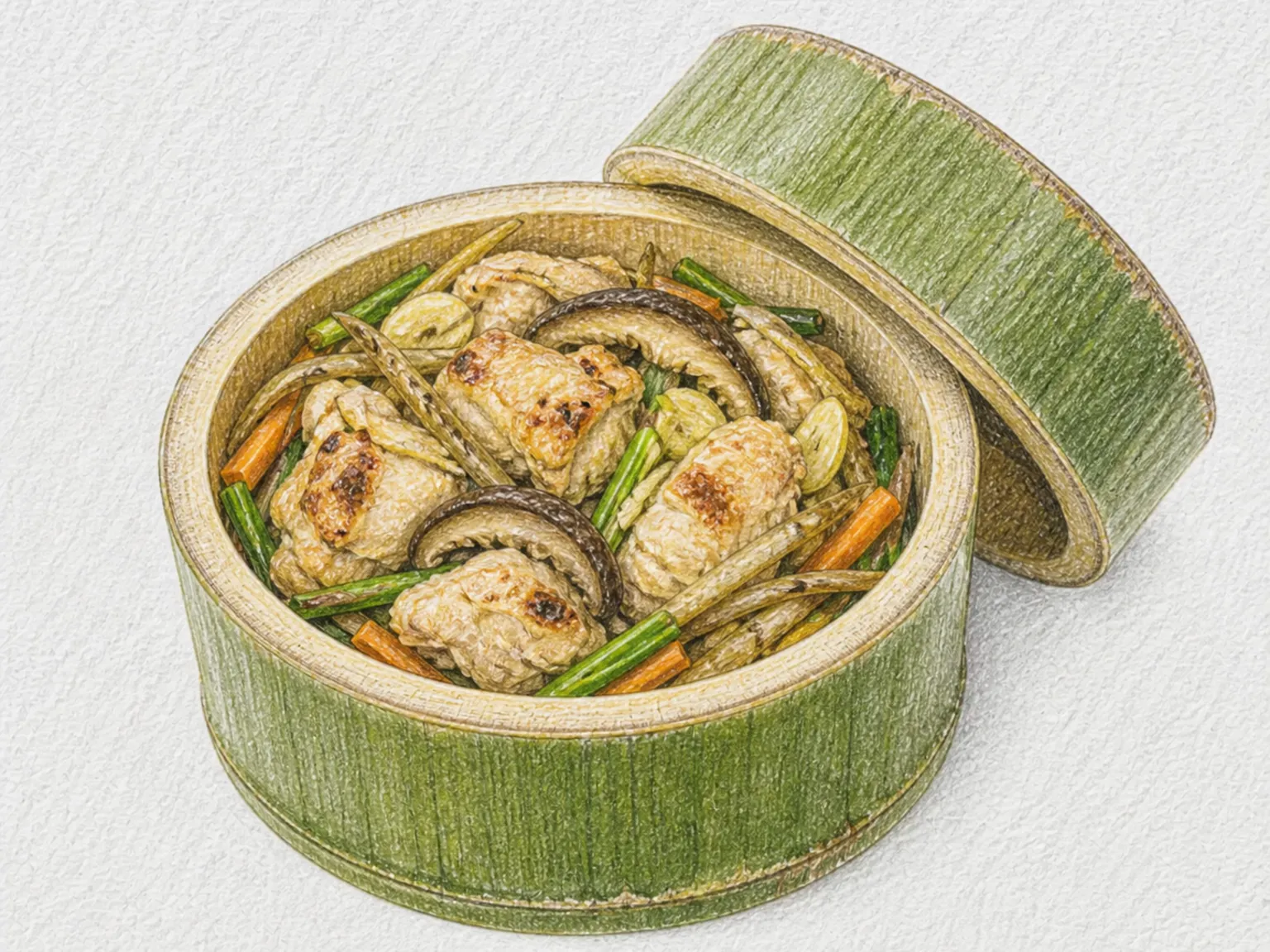
Kappodori (Bamboo-Steamed Chicken)

In the mountains of northern Miyazaki, especially Takachiho, bamboo is called kappo, and this dish fills a section of young green bamboo with chicken, burdock, shiitake, carrot, garlic chives, and garlic before setting it over charcoal. The ingredients steam in their own moisture and pick up the scent of the bamboo. It is an outdoor dish, made over glowing coals rather than tall flames, with sound, untreated bamboo meant for cooking.

Prep 30min Cook 45min 4 servings
Kochi Kashikiri
Asian Hard

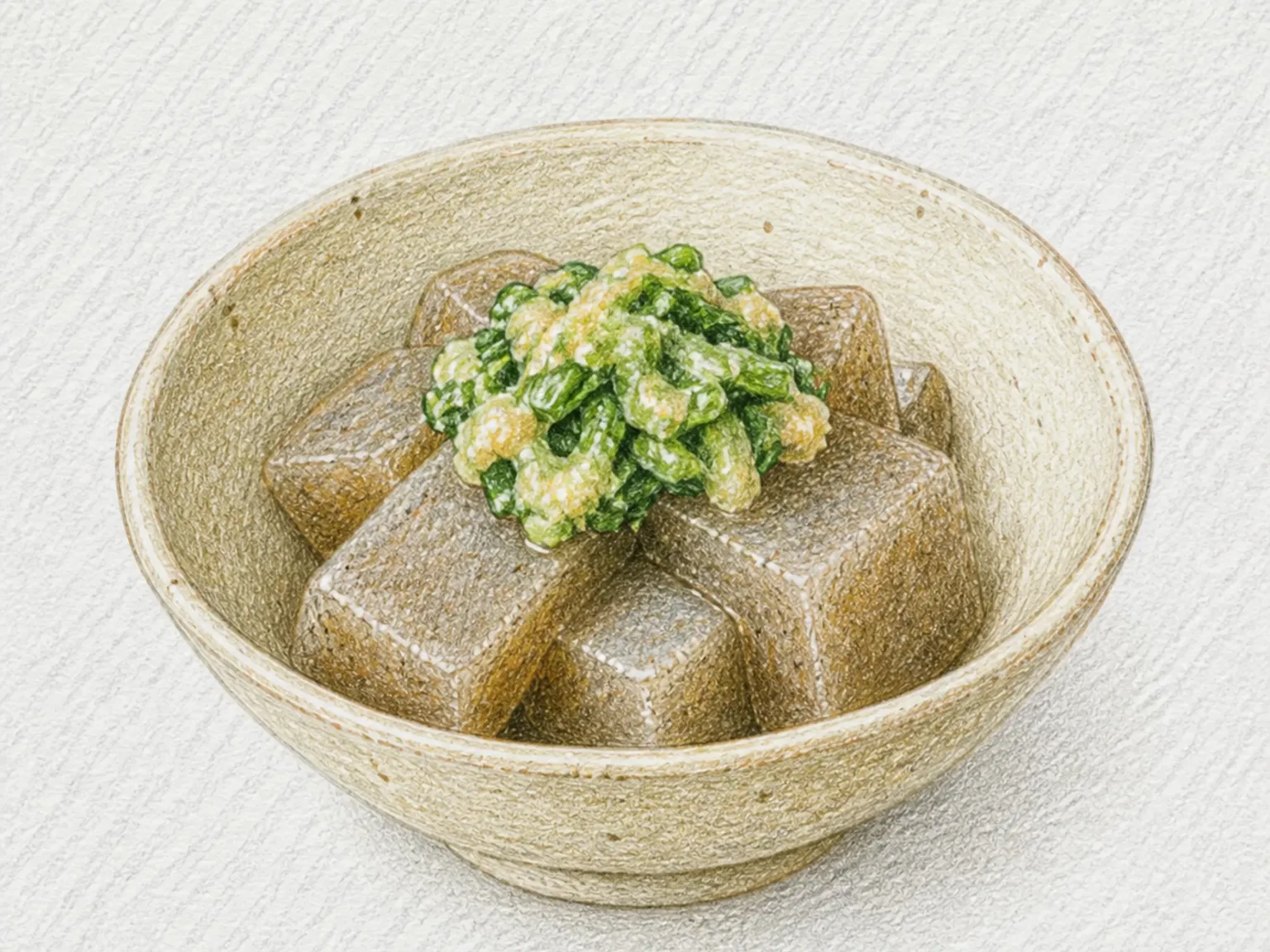
Kochi Kashikiri

Arakashi acorns lose their astringency only after two days in a cotton bag under running water, and only then can they be ground fine and cooked into a starch paste that sets in a mold. Also called kashi-dofu, this acorn jelly from southern Aki in Kochi was famine food in mountain areas where little could be grown, and the long preparation often fell to elders who stayed at home. Once eaten across Kochi, it is now rare outside Aki. The firm squares are served with nuta, a dressing of leaf garlic, sesame, miso, and rice vinegar.

Prep 480min Cook 60min 2 servings