Browse by cuisine

Japanese Recipes

509 Japanese recipes. Page 17 of 22. Compare ingredients and cooking times. Tojiko-mame Soybean Wheat Sweet.

Tojiko-mame Soybean Wheat Sweet
Desserts Hard

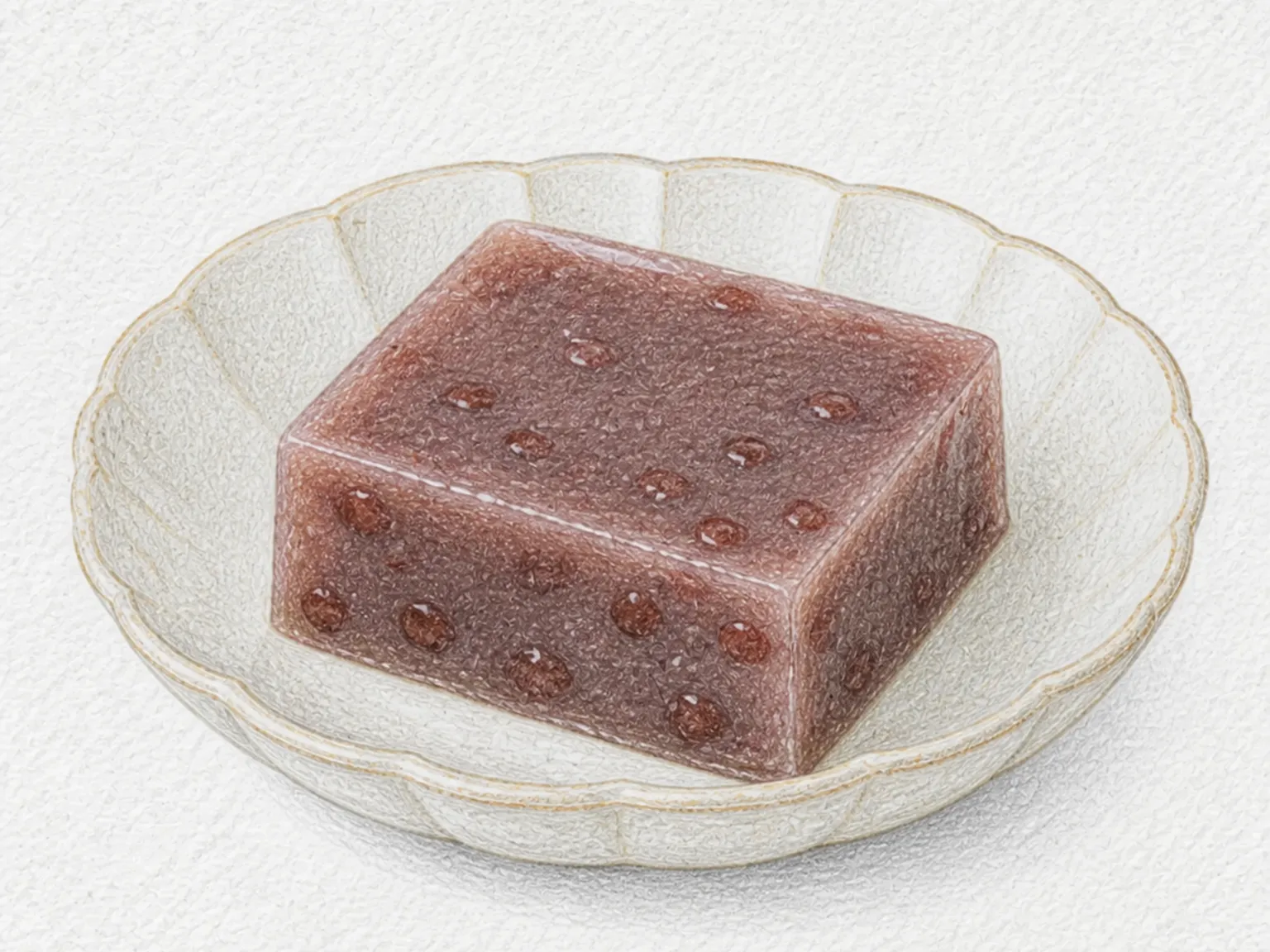
Tojiko-mame Soybean Wheat Sweet

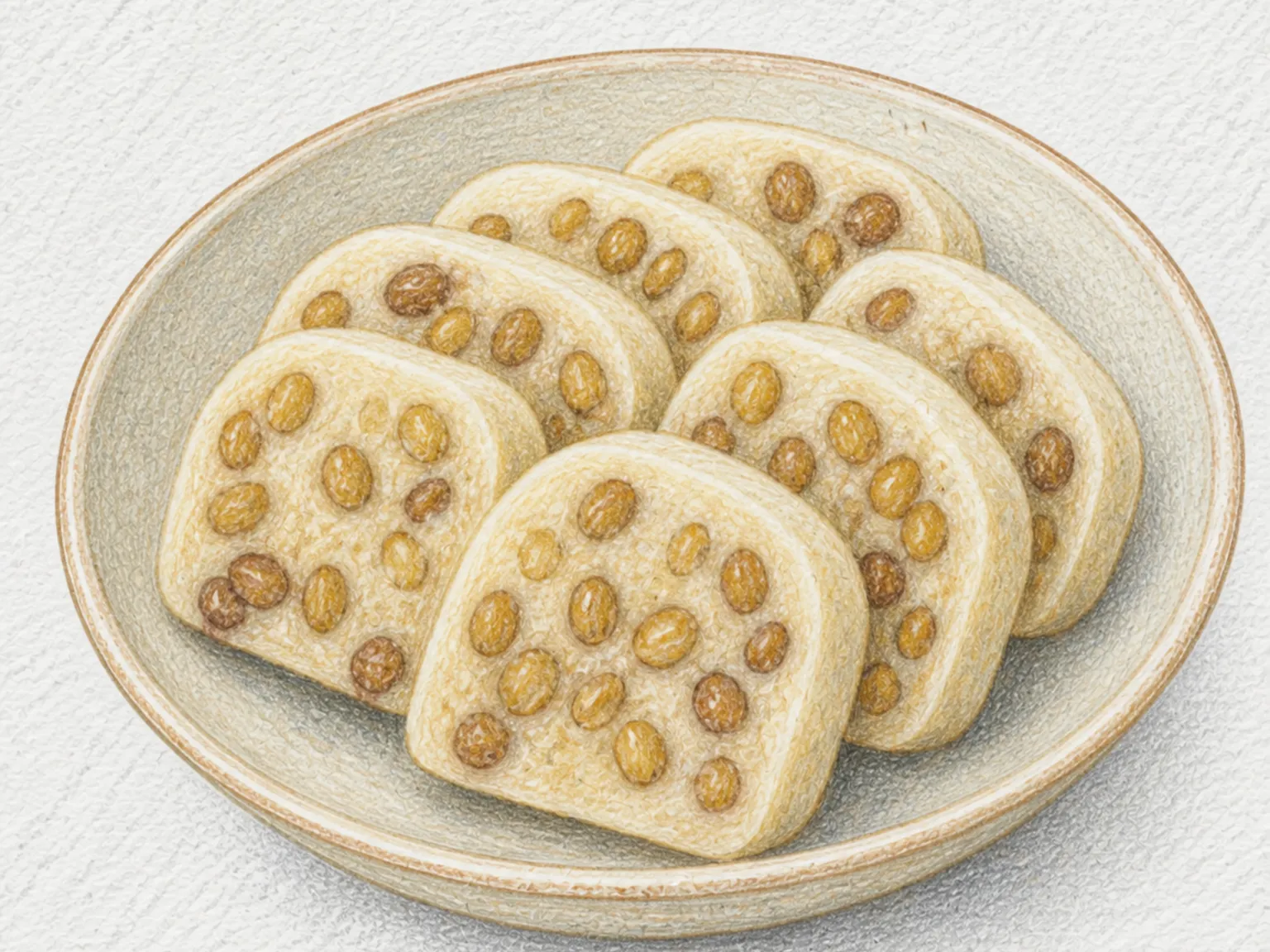
Toasted soybeans are packed tightly into wheat dough sweetened with brown sugar and sanontou, then steamed in log form. The name refers to beans shut inside the dough, and it also goes by tochiko-mame or toshiko-mame. Around Yamaga and Kikuchi in northern Kumamoto it was made at year's end alongside osechi, and it appeared at weddings, funerals, and as a gift or farm-season snack. Chilled until firm and sliced, it shows beans crowded through the brown dough.

Prep 45min Cook 70min 30 servings
Heshiko Rice-Bran Fermented Mackerel
Asian Easy

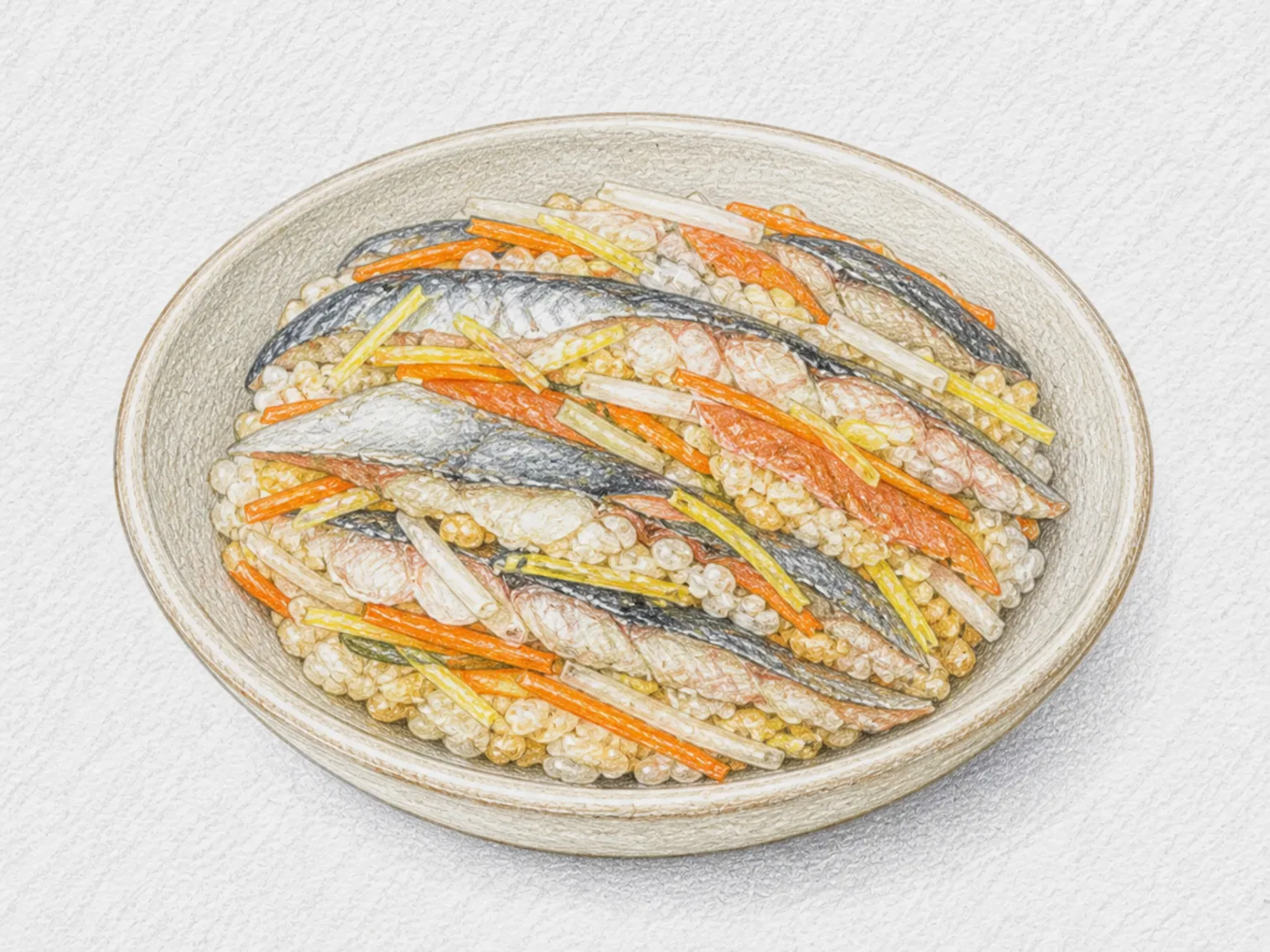
Heshiko Rice-Bran Fermented Mackerel

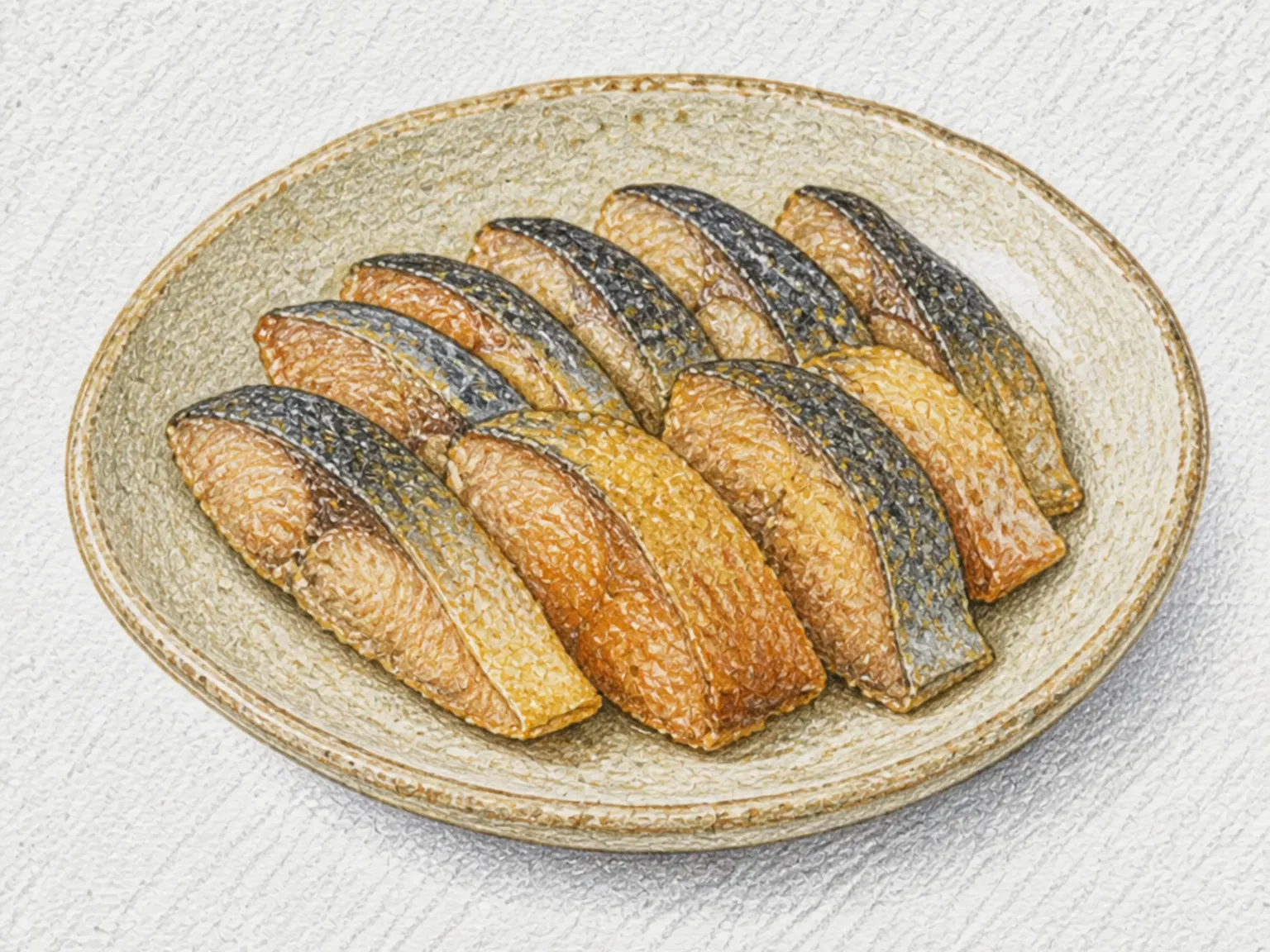
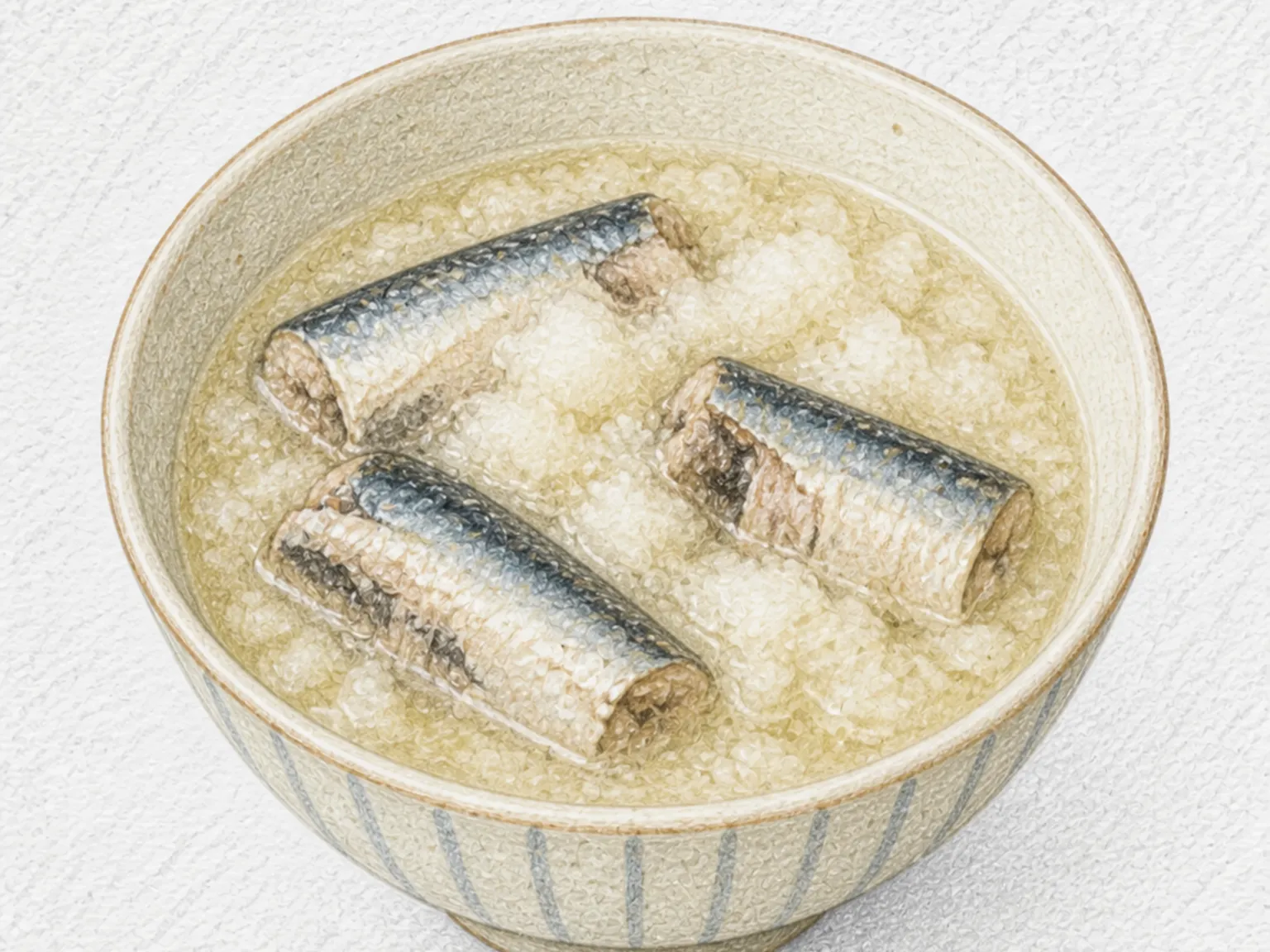
Gutted mackerel salted for about ten days and then buried in rice bran with chile, sake, and fresh sansho for roughly half a year becomes heshiko, a preserve from Kyoto's Tango region. The fish is salty and strongly fermented, so it is brushed of excess bran, grilled briefly, and eaten in small amounts with rice, ochazuke, or drinks. The name may come from heshikomu, a fisherman's word for pressing fish into a barrel. This recipe skips home fermentation and covers only a sealed, fully matured product from a licensed maker.

🍺 Bar Snacks
Prep 15min Cook 10min 4 servings
Tororo-Jiru (Grated Japanese Yam with Miso Dashi)
Rice Medium

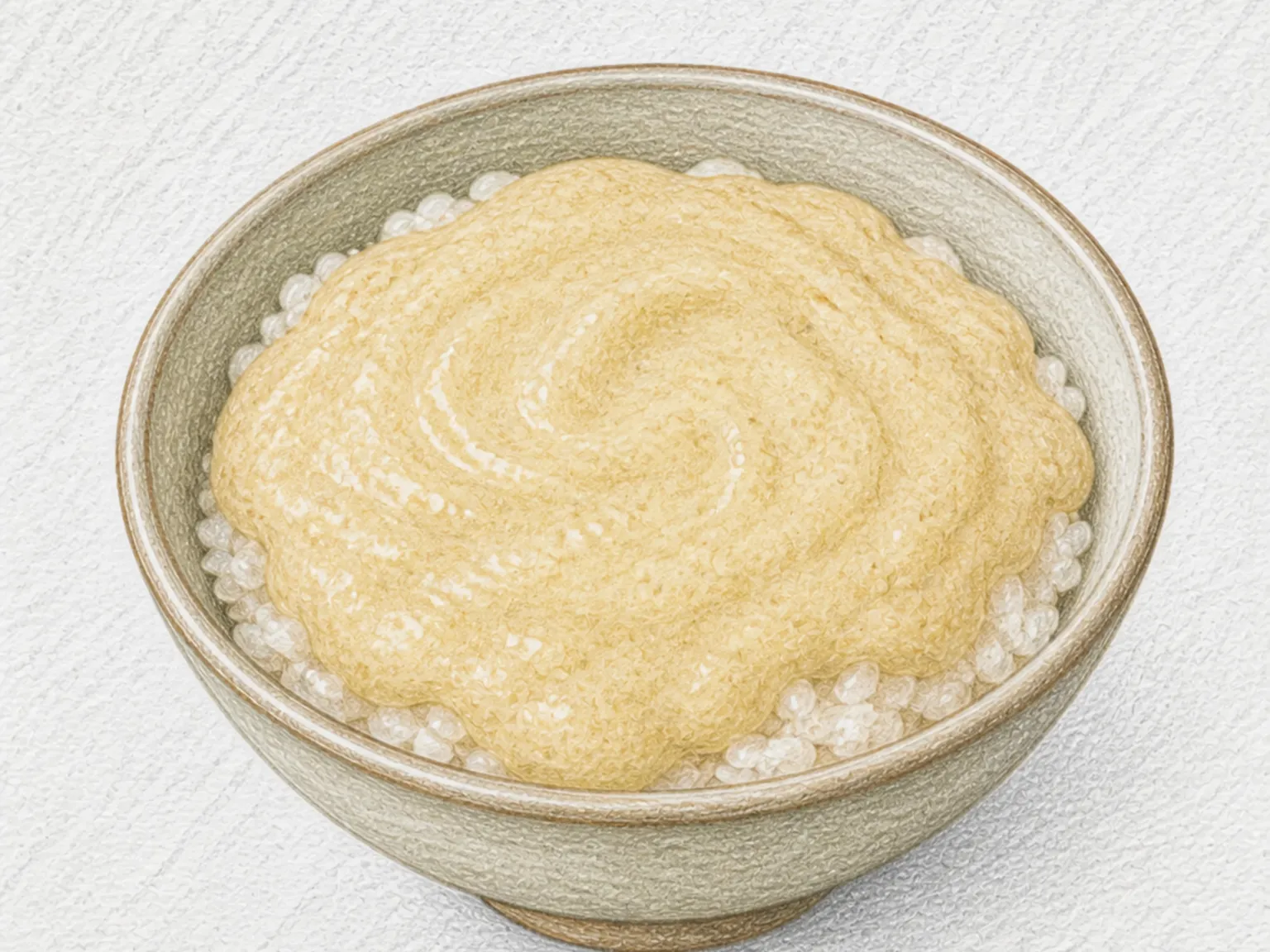
Tororo-Jiru (Grated Japanese Yam with Miso Dashi)

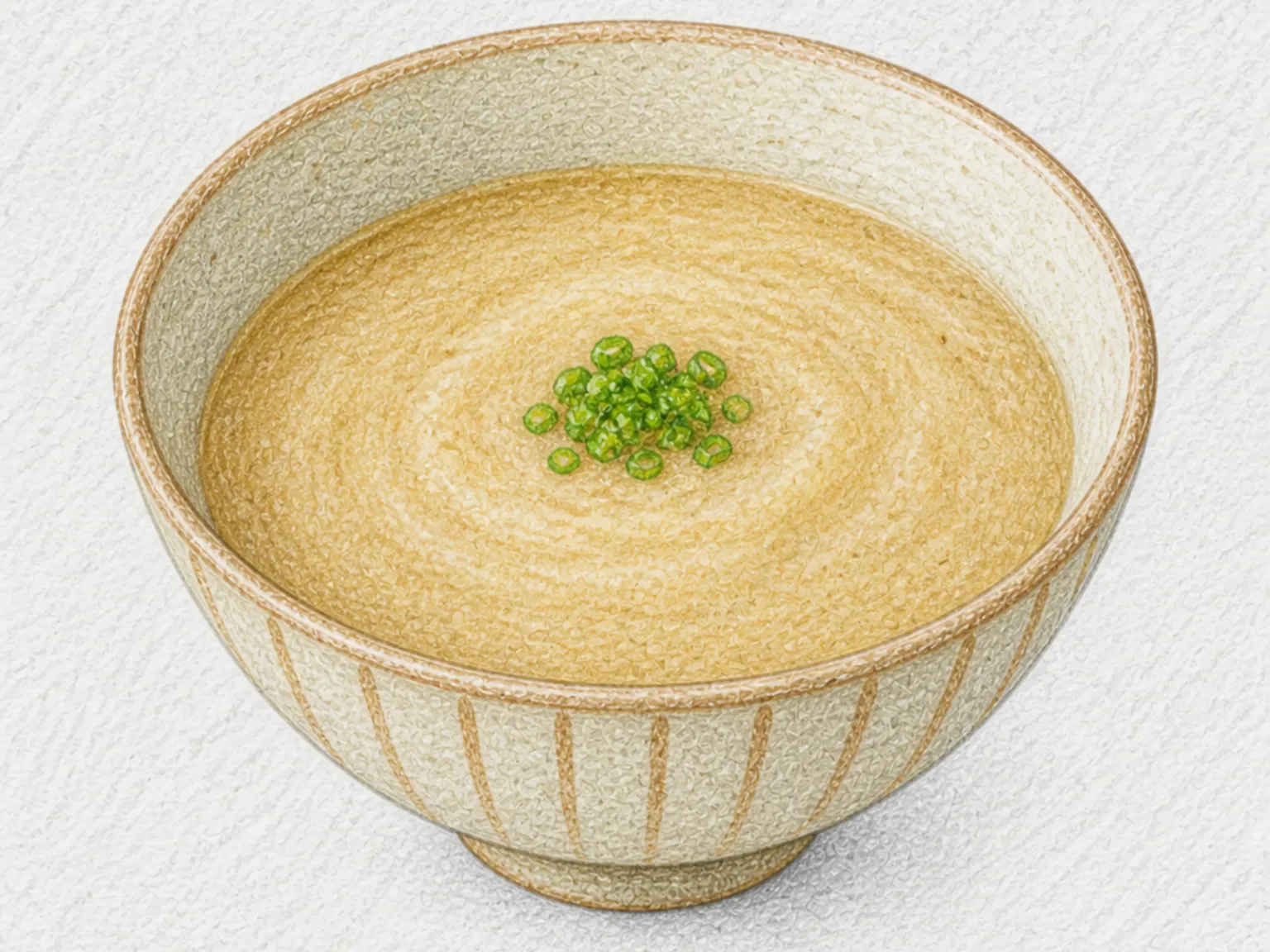
Grated jinenjo, a sticky wild Japanese yam, is worked in a mortar and loosened little by little with cooled miso dashi until it pours in a thick ribbon over hot rice. Mariko, in present-day Shizuoka City, was the twentieth of the fifty-three Tokaido post towns, and travelers stopped there for its tororo-jiru. Jinenjo is dug from mid-autumn into winter, and some communities eat the dish on January second.

Prep 20min Cook 10min 4 servings
Tsuki no Shizuku (Fondant-Coated Koshu Grapes)
Desserts Hard

Tsuki no Shizuku (Fondant-Coated Koshu Grapes)

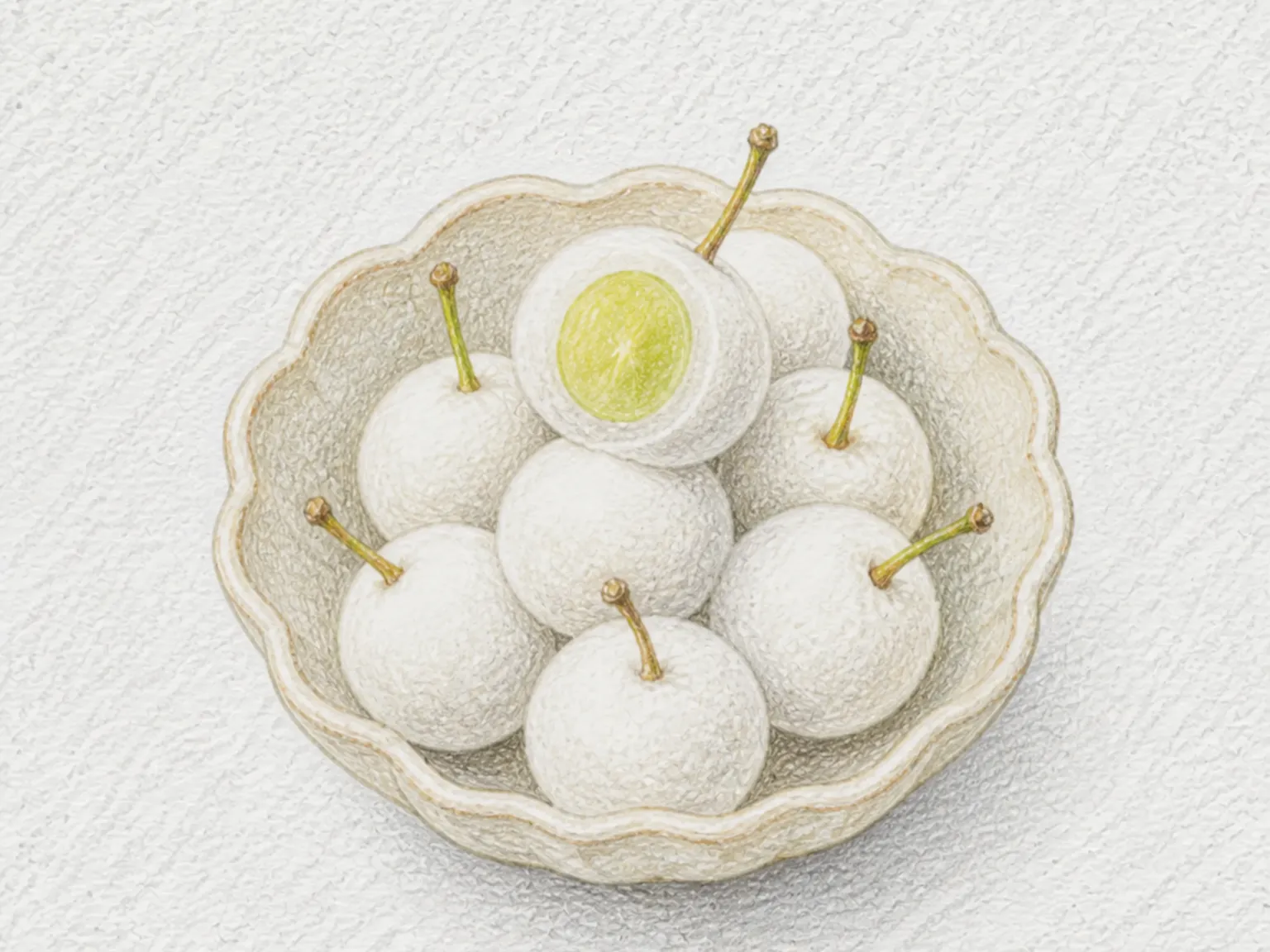
Bite through a firm, crumbly white sugar shell and the tart juice of a fresh Koshu grape bursts out. One Yamanashi story traces the sweet to a grape that fell into boiling sugar at a Kofu confectioner in the Edo period. The shell is fondant, syrup boiled and then worked until it turns white, and the grapes need thick skins like Koshu. Thin-skinned or bruised grapes split open in the warm fondant.

Prep 60min Cook 25min 50 servings
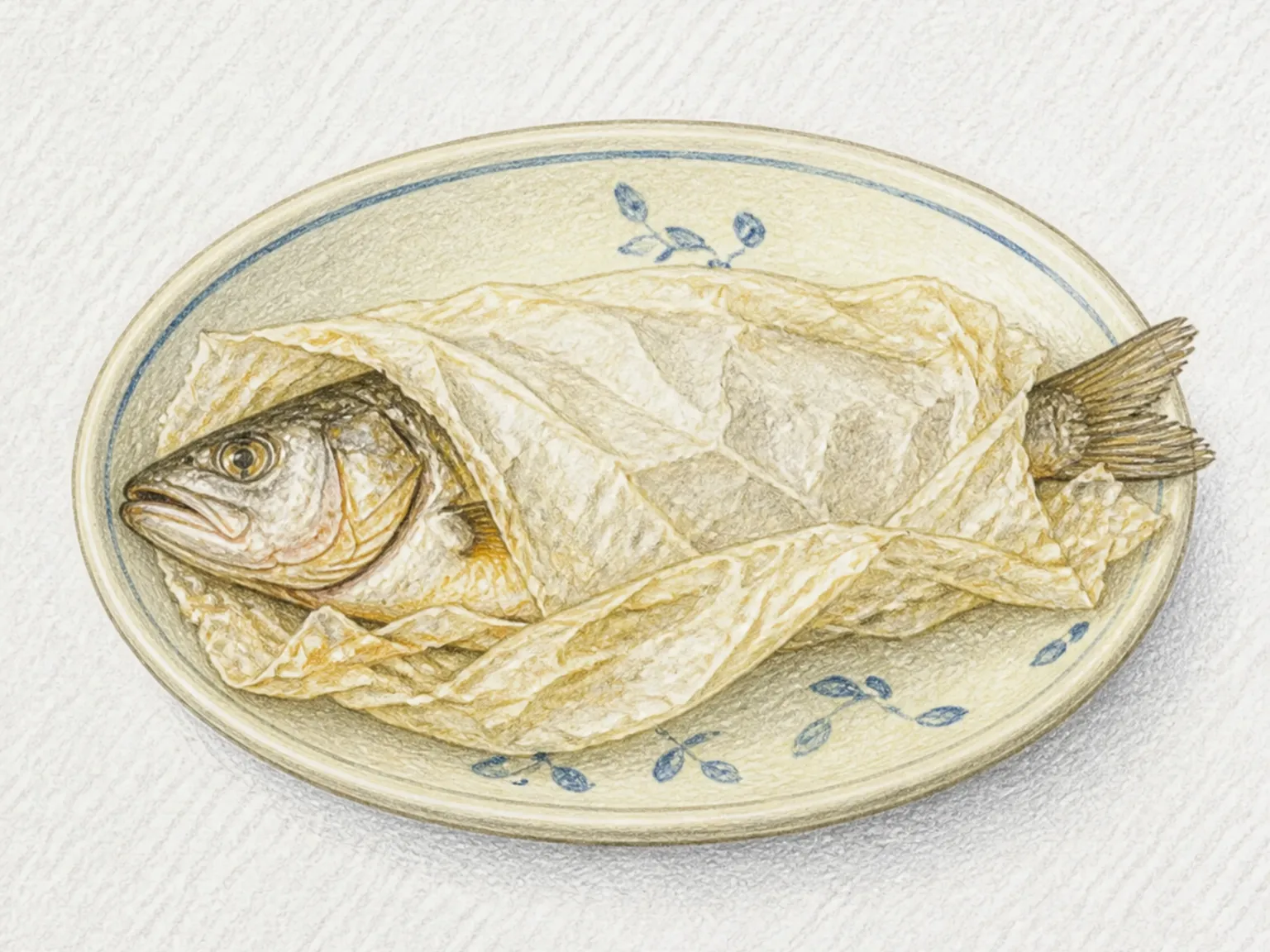
Suzuki no Hoshoyaki (Washi-Wrapped Sea Bass)
Asian Hard

Suzuki no Hoshoyaki (Washi-Wrapped Sea Bass)

The sea bass cooks in something close to steam inside wet washi, which holds in the fish's own moisture while the paper soaks up surface oil, leaving the flesh moist without heaviness. In Matsue, Shimane, Lake Shinji sea bass is cleaned through the gills (the tsubo-nuki method) so the belly stays uncut, then wrapped whole and opened at the table at autumn and early-winter banquets, when the fish carries more fat.

Prep 25min Cook 40min 4 servings
Tara Jappa-jiru (Whole-Cod Miso Soup)
Soups Hard

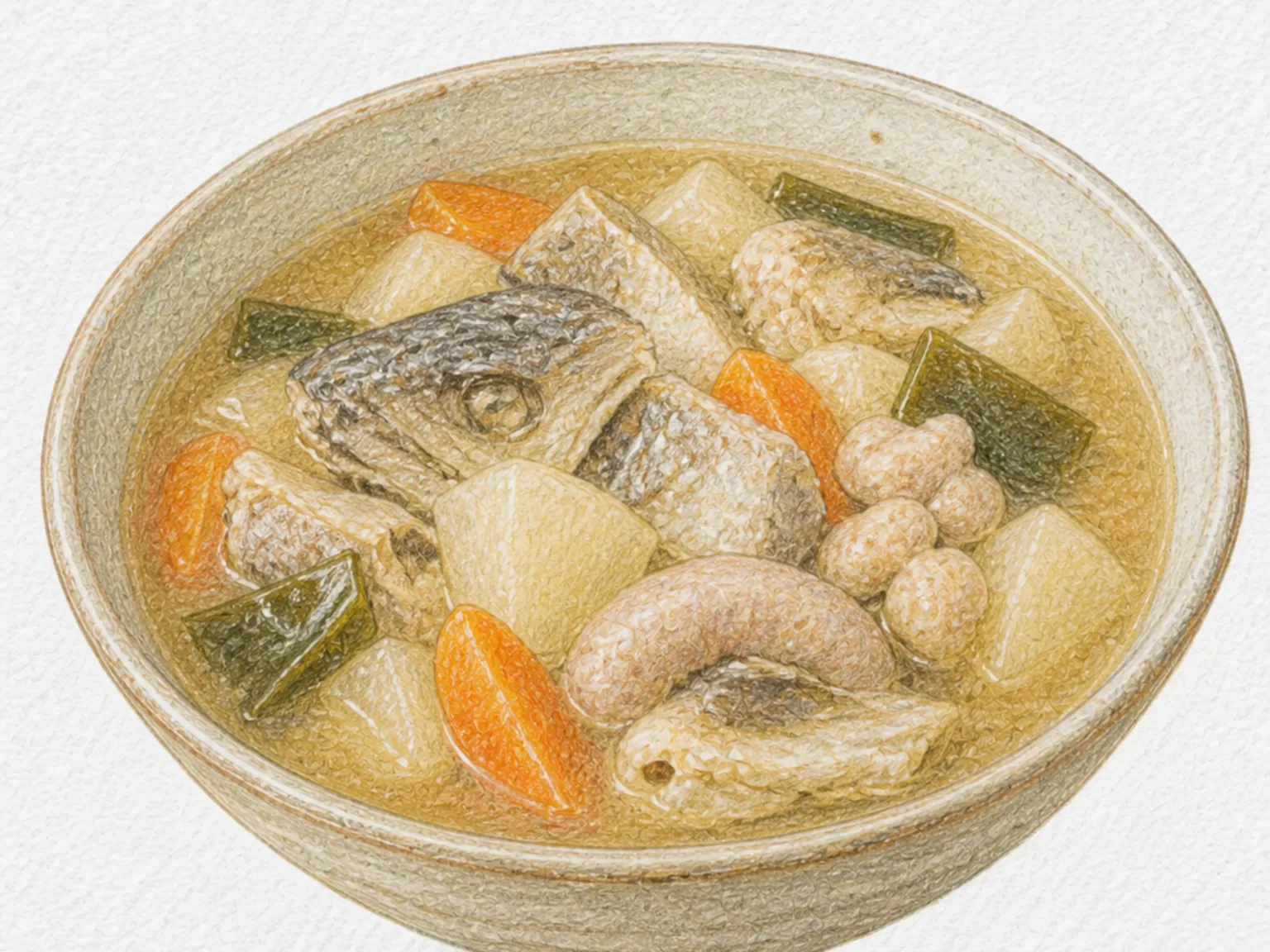
Tara Jappa-jiru (Whole-Cod Miso Soup)

Everything left after filleting a cod, from the head, backbone and skin to the liver, roe or milt, goes into one big pot here. Jappa means scraps in the Tsugaru dialect of Aomori, yet these parts make a full-bodied winter miso soup. Liver mashed into the broth near the end gives it a soft richness, and fresh milt is treated as a prize. In Tsugaru cod was the fish for welcoming the New Year; families bought a whole large one at year's end and dragged it home over snowy roads, which gave rise to the phrase tara shogatsu, cod New Year.

🏠 Everyday
Prep 45min Cook 45min 10 servings
Uzumi (Rice Hidden under Tofu and Shiitake Soup)
Rice Easy

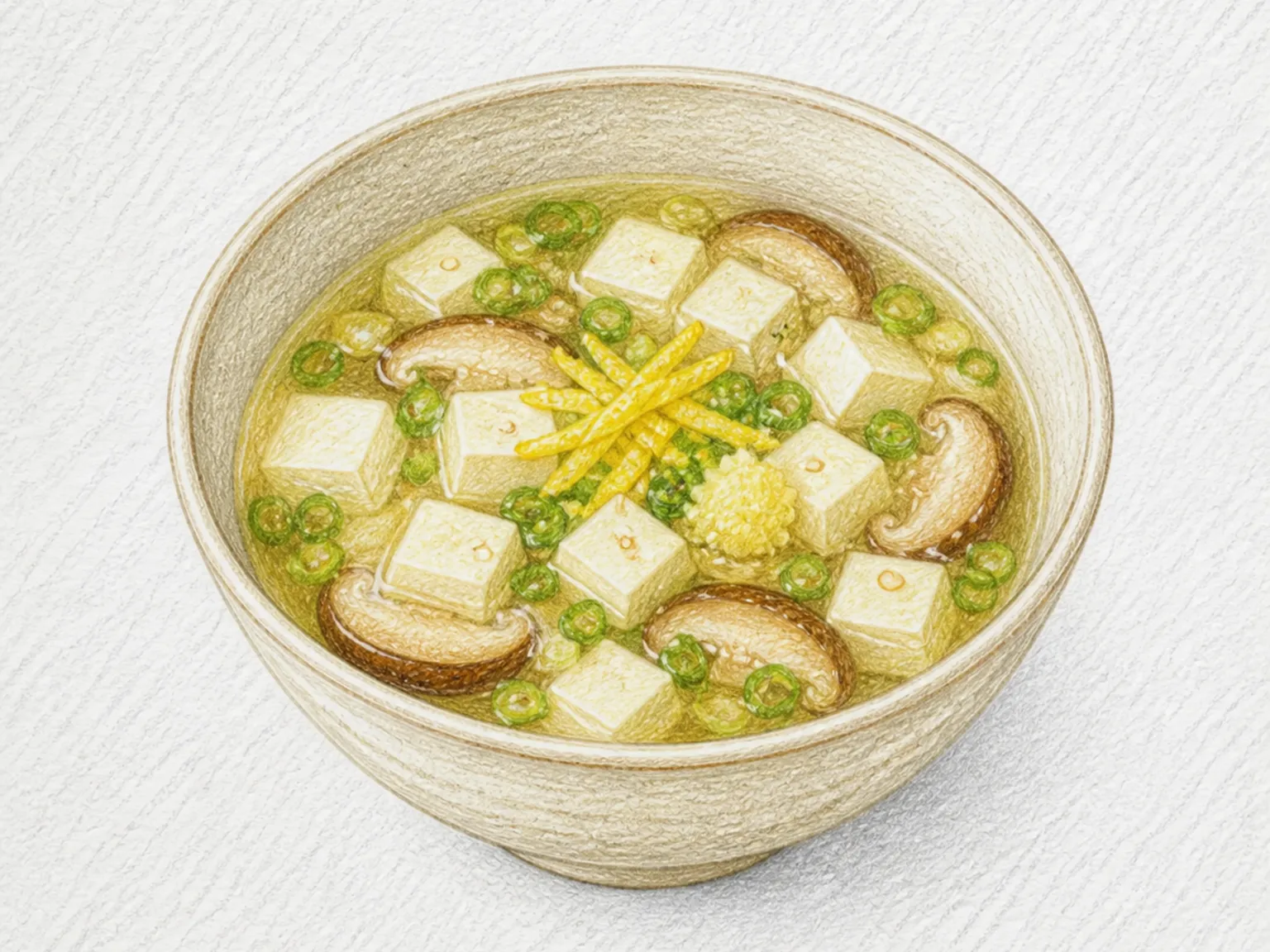
Uzumi (Rice Hidden under Tofu and Shiitake Soup)

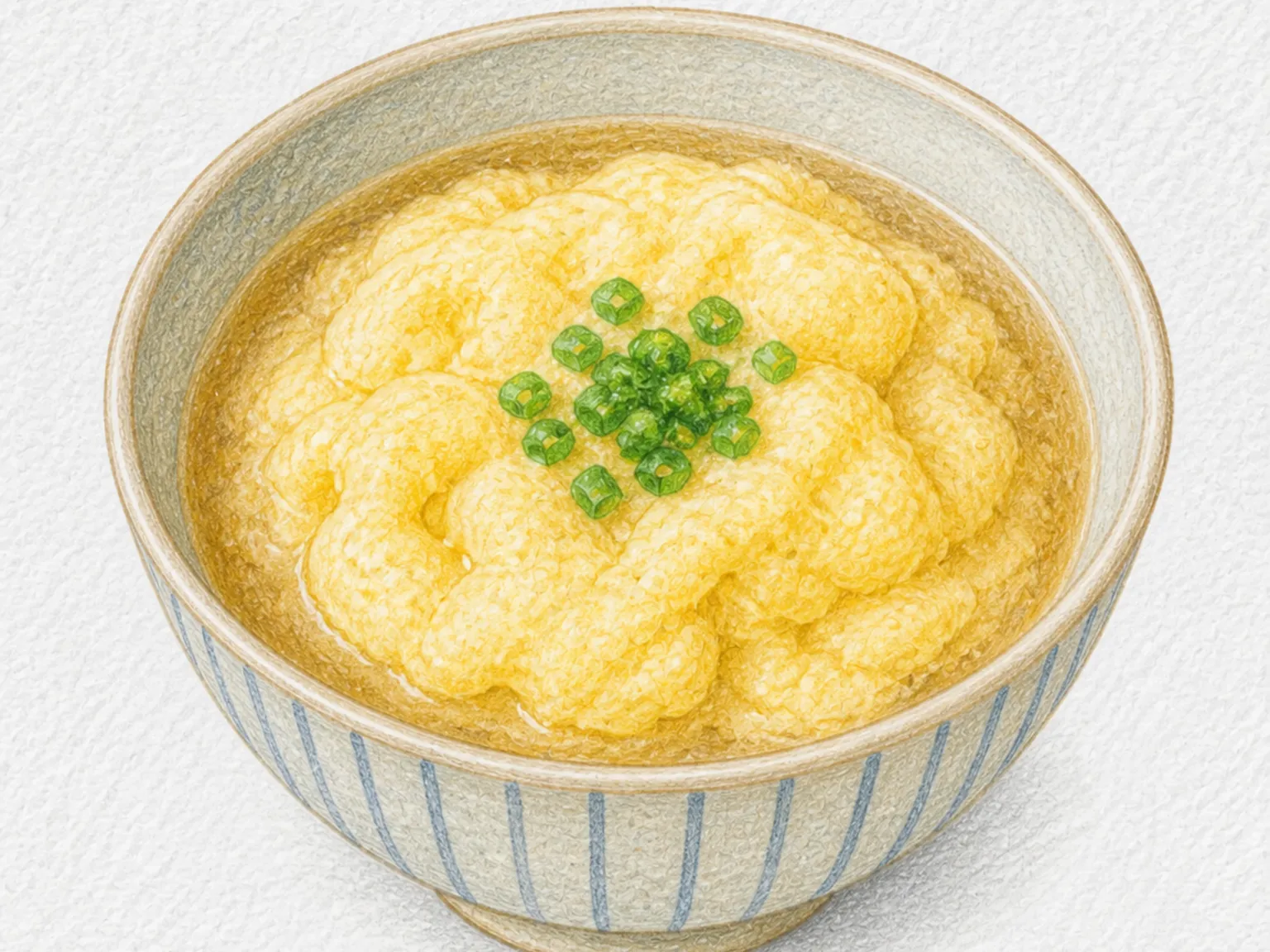
What arrives looks like a clear soup of tofu cubes and sliced shiitake; the rice only appears when a spoon reaches the bottom of the bowl. That hidden portion is kept small so the soup and tofu can cover it completely. The broth comes from kombu and fresh shiitake and is skimmed during simmering to stay clear, and the firm tofu cubes are cooked gently so they hold their edges. Scallion, minced mandarin peel, grated ginger, and crushed sesame go on at the table, each diner adding as much as they like.

Prep 20min Cook 35min 10 servings
Yaki Manju Grilled Miso Buns
Desserts Hard

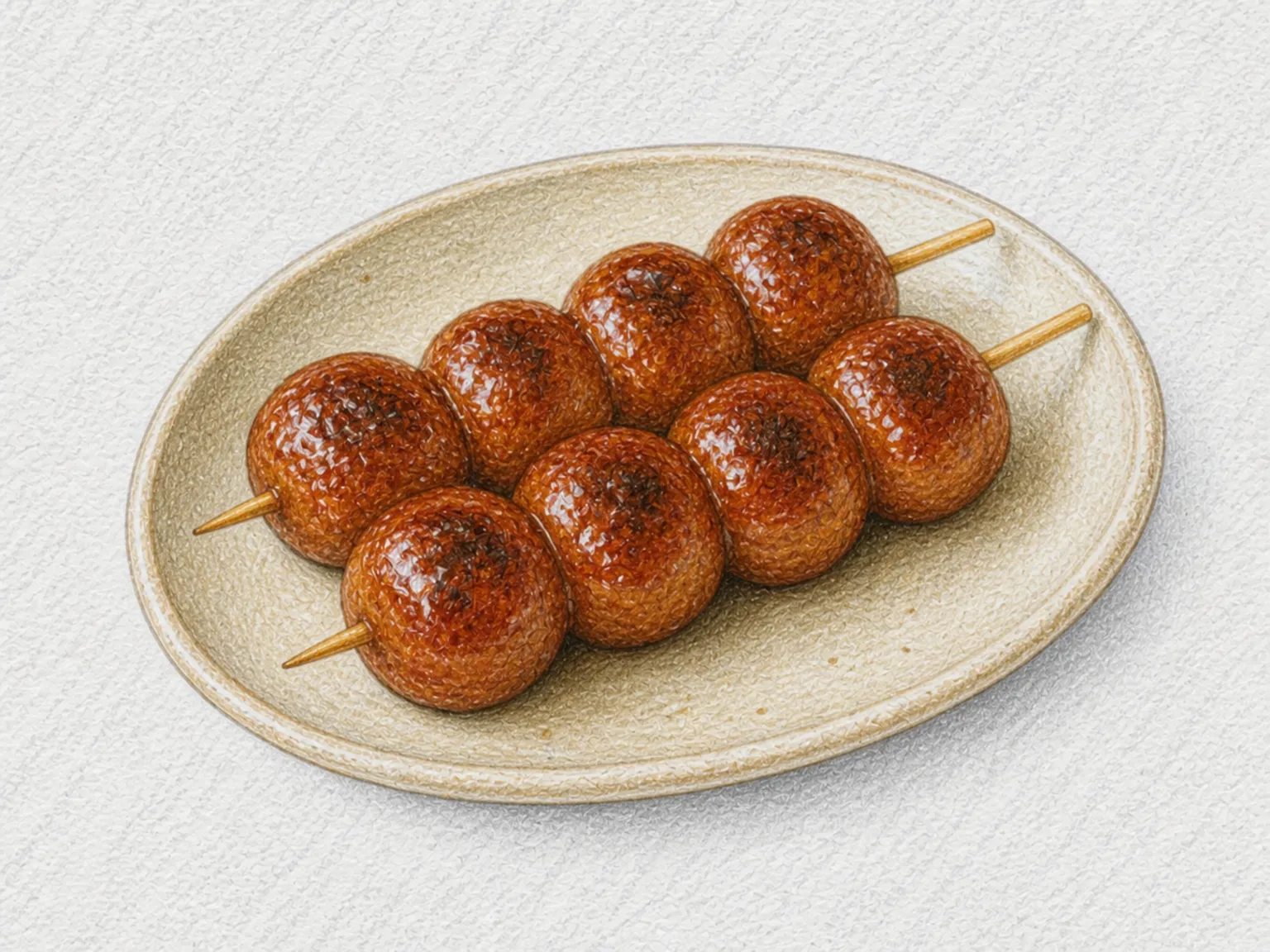
Yaki Manju Grilled Miso Buns

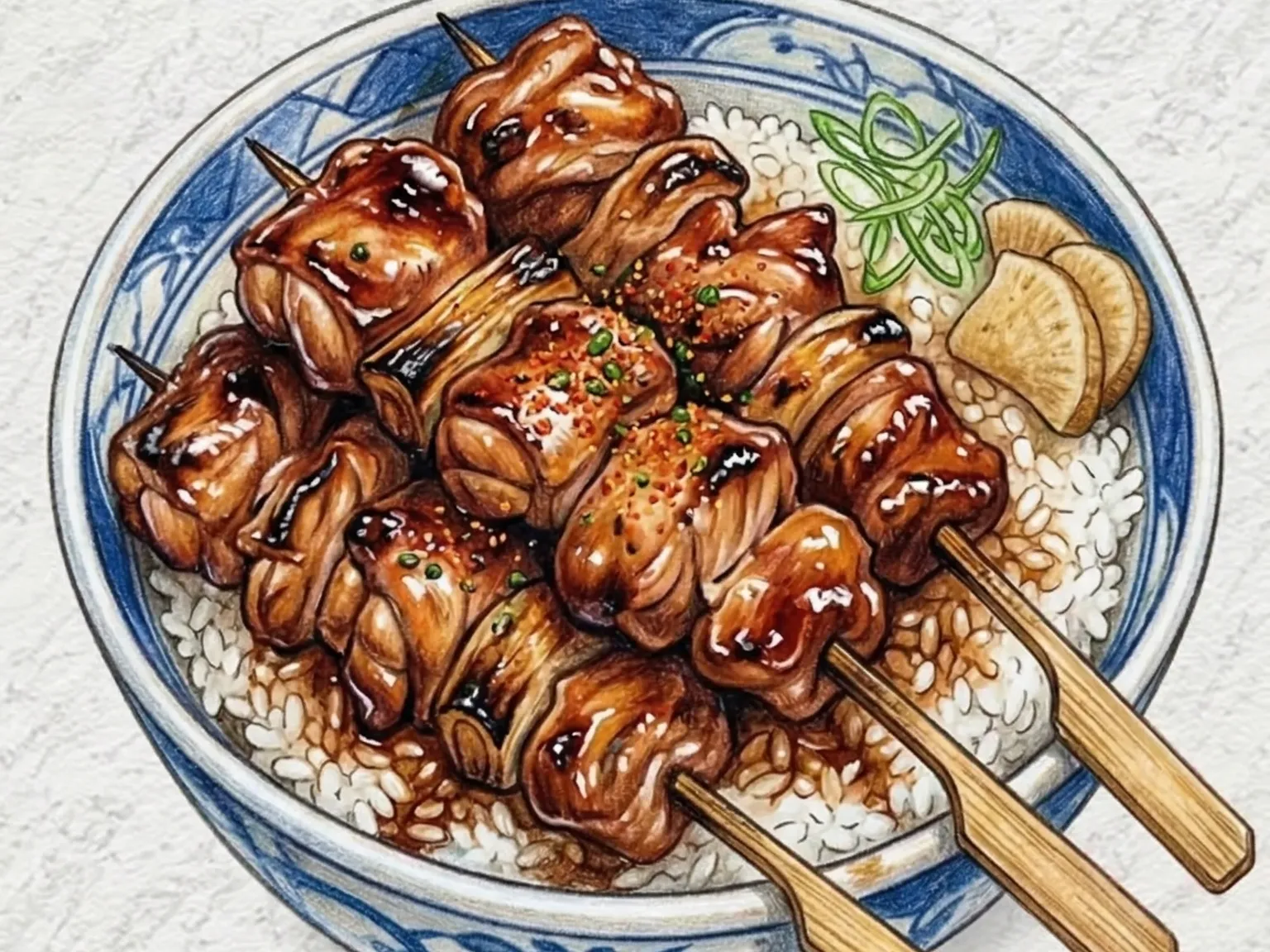
Four steamed buns go onto each bamboo skewer and are grilled under a sweet red miso glaze until they shine dark with small charred edges. Gunma traces the snack to miso-zuke manju made by Harashima Ruizo in Maebashi at the end of the Edo period; the glaze turned sweeter once kuromitsu syrup arrived. The rice-koji starter ferments for a day or two and the glaze rests in the fridge for 2 days, so the work begins well before grilling day.

Prep 480min Cook 90min 5 servings
Iizushi Fish and Rice Koji Ferment
Asian Easy

Iizushi Fish and Rice Koji Ferment

Hokkaido fishing households packed iizushi around the first snow to carry them through winter, and the fish changed from coast to coast: hatahata, hokke, salmon, herring, or saury. Salted fish, daikon, carrot, and ginger are pressed in layers between rice and rice koji for a lactic ferment that is shorter than for many narezushi, which keeps the aroma mild. The fermenting is not done at home here; a refrigerated, finished product from a licensed maker is served with grated daikon and yuzu peel.

Prep 20min 0 4 servings
Tsubon-jiru (Clear Chicken and Seven-Ingredient Soup)
Soups Medium

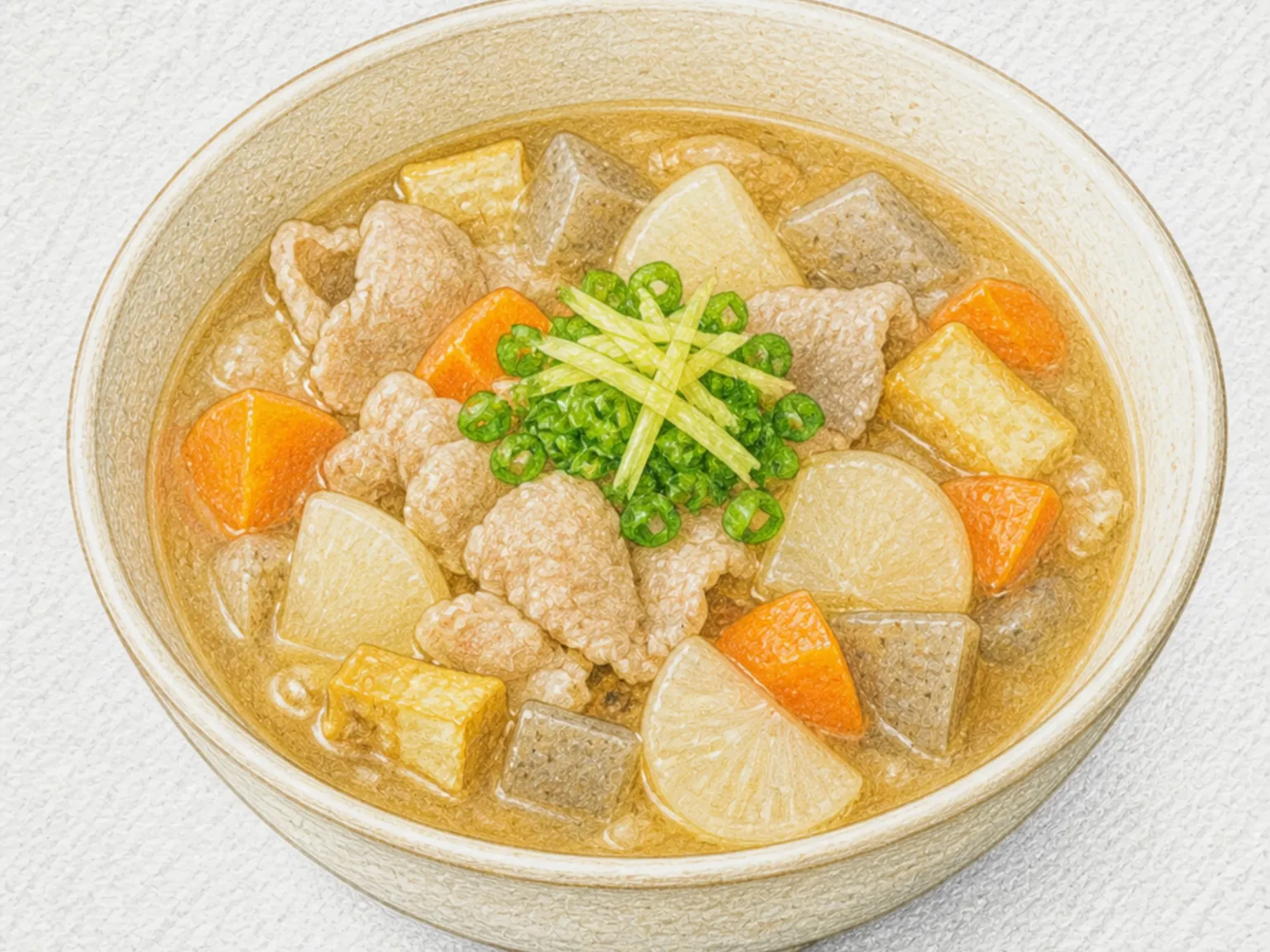
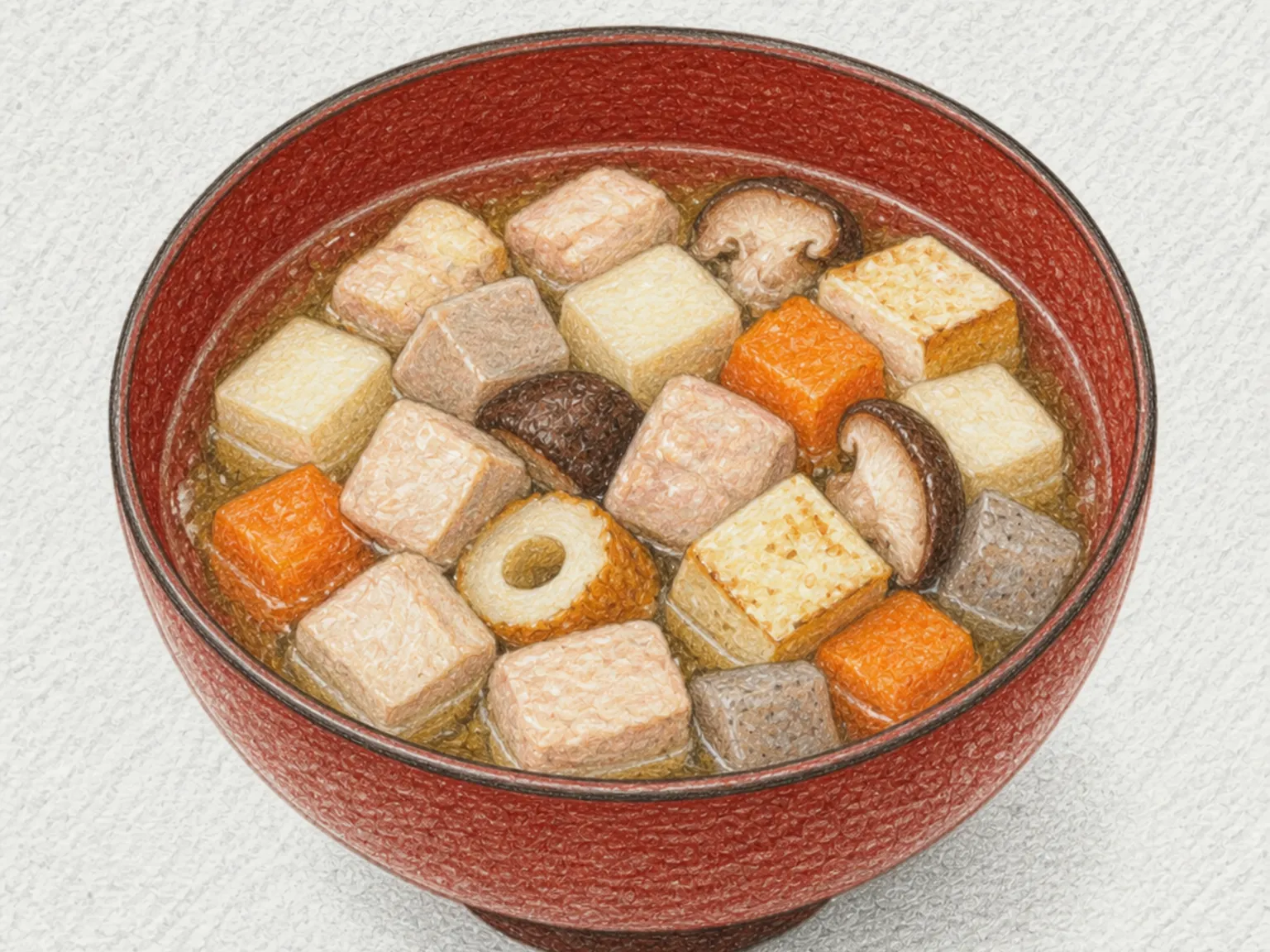
Tsubon-jiru (Clear Chicken and Seven-Ingredient Soup)

Seven ingredients, all diced to the same 1.5cm, float in a clear soy-seasoned broth: chicken, shiitake, taro, chikuwa, konjac, carrot and grilled tofu. In the Hitoyoshi and Kuma area of Kumamoto, families keep the count odd, seven or nine, and serve the soup with red rice and nishime at occasions such as the Okunchi festival. It also grew out of thrift, since trimmings left from making nishime could become a complete dish. The tofu is added last so the cubes stay neat.

🏠 Everyday
Prep 30min Cook 35min 10 servings
Ika Menchi (Coarse Squid and Vegetable Fritters)
Asian Medium

Ika Menchi (Coarse Squid and Vegetable Fritters)

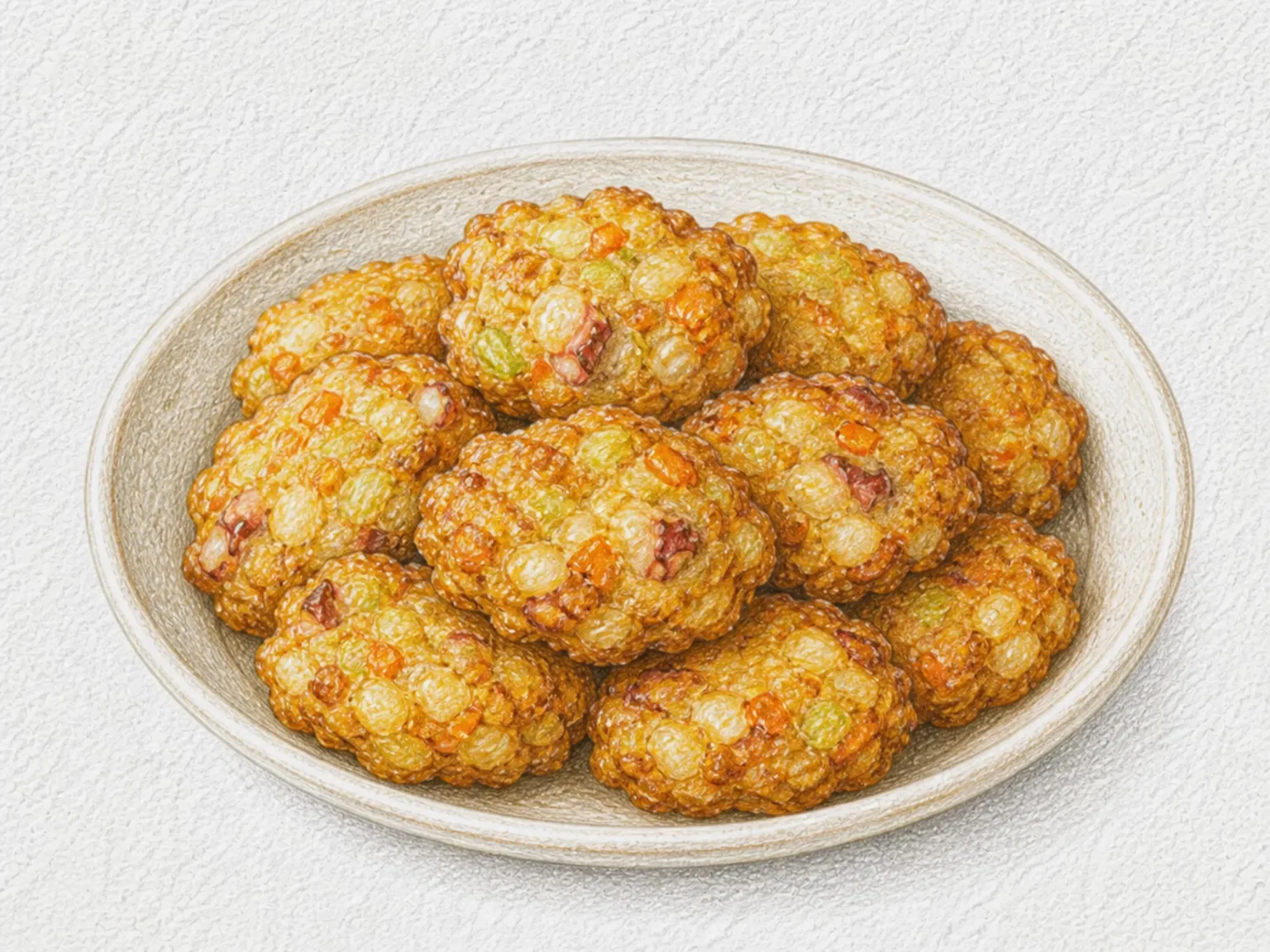
Bound only with flour and no breadcrumbs, the squid and vegetable mixture fries to a browned, crisp outside while the knife-chopped tentacles stay springy inside. The dish comes from the Tsugaru region of Aomori and is said to have started in the postwar years as a way to use squid legs left over from sashimi along with vegetable trimmings, and it is still everyday food at markets and prepared-food counters.

Prep 30min Cook 20min 5 servings