Browse by cuisine

Japanese Recipes

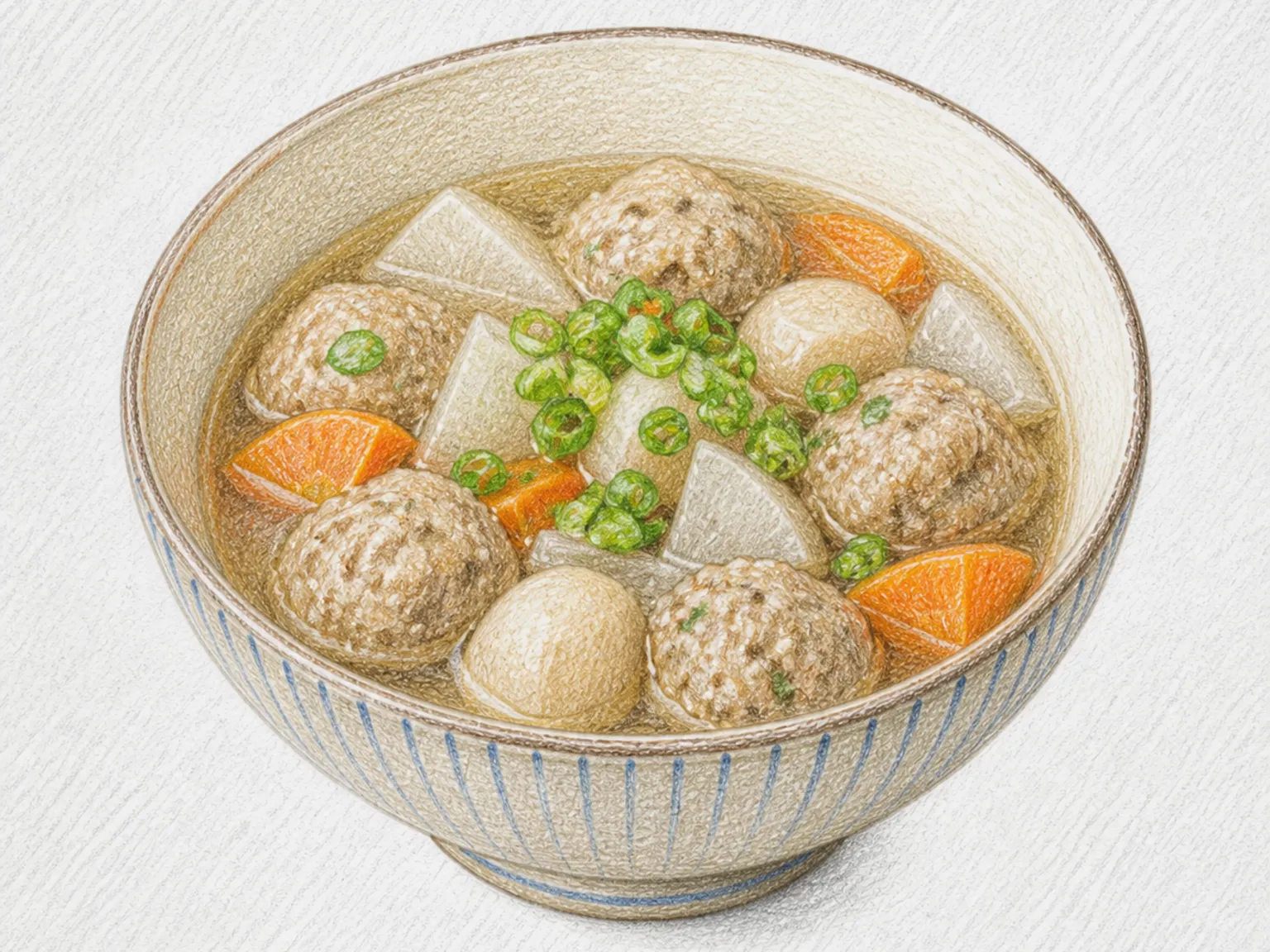
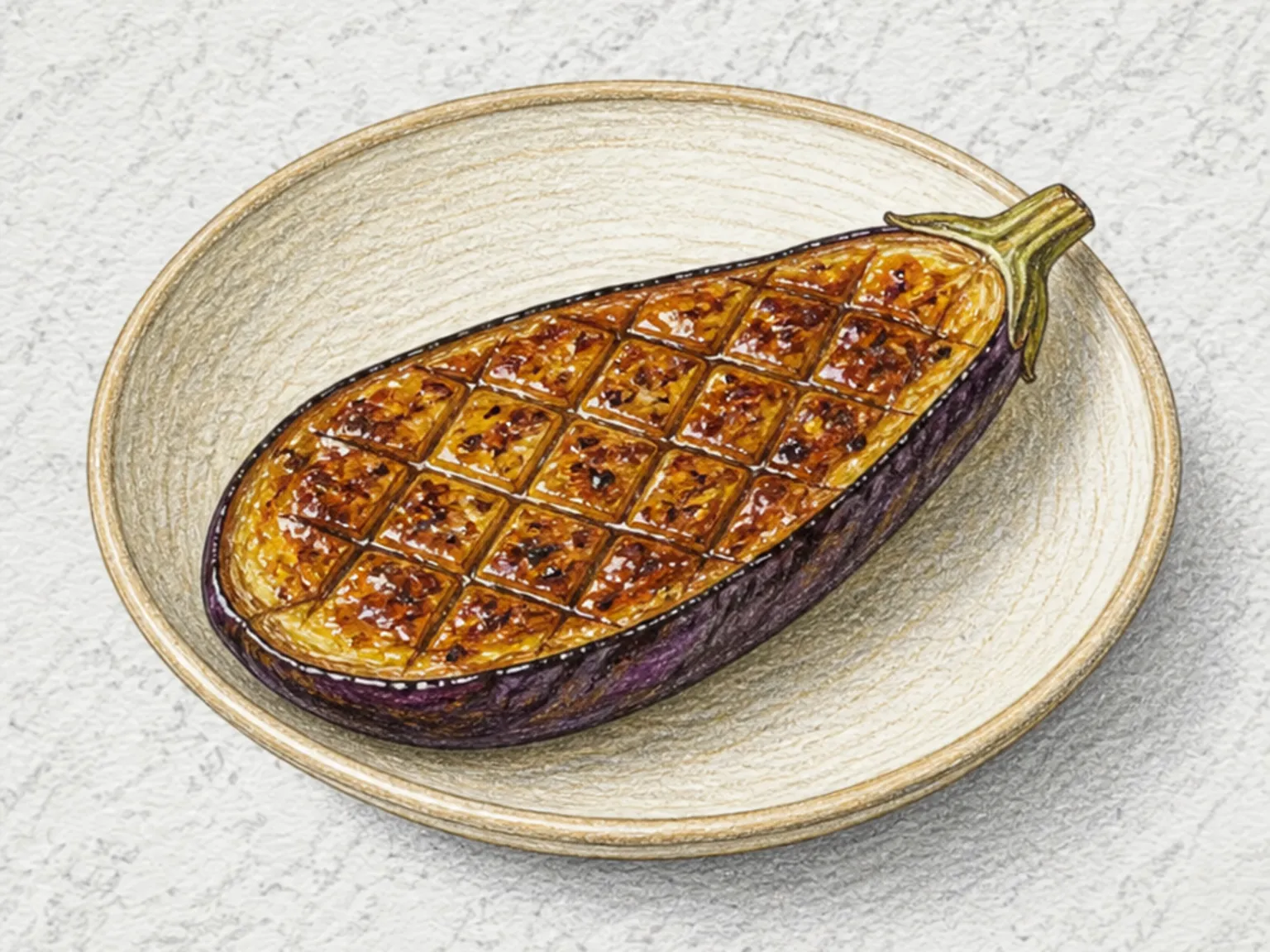
509 Japanese recipes. Page 7 of 22. Compare ingredients and cooking times. Nasu Dengaku (Miso-Glazed Eggplant), Iwashi Dango Jiru (Sardine Dumpling Soup).

Nasu no Hana-zushi
Kimchi Hard

Nasu no Hana-zushi

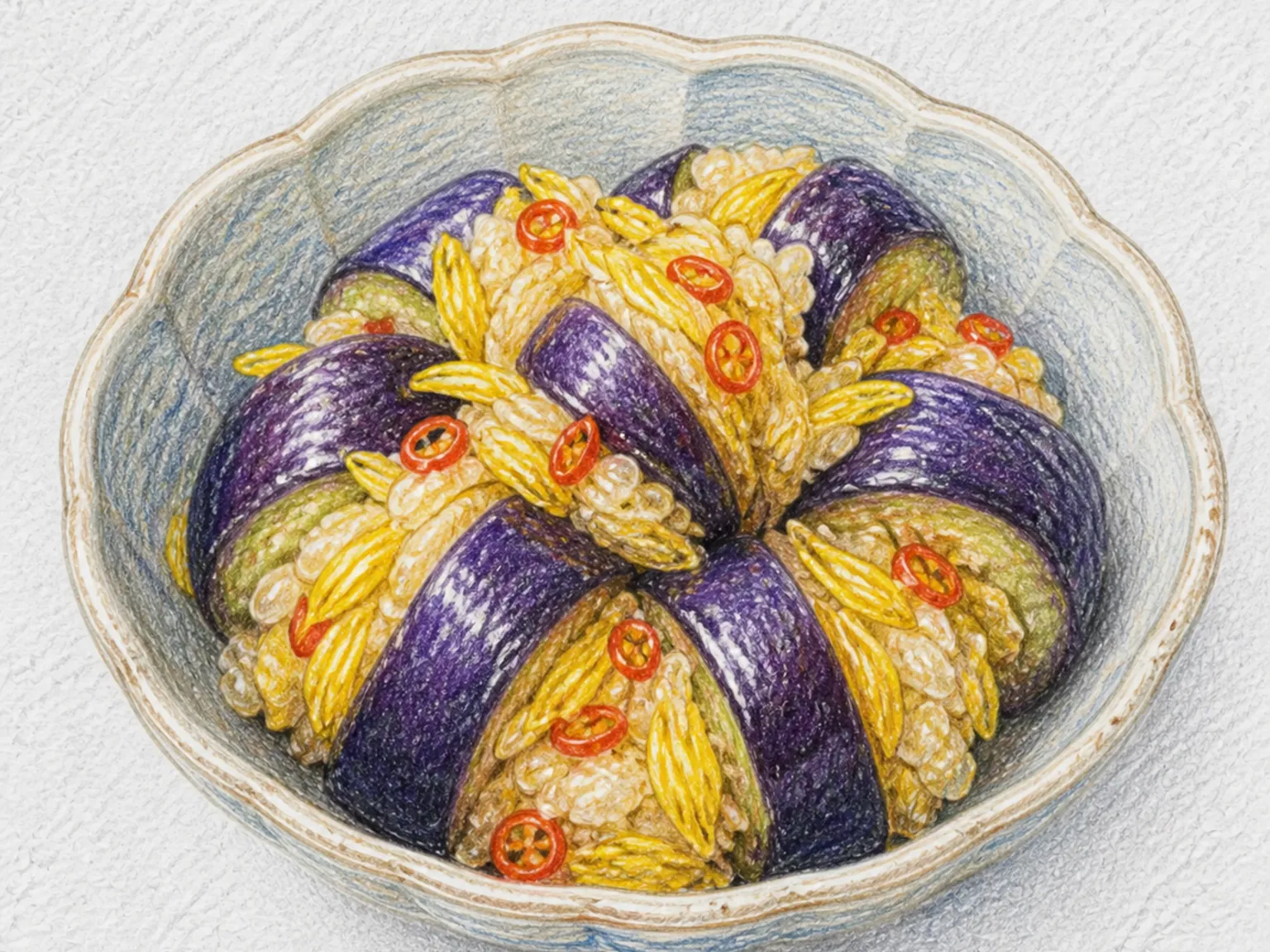
Halved eggplants layered with sweetened sticky rice, yellow chrysanthemum petals and sliced red chili show stripes of yellow and red when cut. In southern Akita it has long been set out at New Year and on celebration tables, and it is called sushi because the pickle is built on rice, not fish. Sugar, salt and sake are mixed into the rice, which becomes the pickling bed: the eggplant comes out more sweet than salty, with soft rice clinging to it. Alum, chrysanthemum and bamboo leaves all have to be food-grade, with no decorative flowers or unidentified leaves. The container stays at 4°C the whole time, and any mold or rotten smell means it is not eaten.

Prep 60min Cook 35min 12 servings
Narae (Seven-Ingredient Vinegar Salad)
Salads Medium

Narae (Seven-Ingredient Vinegar Salad)

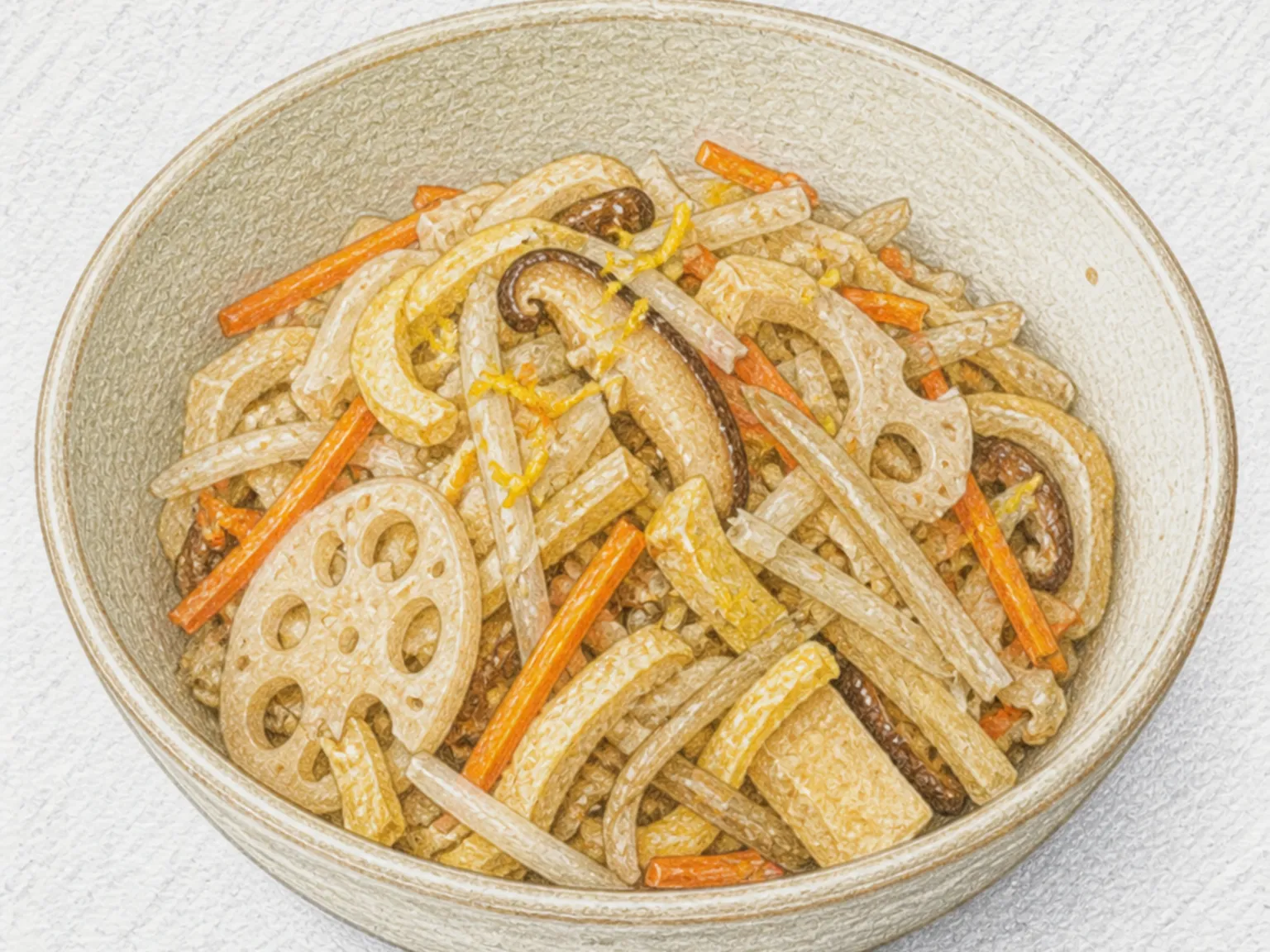
Daikon, carrot, lotus root, shiitake, fried tofu, burdock and koya-dofu (freeze-dried tofu) are cooked in three separate batches before meeting one sweet rice-vinegar dressing. Each group keeps its own texture: crunchy lotus root and burdock, tender daikon, and koya-dofu that holds stock like a sponge. Spreading the cooked pieces in a sieve until they stop dripping keeps the vinegar dressing from turning thin. The simmered koya-dofu cools in the sieve on its own, untouched: pressing it while hot would break it and squeeze out the stock it absorbed. White sesame and fine threads of yuzu peel are scattered on top, adding toastiness and a citrus lift.

🥗 Lighter Meals
Prep 35min Cook 25min 4 servings
Basashi Horse Meat Sashimi
Asian Easy

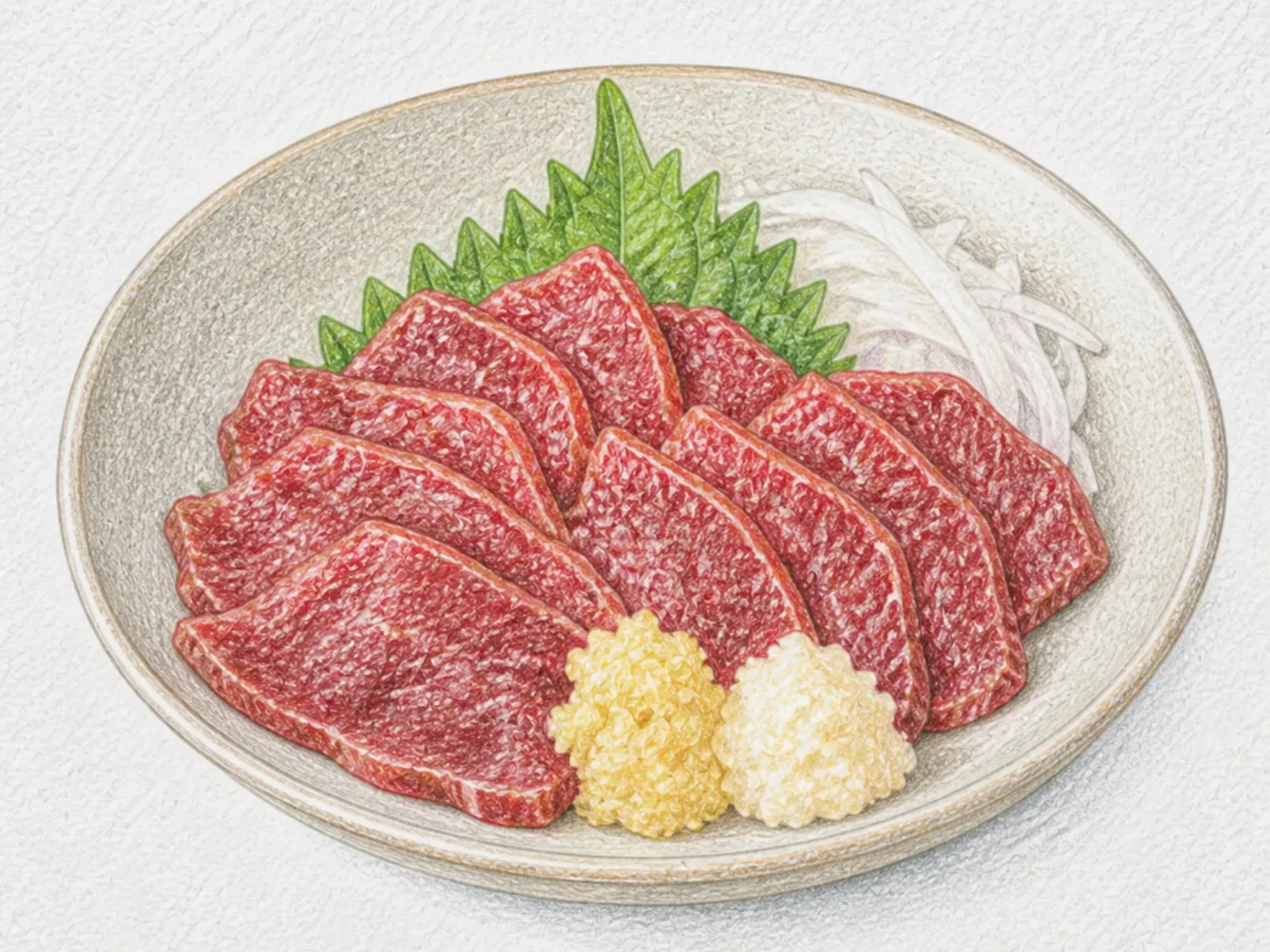
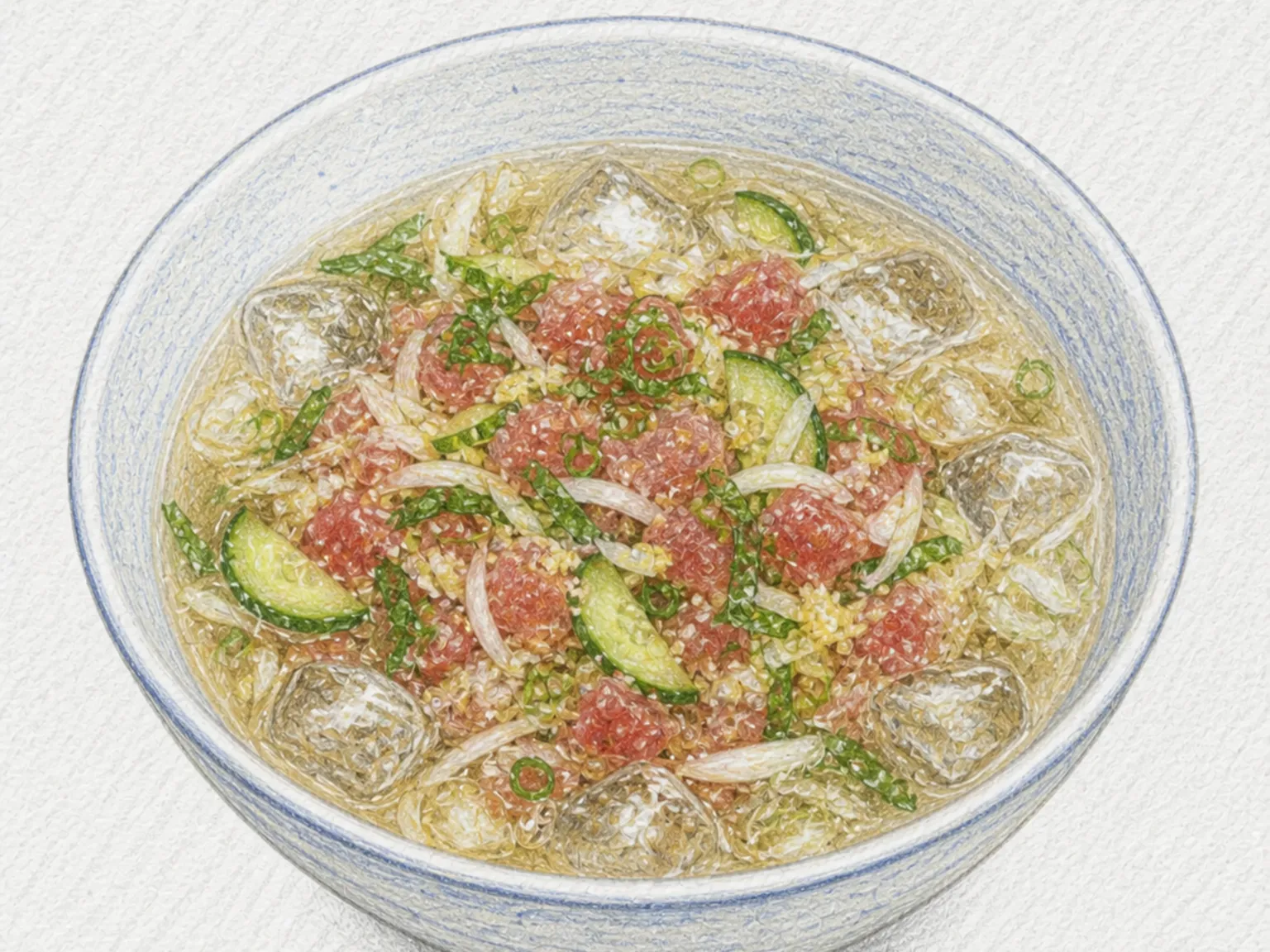
Basashi Horse Meat Sashimi

Horse meat sold specifically for raw eating is sliced thin across the grain while still cold and fanned over shiso leaves and paper-thin onion soaked in cold water. Grated garlic and ginger go into sweet soy sauce for dipping. Only commercially processed meat labeled for raw consumption works here; freezing ordinary horse meat at home does not turn it into a substitute. Leftover raw slices are neither kept at room temperature nor stored again.

⚡ 20-Minute Recipes
Prep 15min 0 4 servings
Gohei-Mochi (Grilled Rice Cake with Walnut Miso)
Rice Medium

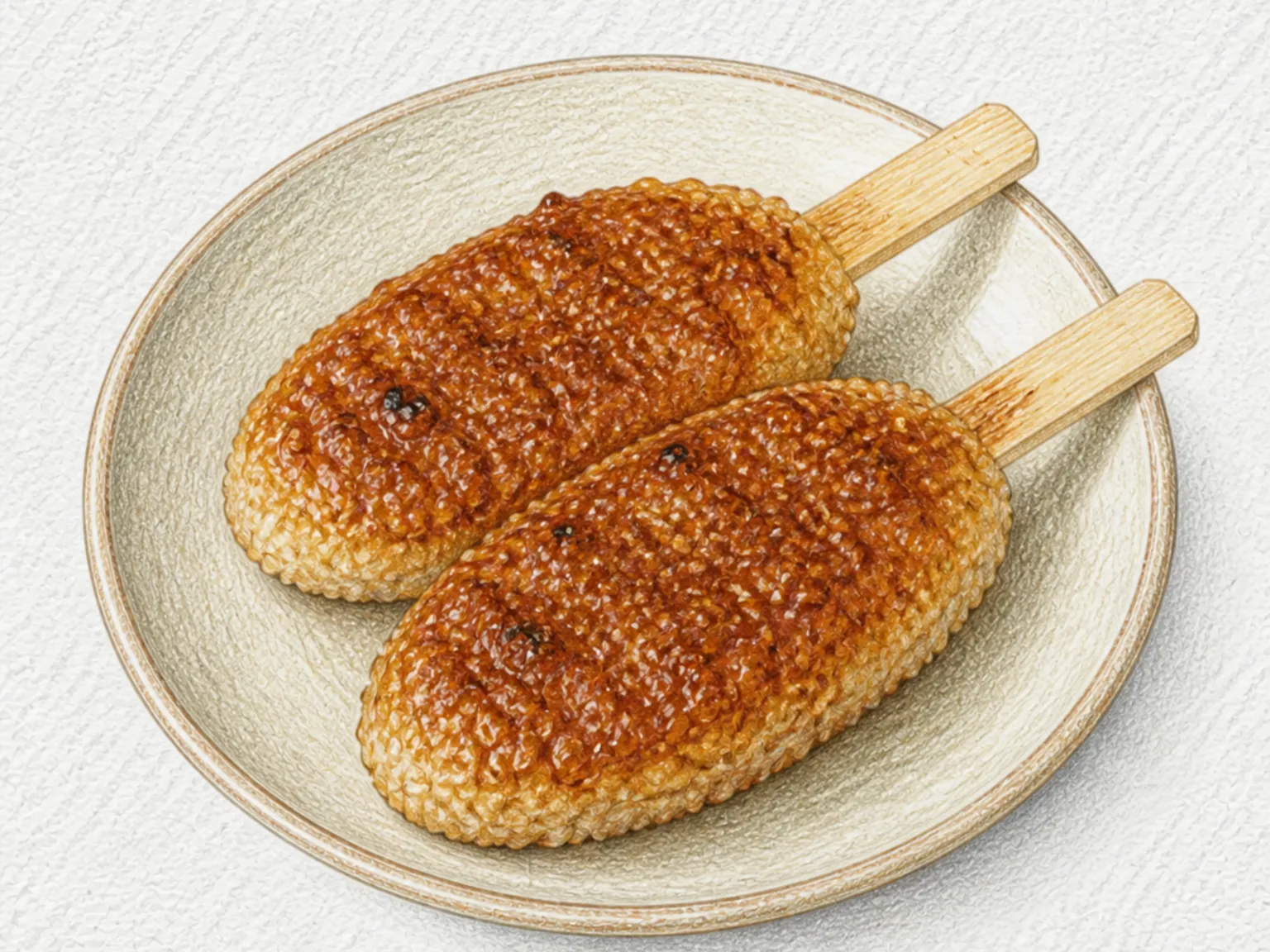
Gohei-Mochi (Grilled Rice Cake with Walnut Miso)

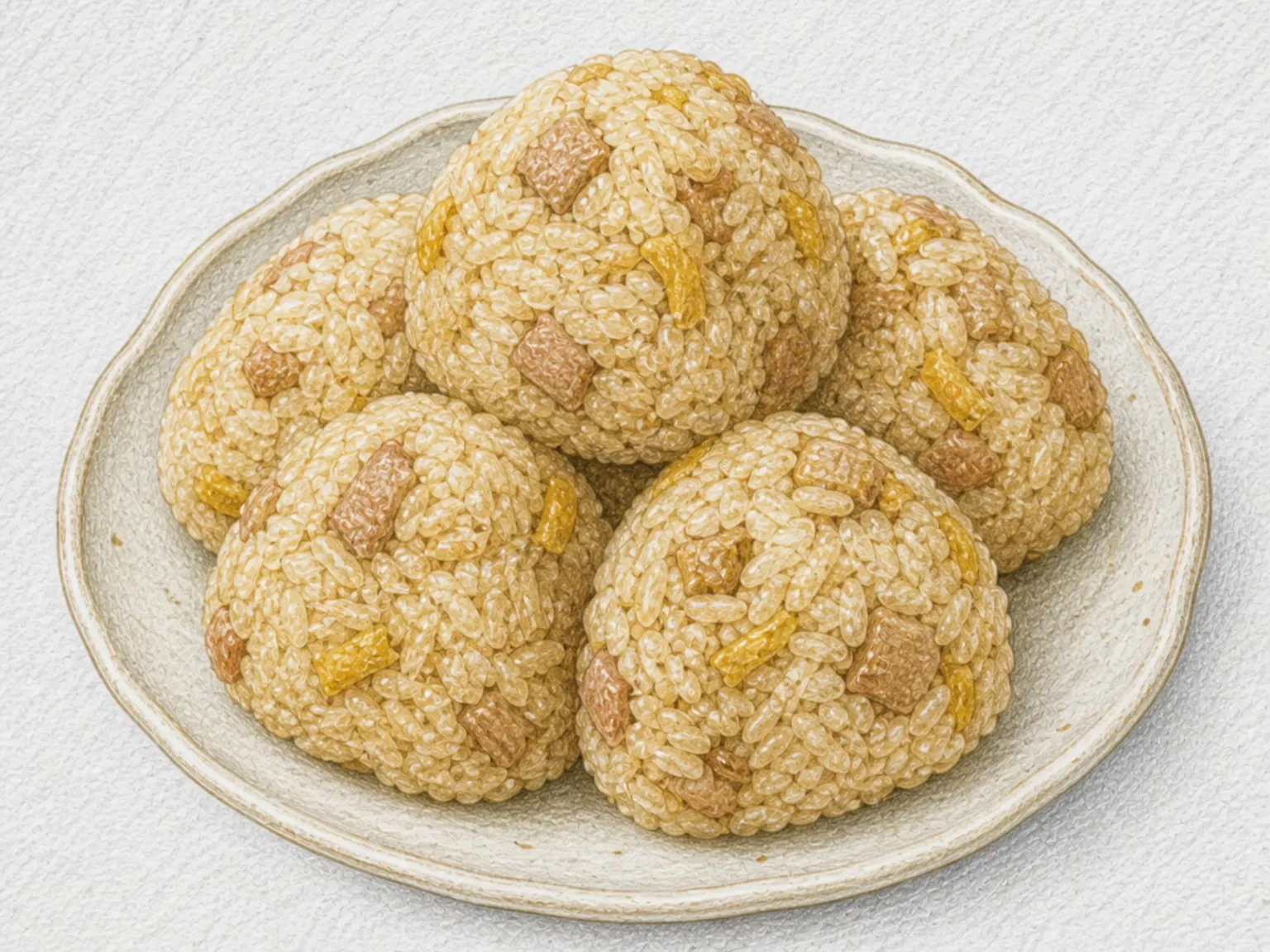
Freshly cooked rice is pounded just until it holds together with some grains still whole, pressed thin onto a flat skewer, and ridged across the top with a fingertip. Those shallow ridges are what keep the sweet red miso sauce, ground with walnuts and sesame, from sliding off. In the mountains of central Japan, woodcutters and hunters made it the day before Yama no Ko, a gathering to pray for safety in mountain work; today it is a snack sold at sightseeing spots.

Prep 45min Cook 35min 4 servings
Tachiuo Maki (Spiral-Grilled Cutlassfish on Bamboo)
Grilled Hard

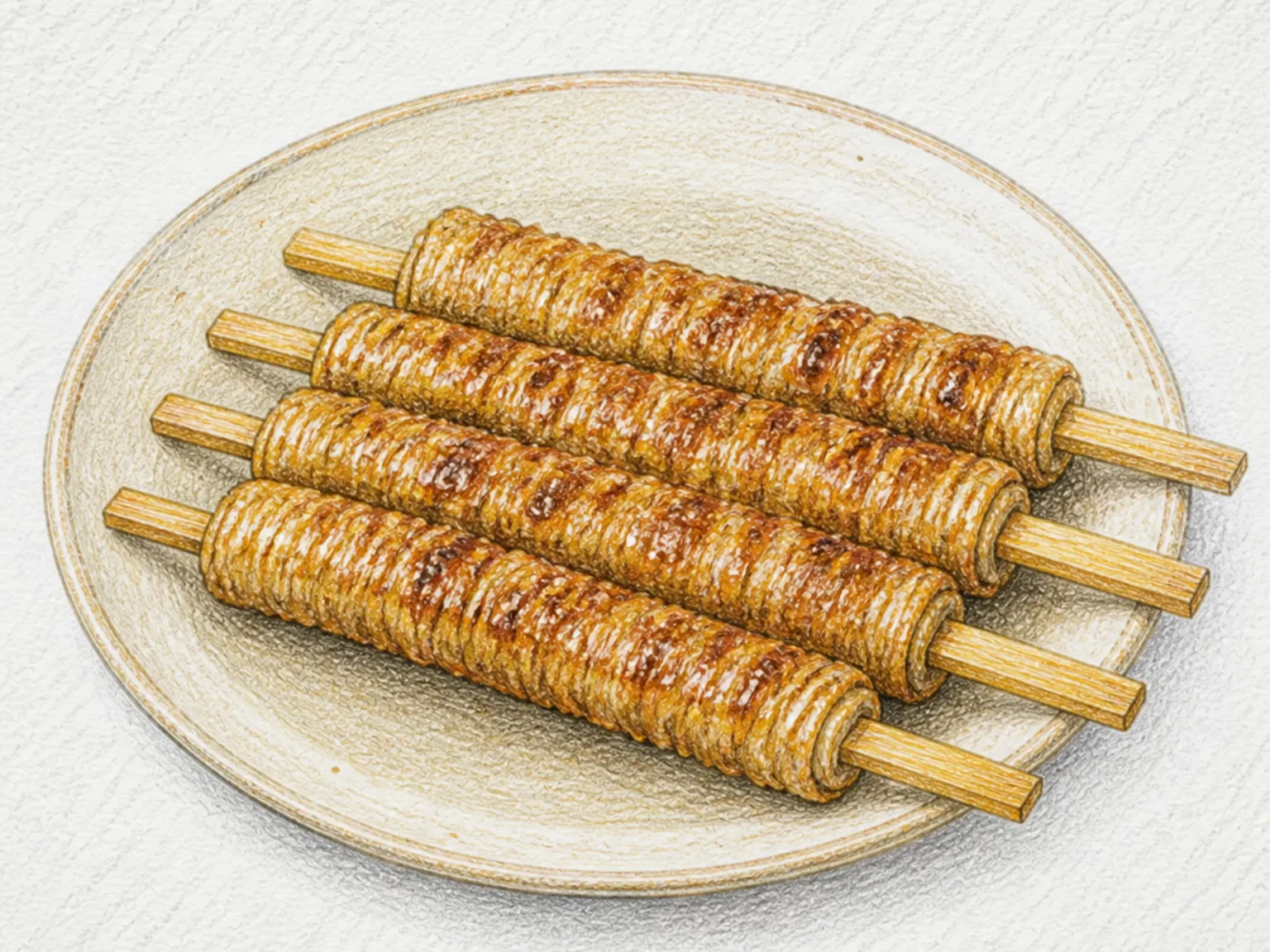
Tachiuo Maki (Spiral-Grilled Cutlassfish on Bamboo)

Long fillets of cutlassfish are wound in a spiral around bamboo sticks and turned over charcoal, brushed again and again with a soy, sugar, sake and ginger glaze until it builds into a dark lacquer. The strips are trimmed to an even width and wound with their edges slightly overlapping so they do not loosen as the stick turns. Uwajima in Ehime credits the dish to an old fishmonger who came up with it in 1987; because it is so fiddly, people mostly eat it at izakaya and local fish-cake shops rather than at home. A last brush of mirin gives the final shine. To eat, the fish is slid off the hot bamboo and looked over for any stray bones.

Prep 35min Cook 25min 4 servings
Bishu Nabe (Sake-Cooked Meat and Vegetable Hot Pot)
Asian Medium

Bishu Nabe (Sake-Cooked Meat and Vegetable Hot Pot)

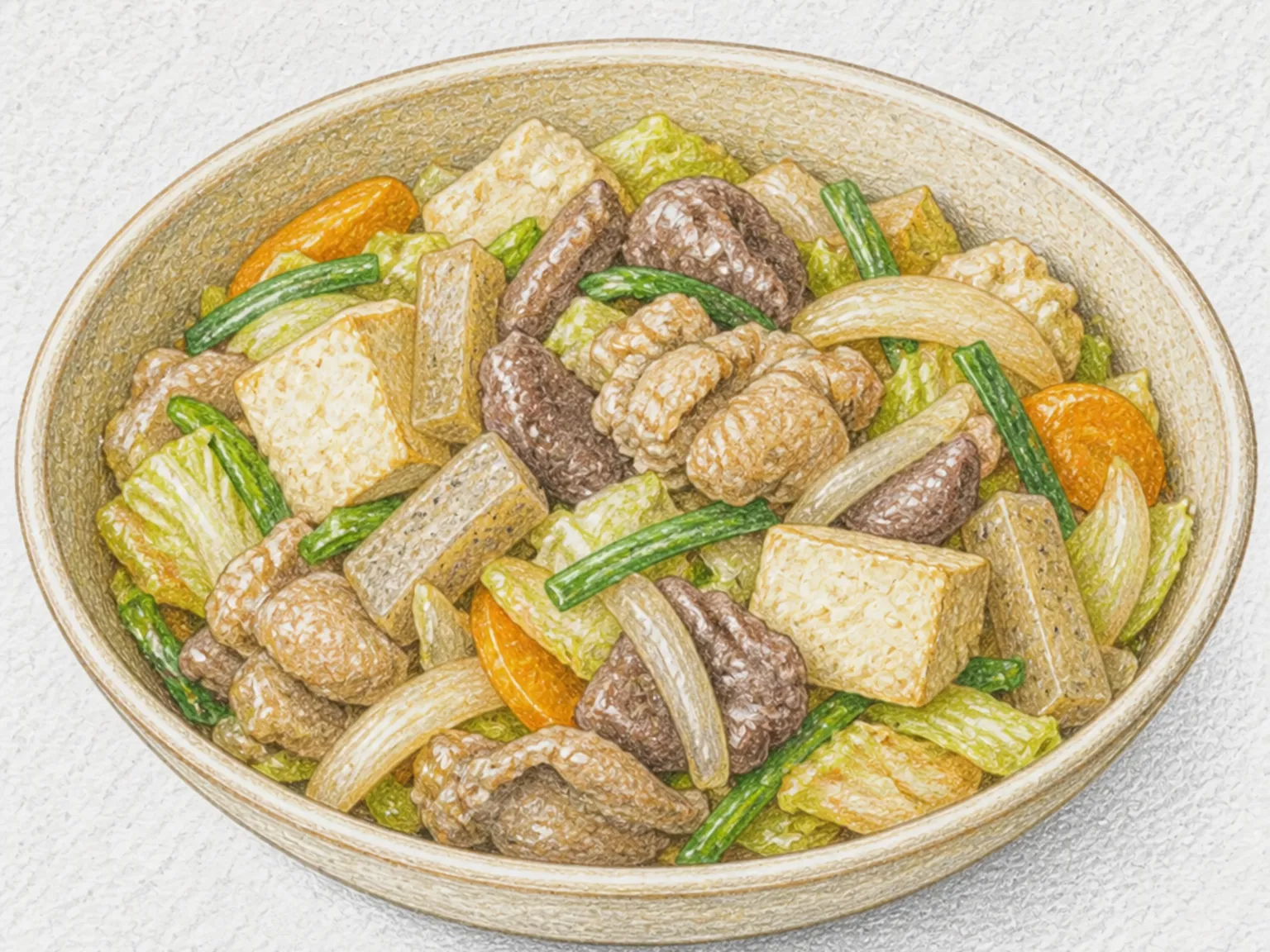
No water or dashi goes into this pot: chicken, gizzards, pork and vegetables cook in sake and whatever moisture the vegetables release. The dish comes from Saijo in Higashihiroshima, Hiroshima Prefecture, where sake brewery workers ate it during breaks in brewing. With so little liquid, each ingredient keeps its own flavor, and diners season their portion with salt and pepper. Cooking it in two rounds, half the ingredients at a time, keeps the napa cabbage and garlic chives from going limp.

Prep 30min Cook 35min 4 servings
Tokishirazu no Yakizuke (Soy-Marinated Spring Salmon)
Grilled Medium

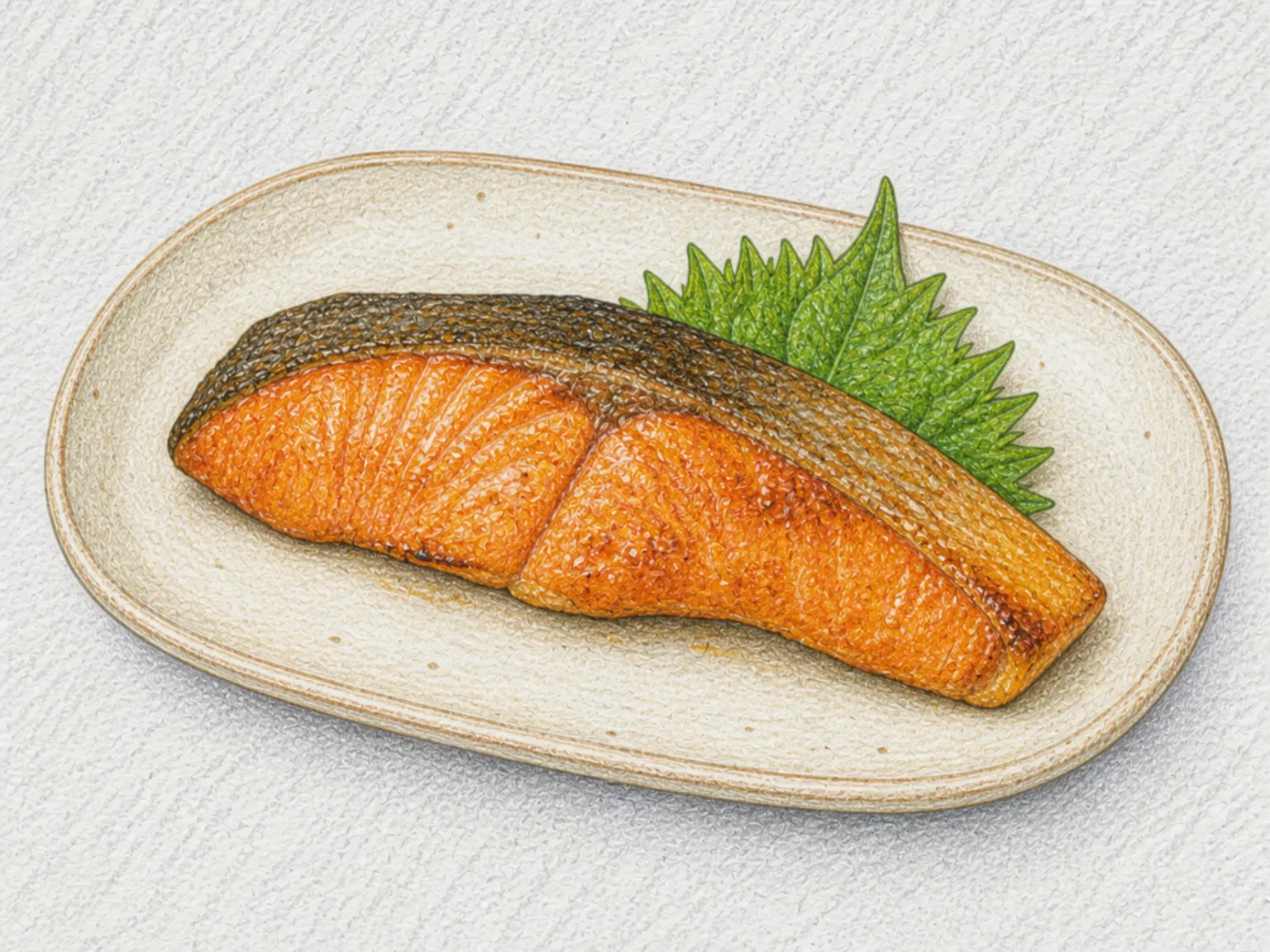
Tokishirazu no Yakizuke (Soy-Marinated Spring Salmon)

Caught off Hokkaido in spring and early summer, tokishirazu salmon have not yet matured for spawning, so their flesh carries more fat throughout than autumn salmon. A long soak in soy sauce and sake, then brushing with the boiled marinade on the grill, gives a salty, glossy surface. In Hokkaido it was a home feast dish for the June shrine festival, served with sekihan (red bean rice), and it works as both a rice side and a drinking snack. Fresh salmon fillets with moderate fat stand in when tokishirazu is unavailable.

🍺 Bar Snacks
Prep 15min Cook 15min 4 servings
Nozawana-zuke (Fermented Nozawana Greens)
Kimchi Hard

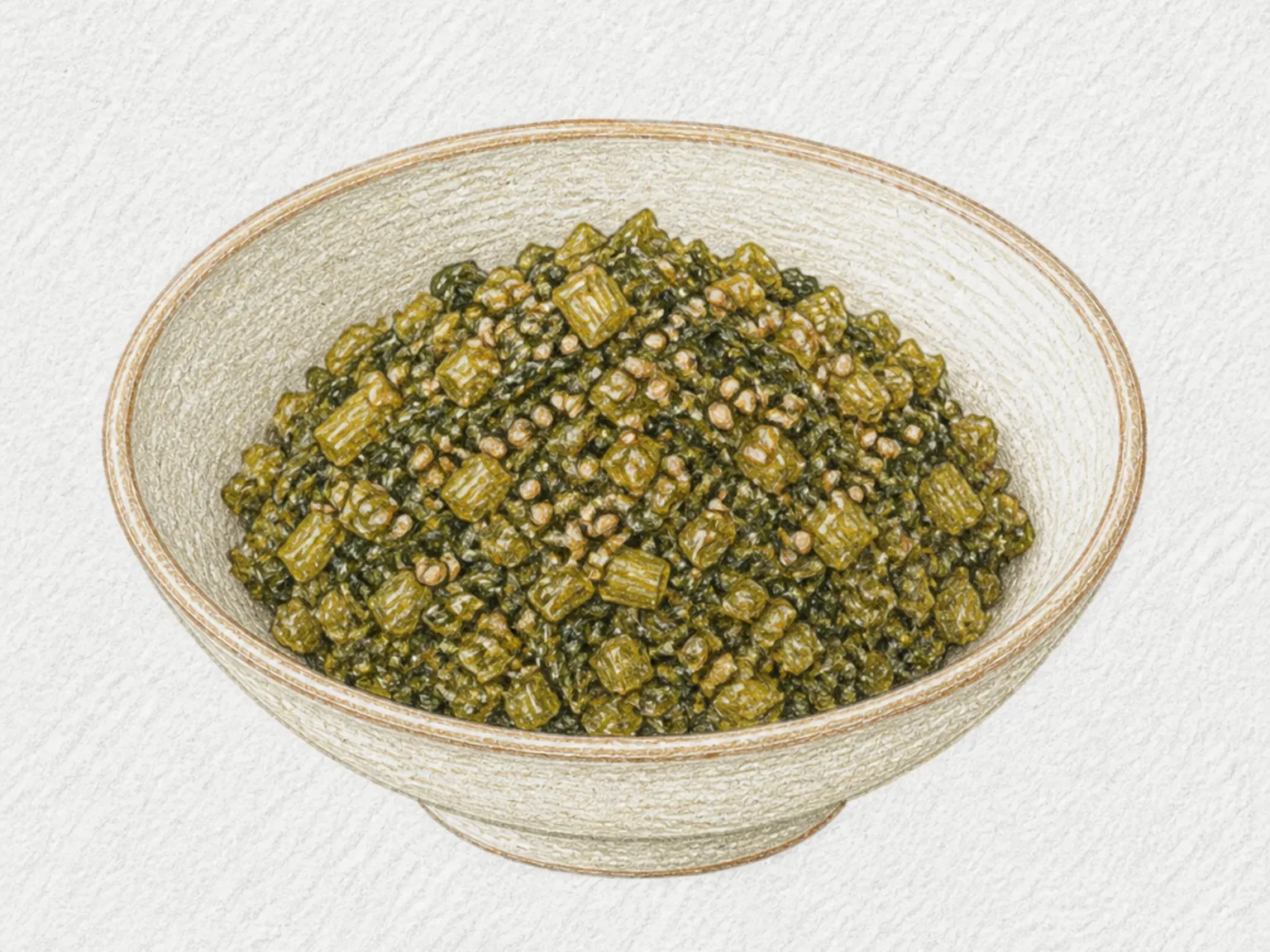
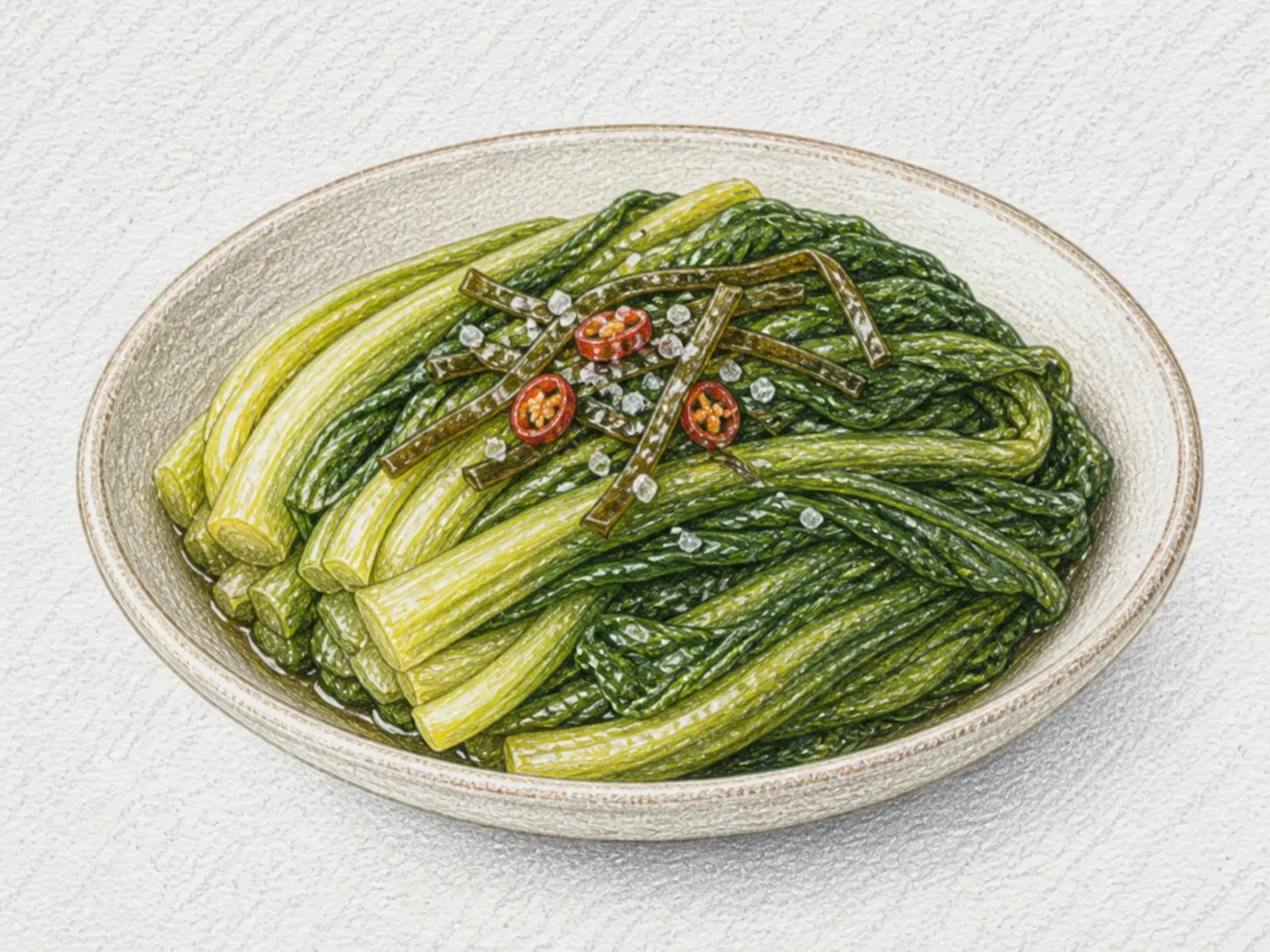
Nozawana-zuke (Fermented Nozawana Greens)

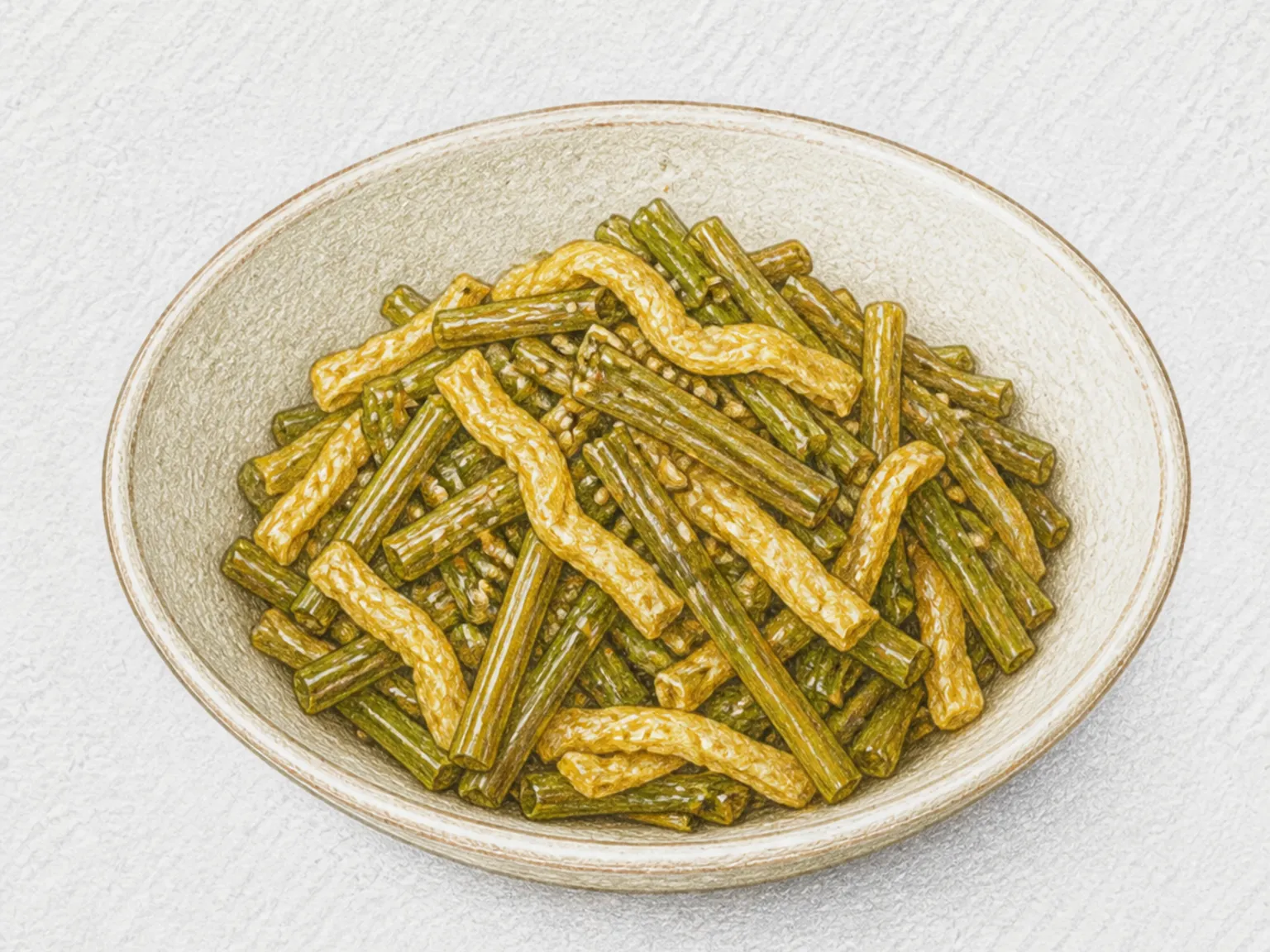
Frost-softened nozawana greens are layered whole in a barrel with salt, kombu and dried chili, then pressed under a heavy weight until their own brine rises and lactic fermentation proceeds in the cold. The plant developed in the cool highlands of Nozawa Onsen in Nagano, growing long leaves and stalks rather than a big root, and became an essential way to keep greens through winter. It can be sampled after a few weeks and turns more sour and savory at around a month. With 40 kg of greens, foot-treading and stones of 30 kg or more, this is a two-person barrel project rather than a kitchen pickle.

Prep 300min 0 100 servings
Ohitashi (Seri and Spinach in Dashi)
Salads Easy

Ohitashi (Seri and Spinach in Dashi)

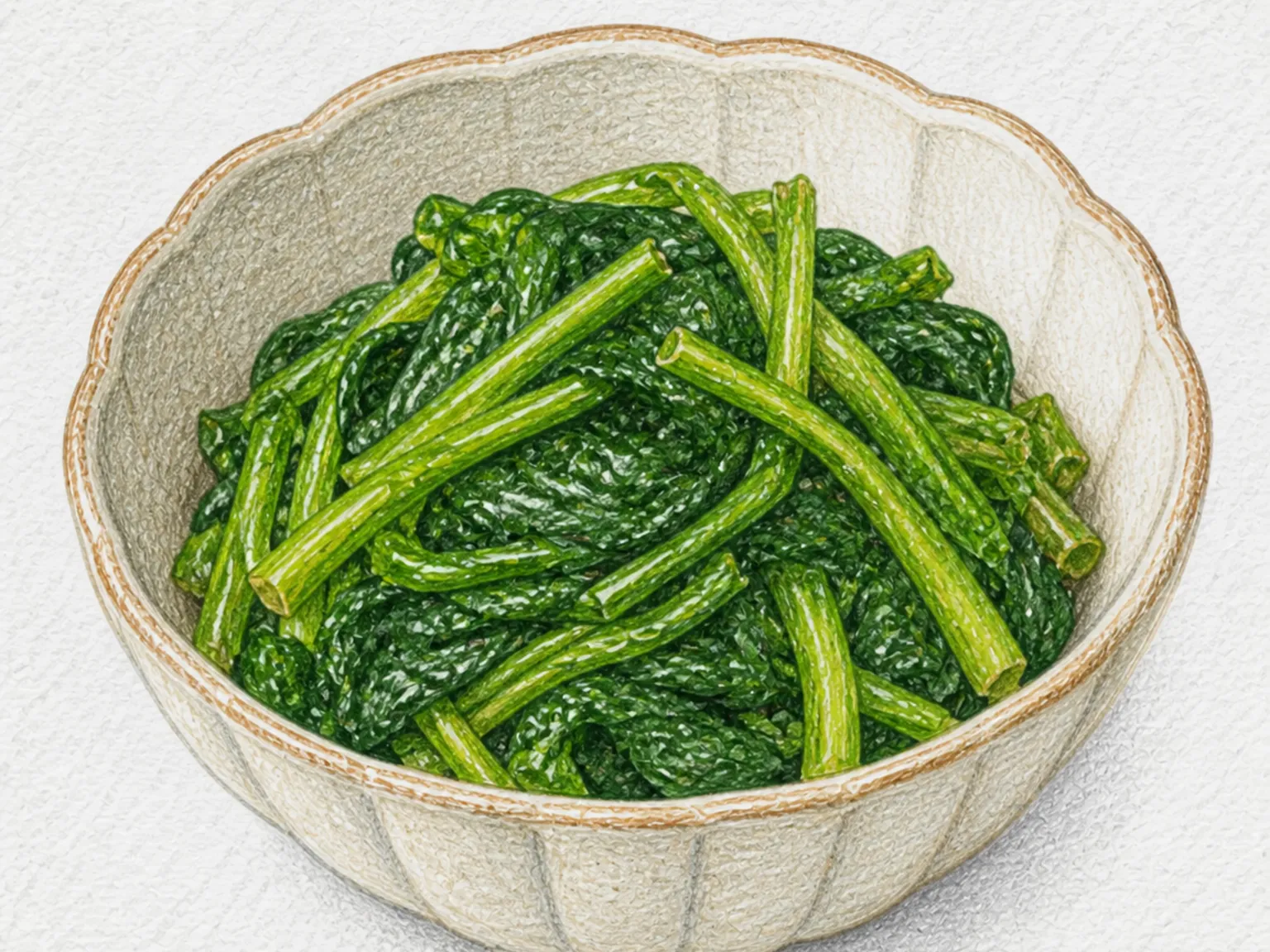
Briefly blanched seri and spinach soak for 8 to 12 hours in chilled dashi seasoned with mirin and light soy sauce, long enough for the broth to seep all the way into the greens. Instead of being tossed in a dressing, the vegetables are served moistened with that clear liquid, letting their own fragrance come through. The two greens are blanched separately so the tender spinach does not overcook while the seri stems keep a distinct bite. Twisting them dry would crush the stems and leave the dashi soaking in unevenly, so they are lined up and pressed between the palms instead. Seri, a Japanese water dropwort, gets swapped for Korean minari when Kuroda seri is hard to find.

🥗 Lighter Meals
Prep 15min Cook 10min 4 servings
Japanese Simmered Yellowtail and Daikon
Asian Medium

Japanese Simmered Yellowtail and Daikon

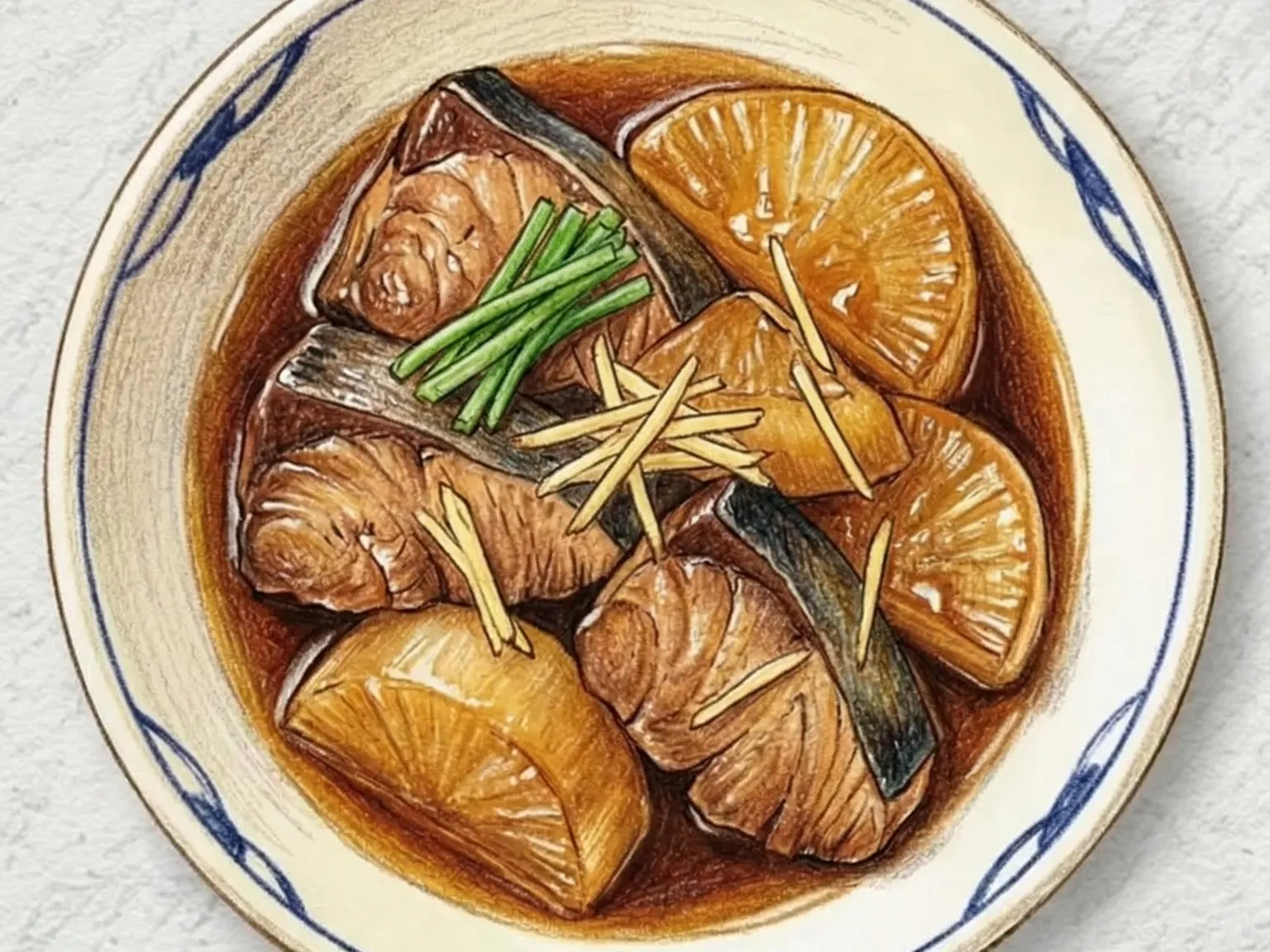
Two calls decide this braise: how far the daikon is cooked before it meets the fish, and when you stop. Parboil the daikon until the edges turn translucent so the centers are already softening; that way the yellowtail isn't left simmering until it dries out while the daikon catches up. Scald the fish with hot water until the surface turns pale, pat it dry, and spoon the braising liquid over the skin as it cooks so it doesn't dry. Turn off the heat when the thickest piece reaches at least 63°C in the center, a chopstick slides into the daikon, and the liquid has cooked down by about half.

Prep 20min Cook 40min 4 servings