Stuffed Cabbage Rolls
Stuffed cabbage rolls wrap a filling of ground beef, cooked rice, sautéed onion, and garlic inside blanched cabbage leaves, then braise in tomato sauce on low heat for 35 minutes until the leaves turn silky and the filling cooks through. Removing the core first lets the leaves separate cleanly, and rolling a pin over the thick central vein of each leaf thins it enough to fold without cracking. The rolls must be packed tightly in the pot - too much space allows them to shift as the sauce simmers, causing them to unravel. Spreading tomato sauce on the bottom of the pot before arranging the rolls prevents sticking and starts building flavor from underneath. The long, gentle braise draws natural sweetness from the cabbage, which meets the acidity of the tomato sauce to produce a mellow, deeply savory result.

Picadillo Cubano (Cuban Ground Beef with Olives and Raisins)
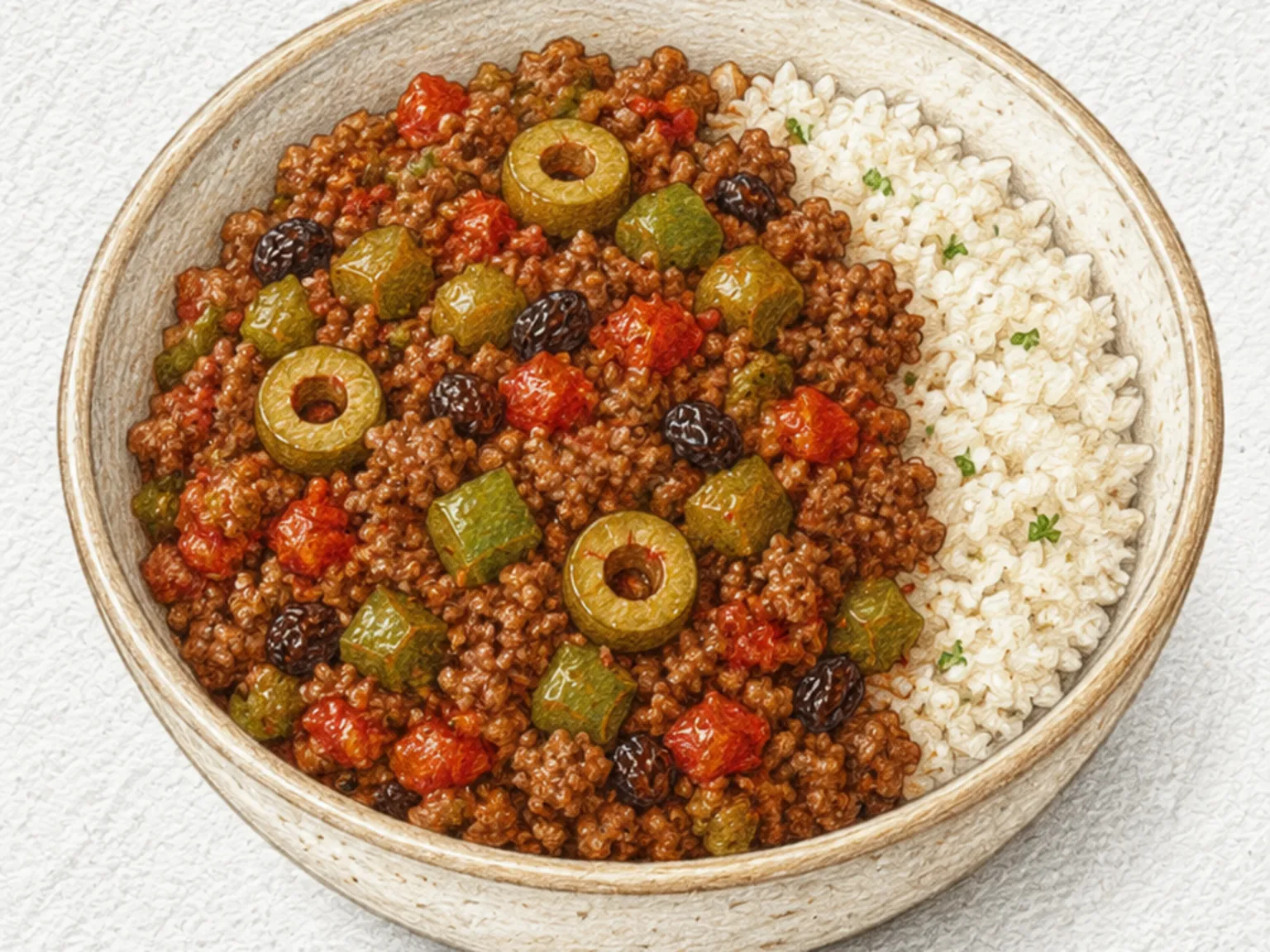
Picadillo Cubano is a cornerstone of Cuban home cooking, made by browning ground beef and simmering it with crushed tomatoes, green olives, and raisins. The identity of the dish lies in the interplay between the briny, savory olives and the subtle sweetness of the raisins, creating a sweet-salty balance within a single pan. The beef must be spread in a single layer over high heat so moisture evaporates quickly and the meat develops brown caramelization - crowding the pan causes it to steam and turn gray. Cumin and oregano contribute the earthy, warm spice profile characteristic of Latin cooking, while diced bell pepper adds a crisp freshness. Served over white rice in the most traditional fashion, it becomes a complete Cuban plate when accompanied by black beans and fried plantains.

Korean Beef Vegetable Hot Pot
Soegogi jeongol is a Korean hot pot built on a soy sauce-seasoned beef broth and brought to the table with baby napa cabbage, oyster mushrooms, and bok choy arranged over the beef before cooking begins. The seasoning stays deliberately simple, just soy sauce and minced garlic, so the natural flavors of each ingredient rise through the broth cleanly. Savory depth from the beef mingles with the gentle sweetness that the cabbage and bok choy release as they soften, and the oyster mushrooms hold their springy texture through the simmer. Because the pot cooks at the table and everyone serves themselves directly from it, the dish is as much about the shared experience as it is about the food itself.

Korean Beef Japchae (Soy-Marinated Beef Glass Noodle Stir-Fry)
Sogogi japchae is a Korean stir-fried noodle dish made with sweet potato glass noodles, soy-marinated beef strips, and an assortment of individually prepared vegetables. Spinach is blanched, carrots and onions are julienned and stir-fried separately, and each component is combined at the end to preserve its distinct color and texture. The noodles are soaked rather than fully boiled, then finished in the pan so they stay chewy instead of mushy. Soy sauce, sugar, and sesame oil form the seasoning base, giving the dish its characteristic sweet-savory balance.

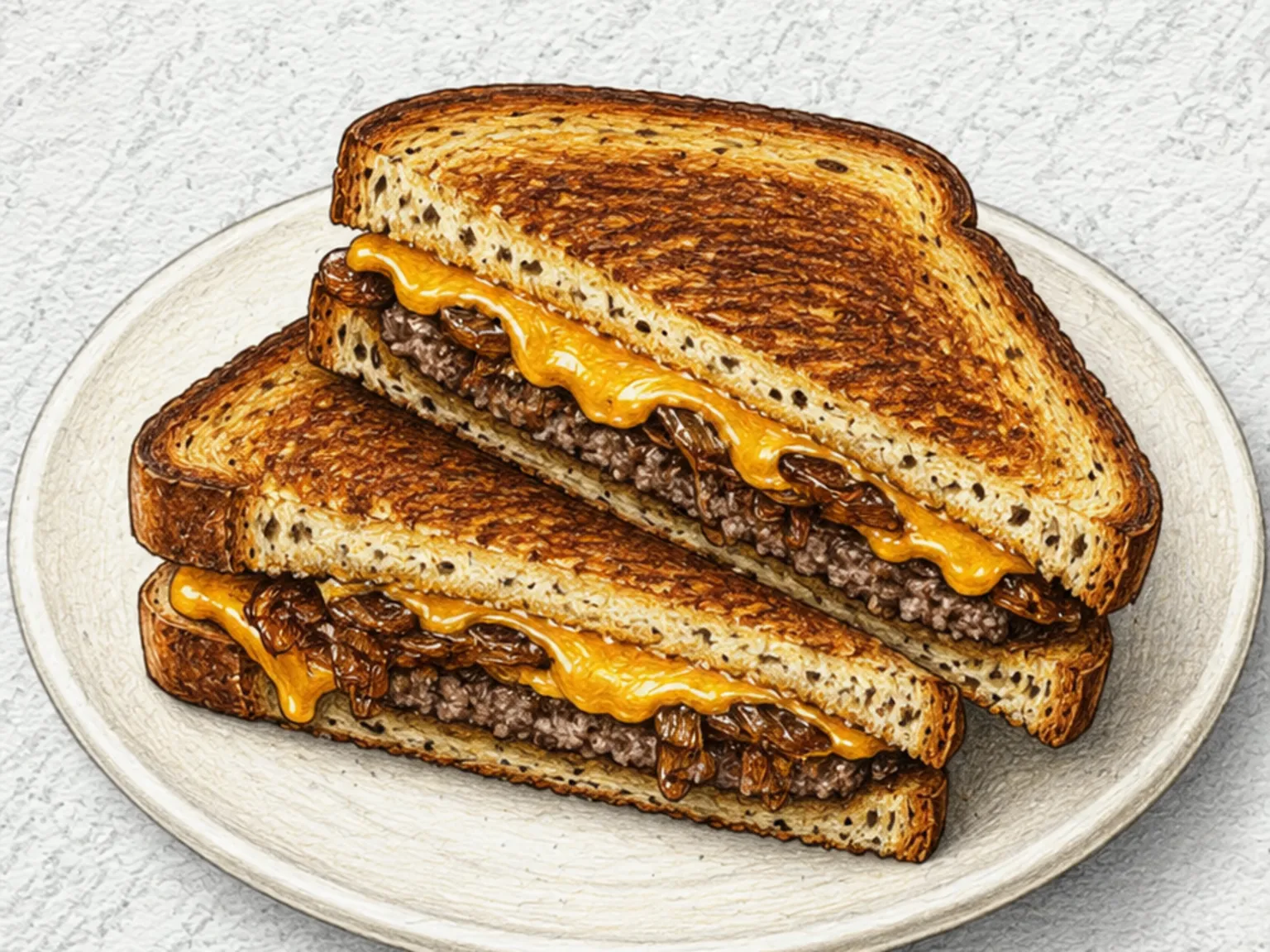
Patty Melt
Patty Melt is an American diner classic that sits between a burger and a grilled cheese sandwich, combining a thin beef patty with deeply caramelized onions and melted cheese between slices of toasted bread. The onions require at least twenty minutes over low heat to lose their moisture and concentrate their sugars into a dark, sweet jam-like consistency. The patty is shaped thin and wide to match the bread's footprint, and spreading a thin layer of mayonnaise on the outer surface of the bread before griddling produces a more even and deeper golden crust than butter. When the cheddar melts over the patty and mingles with the caramelized onions, each bite delivers saltiness from the beef, sweetness from the onions, and richness from the cheese in a single layer.

Korean Grilled Neobiani Beef Patties
Neobiani-gui is a Korean royal-court grilled beef patty made by kneading finely minced beef with minced onion, green onion, soy sauce, sugar, garlic, sesame oil, and black pepper, then shaping the mixture into thin oval patties and pan-frying until caramelized. The dish traces its origins to the royal court cuisine of the Joseon dynasty, where the seasoning was kept deliberately restrained to let the beef's natural flavor take center stage. Squeezing excess moisture from the minced onion before mixing strengthens the patty's structure, and the onion's natural sugars caramelize during cooking, adding a gentle, almost floral sweetness to the crust. Resting the shaped patties in the refrigerator for fifteen minutes firms the protein bonds so the patties hold their shape in the pan. Cooking over medium-low heat is essential: the surface develops a glossy, lacquered sear while the interior cooks through evenly, and excessive heat risks charring the outside before the center is done. The finished patties carry a thin, aromatic glaze from the soy sauce and sesame oil, making them a refined centerpiece on the Korean table.

Stuffed Bell Peppers
Stuffed bell peppers are hollowed out, filled with a sautéed mixture of ground beef, onion, garlic, tomato sauce, and cooked rice, then baked until the peppers soften and the filling is heated through. Trimming the tiniest slice from the bottom of each pepper creates a flat base so they stand upright in the baking dish without tipping over, but cutting too deep will open a hole and leak filling. The filling should be seasoned a touch saltier than seems right on its own, because the pepper's natural sweetness will balance it out during baking. After 30 minutes at 190 degrees Celsius, mozzarella goes on top for a final 10-minute bake that melts the cheese into a seal over the filling, keeping it moist. The interplay of the pepper's sweetness, the tomato sauce's acidity, and the beef's savory depth makes this a nutritionally balanced one-dish meal.

Cornish Pasty (British Hand Pie with Beef and Root Vegetables)
Cornish pasty is a traditional British hand pie from Cornwall, made by sealing raw diced beef, potatoes, rutabaga, and onion inside a sturdy pastry of flour, butter, salt, and water. The filling is not pre-cooked before sealing, so the meat and vegetables steam inside the crust during baking. Their juices collect and concentrate inside the sealed shell, forming a rich, savory interior gravy that makes the pasty deeply satisfying without any additional sauce. Crimping the edges tightly is essential to contain this liquid during the forty-to-forty-five-minute bake at 200 degrees Celsius. Cutting the filling into pieces no larger than about one centimeter ensures everything cooks evenly through. An egg wash brushed over the surface before baking develops a glossy, amber crust. The pasty originated as a practical working meal for Cornish tin miners, who held the pastry by its thick crimped edge to avoid contaminating the food with dirty hands, then discarded that portion when finished.