Beef Enchiladas
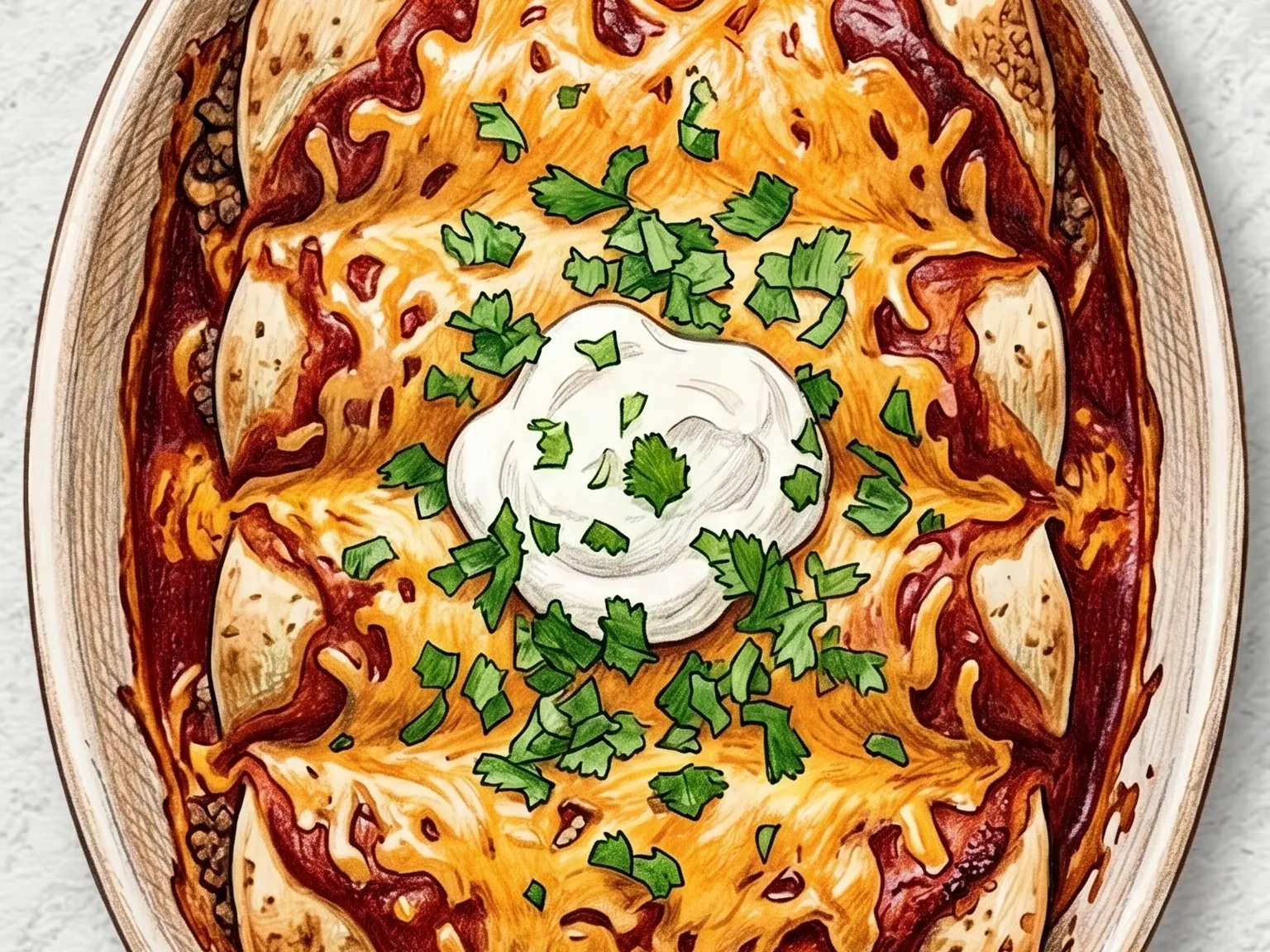
Tortillas wrapped around cumin-seasoned ground beef and cheddar soak up red enchilada sauce in the oven until soft, while the cheese on top melts and bubbles. Cold tortillas crack when rolled, and a quick warming makes them pliable.
57 recipes. Page 2 of 3
As an Amazon Associate, we may earn from qualifying purchases.
Tortillas wrapped around cumin-seasoned ground beef and cheddar soak up red enchilada sauce in the oven until soft, while the cheese on top melts and bubbles. Cold tortillas crack when rolled, and a quick warming makes them pliable.
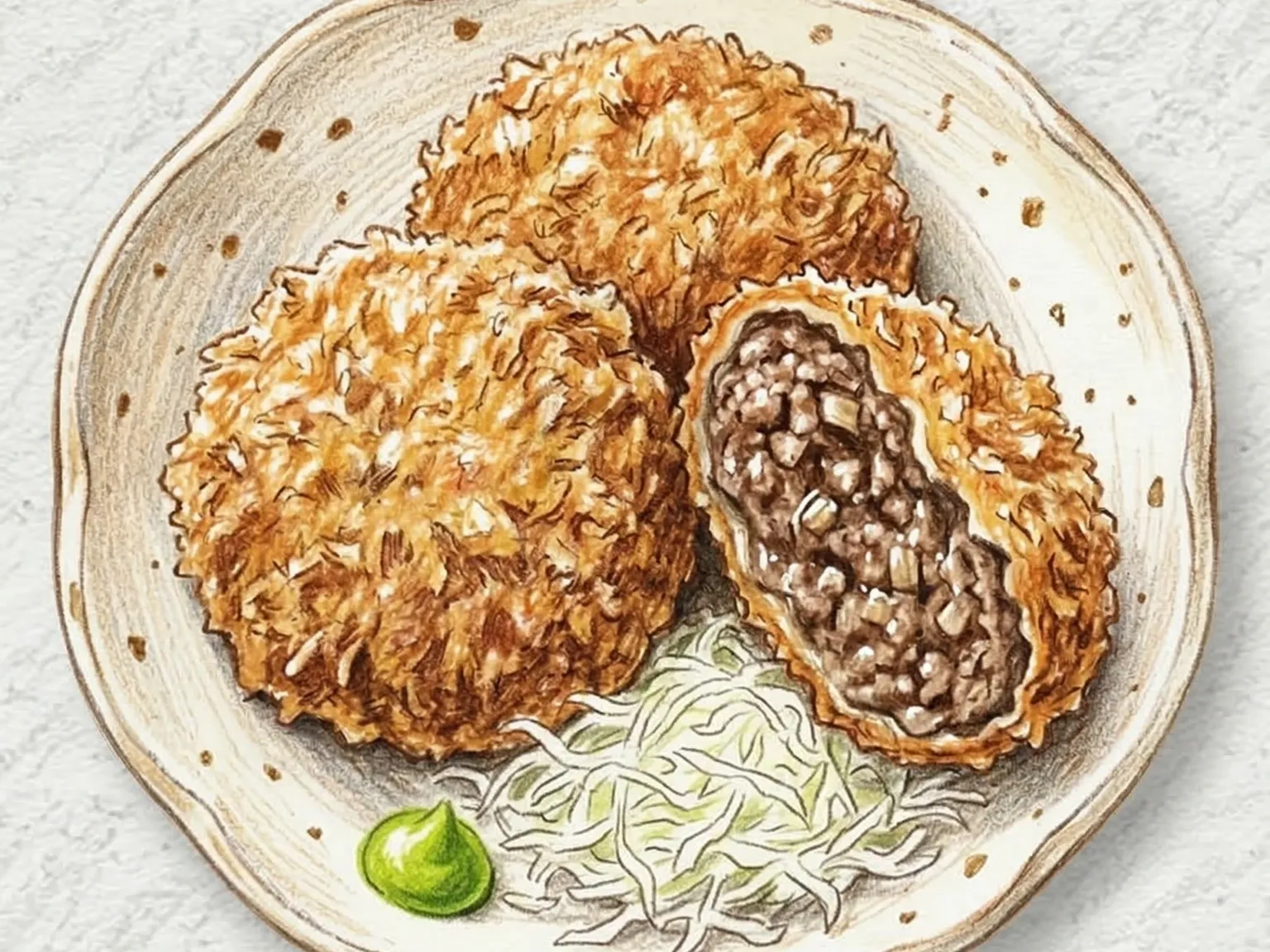
Under a thick coat of coarse panko is a mix of ground pork and beef much like a hamburger steak, and cutting in lets out the juices the crust held. In Tokyo, neighborhood butchers have long fried them every day for the display case, and eating one hot from the paper bag on the street is an old habit.
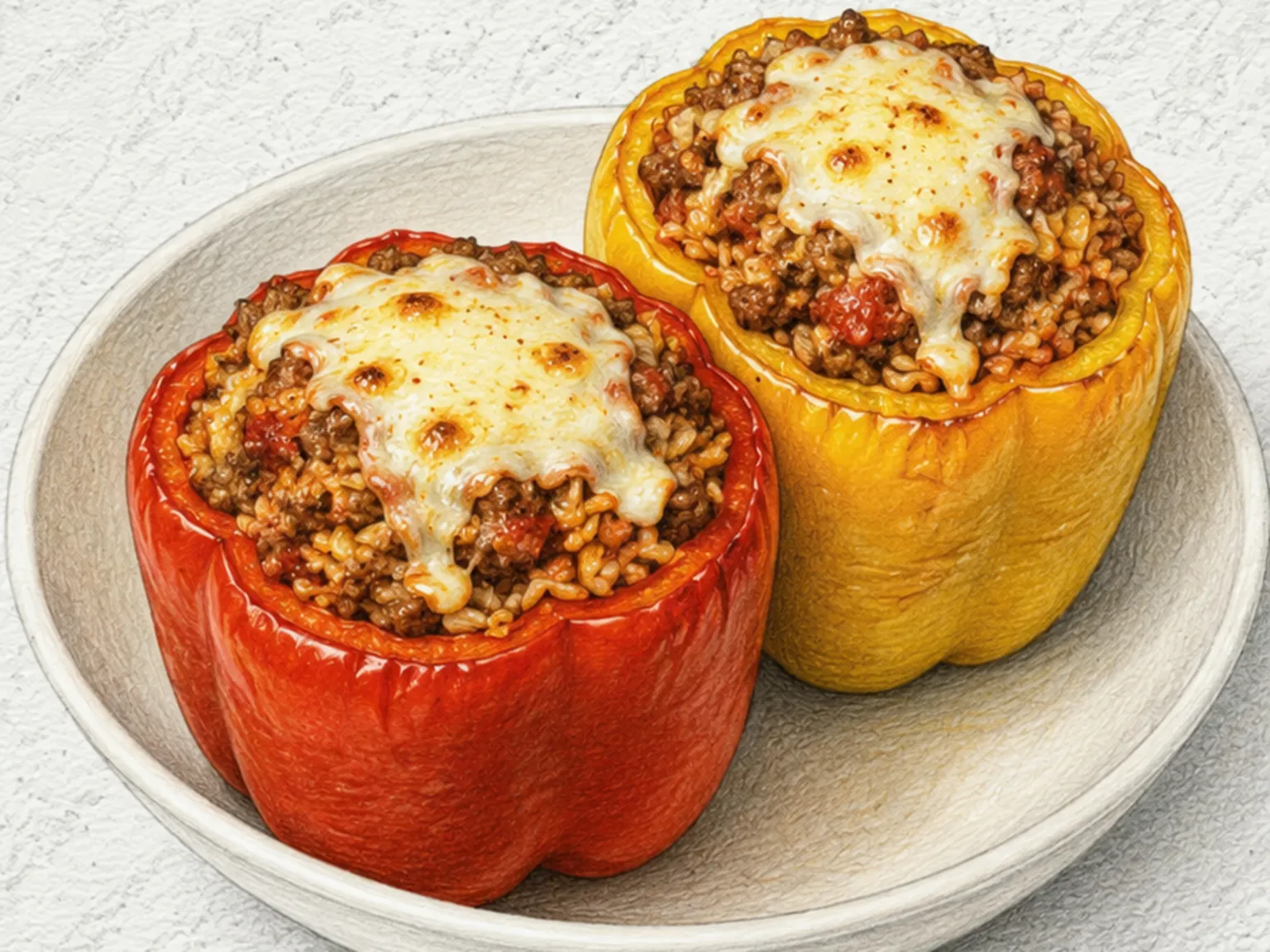
Peppers turn sweet and soft in the oven, which is why the beef, rice and tomato filling is seasoned a little saltier than would taste right on its own. Mozzarella goes on for the last 10 minutes and melts into a cover over the filling.
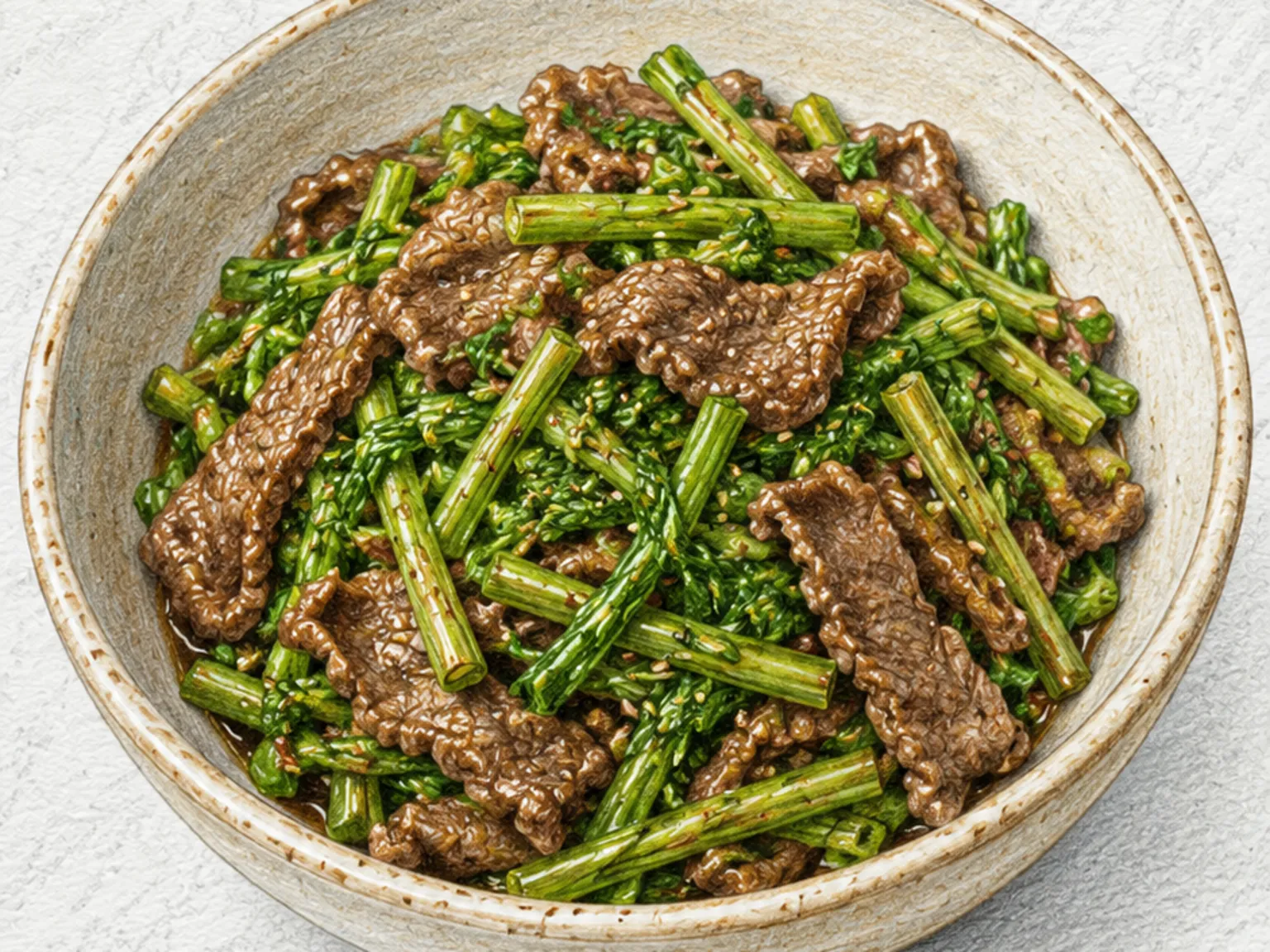
The beef and minari (water parsley) go in at equal weights, which keeps the minari's slightly bitter aroma clearly present behind the soy-seasoned meat. The minari gets only 20 to 30 seconds in the pan, enough to soften the leaves while the stems stay crisp.
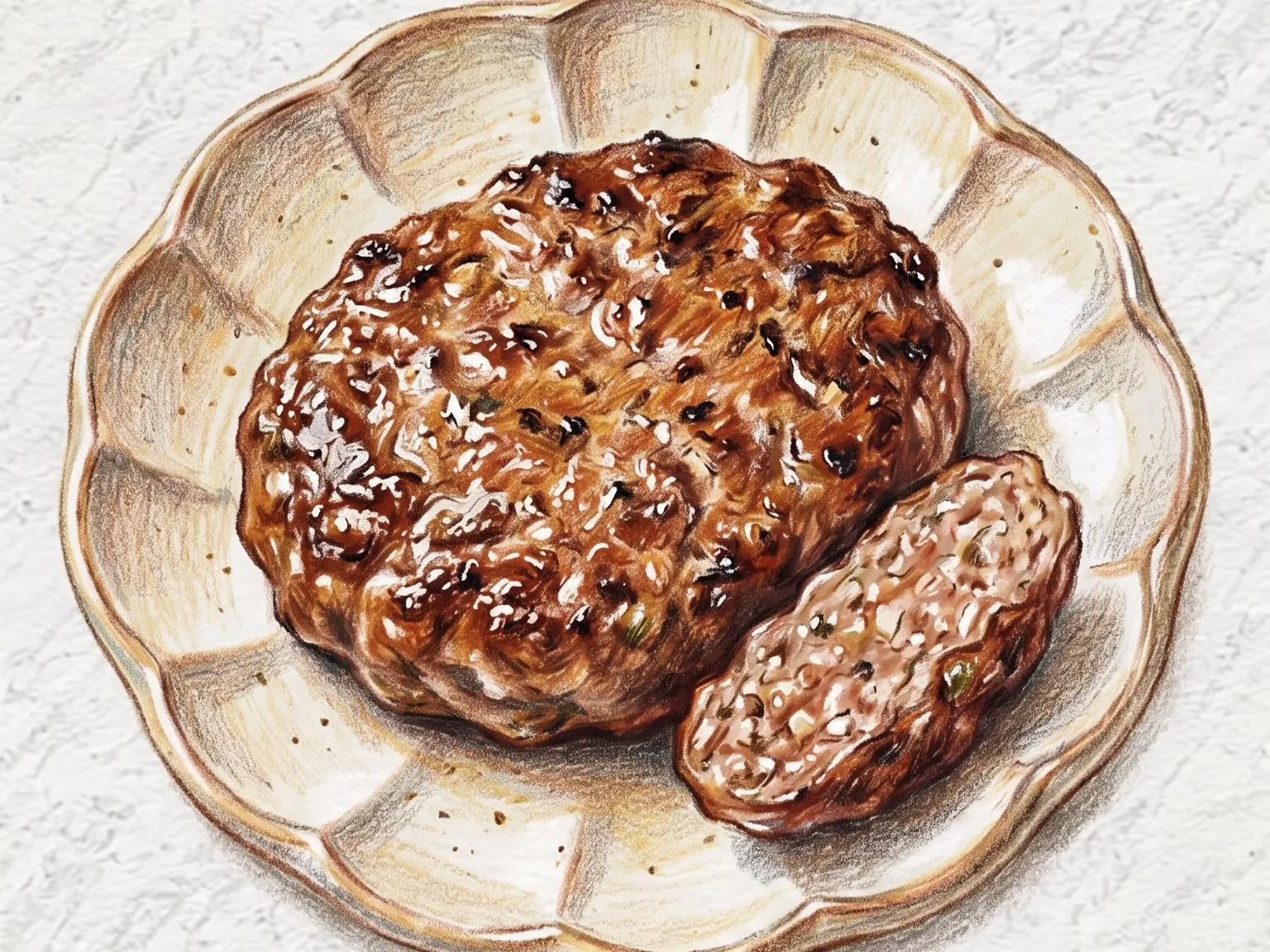
Ground beef and pork are combined two to one and worked in one direction for more than three minutes, until the mix sticks to the hands and turns smooth; that stickiness gives the thick patties their firm bite. The onion is minced fine and pressed lightly, leaving it a little moist rather than wrung dry.
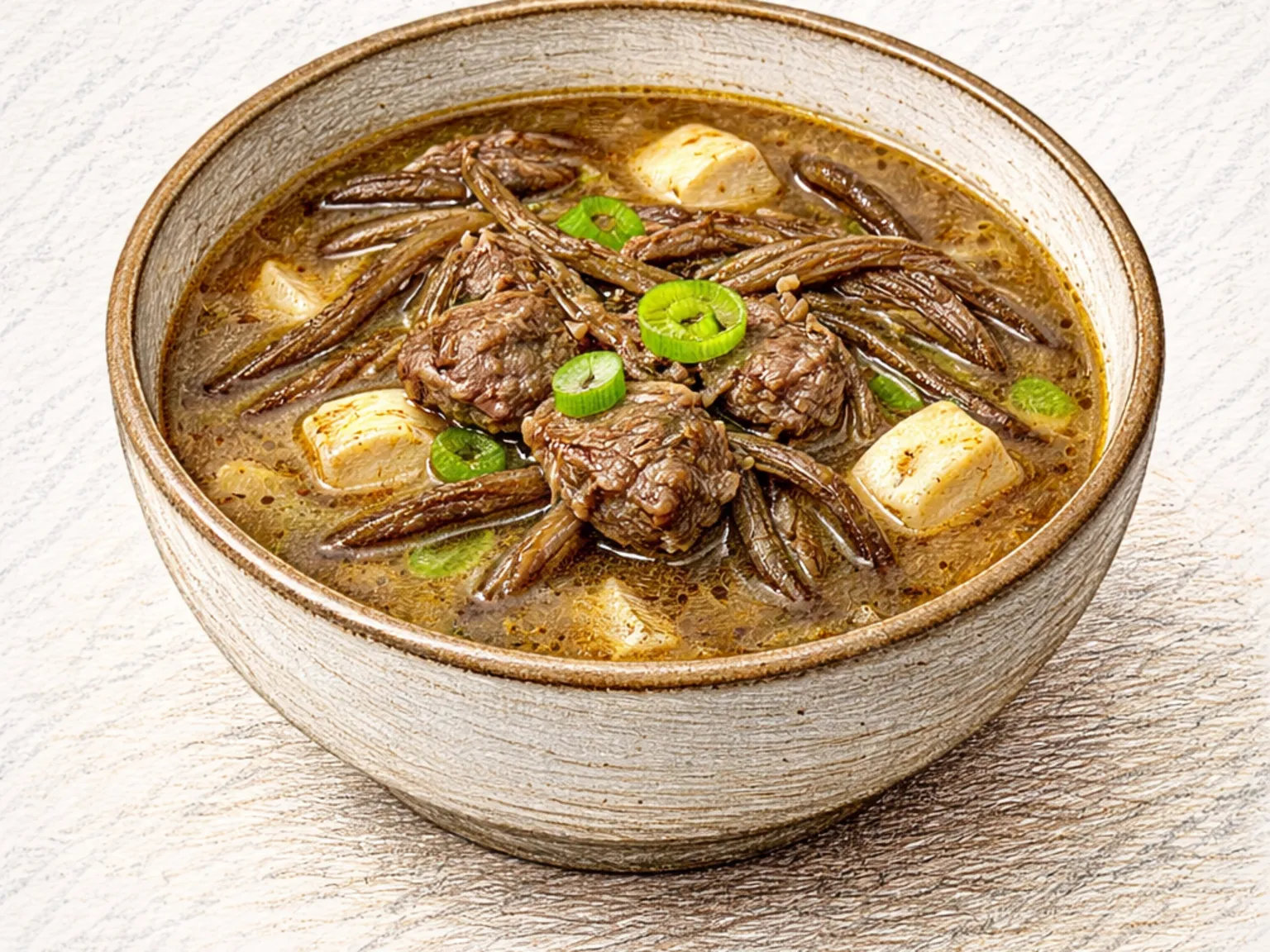
When there is soaked gosari (bracken fern) left over from making holiday namul, it gets fried with beef in sesame oil and turned into a doenjang soup. The bracken keeps its chew even after a long simmer, which makes it a sturdy thing to find in a bowl of soup.
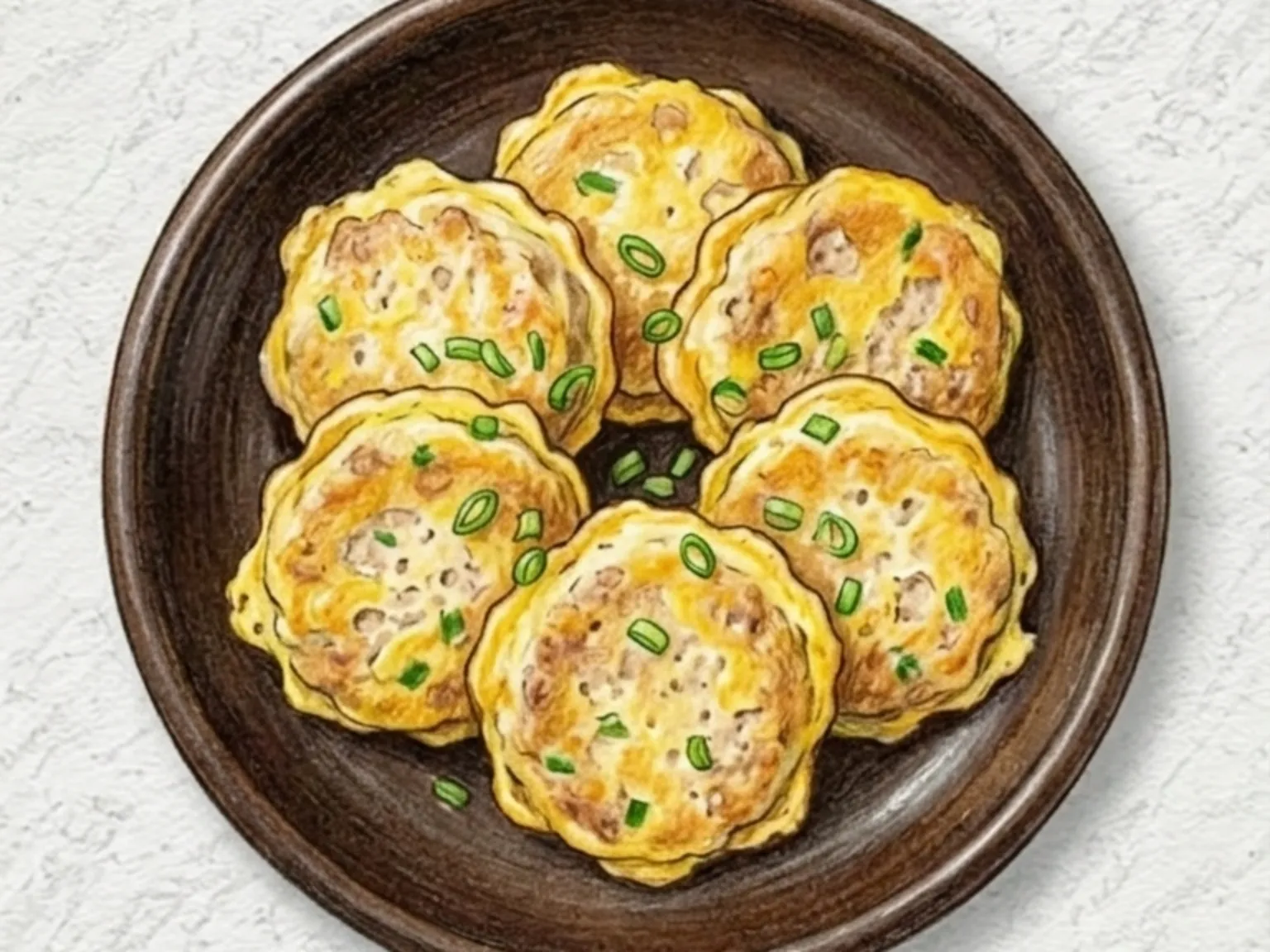
Finely mashed tofu worked into the ground beef keeps these bite-size patties from turning dry. They belong on ancestral rite and holiday tables, and because they taste and feel much the same once cold, they also pack well in a lunch box.
Thick rounds of zucchini are hollowed into little cups and filled with beef, tofu and shiitake before steaming. Soft zucchini and dense filling come in the same bite, with thin strips of egg crepe on top.
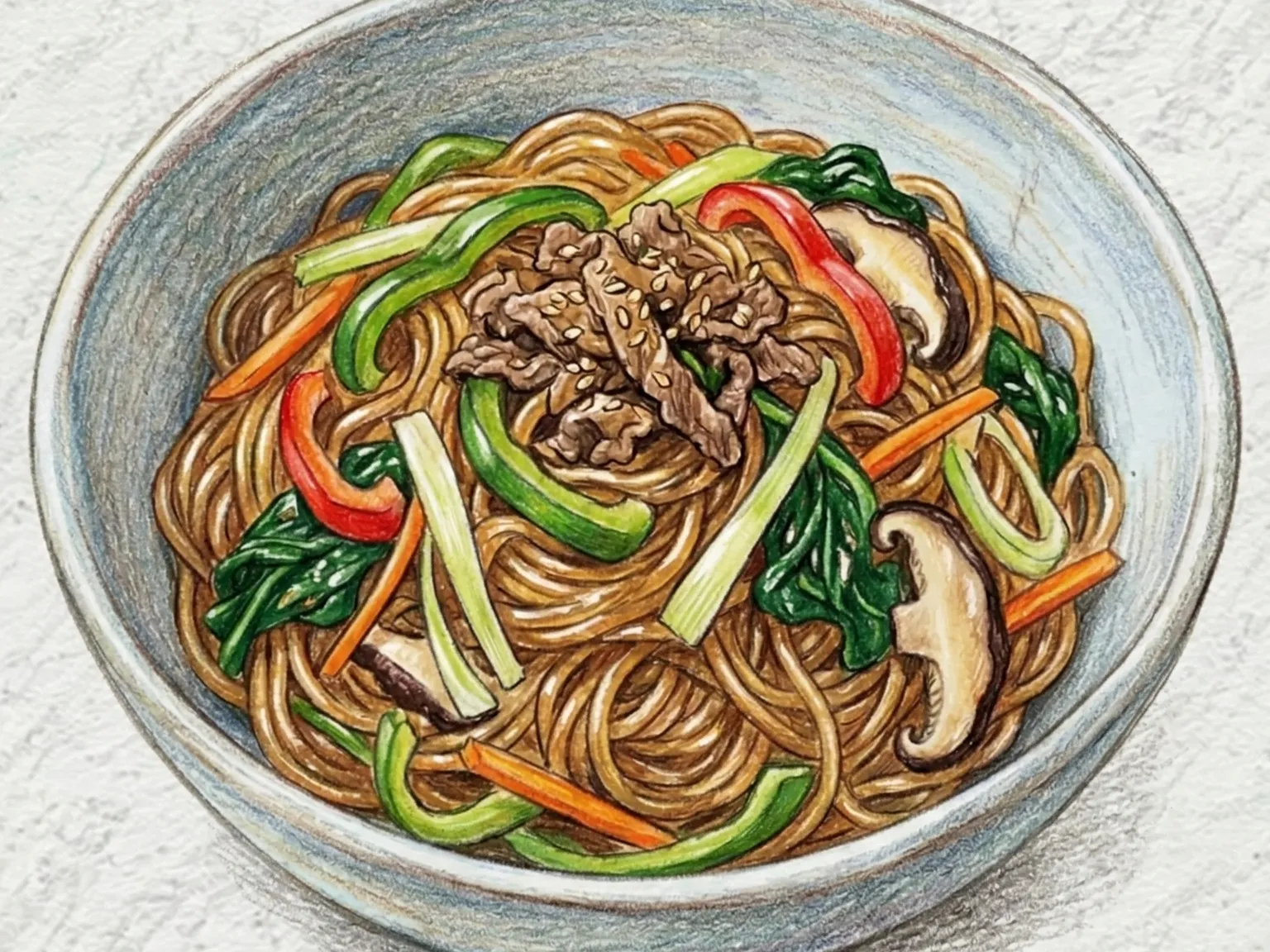
The noodles, beef, spinach, carrot and onion are each cooked on their own and only combined at the end. There is a single batch of soy sauce, sugar and sesame oil: a little goes on the beef as a marinade, and whatever is left seasons the noodles.
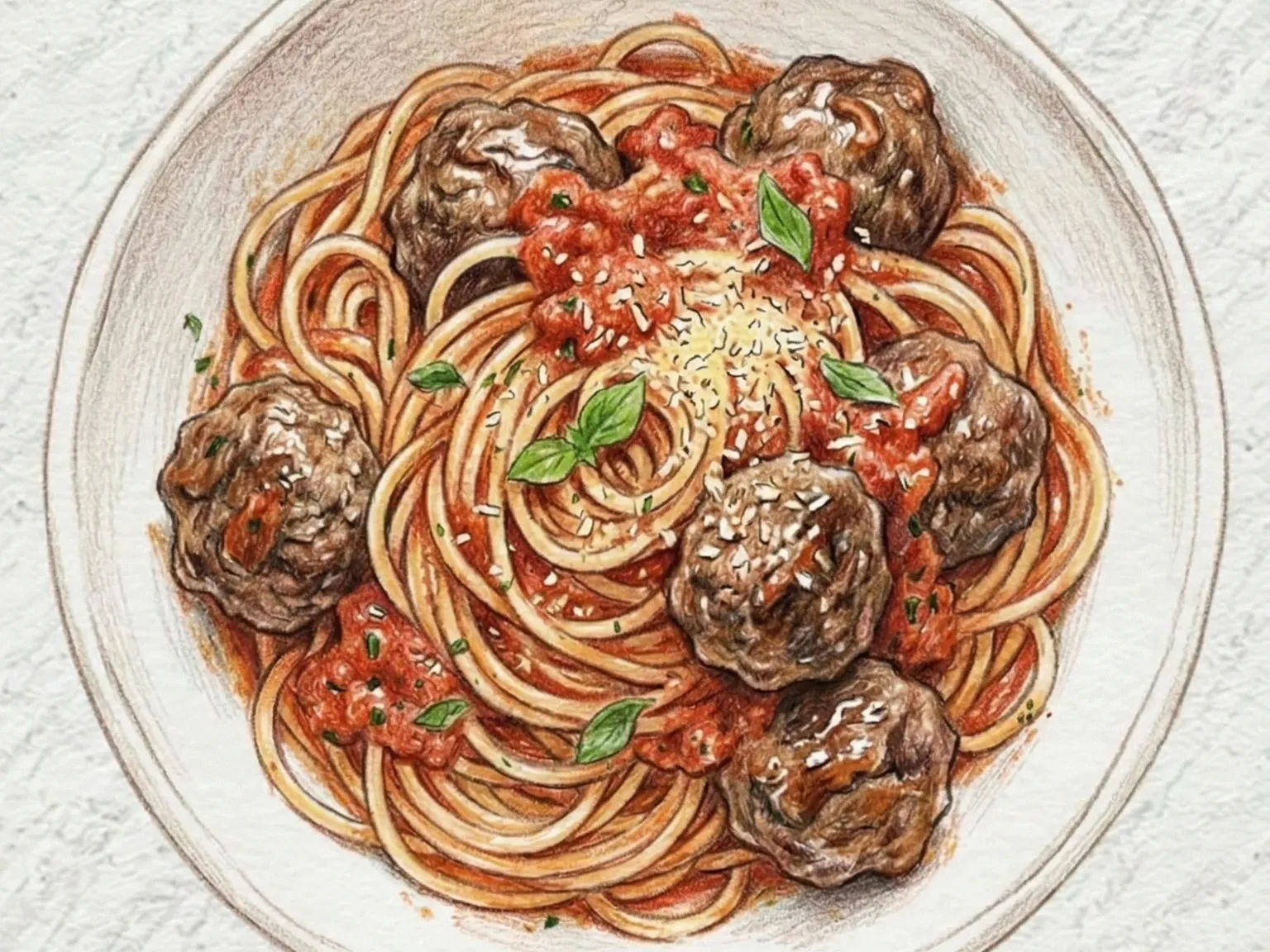
Ground beef seasoned like bulgogi, with soy sauce, sugar, and garlic, simmers in a tomato sauce, where the sweet-salty soy meets the acidity of the tomatoes. Searing the meatballs first leaves a browned crust that melts into the sauce and deepens it. Breadcrumbs and egg hold moisture, so the meatballs stay tender through the simmer instead of drying out.
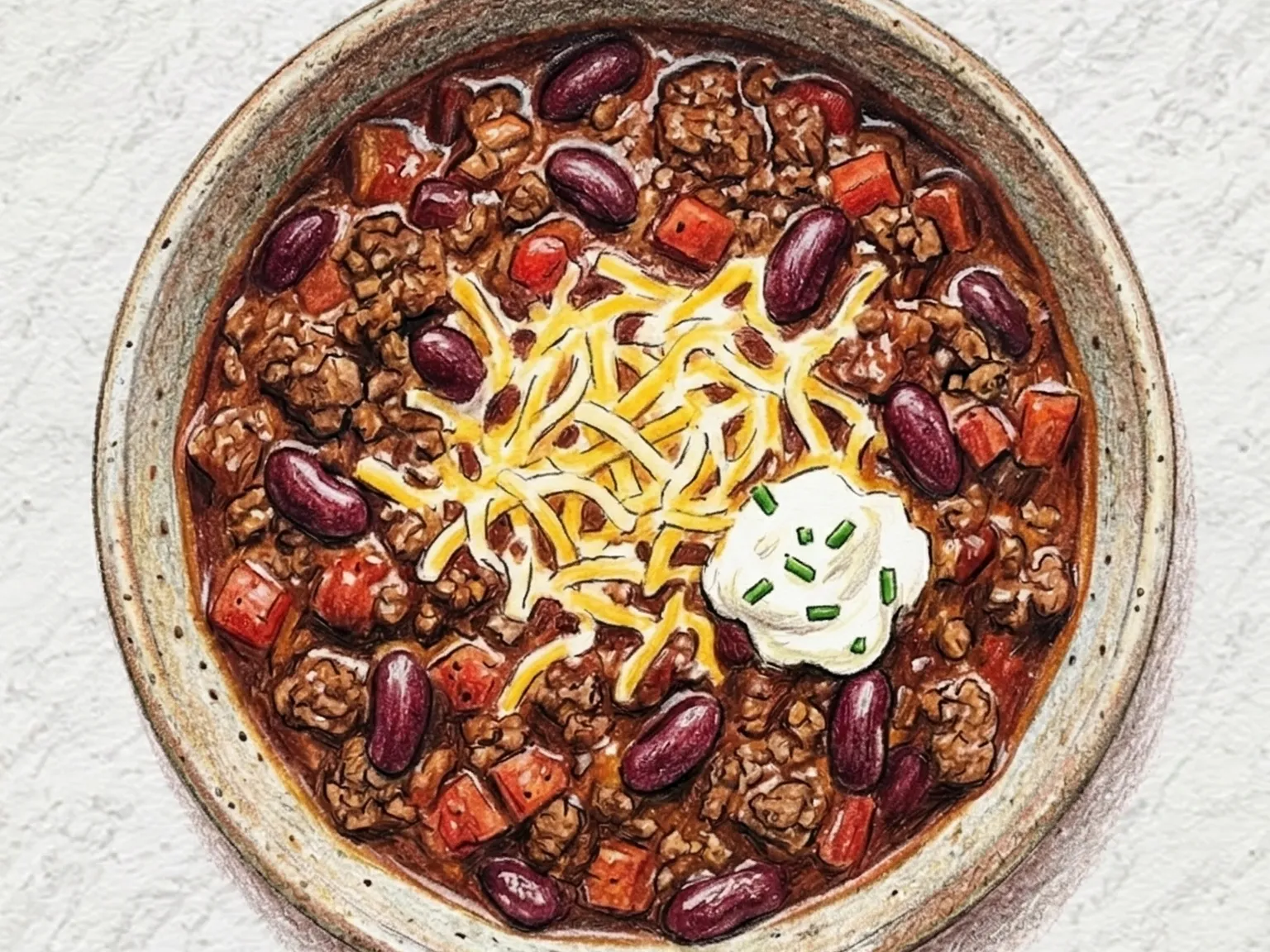
One ingredient sets the heat level of this pot: chili powder. In this recipe that means a blend of ground chiles with cumin, oregano, and garlic, not pure chile flakes or cayenne, and swapping in straight cayenne at the same amount changes the dish completely. Canned cooked kidney beans keep it to one pot, with no soaking or boiling dried beans. When it is done, the liquid clings to the beef and beans instead of running off the spoon, thick enough to serve over rice or tortilla chips.
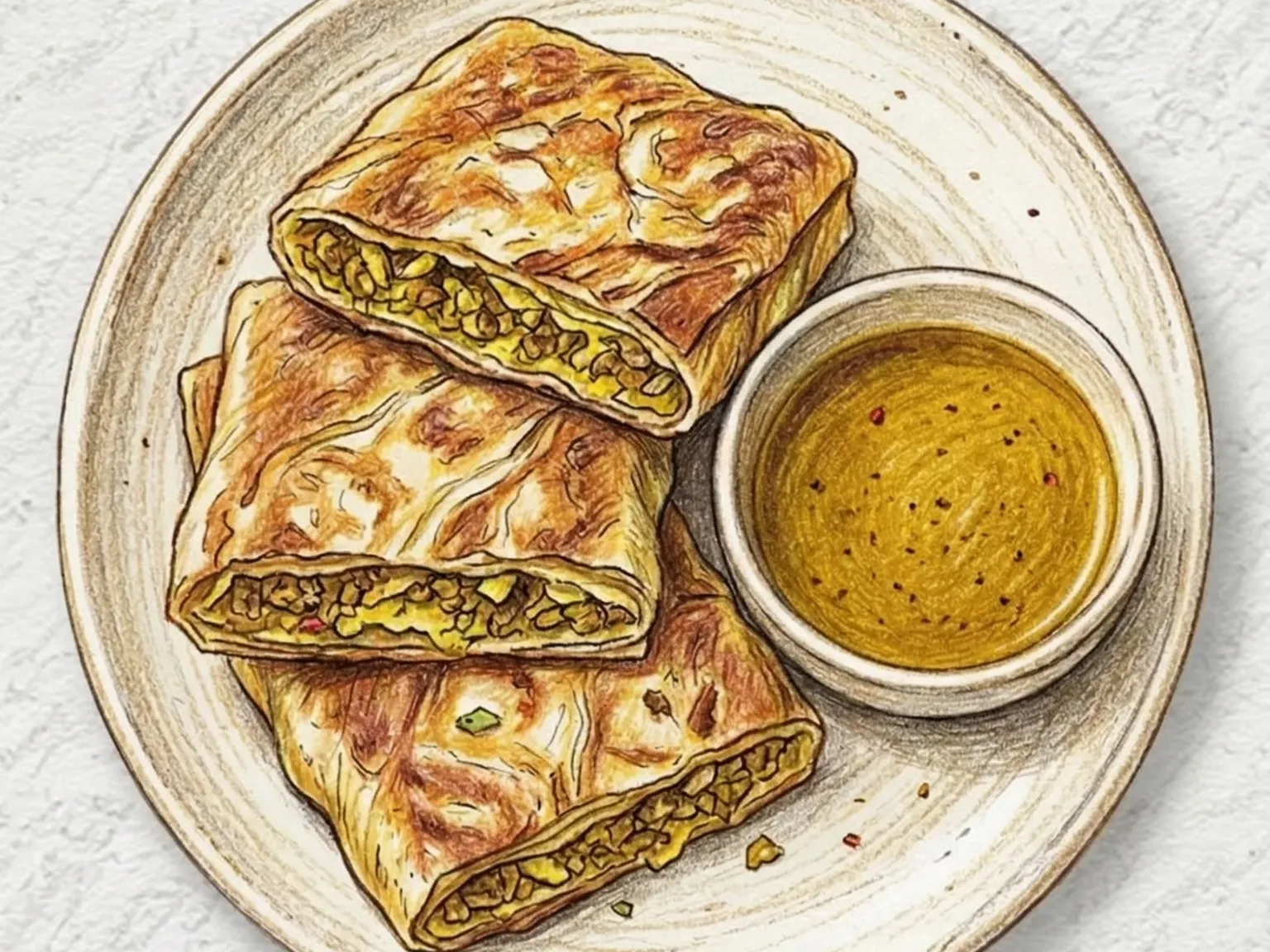
Dough stretched paper-thin with oiled hands is wrapped around curried ground beef and beaten egg, folded into a square parcel, and pan-fried until both sides turn golden. The result is layers of crisp pastry around a moist, savory center. Unlike plain roti canai, this Malaysian stuffed flatbread makes a full meal on its own, cut into pieces and dipped in curry sauce or chutney.
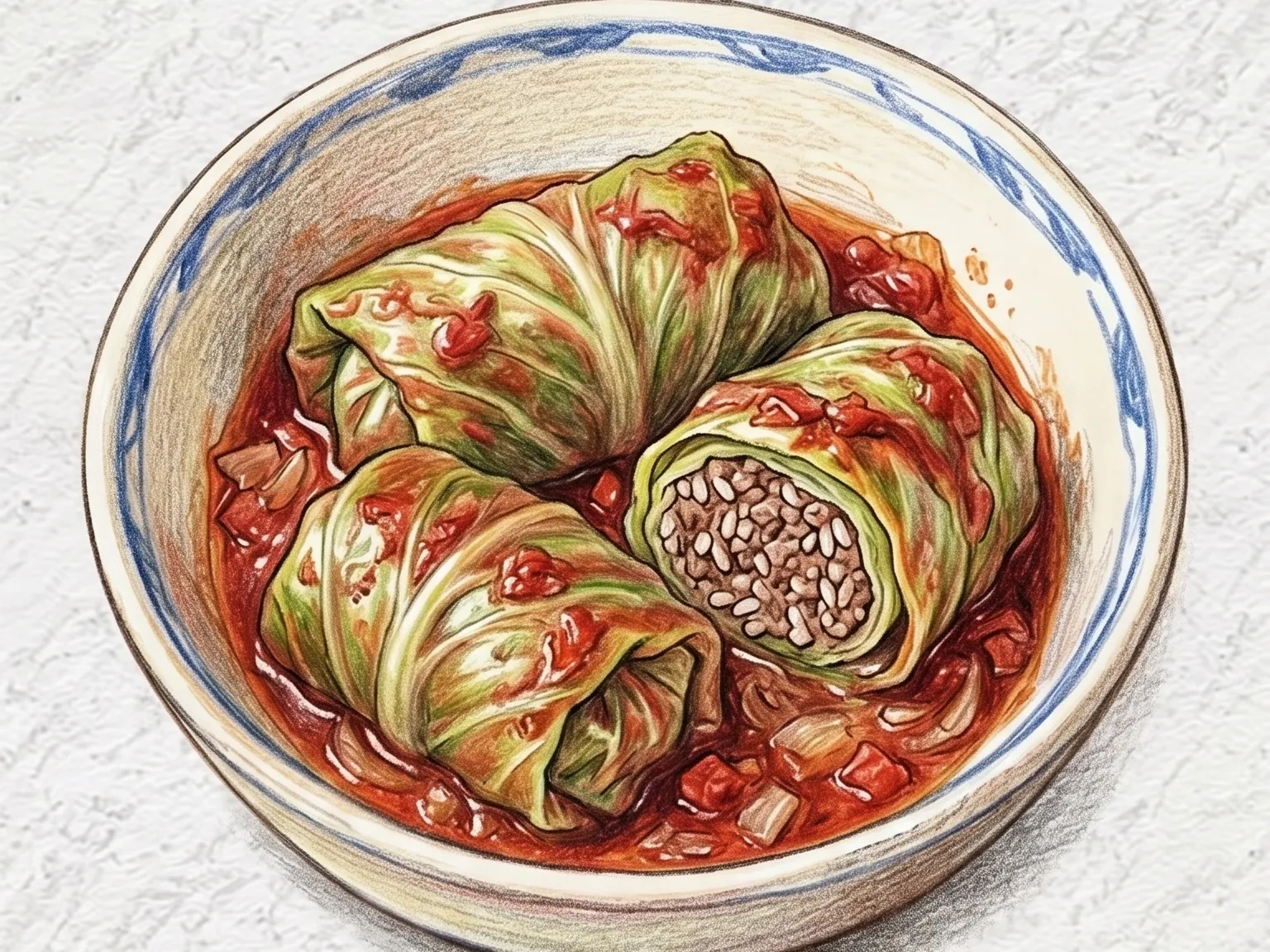
As the rolls cook slowly over low heat, the cabbage gives up its sweetness and softens the sharpness of the tomato sauce. Pack them tightly into the pot so they hold together while they simmer.
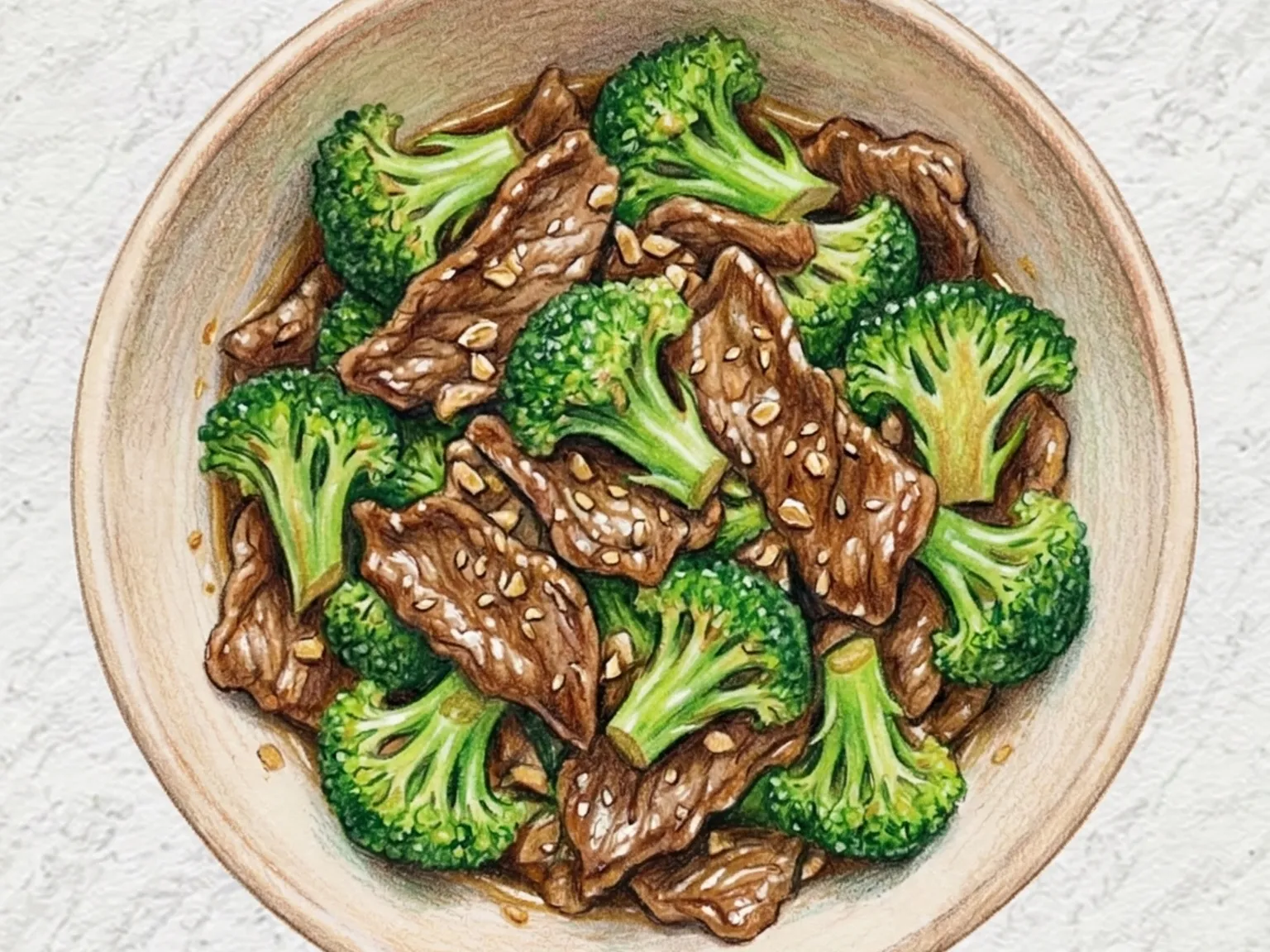
The broccoli's thick stems are cut smaller than the florets and blanched with them for just 40 seconds to a minute, and after joining the beef it gets only about another minute in the pan, finishing before the green turns yellow.
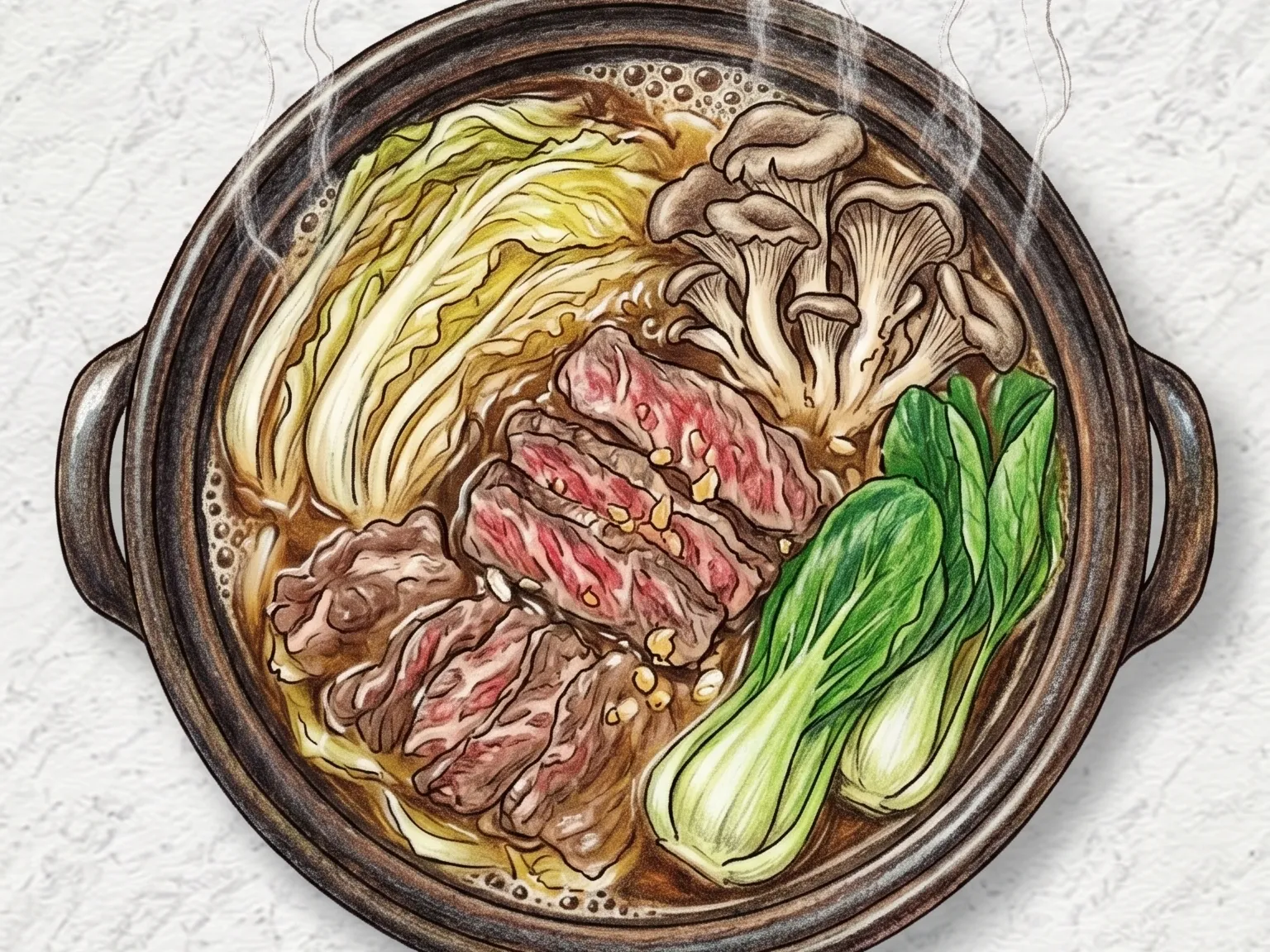
Napa cabbage, oyster mushrooms and bok choy alternate around the rim of the pot, with the beef spread flat in the center, and the whole thing cooks at the table. The vegetables release water as they go, and the broth starts out lightly seasoned to allow for it.
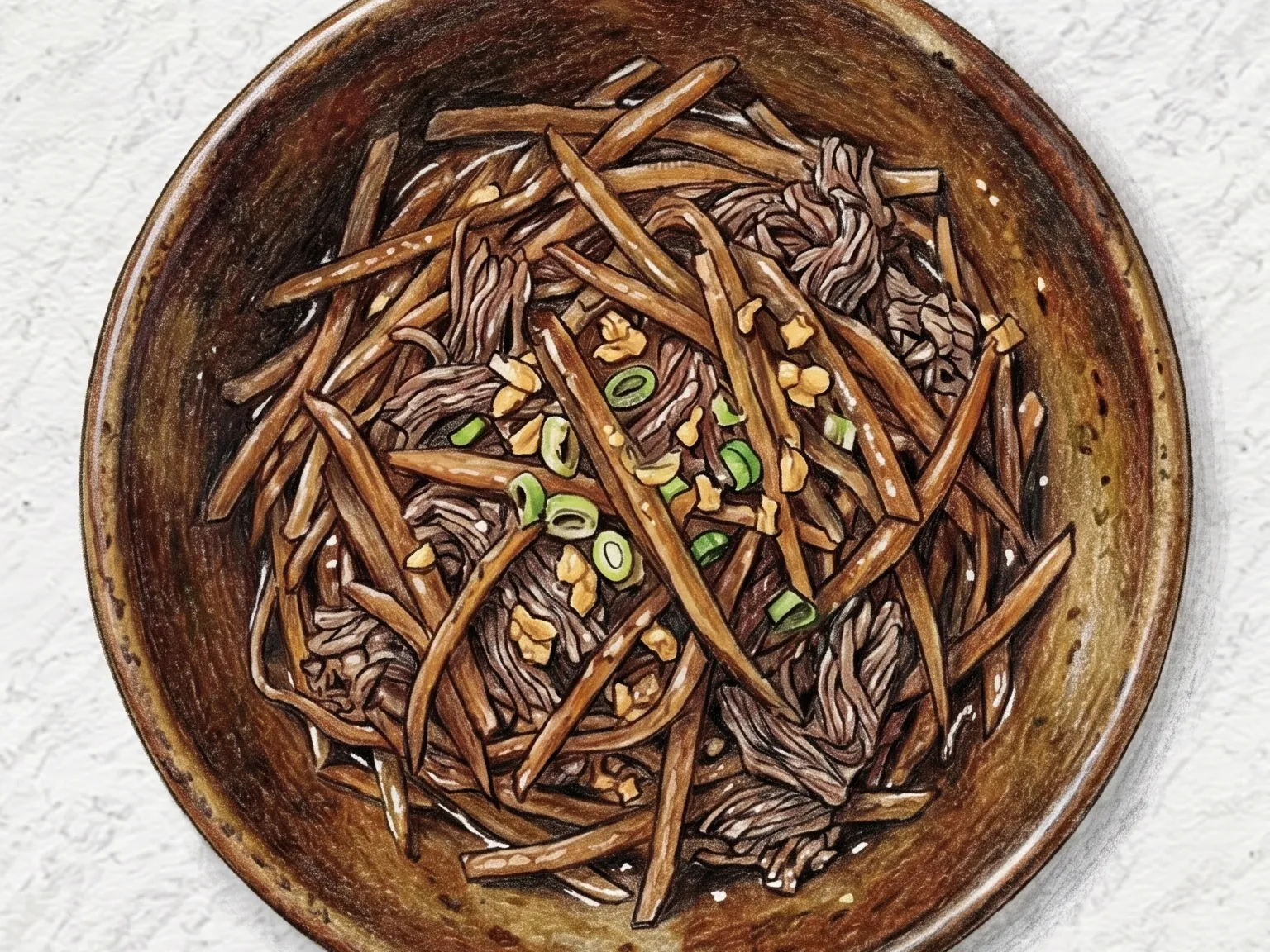
Thin strips of beef and burdock start together in plain water rather than a hot oiled pan. Skimming the foam then keeps the liquid clear, and the beef stays tender. Soy sauce, sugar, cooking wine and garlic go in only after the meat changes color, and the beef's savoriness rounds out the earthy burdock. Leaving a shallow layer of sauce in the pot keeps the strips moist, and once cooled and settled, it packs well for lunch.
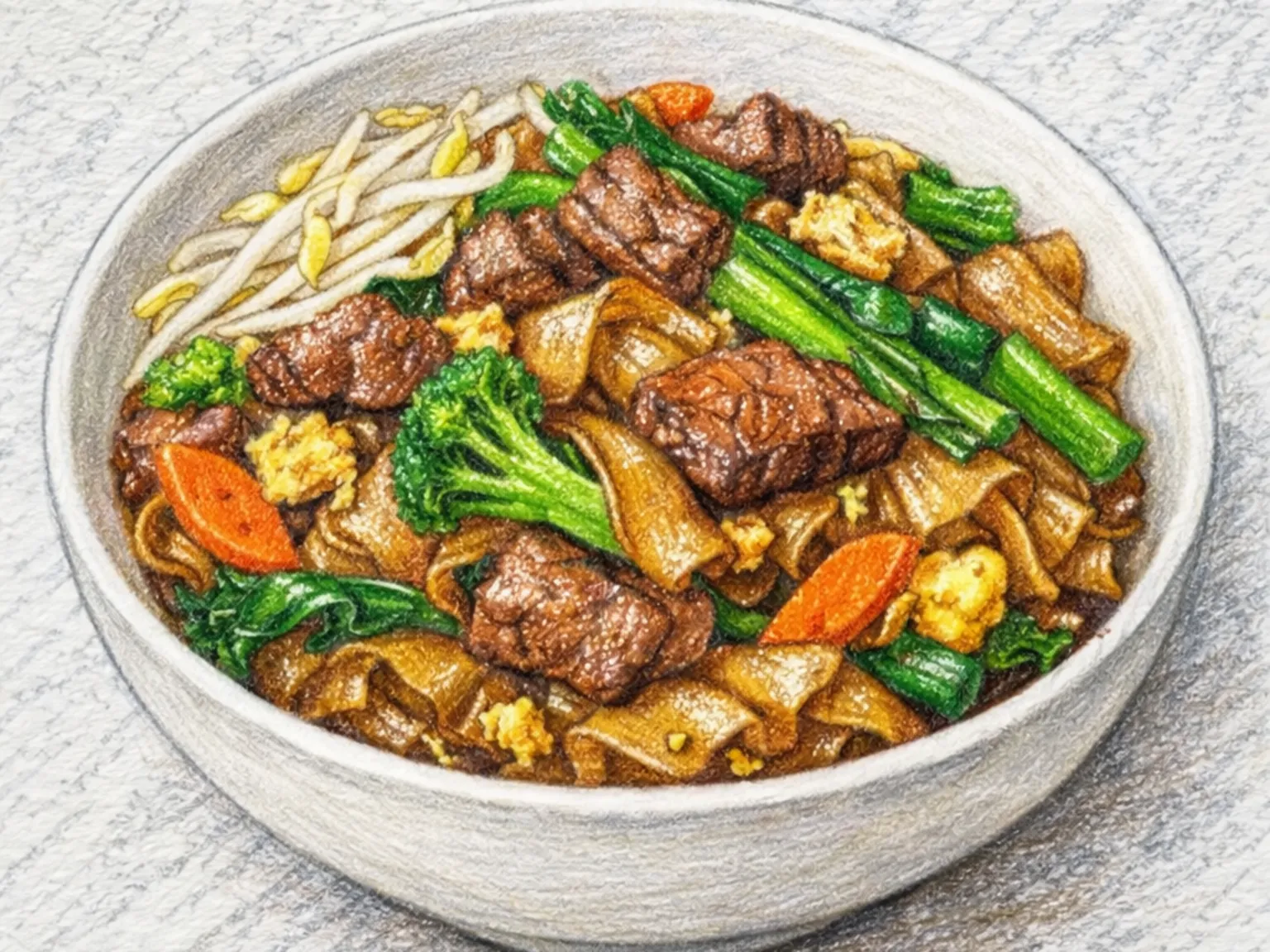
Wide rice noodles pressed against a hot wok for about 20 seconds pick up charred patches, and those toasty spots make pad see ew taste like more than soy-sauced noodles. Dark soy sauce does the coloring, turning the noodles deep brown alongside regular soy and oyster sauce, with a little sugar for sweetness. The wide strands tear easily, so they get lifted and turned in big motions rather than stirred. Kale provides the green, its stems going in ahead of the leaves.
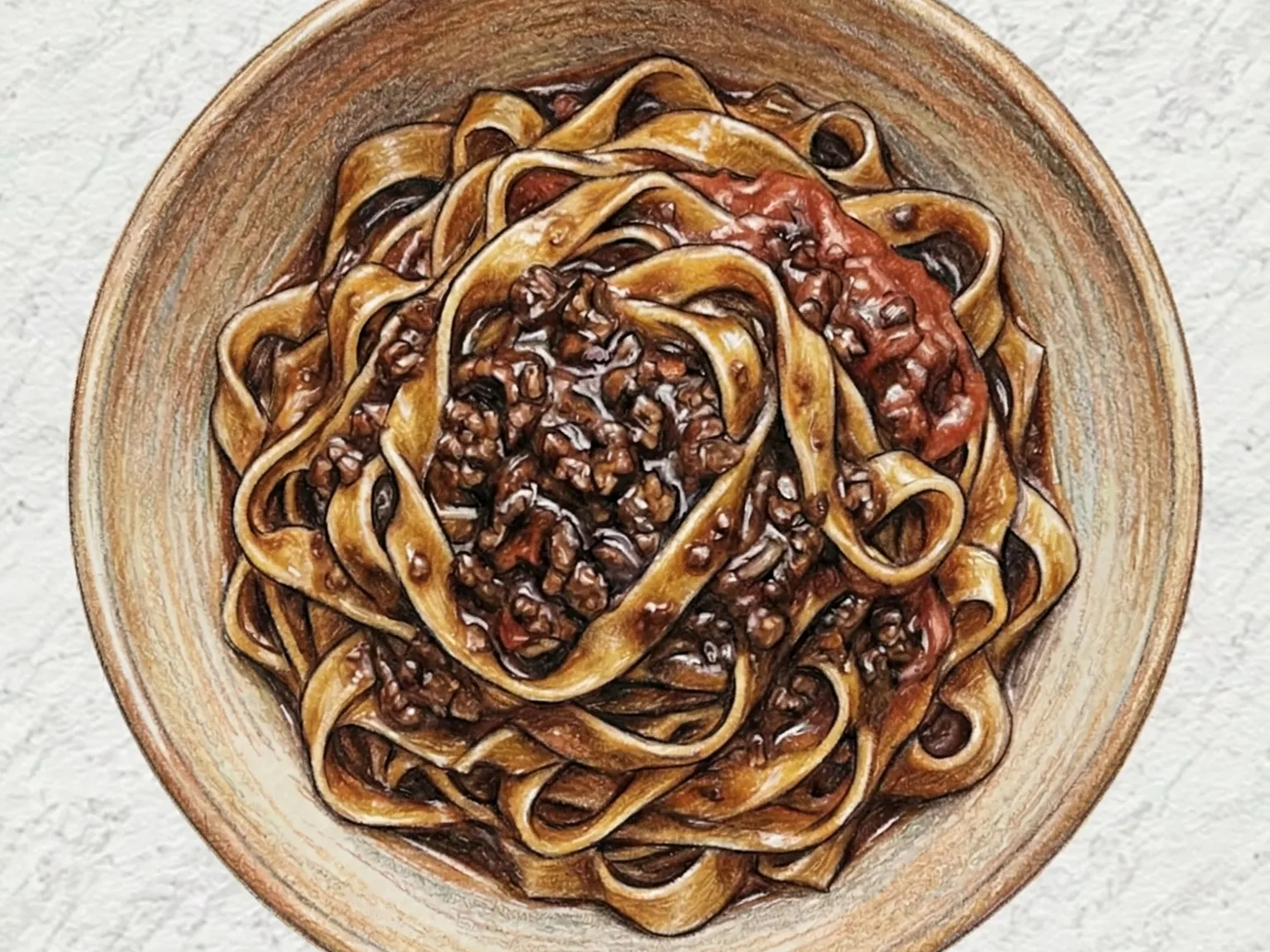
Chunjang, the black bean paste behind Korean jajangmyeon, goes into an Italian-style beef ragu, where its salty, roasted depth meets the acidity of tomato passata. Wide tagliatelle carry a thin, glossy coat of the sauce on every ribbon, and the result tastes somewhere between jajangmyeon and a Bolognese.
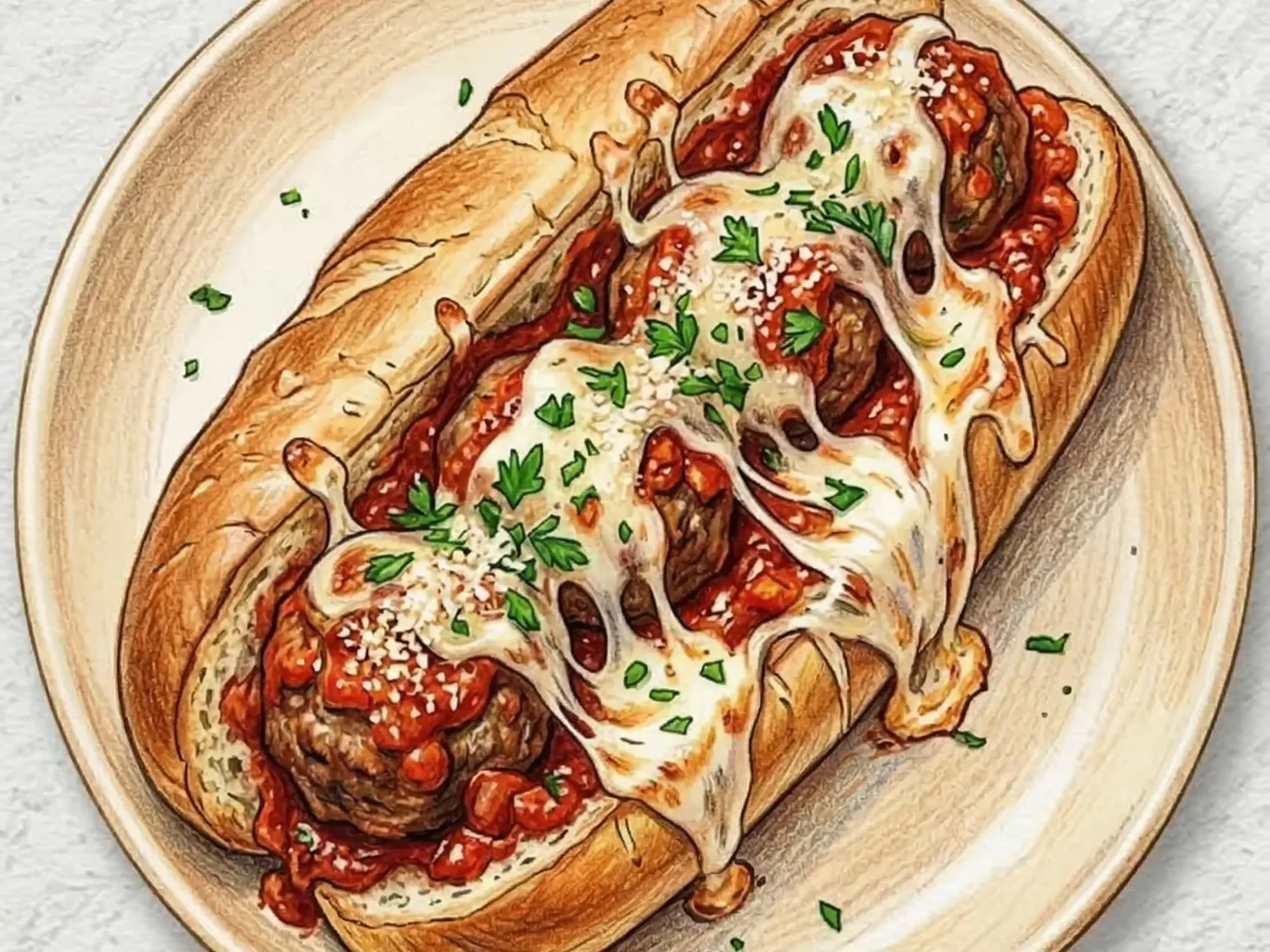
Meatballs browned on the outside finish cooking in a thick tomato sauce, then go into warm sub rolls under melted mozzarella. Breadcrumbs and egg hold the mixture together, so mix it with your fingertips only until it holds and shape the balls without packing them; heavy kneading makes them dense. The pan only colors the outside, leaving the centers to finish in the sauce. The sauce stays thick on purpose: anything runny soaks the bread before you reach the last bite, so reduce it a little longer if it looks watery. Melt the cheese under a broiler or with a torch just until it blankets the meatballs, and serve before the rolls soften.
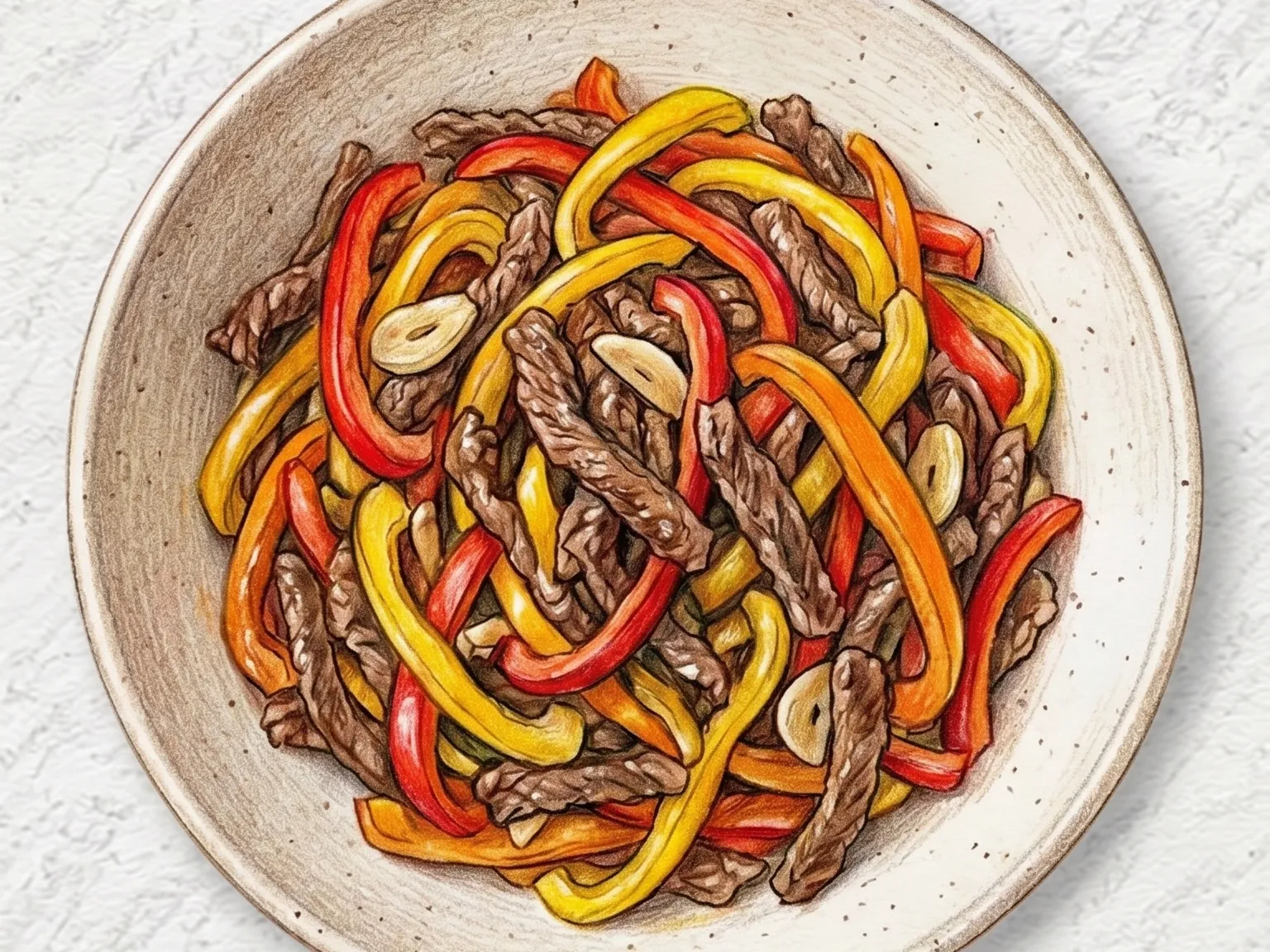
Beef and bell pepper are cut into strips of about the same width, and one pinch of the chopsticks brings up both. The seasoning is only soy sauce, sesame oil and garlic, and the peppers go in once the beef's marinade starts to bubble in the pan.
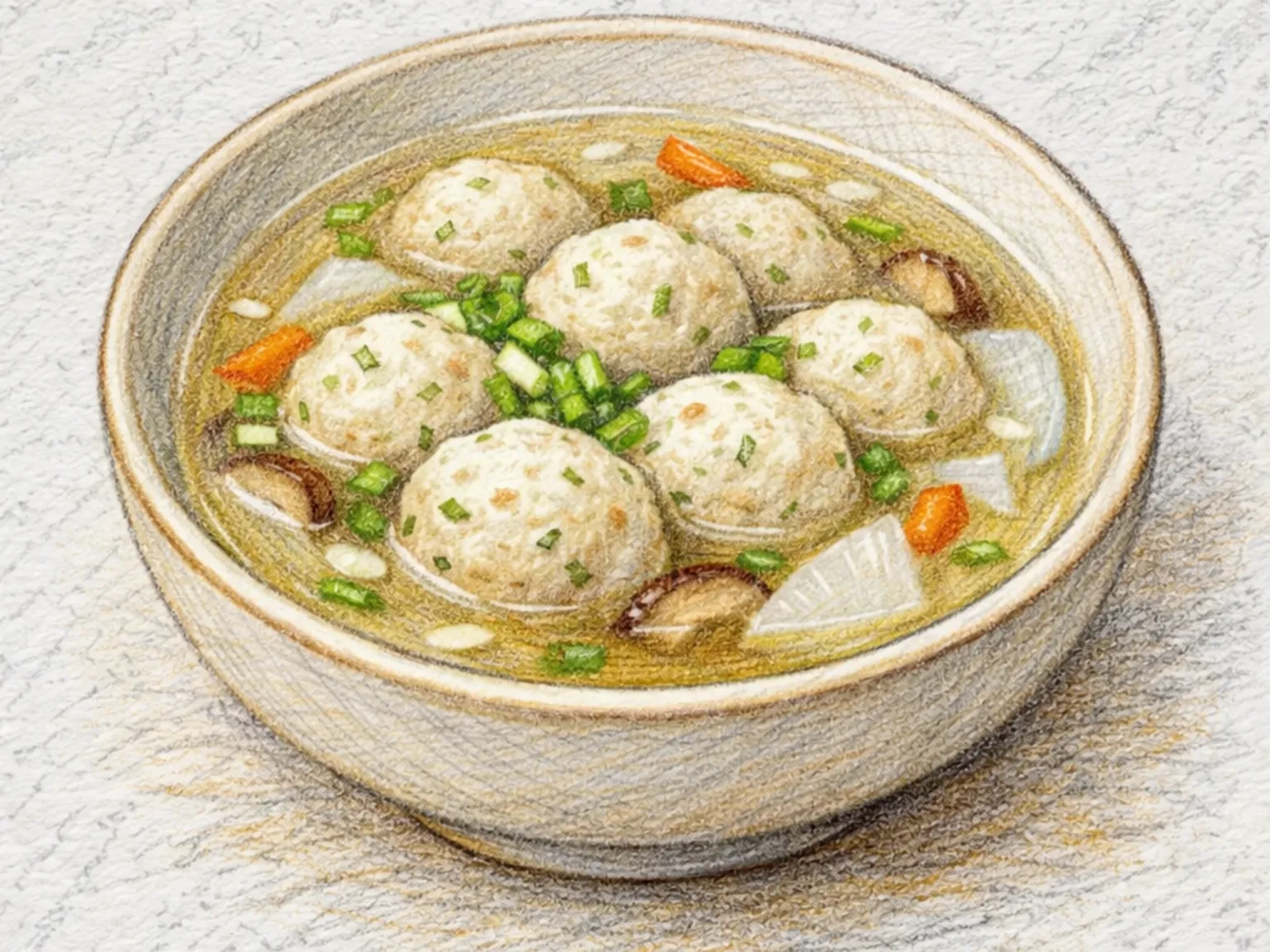
Meatballs of ground beef and tofu simmer in anchovy broth, and when they fail, it is usually the mixture's fault. Tofu that still holds water, or a ball with a cracked surface, tends to fall apart in the pot. The tofu gets squeezed hard, and each ball is pressed smooth wherever it splits.
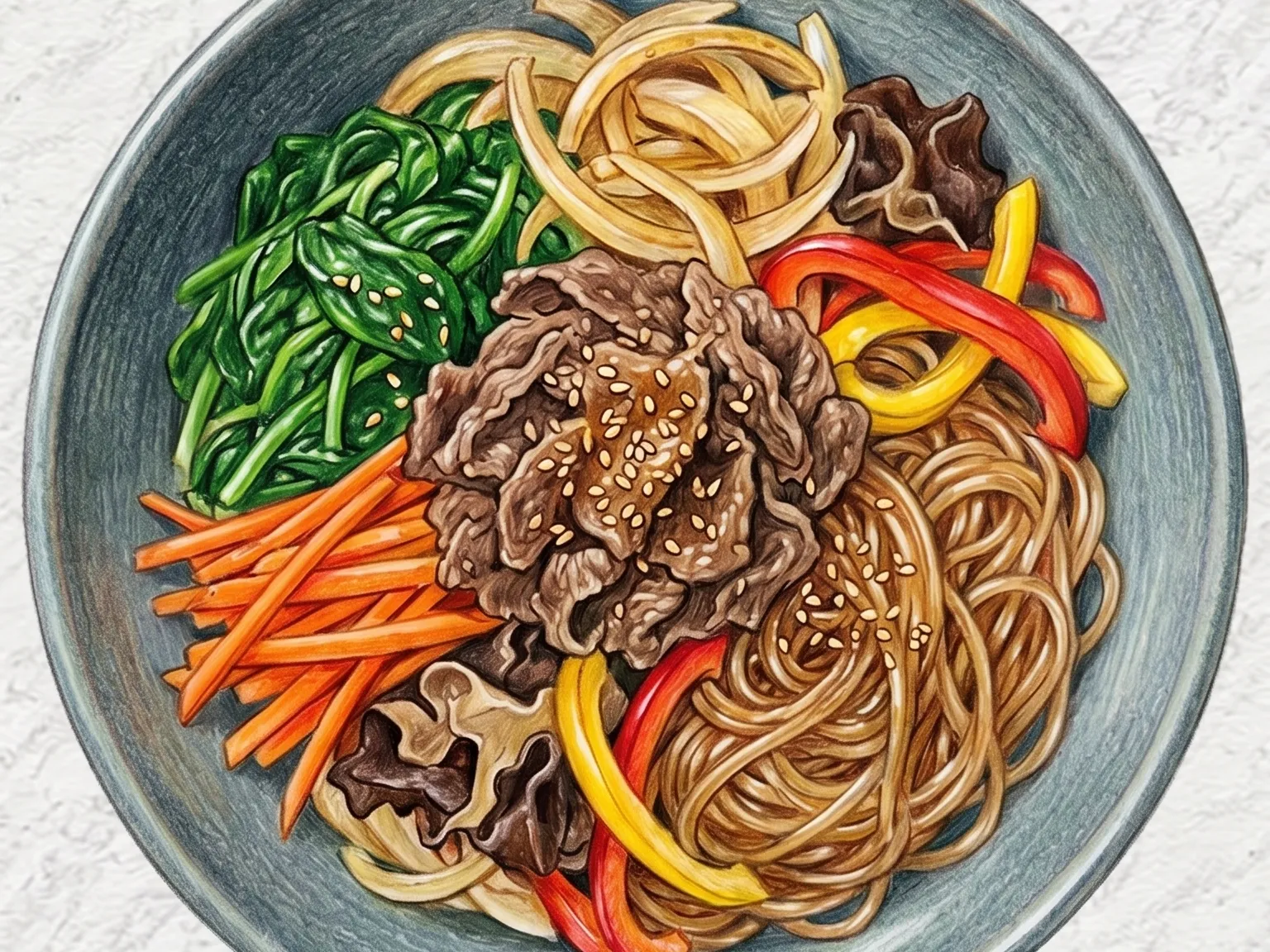
Each vegetable is cooked on its own and folded in at the end, so the spinach stays green and the carrot stays bright instead of fading into the glass noodles. The beef is marinated in soy and garlic first, and the noodles soak up that seasoning in the pan before the last of the soy sauce adds gloss. Spinach that is not squeezed dry leaks water and thins the dressing.
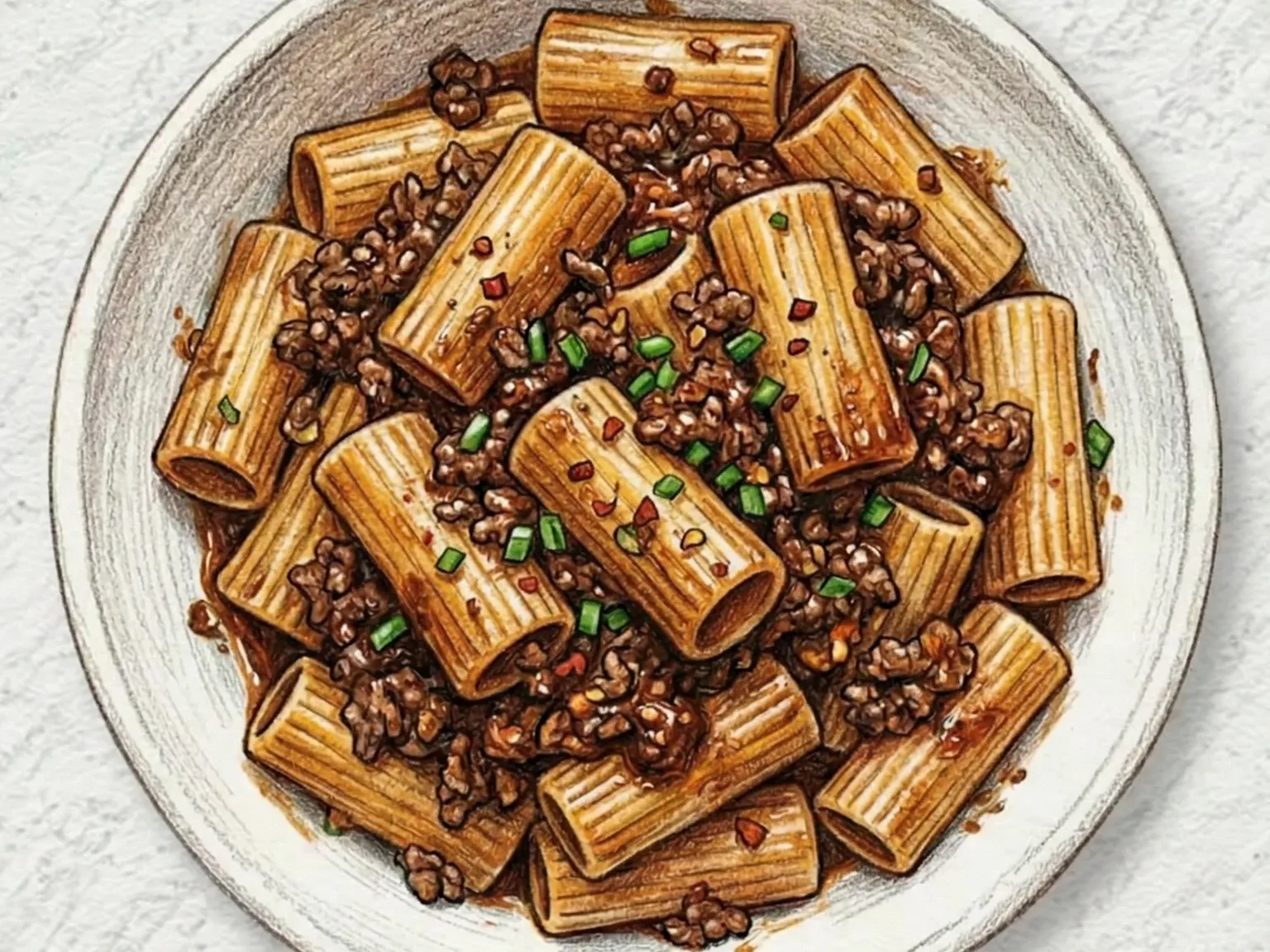
Gochujang, Korean red chili paste, is fried briefly first so its sweet, fermented heat sits underneath the tomato in this beef ragu. The flavor base comes from ground beef left untouched until it browns and sticks, then red wine scraped across the pan to dissolve those browned bits. Wide rigatoni tubes fill with the thick sauce and carry bits of meat inside each piece.
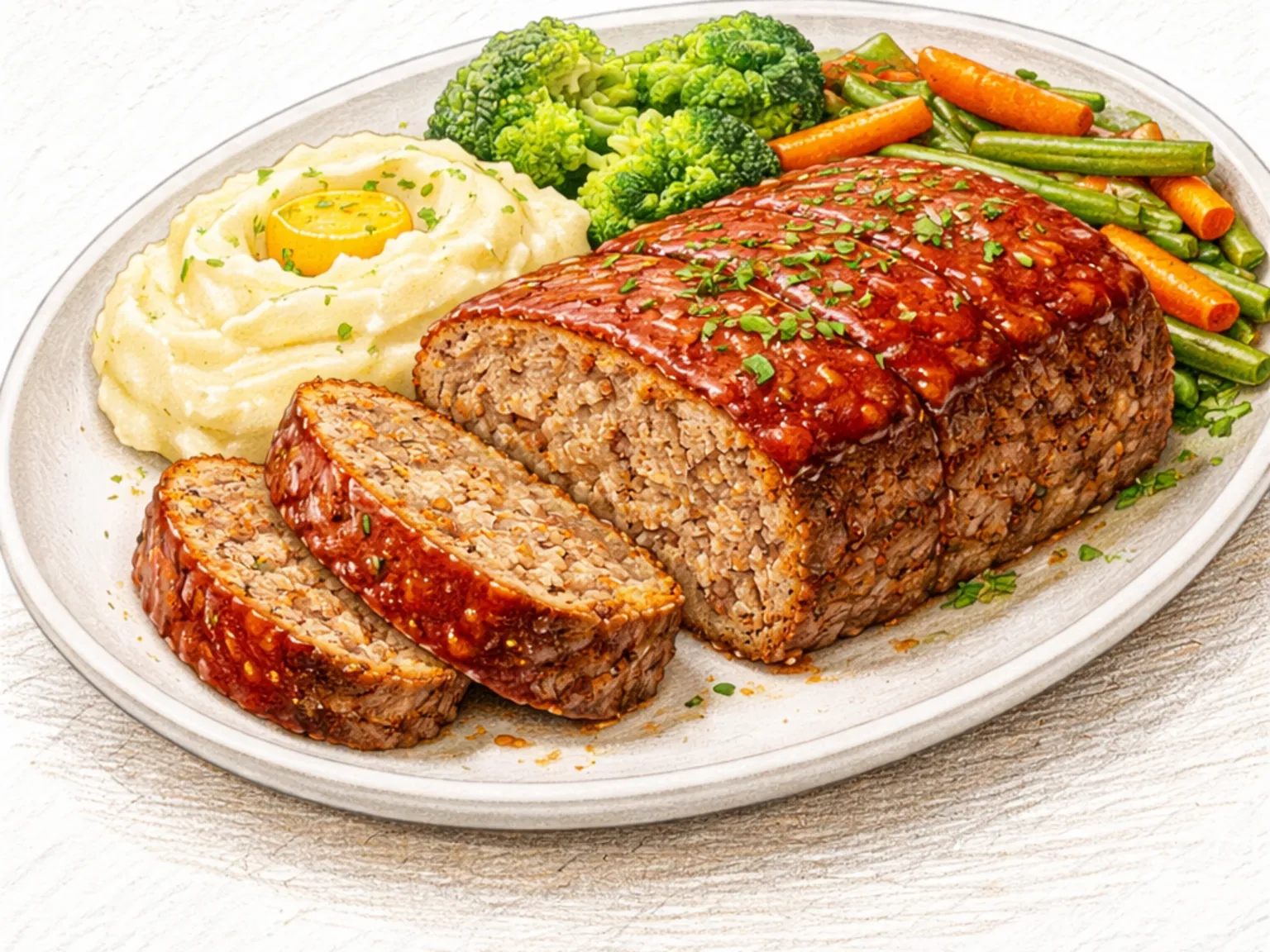
A ketchup glaze darkens and tightens over the beef as it bakes, giving the loaf a sweet, tangy top. The real test comes at the cutting board: thick slices hold together only after the loaf rests in its pan for at least 10 minutes. Cutting straight from the oven lets the juices run out and the slices fall apart.