Mushroom Gravy
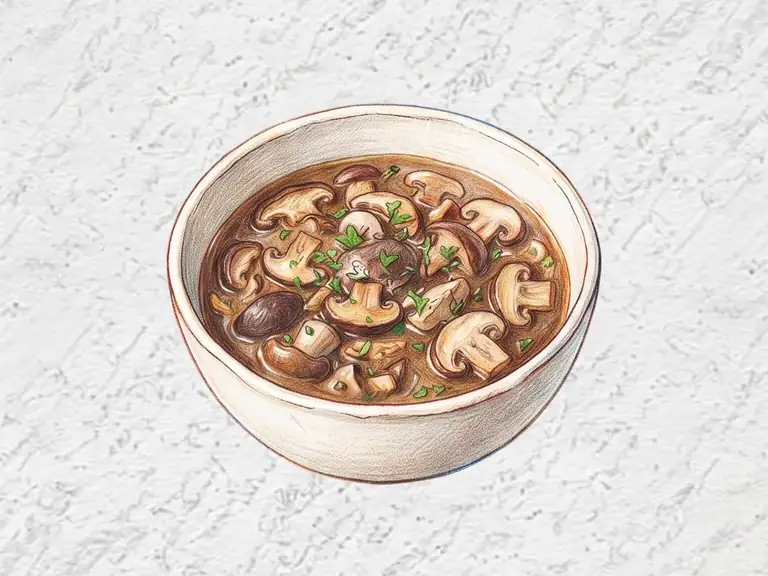
Meat eaters and vegetarians can share this gravy: apart from a splash of Marsala, its only liquid is vegetable broth, and the 340 g of mushrooms can be shiitake, cremini, white or any mix of them.
898 recipes. Page 32 of 38
Pasta, steak, and other Western recipes
Meat eaters and vegetarians can share this gravy: apart from a splash of Marsala, its only liquid is vegetable broth, and the 340 g of mushrooms can be shiitake, cremini, white or any mix of them.
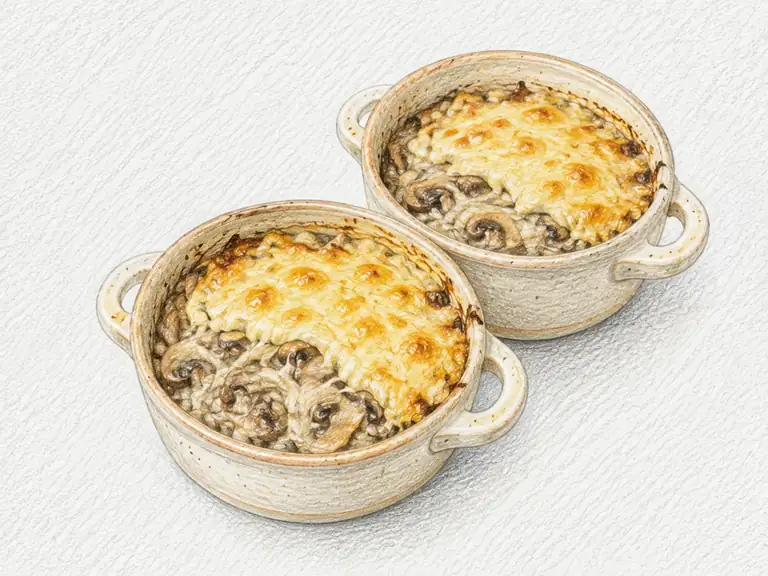
Six small cocottes of mushrooms in sour cream, with no flour or roux to thicken them, rely entirely on the mushroom liquid being cooked off first. Tilt the pan: clear liquid pooling at one side means it needs longer. Sour cream stirred in over low heat stays smooth instead of splitting, and the cheese goes only on top, melting in the oven rather than into the sauce. The portions suit a starter or side more than a main, and one large dish in place of small ones changes the baking time with its depth.
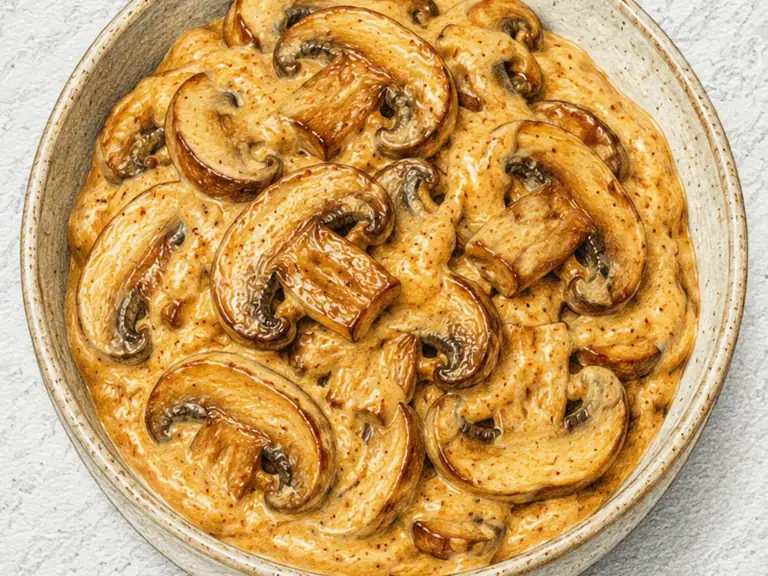
Thick slices of button mushroom take the place of beef, seared over high heat until browned, then finished in a sour cream sauce over very low heat. The two stages pull in opposite directions: mushrooms left to stew in their own water turn gray and soft, and sour cream boiled at the end curdles. Paprika tints the sauce and adds gentle warmth.
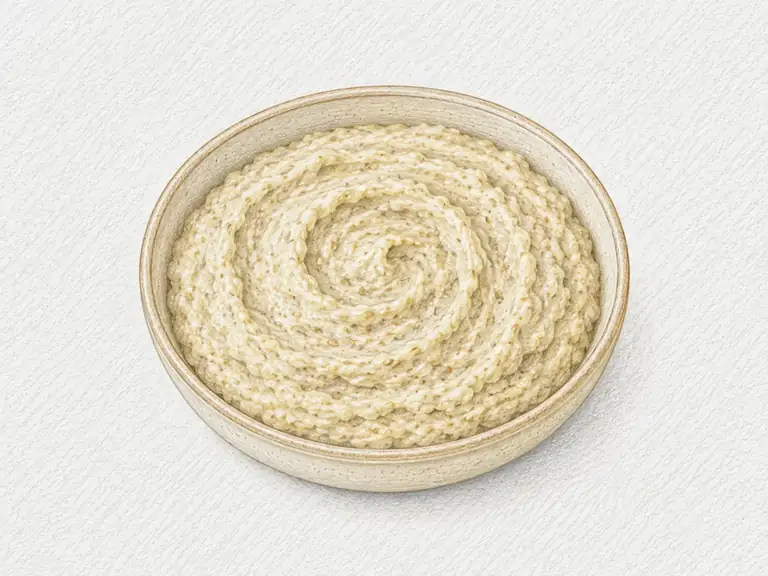
Baked whole in the oven rather than charred over a flame, the eggplant won't taste smoky; the soft flesh, tahini, yogurt and lemon carry the dip. Pressing the scooped flesh in a sieve removes the liquid that would otherwise pool once the yogurt is stirred in.
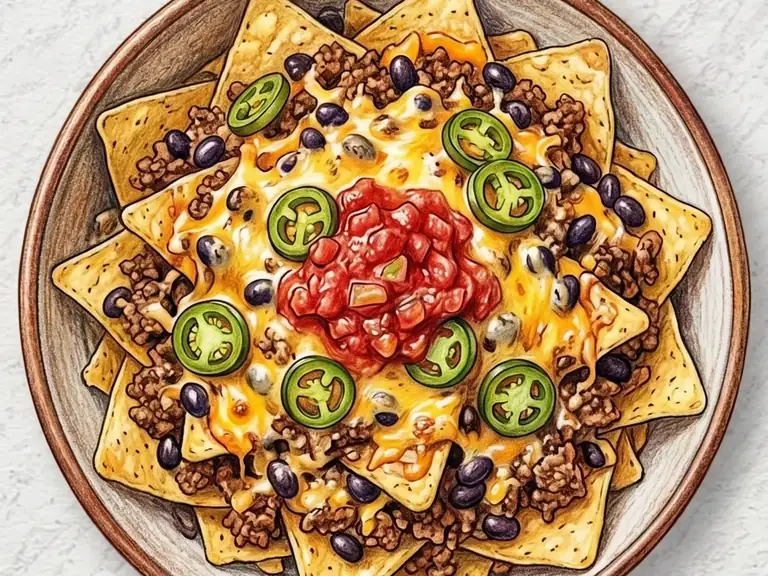
Melted cheddar glues tortilla chips together with browned beef, black beans and slices of jalapeño, building a tray meant for sharing. Building the chips in two layers, each with its own share of beef, beans and cheese, keeps the bottom ones from being left bare. The beef cooks until the pan is dry, because any liquid left behind turns the chips soft in the oven. Grated cheddar loosened before scattering melts in an even sheet rather than in clumps. Salsa stays off until just before serving, keeping its moisture out of the chips while they bake.
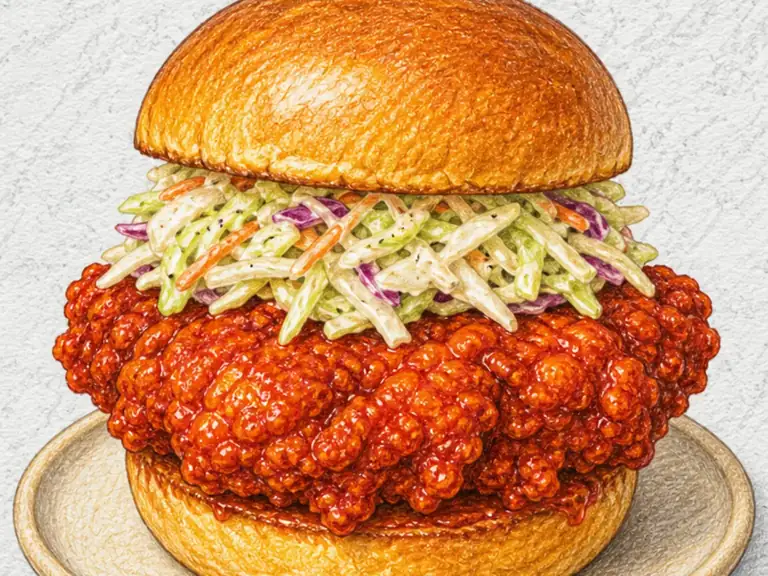
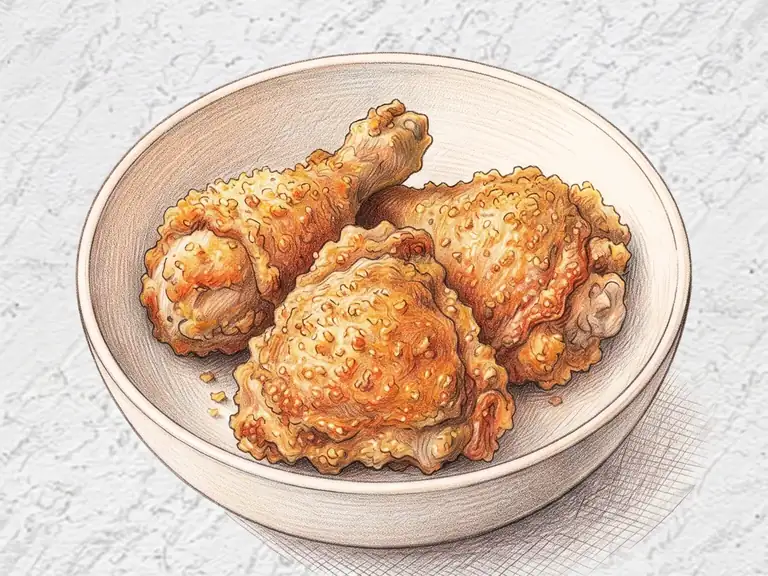
The heat is added after frying: hot oil mixed with cayenne and brown sugar gets brushed over the crisp chicken thigh, leaving a red, fiery coat on the crust. A 30-minute buttermilk soak keeps the thigh meat juicy under that crunch.
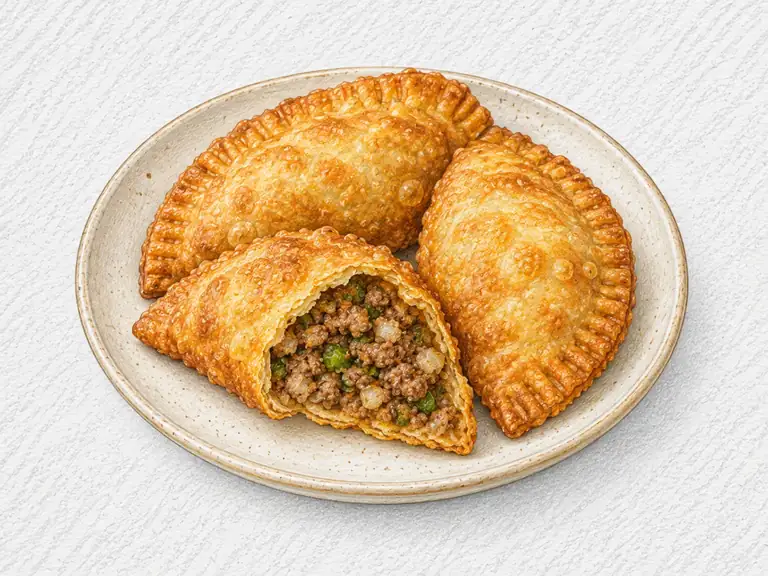
Beef and pork cooked with peppers and green onion fill thin pastry half-moons that are sealed with a fork and deep-fried. Because the filling is cooked and cooled first, the pies fry briefly instead of waiting for raw meat to cook through a thick crust. Shortening rubbed into the flour makes a dough that should not be kneaded like bread, and warm filling melts that fat and tears the thin wrapper. A clear border with the air pushed out keeps the seams closed in the oil.
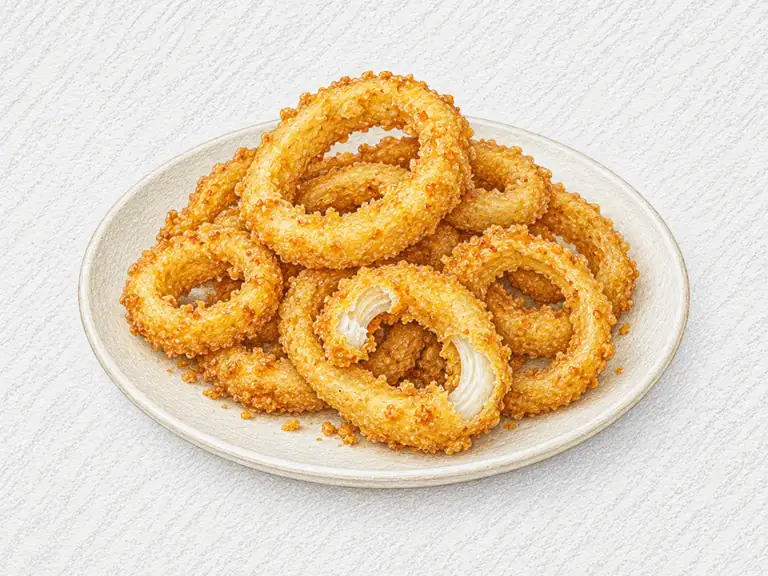
Thickness decides how these rings eat: cut too thin and you get mostly batter, too thick and the coating browns while the onion center is still firm. The lager is split at the start, with one portion for soaking the onions and a cold portion kept clean for the batter. Flour and cornstarch set into a light, thin shell around the soft onion. A crowded pot loses heat, which gives the coating more time to soak up oil, so the rings go in small batches. Piling finished rings in a bowl traps steam against the bottom ones, so they drain on a rack in a single layer.
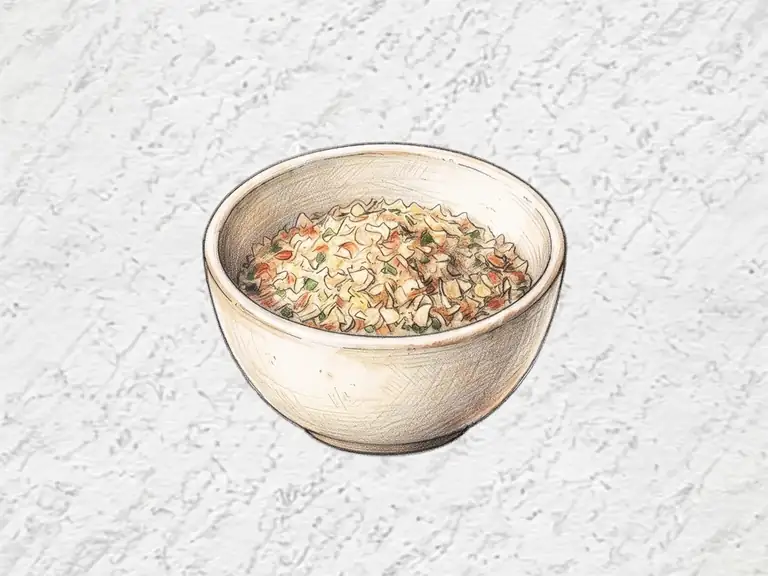
One batch makes 20 tablespoons, enough for four uses at 5 tablespoons each in the soup, the dip or the roasted potatoes. Use it wherever a store-bought envelope of onion soup mix would go.
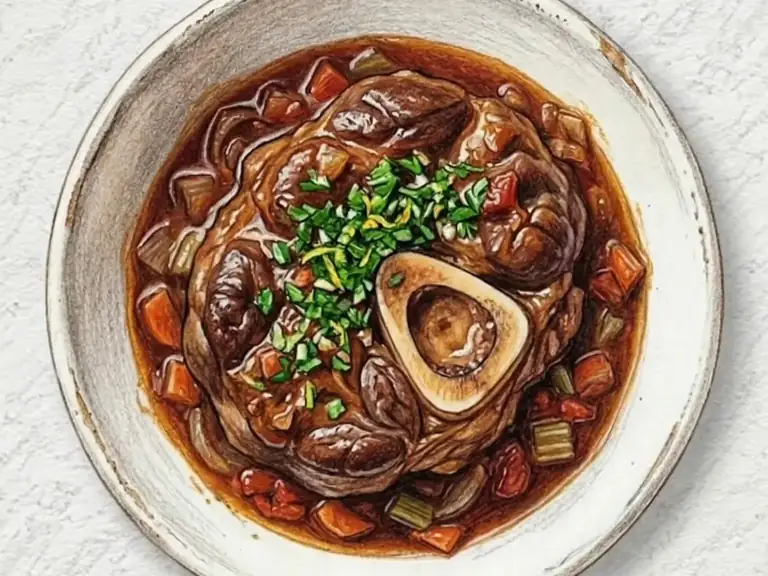
Thick veal shanks braise in tomato, white wine and chicken stock until the meat separates under a fork, with the marrow still sitting in the middle of each bone. That marrow is the best part, so the shanks are turned and lifted gently with tongs rather than jolted. A light, well-shaken coat of flour on the shanks browns in the oil instead of scorching. Onion, carrot and celery soften in the same oil until sweet, and white wine lifts the browned bits from the bottom to start the sauce. The shanks braise covered in the oven with their tops just showing above the liquid. Gremolata, a mix of lemon zest, parsley and garlic, is scattered on just before serving to brighten the long-cooked sauce.
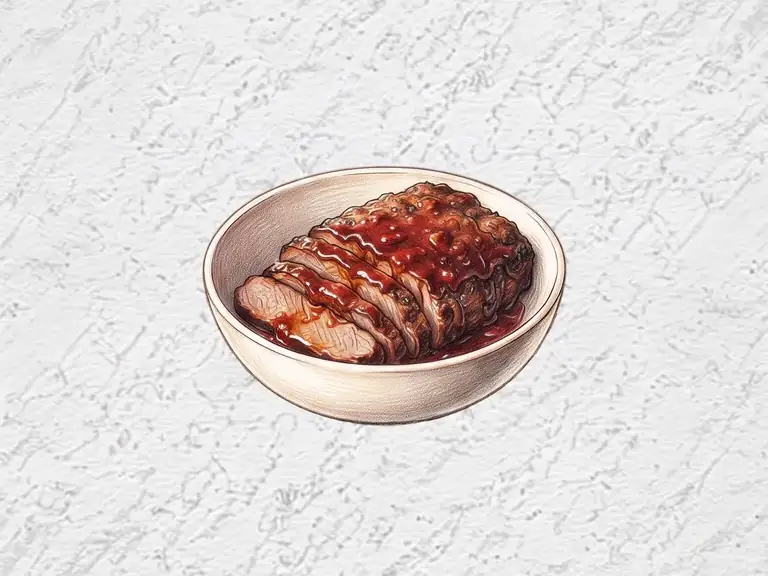
At about 225 g (1/2 lb) of raw brisket per person, a 2 kg piece serves eight. Use a measuring spoon for the liquid smoke in the marinade; more than the tablespoon turns the meat bitter.
While the chicken is being breaded, a pan of butter and olive oil heats in the oven, and the thighs go into that hot fat skin side down. It is the same idea as heating the oil for a fryer, and it gives a crisper crust than baking the pieces on a wire rack. Bone-in, skin-on thighs have enough fat to stay juicy even when they cook past the target temperature, so there is no need to rush them out of the oven.
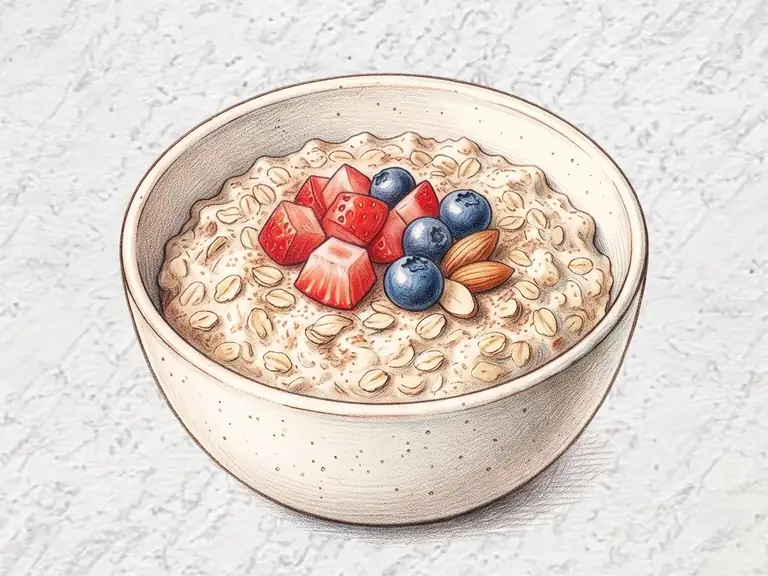
Rolled (old-fashioned) oats take up the milk and yogurt nicely overnight, while steel-cut oats need far more liquid and are still hard in the morning. The ground flaxseed drinks up milk as well, so the jar may be thicker than you expect when you open it.
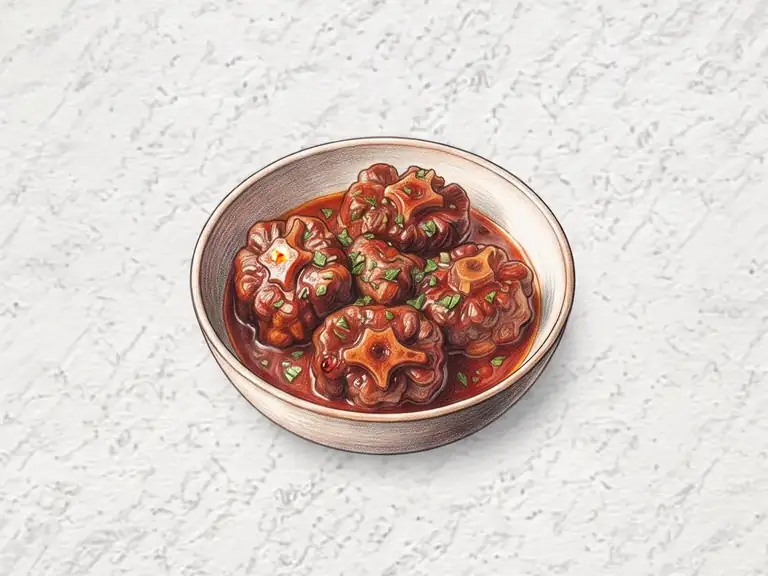
Braised with 240 ml regular cola and 80 ml ketchup in the pot, the oxtails end up in a tomato gravy with a gentle sweetness.
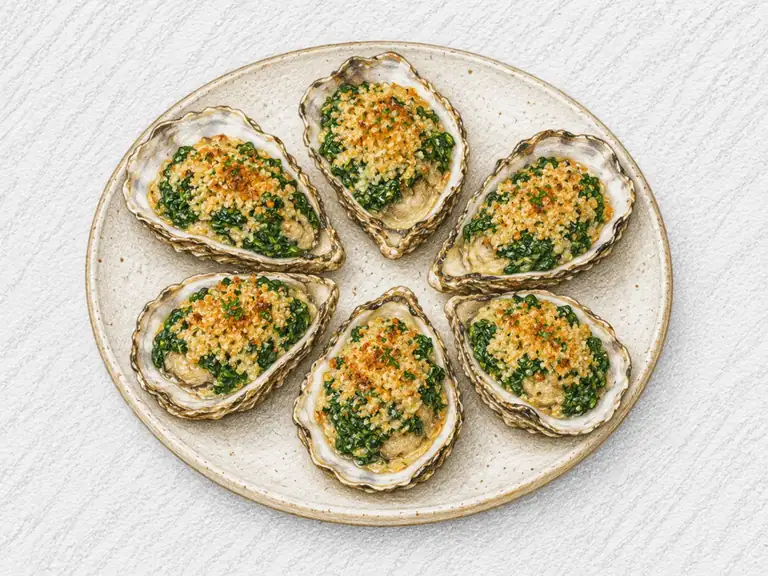
Each oyster bakes in its own half shell under a spinach, sour cream and Parmesan topping, with a little Pernod and garlic mixed in. Frozen spinach thaws in the refrigerator the day before and is squeezed hard, otherwise the topping slides off the shells. Melted cheese and curled edges say little about the oyster underneath, which needs to turn opaque all the way through.
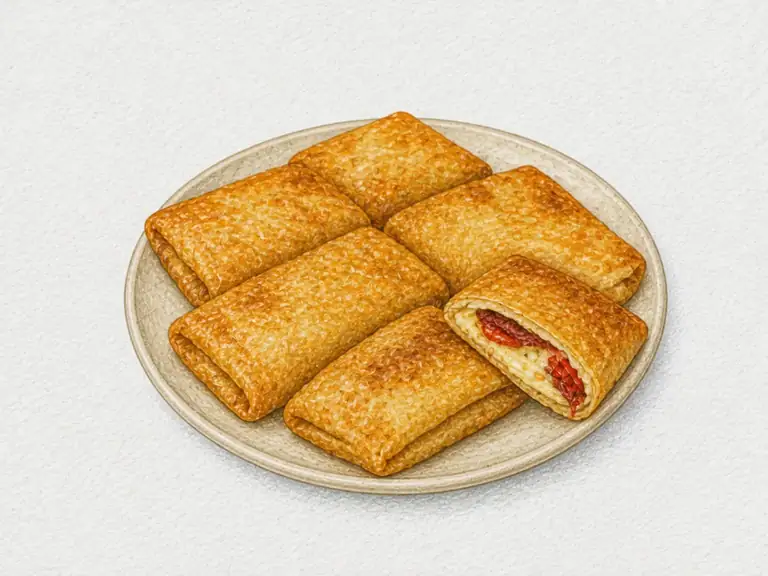
Pastırma, thin-sliced Turkish air-dried beef, has little in common with smoked sandwich pastrami, and together with kaşar cheese it salts the filling, so none is added. Red pepper added while still hot, or a torn sheet of yufka, lets the melting cheese leak into the oil.
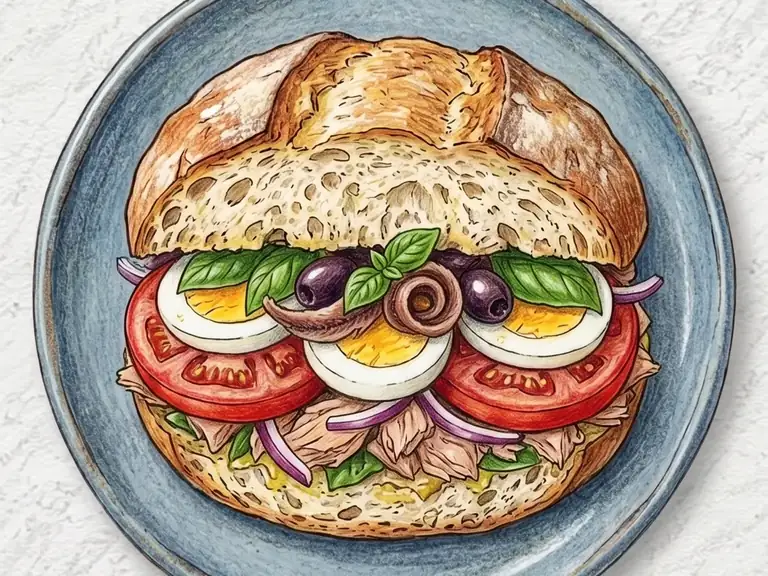
Unlike a dry baguette sandwich eaten right away, pan bagnat is meant to soak: the bread takes in olive oil and red wine vinegar, then gets pressed in the fridge. During that time the tuna, boiled egg, tomato, red onion, olives and anchovies settle into compact layers.
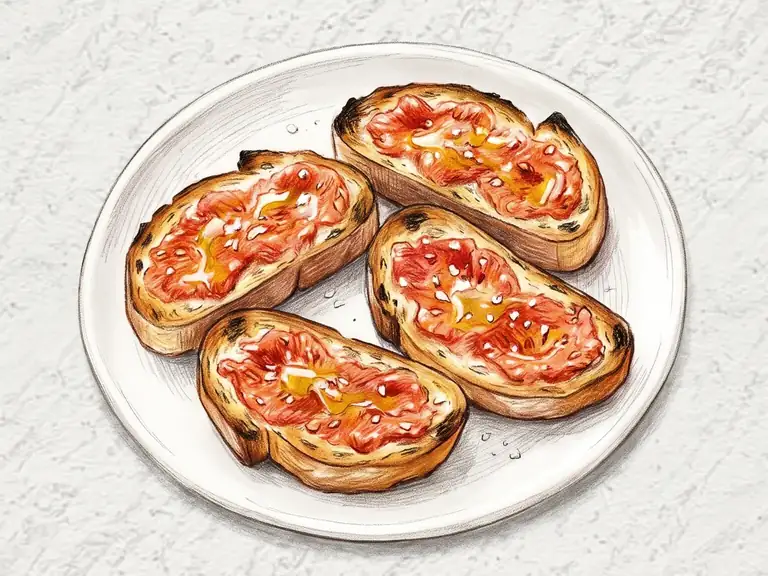
The grated tomato has to soak into the toast, so choose ripe, juicy tomatoes and pass over firm, dry plum (Roma) types. If the grated pulp still turns out thin and watery, tip it into a sieve for a moment and let only the watery part run off. Toast the bread without oil, just until the cut side is golden and crisp and the edges begin to char, so the crumb can still take in the tomato.
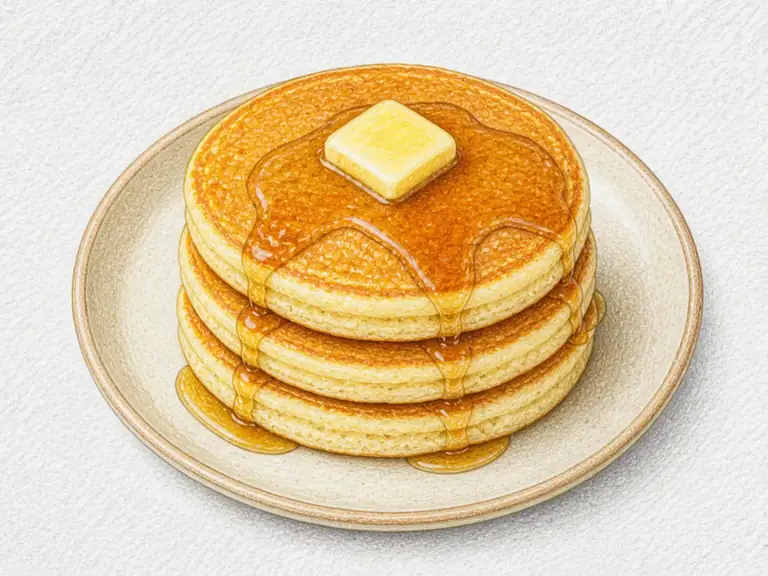
Small lumps left in the batter make for a fluffier stack. Mixing stops before the batter turns smooth and the cakes turn tough, and the batter then rests a few minutes to hold on to the bubbles from the baking powder. A pan kept at medium-low lets the centers cook before the outsides scorch. Wait for the surface bubbles to burst and the edges to look dry, then flip only once, since an early or second turn spoils the shape.
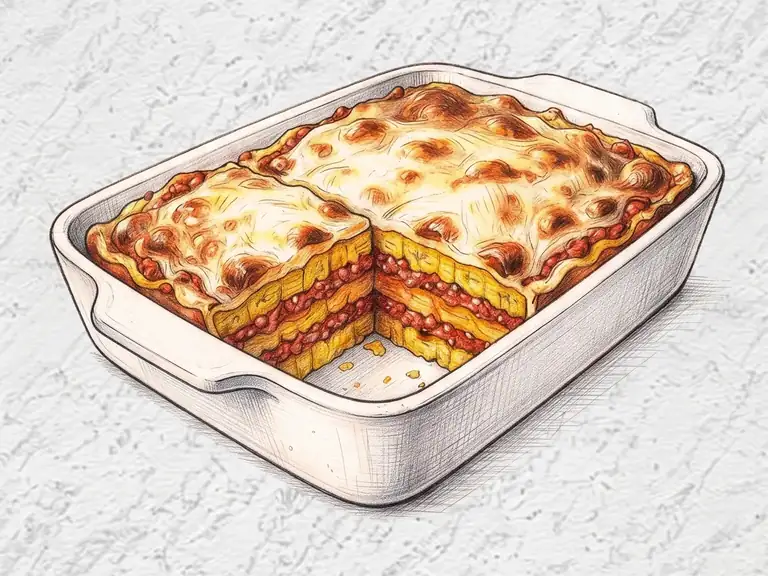
Pick plantains whose yellow skins are covered with plenty of large dark spots. At that stage the long fried strips turn sweet and tender, while plantains that have gone completely black are too soft to lift in one long piece. The beaten eggs go in twice, under the first layer and over the last, and only once they set in the oven do the three plantain layers and the beef sauce hold together well enough to cut into squares.
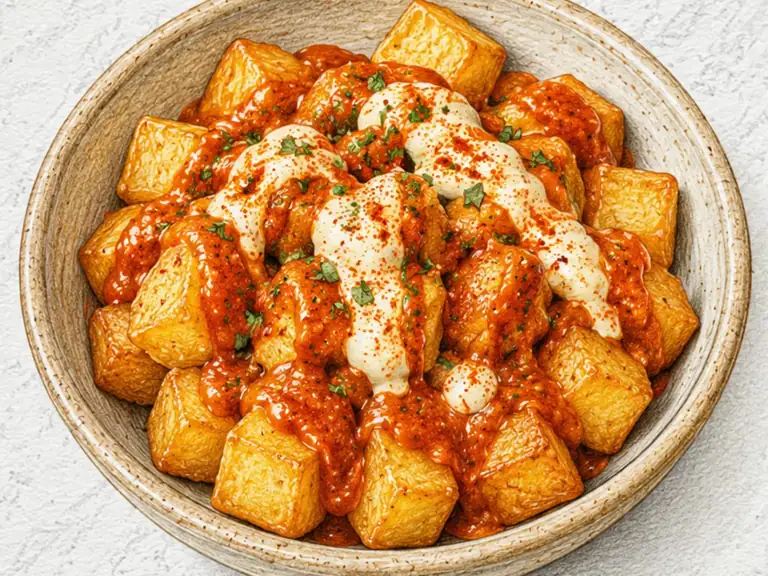
Bite-size potato cubes roast on a hot tray rather than in a fryer, picking up firm, crisp edges before a smoky, spicy tomato sauce is spooned over them. Rinsing the cut cubes until the water runs clearer, drying every surface and spacing them apart on the tray gives those edges their crunch, since wet or crowded pieces steam. Bravas means fierce in Spanish, and Madrid bars cut the potatoes into cubes of about 2 cm and deep-fry them before the hot sauce goes on.
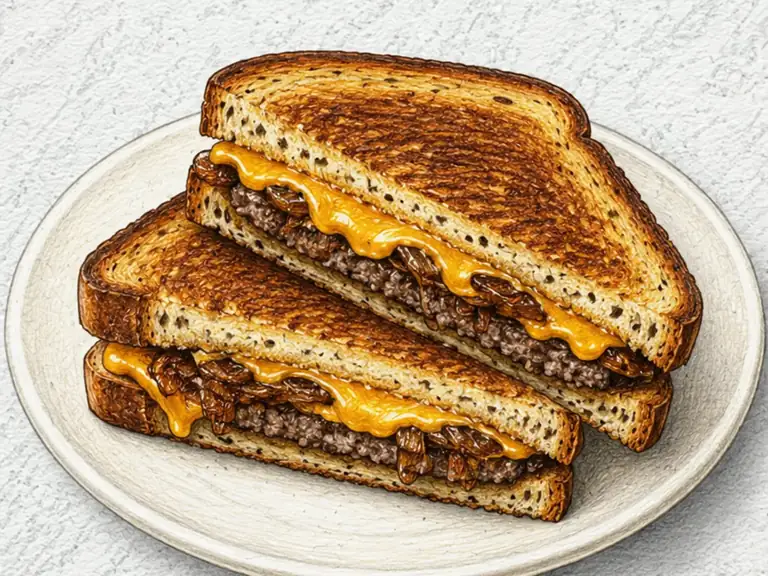
Somewhere between a burger and a grilled cheese, a patty melt puts a thin beef patty, deeply caramelized onion and cheddar between slices of sandwich bread griddled until crisp. Three heat levels do three jobs: low heat for at least 20 minutes sweetens the onion, medium-high heat browns the thin patty, and medium-low heat crisps the bread while the cheese melts.
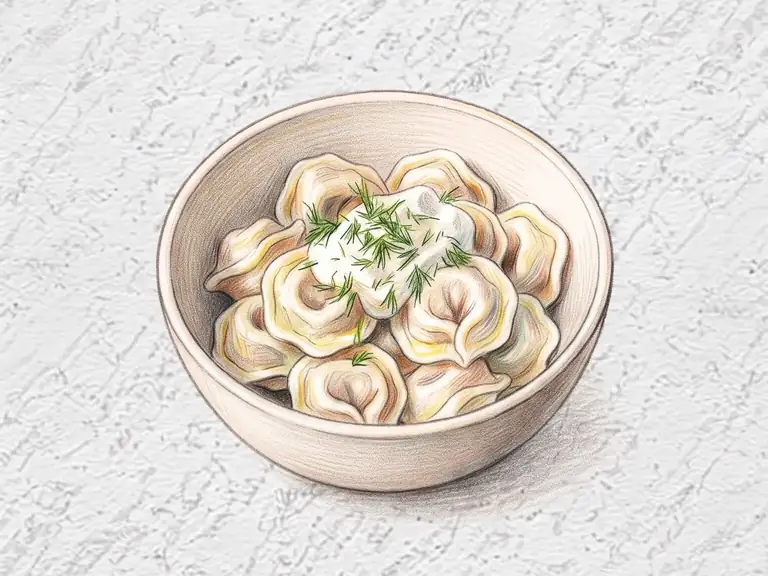
With about a teaspoon of filling in each dumpling, one batch makes seven to eight dozen and takes around an hour and 45 minutes of rolling, cutting and pinching. Pelmeni are tossed in butter and topped with sour cream and dill, as they are here, or served in chicken or beef broth as a soup.
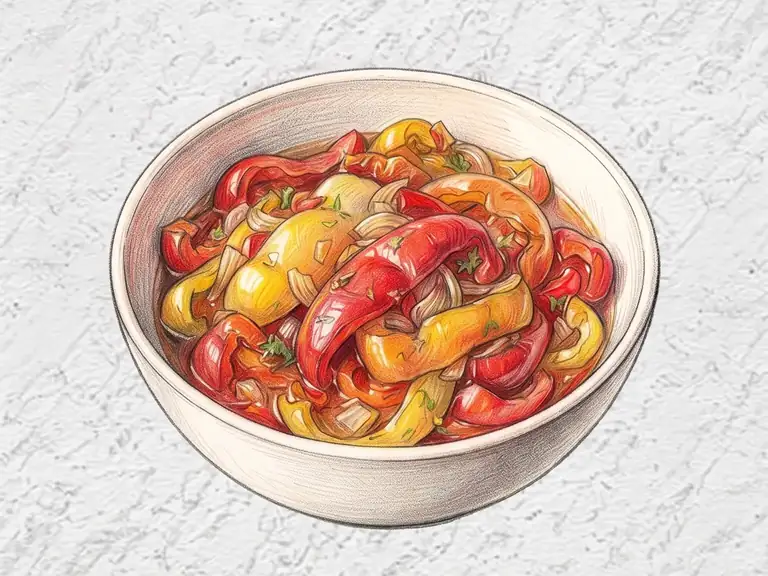
Red, yellow and orange bell peppers turn sweet once they cook down until a spoon cuts through them. Of the 1 hour 10 minutes on the heat, the first 20 or so need you at the stove stirring; after that, an occasional stir is enough.