Western Medium
Potato Chips
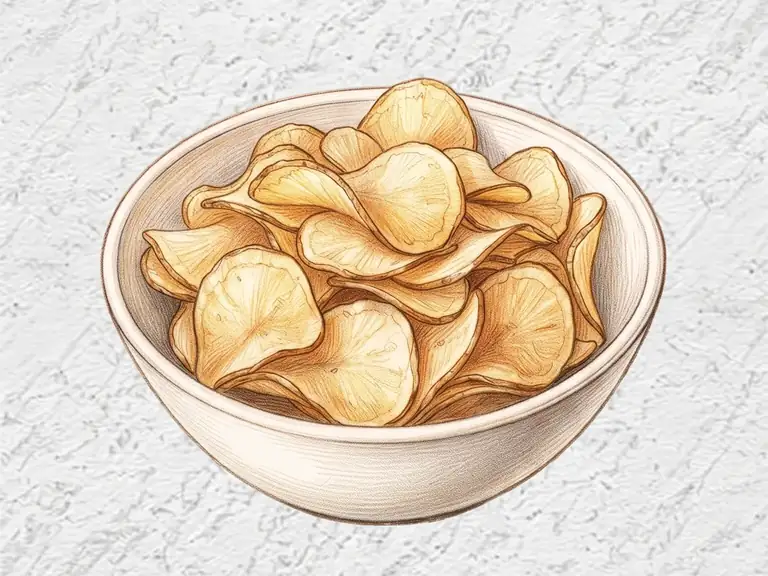
Sliced skin-on and about as thin as a dime (roughly 1.3 mm), the russets fry up into golden chips, each with a thin line of brown skin running around the edge.
At least 1 hr 30 min 8 servings
898 recipes. Page 34 of 38
Pasta, steak, and other Western recipes
Sliced skin-on and about as thin as a dime (roughly 1.3 mm), the russets fry up into golden chips, each with a thin line of brown skin running around the edge.
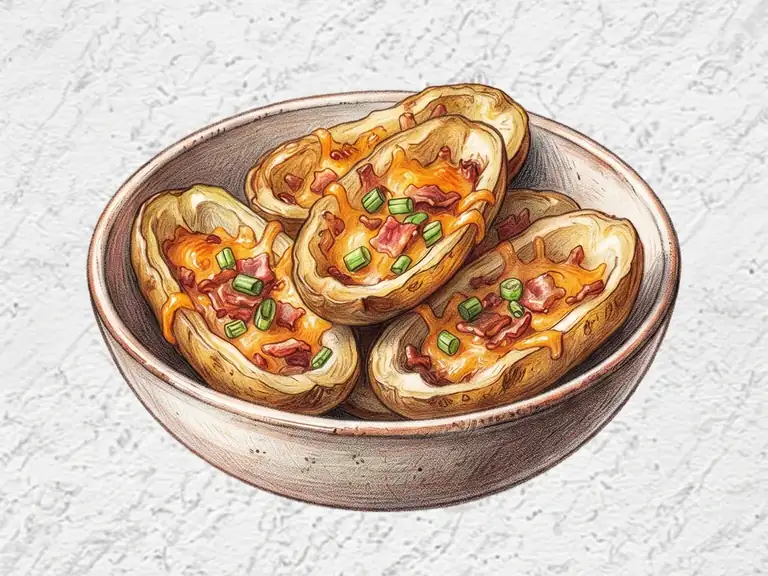
The baked potato flesh is scooped out and set aside, and the dish is the shell itself: brushed with butter, topped with cheese, bacon and green onions, and baked again until crisp. Before they are buttered, the shells can be cut into strips instead of left as halves.
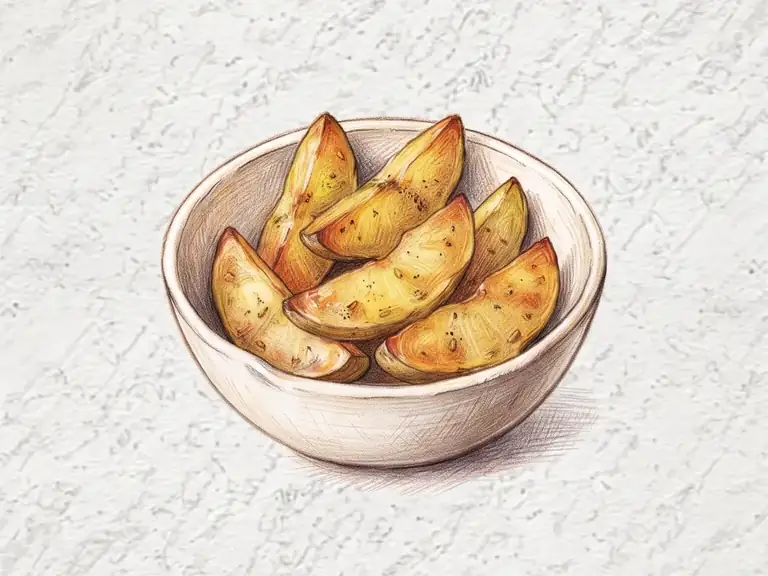
One large baking potato, cut lengthwise with the skin on, yields 6 wedges, and 4 potatoes are enough for 6 servings.
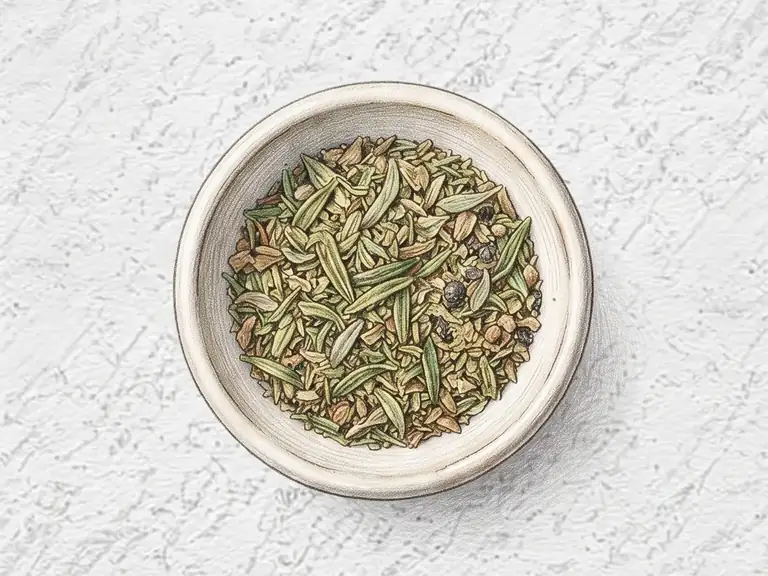
Rosemary leaves are tough, and left whole they turn up as hard bits in the finished powder. The blend is used mostly in chicken and turkey dishes and Thanksgiving stuffing, and a spoonful stirred into the broth seasons a pot of soup.
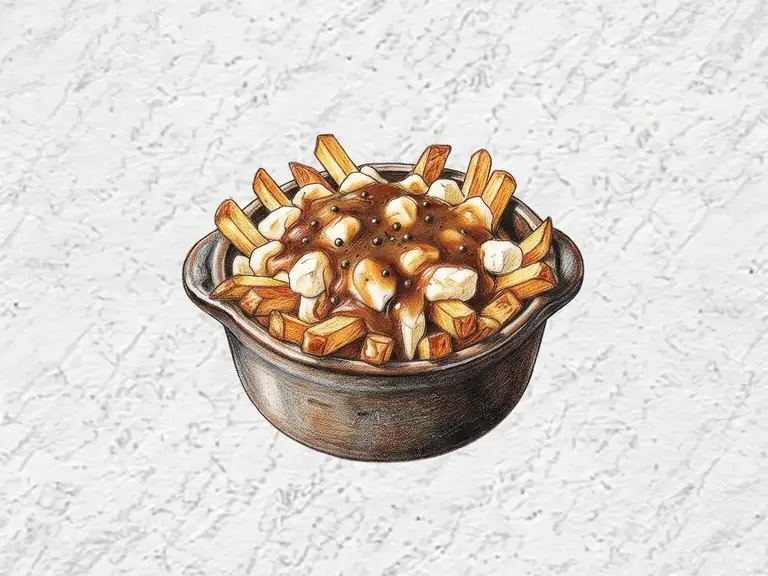
Chicken and beef stock go into the gravy in equal parts, along with ketchup, cider vinegar and whole green peppercorns, and the gravy is strained only at the end, after it has reduced by half. Put the plates together just before eating, while the fries are still crisp under the curds and hot gravy.
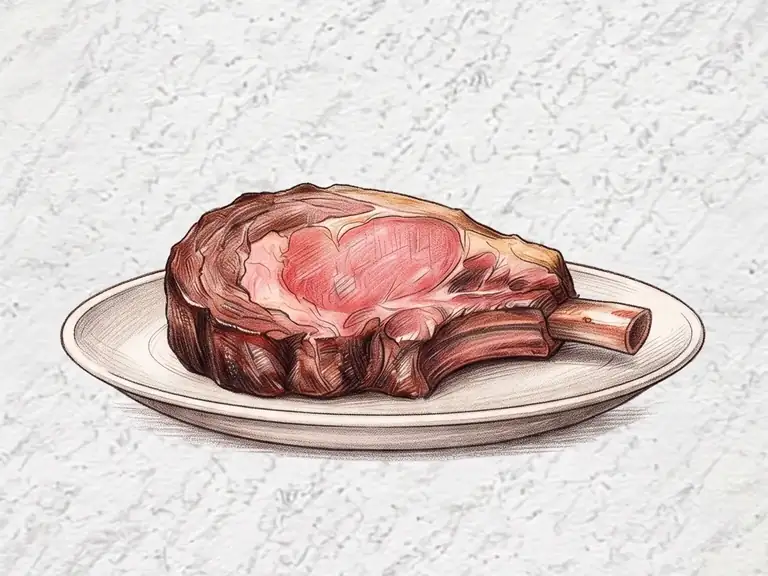
Size the roast by its ribs, allowing one rib for every two or three people. The prime in the name means the roast is cut from the rib primal and has nothing to do with the beef grade. At the store, look for a thick fat cap and visible white marbling through the meat. Once roasted, the two ends are always more done than the middle.
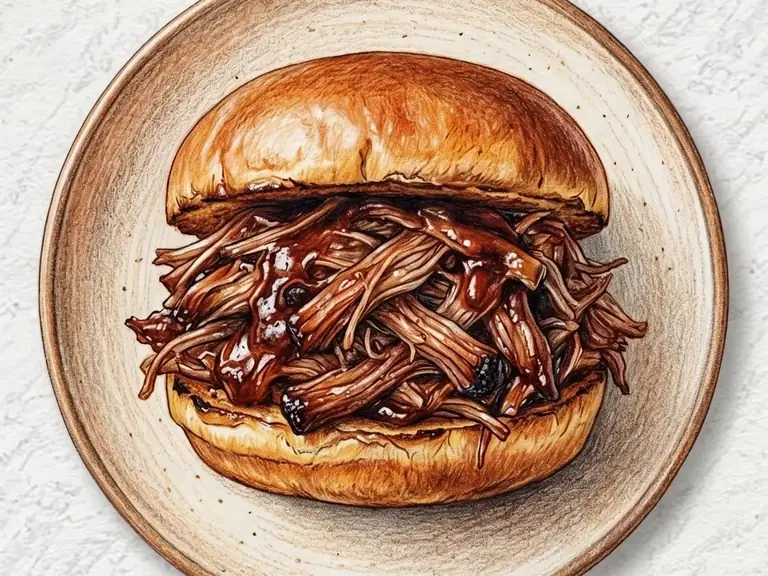
Pork shoulder braises low in a heavy pot until the meat separates on its own when a fork touches it, then is shredded and tossed back into the onion-soaked pan juices with barbecue sauce. Doneness is judged by the meat, not the clock; if it still resists, it needs longer.
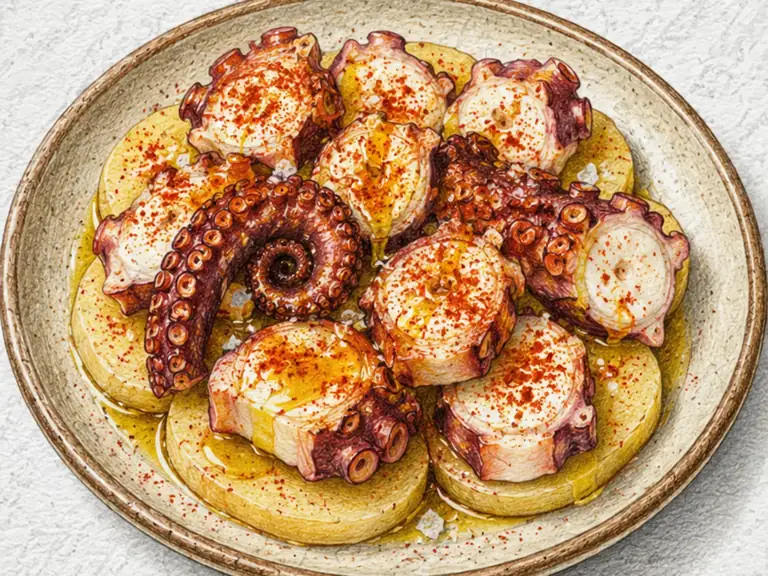
Thick coins of octopus sit on slices of boiled potato, finished with nothing more than olive oil, smoked paprika, and coarse salt. With so little seasoning, texture carries the dish: a hard boil tightens the flesh, so the octopus rests in its hot water after the heat goes off and softens gently.
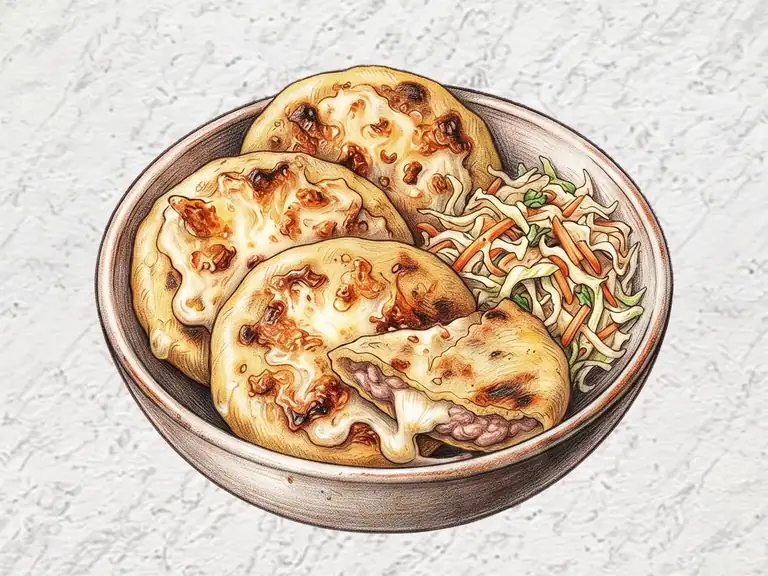
Boiling water hydrates masa harina fully, and the dough should come out tacky enough to stick to your palms unless your hands are damp. Now and then a little cheese leaks out of a seam and browns in the skillet; that is expected, and the browned cheese is good to eat. Make the curtido, a vinegar-pickled cabbage slaw served alongside, before anything else, and the pupusas can be shaped and cooked during its hour or more in the refrigerator.
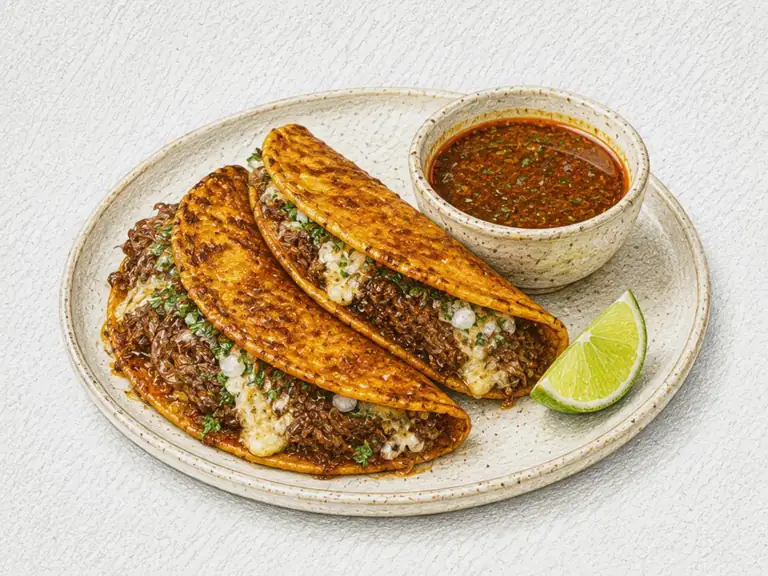
The fat that rises on the red braising liquid becomes the frying fat for the tortillas, so trimming all the fat from the beef or pouring off the broth's oil leaves nothing to crisp them with. Dipping deeper into the thin broth below soaks the tortillas until they are hard to flip. Swapping the three dried chiles, guajillo, ancho and arbol, for plain chili powder changes the sauce. The rest of the broth gets reheated and served in a bowl for dunking, and low-moisture mozzarella stands in for Oaxaca cheese in the same amount.
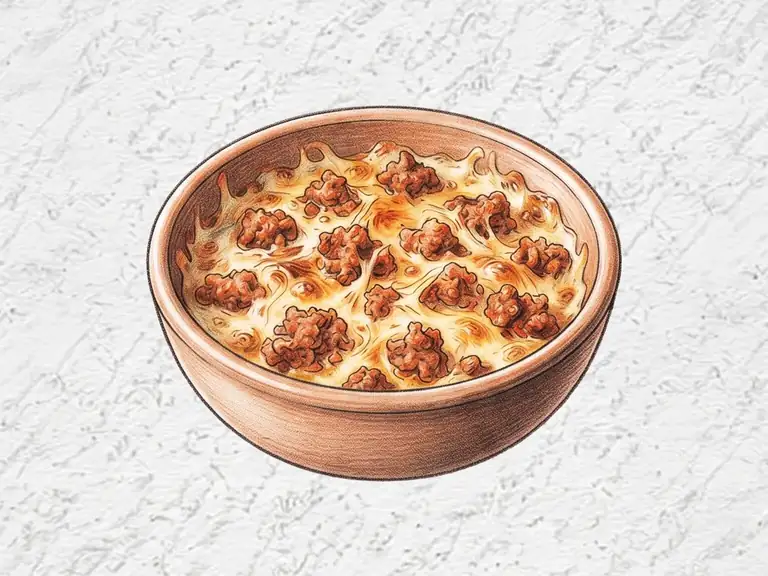
The chorizo here is the fresh Mexican kind, squeezed from its casing and cooked from raw, not the cured Spanish sausage.
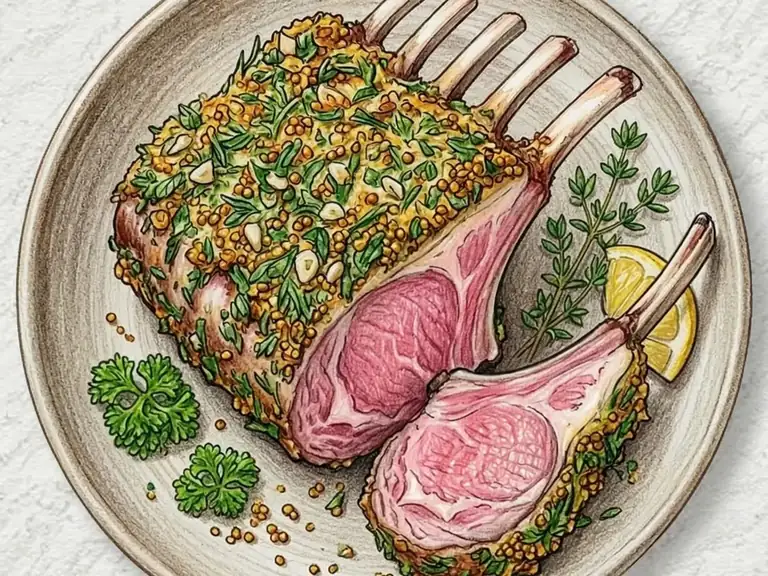
Rosemary, thyme, garlic, and parsley chopped into breadcrumbs form a green crust over the lamb, held in place by a thin layer of Dijon mustard. Searing the rack first supplies the color, leaving the oven only to crisp the crust while the center stays pink. The seared surface needs to cool briefly before the mustard is spread on, otherwise the coating slides. Carve between the bones into individual chops.
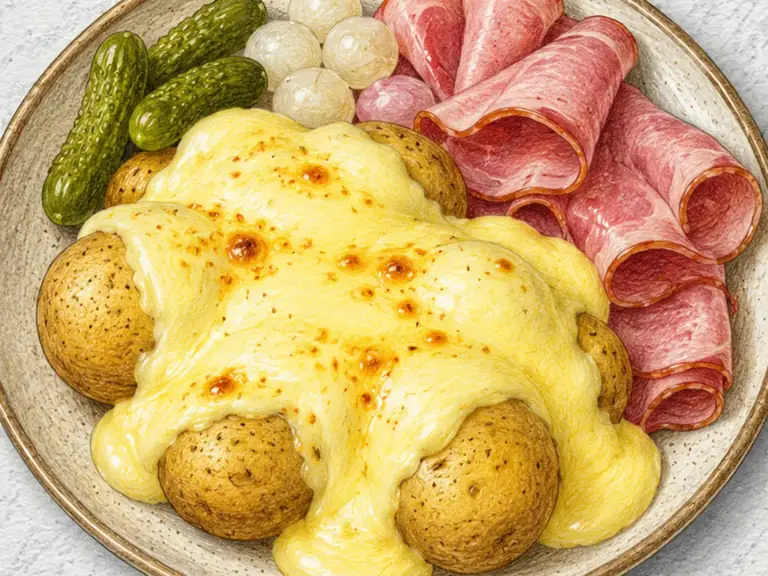
Raclette works as a meal at the table: each person melts a portion of cheese and pours it straight over warm potatoes and ham. The cooking ahead is simple, boiling small potatoes until a fork goes in but the centers hold, then keeping them covered and warm. A raclette machine is the usual tool, though small ovenproof pans under an oven grill manage the same job. Pull the cheese when it turns glossy and the edges bubble; left longer, it browns and the fat separates.
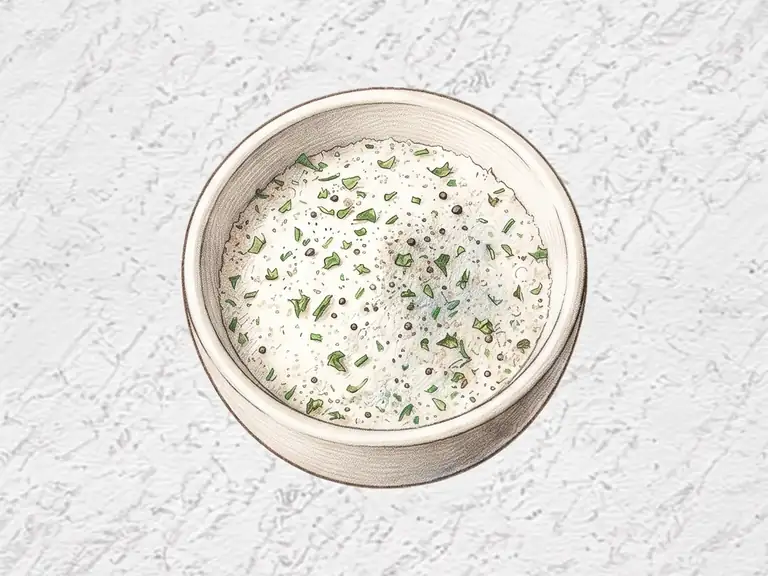
The buttermilk is in the mix as a powder, and for a dressing the mix is stirred into mayonnaise and sour cream with water.
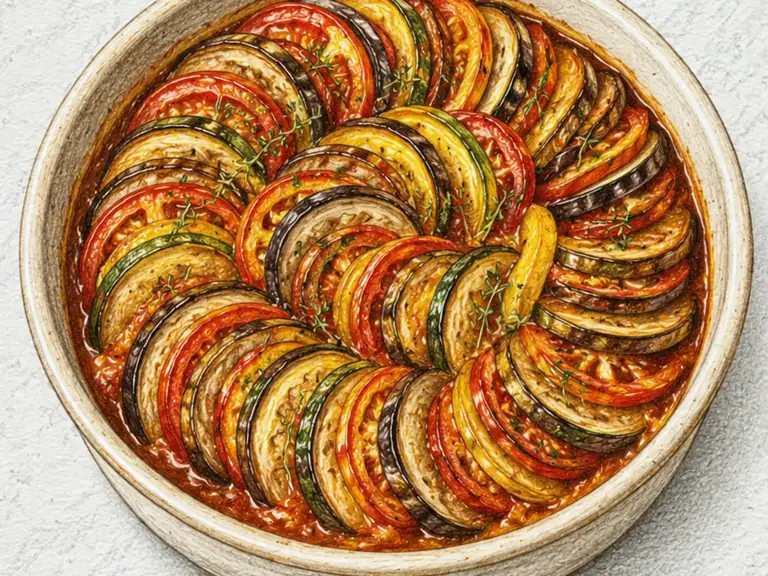
Thin rounds of eggplant, zucchini, tomato, and bell pepper stand in overlapping rings on a cooked base of onion, garlic, and chopped pepper, which sets this version apart from ratatouille stewed in one pot. Instead of stock or water, the juices the vegetables release in the oven loosen the base into a sauce. Part of the pepper is diced into the base and the rest sliced for the top, giving it two textures in one dish. It makes a full plate without any meat.
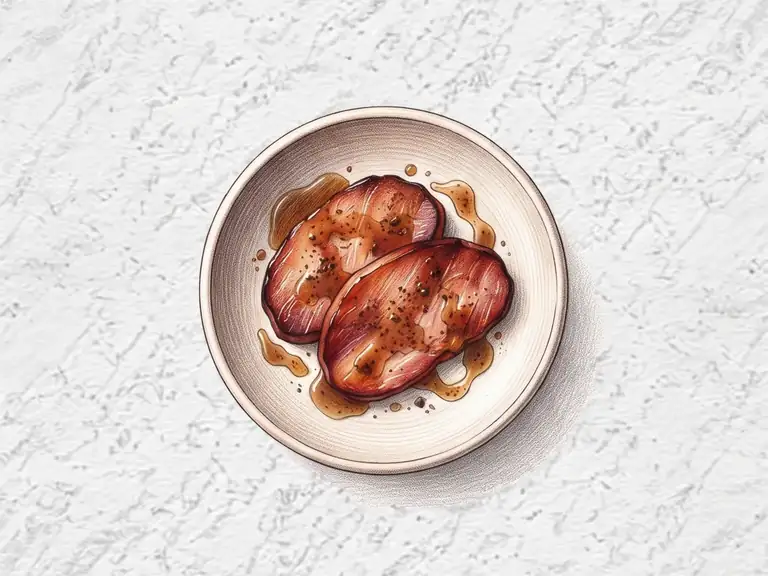
Country ham is dry-cured, firmer and far saltier than deli ham, and every bit of salt in the gravy is what the ham leaves in the skillet. It is a thin pan sauce of ham drippings and coffee, meant for dunking split biscuits or spooning over grits.
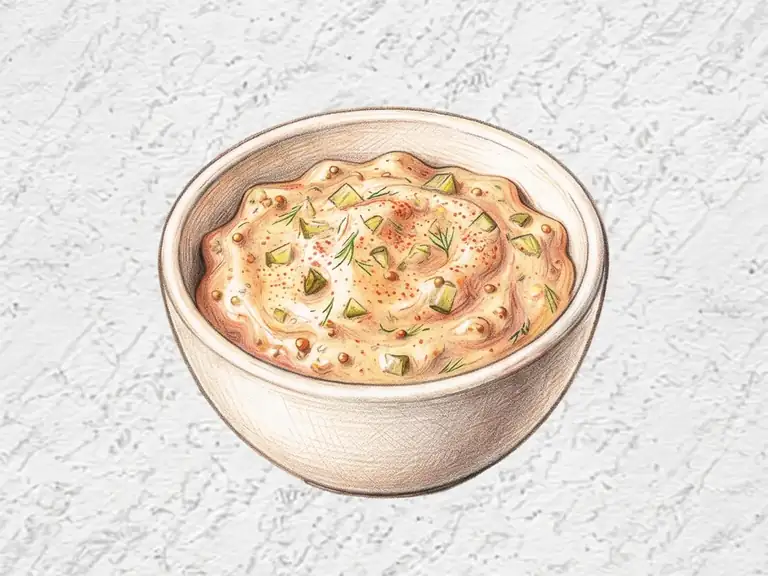
This creamy mayonnaise sauce brings Louisiana heat to crab cakes. Dill pickle goes in, as it does in tartar sauce, along with 3 tablespoons of Creole and stone-ground mustard combined, Louisiana-style hot sauce, paprika and garlic.
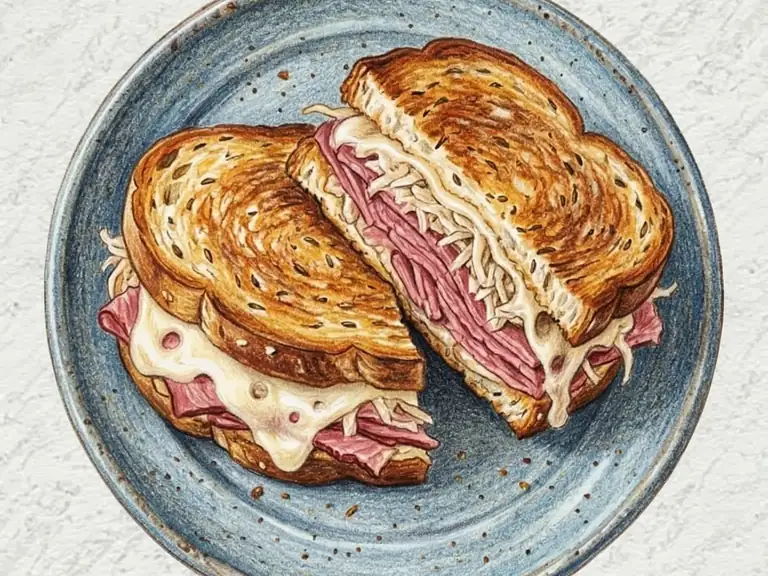
Salty corned beef, tangy sauerkraut, and Swiss cheese are stacked on rye, then griddled in a pan with butter on the outside of the bread. A thin layer of mayonnaise spread to the edges of the inner slices helps keep the filling in place, and setting some cheese directly against the bread lets it melt first and glue the layers together. Medium-low heat gives the cheese in the middle time to melt before the rye darkens.
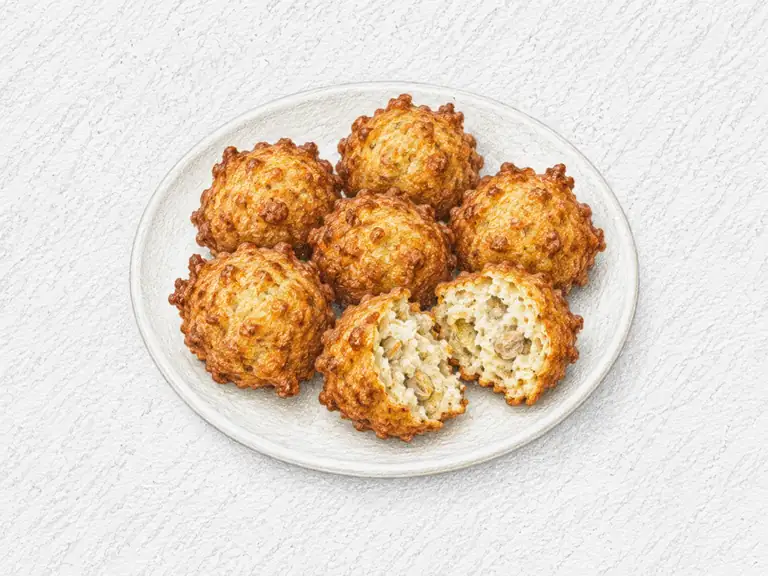
Unlike a breadcrumb-bound crab cake, these fritters get their body from a batter that puffs as it fries, with chopped clam scattered through the crumb. Canned cooked clams skip purging and steaming, but the drained meat and the liquid are measured separately; tipping in the whole can thins the batter until the fritters spread flat. Large pieces of clam poke out of the batter and scorch in the oil, so everything is chopped small. The first fritter, cut open, shows whether the rest need more time or a cooler pot.
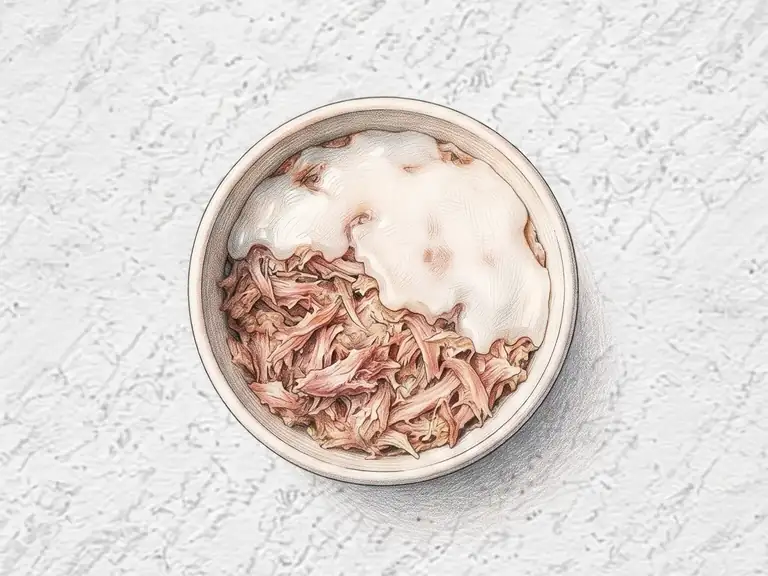
The fat poured off after the first 15 minutes, rendered from the pork belly itself, is melted again at the end, poured over the meat in the jar and chilled until it sets white into a covering layer. While that fat renders, keep the heat low enough that the meat takes on no color; if it starts to brown, turn it down further. Once the long-simmered meat has cooled, crush it with a fork so it falls into strands.
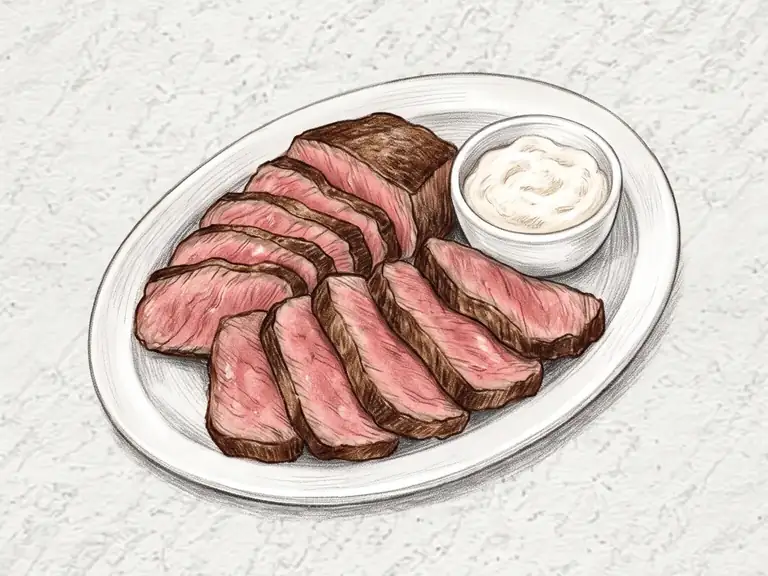
The beef roasts slowly in a low oven, and shortly before it is done the oven is switched off and the door kept shut so it finishes in the fading heat; the longer the meat lingers near its pink, medium-rare temperature, the more tender it gets. Salting it a day ahead draws the seasoning deeper into the meat. Slice the finished roast across the grain as thin as you can and serve it with sour cream mixed with horseradish.
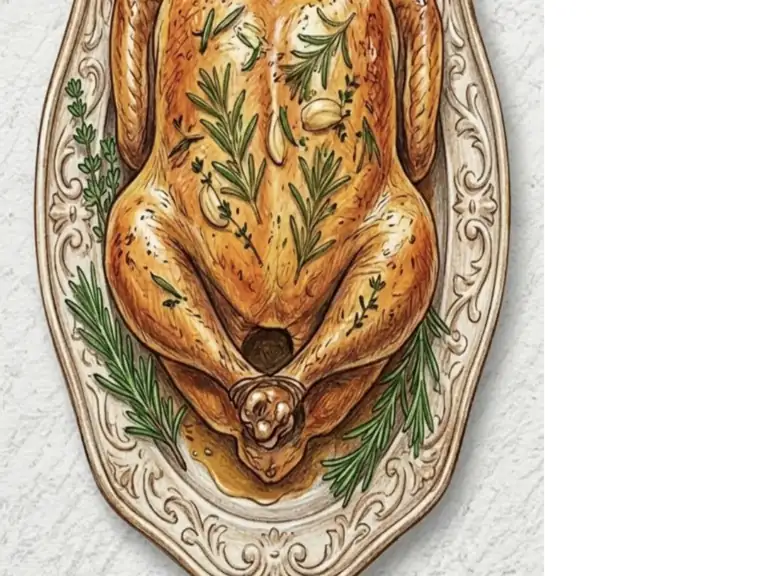
Butter mixed with rosemary, thyme, and garlic is pushed under the breast skin, where it melts during roasting and coats the leanest part of the bird. A lemon and the remaining herbs go into the cavity. The oven starts hot to color the skin, then drops lower to cook the meat through, and the drippings left in the pan become the base for a gravy. Letting the bird rest before carving keeps the juices in the meat rather than on the board.
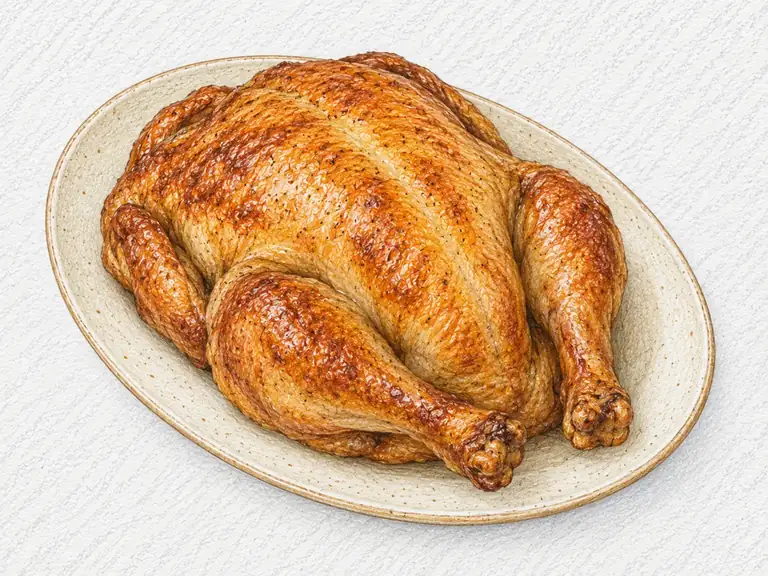
A whole, unstuffed bird roasts on a rack at 325°F, its breast tented with foil once the skin has colored, the centerpiece of many American Thanksgiving dinners. The starting point is a fully thawed raw turkey, and refrigerator thawing alone takes several days before the cooking day. A precooked bird or one sold to cook from frozen follows its own package directions instead. Roasting time sets a planning window rather than an endpoint: the thickest breast meat and the inner thigh and wing must all reach 165°F. A different weight changes the timing, though not in simple proportion with the size of the bird. Before buying, make sure the bird and the roasting pan actually fit the oven.
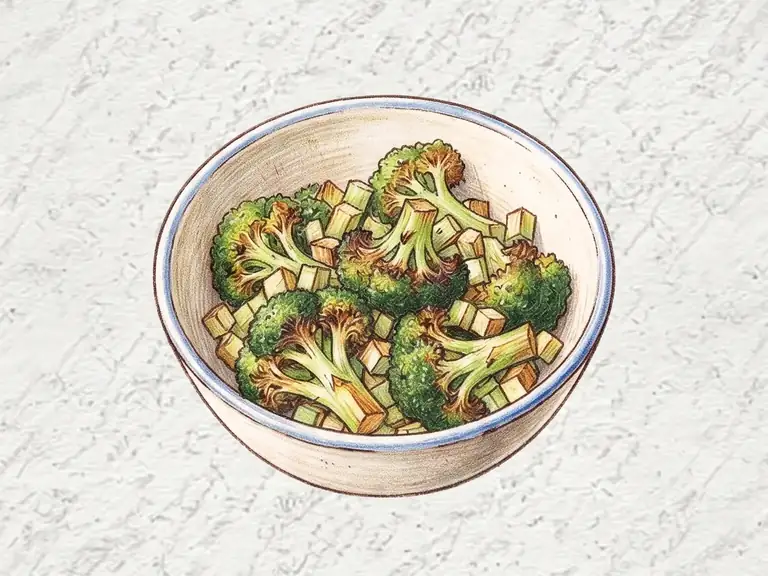
Set the head crown-side down and slice down through it, turning it as you go, and the florets come apart in even sizes. Keep the stems: peel off the tough skin, then slice them thin or cut them into small dice and roast them on the same sheet. Cut that way, they turn crisp-tender in the 20 minutes the floret edges take to brown.