Browse by cuisine

Japanese Recipes

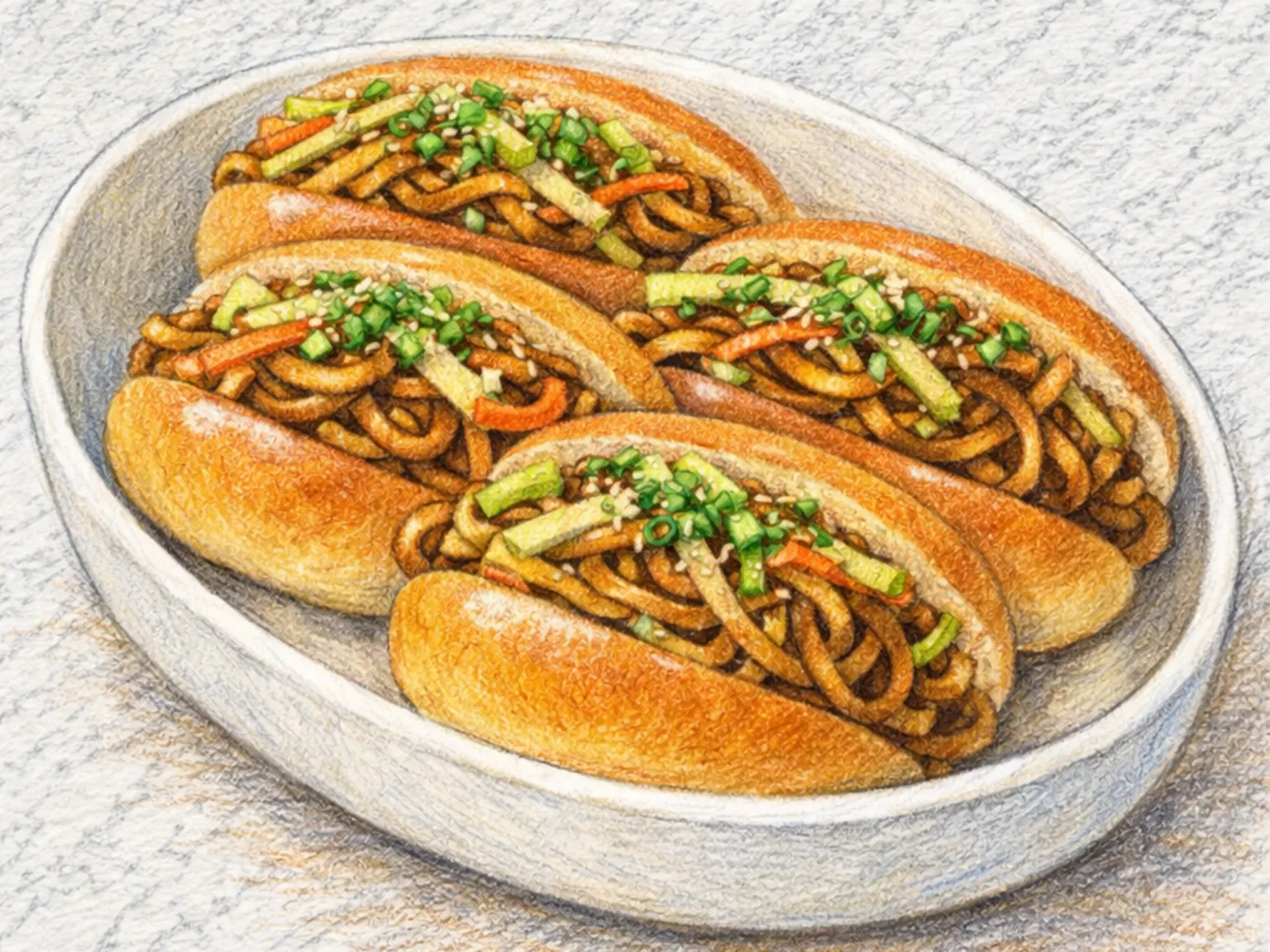
509 Japanese recipes. Page 16 of 22. Compare ingredients and cooking times. Yakisoba Pan (Noodle Bread), Gunma Yakimochi, Miso Wheat Cakes.

Gunma Yakimochi, Miso Wheat Cakes
Asian Easy

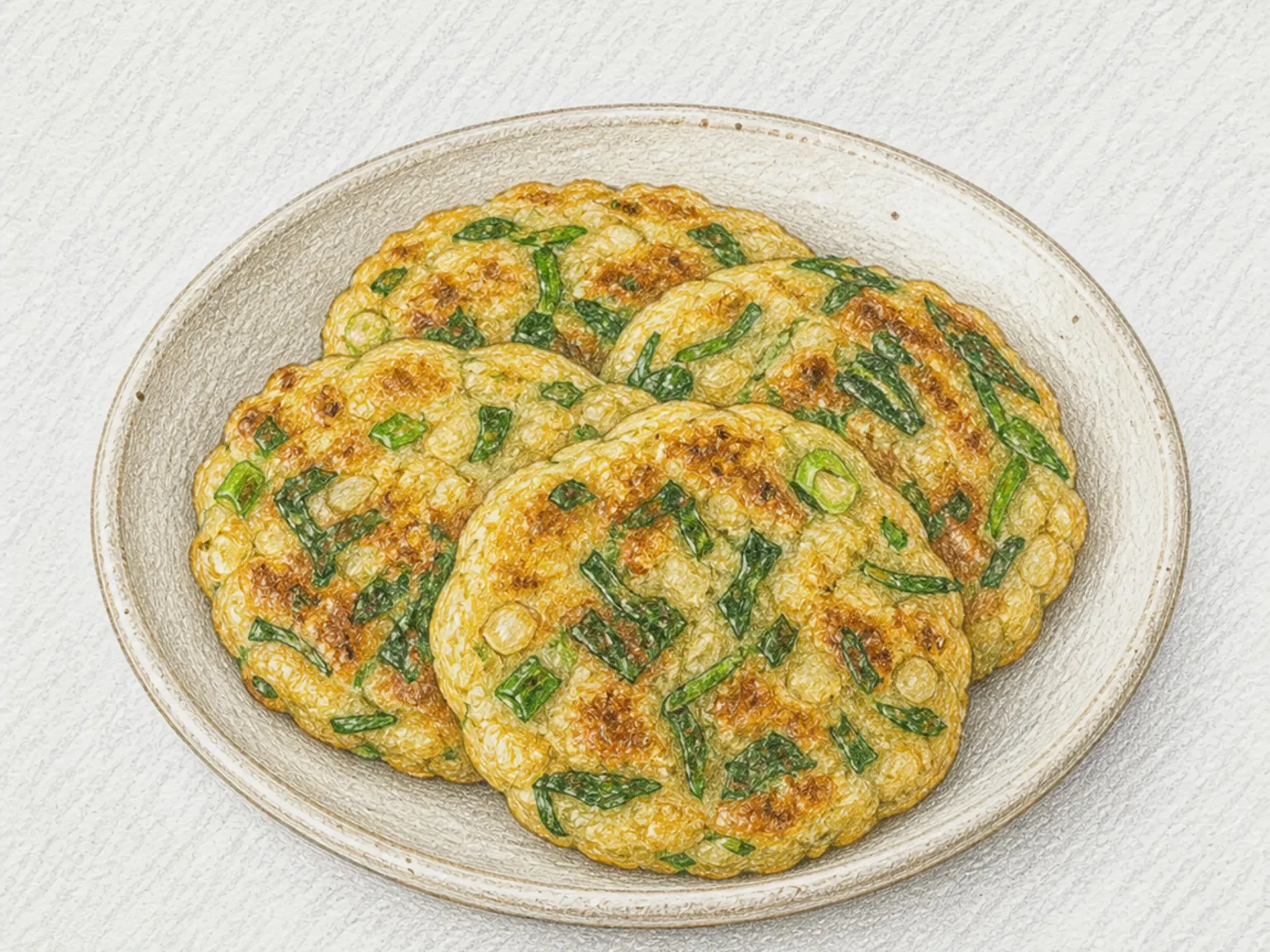
Gunma Yakimochi, Miso Wheat Cakes

The name says mochi, but these Gunma griddle cakes are wheat: flour and baking soda mixed with scallion and shiso, then kneaded with miso dissolved in water. They reflect the prefecture's strong wheat culture, built on wheat growing and double cropping, and similar cakes are called oyaki or jiriyaki in some areas. Farm households made them for koju-han, a hearty break between stretches of fieldwork, and also ate them with tea or carried them into the mountains.

Prep 20min Cook 25min 10 servings
Hasune-mochi (Steamed Lotus Root Stuffed with Rice)
Rice Hard

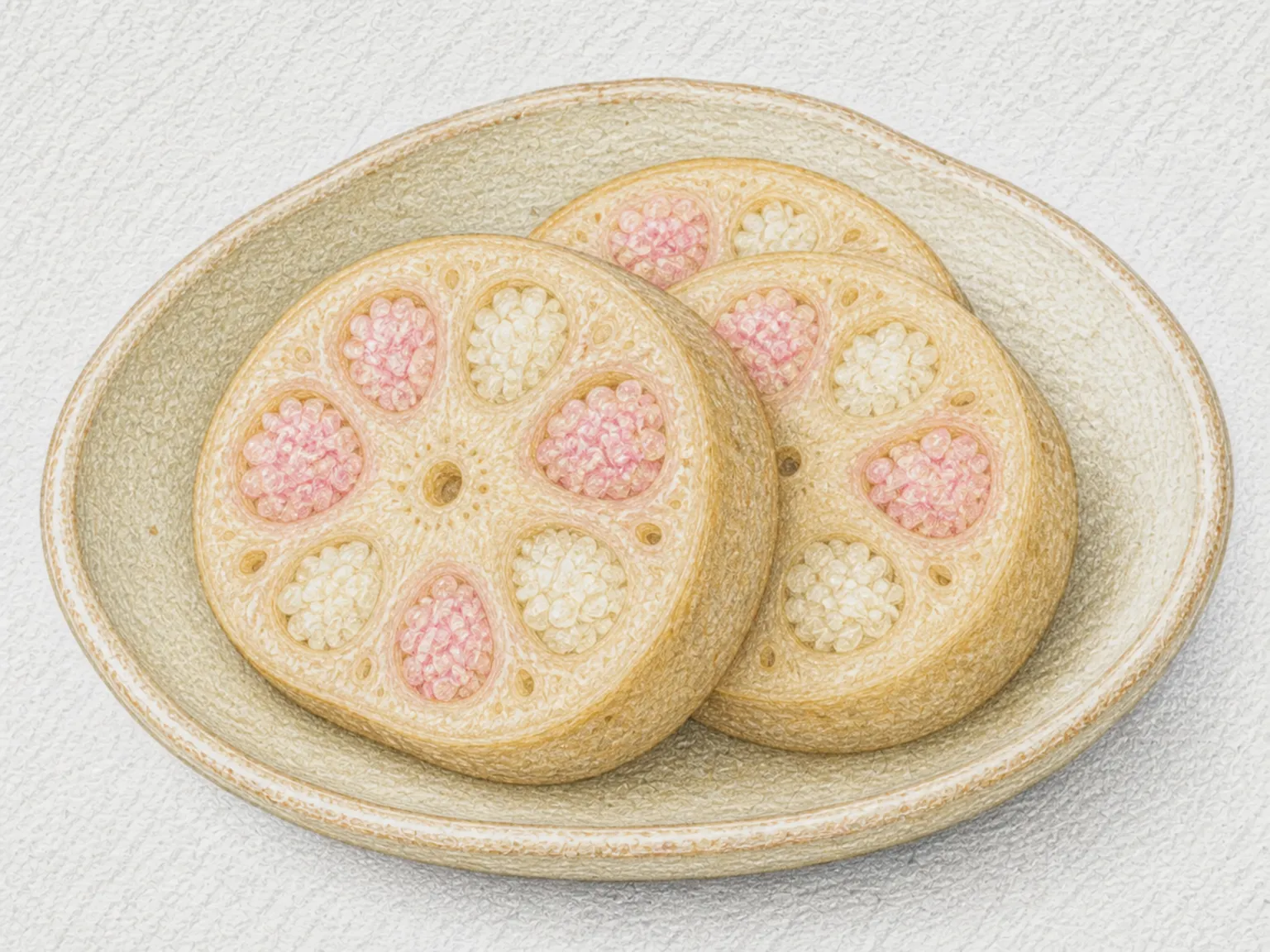
Hasune-mochi (Steamed Lotus Root Stuffed with Rice)

Sliced, each round shows white and pale pink glutinous rice packed into the channels of the lotus root, a red-and-white pattern meant for celebrations in Kadoma, Osaka. Lotus root counts as auspicious because its open holes suggest a clear view of the future, and the clay soil of Kawachi and Kadoma has grown it since the Edo period. After about 2 hours of steaming, the root turns sweet with a light crispness while the rice becomes chewy. Served in 8mm slices with kinako and sweet azuki paste, it eats like a dessert.

At least 10 hr 30 min 4 servings
Yuzu Cold Soba (Chilled Buckwheat Noodles with Citrus Dipping Sauce)
Noodles Easy

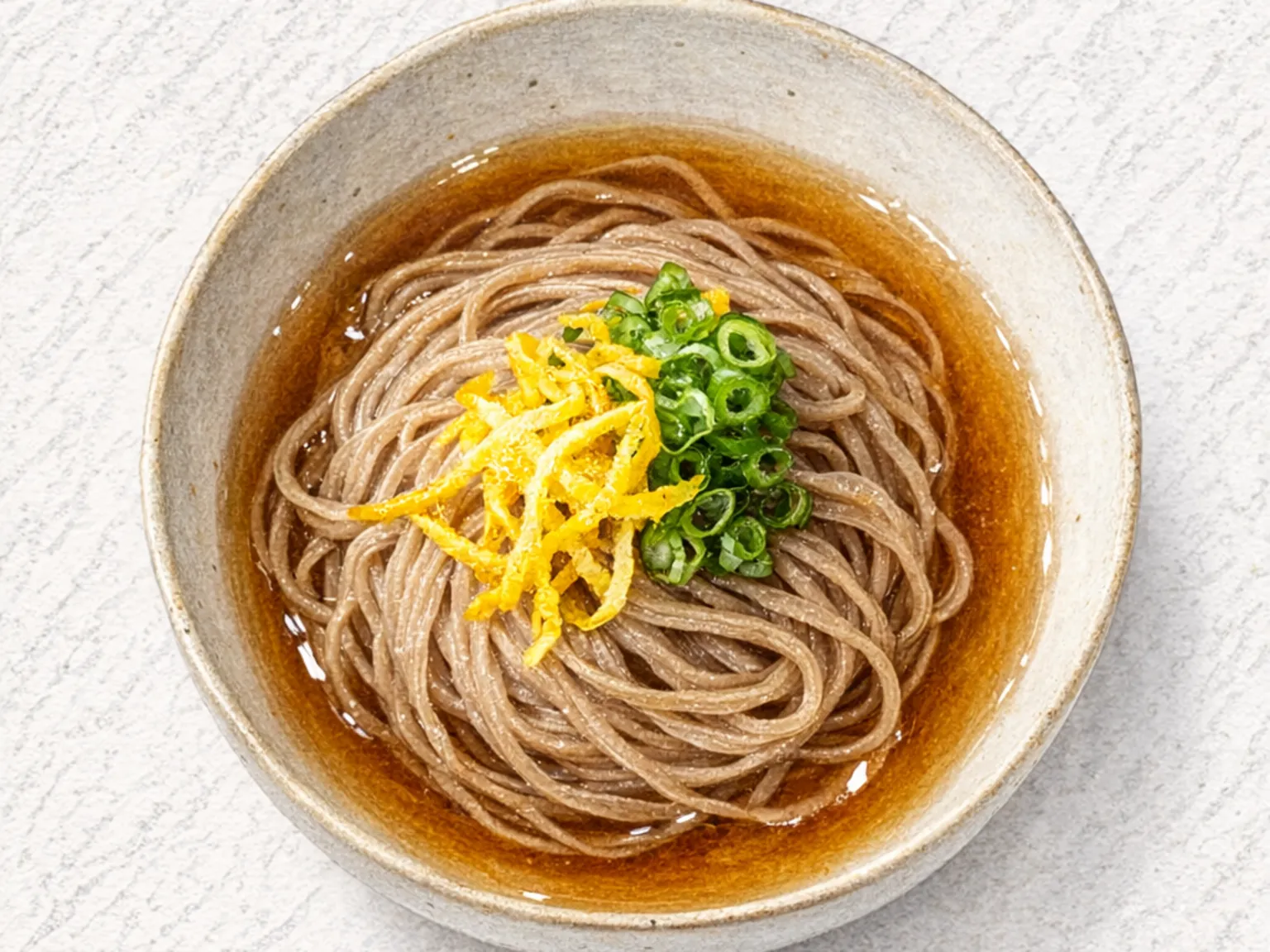
Yuzu Cold Soba (Chilled Buckwheat Noodles with Citrus Dipping Sauce)

Chilled buckwheat noodles get dipped in tsuyu sweetened and perfumed with yuzu marmalade, a softer, fruitier sauce than plain soba dipping broth. The sauce needs thorough mixing before it goes cold, because undissolved lumps of marmalade make some dips sugary and others flat. Any water clinging to the noodles thins that sauce with every dip. Grated radish, scallion, and wasabi stay on the side and go in a little at a time.

⚡ 20-Minute Recipes
Prep 12min Cook 8min 2 servings
Tanmu Dingaku (Sweet Okinawan Taro Paste)
Desserts Medium

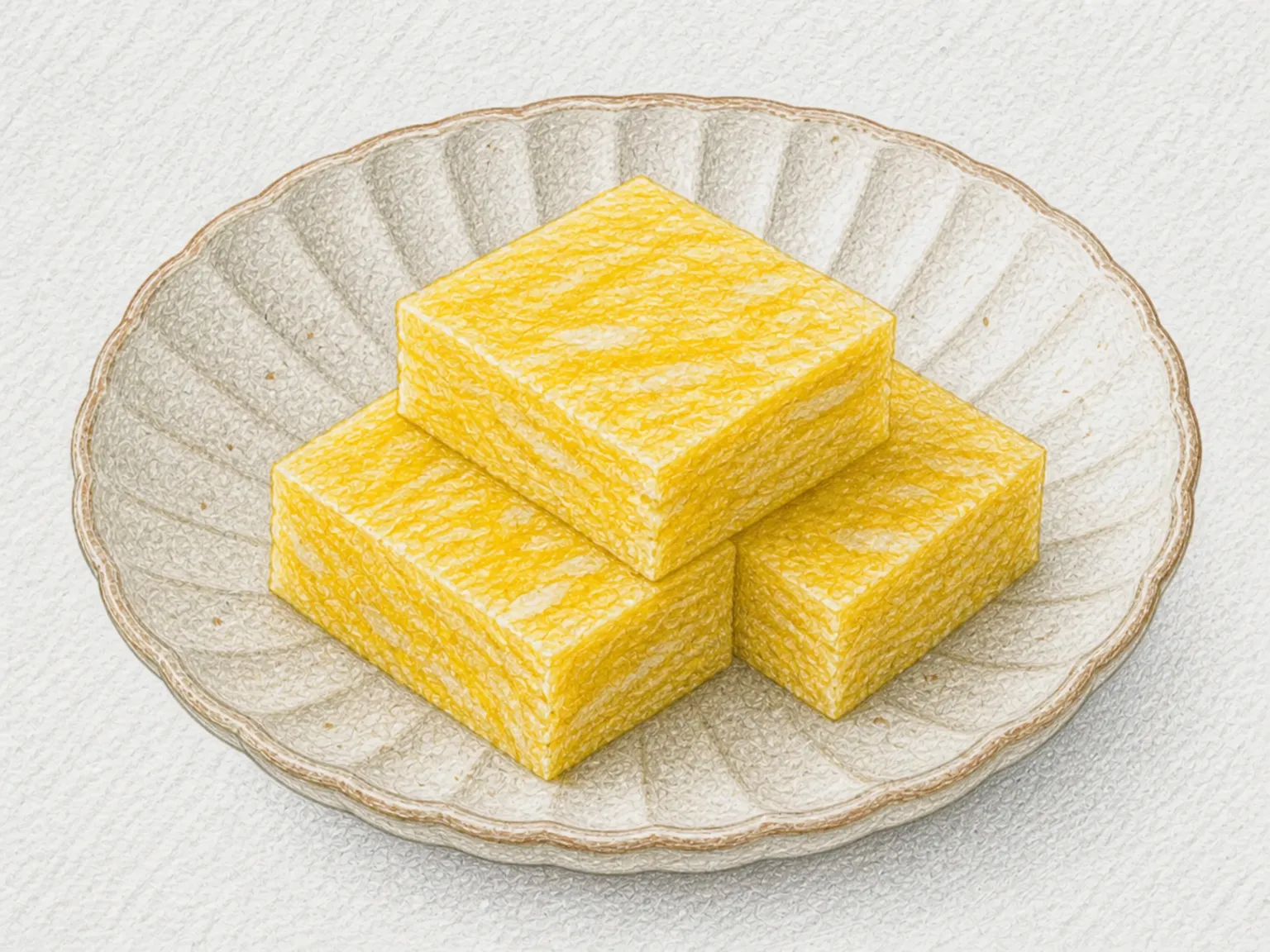
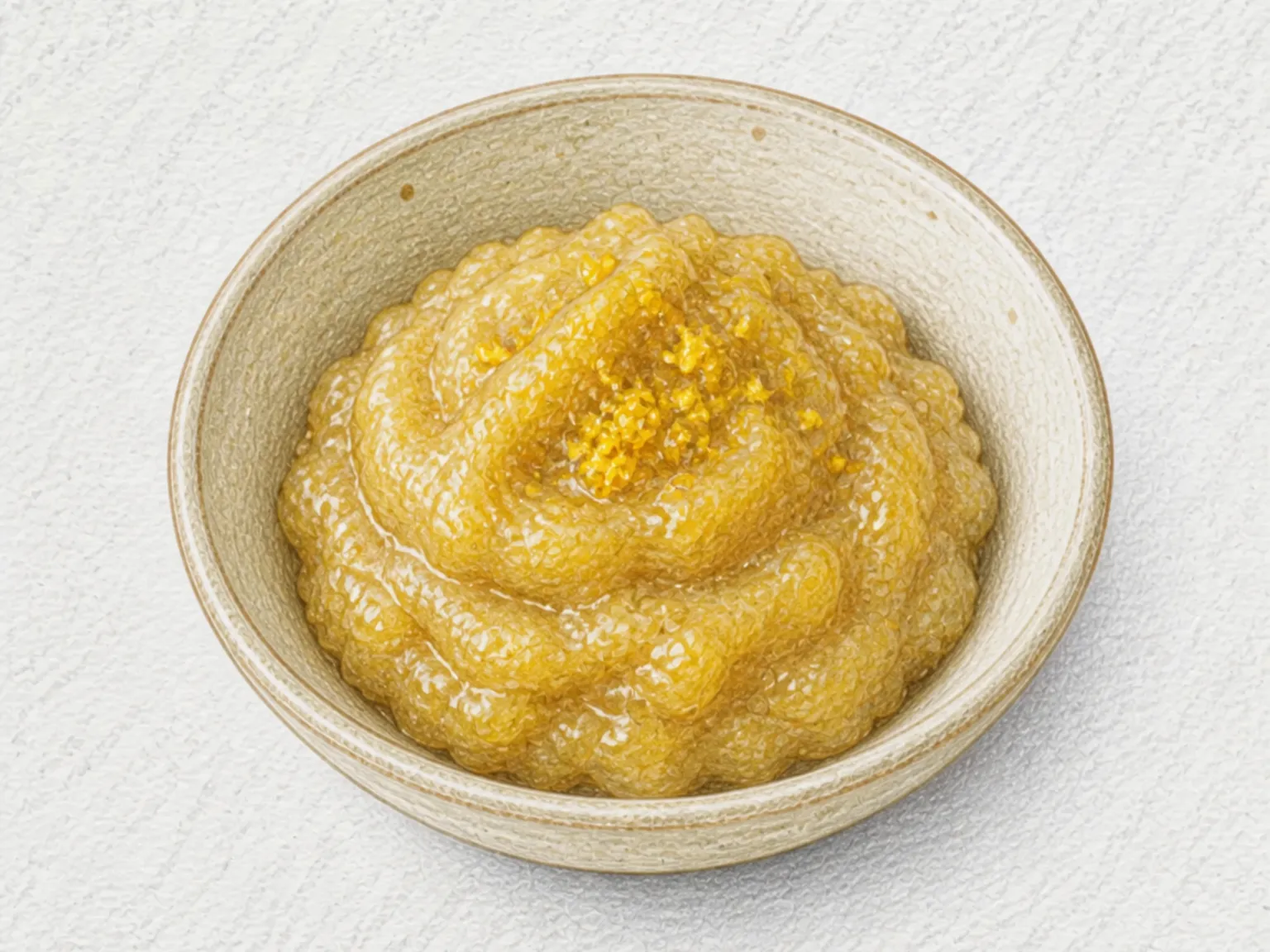
Tanmu Dingaku (Sweet Okinawan Taro Paste)

Okinawan water taro is cooked soft, then mashed and cooked down with sugar until it holds a spatula trail, much like Japanese kinton. A spoonful of mirin at the end adds gloss, and finely minced lemon or mandarin zest goes on top. Raw taro juice makes skin itch and undercooked taro irritates the mouth, so the taro is peeled with gloves and the first blanching water is thrown out. It is served warm or lukewarm.

Prep 15min Cook 35min 4 servings
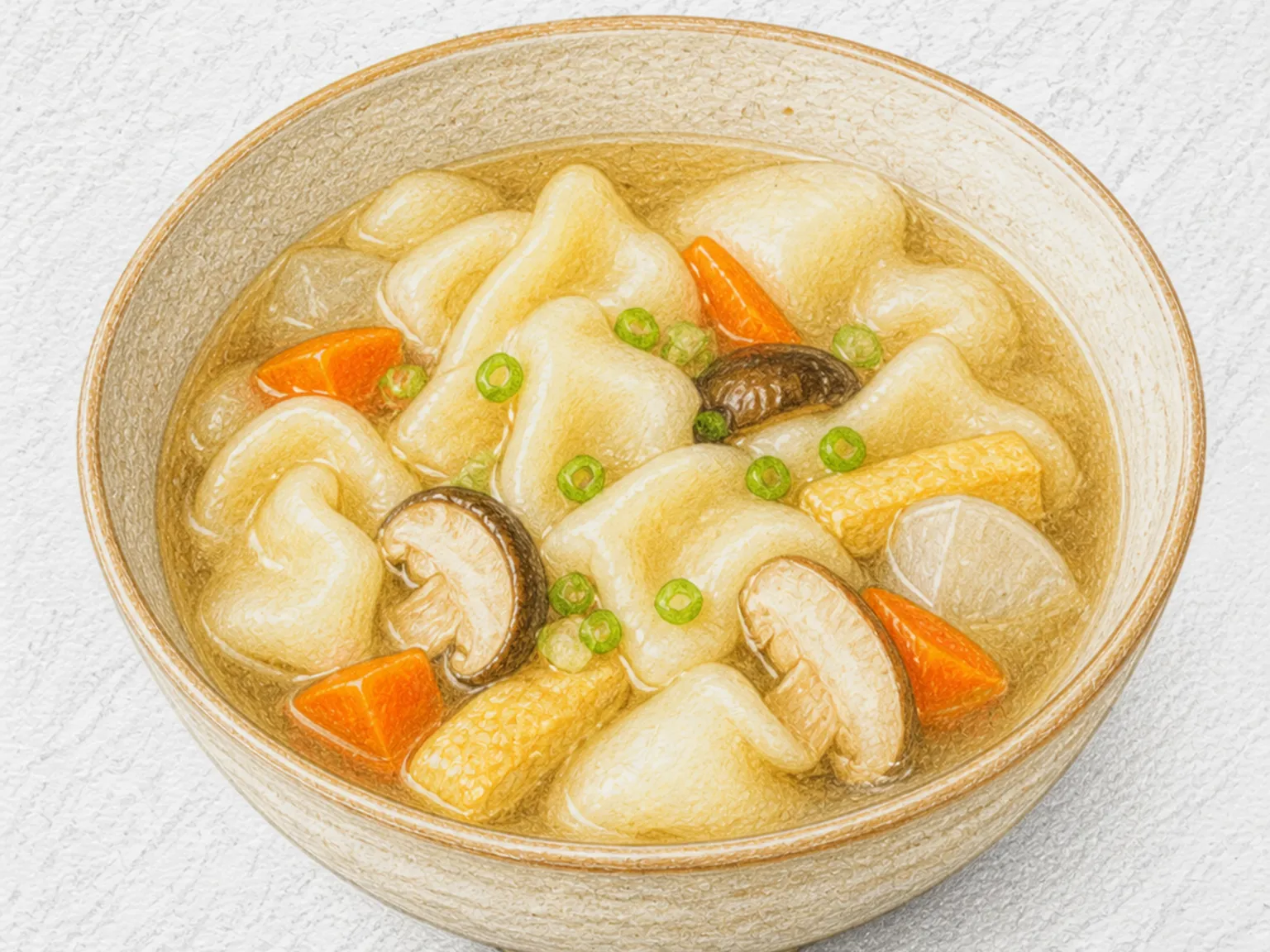
Hansuke-dofu (Tofu Simmered with Grilled Eel Heads)
Asian Medium

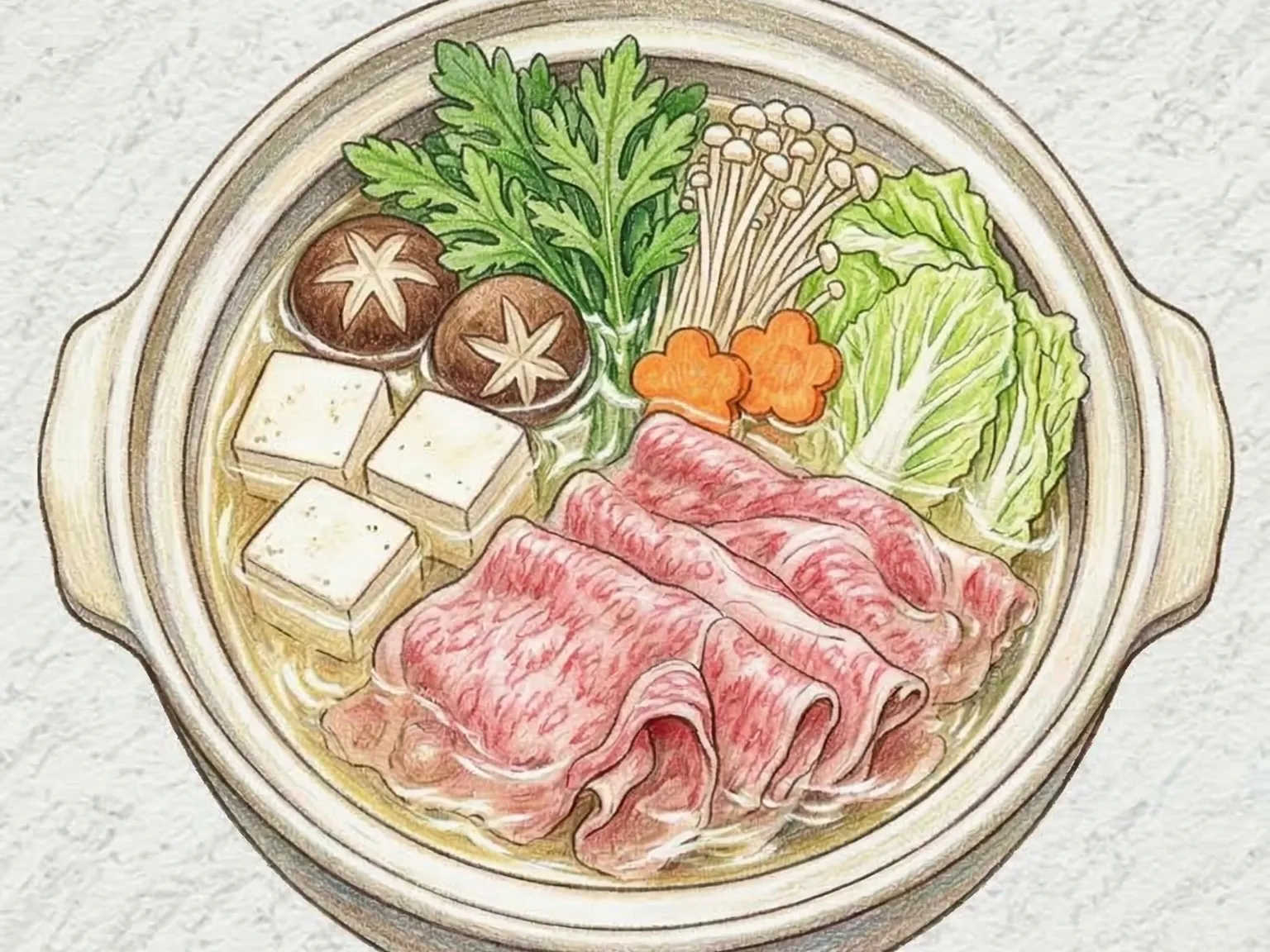
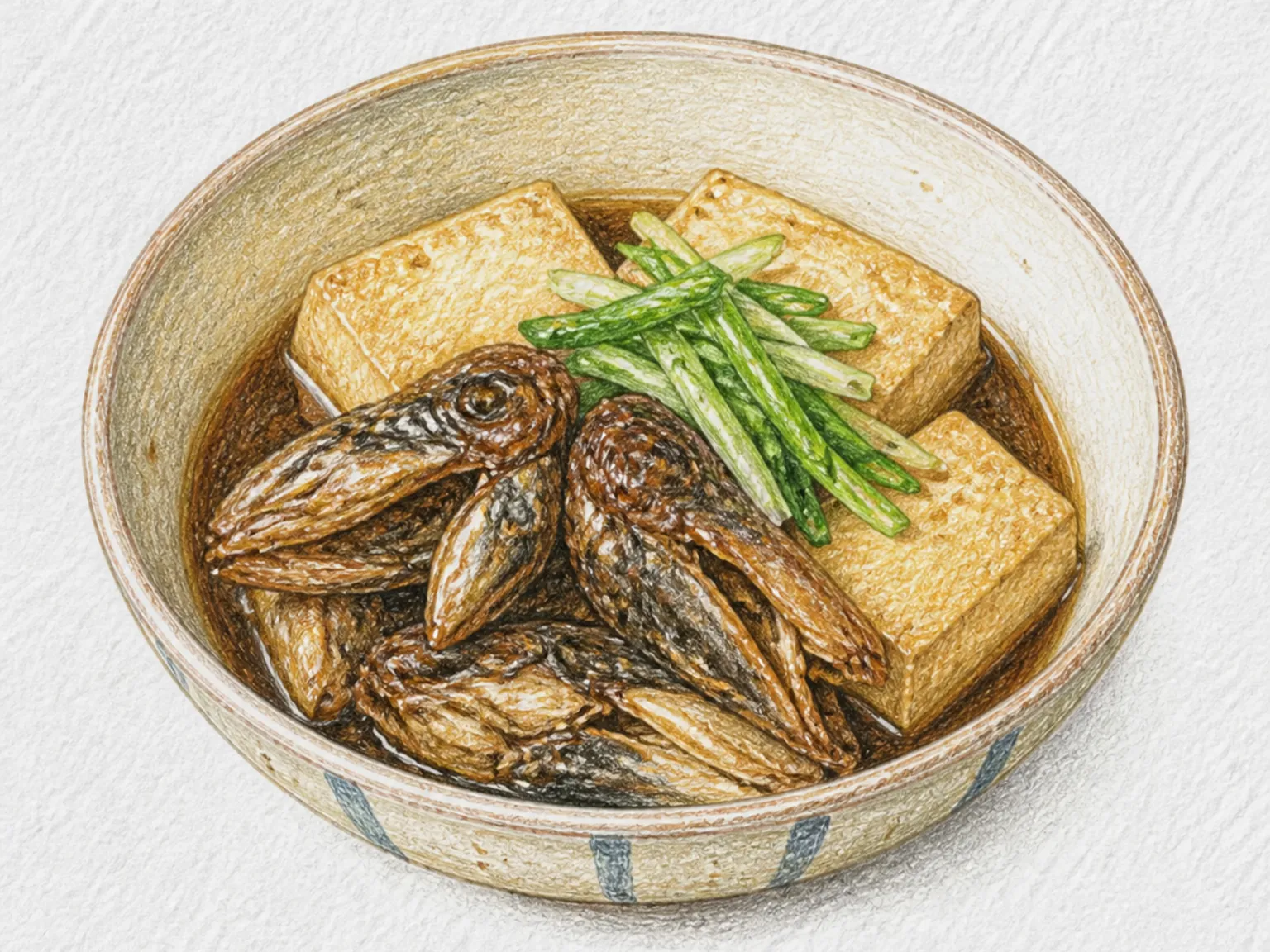
Hansuke-dofu (Tofu Simmered with Grilled Eel Heads)

In Osaka, the grilled heads left over after eel is made into kabayaki are called hansuke. Rinsed with boiling water to take off excess glaze and fat, they go into a broth of dashi, soy sauce, sugar and sake with grilled tofu, and the deep eel flavor passes through the broth into the tofu. It comes from a merchant city that wasted nothing, not even cheap by-products. The heads are full of small bones and are all lifted out; only tofu, scallion and strained broth go into the bowl.

Prep 15min Cook 25min 4 servings
Hatto (Buckwheat Rice-Flour Diamonds with Perilla Miso)
Asian Medium

Hatto (Buckwheat Rice-Flour Diamonds with Perilla Miso)

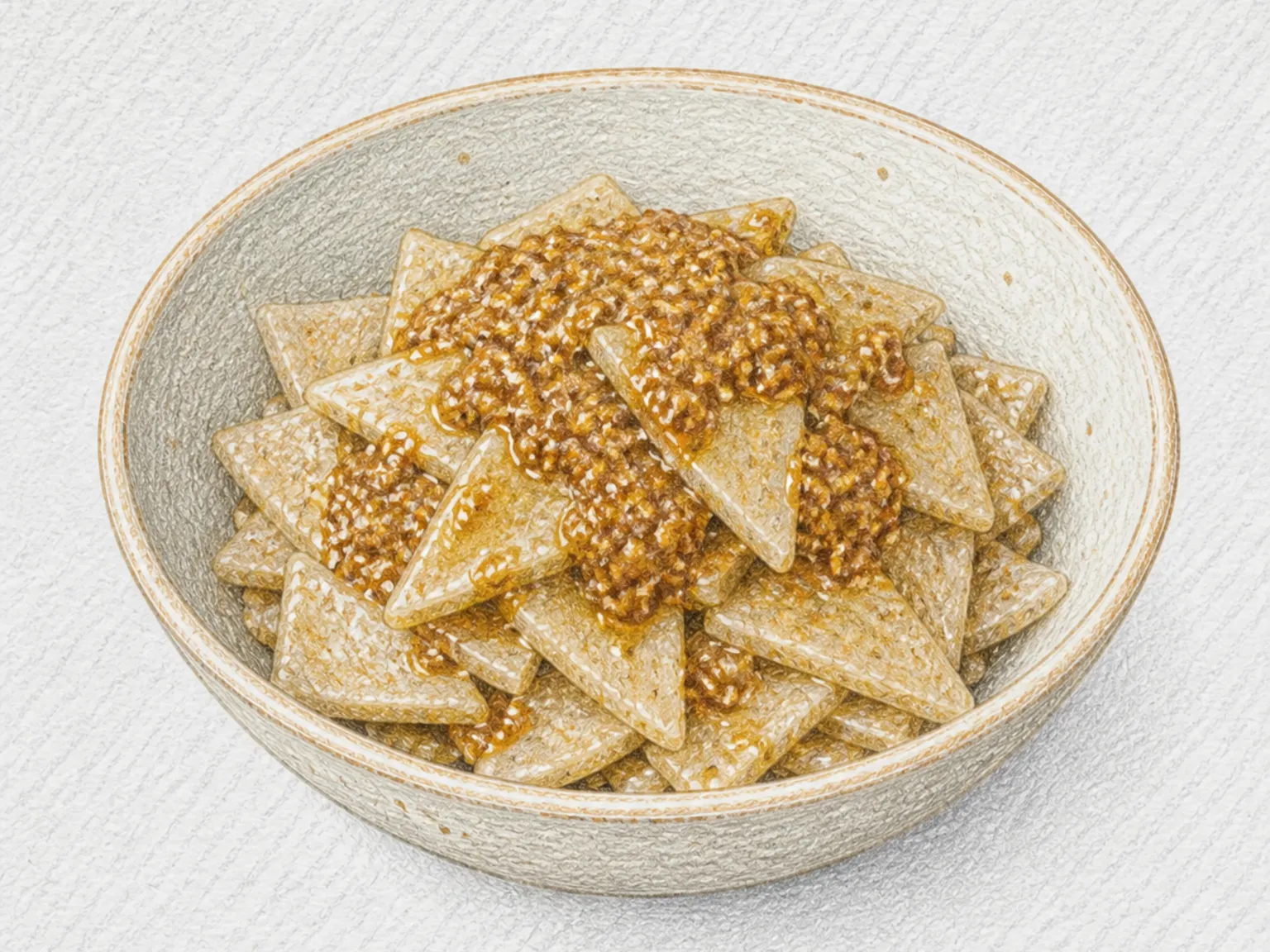
Diamonds of buckwheat and rice flour dough, boiled and coated in junen miso: toasted perilla seeds ground with sugar and miso. Hatto belongs to Hinoemata, where it marked the end of rice planting or roof work. One story links the name to gohatto, an Edo-period ban on eating too much grain, with villagers making the food in secret; another says a lord liked it so much that commoners were allowed it only at celebrations.

Prep 25min Cook 15min 4 servings
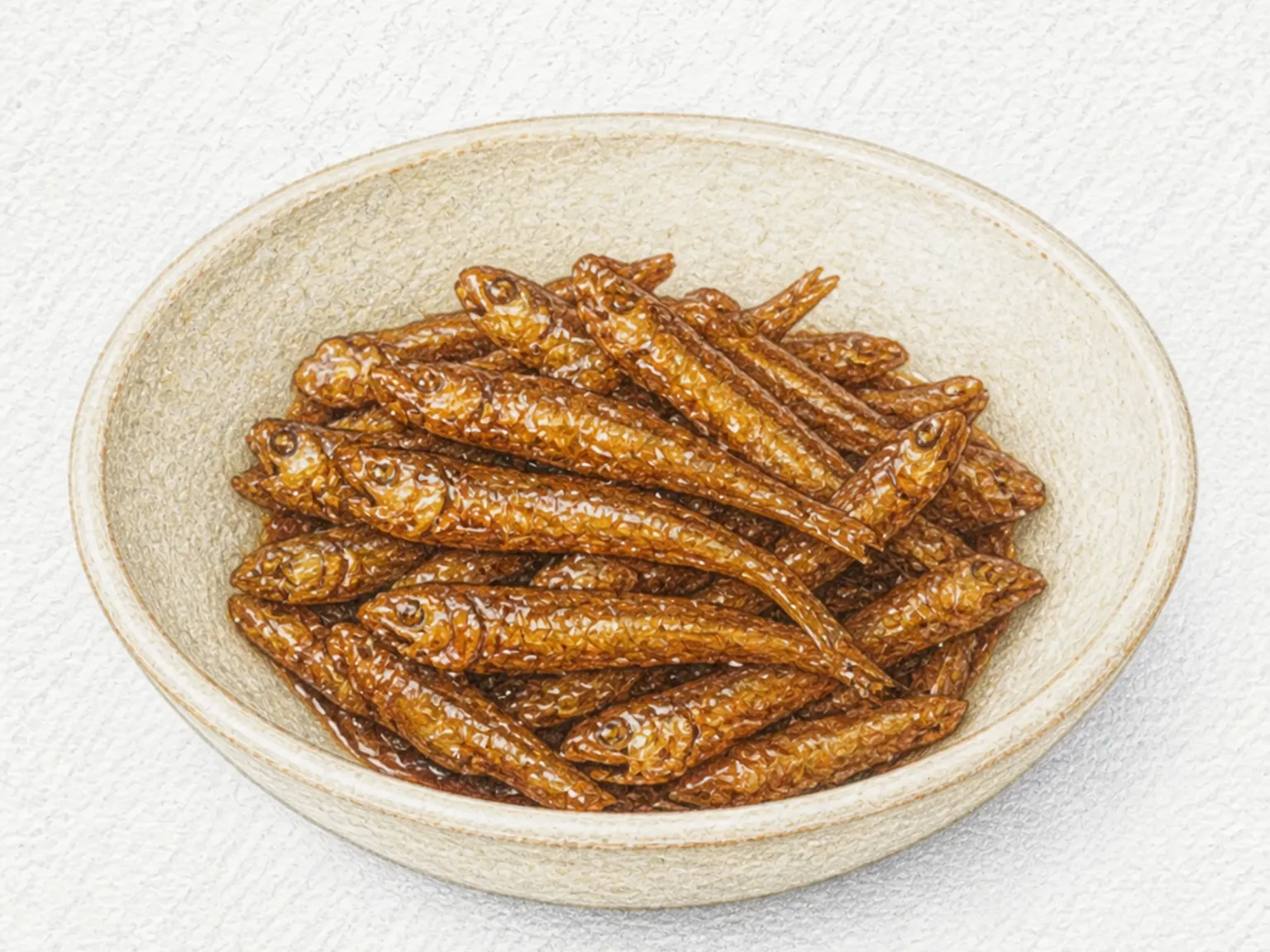
Haze Tsukudani (Tamari-Simmered Sea Goby)
Asian Hard

Haze Tsukudani (Tamari-Simmered Sea Goby)

Two rounds of refrigerator drying, one before an unseasoned grilling and one after, firm small sea gobies enough to keep their shape through a long final simmer in sweet tamari broth. Grilling also cuts surface moisture and fishy aroma. The result, a preserved side from the Mikawa Bay coast of Aichi, is nearly dry, concentrated in soybean savor and sweetness, and eaten a little at a time with rice or drinks.

Prep 30min Cook 55min 4 servings