Browse by cuisine

Japanese Recipes

509 Japanese recipes. Page 20 of 22. Compare ingredients and cooking times. Niai (Sweet-Sour Simmered Root Vegetables), Niku Dofu Beef and Tofu Simmer.

Niai (Sweet-Sour Simmered Root Vegetables)
Asian Medium

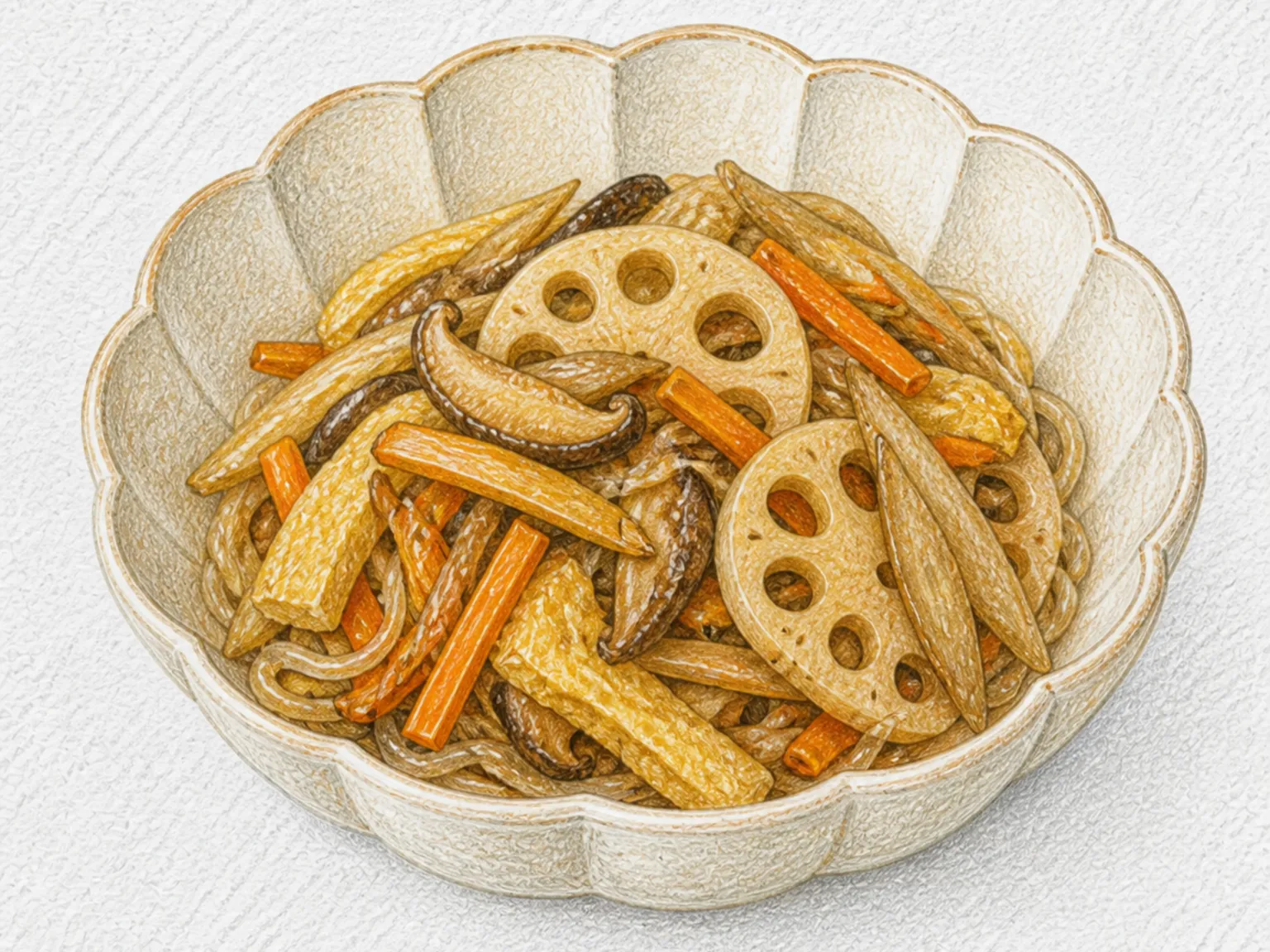
Niai (Sweet-Sour Simmered Root Vegetables)

Vinegar is added only at the very end, so a sweet soy simmer of burdock, carrot, lotus root, shiitake, shirataki, and fried tofu picks up a bright sour note while the lotus root keeps some crunch. It comes from around Mito in Ibaraki, and one theory traces the name to nite aeru, to simmer and then dress. Families made big batches for New Year and ceremonies and ate it the next day, and it still tastes best after a night in the refrigerator.

Prep 35min Cook 35min 4 servings
Nikujaga (Japanese Beef Potato Onion Soy-Sweet Stew)
Asian Easy

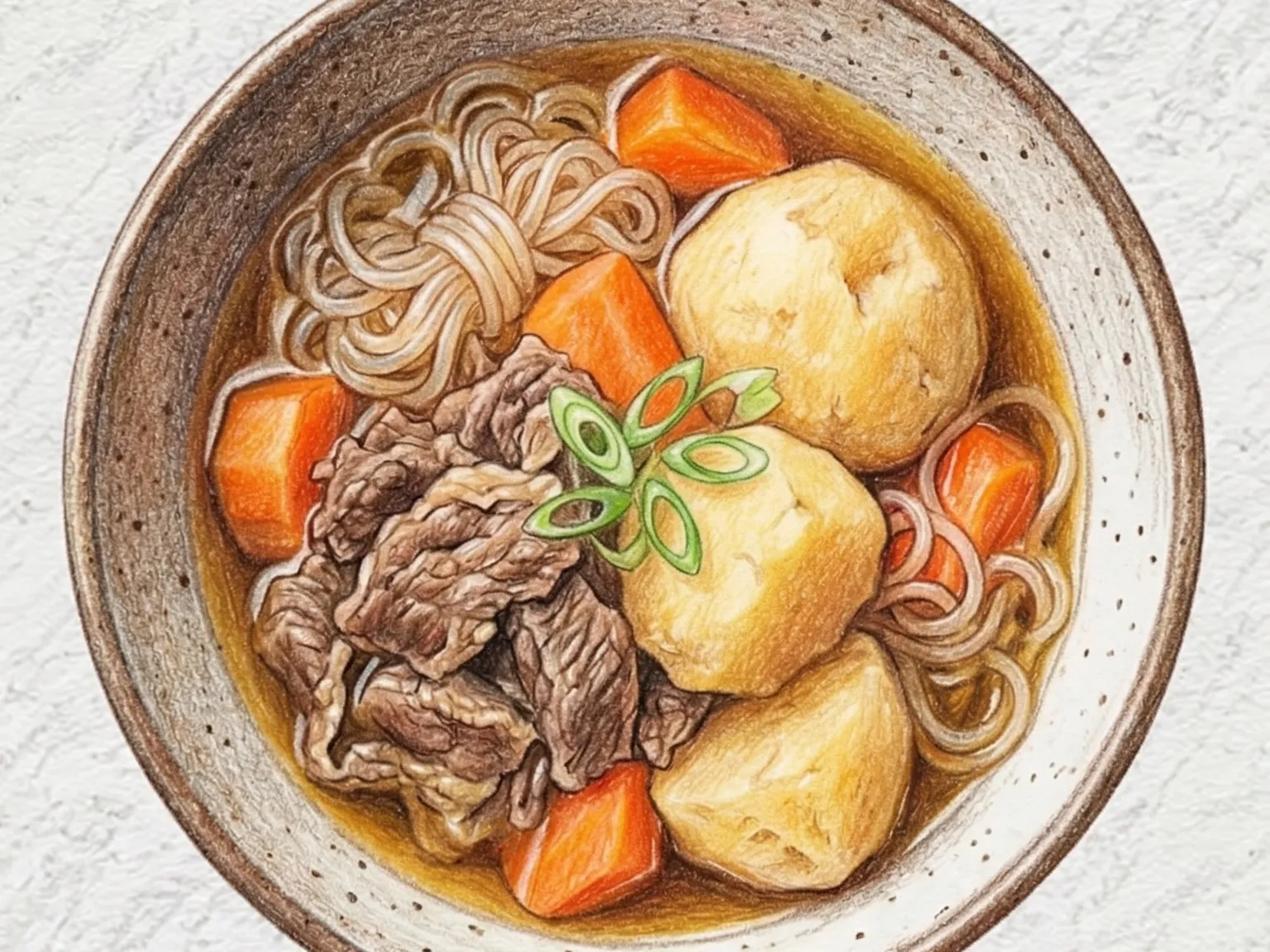
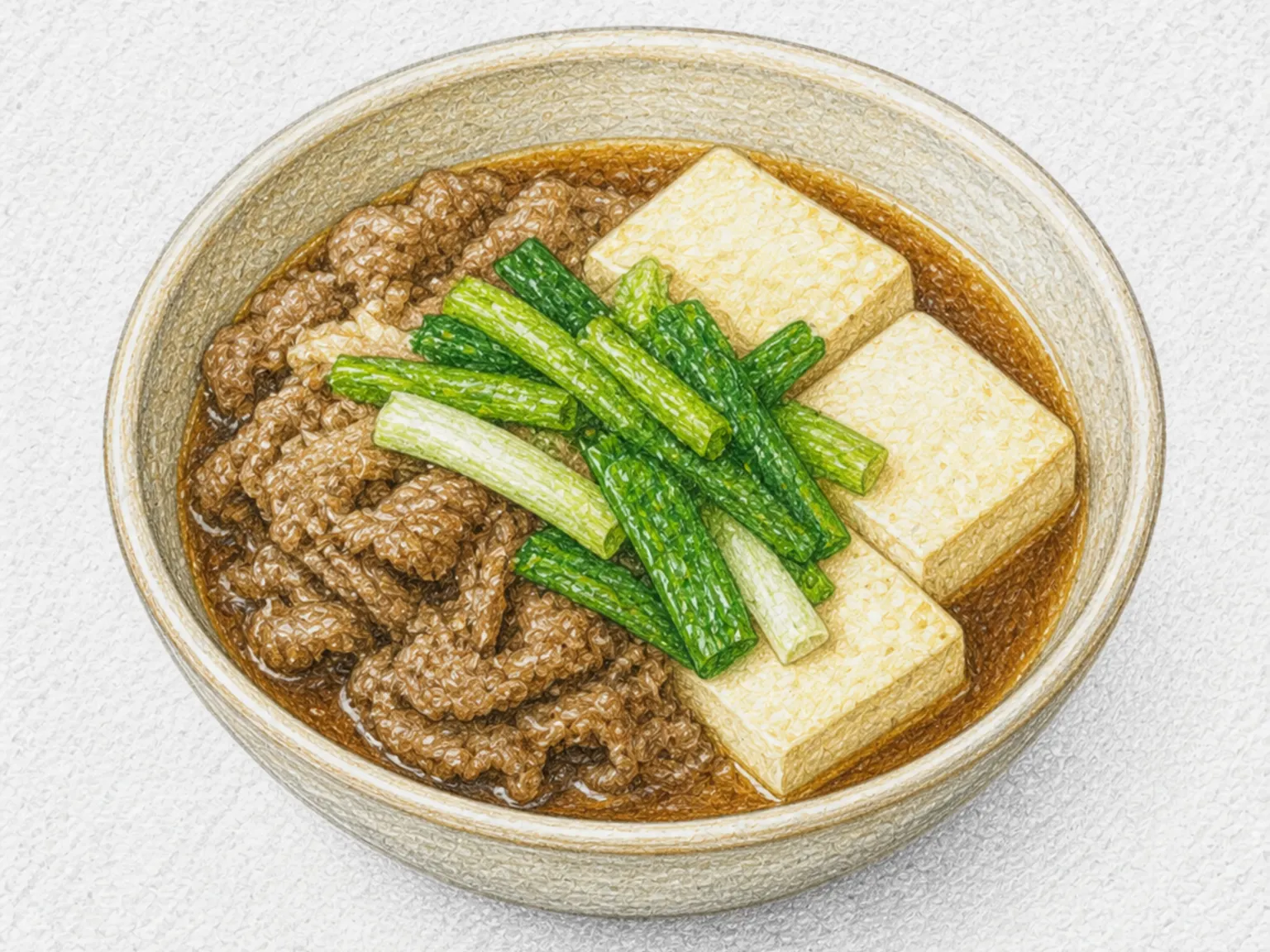
Nikujaga (Japanese Beef Potato Onion Soy-Sweet Stew)

Thin slices of beef, potatoes, onion, carrot, and shirataki noodles simmer in dashi sweetened with mirin and sugar and seasoned with soy sauce, a combination many Japanese people tie to home cooking. One story traces it to a Meiji-era naval officer trying to recreate British beef stew with Japanese ingredients, which would explain why the result is a clear soy braise rather than a thick, flour-bound stew.

Prep 15min Cook 30min 4 servings
Nimiso Red Miso Vegetable Stew
Asian Medium

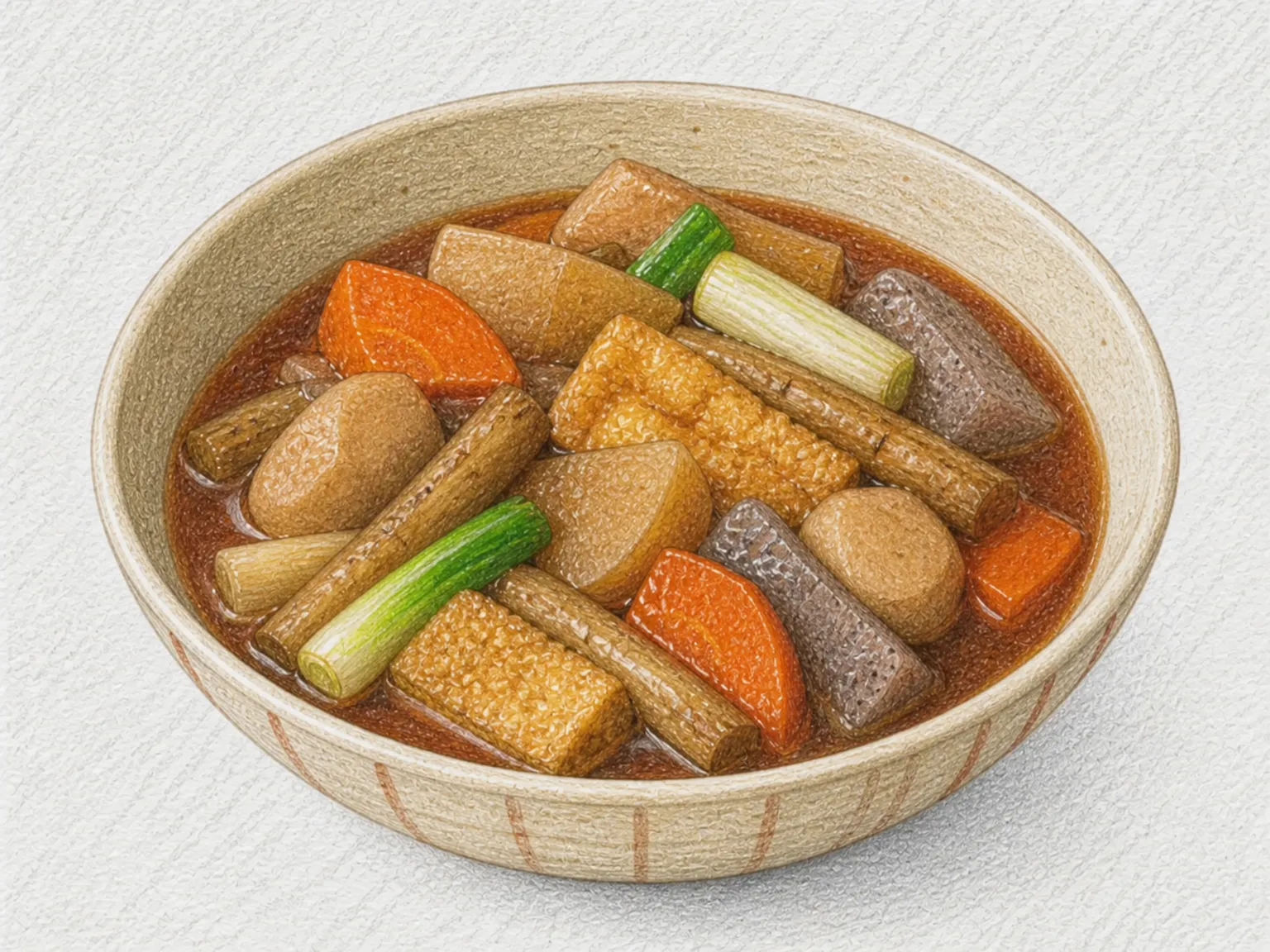
Nimiso Red Miso Vegetable Stew

Red soybean miso, aged from a soybean koji, gives this Aichi stew a dark broth with deep savoriness, a little acidity, and a faint astringency. Also called misoni, it grew out of the soybean miso tradition best known through Hatcho miso. Every household loads the pot with daikon, carrot, burdock, taro, konnyaku, and fried tofu, but some keep plenty of broth and eat it like a hot pot while others cook it down to a thicker simmer.

Prep 30min Cook 45min 4 servings
Noppe (Niigata Taro and Vegetable Simmer)
Asian Hard

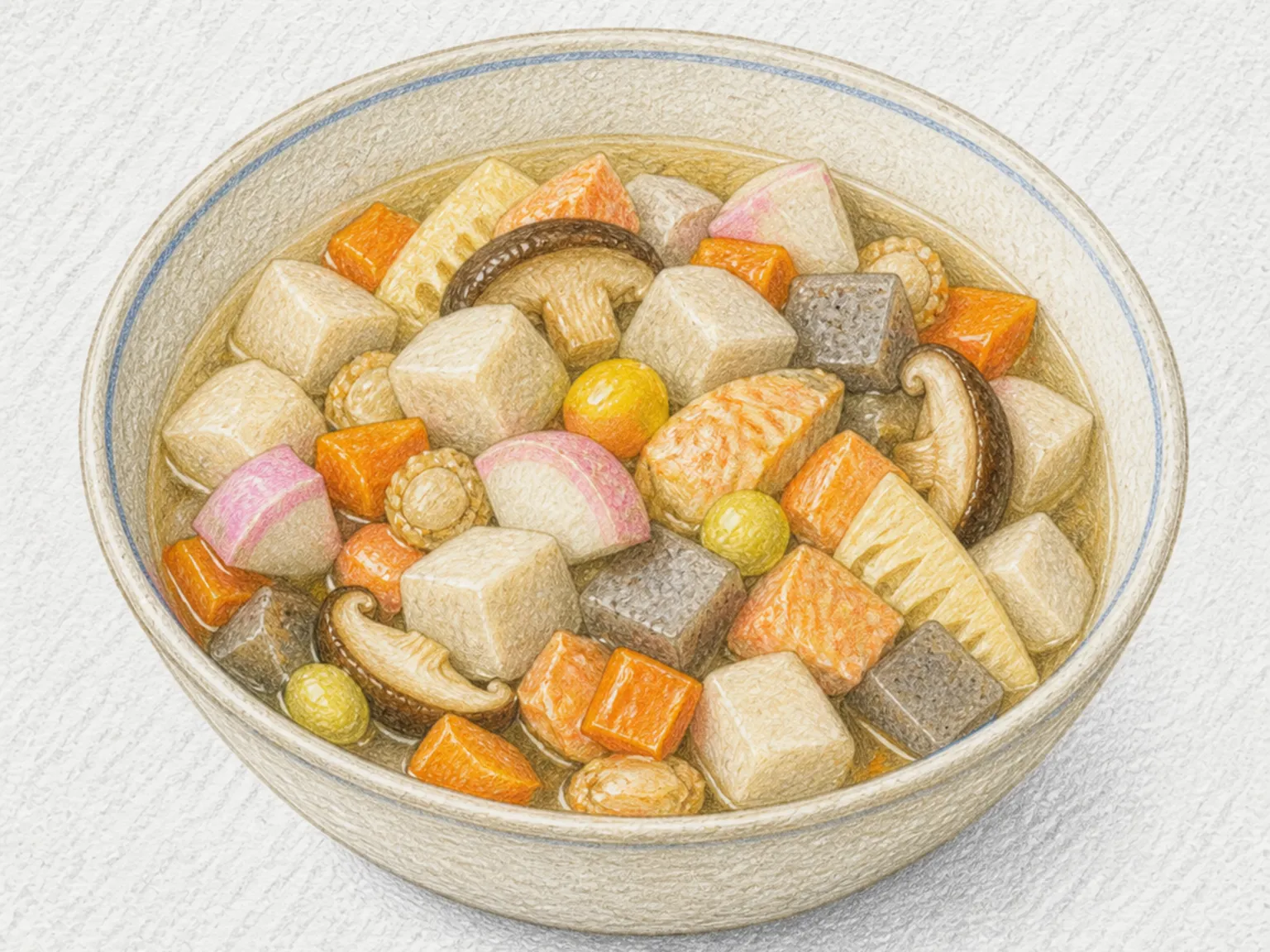
Noppe (Niigata Taro and Vegetable Simmer)

In Niigata's noppe, the broth thickens lightly from the taro's own starch, with no thickener added. Water from soaking dried scallops and shiitake forms the base, and taro, bamboo shoot, carrot, konnyaku, kamaboko fish cake, ginkgo nuts, and salted salmon are cut to similar sizes. Families make big pots for New Year, weddings, memorial services, and funerals, eat it warm or cold, and top each bowl with salmon roe.

Prep 30min Cook 35min 6 servings
Iwashi no Unohana-zuke (Vinegared Sardines with Okara)
Asian Hard

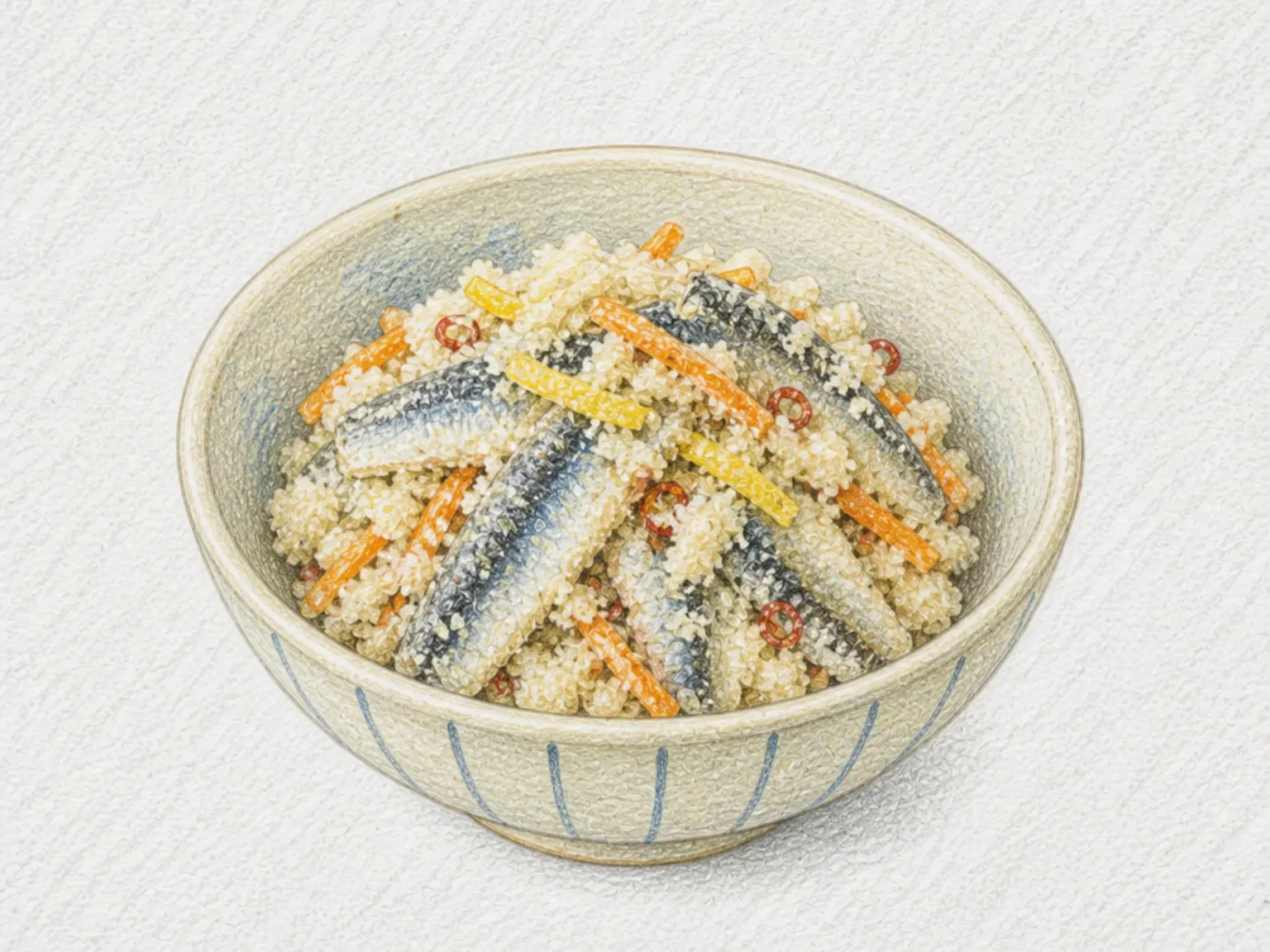
Iwashi no Unohana-zuke (Vinegared Sardines with Okara)

Small sardines cured first in salt and then in vinegar are opened flat and filled with sweet-sour okara, the soybean pulp left from tofu making, with a thin coat on the skin side too. The okara, cooked dry with carrot and dried chili and then brightened with yuzu zest and juice, comes across soft, citrusy, and tangy against the firm, vinegared fish. This Ibaraki dish is eaten the day it is made, and only sardines sold for raw eating after commercial freezing will do, since salt and vinegar do not kill anisakis.

Prep 35min Cook 12min 4 servings
Mushidai (Whole Sea Bream Steamed with Okara Stuffing)
Asian Hard

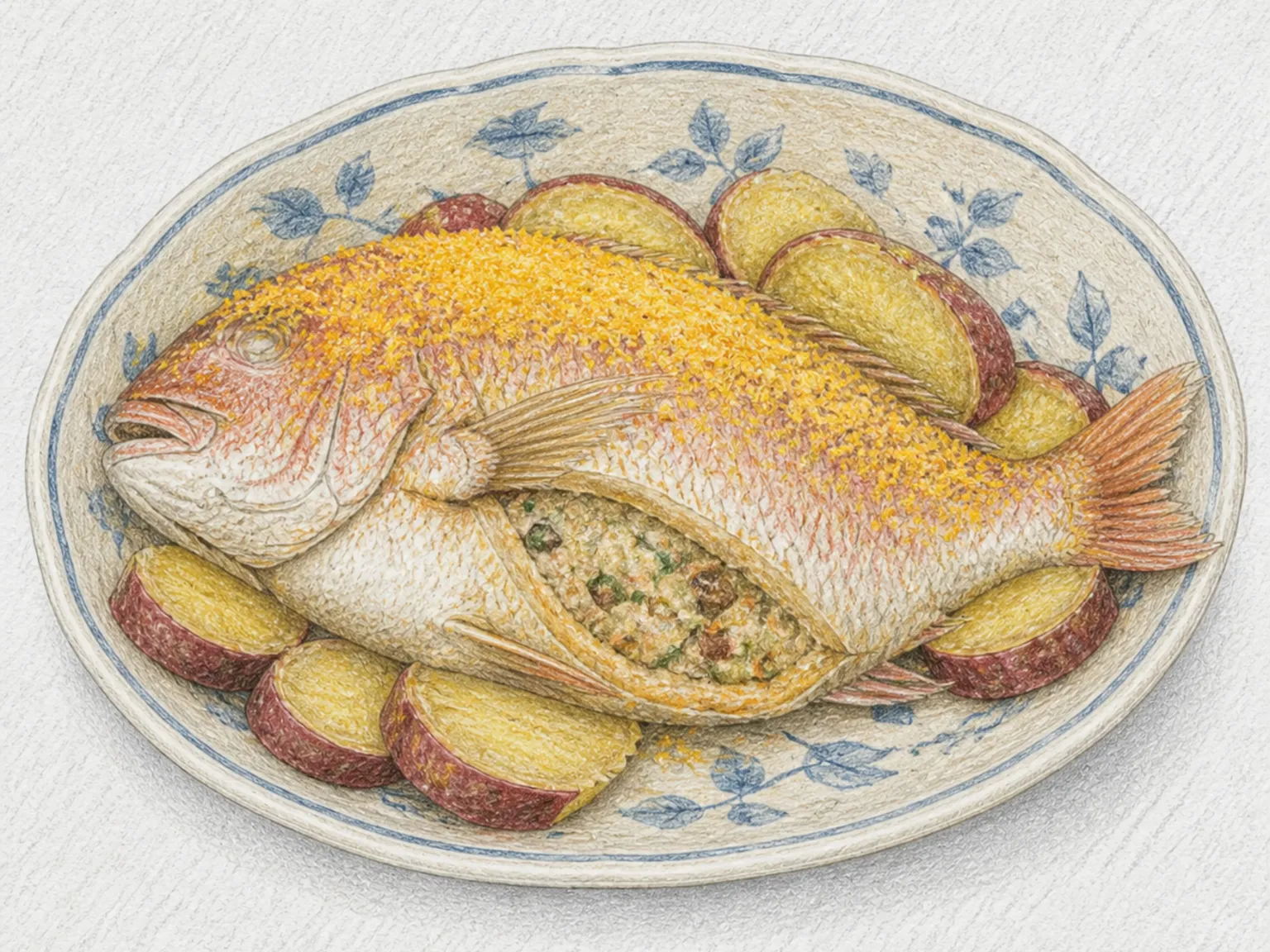
Mushidai (Whole Sea Bream Steamed with Okara Stuffing)

A whole sea bream of about 1 kg is opened from the back with its fins and shape intact, packed with sweetened okara, and steamed in one piece for celebrations in Kochi. Sieved hard-boiled egg yolk goes over the top at the end, and the fish is presented on a large sawachi platter at weddings, New Year, and the banquets locals call okyaku. A sweet potato steamed alongside is the old way of judging doneness, and this recipe keeps that habit.

Prep 60min Cook 60min 8 servings
Kibinago no Hokaburi (Vinegar-Cured Fish and Okara Sushi)
Asian Hard

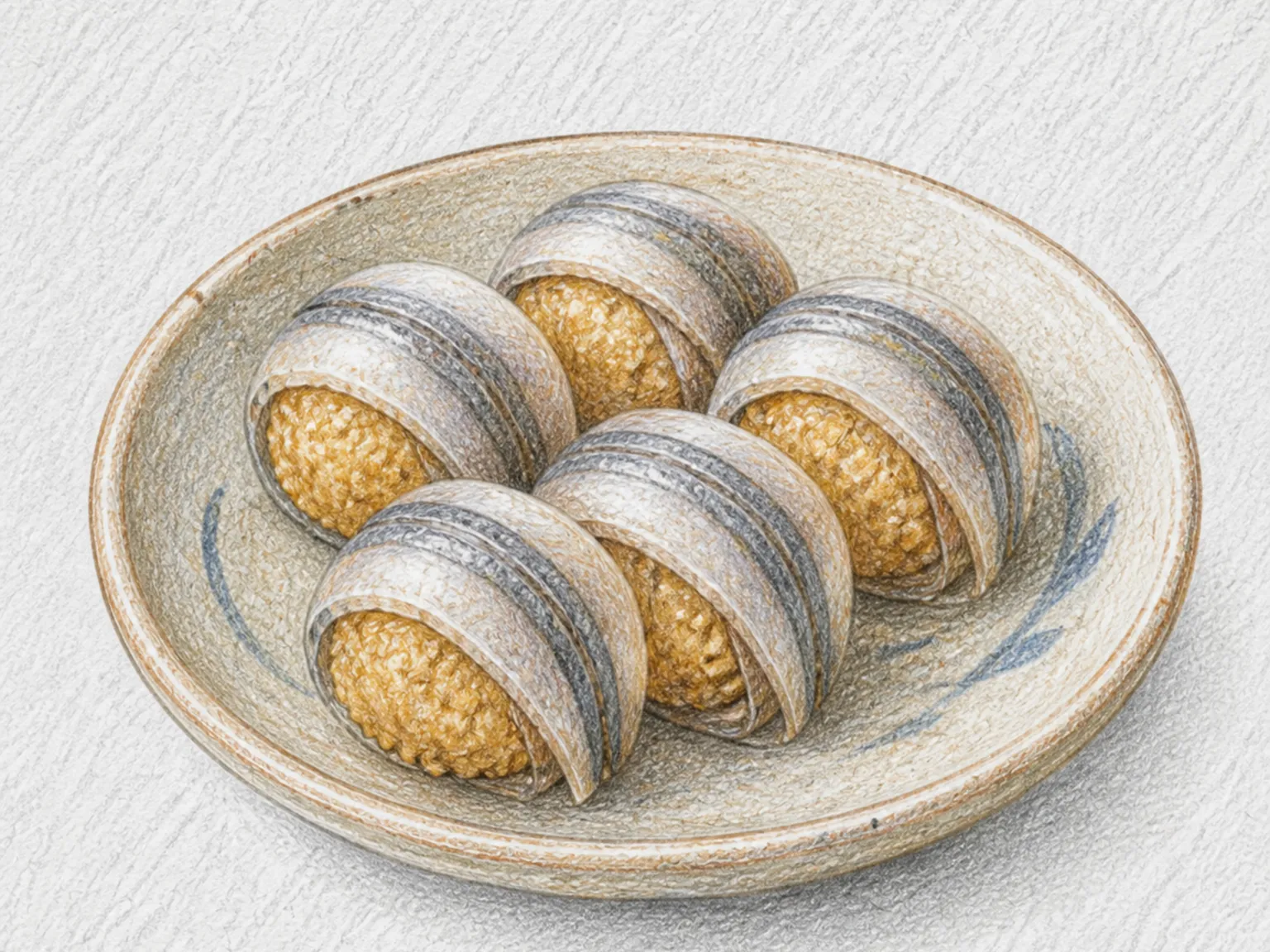
Kibinago no Hokaburi (Vinegar-Cured Fish and Okara Sushi)

Okara, the soybean pulp left from making tofu, stands in for rice in this sushi from Kochi, cooked with ginger, sugar, soy sauce, and vinegar until sweet and tart. Under a small vinegar-cured kibinago draped over each ball, the filling crumbles softly while the fish adds salt and a firm bite. The name hokaburi compares the fish to a cloth pulled over someone's head and cheeks. It belongs to the tamazushi family of rice-saving sushi and is tied especially to Sukumo, where Sukumo Bay once yielded large kibinago catches.

Prep 45min Cook 10min 4 servings
Oyaki with Eggplant and Sweet Miso
Asian Medium

Oyaki with Eggplant and Sweet Miso

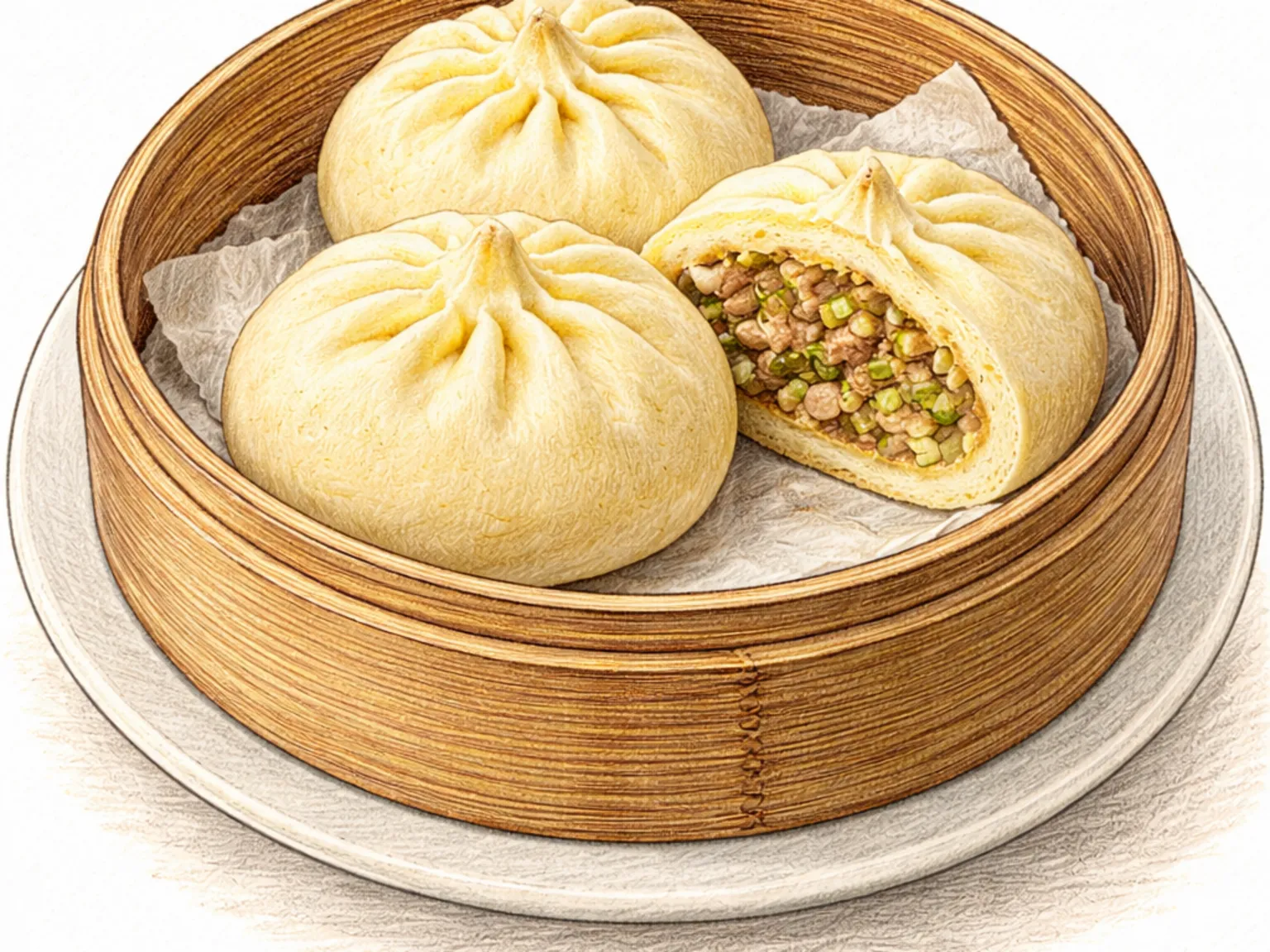
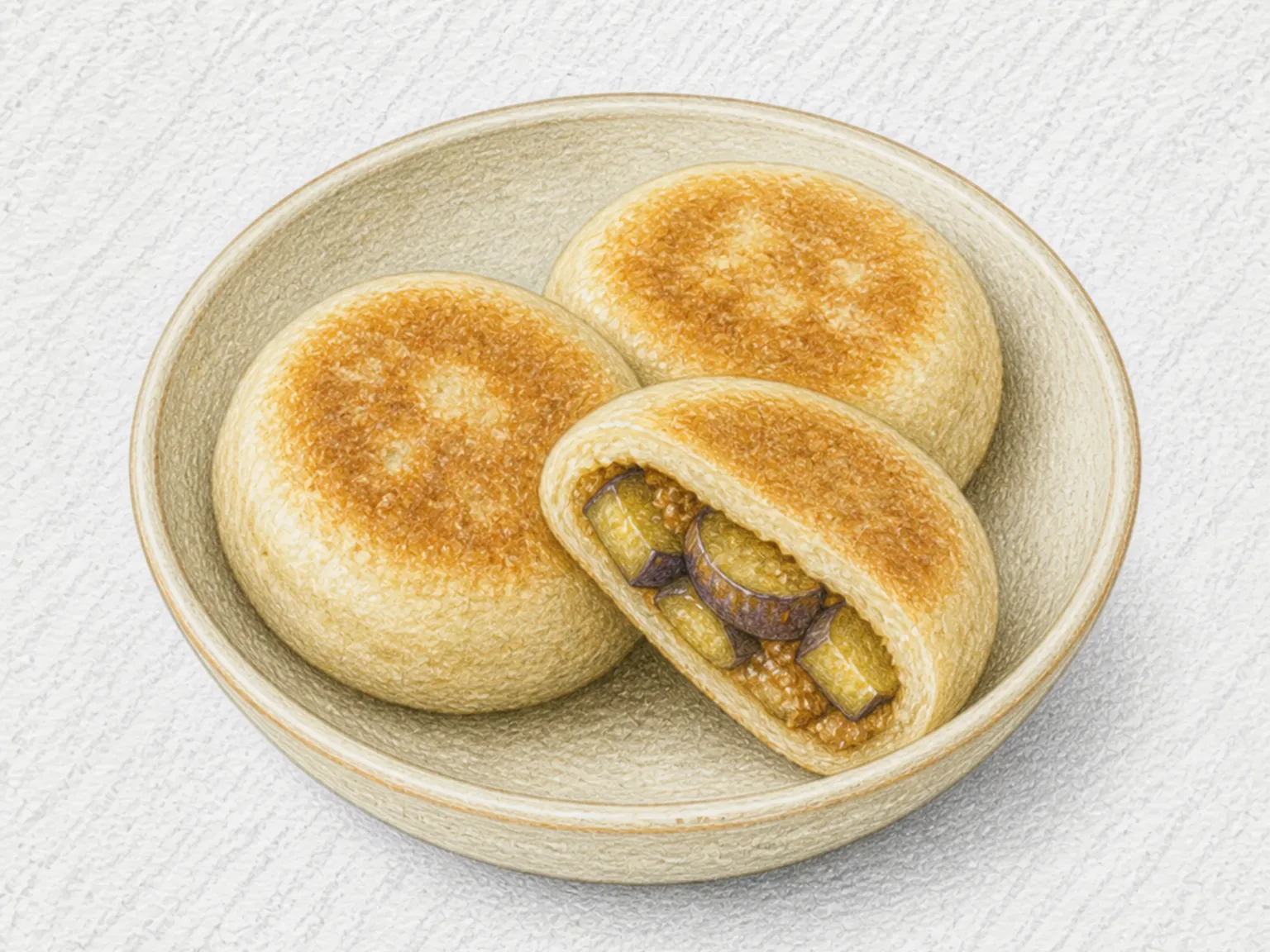
Round eggplant slices, slit into pockets and stuffed with sugar-sweetened miso, sit inside a plain wheat wrapper. Nagano's oyaki can hold many seasonal vegetables, and in this filling the eggplant turns soft and juicy as it steams, soaking up the salty-sweet miso. Some oyaki are only grilled or only steamed, but these are browned in a pan first and then steamed, leaving the wrapper chewy-soft with a toasted bottom. The batch makes twenty.

Prep 75min Cook 30min 20 servings
Mizu-tataki Pounded Wild Greens
Asian Medium

Mizu-tataki Pounded Wild Greens

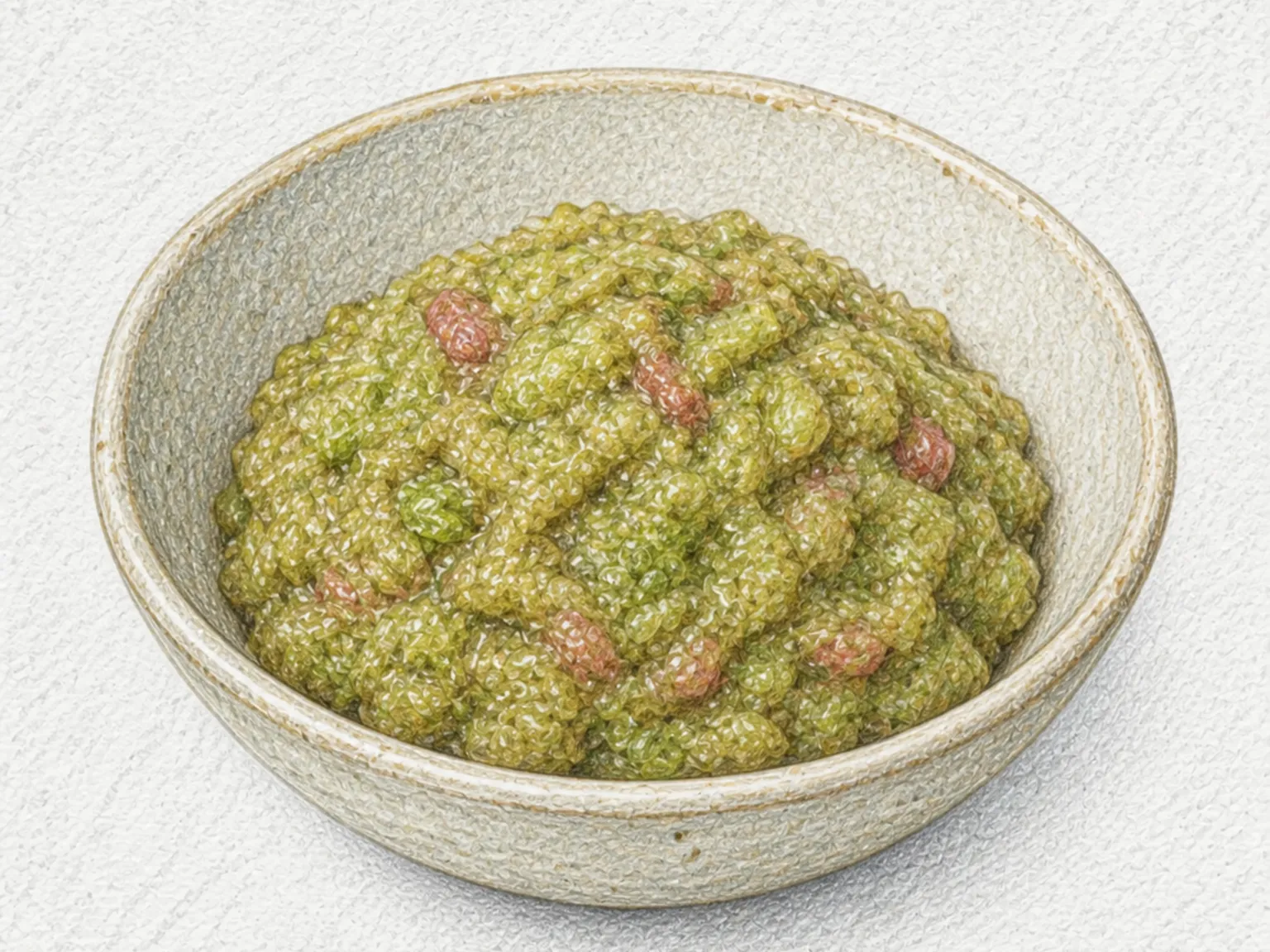
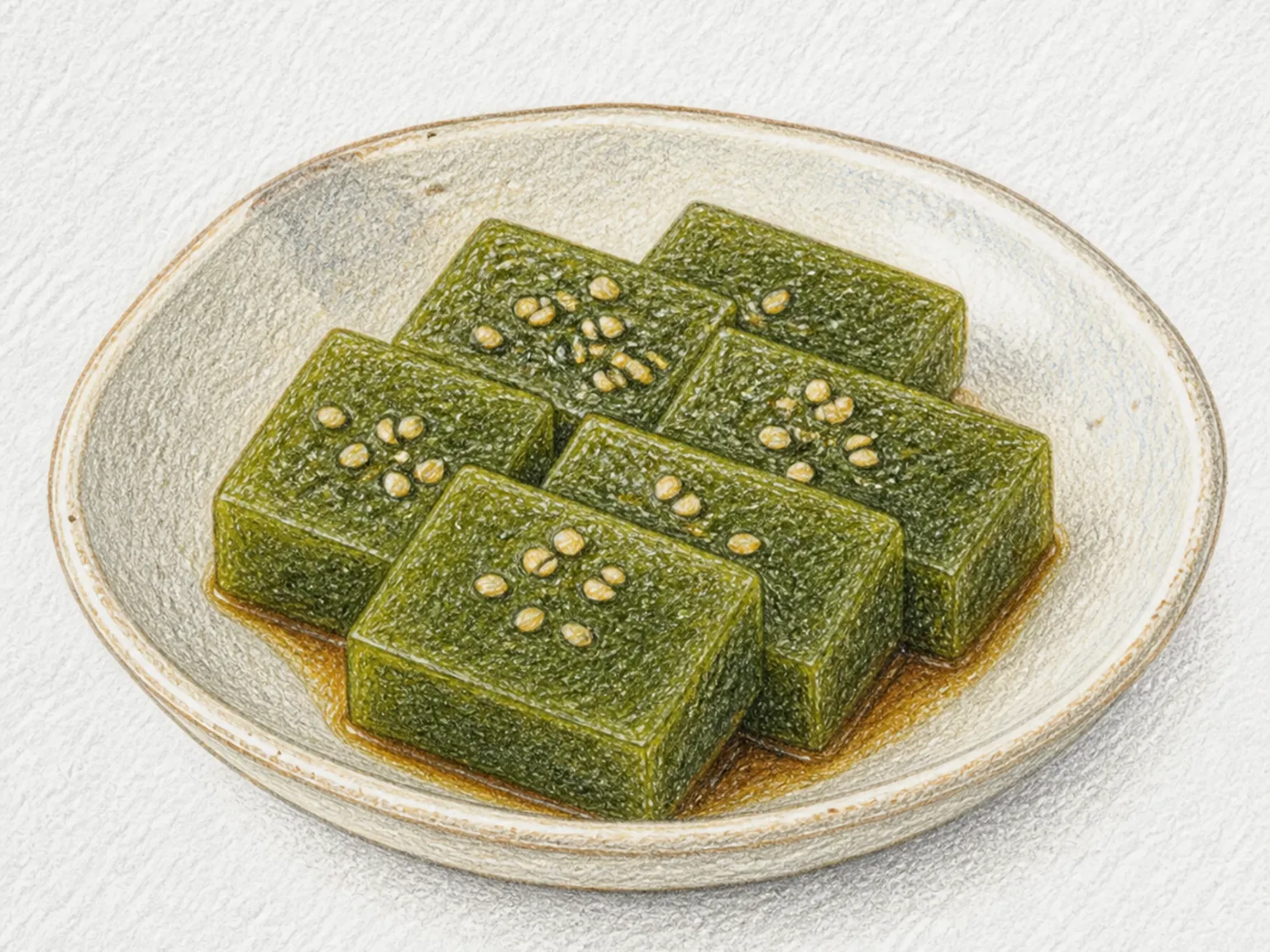
Pounded and then minced, the red stem bases of mizu turn sticky and stringy, much like grated mountain yam, and are dressed with miso, mirin, soy sauce, and sugar. Mizu, formally uwabamiso, grows in colonies along clean mountain streams in Iwate's Ou and Kitakami ranges. The deeper the red at the base, the stronger the stickiness, while the watery stem keeps both crunch and a slippery feel. Tender spring and early-summer stems are the most prized. Serve it cold, on the day it is made.

Prep 40min Cook 3min 10 servings
Shoyu Mame (Kagawa Roasted Broad Beans in Soy Marinade)
Asian Easy

Shoyu Mame (Kagawa Roasted Broad Beans in Soy Marinade)

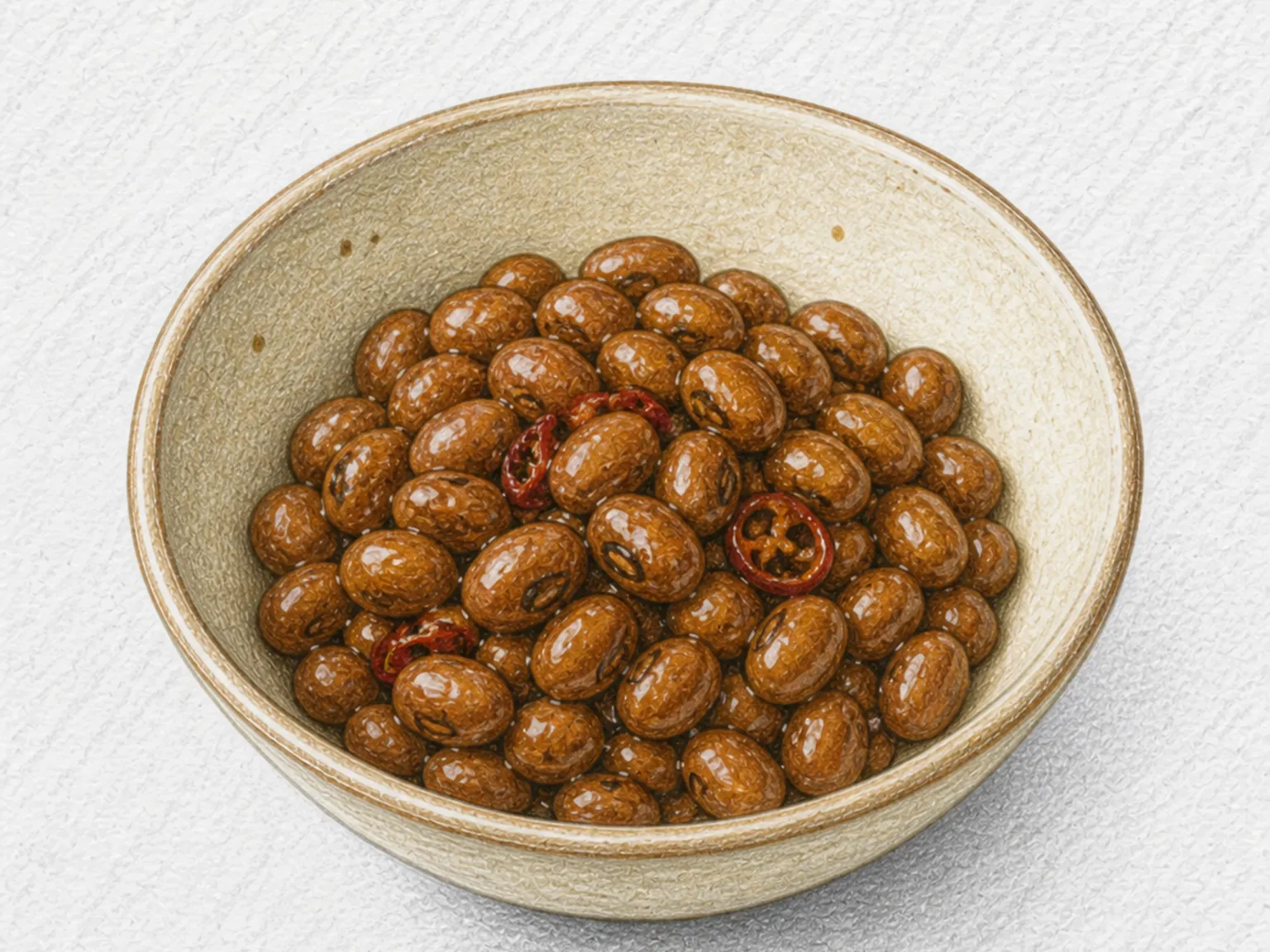
Rather than boiling, the dried broad beans are roasted dry in a pan first, which gives the skins a toasty smell and leaves a center that crumbles when bitten. Still hot, they drop into a sweet soy and chili marinade and sit overnight. Sanuki farmers in Kagawa grew broad beans after the rice harvest and kept shoyu mame on hand for everyday meals and sake. One story says roasted beans meant for pilgrims rolled into a soy sauce jar and came out nicely seasoned, and some homes set them out at New Year in place of sweet black beans.

🏠 Everyday 🍺 Bar Snacks
Prep 5min Cook 60min 4 servings
Akagarei no Komaburi (Flounder Sashimi Coated with Roe)
Asian Hard

Akagarei no Komaburi (Flounder Sashimi Coated with Roe)

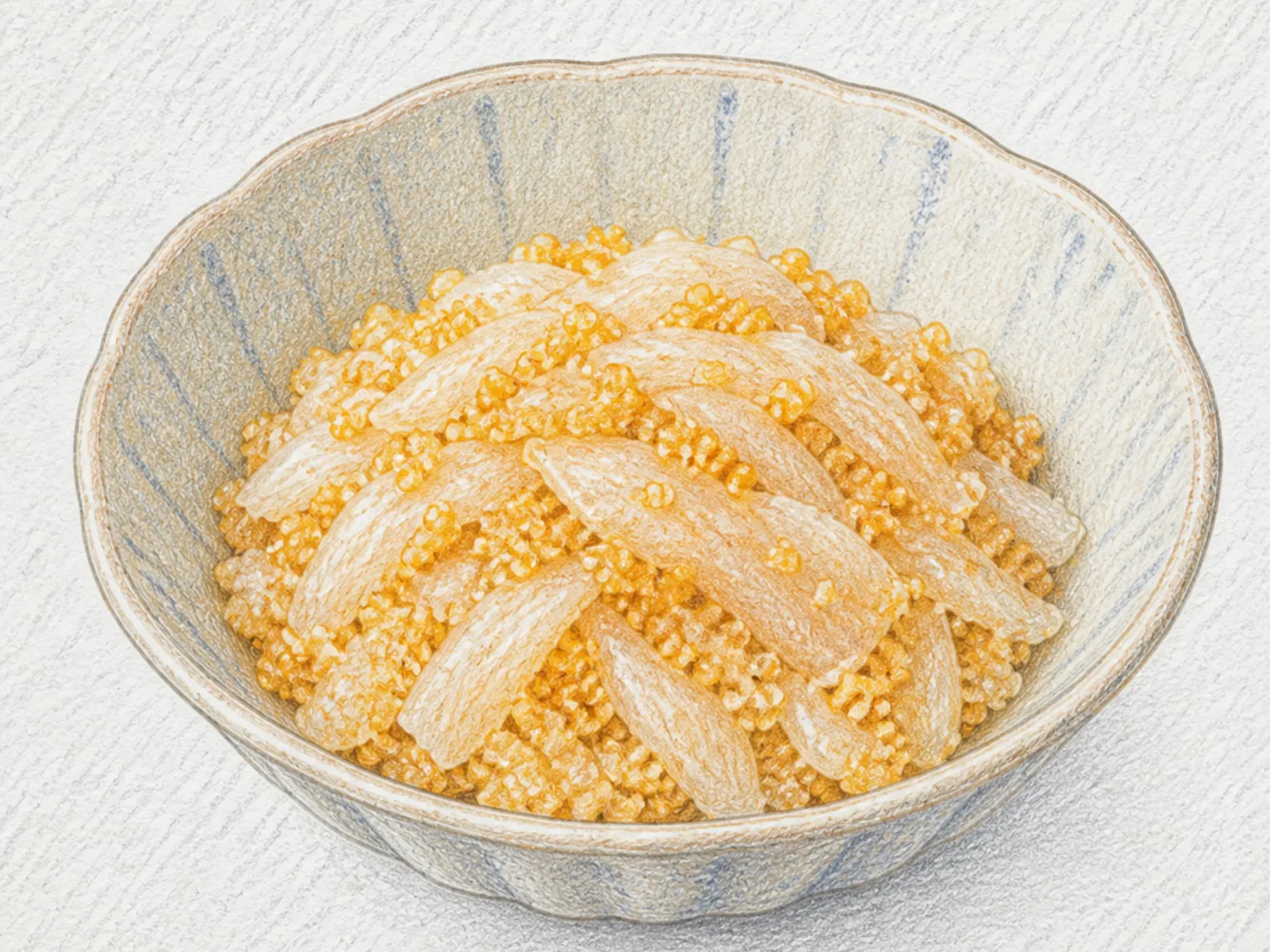
One roe-bearing female flathead flounder supplies both parts of this winter celebration dish from Iwami in Tottori: the white flesh is sliced as sashimi, and the roe is cooked through, crumbled into dry grains, and coated over each slice. The fish stays clean and springy under a thin, rich, slightly sandy layer of roe. It comes with soy sauce and wasabi and is eaten as soon as it is mixed; leftovers are not kept.

Prep 40min Cook 15min 6 servings
Shime-dofu (Pressed and Simmered Tofu)
Asian Medium

Shime-dofu (Pressed and Simmered Tofu)

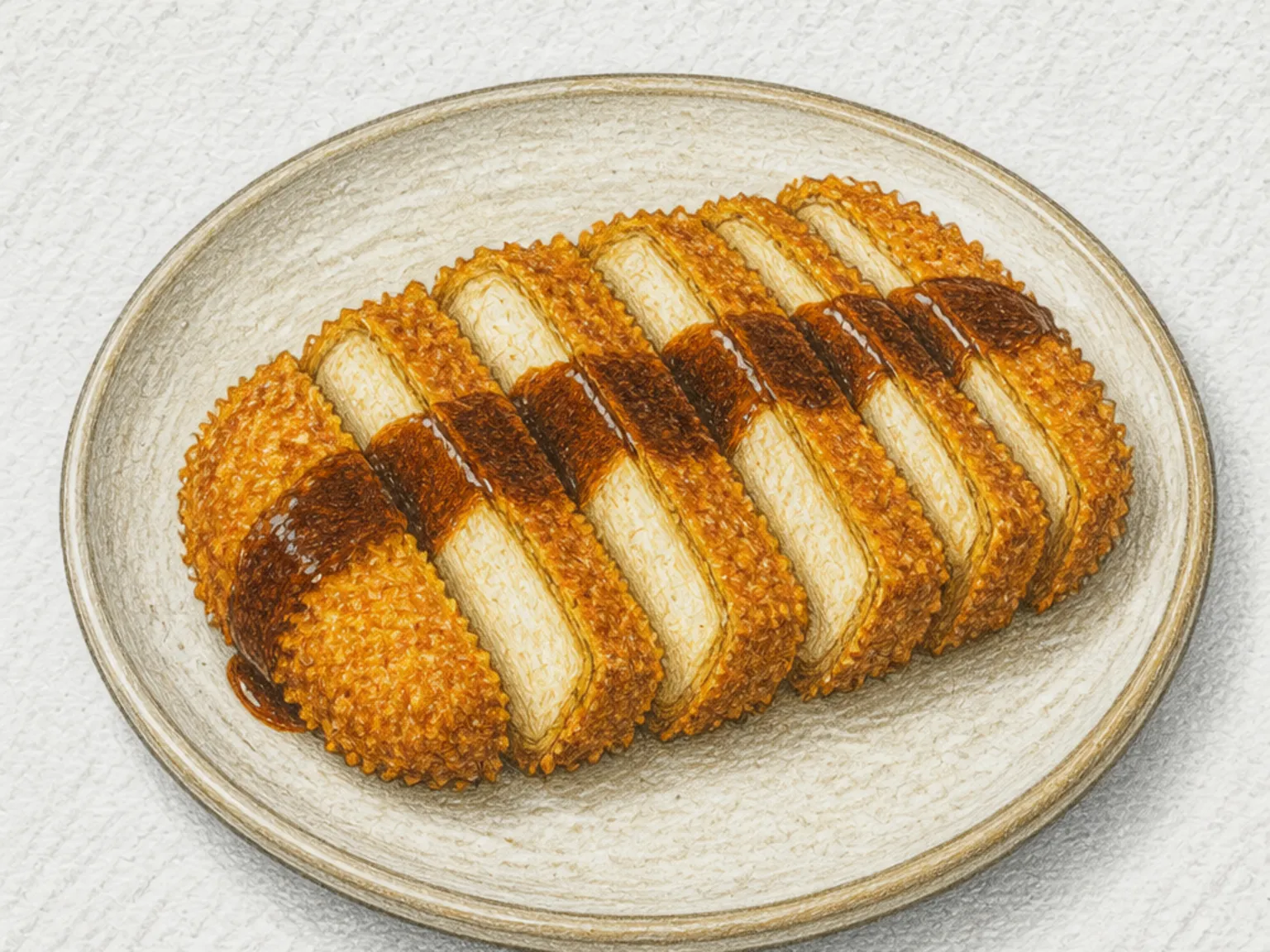
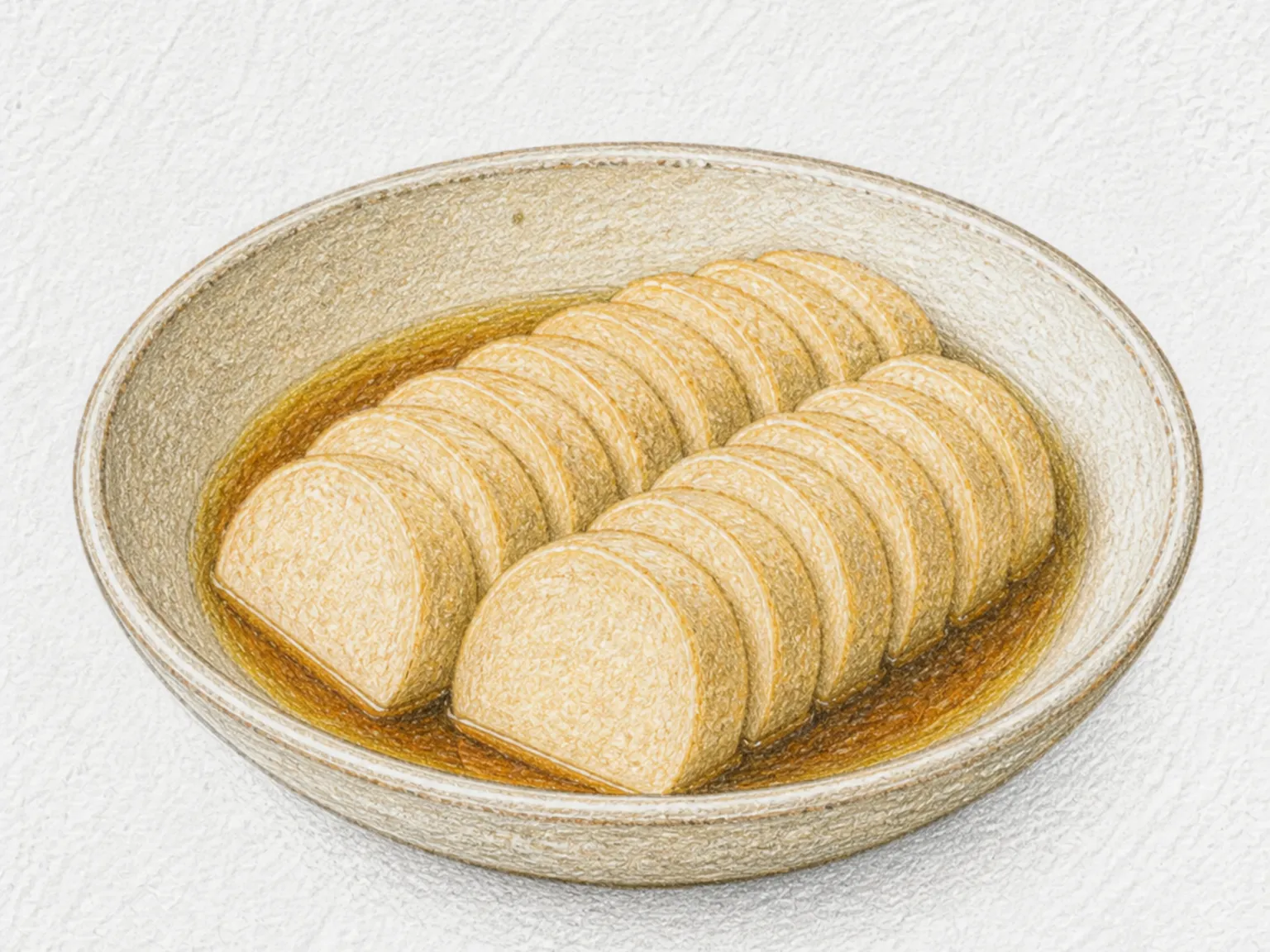
Rolling tofu tightly in a bamboo mat and boiling it squeezes out the big pockets of water, leaving a firm, smooth texture closer to kamaboko fish cake than to ordinary tofu. In the Kanra area of Gunma, the pressed cylinder is then simmered in dashi, sugar, and soy sauce until the seasoning reaches the center. Holding their shape and the ridges of the mat, the slices are served as a side dish or added to nishime, a mixed simmered dish.

Prep 15min Cook 50min 2 servings
Chiba Sumitsukare
Asian Medium

Chiba Sumitsukare

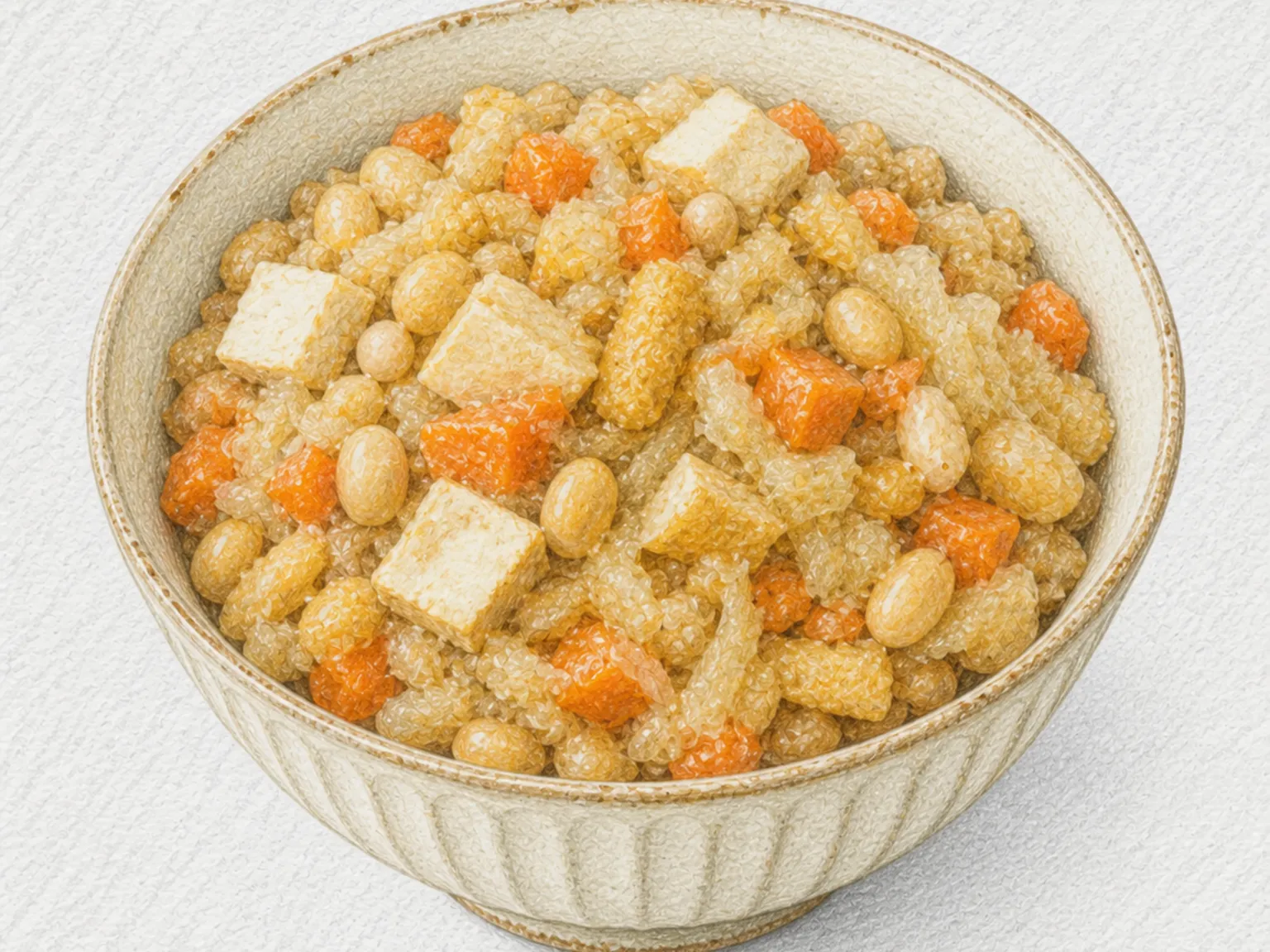
Other regions make shimotsukare with salmon heads, but this Chiba version from Tokatsu is all vegetables, soy, and sake lees: coarsely grated daikon and carrot, roasted soybeans, fried tofu, and firm tofu. Over hours on low heat the daikon falls apart into the lees and the whole pot turns thick and porridge-like. It was offered at Inari shrines with red bean rice on Hatsuuma, the first horse day of February, and it uses up roasted beans left over from Setsubun. The name shifts from place to place: sumitsukare, shimotsukare, somotsukare.

Prep 30min Cook 240min 10 servings
Hatoshi (Nagasaki Shrimp Toast)
Asian Medium

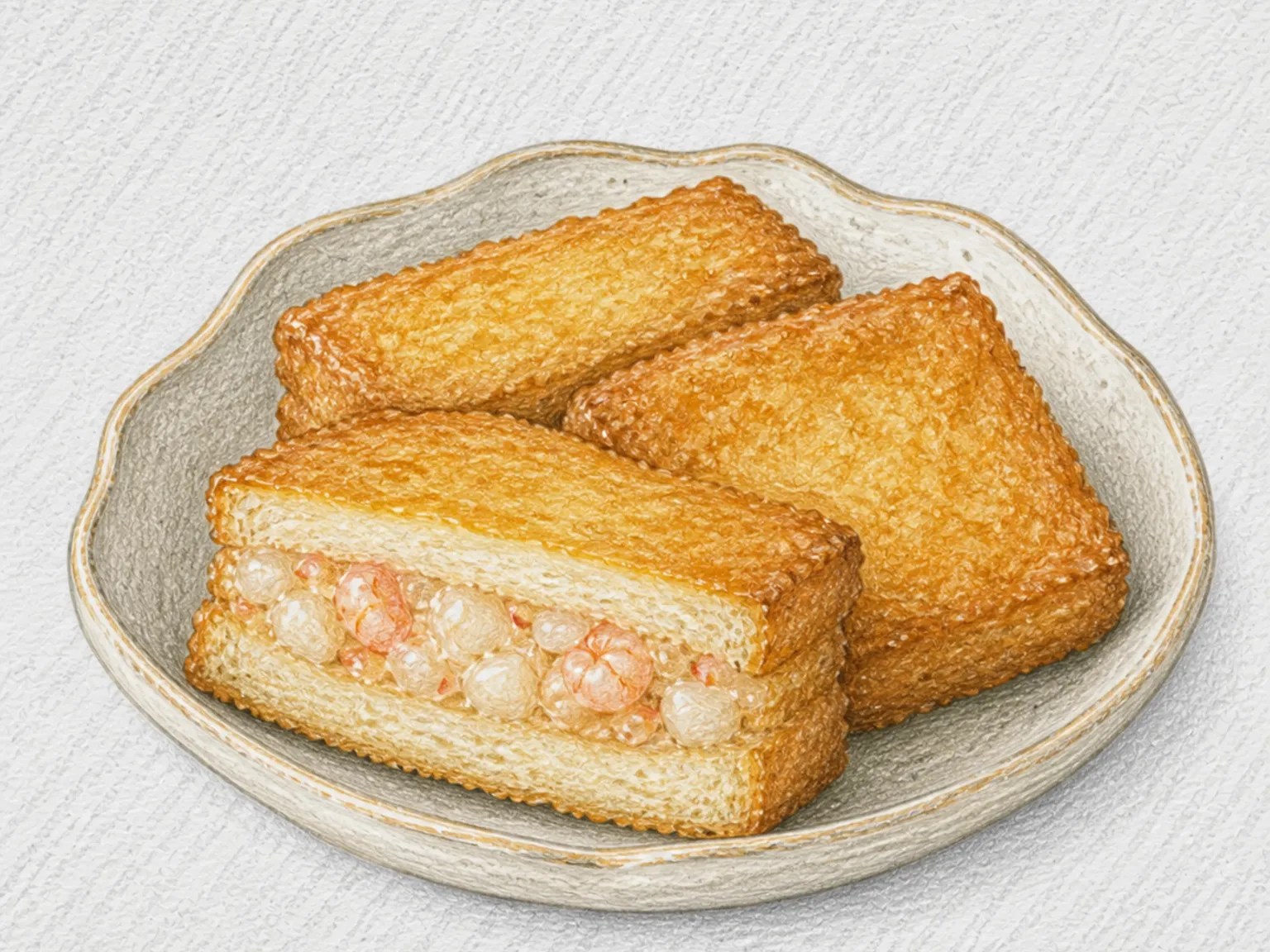
Hatoshi (Nagasaki Shrimp Toast)

Brought to Nagasaki from Qing China in the Meiji era, hatoshi became one plate of shippoku, the city's round-table banquet, and is now sold in shops and on the street as a snack. Here a thick layer of shrimp and squid is sandwiched between slices of white bread, steamed, and only then deep-fried. Grinding half the seafood into a sticky paste and cutting the rest into chunks gives the crisp bread a moist filling with springy bites.

Prep 25min Cook 25min 2 servings