Browse by cuisine

Japanese Recipes

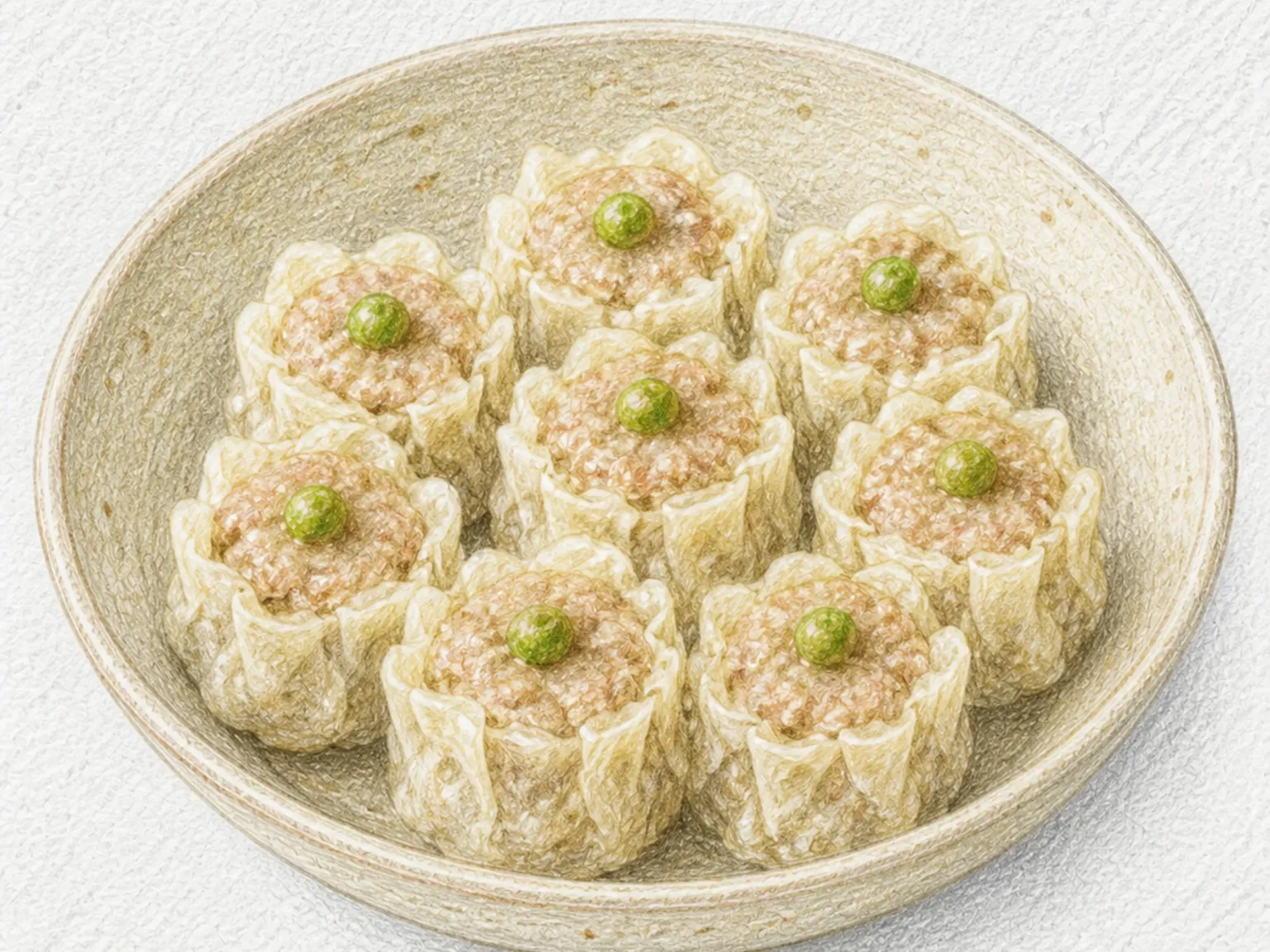
509 Japanese recipes. Page 21 of 22. Compare ingredients and cooking times. Shumai (Japanese Steamed Pork Dumplings).

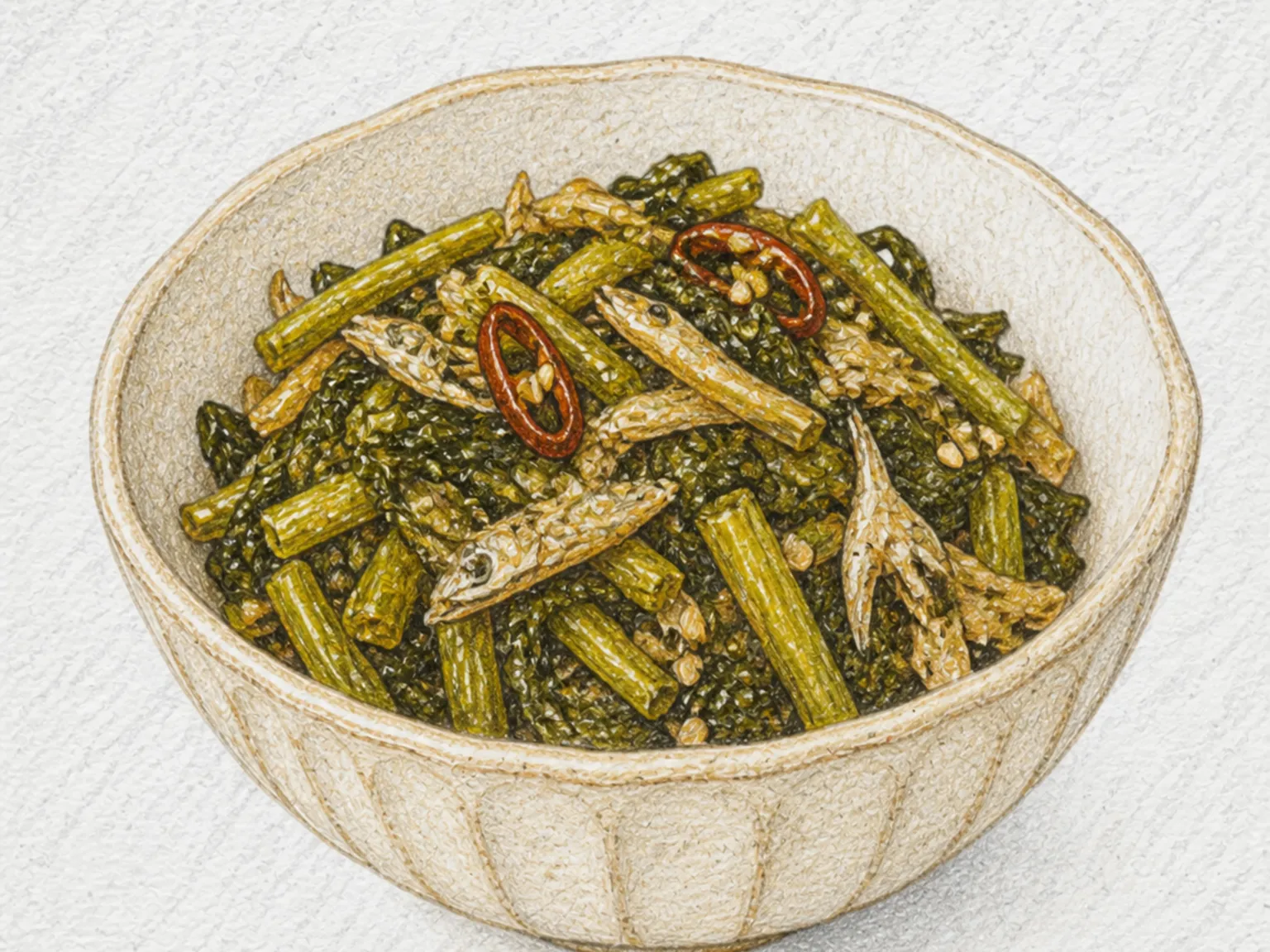
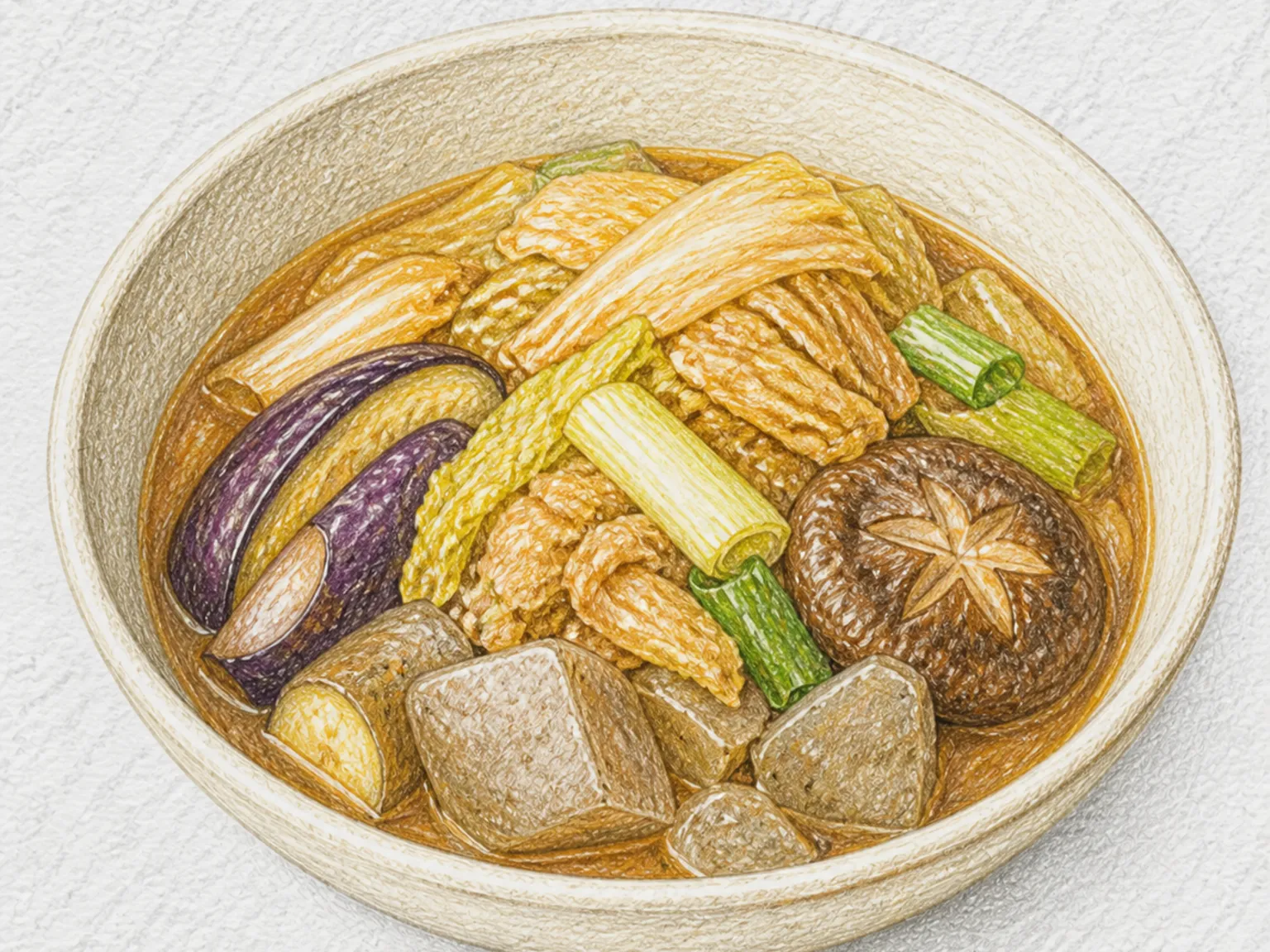
Nita-kumoji (Simmered Aged Turnip-Green Pickles)
Asian Medium

Nita-kumoji (Simmered Aged Turnip-Green Pickles)

In the Hida region of Gifu, turnip greens salted down for winter turn sour by spring, and that is when they went into the pot with dried sardines, soy sauce, mirin, and sake and cooked until almost no liquid was left. Kumoji is said to come from an old court word for pickles. The greens soak through several changes of water, but a little salt is left in on purpose: without it, all you taste is soy sauce.

Prep 40min Cook 45min 10 servings
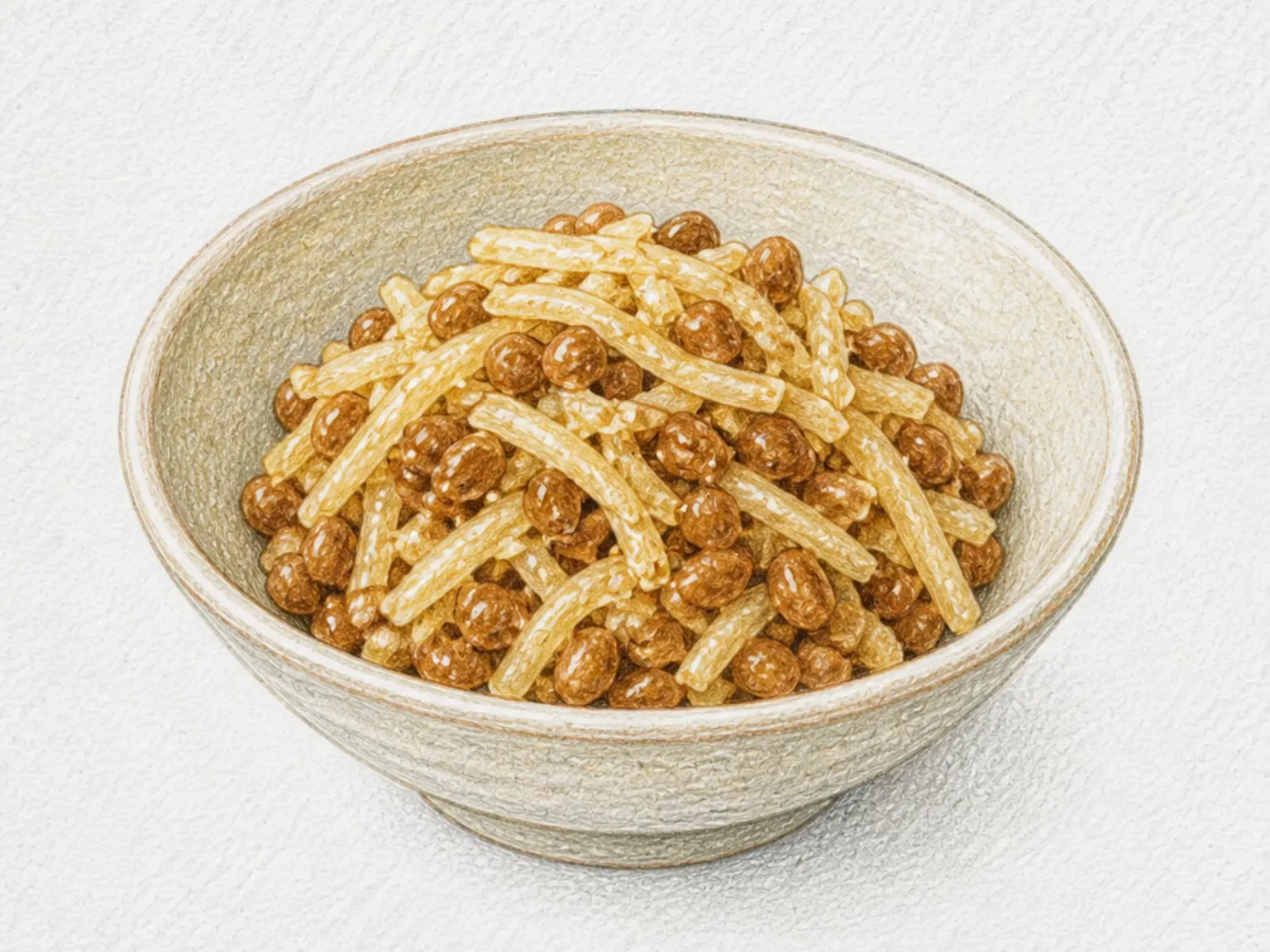
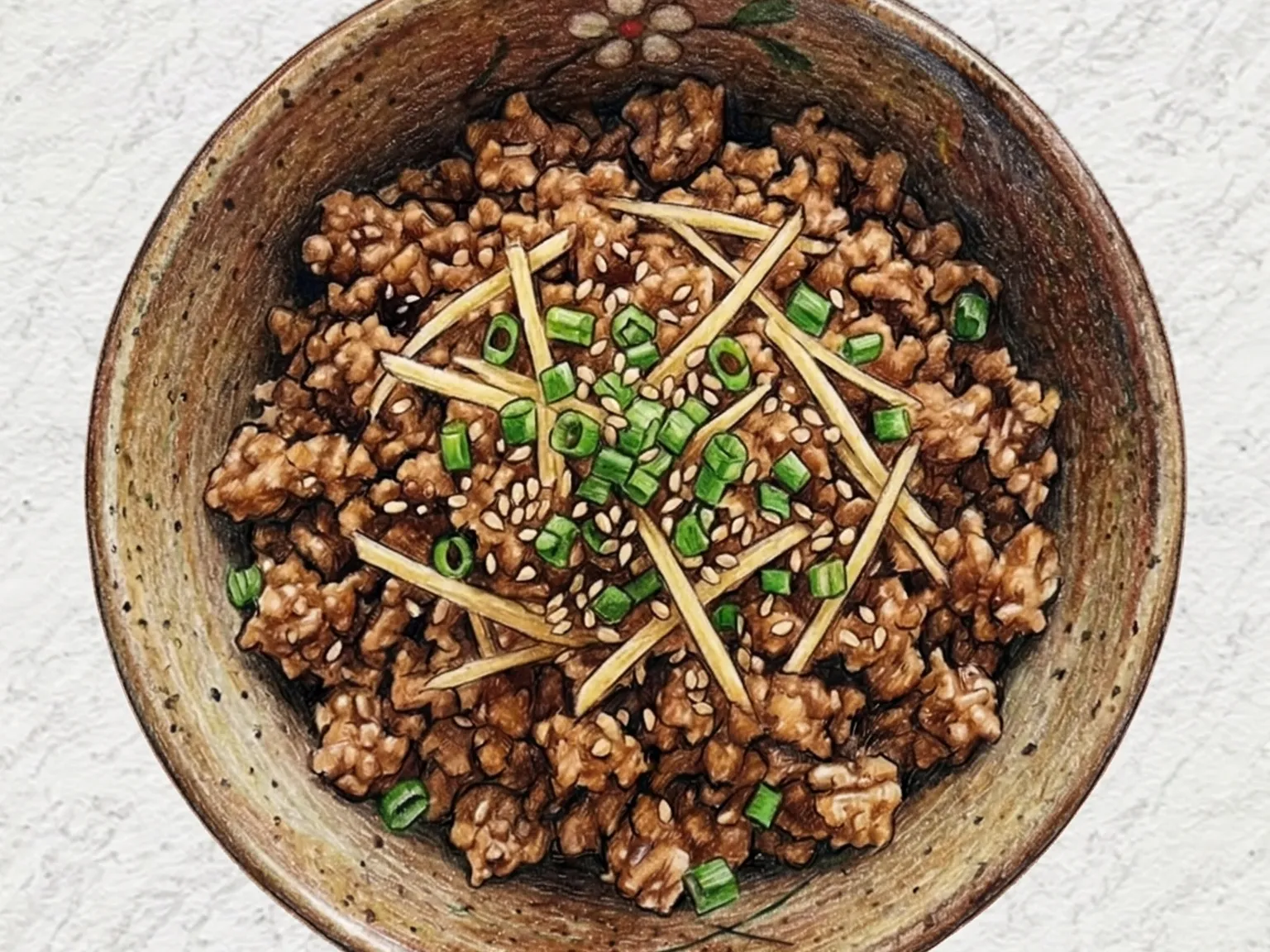
Soboro Natto with Dried Daikon
Asian Easy

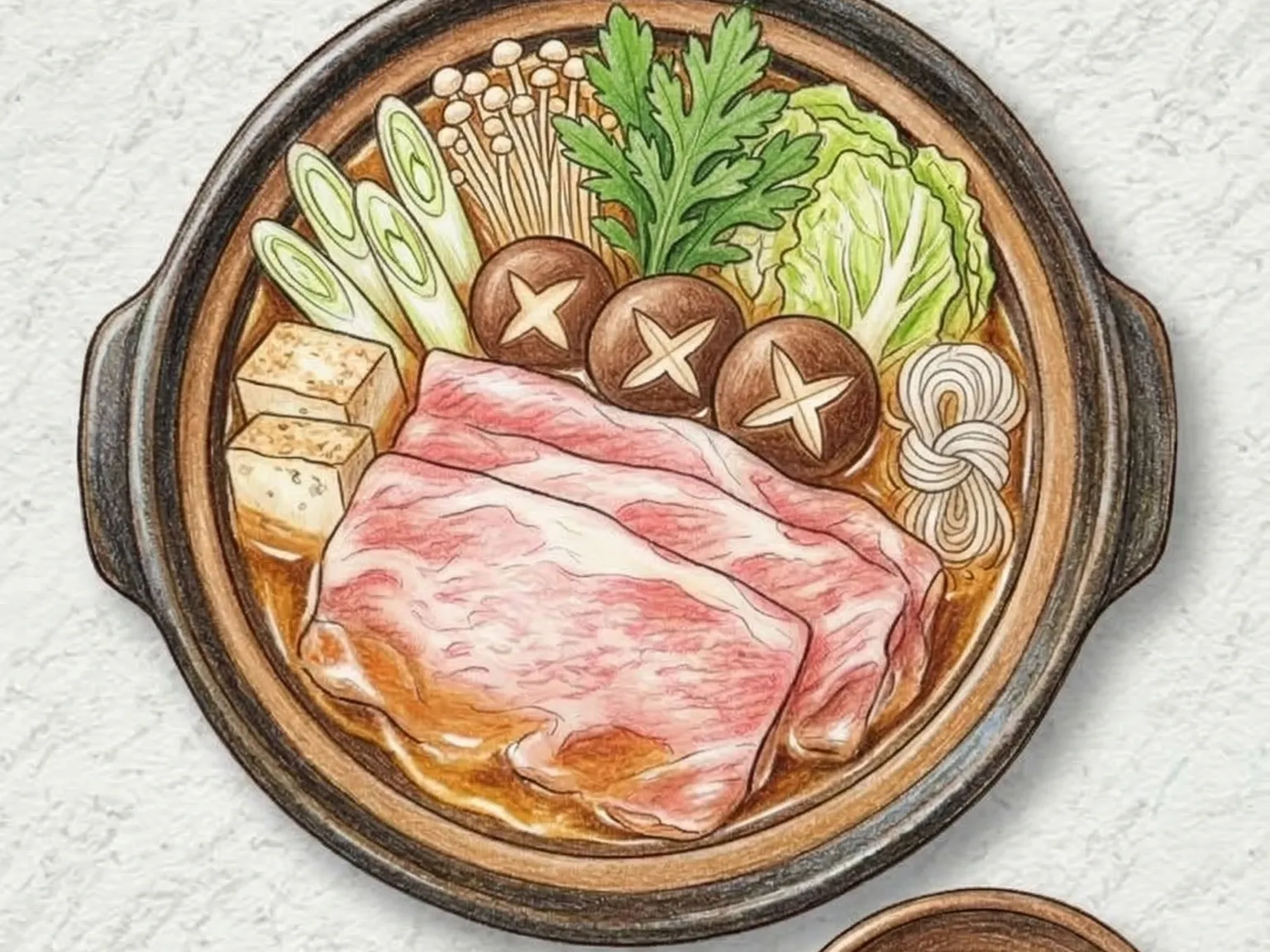
Soboro Natto with Dried Daikon

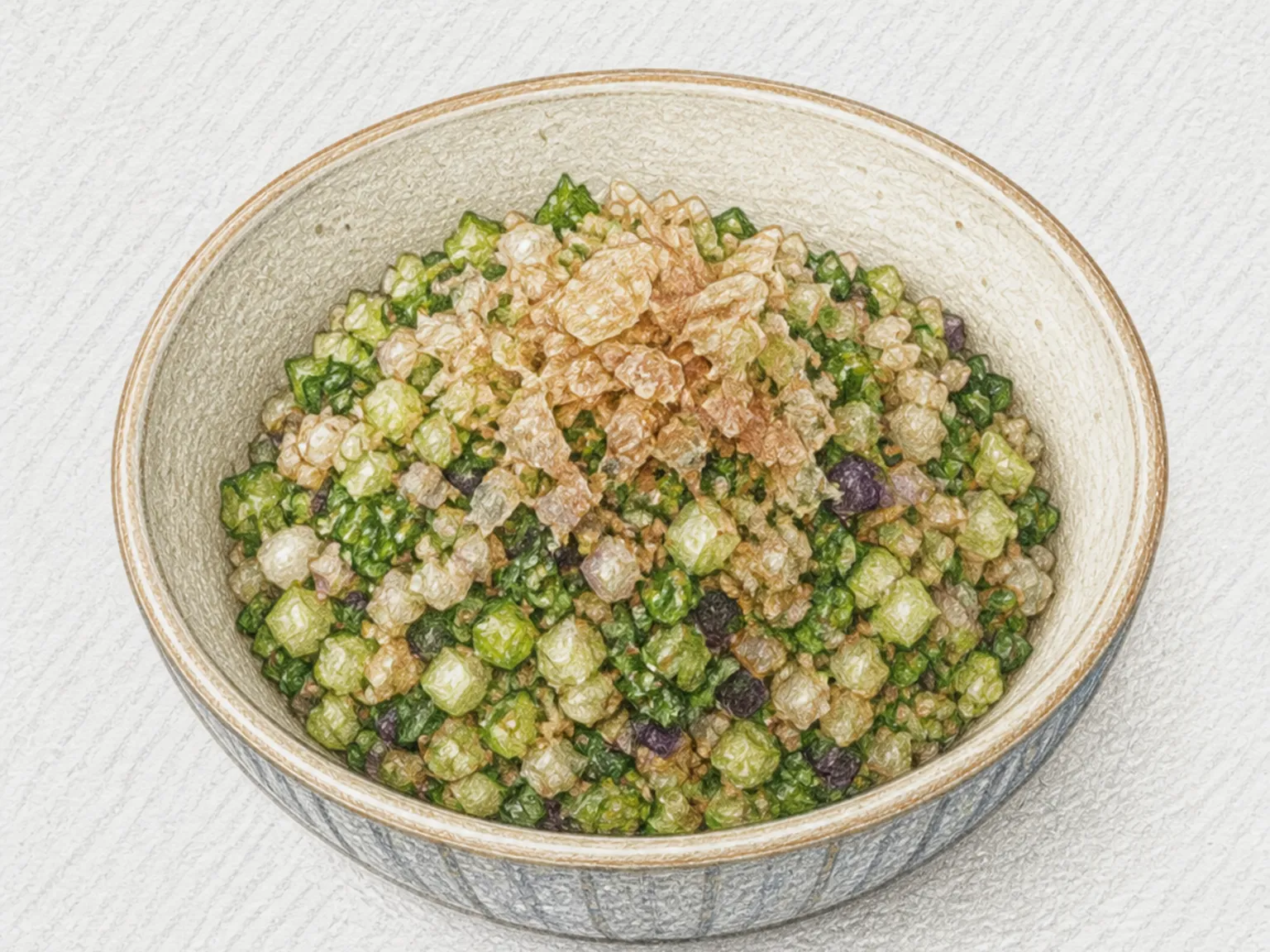
Soft, stringy Mito natto made from small soybeans meets chewy strips of thick dried daikon, a fermented pairing from central Ibaraki. Also called shoboro natto, it began as a way to stretch the autumn natto left after sharing with neighbors and the local temple. Traditionally the daikon dried for three days in sun and cold wind and froze on the last night; at home, store-bought wariboshi daikon is only lightly rinsed so it keeps that firm bite.

Prep 35min Cook 3min 4 servings
Goma Dofu (Sesame and Kudzu Tofu)
Asian Medium

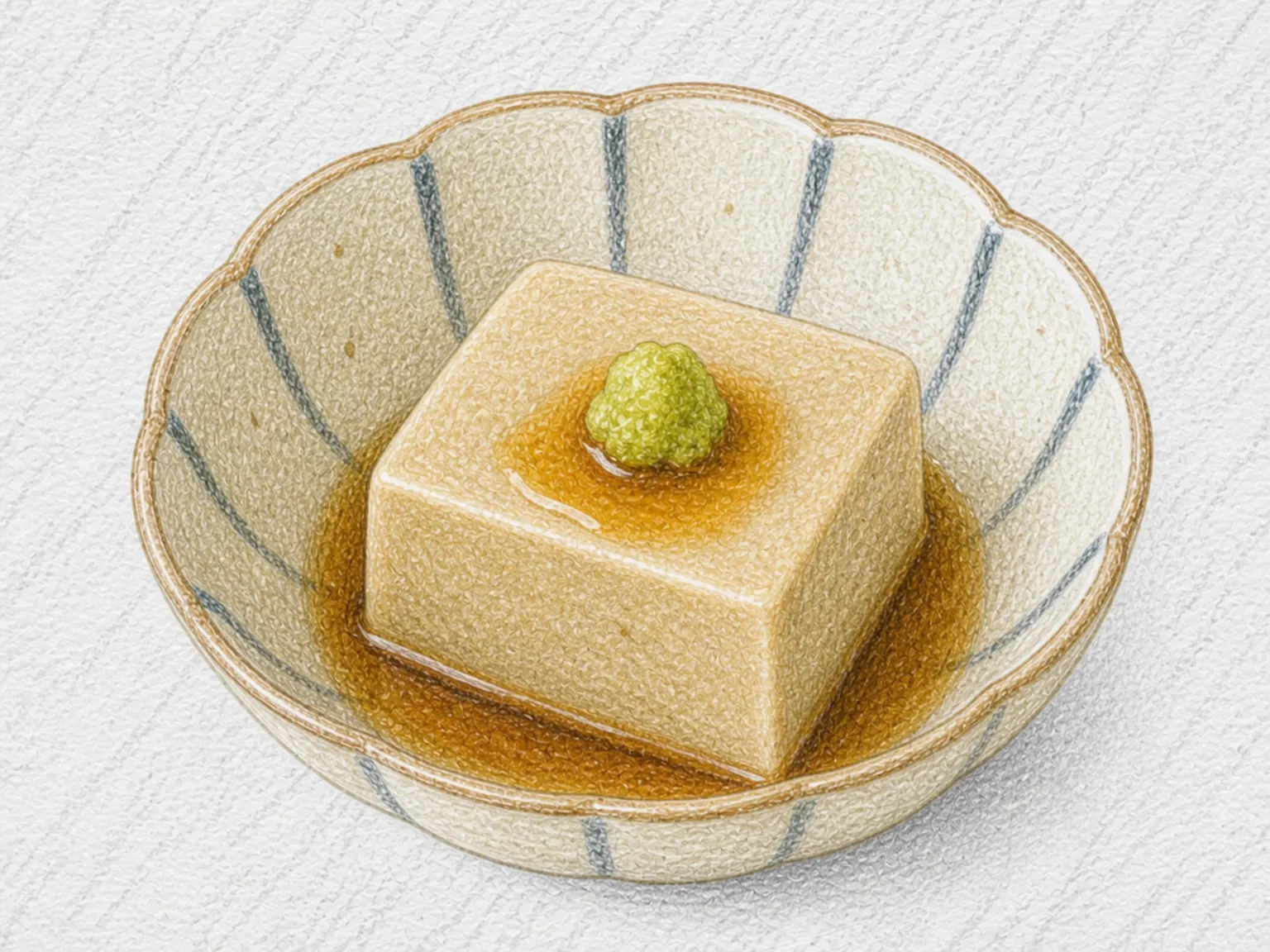
Goma Dofu (Sesame and Kudzu Tofu)

Despite the name, there are no soybeans or nigari here: goma dofu from the temple cooking of Koyasan in Wakayama is set from white sesame, Yoshino kudzu starch, and water alone. Toasted sesame is ground until oily, wrung through cloth into a rich milk, and cooked with kudzu into a block that slices smooth and springy, with the sesame fat held in rather than separating. It is served cold with wasabi soy sauce or vinegared miso.

Prep 25min Cook 15min 5 servings
Odawara Kamaboko
Asian Hard

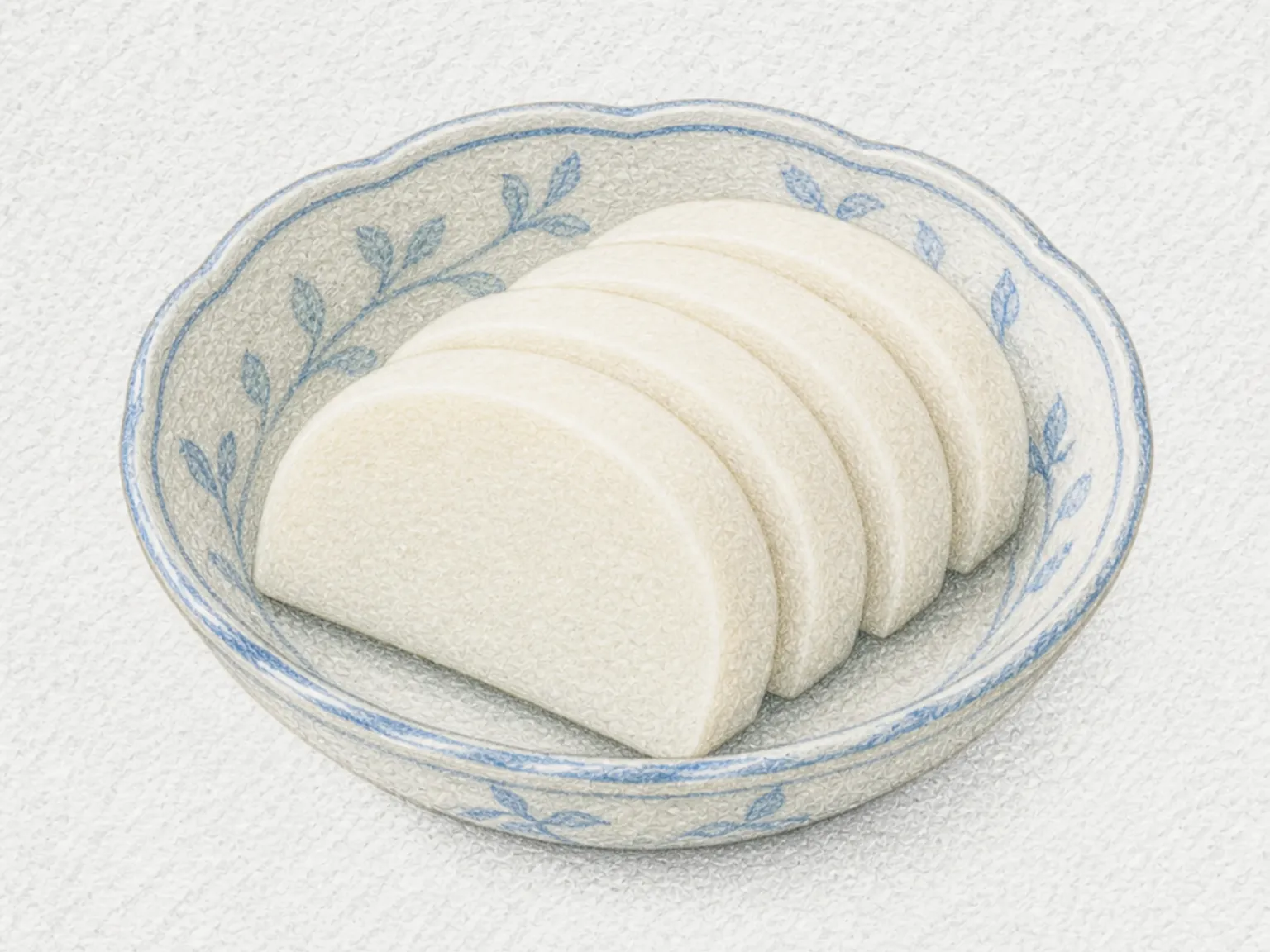
Odawara Kamaboko

Bright white, fine-grained, and springy when pressed, Odawara kamaboko became known as a specialty of the old Tokaido road. That whiteness and spring come from keeping the fish cold from cleaning to shaping. Nothing but salt, sugar, and mirin joins the white croaker, and the paste is steamed in a half-moon on a wooden board. Pushing it through a fine sieve first removes the last bits of bone and skin, so the cut face comes out smooth.

Prep 45min Cook 25min 10 servings
Sudarefu Gomazu-Ae (Dried Wheat Gluten with Sesame Vinegar)
Asian Easy

Sudarefu Gomazu-Ae (Dried Wheat Gluten with Sesame Vinegar)

Yuki in Ibaraki makes its sudarefu by working flour back into wheat gluten, rolling it thin, salting and boiling it, and sun-drying the sheets on a bamboo blind; the blind leaves ridges that the sesame-vinegar dressing clings to. Drying makes the gluten chewier than fresh fu and lets it keep, which once made it a valued pantry item. It was used in temple cooking around the castle town, and since the late Edo period it has been served at weddings, funerals, holidays, and Obon, when families gather.

Prep 495min Cook 5min 4 servings
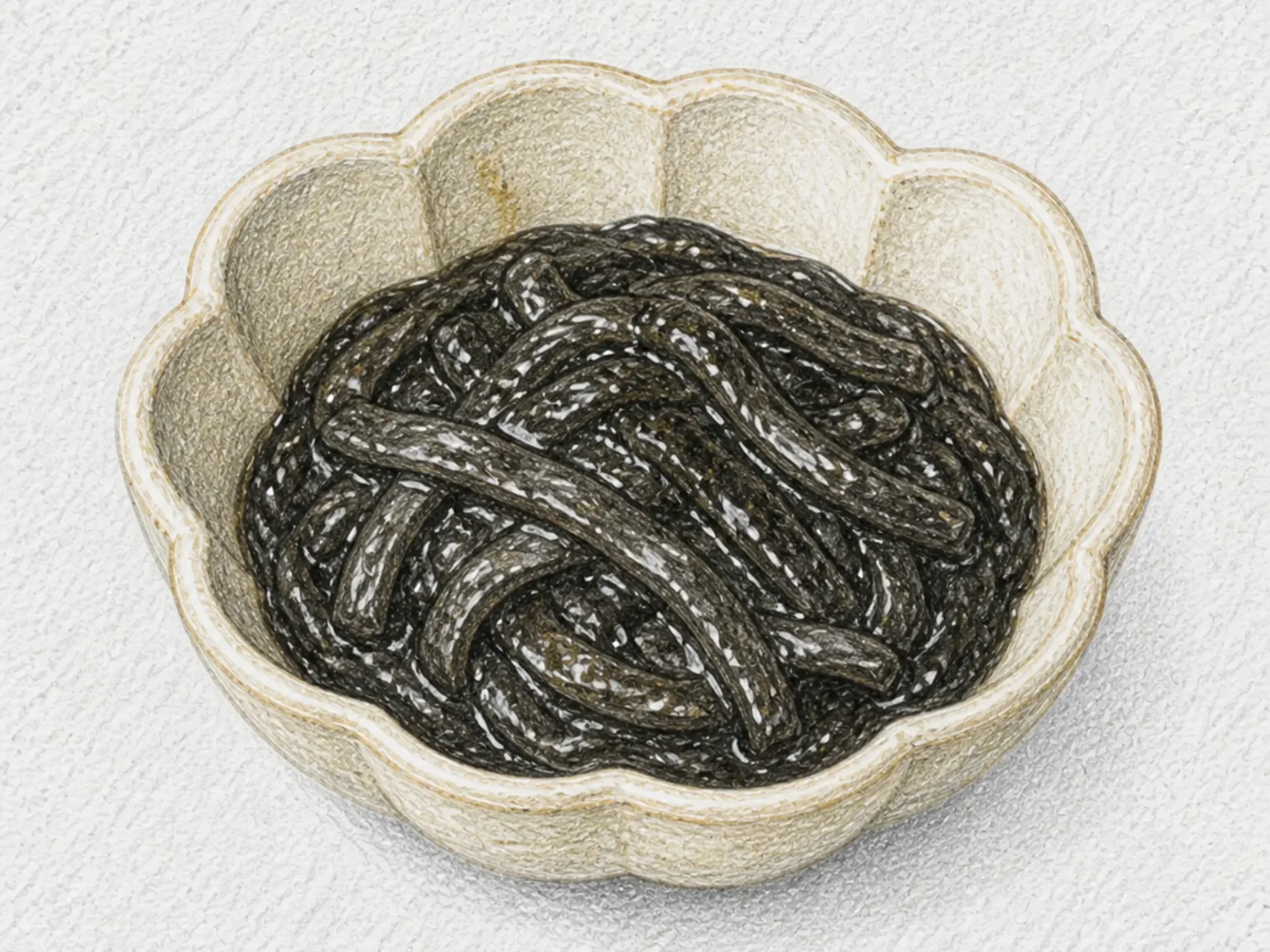
Suizen (Rice and Agar Noodle Jelly)
Asian Hard

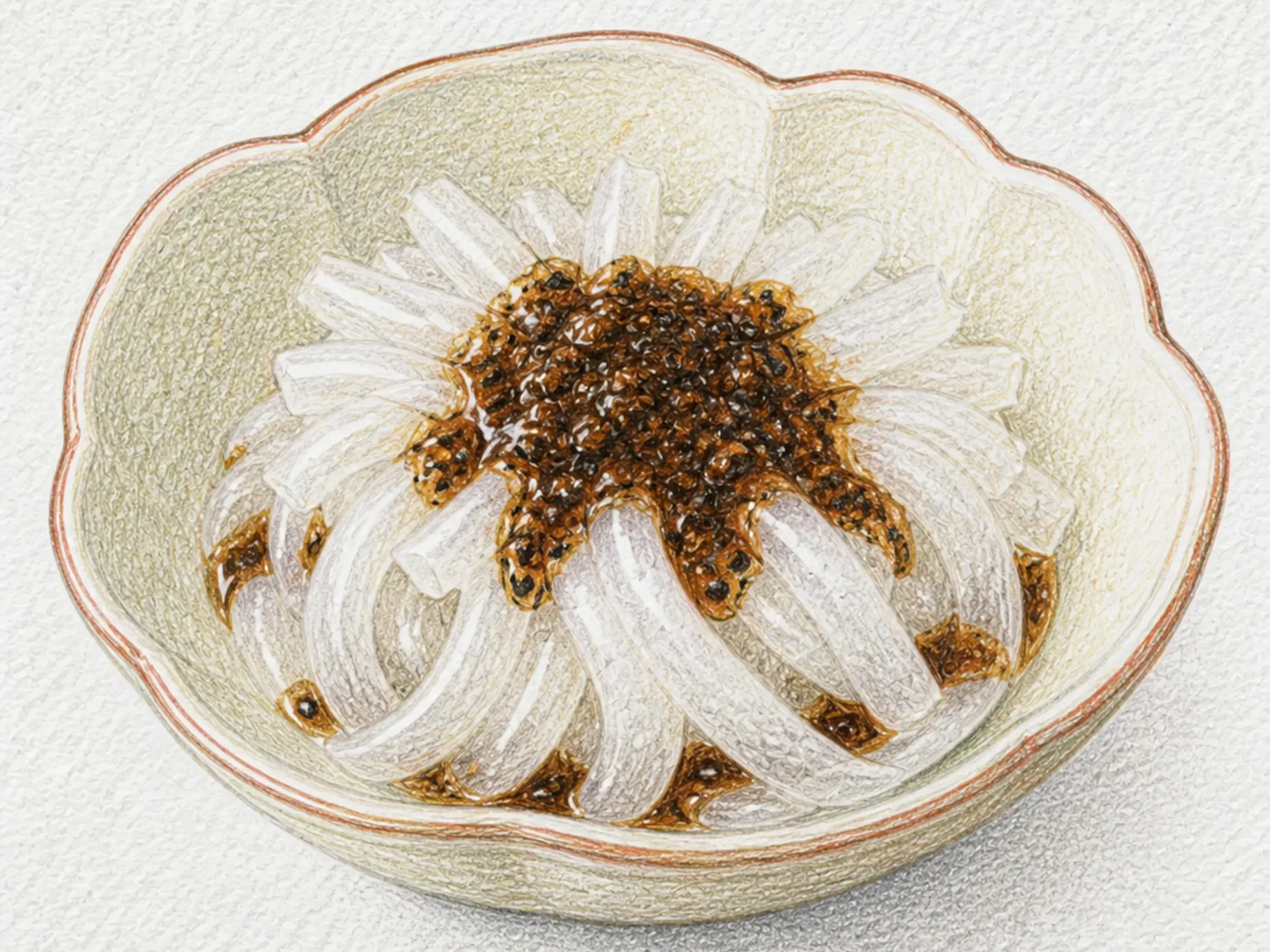
Suizen (Rice and Agar Noodle Jelly)

Cooked with finely ground rice, agar extracted from tengusa seaweed sets into a jelly from Wajima in Ishikawa that is firm like agar yet carries the gentle softness of rice starch. It is cut into thin strips and arranged in a ring like petals, then served with a sweet-salty sauce of black sesame, brown sugar, miso, soy sauce, and kelp stock, plus peeled mandarin segments. In Wajima it appears at Buddhist memorials and funerals, set out in local Wajima lacquerware.

Prep 30min Cook 45min 2 servings
Kuromame-ni (Sweet Simmered Black Soybeans)
Asian Hard

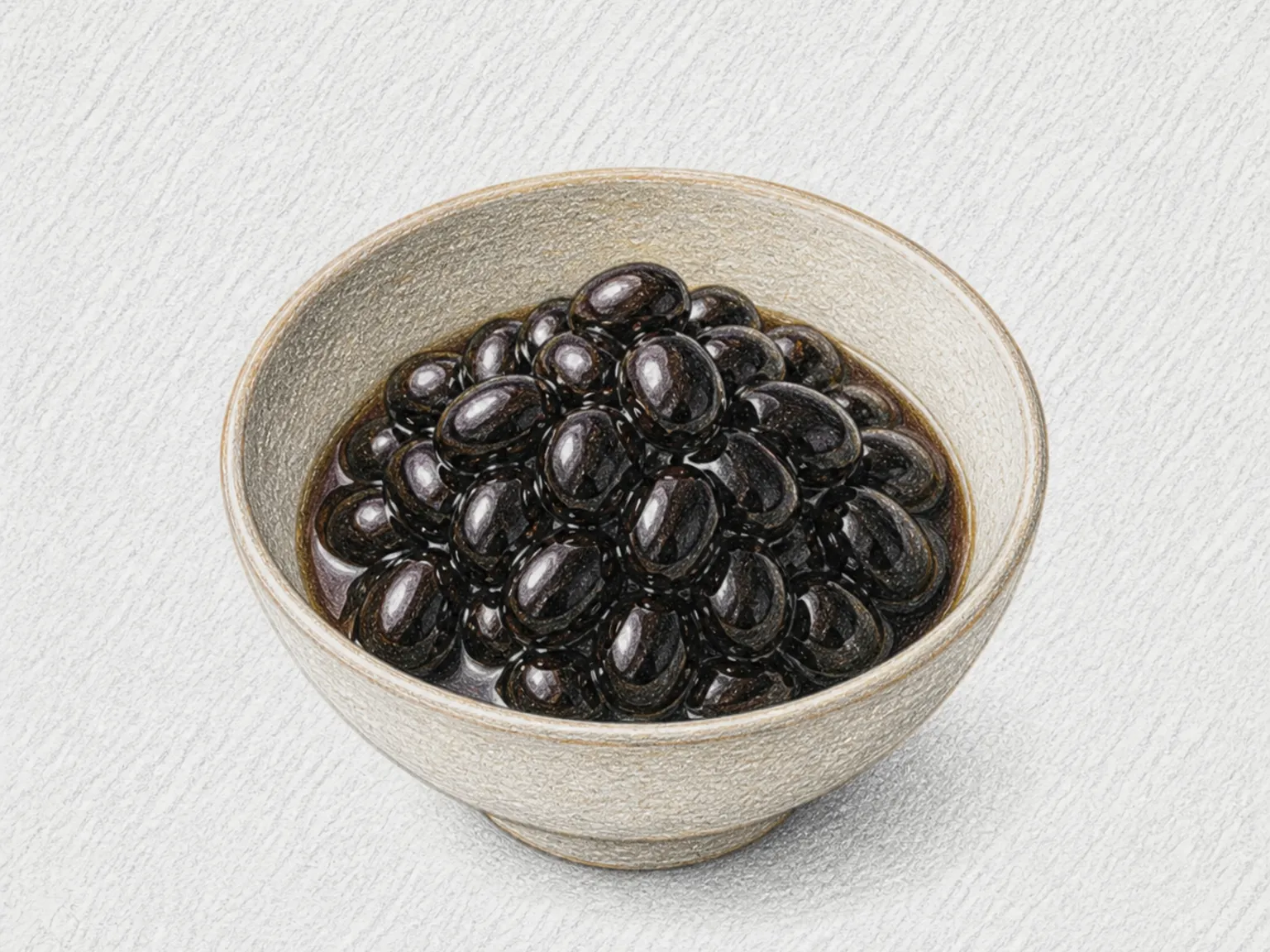
Kuromame-ni (Sweet Simmered Black Soybeans)

No New Year osechi box is complete without these sweet black soybeans, which carry a wish to work hard enough to be tanned dark and to stay well for years. Large, richly flavored Tanba beans from Kyoto simmer under a drop lid for eight hours at the lowest heat. A sudden jump in heat, or a bean left above the liquid, will split or wrinkle the skin, and that is why they stay submerged the whole time.

Prep 300min Cook 480min 4 servings
Tai no Karamushi (Steamed Sea Bream Stuffed with Okara)
Asian Hard

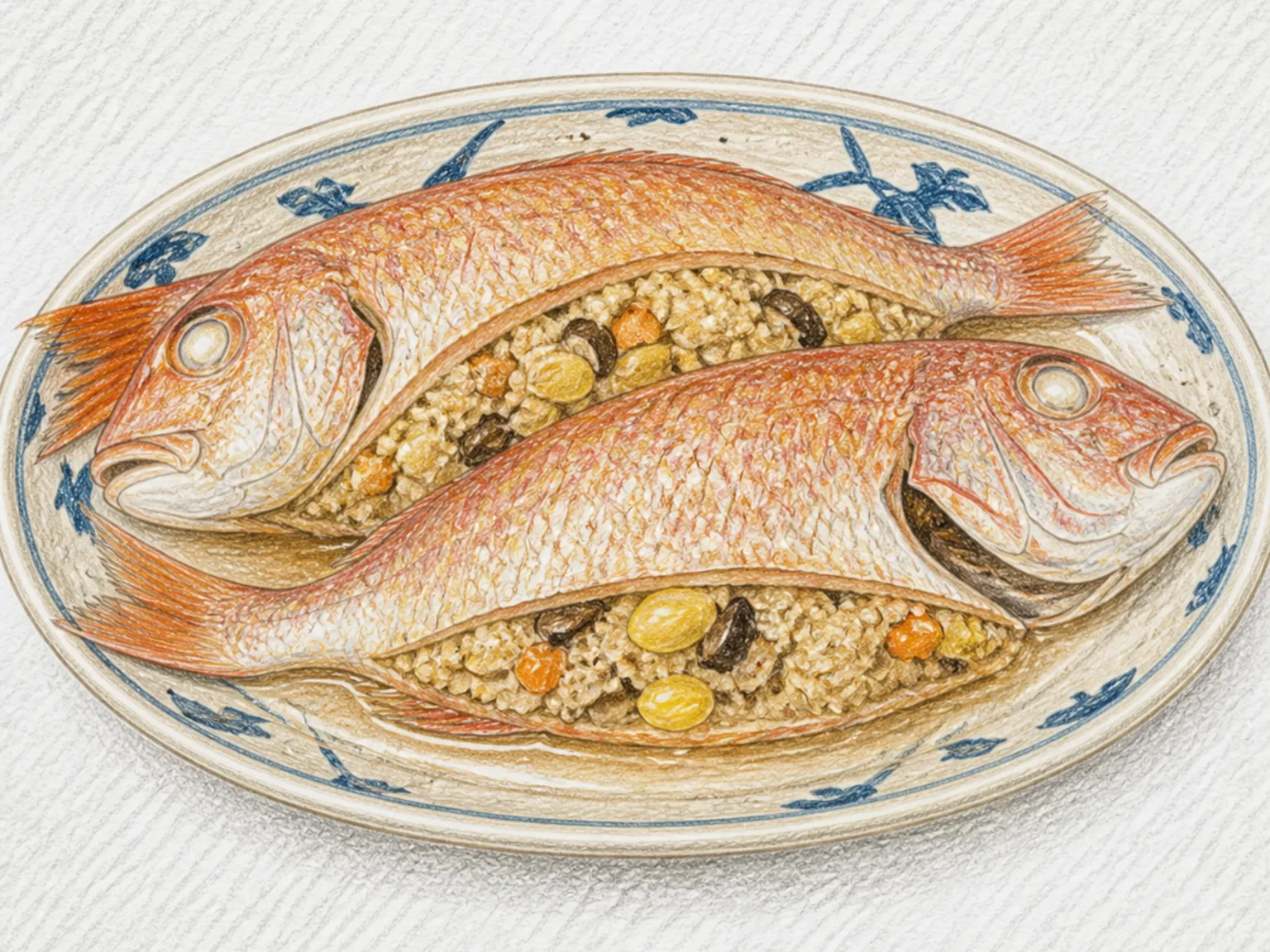
Tai no Karamushi (Steamed Sea Bream Stuffed with Okara)

Two whole sea bream, opened along the back and packed with sweet-savory okara (tofu pulp) cooked with vegetables and ginkgo nuts, are steamed whole for this celebratory dish from the Kaga area of Ishikawa. The fish are set belly to belly on the platter, an arrangement that made it a regular at weddings. Each serving pairs mild bream with stuffing that has soaked up the fish juices.

Prep 80min Cook 50min 4 servings
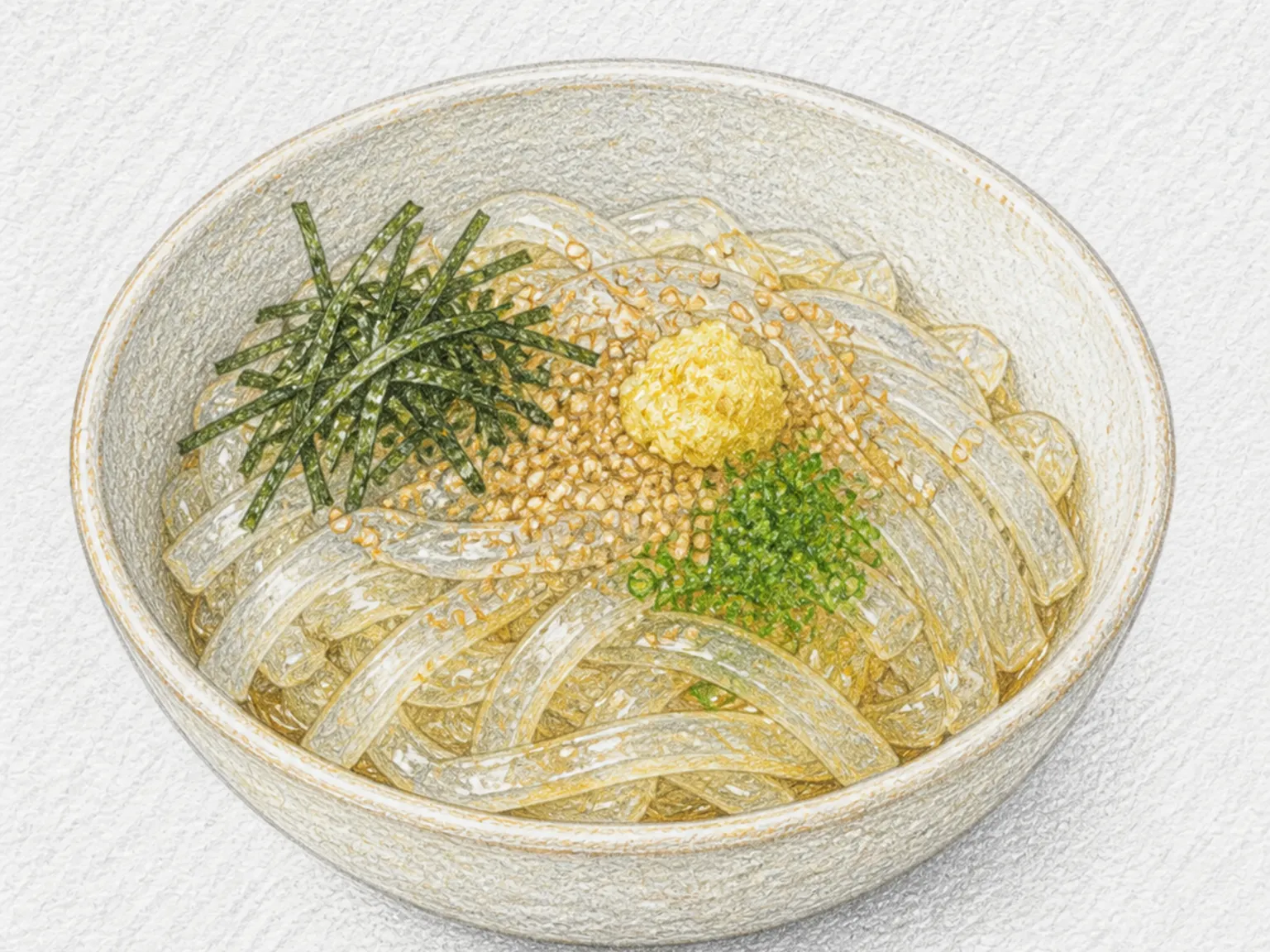
Tokoroten (Pressed Tengusa Jelly Noodles)
Asian Medium

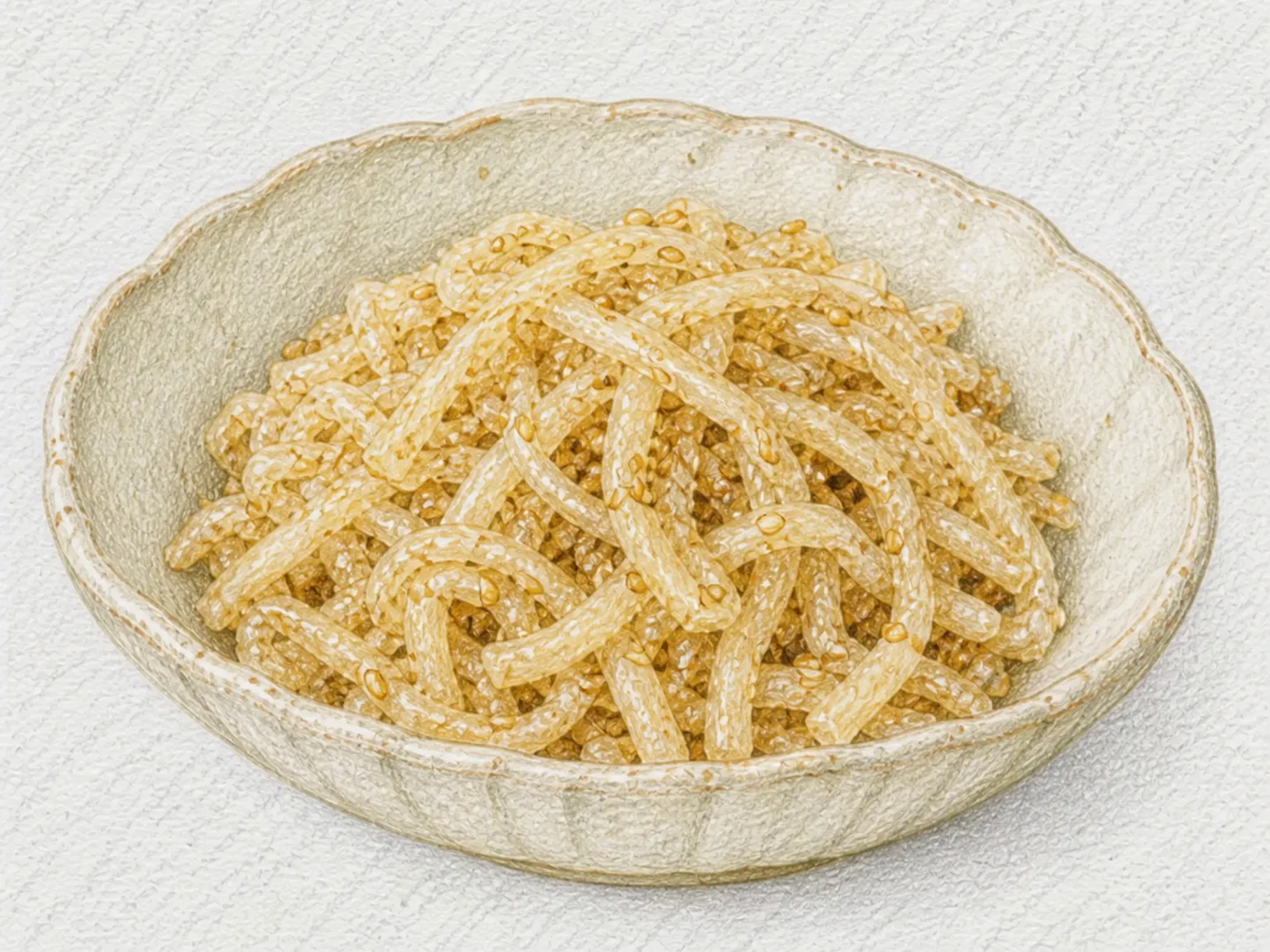
Tokoroten (Pressed Tengusa Jelly Noodles)

Long, translucent strands pushed through a wooden press give tokoroten its noodle shape, though it is really a jelly made from tengusa seaweed. Tengusa has been gathered around Shizuoka's Izu Peninsula for centuries, and households and small sweet shops there once sold tokoroten as an everyday children's snack. Local accounts say makusa, common on the west side of Izu, sets soft and slightly sticky, while obusa from the east side gives thicker, firmer strands. On its own it tastes of almost nothing, and the topping decides what it becomes: sweet vinegar, mustard, aonori, and sesame make it savory, while roasted soybean flour and dark sugar syrup turn it into a chilled sweet.

🧒 Snacks for Kids
Prep 10min Cook 40min 12 servings
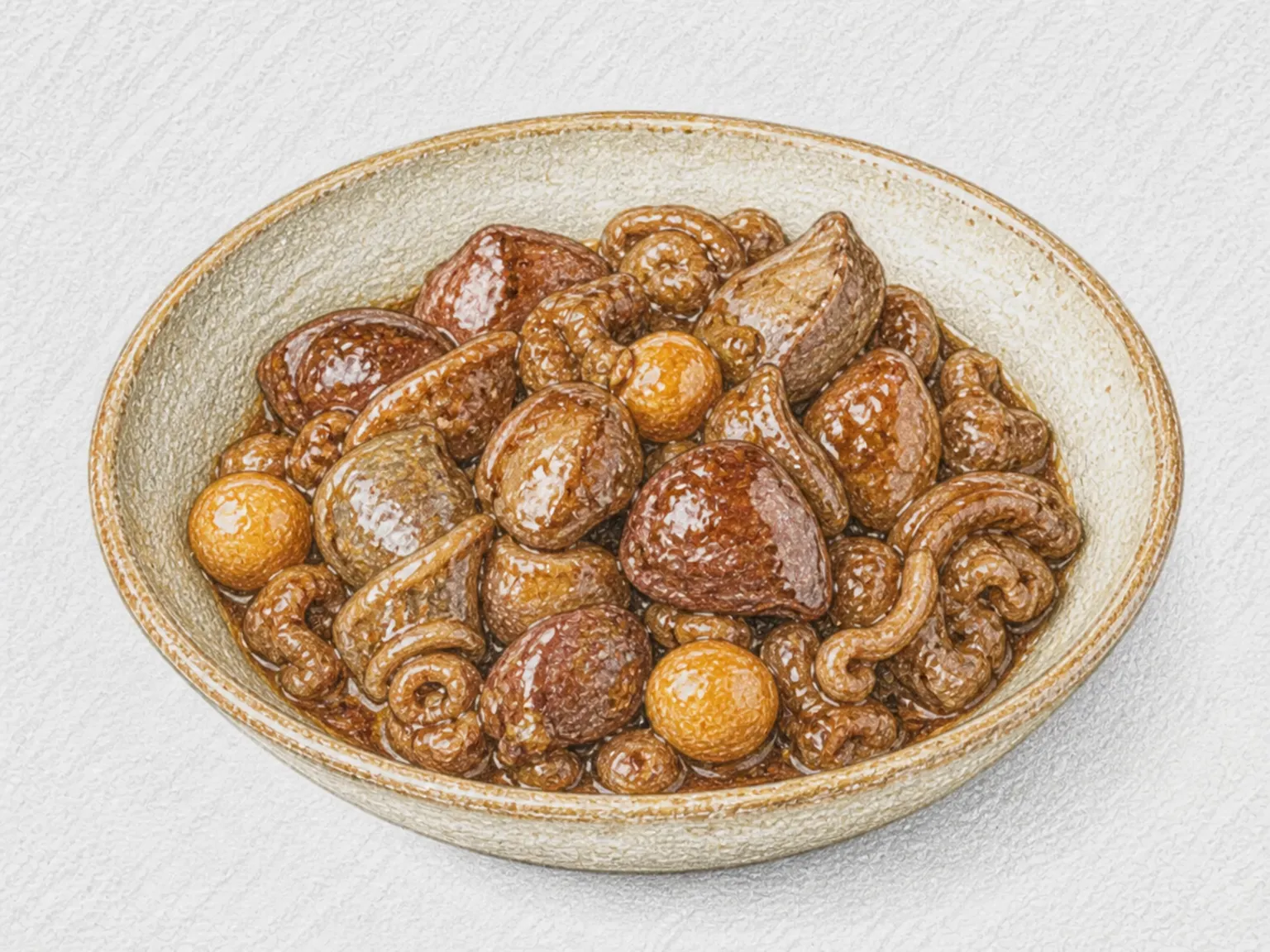
Tori Motsu-ni (Glossy Sweet-Soy Chicken Offal)
Asian Hard

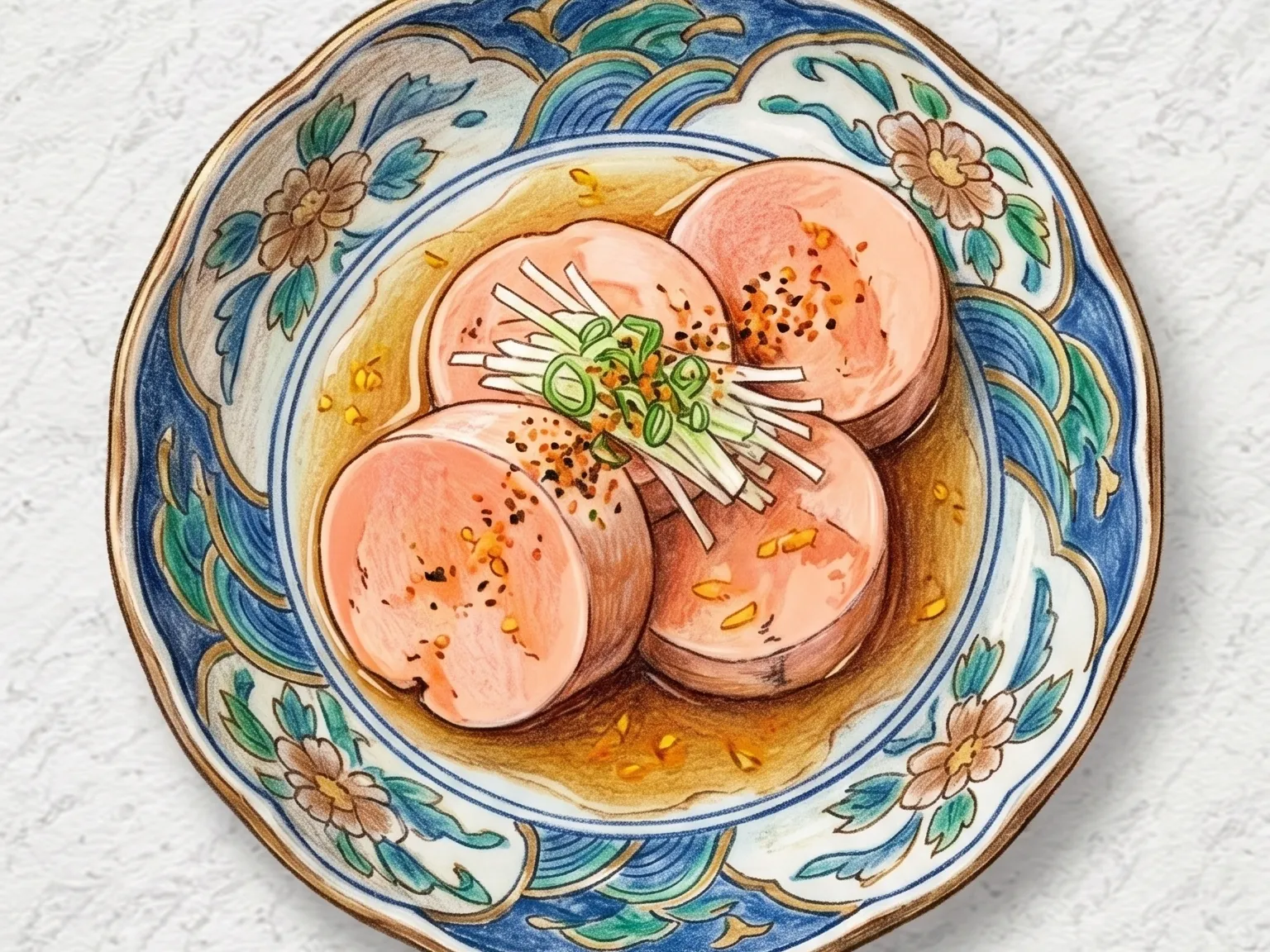
Tori Motsu-ni (Glossy Sweet-Soy Chicken Offal)

Five kinds of chicken offal share one pan: liver, gizzard, heart, kinkan (unlaid egg yolks), and himo (oviduct). They go into boiling sugar-soy sauce together and are tossed over strong heat until the small amount of sauce reduces to a glossy coat. The dish comes from Kofu in Yamanashi, where a soba shop is said to have created it to use parts that were being thrown away. Kinkan and himo rarely turn up in standard offal packs, so a specialist butcher is the usual source.

Prep 35min Cook 18min 4 servings
Seida no Tamaji
Asian Medium

Seida no Tamaji

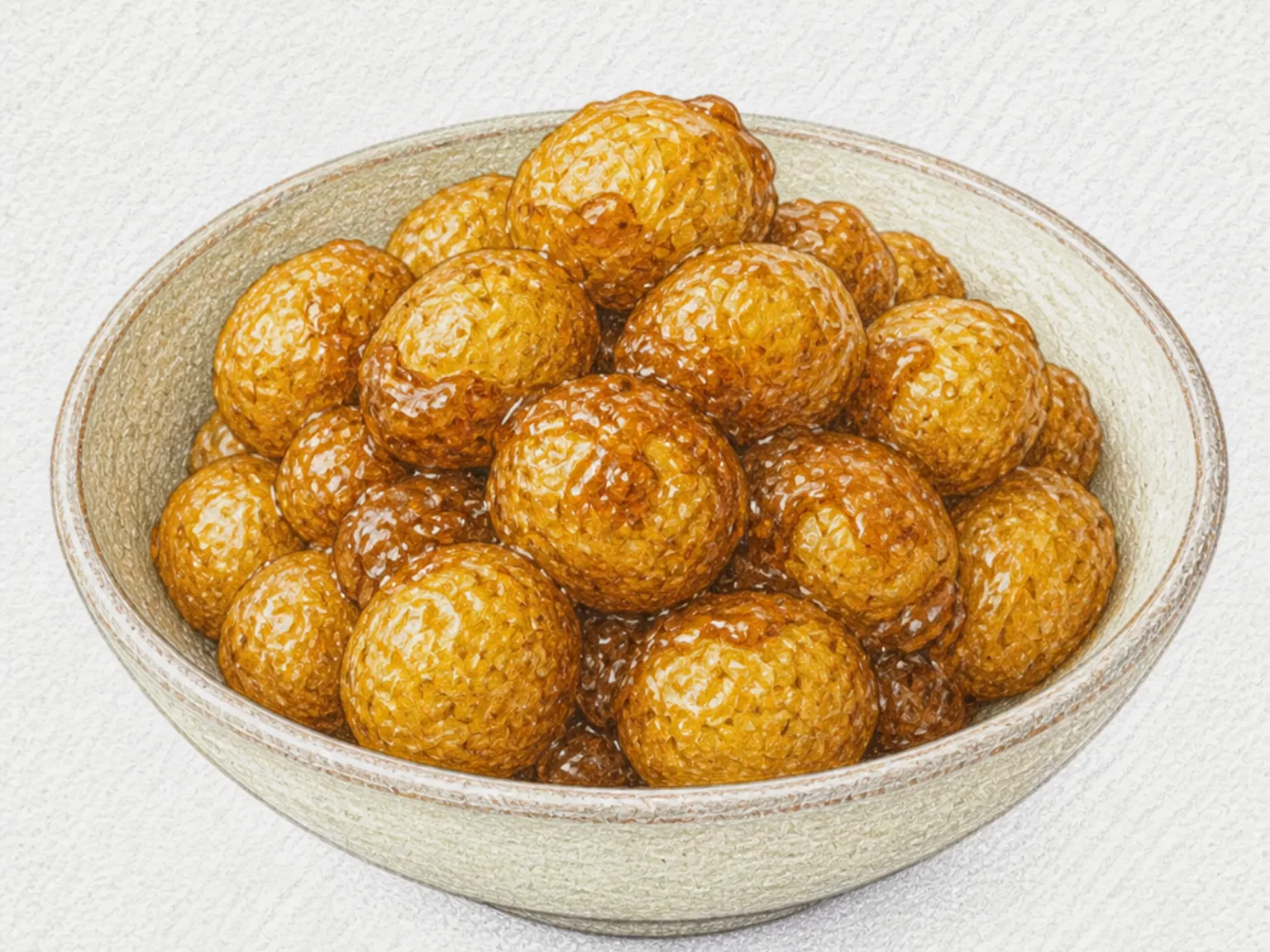
Small new potatoes are fried whole and slowly until their thin skins wrinkle, then simmered in dashi and rolled in miso, sugar, and mirin until a thick glaze clings to them. The dish belongs to Yuzurihara in Uenohara, Yamanashi. Seida honors Nakai Seidayu, an official who promoted potato growing after a famine in the late Edo period, and tamaji means small potatoes, a reminder that undersized tubers were never wasted. The fried skins turn savory while the centers stay fluffy.

Prep 15min Cook 45min 2 servings
Yama-Surume Kinpira (Simmered Dried Bamboo Shoot and Wood Ear)
Asian Medium

Yama-Surume Kinpira (Simmered Dried Bamboo Shoot and Wood Ear)

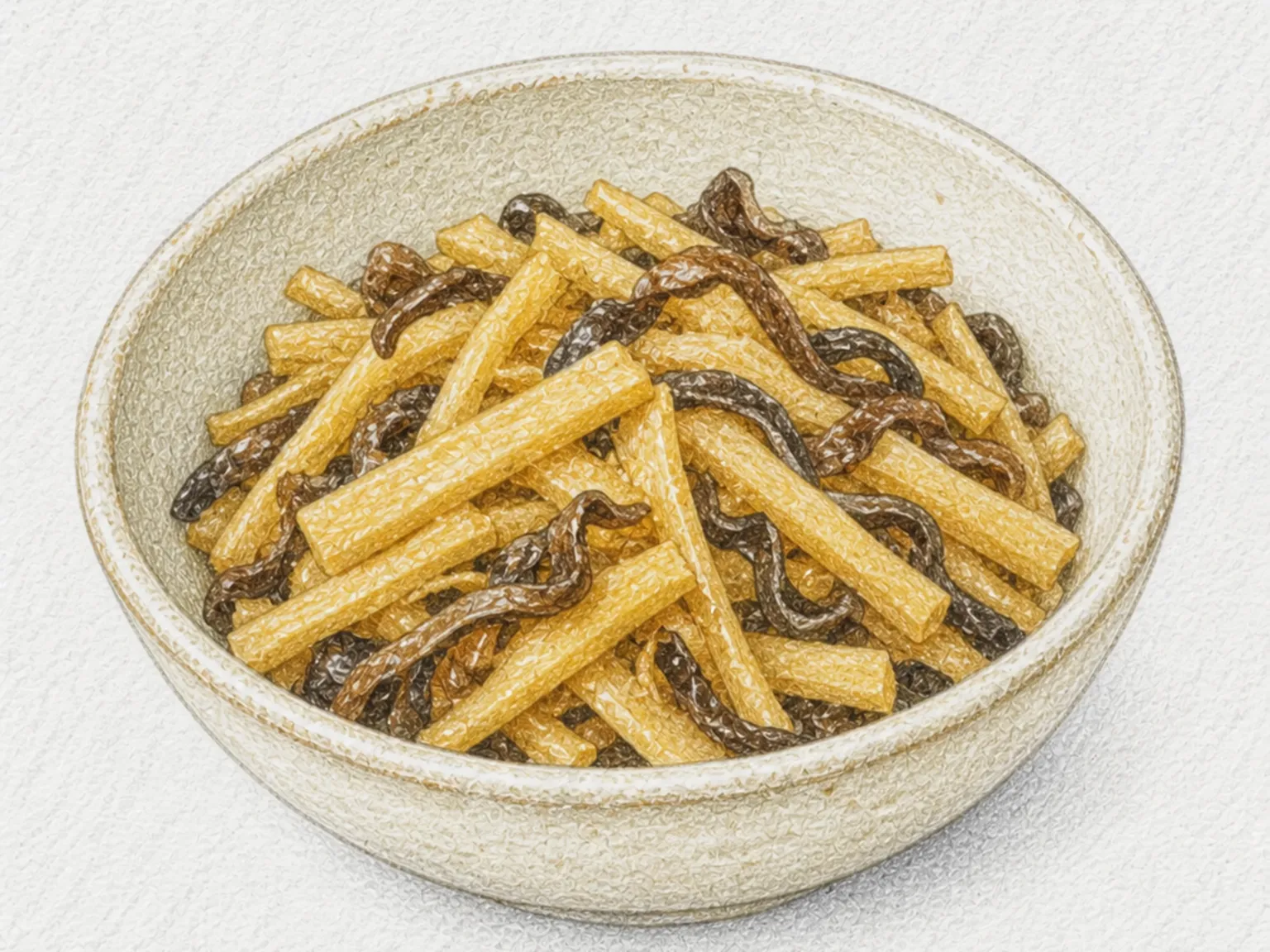
Spring bamboo shoots, split, boiled, and sun-dried, curl into triangular pieces that look like dried squid, hence yama-surume, mountain squid. In Kumamoto the dried shoots were restored throughout the year for farm-season meals, festival Buddhist dishes in the Kuma area, and drinking snacks. Simmered slowly in strong dashi and light soy sauce, the strips become tender yet springy. Dry wood ear strips go in only at the end, soaking up the last of the broth while keeping their crunch.

🍺 Bar Snacks
Prep 60min Cook 120min 6 servings