Recipes with cooking rice wine

120 recipes. Page 5 of 5

Buy cooking rice wine
Noppe (Niigata Taro and Vegetable Simmer)
Soups Hard

Noppe (Niigata Taro and Vegetable Simmer)

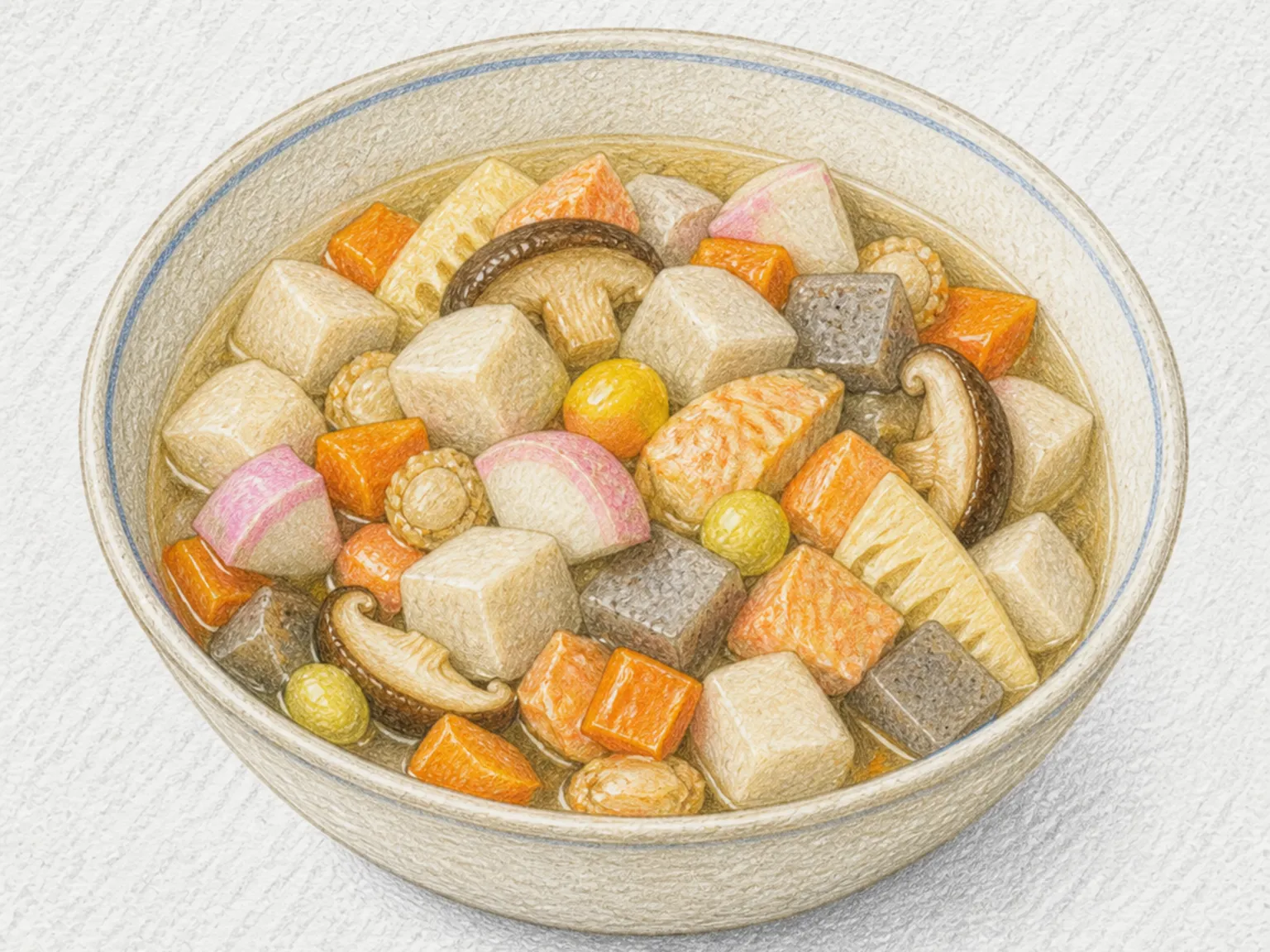
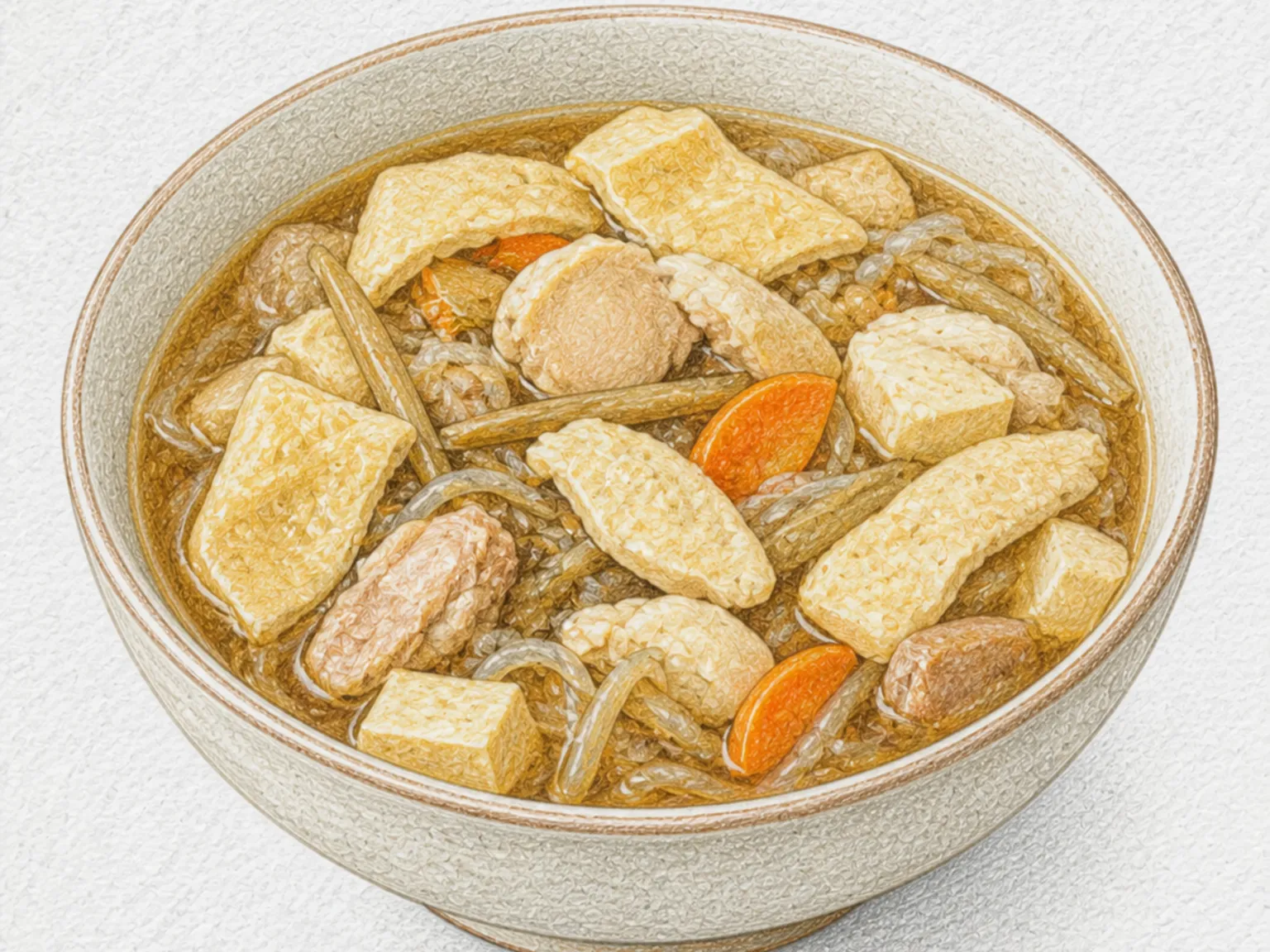
Noppe is a Niigata simmer of taro, carrot, bamboo shoot, konnyaku, shiitake, kamaboko, ginkgo nuts, and salted salmon, all cut to a similar size and cooked gently in broth enriched with the soaking liquids from dried scallop and shiitake. Starch released by the taro gives the liquid its natural light viscosity, so no separate starch slurry is used. Noppe is closer to a moist simmered dish than a soup. Stirring is kept gentle and cooking stops before the pieces lose their outlines, preserving both clear broth and distinct shapes. Niigata households prepare large pots for New Year, weddings, memorial services, and funerals, and serve it either warm or chilled according to season and family custom.

🎉 Special Occasion
Prep 30min Cook 35min 6 servings
Korean Steamed Abalone (Whole Shell Soy Sesame)
Steamed Medium

Korean Steamed Abalone (Whole Shell Soy Sesame)

Jeonbok-jjim is Korean steamed abalone prepared by scrubbing each shell clean, scoring the flesh to promote even cooking, and steaming with green onion and ginger for ten to twelve minutes. The scored cuts allow heat to penetrate the thickest parts of the meat, preserving the abalone's signature texture that is simultaneously chewy and tender. During steaming, the inky innards melt into the condensed liquid and deepen its briny, mineral flavor. Any remaining innards can be set aside for porridge or dipping sauce. Seasoning is deliberately restrained - a light drizzle of soy sauce, rice wine, and sesame oil applied just before serving is all that is needed to frame the abalone's oceanic aroma without obscuring it. The dish has long been associated with formal dining, ancestral rites, and holiday celebrations, where its premium standing among Korean seafood commands attention at the table.

🎉 Special Occasion
Prep 20min Cook 18min 2 servings
Sanpei Jiru (Hokkaido Salted Salmon Soup)
Soups Medium

Sanpei Jiru (Hokkaido Salted Salmon Soup)

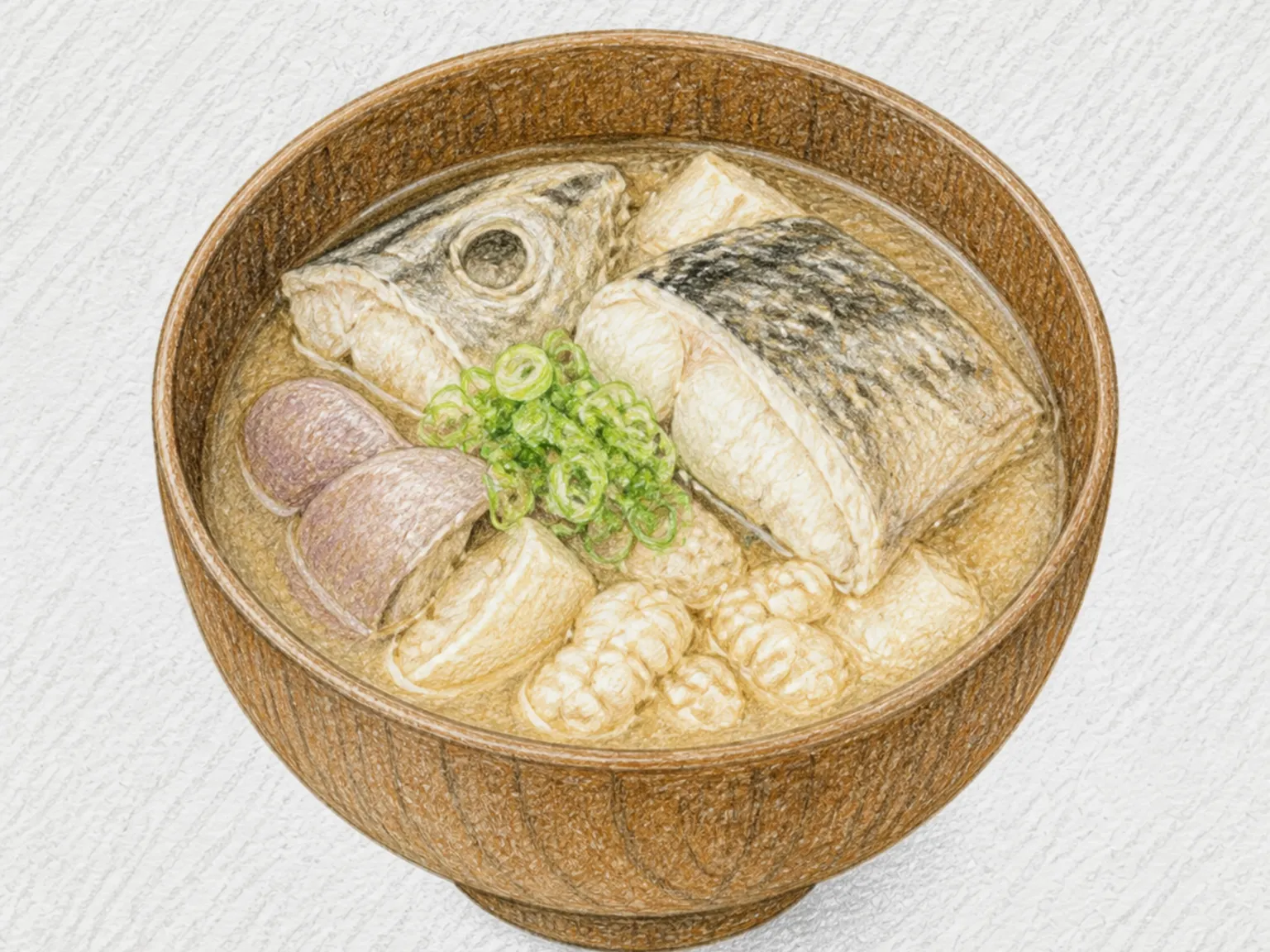
Sanpei jiru is a winter soup from Hokkaido that simmers salted fish with potatoes, daikon, carrots, and other vegetables in kombu stock. This version uses a salted salmon head and backbone with some flesh attached, allowing the bones and skin to enrich the broth. Unlike Ishikari nabe, which is commonly seasoned with miso and fresh salmon, the salt preserved in the fish provides the main seasoning here. Additional salt is added only after tasting the finished broth. Potatoes and daikon remain in generous pieces, while burdock and konnyaku receive separate preparation to keep the soup clean. Adding the salmon after the root vegetables have started softening prevents overcooked, dry flesh and excessive cloudiness.

🏠 Everyday
Prep 25min Cook 30min 4 servings
Jibuni (Flour-Coated Duck Simmer)
Steamed Hard

Jibuni (Flour-Coated Duck Simmer)

Jibuni is a Kanazawa simmer from Ishikawa in which thin duck slices are coated generously with flour and cooked in a dashi broth seasoned with light and dark soy sauce, mirin, sake, and sugar. Sudare-fu, taro, shiitake, flower-shaped wheat gluten, and greens are prepared separately in the same broth. Flour clinging to the duck protects the meat and gives the sauce its characteristic body. The vegetables are removed before the duck enters, then everything is plated and covered with the adjusted sauce and a small mound of wasabi.

🎉 Special Occasion
Prep 30min Cook 35min 4 servings
Senba-jiru (Salted Mackerel and Daikon Clear Soup)
Soups Hard

Senba-jiru (Salted Mackerel and Daikon Clear Soup)

Senba-jiru is an Osaka clear soup from the Senba merchant district. Mackerel flesh, head, and bones are salted for an hour, rinsed with boiling water to remove odor, then the scraps simmer with kombu to make broth for daikon and the fish. It reflects the frugal merchant-house practice of using even the head and skeleton after serving the flesh. Sake, light soy sauce, and salt season the soup, while drops of ginger juice, two kinds of shredded onion, and yuzu peel finish each bowl. Because salt from the mackerel moves into the broth, add the final salt only after tasting and cook the flesh to at least 63C at its center.

🏠 Everyday
Prep 80min Cook 30min 4 servings
Korean Steamed Clams
Steamed Easy

Korean Steamed Clams

Jogae-jjim is Korean steamed clams cooked with rice wine, garlic, green onion, and cheongyang chili over high heat in a covered pot. Properly purged clams open within minutes and release their natural juices into the pot, creating a clean, intensely savory seafood broth without any added stock. The chili adds a background warmth without overpowering the shellfish, and minimal salt lets the clams' natural salinity and sweetness come through unobstructed. Removing the clams from heat as soon as they open keeps the meat plump and tender rather than chewy and shrunken. The remaining broth is flavorful enough to serve as a base for noodles or porridge, so nothing goes to waste.

🍺 Bar Snacks 🎉 Special Occasion
Prep 25min Cook 15min 4 servings
Senbei-jiru (Nanbu Cracker and Chicken Soup)
Soups Medium

Senbei-jiru (Nanbu Cracker and Chicken Soup)

Senbei-jiru is a regional soup from Hachinohe in Aomori. Chicken breast and thigh simmer with burdock, carrot, thread konnyaku, freeze-dried tofu, and wheat gluten in a soy-seasoned broth, then soup-use Nanbu wheat crackers are broken in near the end. Nanbu senbei developed as a durable staple in the former Nanbu domain, where cold damage often made rice harvests unreliable. After the war, makers produced crackers that absorb broth yet keep a chewy center, making them especially useful in winter soups and hot pots. White miso rounds the chicken broth, while the crackers soften at the edges without dissolving.

🏠 Everyday
Prep 25min Cook 35min 4 servings
Korean Steamed Clams with Rice Wine
Steamed Easy

Korean Steamed Clams with Rice Wine

Manila and surf clams are steamed with garlic in rice wine to create this traditional Korean drinking snack. Purging the shellfish in salted water beforehand ensures the resulting broth remains clear and free of grit. Pouring cold rice wine over the shells and sealing the pot allows the alcohol to transform into steam, which strips away any ocean odors while the clams release their natural juices. As the shells open, their concentrated brine forms a natural stock at the bottom of the pot. Dropping a piece of butter into the liquid the moment the first shell cracks open adds a creamy, rounded quality to the salty clam base. Freshly scattered chives provide a grassy contrast to the buttery liquid, maintaining a sense of freshness throughout the dish. Since no additional water or stock is required, the success of the broth relies entirely on the quality of the clams and the thoroughness of the purging process. Lifting the lid at an angle prevents condensation from dripping back onto the clams, which keeps the concentrated seasoning from thinning out. A final squeeze of lemon juice heightens the sweetness of the clam meat and provides a crisp finish to the experience.

🍺 Bar Snacks 🏠 Everyday
Prep 25min Cook 10min 2 servings
Tara Jappa-jiru (Whole-Cod Miso Soup)
Soups Hard

Tara Jappa-jiru (Whole-Cod Miso Soup)

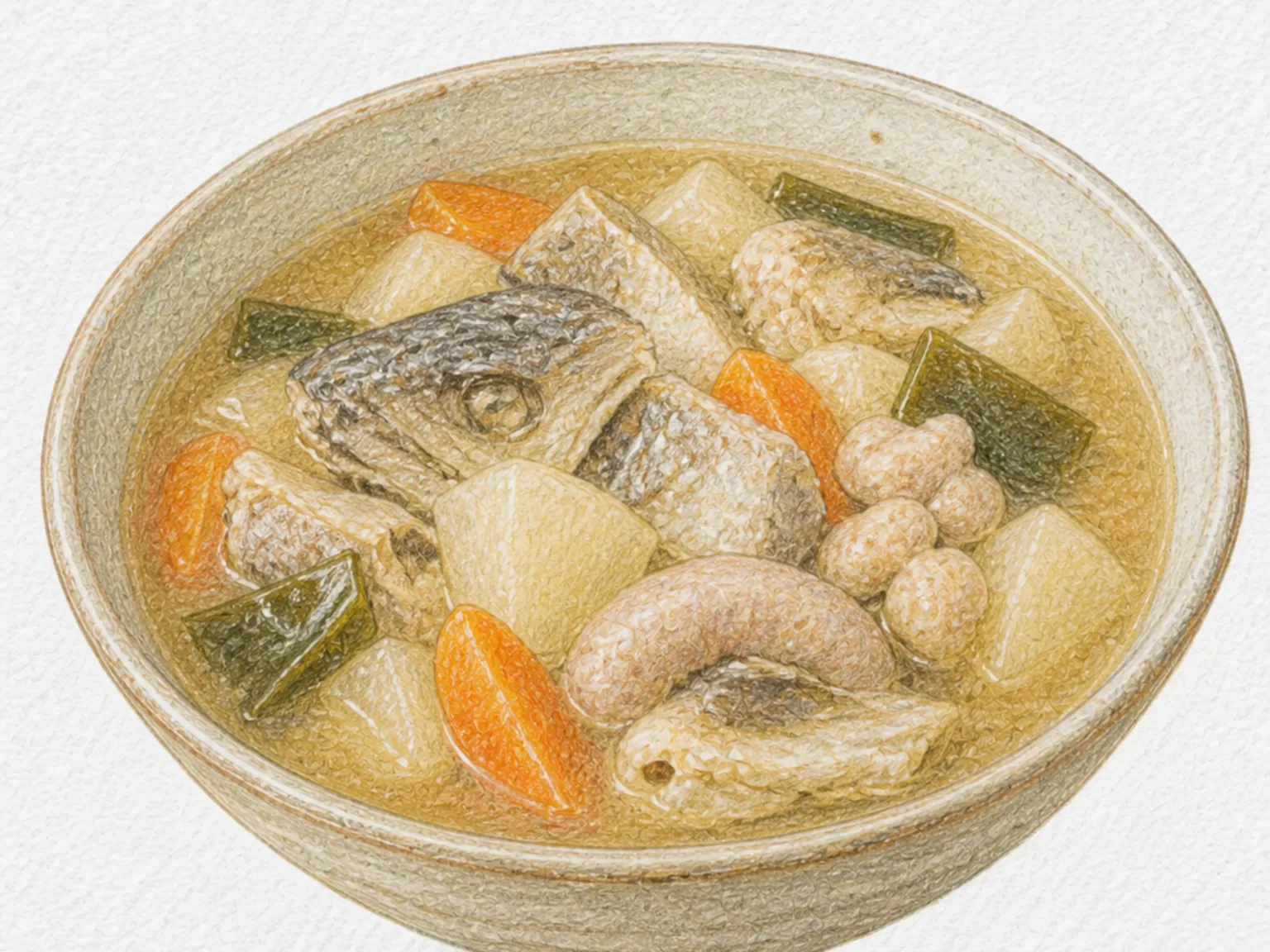
Tara jappa-jiru is a Tsugaru winter soup from Aomori that uses the head, backbone, skin, organs, roe, or milt left after filleting a whole cod. Carefully cleaned parts simmer in a large pot with kombu, daikon, carrot, sake, and water before miso seasons the broth. Jappa means parts usually discarded in the Tsugaru dialect, but the dish turns an entire cold-water cod into a deeply flavored meal without waste. Liver is mashed into the soup near the end for mellow richness, and exceptionally fresh milt is especially prized. Cod was the year-end fish of Tsugaru, so essential to New Year that the phrase tara shogatsu, cod New Year, emerged. Families once bought a whole large fish and dragged it home over snowy roads. A generous ten-serving pot warms a household in midwinter.

🎉 Special Occasion
Prep 45min Cook 45min 10 servings
Korean Steamed Blue Crab (Whole Shell Aromatics)
Steamed Medium

Korean Steamed Blue Crab (Whole Shell Aromatics)

Kkotge-jjim is a Korean steamed blue crab dish cooked whole in a steamer with lightly salted water and aromatic vegetables. Steaming retains the natural juices and sweetness locked inside the shell more effectively than boiling or grilling, so the extracted meat delivers a concentrated, briny flavor with each bite. Dipping the pieces in vinegar soy sauce adds acidity that draws out and sharpens the crab's inherent sweetness, creating a clear contrast against the richness of the flesh. Blue crabs caught during their spring and fall peak seasons arrive heavy with roe and thick with tomalley, which means there is far more to eat beyond the white claw and body meat, and the flavor reaches its fullest depth. Cracking the shells by hand, working through each leg joint, and pulling out the meat is an integral part of how this dish is meant to be eaten. For those without a steamer, a shallow layer of water in a pot with a wire rack set above it works as a straightforward substitute.

🍺 Bar Snacks 🎉 Special Occasion
Prep 15min Cook 18min 2 servings
Dongara-jiru (Whole Cod and Offal Miso Soup)
Soups Hard

Dongara-jiru (Whole Cod and Offal Miso Soup)

Dongara-jiru is a fisherman's winter soup from the Shonai area of Yamagata. Pieces of cod flesh, head, bones, liver, and milt or roe are simmered in water with sake, then seasoned with miso. Dongara refers to the bony head and trimmings, reflecting the practice of using winter spawning cod from head to tail. Liver enriches the broth with fat and depth, while milt or roe adds a soft texture. For a conservative home method, use a professionally cleaned cod hot-pot set that contains only identified edible parts and excludes gallbladder, gills, and intestines. Cook the flesh and every edible organ to at least 74°C before serving.

🎉 Special Occasion
Prep 20min Cook 35min 4 servings
Kuchizoko no Nitsuke (Saga-Style Simmered Sole)
Steamed Medium

Kuchizoko no Nitsuke (Saga-Style Simmered Sole)

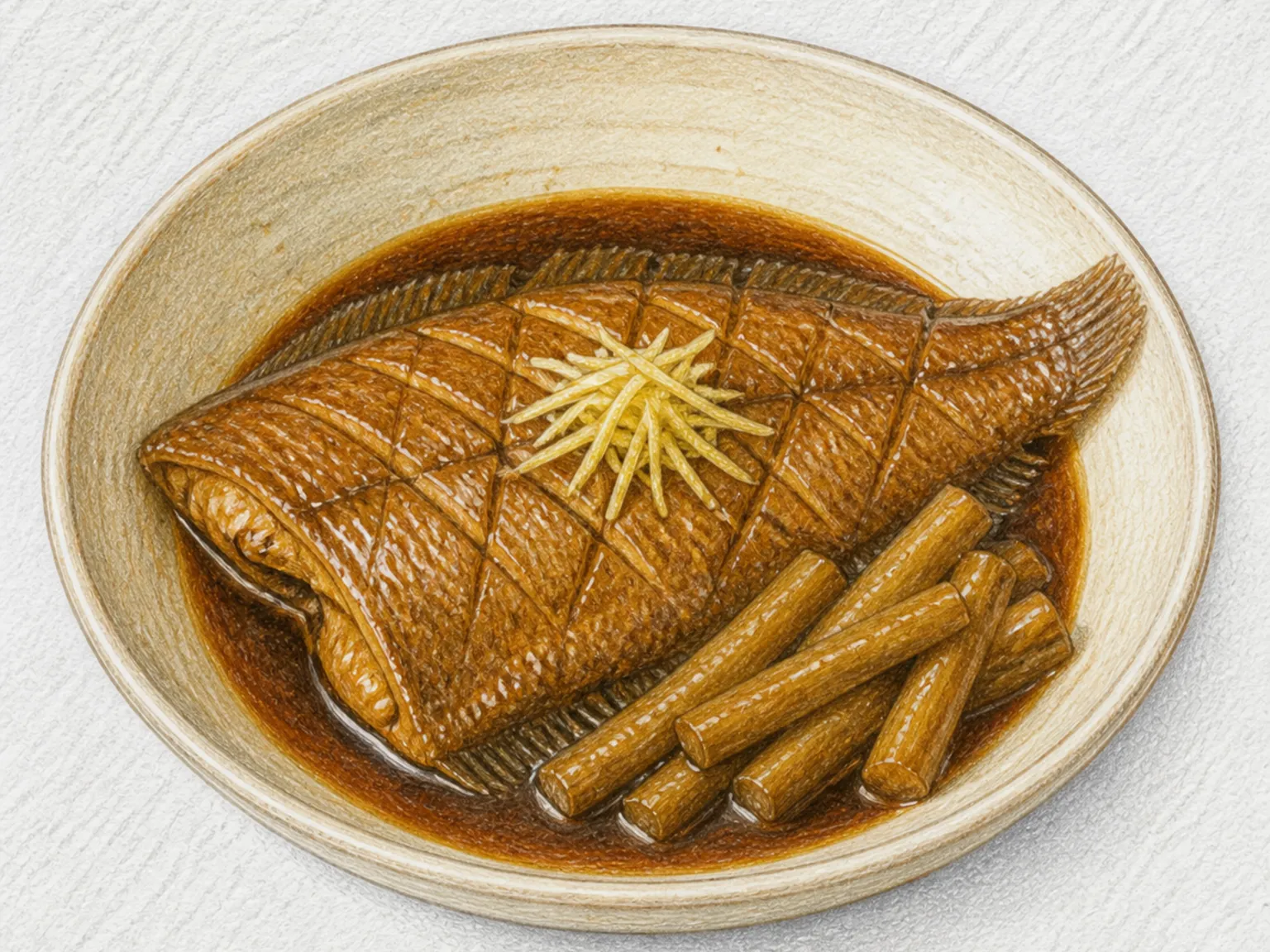
Kuchizoko no nitsuke is a fish dish from the Ariake Sea coast of Saga, where sole is locally called kuchizoko. A whole cleaned fish is scored along the backbone and simmered briefly in a generous mixture of sake, soy sauce, mirin, sugar, and water. Keeping the scored side facing up helps the thin flesh stay intact while the liquid reaches the cut. Ginger juice is added near the end, then the glossy broth is spooned over the fish several times. Burdock cooks in the same liquid and absorbs its sweet and savory seasoning. Sole cooks quickly, so checking the thickest part and lifting the fish as soon as it is done preserves its tender texture.

🏠 Everyday
Prep 20min Cook 20min 4 servings
Aichi Zoni (Clear New Year Soup with Square Mochi)
Soups Easy

Aichi Zoni (Clear New Year Soup with Square Mochi)

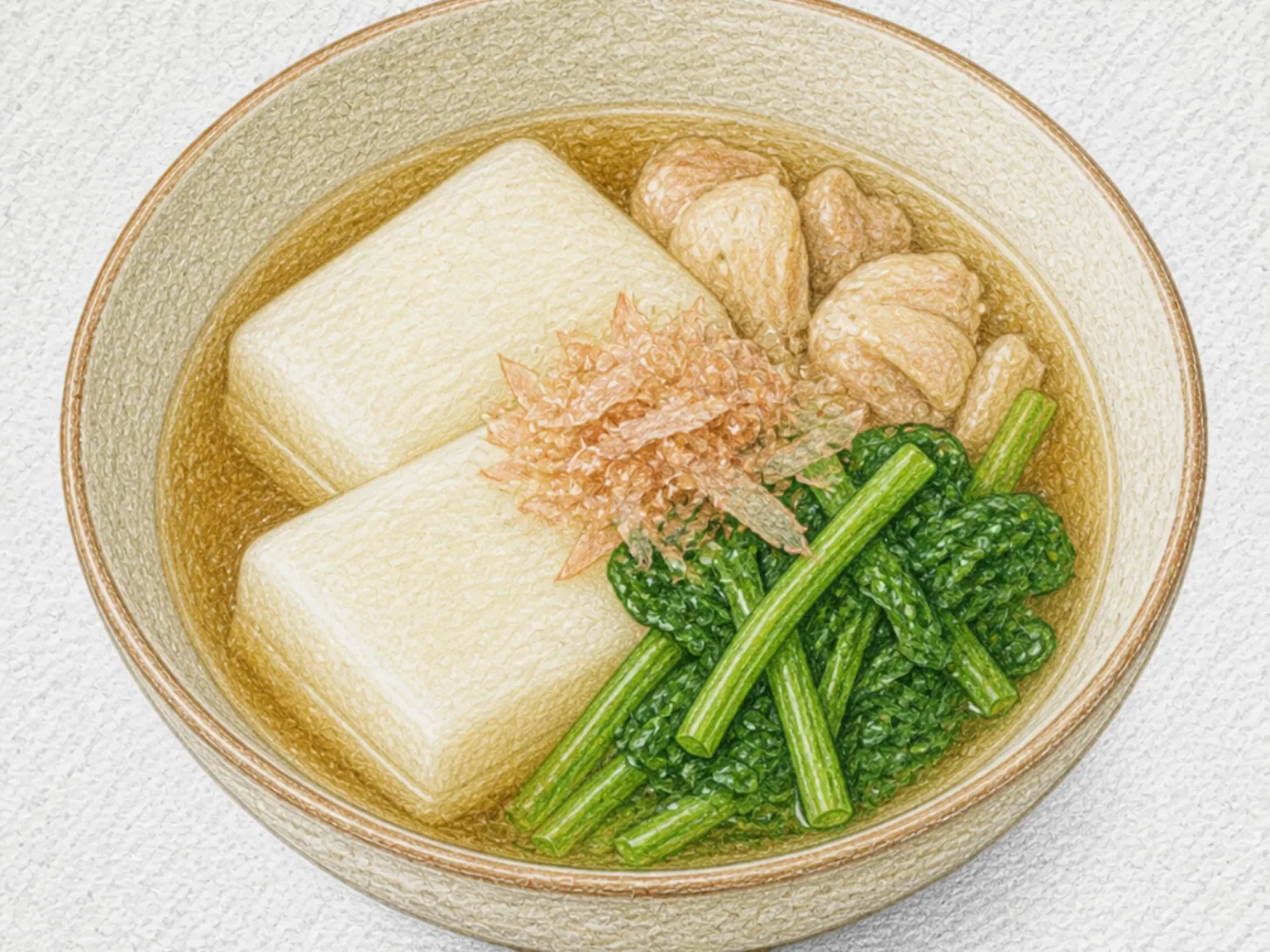
Aichi zoni is a New Year soup of square mochi, chicken, and mochina, a traditional leafy vegetable from the Owari area, in a clear soy-seasoned dashi. Although Aichi is strongly associated with dark bean miso, this zoni keeps its broth light with sake, mirin, salt, and soy sauce rather than miso. The square mochi goes directly into the simmering soup without grilling, producing a smooth surface and soft center. Mochina resembles komatsuna but is tender and mildly sweet, so it is added only after the rice cakes soften to preserve its green color. Each bowl receives two pieces of mochi, chicken, greens, clear broth, and a small topping of bonito flakes. The simple arrangement makes the texture of each ingredient easy to distinguish.

🎉 Special Occasion
Prep 15min Cook 20min 4 servings
Braised Pork Belly with Preserved Mustard Greens
Steamed Hard

Braised Pork Belly with Preserved Mustard Greens

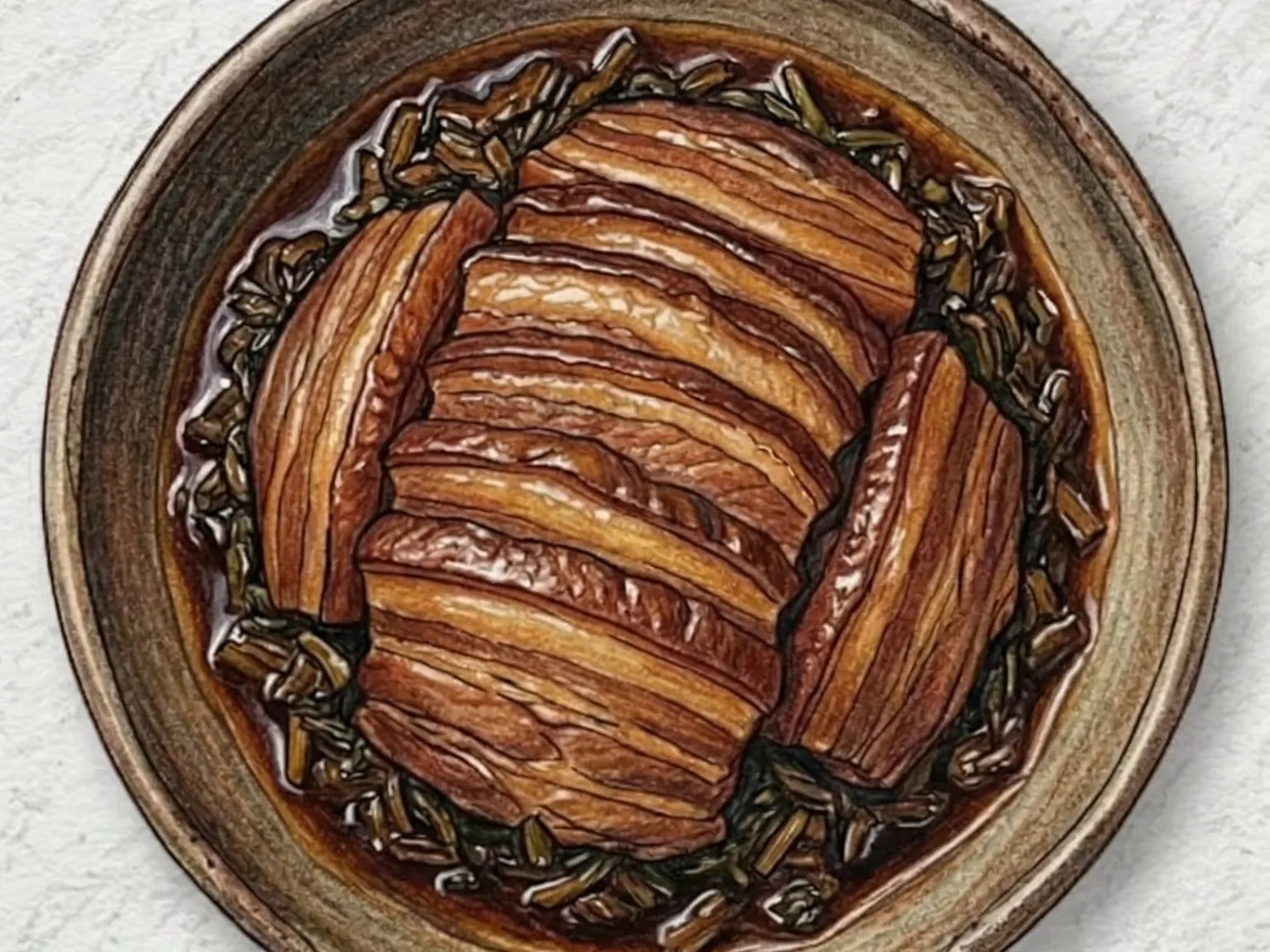
Meicai kourou is a Hakka Chinese dish of parboiled pork belly that is seared with soy sauce for color, then layered with preserved mustard greens and steamed for over an hour. The prolonged steaming renders the fat translucent and meltingly soft, while the fermented, salty greens infuse the meat with their concentrated flavor. When inverted onto a plate, the neatly stacked slices glisten under the braising sauce. It is a centerpiece dish meant for sharing, with the sauce spooned over steamed rice to capture every layer of richness.

🎉 Special Occasion
Prep 35min Cook 90min 4 servings
Korean Steamed Croaker (White Fish Radish Soy)
Steamed Medium

Korean Steamed Croaker (White Fish Radish Soy)

Mineo-jjim is a Korean steamed croaker prepared with Korean radish, green onion, ginger, and rice wine. Croaker is prized among white fish for its fine-grained flesh and mild aroma, and steaming preserves its delicate, moist texture without drying it out. Ginger and rice wine work together to eliminate any trace of fishiness, while the radish releases a gentle sweetness into the broth as it cooks. Seasoned with just a touch of soy sauce at the end, this dish lets the natural flavor of the fish take center stage and is well suited for formal meals.

🎉 Special Occasion
Prep 20min Cook 30min 4 servings
Niku Dofu Beef and Tofu Simmer
Steamed Easy

Niku Dofu Beef and Tofu Simmer

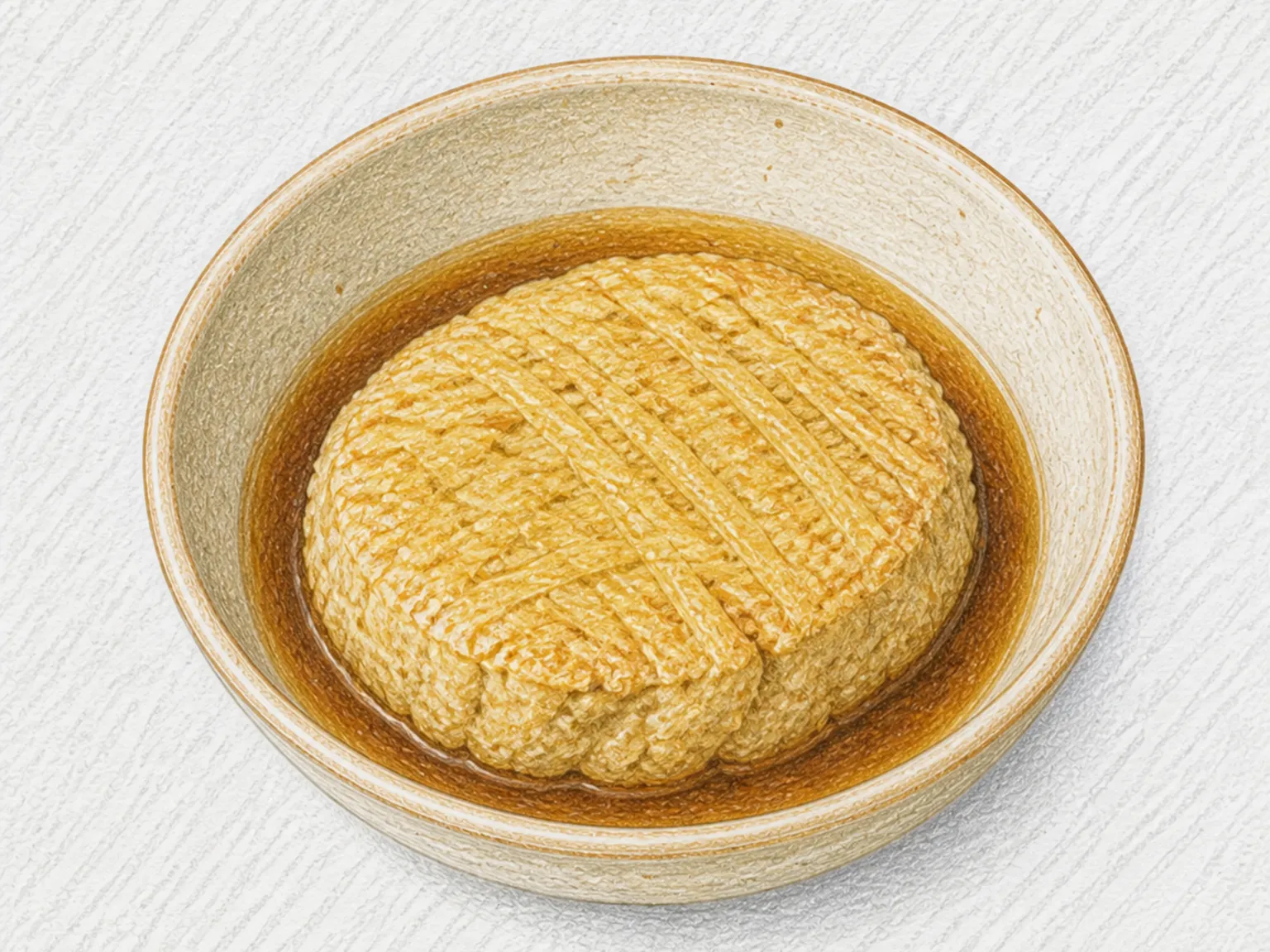
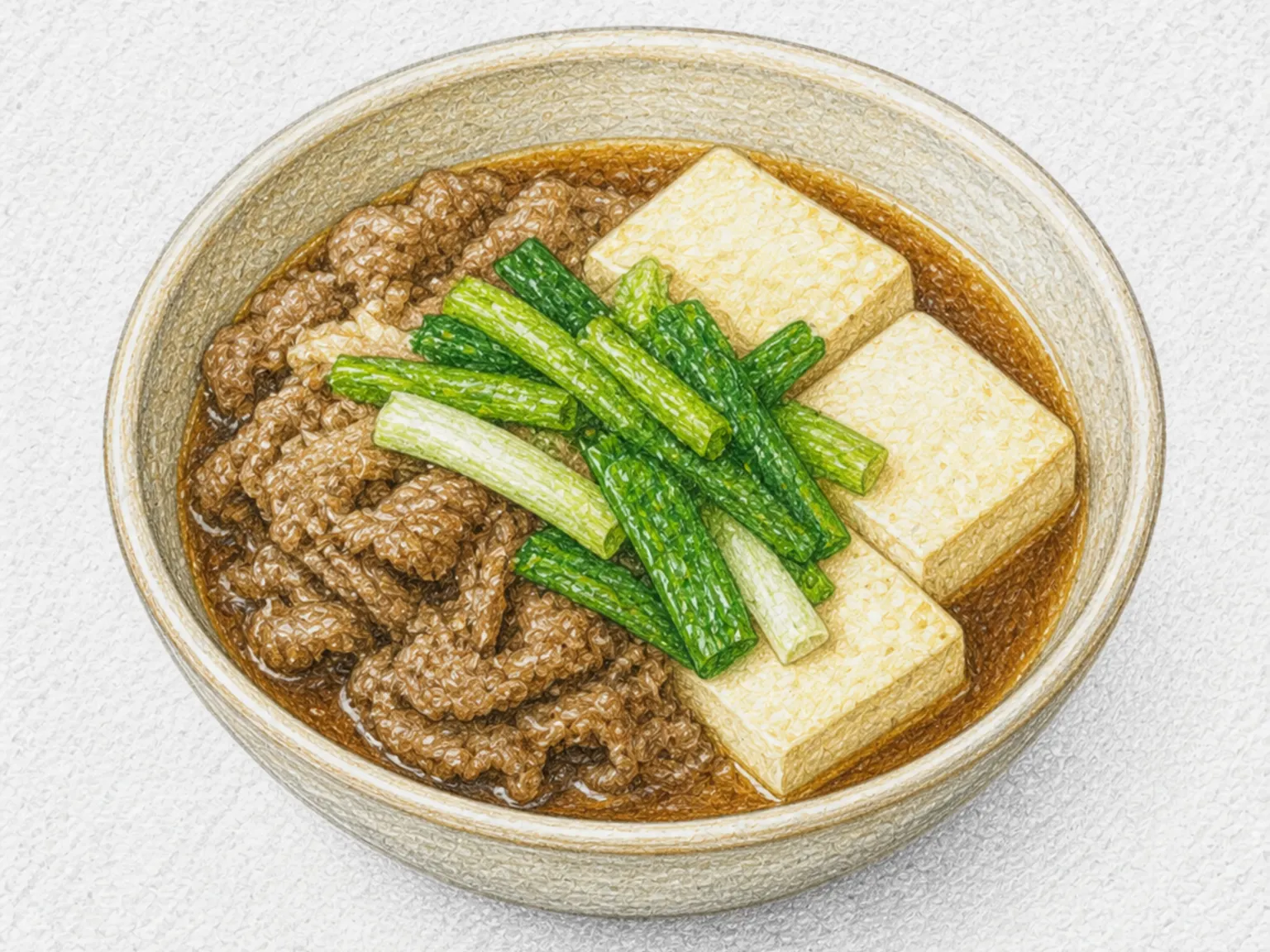
Niku dofu is a Kyoto winter home dish centered on tofu, briefly simmering thin beef and Kujo negi in a sweet soy-seasoned stock. Kyoto's soft water, low in mineral taste, is considered well suited to making delicate clean-flavored tofu. Kujo negi, sometimes praised as the king of leaf onions, brings mucilage inside its leaves, strong sweetness, and fragrance. Kyoto also has a long beef culture, from early records of Tamba cattle to sukiyaki restaurants established in the early Meiji era. The thin beef is first passed briefly through boiling water to reduce foam and excess fat, simmered with tofu for ten minutes, and finished with Kujo negi only at the end. The result preserves the tofu's shape and the onion's fresh sweetness.

🏠 Everyday 🎉 Special Occasion
Prep 20min Cook 20min 3 servings
Cantonese Steamed Seabass
Steamed Medium

Cantonese Steamed Seabass

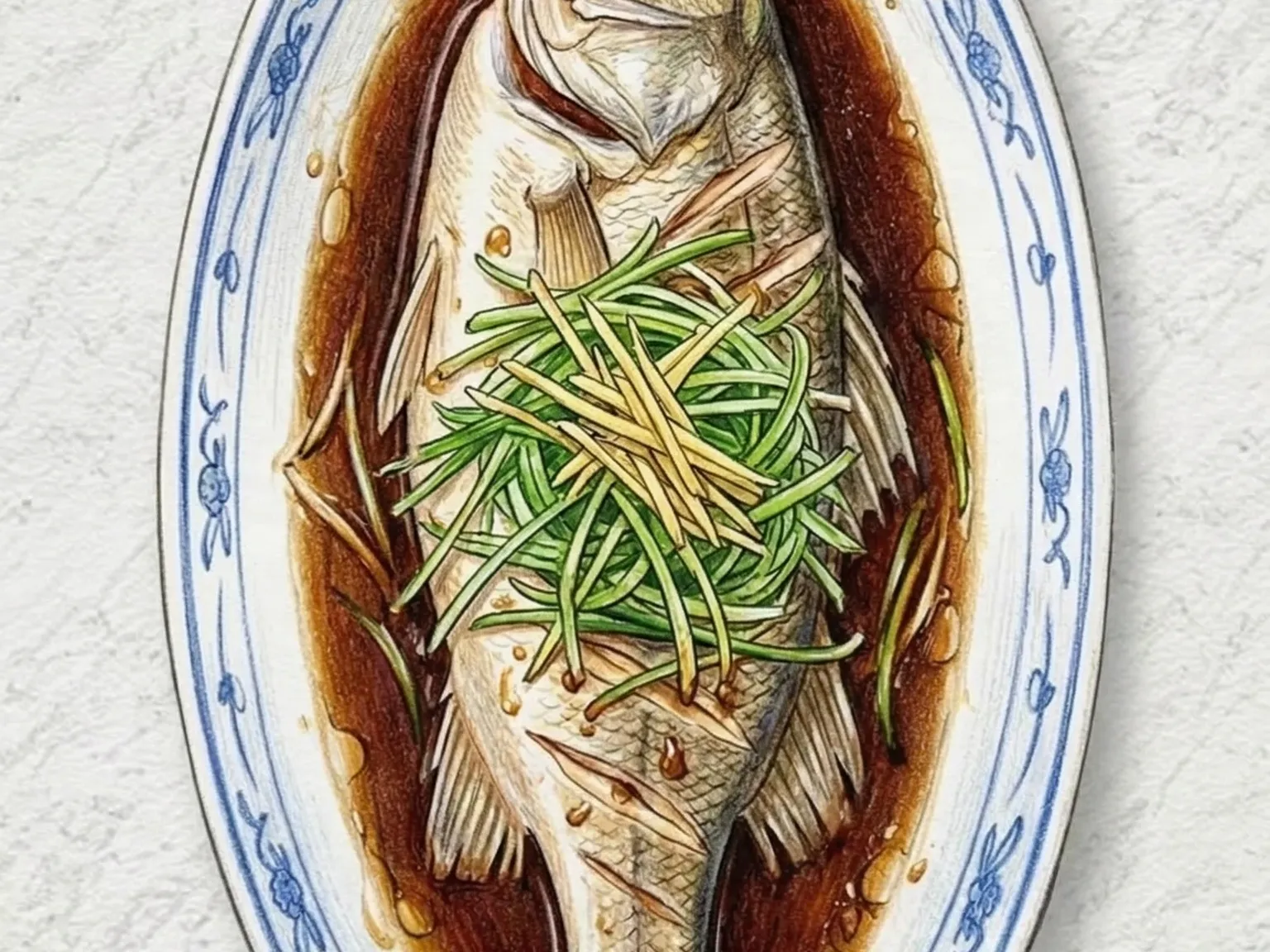
Qingzheng seabass is a Cantonese steamed fish preparation in which a whole seabass is scored, rubbed with julienned ginger and rice wine, then cooked over high heat in a steamer for ten to twelve minutes. Once the fish comes off the steam, a restrained dressing of soy sauce and sugar is poured evenly over the flesh, a generous pile of shredded scallions is laid on top, and smoking-hot oil is drizzled over everything. The oil hits the cold scallions with an audible sizzle and instantly volatilizes their aromatic compounds, filling the kitchen with a concentrated burst of allium fragrance that coats the entire dish. The steamed flesh stays moist with its natural flake intact, and the light soy dressing is calibrated so that the seabass's own clean, delicate flavor remains the centerpiece rather than being buried under seasoning. The finishing pour of hot oil simultaneously cooks the scallions and disperses their fragrance, a technique central to Cantonese cooking. The dish embodies the Cantonese philosophy that the quality of the ingredient, not the intensity of the seasoning, defines the outcome.

🎉 Special Occasion 🏠 Everyday
Prep 20min Cook 15min 2 servings
Korean Steamed Shrimp
Steamed Easy

Korean Steamed Shrimp

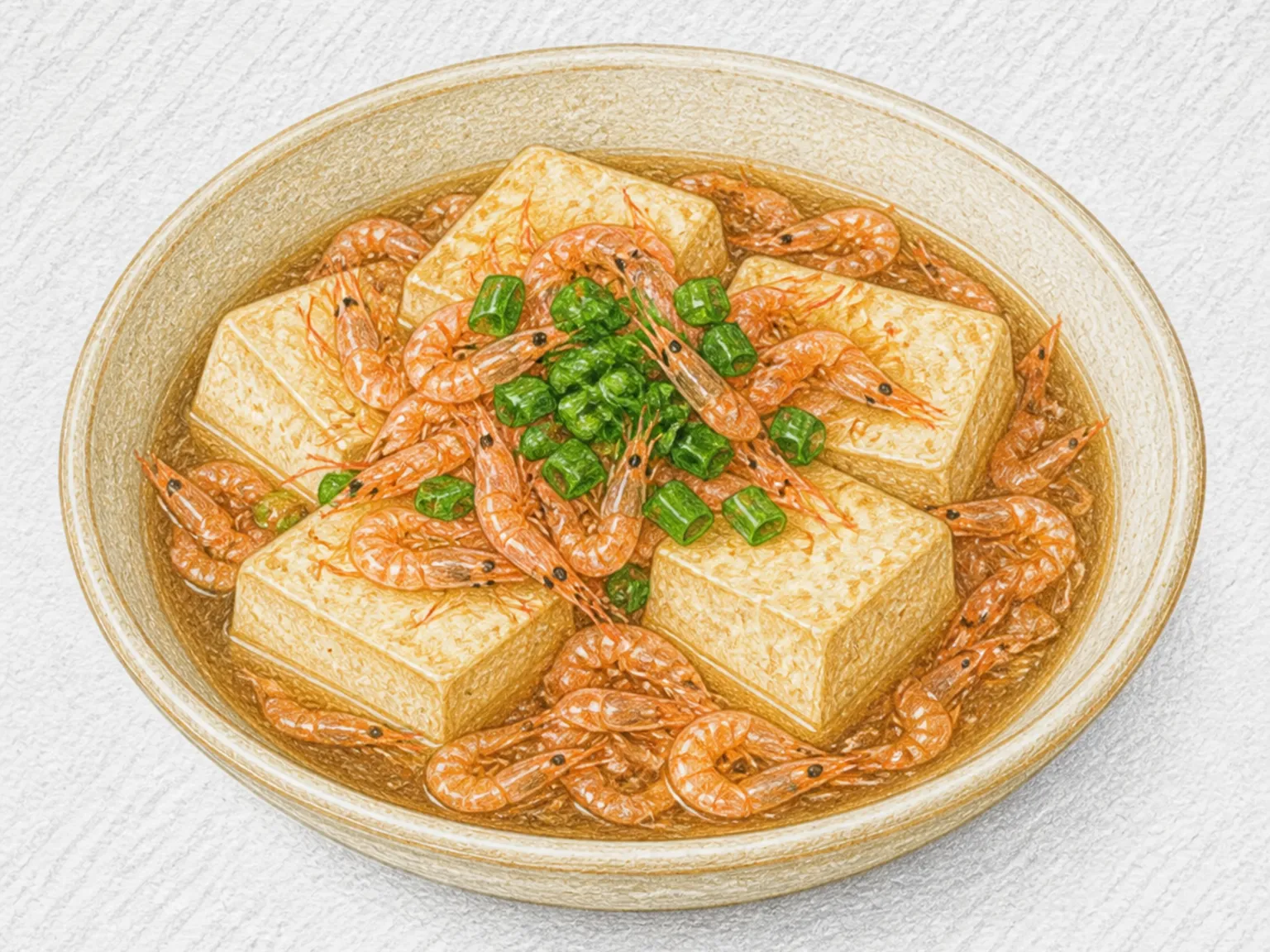
Saeu jjim is a traditional Korean method for preparing steamed shrimp by utilizing a specific layering technique within a steamer. The process begins by creating a foundation of sliced onions, green onions, and garlic cloves across the steamer basket. Whole shrimp are then carefully arranged directly on top of this bed of aromatic vegetables. As the water boils below, the rising steam carries the volatile oils and scents of the onion and garlic upward, allowing these fragrances to penetrate the shrimp through their shells. A small amount of rice wine is applied to the shrimp before the lid is closed to neutralize any strong briny odors that may be present. Leaving the shells intact during the steaming process is a deliberate step to minimize the loss of internal moisture. This protective layer ensures the meat remains firm and juicy while preserving the natural sugars found in the seafood. Precision regarding the cooking duration is a critical factor for success. The shrimp typically require only eight to nine minutes of exposure to the steam once the water has reached a steady boil. If the cooking time exceeds this window, the proteins in the flesh will contract and cause the texture to become noticeably tough and dry. When the time is up and the lid is lifted, it should be tilted to the side rather than pulled straight up. This prevents the heavy condensation collected on the underside of the lid from dripping back down onto the shrimp, which would otherwise dilute the seasoning on the surface of the shells. Just before the dish is served, a light squeeze of fresh lemon juice is applied to provide a bright acidity that complements the inherent sweetness of the shrimp. While the dish is sufficiently flavorful to be eaten without any dipping sauce, it is often accompanied by cho-ganjang, which is a mixture of soy sauce and vinegar. Alternatively, a sweet chili sauce can be provided as a condiment for individuals who prefer an additional flavor profile alongside the seafood.

🥗 Light & Healthy 🏠 Everyday
Prep 15min Cook 12min 2 servings
Nita-kumoji (Simmered Aged Turnip-Green Pickles)
Steamed Medium

Nita-kumoji (Simmered Aged Turnip-Green Pickles)

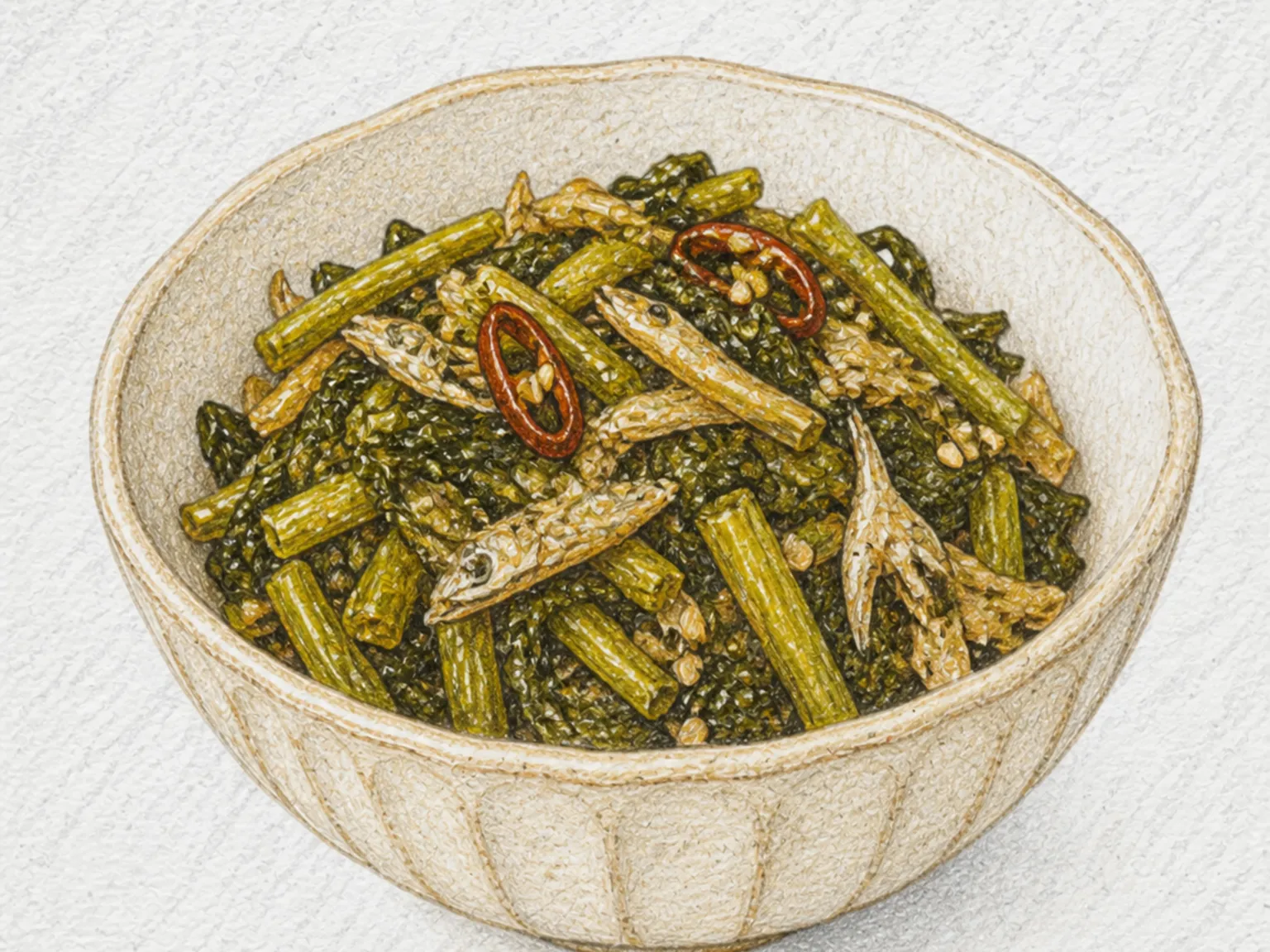
Nita-kumoji is a side dish from the Hida area of Gifu that gives a second life to turnip greens salted in winter and turned sour by spring. The aged pickle is rinsed and soaked with several water changes until moderately salty, stir-fried in oil, then simmered with soy sauce, mirin, sake, niboshi, and dried chili until the liquid disappears. Kumoji is said to derive from an old courtly word for pickles, and the dish reflects the practical habit of wasting none of the winter stores. Leaving a little salt in the greens balances the strong braising liquid. Sesame oil and toasted sesame added over high heat at the end create a glossy, nutty finish.

🏠 Everyday
Prep 40min Cook 45min 10 servings
Tai no Karamushi (Steamed Sea Bream Stuffed with Okara)
Steamed Hard

Tai no Karamushi (Steamed Sea Bream Stuffed with Okara)

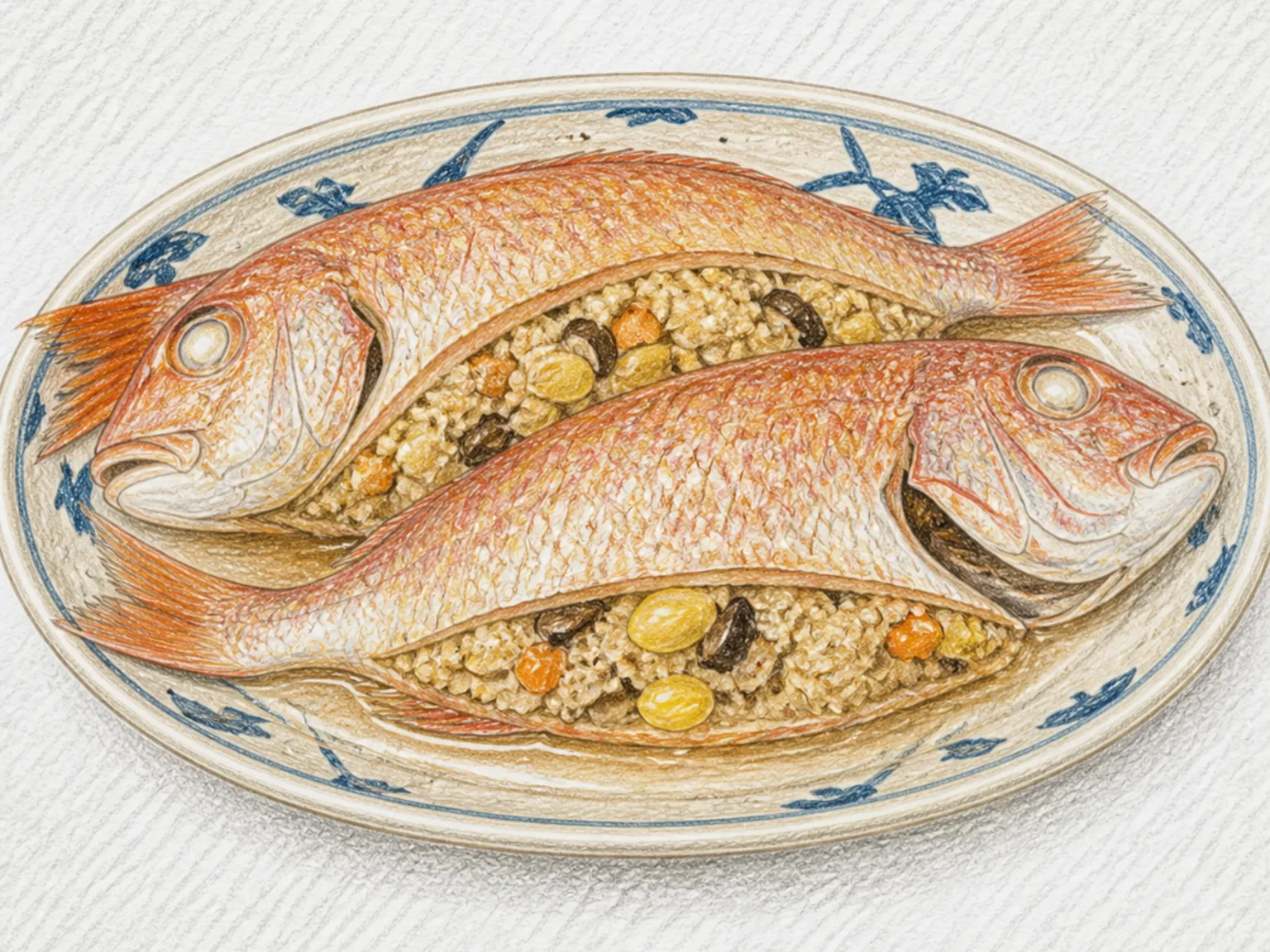
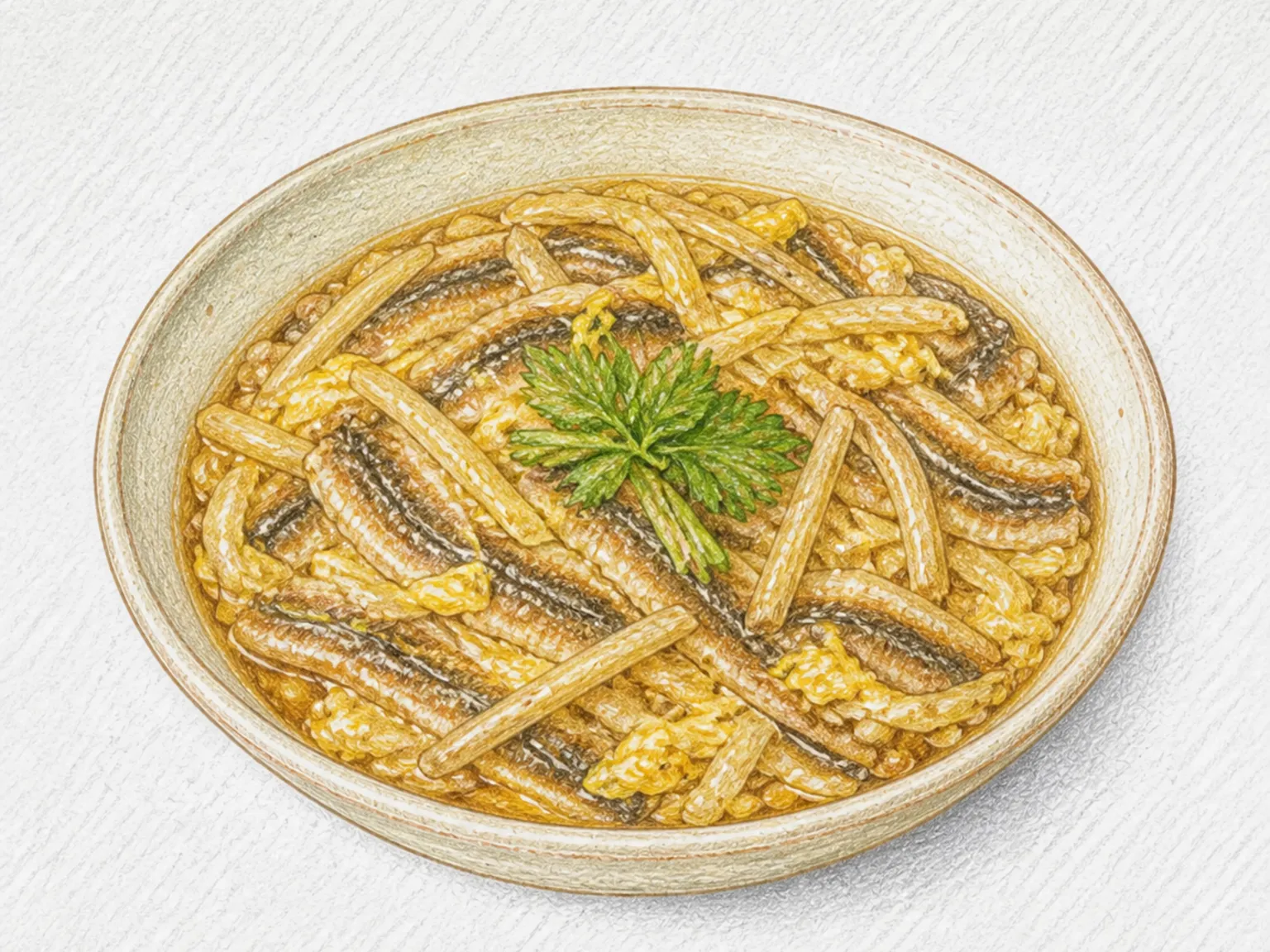
Tai no karamushi is a celebratory Kaga dish from Ishikawa. Two whole sea bream are opened along the back and packed with okara cooked with bamboo shoot, burdock, carrot, wood ear mushrooms, ginkgo nuts, dashi, sugar, sake, and soy sauce. The fish are traditionally presented with their bellies facing each other, a substantial arrangement served at weddings and other festive tables. The vegetable and okara filling must be cooked until moist rather than wet, then cooled completely before it touches the raw fish. Steaming time changes with the size of the bream, so the thickest flesh and center of the stuffing determine when it is done. Each portion combines tender fish with savory-sweet okara that has absorbed the sea bream juices.

🎉 Special Occasion
Prep 80min Cook 50min 4 servings
Tori Motsu-ni (Glossy Sweet-Soy Chicken Offal)
Steamed Hard

Tori Motsu-ni (Glossy Sweet-Soy Chicken Offal)

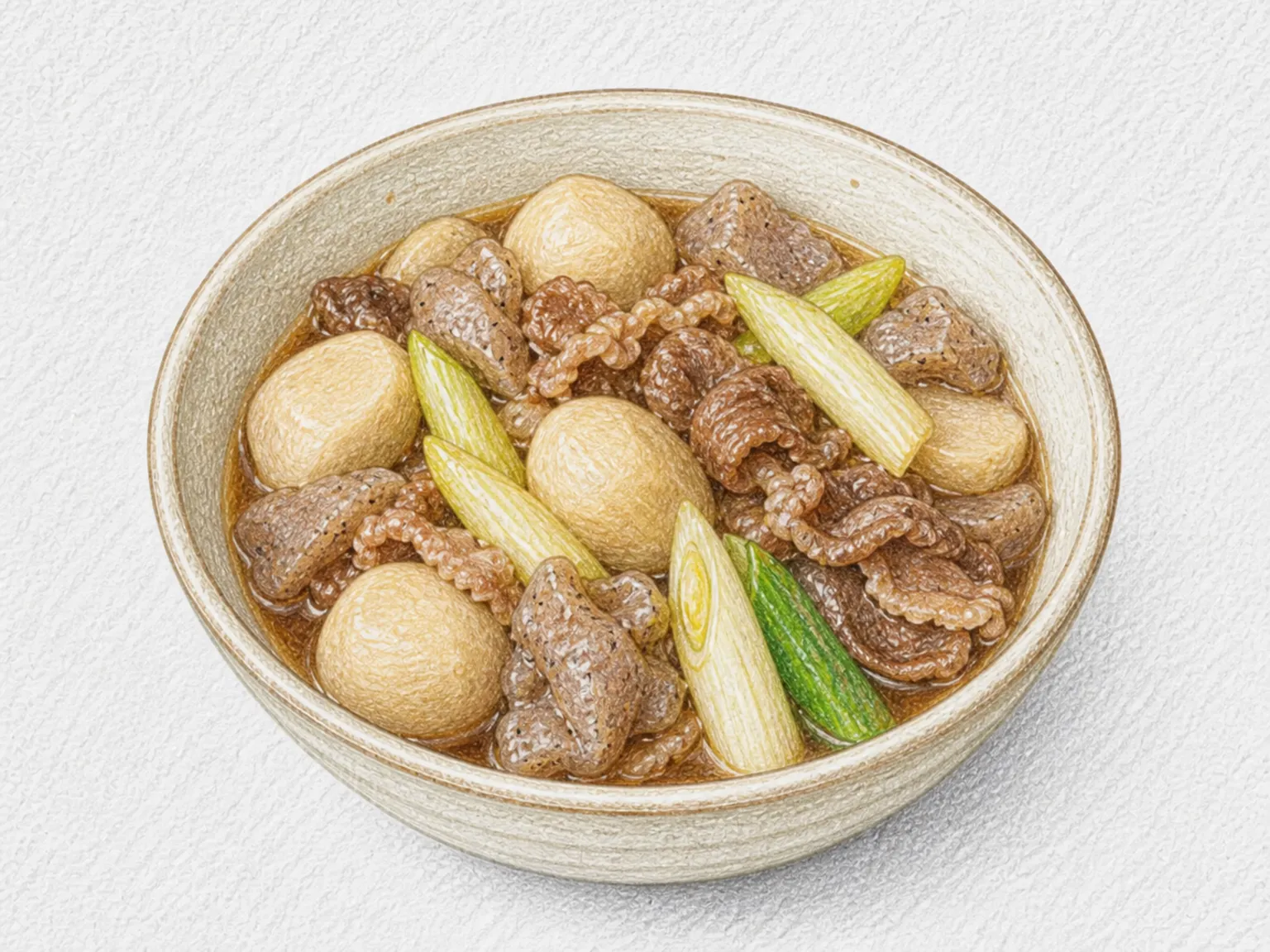
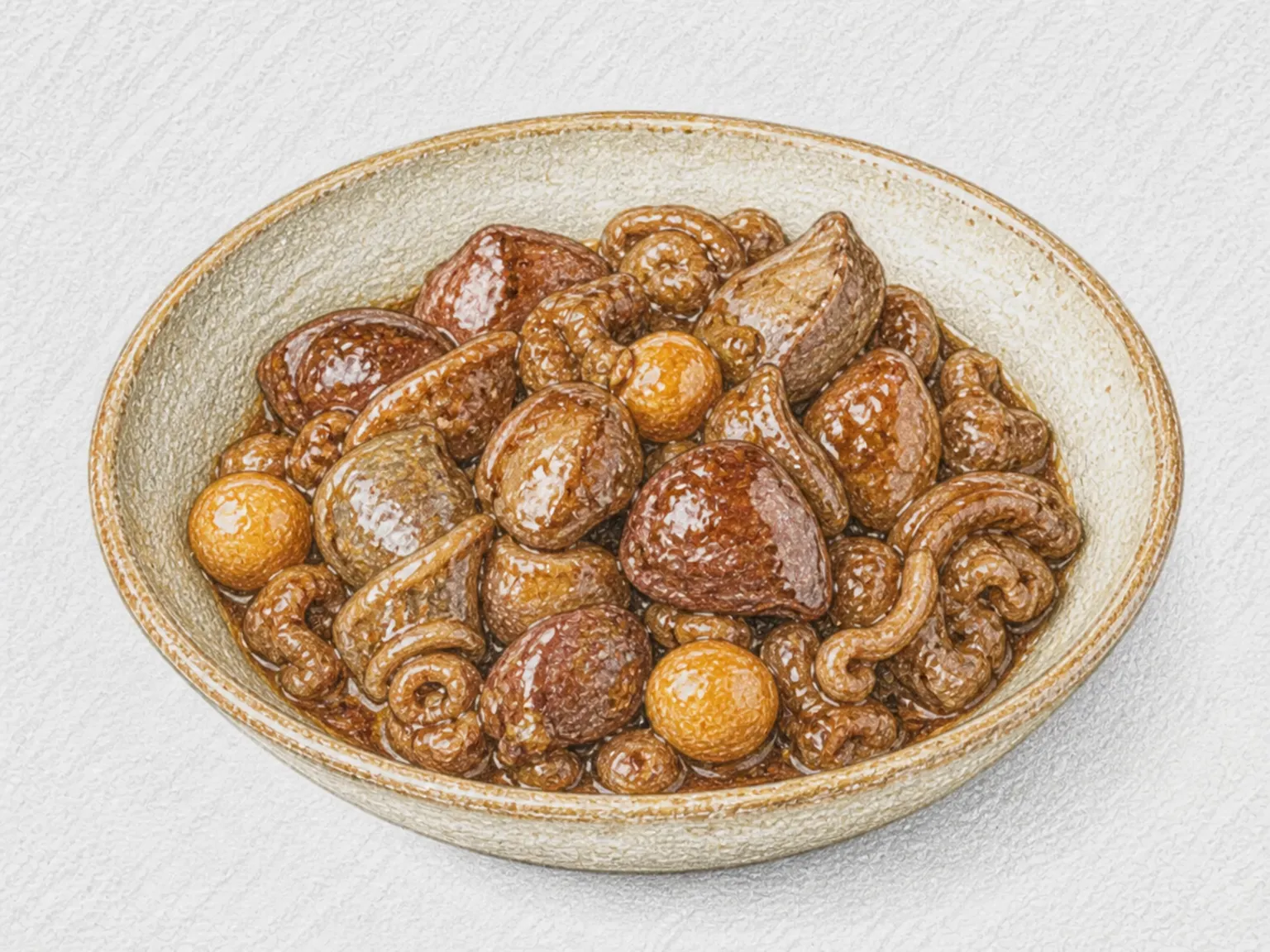
Tori motsu-ni is a Kofu dish from Yamanashi. Chicken liver, gizzard, heart, unlaid egg yolks called kinkan, and oviduct called himo are trimmed, dropped together into boiling sugar-soy sauce, and quickly glazed over high heat. Unlike a brothy offal stew, its small amount of concentrated sauce reduces until a shiny film clings to the edge of the pan. The dish is said to have begun around 1950 at a Kofu soba shop seeking a use for chicken parts that were being discarded. Because each organ has a different thickness, cut them evenly and do not remove the pan from heat until the thickest gizzard and yolk centers reach at least 74C.

🍺 Bar Snacks 🎉 Special Occasion
Prep 35min Cook 18min 4 servings
Tsukemono Miso-ni (Pickled Cabbage Simmered in Red Miso)
Steamed Easy

Tsukemono Miso-ni (Pickled Cabbage Simmered in Red Miso)

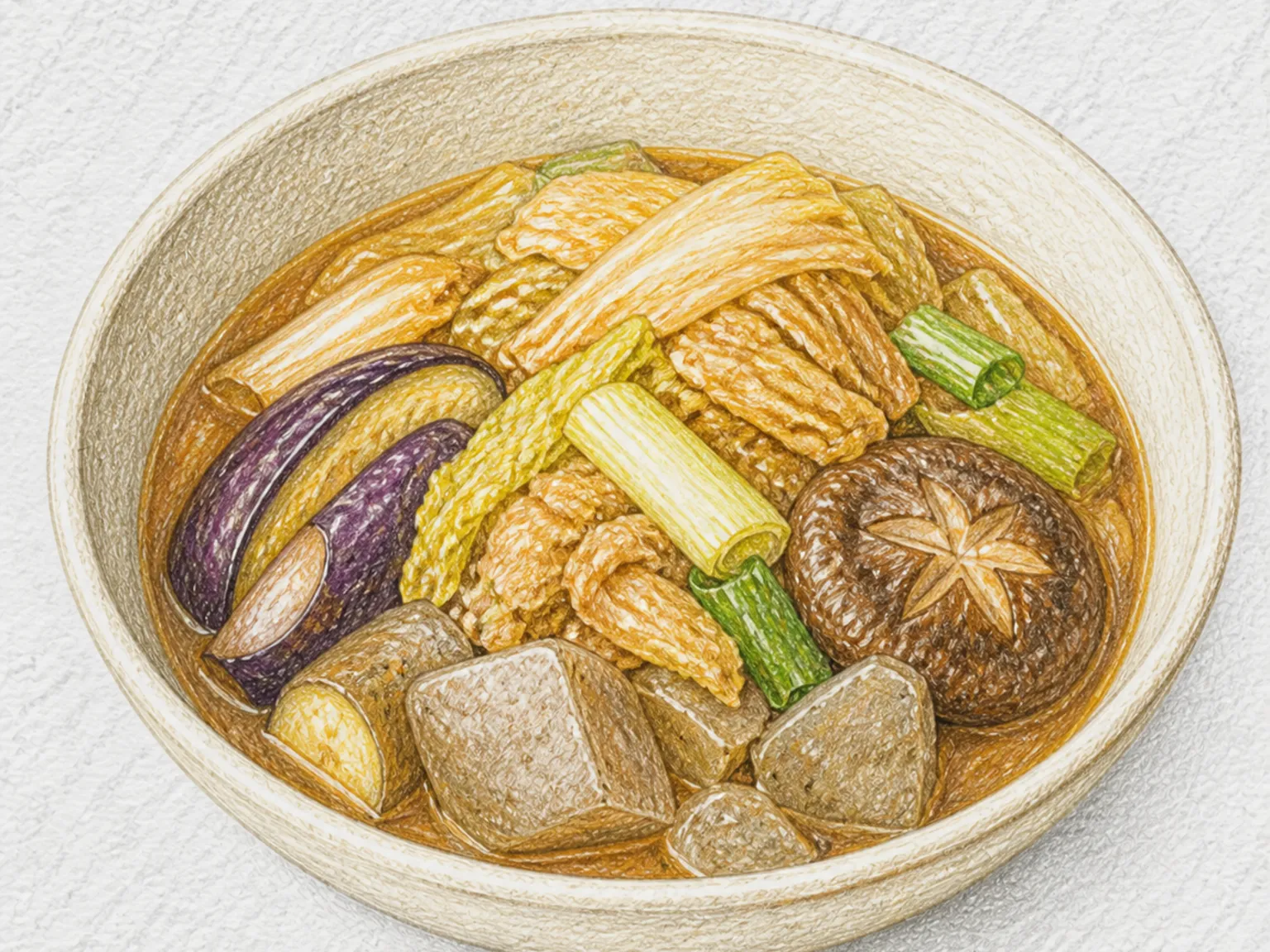
Tsukemono miso-ni is a Gujo, Gifu dish that rescues mature pickled Chinese cabbage after it has become sharply sour and salty. The cabbage is soaked to remove excess salt, then simmered for 20 to 30 minutes over low heat with red miso, water, sake, mirin, sugar, white onion, eggplant, shiitake, and konnyaku. Historical household versions sometimes did use niboshi stock when recooking winter pickles. Salting the cabbage once and then cooking it again in miso reflects a mountain practice of using preserved food without waste. Water, mirin, sake, and sugar soften the forceful saltiness and edge of the red miso.

🏠 Everyday
Prep 15min Cook 30min 3 servings
Korean Steamed Rockfish (Spicy Gochugaru Radish Braise)
Steamed Medium

Korean Steamed Rockfish (Spicy Gochugaru Radish Braise)

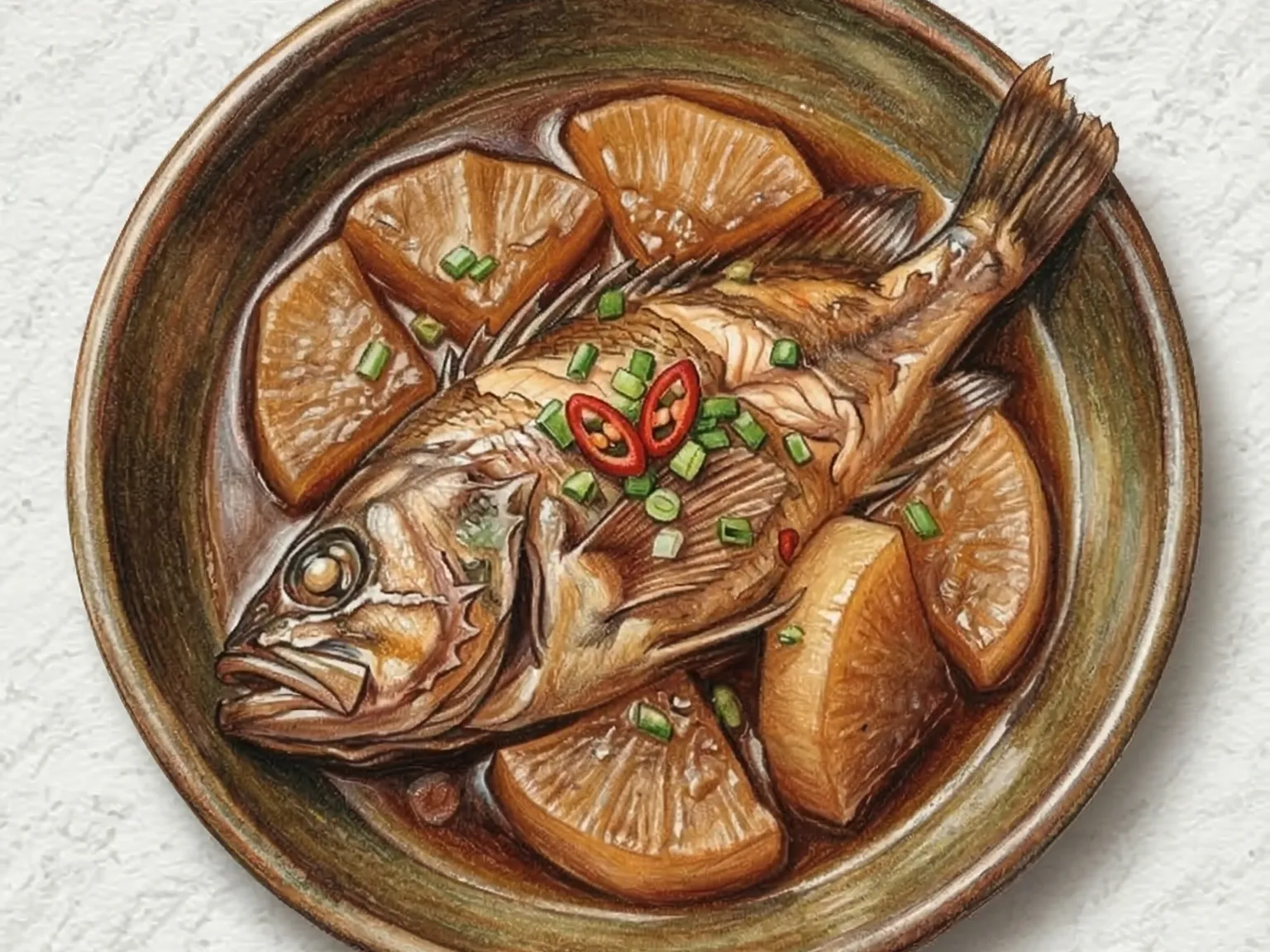
Ureok-jjim is a Korean spicy steamed rockfish cooked with Korean radish, onion, and green onion in a gochugaru and soy sauce broth. Rockfish has firm, well-defined flesh that holds its shape through the cooking process, and scoring the skin lets the bold seasoning reach deep into the meat. Radish softens in the braising liquid and absorbs the chili heat while contributing natural sweetness, and ginger keeps the fish tasting clean. The remaining sauce is concentrated enough to spoon over rice, delivering a hit of spicy, salty flavor with every bite.

🏠 Everyday 🎉 Special Occasion
Prep 20min Cook 28min 4 servings
Yama-Surume Kinpira (Simmered Dried Bamboo Shoot and Wood Ear)
Steamed Medium

Yama-Surume Kinpira (Simmered Dried Bamboo Shoot and Wood Ear)

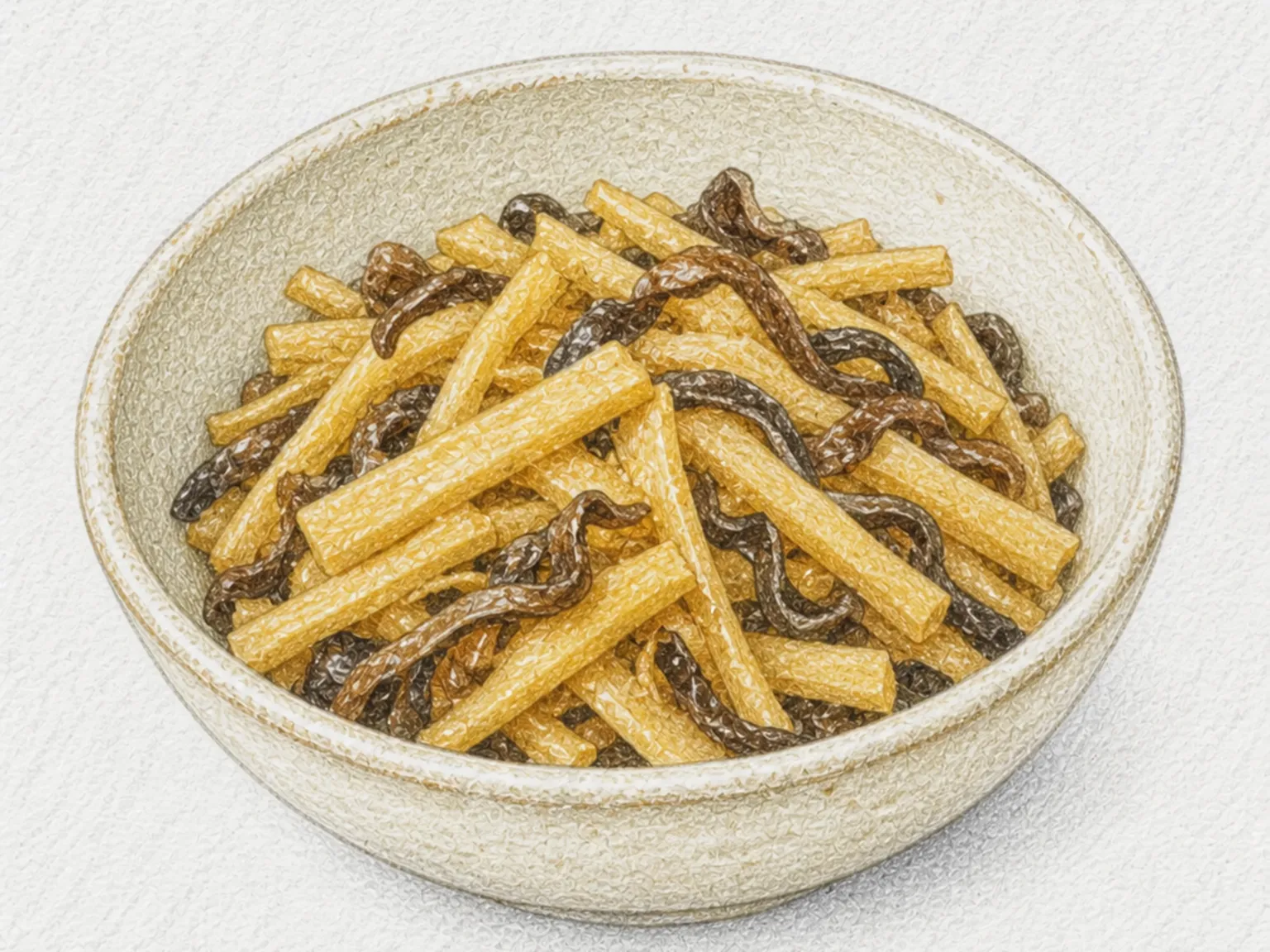
Yama-surume kinpira is a Kumamoto simmer made by boiling dried bamboo shoots until fully rehydrated, cutting them into even 8 cm strips, and cooking them in strong dashi with sugar, mirin, light soy sauce, sake, and salt. Only after the broth has reduced are dry sliced wood ears added so they absorb seasoning while retaining a crisp, resilient bite. In spring, fresh bamboo shoots were split lengthwise, cleaned of inner nodes, boiled, and slowly sun-dried for preservation. The hanging triangular pieces resembled dried squid, leading to the name yama-surume, or mountain squid. Stored shoots could be restored throughout the year for farm-season meals, festival Buddhist dishes in Kuma, everyday sides, and sake accompaniments.

🏠 Everyday 🍺 Bar Snacks
Prep 60min Cook 120min 6 servings