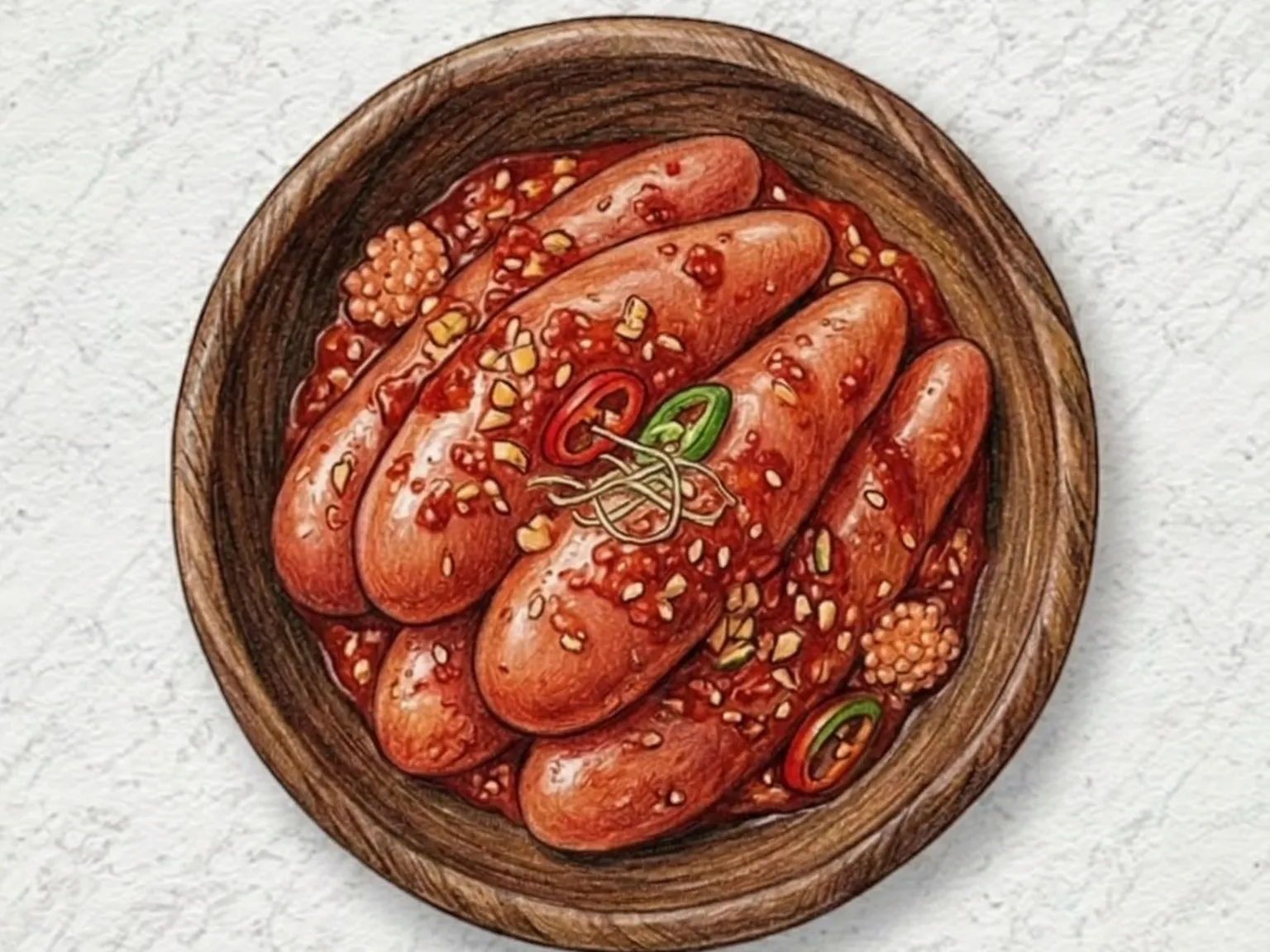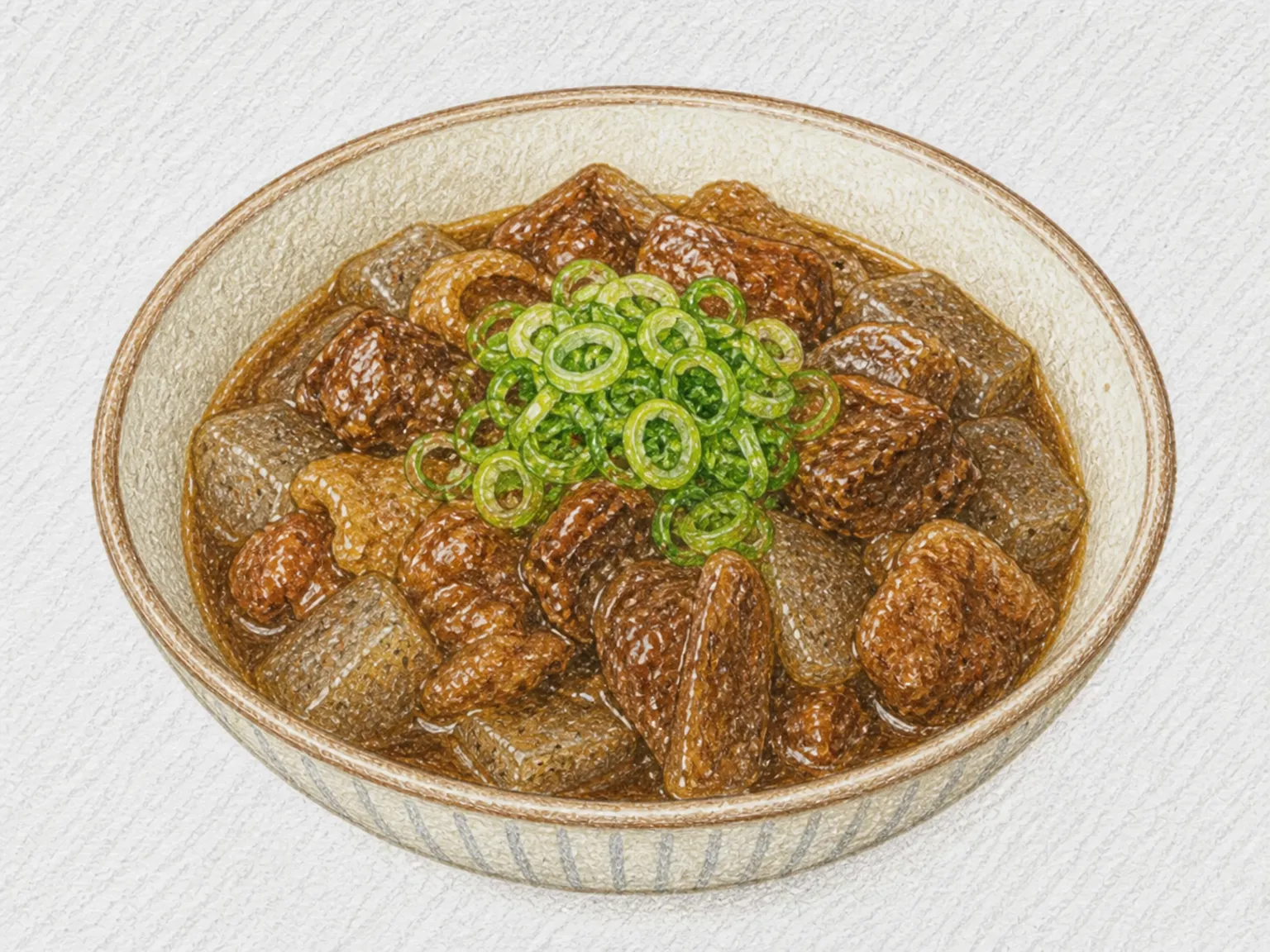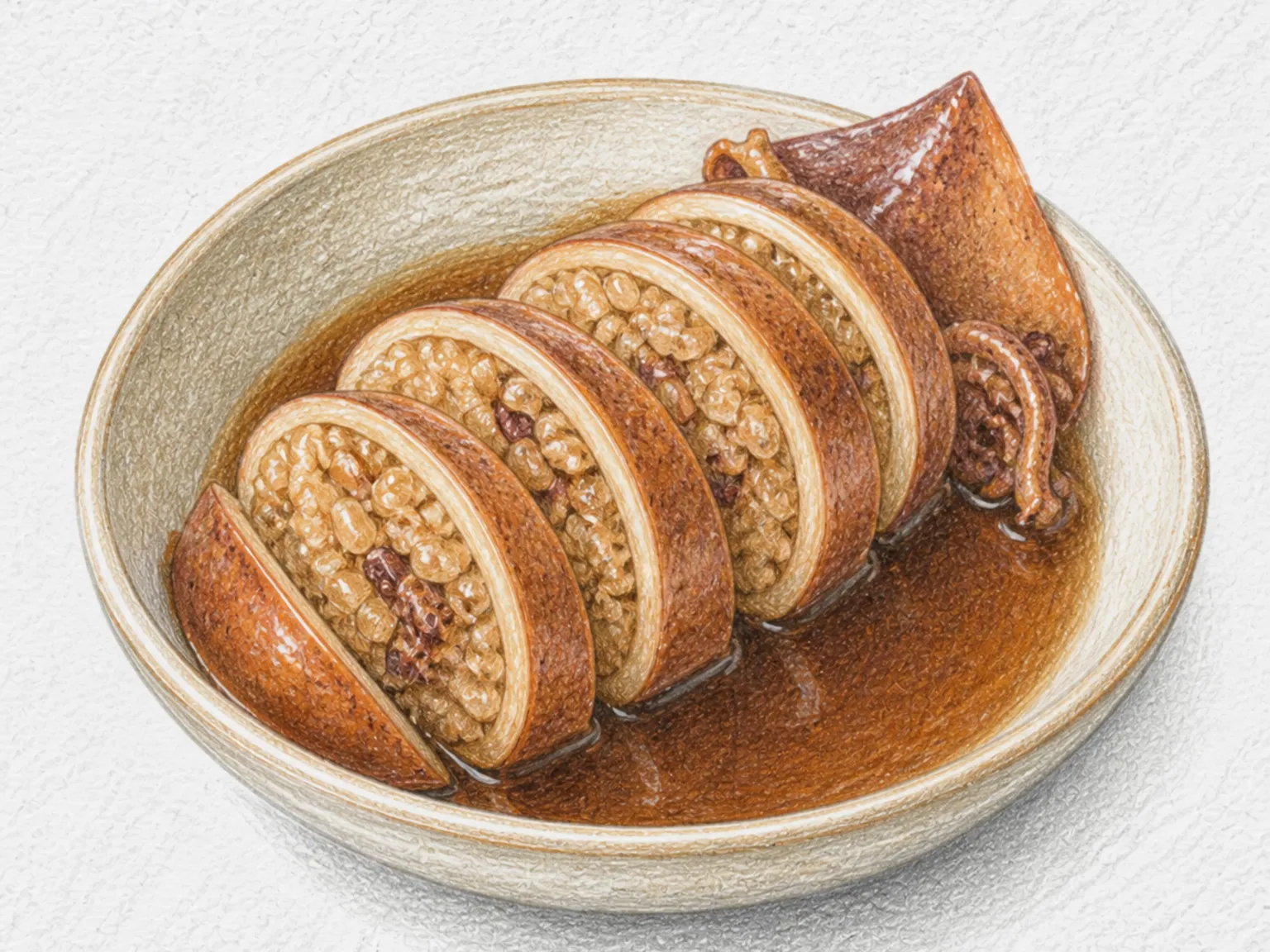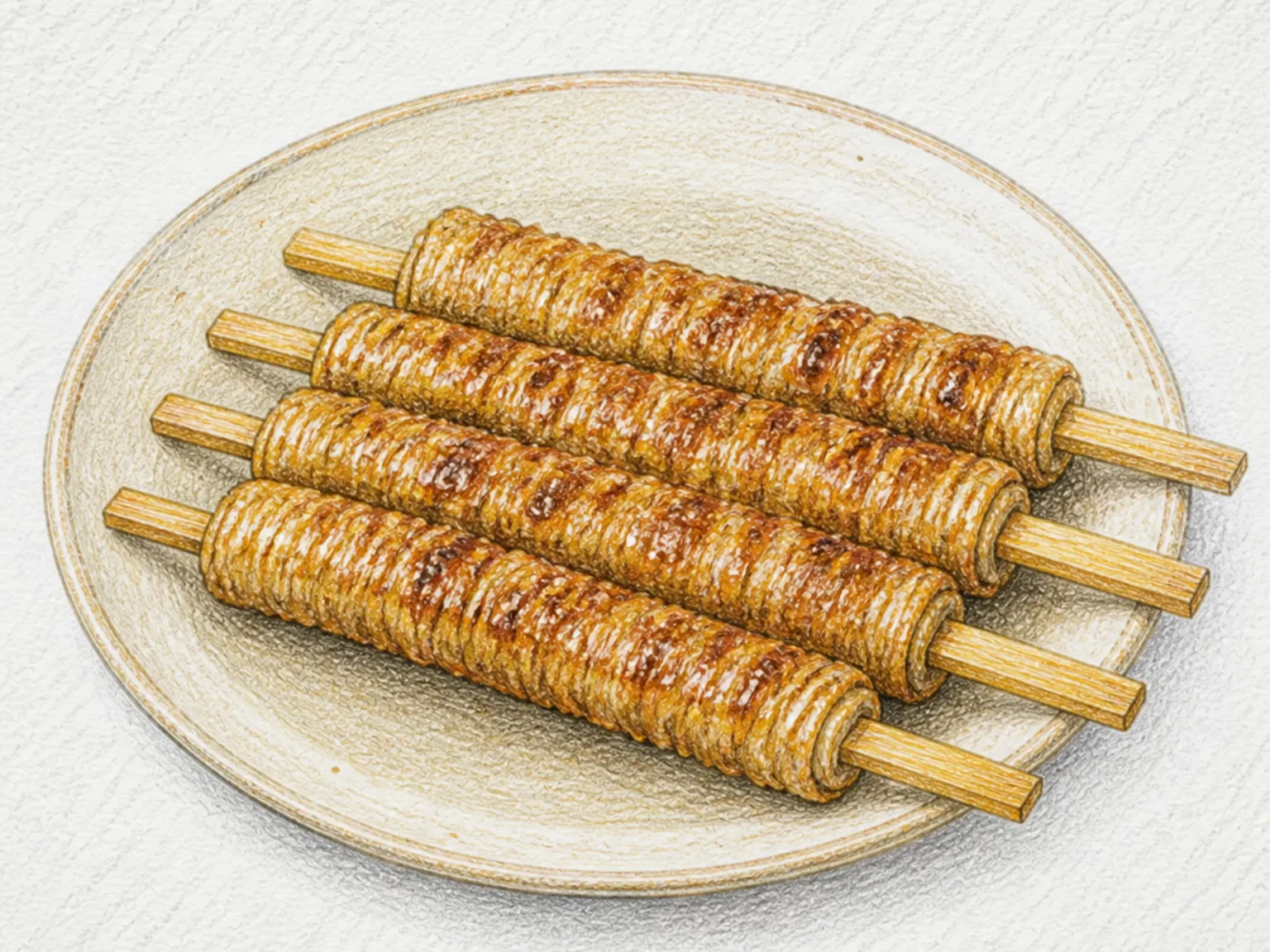
Shingoro (Grilled Rice Skewers with Egoma Miso)
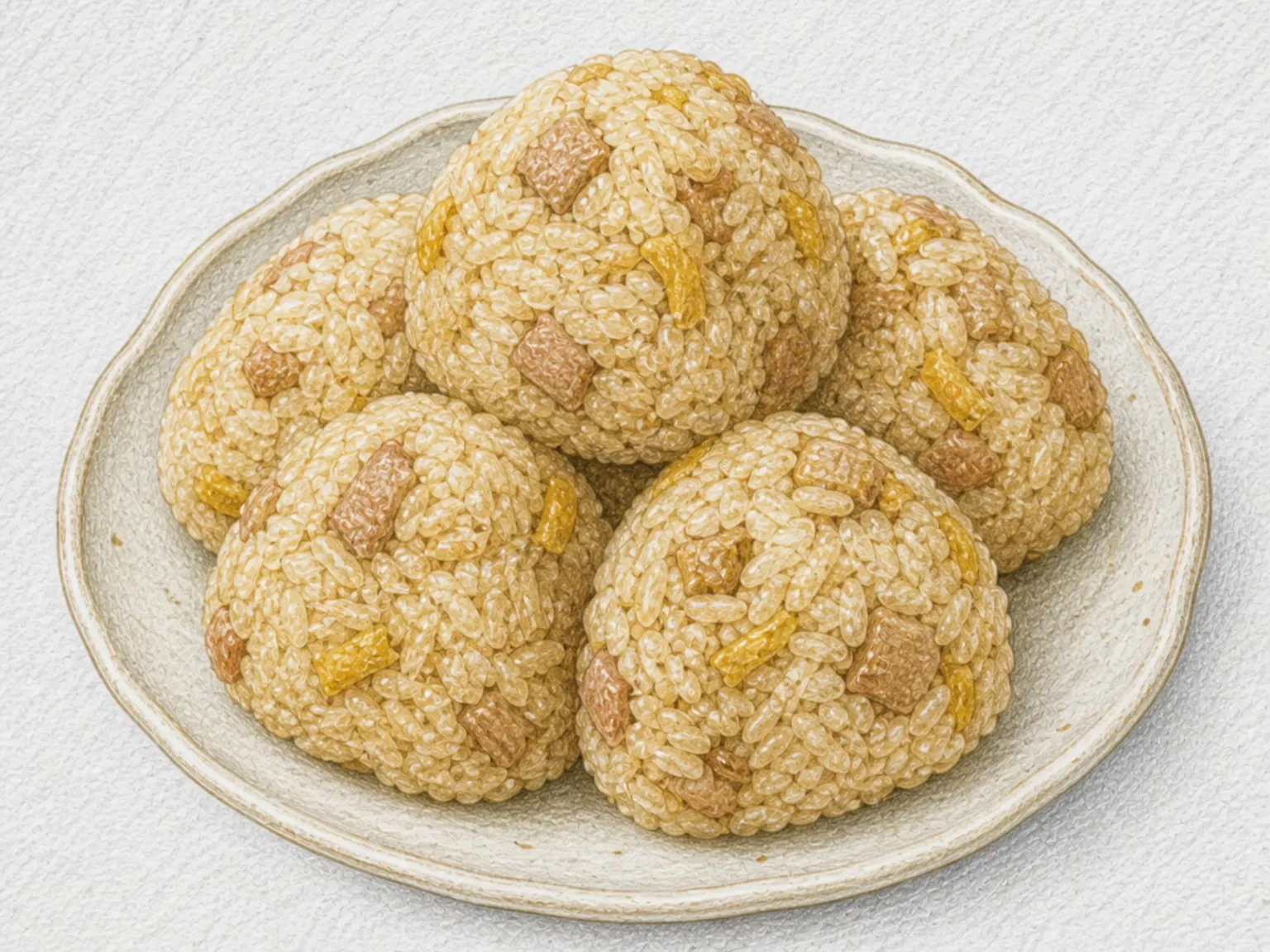
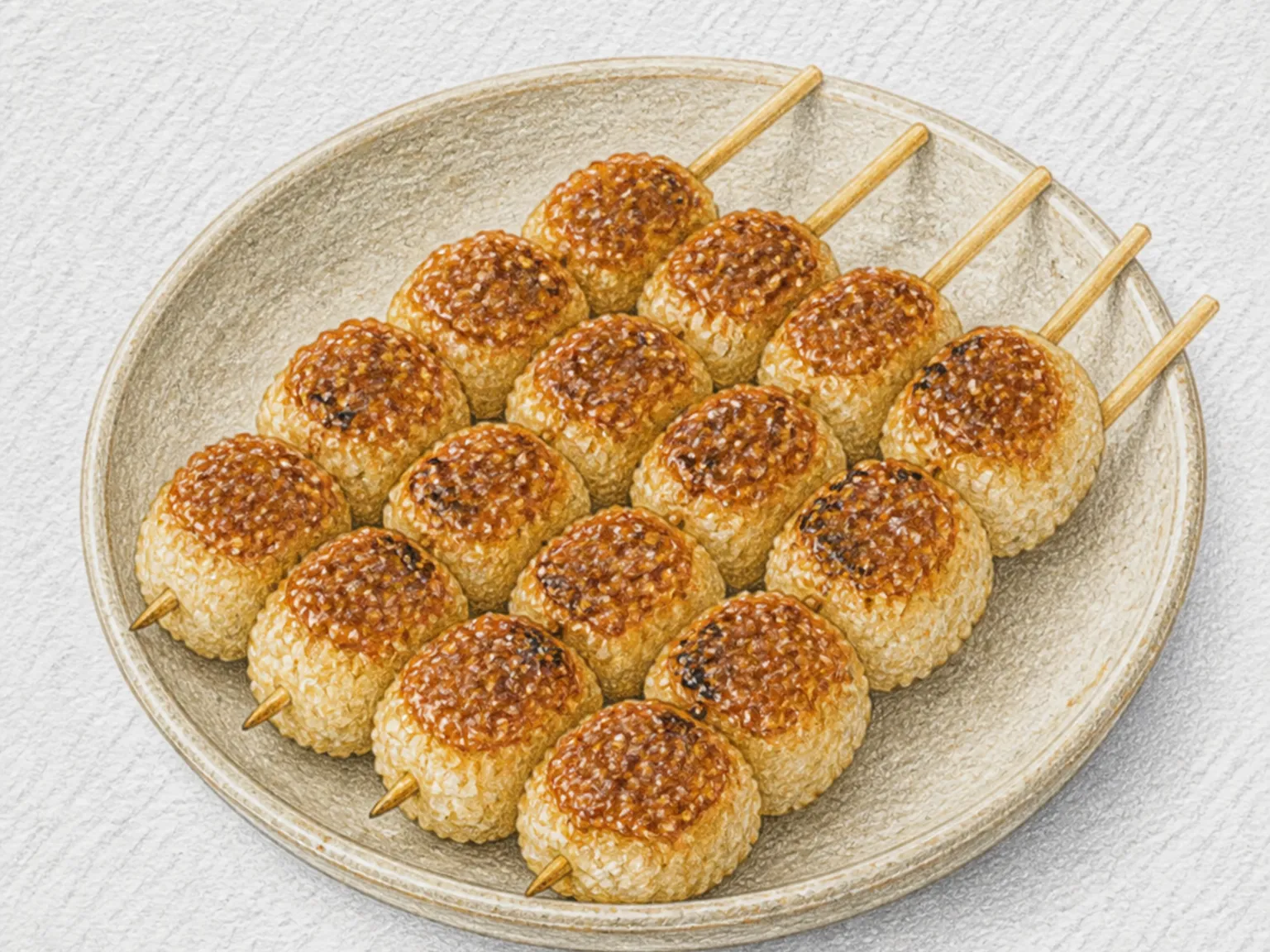
Shingoro is a grilled rice skewer eaten in Shimogo and Minamiaizu, Fukushima Prefecture. Freshly cooked white rice is pounded only about halfway, leaving both visible grains and enough stickiness to hold together. It is formed into egg-size portions and attached to sixteen skewers. Egoma, or perilla seed, is called junen in Fukushima. The seeds are dry-roasted over low heat while the pan is shaken, and the heat is stopped as soon as five or six seeds begin to pop. They are ground thoroughly and mixed with sugar, miso, and sake to make junen miso. Both sides of each rice skewer are grilled first until browned. Only then is the thick seed and miso paste spread over the surface, and the skewers return to the heat until the sauce develops light char marks. The dish is eaten year-round and is often served to celebrate the new rice harvest.
Korean Grilled Flounder (Salted Whole Flatfish Pan-Fry)
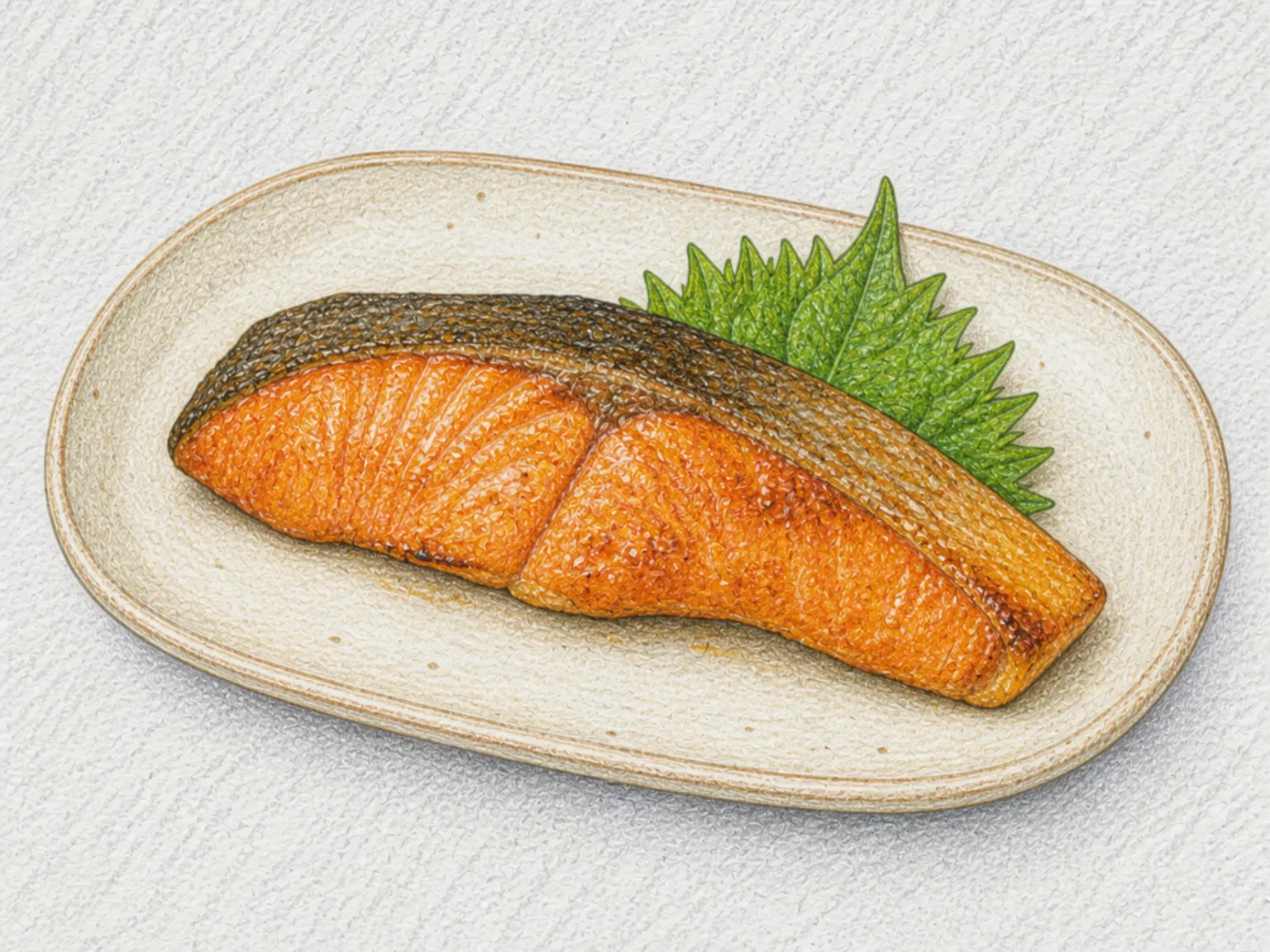
Gajami-gui is a Korean grilled flounder preparation in which a whole flat fish is salted for twenty minutes before being pan-fried or grilled over a wire rack until both sides develop an even golden-brown crust. Flounder has thinner flesh and a lower moisture content than most flatfish, which means it carries almost no fishy odor and needs only salt to taste genuinely clean on the palate. Splashing a small measure of rice wine over the fish before cooking neutralizes any remaining off-notes, and pressing the surface completely dry with kitchen paper afterward is what separates a flounder with truly crisp, caramelized skin from one that steams, sticks, and falls apart. Flipping must be done once and decisively with a wide spatula, because the flesh is delicate enough that repeated contact breaks it apart before serving. Resisting the urge to move the fish once it is in the pan is equally important: undisturbed contact with the hot surface is what drives the browning on each side. A garnish of shredded daikon with soy sauce or a sharp chili-soy dipping sauce provides a clean contrast that sharpens the perception of the fish's mild, natural flavor.
Korean Cod and Radish Soup
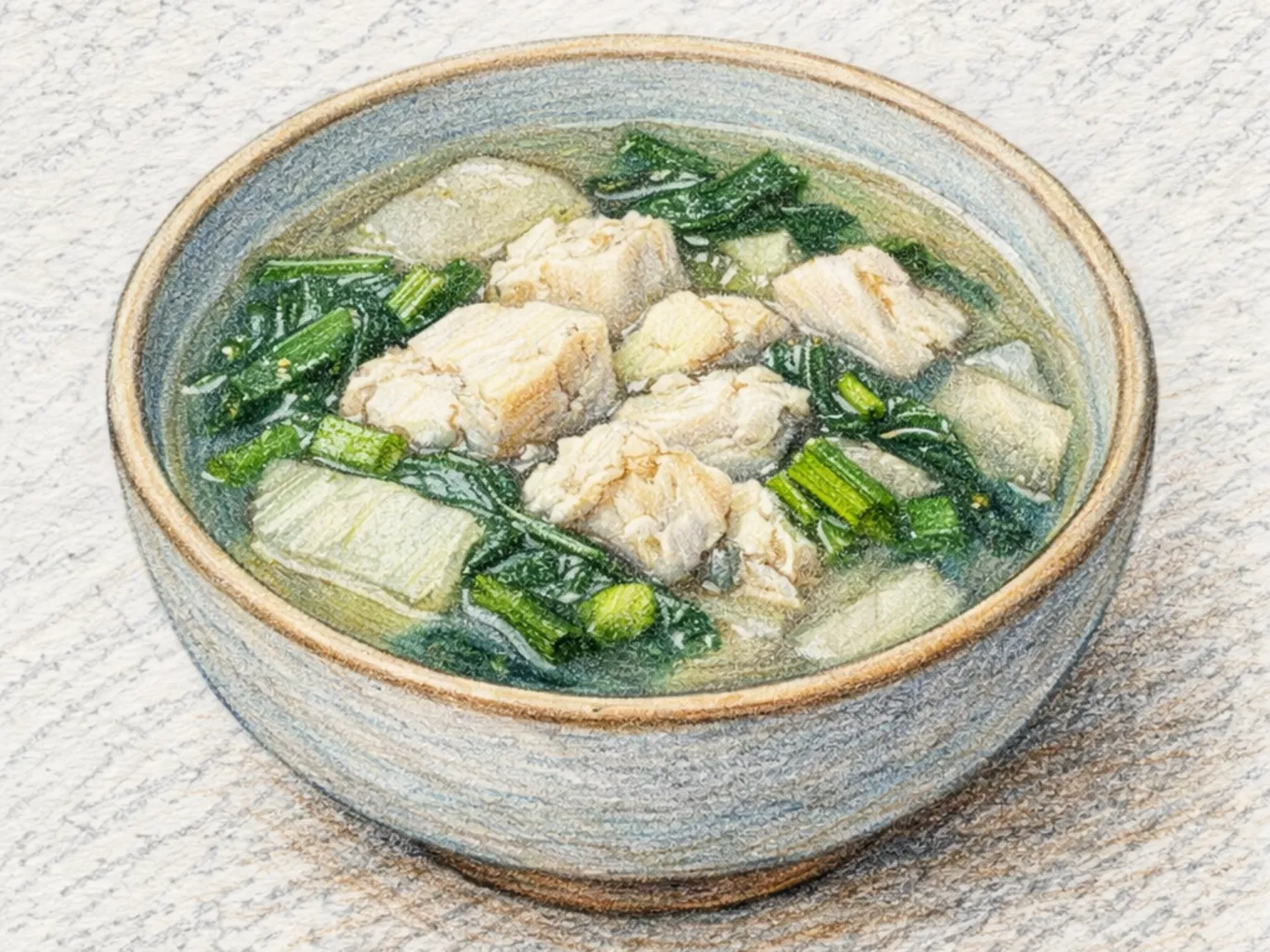
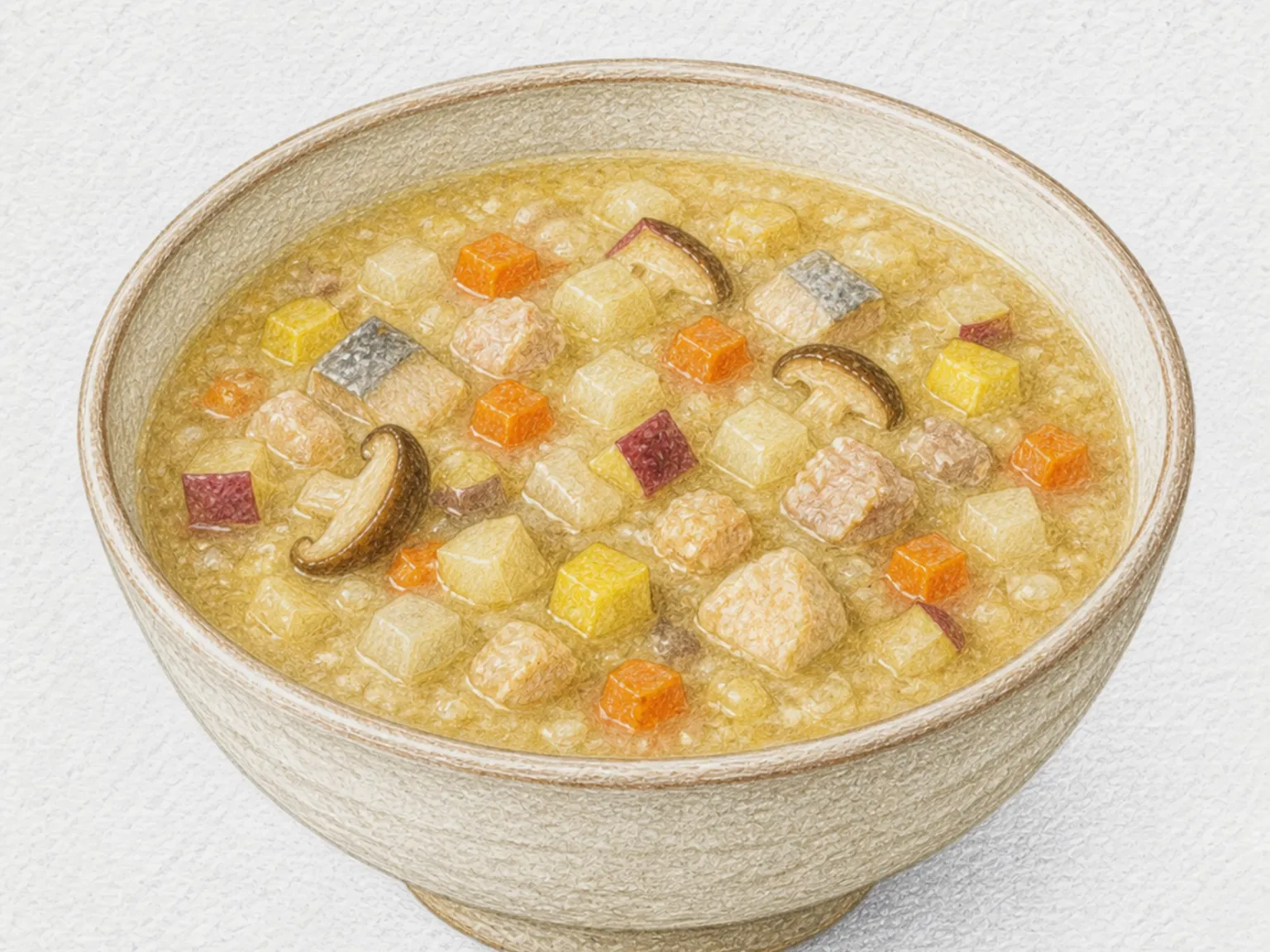
Daegu mu-tang is a Korean cod and radish soup in which the radish simmers first in anchovy broth for eight minutes to release its natural sweetness before the fish goes in. Cod fillets are briefly marinated in rice wine to neutralize any fishiness, then cooked gently - stirring must be kept to a minimum to keep the flesh in large, intact pieces. The finished broth is remarkably clear and light because cod carries very little fat, and the sweetness of the radish merges with the fish's mild umami to create a clean, layered depth. Crown daisy added in the final thirty seconds of cooking releases a sharp herbal fragrance that lifts the entire bowl. Many Koreans reach for this soup as a hangover remedy, prizing the cool, clean aftertaste it leaves.
Yanagawa Nabe (Loach, Burdock, and Egg Hot Pot)
Yanagawa nabe is a shallow Tokyo hot pot of cleaned, boned loach and shaved burdock simmered in dashi seasoned with soy sauce, mirin, and sugar, then bound with beaten egg. Unlike marunabe, which cooks whole loach, Yanagawa uses opened fish and gains a gentler finish from the egg. This version avoids handling live loach and begins with fish professionally gutted, boned, and kept refrigerated. The loach is cooked through in the simmering broth before the egg is poured in two stages.
Dongpo Pork (Chinese Soy-Braised Melt-in-Mouth Pork Belly)
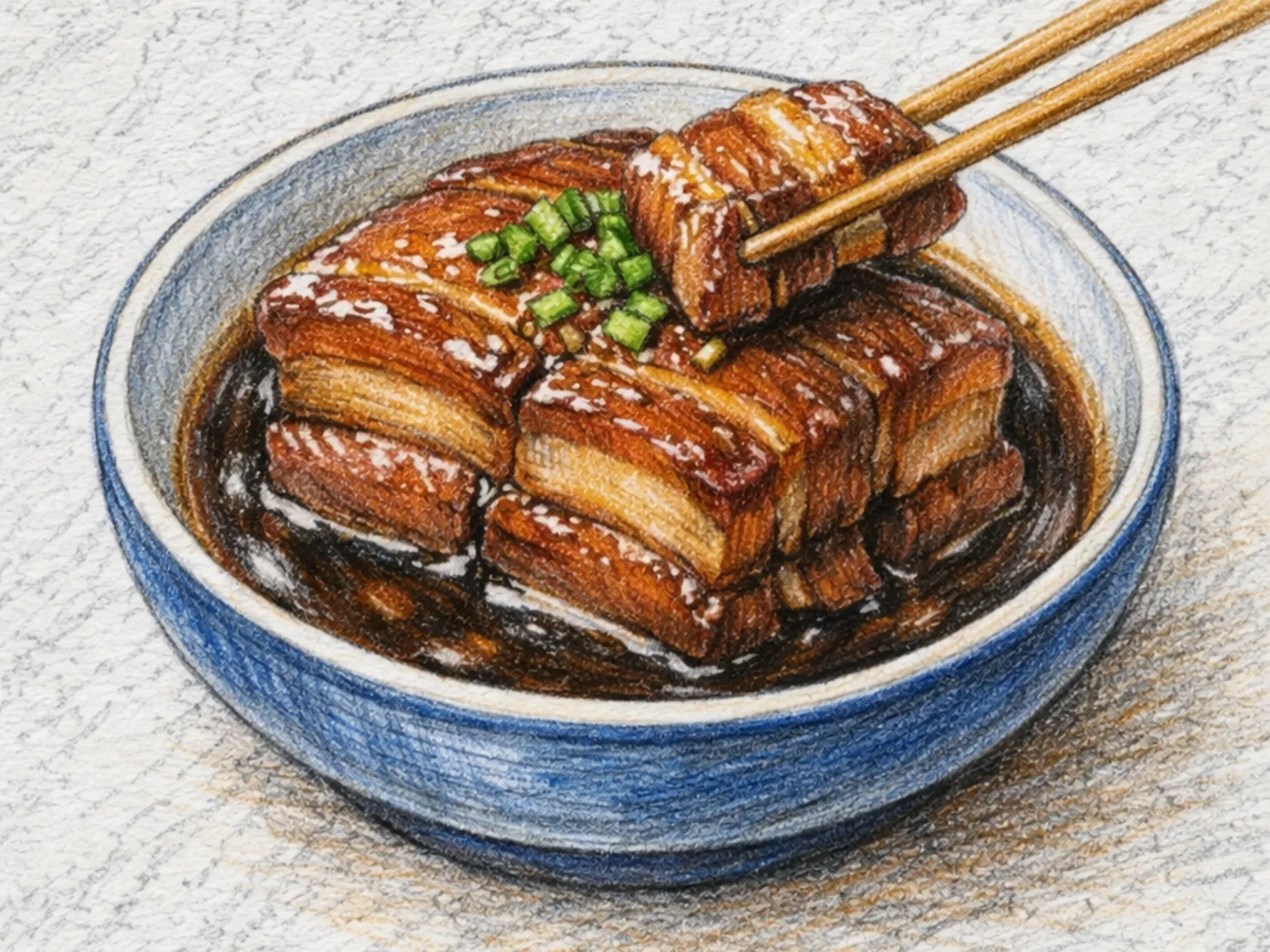
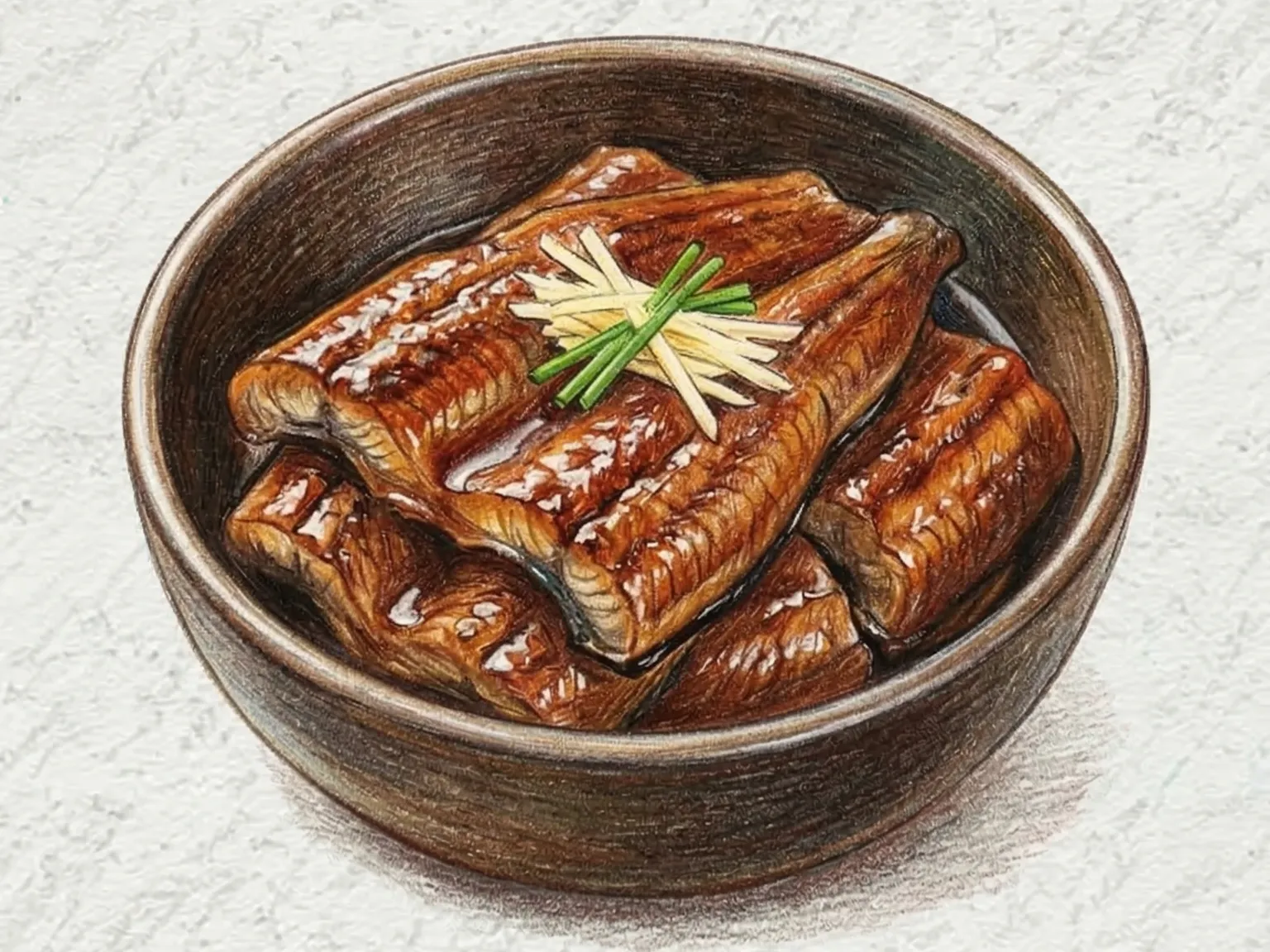
Dongpo rou is a Chinese-style pork belly braised slowly in soy sauce, rice wine, sugar, ginger, and green onion until the fat turns translucent and the lean sections absorb a deep mahogany glaze. The belly is cut into thick five-centimeter squares and tied with kitchen twine so the layers stay together over the long cook. Searing the pieces briefly in hot oil before moving them to the braising liquid is not decorative; the Maillard reaction at the surface builds color and aroma that carry into the finished dish. Long cooking over low heat renders the fat layers meltingly soft, while the lean portions turn a deep mahogany from the soy and sugar. Rice wine drives off any porkiness and ginger sharpens the finish, though the dominant impression is a sweet, deeply savory richness. Named after the Song dynasty poet Su Dongpo, the dish is appreciated for the luxurious texture of the rendered fat as much as for its flavor. Reducing the braising liquid separately and spooning it over the finished pieces produces a glossy coat that makes the plated result visually striking.
Matsumae-zuke Dried Squid and Kombu Pickle
Matsumae-zuke is a southern Hokkaido preserve of finely shredded dried squid, kombu, and salted herring roe cured in soy sauce, sake, and mirin until the kombu releases its characteristic viscosity. It is said to have begun in the Matsumae domain with local seafood. During the great herring fisheries, plentiful roe was used generously; as roe later became expensive, squid and kombu took a larger role. It remains a winter and New Year staple. To handle the traditional week-long cure conservatively at home, this version uses commercial ready-to-eat dried seafood and prepared salted roe, boils and rapidly chills the seasoning, packs it in sanitized equipment, and keeps it continuously at 4°C or colder.
Haze Tsukudani (Tamari-Simmered Sea Goby)
Haze tsukudani is a preserved fish side dish from the Mikawa Bay coast of Aichi. Cleaned sea gobies dry uncovered in the refrigerator for half a day, are grilled without seasoning, dry again overnight, and finally simmer until nearly dry in a sweet tamari broth. The two drying periods firm the flesh so the small fish keep their shape during the long final cooking, while grilling reduces surface moisture and fishy aroma. Water, sake, mirin, tamari, and sugar are boiled before the gobies are arranged in one layer under a drop lid. As the liquid becomes scarce, the pot is tilted rather than stirred to prevent breaking and scorching. The finished fish has concentrated soybean savor and sweetness and is eaten in small amounts with rice or drinks.
Koobuirichii (Stir-Simmered Kelp and Pork)
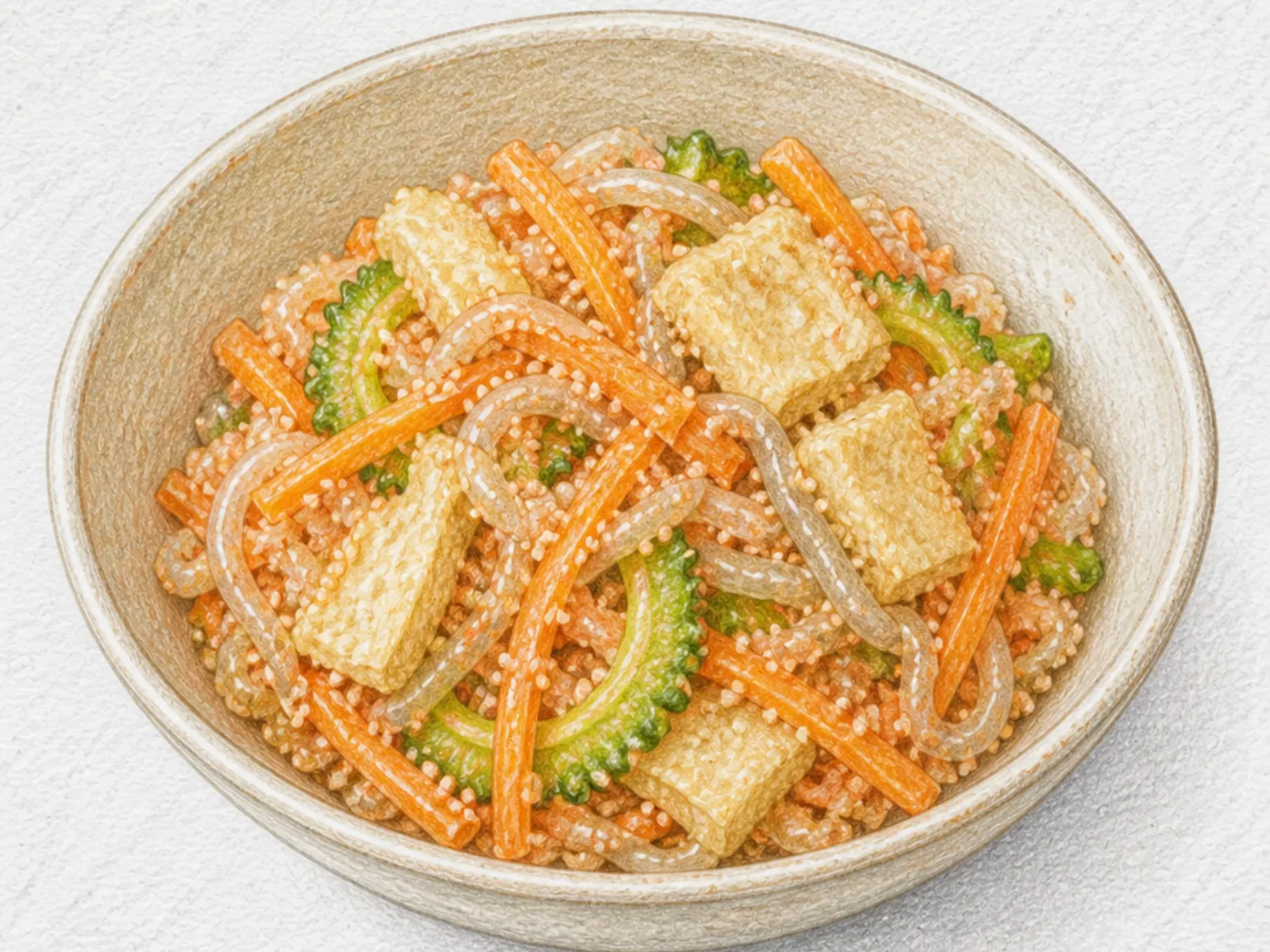
Koobuirichii is an Okinawan stir-simmered dish in which rehydrated kelp is first coated thoroughly with oil, then slowly cooked with pork stock and seasoning until tender. Kubu means kelp, while irichi refers to frying dried foods or root vegetables before simmering them so they absorb flavor. Boiled pork belly and konnyaku are seasoned separately with sugar, mirin, sake, and soy sauce, then added with their cooking liquid once the kelp begins to soften. Kamaboko and fried tofu go in only when very little broth remains, preserving their shape in the rich sweet-savory glaze. A word association between kombu and yorokobu, meaning to rejoice, made the dish important at weddings and other celebrations. It is now also prepared regularly as home cooking across Okinawa.
Gohei-Mochi (Grilled Rice Cake with Walnut Miso)
Gohei-mochi is an Aichi mountain-region rice cake made by mashing freshly cooked non-glutinous rice, molding it around a broad skewer, and grilling it with a red miso sauce ground with walnuts and sesame. The hot rice is crushed until sticky enough to hold together while some grain texture remains. Each portion is spread into a thin oval and given shallow surface ridges, then grilled without sauce first so the center heats through and the coating has places to cling. Red miso, sugar, sake, ginger, walnuts, and sesame are kneaded over low heat into a thick sauce, brushed on, and grilled again until fragrant and browned. The food is said to have been eaten in the Chubu mountains by the middle Edo period. Lumberjacks and hunters prepared it before Yama no Ko gatherings that prayed for safety in mountain work; today it is also a common travel snack.
Dojo-jiru Loach and Udon Soup
Dojo-jiru is a Kagawa summer soup from the Chusan region and part of Tosan, simmering whole loach with burdock, eggplant, taro, fried tofu, leek, and fresh udon in miso broth. After rice planting, men once caught loaches from ponds and rivers and cooked them in large cauldrons to share with neighbors, making the dish part of communal work and gatherings. Thoroughly simmered fish that can be eaten with its fine bones and noodles cooked directly in the broth create a substantial bowl. Raw freshwater fish can carry parasites and environmental contaminants. Never use self-caught fish; obtain only farmed, professionally purged and processed cooking-grade loach from a licensed supplier, cook it the same day, separate raw-fish tools, and heat every fish completely in the soup.
Doteyaki (Beef Tendon Simmered in Miso)
Doteyaki is an Osaka comfort dish of beef tendon parboiled to remove impurities, then gently cooked with dashi, ginger, and green onion until tender. The tendon and torn konnyaku are finished in a rich country-miso glaze with sugar, mirin, and sake. Its name refers to the traditional bank of miso built around the inside rim of an iron pot, allowing the paste to dissolve gradually into the bubbling liquid at the center. The result is sweet, savory, deeply flavored, and pleasantly chewy. It is served year-round in Shinsekai izakaya and kushikatsu shops, often as an affordable accompaniment to drinks.
Korean Salted Anchovy Jeotgal
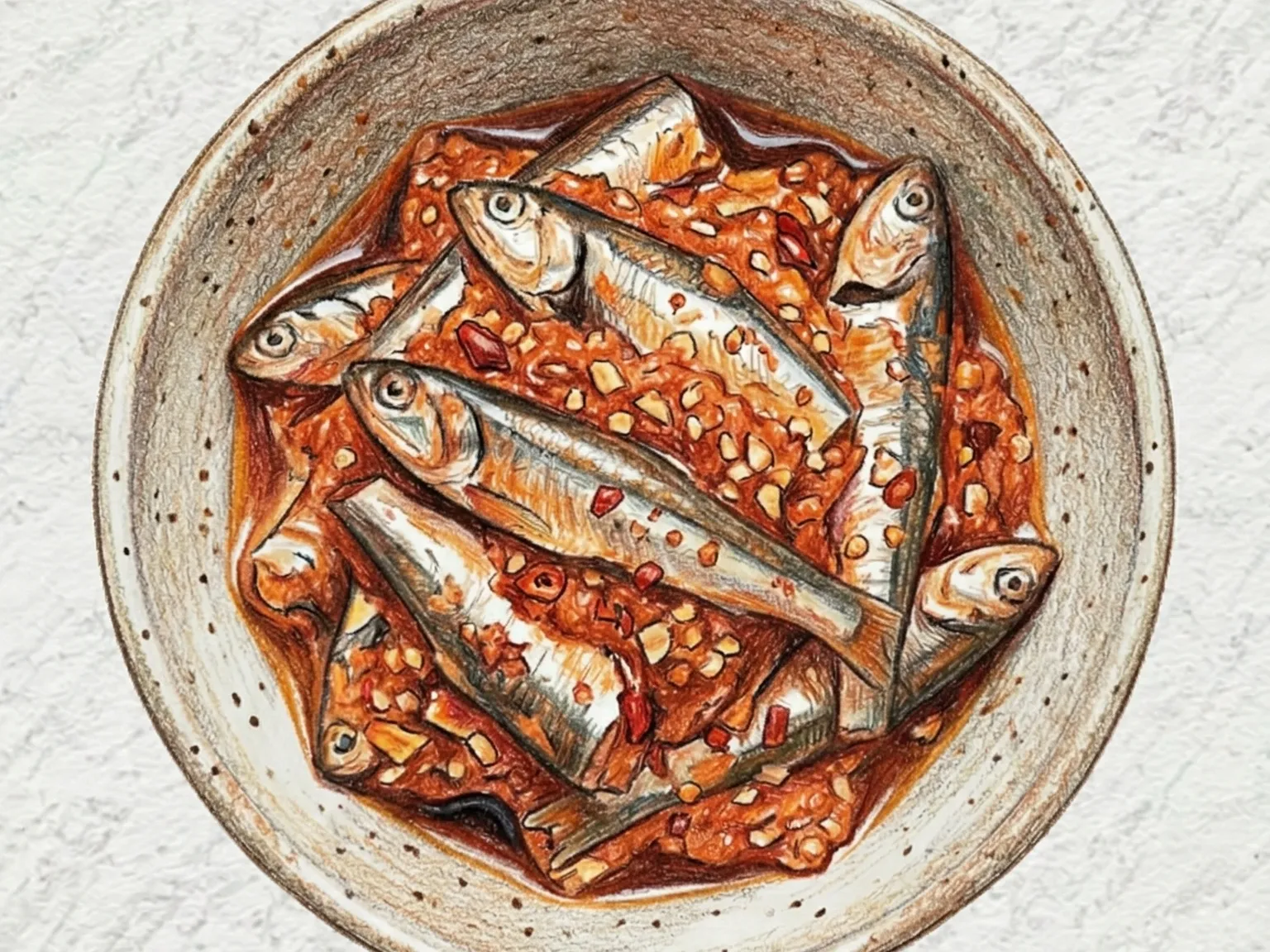
Myeolchi jeotgal is a traditional Korean fermented anchovy preserve made by layering cleaned small anchovies with coarse sea salt in a sterilized container, pressing firmly to eliminate air pockets, then refrigerating for extended aging. As salt draws moisture from the fish, it begins breaking down proteins into concentrated umami compounds, stripping away the raw fishiness and building the deep, complex flavor that defines this preserve. On the fifth day of fermentation, minced garlic, grated ginger, chili flakes, and rice wine are folded in to add aromatic layers on top of the developing fermented base. The salt ratio must stay at or above twenty percent of the anchovy weight throughout the process, as dropping below this threshold allows harmful bacteria to take hold and risks spoilage. The finished jeotgal has two primary uses in Korean cooking: stirred in small amounts into kimchi seasoning paste as an umami backbone, or spooned directly over hot rice as a pungent, savory side dish. It can also substitute for fish sauce in doenjang jjigae or seasoned vegetables, adding a more pronounced fermented character.
Ika Ninjin (Dried Squid and Carrot Pickle)
Ika ninjin is a Fukushima winter side dish of dried squid and carrot cut into matching fine strips and soaked in a cooled marinade of sake, soy sauce, and coarse sugar. After half a day, the squid rehydrates and softens while the carrot remains crisp. Boiling the marinade dissolves the sugar and cooks off its raw alcoholic edge, but it must cool completely before it touches the carrot. The dish is ready after about 12 hours and becomes more deeply seasoned after another day or two under refrigeration.
Imogara Stir-fry and Simmer
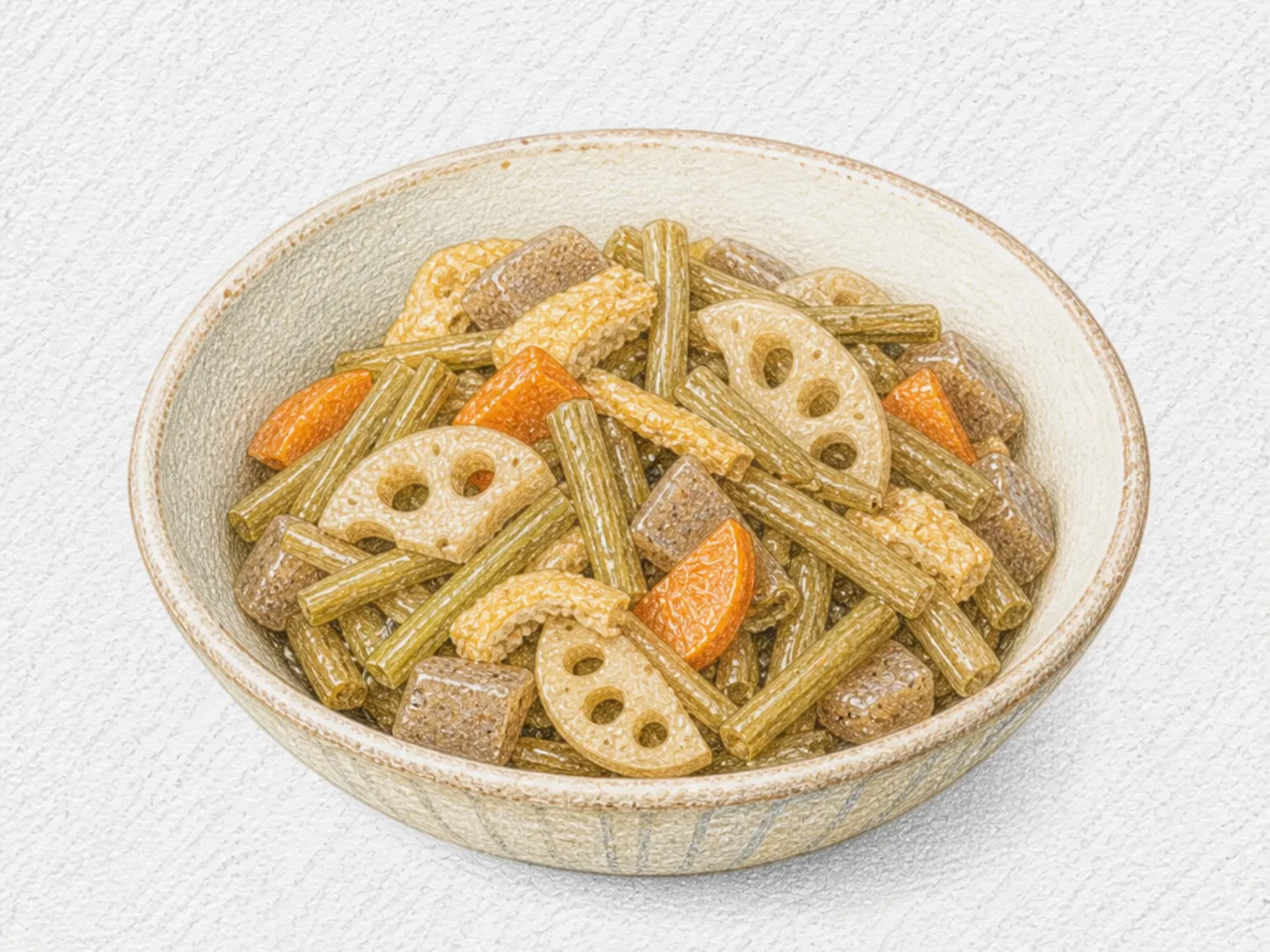
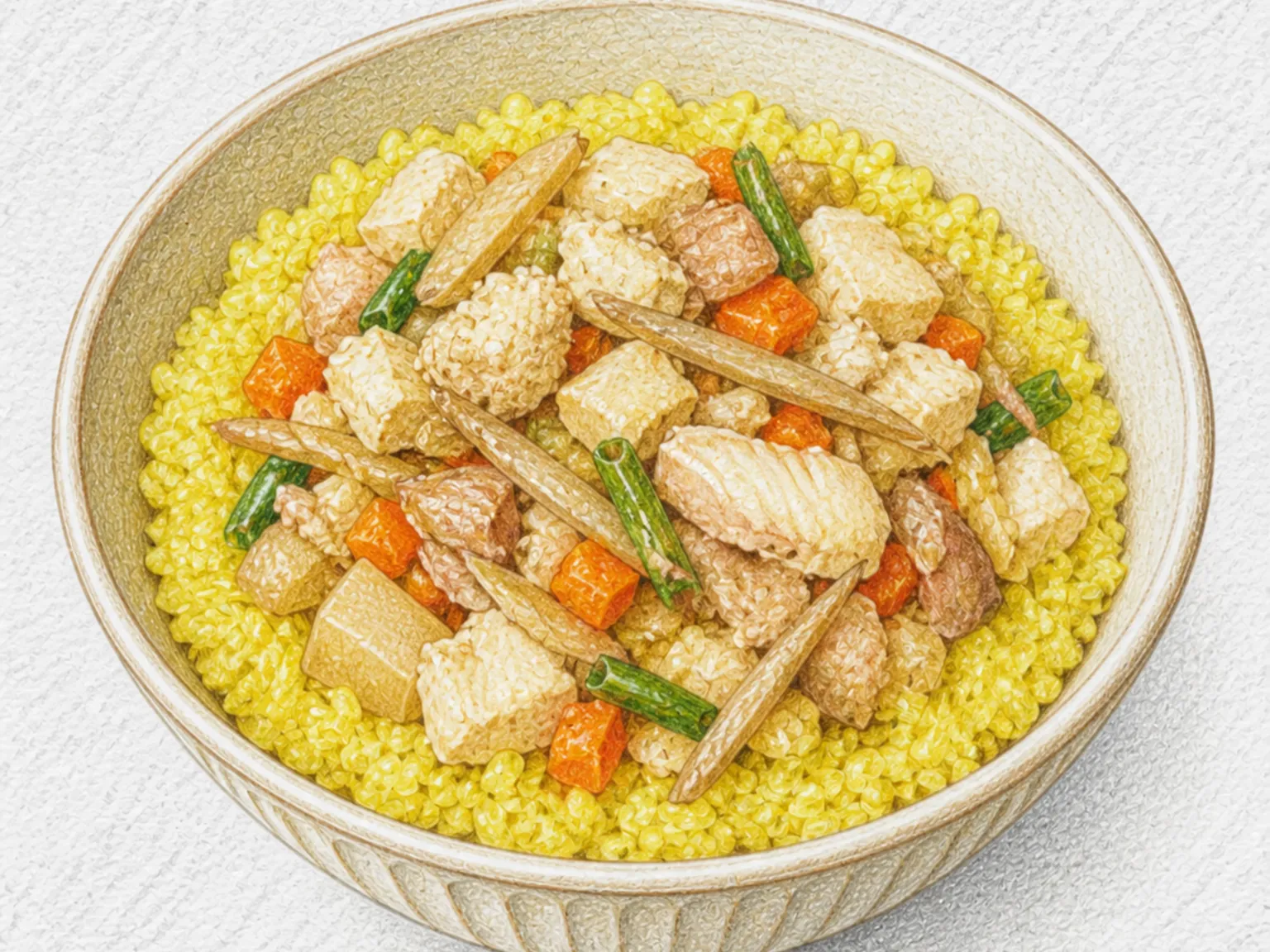
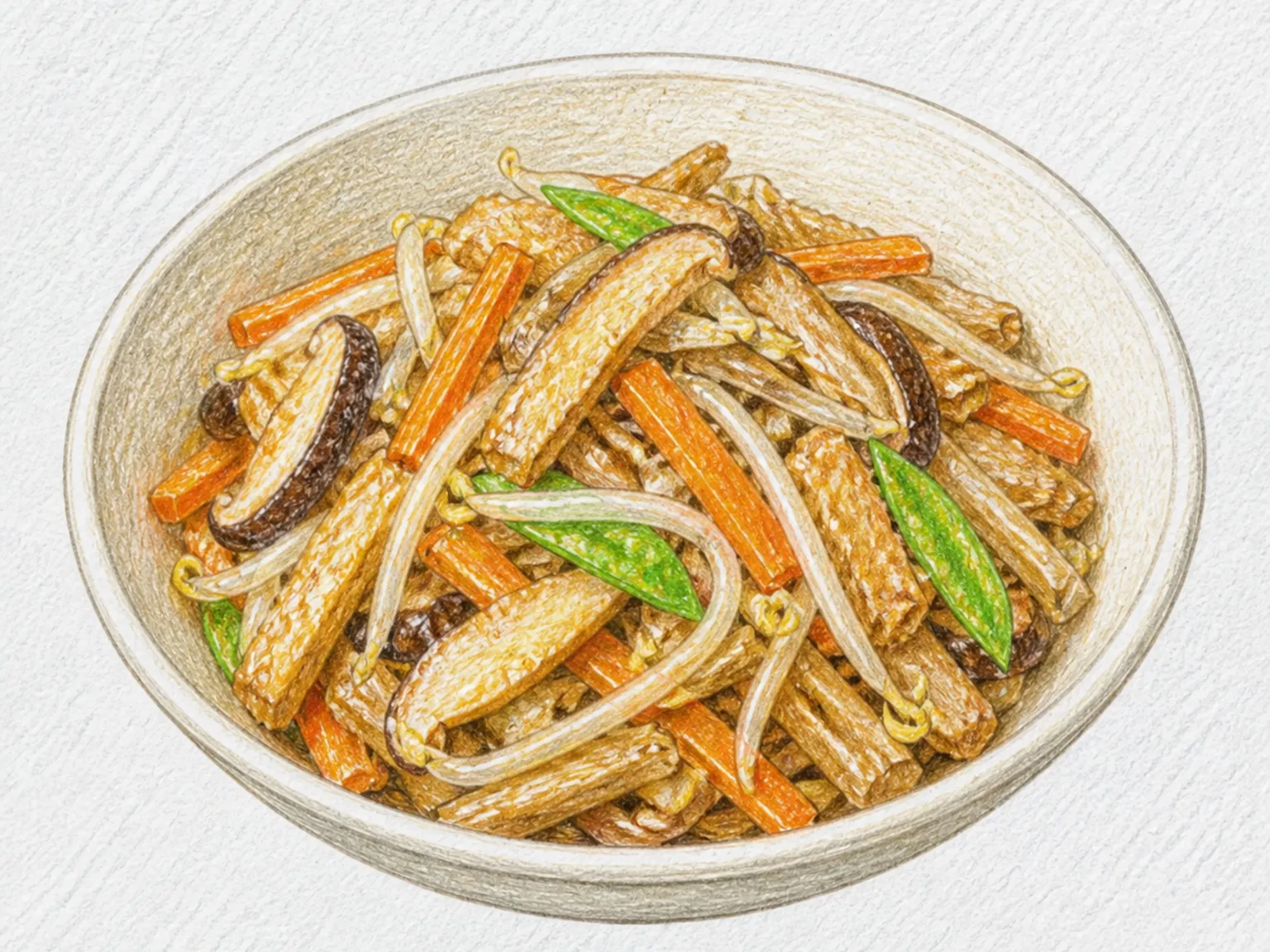
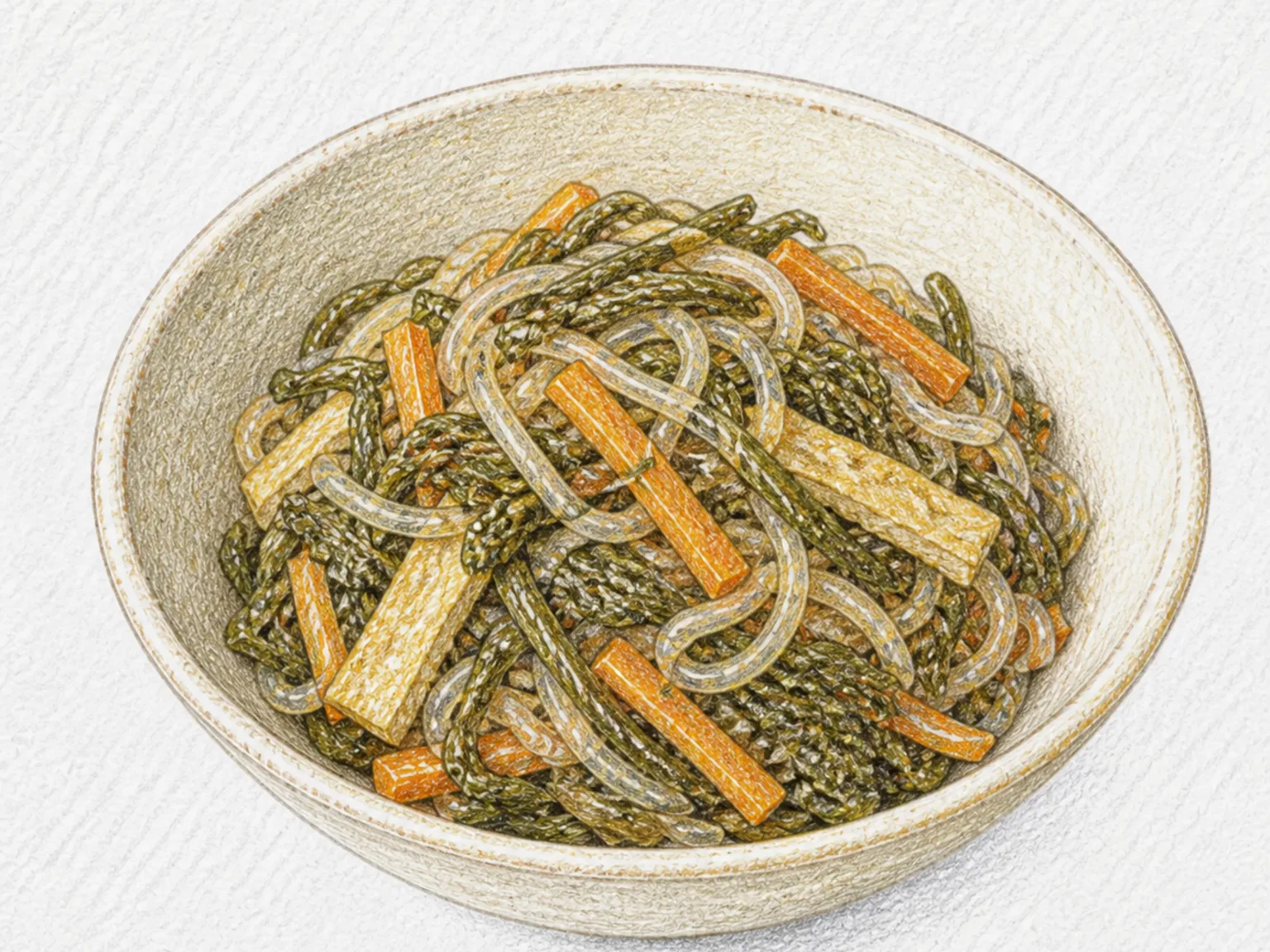
Imogara no itame-ni is an Ibaraki side dish of rehydrated dried taro stalk stir-fried with lotus root, carrot, fried tofu, and konjac, then simmered until a sweet soy broth is absorbed. Dried taro stalk was kept as a year-round preserved ingredient; once soaked, its porous fibers take in seasoning while retaining a noticeable bite. The pot stays uncovered during simmering so the lotus root remains crisp, and the dish is finished when almost no liquid remains. It appears both as an everyday prepared side and at New Year or celebratory gatherings.
Amego Hirara-yaki (Miso Trout Hot-Plate Grill)
Amego hirara-yaki is an Iya-region dish from Tokushima in which grilled freshwater trout, tofu, chicken, konjac, potatoes, mushrooms, and vegetables cook together over a sweet miso sauce. A heated flat stone called a hirara served as the original griddle; a covered electric hot plate provides a practical home method. The dish is ready when the trout and potatoes are cooked through and the miso mixture has reduced from a loose liquid to a thin glaze around the ingredients.
Samma no Surimi Jiru (Pacific Saury Fish Ball Soup)
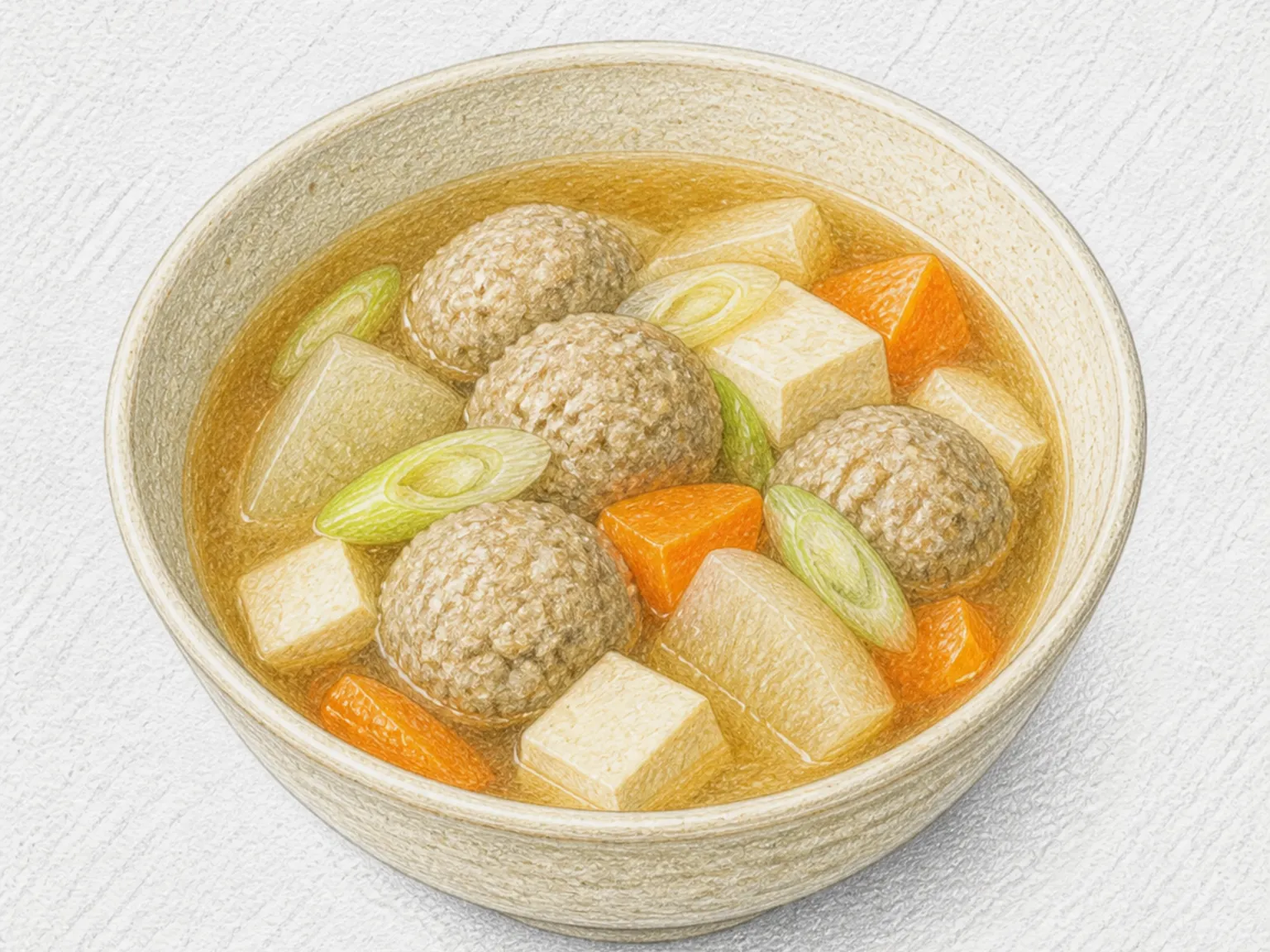
Samma no surimi jiru is a home-style soup from Iwate's Sanriku coast. Cleaned Pacific saury flesh is pounded in a mortar until sticky, seasoned with miso, egg, salt, soy sauce, and sake, and shaped into small fish balls. The dish became common after saury catches increased around sixty years ago and remains a seasonal household meal. Simmering the balls first releases their seasoning and fish flavor into the water, then daikon, carrot, tofu, and green onion complete the broth. Thorough grinding gives the fish balls a light texture, while equal 20 to 30g portions help every center cook safely.
Korean Soy-Braised Pork Loin Strips
Dwaejigogi jangjorim is a Korean soy-braised pork dish made by simmering pork loin with whole garlic cloves, ginger, and cooking rice wine until the meat is completely tender. The pork is first boiled whole with enough water to fully submerge it, skimming the foam that rises to keep the braising liquid clean, then shredded along the grain and returned to the reduced soy liquid for a second round of simmering. Shredding along the grain rather than against it gives each strand more surface area to absorb the seasoned liquid, resulting in deeper, more even flavor throughout. The rice wine neutralizes the pork's gaminess from the start, while the whole garlic cloves soften completely during the long braise, turning mellow and spreadable. This dish keeps well refrigerated for several days and is typically served cold or at room temperature, making it a convenient banchan to portion out over multiple meals.
Korean Salted Pollock Roe Jeotgal
Myeongran jeotgal is a Korean salted and fermented pollock roe where fresh roe sacs are meticulously cleaned of blood spots and membranes, brushed with rice wine to suppress fishiness, then packed in a curing blend of coarse sea salt, gochugaru, and minced garlic alongside a piece of kelp. Over three to five days in cold storage, salt draws moisture out of each tiny egg, concentrating their pop-and-burst texture while enzymatic breakdown generates a deep, layered umami that raw roe cannot produce on its own. The chili flakes introduce a gentle warmth that sits behind rather than over the roe's natural salinity. Sliced thin and arranged over hot steamed rice, each piece releases a salty, oceanic intensity with every bite - a condiment that disappears faster than any dish it accompanies.
Komo-dofu (Straw-Wrapped Seasoned Tofu)
Komo-dofu is an Ibaraki tofu dish. Blanched tofu is crumbled while hot, packed tightly into food-safe rice-straw wrappers, rested into firm cylinders, removed from the straw, and slowly simmered in a sweet soy seasoning. As the curds compress back together, small channels remain inside and absorb the liquid, while the wrapper leaves a striped surface and a faint straw aroma. Tofu supplied valuable protein when meat was difficult to obtain, but spoiled quickly, so a local account says villagers pooled straw and prepared large batches together. In central Ibaraki it became food for weddings and funerals, often rested overnight after simmering for deeper seasoning.
Tara no Ko Iri (Akita Cod Roe with Shirataki)
Tara no ko iri is a winter dish from Akita's Sea of Japan coast. Shirataki simmers in water seasoned with soy sauce, sake, mirin, and sugar before raw Pacific cod roe is squeezed from its sac into the bubbling liquid and reduced. The roe separates into coarse grains that cling to the noodles; the sac may also be cut up and included for a firmer accent. Fine white strips of long onion finish the dish. In Akita, tarako in this context means the roe of Pacific cod rather than the pollock roe commonly sold under that name elsewhere. It is served as a winter make-ahead side dish, with rice, or alongside sake, and its many eggs made it an auspicious New Year food associated with hopes for children.
Korean Grilled Clams (Butter Garlic Mixed Shellfish Grill)
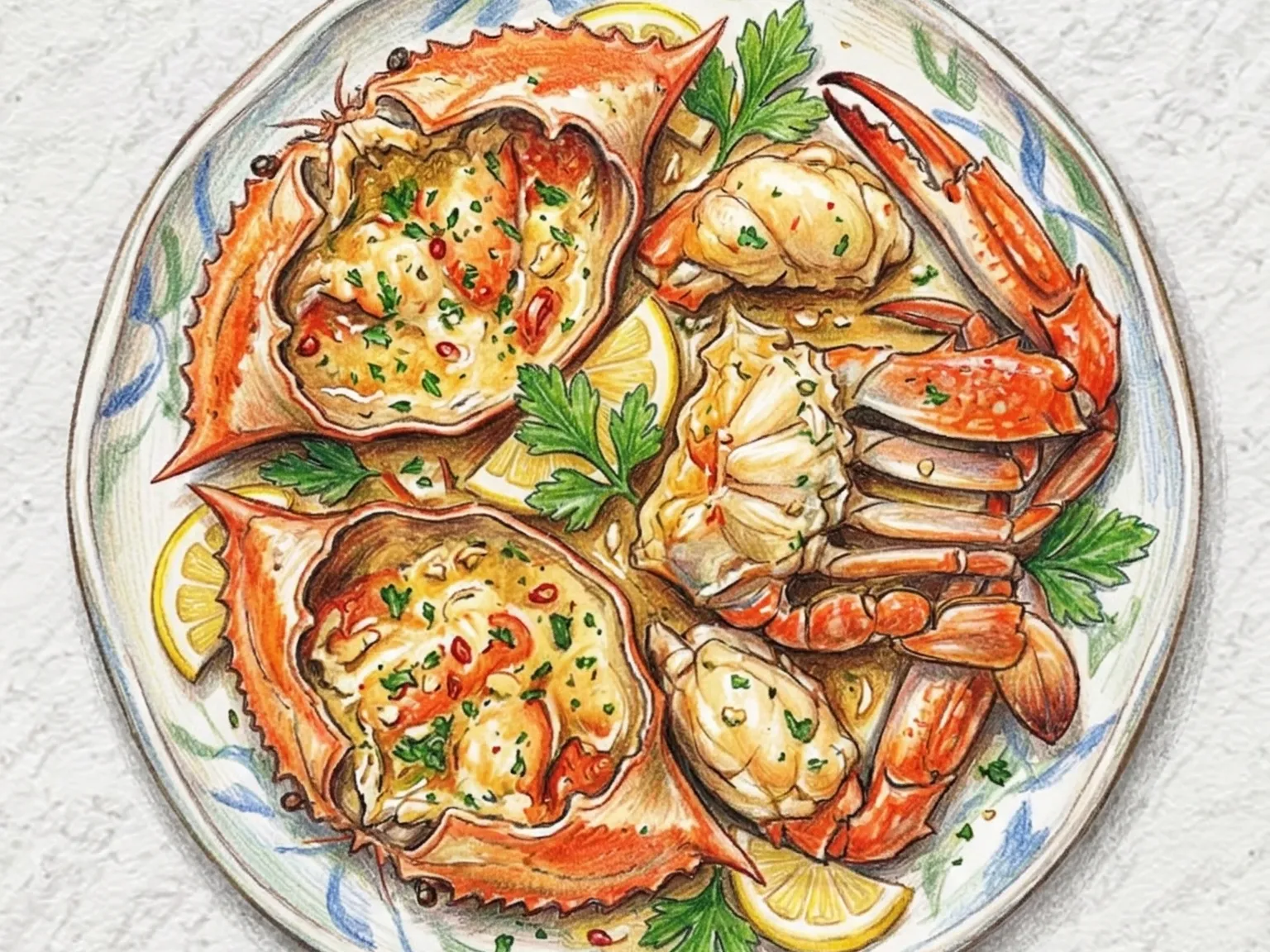
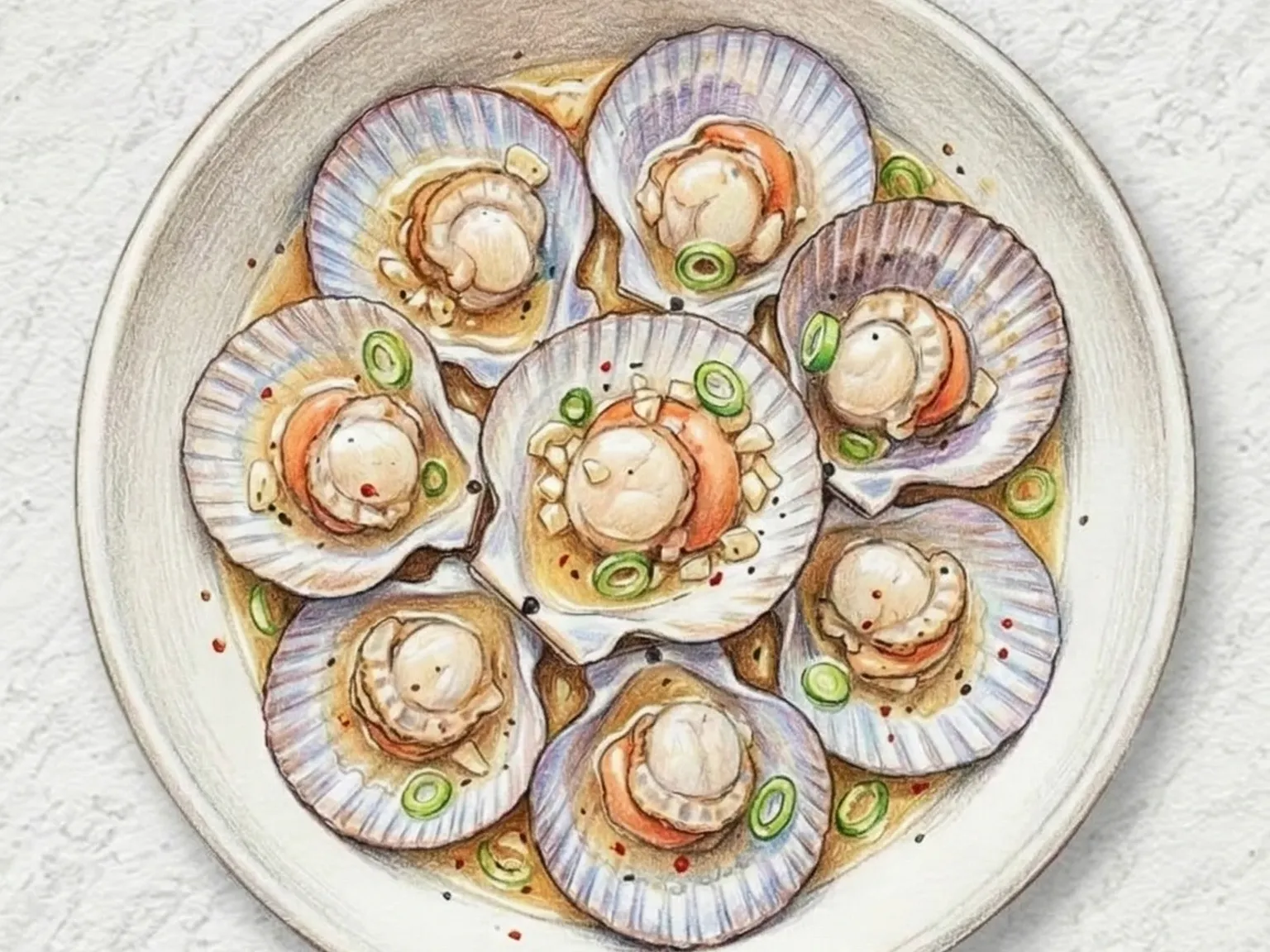
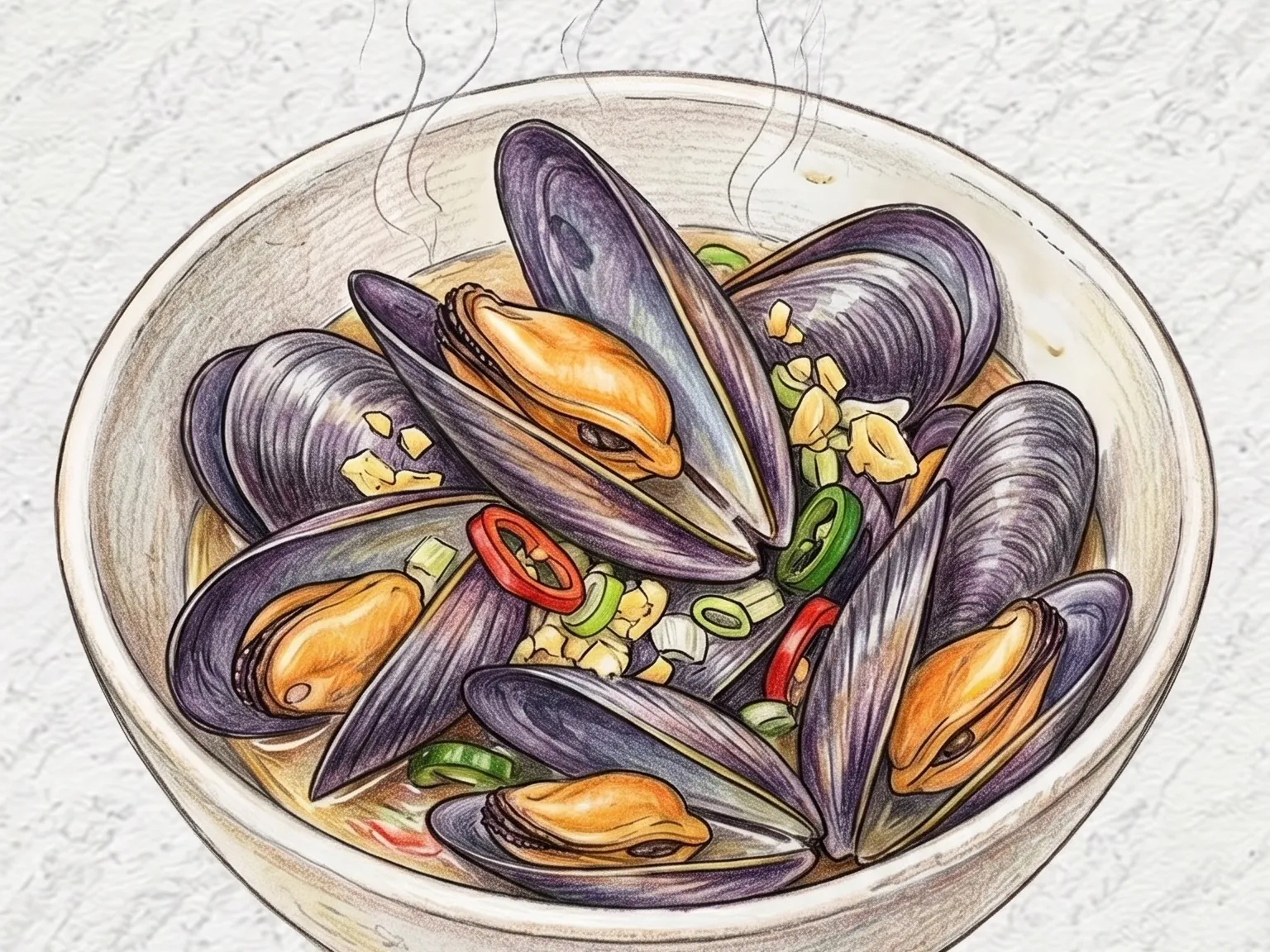
Mixed clams are submerged in salt water for at least one hour so they expel any sand and grit naturally, then placed shell-side down on a hot grill or pan. As the shells gradually crack open from the heat, a knob of butter, minced garlic, and a splash of rice wine are dropped into each opened shell for one to two more minutes of cooking. The briny liquid that the clams release mingles with the melting butter, building a concentrated natural sauce inside every shell without any additional stock or seasoning needed. Because clams vary in size, they open at different times, so pulling each one as soon as it opens rather than waiting for the whole batch prevents overcooking. Any clam that stays firmly shut after the others have opened should be discarded as unsafe. Chopped fresh parsley scattered over the finished clams cuts through any residual fishiness with a clean herbal note.
Hittsumi (Hand-Torn Wheat Dumpling Soup)
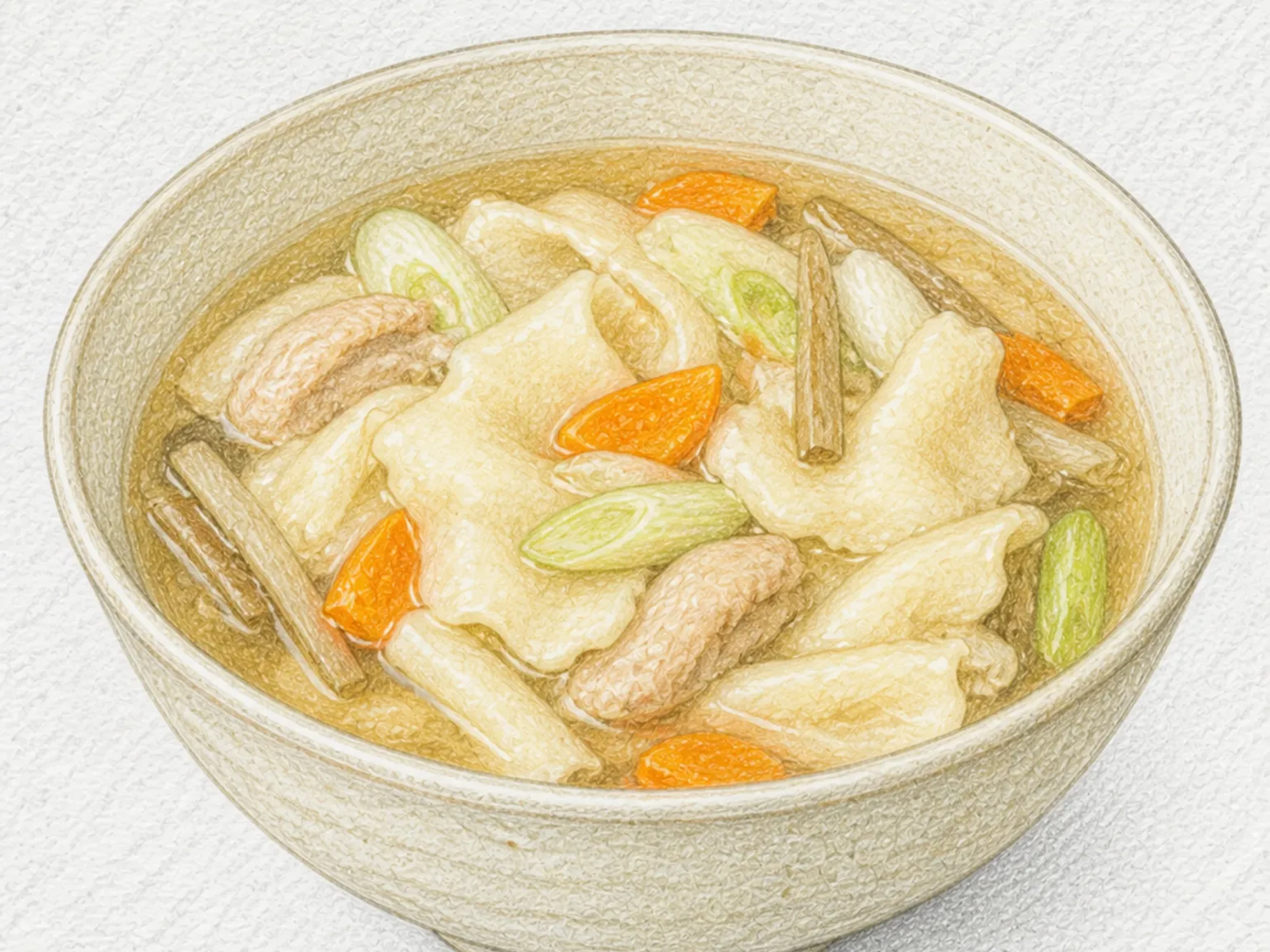
Hittsumi is a local soup from southern Aomori. A rested bread-flour dough is stretched thin with the fingers, torn directly into dashi simmering with chicken, burdock, carrot, and green onion, and cooked until springy. Its name is associated with the pulling and pinching motion rather than rolling and cutting noodles. Keeping the edge thin and the center slightly thicker gives both tender and chewy textures in one bowl. Cook the chicken through first, then continue simmering the floating dumplings until no raw flour remains before serving the soup piping hot.
Ebiimo to Bodara no Taitan (Simmered Taro and Dried Cod)
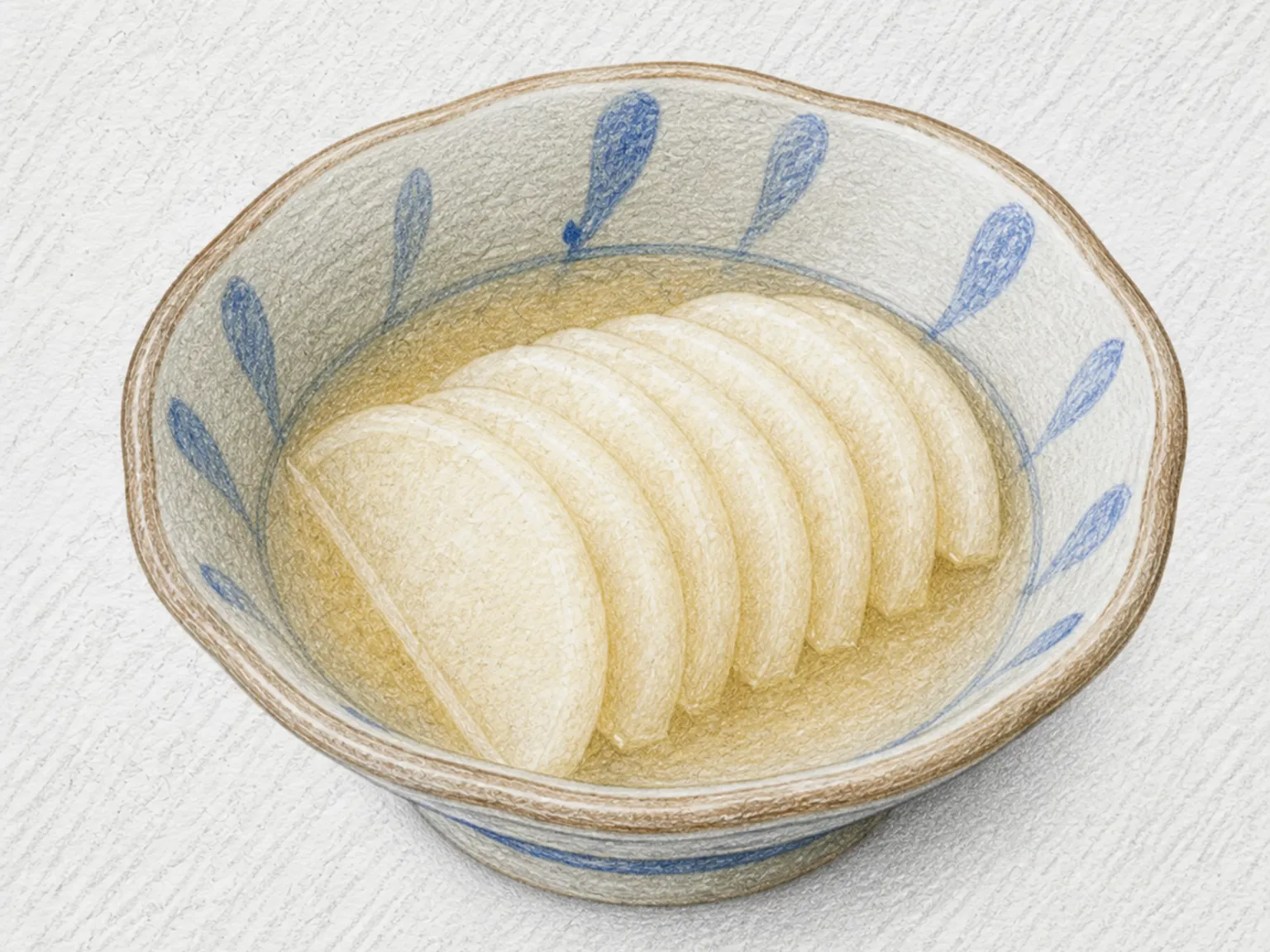
Ebiimo to bodara no taitan is a Kyoto simmered dish pairing the city's dense, striped ebiimo taro with dried cod traditionally brought from Hokkaido. Rehydrated cod is first cooked gently in brewed bancha to temper its odor and remaining salt, while the taro is thickly peeled, shaped, and rubbed with salt to remove surface slime. Both are simmered in freshly made kombu and bonito dashi with sake before sugar, mirin, and light soy sauce are added in stages. A long, quiet braise followed by an overnight rest lets the cod's gelatin coat the taro, making this a valued autumn, winter, and New Year dish.
Korean Salt-Fermented Tiny Shrimp
Saeujeot is a Korean salt-fermented tiny shrimp condiment made by mixing small shrimp evenly with sea salt, packing the mixture tightly into a sterilized jar, and fermenting under refrigeration for a minimum of two weeks. Salt draws moisture from the shrimp and initiates enzymatic breakdown of the proteins, gradually transforming the raw fishiness into concentrated amino acids and the deep, savory umami that forms the backbone of kimchi seasoning and Korean stew bases. Rice wine and ginger juice are added to suppress the off-flavors that develop during the early, volatile stages of fermentation before the lactic acid bacteria have established dominance. A small amount of chili flakes contributes a faint background warmth. The most critical step before salting is removing as much surface moisture as possible after rinsing the shrimp, since excess water dilutes the brine concentration and creates conditions for spoilage bacteria. The salt ratio should fall between 20 and 25 percent of the shrimp's weight: too high and the result is harsh and one-dimensional, too low and safety becomes a concern during the long cure. Only clean, dry utensils should ever touch the jar to prevent contamination that would undermine months of careful fermentation. Saeujeot fermented for six months or longer develops a rounded complexity absent in younger batches. In Korea, the harvest season determines the name and character of the product: ojot from May, yukjeot from June, and chujeot from autumn each carry a distinct flavor profile suited to different culinary uses.