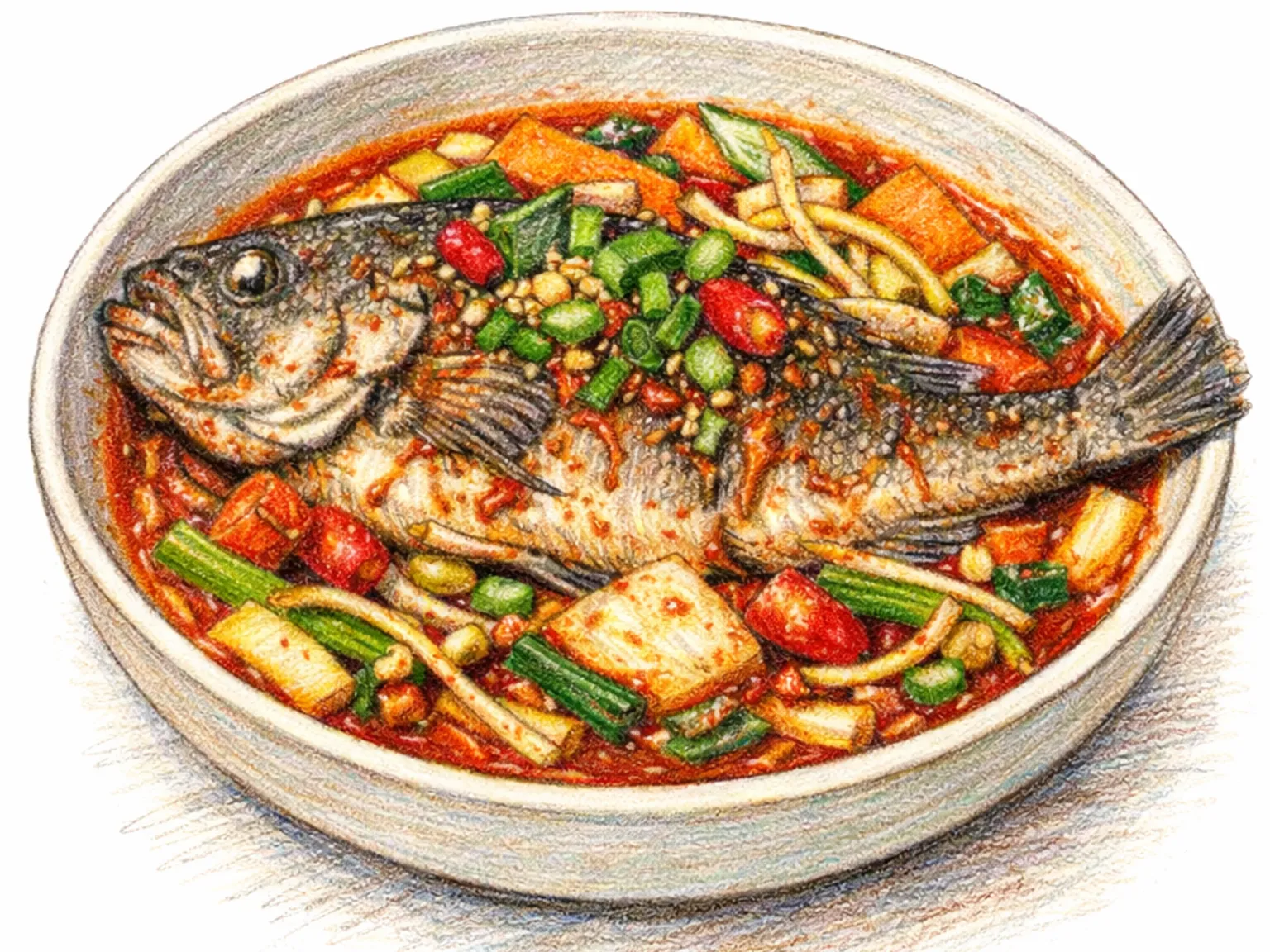
Etsu Nanbanzuke (Fried Fish in Sweet Vinegar)
Etsu nanbanzuke is a summer fish dish from the Chikugo area of Fukuoka. Etsu from the Ariake Sea and Chikugo River estuary is scored at 1mm intervals to cut its many fine bones, coated with potato starch, fried crisp, and soaked while hot in a sweet soy-vinegar marinade with onion, carrot, green pepper, and dried chili. The fish appears during a short May-to-July season, and smaller catches are often prepared this way for the home table. Hot fried fish absorbs the dressing quickly, becoming tangy outside and moist within, while thin vegetables soften slightly in the residual heat yet retain a fresh bite.
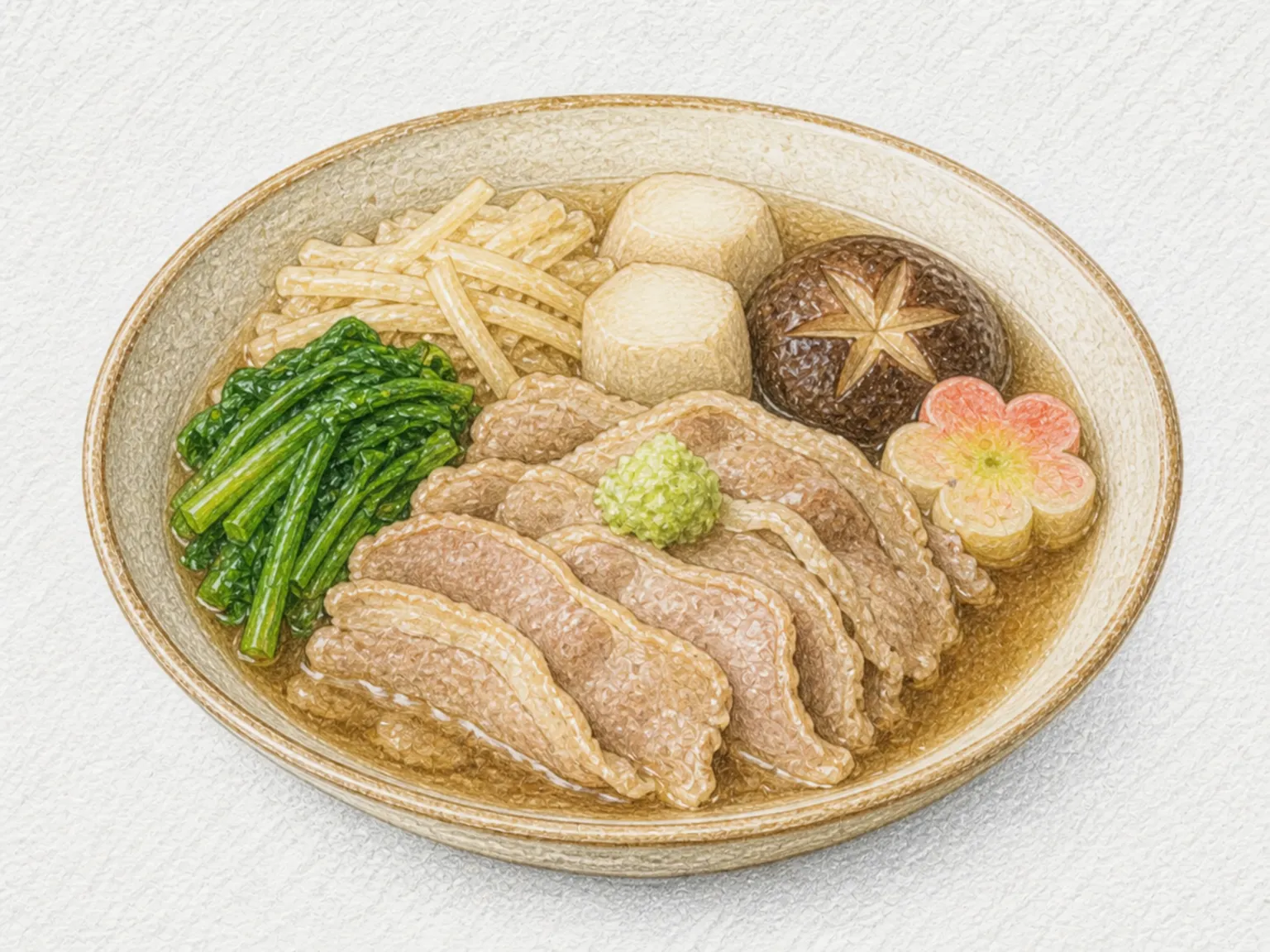
Urakami Soboro (Pork and Burdock Stir-Fry)
Urakami soboro is a home-style dish from the Urakami area of Nagasaki City. Thick strips of pork belly are stir-fried with fried fish cake, konnyaku, bean sprouts, carrot, burdock, and shiitake, then briefly simmered in shiitake soaking liquid with light soy sauce, sugar, and sake. Despite soboro in the name, no minced meat is used; the ingredients are cut into sturdy strips. A local account traces it to Portuguese missionaries in the late sixteenth century, followed by a household style that reduced the pork and increased the vegetables. Bean sprouts and blanched green beans go in last to keep their bite and color.
Korean Butter-Grilled Crab
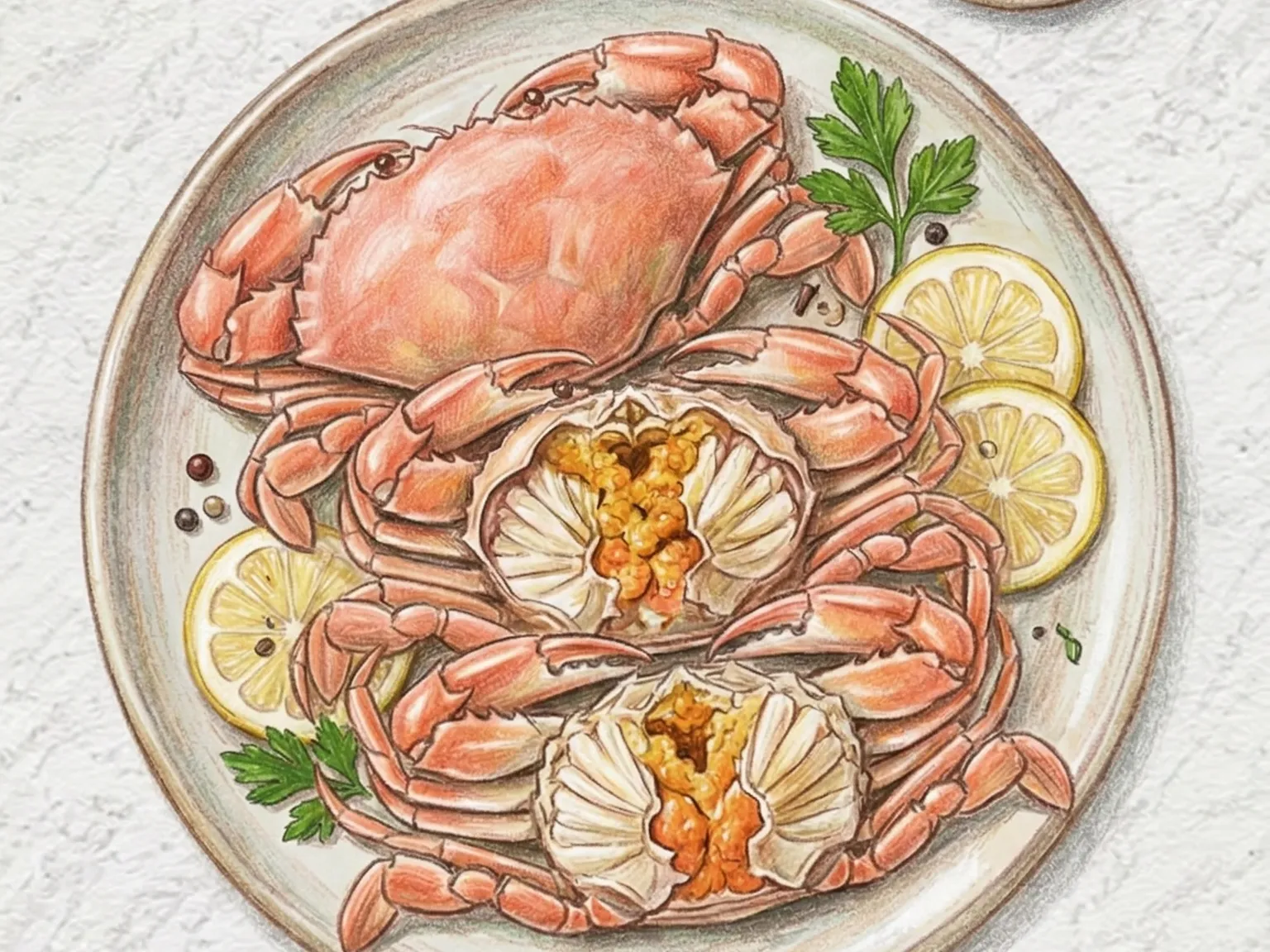
Kkotge-beoteo-gui refers to a Korean preparation of blue crab that is grilled with a butter glaze. To prepare this dish, the crabs are first sliced into halves and then placed on a grill set to medium-high heat. Throughout the cooking process, a mixture consisting of melted unsalted butter, finely minced garlic, soy sauce, and fresh lemon juice is applied repeatedly as a baste to ensure the flavors permeate the meat thoroughly. As the heat is applied, the butter mixture flows into the various gaps and crevices within the crab shell. This action allows the nutty flavor of the butter to coat each individual fiber of the crab meat. This richness is intended to enhance the natural sweetness inherent in blue crab without masking its original profile. The inclusion of soy sauce introduces necessary saltiness, while the lemon juice adds a sharp acidity that functions to balance the heavy fats and keep the overall profile of the dish clear. Before any grilling takes place, the cleaned crab pieces are treated with a small amount of rice wine. This liquid is rubbed directly onto the surface of the crab to neutralize the strong, briny scent that can often remain on raw seafood, preparing the meat for the application of the butter and seasonings. The grilling starts with the crabs placed shell-side down on the grate for an initial duration of four minutes. This orientation allows the heat to conduct through the hard shell, which effectively steams the meat inside in a gentle manner. After this period, the crabs are flipped over. Basting the now-exposed flesh directly is a critical step to ensure that the delicate proteins do not lose moisture or become dry under the direct heat of the grill. The total time spent on the grill should not exceed ten minutes in aggregate. If blue crab is cooked beyond this threshold, the texture of the meat undergoes a negative transformation, becoming rubbery and losing the natural juices that contribute to its tenderness. Selecting larger crabs with a higher volume of flesh is recommended, as thicker pieces of meat are capable of absorbing the butter-based basting liquid more effectively. For additional aromatic complexity, fresh herbs like rosemary or thyme can be added into the liquid mixture. These herbs introduce a subtle herbal quality that helps to further soften any lingering fishy characteristics in the finished dish.
Gomchi-guk (Eelpout Fish Radish Soup)
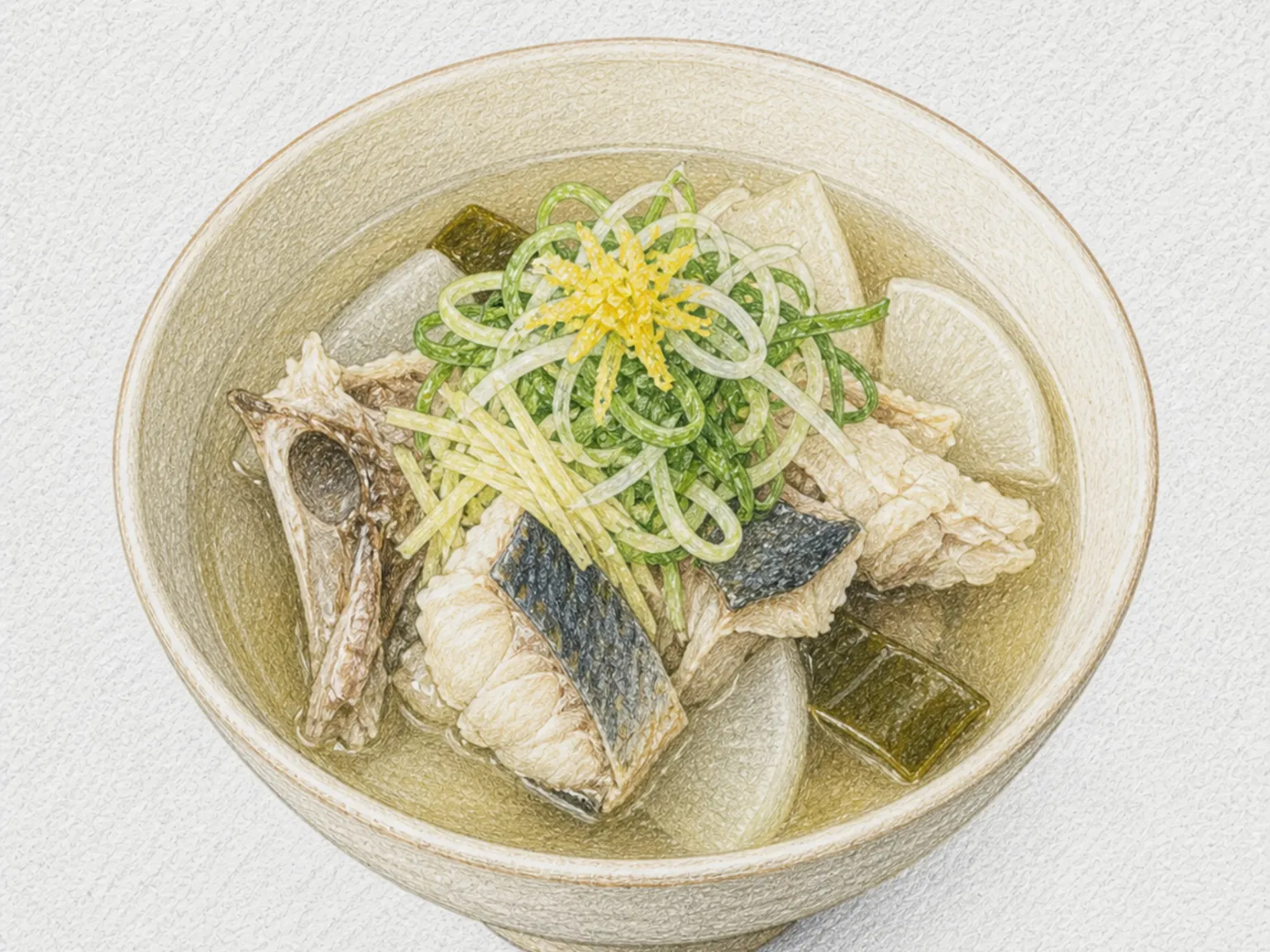
Gomchi-guk is an East Coast Korean fish soup centered on eelpout, a deep-sea fish prized for its exceptionally soft flesh and naturally high gelatin content. The fish is cut into sections and simmered with radish in plain water, producing a broth that appears simple but carries a clean marine richness and a subtly viscous body that comes entirely from the collagen dissolving out of the fish as it cooks. Radish absorbs and neutralizes the fishiness that might otherwise dominate the soup, while also contributing a gentle sweetness that keeps the broth tasting bright. A splash of cheongju rice wine is added early in cooking to eliminate any remaining off-notes, a standard technique for Korean fish soups. As the soup simmers, the eelpout flesh gradually separates and disperses into the liquid, blurring the boundary between solid and broth and making the soup feel satisfyingly unified rather than composed of distinct parts. Garlic and green onion provide the final layer of aromatics, and seasoning is kept simple with salt or a small measure of soup soy sauce. Gomchi-guk is a regional specialty most closely associated with the coastal towns of Gangwon Province and the North Gyeongsang coastline, where it is typically served bubbling hot in a stone pot through the winter months. Frozen eelpout is available outside its native region and produces a comparable result.
Korean Steamed Flounder (Whole Flatfish with Soy Garlic Sauce)
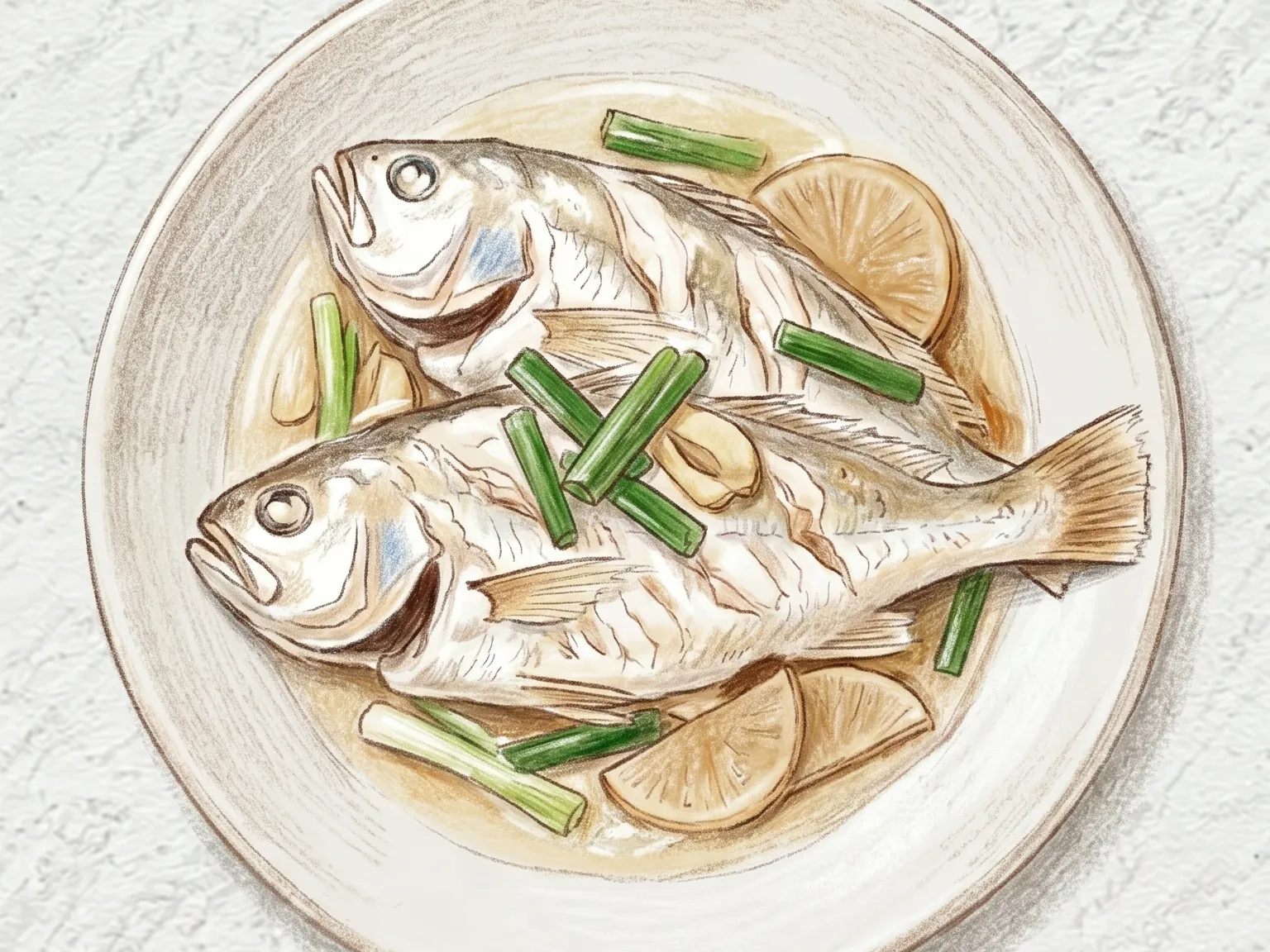
Korean steamed flounder, called gajami-jjim, is a fish dish prepared by cooking whole flatfish over a bed of vegetables with a light soy garlic sauce. The process starts by layering sliced onions at the bottom of the steamer to prevent the delicate white flesh from sticking or breaking apart during cooking. A seasoning mixture of soy sauce, minced garlic, and rice wine is spooned over the cleaned fish. The rice wine and garlic neutralize fishy notes while keeping the flounder moist. Steaming takes about twelve minutes over medium-high heat, followed by an additional two minutes after scattering sliced green onions on top. The cooking time must be monitored closely to prevent the tender fish from drying out. The resulting dish features a clean, savory taste highlighting the natural flavor of the flounder. The light sauce left in the dish can be mixed with cooked rice.
Dried Squid Koji Pickle
Dried squid koji pickle is a preserved food from Tottori, made by curing finely cut squid and salt-pickled vegetables with rice koji. Families prepared it from autumn through winter as a rice accompaniment or drink snack, and each household developed its own flavor through salted shiso leaves and seeds, eggplant, cucumber, and myoga. Traditional crocks were weighted and aged for more than twenty days in cold weather. This conservative home version uses only commercial food-grade koji, ready-to-eat fully dried squid, and commercially salt-pickled vegetables. The seasoning is boiled and cooled before mixing, then the pickle is held at 4°C or colder for ten days rather than left at room temperature.
Ikura no Shoyuzuke (Soy-Marinated Salmon Roe)
Ikura no shoyuzuke is a Hokkaido autumn preparation of raw-grade salmon roe separated from its sac in lukewarm brine, rinsed clean, and marinated overnight in sake and soy sauce. The eggs absorb the seasoning while retaining their rounded, popping texture. Because the roe is not cooked, use only fresh sujiko explicitly sold for raw consumption, keep it at or below 4C, and prevent contact with unclean tools. Boil the marinade, cool it completely, and combine it with the roe only when both are cold.
Korean Soy-Braised Rockfish
Ureok-jorim is a Korean soy-braised rockfish simmered with Korean radish, gochugaru, garlic, and rice wine. The radish goes in first and softens in the braising liquid before the cleaned whole fish is placed on top and basted with sauce over medium heat for ten minutes. Rice wine neutralizes any fishiness, while the radish absorbs the salty braising liquid and releases its own sweetness to balance the seasoning naturally. The rockfish flesh stays mild and flakes in soft layers, with gochugaru lending a gentle warmth to the overall dish.
Tachiuo Maki (Spiral-Grilled Cutlassfish on Bamboo)
Tachiuo maki is a grilled fish specialty of Uwajima in Ehime. Long cutlassfish fillets are wound in a spiral around bamboo sticks and turned over charcoal while a sauce of soy, sugar, sake, and ginger juice is brushed on repeatedly. Two fish are cleaned into four long strips, checked carefully for bones, and wrapped tightly, one per stick. Continuous rotation over medium charcoal cooks the curved surface evenly; each thin application of sauce dries before the next, building a glossy brown coating without burning the sugar. Mirin is brushed on only near the end for a final shine after the fish is cooked through. A long-established Uwajima fishmonger is said to have devised the preparation in 1987. Because the wrapping and rotating require considerable work, it is more often encountered at local restaurants, izakaya, and fish-paste shops than as a home dish. The fish is slid off the hot bamboo before eating.
Hikado (Yellowtail and Chicken Soup Thickened with Sweet Potato)
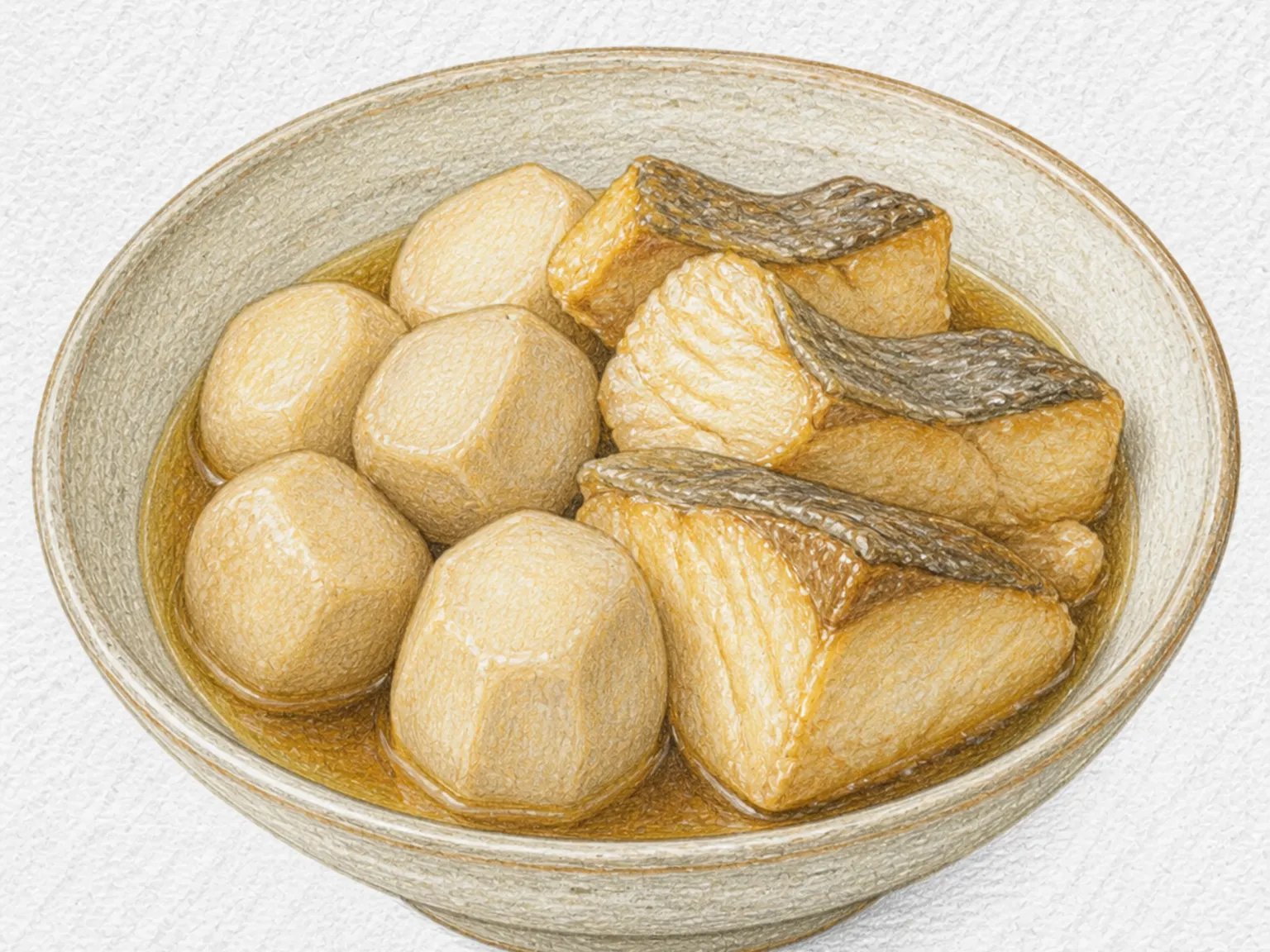
Hikado is a Nagasaki winter soup of yellowtail, chicken, daikon, carrot, dried shiitake, and skin-on sweet potato cut into small even dice and simmered in dashi. Raw peeled sweet potato is grated in at the end to thicken the broth naturally. Its name is linked to the Portuguese word picado, meaning finely chopped, and the dish is said to have developed from Western-style stews encountered through seventeenth-century exchange, adapted to local fish and vegetables. No flour slurry is used, so the sweet potato leaves mild sweetness and a slightly rustic body. Blanch the yellowtail first, then stir after adding the grated potato so it cooks without scorching.
Korean Steamed Scallops
Garibi-jjim is a Korean steamed scallop dish that depends as much on timing as on seasoning. The scallops are placed in their shells, covered, and steamed with rice wine, garlic, and butter. Rice wine vapor penetrates the flesh as it cooks, stripping away the oceanic sharpness while the shells trap the released juices underneath. Pulling the scallops off heat before they contract fully is the key move - left too long, they turn rubbery and lose their natural sweetness. Butter melts into the pooled juices inside each shell, forming a warm, savory sauce without any extra work. A small pour of soy sauce sharpens the umami, and thinly sliced green onion laid over the top cuts through the richness with a fresh note. The entire preparation takes under fifteen minutes, which makes this a practical choice for an impromptu drinking spread or as a starter when a more elaborate main follows.
Uri no Teppo-Zuke (Chili-Stuffed Soy-Pickled Melon)
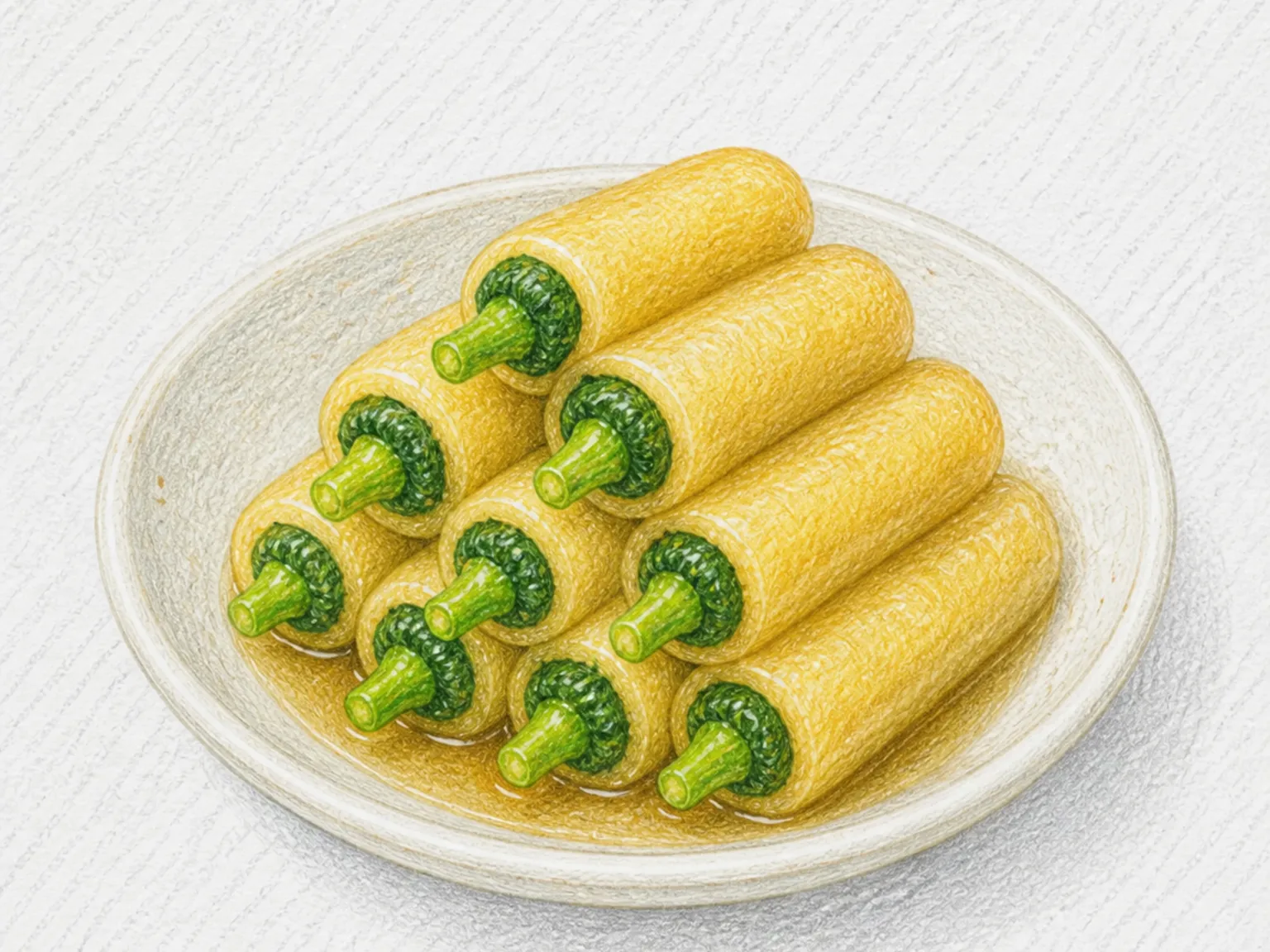
Uri no teppo-zuke is a Chiba pickle made from hollowed, salt-cured white melon. The melon is desalinated over two days with repeated water changes, squeezed thoroughly dry, and packed with green chilies wrapped in shiso leaves like ammunition inside a gun barrel. A marinade of soy sauce, coarse sugar, sake, mirin, and vinegar is boiled, cooled completely, and poured over the melon. For four to five consecutive days, the melon is removed and the liquid alone is reboiled, cooled, and returned; it is ready after about a week. The shape explains the name teppo-zuke, or gun pickle. Once a winter preserve around Narita and Katori, it remains a crisp, spicy rice side and sake accompaniment and is a well-known souvenir near Naritasan Shinshoji Temple.
Tokishirazu no Yakizuke (Soy-Marinated Spring Salmon)
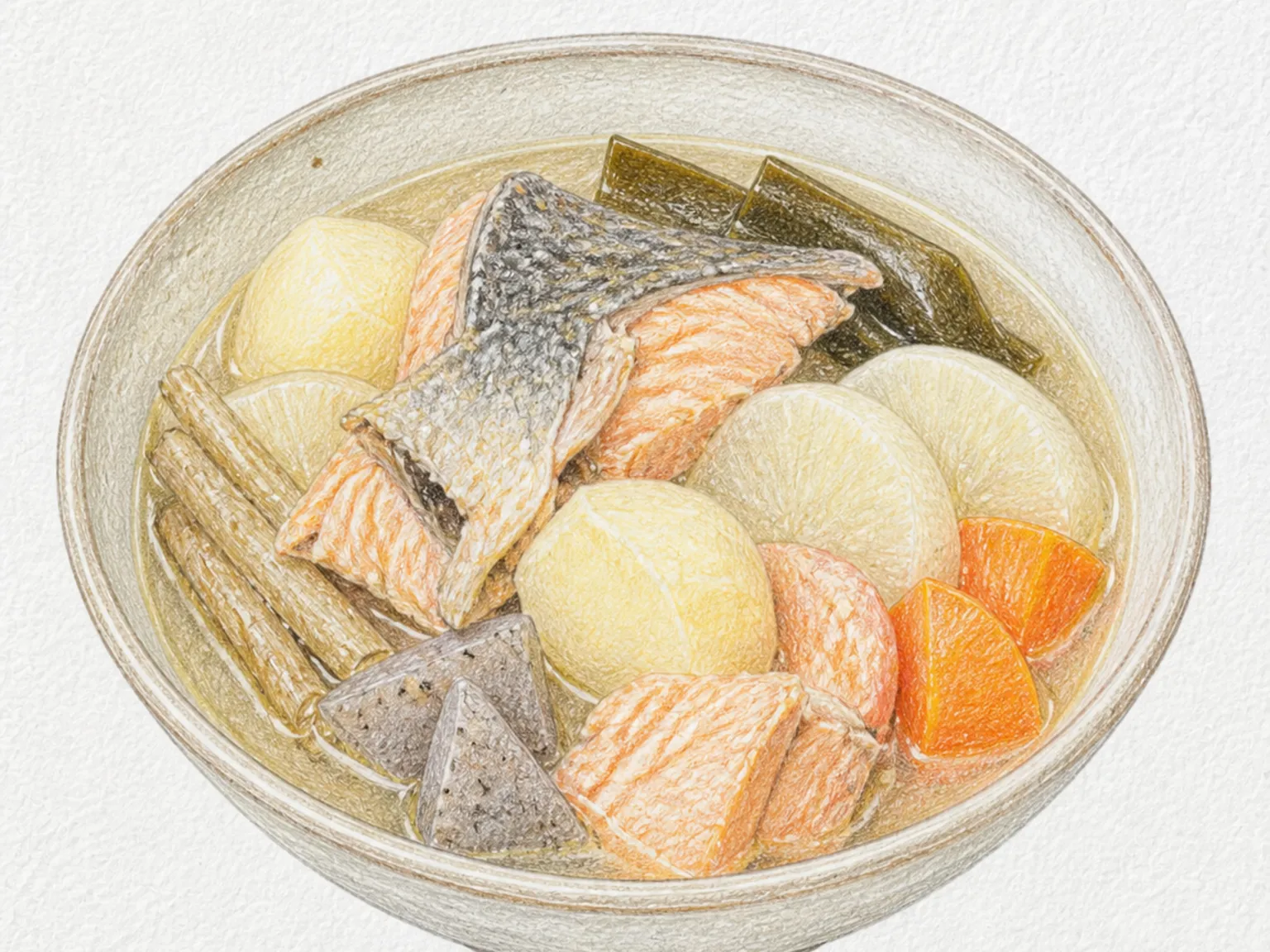
Sake no yakizuke is a Hokkaido specialty using tokishirazu salmon caught along the coast from spring into summer. Four salmon portions marinate for half a day in soy sauce and sake, then grill while early coats of marinade build a glossy surface. Tokishirazu differs from ordinary autumn salmon returning to spawn: it is caught young during migration, before fat and nutrients move into roe or milt, so the flesh stays especially rich and soft. A fresh moderately fatty salmon fillet works when tokishirazu is unavailable. Families served the dish with sekihan during the June Hokkaido Shrine Festival, and it remains suitable both for rice and drinks. Marinade that touched raw fish is used only during the early cooking stage, and the final minutes cook without further brushing until the center is safe.
Ichigo-ni Sea Urchin and Abalone Soup
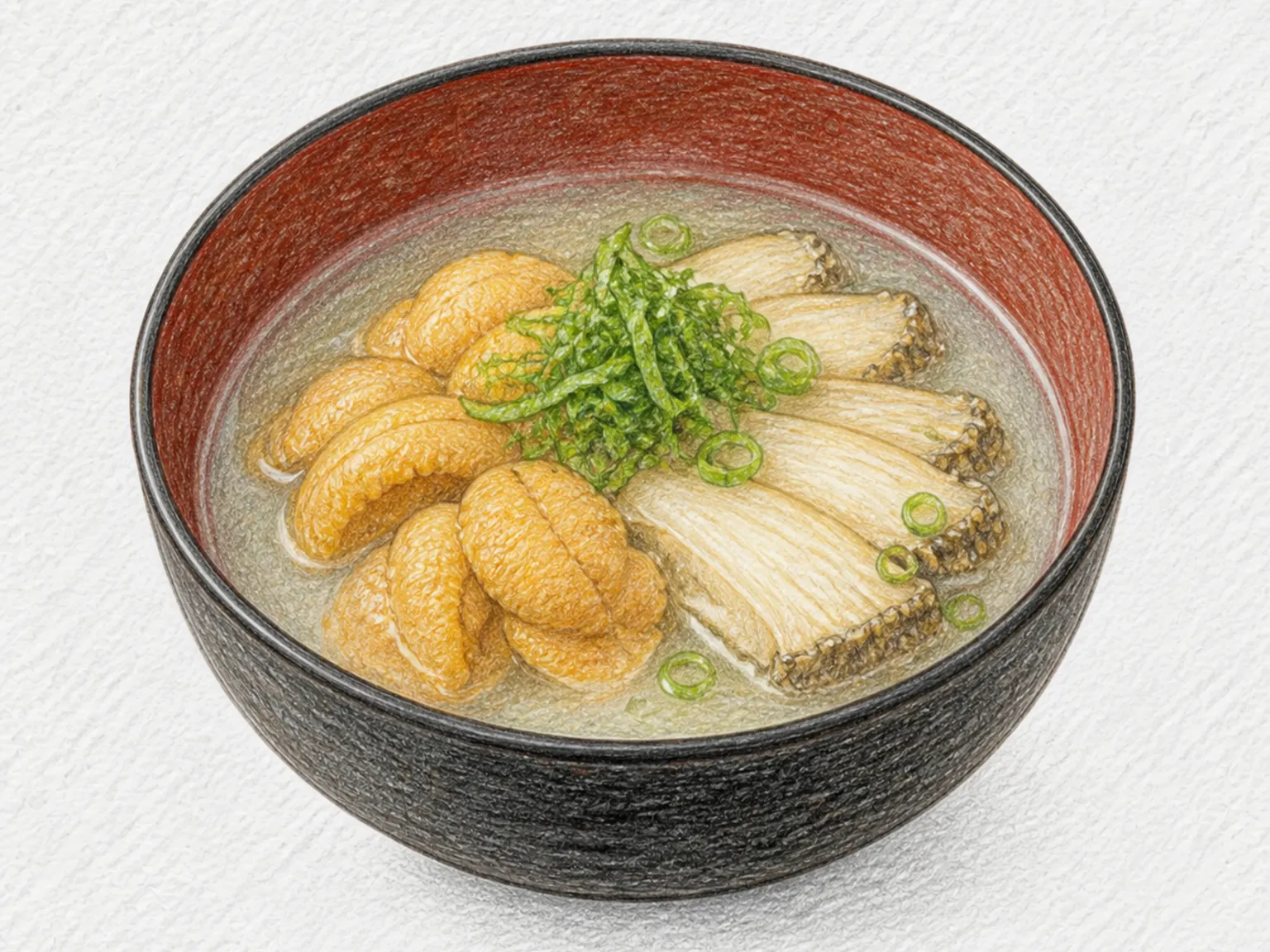
Ichigo-ni is a clear soup from southern Aomori in which fresh sea urchin and abalone are cooked briefly in water or bonito stock and seasoned with only a little salt, sake, and soy sauce. Extract from the abalone clouds the broth slightly, while the golden sea urchin floating on top suggested wild strawberries seen through morning mist and gave the dish its name. The sea urchin is heated only until its surface sets, and thin abalone slices keep a firm bite. Shiso and green onion finish a soup served at Bon, New Year, weddings, and other celebrations.
Chinese Red-Braised Pork Belly
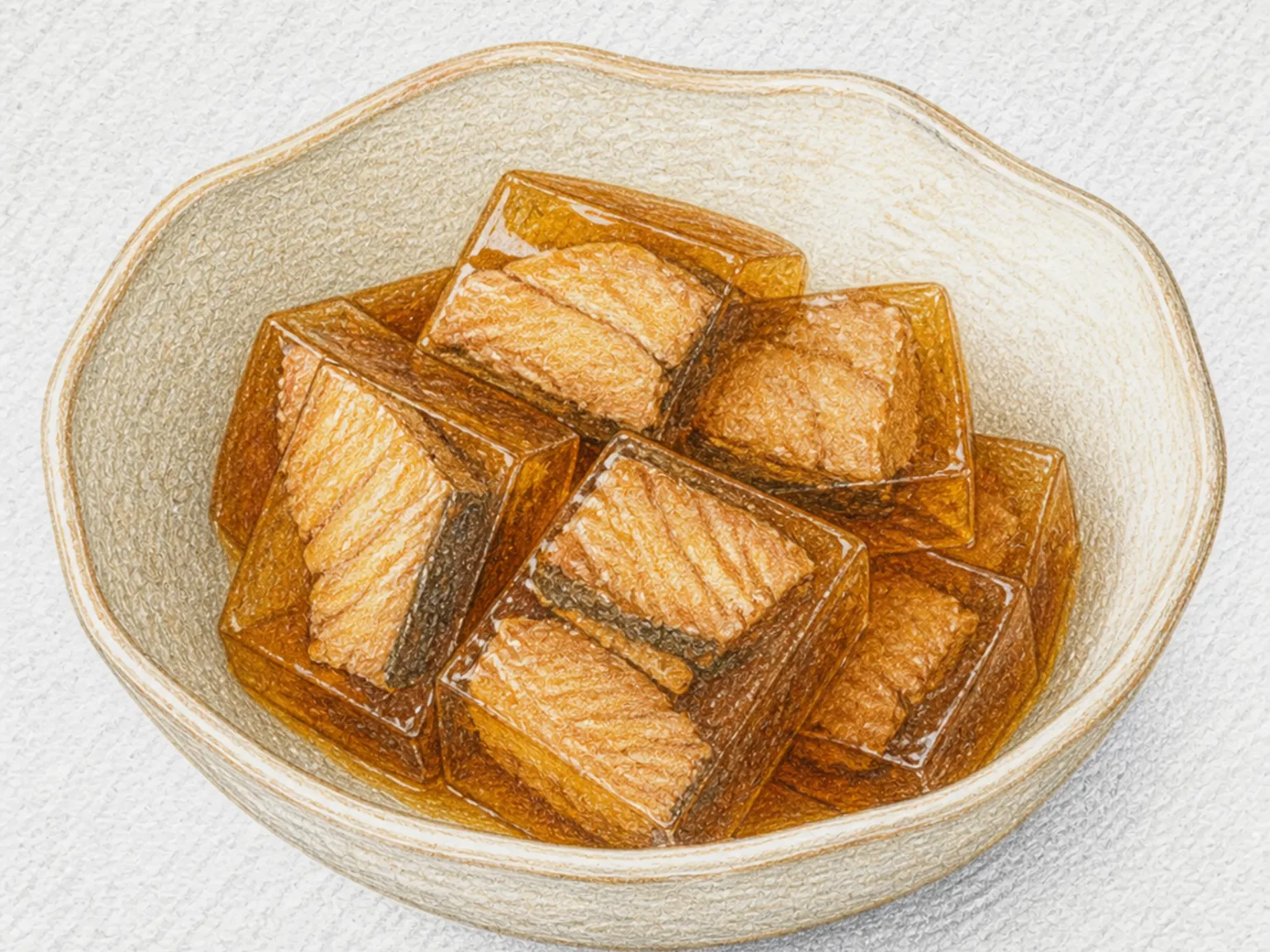
Hong shao rou, red-braised pork belly, originated in the Suzhou region before spreading across China to become one of the country's defining braised dishes. Cubed pork belly is briefly boiled to remove impurities, then the pot is dried and sugar is melted alone until it reaches a deep amber caramel. The pork returns to the pot to coat every surface before dark soy sauce, light soy sauce, Shaoxing rice wine, fresh ginger slices, and star anise are added. Covered and simmered over low heat for sixty to ninety minutes, the fat layers slowly dissolve into the braising liquid while the lean meat becomes tender enough to break apart with chopsticks without any pressure. The sauce reduces to a thick, mahogany-lacquered glaze that carries layers of sweetness, salt, and the faintly medicinal warmth of star anise. Served over plain steamed rice with a generous spoonful of the sauce poured over the bowl, the dish transforms the simplest grain into a complete and deeply satisfying meal.
Wasabi-Zuke (Wasabi Pickled in Sake Lees)
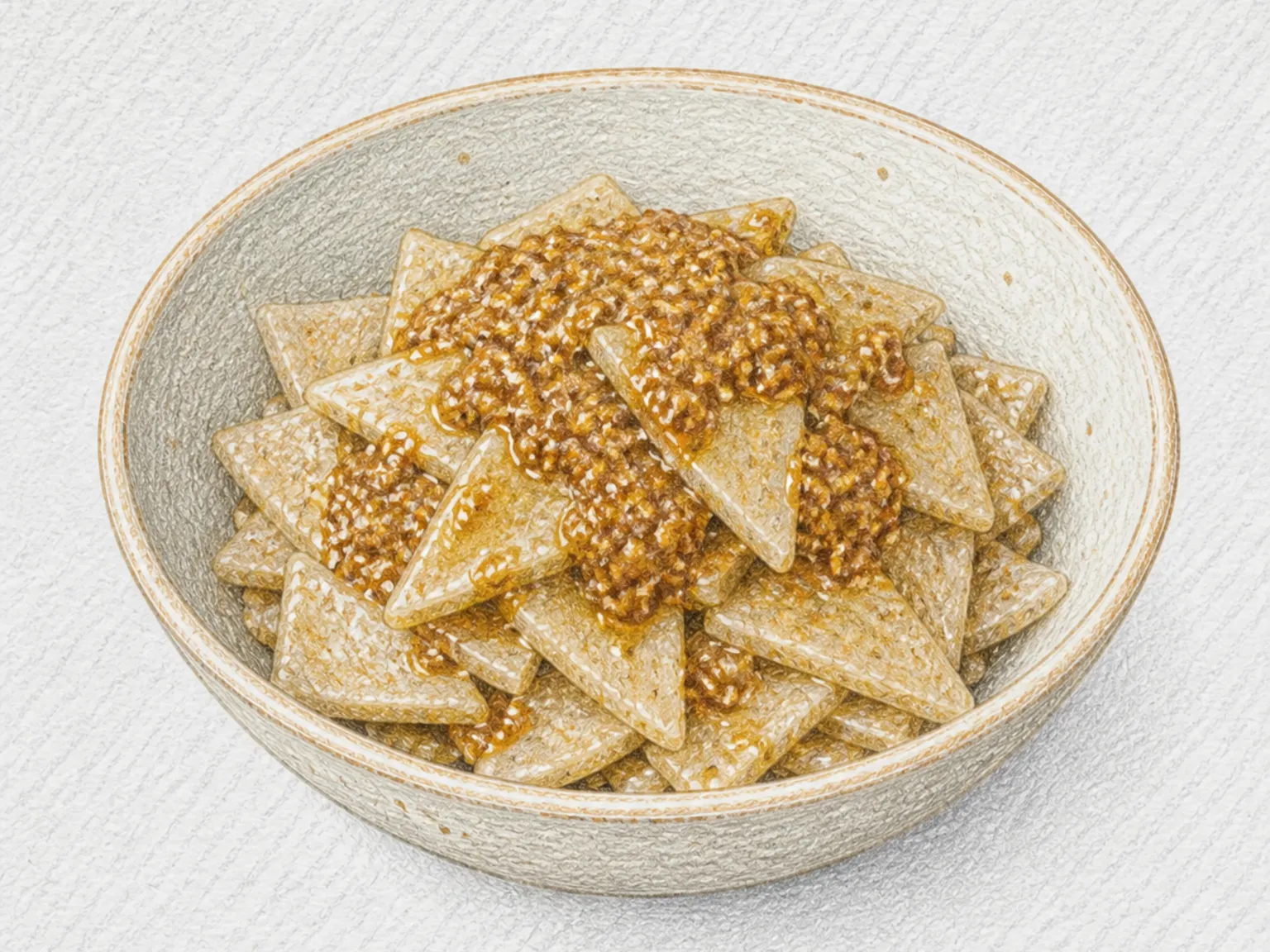
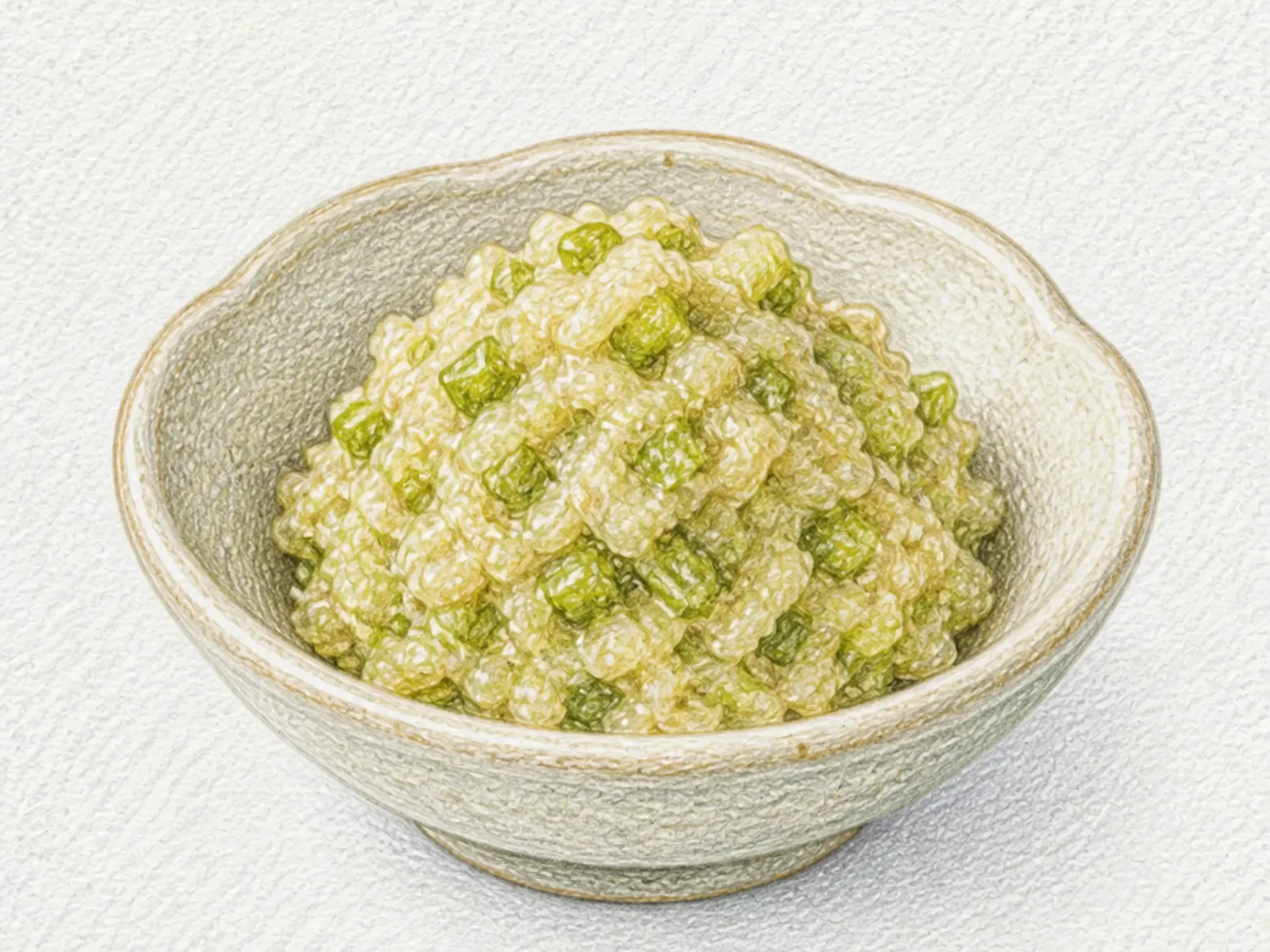
Wasabi-zuke is a Shizuoka pickle made by finely cutting wasabi stems and roots, salting them overnight, and mixing the well-drained pieces into sake lees kneaded smooth with sugar and sake. Two to three days in a sealed container allow the sharp nasal heat of wasabi to emerge through the deep fermented aroma of the lees. Squeezing the salted wasabi firmly through cloth is important because excess water thins the paste. Wasabi cultivation in Shizuoka is said to have begun between 1596 and 1615, when wild plants from Mount Bukkoku were transplanted near the spring water of Utogi. The growing method later spread to Izu and beyond. Wasabi-zuke reportedly began selling inside Shizuoka Station after it opened in 1889, becoming a standard regional souvenir as well as an everyday accompaniment to hot rice and sake.
Sansho Leaf Tsukudani with Dried Whitebait
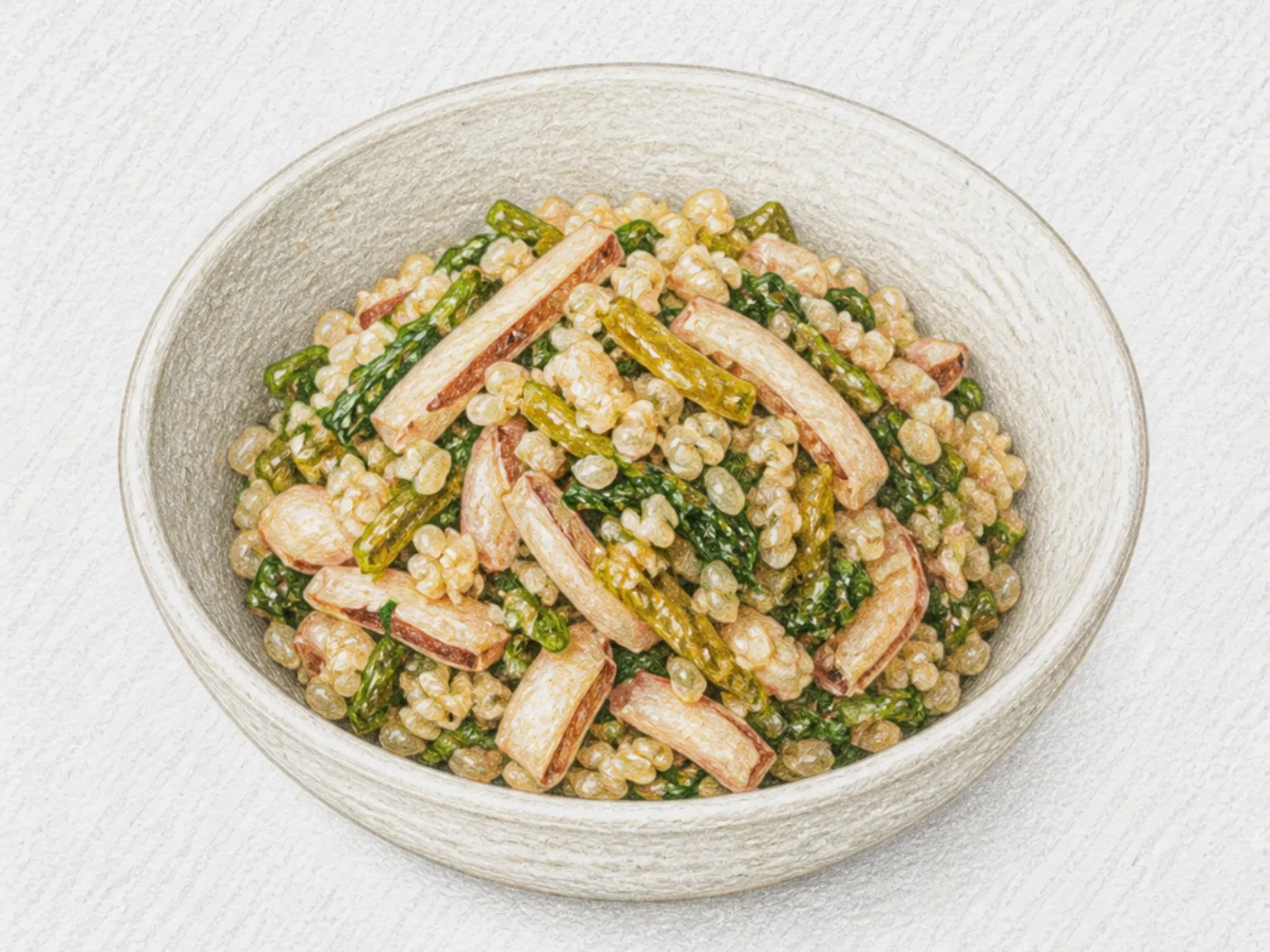
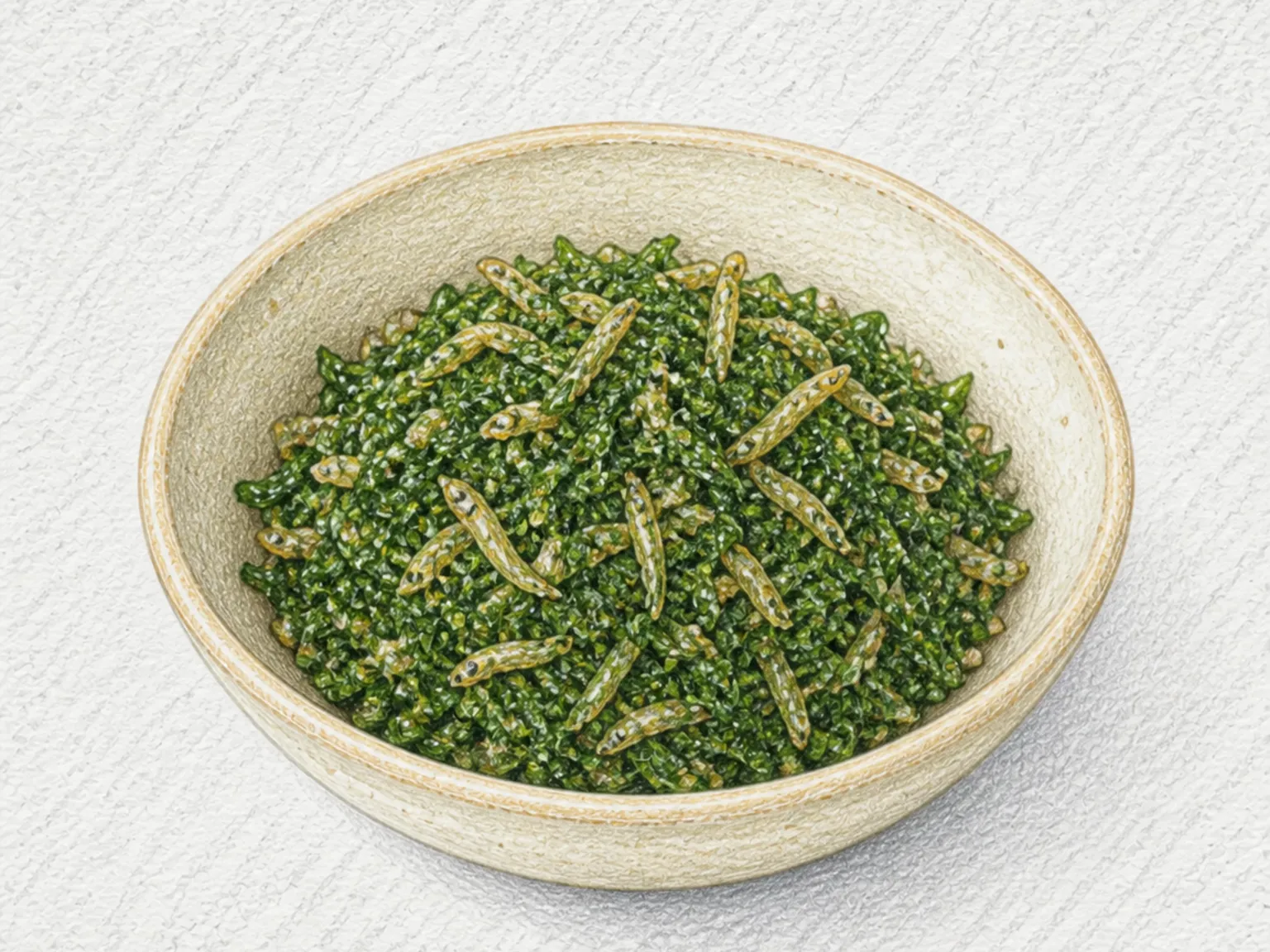
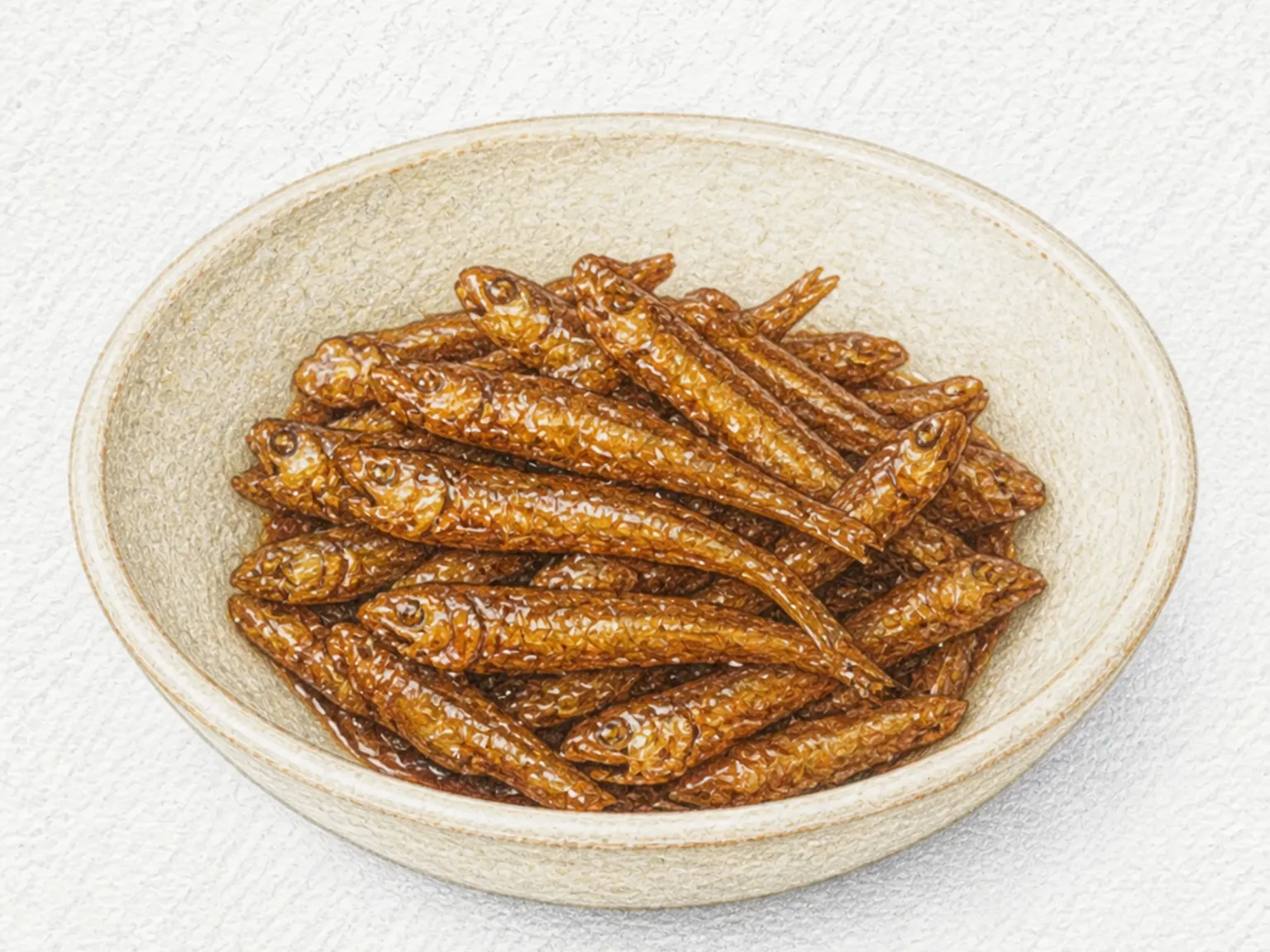
Sansho leaf tsukudani is a Kyoto preserve made from tender spring leaves. The leaves are cleaned, chopped finely, and showered with boiling water to brighten their green color before sake, light soy sauce, and chirimen-jako dried whitebait simmer with them until almost dry. Citrus-like sansho aroma, a gentle tongue-tingling sensation, and the salty savor of fish make a small spoonful sufficient for rice. Sansho has long grown wild around Kyoto's mountain villages and waterways. Cooks use kinome young shoots in early spring, flowers in April, and green berries in May, preserving each short season in different dishes. The finished tsukudani tops rice, rice balls, ochazuke, udon, somen, or chilled tofu. Chopping before the boiling-water rinse helps the leaves retain a vivid color.
Koikoku (Long-Simmered Carp Miso Soup)
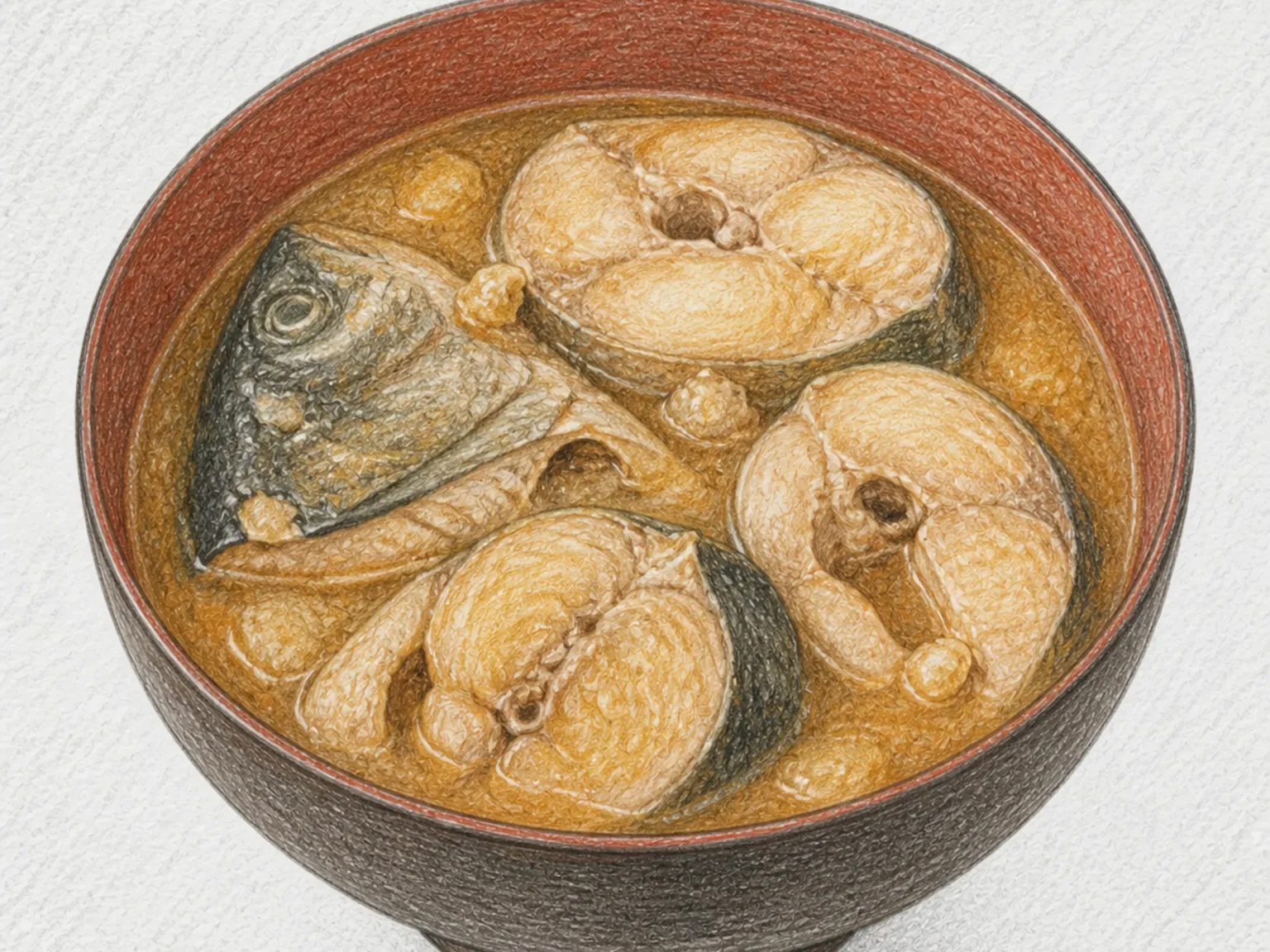
Koikoku is a soup from the Saku region of Nagano in which thick cross-cut carp pieces and the head simmer for about 3 hours before a substantial amount of miso is added in stages. The fish first sits in hot water for 4 to 5 minutes so white coagulated residue and loose impurities can be rinsed away. It then boils with sake and water while foam is skimmed carefully; the flavorful oil is left in the pot. Part of the miso enters early with a little sugar to season the fish. Another portion is ground with 20g cooked rice and stirred in to give the broth body, while the remainder is dissolved near the end to preserve its aroma. Long cooking softens the flesh and enriches the soup, but bones remain and each serving must be eaten slowly.
Korean Steamed Mussels (Mussels Steamed in Rice Wine Broth)
Honghap-jjim is Korean steamed mussels cooked in a combination of rice wine and garlic, with green onion and cheongyang chili peppers added near the end to layer in fragrance and heat. The mussels steam open in under five minutes over high heat, releasing their briny, oceanic juices into the wine-garlic liquid pooling at the bottom of the pot. This self-generated broth is one of the dish's great pleasures, deeply flavored without the addition of stock or seasoning paste. The cheongyang chili delivers a clean, direct heat that does not muddy the mussels' freshness; instead, its capsaicin sharpens the perception of the seafood's brine, making the flavor more vivid on the palate. Total cooking time runs under ten minutes, and the only real preparation is debearding and scrubbing the shells, which means the dish can move from cold pantry to hot table with minimal effort. Watching the lid come off to reveal the fully opened shells rising from a cloud of fragrant steam is part of the experience, making this as visually satisfying as it is easy. Leftover broth, if any remains, is exceptional as a base for kalguksu or instant ramen.
Ryukyu (Oita Sesame-Soy Marinated Sashimi)
Ryukyu is a signature Oita fisherman's dish of yellowtail sashimi briefly marinated in a sauce of finely ground toasted sesame, soy sauce, sugar, and sake, then finished with sliced scallions. One origin story credits Okinawan fishers, while another links the name to rikyu-ae, a sesame dressing. It is eaten alone, over hot rice, or with tea poured over the final bowl as ochazuke.
Tsugani-jiru Mitten Crab Soup
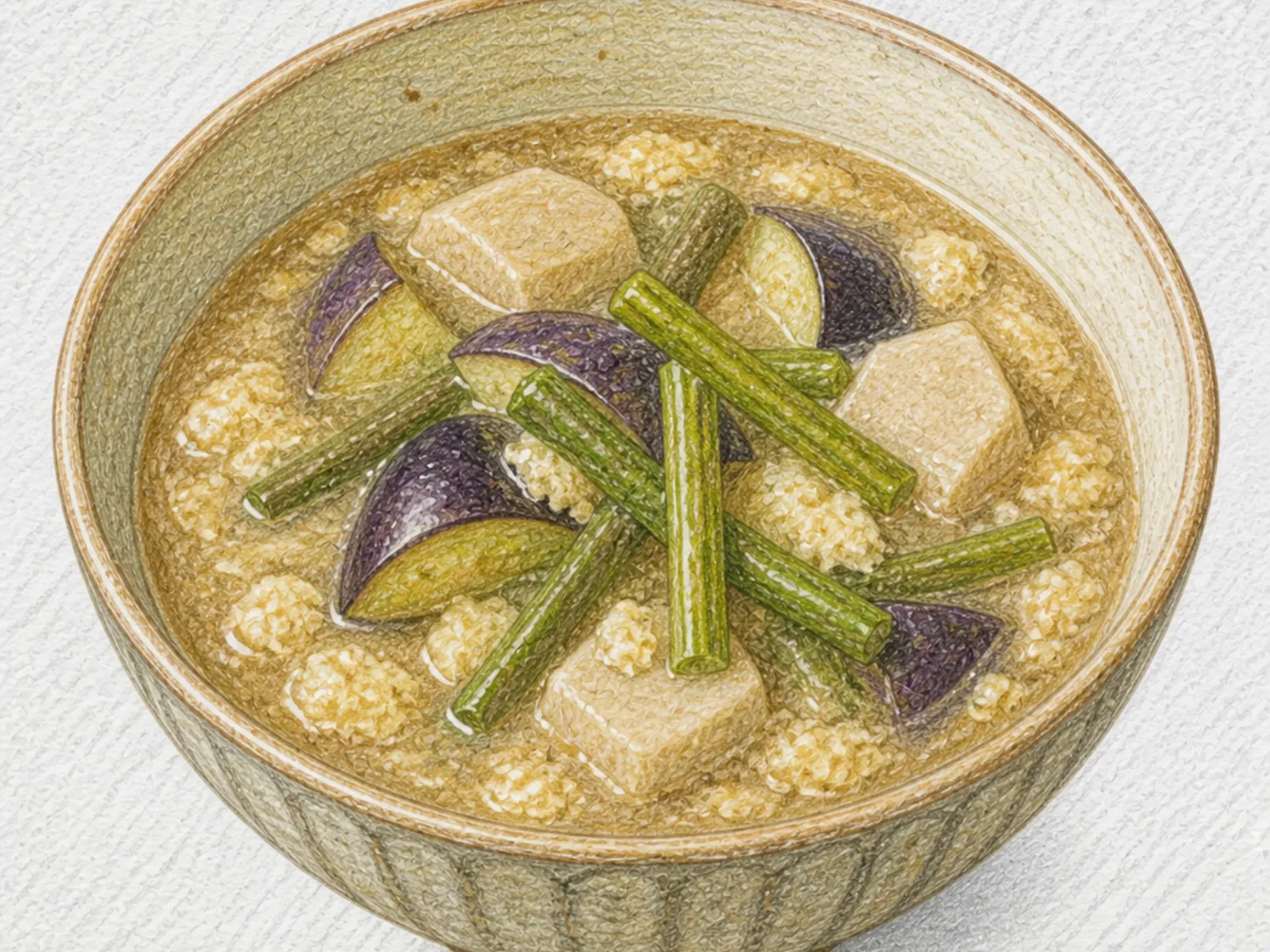
Tsugani-jiru is a river-basin soup from Kochi made by finely crushing Japanese mitten crab with its shell, diluting and straining it, then heating the liquid until crab proteins gather into soft curds. It was eaten in autumn when crabs moved downstream through the Shimanto, Niyodo, and Monobe rivers, with eggplant and the peeled stalk called ryukyu. Raw freshwater crab can carry parasites and environmental contaminants and can spread microbes through splashes. Use only fresh crab sold for cooking by a licensed food supplier, never self-caught crab. Keep a separate raw-crab work zone, strain without splashing, and immediately bring the liquid to a full boil for at least five minutes before finishing the vegetables.
Jabu (Simmered Chicken, Tofu, and Vegetables)
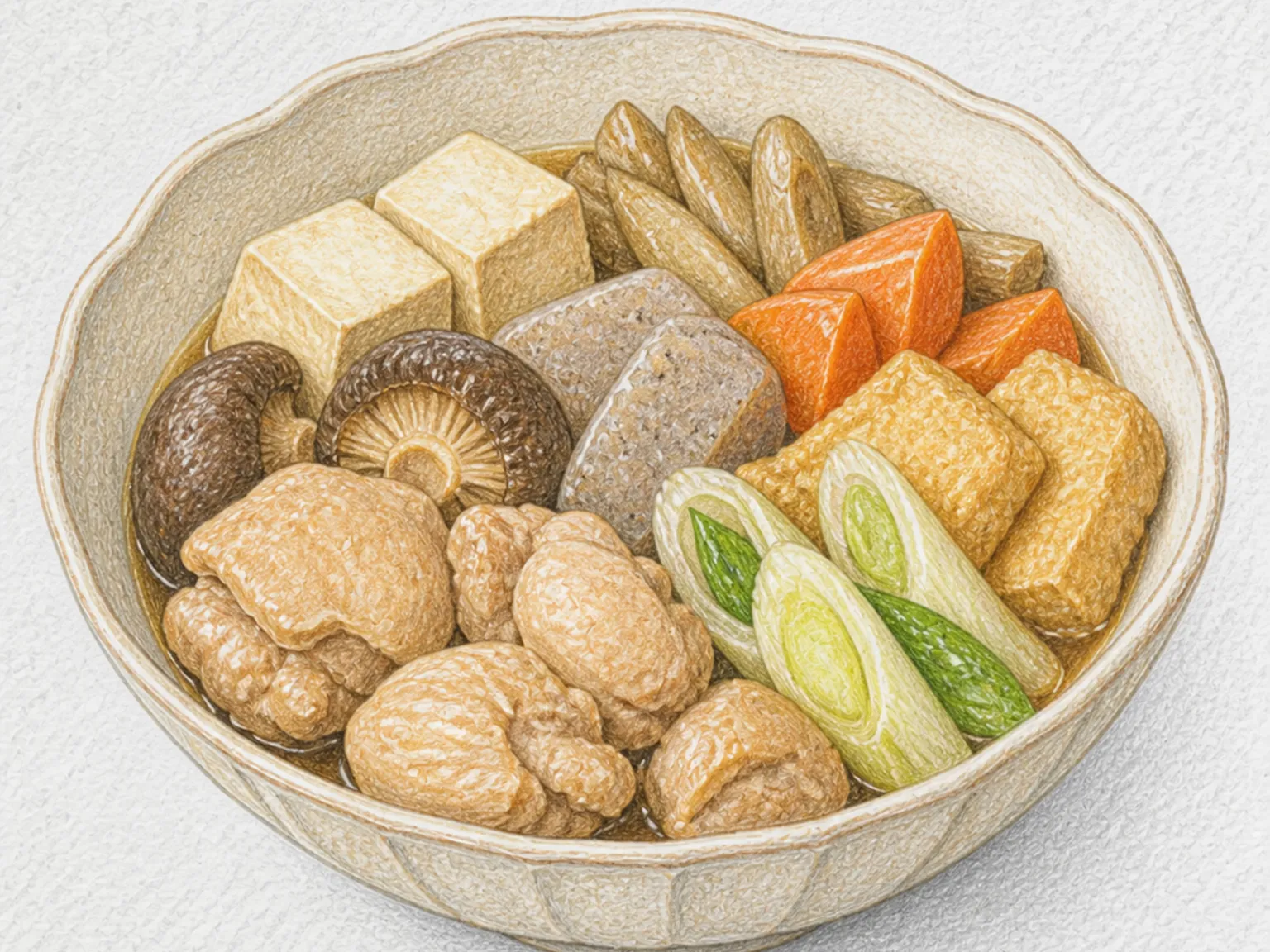
Jabu is a Tottori simmer of chicken, tofu, burdock, carrot, shiitake, aburaage, konjac, and Japanese leek cooked together in a modest amount of soy-seasoned dashi. Its name is associated with the liquid released as tofu and vegetables simmer, but the finished dish is served with the solids foremost rather than as soup. Brown the chicken first, cook firm vegetables until nearly tender, and add delicate tofu and leek later so they keep their shape.
Korean Namhae-Style Clam Broth
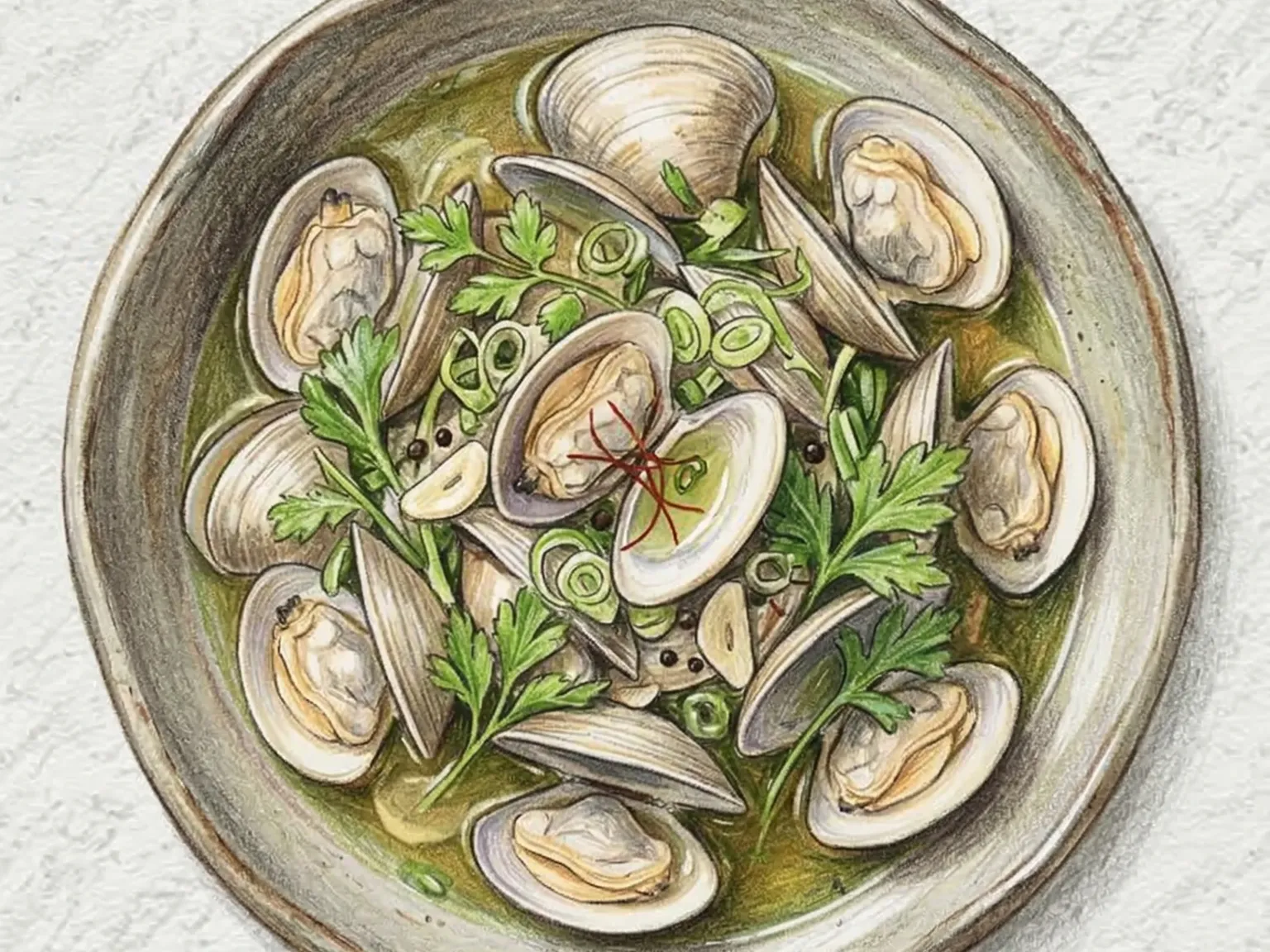
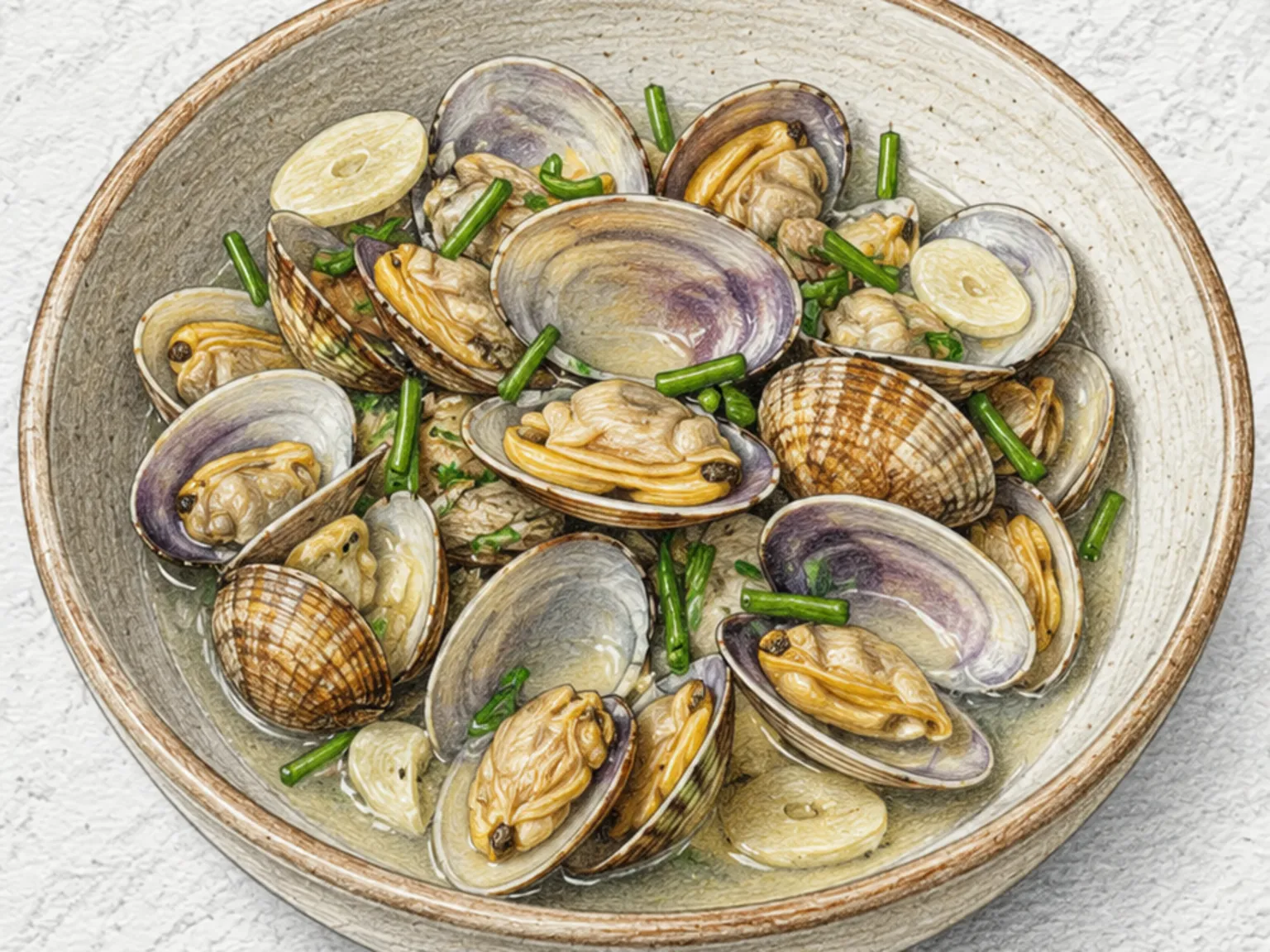
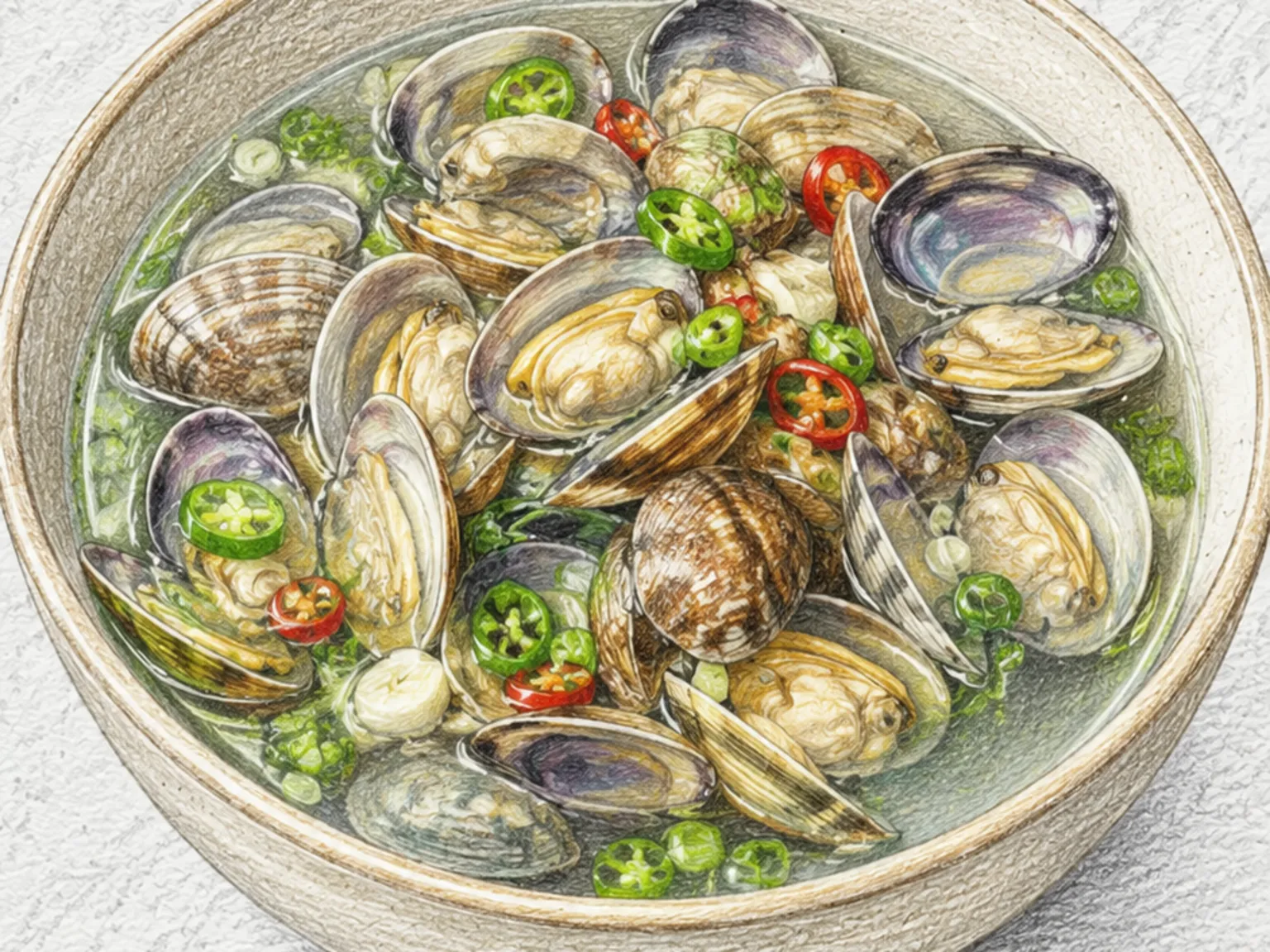
Namhae-jogae-tang is a southern coastal Korean clam soup that relies on an abundance of clams and minimal interference to produce a broth of startling clarity and depth. The clams are purged in salted water, then cooked in water spiked with rice wine, which tempers any raw ocean smell. As the shells pop open, they release their natural liquor - briny, faintly sweet, and concentrated - which becomes the soup's defining flavor. Sliced green and red chilies add gentle heat and color without overwhelming the shellfish, while garlic and green onion contribute a quiet aromatic layer. Salt is added cautiously, since the clams themselves bring significant salinity. The result is a transparent, intensely flavored bowl that tastes like the sea distilled into its purest form, and it is traditionally enjoyed as both a drinking companion and a light meal.
Korean Steamed Eel (Soy Ginger Glazed Two-Stage)
Jangeo-jjim is Korean steamed eel prepared in two distinct stages that are both essential to the final result. The eel is first steamed with rice wine until cooked through, which simultaneously firms the flesh and neutralizes the fishiness that would otherwise overpower the dish. It is then brushed thoroughly with a glaze made from soy sauce, sugar, ginger juice, and rice wine, topped with green onion, and steamed a second time. The two-stage process matters: the first steam allows fat to render out partially so that the glaze in the second stage penetrates deeper and clings more evenly, while the finished surface develops a glossy sheen. Ginger juice specifically cuts through the eel's natural oiliness, and the sweet-savory soy glaze complements the rich flesh in a way that makes it an ideal match for plain steamed rice. Eel is dense in protein and unsaturated fatty acids, which is why it has been a prized restorative food eaten on the hottest days of the Korean summer since ancient times. The dish is best served hot, straight from the steamer, when the glaze is still moist and aromatic.