Recipes with cooking rice wine

120 recipes. Page 1 of 5

Buy cooking rice wine
Lion's Head Meatballs (Chinese Braised Large Pork Meatballs with Cabbage)
Asian Medium

Lion's Head Meatballs (Chinese Braised Large Pork Meatballs with Cabbage)

Ground pork is mixed with scallion, ginger, egg, starch, soy sauce, and cooking wine until sticky, shaped into large meatballs, and braised on napa cabbage. The cabbage cushions the meatballs from direct heat at the bottom of the pot, while foam is skimmed from the water and soy broth as it cooks. Check the center of the thickest meatball and serve it with the cabbage and broth when the juices run clear.

🎉 Special Occasion 🍱 Lunchbox
Prep 25min Cook 35min 4 servings
Aimaze (Simmered Root Vegetables with Vinegar)
Side dishes Medium

Aimaze (Simmered Root Vegetables with Vinegar)

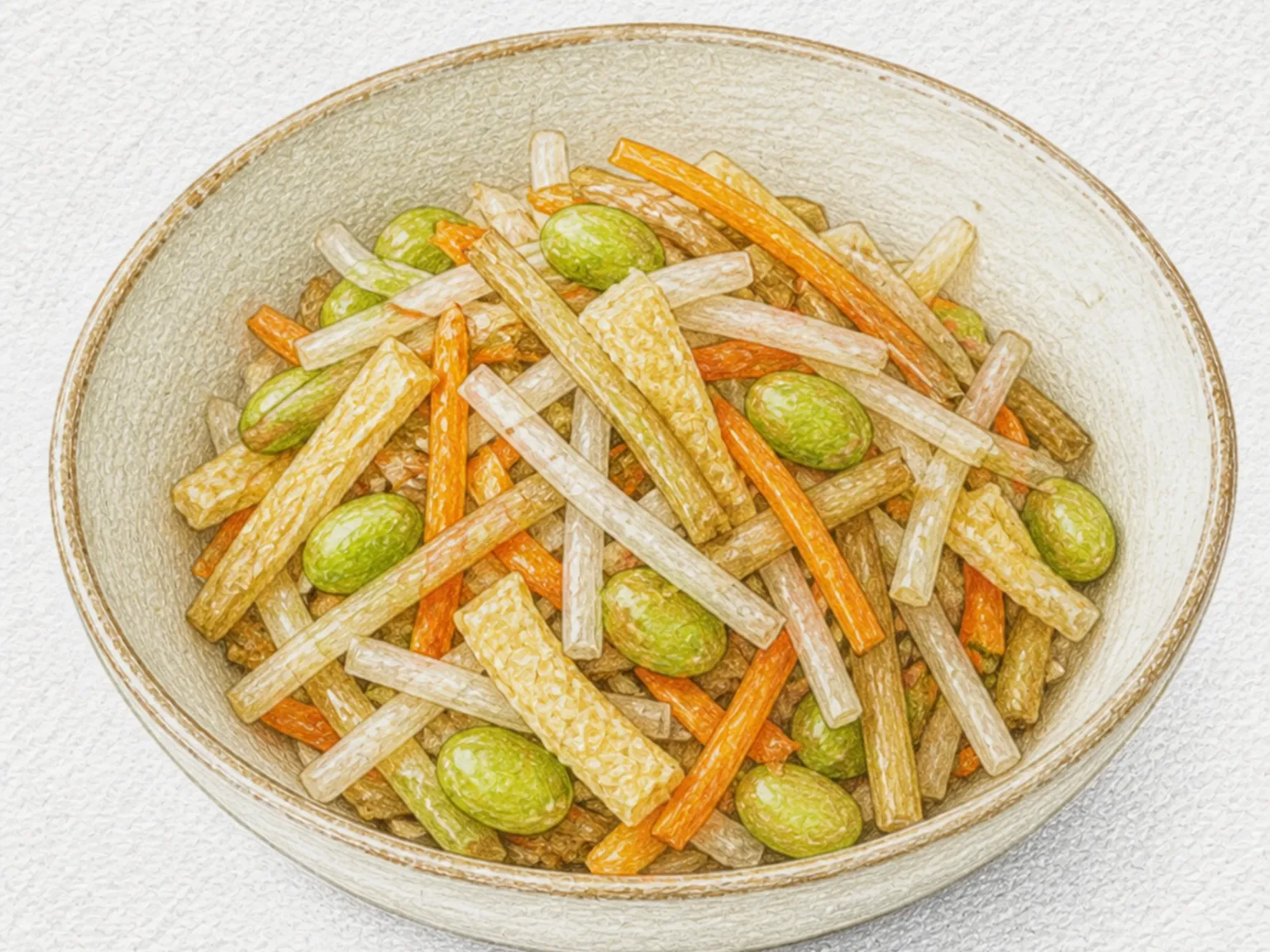
Aimaze is a root vegetable side dish from the Noto area of Ishikawa, traditionally prepared for New Year and other special occasions. Soaked flattened soybeans, burdock, and fried tofu are simmered with soy sauce, mirin, sake, and sugar only until they retain some bite. Briefly blanched daikon and carrot are folded in at the end, while vinegar is added after the heat is turned off. The finished dish has distinct vegetable textures and can be served warm or cooled.

🎉 Special Occasion 🍱 Lunchbox
Prep 20min Cook 20min 4 servings
Amami Keihan Chicken Broth Rice
Rice Hard

Amami Keihan Chicken Broth Rice

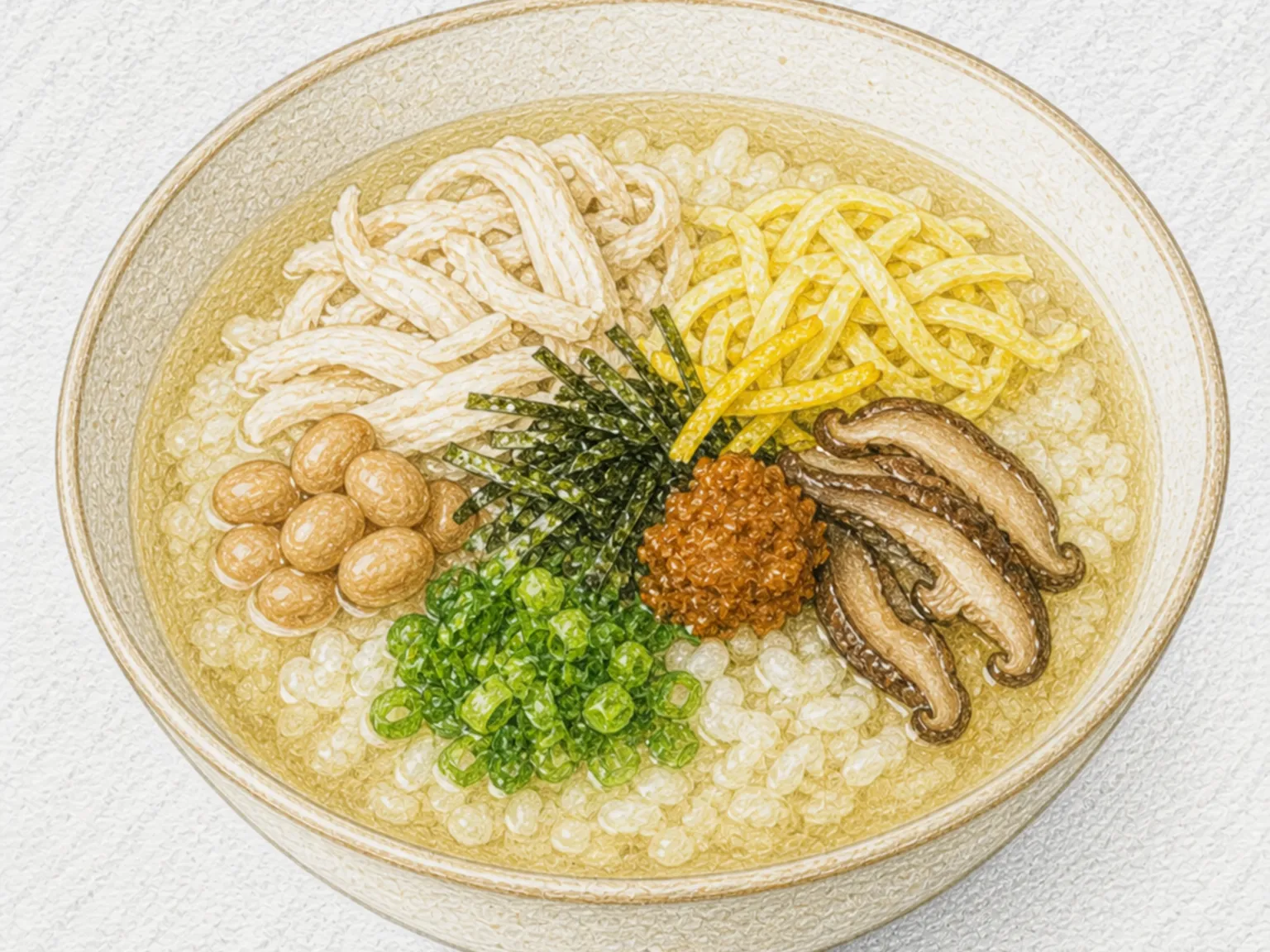
Amami keihan is a signature rice dish topped separately with shredded chicken, thin egg strips, simmered shiitake, green beans, miso-pickled papaya, scallion, citrus peel, and nori, then flooded with hot chicken-bone broth. The earliest form resembled seasoned chicken rice; the broth-poured style spread in the Showa era and is now standard. Diners use a modest amount of rice and ample soup for a light, flowing bowl. Chicken bones simmer with ginger for an hour, tenderloin cooks in that broth to 74°C, and each colorful garnish is prepared separately for guests to arrange as they like.

🎉 Special Occasion 🏠 Everyday
Prep 40min Cook 90min 4 servings
Korean Clam Stir-Fry (Manila Clams with Butter, Garlic and Chili)
Stir-fry Easy

Korean Clam Stir-Fry (Manila Clams with Butter, Garlic and Chili)

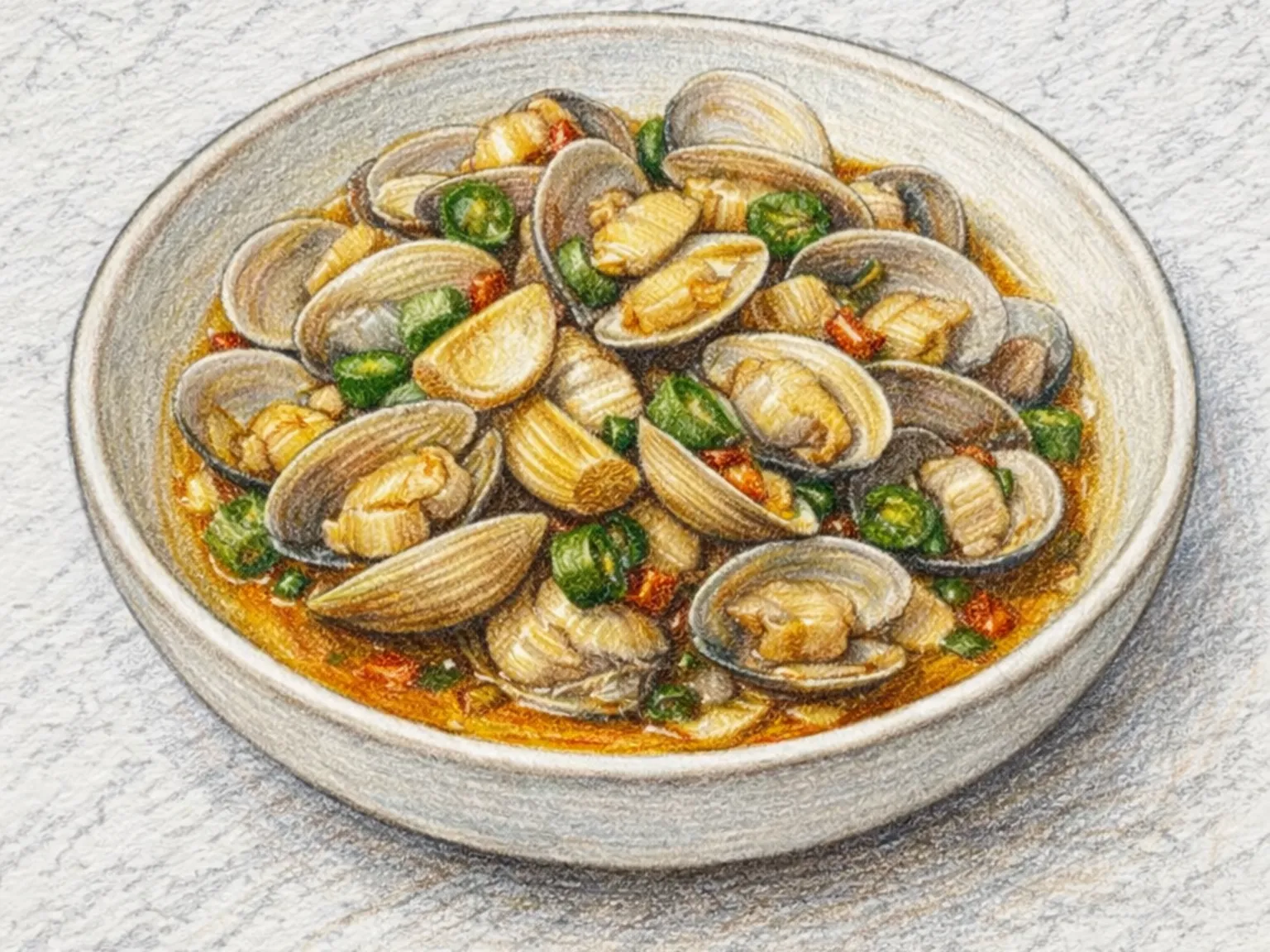
Bajirak bokkeum is a Korean clam stir-fry where purged manila clams are cooked quickly over high heat with butter, garlic, and cheongyang chili. Thorough purging in salted water beforehand removes all sand and prevents grit from appearing in the finished dish. Rice wine goes in first with the lid closed, so the alcohol steam helps the clams open rapidly while eliminating any lingering briny or muddy off-notes. Once the shells open, butter is added and emulsifies naturally with the released clam juices, building a salty, savory sauce without any additional effort or thickening agent. Generous sliced garlic infuses the butter sauce with depth as it cooks, and the cheongyang chili introduces a bright, sharp heat that prevents the richness from becoming too heavy. A small measure of soy sauce adjusts the final seasoning, though it must be kept minimal because the clams already contribute their own pronounced salinity. Scallion is tossed in at the very end for a clean, herbal finish before the pan comes off the heat. Total cooking time must stay within three to four minutes: beyond that window, the clam meat contracts, toughens, and loses its tender, juicy texture entirely. The sauce left in the pan after eating is intensely concentrated with shellfish flavor and pairs exceptionally well with crusty bread for soaking up every last drop. The dish works equally as a drinking snack alongside beer or as a side with steamed rice, and frozen manila clams produce reliably good results when fresh ones are unavailable.

🏠 Everyday 🌙 Late Night
Prep 15min Cook 10min 2 servings
Cabbage Mochi (Soy-Braised Cabbage with Rice Cakes)
Street food Easy

Cabbage Mochi (Soy-Braised Cabbage with Rice Cakes)

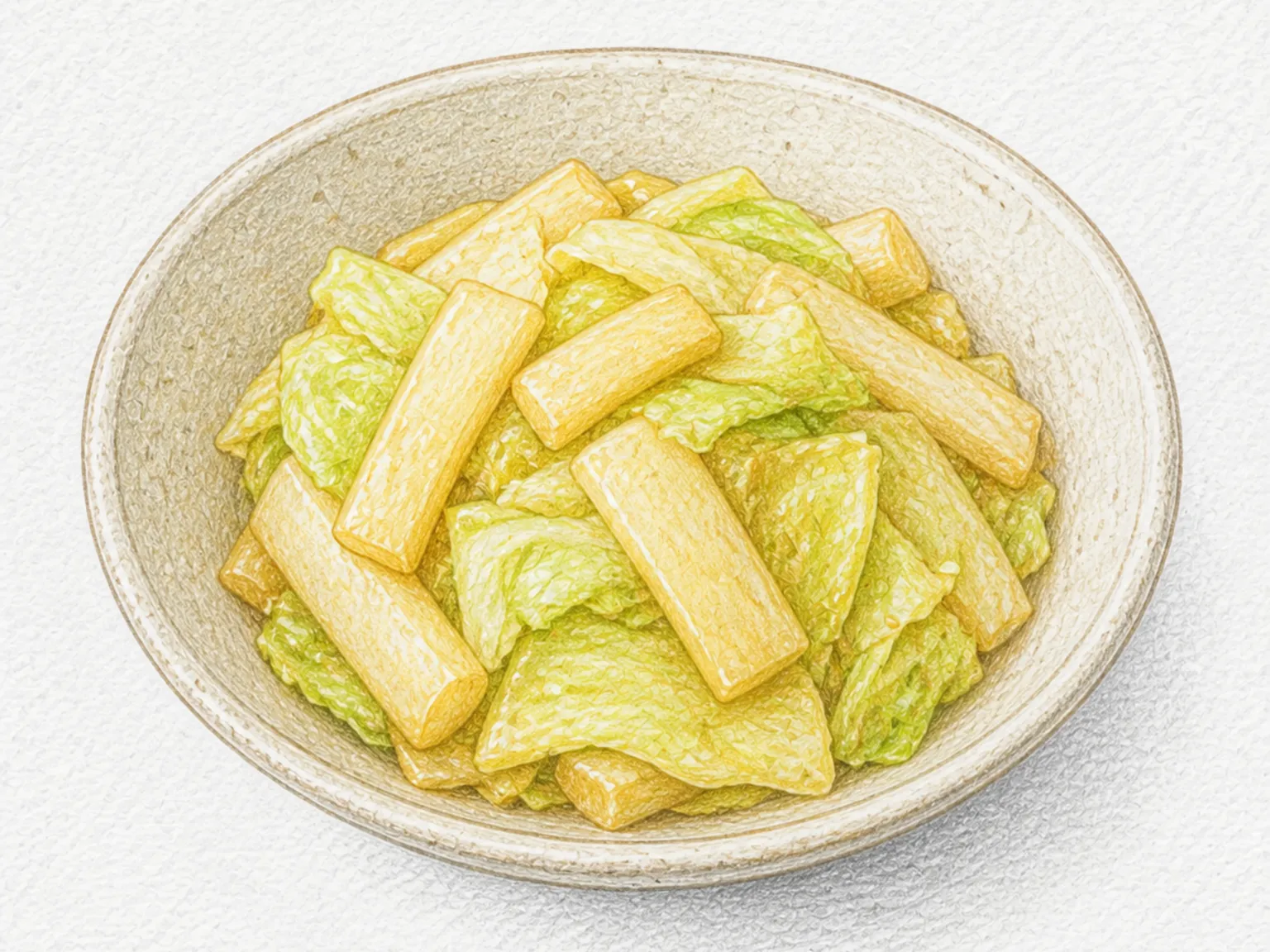
Cabbage mochi is a local dish from the Ose district of Koriyama, Fukushima, made by coating softened rice cakes with cabbage cooked in soy and kombu seasoning. The mochi are first boiled for about two minutes until pliable, while roughly cut cabbage is quickly stir-fried in oil. Sake, mirin, and water are added so the cabbage can soften without scorching. Soy sauce and concentrated kombu noodle sauce then give the vegetables a savory, lightly sweet broth. The drained mochi go in last and are turned gently until every surface is coated. The dish has been prepared in Ose for more than eighty years. Farming households that produced their own rice and cabbage could make it throughout the year, serving it as a simple meal or a substantial snack.

🏠 Everyday
Prep 10min Cook 15min 2 servings
Hatto (Buckwheat Rice-Flour Diamonds with Perilla Miso)
Desserts Medium

Hatto (Buckwheat Rice-Flour Diamonds with Perilla Miso)

Hatto is a Hinoemata dish made by combining equal cups of buckwheat flour and rice flour, kneading them with boiling water to an earlobe-soft dough, rolling it 3 to 5 mm thick, cutting diamonds, and boiling them until they float. The pieces are coated with junen miso, a paste of whole perilla seeds toasted until several pop, ground with sugar and miso, and loosened with sake. One origin story links the name to gohatto, a prohibition on consuming too much grain during the Edo period, when villagers secretly made the food. Another says a lord favored it enough that common people were allowed it only for celebrations. It marked the end of rice planting or roof work.

🎉 Special Occasion
Prep 25min Cook 15min 4 servings
Sake no Chanchan-Yaki (Miso-Butter Salmon and Vegetables)
Grilled Easy

Sake no Chanchan-Yaki (Miso-Butter Salmon and Vegetables)

Sake no chanchan-yaki is a fisherman's dish from the Ishikari area of Hokkaido. Fresh salmon is set over cabbage, onion, shimeji, carrot, and green pepper, coated with a lightly sweet miso sauce, topped with butter, and steam-grilled inside foil. Salt and pepper season the fish first, while sugar, mirin, and sake loosen the miso into a spreadable sauce. Closing the packet and cooking it in a skillet with shallow water traps the vegetable moisture and salmon juices. Once associated mainly with the autumn and winter salmon season, it is now prepared throughout the year as a complete home meal.

🏠 Everyday ⚡ Quick
Prep 15min Cook 15min 1 servings
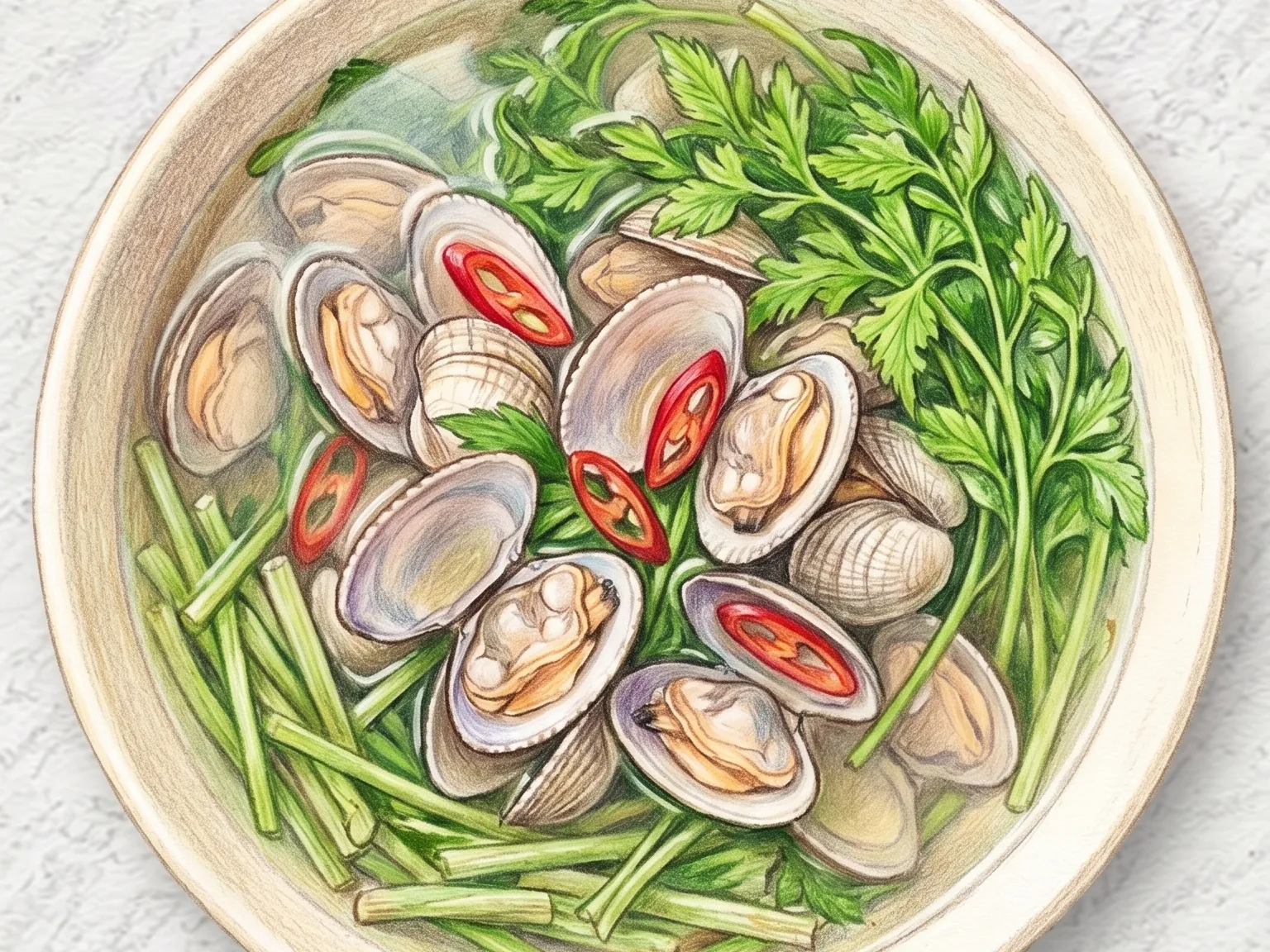
Korean White Clam Clear Soup
Soups Easy

Korean White Clam Clear Soup

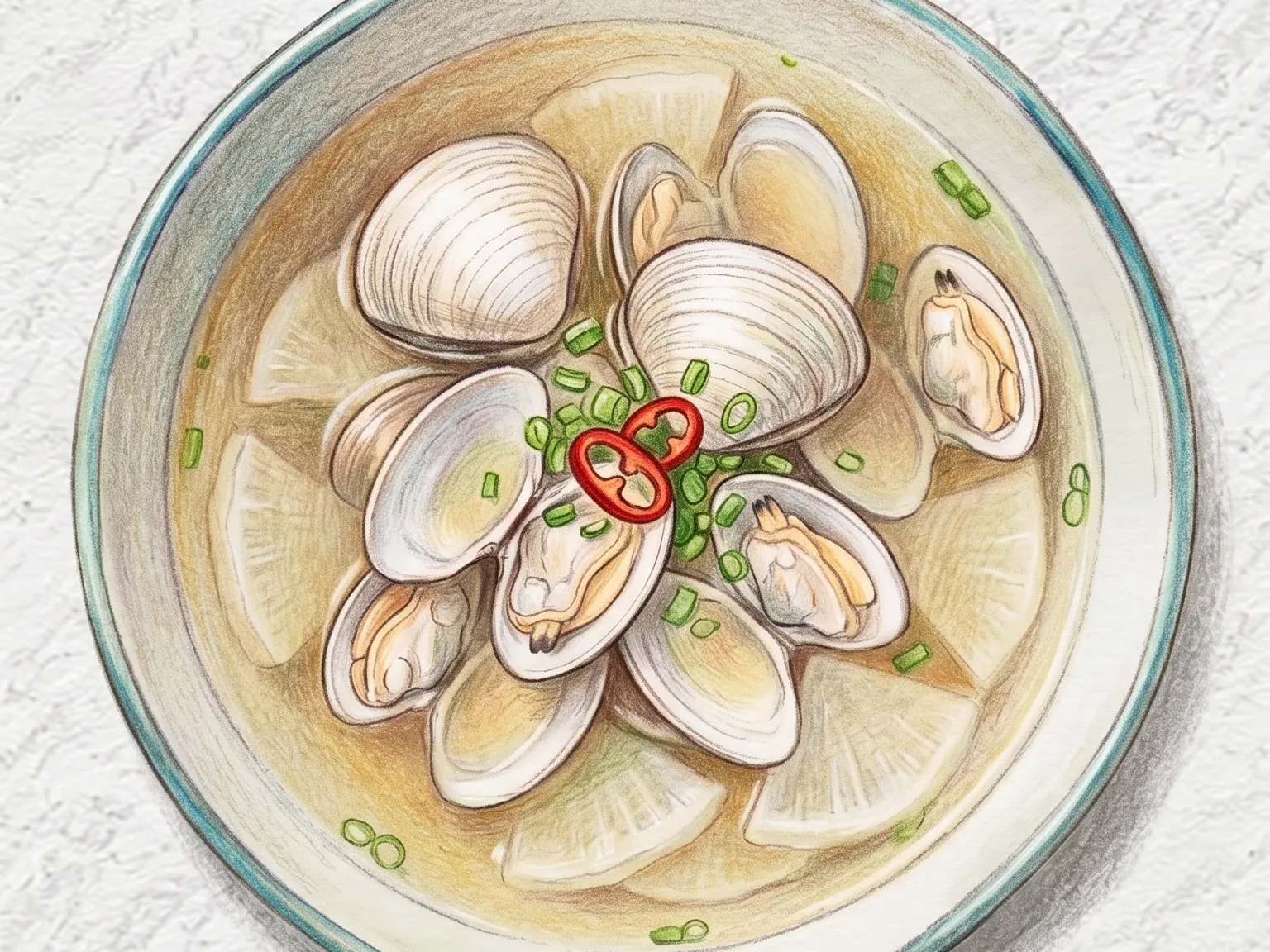
Baekhap jogae tang is a clear Korean clam soup built entirely on the flavor of hard clams, with no additional stock of any kind. The clams are soaked in salted water until fully purged of sand, then transferred to cold water in the pot and heated gradually. This slow climb from cold allows the clams to release their maximum flavor into the surrounding liquid before they even open, producing a more richly flavored broth than rapid boiling ever could. Daikon radish simmers in the same water, lending a cool, clean sweetness that tempers the clams inherent saltiness while absorbing broth flavor itself, softening into bite-sized pieces that are worth eating alongside the shellfish. A tablespoon of cheongju, Korean clear rice wine, is added early to neutralize any briny off-notes that might otherwise linger, leaving a cleaner, lighter finish. Garlic appears in small amounts only, deliberately restrained so it does not compete with the delicate shellfish flavor that is the whole point of the dish. Scallion and red chili are placed on top at the very end, contributing color and fragrance rather than direct seasoning. Salt is kept to an absolute minimum since the clam liquor itself provides all the salinity required. The soup is a lesson in simplicity: no anchovy, no kelp, no premade stock. The clams do all the work, and the result is a broth that is simultaneously light and deeply satisfying.

🥗 Light & Healthy 🏠 Everyday
Prep 20min Cook 15min 2 servings
Korean Bajirak Miyeok Jjigae (Clam Seaweed Stew)
Stews Easy

Korean Bajirak Miyeok Jjigae (Clam Seaweed Stew)

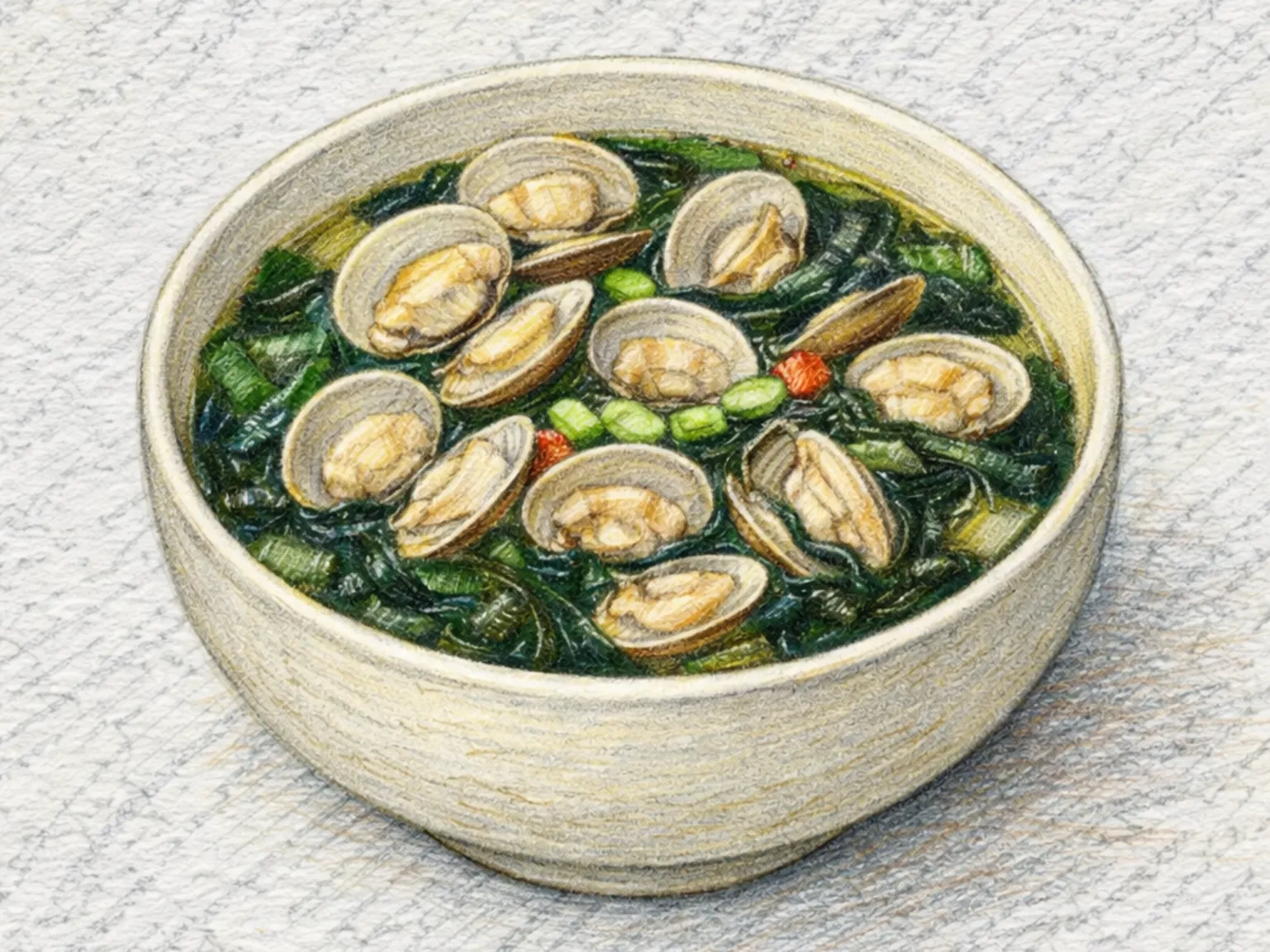
Bajirak miyeok jjigae is a Korean stew combining manila clams and soaked seaweed, layering shellfish umami with the mineral depth of sea vegetables. Clams start in cold water with radish, which adds a cool sweetness to the broth that balances the clams' natural saltiness as the temperature climbs. Once the shells open, rice wine removes any briny off-notes, and the stew is seasoned with soup soy sauce and minced garlic. The seaweed, soaked and cut into bite-sized pieces, must enter the pot only in the last five minutes; longer cooking turns it tough and unpleasantly slippery. Diagonally sliced scallion added at the end releases a fresh aroma across the surface of the stew. The iodine-rich character of the seaweed and the briny depth of the clams belong to the same marine category yet occupy different flavor registers, producing a broth with compound depth. Any clams that remain closed after cooking must be removed to prevent grit from contaminating the finished stew.

🏠 Everyday 🥗 Light & Healthy
Prep 18min Cook 16min 2 servings
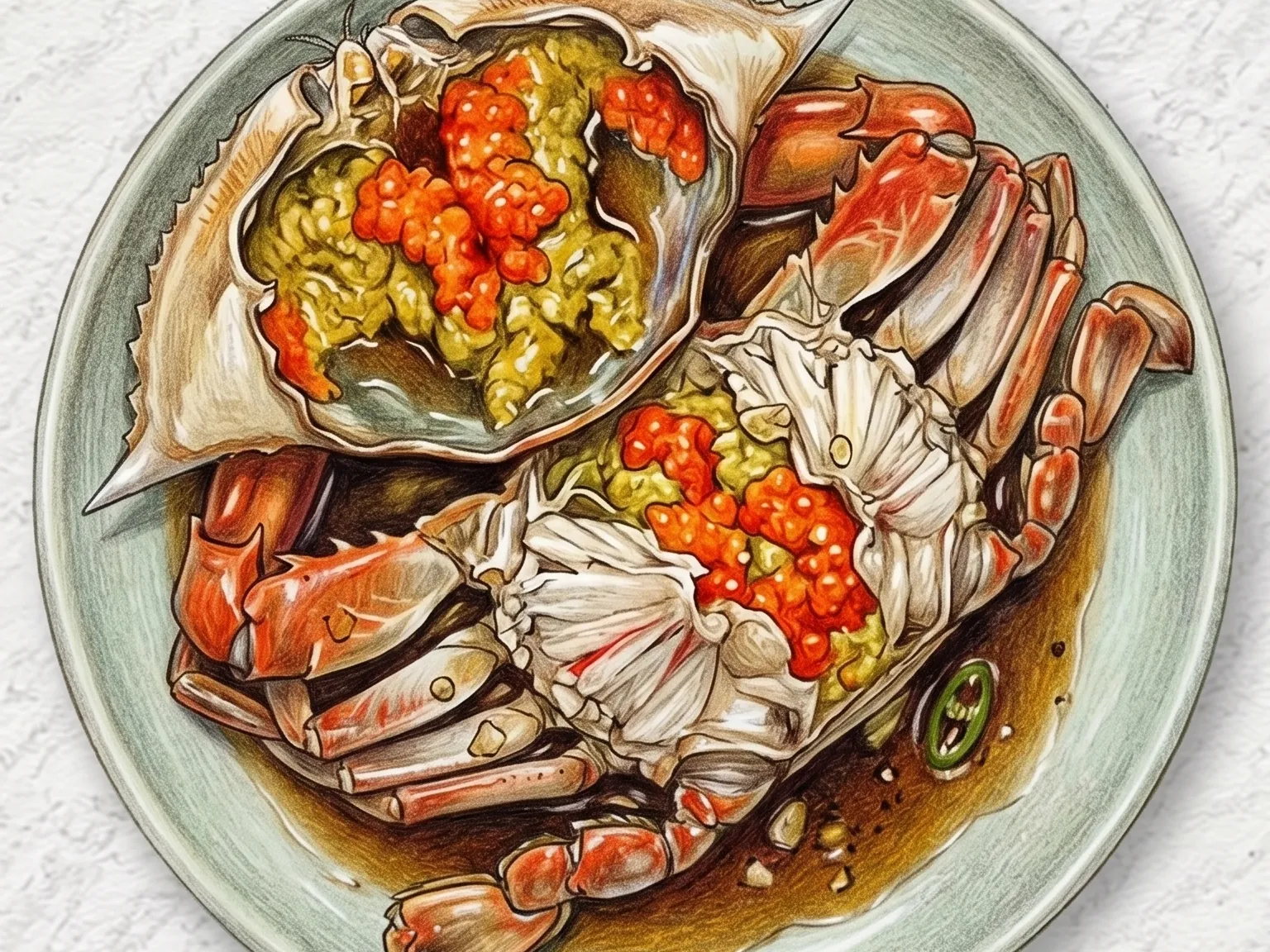
Steamed Female Blue Crab with Soy Sauce
Steamed Hard

Steamed Female Blue Crab with Soy Sauce

This dish features female blue crabs filled with roe steamed in a seasoned soy sauce mixture along with onions and ginger. Cleaning the crabs requires folding back the belly flap to scrub out the gills while keeping the top shell intact. The crabs must be placed belly-up in the pot to prevent the rich roe and tomalley from leaking out during cooking. Sliced onion and ginger are layered at the bottom of the pot to prevent the crabs from scorching and to emit a fragrant steam that eliminates fishy odors. After pouring a mixture of soy sauce, oligosaccharide, rice wine, and water over the crabs, they are steamed for fifteen to twenty minutes on medium heat. Adhering to this precise timing prevents the tender crab meat from dissolving or turning mushy. Spooning the remaining cooking liquid over the crabs yields a glossy finish, topped with thread chili before serving.

🔥 Trending Now 🎉 Special Occasion
Prep 25min Cook 20min 2 servings
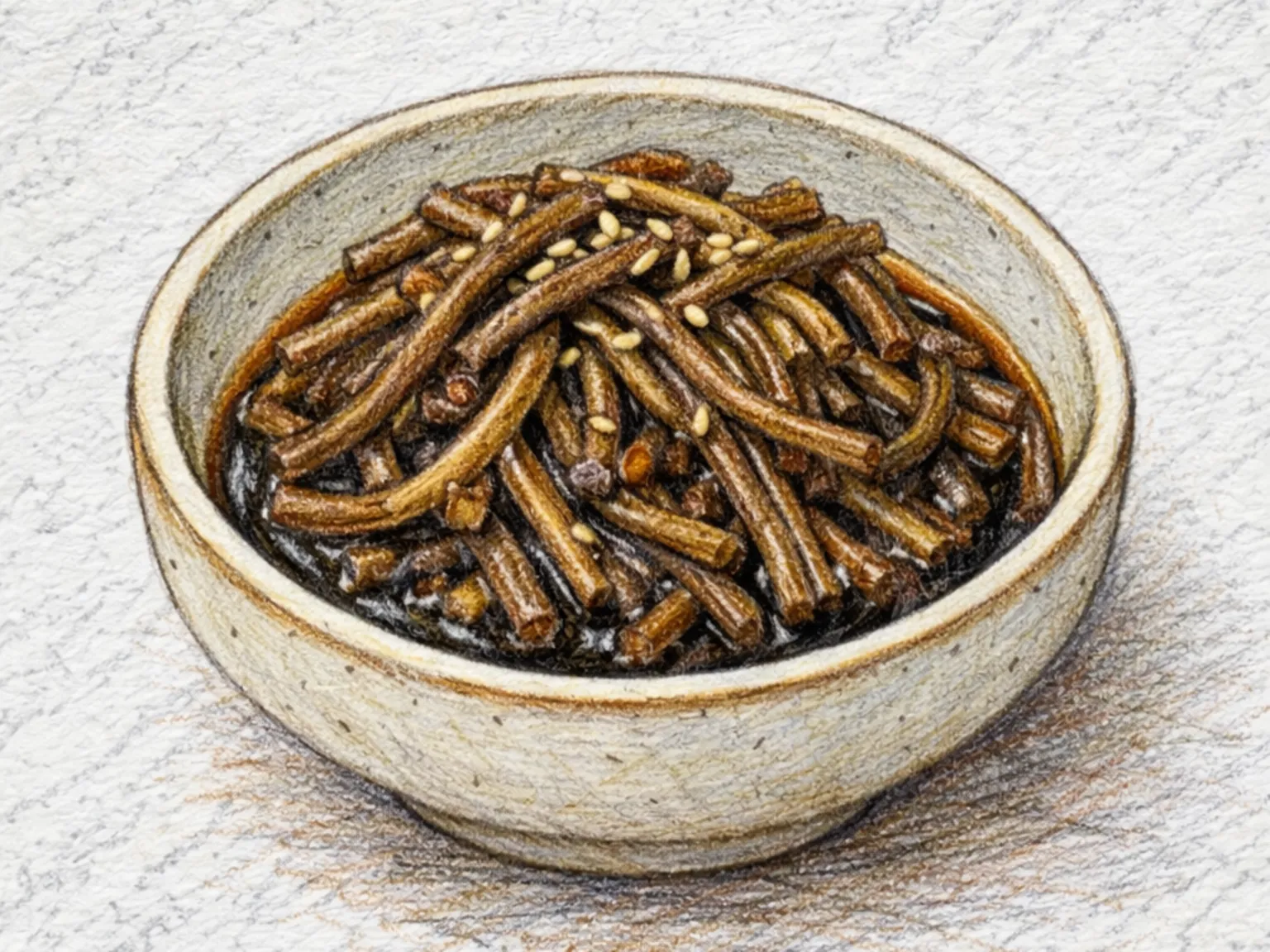
Korean Bracken Fern Pickles
Kimchi Easy

Korean Bracken Fern Pickles

Gosari jangajji is a Korean pickled bracken fern made by submerging boiled bracken stems in a brine of dark soy sauce, vinegar, sugar, and rice wine. The fern's earthy, nutty aroma weaves together with the soy umami in layers, deepening with each bite as the flavors come into focus. Though the stems are boiled until soft, the plant's natural fiber retains enough structure to give a satisfying chew, and dried chili and garlic added to the brine contribute a quiet warmth that builds gradually. Vinegar's acidity cuts through the heavier, loamy earthiness that raw bracken can carry, leaving the aftertaste clean and bright. Refrigerated, the jangajji keeps comfortably for over a week, making it a practical, ready-to-serve banchan. For anyone familiar only with gosari namul, this pickled version is a worthwhile discovery.

🏠 Everyday 🍱 Lunchbox
Prep 20min Cook 12min 4 servings
Fukumen (Konjac Noodles with Fish Soboro)
Noodles Medium

Fukumen (Konjac Noodles with Fish Soboro)

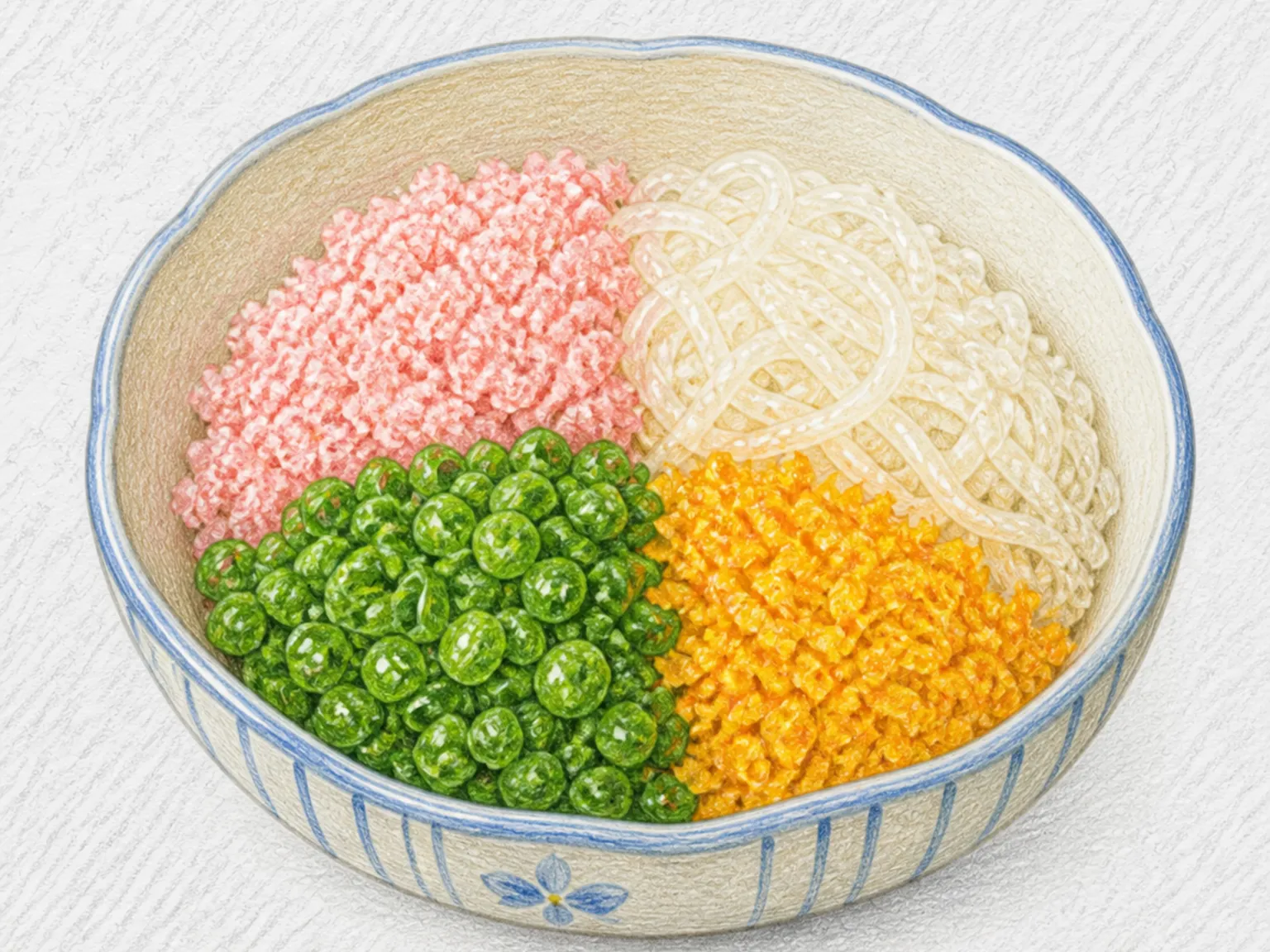
Fukumen is a ceremonial dish from Uwajima in Ehime. Shirataki noodles are dry-fried, simmered with dashi, mirin, light soy sauce, sugar, and salt, then cooled under a fluffy topping of boiled white fish cooked into sweet sake soboro. Pink-tinted fish, white konjac, green scallion, and orange mandarin peel are arranged in distinct sections for a multicolored presentation. The fish must be checked carefully for bones, and the noodles need to lose surface moisture before seasoning so the broth is absorbed rather than diluted.

🎉 Special Occasion 🥗 Light & Healthy
Prep 25min Cook 25min 4 servings
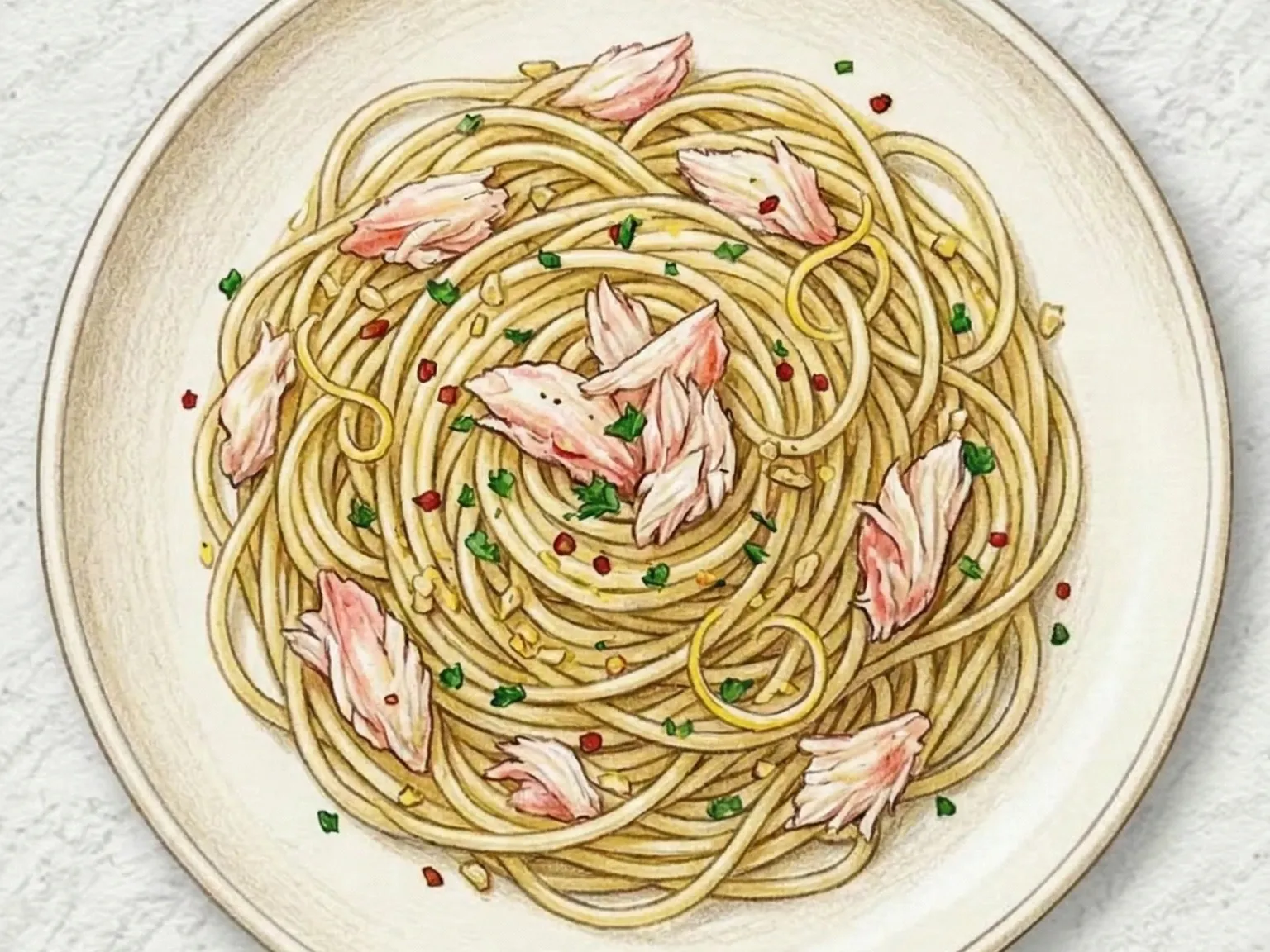
Blue Crab Lemon Garlic Pasta
Pasta Medium

Blue Crab Lemon Garlic Pasta

Blue crab lemon garlic spaghetti starts by slowly warming thinly sliced garlic in olive oil over low heat until fragrant - pale gold, not browned. Crab meat and a splash of rice wine go in next to cook off any raw marine smell before butter is added and stirred until it melts into the oil. Starchy pasta water emulsifies the fat into a thin, glossy sauce that coats each strand of spaghetti evenly without heaviness, carrying a clean, oceanic flavor throughout. Lemon zest and juice are added only after the heat is turned off - adding them while the pan is still hot drives off the volatile citrus aroma before it reaches the plate. Keeping the garlic just short of golden, pale and softened rather than browned, is what separates a clean, nutty depth from an acrid bitterness that would overpower the crab. Fresh crab meat, picked directly from a live blue crab, delivers a noticeably sweeter flavor than thawed frozen product and is worth the extra effort when in season.

🍺 Bar Snacks 🎉 Special Occasion
Prep 15min Cook 18min 2 servings
Narae (Seven-Ingredient Vinegar Salad)
Salads Medium

Narae (Seven-Ingredient Vinegar Salad)

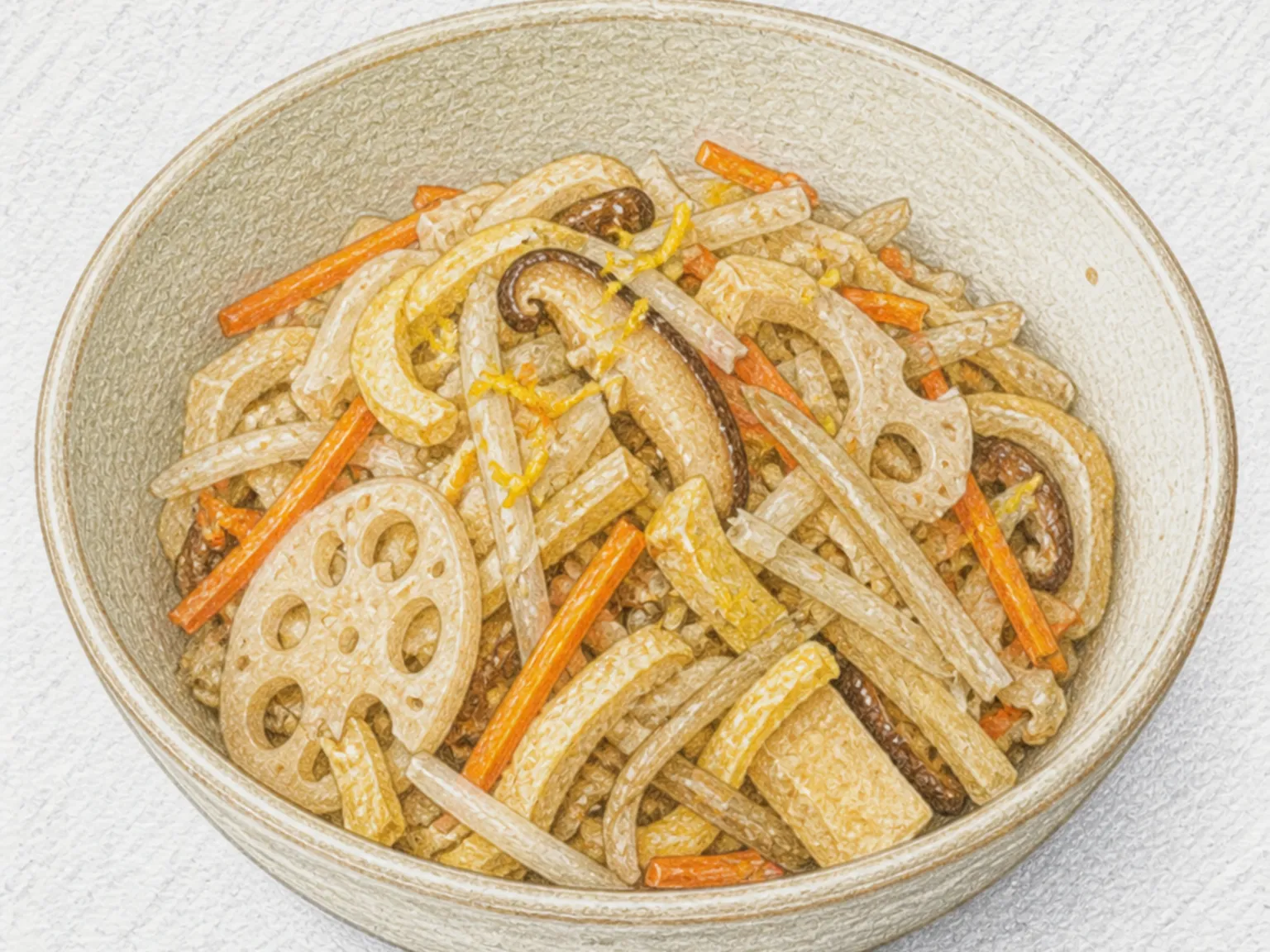
Narae is a Tokushima salad that cooks seven ingredients separately before dressing them in a sweet seasoned vinegar: daikon, carrot, dried shiitake, fried tofu, lotus root, burdock, and koya tofu. Daikon, carrot, lotus root, mushroom, and fried tofu simmer in shiitake soaking liquid; burdock is boiled on its own; and koya tofu absorbs a lightly sweet soy broth. Once all three groups are thoroughly drained, they are tossed with rice vinegar, sugar, light soy sauce, mirin, and sake and left to take on the seasoning. Sesame and yuzu peel finish a dish served at memorials and equinox observances, and now also eaten at home and in school meals.

🎉 Special Occasion 🏠 Everyday
Prep 35min Cook 25min 4 servings
Nasu Dengaku (Miso-Glazed Eggplant)
Asian Easy

Nasu Dengaku (Miso-Glazed Eggplant)

A classic Japanese dish of eggplants sliced in half, scored, pan fried, and baked with a sweet and savory miso glaze.

🏠 Everyday 🍺 Bar Snacks
Prep 10min Cook 15min 2 servings
Anko no Tomo-ae (Monkfish with Liver Miso)
Side dishes Medium

Anko no Tomo-ae (Monkfish with Liver Miso)

Anko no tomo-ae is a Soma winter dish of boiled monkfish folded into a rich dressing made from fully cooked monkfish liver, miso, and sugar. Rehydrated dried daikon and wakame absorb the liver fat and moisture released by the fish, helping the sauce cling to every piece. The final mixing is brief so the monkfish stays tender. After boiling, the fish is cooled without soaking it in water, which would wash away flavor and leave excess moisture in the dressing.

🍺 Bar Snacks 🎉 Special Occasion
Prep 25min Cook 20min 4 servings
Funa-Meshi (Okayama Minced Crucian Carp Rice Bowl)
Rice Medium

Funa-Meshi (Okayama Minced Crucian Carp Rice Bowl)

Funa-meshi is a rice bowl from southern Okayama made by loosening minced crucian carp in vegetable and sesame oils, briefly frying it with burdock, Kintoki carrot, taro, fresh shiitake, konnyaku, and fried tofu, then simmering everything in dashi seasoned with dark and light soy sauces, mirin, sake, and sugar. The hot, richly flavored soup is ladled generously over rice and finished with sliced onion and torn nori. Cooking the mince gently until pale before adding the vegetables reduces the freshwater aroma and keeps it granular. The dish grew alongside reclamation around Kojima Bay, where rice fields, canals, rivers, and Kojima Lake supported plentiful crucian carp. It was also called tontoko-jiru or tontoko-meshi after the rhythmic chopping sound made when winter fish were minced on a board.

🏠 Everyday
Prep 25min Cook 30min 4 servings
Korean Garlic Chive & Clam Stir-fry
Stir-fry Medium

Korean Garlic Chive & Clam Stir-fry

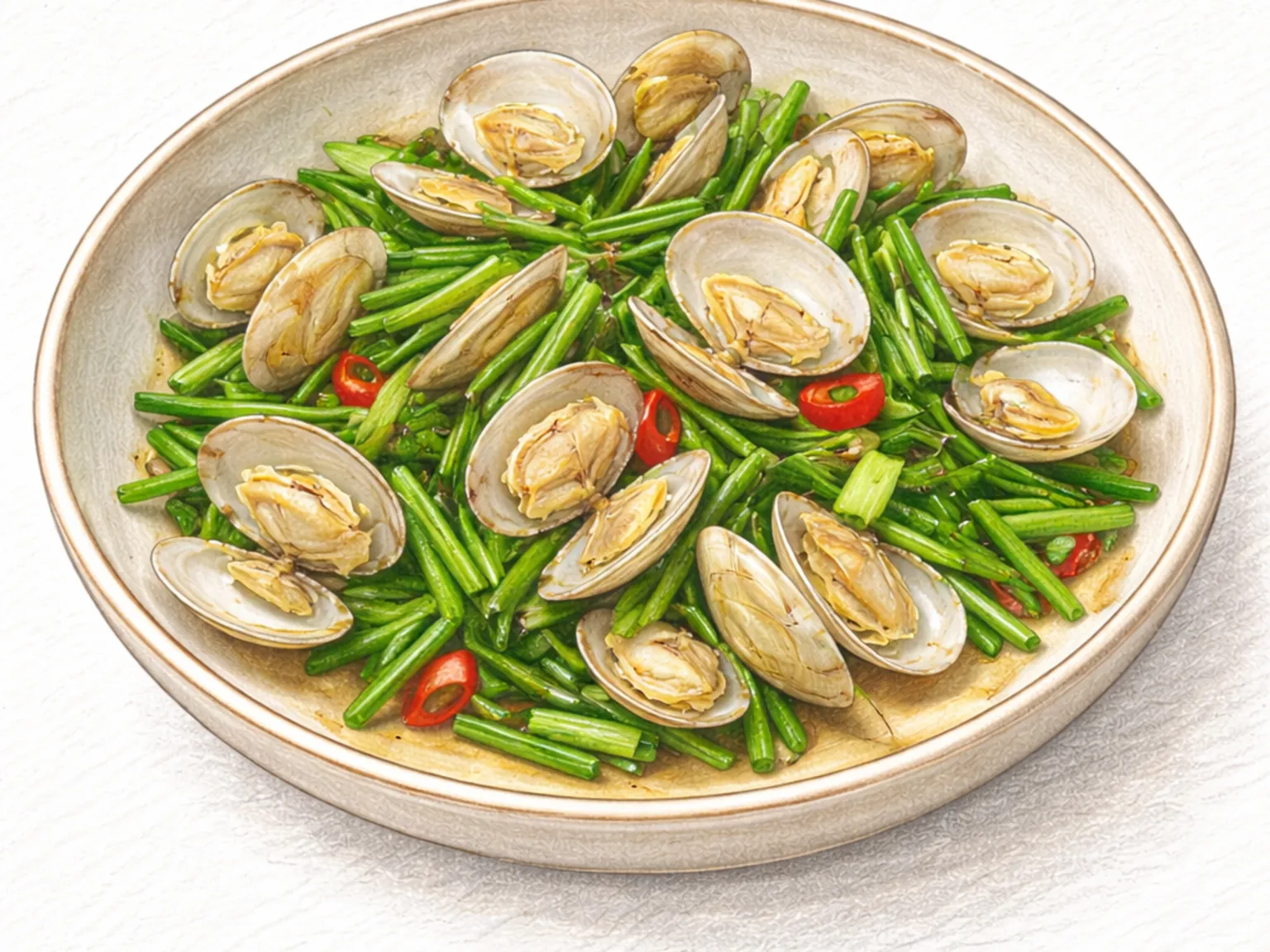
Clams purged in salt water are steamed with rice wine until their shells open, then stir-fried with garlic chives, soy sauce, and oyster sauce. Rice wine strips away briny off-notes while amplifying the clean oceanic umami, and the liquid the clams release as they open provides a built-in sauce that needs no extra seasoning. Garlic chives go in during the last 40 seconds only; longer exposure to heat wilts them into a stringy mass and disperses their aroma. Sliced red chili contributes more visual contrast than actual heat, and a final drizzle of sesame oil rounds out the overall character. Any clam that fails to open after steaming should be discarded. The dish suits both a drinking table alongside soju and a dinner spread as a protein-rich rice side.

🍺 Bar Snacks 🏠 Everyday
Prep 18min Cook 9min 2 servings
Korean Crispy Fried Chicken Skin
Street food Easy

Korean Crispy Fried Chicken Skin

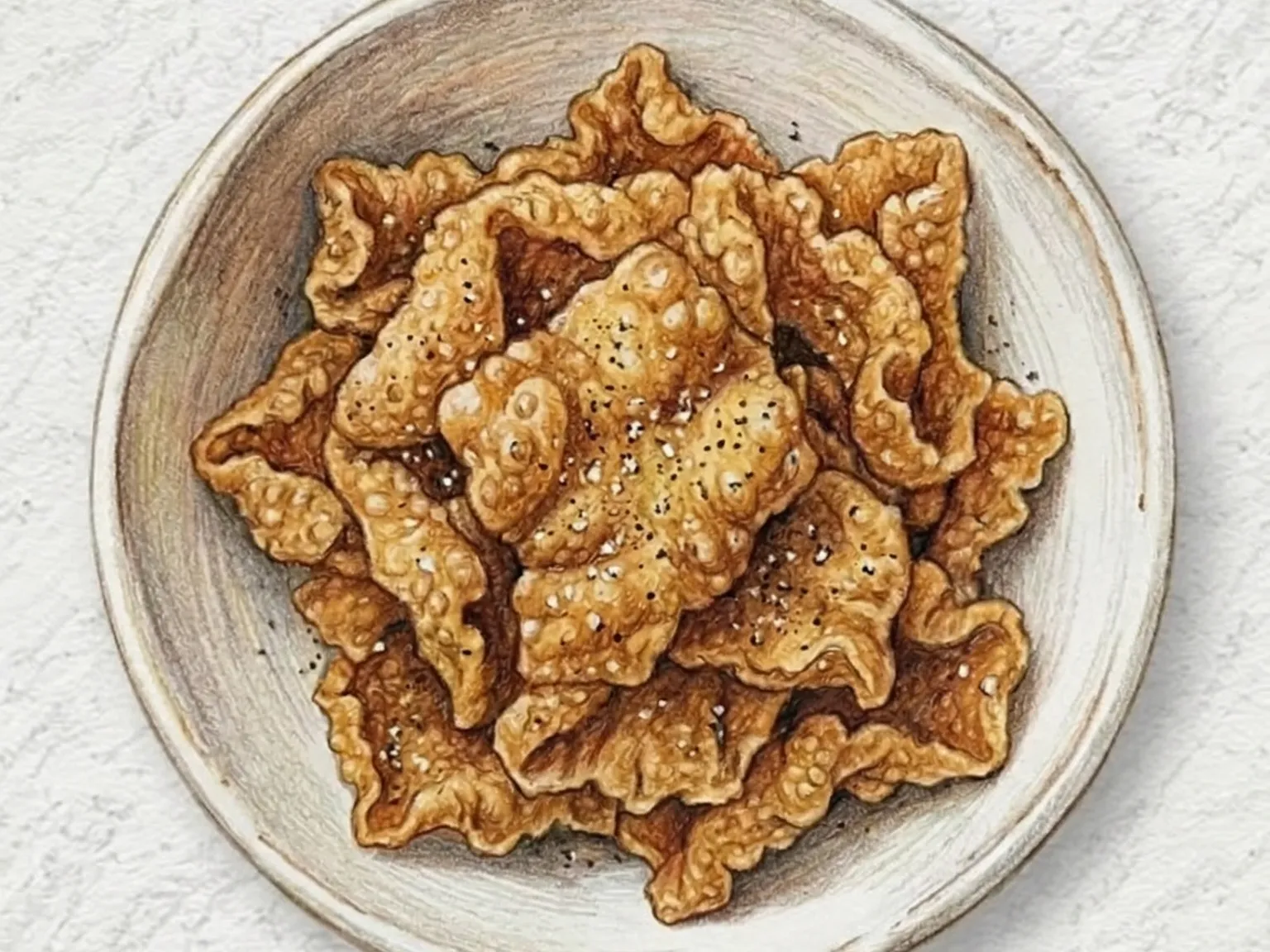
Dak-kkopjil-twigim starts with chicken skin seasoned with salt and black pepper, coated in starch, and fried twice in hot oil. The first fry drives out moisture from the skin, and the second at higher temperature traps air inside, puffing the surface into a cracker-like texture with visible bubbles locked throughout. The rendered fat from the skin produces a deep, concentrated savoriness that salt alone can bring to full expression. Black pepper and garlic powder sprinkled over the top cut through the richness and keep each piece from feeling heavy. Straightforward to prepare and endlessly snackable, this is a dependable bar food and everyday appetizer in Korean households.

🍺 Bar Snacks 🏠 Everyday
Prep 20min Cook 18min 2 servings
Honey Ginger Pastry (Korean Deep-Fried Layered Wheat Honey Cookie)
Desserts Hard

Honey Ginger Pastry (Korean Deep-Fried Layered Wheat Honey Cookie)

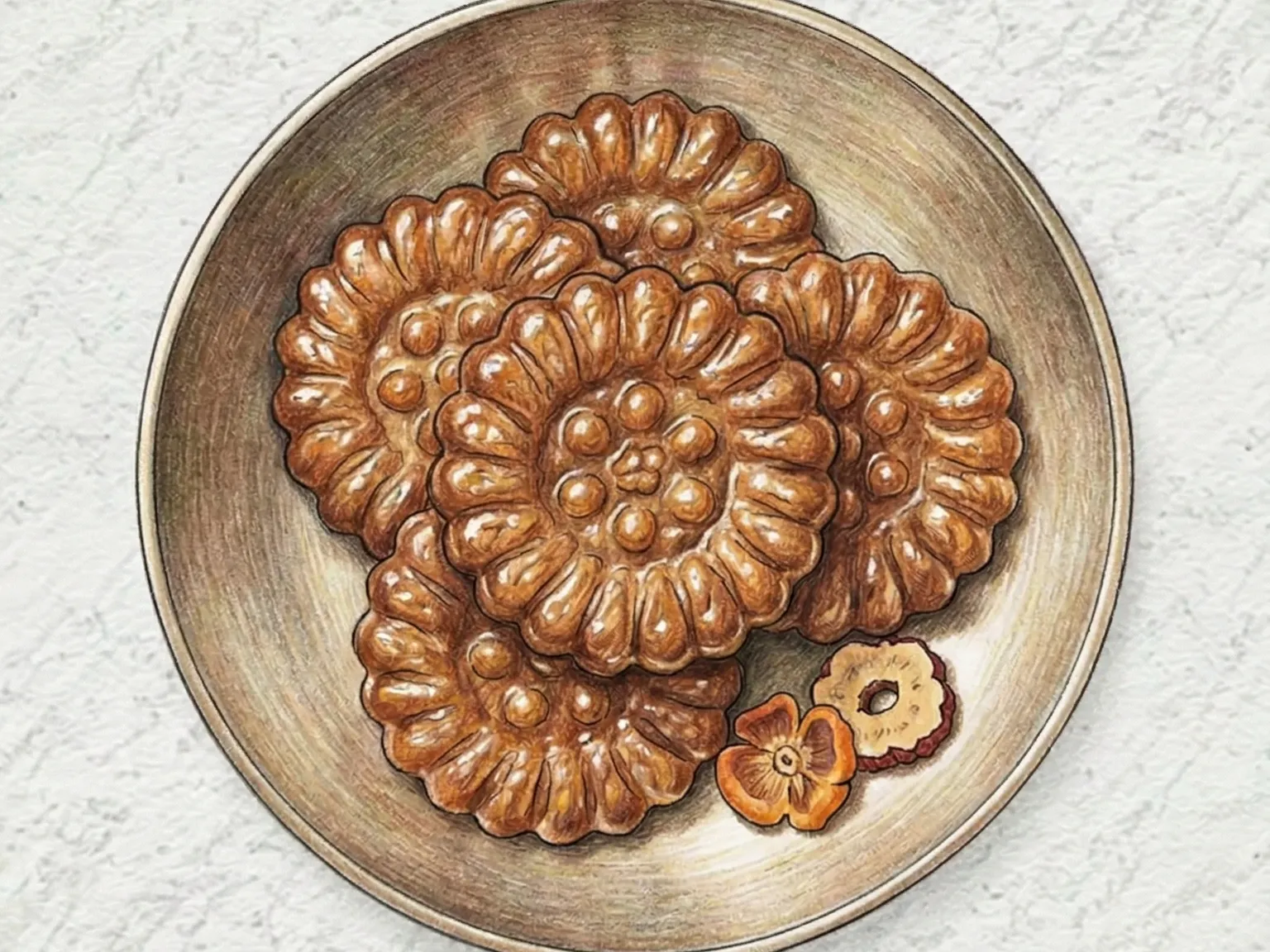
Yakgwa is a traditional Korean honey pastry made from wheat flour rubbed with sesame oil, then mixed with rice wine, ginger juice, and rice syrup, folded and rolled repeatedly to build up laminated layers before frying. A two-stage frying method is essential to the texture: first at 140 degrees Celsius to cook the dough through slowly without coloring, then briefly at 170 degrees to develop a golden, crisp exterior over a layered, flaking interior. Soaking the fried pastries in a warm syrup of honey, water, and ground cinnamon for at least two hours allows the sweetness to penetrate deep between the laminated layers, saturating each piece with moist, fragrant honey flavor from edge to center. Ginger juice surfaces gently in the finish, providing just enough warmth to temper the concentrated sweetness and keep the flavor from feeling cloying. The sesame oil rubbed into the dough from the start adds a persistent nutty backbone that ties together the honey, spice, and wheat flavors into the complex, layered profile that defines well-made yakgwa. Pine nuts or jujubes placed as garnish add visual elegance, and the pastry pairs particularly well with Korean teas, where its sweetness finds proper balance.

🎉 Special Occasion 🧒 Kid-Friendly
Prep 35min Cook 30min 4 servings
Salt-Grilled Dokdo Shrimp
Grilled Easy

Salt-Grilled Dokdo Shrimp

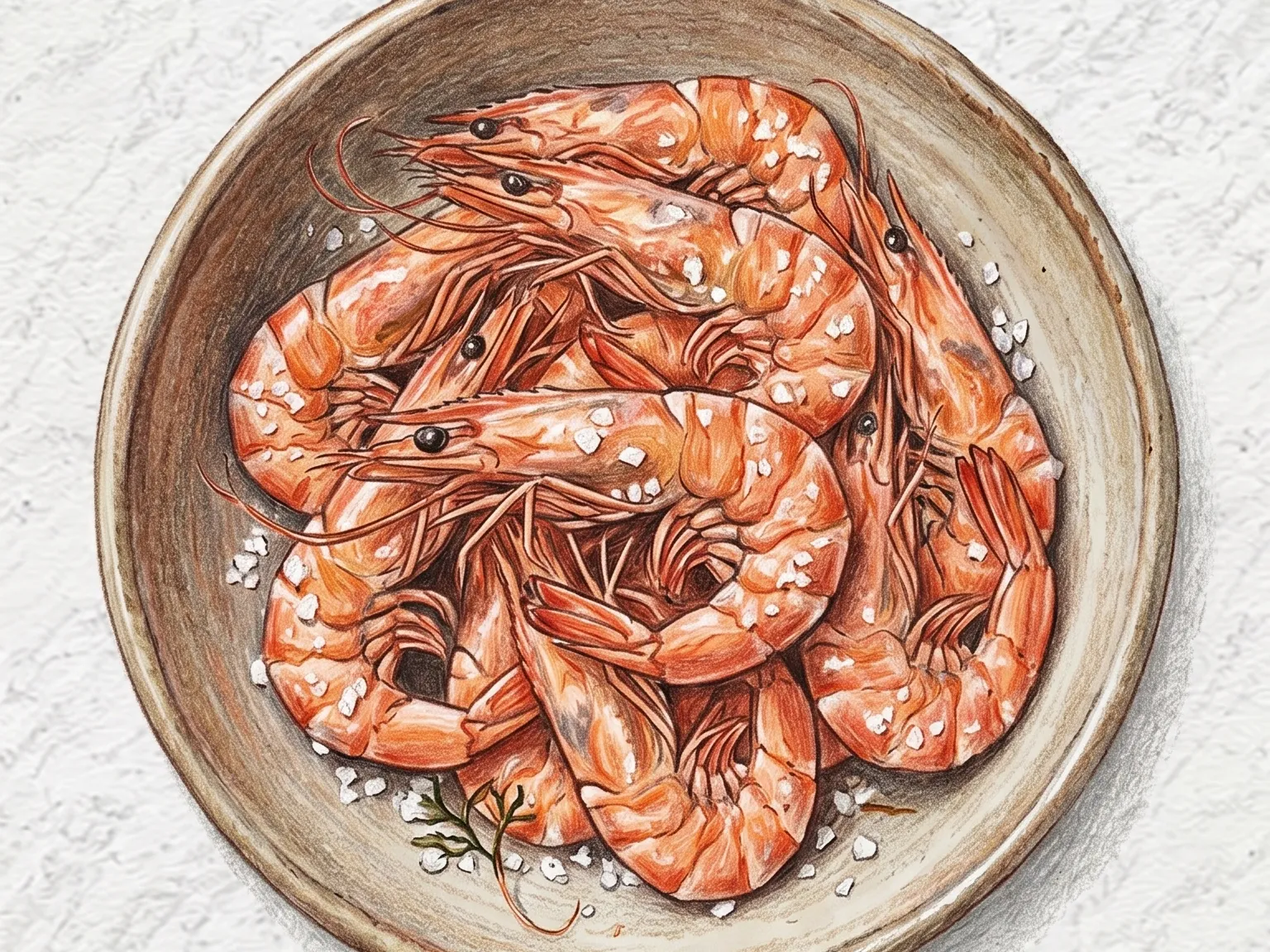
This dish features salt-grilled Dokdo shrimp, selecting flower or chicken shrimp caught near Dokdo island to highlight their natural flavor. The shrimp are rinsed, treated with rice wine to eliminate odor, and trimmed of long antennae while keeping the heads intact to preserve the rich umami flavor of the liver. A layer of coarse salt is spread over parchment paper in a pan and heated to distribute warmth evenly. The shrimp are arranged on the salt bed and cooked covered to trap moisture, preventing the flesh from drying. Once the shells turn bright red, they are turned and cooked briefly to ensure the meat remains tender instead of becoming tough. Squeezed lemon juice is applied before serving. The separated shrimp heads can be saved and stir-fried with butter to create an additional savory side dish.

🔥 Trending Now ⚡ Quick
Prep 15min Cook 10min 2 servings
Korean Clam and Water Parsley Soup
Soups Medium

Korean Clam and Water Parsley Soup

Bajirak minari tang is a clear Korean soup that pairs the marine umami of manila clams with the distinctive herbaceous character of minari, the water parsley native to Korean marshes and riverbanks. Starting the clams in cold water and raising the heat gradually is essential for this soup: the slow temperature increase coaxes maximum flavor from the shells into the liquid rather than seizing them shut before their juices release. Once the clams open, a splash of rice wine goes in to drive off any trace of fishiness, and the broth is seasoned simply with soup soy sauce and minced garlic, keeping the profile clean and uncluttered. Minari demands a two-stage addition that is non-negotiable: the thicker stems go into the pot three minutes before the soup is done to soften slightly while retaining their satisfying crunch, and the more delicate leaves enter in the final minute just before heat is turned off to preserve their vivid green color and the sharp, grassy fragrance that makes minari unmistakable. Adding the leaves any earlier causes them to lose that fragrance entirely and yellow to a dull, unappetizing shade, making this timing the single most important technique in the recipe. Diagonally sliced red chili floating in the clear liquid adds visual brightness to the pale broth without altering its flavor significantly. The interplay between the clams' salty, oceanic depth and minari's cool, herbal distinctiveness is a study in contrast: each component amplifies the other, and together they build a broth of surprising complexity and depth without any anchovy, kelp, or prepared stock of any kind.

🏠 Everyday 🥗 Light & Healthy
Prep 25min Cook 15min 4 servings
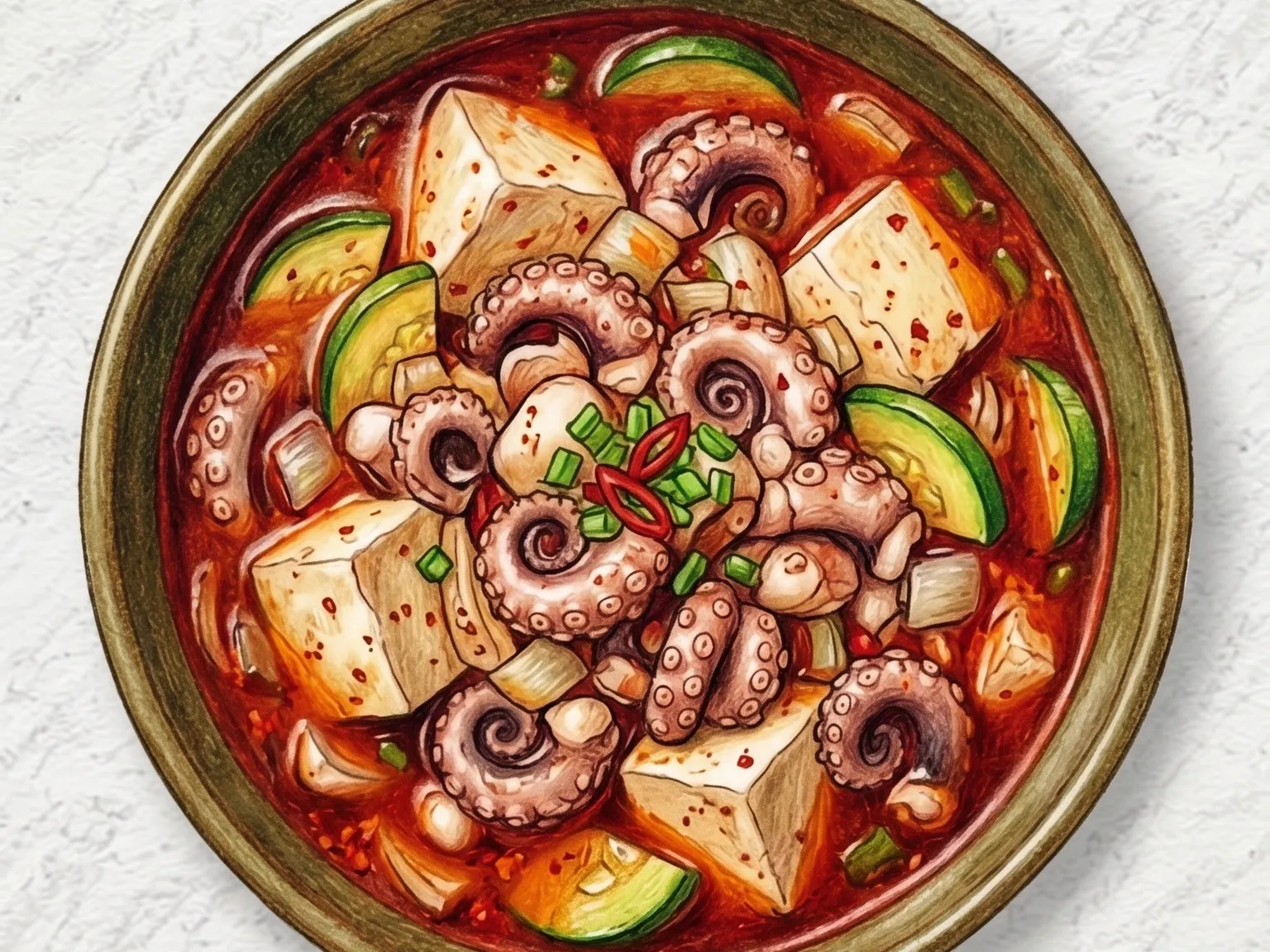
Korean Webfoot Octopus Tofu Stew
Stews Medium

Korean Webfoot Octopus Tofu Stew

Jjukkumi dubu jjigae is a Korean stew of webfoot octopus and soft tofu cooked in a gochugaru-seasoned anchovy broth. A full 450 grams of jjukkumi goes into the pot, providing a bouncy, chewy texture in every spoonful. The tofu absorbs the spicy broth as it cooks, creating a soft counterpoint to the firm octopus, and the contrast between the two textures is a central part of the dish. Rice wine added early in the cooking process neutralizes any fishiness from the seafood, keeping the broth clean-tasting rather than pungent. Soup soy sauce deepens the umami base without darkening the broth too heavily, and gochugaru provides the heat. Zucchini and onion contribute natural sweetness that rounds out the broth and prevents the salt from the seafood from feeling sharp or one-dimensional. Jjukkumi becomes rubbery if overcooked, so removing the pot from heat three to four minutes after it comes back to a boil is the key step for keeping the octopus tender and springy rather than tough.

🏠 Everyday 🍺 Bar Snacks
Prep 18min Cook 22min 4 servings
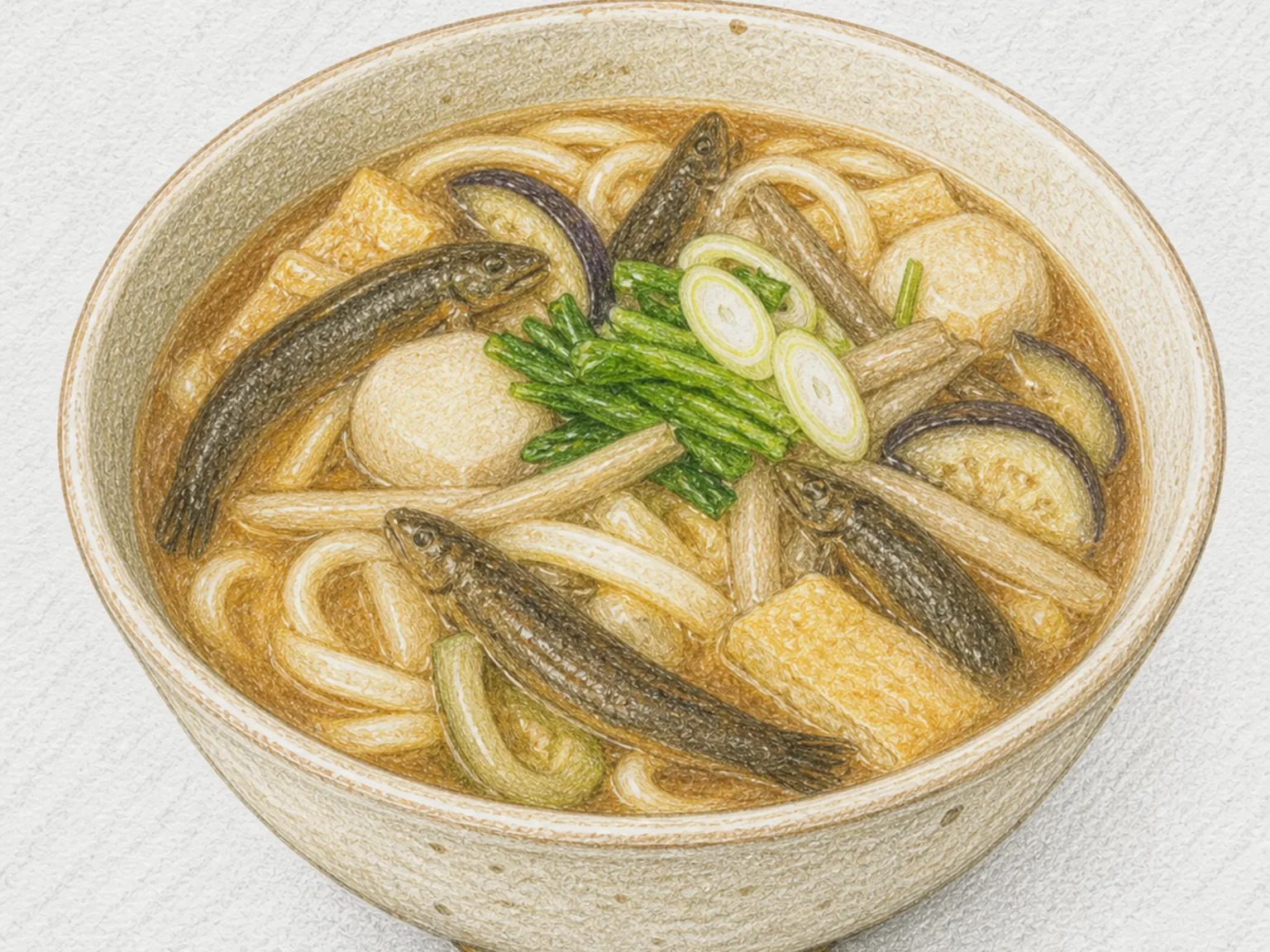
Amago Trout Kanroni
Steamed Hard

Amago Trout Kanroni

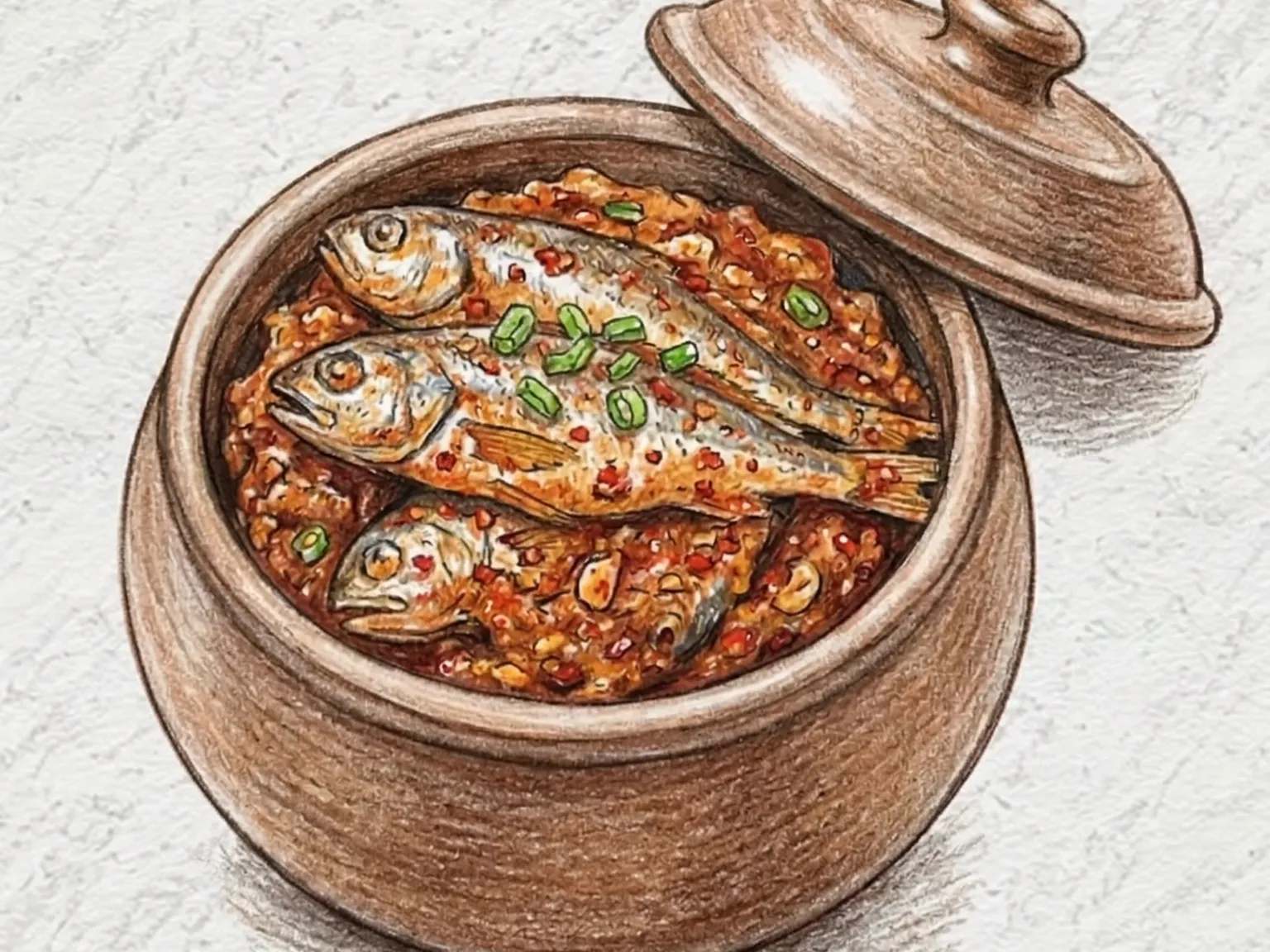
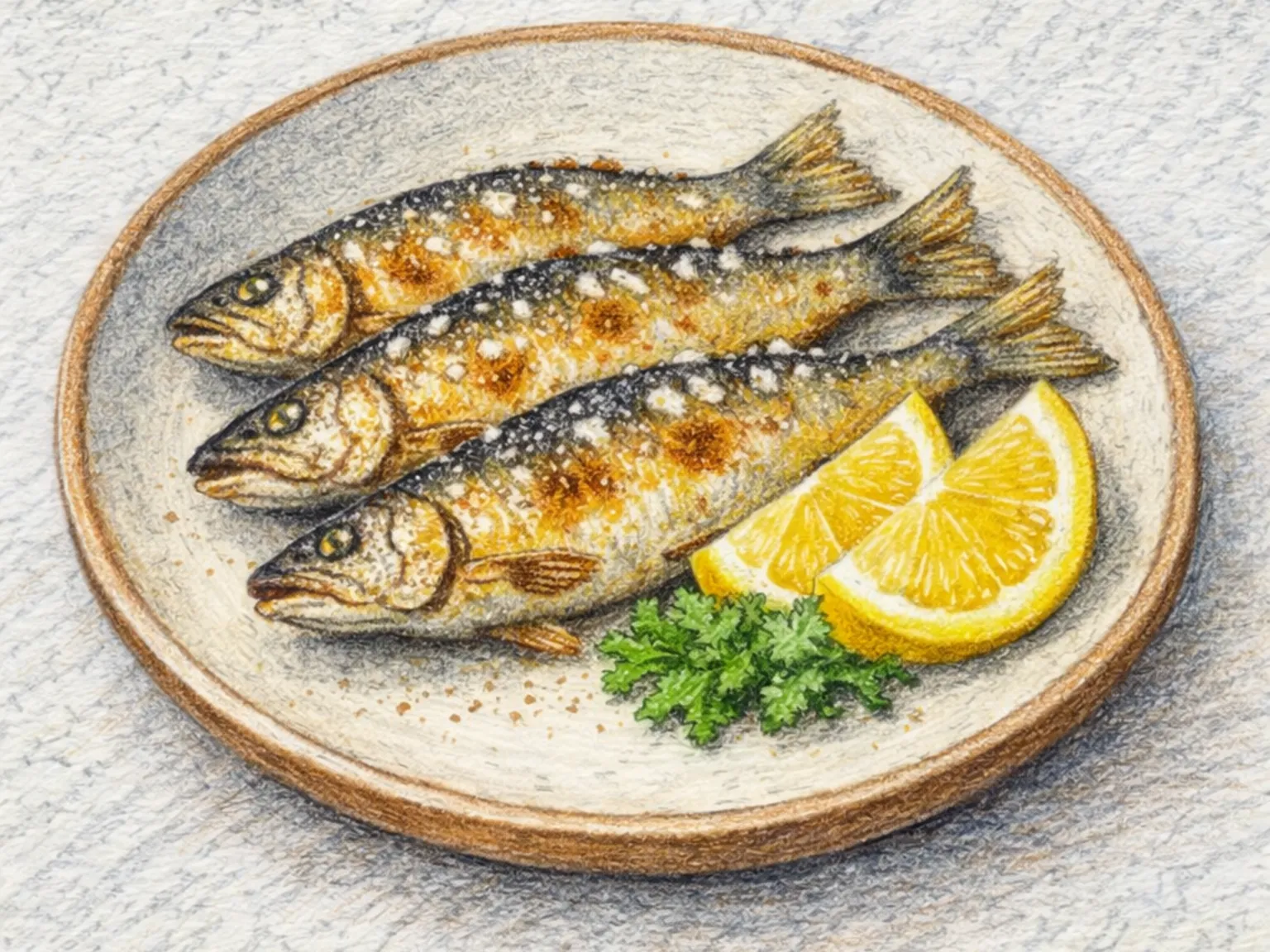
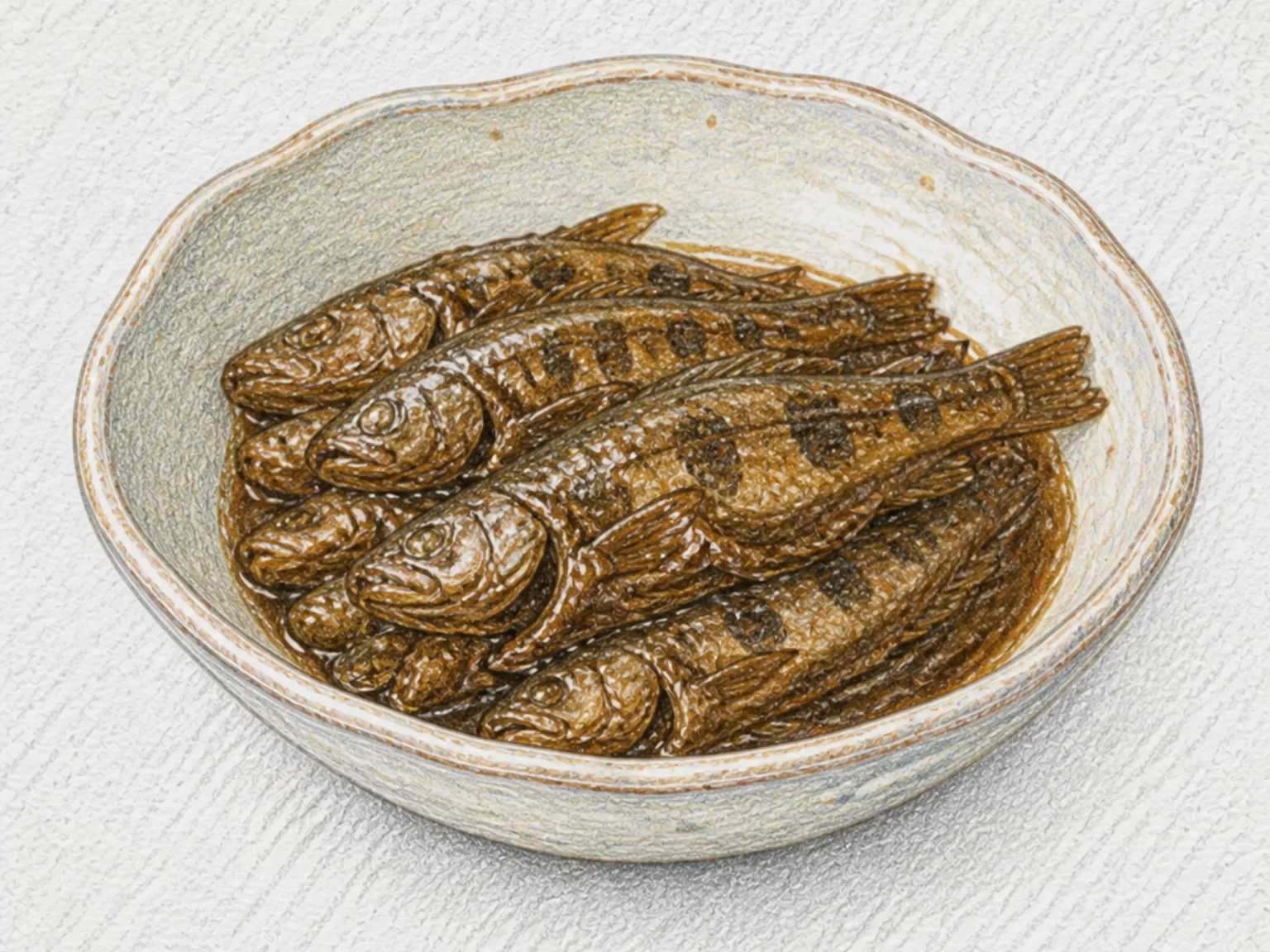
This river-fish kanroni is a Nara simmered dish from Yoshino and Uda, grilling freshwater fish first and then slowly glazing it with roasted green tea, soy sauce, mirin, sake, and sugar until even the fine bones soften. This salmon-family trout is relatively mild for a river fish, while hojicha softens any lingering aroma. Raw freshwater fish can carry parasites and environmental contaminants. Never use self-caught fish; obtain dressed cooking-grade farmed amago from a licensed supplier, separate raw-fish equipment, grill to a 70°C center first, and then simmer thoroughly for about two hours.

🎉 Special Occasion 🏠 Everyday
Prep 30min Cook 150min 4 servings