Recipes with mirin

109 recipes. Page 2 of 5

Buy mirin
Matsumae-zuke Dried Squid and Kombu Pickle
Kimchi Medium

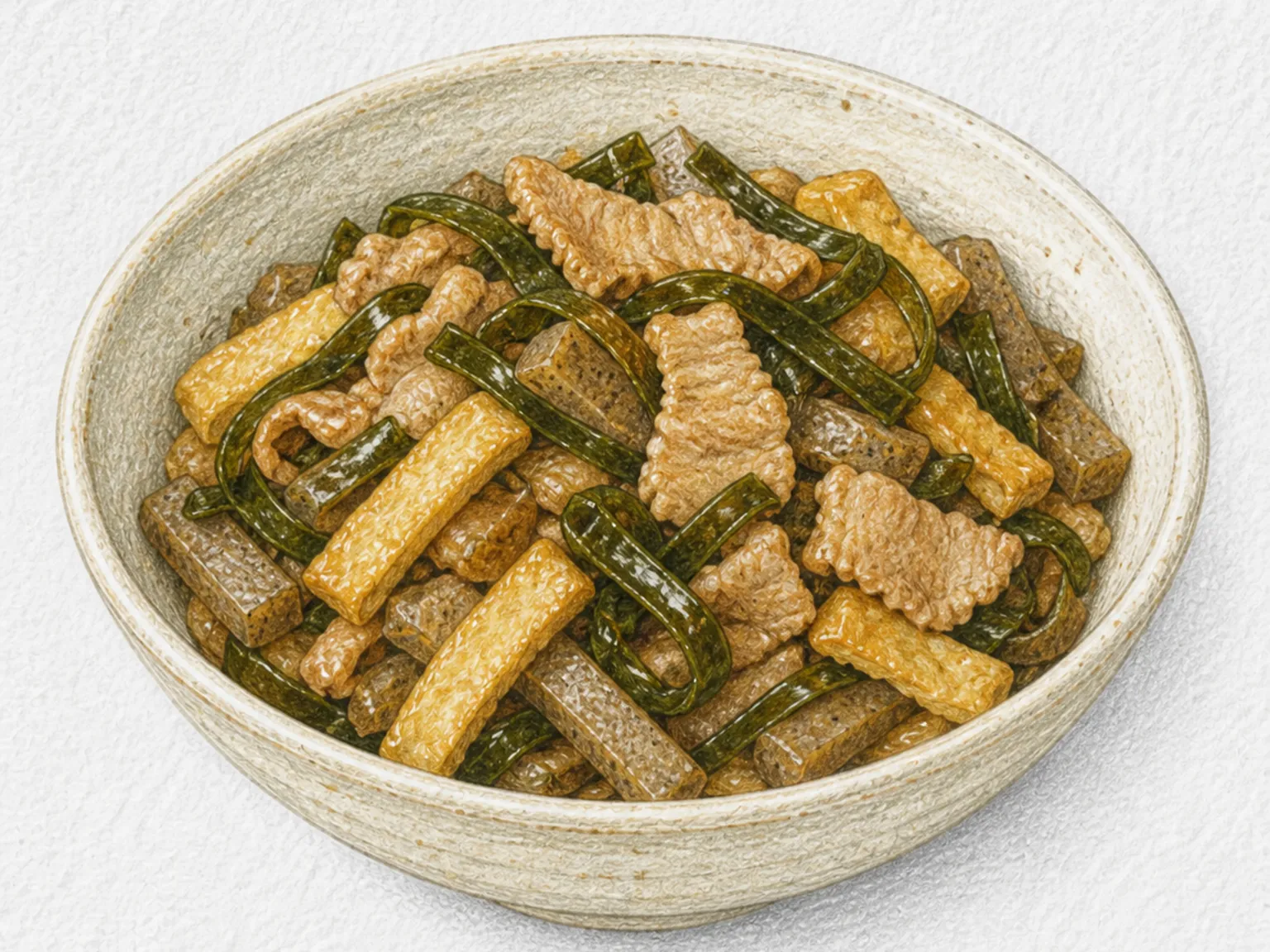
Matsumae-zuke Dried Squid and Kombu Pickle

Matsumae-zuke is a southern Hokkaido preserve of finely shredded dried squid, kombu, and salted herring roe cured in soy sauce, sake, and mirin until the kombu releases its characteristic viscosity. It is said to have begun in the Matsumae domain with local seafood. During the great herring fisheries, plentiful roe was used generously; as roe later became expensive, squid and kombu took a larger role. It remains a winter and New Year staple. To handle the traditional week-long cure conservatively at home, this version uses commercial ready-to-eat dried seafood and prepared salted roe, boils and rapidly chills the seasoning, packs it in sanitized equipment, and keeps it continuously at 4°C or colder.

🍺 Bar Snacks 🎉 Special Occasion
Prep 60min Cook 5min 4 servings
Fukumen (Konjac Noodles with Fish Soboro)
Noodles Medium

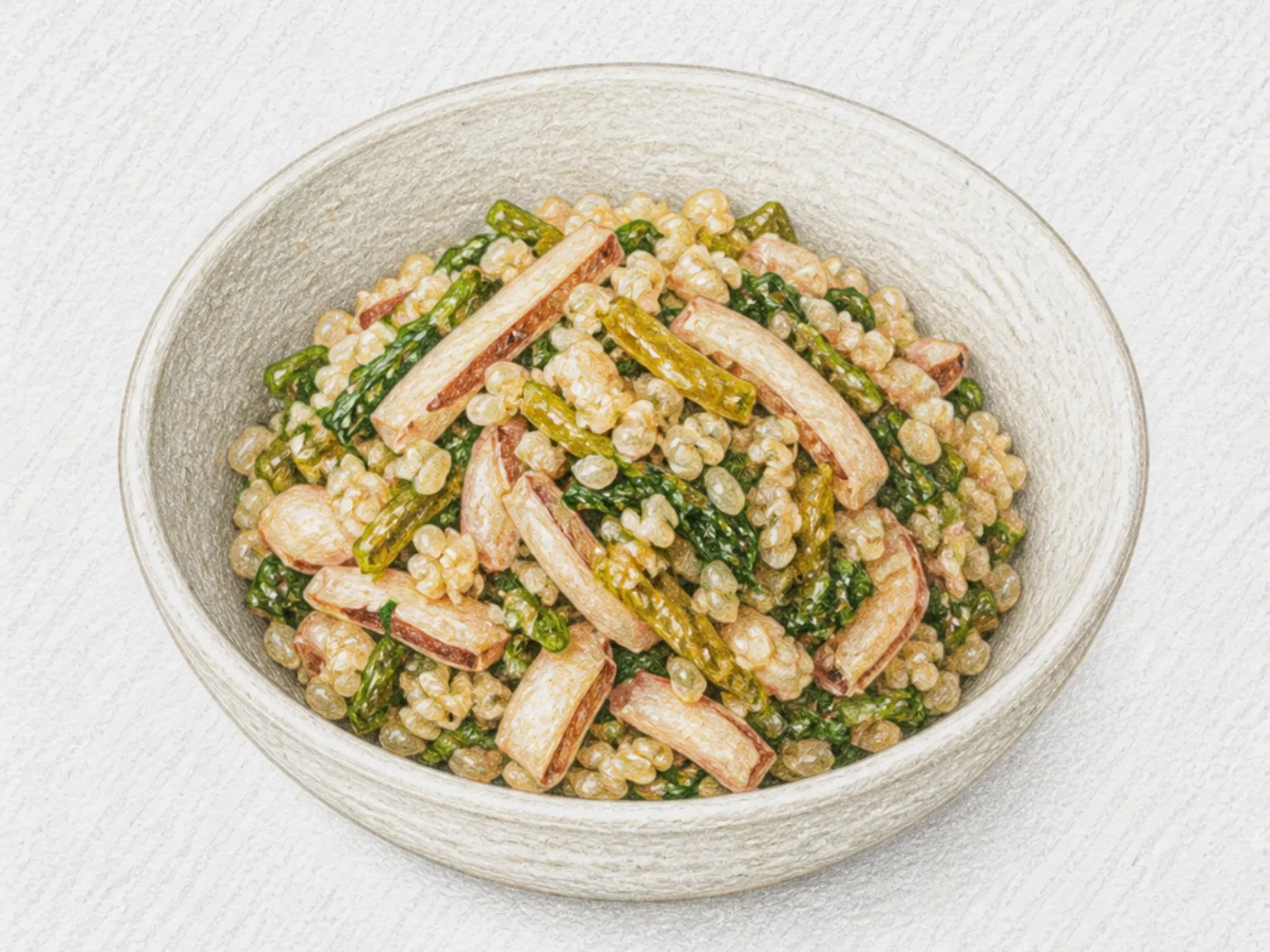
Fukumen (Konjac Noodles with Fish Soboro)

Fukumen is a ceremonial dish from Uwajima in Ehime. Shirataki noodles are dry-fried, simmered with dashi, mirin, light soy sauce, sugar, and salt, then cooled under a fluffy topping of boiled white fish cooked into sweet sake soboro. Pink-tinted fish, white konjac, green scallion, and orange mandarin peel are arranged in distinct sections for a multicolored presentation. The fish must be checked carefully for bones, and the noodles need to lose surface moisture before seasoning so the broth is absorbed rather than diluted.

🎉 Special Occasion 🥗 Light & Healthy
Prep 25min Cook 25min 4 servings
Kishizu (Kuzukiri and Vegetables with Sesame Miso)
Salads Medium

Kishizu (Kuzukiri and Vegetables with Sesame Miso)

Kishizu is a Buddhist vegetarian dish served around Kaga City in Ishikawa Prefecture at funerals, memorial services, and Hoonko observances. Kuzukiri, salted wakame, sudare-fu, konnyaku, carrot, udo, and cucumber are prepared separately and cut into long, narrow shapes before being arranged by color as a substitute for sashimi. The konnyaku is scored and lightly cooked with sake and light soy sauce without darkening it. The wakame and wheat gluten are briefly blanched, while the kuzukiri is boiled and cooled. For the sauce, white sesame is ground until it releases oil, then combined with white miso, boiled mirin and sake, sugar, salt, dashi, vinegar, and poppy seeds. A small sauce bowl is placed in the center of the platter so each crisp, soft, or slippery ingredient can be dipped individually, though the sauce may also be mixed through before serving.

🎉 Special Occasion
Prep 40min Cook 20min 2 servings
Japanese Beef Bowl (Gyudon)
Asian Easy

Japanese Beef Bowl (Gyudon)

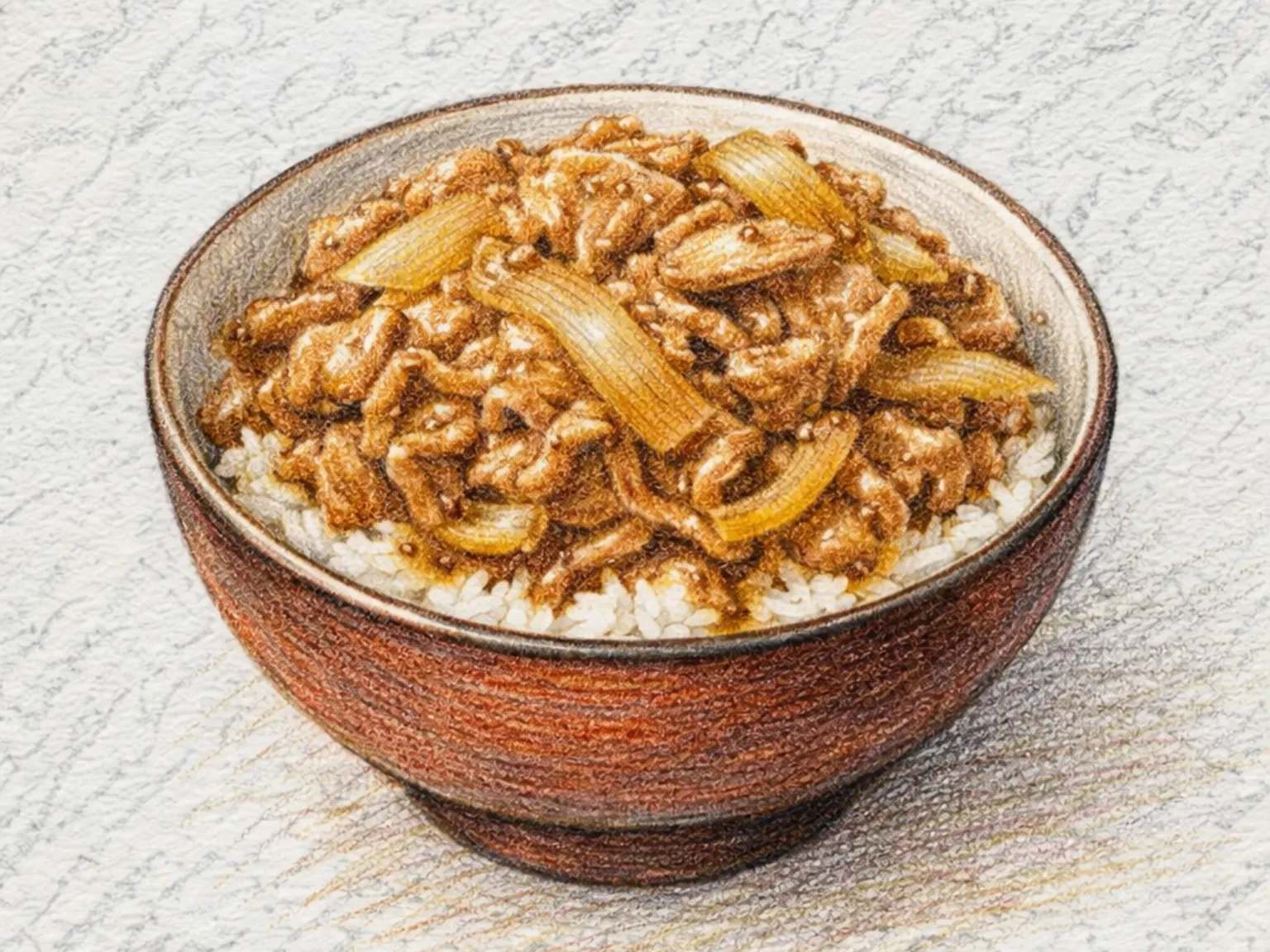
Gyudon starts with paper-thin slices of beef and thinly cut onion simmered together in a broth of soy sauce, mirin, sugar, and grated ginger. The key is keeping the heat at medium rather than high, which prevents the beef from toughening and allows the onion to break down gently, releasing sweetness into the sauce. As the liquid reduces to a glossy, concentrated state, the flavors intensify into a layered combination of salty, sweet, and faintly sharp ginger notes. A one-minute rest off the heat lets the beef absorb more of the seasoned broth before it goes over the rice. The dish differs from stir-fried beef bowls in that the meat is never seared; instead it poaches in the simmering liquid, staying notably soft. A runny egg on top is traditional and adds richness when the yolk breaks into the sauce.

🏠 Everyday ⚡ Quick
Prep 10min Cook 15min 2 servings
Ei no Nikogori Chilled Simmered Ray
Side dishes Medium

Ei no Nikogori Chilled Simmered Ray

Ei no nikogori is a Katsuragi specialty from Nara that sweet-salty simmers fresh red stingray with ginger, sake, mirin, sugar, and soy sauce, then chills the fish in its liquid until the broth sets like jelly. Although inland, Nara received seafood landed in Osaka quickly along the Takenouchi road. Ray was especially useful because its abundant collagen firms the cooled braising liquid without added gelatin. The fish is cut into six-centimeter pieces, soaked well in cold water to moderate its odor, and dried. The seasonings are boiled first, and the ray cooks in the liquid until opaque and tender. Fish and strained broth are arranged together in a shallow container, cooled promptly rather than left at room temperature, and refrigerated until firm enough to slice. Ray with an ammonia odor indicates deterioration and must not be cooked or eaten.

🎉 Special Occasion 🍺 Bar Snacks
Prep 50min Cook 25min 3 servings
Gonjuu (Pork Belly and Fried Tofu Rice Ball)
Rice Medium

Gonjuu (Pork Belly and Fried Tofu Rice Ball)

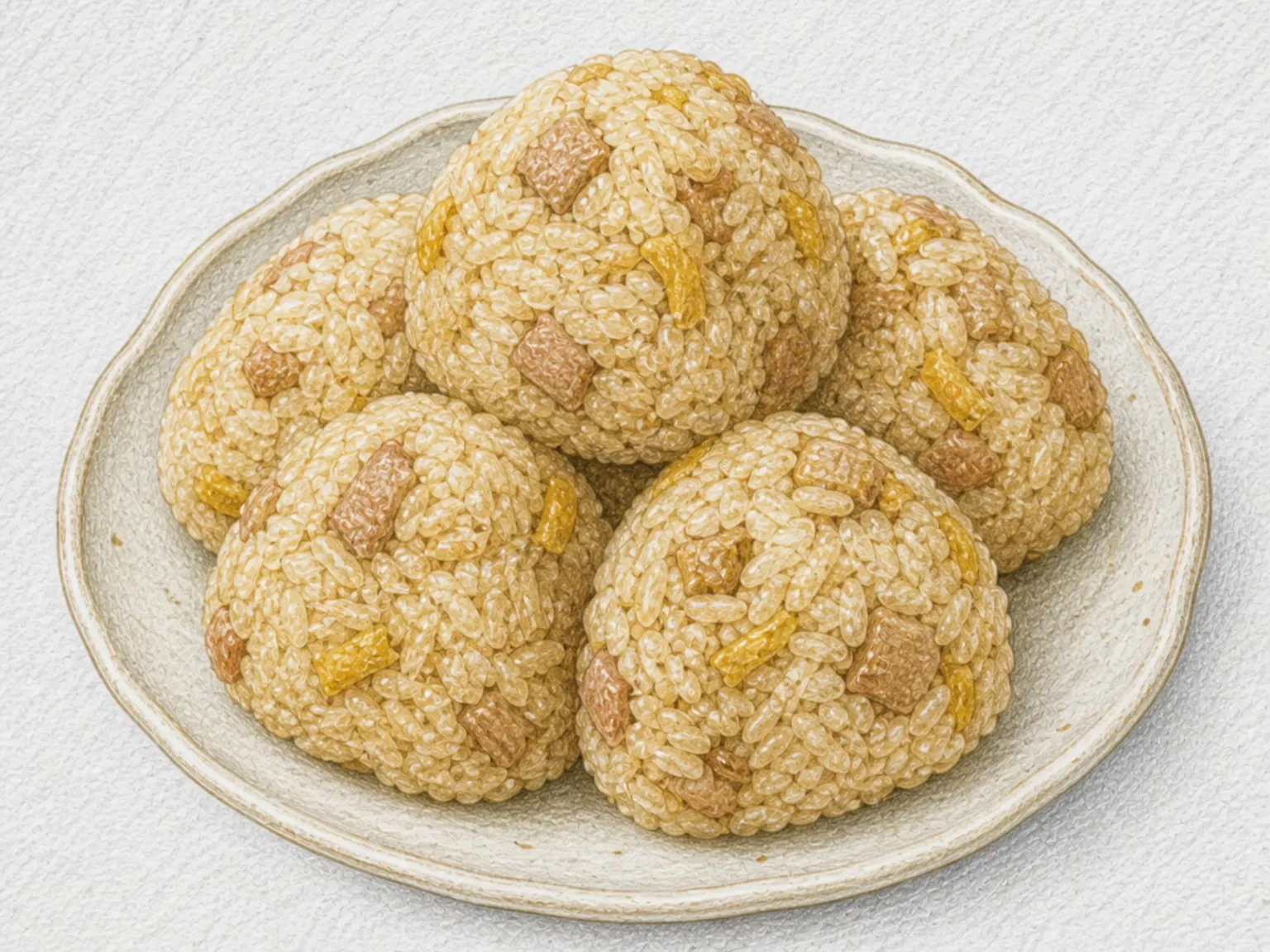
Gonjuu is a large rice ball long eaten in Tateyama City, Chiba Prefecture. Five cups of rice are cooked while pork belly is cut into 1 cm cubes and fried tofu is trimmed and chopped. Two-thirds of lightly toasted, crumbled bonito flakes are simmered with the pork, tofu, sugar, soy sauce, sake, and water. Mirin is added at the end, after the pork is fully cooked and the sweet savory liquid has soaked into the pieces. The hot rice is spread in a wide mixing tub and combined evenly with the cooked filling and its reduced liquid. The reserved bonito flakes are mixed through last, and the batch is shaped firmly into twenty generous rice balls. Their one-handed form reflects how gonjuu has been served to mikoshi carriers at Tateyama's autumn Yawatanmachi festival, though it is also eaten at home throughout the year.

🏠 Everyday 🍱 Lunchbox
Prep 30min Cook 50min 20 servings
Chicken Chicken Gobo (Glazed Chicken and Burdock)
Stir-fry Medium

Chicken Chicken Gobo (Glazed Chicken and Burdock)

Chicken chicken gobo is a Yamaguchi dish of bite-size chicken thigh and thin burdock slices coated with potato starch, fried separately, and briefly glazed in a sweet-savory soy sauce with edamame. It began around 1995 after an elementary-school nutrition teacher invited families to submit dishes that could refresh the lunch menu. From school cafeterias it spread into homes, restaurants, and local events. Frying chicken and burdock in separate batches gives each ingredient the time it needs, while a short final toss coats the crisp surfaces without soaking them. The rhythmic name also makes its main ingredients immediately clear to children.

🏠 Everyday 🍱 Lunchbox
Prep 20min Cook 25min 4 servings
Yaki Onigiri (Japanese Soy-Glazed Grilled Rice Balls)
Street food Easy

Yaki Onigiri (Japanese Soy-Glazed Grilled Rice Balls)

Yaki onigiri are Japanese grilled rice balls prepared using freshly cooked rice that has been lightly seasoned with salt. The rice grains are shaped into triangles or rounds while they remain warm and pliable, as the grains lose their natural binding ability once they cool and lose their moisture. During the shaping process, pressure must be applied with even distribution across the rice to prevent the grains from becoming a dense and compacted mass. This careful handling ensures that the interior of the rice ball maintains a soft texture with each individual grain remaining distinct after the grilling process is complete. The cooking method involves pan-grilling the rice balls using a small amount of sesame oil over a medium-low flame. This specific heat level is necessary to allow the starch on the surface of the rice to caramelize at a slow pace, resulting in a thin and crackling crust while the center of the onigiri remains moist. It is important to let the rice balls sit undisturbed in the pan for three to four minutes on each side before they are turned. This waiting period allows the outer layer to set properly and prevents the rice from tearing or sticking to the pan when it is time to flip them. A glaze made from a combination of soy sauce, mirin, and sugar is applied to the surface in several thin coats. Brushing the glaze on in multiple light passes, rather than applying a large amount of the liquid at the start, prevents the sugar content from burning or charring. This technique creates a deep savory flavor and a lacquered sheen on the exterior of the rice. The finished onigiri have a savory and slightly sweet profile, with edges that become chewy where the glaze has concentrated during the cooking process. A narrow strip of nori seaweed is often wrapped around the base of the rice ball to provide a salty element that balances the glazed exterior. When served with miso soup and pickled radish, these grilled rice balls function as a light meal.

🧒 Kid-Friendly ⚡ Quick
Prep 12min Cook 12min 2 servings
Tachiuo Maki (Spiral-Grilled Cutlassfish on Bamboo)
Grilled Hard

Tachiuo Maki (Spiral-Grilled Cutlassfish on Bamboo)

Tachiuo maki is a grilled fish specialty of Uwajima in Ehime. Long cutlassfish fillets are wound in a spiral around bamboo sticks and turned over charcoal while a sauce of soy, sugar, sake, and ginger juice is brushed on repeatedly. Two fish are cleaned into four long strips, checked carefully for bones, and wrapped tightly, one per stick. Continuous rotation over medium charcoal cooks the curved surface evenly; each thin application of sauce dries before the next, building a glossy brown coating without burning the sugar. Mirin is brushed on only near the end for a final shine after the fish is cooked through. A long-established Uwajima fishmonger is said to have devised the preparation in 1987. Because the wrapping and rotating require considerable work, it is more often encountered at local restaurants, izakaya, and fish-paste shops than as a home dish. The fish is slid off the hot bamboo before eating.

🍺 Bar Snacks 🎉 Special Occasion
Prep 35min Cook 25min 4 servings
Tamago Fuwafuwa (Fluffy Egg and Clear Dashi Soup)
Soups Medium

Tamago Fuwafuwa (Fluffy Egg and Clear Dashi Soup)

Tamago fuwafuwa is a Fukuroi dish made by whipping eggs with a small portion of seasoned bonito dashi for at least four to five minutes, then pouring the creamy foam into boiling clear soup and steaming it off the heat. Of the 400 ml broth, 360 ml heats in the covered pot while 40 ml is beaten with the eggs and mirin. Once the soup boils, the heat is turned off and the foam enters all at once around the edge. Two to three covered minutes let the retained heat expand and gently set the egg into a light, rounded cloud. An Edo-period travel record says it was served for breakfast to guests at the Ota side inn in the Fukuroi post town. The local tourism association later reconstructed the dish from historical sources and helped return it to restaurants and home kitchens.

🏠 Everyday ⚡ Quick
Prep 10min Cook 8min 2 servings
Ishikari Nabe Salmon Miso Hotpot
Stews Hard

Ishikari Nabe Salmon Miso Hotpot

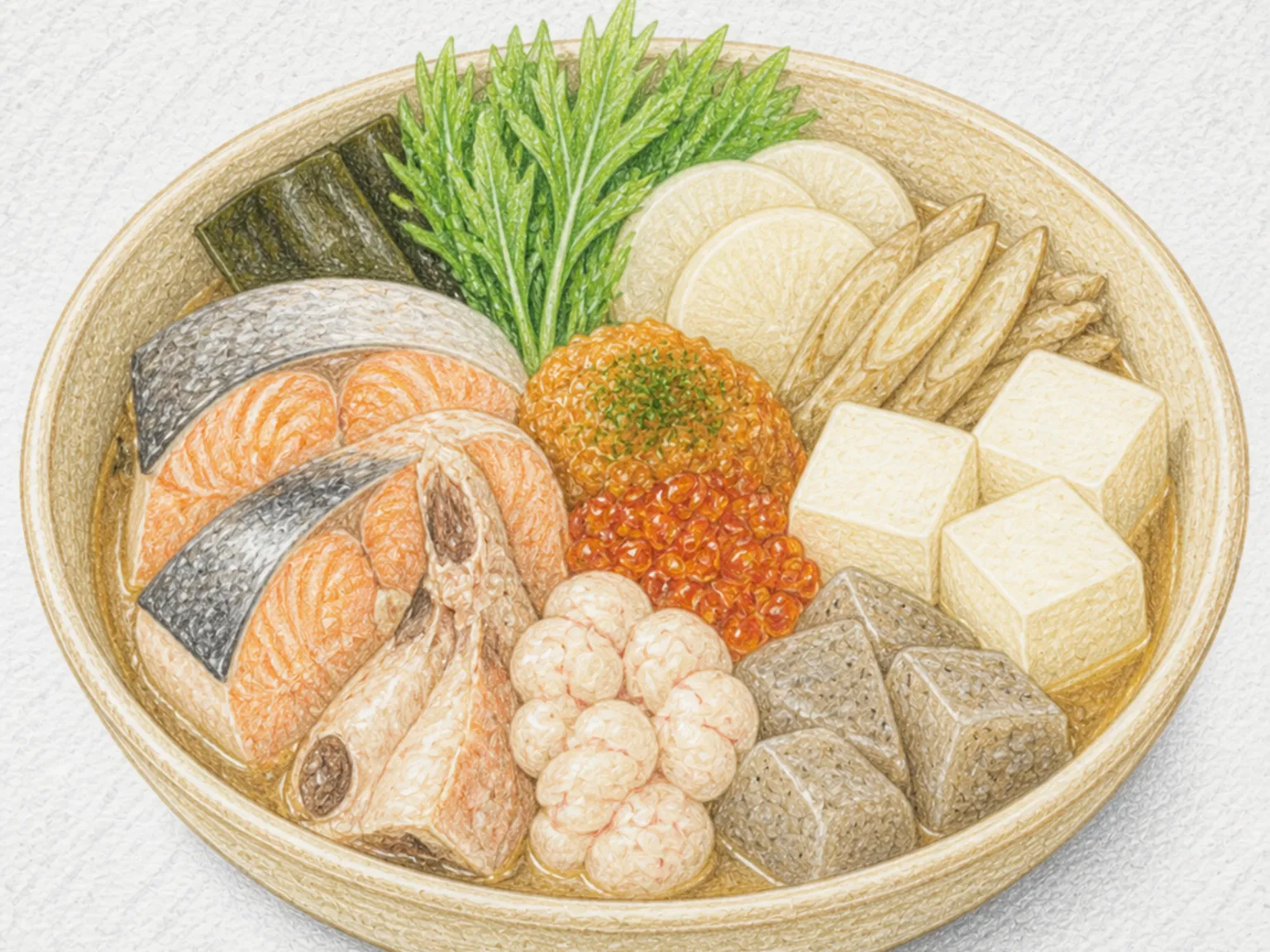
Ishikari nabe is a salmon miso hotpot from the Ishikari region of Hokkaido. Chunks of salmon with skin and bony parts, milt, loose roe, tofu, konnyaku, daikon, burdock, mushrooms, and leafy vegetables cook together in kombu broth, with ground sansho added at the finish. The dish is said to come from fishermen near the mouth of the Ishikari River, where salmon fishing had flourished since the Edo period. To celebrate a large catch, they put pieces and bony parts of fresh salmon directly into a pot of miso soup. Kombu lines the pot, seasoned miso sits in the center, and the ingredients cook around it for a hot winter meal now common in homes.

🏠 Everyday 🎉 Special Occasion
Prep 40min Cook 30min 4 servings
Amago Trout Kanroni
Steamed Hard

Amago Trout Kanroni

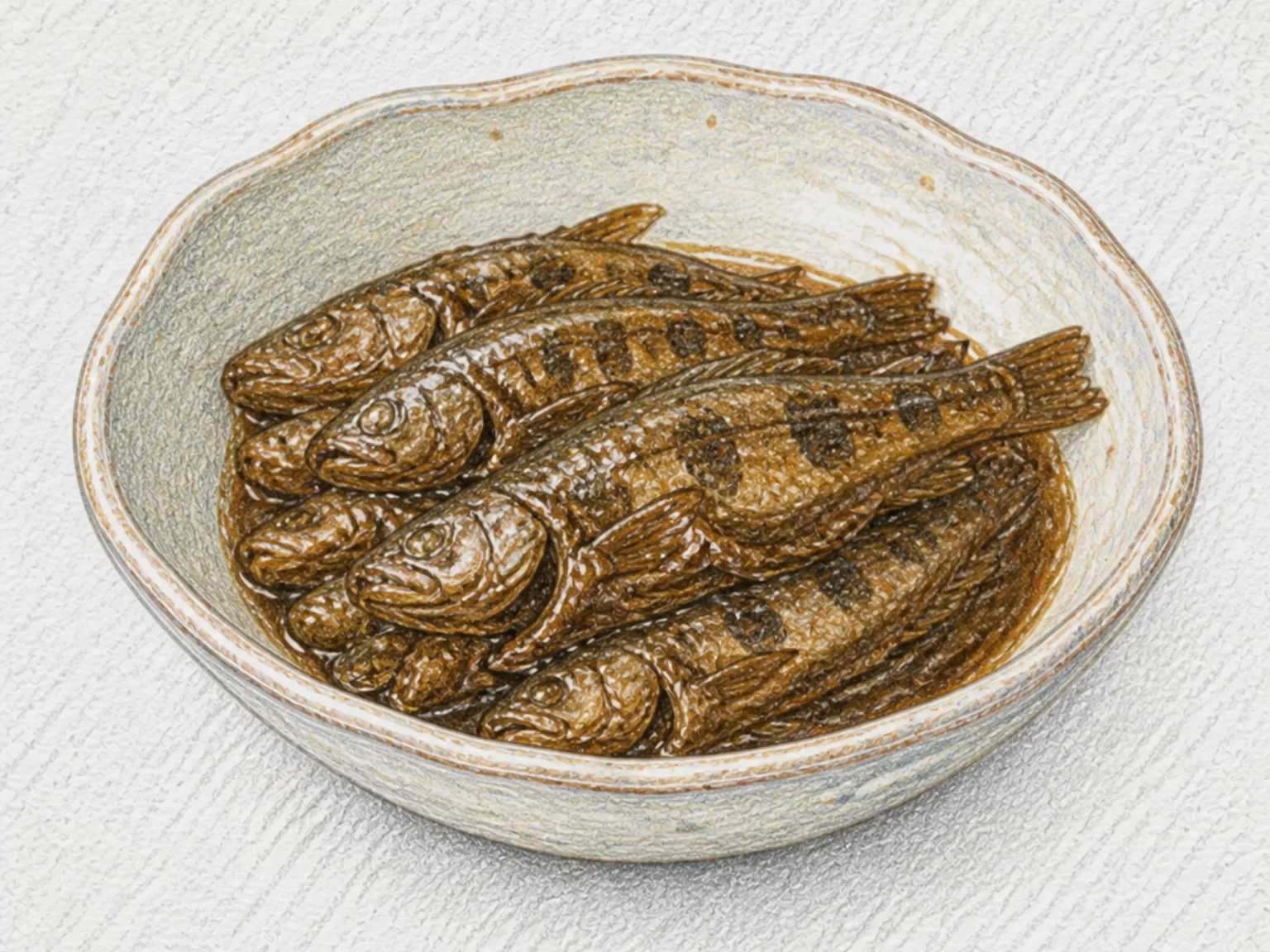
This river-fish kanroni is a Nara simmered dish from Yoshino and Uda, grilling freshwater fish first and then slowly glazing it with roasted green tea, soy sauce, mirin, sake, and sugar until even the fine bones soften. This salmon-family trout is relatively mild for a river fish, while hojicha softens any lingering aroma. Raw freshwater fish can carry parasites and environmental contaminants. Never use self-caught fish; obtain dressed cooking-grade farmed amago from a licensed supplier, separate raw-fish equipment, grill to a 70°C center first, and then simmer thoroughly for about two hours.

🎉 Special Occasion 🏠 Everyday
Prep 30min Cook 150min 4 servings
Omizuke (Yamagata Chopped Mustard Green Pickle)
Kimchi Medium

Omizuke (Yamagata Chopped Mustard Green Pickle)

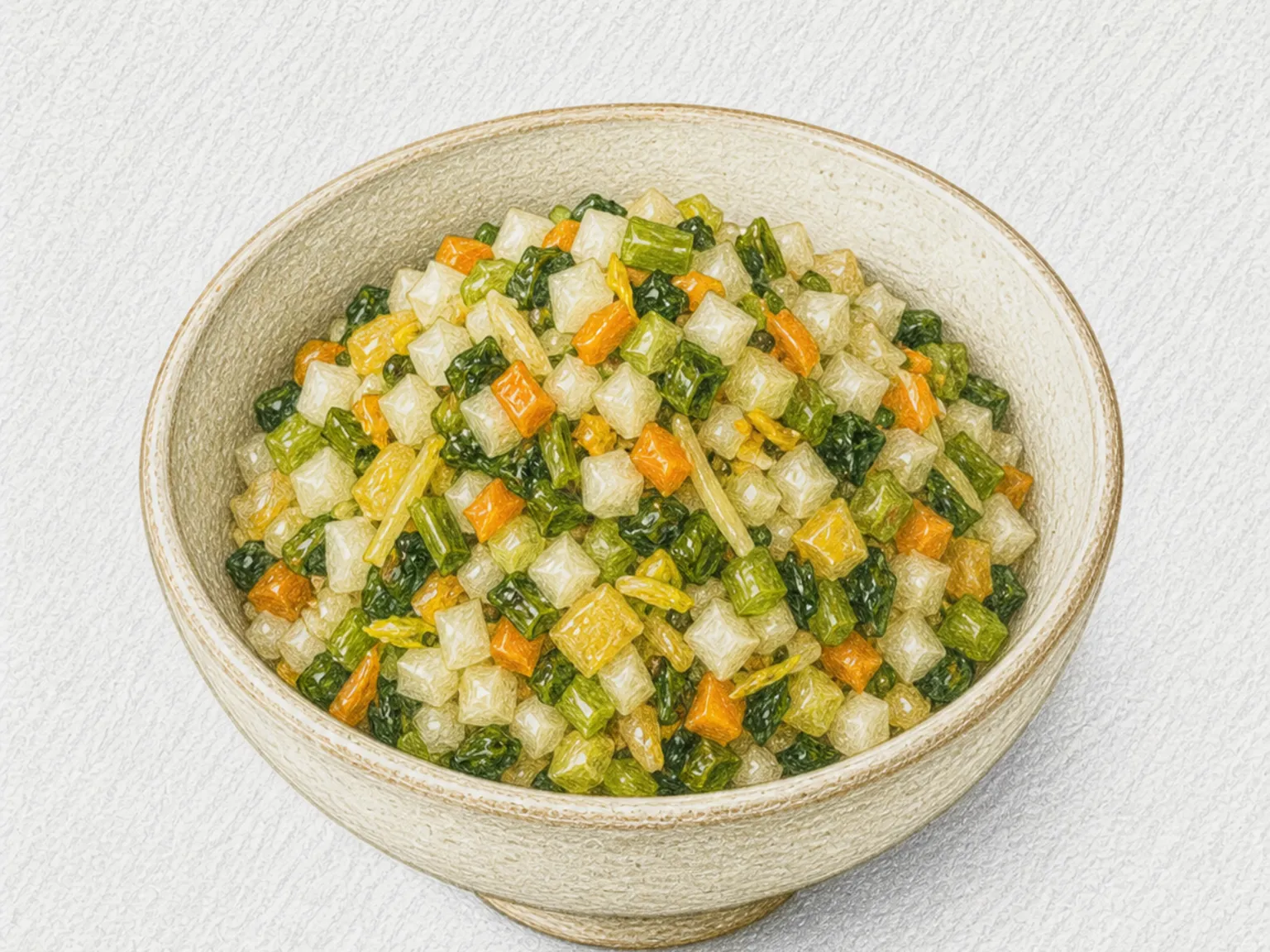
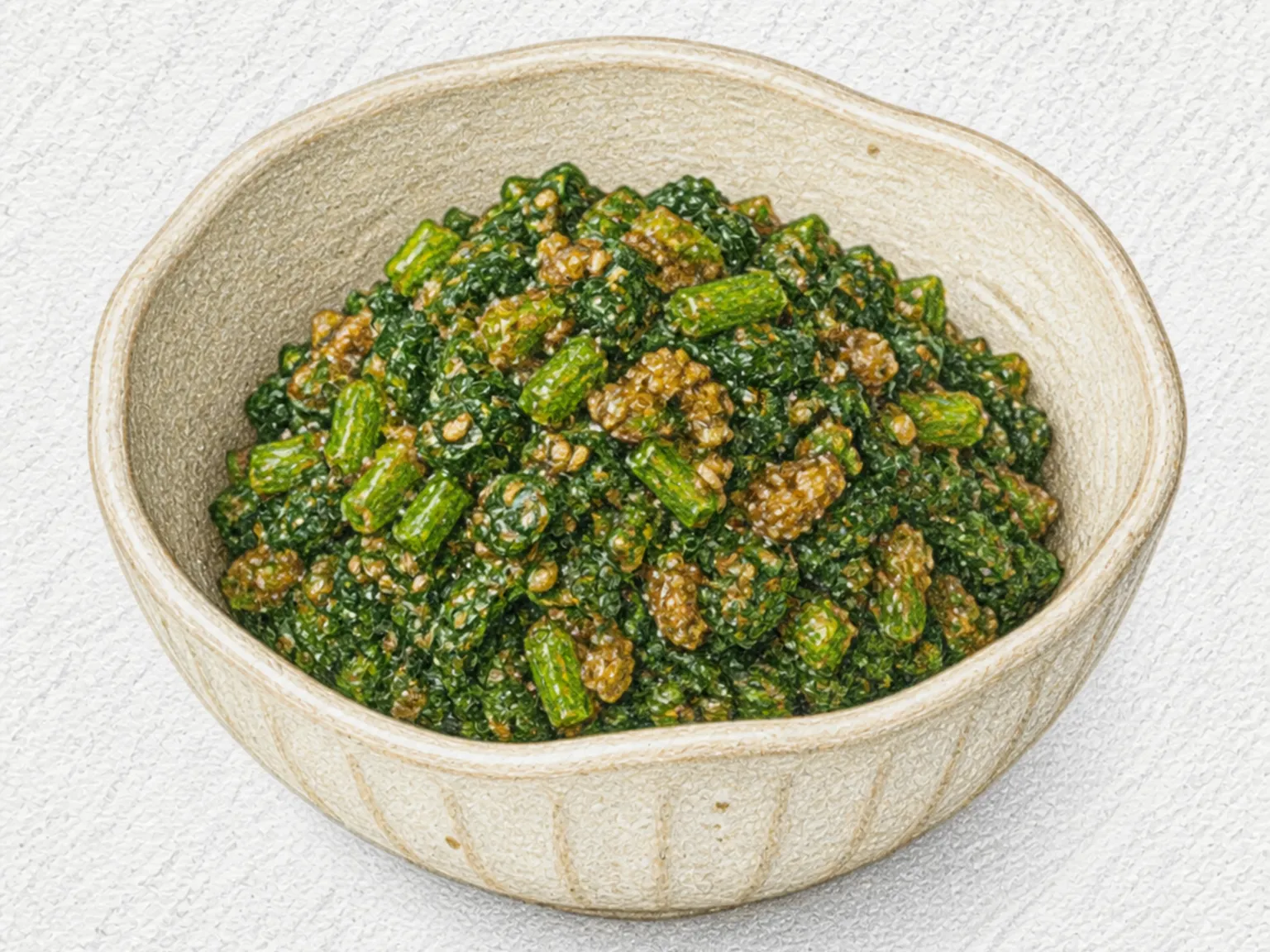
Omizuke is a chopped vegetable pickle from the Murayama, Mogami, and Okitama areas of Yamagata Prefecture. Yamagata seisai mustard greens, daikon, carrot, and Jerusalem artichoke are cut into small pieces, salted, and pressed overnight under a weight about twice as heavy as the vegetables. The released green liquid is discarded, and the vegetables are rinsed and squeezed well. Salted perilla seeds, edible chrysanthemum petals, and ginger are mixed in before a boiled and fully cooled dressing of soy sauce, coarse sugar, and mirin is added. A light weight keeps everything beneath the liquid during refrigerated pickling. It is ready after 2 to 3 days and may be served with rice or used in rice balls, ochazuke, and fried rice. Because the salt level is mild, keep it refrigerated and finish it within about two weeks.

🏠 Everyday 🍱 Lunchbox
Prep 35min Cook 15min 20 servings
Kake Udon (Plain Udon in Clear Dashi Broth)
Noodles Easy

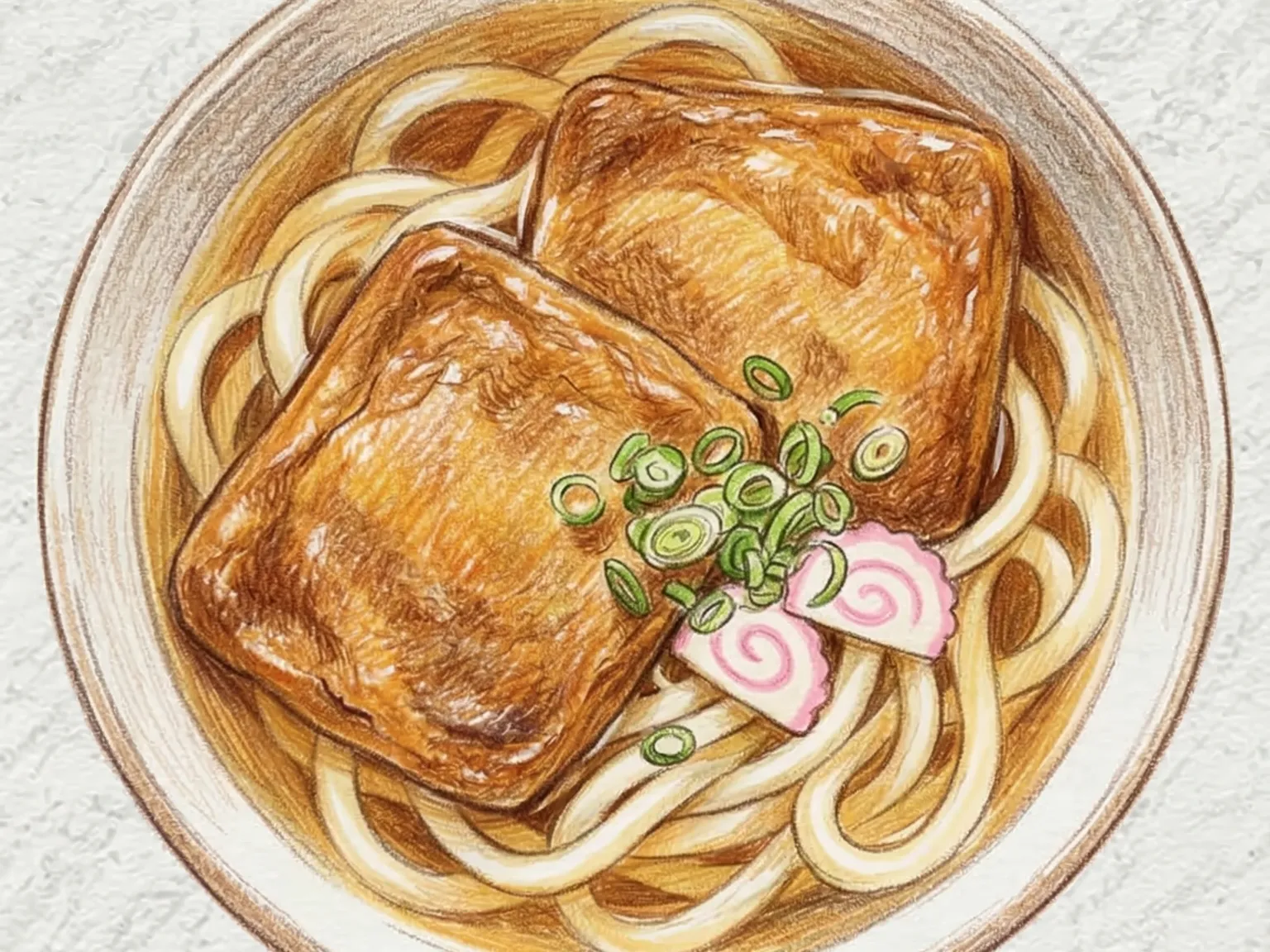
Kake Udon (Plain Udon in Clear Dashi Broth)

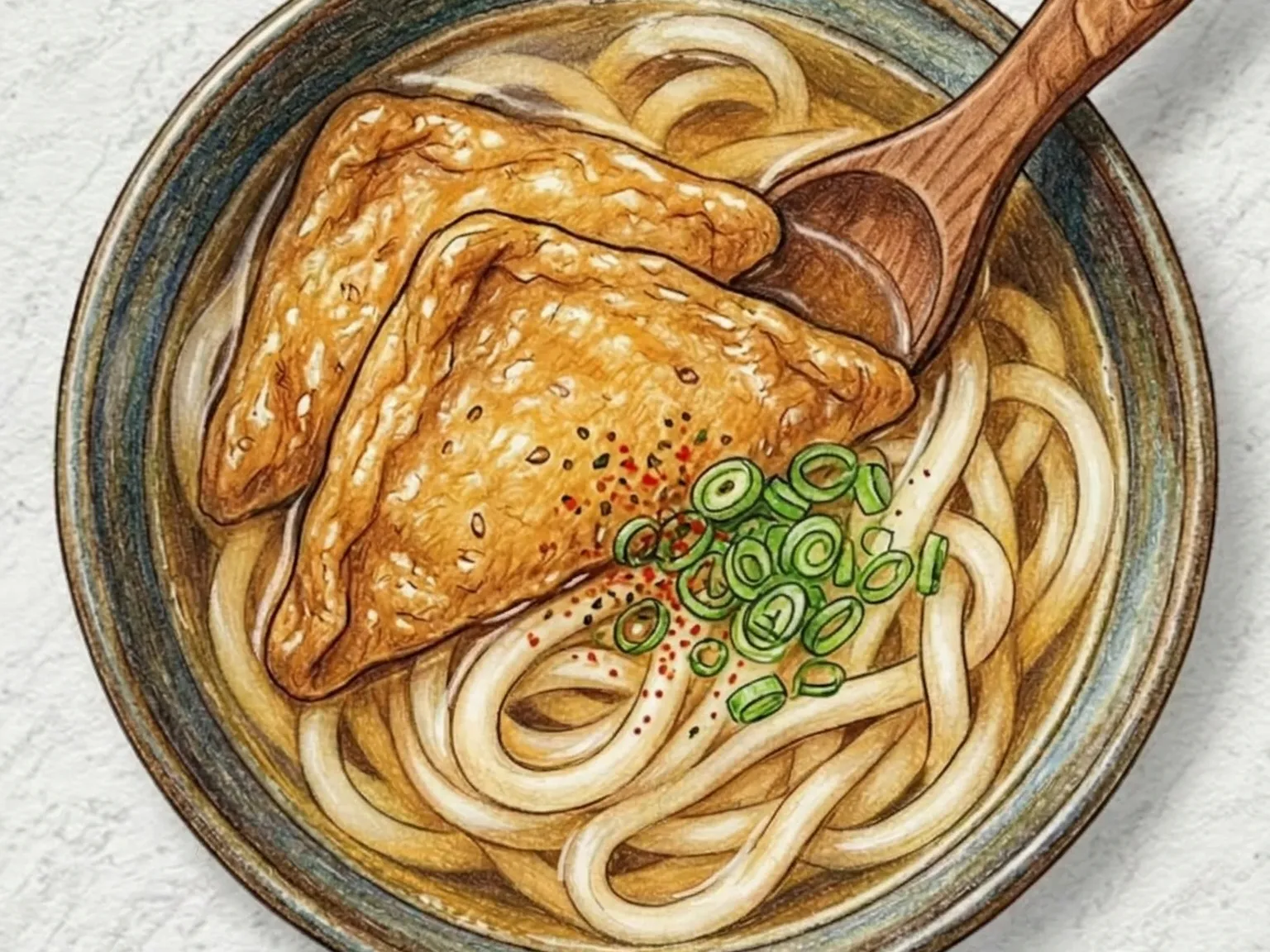
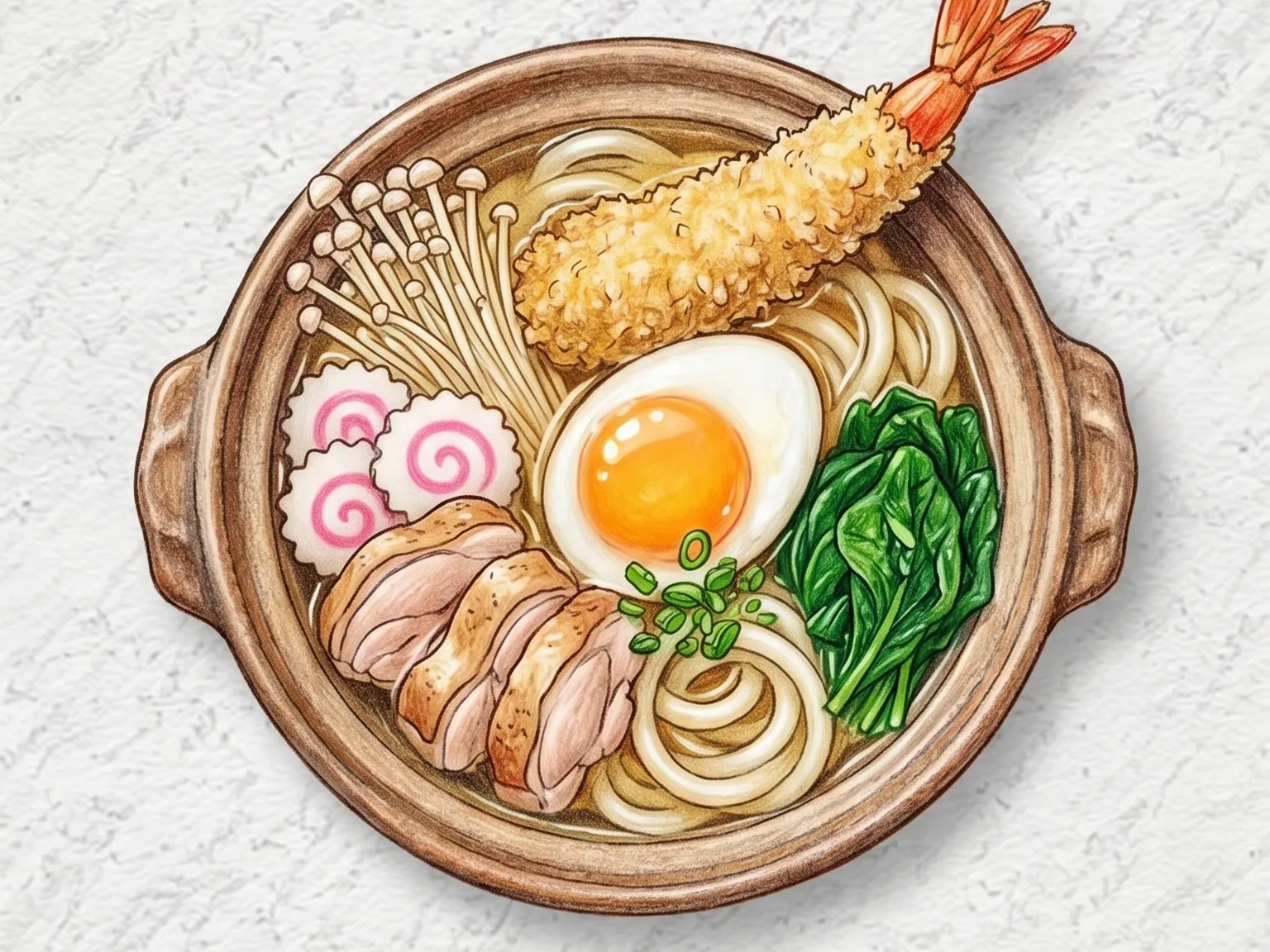
Kake udon is the most elemental form of Japanese udon: thick, springy wheat noodles served in a clear dashi broth seasoned with soy sauce, mirin, and a small amount of salt. With so few components, the quality of the dashi determines everything about the dish. The broth is built on katsuobushi and dried kelp, producing a flavor that is restrained but unmistakably savory. The noodles must be thick enough to hold their chew and smooth enough to carry broth with each lift of the chopsticks. Toppings are deliberately kept to a minimum, typically sliced kamaboko fish cake and chopped green onion, so the stock and noodle texture remain the focus rather than any single garnish. The noodles should go directly from the pot into hot broth, as they soften quickly and lose their characteristic bounce if left to sit. In the Kansai region, pale usukuchi soy sauce is used to keep the broth nearly transparent, making the visual clarity of the soup another deliberate element of the dish.

🏠 Everyday ⚡ Quick
Prep 10min Cook 12min 2 servings
Nara-ae (Simmered Vegetables with Narazuke)
Salads Medium

Nara-ae (Simmered Vegetables with Narazuke)

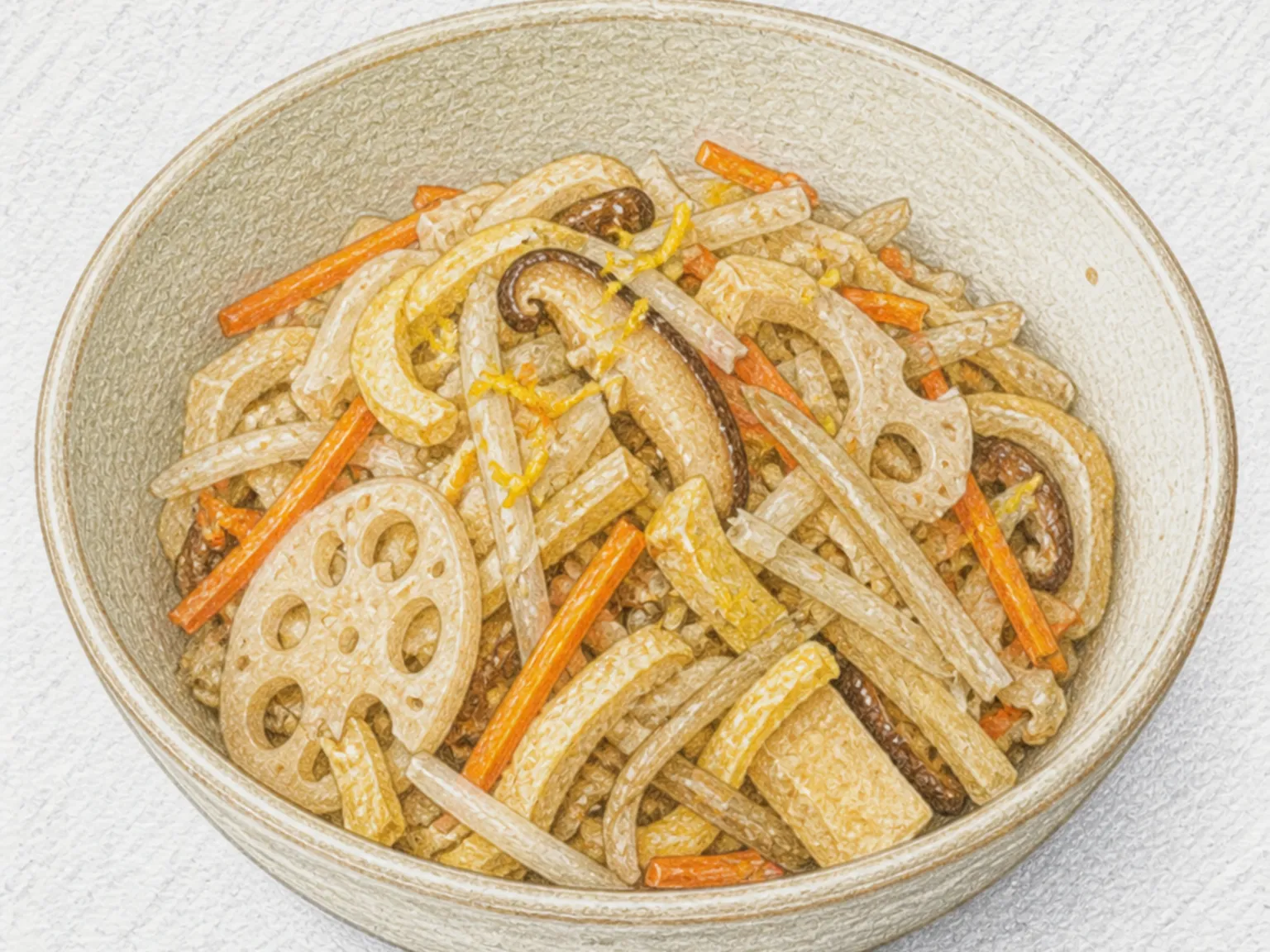
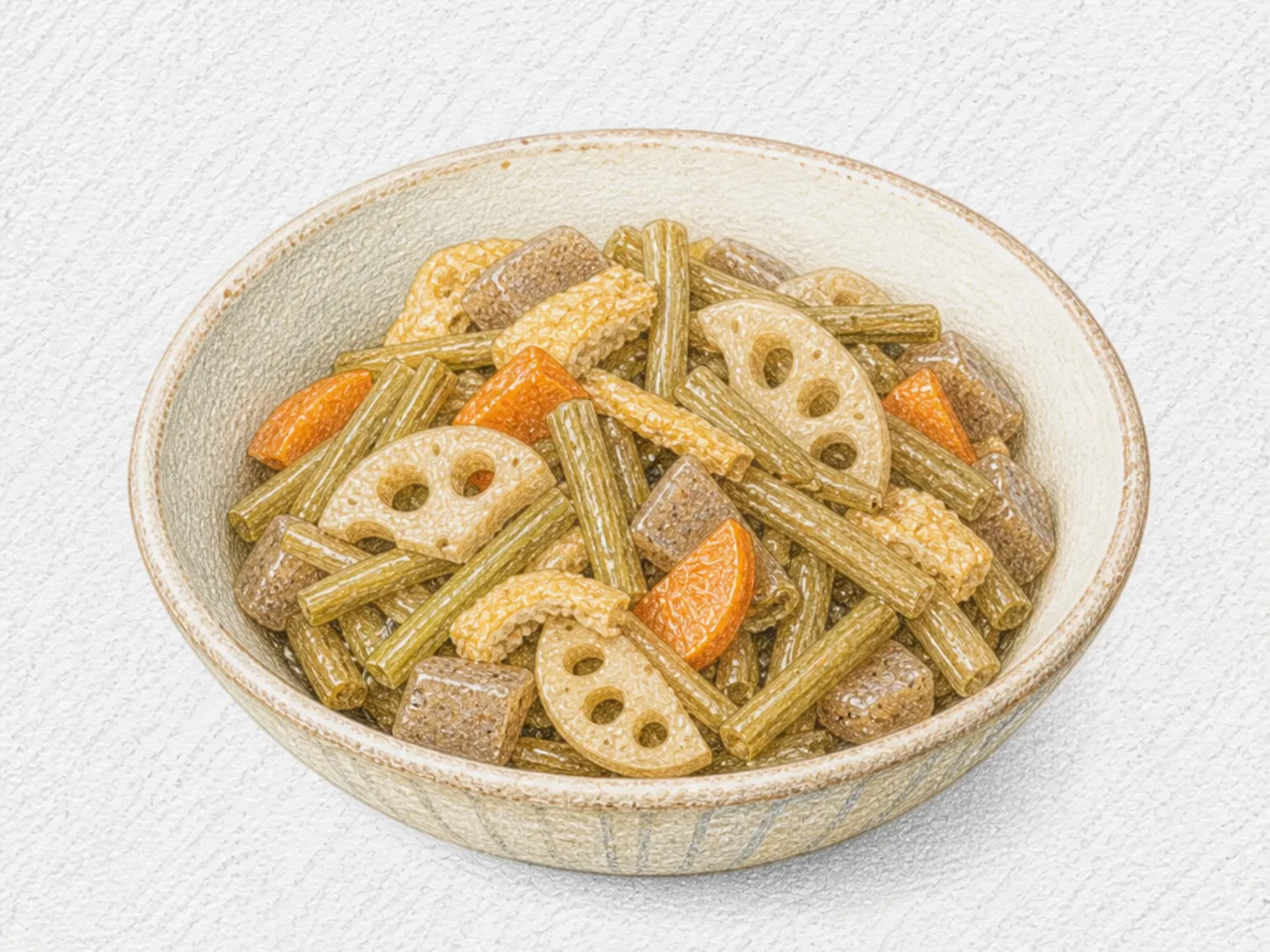
Nara-ae is an everyday Nara side dish that combines the prefecture's sake-lees pickle, narazuke, with fiddlehead fern, dried gourd strips, shiitake, konjac strips, carrot, and fried tofu. The konjac is parboiled and the dried ingredients are rehydrated before everything except the pickle is lightly fried and simmered with dashi, sugar, soy sauce, and mirin until almost dry. Finely chopped narazuke is folded in only at the end so its aroma and firm bite remain distinct. The dish is not served hot. It cools while being mixed several times, allowing the seasoning to settle evenly and making the strong pickle easier to enjoy.

🏠 Everyday
Prep 30min Cook 25min 4 servings
Kiritanpo Nabe (Akita-Style Grilled Rice Stick Hot Pot)
Asian Hard

Kiritanpo Nabe (Akita-Style Grilled Rice Stick Hot Pot)

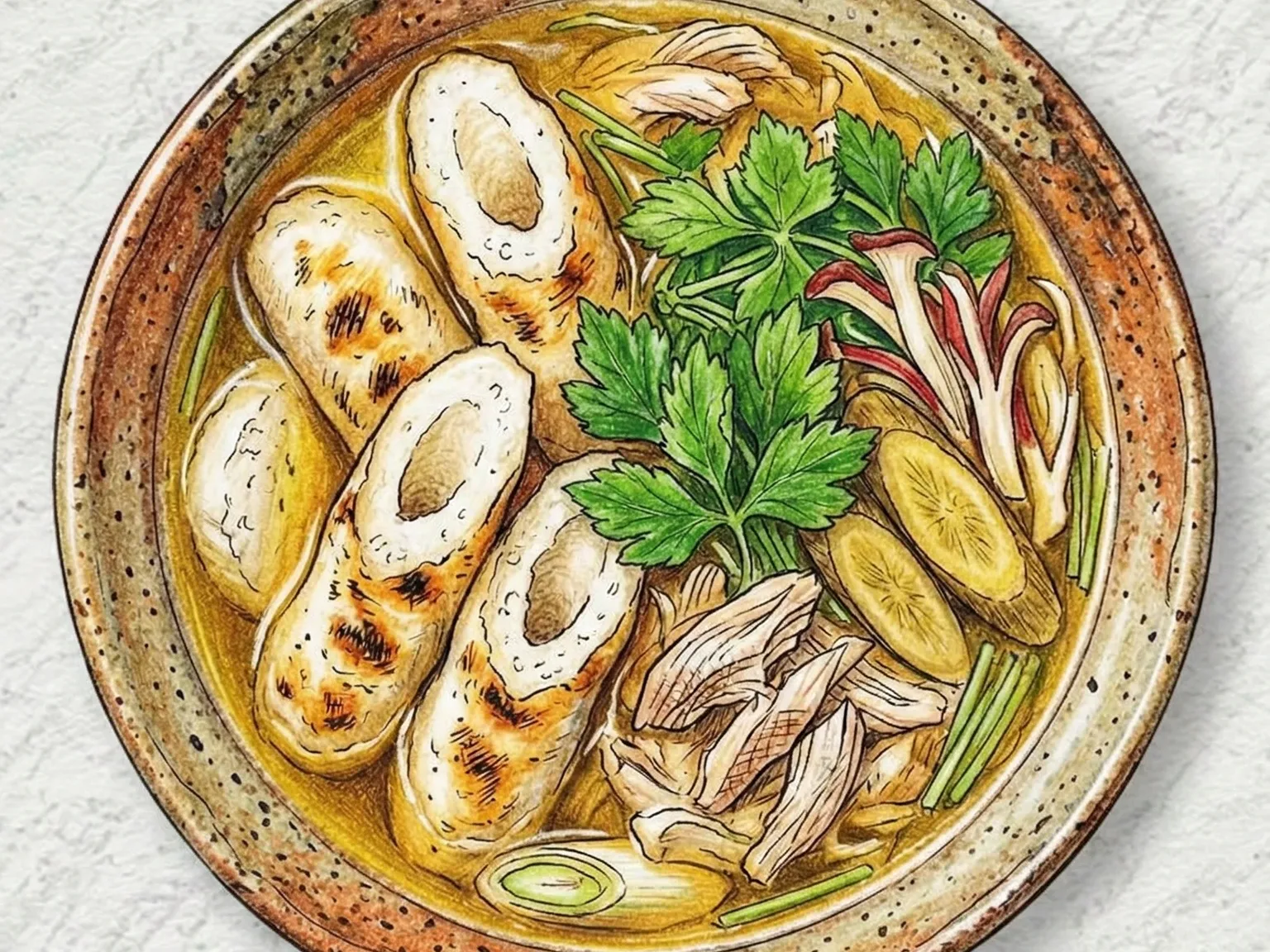
Kiritanpo nabe is a rustic hot pot from Akita Prefecture in northern Japan, built around grilled mashed-rice sticks simmered in chicken broth. Freshly cooked rice is pounded in a mortar until partially smooth and sticky, then wrapped around cedar skewers and toasted over charcoal until the surface develops a light char and a faint smokiness. The broth begins with bone-in chicken thighs cooked until the stock is rich and clear, seasoned simply with soy sauce and mirin, then loaded with burdock root, scallions, mushrooms, and Japanese parsley. The kiritanpo sticks are cut into segments and added to the simmering pot, where they absorb the rich broth and soften into a chewy, dumpling-like texture while still holding their cylindrical shape. Akita's harsh mountain winters gave this dish its purpose as a calorie-dense, warming meal built entirely from locally available ingredients. The faint smokiness from the charcoal grilling carries through into the finished broth, and this subtle background note is what distinguishes kiritanpo nabe from similar rice-cake hot pots made elsewhere in Japan.

🎉 Special Occasion 🍺 Bar Snacks
Prep 30min Cook 30min 4 servings
Furu-takuan no Nimono (Simmered Aged Pickled Daikon)
Side dishes Easy

Furu-takuan no Nimono (Simmered Aged Pickled Daikon)

Furu-takuan no nimono is a Fukui side dish made from takuan pickled the previous year until salty and sour. The aged daikon is sliced to 2mm, boiled repeatedly in fresh water to reduce salt and acidity, then gently simmered in dashi, soy sauce, and mirin. Red chili and white sesame finish a dish served with rice, sake, or ochazuke. Because an edible pickle receives extra work to become a new dish, it is also called zeitaku-ni, or luxurious simmer. Use only sound, properly fermented takuan. Fuzzy mold, sliminess, unusual discoloration, or rotten odor cannot be fixed by boiling and requires disposal.

🏠 Everyday 🍺 Bar Snacks
Prep 20min Cook 60min 12 servings
Korean Grilled Eel Rice Bowl
Rice Medium

Korean Grilled Eel Rice Bowl

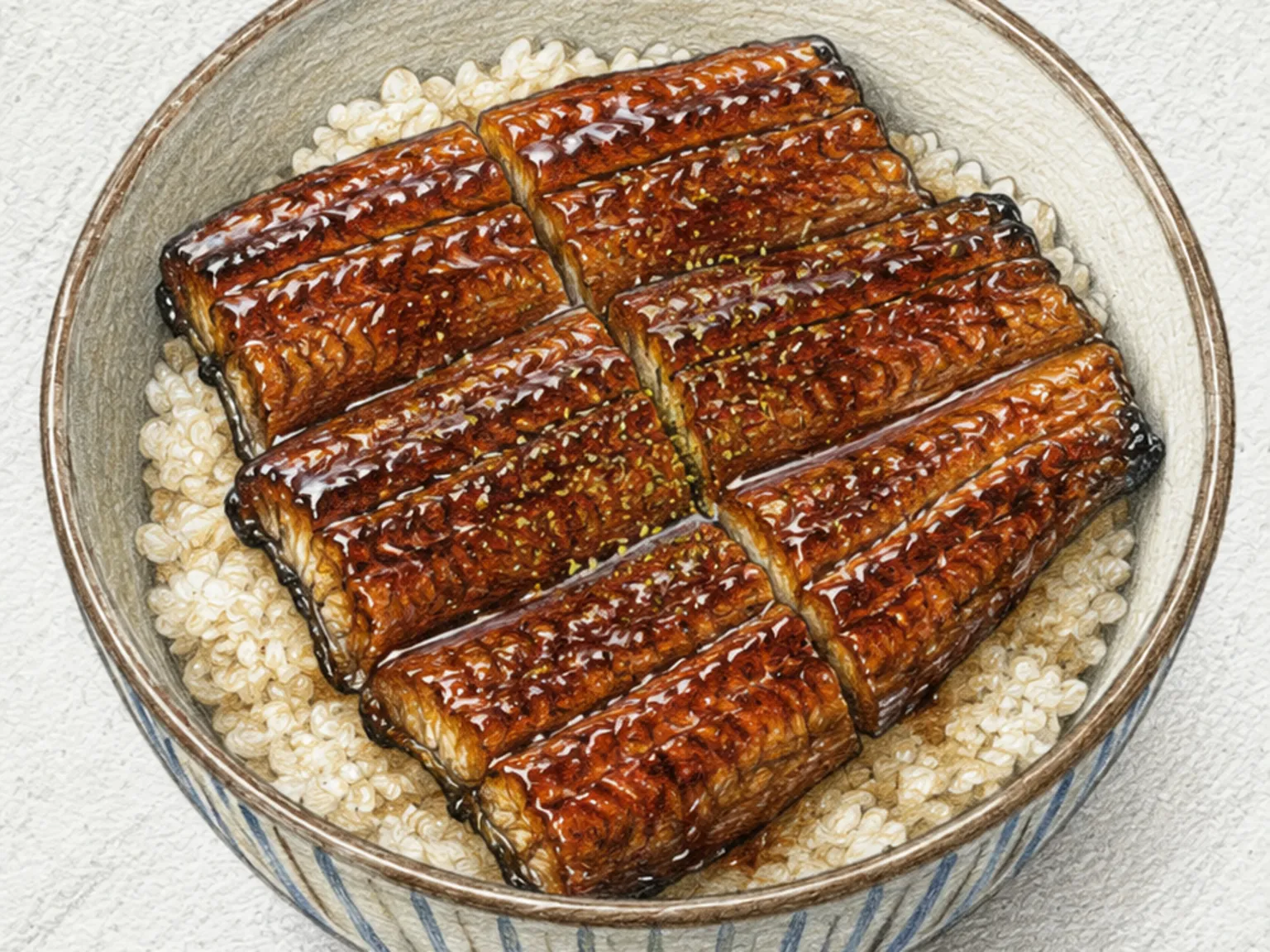
Jangeeo deopbap is a bowl of grilled freshwater eel over steamed rice, where the key technique is building up a thick, lacquered glaze through multiple applications of a sweet-salty sauce reduced from soy sauce, mirin, sugar, and ginger juice. The eel starts skin-side down on the grill over medium heat for around five minutes to crisp the skin, then is flipped and basted repeatedly with the sauce as it finishes cooking. A single coat of sauce produces a pale, thin color, so at least two applications and ideally three or more are needed to build the characteristic glossy surface. With each additional coat, the sugars in the sauce react with heat through both Maillard browning and caramelization, layering flavor with every pass. Because freshwater eel is naturally fatty, fat drips during grilling can cause flare-ups, so heat control is important throughout the process. Sansho pepper dusted on at the end cuts through the eel's inherent richness with a sharp, numbing fragrance that balances the sweet glaze and keeps the dish from feeling heavy.

🎉 Special Occasion 🏠 Everyday
Prep 10min Cook 15min 1 servings
Miso Kanpura (Sweet Miso Baby Potatoes)
Stir-fry Easy

Miso Kanpura (Sweet Miso Baby Potatoes)

Miso kanpura is a Furudono, Fukushima dish that cooks very small potatoes in their skins and coats them with sweet miso. Farmers developed it to use potatoes too small to ship rather than discard them. The scrubbed potatoes are rolled in oil until the skins soften, then simmered with just enough water to cook the centers. Once nearly all the water has evaporated, sugar, mirin, and miso are added and reduced to a glossy coating. It was often made after the late-July potato harvest and again with stored potatoes during winter. The sweet, savory finish allows it to serve as either a home side dish or a filling snack.

🏠 Everyday 🧒 Kid-Friendly
Prep 10min Cook 30min 4 servings
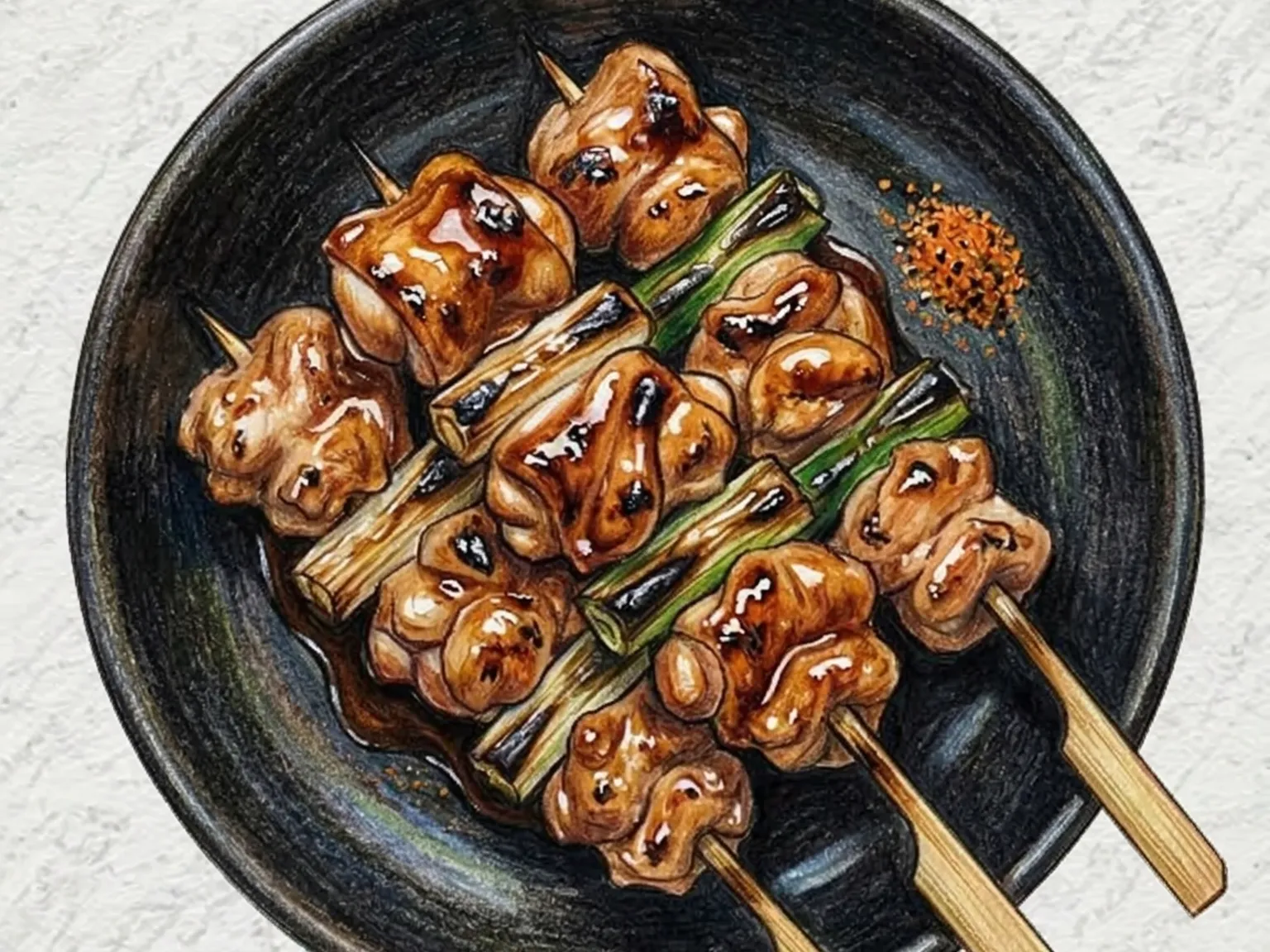
Grilled Chicken Heart Skewers
Grilled Easy

Grilled Chicken Heart Skewers

Grilled Chicken Heart Skewers are a popular street-style dish characterized by a chewy texture and a sweet, savory glaze. Preparing this dish requires splitting the chicken hearts in half to thoroughly remove any blood clots and membranes, which prevents gamey odors. For a cleaner flavor, the hearts can be soaked in milk for ten minutes before rinsing. The cleaned pieces are threaded onto skewers with small gaps in between to ensure heat distributes evenly. Grilling begins on a preheated pan without moving the skewers for the first two minutes. Once the underside turns golden, they are flipped and brushed repeatedly with a marinade made of soy sauce, oligosaccharide, minced garlic, and mirin. Finishing the skewers with sesame oil and black pepper highlights the natural richness of the meat.

🔥 Trending Now ⚡ Quick
Prep 20min Cook 10min 2 servings
Uchigae Zoni (Rock Tofu and Taro Soup)
Soups Medium

Uchigae Zoni (Rock Tofu and Taro Soup)

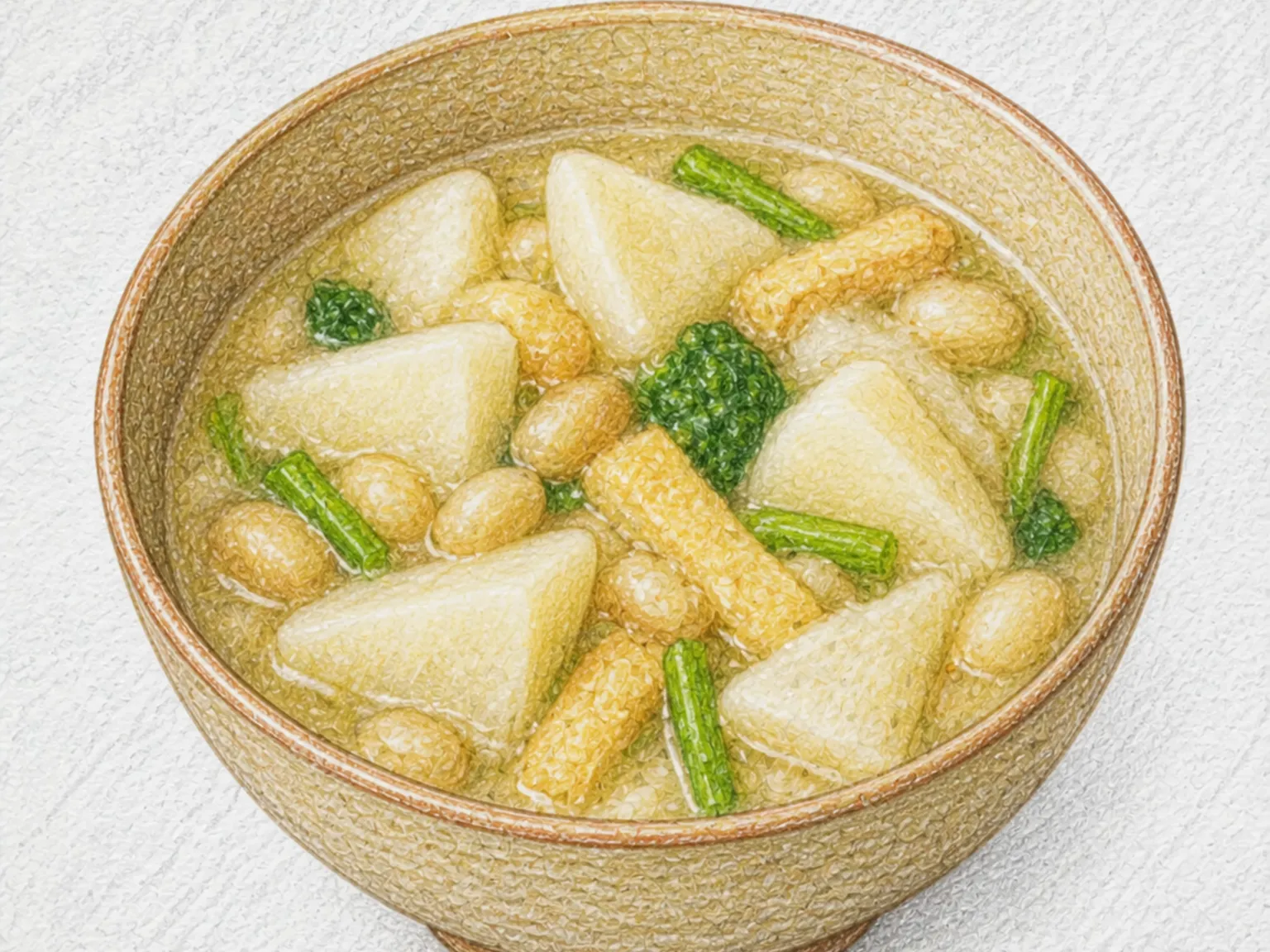
Uchigae zoni is a New Year soup from the Iya area of Tokushima. Rock-firm tofu and taro are cooked separately in a soy-seasoned broth made from dried sardines, shiitake, and kombu, then arranged with two tofu slabs crossed over three taro pieces. Although it belongs to the zoni tradition, this recorded version contains no rice cakes; firm tofu and taro provide the substance. The tofu stays savory, while a little sugar in the taro broth creates a second, slightly sweeter layer of seasoning.

🏠 Everyday 🎉 Special Occasion
Prep 40min Cook 35min 4 servings
Kaki no Dotenabe (Oyster Miso Hot Pot)
Stews Medium

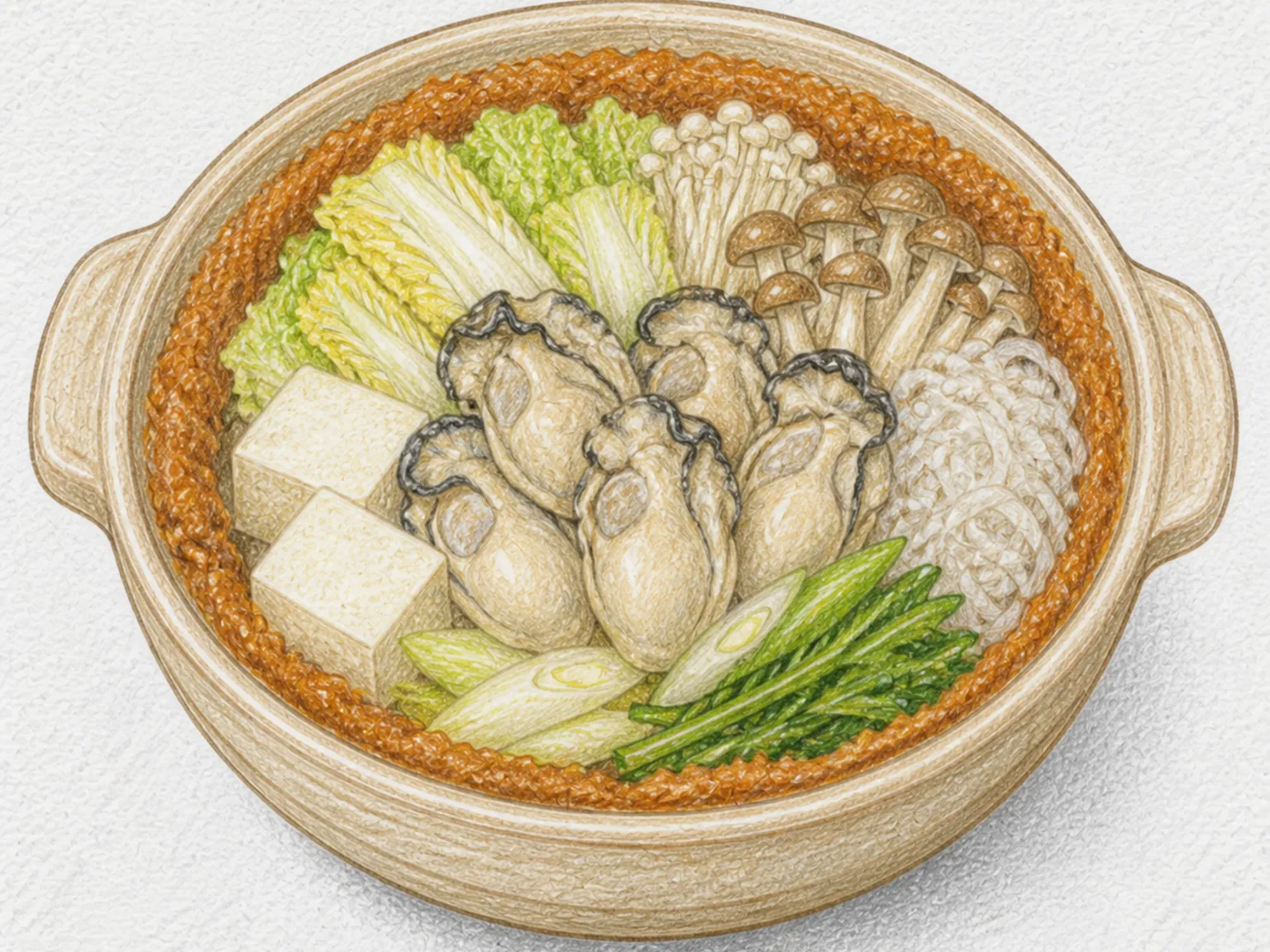
Kaki no Dotenabe (Oyster Miso Hot Pot)

Miso is spread around the pot and gradually dissolved into dashi as oysters, tofu, konjac, and vegetables cook. Firm vegetables and konjac go in first, followed later by the oysters, tofu, and crown daisy. Stop cooking when the oysters are plump and opaque so the miso is not boiled longer than needed.

🎉 Special Occasion 🍺 Bar Snacks
Prep 25min Cook 20min 4 servings
Japanese Simmered Yellowtail and Daikon
Steamed Medium

Japanese Simmered Yellowtail and Daikon

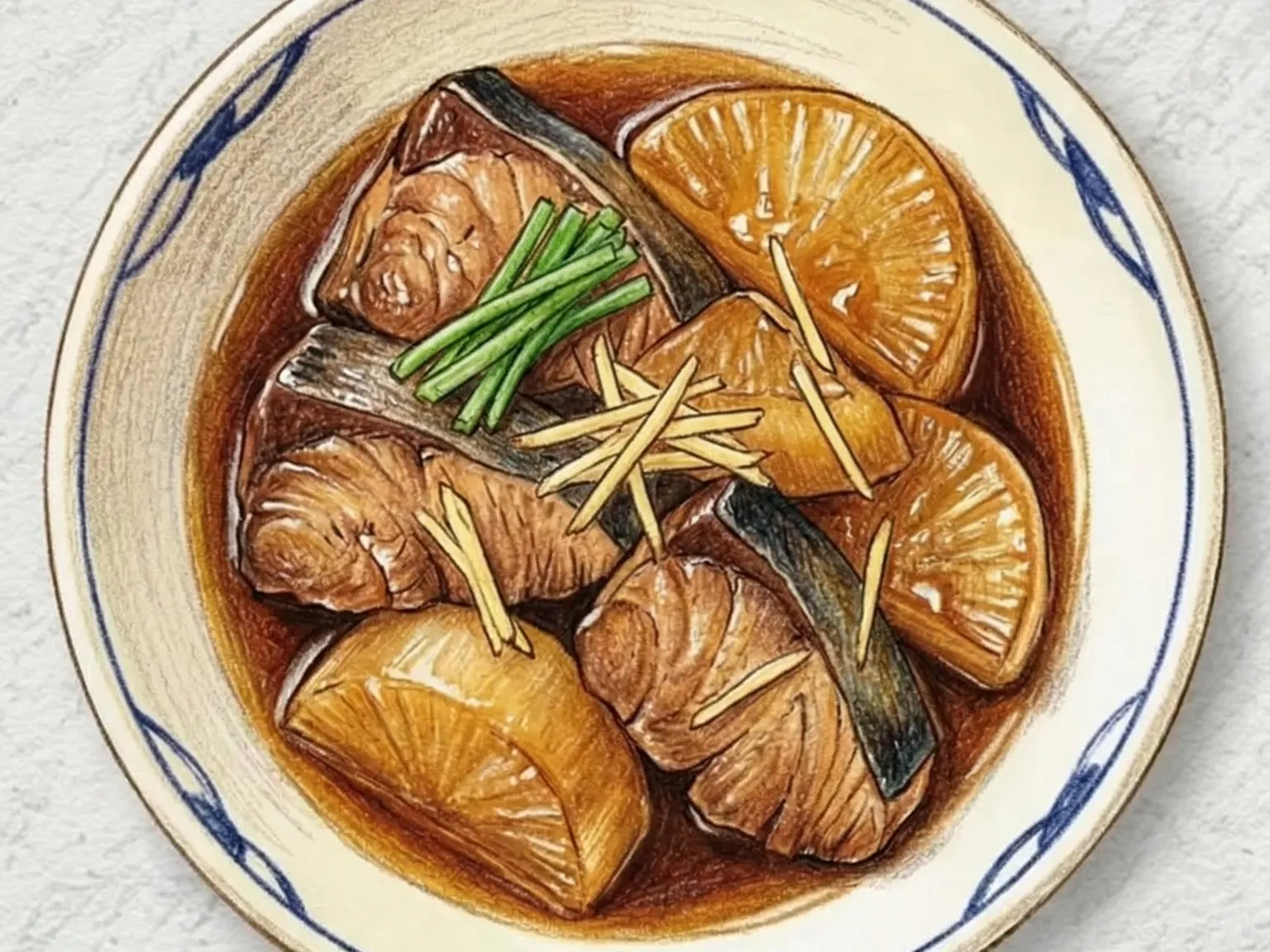
Yellowtail and daikon are simmered in a dashi broth seasoned with soy sauce, mirin, and sake until the braising liquid concentrates around the fish. The daikon absorbs the rich stock as it cooks, turning tender and translucent with a deep savory flavor throughout. Sliced ginger added to the pot neutralizes the fishiness without masking the yellowtail's natural richness. Sugar tempers the salt in the soy, producing a glaze that coats the skin and clings to the daikon. The dish is best from December through January, when yellowtail carries its peak fat content and yields the most flavorful braising stock.

🎉 Special Occasion 🍱 Lunchbox
Prep 20min Cook 40min 4 servings
Dried Squid Koji Pickle
Kimchi Hard

Dried Squid Koji Pickle

Dried squid koji pickle is a preserved food from Tottori, made by curing finely cut squid and salt-pickled vegetables with rice koji. Families prepared it from autumn through winter as a rice accompaniment or drink snack, and each household developed its own flavor through salted shiso leaves and seeds, eggplant, cucumber, and myoga. Traditional crocks were weighted and aged for more than twenty days in cold weather. This conservative home version uses only commercial food-grade koji, ready-to-eat fully dried squid, and commercially salt-pickled vegetables. The seasoning is boiled and cooled before mixing, then the pickle is held at 4°C or colder for ten days rather than left at room temperature.

🍺 Bar Snacks 🏠 Everyday
Prep 90min Cook 10min 24 servings