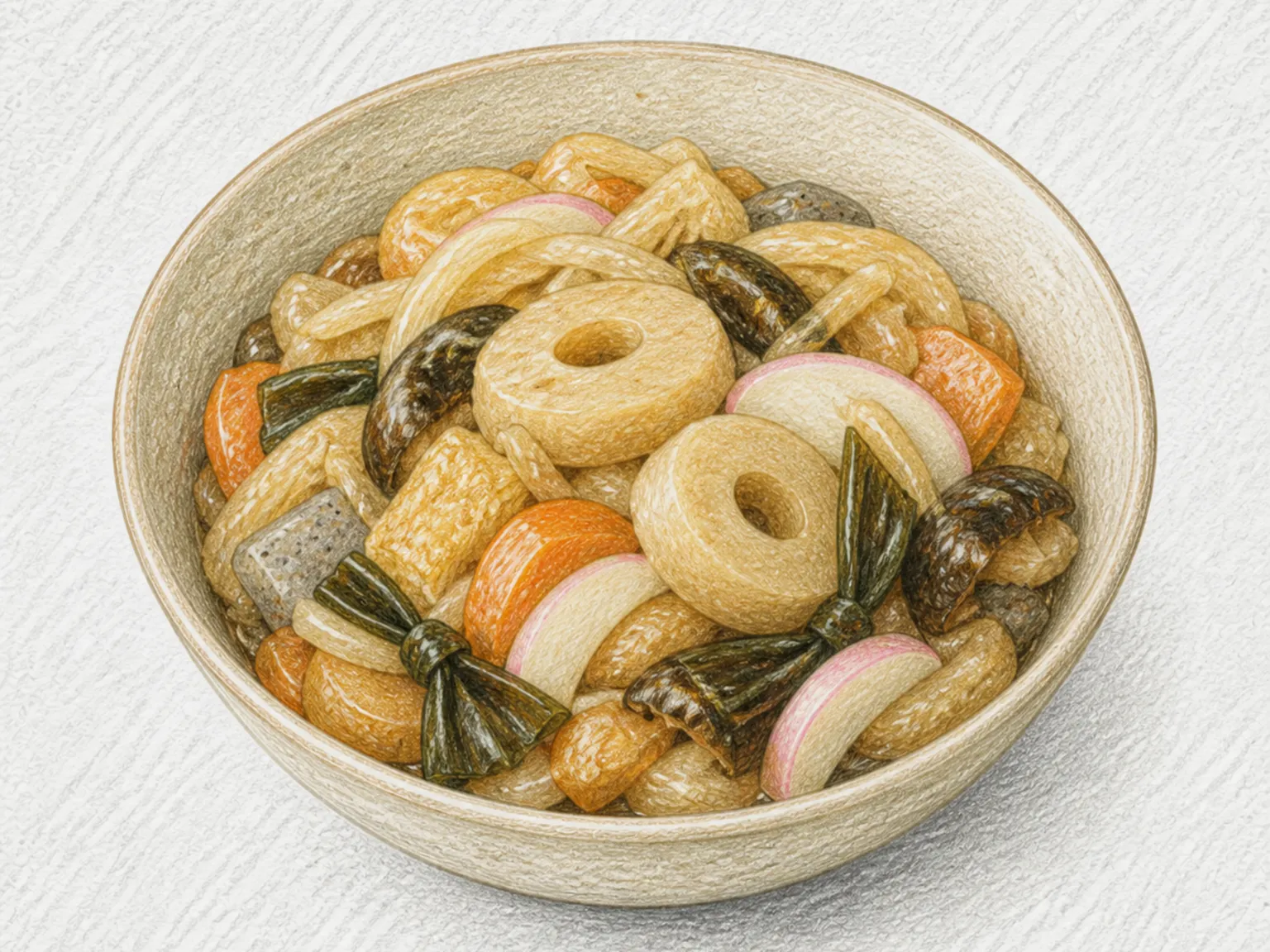
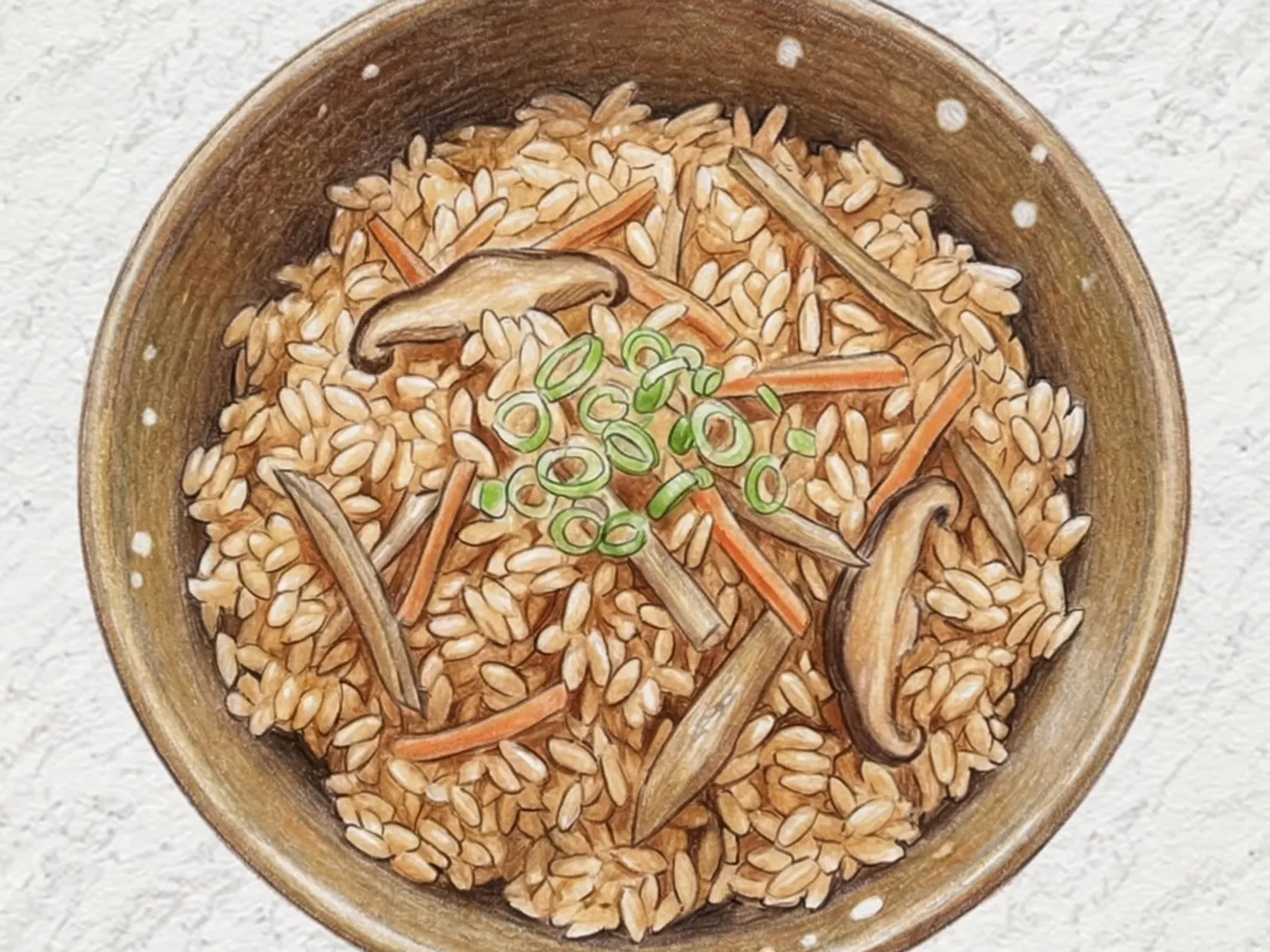
Recipes with mirin

109 recipes. Page 3 of 5

Buy mirin
Udon with Seasoned Fried Tofu
Noodles Easy

Udon with Seasoned Fried Tofu

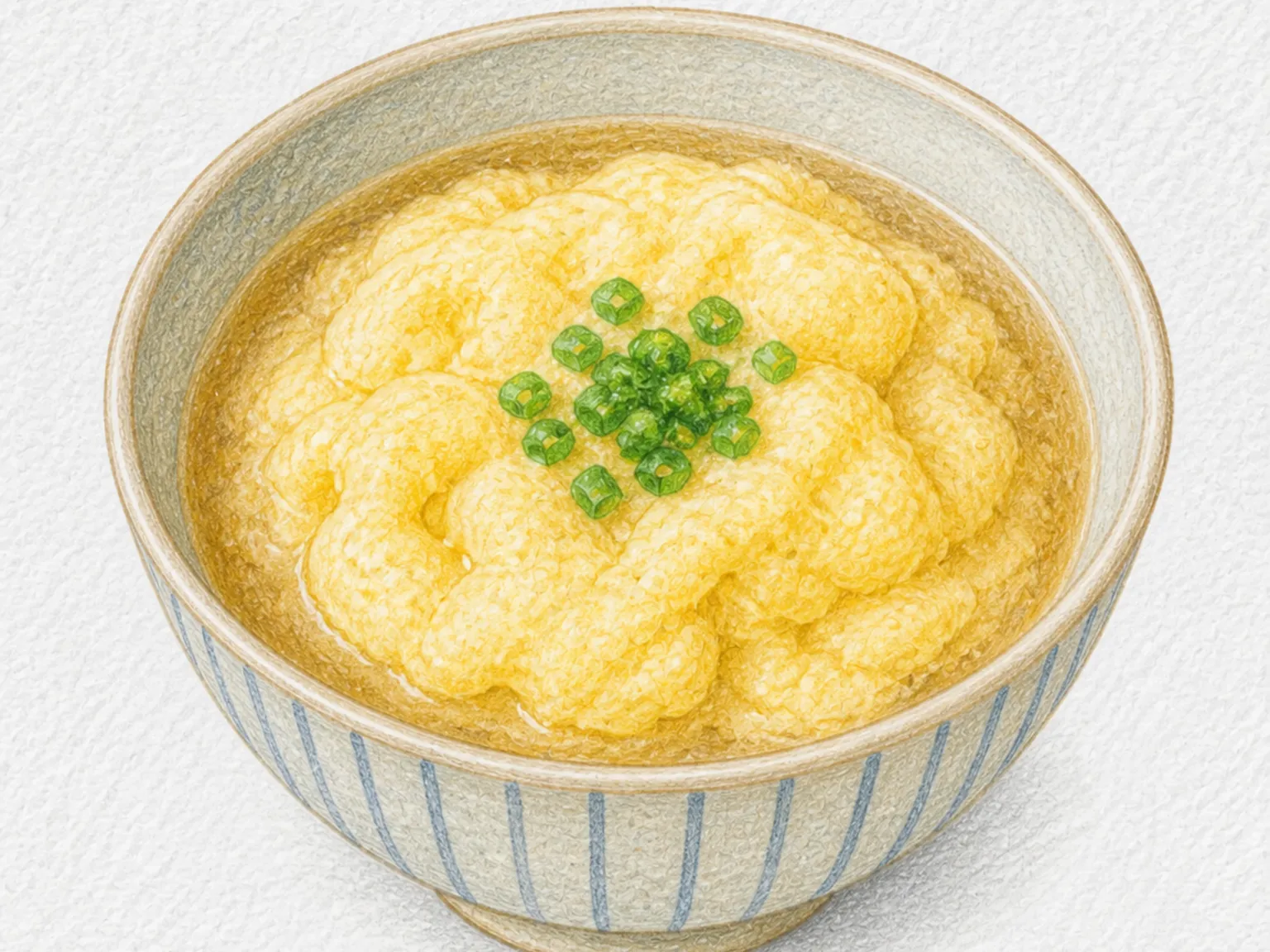
Kitsune udon is a Japanese noodle soup defined by its topping of sweet-simmered fried tofu pouches floating on a clear, deeply savory dashi broth. The aburaage is blanched first in boiling water to remove the excess oil that would otherwise cloud the broth and repel the seasoning, then braised in a mixture of water, soy sauce, mirin, and sugar for about six minutes until the liquid has been absorbed and the sweetness has penetrated to the center of each pouch. The broth is built separately from a stock of katsuobushi and kombu, seasoned with soy sauce, mirin, and just enough salt to round out the flavor without making it salty. The quality of this broth is the single most important factor in the finished bowl. Frozen udon noodles are warmed in boiling water for about two minutes, just long enough to loosen and heat through without losing their elastic, springy texture, then transferred to the bowl with the broth ladled over. The simmered tofu pouch sits on top, and as you eat, it releases its sweetened liquid gradually into the surrounding broth, shifting the flavor of the soup with each bite. Sliced scallion and a pinch of shichimi togarashi finish the bowl with fresh aroma and gentle heat. The tofu benefits from being prepared a day in advance, as resting overnight deepens the braising flavor throughout.

🏠 Everyday ⚡ Quick
Prep 12min Cook 18min 2 servings
Narae (Seven-Ingredient Vinegar Salad)
Salads Medium

Narae (Seven-Ingredient Vinegar Salad)

Narae is a Tokushima salad that cooks seven ingredients separately before dressing them in a sweet seasoned vinegar: daikon, carrot, dried shiitake, fried tofu, lotus root, burdock, and koya tofu. Daikon, carrot, lotus root, mushroom, and fried tofu simmer in shiitake soaking liquid; burdock is boiled on its own; and koya tofu absorbs a lightly sweet soy broth. Once all three groups are thoroughly drained, they are tossed with rice vinegar, sugar, light soy sauce, mirin, and sake and left to take on the seasoning. Sesame and yuzu peel finish a dish served at memorials and equinox observances, and now also eaten at home and in school meals.

🎉 Special Occasion 🏠 Everyday
Prep 35min Cook 25min 4 servings
Osaka Kitsune Udon (Thick Noodles with Sweet Fried Tofu in Dashi)
Asian Easy

Osaka Kitsune Udon (Thick Noodles with Sweet Fried Tofu in Dashi)

Kitsune udon is Osaka's signature noodle bowl, defined by sweet simmered fried tofu draped over thick wheat noodles in a clear dashi broth. The broth is drawn from kombu and bonito flakes, then seasoned with light soy sauce in the Kansai tradition, pale in color but layered with umami. The aburaage tofu is simmered separately in a mixture of dashi, soy sauce, mirin, and sugar until it swells with sweet braising liquid, and each bite releases a burst of that concentrated sweetness into the bowl. Thick, chewy udon noodles sit in the steaming broth, their mild wheat flavor providing a neutral base for the delicate soup. Sliced green onion scattered on top adds freshness and a gentle bite. In Osaka, kitsune udon is eaten at all hours, as a quick breakfast before work, a light lunch, or a late-night bowl after drinks, and every neighborhood udon shop holds its own variation on the sweet tofu recipe passed down through the years.

🏠 Everyday ⚡ Quick
Prep 10min Cook 20min 2 servings
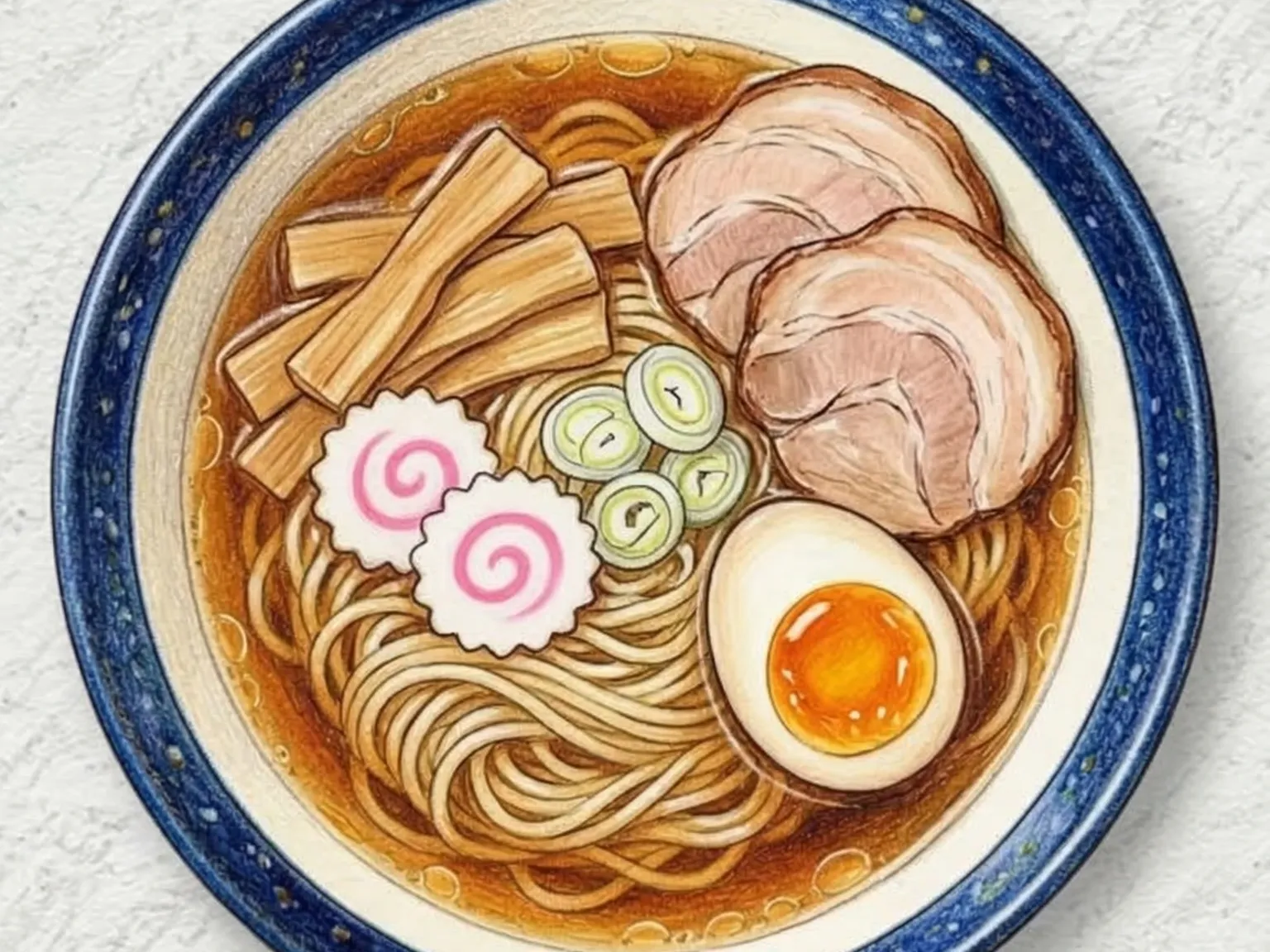
Haze Tsukudani (Tamari-Simmered Sea Goby)
Side dishes Hard

Haze Tsukudani (Tamari-Simmered Sea Goby)

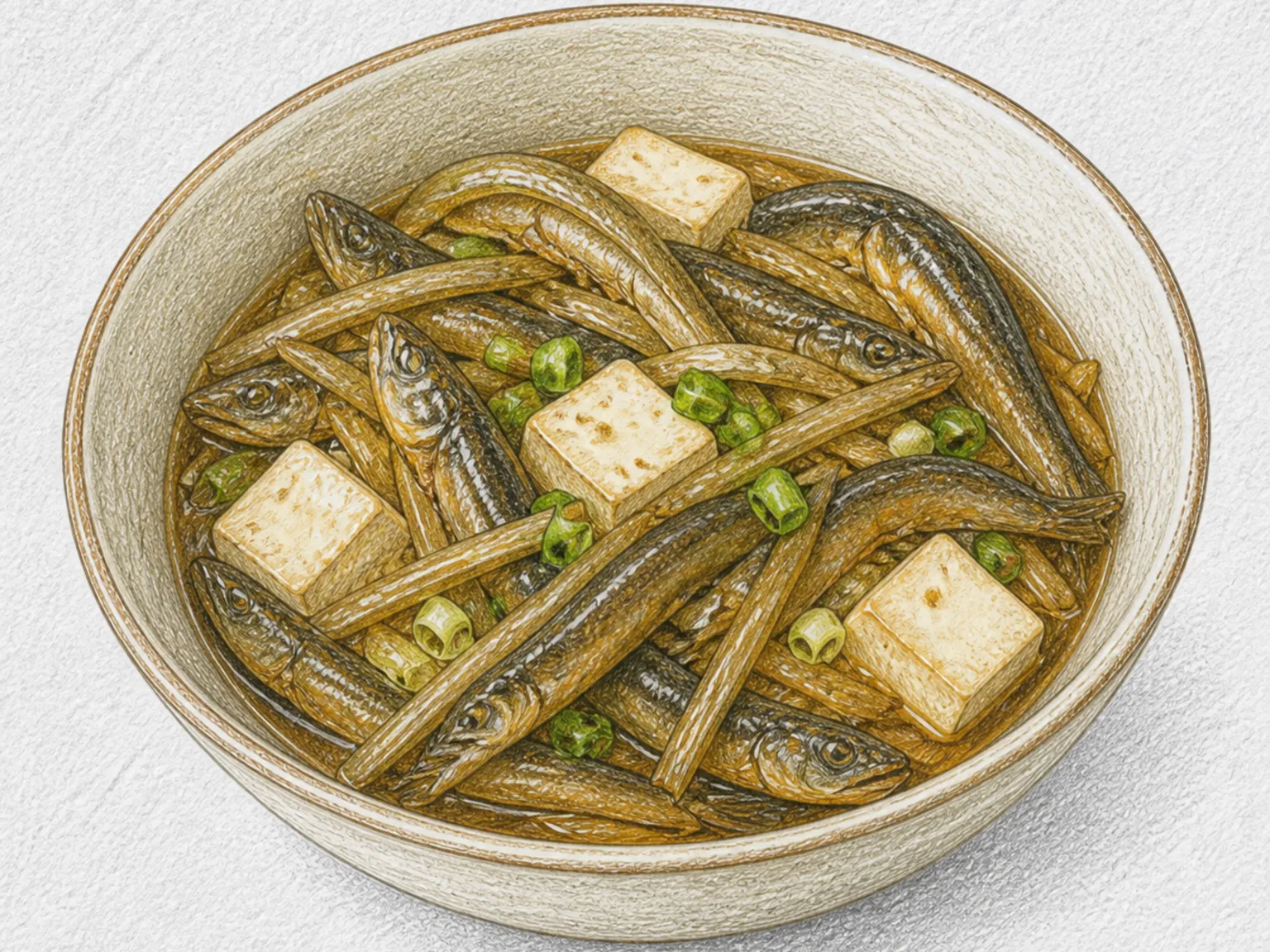
Haze tsukudani is a preserved fish side dish from the Mikawa Bay coast of Aichi. Cleaned sea gobies dry uncovered in the refrigerator for half a day, are grilled without seasoning, dry again overnight, and finally simmer until nearly dry in a sweet tamari broth. The two drying periods firm the flesh so the small fish keep their shape during the long final cooking, while grilling reduces surface moisture and fishy aroma. Water, sake, mirin, tamari, and sugar are boiled before the gobies are arranged in one layer under a drop lid. As the liquid becomes scarce, the pot is tilted rather than stirred to prevent breaking and scorching. The finished fish has concentrated soybean savor and sweetness and is eaten in small amounts with rice or drinks.

🍺 Bar Snacks
Prep 30min Cook 55min 4 servings
Ohan to Kayaku (Gardenia Rice with Fish and Vegetable Stew)
Rice Hard

Ohan to Kayaku (Gardenia Rice with Fish and Vegetable Stew)

Ohan to kayaku is an Usuki ceremonial meal pairing rice colored yellow with gardenia fruit and a hearty stew of tofu, burdock, daikon, carrot, onion, and white-fleshed lizardfish. The gardenia infusion is strained and used promptly because prolonged soaking can dull the bright yellow or turn it greenish. For the kayaku, drained tofu is crumbled into oil, followed by minced fish and firm vegetables, then dashi and soy-based seasoning create a warm, substantial soup spooned directly over the rice. One story says the frugal Usuki domain developed yellow rice as an alternative to costly red bean rice. Another links its color to paella encountered through Nanban trade under the Christian lord Otomo Sorin. Merchants also cooked large pots of kayaku on New Year's Eve and reheated them through the first three days of the year.

🎉 Special Occasion
Prep 30min Cook 45min 5 servings
Koobuirichii (Stir-Simmered Kelp and Pork)
Stir-fry Medium

Koobuirichii (Stir-Simmered Kelp and Pork)

Koobuirichii is an Okinawan stir-simmered dish in which rehydrated kelp is first coated thoroughly with oil, then slowly cooked with pork stock and seasoning until tender. Kubu means kelp, while irichi refers to frying dried foods or root vegetables before simmering them so they absorb flavor. Boiled pork belly and konnyaku are seasoned separately with sugar, mirin, sake, and soy sauce, then added with their cooking liquid once the kelp begins to soften. Kamaboko and fried tofu go in only when very little broth remains, preserving their shape in the rich sweet-savory glaze. A word association between kombu and yorokobu, meaning to rejoice, made the dish important at weddings and other celebrations. It is now also prepared regularly as home cooking across Okinawa.

🎉 Special Occasion 🏠 Everyday
Prep 30min Cook 55min 4 servings
Aichi Zoni (Clear New Year Soup with Square Mochi)
Soups Easy

Aichi Zoni (Clear New Year Soup with Square Mochi)

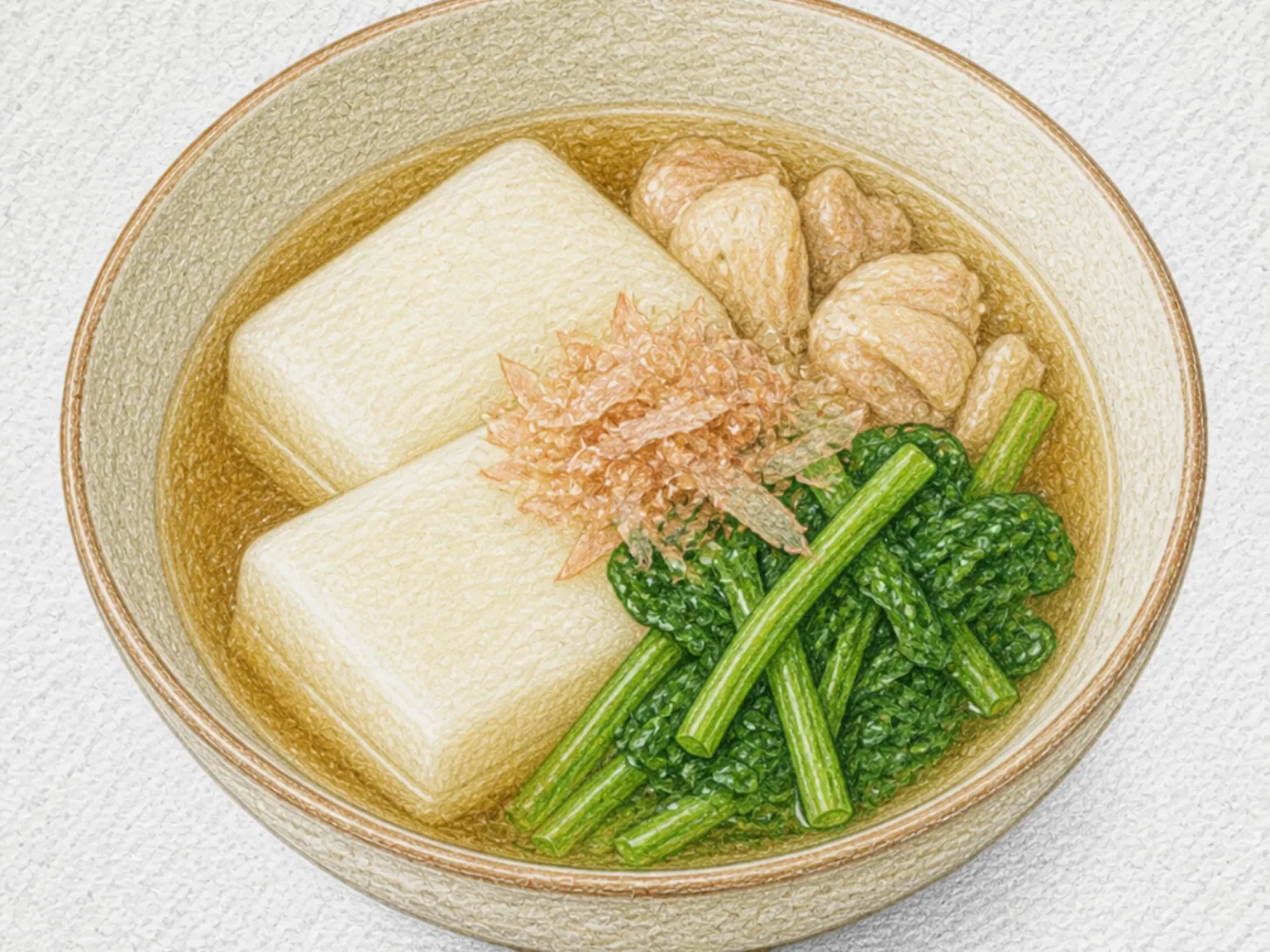
Aichi zoni is a New Year soup of square mochi, chicken, and mochina, a traditional leafy vegetable from the Owari area, in a clear soy-seasoned dashi. Although Aichi is strongly associated with dark bean miso, this zoni keeps its broth light with sake, mirin, salt, and soy sauce rather than miso. The square mochi goes directly into the simmering soup without grilling, producing a smooth surface and soft center. Mochina resembles komatsuna but is tender and mildly sweet, so it is added only after the rice cakes soften to preserve its green color. Each bowl receives two pieces of mochi, chicken, greens, clear broth, and a small topping of bonito flakes. The simple arrangement makes the texture of each ingredient easy to distinguish.

🎉 Special Occasion
Prep 15min Cook 20min 4 servings
Yanagawa Nabe (Loach, Burdock, and Egg Hot Pot)
Stews Medium

Yanagawa Nabe (Loach, Burdock, and Egg Hot Pot)

Yanagawa nabe is a shallow Tokyo hot pot of cleaned, boned loach and shaved burdock simmered in dashi seasoned with soy sauce, mirin, and sugar, then bound with beaten egg. Unlike marunabe, which cooks whole loach, Yanagawa uses opened fish and gains a gentler finish from the egg. This version avoids handling live loach and begins with fish professionally gutted, boned, and kept refrigerated. The loach is cooked through in the simmering broth before the egg is poured in two stages.

🎉 Special Occasion 🍺 Bar Snacks
Prep 20min Cook 20min 4 servings
Japanese Braised Chicken and Root Vegetables
Steamed Medium

Japanese Braised Chicken and Root Vegetables

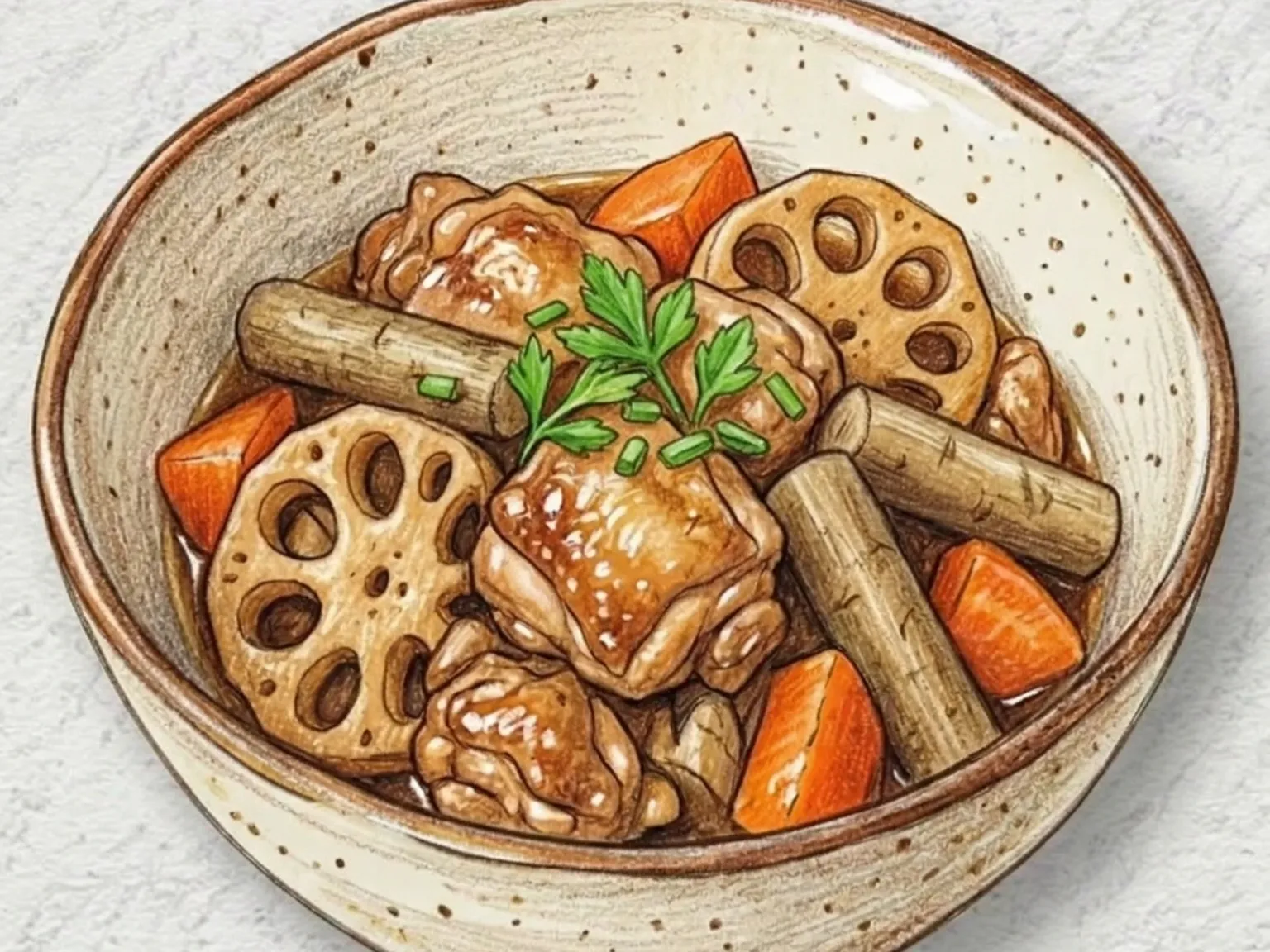
Chikuzenni is a Japanese-style braise of chicken thigh with lotus root, burdock, and carrot simmered in dashi seasoned with soy sauce and mirin. The thigh is seared first to render its fat, which coats each root vegetable piece as they braise together, building savory depth in the broth. Lotus root holds its firm bite through the cook, while burdock develops an earthy, nutty quality that intensifies with chewing. Mirin's restrained sweetness rounds out the soy, producing a side dish that stays satisfying across multiple meals of steamed rice.

🎉 Special Occasion 🍱 Lunchbox
Prep 25min Cook 35min 4 servings
Uri no Teppo-Zuke (Chili-Stuffed Soy-Pickled Melon)
Kimchi Hard

Uri no Teppo-Zuke (Chili-Stuffed Soy-Pickled Melon)

Uri no teppo-zuke is a Chiba pickle made from hollowed, salt-cured white melon. The melon is desalinated over two days with repeated water changes, squeezed thoroughly dry, and packed with green chilies wrapped in shiso leaves like ammunition inside a gun barrel. A marinade of soy sauce, coarse sugar, sake, mirin, and vinegar is boiled, cooled completely, and poured over the melon. For four to five consecutive days, the melon is removed and the liquid alone is reboiled, cooled, and returned; it is ready after about a week. The shape explains the name teppo-zuke, or gun pickle. Once a winter preserve around Narita and Katori, it remains a crisp, spicy rice side and sake accompaniment and is a well-known souvenir near Naritasan Shinshoji Temple.

🍺 Bar Snacks 🎉 Special Occasion
Prep 60min Cook 50min 4 servings
Hot Pot Udon (Japanese Earthenware Pot Noodle Soup)
Noodles Medium

Hot Pot Udon (Japanese Earthenware Pot Noodle Soup)

Nabeyaki udon is a Japanese hot-pot noodle dish cooked and served directly in a small earthenware pot, designed to stay piping hot at the table from first bite to last. The base is a dashi stock seasoned with soy sauce and mirin, which produces a broth that is clear but carries substantial depth of flavor. Chicken thigh cooked directly in the pot releases fat and juices into the surrounding liquid, enriching the stock in a way that chicken breast cannot replicate. Narutomaki fish cake, with its pink spiral cross-section, adds a visual accent that is as much a part of the dish's identity as any flavor it contributes, while enoki mushrooms soak up the broth and give back a delicate umami in return. The egg is cracked into the center of the pot and covered to cook gently until the white sets and the yolk remains soft and runny. When the yolk breaks and bleeds into the hot broth, it creates a brief silky richness that changes the texture of each spoonful. Shrimp tempura is placed on top of the finished dish at the very last moment, not submerged, because the batter collapses from steam and heat within seconds of hitting liquid. Spinach added in the final minute retains its bright color and stays tender without turning soft. The earthenware pot retains heat far longer than a regular bowl, which is why this dish reads as a cold-weather staple in Japan.

🎉 Special Occasion 🌙 Late Night
Prep 15min Cook 20min 1 servings
Yamagata Hiyashiru Chilled Vegetables in Savory Stock
Salads Medium

Yamagata Hiyashiru Chilled Vegetables in Savory Stock

Yamagata hiyashiru is not soup in the usual sense but a Yonezawa ohitashi that serves blanched seasonal vegetables with dried scallop, shiitake, and freeze-dried konnyaku in abundant chilled soy-seasoned stock. The scallop soaking liquid becomes the dashi rather than being discarded, while porous shimi konnyaku and dried shiitake absorb the savory broth deeply. Spinach, cabbage, soybean sprouts, and carrot are each blanched to their proper tenderness and cut to three-centimeter lengths. Yukina, Yonezawa's winter green, receives only a quick pass through heat to retain its snap. Rehydrated scallop and shiitake and thoroughly washed konnyaku simmer for five minutes with soy sauce and mirin, then the liquid is cooled promptly. Vegetables and stock rest together under refrigeration from one hour to overnight. Traditionally set in a large shared bowl, every serving includes plentiful soaking liquid as well as the vegetables.

🎉 Special Occasion 🥗 Light & Healthy
Prep 480min Cook 25min 5 servings
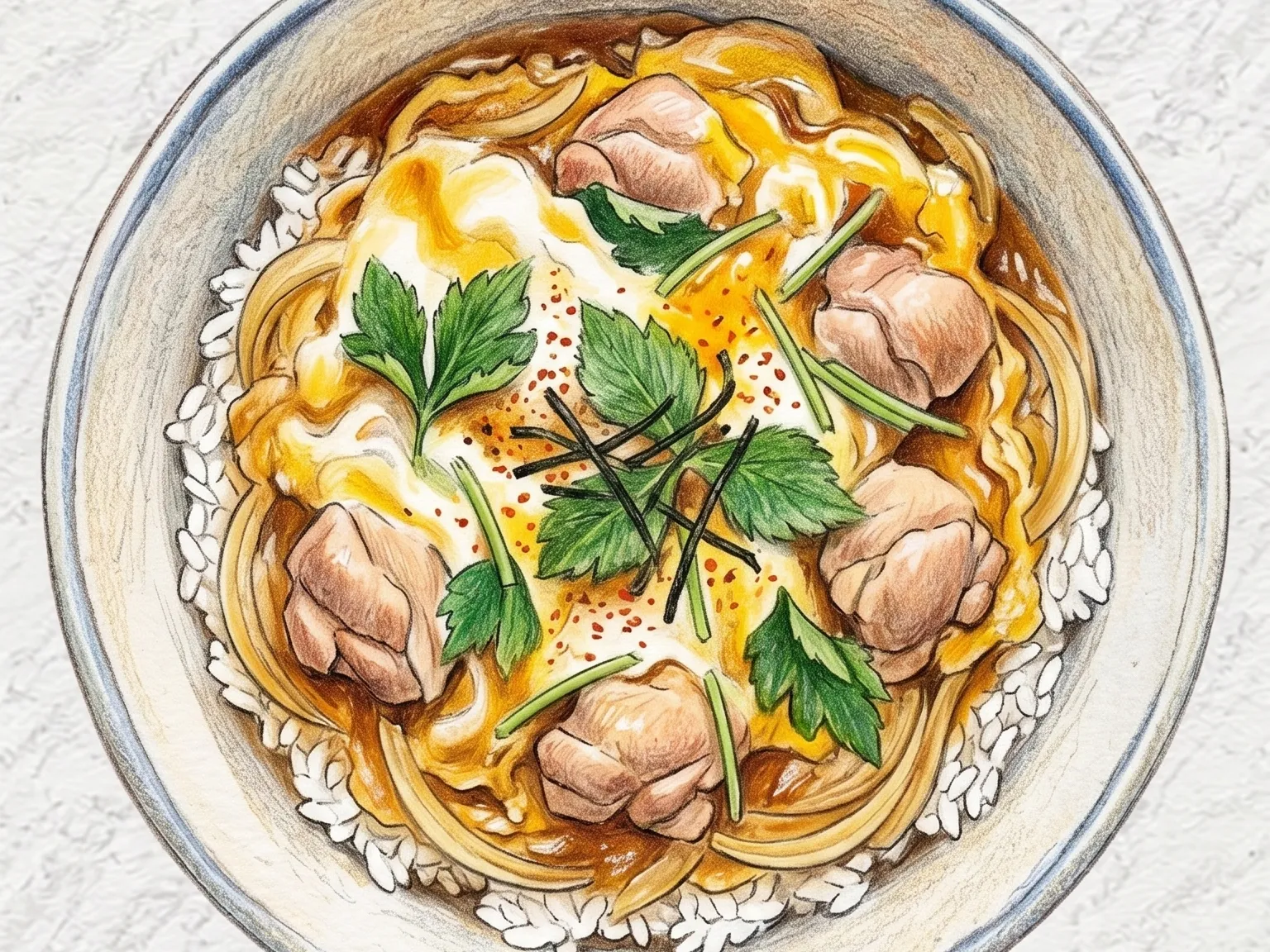
Mitsuba Oyakodon (Japanese Chicken Egg Rice Bowl with Mitsuba Herb)
Asian Easy

Mitsuba Oyakodon (Japanese Chicken Egg Rice Bowl with Mitsuba Herb)

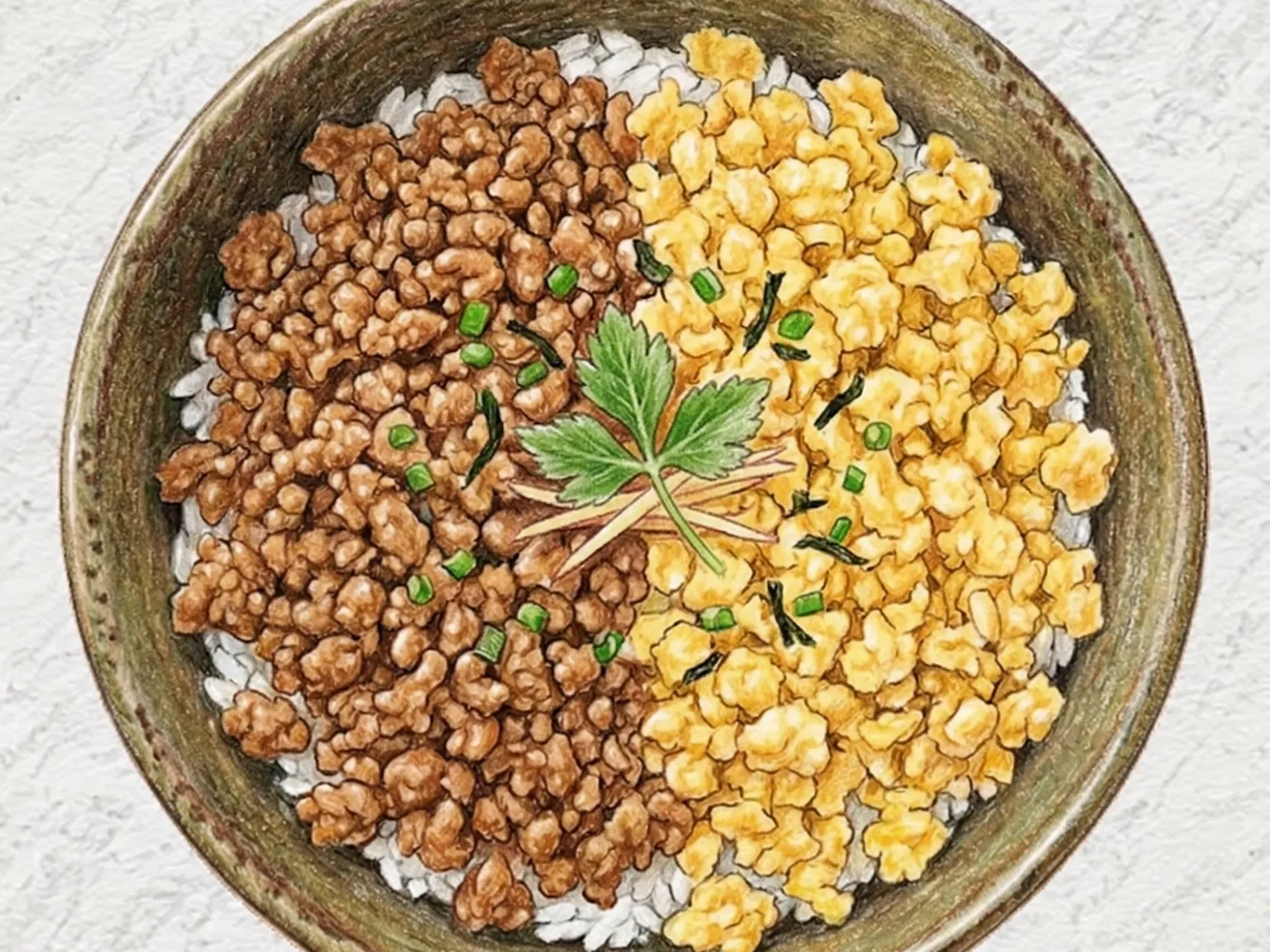
This Japanese chicken and egg rice bowl features chicken thighs and sliced onions simmered in dashi stock, soy sauce, and mirin. The chicken is cut into bite-sized pieces and cooked in the broth until tender. Beaten eggs are added in two batches: the first half is allowed to set slightly before the remainder is poured, creating a mixture of firm and silky, runny textures. To keep the egg texture soft, it is important not to overbeat the eggs before cooking. Fresh mitsuba, a Japanese wild parsley, is cut into four-centimeter pieces and placed on top during the last twenty seconds of cooking with the lid closed. This brief steaming preserves its delicate celery-like fragrance and green color. Letting the dish rest off the heat for thirty seconds before serving over warm rice ensures a smooth custard-like texture that coats each grain.

🏠 Everyday ⚡ Quick
Prep 12min Cook 15min 2 servings
Ikanago no Kugini (Ginger Soy Simmered Sand Lance)
Side dishes Hard

Ikanago no Kugini (Ginger Soy Simmered Sand Lance)

Ikanago no kugini is a spring preserve from the coast of Ise Bay in Mie, made by reducing young sand lance with soy sauce, sake, mirin, coarse sugar, and ginger. Fresh fish about 3 to 4 cm long are scattered into the vigorously simmering sauce in small batches so the temperature does not fall. The fish must not be stirred while cooking because their slender bodies break easily. Near the end, the pot itself is turned several times until the liquid is nearly gone, leaving glossy, bent fish that resemble rusty nails, the image behind the name kugini.

🍱 Lunchbox 🍺 Bar Snacks
Prep 20min Cook 45min 4 servings
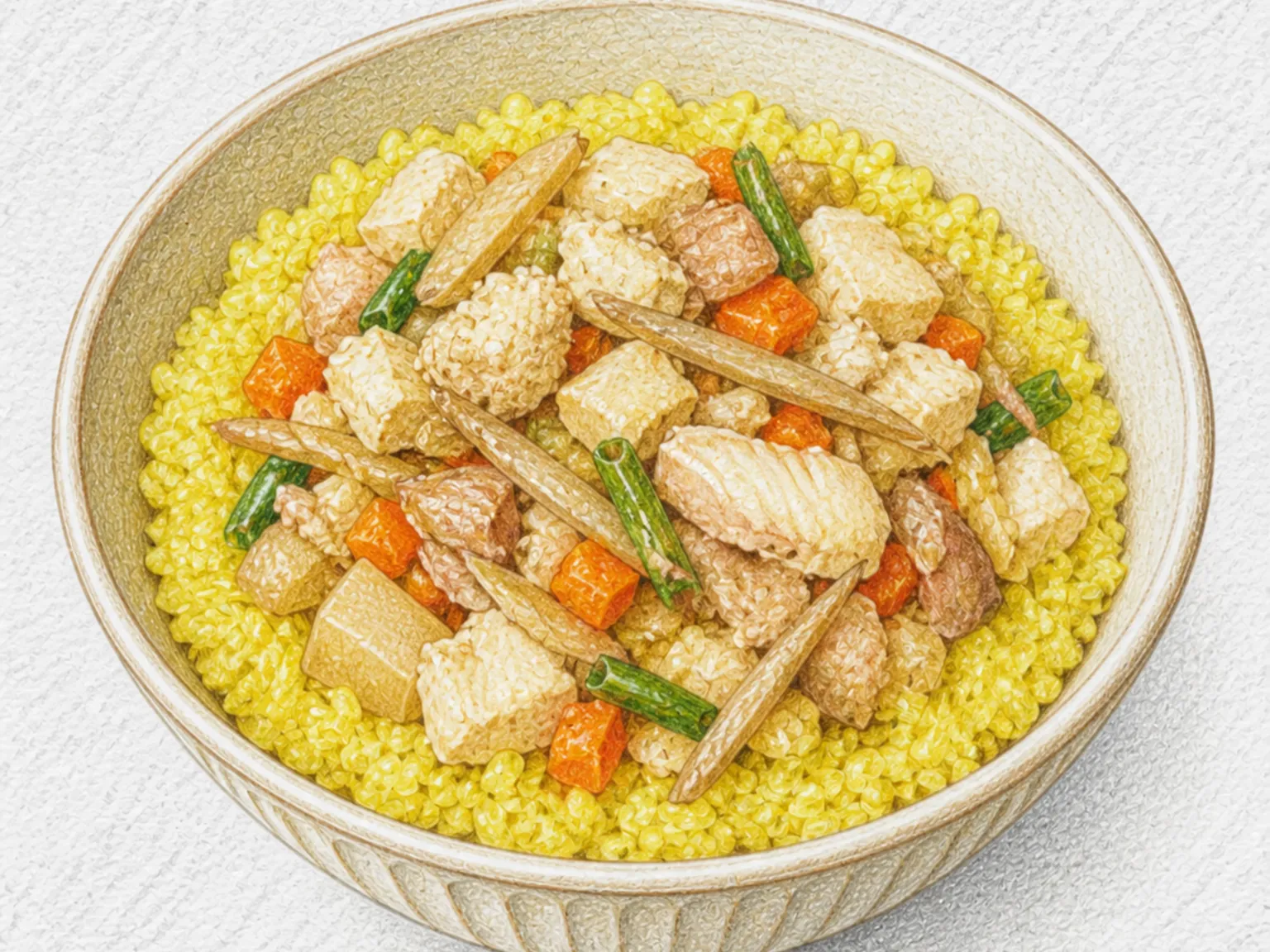
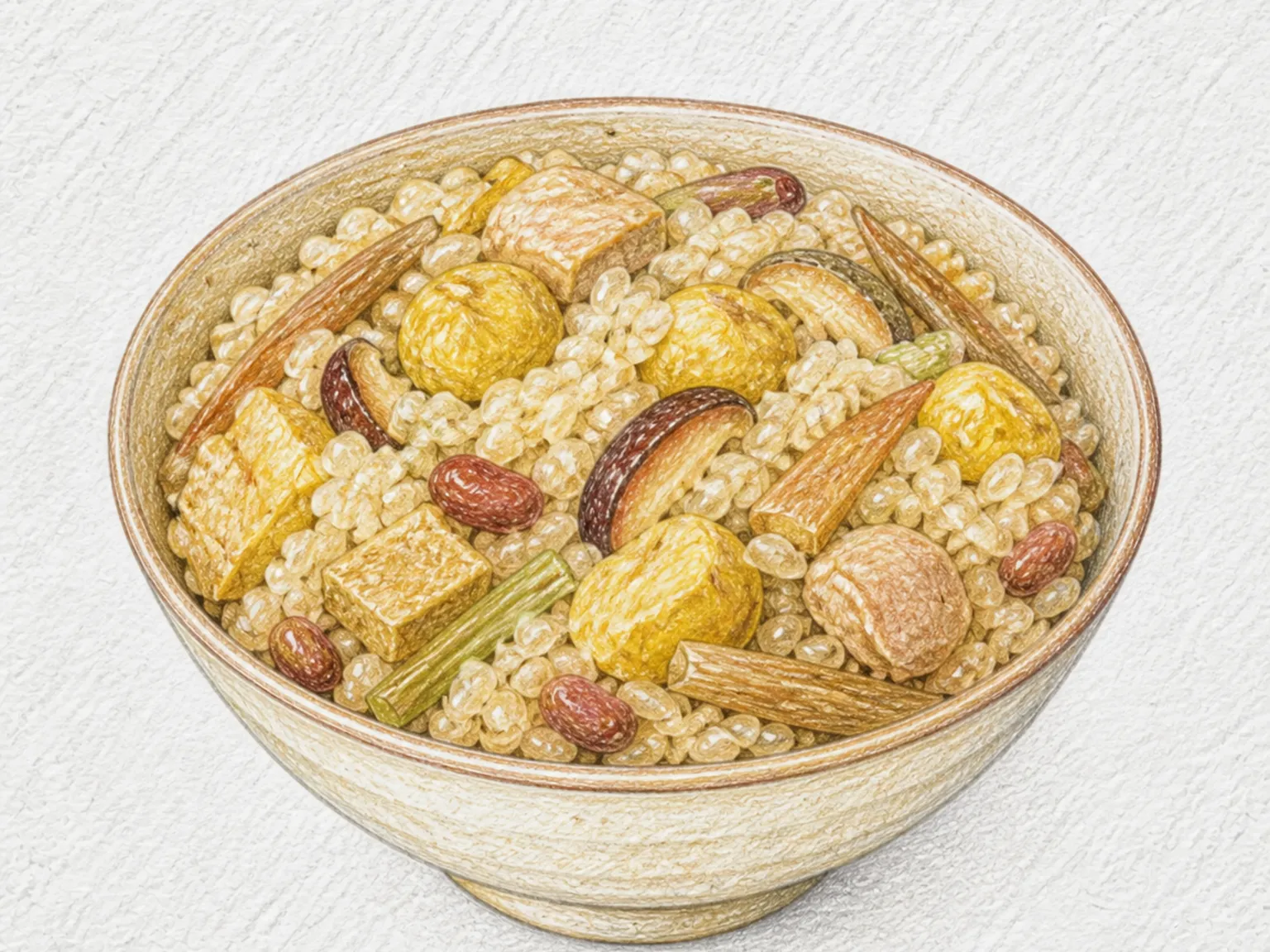
Hiruzen Okowa
Rice Hard

Hiruzen Okowa

Hiruzen okowa is a steamed mixed glutinous-rice dish from Maniwa in Okayama, combining sticky rice and barley with chicken, chestnuts, burdock, fuki, dried shiitake, and fried tofu. It developed after Daisen okowa crossed into the Hiruzen area, and barley became part of the local version through community nutrition programs from the 1950s. Families served it for New Year, seasonal celebrations, festivals, and household gatherings. Its defining method is to sauté and simmer the filling, reserve the seasoned cooking liquid, and sprinkle that liquid over the grains during steaming. Soaked grains and briefly dried chestnuts become glossy and pleasantly chewy, while blanched green beans added at the end preserve a fresh green accent.

🎉 Special Occasion 🍱 Lunchbox
Prep 480min Cook 75min 4 servings
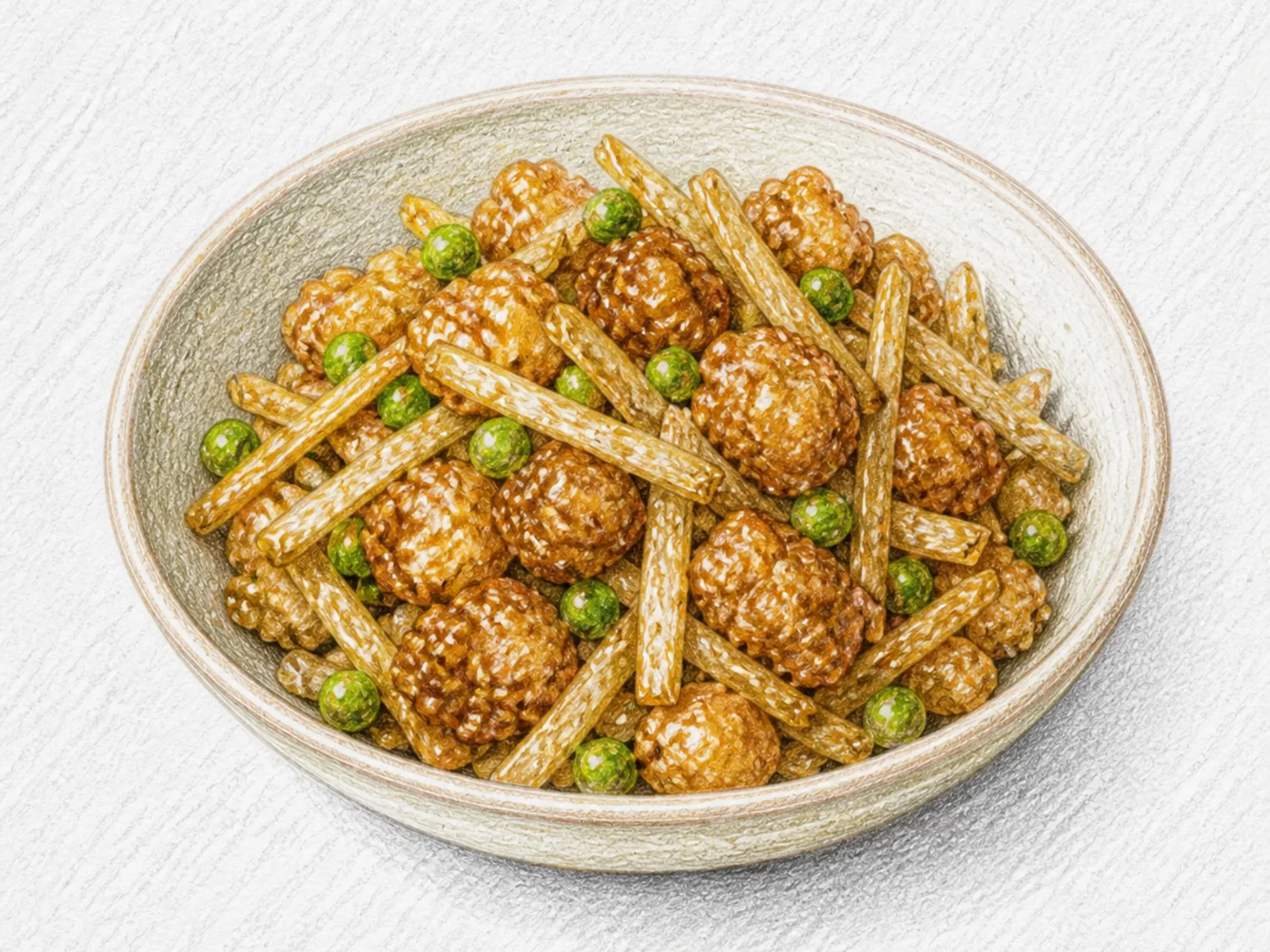
Imogara Stir-fry and Simmer
Stir-fry Easy

Imogara Stir-fry and Simmer

Imogara no itame-ni is an Ibaraki side dish of rehydrated dried taro stalk stir-fried with lotus root, carrot, fried tofu, and konjac, then simmered until a sweet soy broth is absorbed. Dried taro stalk was kept as a year-round preserved ingredient; once soaked, its porous fibers take in seasoning while retaining a noticeable bite. The pot stays uncovered during simmering so the lotus root remains crisp, and the dish is finished when almost no liquid remains. It appears both as an everyday prepared side and at New Year or celebratory gatherings.

🏠 Everyday 🍱 Lunchbox
Prep 40min Cook 25min 4 servings
Dojo-Ni (Whole Loach Simmered with Burdock)
Steamed Hard

Dojo-Ni (Whole Loach Simmered with Burdock)

Dojo-ni is a freshwater fish stew from eastern Saitama in which cleaned loaches are simmered whole with burdock, tofu, and long onion in seasoned broth. The loaches are placed in a deep covered container and sake is poured in along the rim; once they stop moving, they are transferred to warishita made in a ratio of four parts water, one part sake, and one part soy sauce, with mirin added. Thinly shaved burdock enters at the same time and the pot is brought to a strong boil. The heat is then lowered before bite-size tofu and chopped onion are added. Cooking continues until the fish is opaque, thoroughly heated, and tender enough to eat with its small bones. The dish reflects river and paddy life around the Tone and Ayase basins, where loaches were caught from summer into autumn. Slender ones went into soup, while plump fish were reserved for whole stewing.

🏠 Everyday 🍺 Bar Snacks
Prep 25min Cook 30min 4 servings
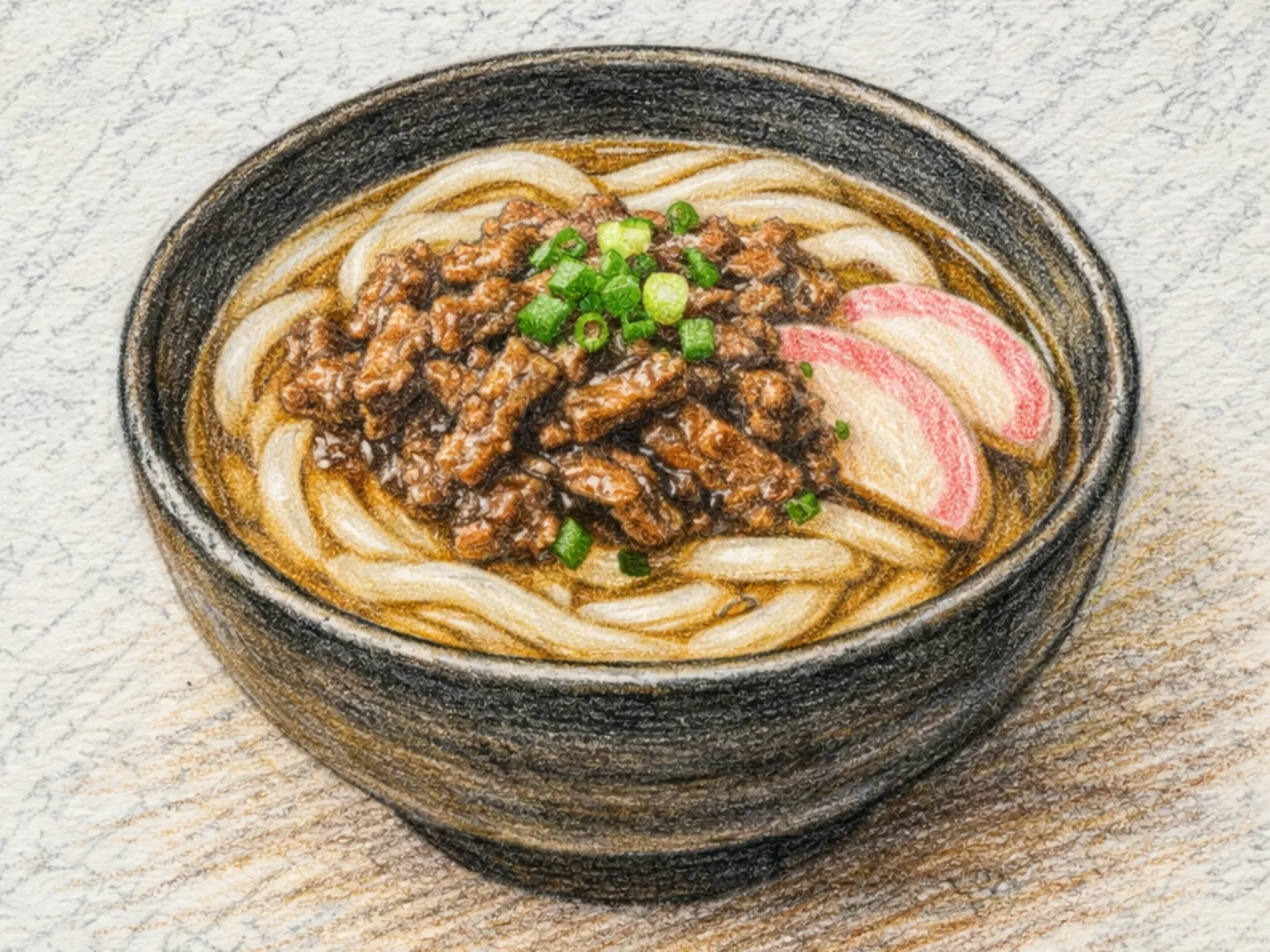
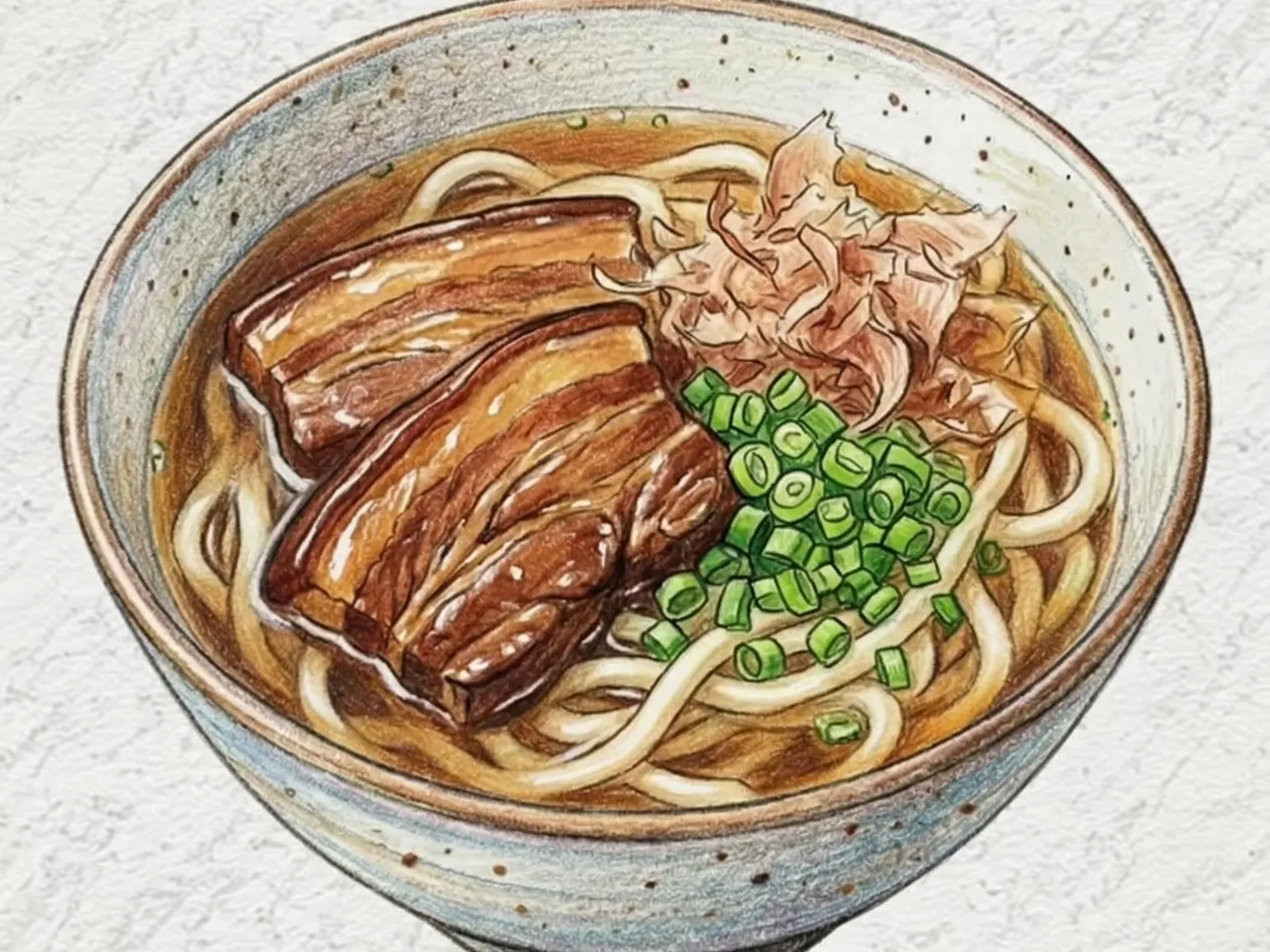
Okinawa Soba (Thick Wheat Noodles with Braised Pork Belly)
Noodles Medium

Okinawa Soba (Thick Wheat Noodles with Braised Pork Belly)

Okinawa soba is a regional Japanese noodle dish from Okinawa featuring thick wheat noodles in bonito-based broth, topped with braised pork belly. The pork belly is blanched for three minutes to remove impurities, then slowly simmered in soy sauce, mirin, and sugar until the fibers turn soft and the meat absorbs a sweet-salty glaze. The bonito dashi broth is clear and subtly savory, seasoned lightly with soy sauce to complement rather than compete with the rich pork. Rinsing the cooked noodles briefly in warm water removes excess starch so the broth stays clean when poured over them. Bonito flakes placed on top just before serving release a smoky, oceanic fragrance, and sliced scallion adds a fresh green accent to the warm, meaty bowl.

🎉 Special Occasion 🍱 Lunchbox
Prep 20min Cook 40min 2 servings
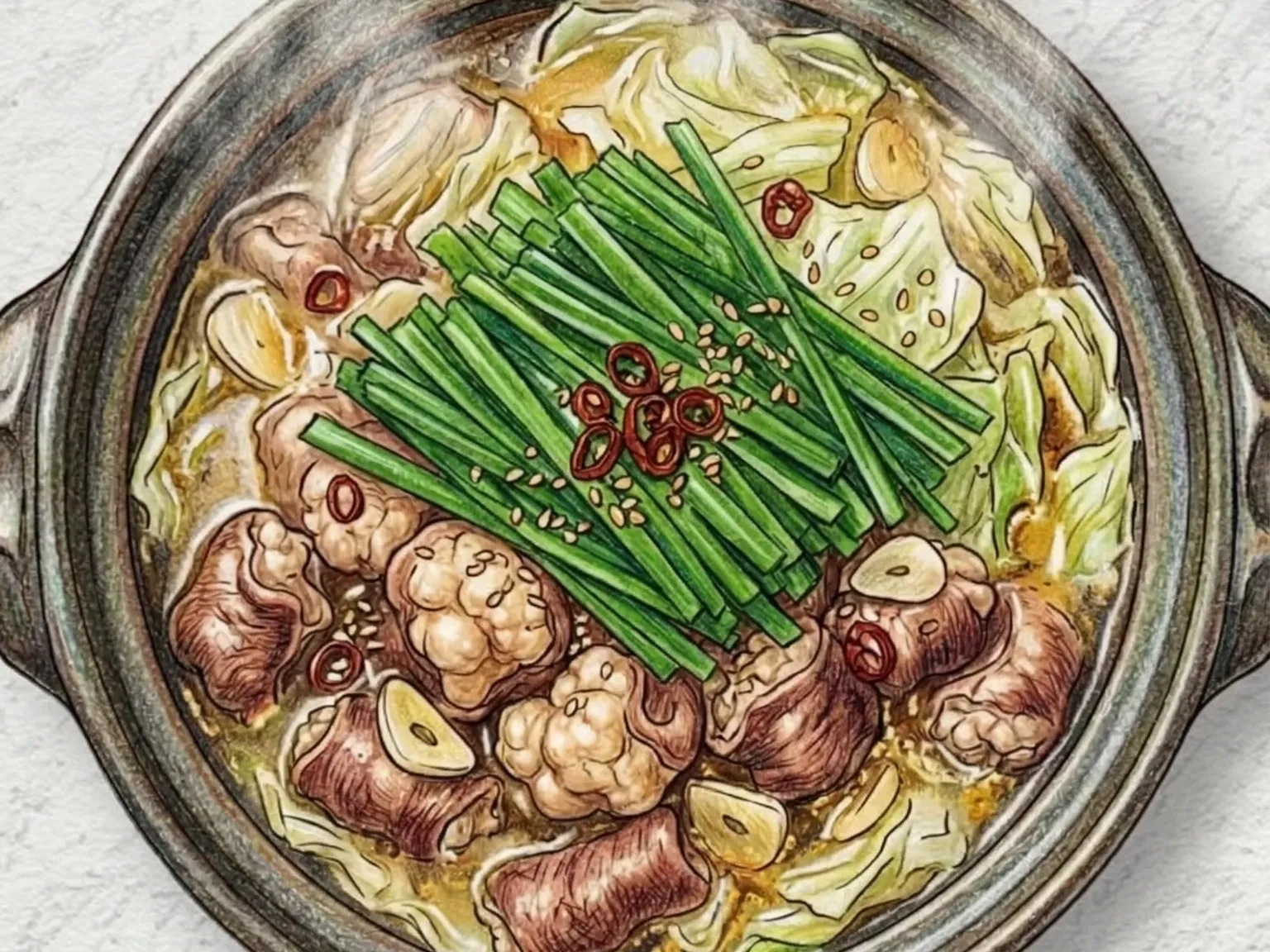
Hakata Motsu Nabe (Offal Hot Pot)
Asian Easy

Hakata Motsu Nabe (Offal Hot Pot)

Hakata motsu nabe is a traditional Japanese hot pot featuring pork small intestines simmered with cabbage, garlic chives, and tofu. The preparation begins by rinsing and blanching the offal to eliminate gamey odors before slicing it into small pieces. The base broth combines chicken stock, soy sauce, and mirin, brought to a boil before adding the blanched offal, hand-torn cabbage, and firm tofu. Simmering allows the fats from the intestines to melt into the soup, enriching its flavor, while the cabbage absorbs the seasoned liquid and softens. Sliced garlic and red chili are added to infuse the broth with a warm aroma, followed by garlic chives cooked briefly to preserve their green color. This dish is served hot at the table and traditionally finished by adding ramen noodles or rice to the remaining savory broth.

🍺 Bar Snacks 🎉 Special Occasion
Prep 15min Cook 20min 3 servings
Komo-dofu (Straw-Wrapped Seasoned Tofu)
Side dishes Hard

Komo-dofu (Straw-Wrapped Seasoned Tofu)

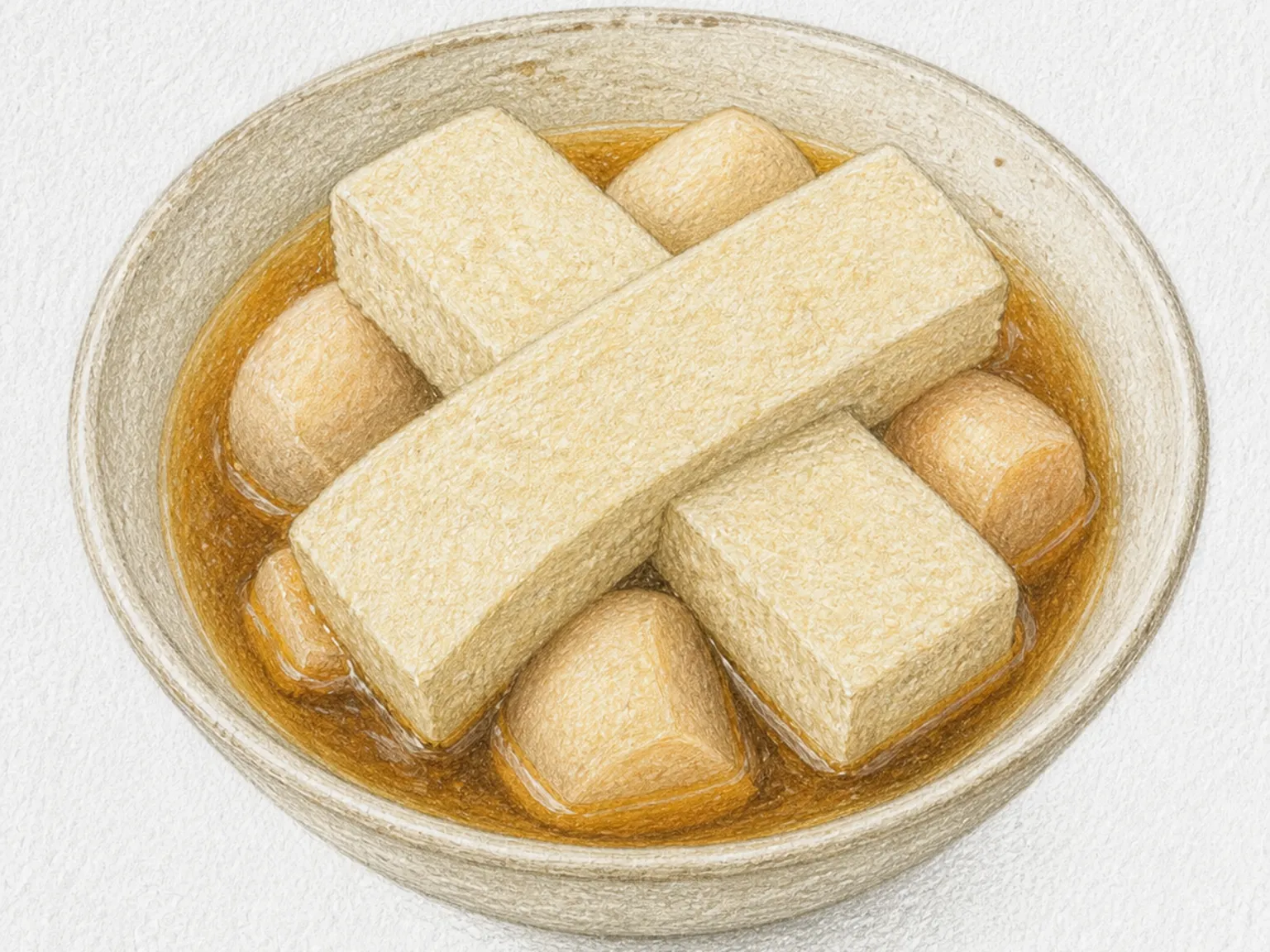
Komo-dofu is an Ibaraki tofu dish. Blanched tofu is crumbled while hot, packed tightly into food-safe rice-straw wrappers, rested into firm cylinders, removed from the straw, and slowly simmered in a sweet soy seasoning. As the curds compress back together, small channels remain inside and absorb the liquid, while the wrapper leaves a striped surface and a faint straw aroma. Tofu supplied valuable protein when meat was difficult to obtain, but spoiled quickly, so a local account says villagers pooled straw and prepared large batches together. In central Ibaraki it became food for weddings and funerals, often rested overnight after simmering for deeper seasoning.

🎉 Special Occasion
Prep 35min Cook 35min 4 servings
Chicken and Egg Rice Bowl
Rice Easy

Chicken and Egg Rice Bowl

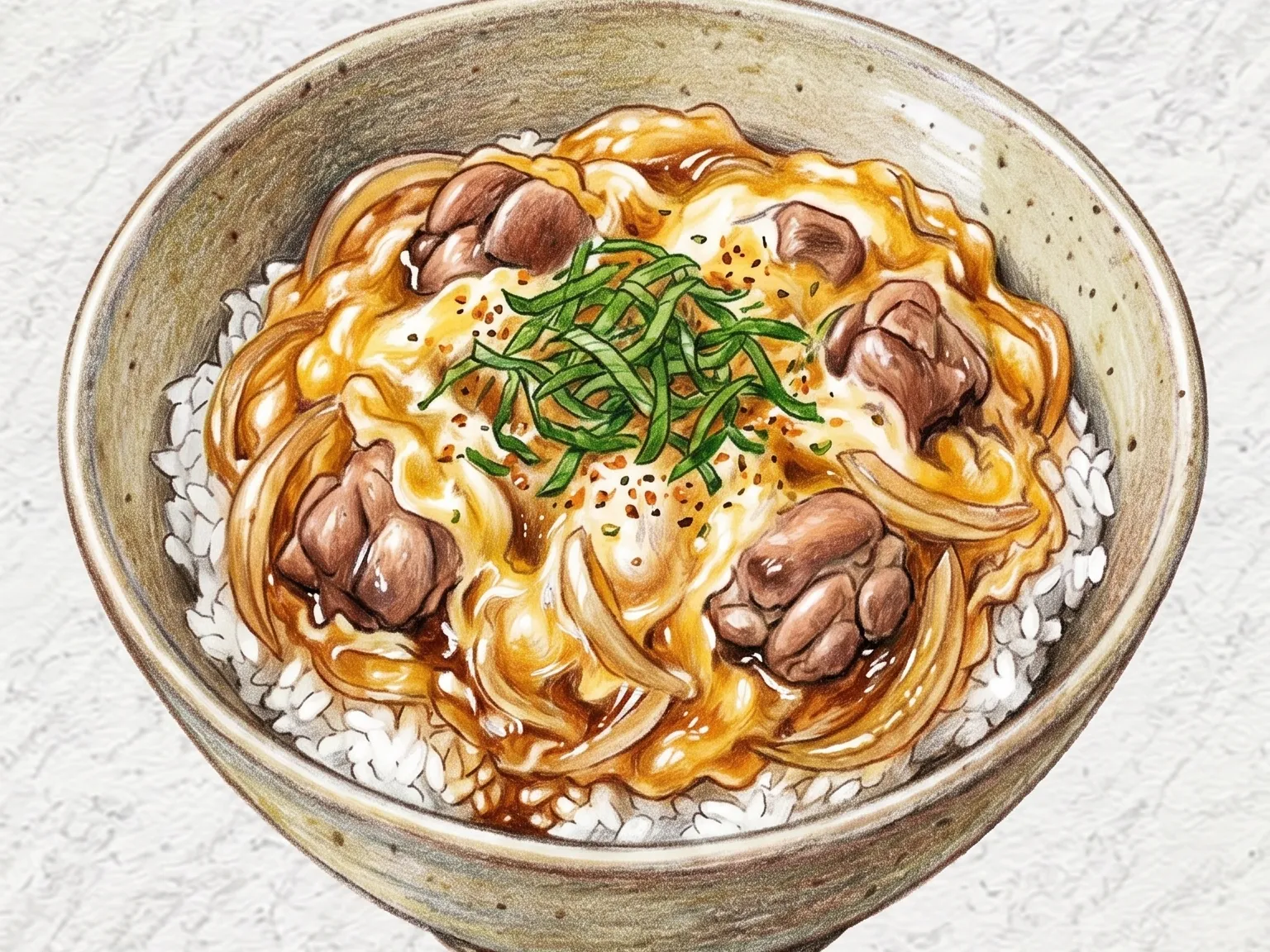
Oyakodon simmers bite-size chicken thigh and sliced onion in a soy-mirin broth, then binds everything with a soft-set egg before sliding it over steamed rice. The name means 'parent and child,' referring to the chicken and egg sharing the same bowl. Onion goes into the broth first to release its natural sweetness, followed by the chicken, which cooks just until tender. Beaten eggs are poured in a circular motion and the lid goes on briefly, leaving the egg custardy rather than fully set. That half-cooked egg absorbs the savory-sweet broth and coats each grain of rice. Despite using only a handful of ingredients, the layered umami from soy sauce and mirin gives the dish a satisfying depth.

🏠 Everyday ⚡ Quick
Prep 15min Cook 15min 2 servings
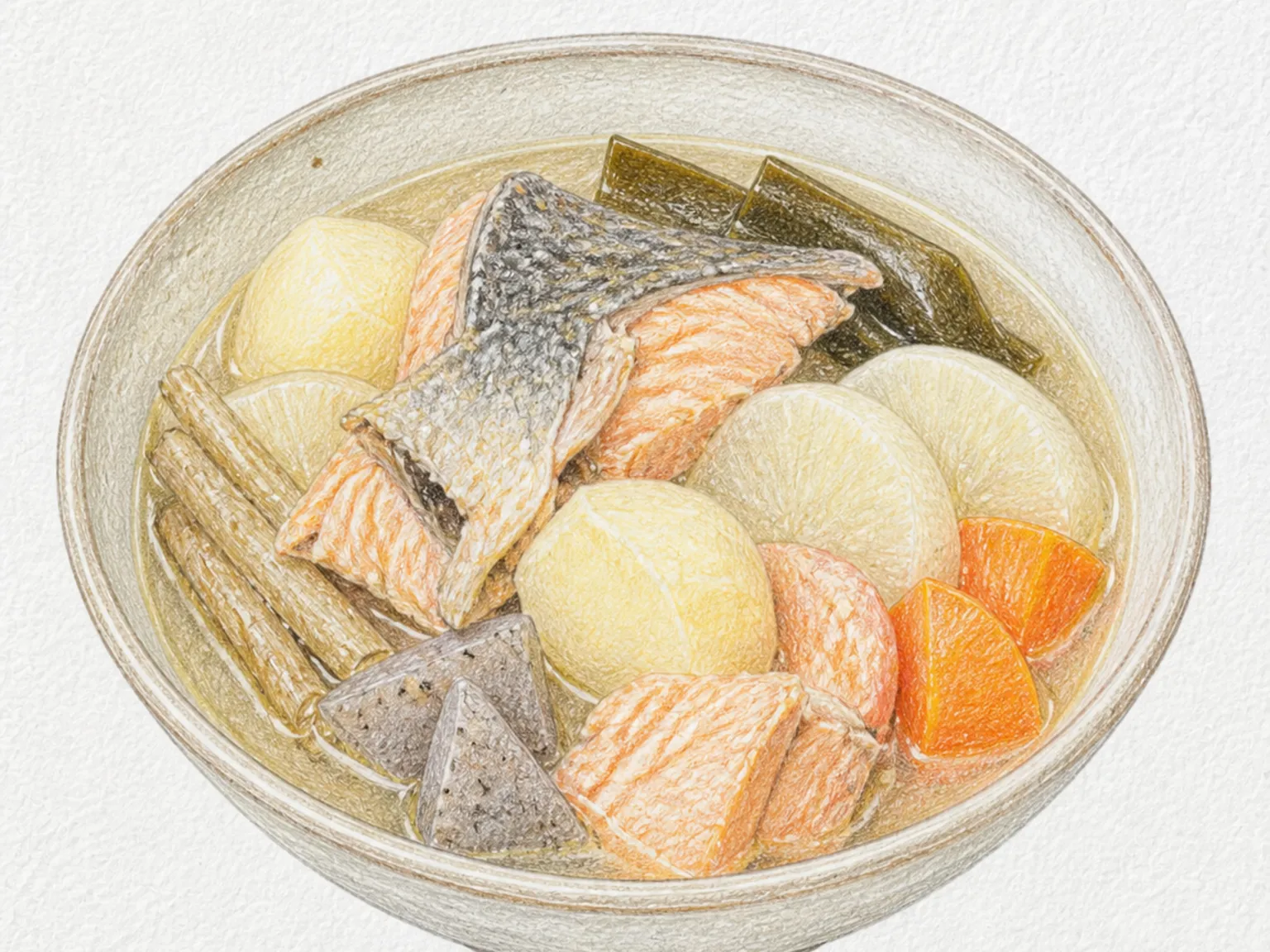
Tara no Ko Iri (Akita Cod Roe with Shirataki)
Stir-fry Medium

Tara no Ko Iri (Akita Cod Roe with Shirataki)

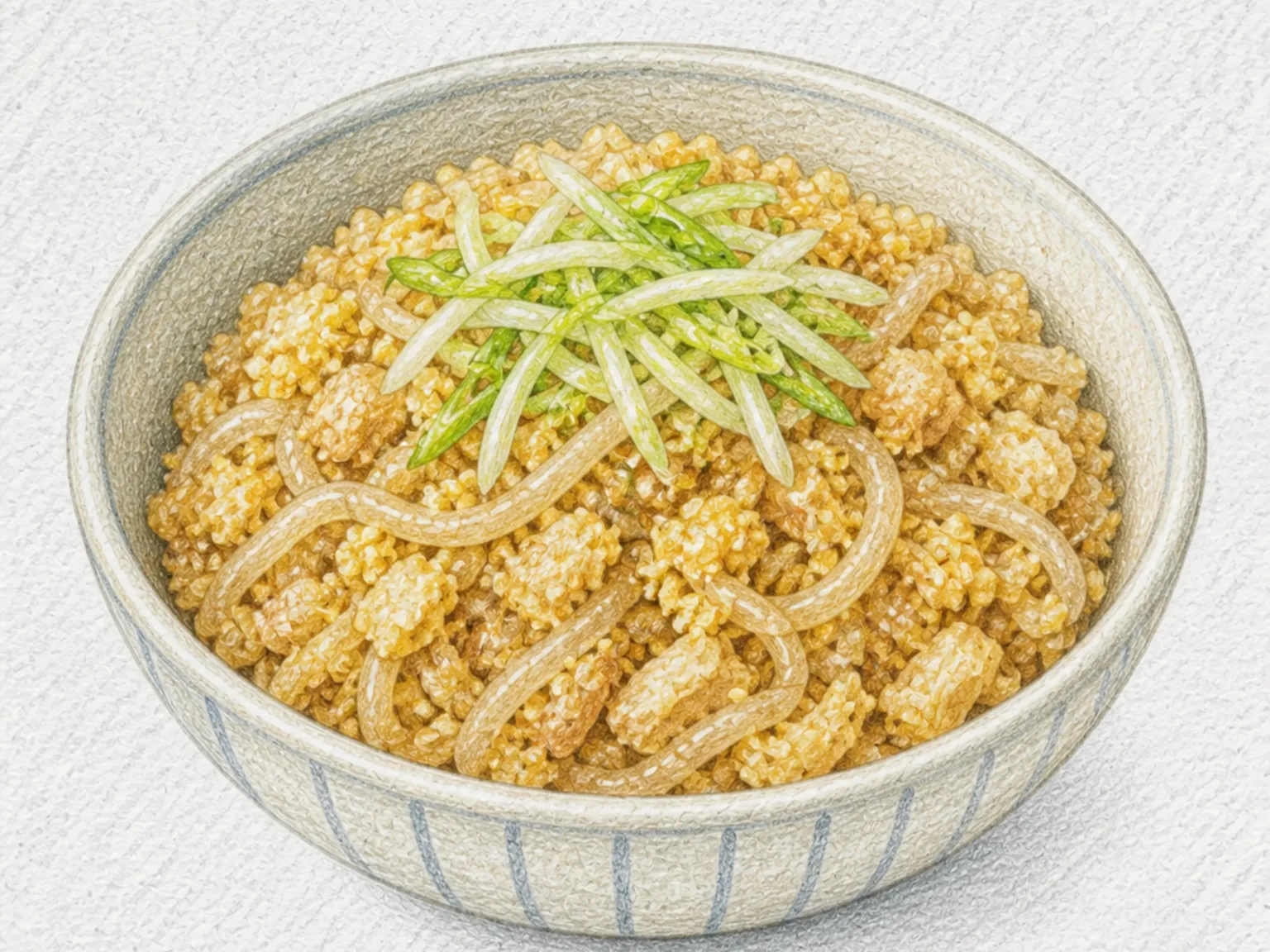
Tara no ko iri is a winter dish from Akita's Sea of Japan coast. Shirataki simmers in water seasoned with soy sauce, sake, mirin, and sugar before raw Pacific cod roe is squeezed from its sac into the bubbling liquid and reduced. The roe separates into coarse grains that cling to the noodles; the sac may also be cut up and included for a firmer accent. Fine white strips of long onion finish the dish. In Akita, tarako in this context means the roe of Pacific cod rather than the pollock roe commonly sold under that name elsewhere. It is served as a winter make-ahead side dish, with rice, or alongside sake, and its many eggs made it an auspicious New Year food associated with hopes for children.

🎉 Special Occasion 🍺 Bar Snacks
Prep 20min Cook 30min 10 servings
Doteyaki (Beef Tendon Simmered in Miso)
Steamed Medium

Doteyaki (Beef Tendon Simmered in Miso)

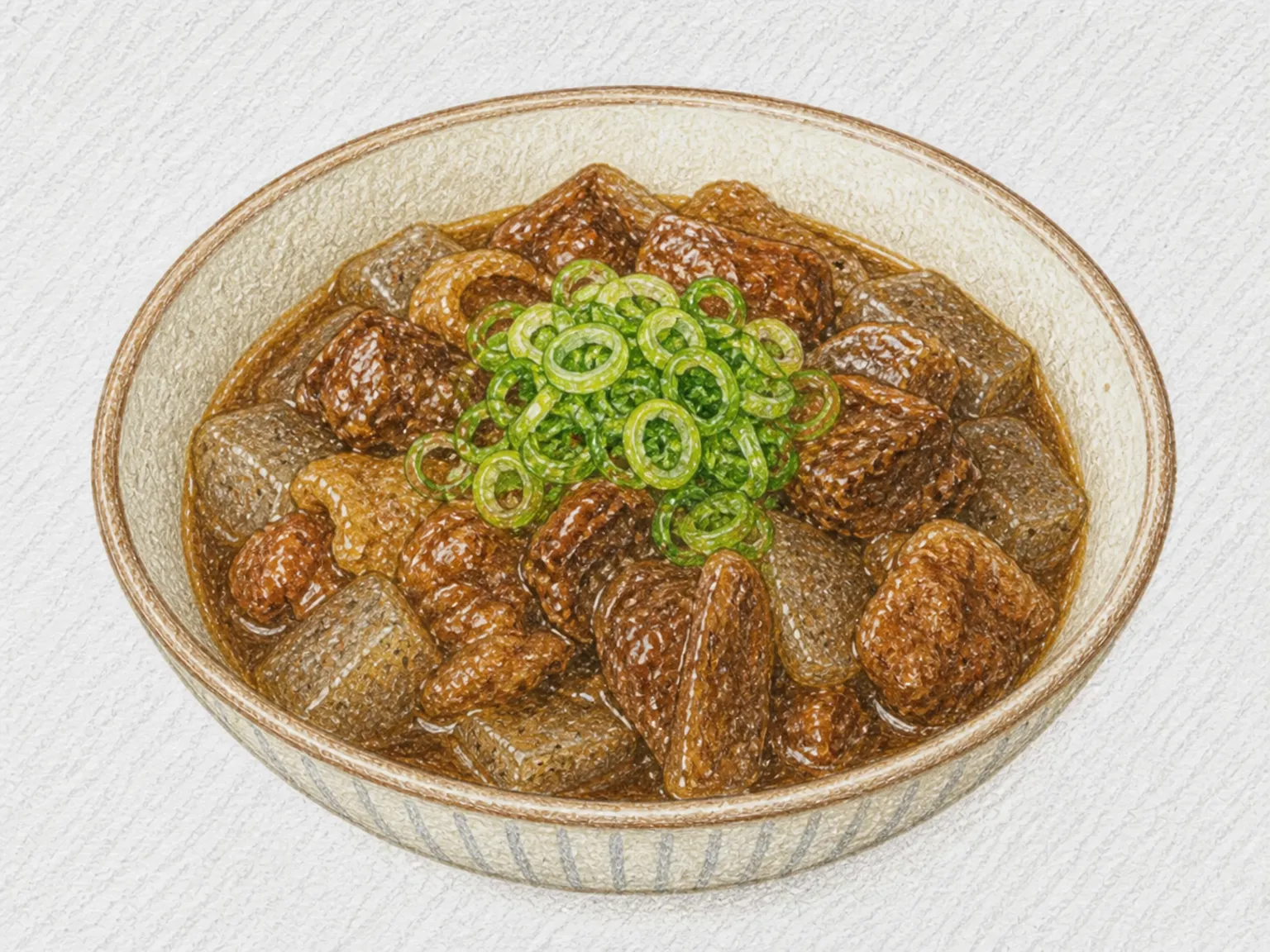
Doteyaki is an Osaka comfort dish of beef tendon parboiled to remove impurities, then gently cooked with dashi, ginger, and green onion until tender. The tendon and torn konnyaku are finished in a rich country-miso glaze with sugar, mirin, and sake. Its name refers to the traditional bank of miso built around the inside rim of an iron pot, allowing the paste to dissolve gradually into the bubbling liquid at the center. The result is sweet, savory, deeply flavored, and pleasantly chewy. It is served year-round in Shinsekai izakaya and kushikatsu shops, often as an affordable accompaniment to drinks.

🍺 Bar Snacks 🎉 Special Occasion
Prep 25min Cook 100min 4 servings
Shoyu Butter Corn Ramen
Noodles Medium

Shoyu Butter Corn Ramen

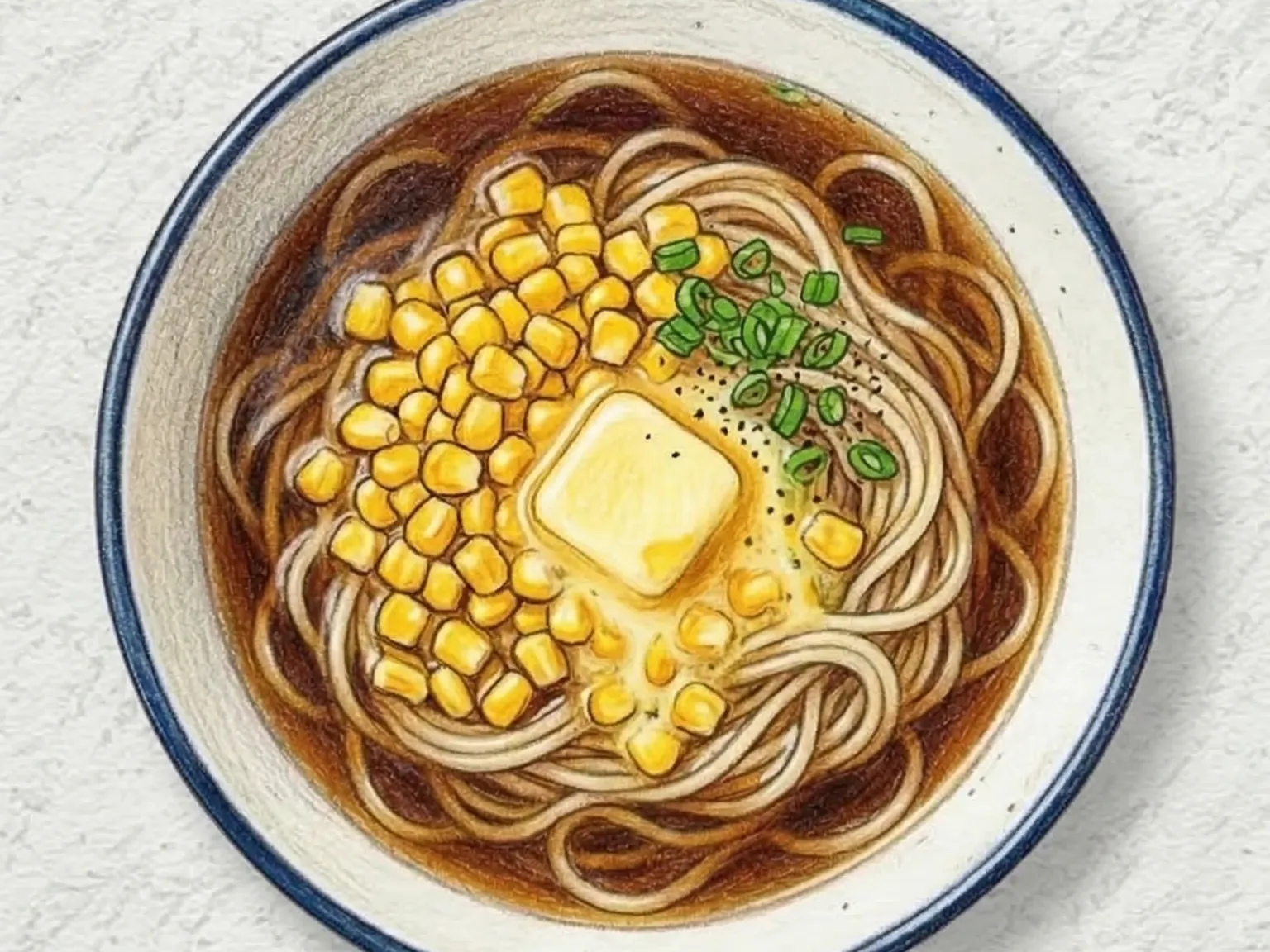
Shoyu butter corn ramen is a Japanese noodle soup built on chicken broth seasoned with soy sauce and mirin. The broth simmers for ten minutes to marry the salty-sweet flavors before being ladled over separately boiled ramen noodles. A pat of butter placed on top melts slowly into the hot liquid, spreading richness across the bowl. Sweet corn kernels, crisp bean sprouts, nori, and sliced scallion complete the toppings. Serving it soon after cooking keeps the intended texture clearer, while brief resting lets the sauce or broth settle into the dish.

🌙 Late Night 🏠 Everyday
Prep 10min Cook 20min 2 servings