Recipes with mirin

109 recipes. Page 4 of 5

Buy mirin
Nasu Dengaku (Miso-Glazed Eggplant)
Asian Easy

Nasu Dengaku (Miso-Glazed Eggplant)

A classic Japanese dish of eggplants sliced in half, scored, pan fried, and baked with a sweet and savory miso glaze.

🏠 Everyday 🍺 Bar Snacks
Prep 10min Cook 15min 2 servings
Koya Tofu Powder and Vegetable Nimono
Side dishes Medium

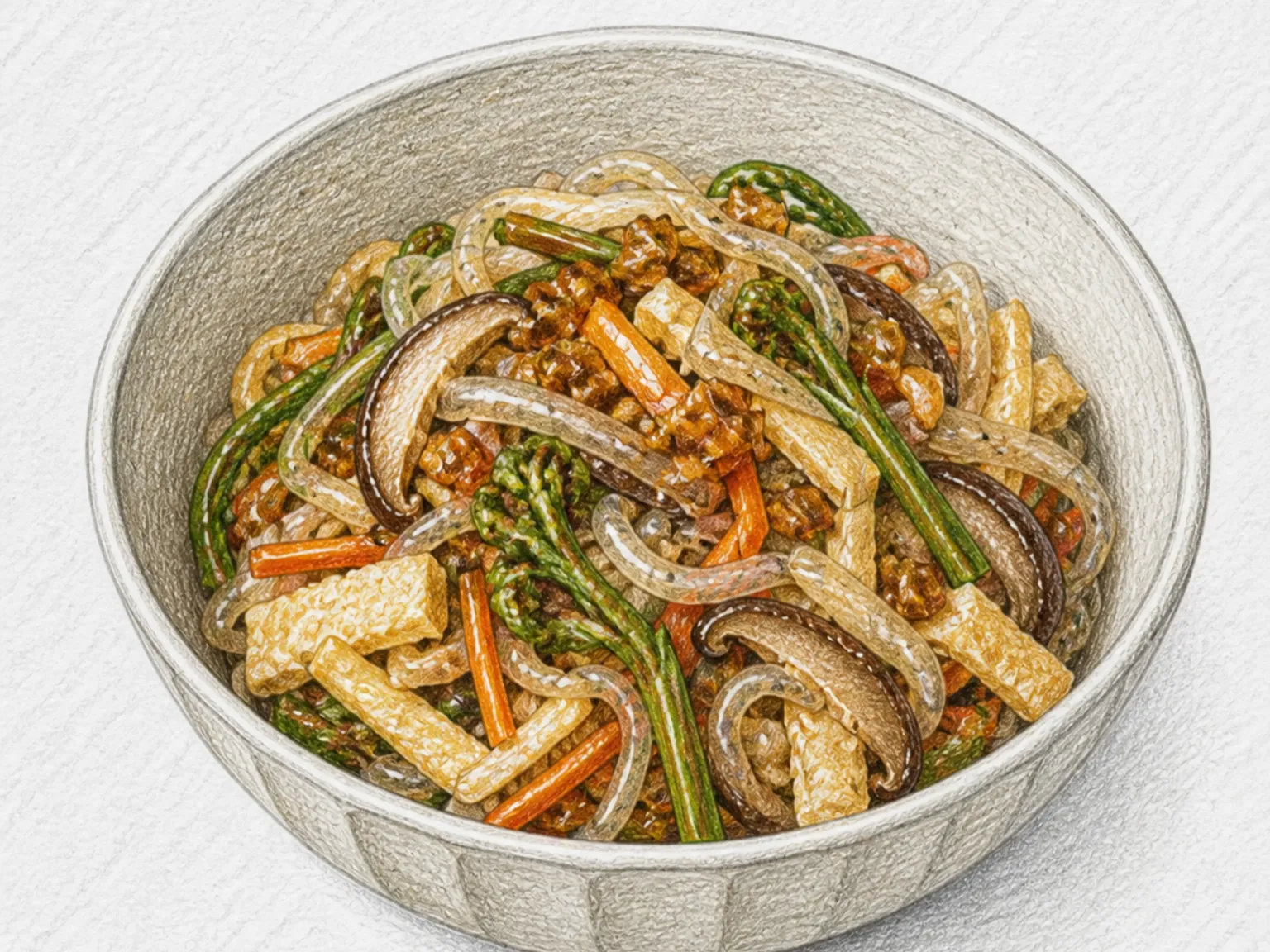
Koya Tofu Powder and Vegetable Nimono

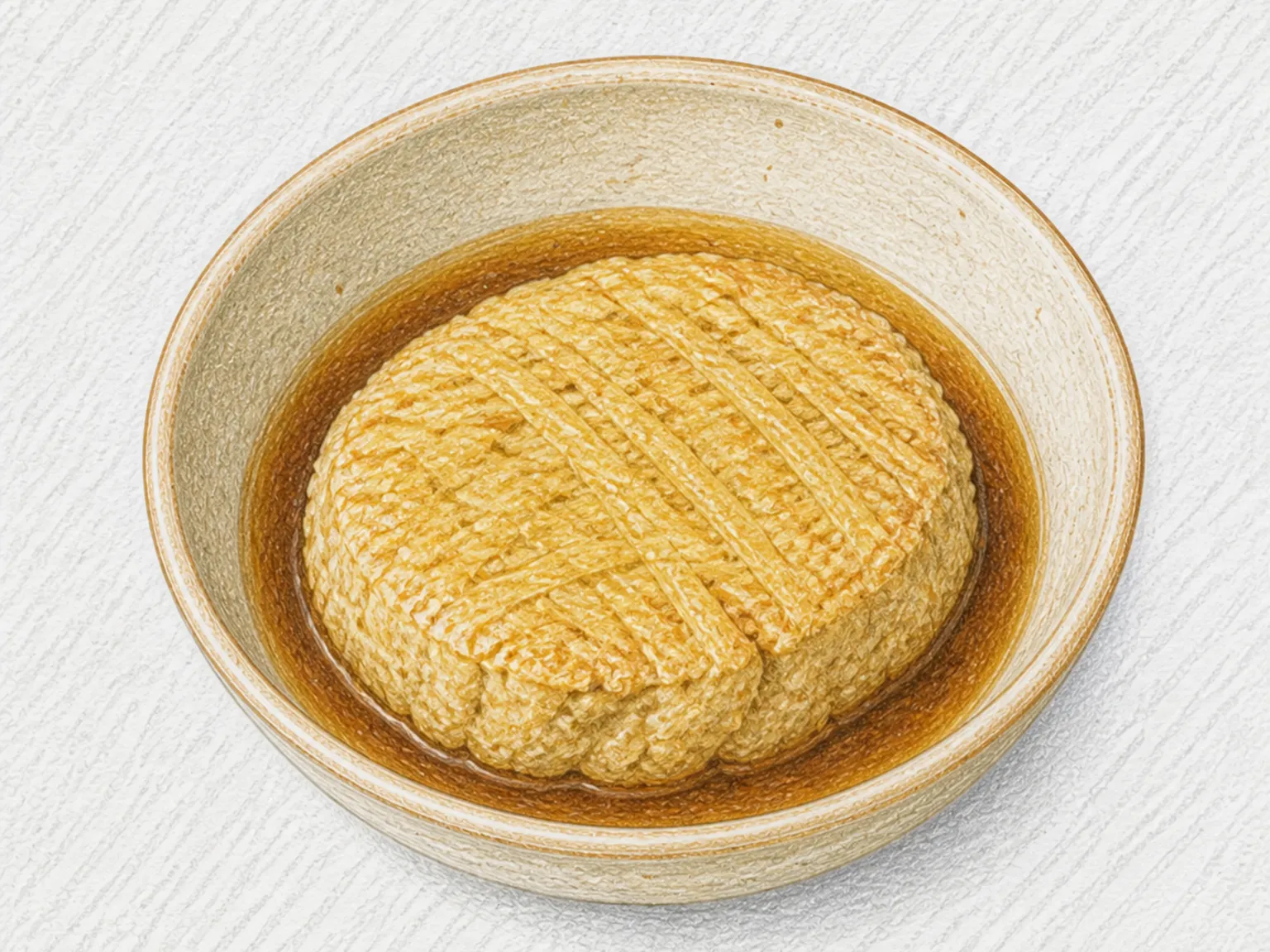
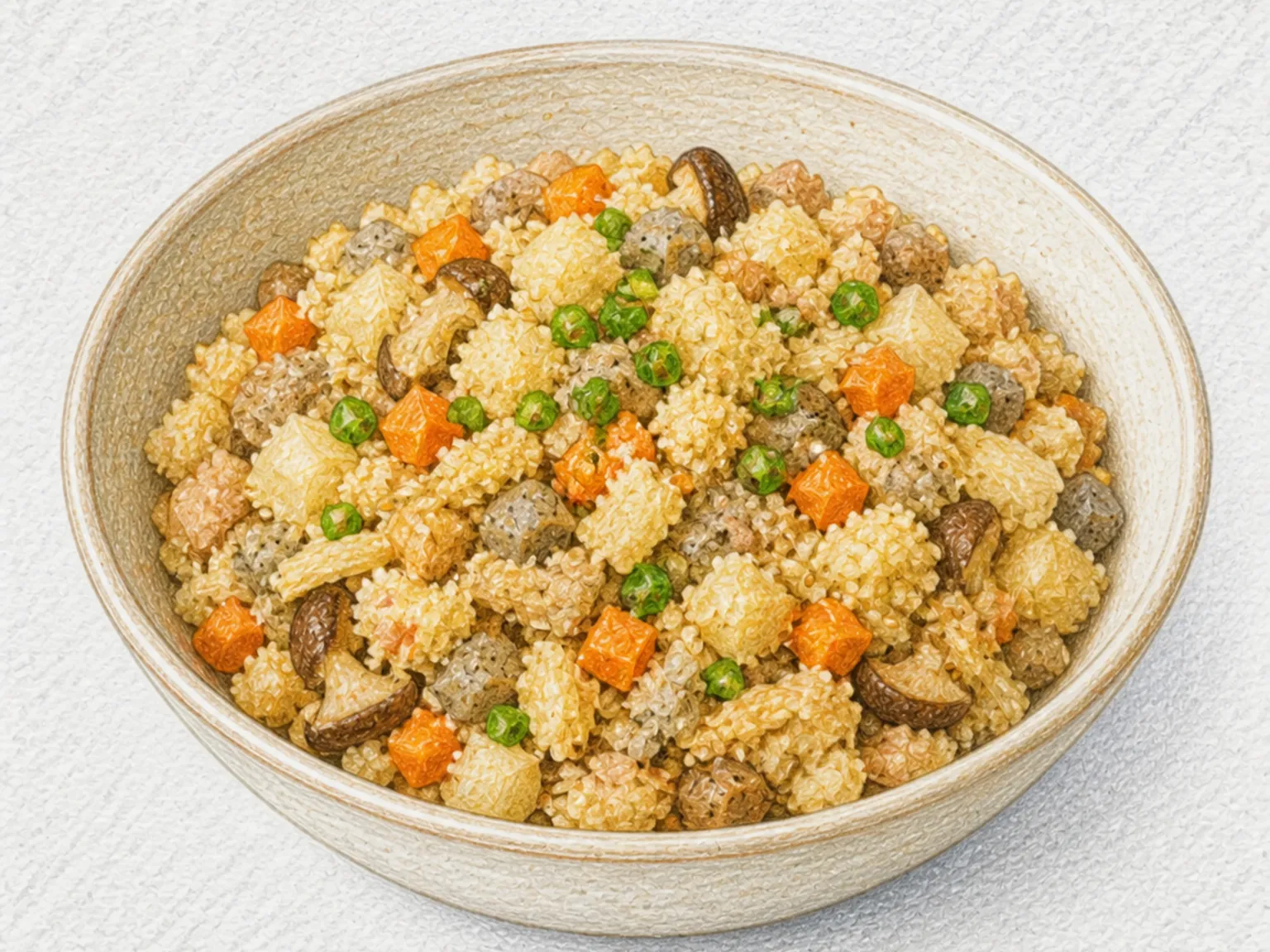
This nimono is a home dish from Taka in Hyogo that uses the fine powder produced during freeze-dried koya tofu making. Small cubes of chicken, carrot, burdock, lotus root, shiitake, konnyaku, chikuwa, and fried tofu are sautéed and simmered before the powder is added. Cutting every solid ingredient to about 8mm distributes several textures in each spoonful. Dashi, mirin, sugar, and light soy sauce first cook the chicken and vegetables for 10 minutes. The koya tofu powder then absorbs much of the 550ml broth and forms soft, crumbly clusters in about 5 minutes. Stopping while a little liquid remains prevents a dry, chalky result. Sliced green onion added at the end keeps a fresh edge against the savory tofu and vegetables.

🏠 Everyday
Prep 25min Cook 20min 5 servings
Chicken Soboro Rice Bowl (Ground Chicken and Scrambled Egg over Rice)
Rice Easy

Chicken Soboro Rice Bowl (Ground Chicken and Scrambled Egg over Rice)

Soboro-don is a Japanese-style rice bowl that tops steamed rice with two side-by-side mounds: savory minced chicken and sweet scrambled egg. The chicken is seasoned with soy sauce, sugar, mirin, and ginger juice, then stirred constantly with chopsticks over medium heat until it breaks into fine, crumbly grains that are individually coated in glaze. The egg is treated the same way - beaten, poured into a pan, and stirred into soft, fluffy curds. Arranged half-and-half on the rice, the brown chicken and bright yellow egg create a visual contrast that makes the bowl inviting. Both toppings share a gentle sweetness balanced by soy umami, and their fine, loose texture means every bite blends effortlessly with the rice beneath.

🍱 Lunchbox ⚡ Quick
Prep 15min Cook 15min 2 servings
Japanese Ginger Soy Braised Chicken
Stir-fry Easy

Japanese Ginger Soy Braised Chicken

Toriniku shigureni is a Japanese-style simmered dish of ground chicken cooked down with julienned ginger, soy sauce, mirin, and sugar until most of the liquid evaporates. The chicken is browned first over medium heat, then ginger is added for its sharp bite before the braising liquid goes in. As the sauce reduces over six minutes, it concentrates into a sweet-salty glaze that clings to the meat. The ginger tames any gamey notes while adding warmth, making this a versatile topping for rice bowls or a compact side dish for packed lunches.

🏠 Everyday 🌙 Late Night
Prep 10min Cook 12min 2 servings
Heso Daikon Nishime (Miyagi Dried Daikon Simmer)
Steamed Medium

Heso Daikon Nishime (Miyagi Dried Daikon Simmer)

Heso daikon nishime is a southern Miyagi preserved-food simmer. Dried daikon rings soaked overnight cook with carrot, taro, dried shiitake, konnyaku, frozen tofu, knotted kombu, and sasa kamaboko in dashi until almost no liquid remains. Heso daikon is made by peeling and thickly slicing daikon, boiling the rounds, threading a skewer or straw through the center, and hanging them under the eaves for about a month. Repeated freezing at night and thawing by day turns the radish amber and concentrates it. The round hole left by the skewer resembles a navel, giving the ingredient its name. Fully dried pieces could last until the following summer. Shiitake soaking liquid joins the stock, bringing the flavors of the preserved vegetables and seafood together as the soy seasoning slowly penetrates every piece.

🏠 Everyday 🎉 Special Occasion
Prep 60min Cook 60min 4 servings
Dipping Ramen (Japanese Thick Noodles with Concentrated Dipping Broth)
Noodles Hard

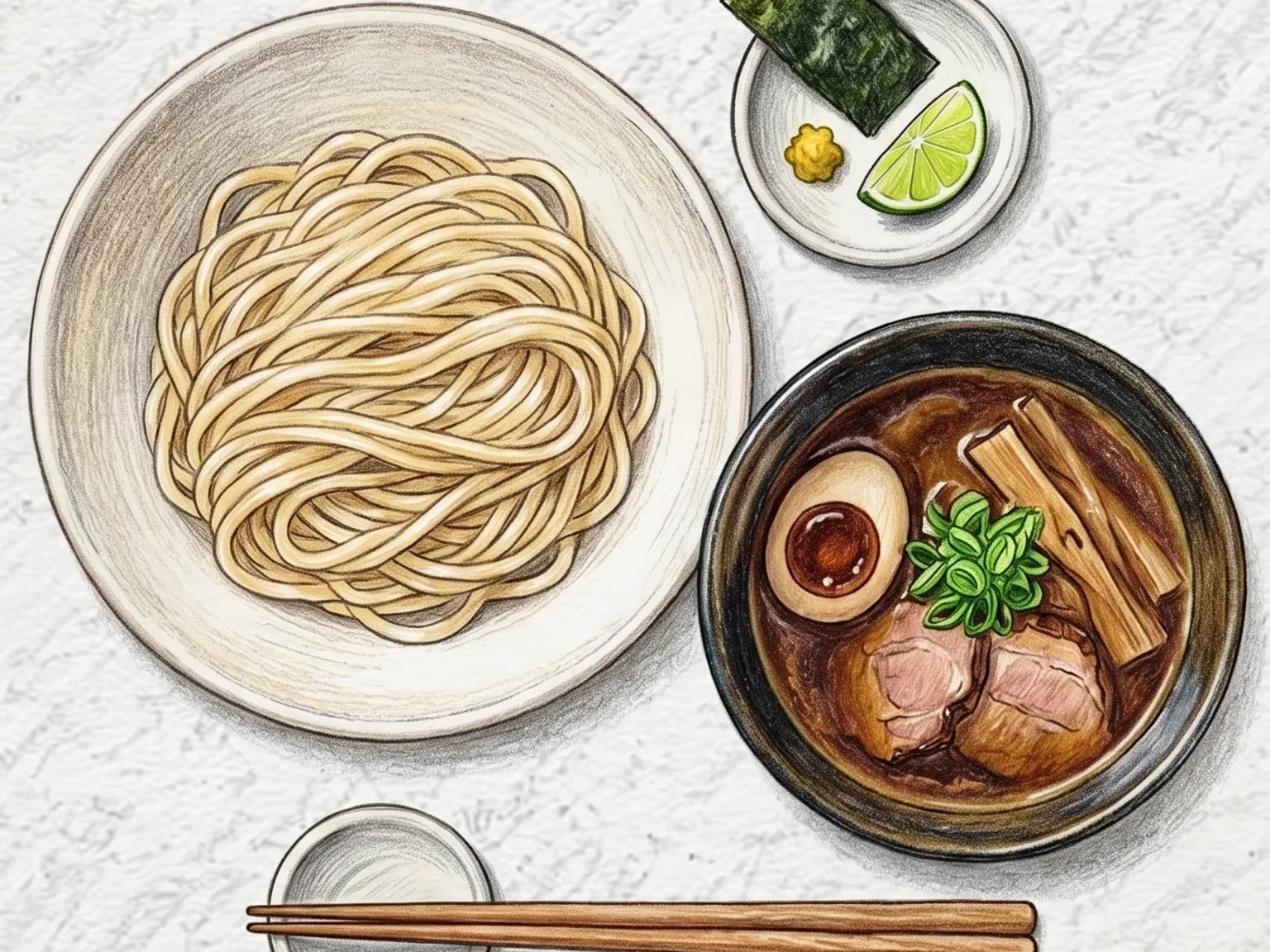
Dipping Ramen (Japanese Thick Noodles with Concentrated Dipping Broth)

Tsukemen is a Japanese dipping ramen where thick noodles and a concentrated broth are served separately. The broth - typically tonkotsu or seafood-soy based - is reduced to roughly double the intensity of standard ramen soup. Noodles are rinsed in cold water after boiling, which firms their texture and creates a temperature contrast when dipped into the hot broth. Toppings such as chashu pork, soft-boiled egg, and nori are arranged alongside the noodles. The recipe takes about 50 minutes, with most time spent building and reducing the dipping broth.

🎉 Special Occasion 🌙 Late Night
Prep 20min Cook 30min 1 servings
Niku Udon (Japanese Thick Noodles in Dashi Broth with Braised Beef)
Asian Easy

Niku Udon (Japanese Thick Noodles in Dashi Broth with Braised Beef)

Niku udon is a Japanese noodle soup built on two distinct layers of flavor. The broth starts with a clear dashi made from kombu and bonito flakes, seasoned with soy sauce and mirin for a clean, umami-rich base. Separately, thinly sliced beef is simmered with onion in a concentrated mix of soy sauce, mirin, and sugar until each slice is glazed in a sweet, savory coating. The beef is placed atop thick, chewy udon noodles swimming in the hot broth, and the two seasoning profiles merge at the table. Chopped scallions add freshness to cut through the richness. It is a staple of both home kitchens and udon shops across Japan.

🏠 Everyday 🍱 Lunchbox
Prep 15min Cook 20min 2 servings
Etsu Nanbanzuke (Fried Fish in Sweet Vinegar)
Side dishes Hard

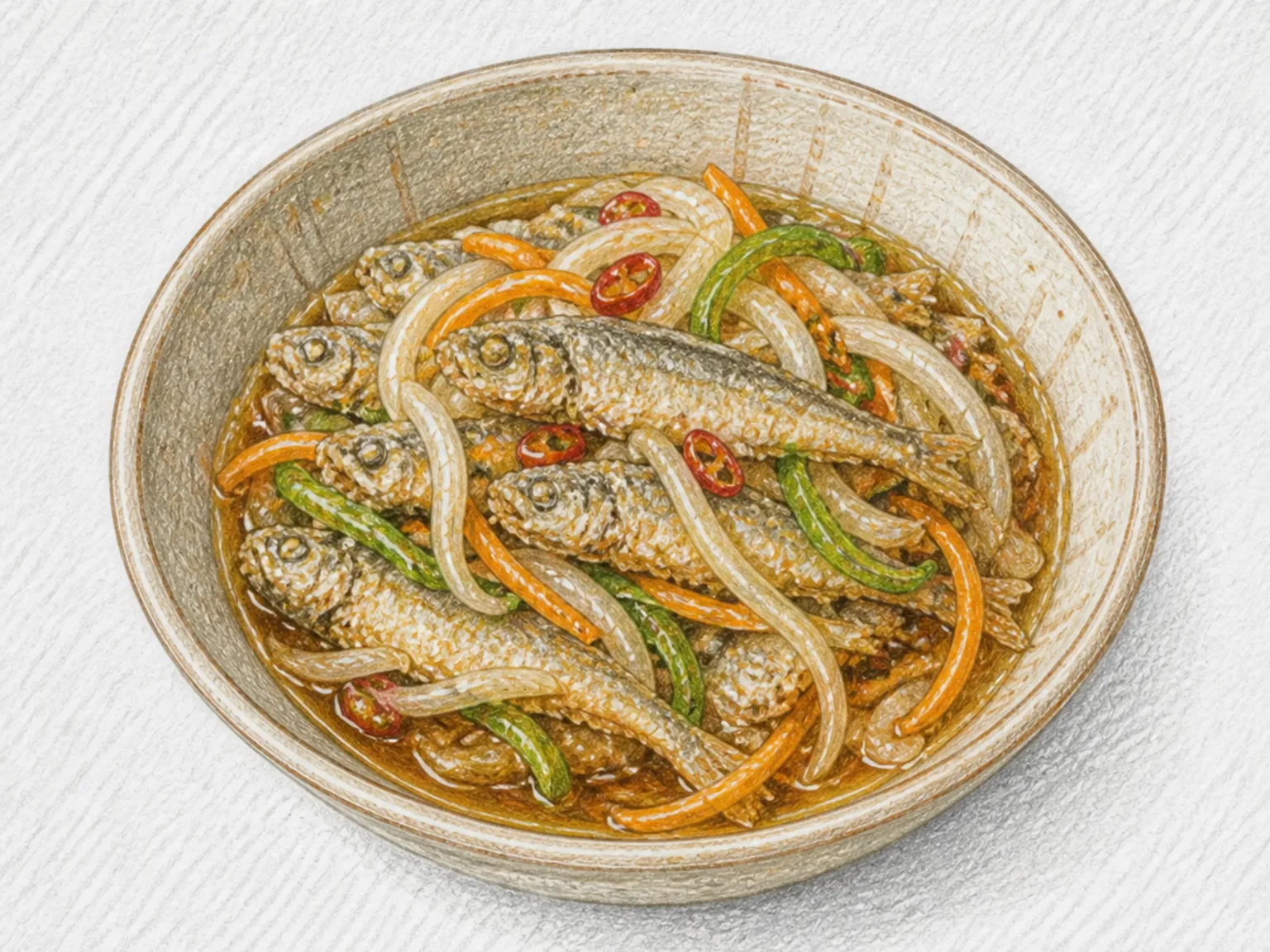
Etsu Nanbanzuke (Fried Fish in Sweet Vinegar)

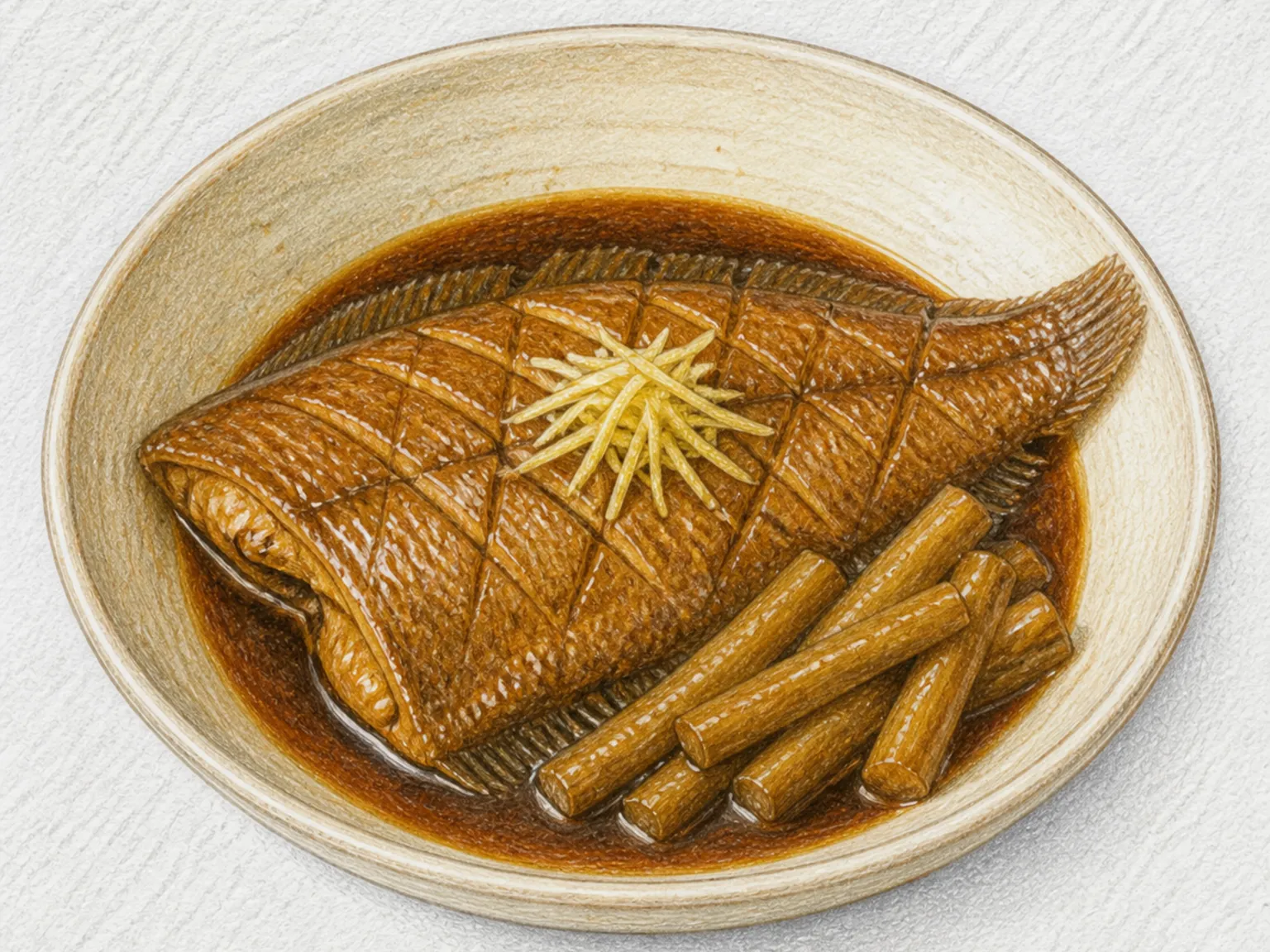
Etsu nanbanzuke is a summer fish dish from the Chikugo area of Fukuoka. Etsu from the Ariake Sea and Chikugo River estuary is scored at 1mm intervals to cut its many fine bones, coated with potato starch, fried crisp, and soaked while hot in a sweet soy-vinegar marinade with onion, carrot, green pepper, and dried chili. The fish appears during a short May-to-July season, and smaller catches are often prepared this way for the home table. Hot fried fish absorbs the dressing quickly, becoming tangy outside and moist within, while thin vegetables soften slightly in the residual heat yet retain a fresh bite.

🎉 Special Occasion
Prep 35min Cook 25min 4 servings
Steak Rice Bowl (Seared Beef with Soy-Garlic Glaze over Rice)
Rice Medium

Steak Rice Bowl (Seared Beef with Soy-Garlic Glaze over Rice)

A thick-cut beef steak is seared at high heat until a deep brown crust forms, then sliced and fanned over a bowl of hot rice. A glaze of soy sauce, garlic, and mirin is spooned over the slices, coating them in a glossy, caramelized finish. As the warm rice absorbs the pan juices, each spoonful carries the full weight of the beef's seared flavor. A runny fried egg or a small dab of wasabi on the side balances the richness with creaminess or heat. Controlling resting time and grain texture helps the ingredients cook evenly while keeping the final seasoning balanced.

🎉 Special Occasion 🍺 Bar Snacks
Prep 15min Cook 15min 2 servings
Ebiimo to Bodara no Taitan (Simmered Taro and Dried Cod)
Steamed Hard

Ebiimo to Bodara no Taitan (Simmered Taro and Dried Cod)

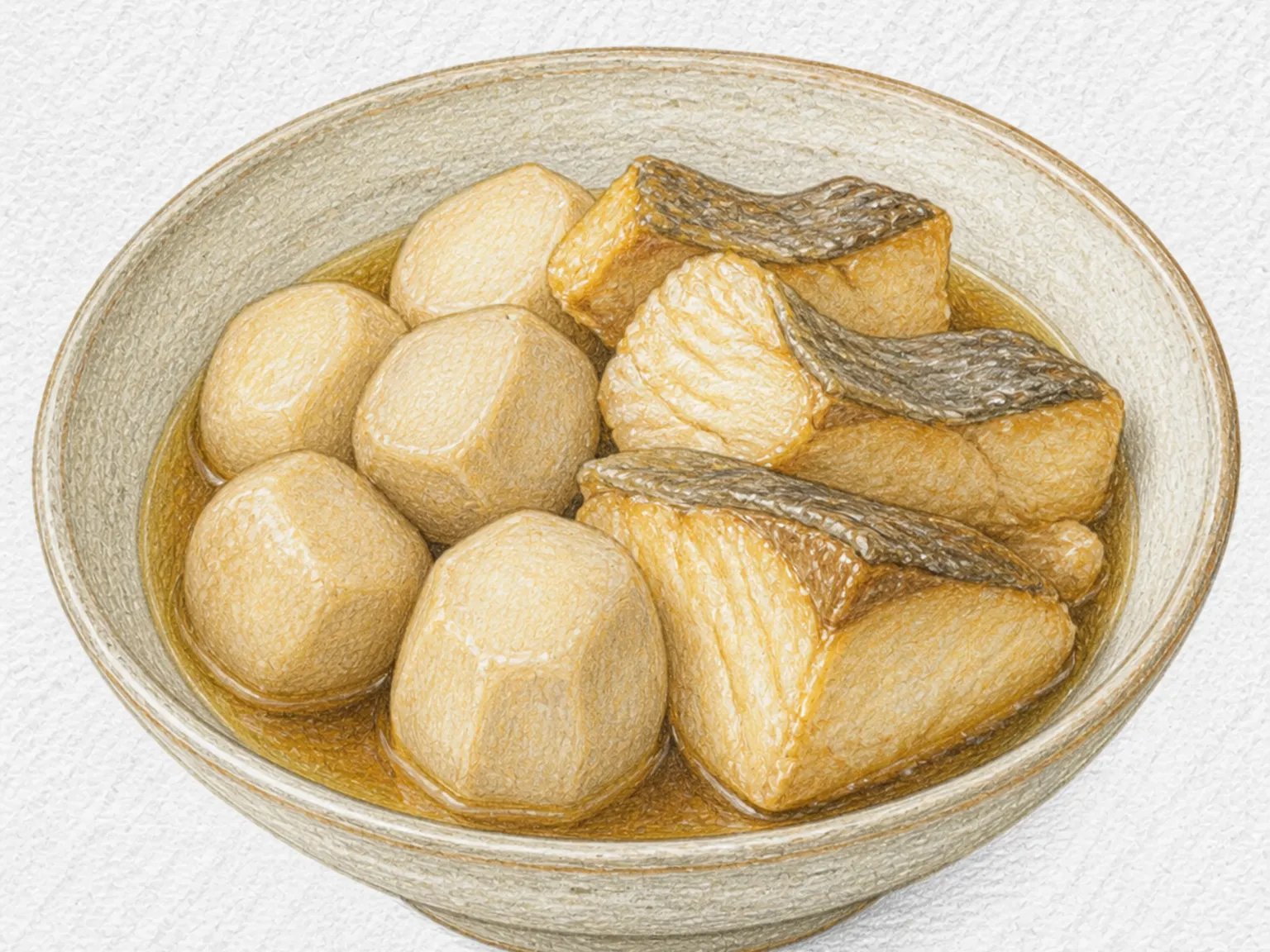
Ebiimo to bodara no taitan is a Kyoto simmered dish pairing the city's dense, striped ebiimo taro with dried cod traditionally brought from Hokkaido. Rehydrated cod is first cooked gently in brewed bancha to temper its odor and remaining salt, while the taro is thickly peeled, shaped, and rubbed with salt to remove surface slime. Both are simmered in freshly made kombu and bonito dashi with sake before sugar, mirin, and light soy sauce are added in stages. A long, quiet braise followed by an overnight rest lets the cod's gelatin coat the taro, making this a valued autumn, winter, and New Year dish.

🎉 Special Occasion
Prep 45min Cook 180min 10 servings
Japanese Stir-Fried Udon
Noodles Medium

Japanese Stir-Fried Udon

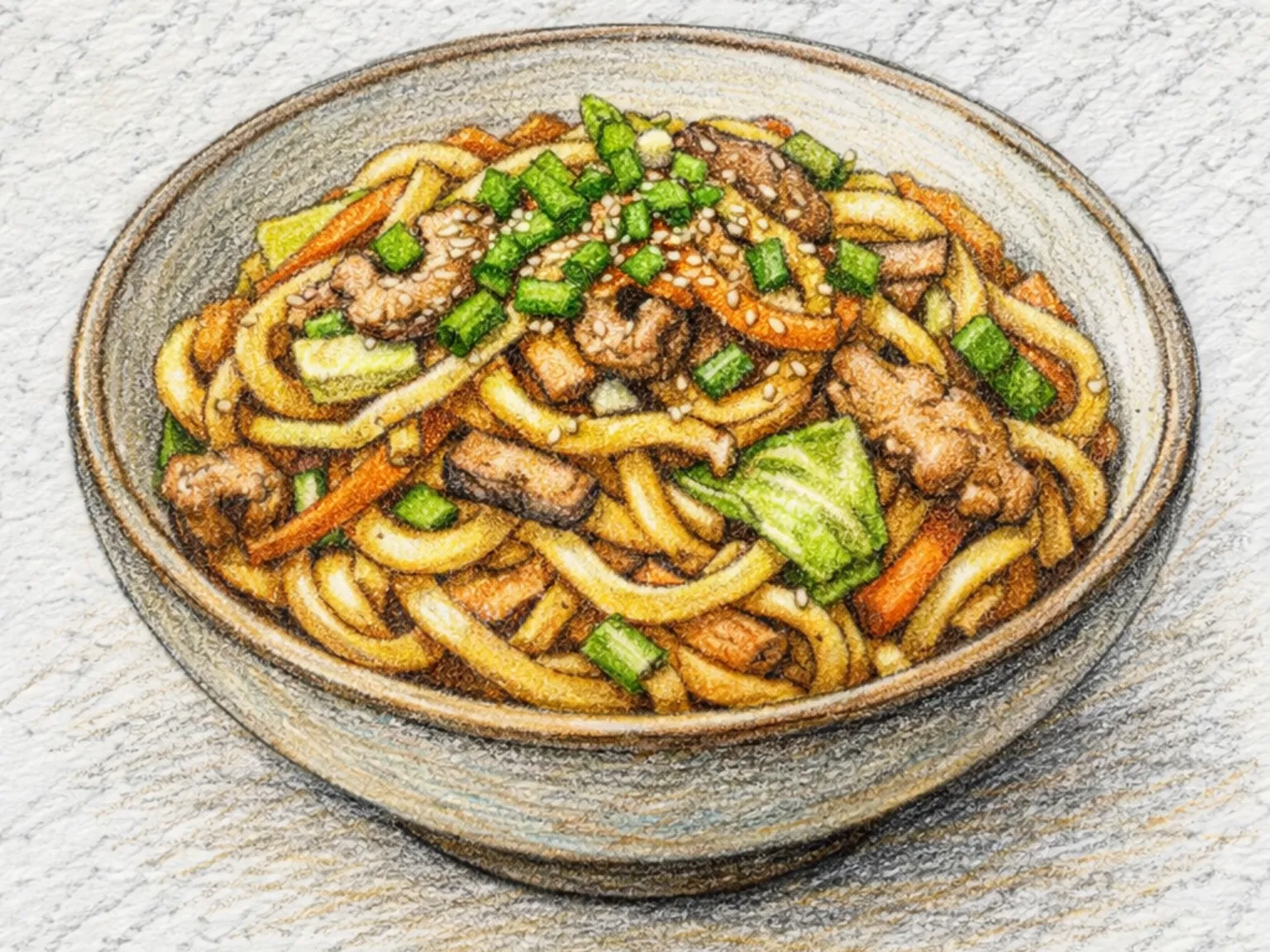
Yaki udon is a Japanese stir-fried noodle dish where thick udon noodles are tossed in a soy-based sauce over high heat with sliced pork or seafood and vegetables such as cabbage, carrot, and scallion. The high heat gives the noodles lightly charred edges while keeping their chewy center intact. Bonito flakes (katsuobushi) are often scattered on top just before serving, where they wave from the residual heat. The recipe takes about 25 minutes and depends on maintaining strong heat throughout the stir-fry to avoid steaming the noodles.

🏠 Everyday 🌙 Late Night
Prep 10min Cook 15min 2 servings
Nikujaga (Japanese Beef Potato Onion Soy-Sweet Stew)
Asian Easy

Nikujaga (Japanese Beef Potato Onion Soy-Sweet Stew)

Nikujaga is a Japanese home-cooked stew often described as the dish that defines a mother's cooking in Japan. Thinly sliced beef, potatoes, onion, carrot, and shirataki noodles are simmered in a broth of dashi, soy sauce, mirin, and sugar. The dish traces its origins to the Meiji era, when a Japanese naval officer attempted to recreate British beef stew using local ingredients -- resulting in a clear, soy-based braise rather than a thick, flour-bound stew. The potatoes absorb the seasoned liquid until soft at the edges but still holding shape, while shirataki noodles soak up flavor and add a springy contrast.

🏠 Everyday 🍱 Lunchbox
Prep 15min Cook 30min 4 servings
Ohitashi (Seri and Spinach in Dashi)
Side dishes Easy

Ohitashi (Seri and Spinach in Dashi)

Ohitashi is a Japanese side dish of briefly blanched greens cooled, squeezed, and steeped in chilled dashi seasoning. This Matsue version from Shimane combines fragrant, crisp Kuroda seri with tender spinach in a three-to-seven ratio and rests them overnight. Simmering mirin first removes its raw alcohol, while separate timing for stems and leaves keeps both vegetables bright and crisp before they absorb the cooled light-soy broth.

🏠 Everyday 🥗 Light & Healthy
Prep 15min Cook 10min 4 servings
Yakitori Rice Bowl (Soy-Mirin Glazed Grilled Chicken over Rice)
Rice Medium

Yakitori Rice Bowl (Soy-Mirin Glazed Grilled Chicken over Rice)

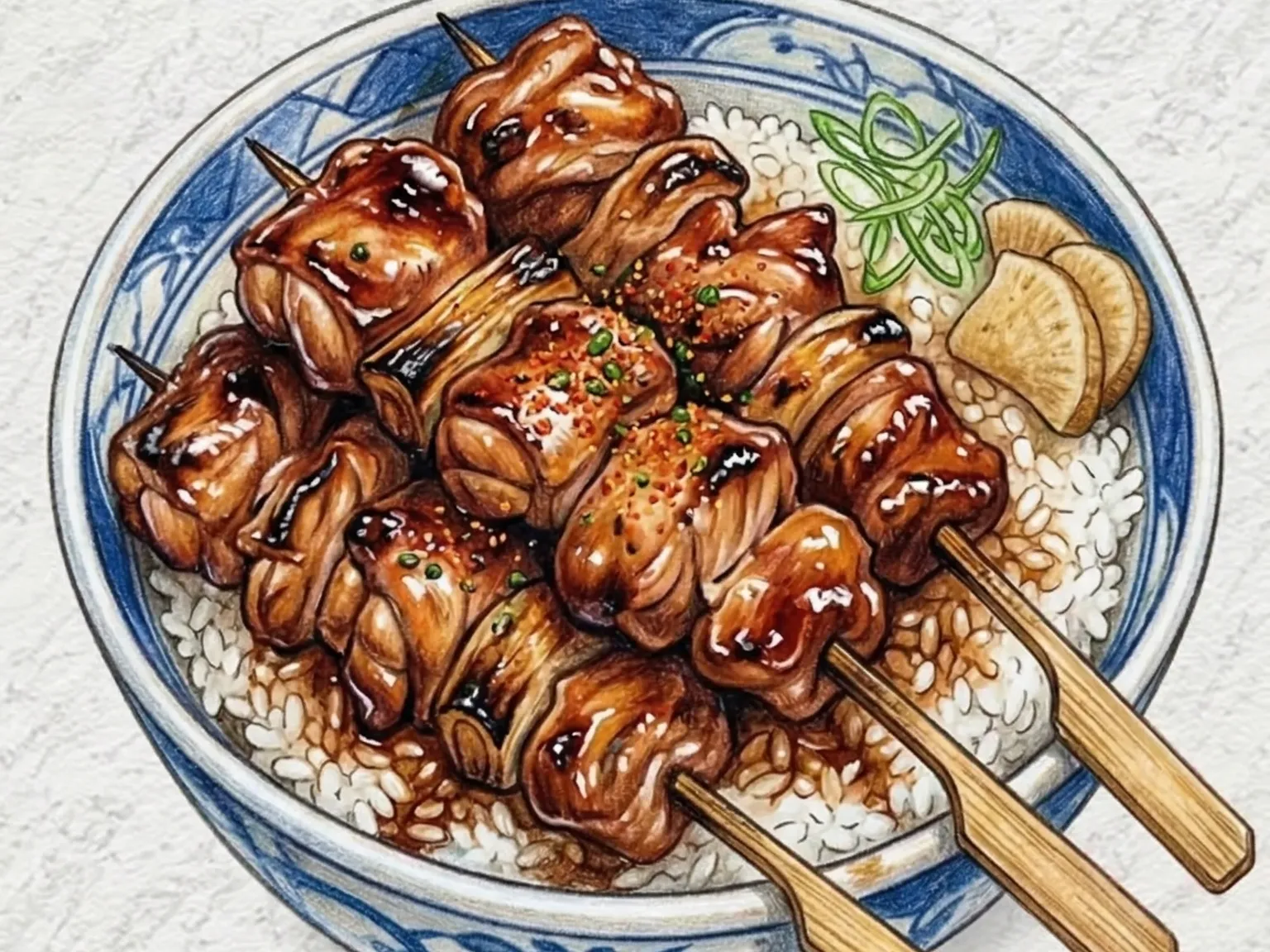
Direct heat and a repetitive glazing process define the preparation of this chicken skewer bowl. Small pieces of chicken thigh are secured onto skewers and grilled over a flame while a mixture of soy sauce, mirin, and sugar is applied in thin, sequential layers. This technique builds a lacquered surface through caramelization, which directs the sweet and salty flavors to the exterior of the meat. Applying the sauce too heavily in a single pass often leads to burning and an uneven crust. Because chicken thigh contains natural fats, the meat remains moist and tender even under high temperatures. When the cooked pieces are removed from the skewers and placed onto the rice, the excess glaze permeates the grains to provide sufficient seasoning. Sprinkling shichimi togarashi or sansho powder introduces a sharp or citrus-like contrast to the sweetness of the chicken. While chicken breast serves as a leaner alternative, it requires a longer marinating period and a shorter time on the grill to prevent the meat from drying out. The tare sauce can be prepared in advance and stored in the refrigerator for several weeks. Adding a halved soft-boiled egg or sliced scallions provides different textures and prevents the meal from feeling repetitive.

🏠 Everyday 🍺 Bar Snacks
Prep 20min Cook 15min 2 servings
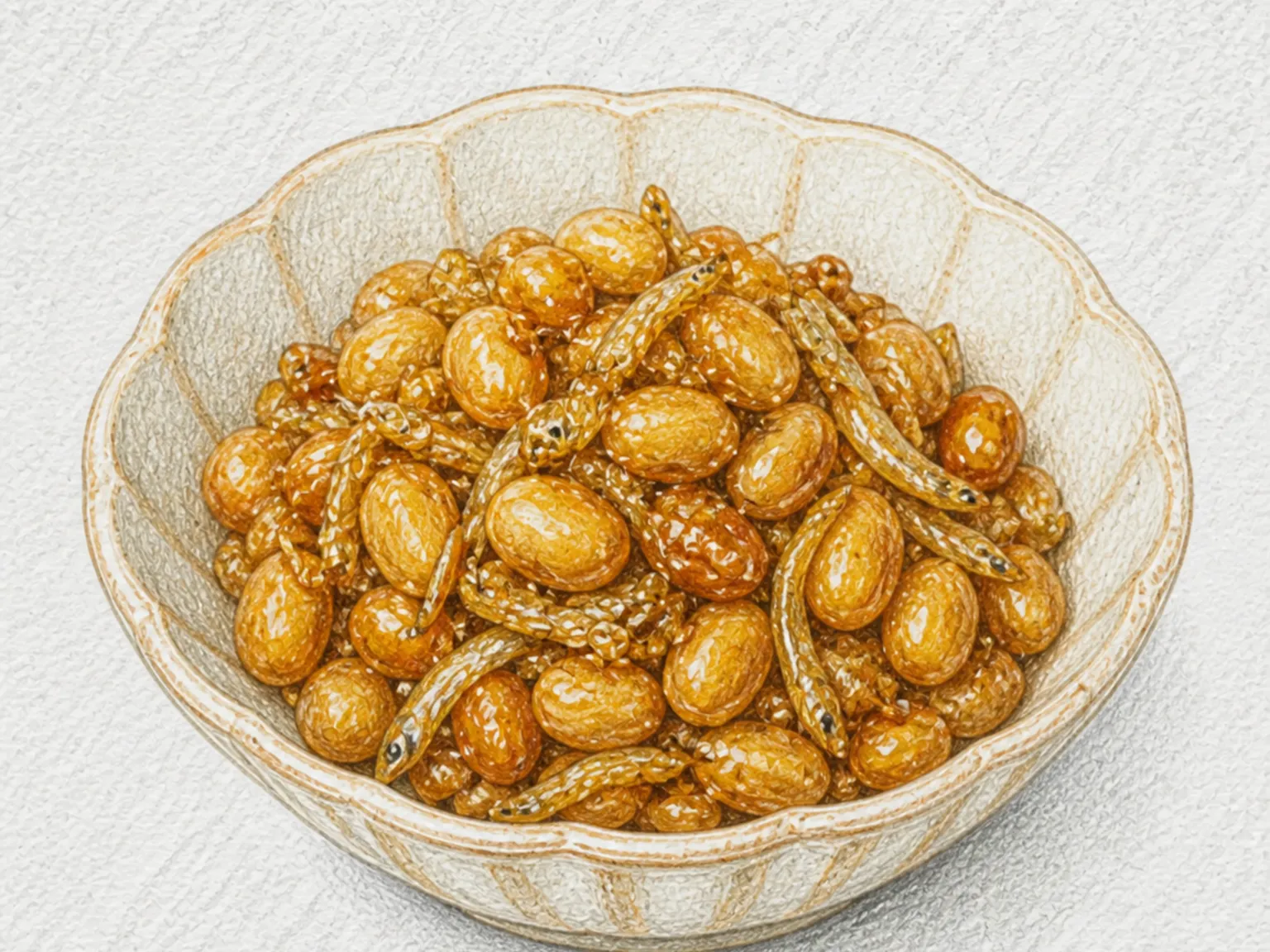
Goyori Mame Soybeans with Dried Small Fish
Steamed Medium

Goyori Mame Soybeans with Dried Small Fish

Goyori mame is a sweet-salty side dish from the Senshu and Kawachi regions of Osaka. Dried soybeans are cooked until tender with coarse sugar, sake, mirin, and soy sauce, then combined with goyori that has been dry-roasted over low heat and reduced until the beans are glossy and no liquid remains. Goyori refers to the small fish and shrimp from Osaka Bay that were sun-dried together, with the remaining mixed catch taking this name after saleable pieces were selected. In Kawachi the dish is often called jako mame. Families once made it in large batches as a pantry side and for gatherings, and an overnight rest lets the seasoning settle into the beans and fish.

🏠 Everyday 🎉 Special Occasion
Prep 20min Cook 140min 20 servings
Saba Misoni (Japanese Miso Mackerel Recipe)
Asian Medium

Saba Misoni (Japanese Miso Mackerel Recipe)

Saba miso-ni is a cornerstone of Japanese home cooking, a dish most cooks can make from memory. Mackerel fillets are first doused with boiling water to remove surface proteins and odor, then placed skin-side up in a shallow pan with a sauce of white or red miso, soy sauce, mirin, sake, and sugar. Thick slices of ginger go in alongside the fish, neutralizing any remaining fishiness and lending a clean, sharp note to the broth. The pan is covered with a drop lid so the simmering liquid bastes the fillets continuously, building a glossy, caramelized miso coating on the surface. The finished fish is so tender it flakes at the touch of chopsticks, and the reduced sauce has concentrated into a thick glaze that clings to each piece. Served over steamed rice, a single fillet and a spoonful of sauce make a complete meal.

🏠 Everyday 🍱 Lunchbox
Prep 8min Cook 18min 2 servings
Mizu-tataki Pounded Wild Greens
Side dishes Medium

Mizu-tataki Pounded Wild Greens

Mizu-tataki is an Iwate side dish from the Ou and Kitakami mountain ranges. The red bases of mizu stems are pounded and minced until sticky like tororo, then dressed with miso, mirin, soy sauce, and sugar. Mizu is formally uwabamiso, a wild green that grows in colonies beside clean mountain streams. The deeper red the base, the stronger its viscosity after pounding, while its water-rich stem keeps both crunch and slipperiness. It can be harvested from May through October, with tender spring and early-summer stems especially valued. Use only cultivated or commercially distributed mizu verified for food, not unidentified foraged greens. Pound inside a thick food-safe bag to contain splashes, keep the finished mixture cold, and eat it the same day.

🏠 Everyday 🍺 Bar Snacks
Prep 40min Cook 3min 10 servings
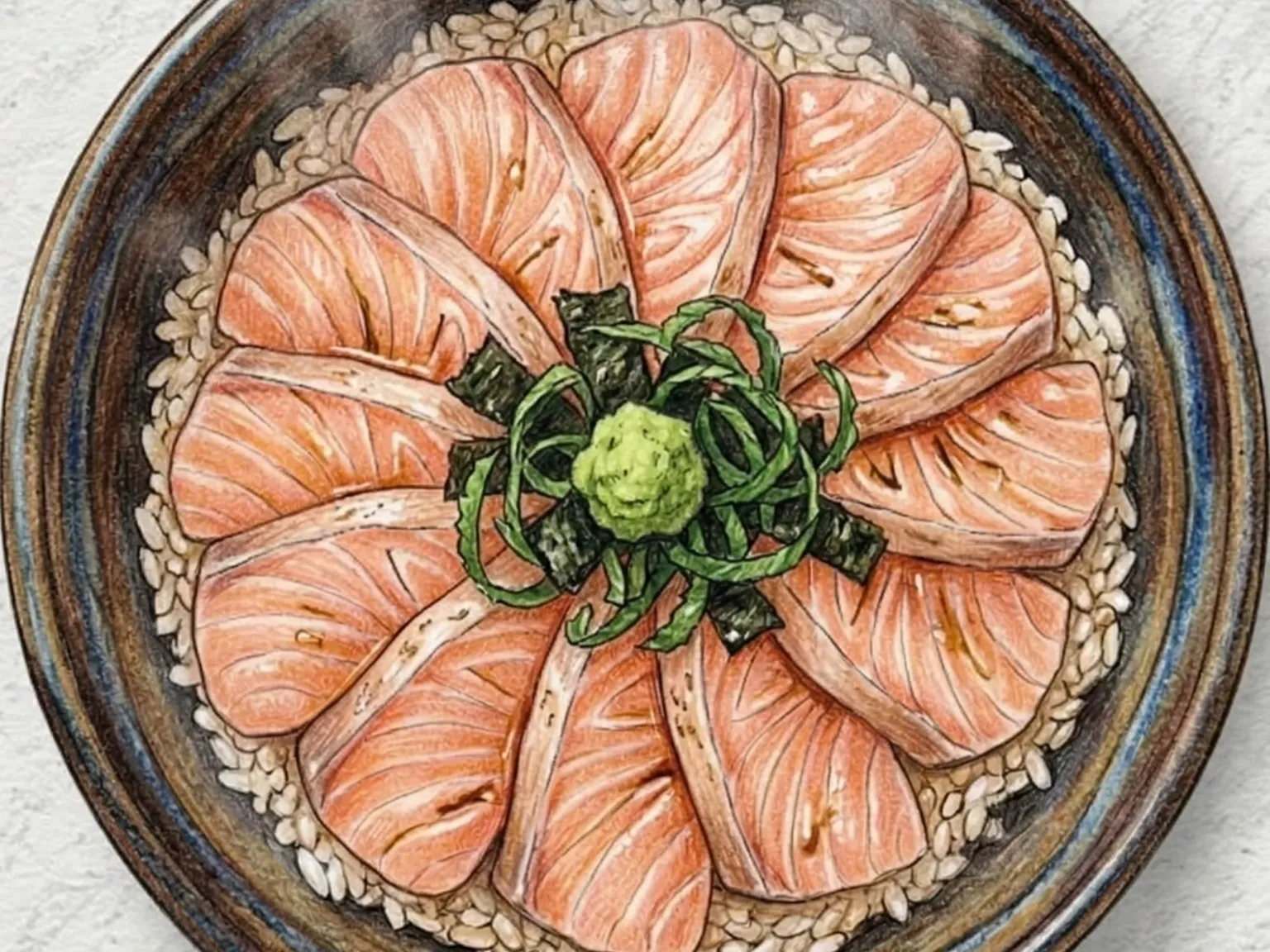
Korean Salmon Rice Bowl (Marinated Raw Salmon over Warm Rice)
Rice Easy

Korean Salmon Rice Bowl (Marinated Raw Salmon over Warm Rice)

Preparing a bowl of Yeoneo deopbap begins with slicing sashimi-grade salmon and tossing it in a light dressing of soy sauce, sesame oil, and wasabi. This Korean adaptation of Japanese donburi relies on a delicate balance where the seasoning merely coats the fish rather than overwhelming its natural texture. Placing these seasoned slices over warm steamed rice creates a temperature contrast that slightly firms the bottom of the fish while keeping the center raw and buttery. Topping the bowl with shredded perilla leaves or nori adds an earthy, oceanic scent that balances the natural fats of the salmon. For a sharper profile, the amount of wasabi can be increased, or a few drops of lemon juice can be added to the soy base to provide a bright acidity. High in omega-3 fatty acids and protein, this dish also contains astaxanthin, making it a nutritious choice that demands the highest level of freshness. Including sliced avocado offers a creamy element, while a spoonful of salmon roe adds small pops of saltiness. Because the residual heat from the rice gradually cooks the fish, assembling the bowl right before eating ensures the salmon maintains its intended consistency and stays fresh on the palate.

🏠 Everyday ⚡ Quick
Prep 15min Cook 5min 2 servings
Jibuni (Flour-Coated Duck Simmer)
Steamed Hard

Jibuni (Flour-Coated Duck Simmer)

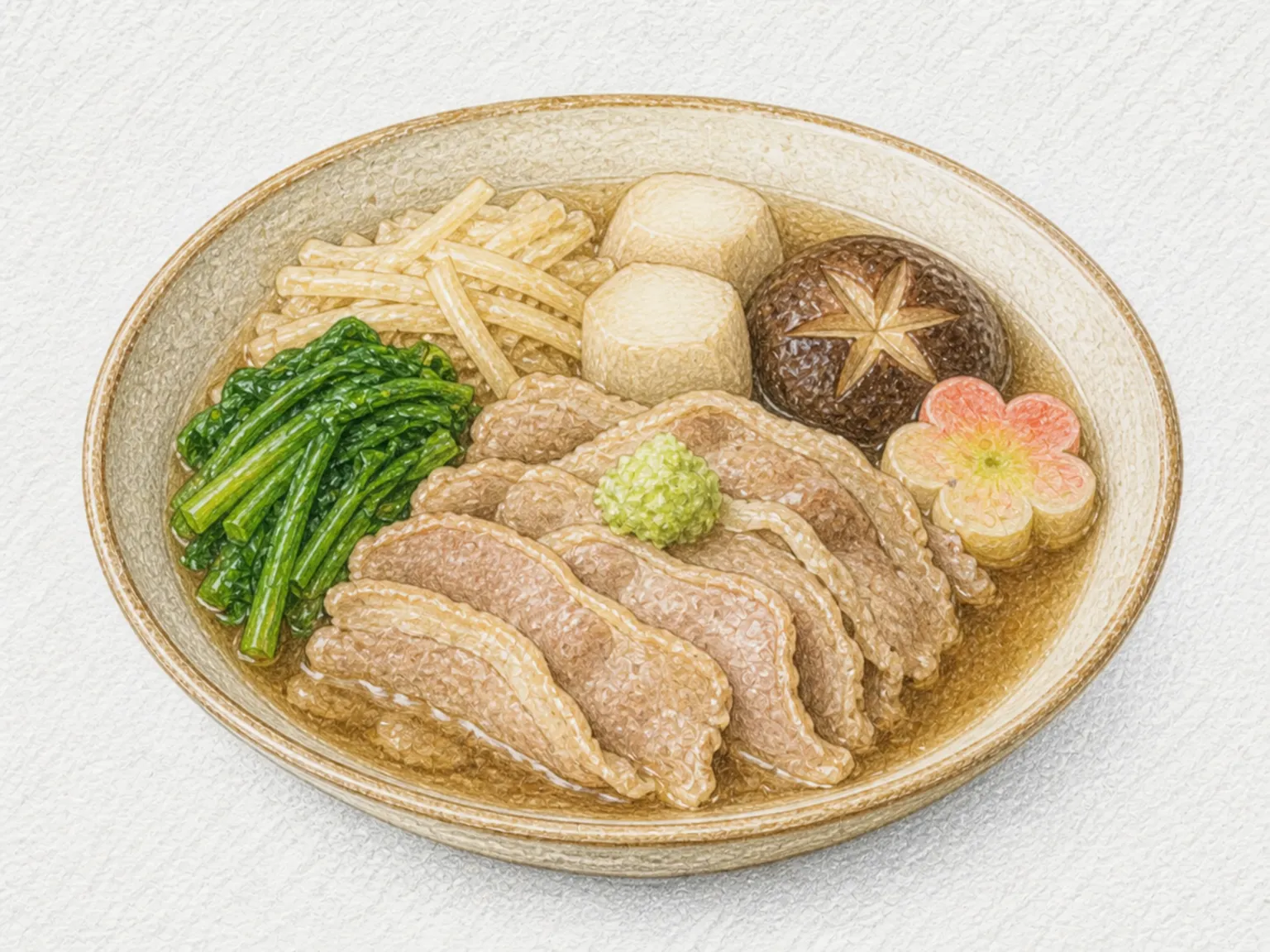
Jibuni is a Kanazawa simmer from Ishikawa in which thin duck slices are coated generously with flour and cooked in a dashi broth seasoned with light and dark soy sauce, mirin, sake, and sugar. Sudare-fu, taro, shiitake, flower-shaped wheat gluten, and greens are prepared separately in the same broth. Flour clinging to the duck protects the meat and gives the sauce its characteristic body. The vegetables are removed before the duck enters, then everything is plated and covered with the adjusted sauce and a small mound of wasabi.

🎉 Special Occasion
Prep 30min Cook 35min 4 servings
Tokyo-Style Shoyu Ramen (Classic Japanese Soy Sauce Chicken Broth Ramen)
Asian Medium

Tokyo-Style Shoyu Ramen (Classic Japanese Soy Sauce Chicken Broth Ramen)

Tokyo-style shoyu ramen is considered the closest descendant of the original ramen that appeared in Japan over a century ago. The broth starts with chicken carcasses simmered until the liquid turns a warm amber, then seasoned with kaeshi - a concentrated blend of soy sauce, mirin, and sugar that has been cooked and rested. A thin film of chicken fat floats on the surface, trapping heat and delivering a gentle richness with each spoonful. The noodles are thin and straight, designed to be slurped quickly before they soften, and their wheat flavor stands distinct against the soy-tinged broth. Classic toppings include narutomaki fish cake with its pink spiral, strips of menma, a halved soft-boiled egg, and a sheet of nori. The bowl is intentionally restrained - no heavy pork fat, no thick miso - letting the clarity of the soy-chicken combination speak for itself.

🎉 Special Occasion
Prep 20min Cook 60min 2 servings
Yogoshi (Finely Chopped Greens with Sesame Miso)
Side dishes Easy

Yogoshi (Finely Chopped Greens with Sesame Miso)

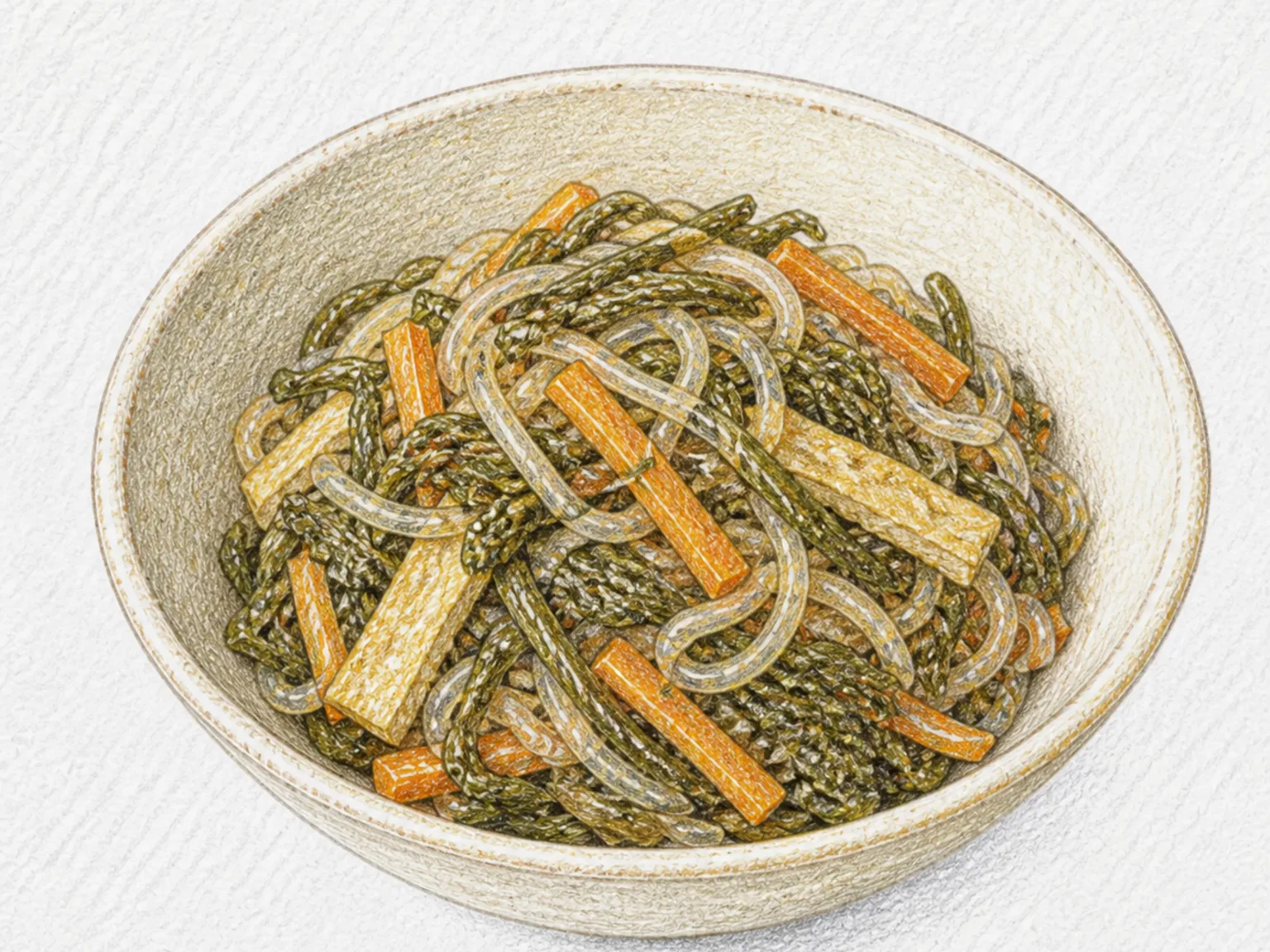
Yogoshi is an everyday dish from the Tonami Plain in Toyama. Daikon leaves are boiled in abundant water, rinsed cold, squeezed very firmly, chopped fine, and stir-fried in sesame oil with miso, sugar, chopped sesame, and mirin until no loose moisture remains. Its name is said to refer to preparing the dish at night and carrying it over to the following morning. It once extended scarce rice but now serves as a strongly seasoned companion to hot rice. A version with kochia seeds appears at memorial services for Shinran. The decisive steps are removing the cooked greens' water completely and chopping them evenly before the brief stir-fry.

⚡ Quick 🏠 Everyday
Prep 15min Cook 10min 4 servings
Japanese Braised Pork Belly
Steamed Hard

Japanese Braised Pork Belly

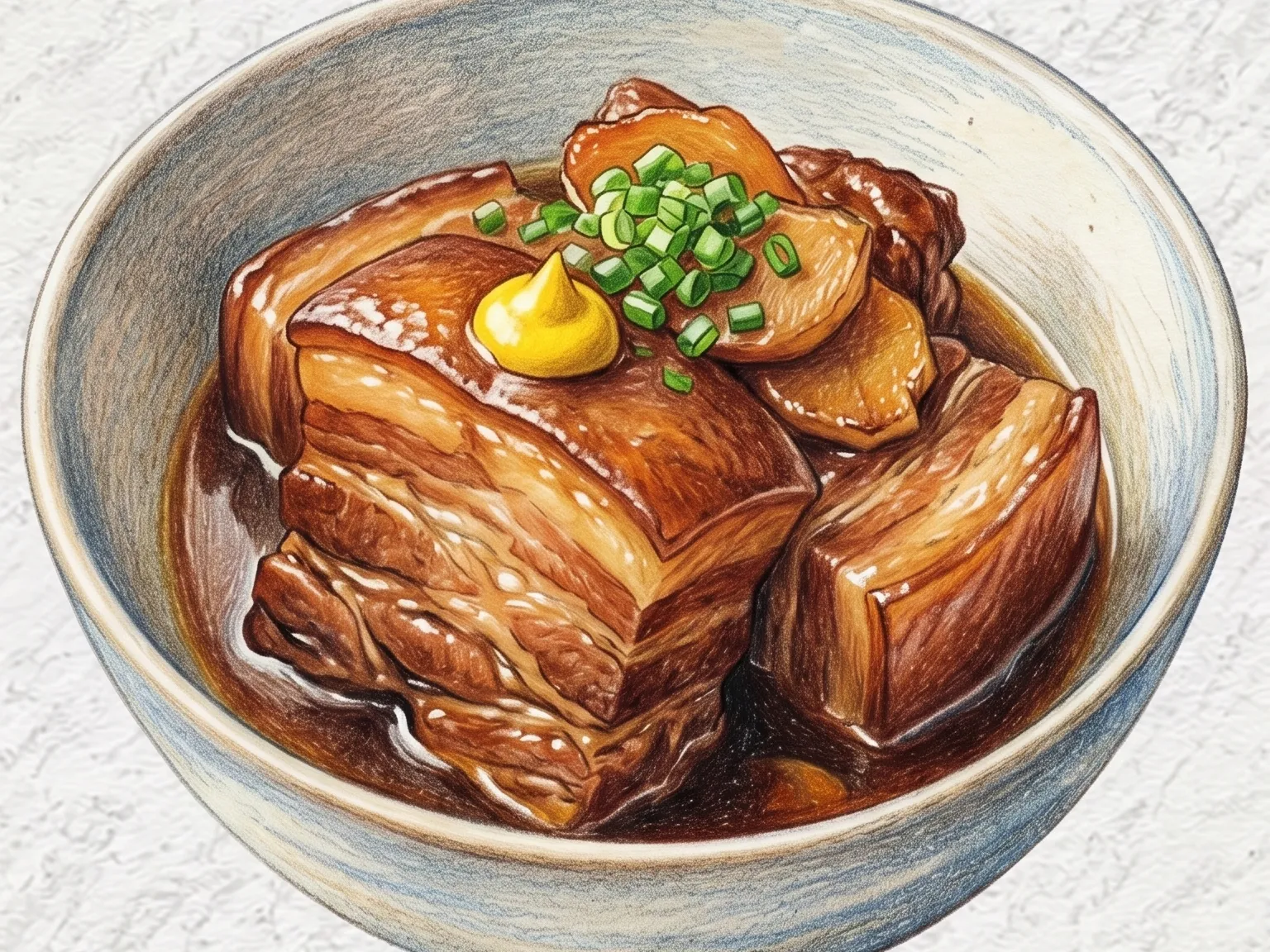
Kakuni is a Japanese braised pork belly in which thick slabs are simmered for two hours or more in soy sauce, mirin, sake, and ginger over the lowest possible heat. The fat layers slowly render into the surrounding meat, breaking down collagen until the pork yields completely to the faintest pressure of chopsticks. Mirin adds a mild sweetness that glazes the surface, while ginger neutralizes any gamey notes, keeping the flavor clean despite the extended cooking time. The reduced braising liquid coats each piece in a deep caramel-colored lacquer, which is one of the dish's defining visual qualities. Served over steamed rice with a spoonful of cooking liquid poured over, or paired with a small dab of hot Japanese mustard to contrast the sweet and salty glaze, kakuni is one of the most satisfying expressions of low-and-slow pork cookery.

🎉 Special Occasion
Prep 20min Cook 120min 4 servings
Kanto-Style Sukiyaki (Japanese Beef Hot Pot in Sweet Soy Warishita Broth)
Asian Easy

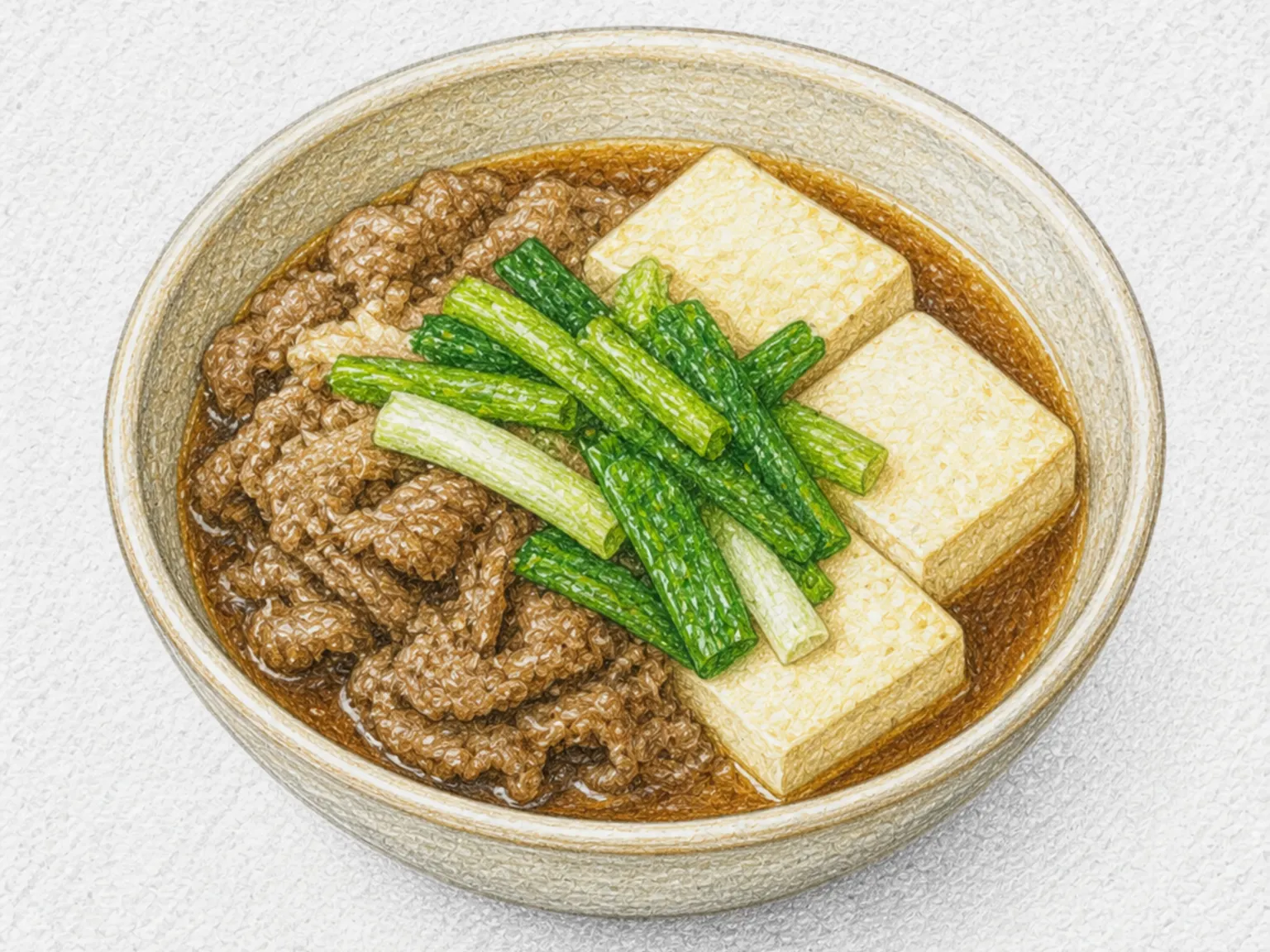
Kanto-Style Sukiyaki (Japanese Beef Hot Pot in Sweet Soy Warishita Broth)

Kanto-style sukiyaki is a Japanese hot pot in which thinly sliced beef, vegetables, and tofu simmer together in a pre-made broth called warishita-a mixture of soy sauce, mirin, sugar, and sake. The preparation begins by searing thick-cut leek in beef fat to release its sweetness, then pouring in the warishita and adding the remaining ingredients: napa cabbage, shiitake mushrooms, grilled tofu, and shirataki noodles. Each component absorbs the sweet-salty broth differently-the cabbage wilts and soaks it up, the mushrooms intensify their earthiness, and the tofu becomes a sponge for the surrounding liquid. The signature ritual is dipping each cooked morsel into a bowl of beaten raw egg before eating; the egg forms a silky coat that tempers the concentrated sauce and adds richness. Sukiyaki is a fixture of Japanese winter cooking, prepared at the table over a portable burner so the pot stays bubbling throughout the meal.

🎉 Special Occasion 🏠 Everyday
Prep 15min Cook 20min 3 servings
Kombu-Maki (Herring Rolled in Simmered Kombu)
Steamed Hard

Kombu-Maki (Herring Rolled in Simmered Kombu)

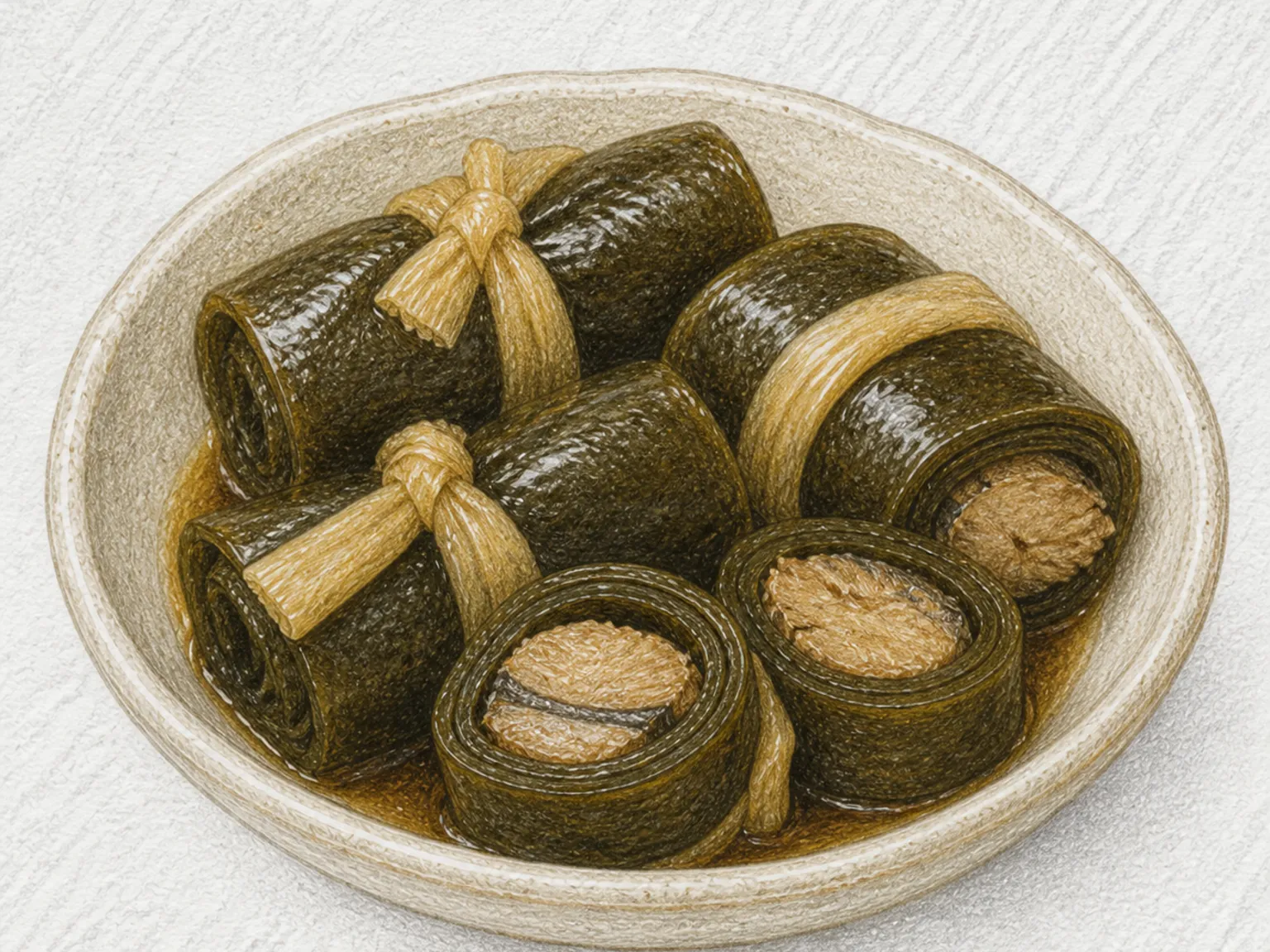
Kombu-maki is a Hokkaido celebratory simmer made by soaking dried herring overnight in rice-rinsing water, laying it across 15 cm pieces of cooking kombu, rolling tightly, and tying with kanpyo. The rolls first simmer in abundant water for several hours until the kombu cuts easily, then sugar, mirin, soy sauce, vinegar, and salt reduce into the layers. Soft, low-fiber Hidaka kombu is especially suited to rolling, while preserved herring once sustained households through severe winters. Kombu sounds like yorokobu, to rejoice, and herring carries wordplay connected with parents and descendants. Their pairing therefore became an auspicious osechi and celebration dish expressing longevity, children, and family prosperity.

🎉 Special Occasion
Prep 30min Cook 240min 4 servings