Puff Puff
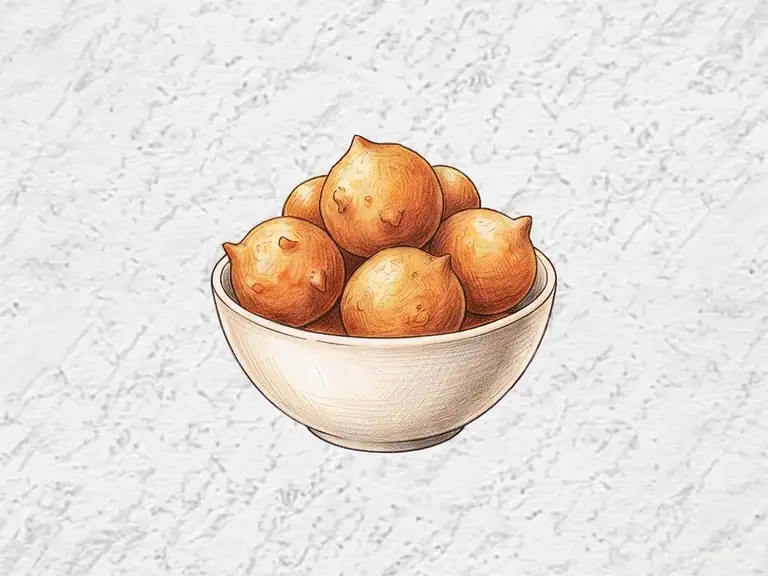
The batter is flour with nearly its own weight in water, plus yeast and sugar, which leaves it too loose to shape by hand. It is a common street snack in West Africa, eaten on its own or with a sauce.
248 recipes. Page 5 of 11
As an Amazon Associate, we may earn from qualifying purchases.
The batter is flour with nearly its own weight in water, plus yeast and sugar, which leaves it too loose to shape by hand. It is a common street snack in West Africa, eaten on its own or with a sauce.
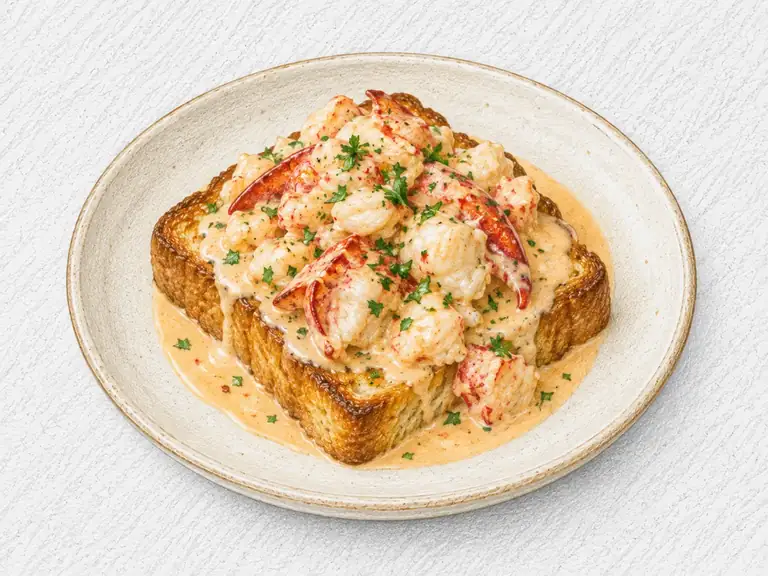
Already-cooked lobster meat folds into a warm sauce enriched with egg yolks and spooned over toast, the opposite of a chilled lobster roll. The timing starts from shelled, fully cooked meat; boiling and picking a whole lobster is not included. Tempering the yolks with a ladle of hot sauce, then keeping the heat gentle, prevents strands of cooked egg. The sherry is heated only briefly, so the dish is not alcohol-free. It goes to the table at once, because the yolk sauce turns grainy if held over heat.
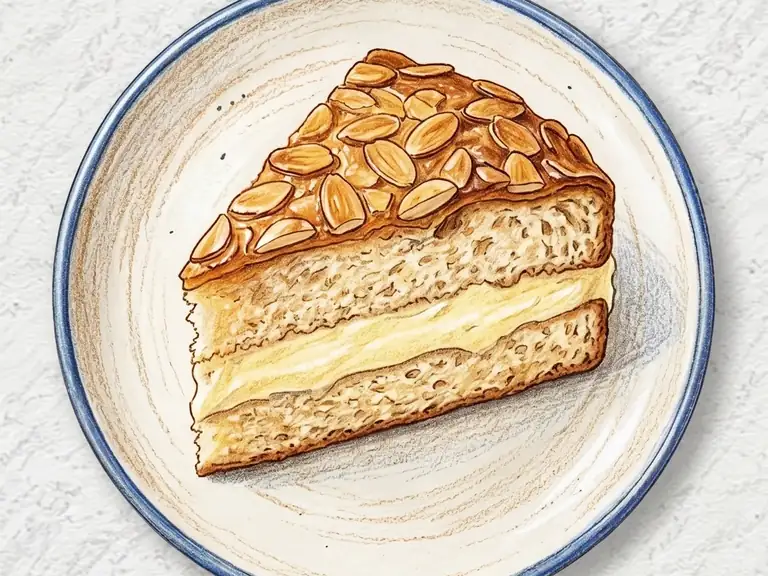
A topping of butter, honey and sugar boiled together with sliced almonds bakes right on the yeast dough of this German cake, and once cool the round is split crosswise and filled with vanilla cream. The cream is not just whipped cream: it is built on a no-cook instant vanilla pudding mix with milk and gelatin. Pudding powder meant for cooking cannot go into it as is.
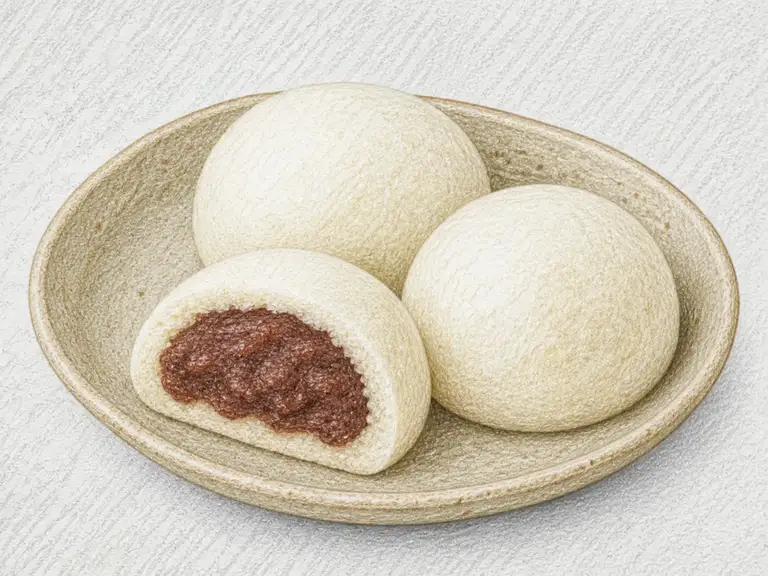
No commercial yeast goes in: a ferment built from glutinous rice and rice koji raises the dough and leaves a clean, sweet aroma in the steamed skin. In Taketa and Bungo-ono in Oita these buns were eaten for Children's Day, Obon, local festivals, and breaks in farm work. They take days, about one for the amazake and 2 to 4 more for it to ferment into a starter, before the red-bean-filled buns are shaped and steamed.
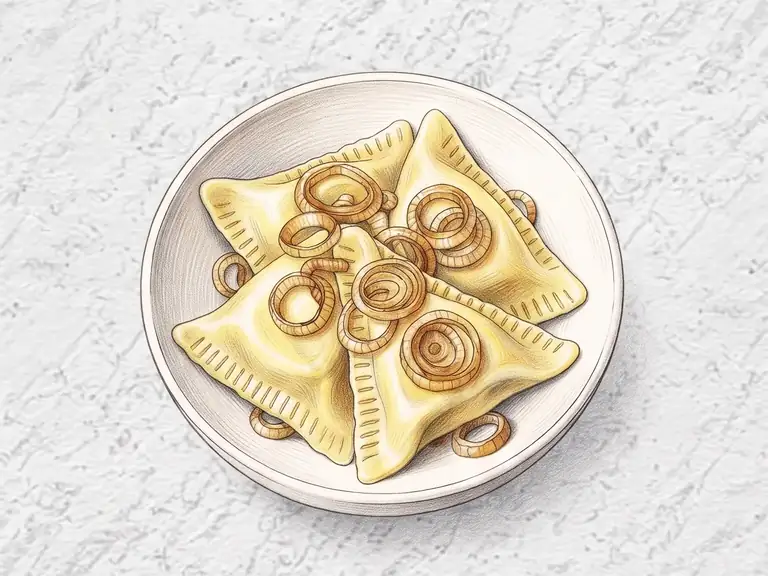
With five eggs to 345 g of flour, the dough barely needs any water. Add it a teaspoon at a time and stop as soon as the dough gathers into one mass. The beef for the filling is browned and cooked through beforehand, which leaves the simmering water only the thin pasta and the raw egg bound into the filling to cook; 3 minutes after the Maultaschen float is enough.
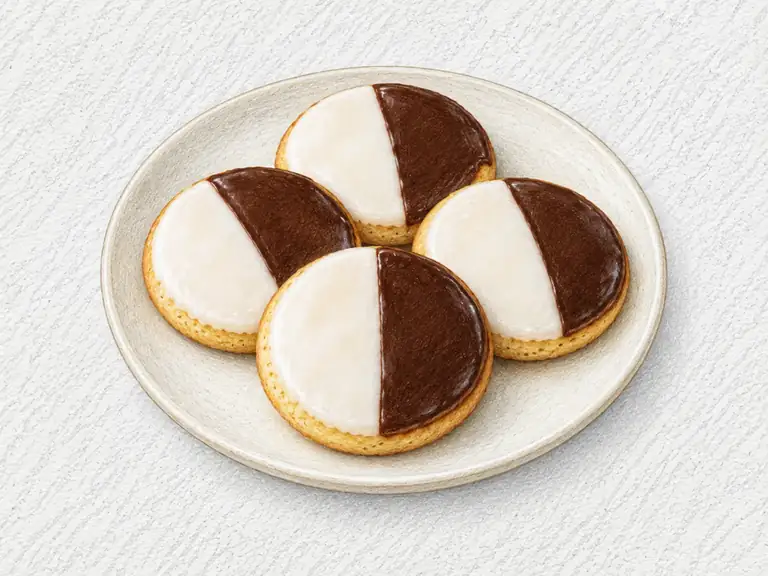
Soft, cakey rounds get vanilla icing on one half and chocolate on the other, spread on the flat underside that touched the pan so the dividing line stays straight. Any warmth left in the cookies makes the two colors run together.
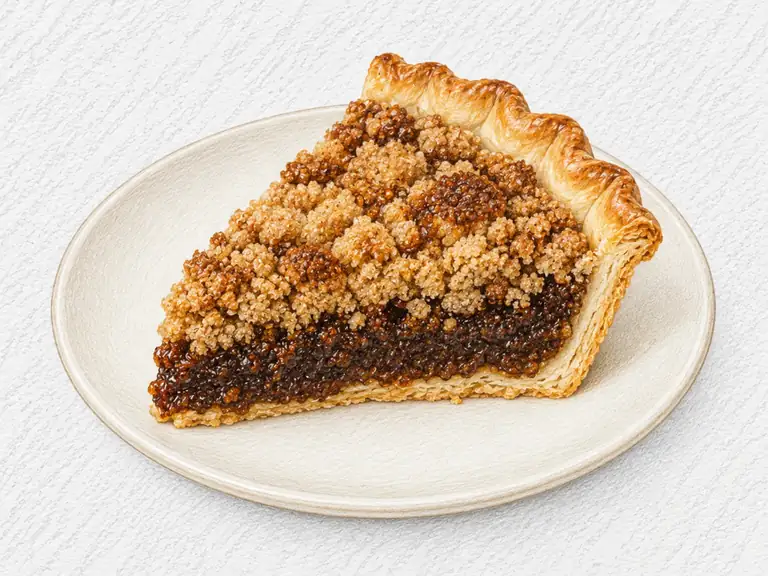
Molasses soaks into the lower half while the buttery crumb on top stays loose and dry. Liquid and crumb go into the shell in alternating halves; some of the crumb drinks up the molasses, the rest stays on the surface, and in the oven the two separate into layers. The molasses is unsulfured baking molasses, not the bitter blackstrap.
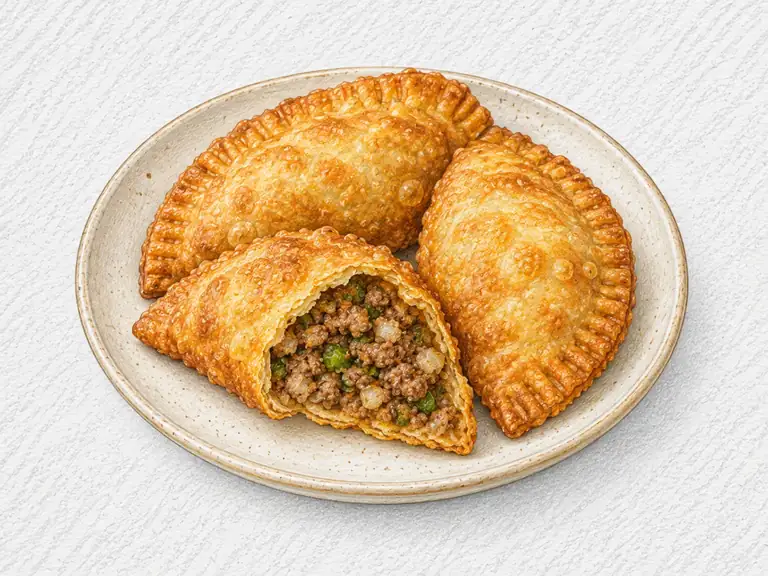
Beef and pork cooked with peppers and green onion fill thin pastry half-moons that are sealed with a fork and deep-fried. Because the filling is cooked and cooled first, the pies fry briefly instead of waiting for raw meat to cook through a thick crust. Shortening rubbed into the flour makes a dough that should not be kneaded like bread, and warm filling melts that fat and tears the thin wrapper. A clear border with the air pushed out keeps the seams closed in the oil.
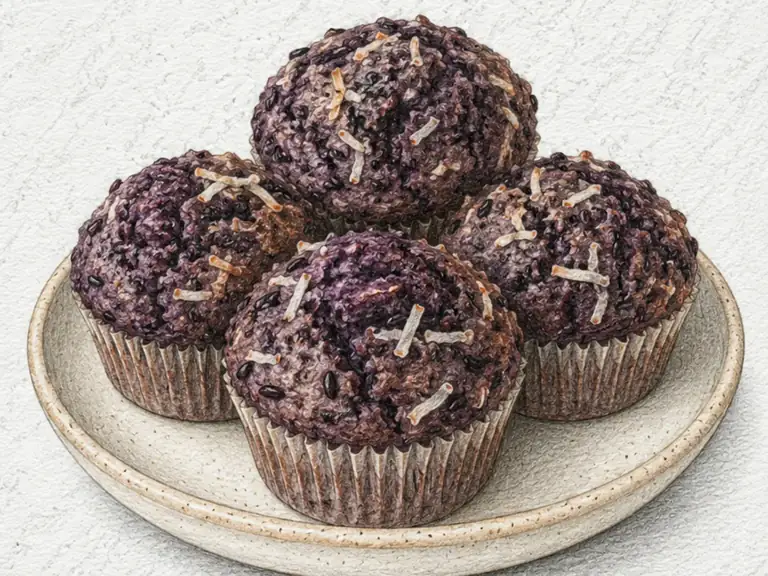
Black rice flour turns these muffins a deep purple and adds a toasty, nutty grain flavor that coconut then sweetens. Coconut milk and neutral oil stand in for dairy and butter, which keeps the crumb soft even after the muffins have cooled completely.
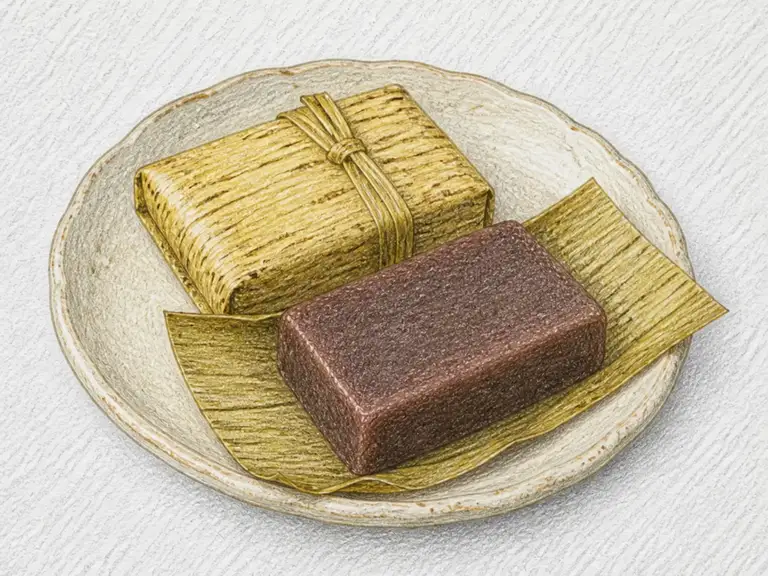
Bound with wheat flour instead of agar, this red bean paste comes out dense and chewy rather than smooth and jellied like neri yokan. In the Omi area of Shiga the batter is wrapped flat in bamboo sheaths and steamed; the sheath keeps it from drying and adds a light aroma. Only sheaths sold for food wrapping are used, washed and blanched, and they are peeled away before serving.
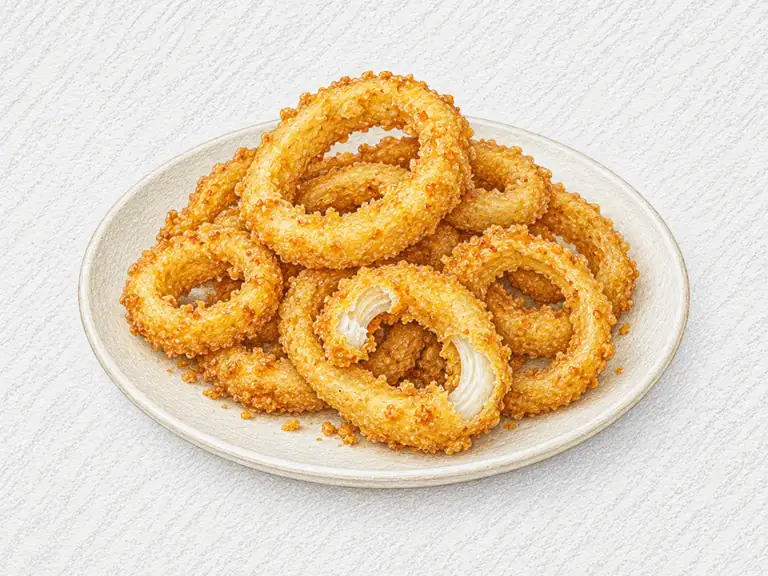
Thickness decides how these rings eat: cut too thin and you get mostly batter, too thick and the coating browns while the onion center is still firm. The lager is split at the start, with one portion for soaking the onions and a cold portion kept clean for the batter. Flour and cornstarch set into a light, thin shell around the soft onion. A crowded pot loses heat, which gives the coating more time to soak up oil, so the rings go in small batches. Piling finished rings in a bowl traps steam against the bottom ones, so they drain on a rack in a single layer.
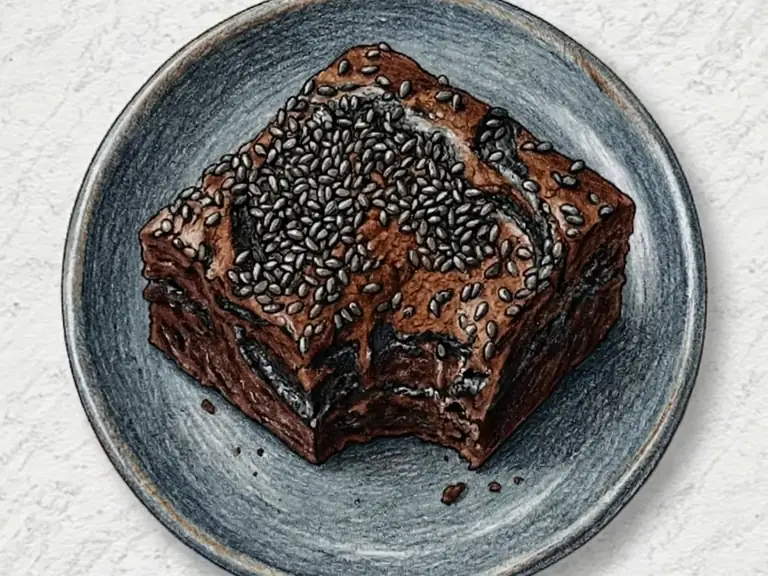
Black sesame paste is stirred into a dark chocolate batter for these dense, fudgy brownies, and its nutty flavor stays on well after the chocolate. The paste goes in only once the eggs are fully mixed, so it spreads through the batter instead of clumping in one spot.
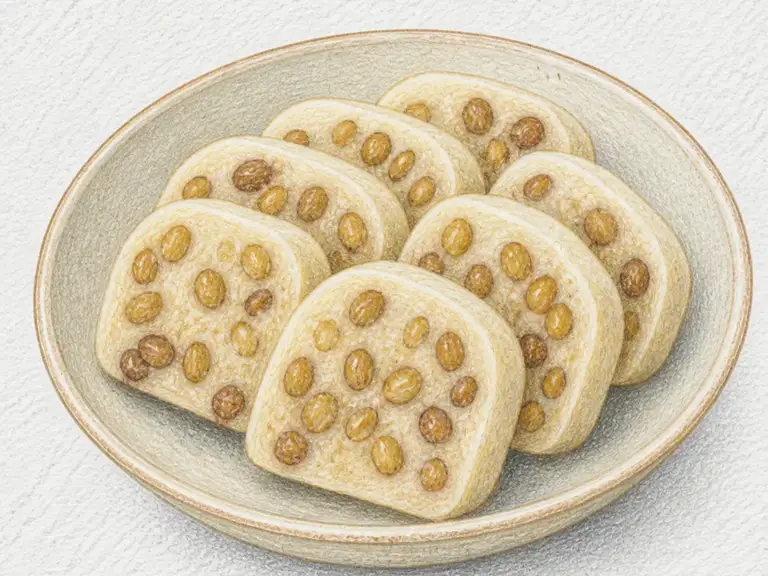
Toasted soybeans are packed tightly into wheat dough sweetened with brown sugar and sanontou, then steamed in log form. The name refers to beans shut inside the dough, and it also goes by tochiko-mame or toshiko-mame. Around Yamaga and Kikuchi in northern Kumamoto it was made at year's end alongside osechi, and it appeared at weddings, funerals, and as a gift or farm-season snack. Chilled until firm and sliced, it shows beans crowded through the brown dough.
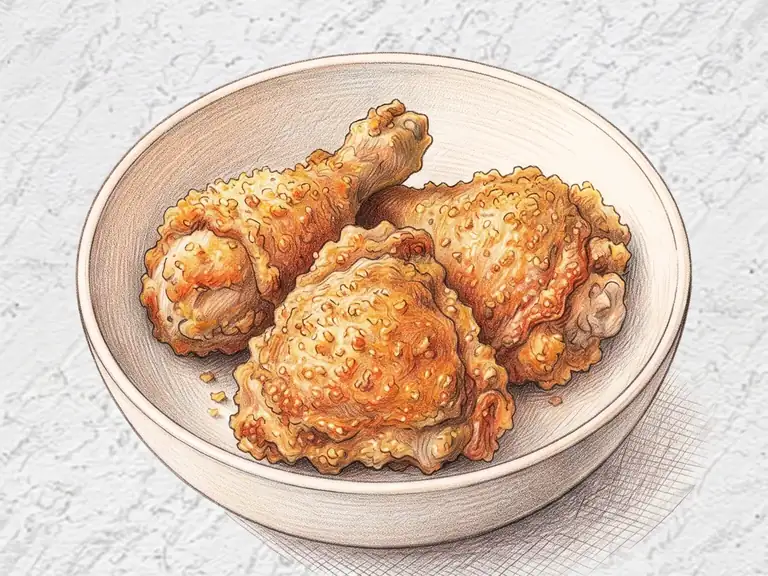
While the chicken is being breaded, a pan of butter and olive oil heats in the oven, and the thighs go into that hot fat skin side down. It is the same idea as heating the oil for a fryer, and it gives a crisper crust than baking the pieces on a wire rack. Bone-in, skin-on thighs have enough fat to stay juicy even when they cook past the target temperature, so there is no need to rush them out of the oven.
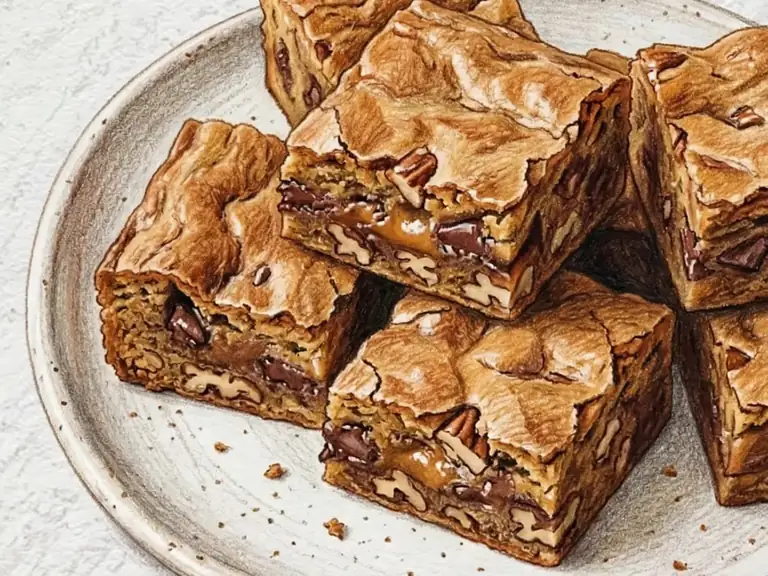
Take the chocolate out of a brownie and build the flavor on browned butter and brown sugar instead. The butter is cooked until it turns deep gold and smells nutty, then pulled off the heat at once, and brown sugar melted into it gives a toffee-like sweetness.
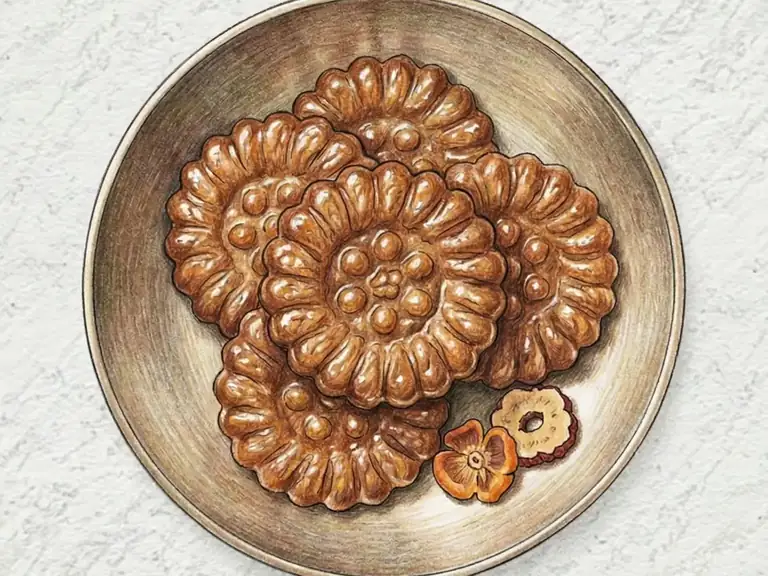
Sesame oil is rubbed into the flour first and the dough is folded and rolled twice, so a fried yakgwa breaks open in layers. It fries low until cooked through, then the oil goes up to crisp the outside, and the pastries sit in honey and cinnamon syrup for two hours or more. Ginger juice in the dough leaves a slight bite after the sweetness.
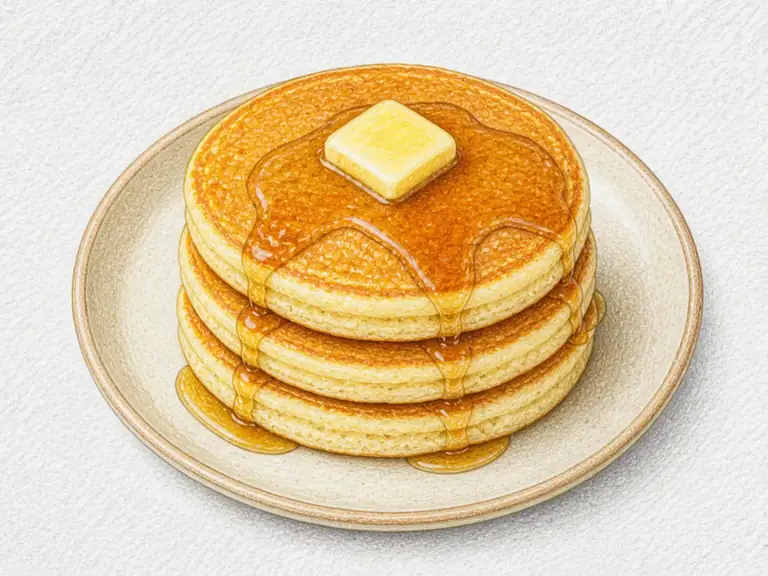
Small lumps left in the batter make for a fluffier stack. Mixing stops before the batter turns smooth and the cakes turn tough, and the batter then rests a few minutes to hold on to the bubbles from the baking powder. A pan kept at medium-low lets the centers cook before the outsides scorch. Wait for the surface bubbles to burst and the edges to look dry, then flip only once, since an early or second turn spoils the shape.
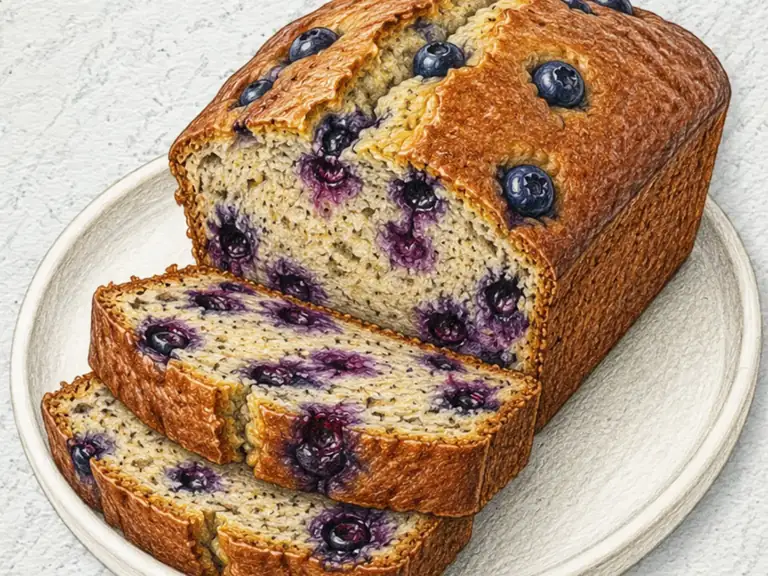
Slice it and the blueberries are still whole, dotted through a crumb that stays banana-bread colored instead of turning purple. It is really just banana bread with one more fruit, so the ingredient list is short, and baking soda does the rising with no proving time.
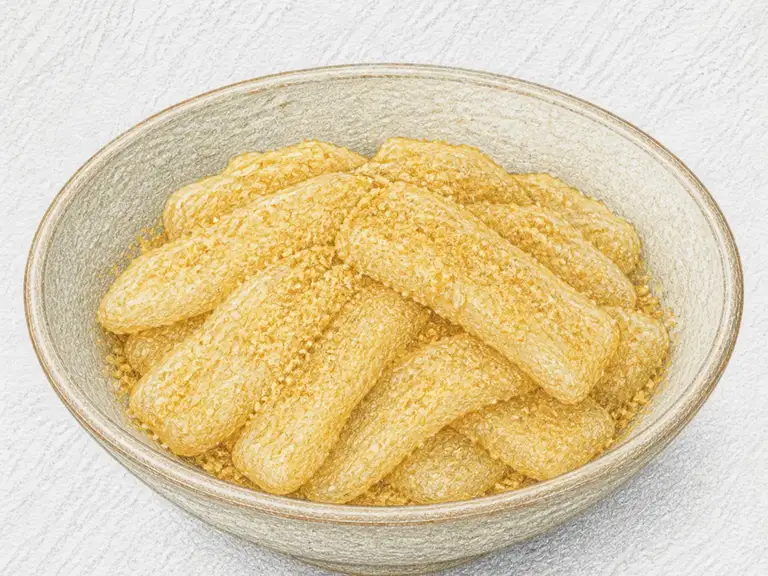
Hand-stretched wheat dough becomes long, flat ribbons that are boiled and rolled generously in kinako and sugar. Furuno in Yufu, Oita, is regarded as its birthplace, and it is still offered during Obon and Tanabata. Each ribbon is thinnest in the middle and slightly thicker at the ends, and one piece chews differently from end to end. The dough rests twice, once as a ball and again as short sticks, and that is what lets it stretch past 20cm without tearing.
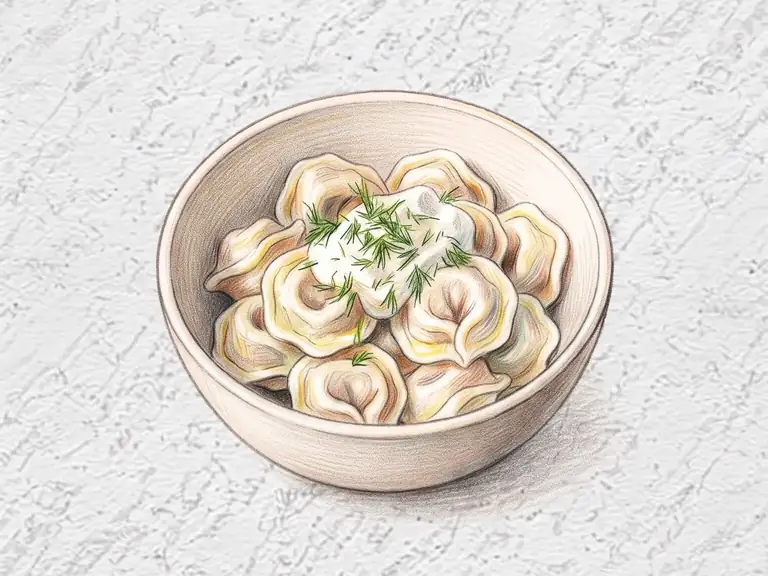
With about a teaspoon of filling in each dumpling, one batch makes seven to eight dozen and takes around an hour and 45 minutes of rolling, cutting and pinching. Pelmeni are tossed in butter and topped with sour cream and dill, as they are here, or served in chicken or beef broth as a soup.
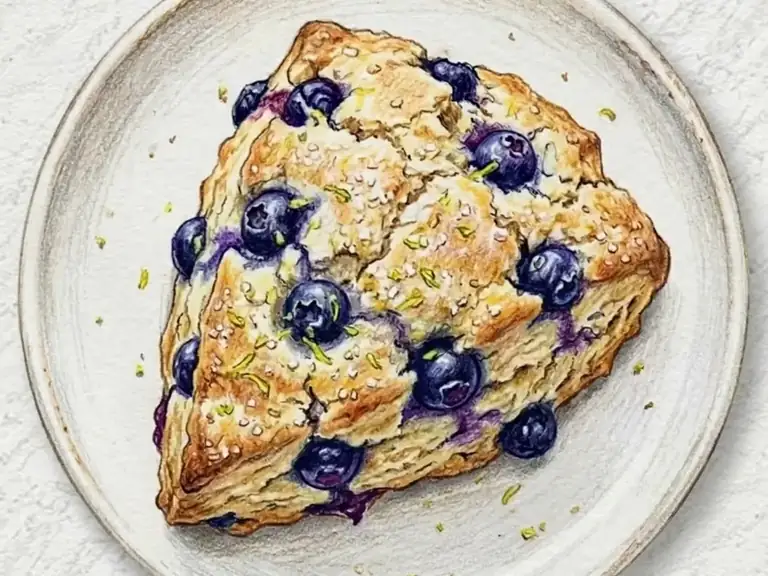
The lemon zest goes into the cream and egg rather than the flour, which carries its scent evenly through the whole dough. Leave the butter in pea-sized pieces as you rub it into the flour, and the baked scones crack crisply at the edges and crumble softly inside.
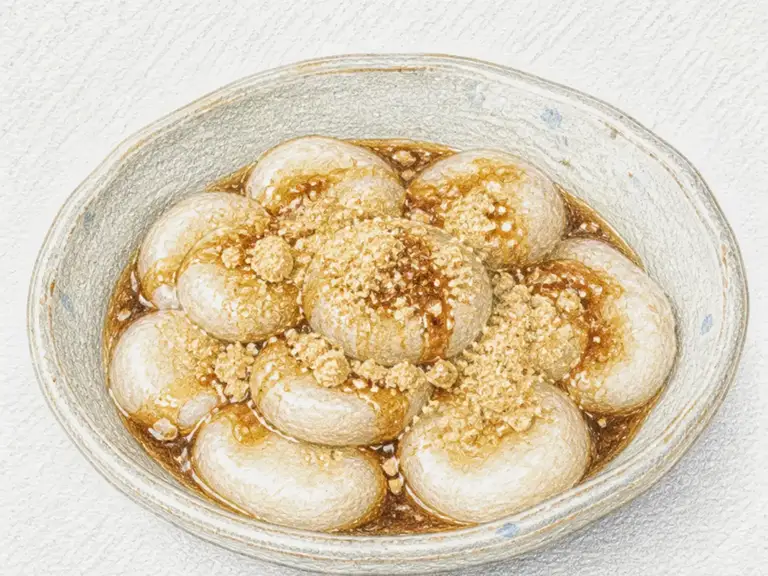
Wheat flour, shiratamako, and warm cooked rice are worked together with boiling water, and the rice is what keeps these flat dumplings soft after they cool. In Saga, where farmers often grew wheat after the rice harvest, both flours were on hand, and yudedago served as a fieldwork snack or a supplement when a meal ran short. The name is a local shortening of yude dango, and some call it hiradago. Brown sugar never enters the dough but is showered on with kinako while the dumplings are hot, leaving a melting sweet surface over a plain center.
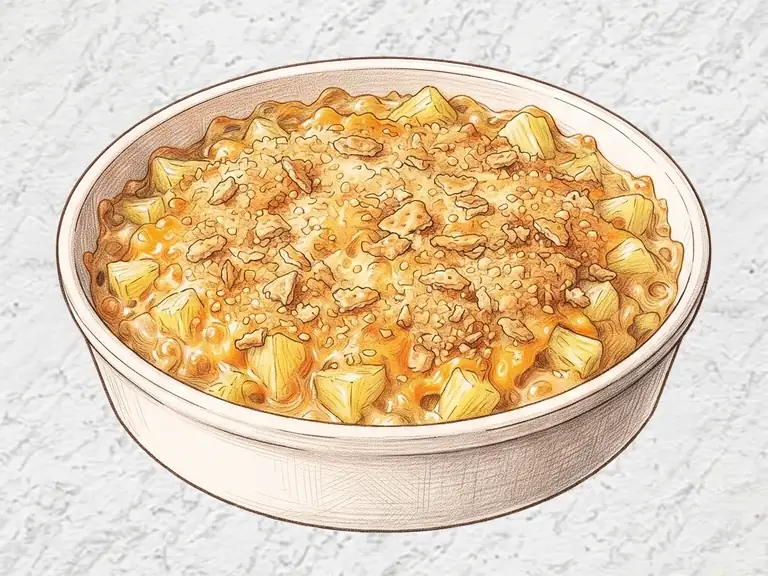
Sweet pineapple and shredded cheddar go into the same dish here, held together with sugar and a little flour and covered with buttered Ritz crumbs. Straight from the oven the filling is loose, and it sets during the 10 minutes of standing.
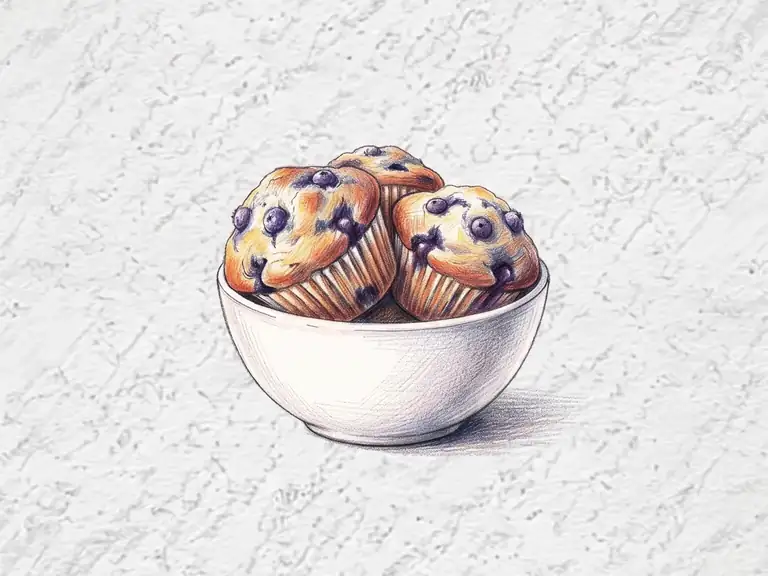
The batter should come out as thick as cookie dough, so don't loosen it with milk or any other liquid. Whether you use sour cream or yogurt, full-fat makes the most tender muffins.