Stews Easy
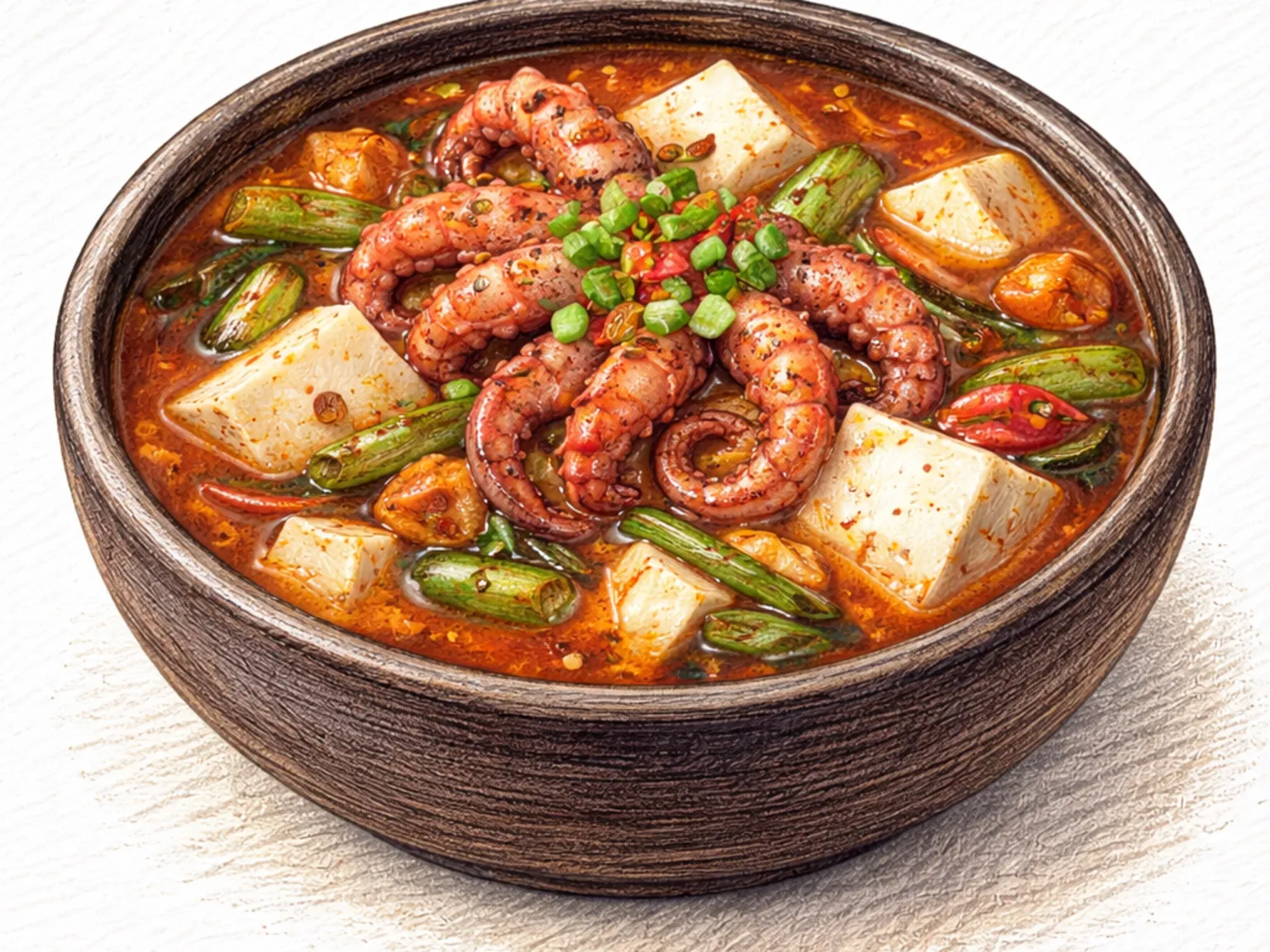
Korean Octopus Soft Tofu Stew
Springy pieces of octopus (nakji) turn up between soft curds of tofu. The egg goes in after the heat is off; break the yolk into the broth and the spice mellows.
Prep 10min Cook 15min 2 servings
59 recipes. Page 3 of 3
As an Amazon Associate, we may earn from qualifying purchases.
Springy pieces of octopus (nakji) turn up between soft curds of tofu. The egg goes in after the heat is off; break the yolk into the broth and the spice mellows.
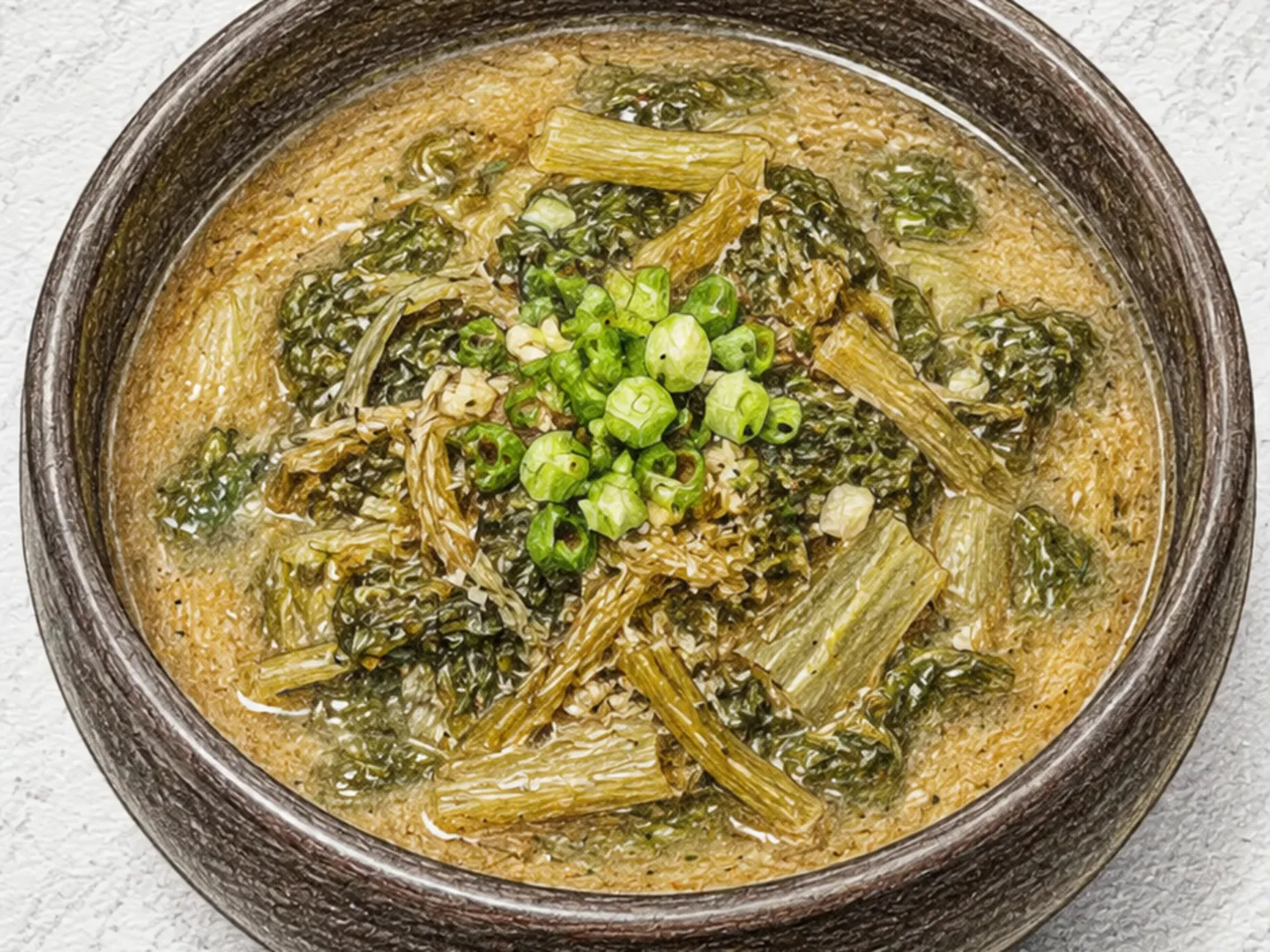
No meat goes into this one, only dried radish greens, doenjang and anchovy stock. Drying leaves the greens slightly bitter, and that bitterness stays in the pot on purpose. Strip it all out and the soup stops tasting like siraegi-guk.
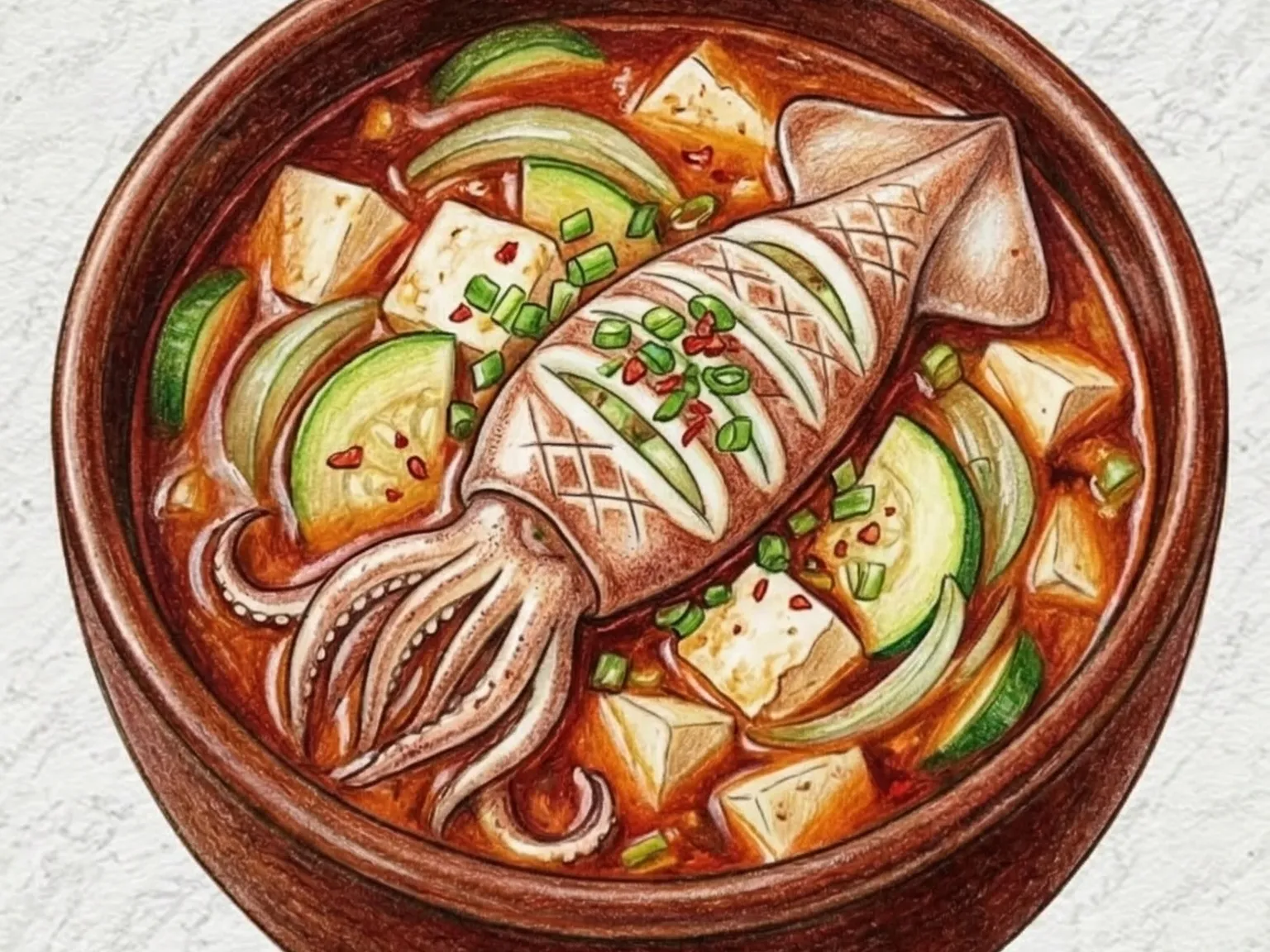
Gochujang alone seasons this squid stew, giving the red broth a sweet, rounded heat, and one whole squid goes in as rings and tentacles. Scoring the inside of the body makes the rings curl as they cook and pulls the sauce in between the layers. The squid joins only after the zucchini and tofu have had about five minutes, and two or three minutes is all it takes.
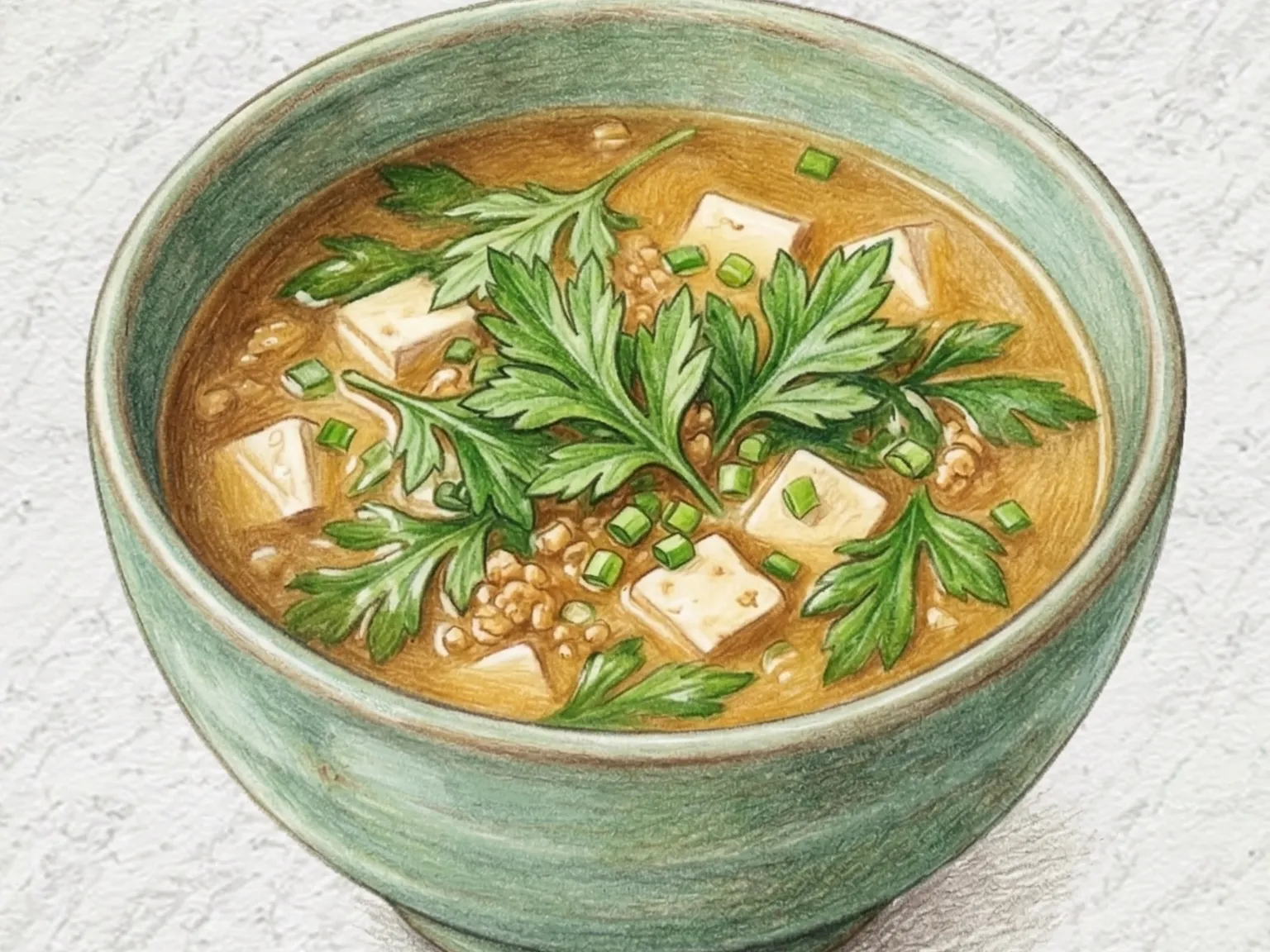
Young mugwort gives a doenjang broth a fresh, green spring aroma, but that aroma fades quickly with heat. The clam meat is cooked through first, so the leaves can be added last over low heat and ladled out the moment they wilt to a bright green.
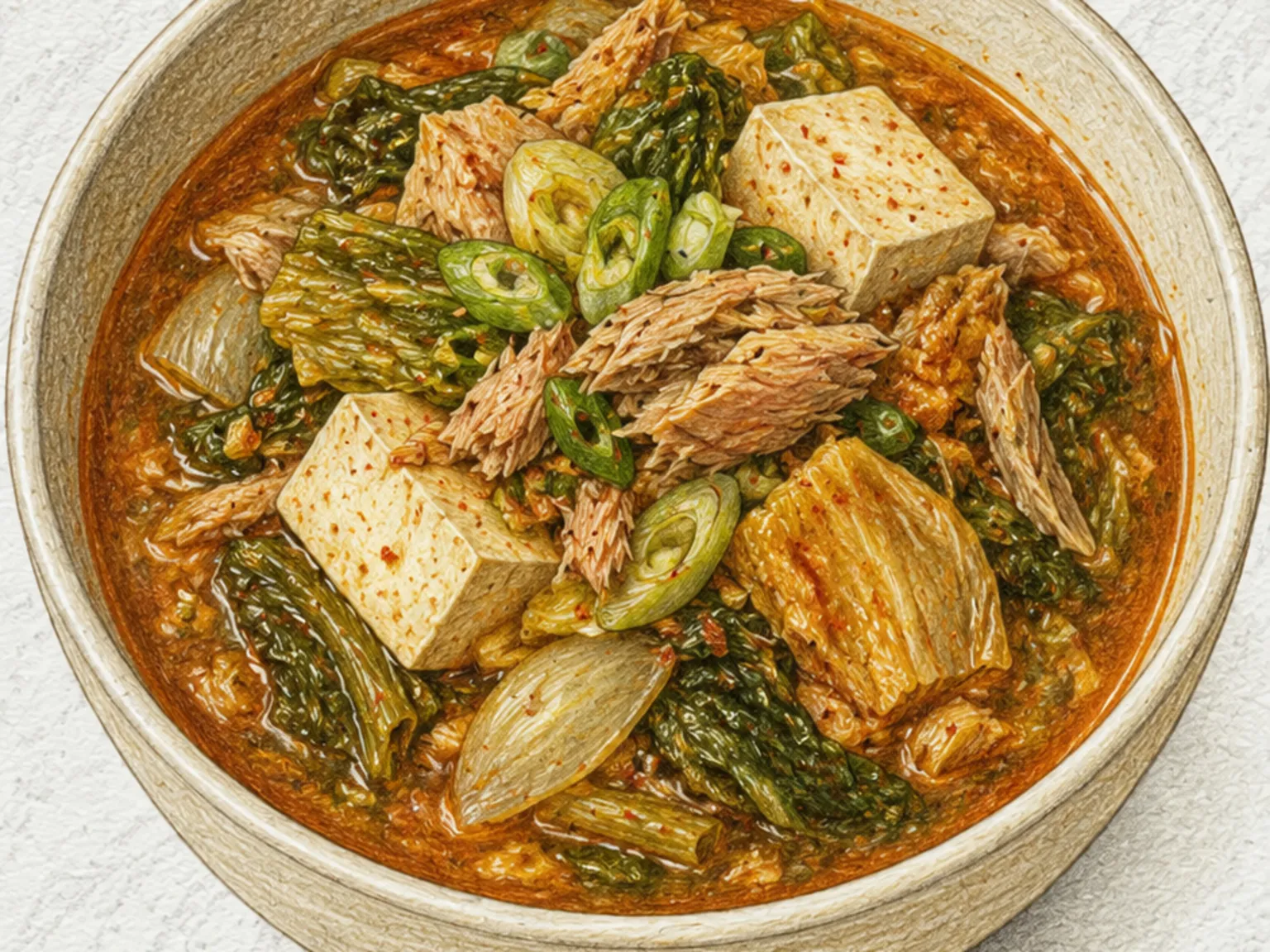
A can of tuna stands in for meat and gives the doenjang broth its savory depth, with plenty of ugeoji, blanched outer napa cabbage leaves. Use only half the oil from the can; all of it makes the broth greasy.
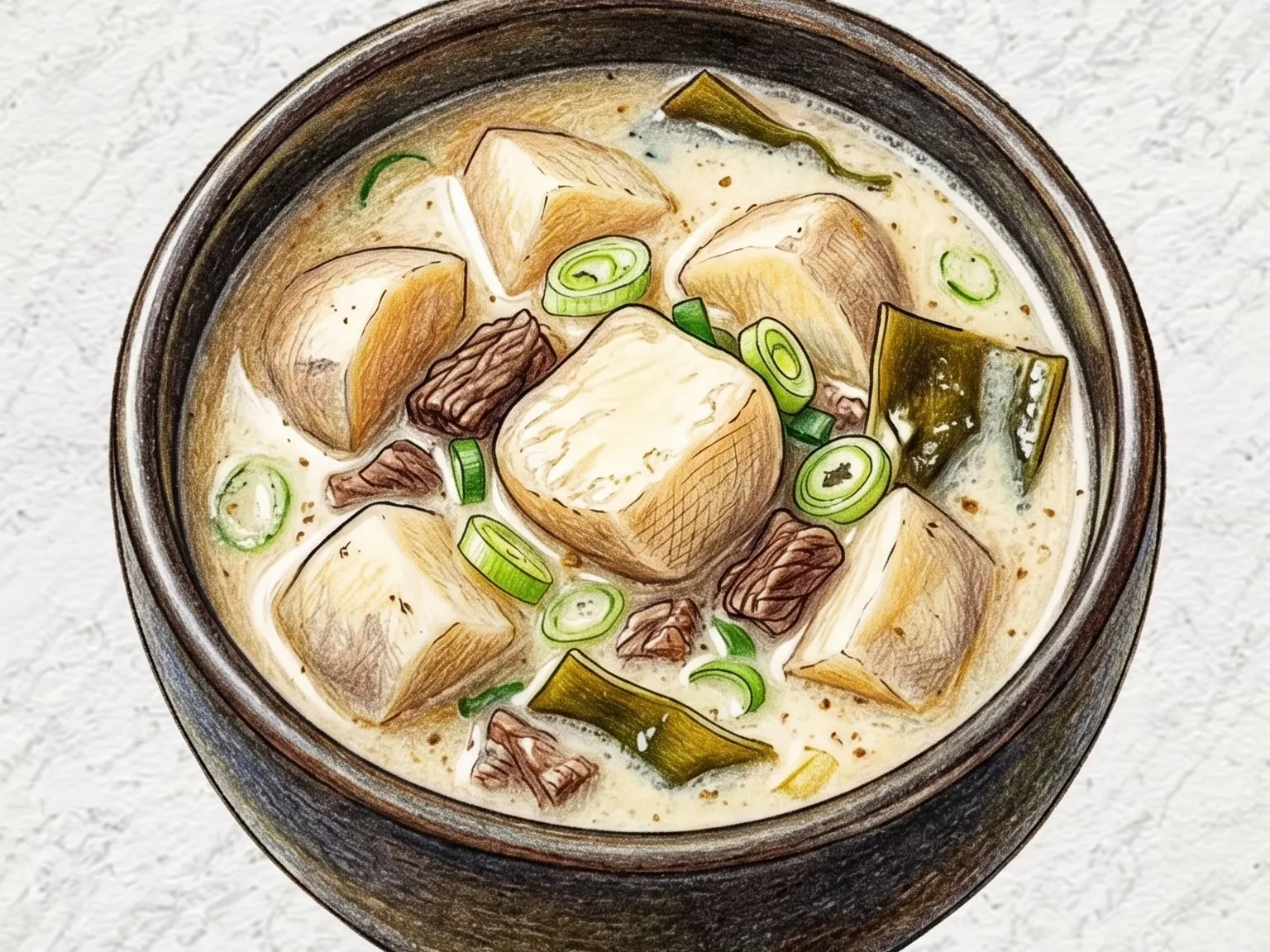
Taro comes into season around Chuseok, the Korean harvest holiday, and this soup often appears on the holiday table. Cooked taro has a finer grain than potato: it crumbles softly yet keeps a slight stickiness, and ground perilla seeds turn the broth milky and nutty. The taro is parboiled in its skin and then rubbed in salted water to wash off the slippery coating, which keeps the soup from turning cloudy or gluey.
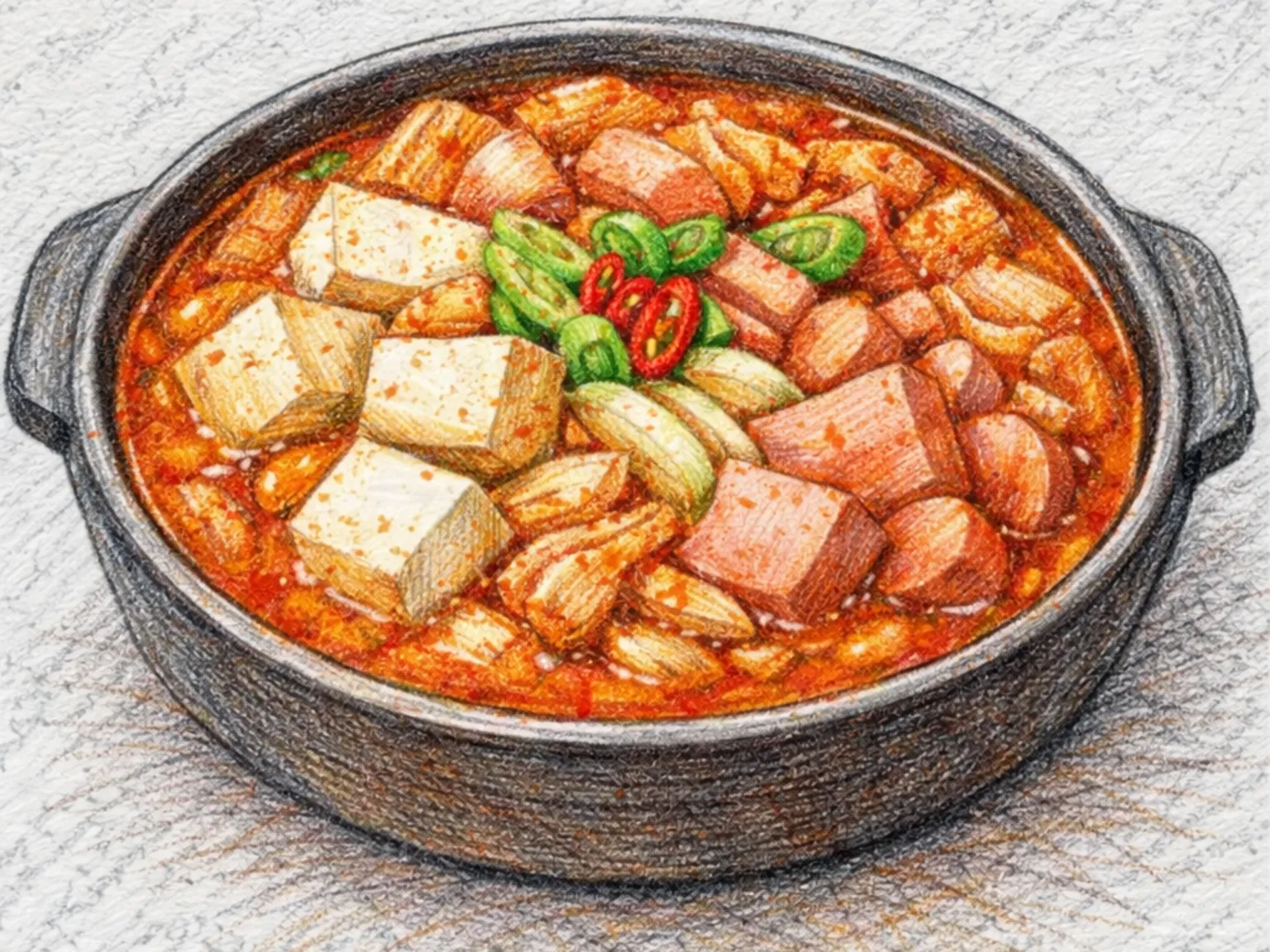
Uijeongbu is the city where this stew took hold near US Army bases after the Korean War, and that is where the name comes from. The salt of Spam and cocktail sausages, the sourness of ripe kimchi and the sweetness of melted baked beans all end up in the same pot.
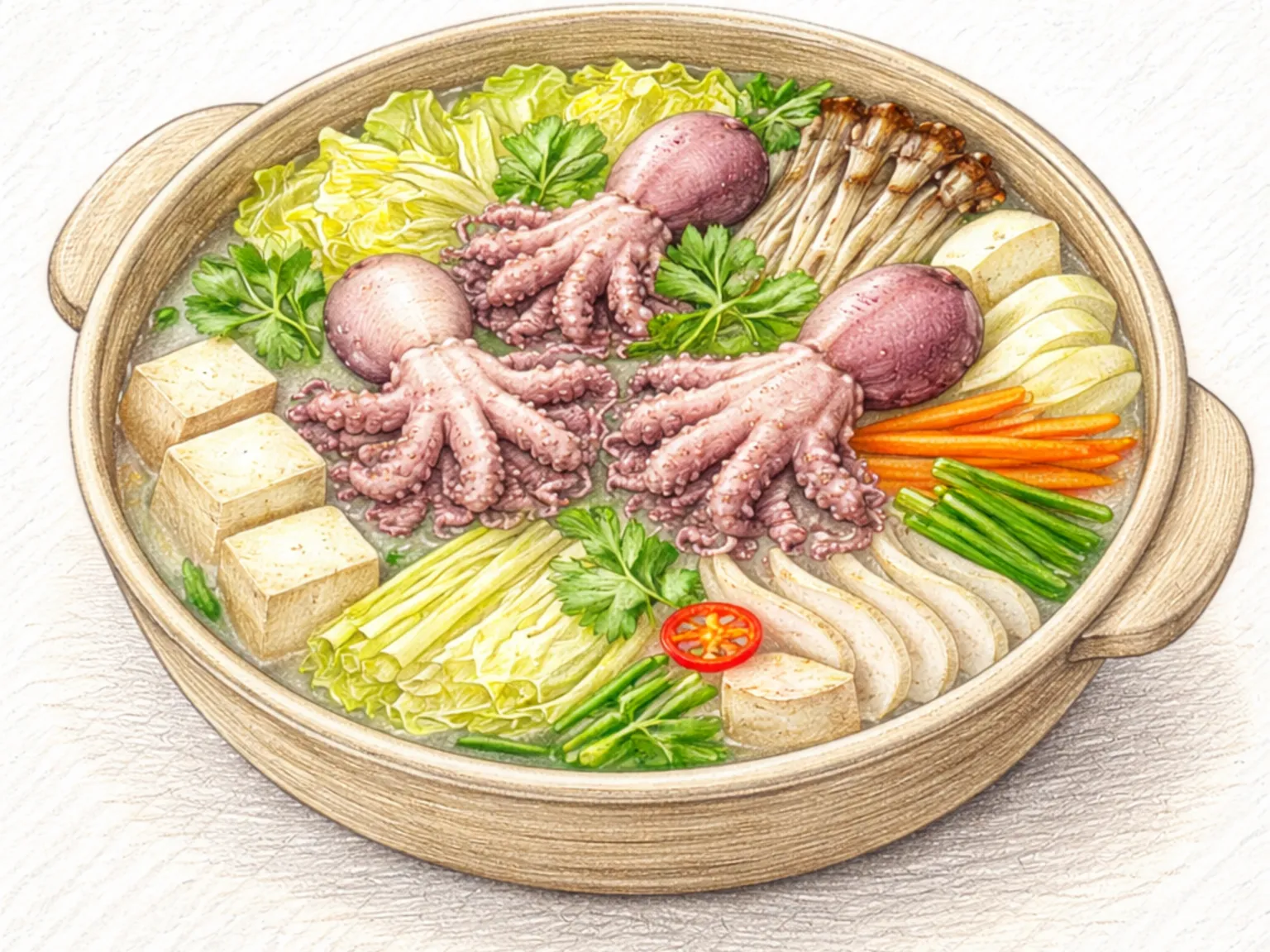
Octopus and flat slices of tofu share the pot with anchovy broth seasoned with soup soy sauce and garlic, no chili, and water dropwort and green onion are laid on top. It stays on a low flame at the table for everyone to serve themselves. The octopus is most tender right when the legs curl and turn opaque, and toughens the longer it simmers.
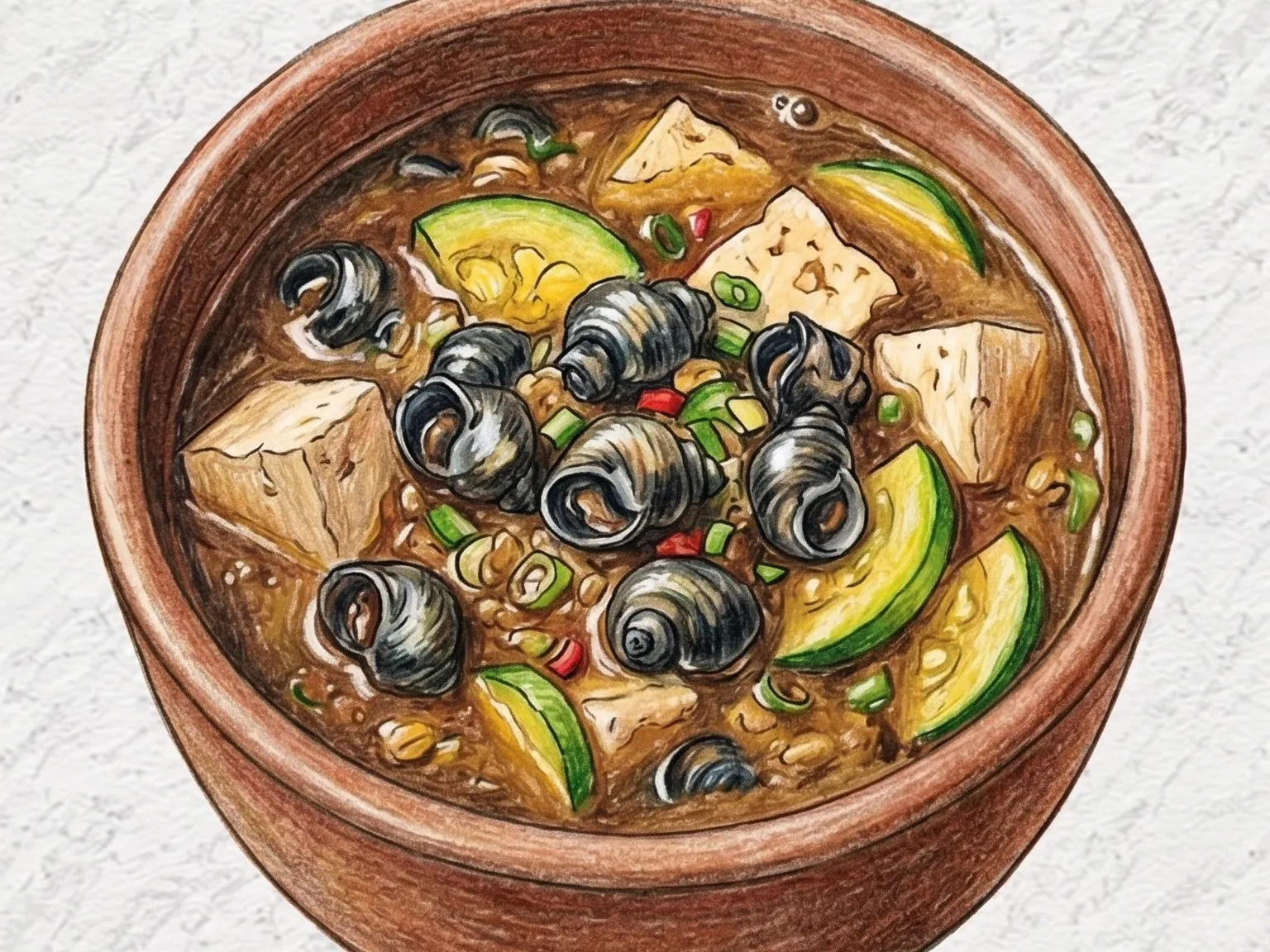
This stew comes from farm households that picked apple snails off the rice paddy banks and dropped them into their doenjang stew, and the ingredient list is still just snails, doenjang, tofu, zucchini and anchovy stock. Snail meat toughens with long boiling, so it goes in after the zucchini has had about three minutes, and the tofu follows at the very end for a minute or two.
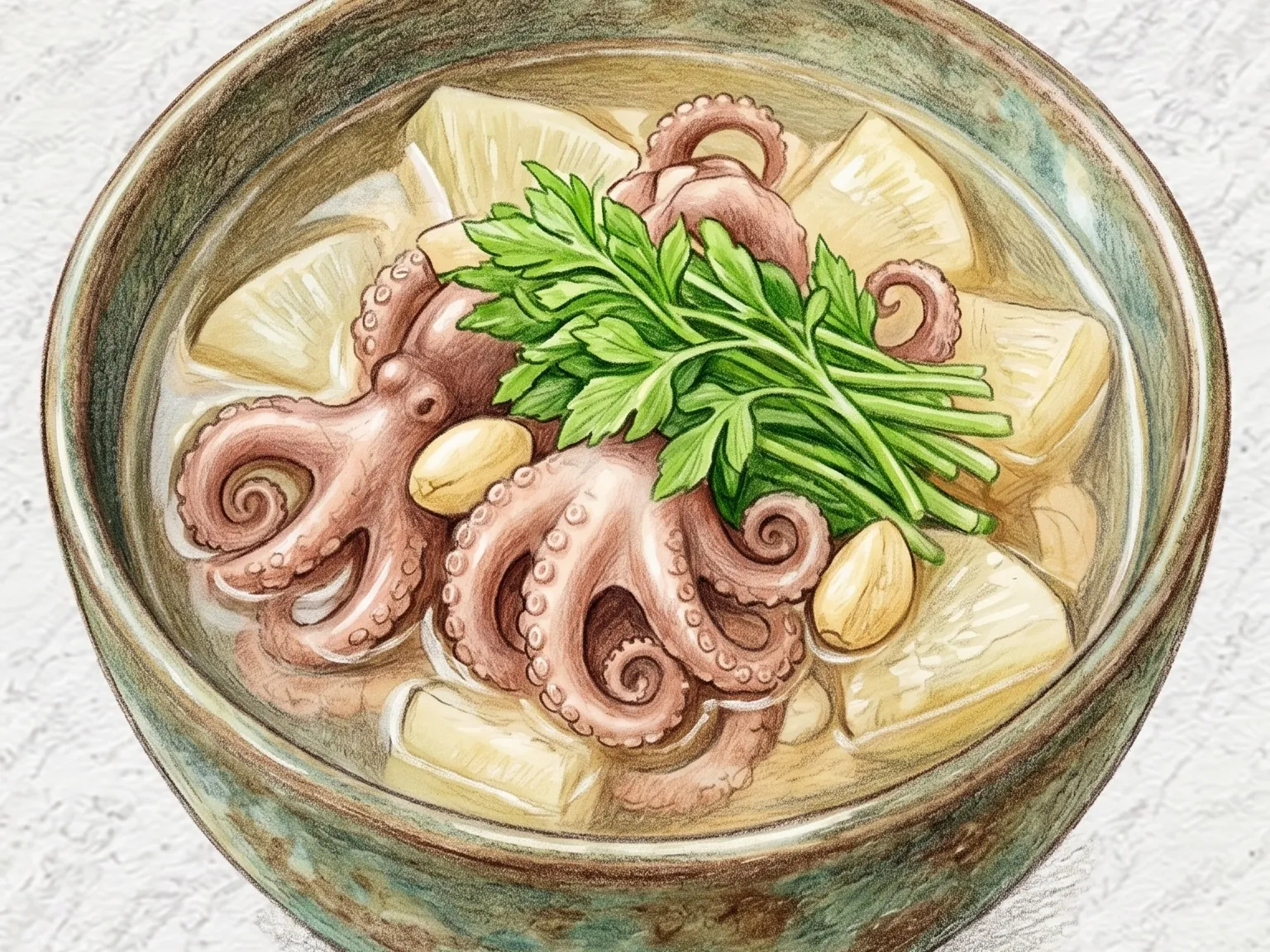
No soy sauce and no chili go into this octopus soup; salt alone seasons it, and the broth stays clear. Once the broth returns to a boil the octopus cooks for just three minutes, and the water dropwort (minari) goes in right before the heat is turned off, wilting for about 20 seconds.
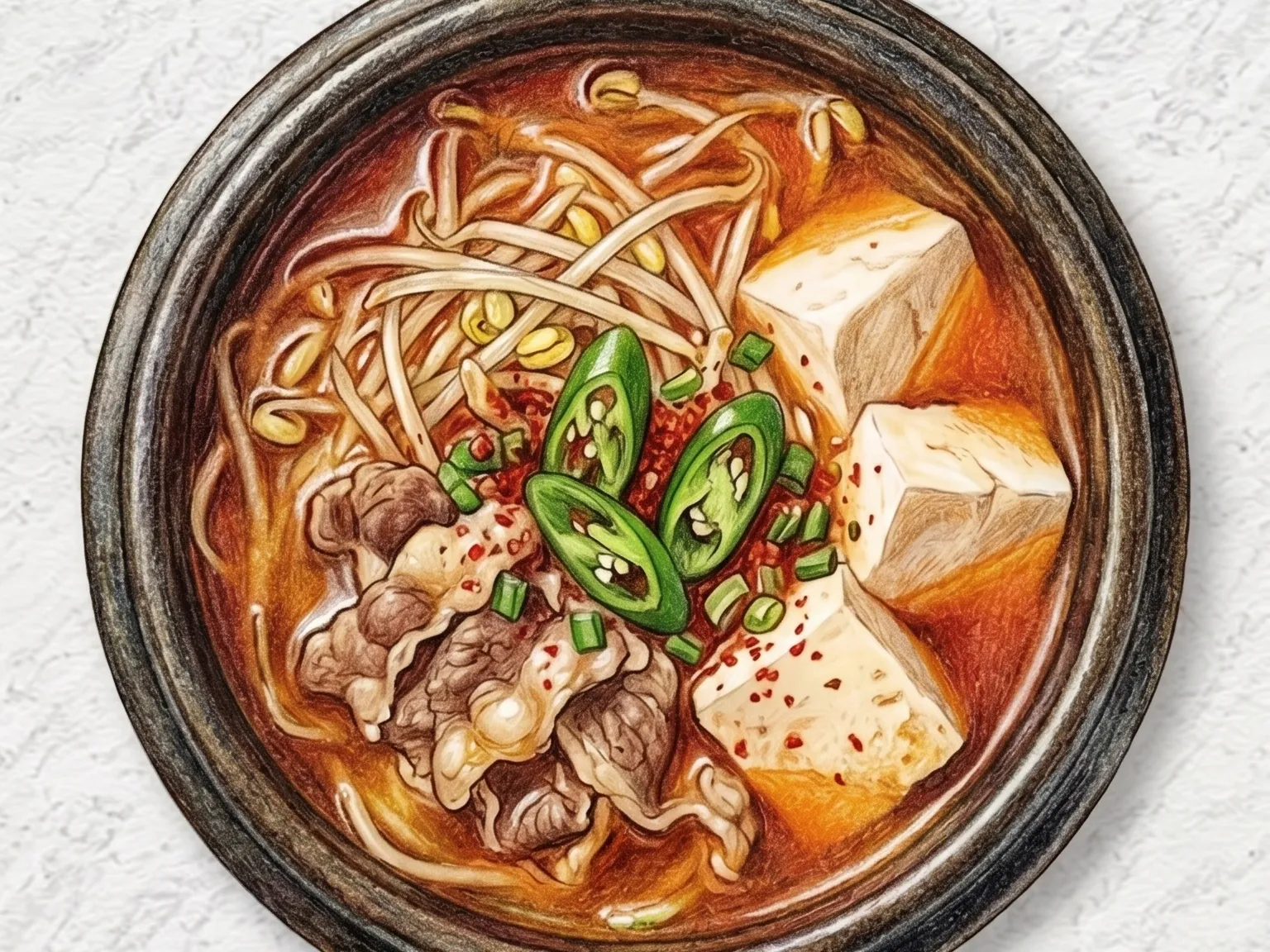
Thin-sliced woosamgyeop, fatty beef brisket, is fried with garlic until its fat runs, and the chili flakes and soup soy sauce are toasted in that fat before any anchovy stock goes in. That is where the red, slick broth comes from. Two cheongyang chilies make it properly hot, and the bean sprouts go in last and come out still crunchy.