Muguk (Korean Radish Anchovy Broth Soup)
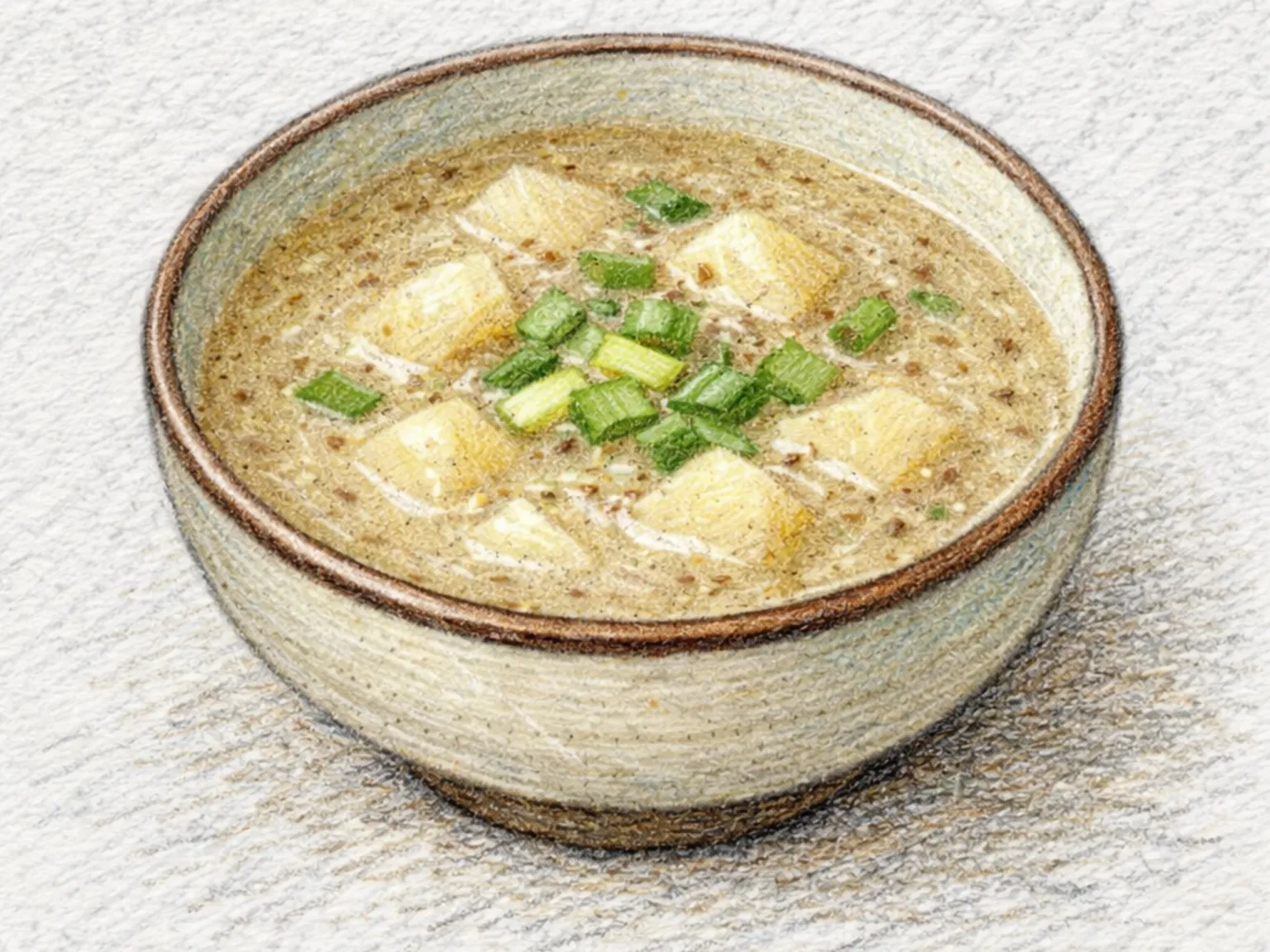
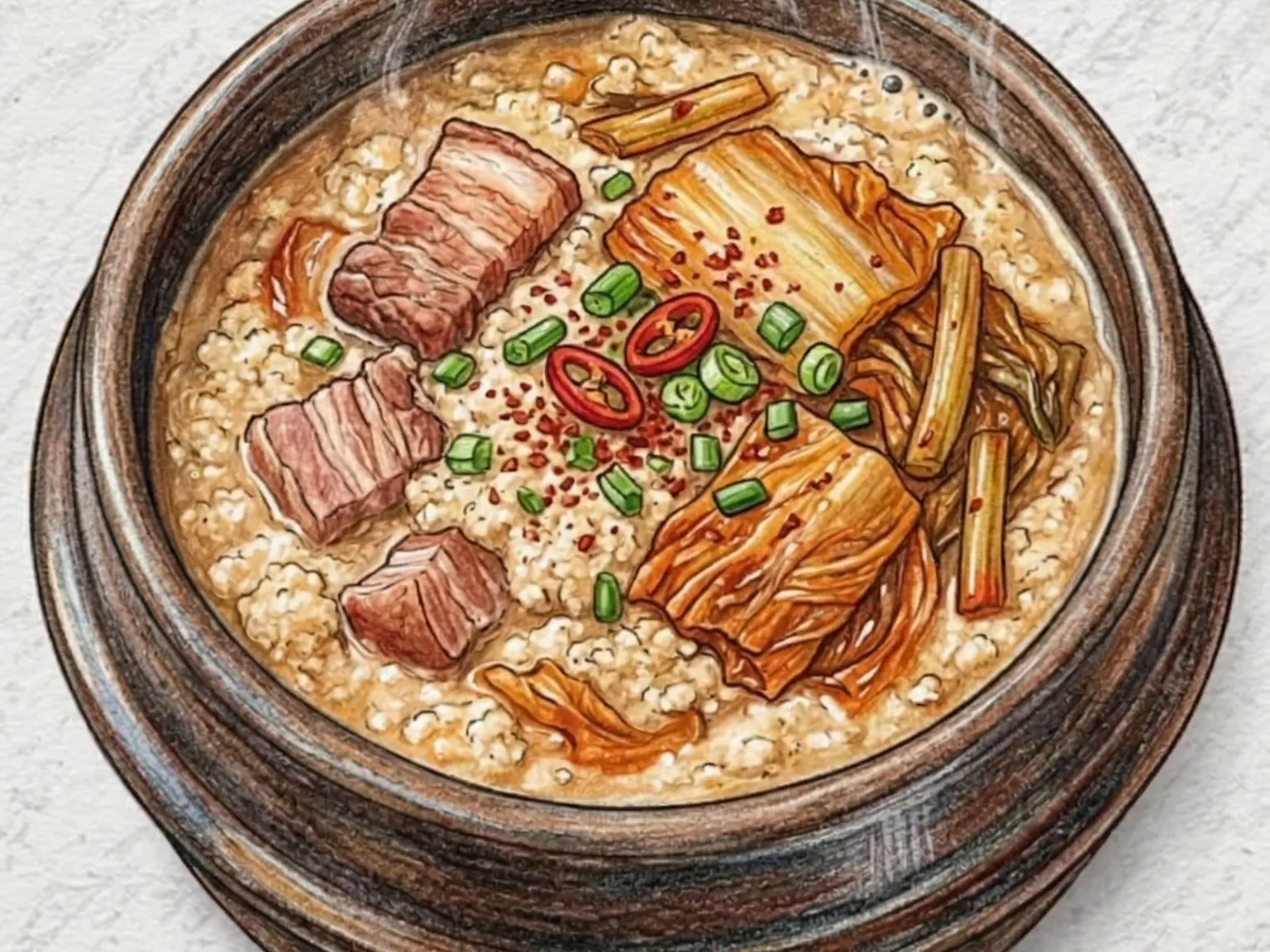
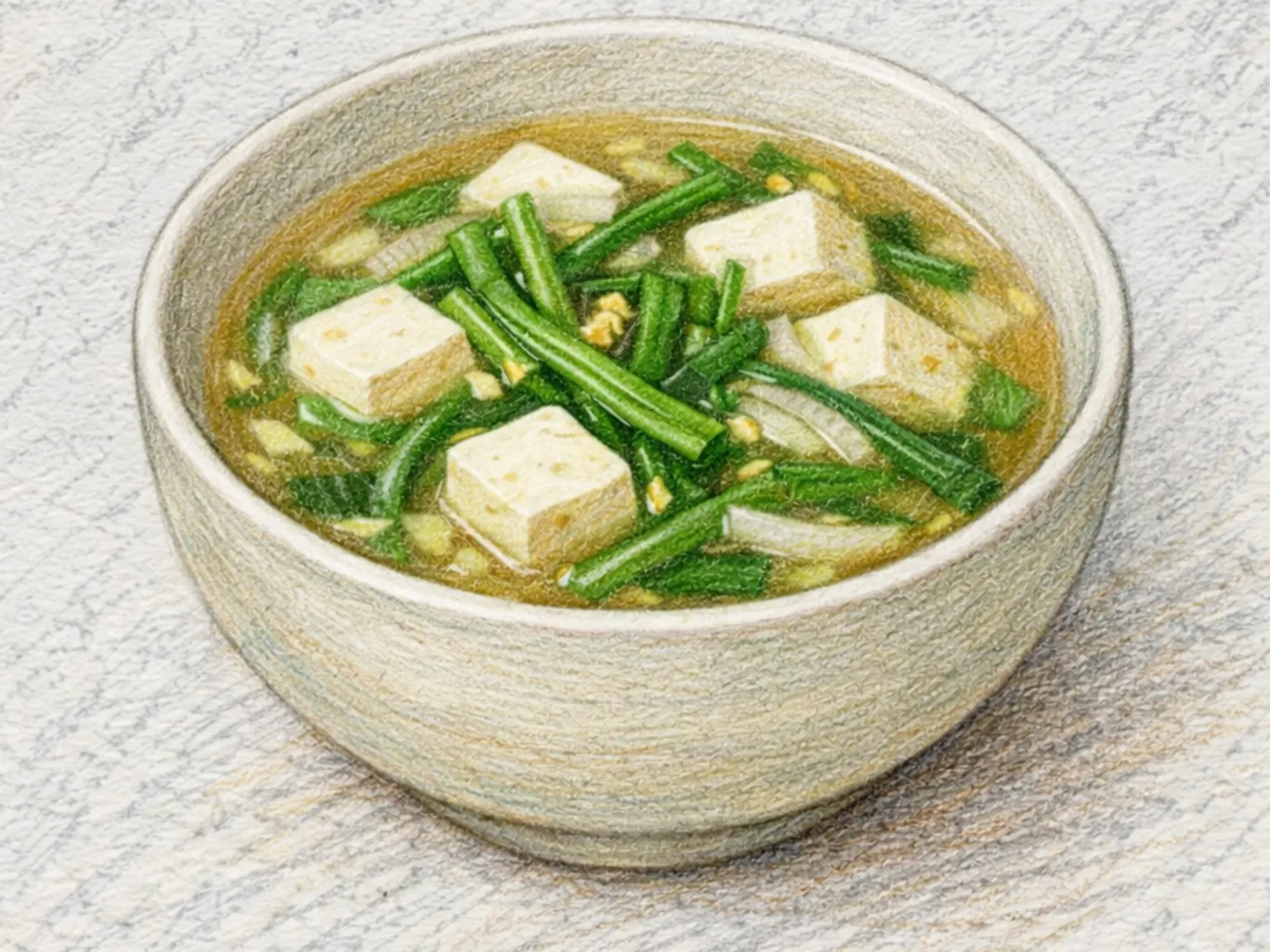
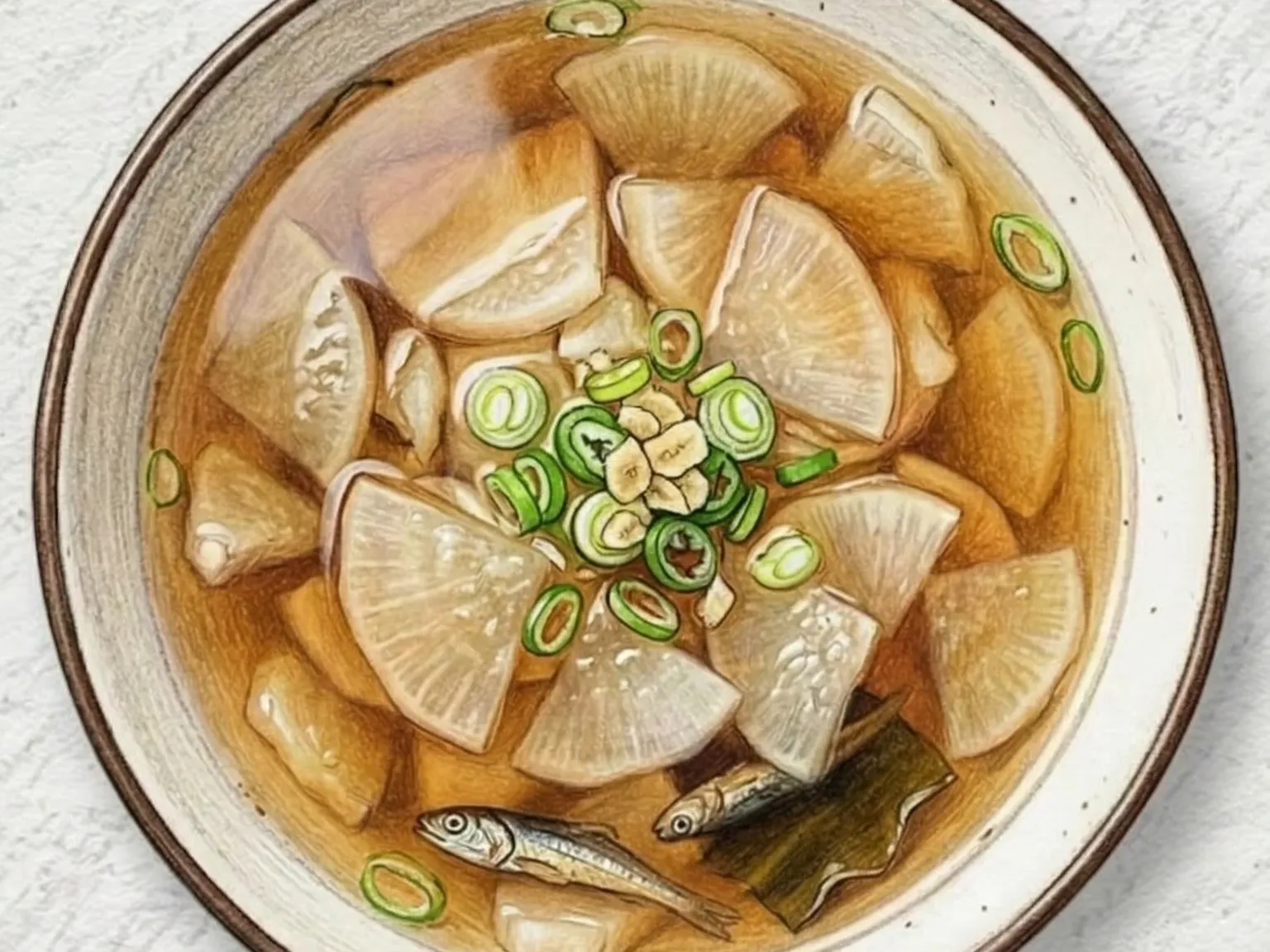
Muguk is the most elemental expression of Korean soup: radish cut generously and simmered in anchovy-kelp stock until the broth runs clear, sweet, and gently savory. The simplicity of the ingredient list is deceptive. As the radish cooks, its starch and natural sugars dissolve into the water, building a broth that tastes mild on the surface but carries real depth underneath. Cutting the radish in thick cubes or wide slabs preserves its shape through the long simmer while allowing the interior to soften completely. Slicing too thin causes the radish to disintegrate and the broth to turn cloudy. Seasoned with nothing more than soup soy sauce, garlic, and sliced green onion, muguk is versatile enough to sit beside any banchan without competing. It serves equally well as a framework: add beef strips and it becomes sogogi-muguk, add dried pollock and it becomes hwangtae-muguk, swap the soup soy for salted shrimp and the character shifts toward briny and refreshing. All that is needed to start a pot are a single radish, a handful of dried anchovies, and a strip of dried kelp, which is why Korean households return to this soup more frequently than almost any other. Reheated the next day, the radish softens further and the broth deepens, making leftovers better than the original.

Korean Kimchi Beef Dumpling Hot Pot
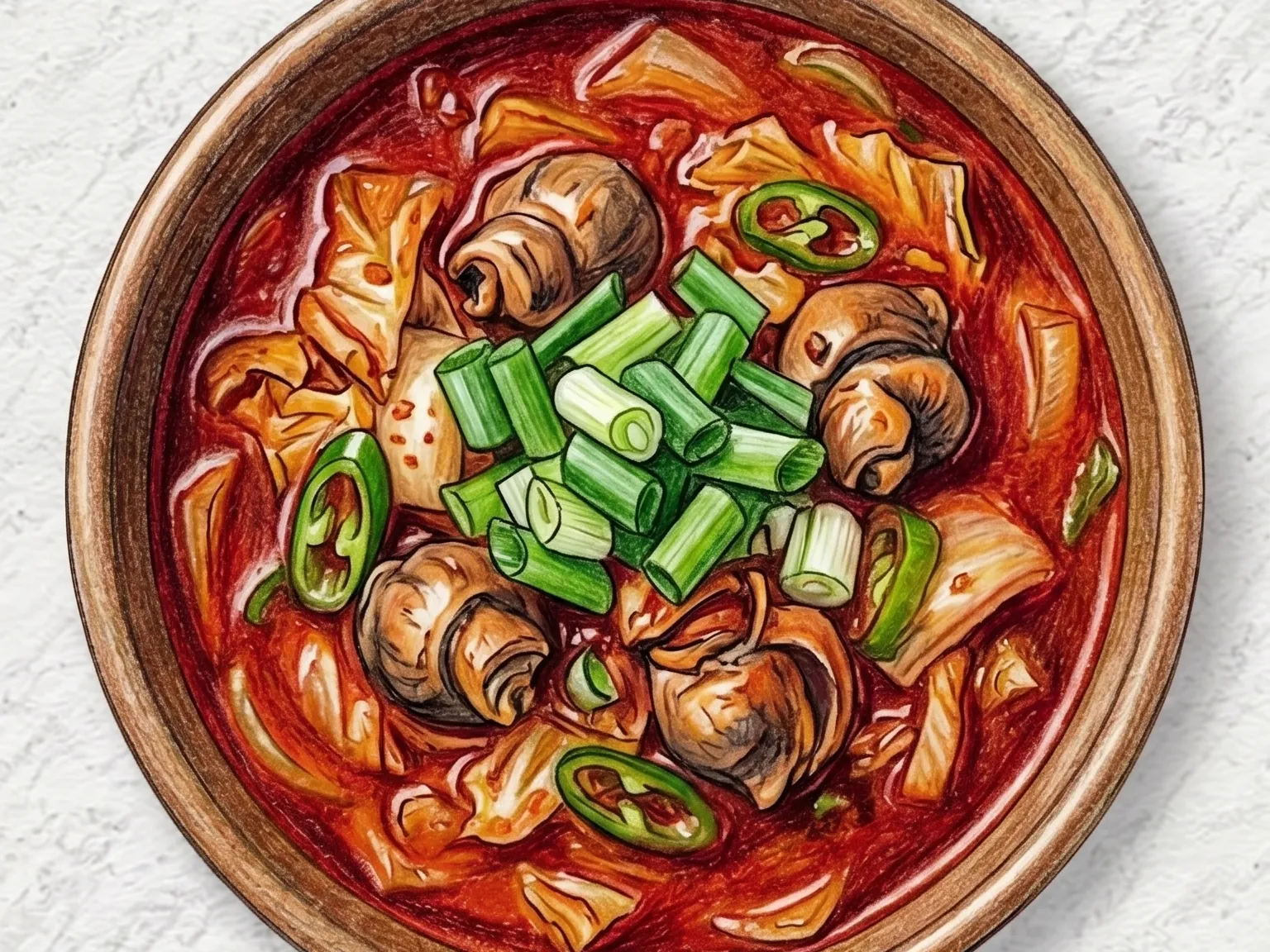
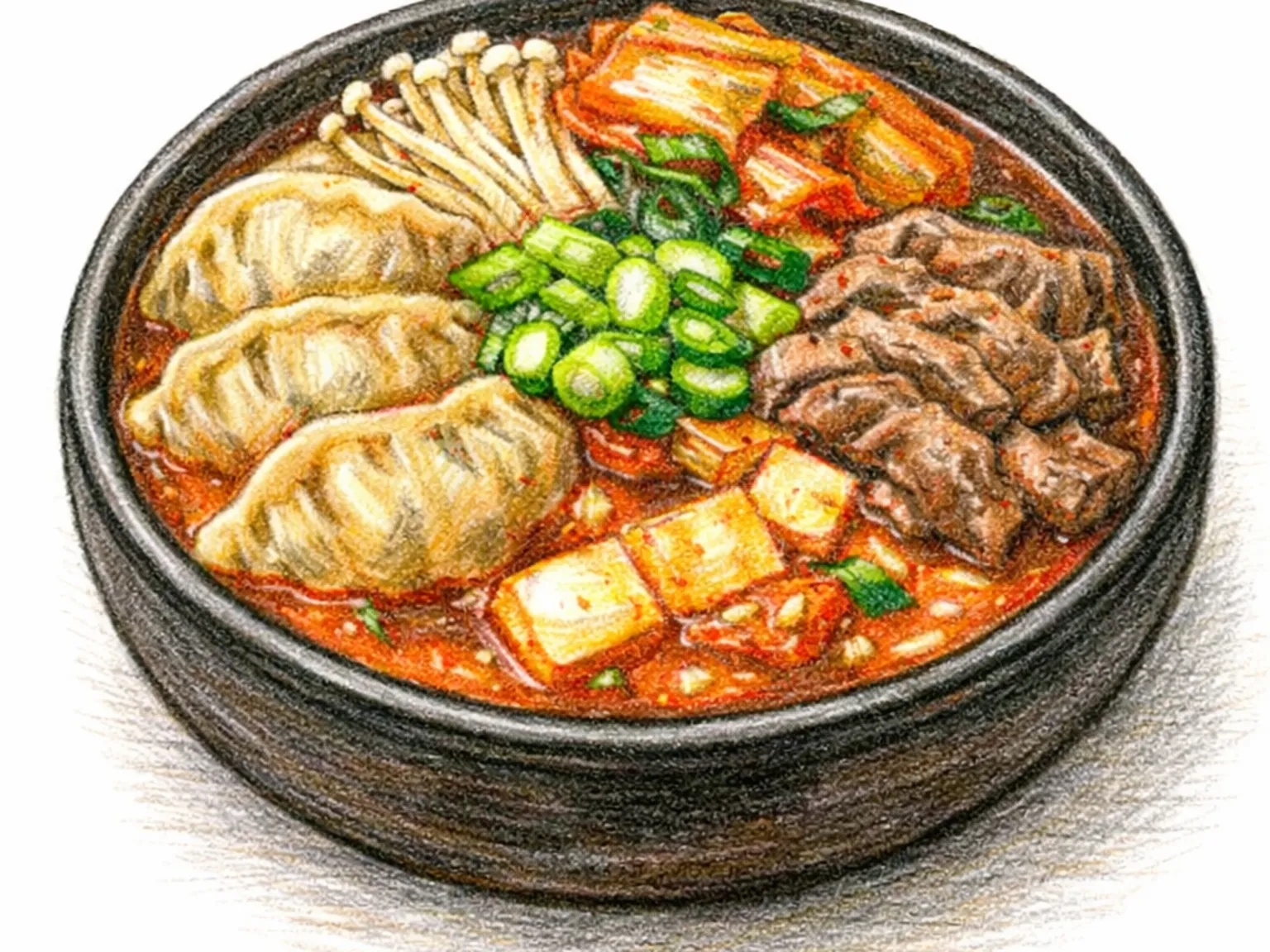
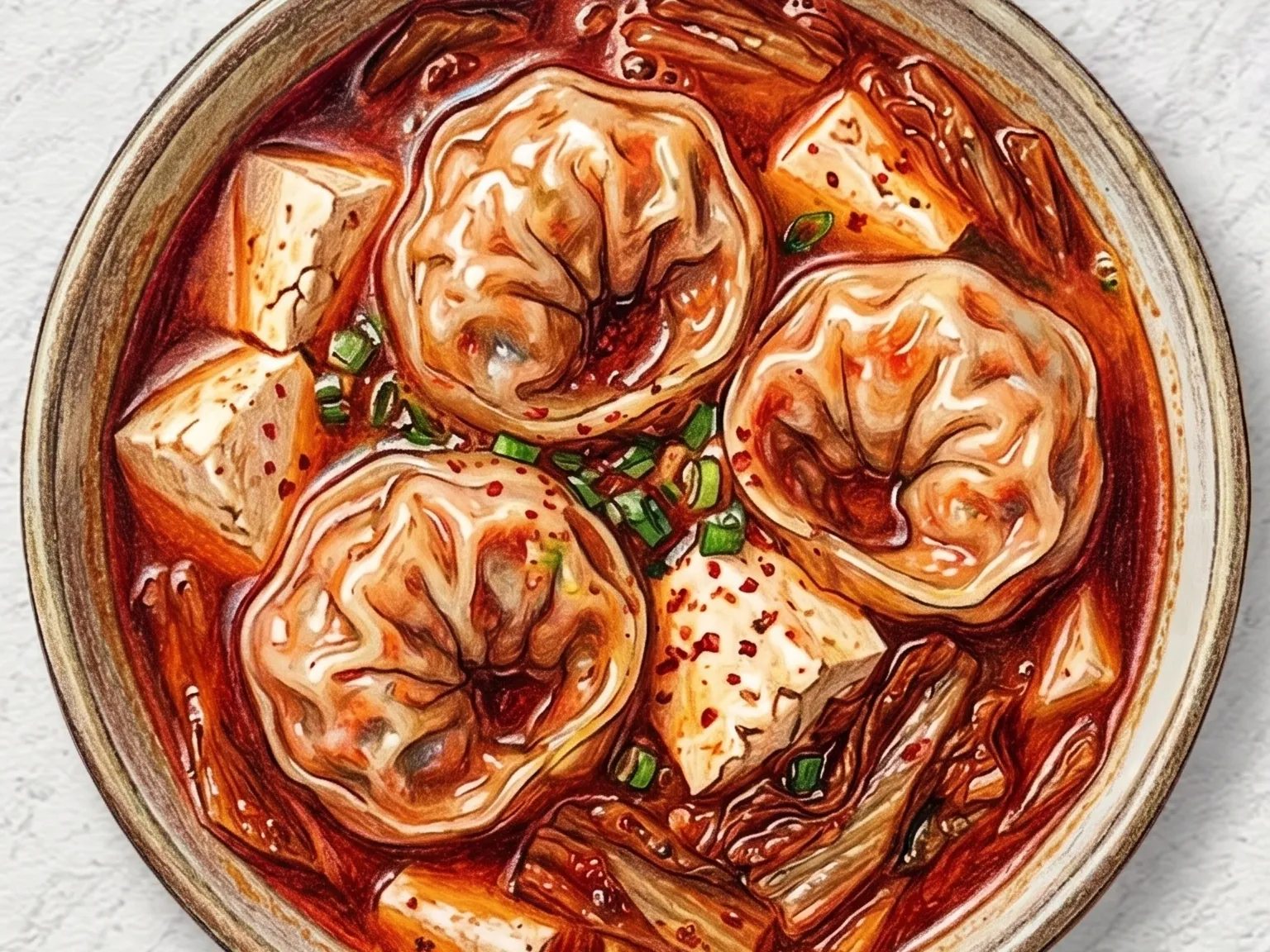
Kimchi-beef mandu jeongol is a generous Korean hot pot that combines frozen dumplings, thinly sliced beef, and aged kimchi in anchovy stock seasoned with gochujang and soup soy sauce. As the pot bubbles, the meat filling inside each dumpling leaches its savory fat into the broth while the kimchi's fermented sourness and heat layer in on top, building a soup that grows more complex the longer it simmers. Napa cabbage leaves, enoki mushrooms, and firm tofu add contrasting textures to each spoonful. Blanching the beef briefly before adding it to the pot prevents the broth from clouding, and the tofu goes in last to keep it intact. The older and more pungent the kimchi, the deeper and more rounded the soup becomes, which is why well-fermented kimchi is worth seeking out for this dish specifically. A drop of perilla oil stirred in just before serving adds a nutty finish that ties the layers together. Eaten communally from the stove, with rice stirred in at the end to absorb the remaining broth, this pot feeds a table with minimal effort.

Korean Green Laver Soup (Seaweed Tofu Anchovy Broth)
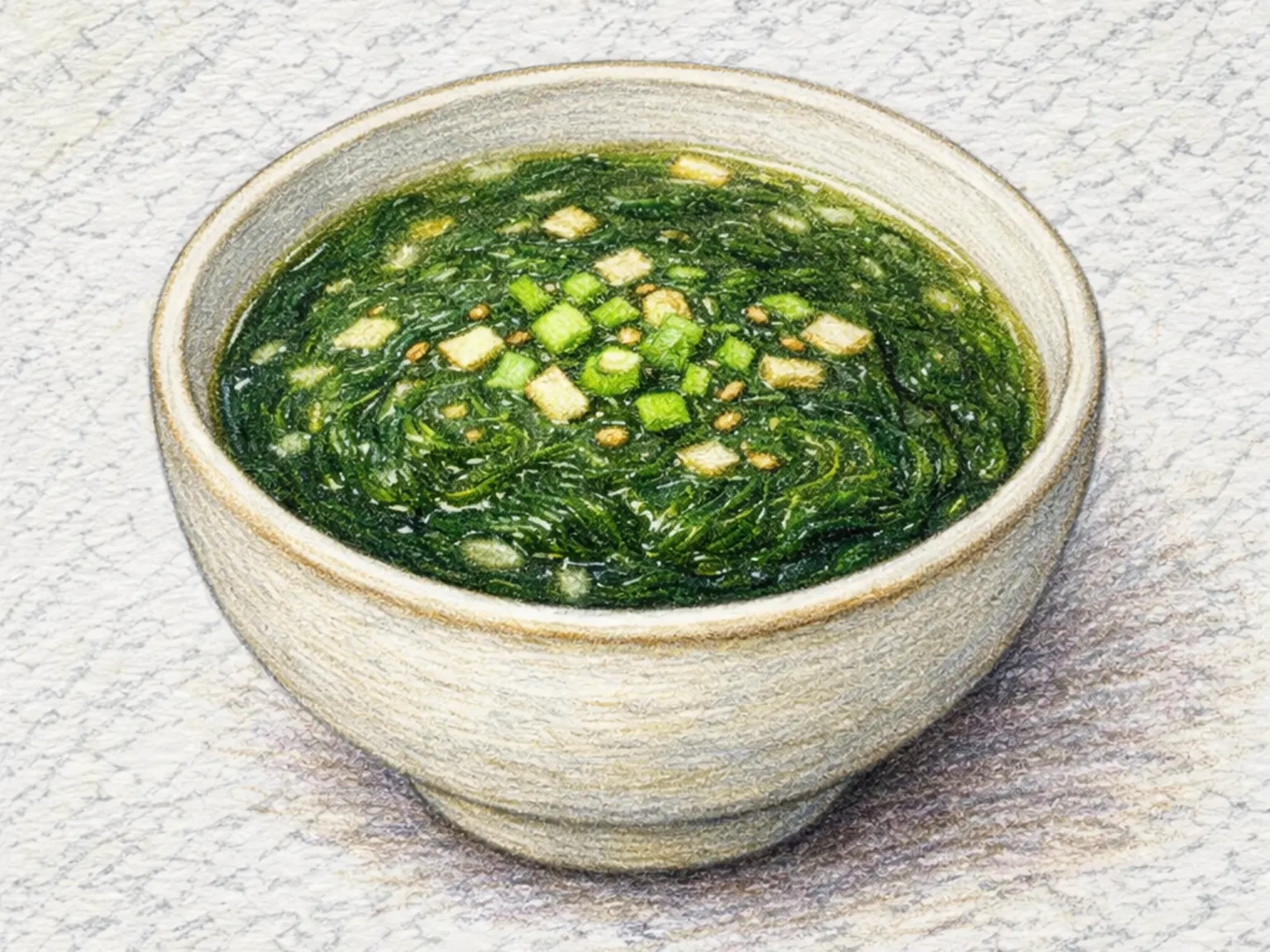
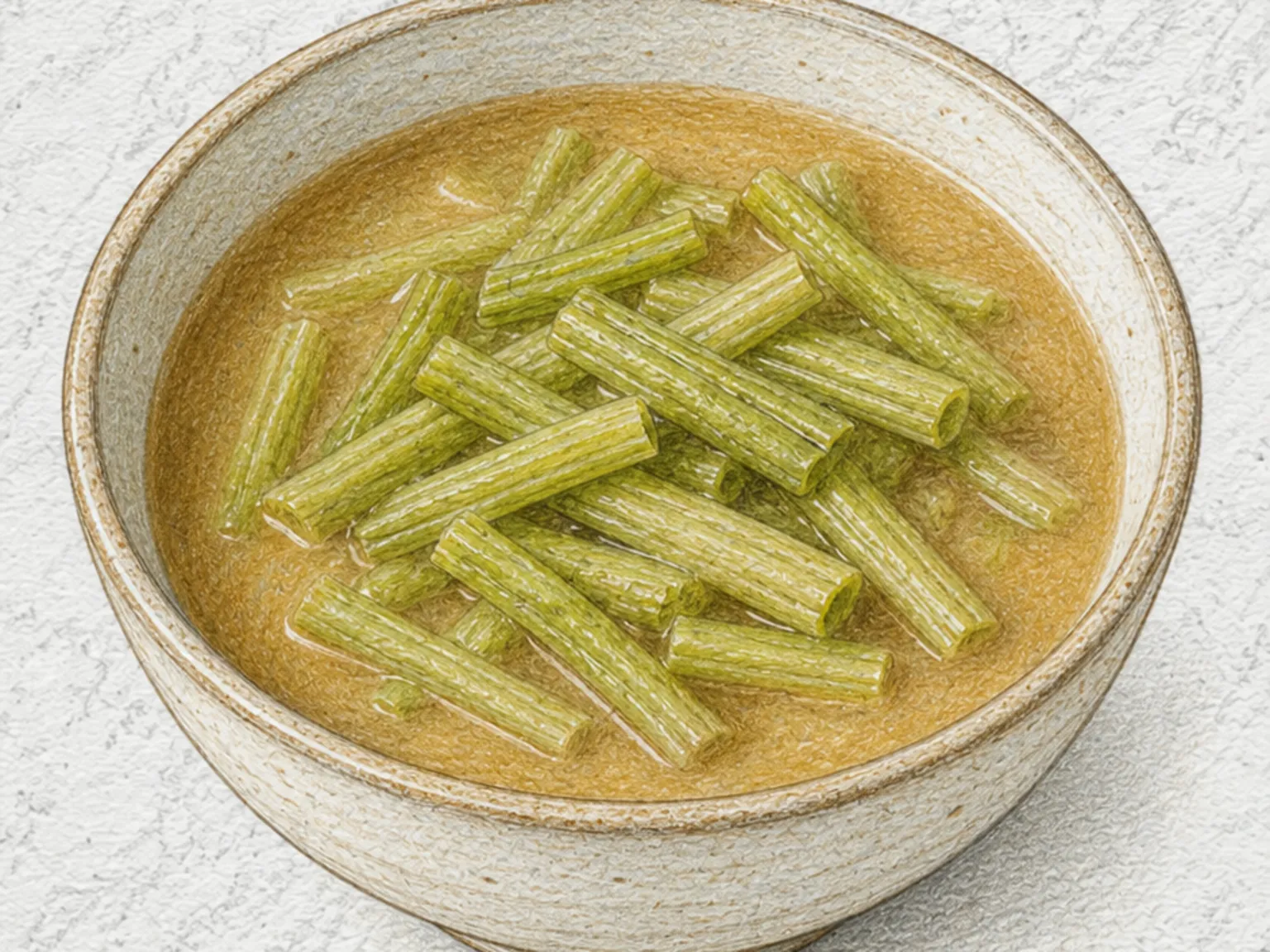
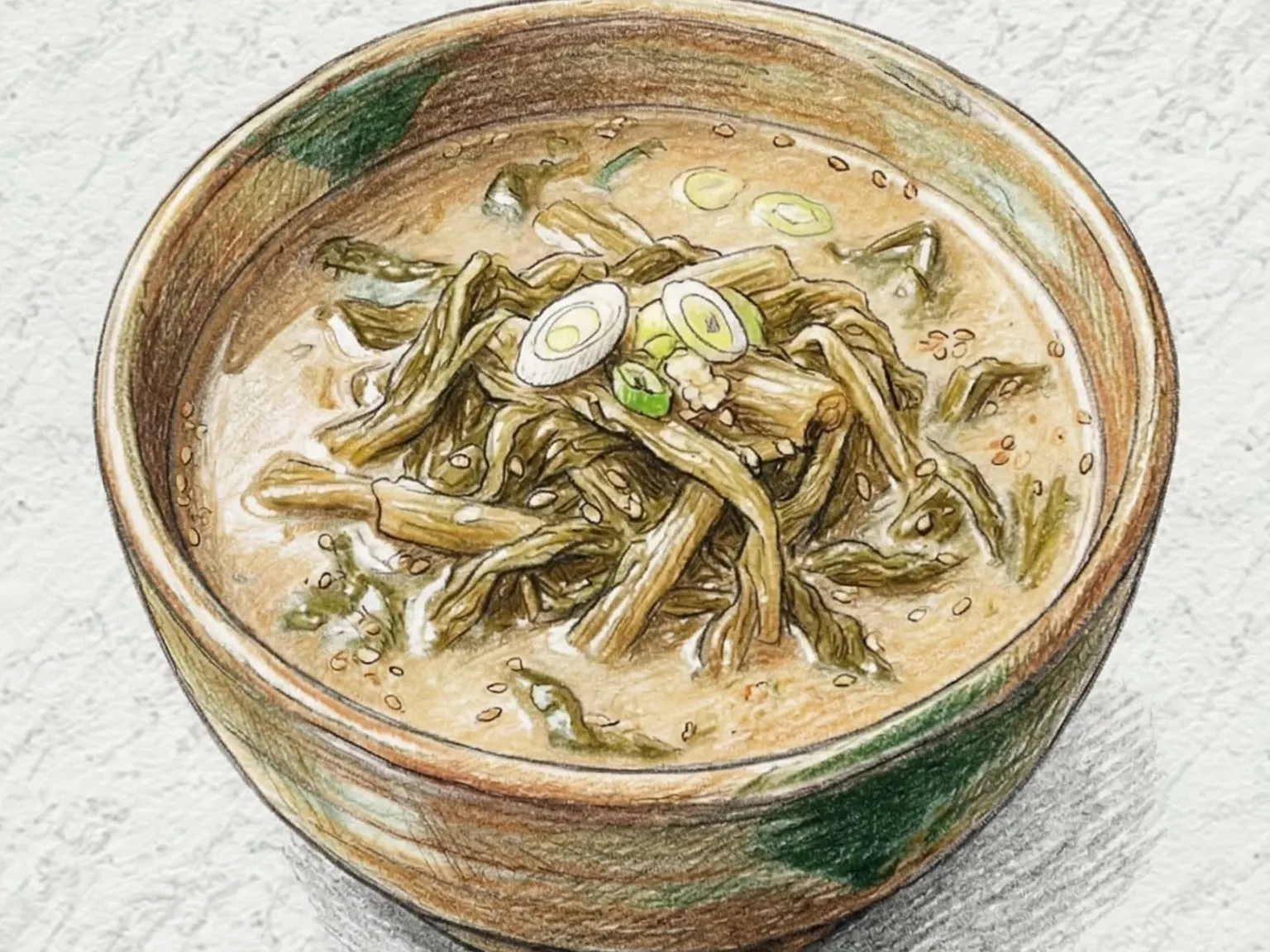
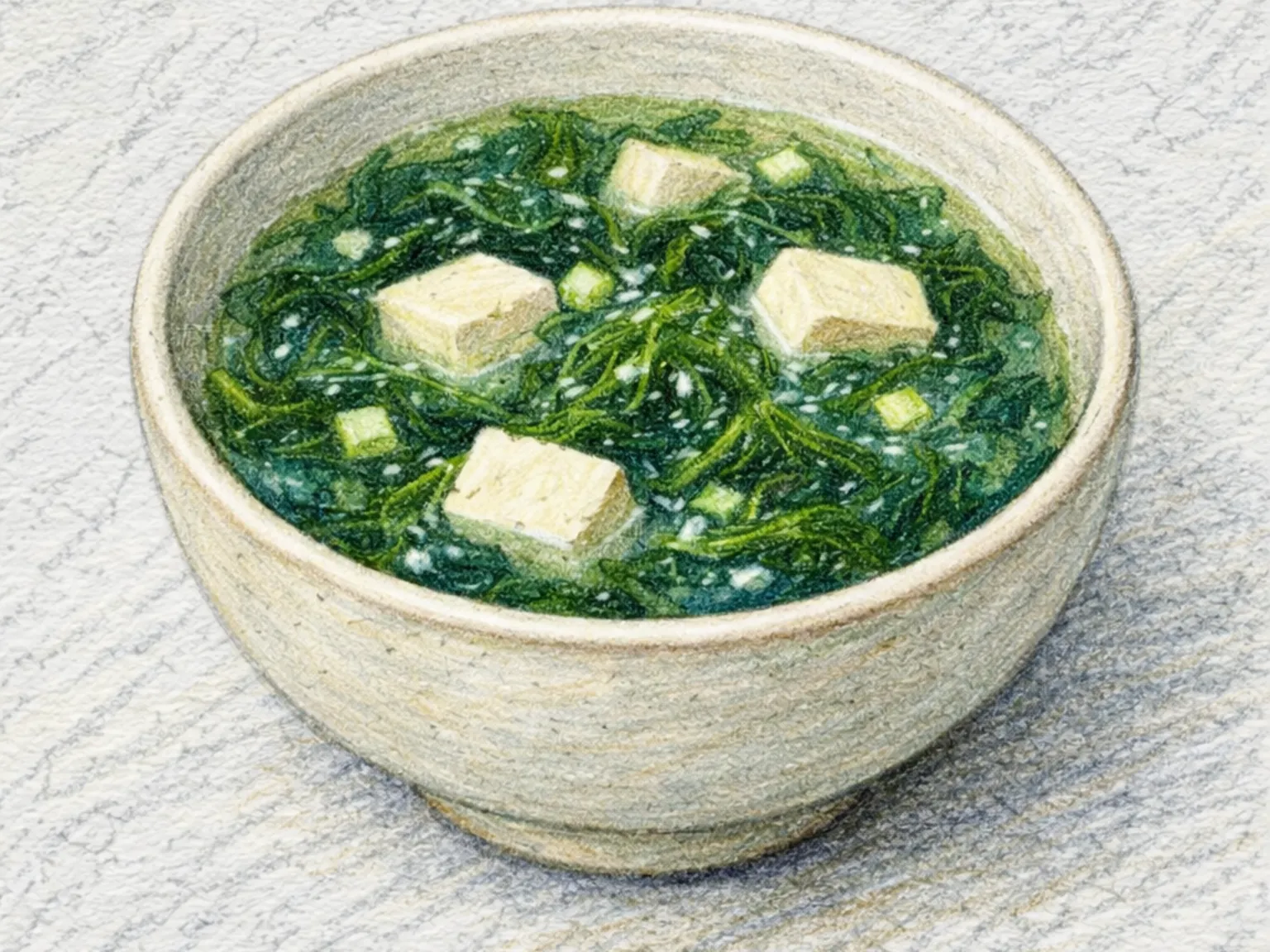
Parae-guk is a Korean seaweed soup made with green laver and tofu simmered in a clear anchovy broth. The broth is brought to a gentle boil and seasoned with garlic and soup soy sauce before diced tofu is added and warmed through for three minutes. The green laver goes in at the very end, cooking for no more than 30 to 60 seconds, because extended heat strips away its vivid color and fresh ocean fragrance entirely. Since the recipe relies on so few ingredients, the quality of the anchovy stock determines the overall depth of flavor, so using dried anchovies with heads and innards removed, simmered for at least ten minutes, produces a noticeably cleaner and more savory base. The mineral-rich, briny character of the green laver contrasts well with the mild tofu, and the whole soup comes together in about fifteen minutes. Because green laver carries its own saltiness, it is best to add the soup soy sauce gradually and taste as the seasoning develops.

Korean Sea Squirt Stew (Pop-and-Burst Seafood Broth)
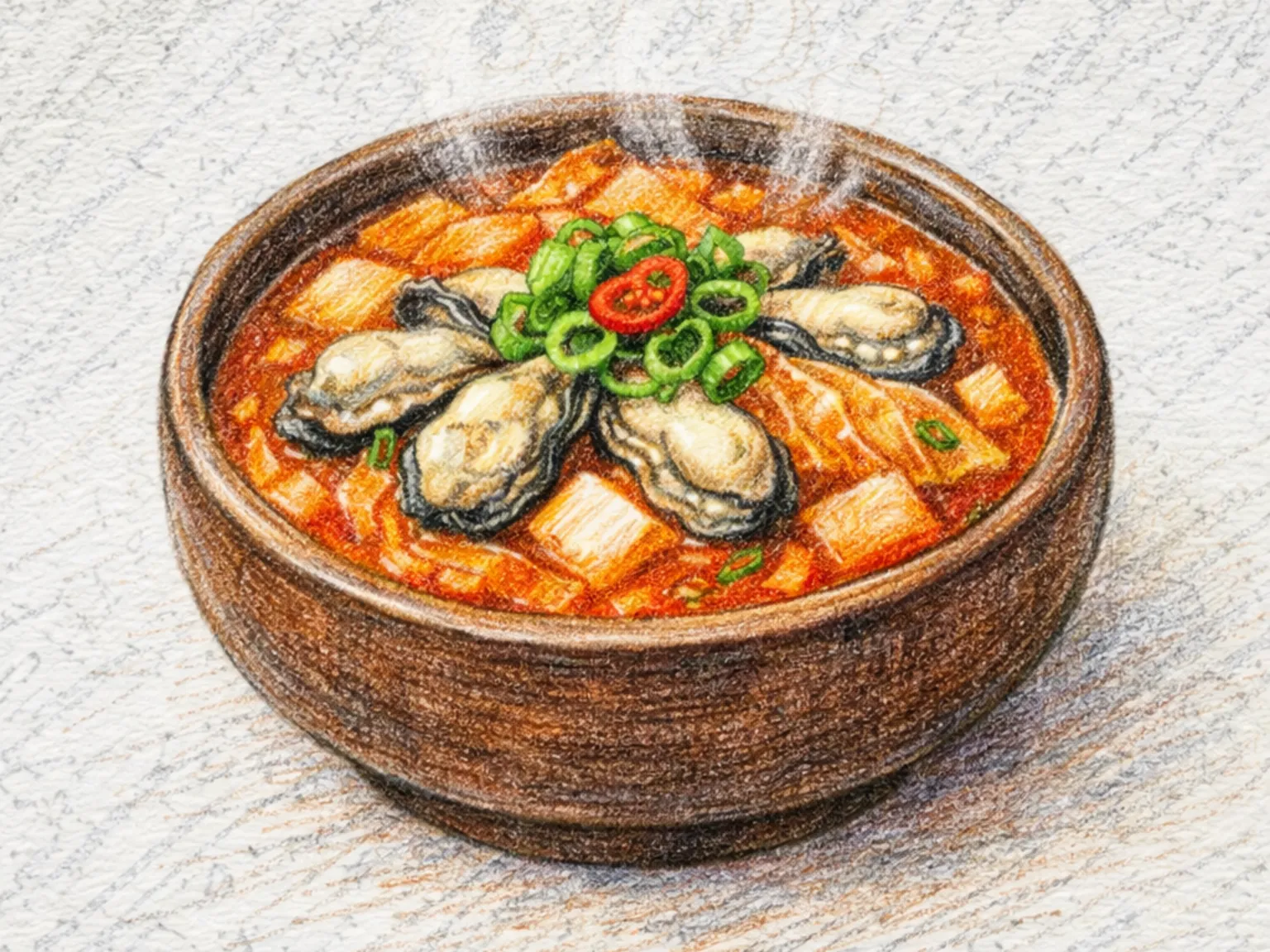
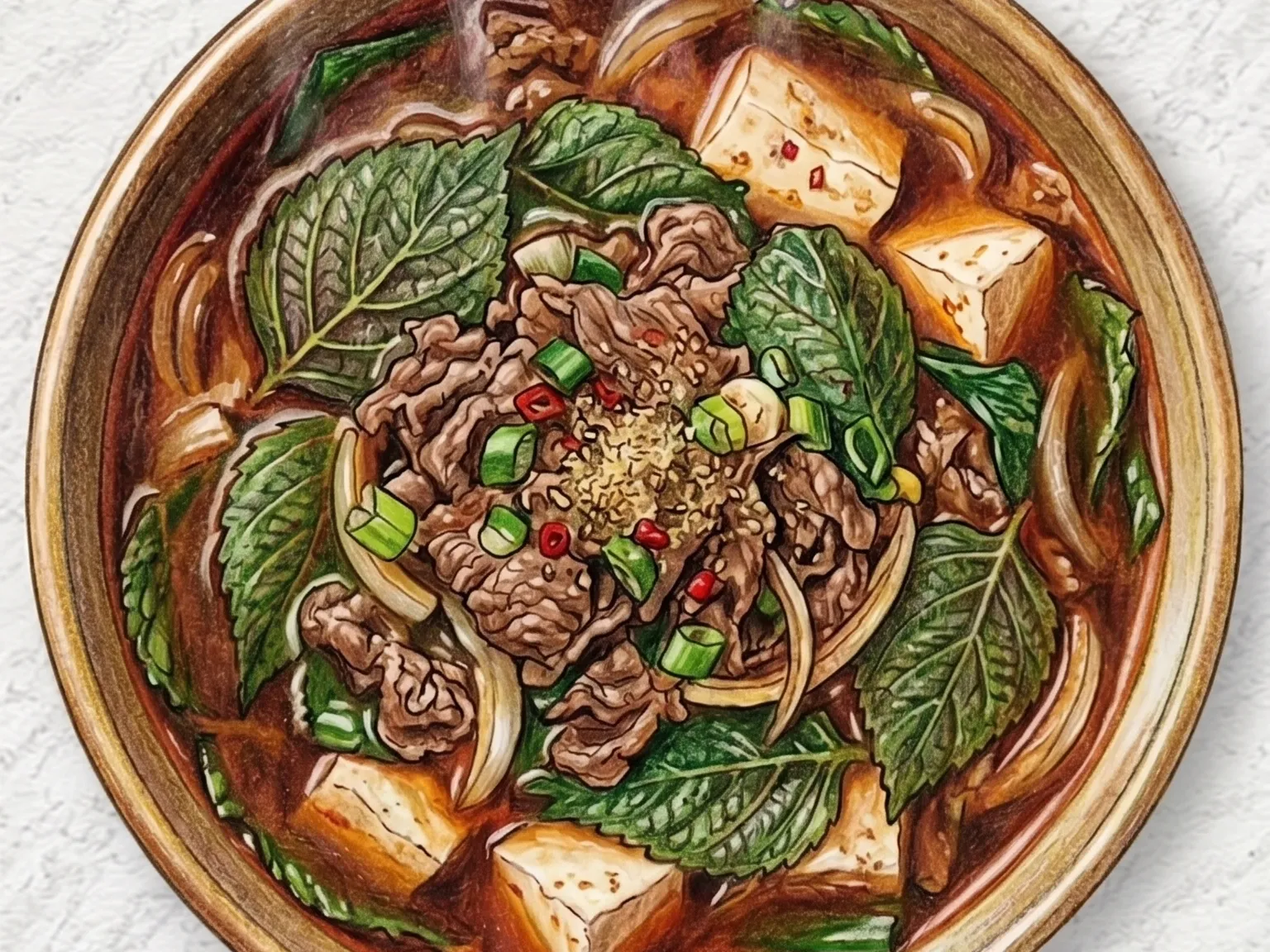
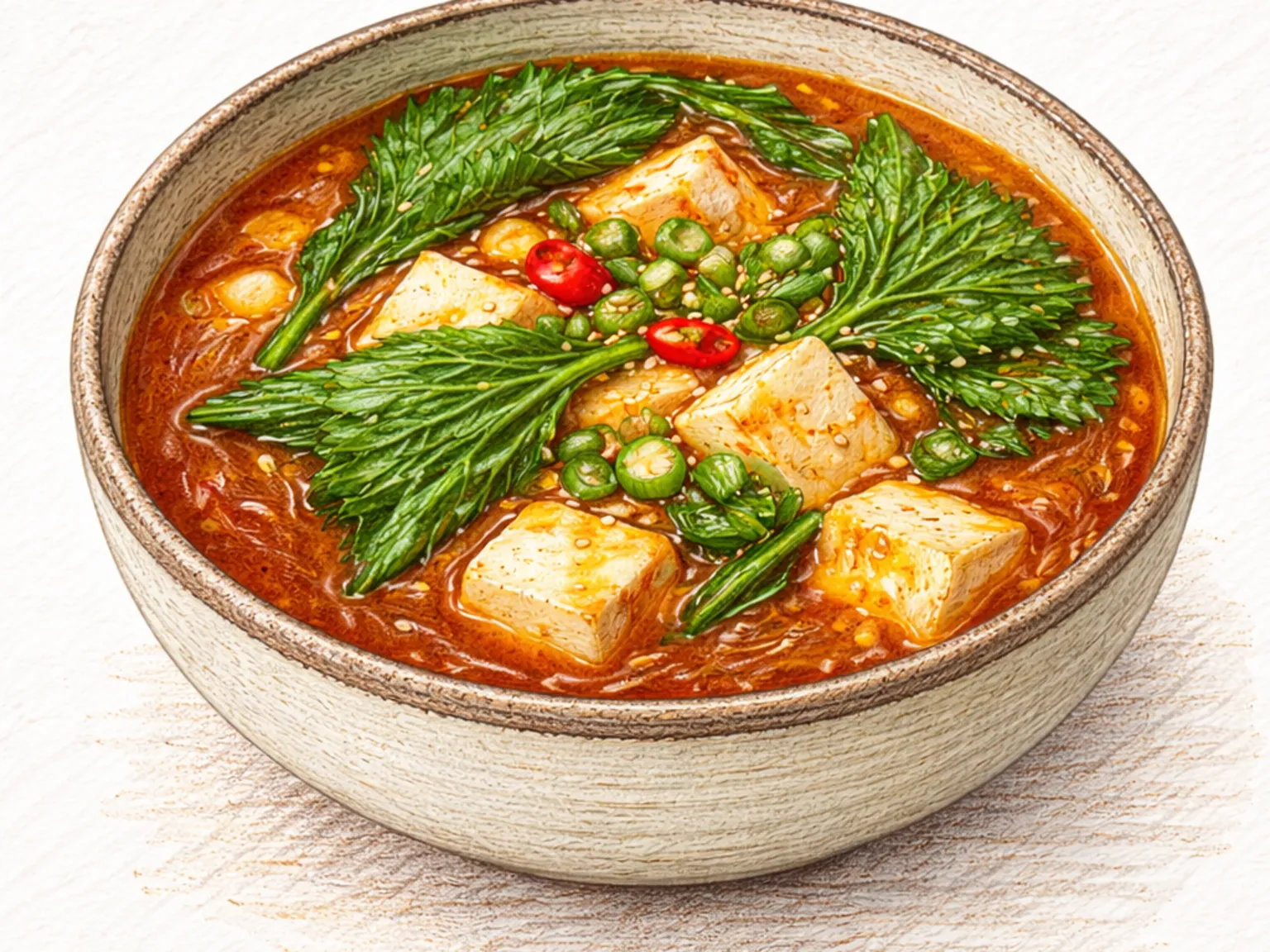
Mideodeok-jjigae is a traditional Korean seafood stew characterized by its spicy broth and its central ingredient, the sea squirt. This coastal dish is widely recognized for the specific way the sea squirts pop when they are bitten, a sensation that is paired with an intense aroma reminiscent of the ocean. When an individual bites into a sea squirt, the outer skin breaks to release a concentrated internal liquid that carries a saline and savory marine flavor that is distinct from any other type of seafood. The cooking process starts with the creation of an anchovy stock which serves as the fundamental liquid base for the dish. Slices of Korean radish, zucchini, and white onion are placed into this stock and cooked until they become tender and translucent. It is important to wait until the very end of the cooking process to add the sea squirts to the pot. If the sea squirts are boiled for too long, their internal sacs will eventually collapse and lose their structure, which leads to a loss of the desired texture. The seasoning of the stew involves the use of gochugaru and soup soy sauce, which together create a heat that is both spicy and clean. Minced garlic and sliced green onions are also incorporated to add further complexity and a rounded depth to the final broth. After the sea squirts are added and the liquid returns to a boil, the cooking should be completed within a five-minute window to ensure the ingredients remain firm and elastic. Mideodeok that is harvested during the peak season of April and May will produce a broth that is notably more fragrant and flavorful than at other times of the year. People who enjoy the strong and bold flavors associated with the sea often find that this stew leaves a lasting impression.

Korean Spinach Soybean Paste Soup
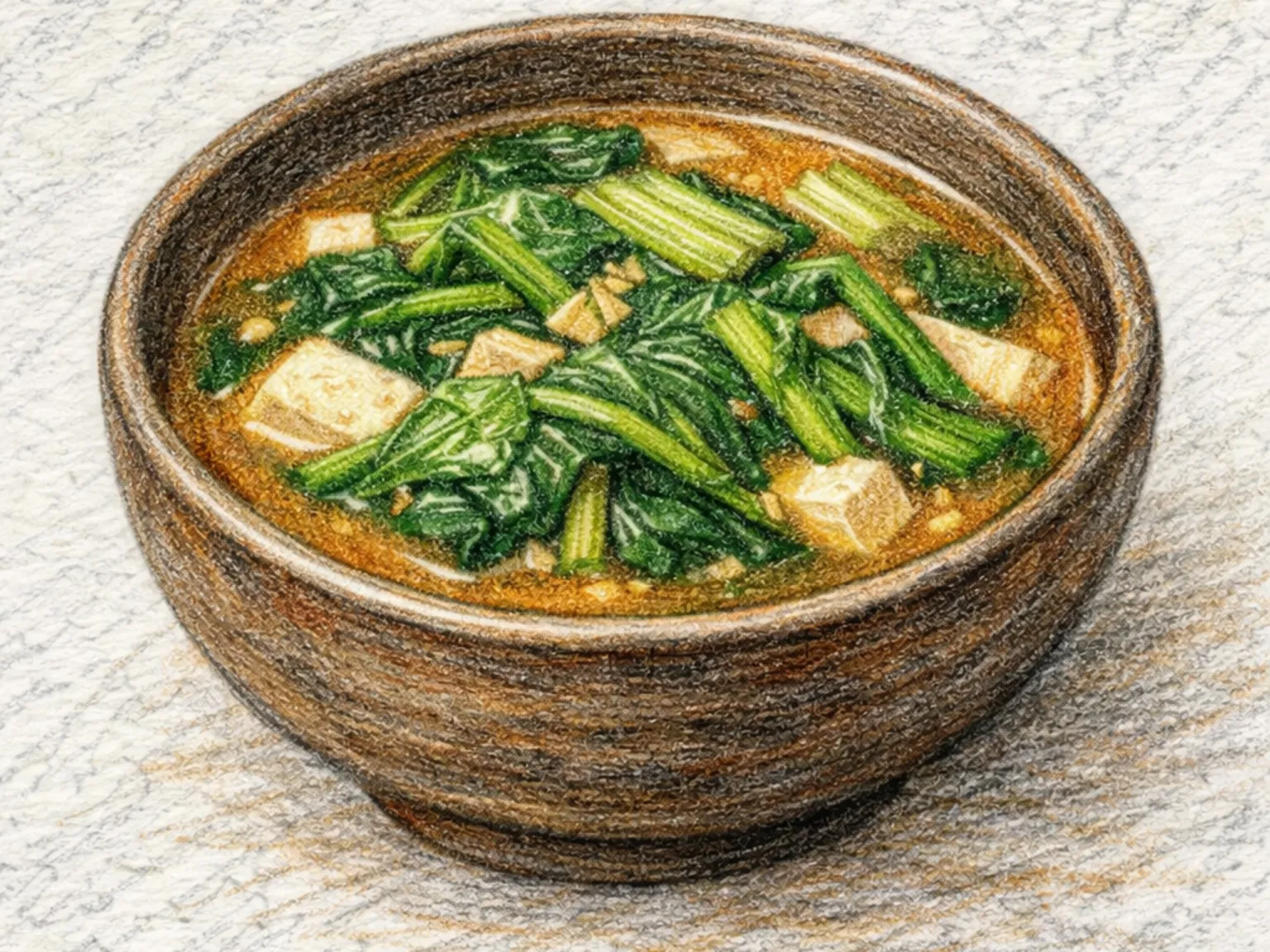
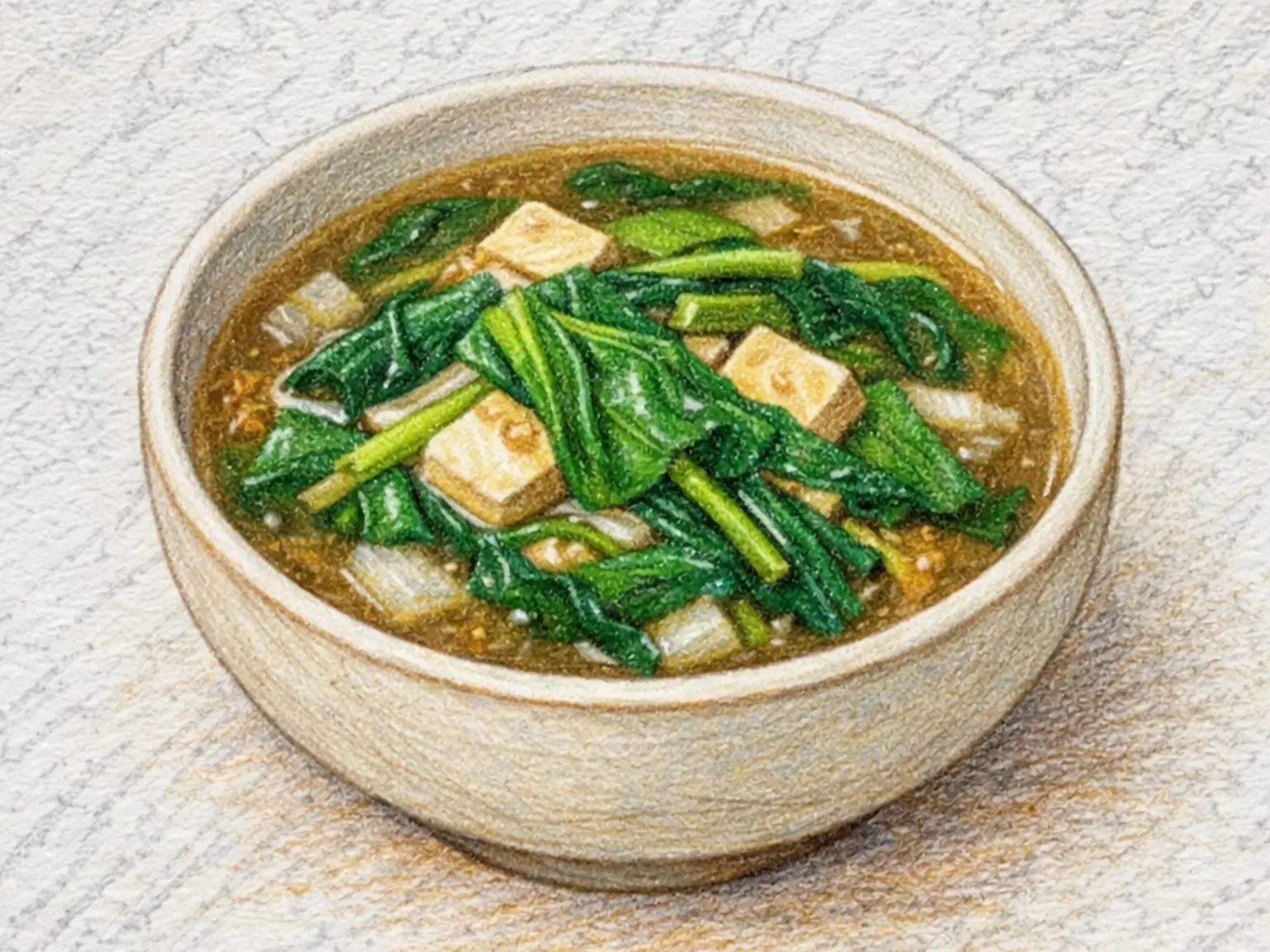
Sigeumchi-doenjang-guk is a foundational Korean soup that combines spinach with soybean paste in anchovy-kelp stock, producing a broth that is earthy, warm, and deeply familiar to anyone who grew up eating Korean home cooking. Doenjang is dissolved into the simmering stock first, establishing a savory, slightly funky baseline. Spinach is added near the end and wilts within seconds, contributing a soft green color and a faint bitterness that, rather than clashing with the fermented paste, amplifies its complexity. Tofu is a common addition that gives the soup more substance and a creamy counterpoint to the leafy greens. Garlic and green onion handle the aromatics, and no chili is used, keeping the soup on the gentle end of the Korean flavor spectrum. The key technical point is timing: spinach left in boiling liquid too long turns dull and mushy, so experienced cooks drop it in and turn off the heat almost immediately. This soup is one of the most frequently prepared versions of doenjang-guk in Korean kitchens precisely because spinach is available year-round, affordable, and cooks in moments. It pairs seamlessly with any banchan spread and never competes for attention on the table.

Korean Pollack Roe Tofu Stew
Myeongnan-dubu-jjigae is a Korean stew built around whole pollack roe simmered in anchovy and kelp stock. As the broth comes to a boil, the roe gradually loosens and disperses into the liquid, releasing a briny, concentrated umami that permeates every ingredient in the pot. Using anchovy-kelp stock rather than plain water lets the oceanic character of the roe come through without competition. Firm tofu cut into one-centimeter slices absorbs the savory broth while holding its shape throughout cooking, unlike soft tofu which breaks apart. Red pepper flakes, minced garlic, and sliced green onion finish the stew with a clean, spicy edge. The grainy, textured bite of the intact roe kernels is what sets this stew apart from other Korean jjigae. Cooking time should be kept short: once the broth reaches a full boil, the heat is reduced immediately, because prolonged boiling dissolves the roe completely and erases the textural contrast. Spooning the broth and roe together over steamed rice and mixing it in is the most satisfying way to eat it.

Korean Mugwort Soup (Spring Mugwort in Savory Doenjang Broth)
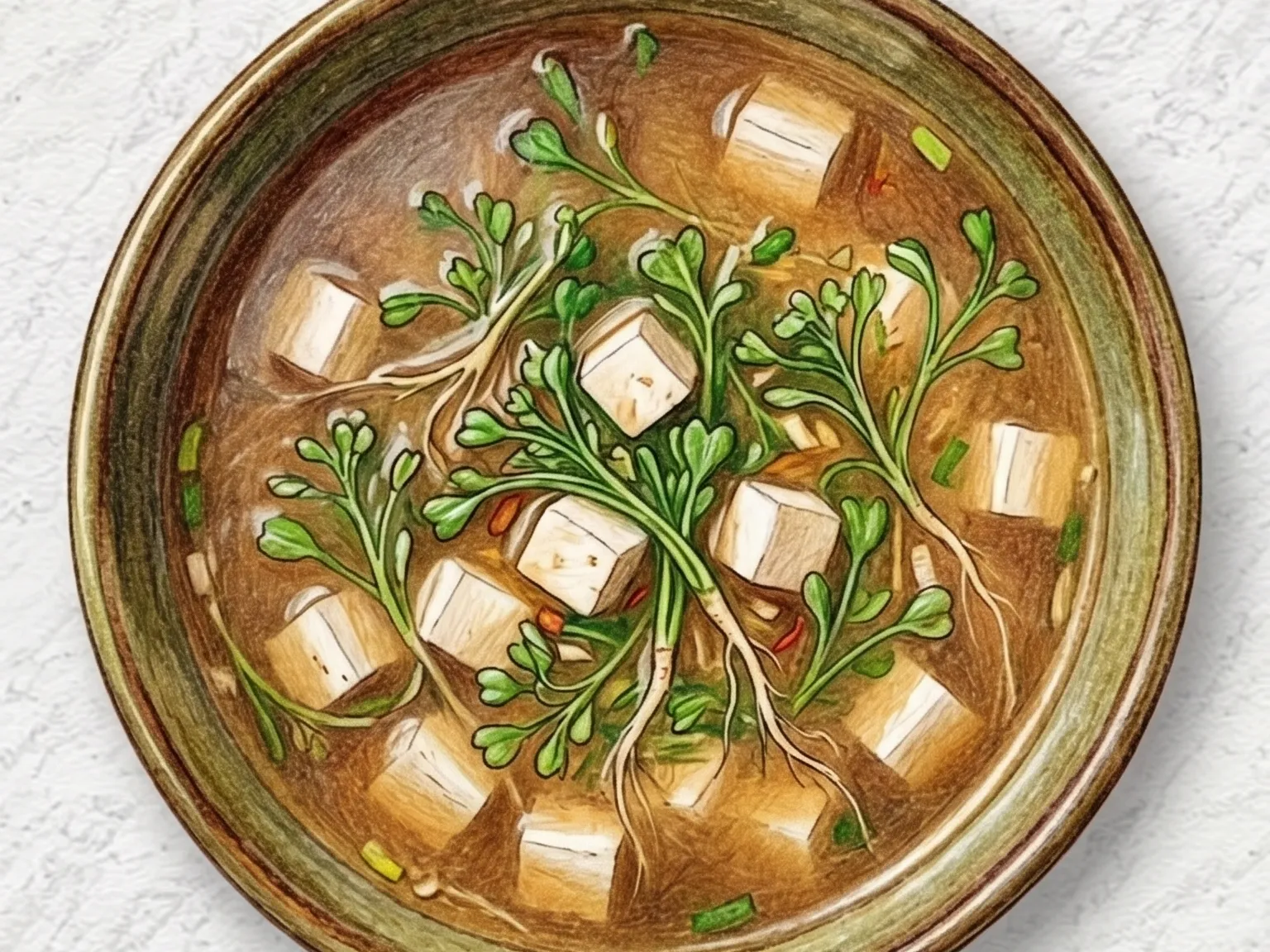
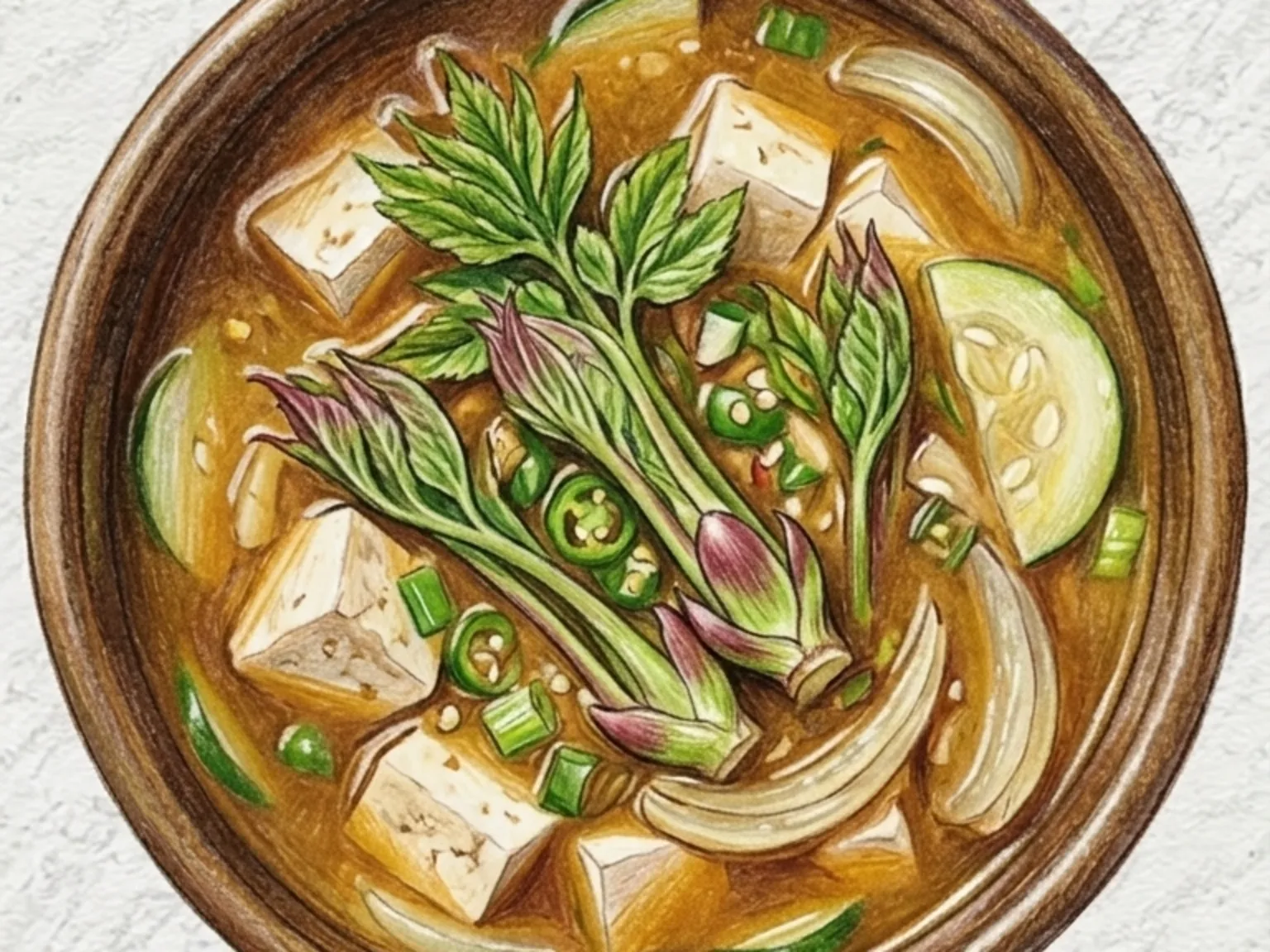
Ssuk-guk is a seasonal doenjang soup that appears on Korean tables during early spring, when young mugwort shoots are tender enough to eat. The base is an anchovy-kelp stock into which soybean paste is strained, creating a mellow, savory foundation. Fresh mugwort is added only at the very end of cooking - just long enough for the leaves to wilt - because extended heat dulls their vivid green color and drives off the fragrance that makes this soup worth making. When timed correctly, each spoonful delivers the herb's distinctive bittersweet aroma, somewhere between sage and chrysanthemum, layered over the fermented depth of the doenjang. Cubed tofu softens in the hot broth and provides a neutral, creamy texture that balances the herbal intensity. A scattering of sliced scallion on top adds a mild sharpness. The soup is deliberately simple, designed to let mugwort take center stage as a reminder that the long winter is finally over.

Korean Octopus Soft Tofu Stew
Nakji-sundubu-jjigae is a Korean stew that pairs silky soft tofu with small octopus in a deeply spiced anchovy broth. The broth is built from anchovy and kelp stock seasoned with gochugaru, which gives it a bright red color and a layered heat that comes from the fermented pepper rather than raw chili alone. Soft tofu is dropped in large, undisturbed spoonfuls so it holds together during cooking instead of crumbling into the broth. The octopus is cut into manageable pieces and added last, once the broth is at a full boil, and should be cooked for no more than 90 to 120 seconds before the heat is cut. Octopus contracts and toughens quickly when overcooked, so adding it after every other ingredient is ready is essential for keeping it springy and tender. A cracked egg is dropped in at the end and the lid is closed for 30 seconds, which lets the yolk set partially before it dissolves into the broth, adding richness and a gentle smoothness to the heat. The contrast between the yielding, almost liquid texture of sundubu and the firm chew of the octopus is what defines the experience of the dish, with the spiced broth pulling both elements together. Serving in a stone pot keeps the stew at eating temperature through the entire meal.

Korean Octopus Clear Soup
Yeonpo-tang is a clear Korean octopus soup that keeps seasoning to a minimum and lets the seafood speak for itself. The octopus is cleaned by rubbing with coarse salt, then cut into manageable pieces. Radish simmers in anchovy stock for ten minutes to build a sweet, clean base before the octopus and garlic go in for only three minutes of cooking, which is enough to cook the tentacles through without making them rubbery. Water dropwort is added right before serving, contributing a bright, herbal fragrance that contrasts with the briny depth of the broth.

Korean Squid Stew
Ojingeo jjigae simmers a whole cleaned squid in an anchovy broth enriched with gochujang and chili flakes, producing a sweet-spicy stew that pairs directly with steamed rice. The squid body is scored with diagonal cuts before going into the pot, which lets the bold red pepper paste seasoning penetrate the flesh so that each bite carries the full flavor of the broth. Tofu and zucchini cook alongside, absorbing the spicy liquid while softening enough to contrast with the firm, chewy squid. The natural sweetness of gochujang is well matched to the mild, clean flavor of squid, keeping the stew from tasting one-dimensional despite its deep red color. Timing matters: squid added too early toughens quickly, so it goes in during the final five minutes and cooks just until opaque. Cheongyang chili peppers can be added for extra heat, and a handful of sliced green onion stirred in at the end provides a fresh aromatic note. The braising liquid, spiced and slightly thickened from the vegetables, is rich enough to spoon over rice and eat on its own.

Korean Uijeongbu-Style Budae Jjigae
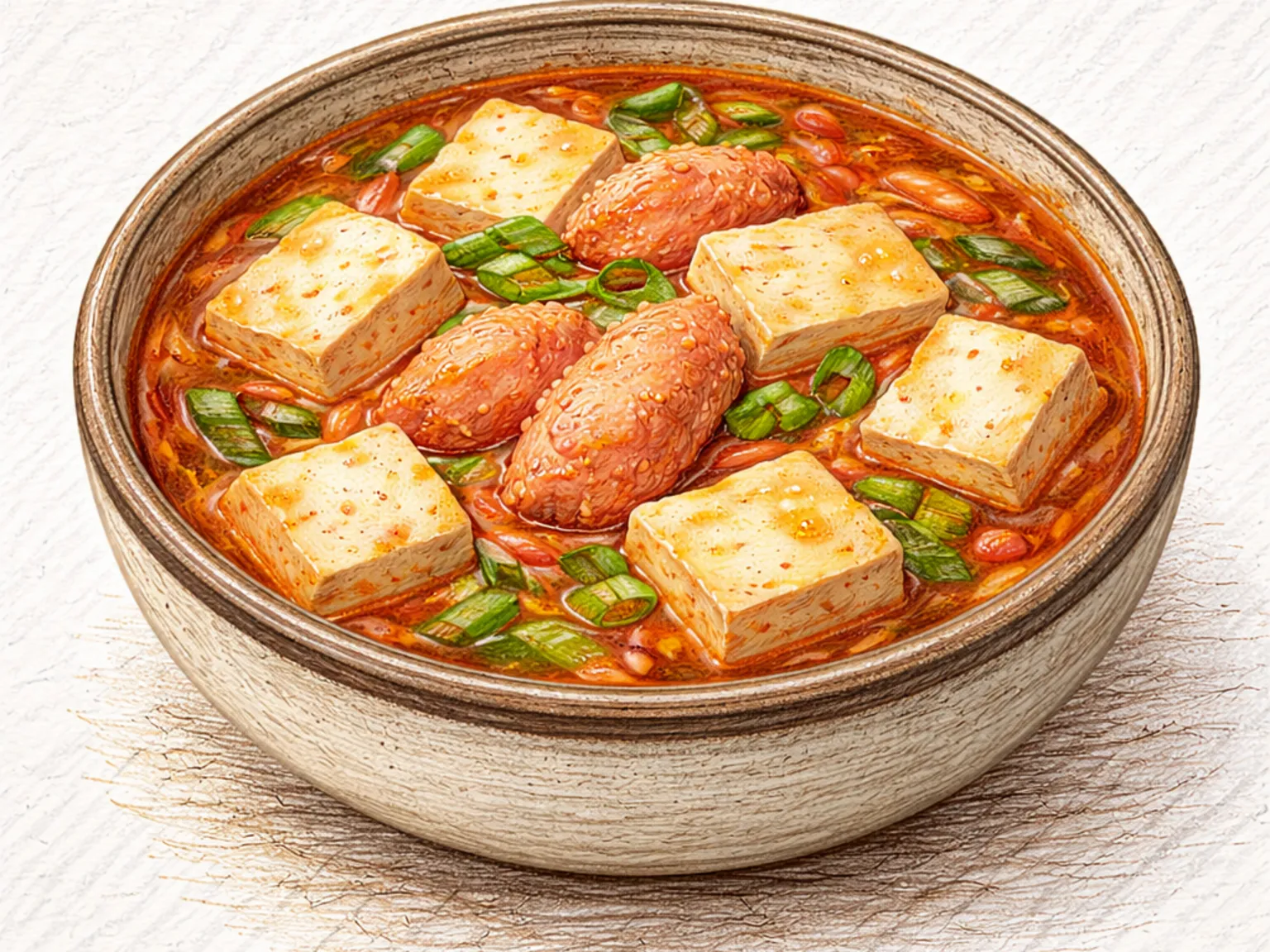
Uijeongbu-style budae-jjigae is a spicy communal stew that combines luncheon meat, cocktail sausages, well-fermented kimchi, and baked beans in an anchovy broth seasoned with gochujang and gochugaru. The fermented kimchi is a key flavoring element here, contributing acidity and deep umami that balance out the salt-heavy processed meats. Tofu and onion mellow the aggressive flavors by absorbing into the broth and adding softness. A block of instant noodles is added at the end to soak up the heavily seasoned liquid. Uijeongbu, a city north of Seoul, is recognized as the origin of this dish, where it developed near a US military base after the Korean War and took on its distinctly hybrid character from the military surplus ingredients available at the time.

Korean Beef Brisket & Bean Sprout Chili Stew
Thin-sliced beef brisket and mung bean sprouts are simmered with Cheongyang chilies in this spicy stew. The marbled brisket releases its fat into the anchovy-based broth, creating a rich, beefy foundation. Crunchy bean sprouts provide textural contrast, while two Cheongyang chilies deliver a sharp, direct heat. Tofu, onion, and green onion round out the stew, seasoned with Korean chili flakes and soup soy sauce for a layered, fiery bowl.

Korean Octopus and Tofu Hot Pot
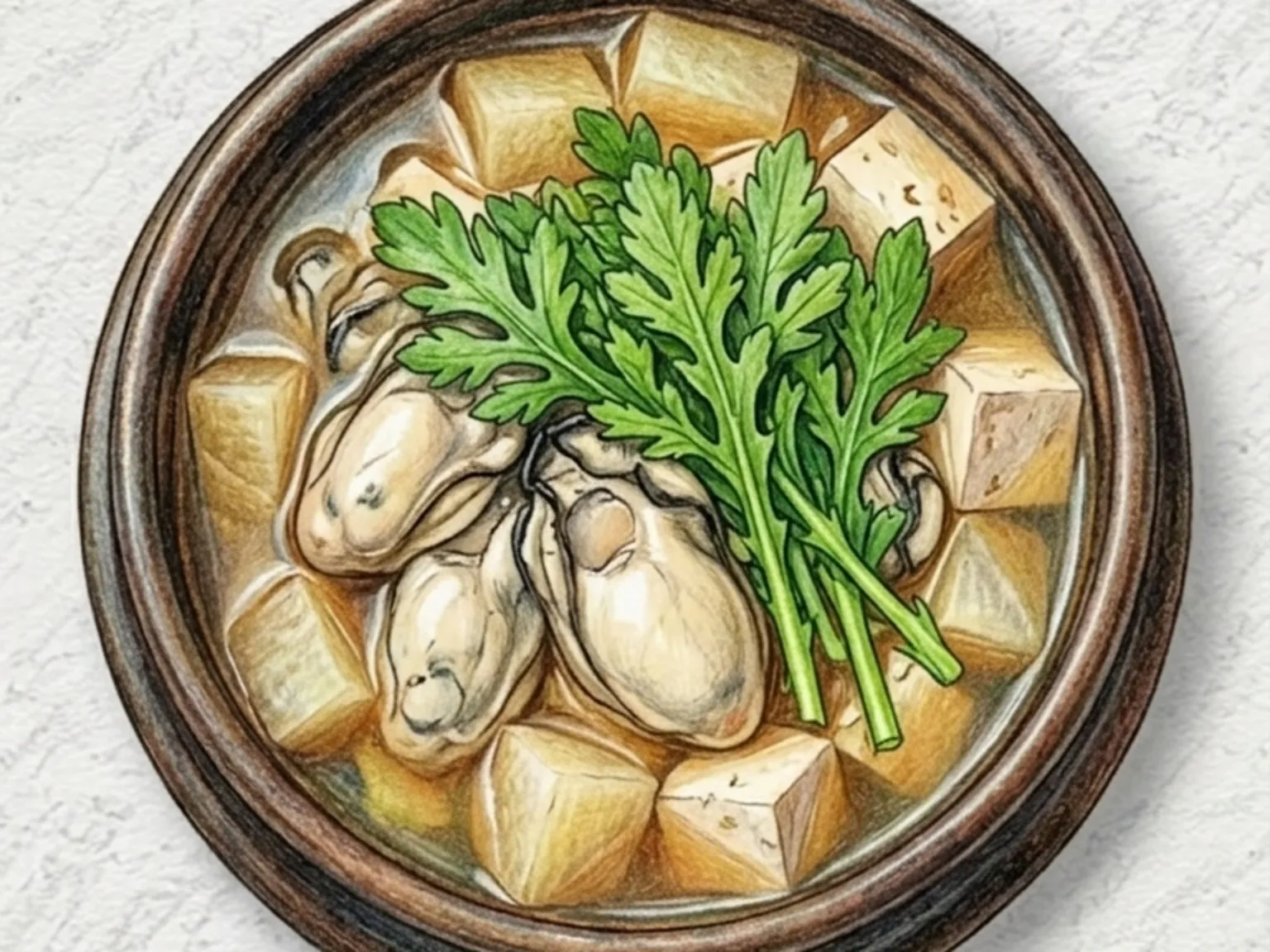
This Korean hot pot features octopus and tofu in a clear anchovy broth seasoned simply with soup soy sauce and garlic. The octopus pieces are springy and firm, while the tofu softens in the simmering broth. Korean radish lends subtle sweetness, and water dropwort adds a fresh herbal note with its celery-like crunch. Served bubbling at the table, yeonpo jeongol is a communal dish meant for sharing throughout the meal.

Korean Mackerel and Dried Greens Rice Soup
Siraegi-godeungeo gukbap is a hearty Korean rice soup that simmers mackerel fillet and dried radish greens in a doenjang-based broth, then ladles everything over rice. The mackerel contributes a bold, oily umami while the siraegi adds an earthy vegetal depth - together in the fermented soybean broth, they create a rich, layered flavor. Anchovy stock forms the base, and a spoonful of gochugaru gives the soup a gentle heat that warms from the inside. The dried greens are boiled until completely tender before going into the pot, and the mackerel is deboned for easy eating. Finished with scallion and garlic, the broth soaks into the rice grains, making each spoonful a complete bite of soup, fish, greens, and grain.

Korean Tofu Perilla Leaf Soup
Dubu-kkaennip-guk is a Korean tofu and perilla leaf soup in anchovy broth, finished with chiffonaded perilla leaves that release a bright, minty-herbal fragrance into the clear liquid. Zucchini and onion simmer first to build a vegetable-sweetened base, releasing their natural sugars into the anchovy stock. Large scoops of soft tofu - spooned rather than knife-cut, so the rough surfaces trap more broth - warm through over medium heat for five minutes. The perilla leaves must go in during the last thirty seconds before serving: any longer and they turn dark and lose the sharp aromatic freshness that defines the dish. Soup soy sauce and a light dusting of black pepper complete the seasoning, letting the clean anchovy umami and the herbal lift of the kkaennip share the stage without one overpowering the other. Cooking the zucchini fully soft is important - its gentle sweetness needs time to dissolve into the broth, and when the tofu and vegetables together hold the liquid, each spoonful carries varied texture.

Korean Crab Doenjang Stew
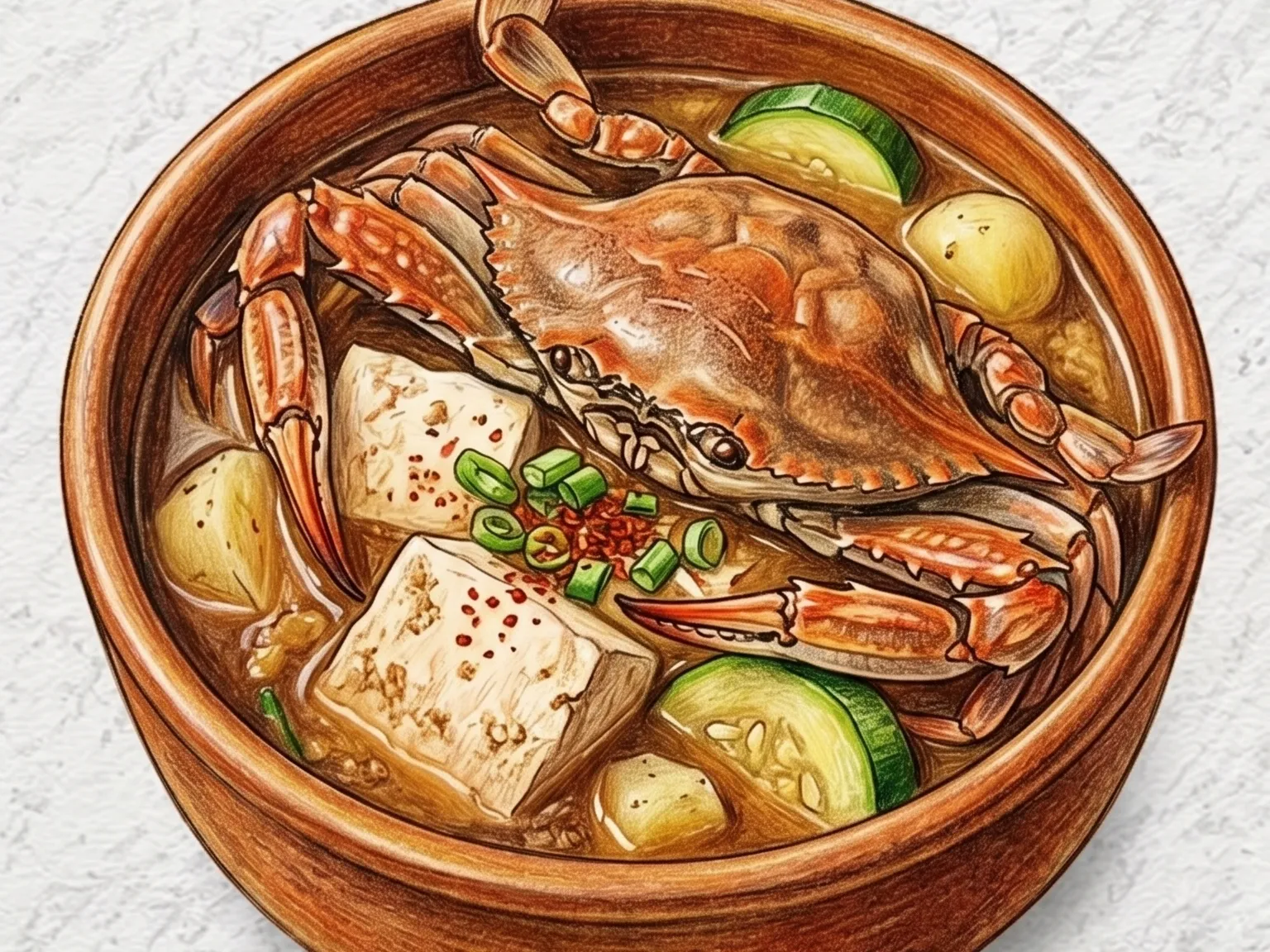
Gejang-jjigae is a Korean stew made by simmering a whole blue crab in an anchovy broth base seasoned with doenjang, the fermented soybean paste. The crab shell and meat release a concentrated seafood stock as they cook, and that liquid merges with the doenjang to create a broth that is simultaneously briny, earthy, and deeply savory. Using anchovy broth as the foundation amplifies the oceanic notes rather than diluting them, so both the doenjang umami and the crab sweetness come through at the same time. Tofu and zucchini absorb the rich cooking liquid throughout the simmering process, becoming flavorful in their own right rather than acting merely as filler. The tofu in particular pulls in the solids that settle from the fermented paste, softening into a silky texture that contrasts with the firmer crab meat. Picking the sweet crab meat out of the shell with chopsticks is one of the characteristic pleasures of eating this stew, and the contrast between the naturally sweet crab flesh and the bold, fermented broth gives each mouthful a satisfying complexity.

Korean Monkfish Soup (Spicy Southern Coastal Fish Broth)
Agwi-tang is the soup form of Korea's monkfish repertoire, originating along the fishing villages of the southern coast where the fish - known as agwi or agu depending on dialect - is caught and sold fresh daily. Where braised preparations like agwi-jjim build intensity through reduction and heavy sauce, the tang prioritizes the broth. Anchovy stock is the base; radish simmers in it for eight minutes to release its sweetness before the monkfish enters. As the fish cooks gently over medium heat, its collagen dissolves into the liquid and gives it body. The monkfish flesh itself is mild and gelatinous, a texture unlike most white fish. Bean sprouts go in at the end to contribute crunch against the soft fish. Sliced green onion and a hit of gochugaru cloud the broth red and add spice. In coastal towns this was morning food - hangover soup served steaming at predawn markets to fishermen and dock workers before the day started.

Korean Gangwon-Style Soybean Paste Stew
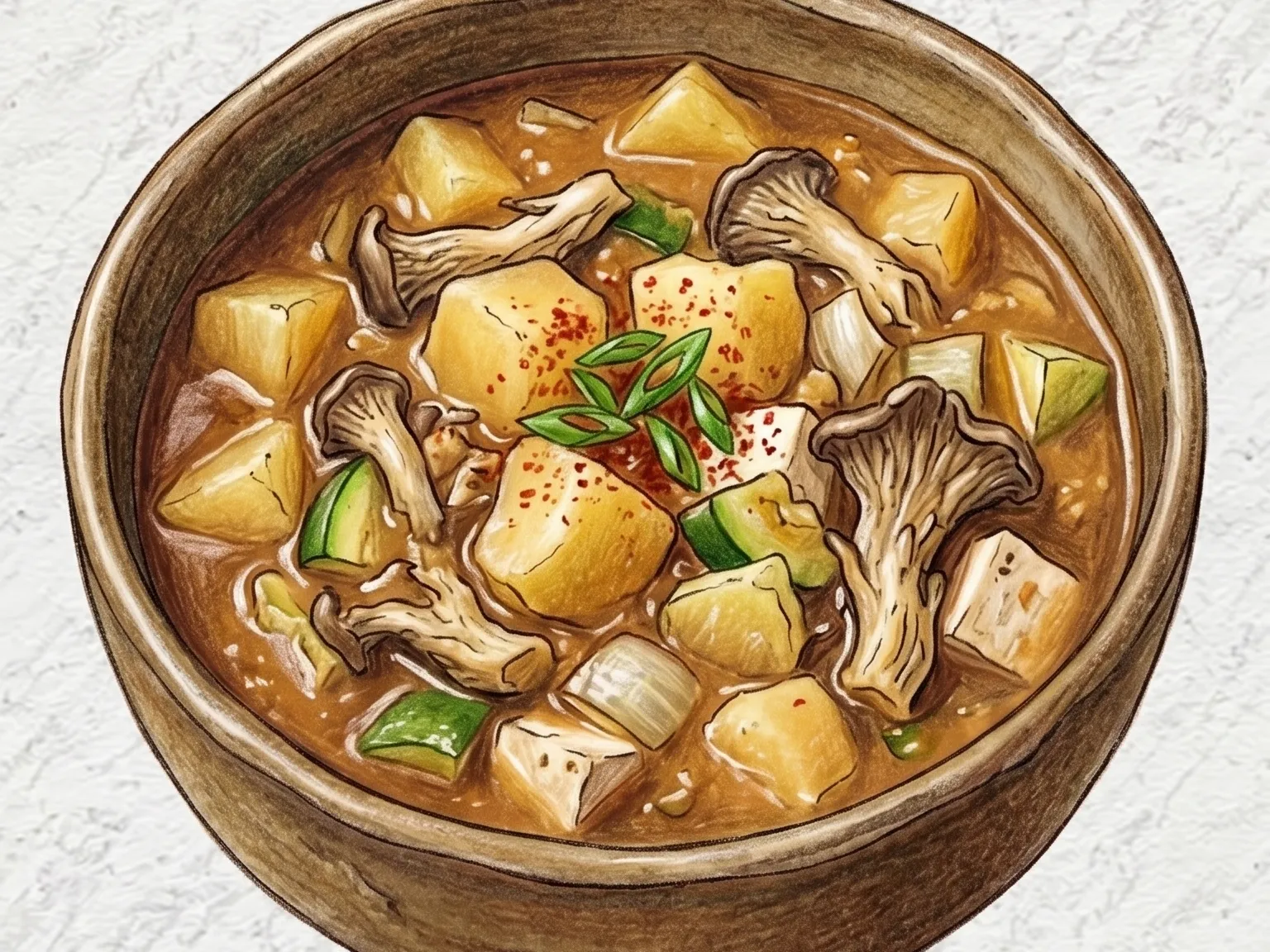
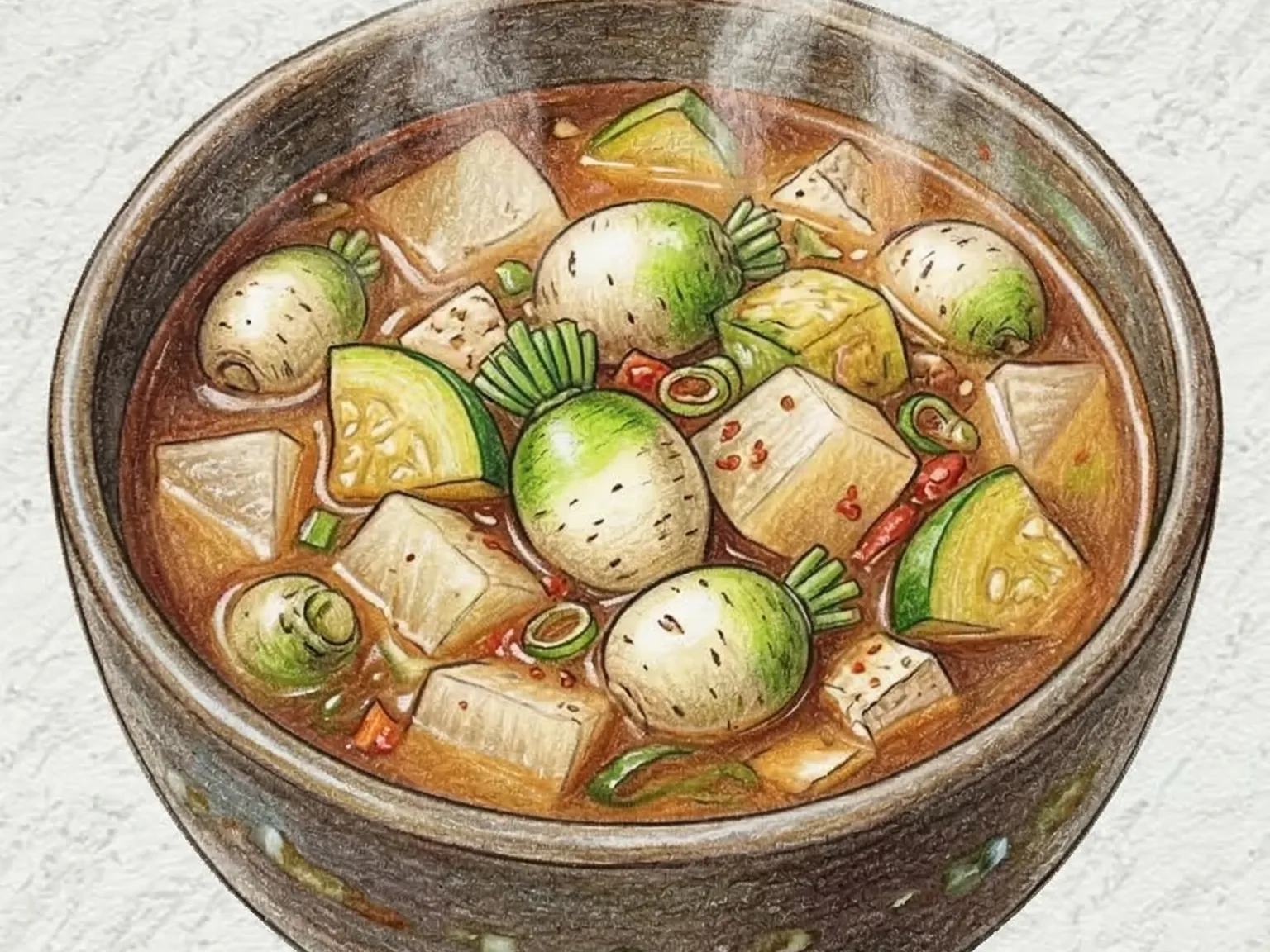
Gangwon-style doenjang jjigae is a regional variation of the fermented soybean paste stew defined by an unusually generous quantity of potatoes - 300 grams - which break down during cooking and release starch into the broth, giving it a thick, substantial body rarely found in other regional versions. Three tablespoons of doenjang dissolved in 1.1 liters of anchovy stock form a solid base. As the diced potatoes cook through, their starch gradually thickens the surrounding liquid and softens into pieces with a texture somewhere between firm and yielding. Oyster mushrooms contribute a distinctly chewy quality that holds up through extended simmering while also enriching the savory depth of the broth. Zucchini, onion, and firm tofu round out the pot, making it substantial enough to serve as a complete meal without anything else on the table. Gangwon Province, with its mountainous terrain, cooler summers, and long winters, developed a style of home cooking that favors generous quantities and long cooking times over refinement. The stew should be simmered until the potatoes are completely soft before serving so the broth reaches its intended consistency.

Korean Taro Soup (Autumn Taro in Nutty Perilla Seed Broth)
Toran-guk is an autumn soup centered on taro root, which is first parboiled to remove its slippery mucilage, then simmered in a broth thickened with ground perilla seeds. The taro pieces cook to a texture that falls somewhere between potato and chestnut - they crumble softly on the tongue yet retain a subtle stickiness that gives each bite a gentle cling. Ground perilla dissolves into the liquid and turns it opaque and creamy, layering a nutty richness over the taro's mild, earthy flavor. Beef is often added for depth, its rendered fat and juices rounding out the broth, while an anchovy-kelp base underneath sharpens the umami. The soup is closely associated with Chuseok, the Korean harvest festival, when taro is freshly dug and at its peak sweetness. Cooking the taro just long enough to soften without disintegrating is the key challenge - underdone pieces are chalky and irritate the throat, while overcooked ones dissolve into the broth and lose their identity. Served hot with steamed rice, toran-guk is one of those seasonal dishes that Koreans anticipate all year and miss the moment autumn ends.

Korean Kimchi Mandu Jjigae (Kimchi Dumpling Stew)
Kimchi mandu jjigae drops whole frozen kimchi dumplings straight into a simmering pot of aged kimchi, tofu, and anchovy stock. The dumpling wrappers absorb the broth as they cook, swelling plump and moist, while the kimchi filling inside echoes the stew's tangy base and doubles the fermented depth. Gochugaru and soup soy sauce add a clean chili heat, and firm tofu cubes absorb the spiced broth for a softer textural contrast. Because the dumplings themselves carry seasoning, it is better to start with less sauce and adjust after tasting the broth. This is a filling, no-fuss meal that needs nothing more than a bowl of steamed rice alongside it.

Korean Hairtail Braised with Dried Greens
Siraegi galchi jorim is a Korean braised hairtail fish dish assembled by layering boiled dried radish greens, radish, and hairtail in a pot, then simmering everything together in a sauce built from gochugaru, soy sauce, and gochujang. Rubbing the dried radish greens with a teaspoon of doenjang before they go into the pot allows fermented earthiness to penetrate the greens during cooking, adding a layer of depth that the braising sauce alone cannot provide. The greens are firm and springy enough that long simmering does not cause them to fall apart, and their cellular structure soaks up the braising liquid so thoroughly that every bite releases a concentrated burst of the seasoned sauce. Radish absorbs the stock produced by the fish and the greens as it cooks, developing a clean, gentle sweetness that grounds the spice of the sauce. The hairtail is never turned during cooking; the braising liquid is spooned over it repeatedly instead, which preserves the delicate, layered texture of the flesh and prevents it from flaking and falling apart in the pot. Closing the lid and maintaining a steady medium-low heat while basting only between lid lifts gives the fish the best chance of arriving at the table intact. The finished dish is the kind of strongly seasoned, deeply savory Korean side that makes a full bowl of white rice disappear without effort.

Korean Webfoot Octopus Tofu Stew
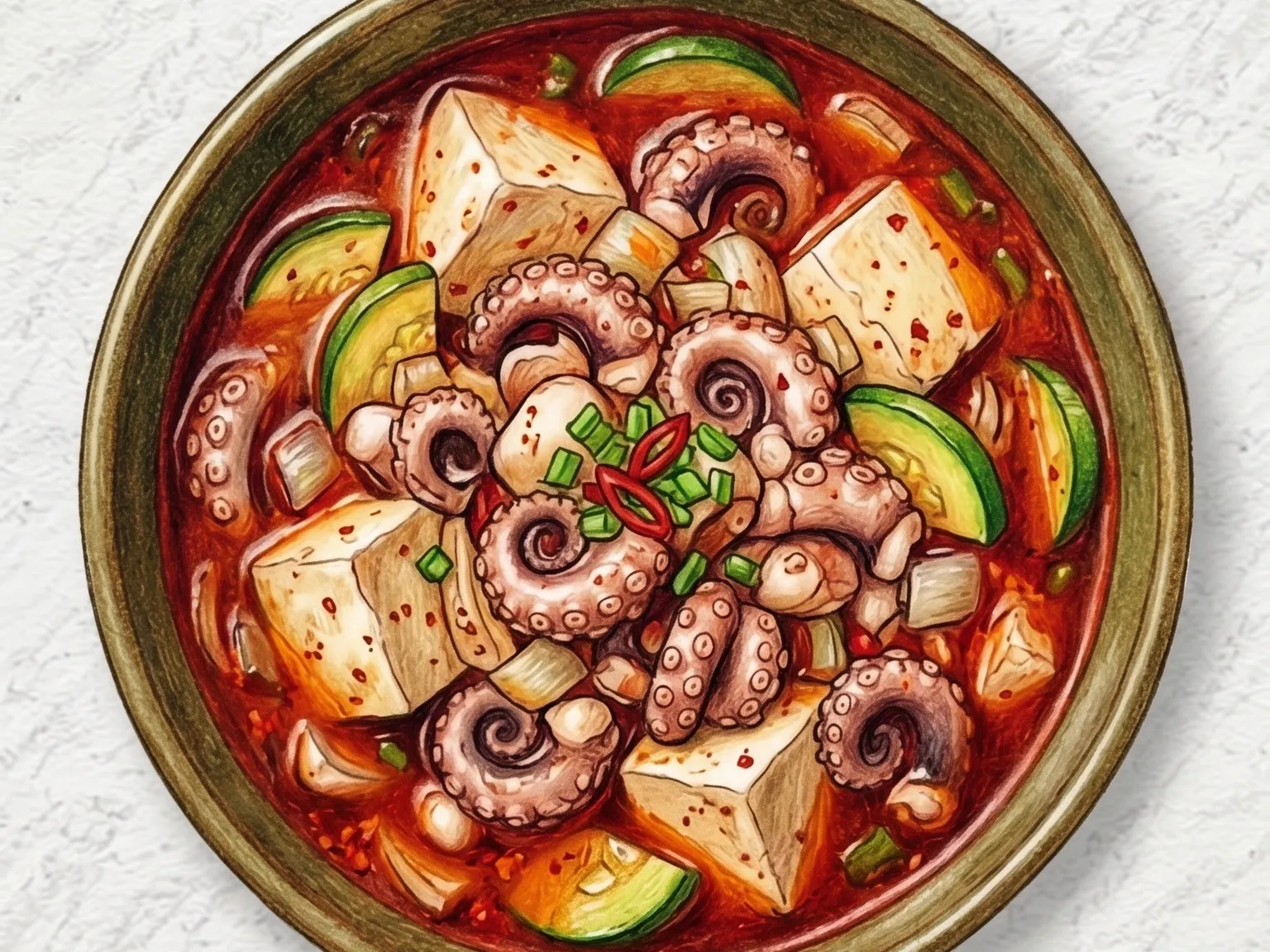
Jjukkumi dubu jjigae is a Korean stew of webfoot octopus and soft tofu cooked in a gochugaru-seasoned anchovy broth. A full 450 grams of jjukkumi goes into the pot, providing a bouncy, chewy texture in every spoonful. The tofu absorbs the spicy broth as it cooks, creating a soft counterpoint to the firm octopus, and the contrast between the two textures is a central part of the dish. Rice wine added early in the cooking process neutralizes any fishiness from the seafood, keeping the broth clean-tasting rather than pungent. Soup soy sauce deepens the umami base without darkening the broth too heavily, and gochugaru provides the heat. Zucchini and onion contribute natural sweetness that rounds out the broth and prevents the salt from the seafood from feeling sharp or one-dimensional. Jjukkumi becomes rubbery if overcooked, so removing the pot from heat three to four minutes after it comes back to a boil is the key step for keeping the octopus tender and springy rather than tough.

Korean Shepherd's Purse Soup
Naengi-guk is a Korean spring soup made with anchovy-kelp stock, doenjang, and fresh shepherd's purse (naengi). Naengi is a cruciferous plant gathered from paddies, field edges, and roadsides in early spring, and both the root and the leaves are used. The root contributes an earthy, mineral fragrance and the leaves carry a slightly bitter green quality that together define the soup's character. The stock is made from dried anchovies and kelp simmered and strained, providing a clean umami base. Doenjang is dissolved through a mesh strainer rather than stirred directly into the pot, which keeps the broth clear rather than murky while still delivering the fermented soybean depth. Diced tofu simmers in the seasoned broth until warmed through. Naengi goes in during the final two to three minutes of cooking: longer exposure to heat breaks down the aromatic compounds in the herb and erases the spring fragrance that makes the soup worth making in the first place. The pairing of naengi's earthy bitterness with the fermented depth of the doenjang and the clean mineral tone of the anchovy stock produces a flavor that is distinctly seasonal and difficult to replicate outside of spring. Soup soy sauce, salt, and a small amount of garlic complete the seasoning. In Korean food culture, naengi-guk on the table is understood as one of the clearest signs that winter is finished.

Korean Braised Dried Radish Greens with Doenjang
Dried radish greens, once rehydrated and boiled tender, are braised in a doenjang-based seasoning until the liquid reduces to a concentrated glaze. The fermented soybean paste melts into the coarse fibers of the greens, infusing each strand with deep, earthy umami. A splash of anchovy stock is added after the initial stir-fry in perilla oil, and the pan is covered so the greens can absorb the broth slowly over low heat. As the liquid evaporates, the seasoning thickens and clings to every piece, producing a chewy, salty-savory bite that releases its flavors gradually when chewed. Gochugaru contributes a mild, lingering warmth rather than sharp heat, while garlic softens into a mellow sweetness that rounds out the intensity of the doenjang. Patience during the final reduction is essential: only when the braising liquid has nearly disappeared does the dish reach the dense, flavorful consistency that makes it an ideal topping for steamed rice.