Charim

2686 Korean & World Recipes

2686+ Korean recipes, clean and organized. Ingredients to instructions, all at a glance.

Recipes with cabbage

10 recipes

Buy cabbage
Gado-Gado Salad (Indonesian Peanut Sauce Veggie Plate)
SaladsMedium

Gado-Gado Salad (Indonesian Peanut Sauce Veggie Plate)

Gado-gado salad is an Indonesian composed dish that brings together blanched cabbage, bean sprouts, boiled potato wedges, pan-seared firm tofu, and halved soft-boiled eggs on a single plate, then finishes them with a thick, glossy peanut sauce. The sauce combines peanut butter, lime juice, and soy sauce into a base that layers nuttiness over a sharp, salty-sour foundation, lifting the mild flavors of every vegetable and the tofu in a single pour. Each vegetable is blanched separately and pulled from the water at a different moment: cabbage stays crisp, while bean sprouts are allowed to soften just slightly, so the finished plate holds distinct textures rather than a uniform mush. The tofu must be pressed or patted completely dry before it goes into the pan; residual moisture prevents proper browning and causes the cubes to crumble when tossed with the sauce. If the peanut sauce thickens as it sits, a tablespoon of warm water at a time is all it takes to bring it back to a pourable, coating consistency that drapes over the vegetables rather than clumping on top.

🥗 Light & Healthy
Prep 20minCook 12min2 servings
Korean Street Egg Toast (Cabbage Egg Omelet Sandwich with Sweet Ketchup)
Street foodEasy

Korean Street Egg Toast (Cabbage Egg Omelet Sandwich with Sweet Ketchup)

Gilgeori egg toast is a Korean street food sandwich built around a rectangular omelet of shredded cabbage, carrot, and beaten egg, layered between slices of bread that have been toasted in butter until golden. The defining touch is a sprinkle of white sugar over ketchup applied directly to the bread before the omelet goes in. That sugar-ketchup combination produces a sweet-tangy sauce that balances the savory egg and the mild crunch of the vegetables in a way that no other condiment quite replicates. The egg and vegetable batter is folded over itself on the pan to create a thick, layered patty, so each bite delivers alternating textures of soft egg and crunchy toasted bread. Street vendors began selling this sandwich in front of Korean schools during the 1990s, and it has remained a constant fixture of Korean street food culture ever since, available at food stalls and snack trucks across the country as both a breakfast option and an afternoon snack.

🧒 Kid-Friendly🌙 Late Night
Prep 12minCook 10min2 servings
Korean Spicy Chicken Stir-fry
Stir-fryEasy

Korean Spicy Chicken Stir-fry

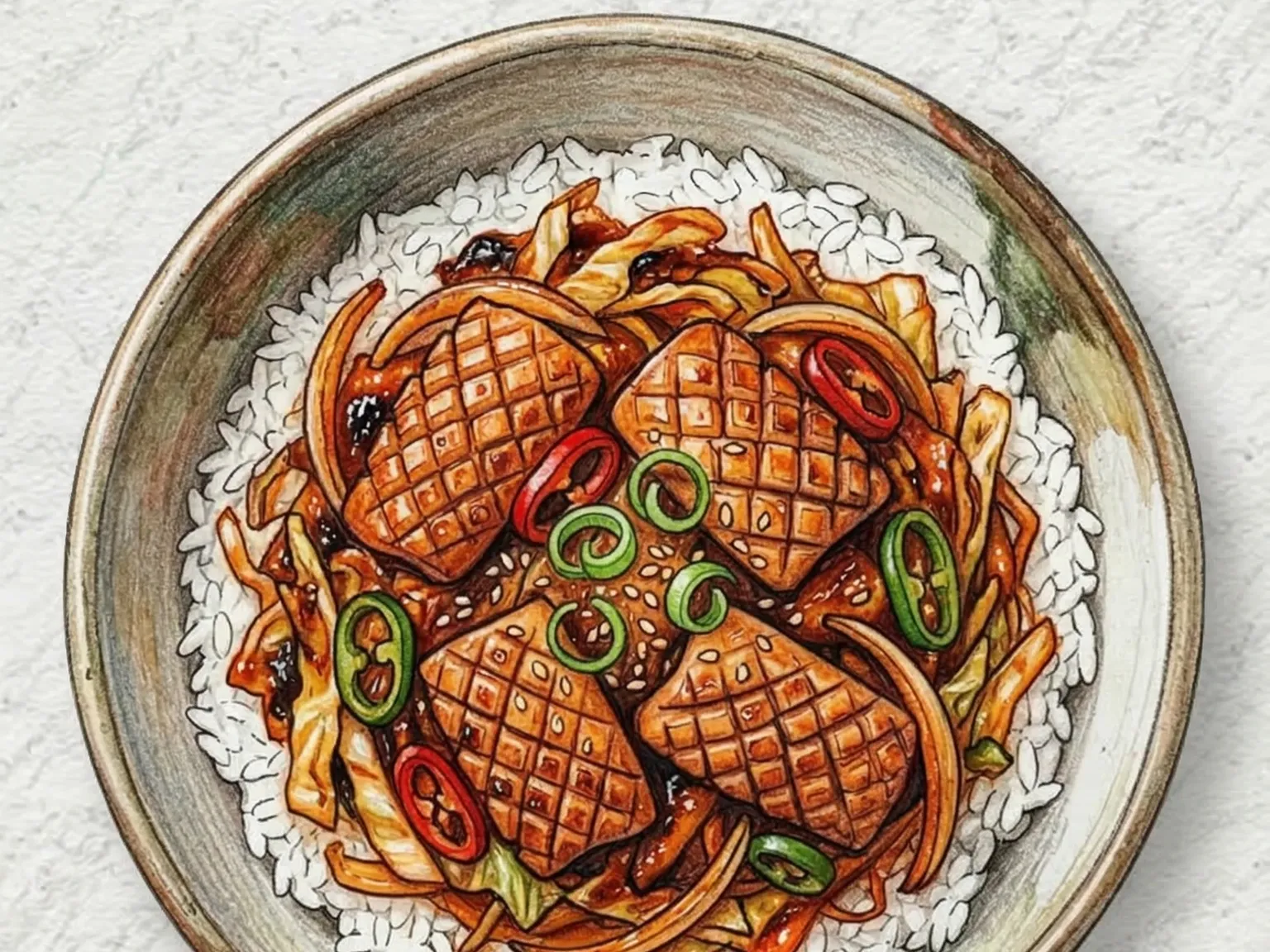
Dakgalbi is a Korean stir-fried chicken dish in which chicken thigh meat is marinated in a sauce of gochujang, chili flakes, soy sauce, sugar, minced garlic, and curry powder, then cooked with cabbage, sweet potato, sliced rice cakes, and green onion on a flat iron griddle or large pan. As the cabbage cooks it releases moisture that blends with the marinade, forming a natural sauce without any added liquid. Sweet potato softens gradually under heat, its natural sugars intensifying and acting as a counterweight to the sharp heat of the chili paste. Rice cakes cling to the sticky sauce on their surfaces, each piece absorbing the seasoning while staying chewy and dense inside. A small measure of curry powder is the defining addition -- it layers aromatic spice depth into the gochujang base, giving dakgalbi its slightly more complex fragrance compared to other Korean spicy stir-fries. The dish originates from Chuncheon in Gangwon Province, where it is served on large communal griddles. Finishing the meal by stir-frying rice in the leftover sauce at the bottom of the pan is a standard practice that turns the residual seasoning into a second course.

🏠 Everyday
Prep 20minCook 20min2 servings
Korean Bulgogi Jjolmyeon (Marinated Beef on Chewy Spicy Noodles)
NoodlesMedium

Korean Bulgogi Jjolmyeon (Marinated Beef on Chewy Spicy Noodles)

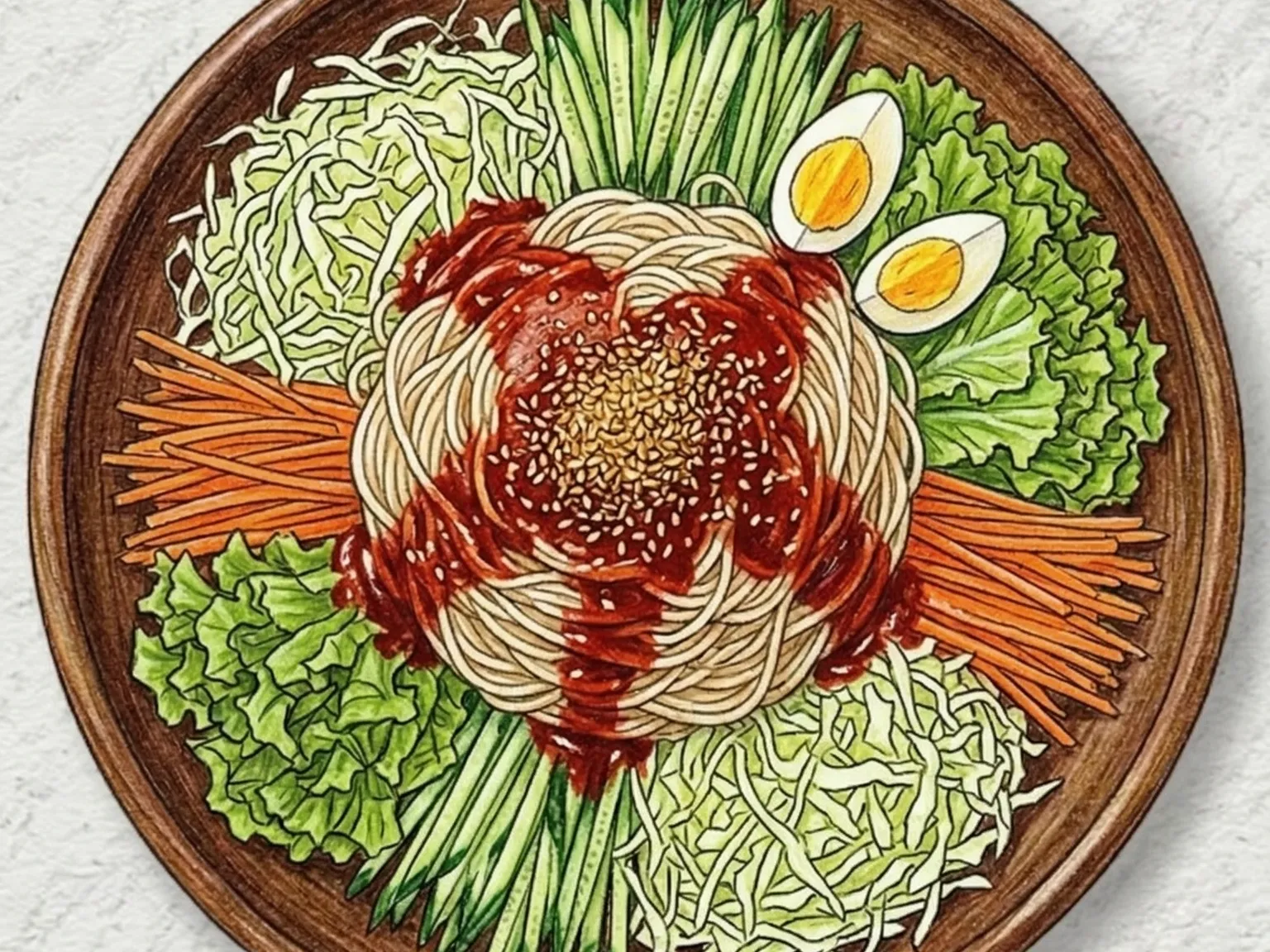
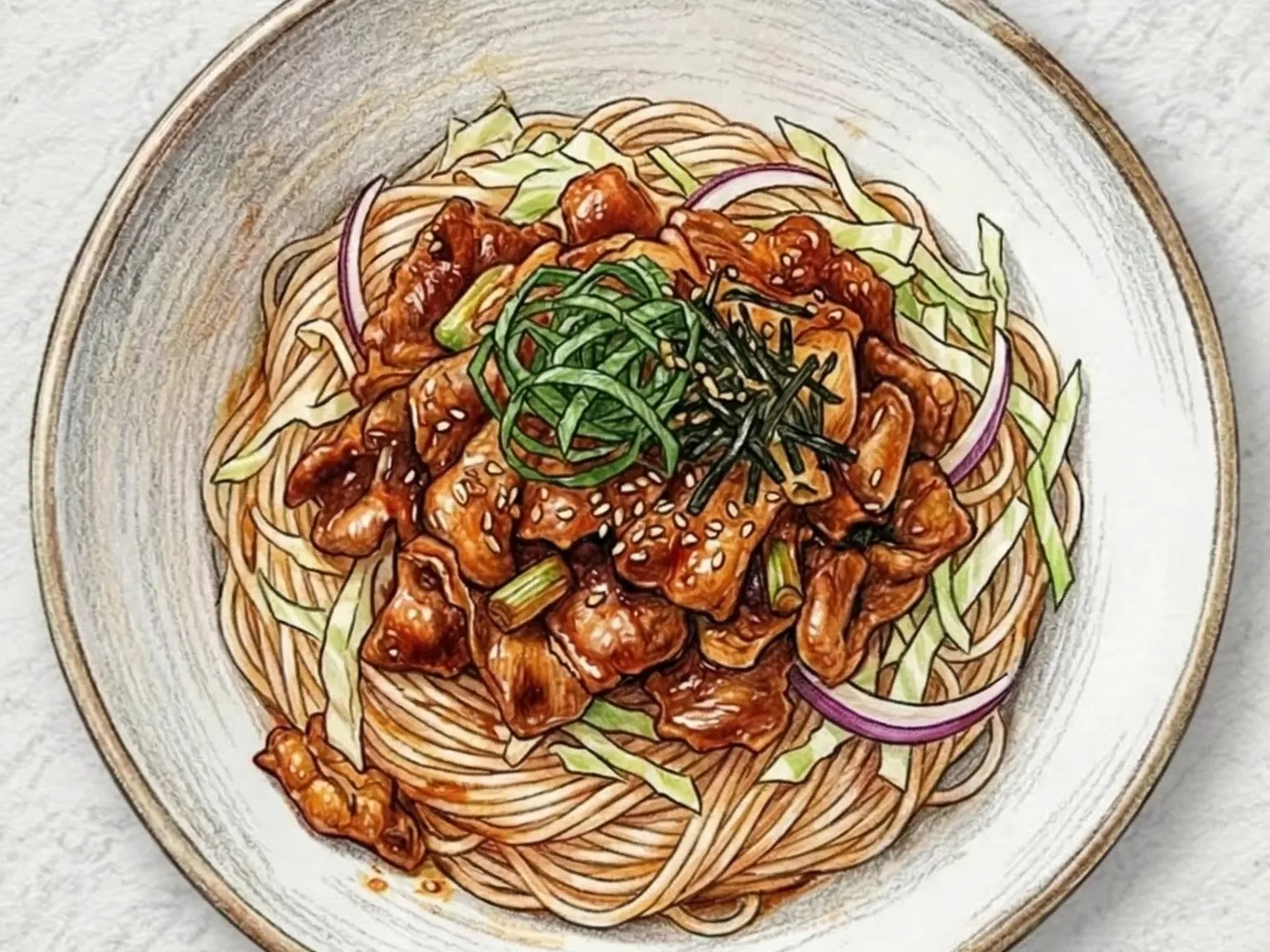
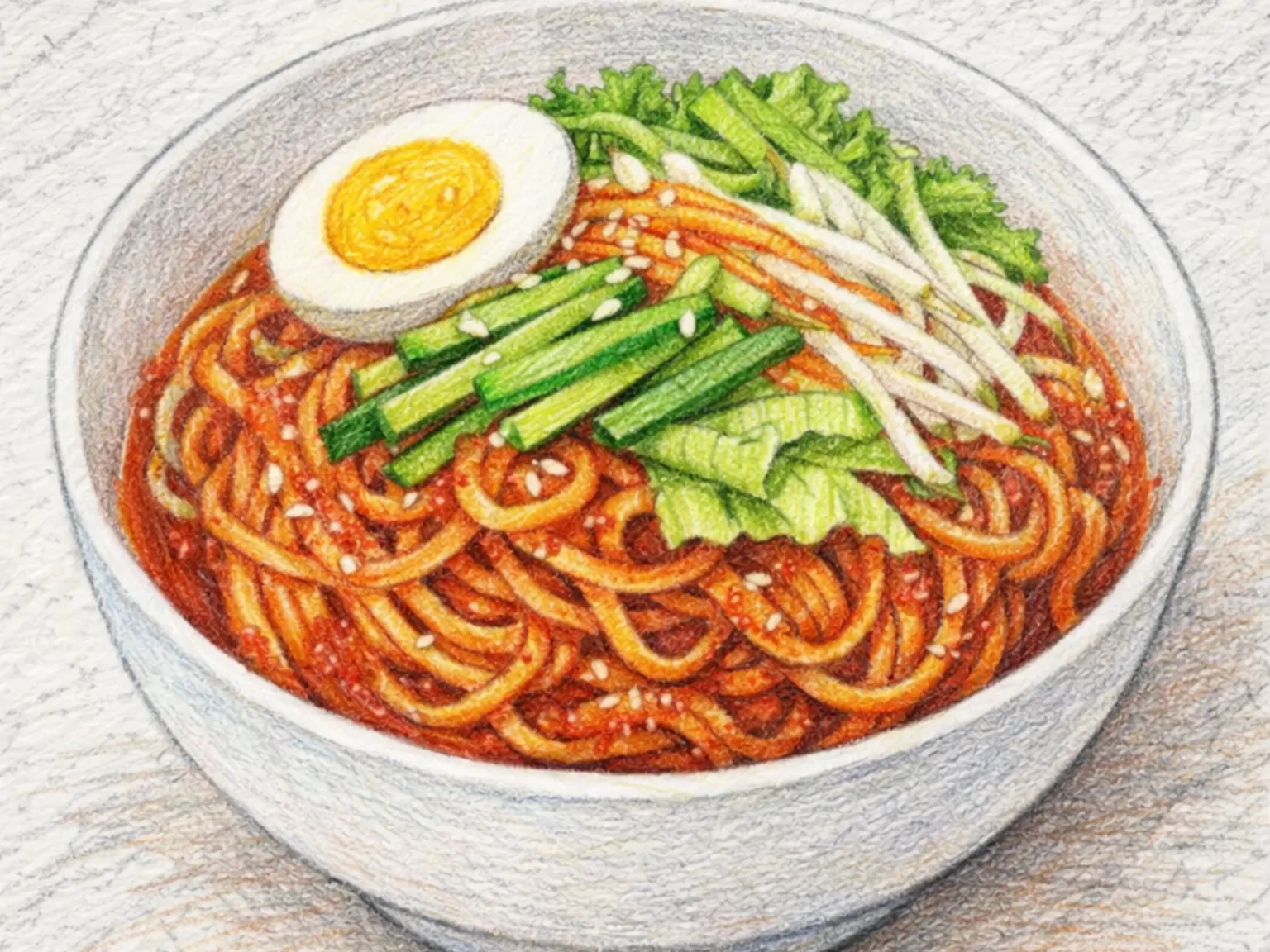
Thinly sliced beef marinated in soy sauce, sugar, and sesame oil sits atop a bed of noodles characterized by a dense, chewy structure. Jjolmyeon provides a firm texture that resists the teeth, offering a different physical experience compared to standard noodles. The accompanying sauce, created with gochujang, soy sauce, and vinegar, introduces spicy and acidic elements that balance the sweetness of the meat. To maintain tenderness, the beef requires rapid cooking over high heat, which prevents the thin slices from drying out or becoming tough. Shredded cabbage and carrots provide layers of crispness, while a soft-boiled egg helps temper the heat from the chili paste. Serving the ingredients in separate sections keeps the textures distinct and allows for mixing just before consumption. Rinsing the cooked noodles in cold water increases their characteristic firmness, creating a clear contrast with the texture of the stir-fried beef. Adding extra sesame seeds enhances the nutty scent, and incorporating spicy peppers increases the heat level.

🌙 Late Night
Prep 20minCook 12min2 servings
Korean-Chinese Seafood Gravy Noodles
NoodlesMedium

Korean-Chinese Seafood Gravy Noodles

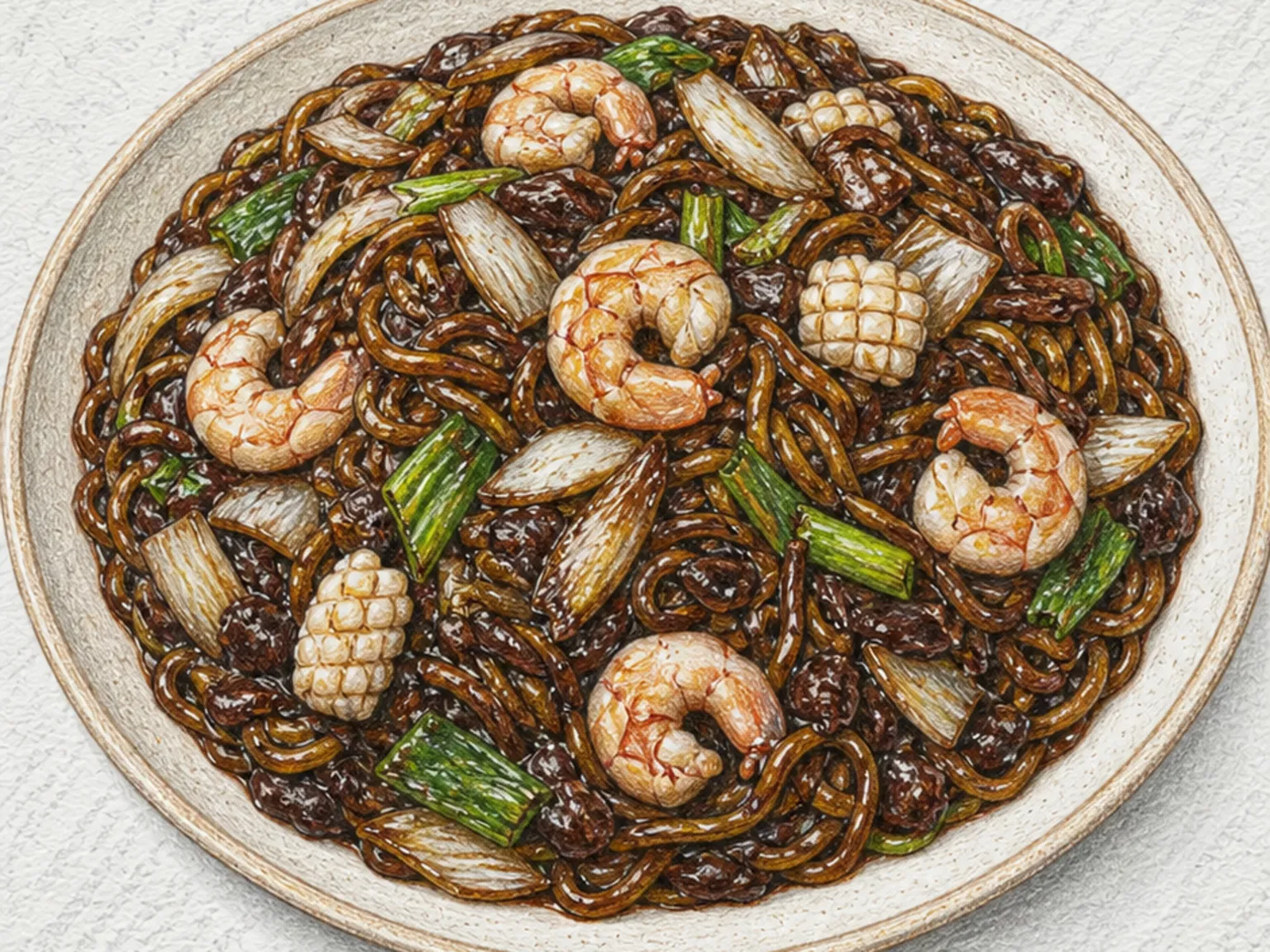
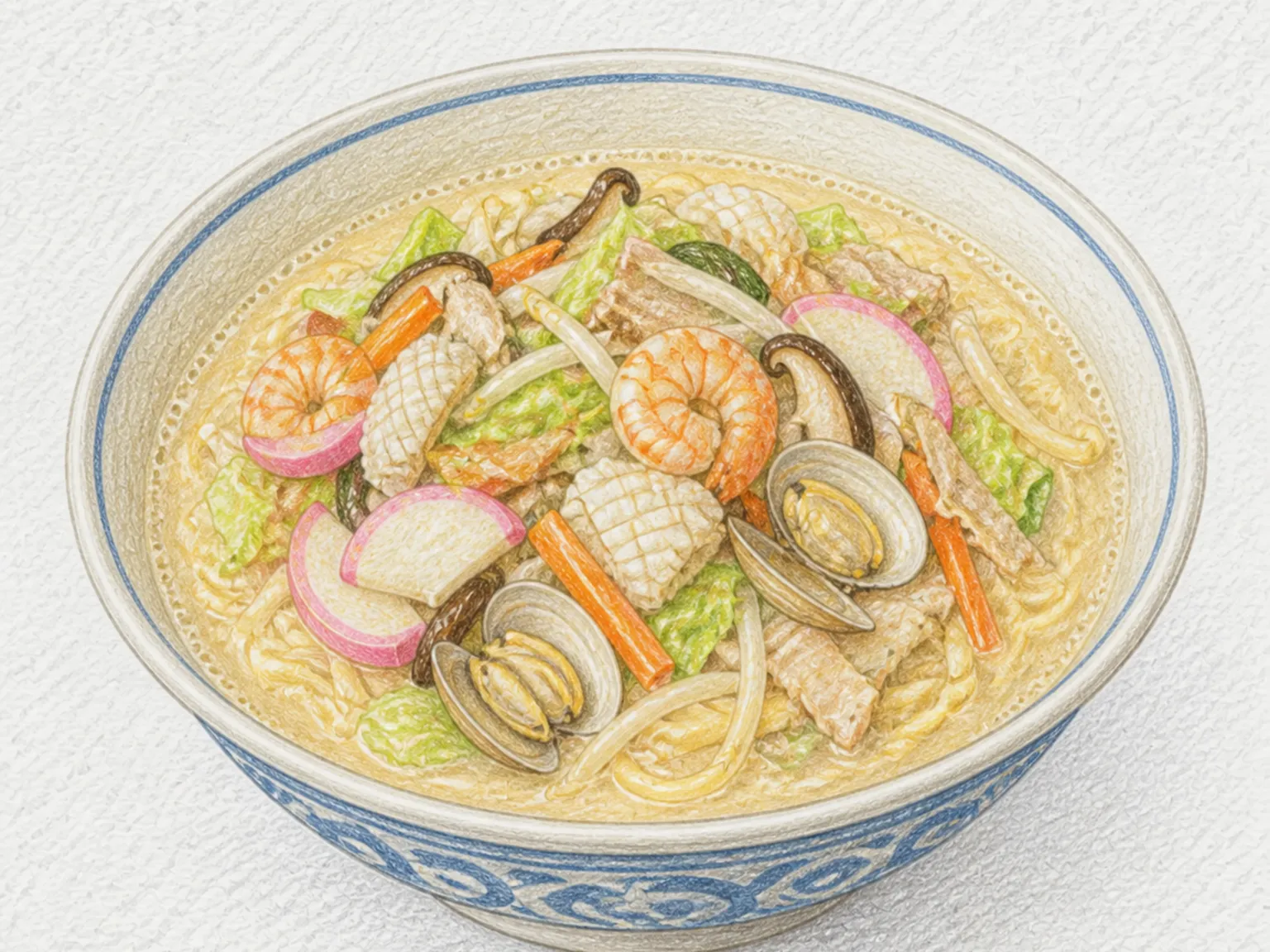
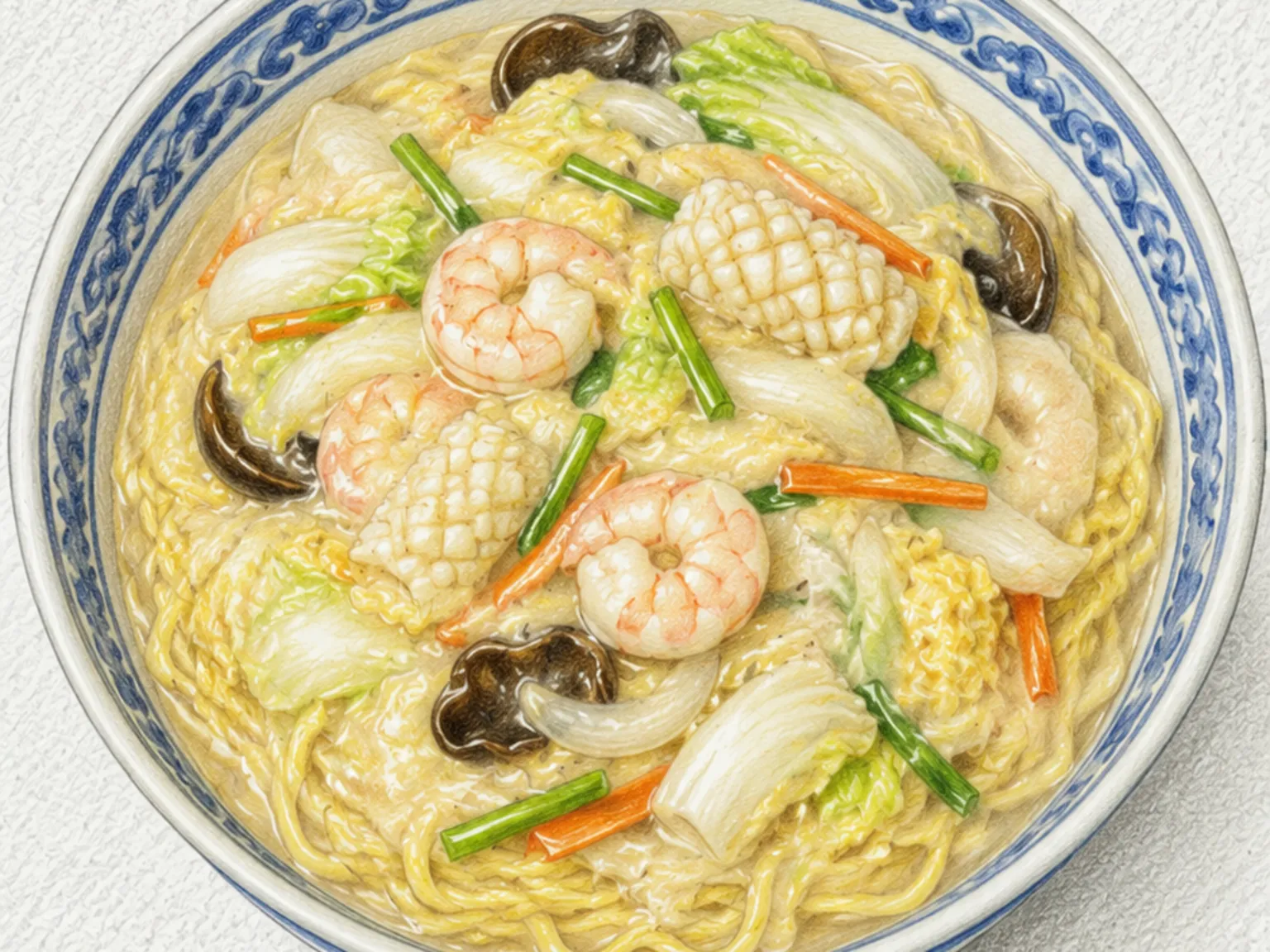
Ulmyeon is a Korean-Chinese noodle dish in which fresh wheat noodles are topped with a thick, white starch-thickened gravy loaded with seafood and vegetables. Shrimp, squid, and other shellfish give the gravy a pronounced umami backbone. Beaten egg is swirled into the sauce toward the end, adding body and soft curds throughout. Unlike jjamppong, the dish carries little to no chili heat. Preparation takes about 40 minutes, and getting the starch slurry to the right consistency is the most important step.

🏠 Everyday🌙 Late Night
Prep 20minCook 20min2 servings
Korean Stir-fried Cabbage with Doenjang
Stir-fryEasy

Korean Stir-fried Cabbage with Doenjang

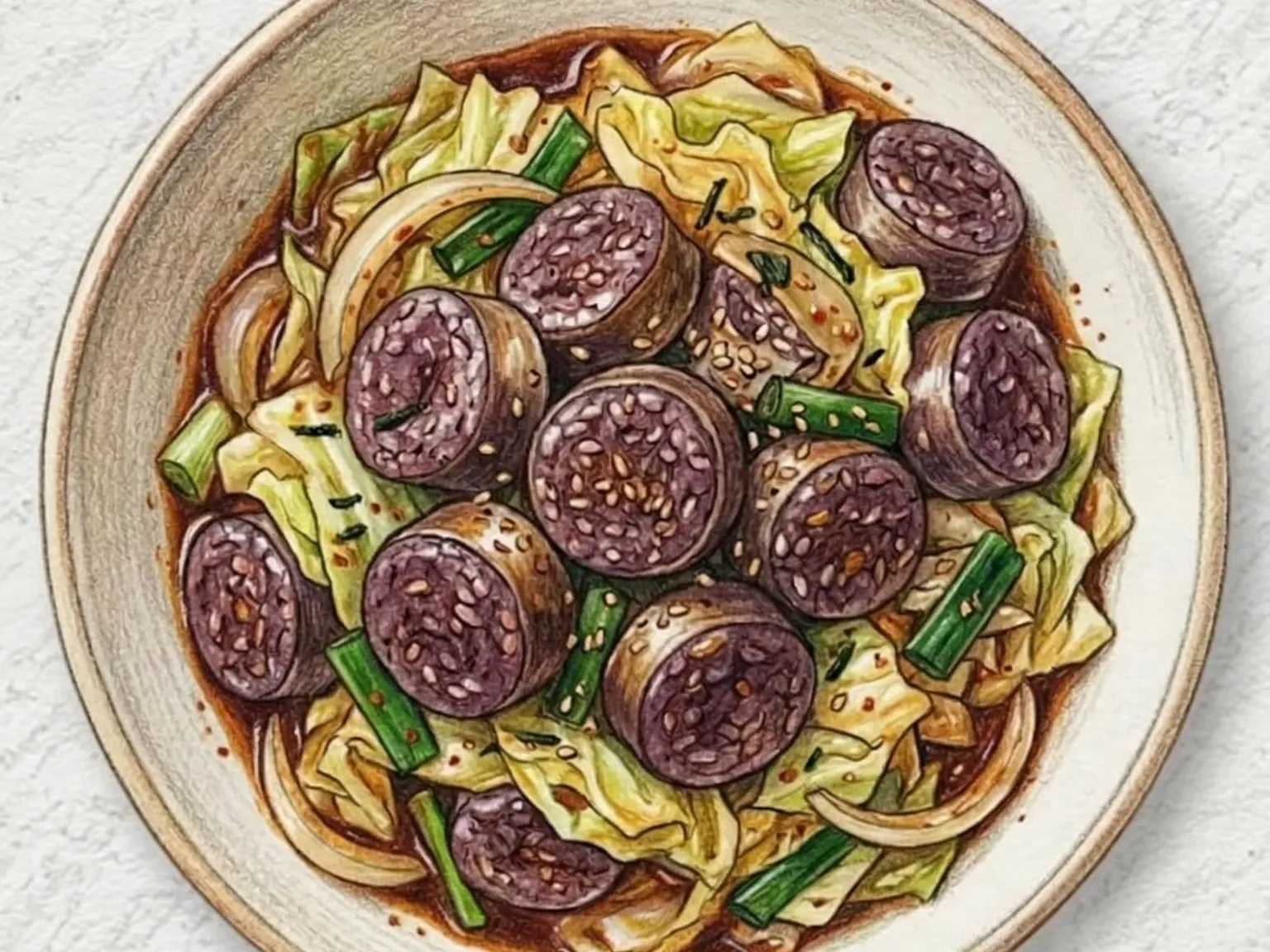
Yangbaechu-doenjang-bokkeum stir-fries bite-size cabbage pieces with doenjang, gochugaru, and garlic over high heat. The doenjang is dissolved in a small amount of water to create an even sauce that coats the cabbage, and the heat is turned off before the cabbage fully wilts to preserve some crunch. The cabbage's natural sweetness intensifies with cooking and contrasts against the salty, fermented depth of the doenjang, while gochugaru adds a faint background heat. The entire dish comes together in under fifteen minutes, relying on doenjang alone to deliver concentrated flavor.

🏠 Everyday🍱 Lunchbox
Prep 8minCook 7min2 servings
Stuffed Cabbage Rolls
WesternMedium

Stuffed Cabbage Rolls

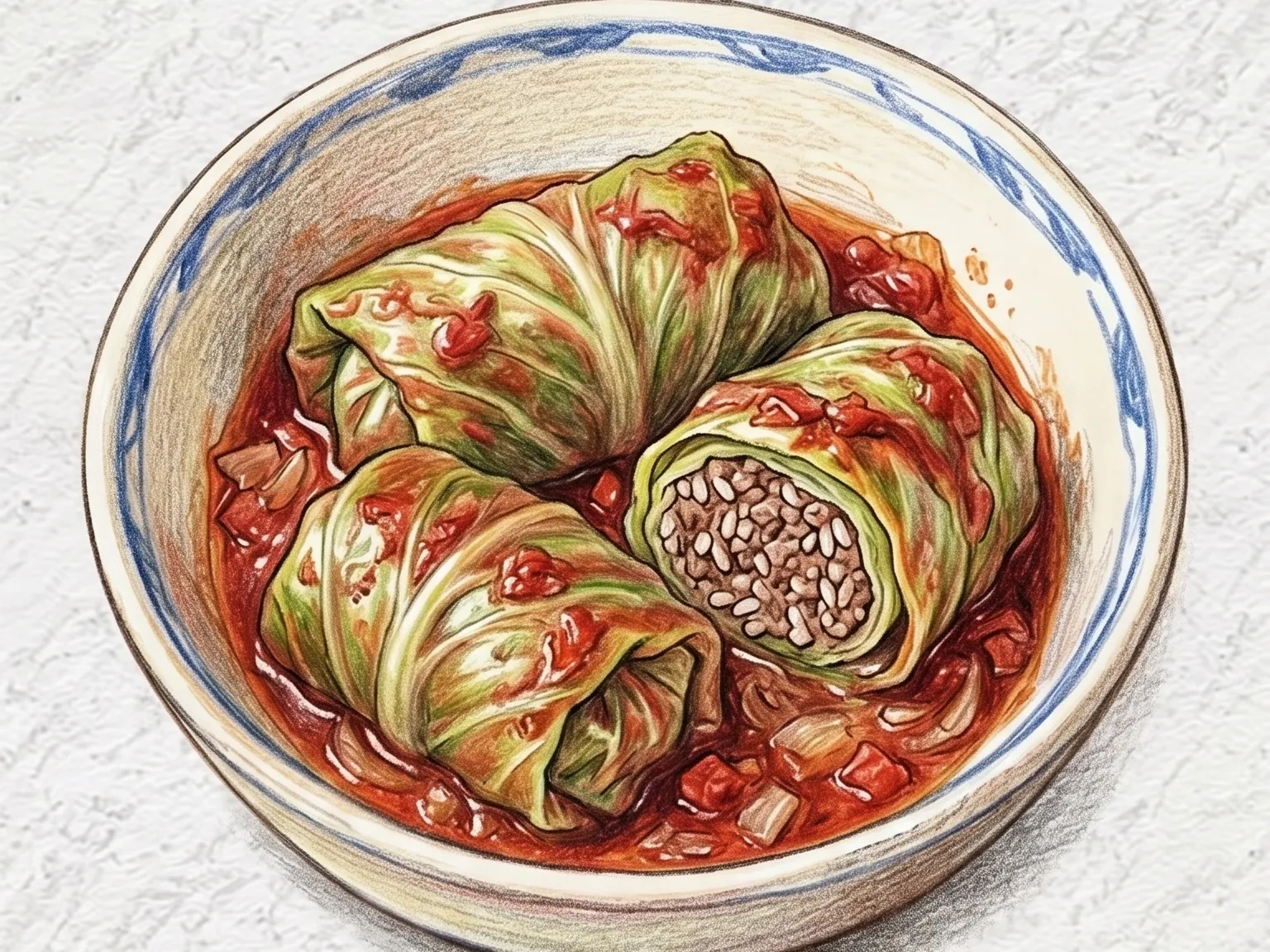
Stuffed cabbage rolls wrap a filling of ground beef, cooked rice, sautéed onion, and garlic inside blanched cabbage leaves, then braise in tomato sauce on low heat for 35 minutes until the leaves turn silky and the filling cooks through. Removing the core first lets the leaves separate cleanly, and rolling a pin over the thick central vein of each leaf thins it enough to fold without cracking. The rolls must be packed tightly in the pot - too much space allows them to shift as the sauce simmers, causing them to unravel. Spreading tomato sauce on the bottom of the pot before arranging the rolls prevents sticking and starts building flavor from underneath. The long, gentle braise draws natural sweetness from the cabbage, which meets the acidity of the tomato sauce to produce a mellow, deeply savory result.

🎉 Special Occasion
Prep 25minCook 45min4 servings
Korean Whelk Stew (Spicy Canned Whelk & Cabbage Pot)
StewsEasy

Korean Whelk Stew (Spicy Canned Whelk & Cabbage Pot)

Golbaengi-jjigae is a spicy Korean stew made with canned whelk as the centerpiece. Because the whelk is already fully cooked inside the can, it goes in near the end of cooking rather than at the start, allowing the broth and vegetables to reach their full flavor first. Extended heat makes whelk rubbery, so a brief simmer of two to three minutes is enough to warm the pieces through while preserving their distinctive chewy texture. Anchovy stock forms the savory foundation of the broth, delivering a clean seafood depth that amplifies the whelk's flavor without masking it. Gochujang and gochugaru combine to give the stew its fiery, full-bodied heat, while cabbage and onion absorb the broth over time and release a gentle sweetness that balances the spice. A single cheongyang chili added whole sharpens the heat at the finish, pulling the entire broth taut with a bright, clean burn. A handful of sliced green onion stirred in at the end brings a fresh aroma that lifts the richness of the stew. It works equally well as a rice-side dish or as an accompaniment to soju.

🏠 Everyday
Prep 12minCook 18min2 servings
Korean Spicy Steamed Baby Octopus
SteamedMedium

Korean Spicy Steamed Baby Octopus

Jjukkumi-jjim is spicy steamed baby octopus marinated for ten minutes in a sauce of gochugaru, gochujang, soy sauce, and minced garlic, then steamed over a bed of cabbage and sliced onion. Baby octopus turns tough very quickly with excess heat, so steaming for roughly ten minutes is essential to keep the texture springy and bouncy. The cabbage absorbs the concentrated spice and provides a mild, slightly sweet contrast to the bold chili seasoning. A drizzle of sesame oil at the finish contributes a warm, nutty aroma that rounds out the heat. The dish is at its best in spring when baby octopus is in season and the ink sacs dissolve into the marinade, adding an extra layer of savory depth. Starting to steam only after the water has reached a full boil ensures the heat surrounds the ingredients evenly, and keeping the lid closed throughout prevents temperature drops that would extend cooking time.

🍺 Bar Snacks🎉 Special Occasion
Prep 20minCook 15min2 servings
Korean Crispy Flat Mandu (Daegu-Style Thin Pan-Fried Dumplings)
Street foodMedium

Korean Crispy Flat Mandu (Daegu-Style Thin Pan-Fried Dumplings)

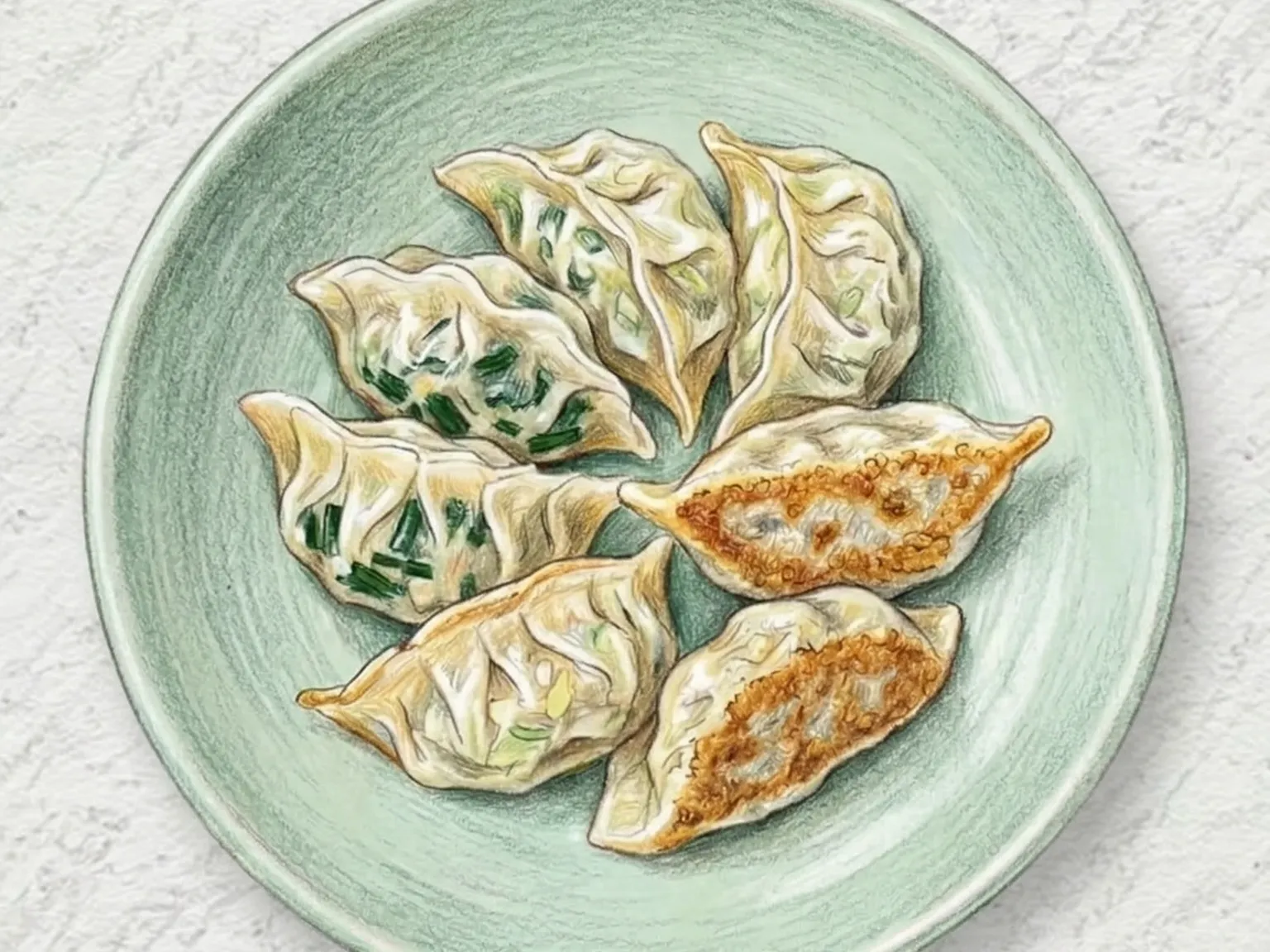
Boiled sweet potato noodles, minced chives, and chopped cabbage are spread thinly inside dumpling wrappers, folded in half, and pan-fried flat until both sides are evenly crisp, in the style of Daegu street food. Using minimal filling is key to achieving the characteristic thin, flat shape that defines this dumpling, and a properly preheated pan ensures uniform crispness on both sides. The standard accompaniment is a tangy-spicy dipping sauce of soy sauce, vinegar, red pepper flakes, and sesame oil. Simple in construction but sharp in flavor balance, this is the dumpling that put Daegu's street food culture on the map.

🧒 Kid-Friendly🌙 Late Night
Prep 25minCook 15min4 servings