Charim

2686 Korean & World Recipes

2686+ Korean recipes, clean and organized. Ingredients to instructions, all at a glance.

Recipes with cabbage

24 recipes

Buy cabbage
Yuja Mustard Chicken Naengchae Salad
SaladsEasy

Yuja Mustard Chicken Naengchae Salad

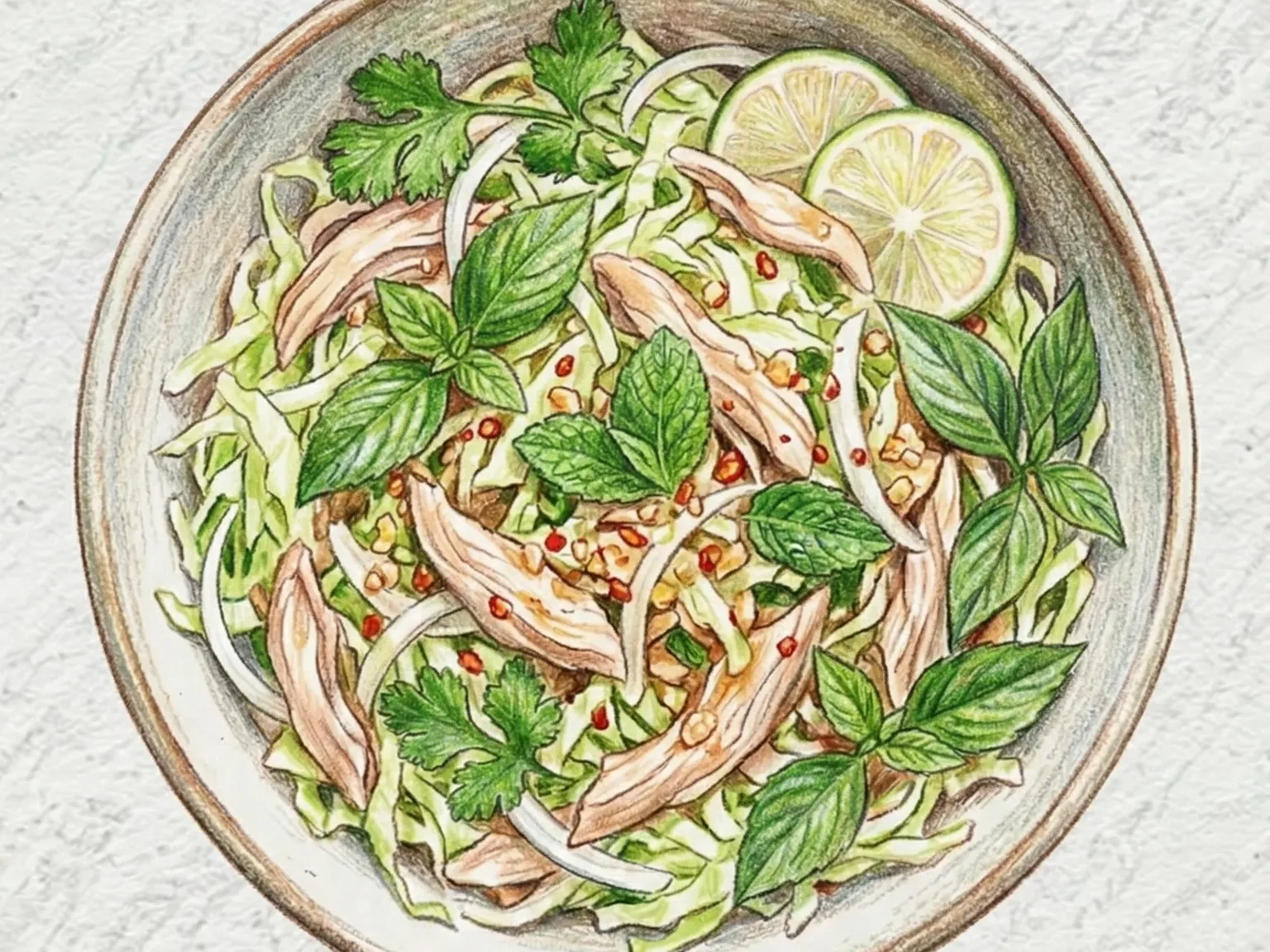
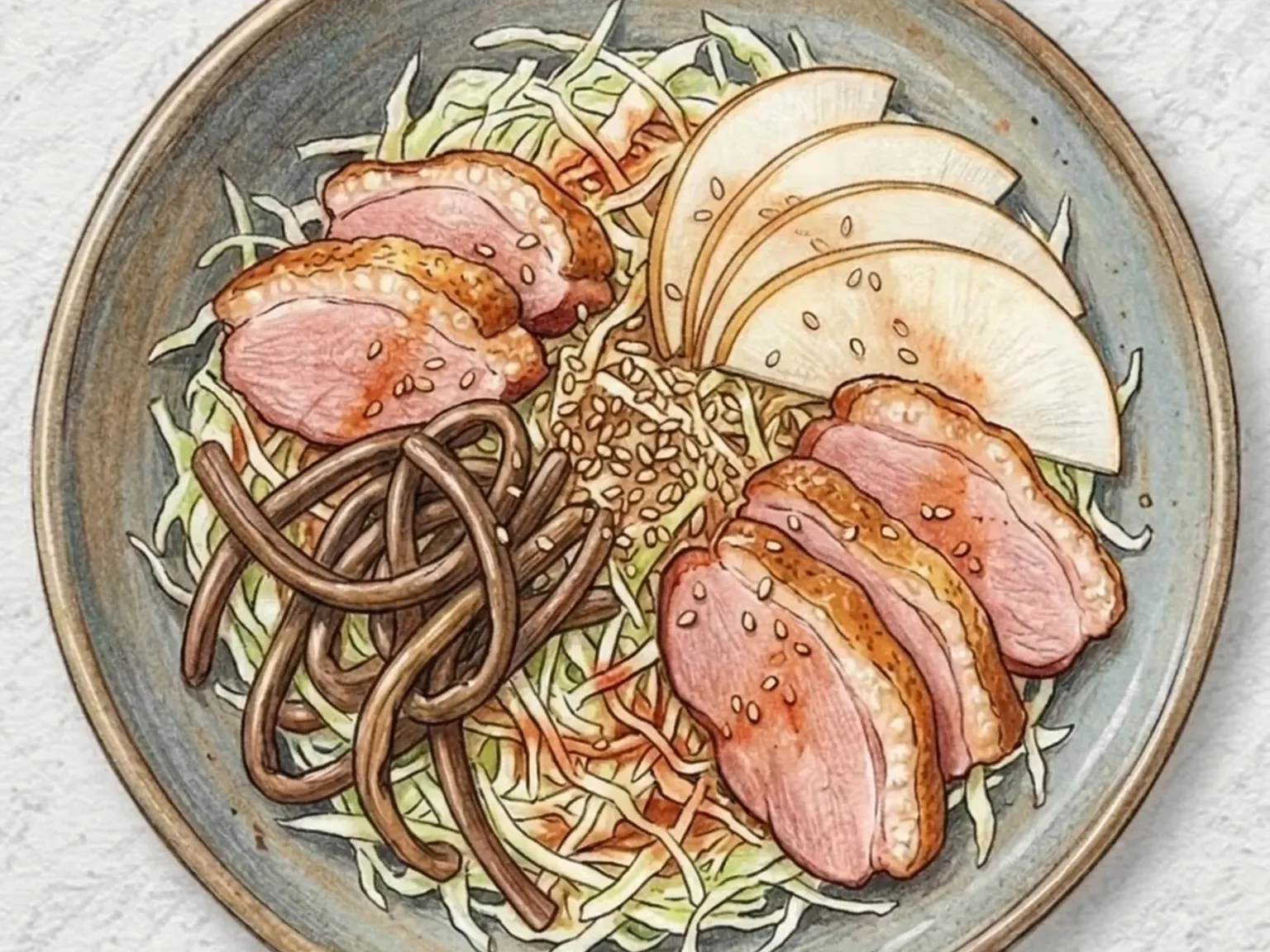
Yuja mustard chicken naengchae salad shreds boiled chicken breast along the grain and tosses it with julienned cucumber, Korean pear, bell pepper, and cabbage in a dressing of yuja marmalade, Korean mustard paste, vinegar, and sesame oil. Soaking the chicken breast in lightly salted water for ten minutes before boiling helps the muscle fibers retain moisture, keeping the shredded meat tender rather than dry. The yuja marmalade brings a bright citrus fragrance, and the Korean mustard delivers a sharp, nasal heat - vinegar binds these two strong personalities into a cohesive dressing. Slicing the pear just before serving preserves its juice and crisp sweetness. Adding two-thirds of the dressing first, then tasting and adjusting, prevents the acidity from overwhelming the delicate balance of the salad.

🥗 Light & Healthy🎉 Special Occasion
Prep 18minCook 12min2 servings
Javanese Chicken Mie Goreng
AsianEasy

Javanese Chicken Mie Goreng

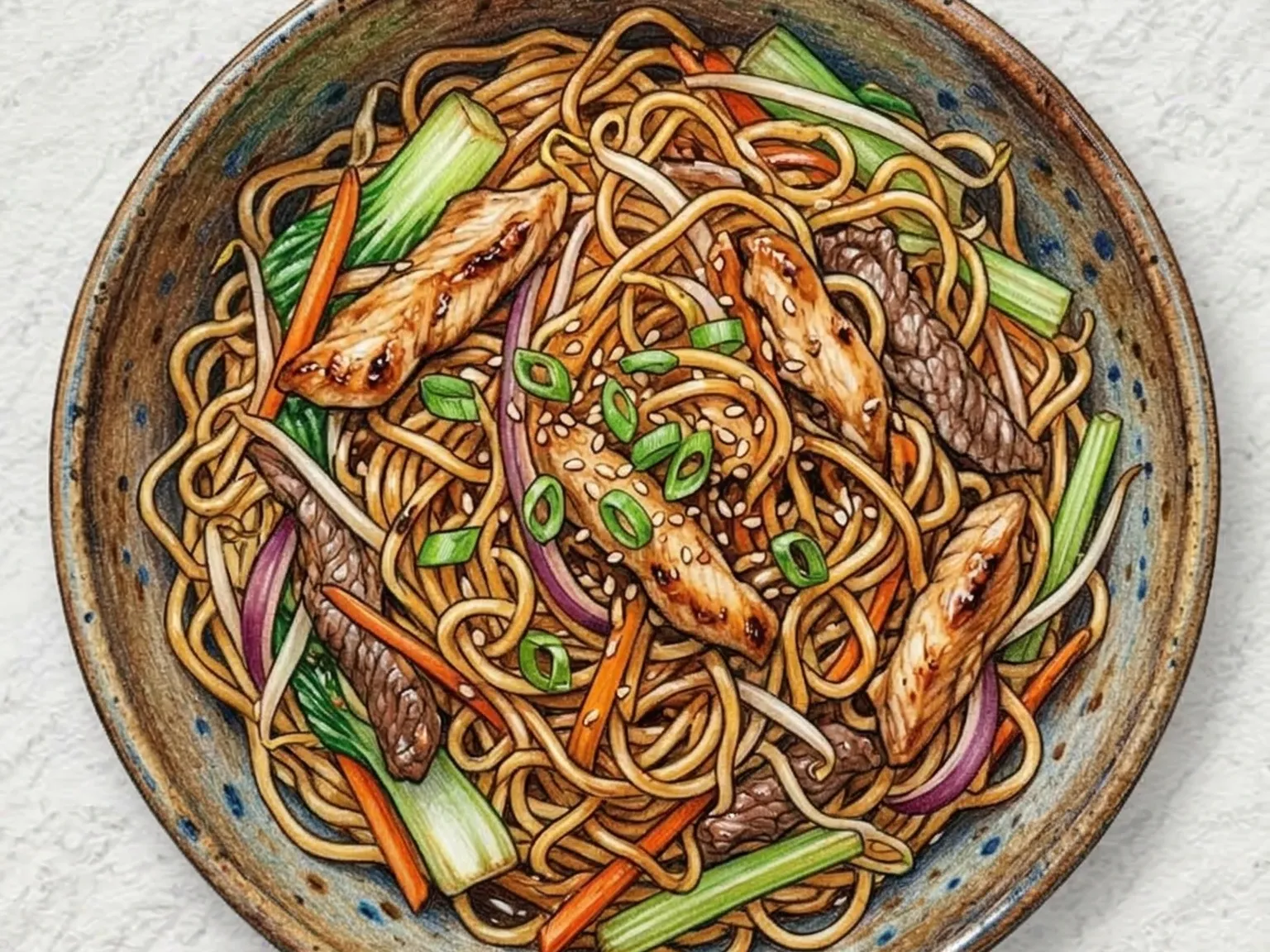
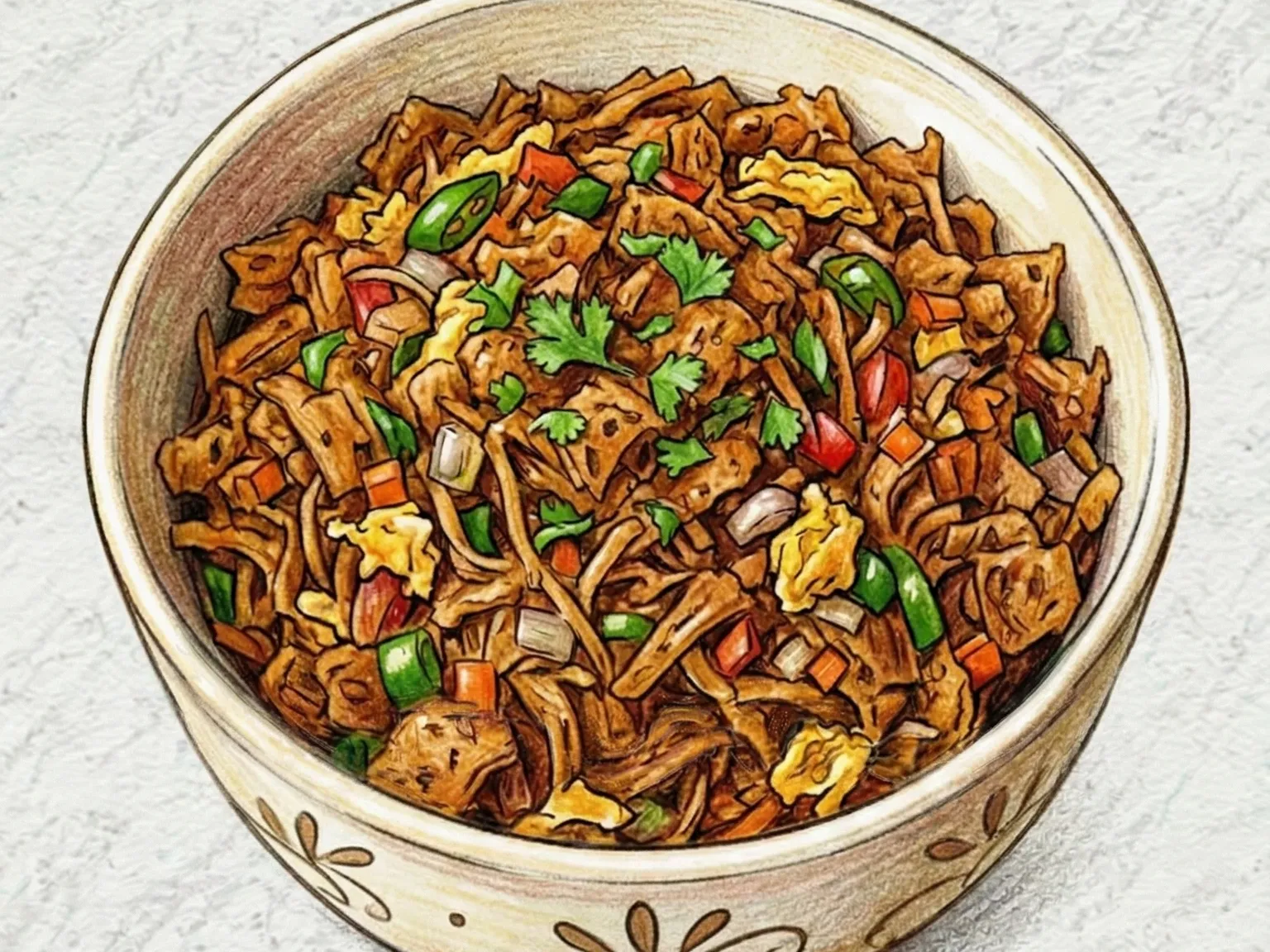
Javanese chicken mie goreng is an Indonesian stir-fried noodle dish built around kecap manis, a thick, molasses-dark sweet soy sauce that caramelizes in the wok and coats the noodles in a glossy, sweet-savory glaze that is impossible to mistake for any other style of fried noodle. Shallots and garlic are fried first to form the aromatic base, then sliced chicken thigh, shredded cabbage, and scallions join the wok over high heat. The egg noodles go in last, tossing rapidly to pick up wok breath and absorb the sauce. A fried egg with a runny yolk, prawn crackers for crunch, and a wedge of lime to cut through the sweetness complete the plate in the street-stall tradition of Java. The unmistakable sweetness of kecap manis is what sets this dish apart from Chinese-style fried noodles and gives Javanese mie goreng its identity across Indonesia and beyond.

🏠 Everyday🌙 Late Night
Prep 18minCook 12min2 servings
Korean Spicy Pork Rice Cup
Street foodEasy

Korean Spicy Pork Rice Cup

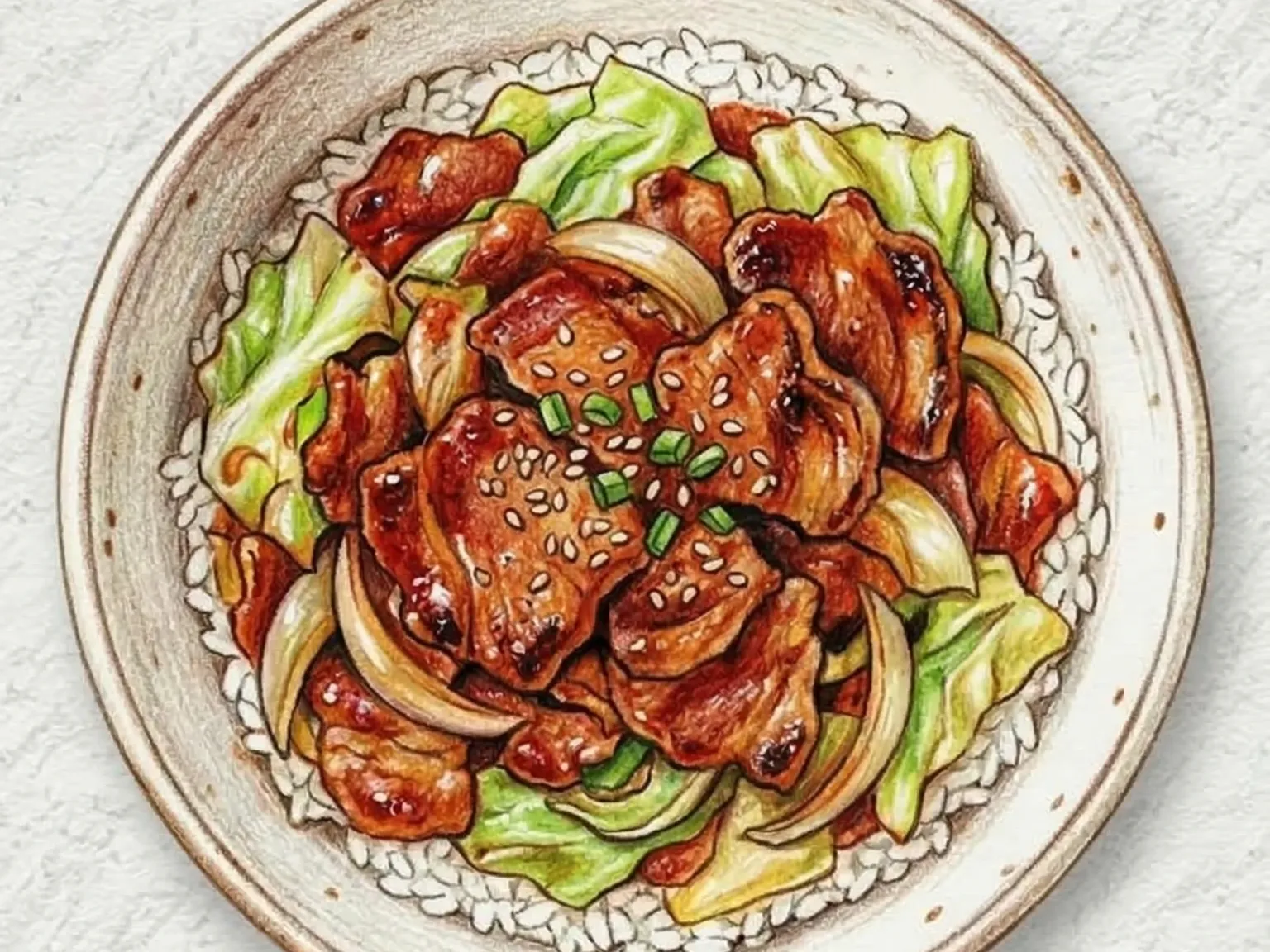
Jeyuk cupbap is a Korean street-style rice cup topped with pork shoulder stir-fried in gochujang, soy sauce, sugar, and garlic, layered over steamed rice with onion and cabbage. The gochujang-sugar combination forms a spicy-sweet glaze on the pork that caramelizes quickly under high heat, sealing in the meat's juices and creating a lacquered surface. Cabbage goes in last to keep its snap, and the slow-cooked onion contributes a gentle sweetness that tempers the chili heat. Slightly cooled rice keeps the cup from turning soggy, and the tight, portable format makes this a defining item of Korean street-food culture, equally at home in a pojangmacha stall and a school cafeteria. A soft-boiled egg or a slice of processed cheese on top adds a rich, creamy note.

🧒 Kid-Friendly🌙 Late Night
Prep 18minCook 14min2 servings
Korean Spicy Chewy Noodles
NoodlesEasy

Korean Spicy Chewy Noodles

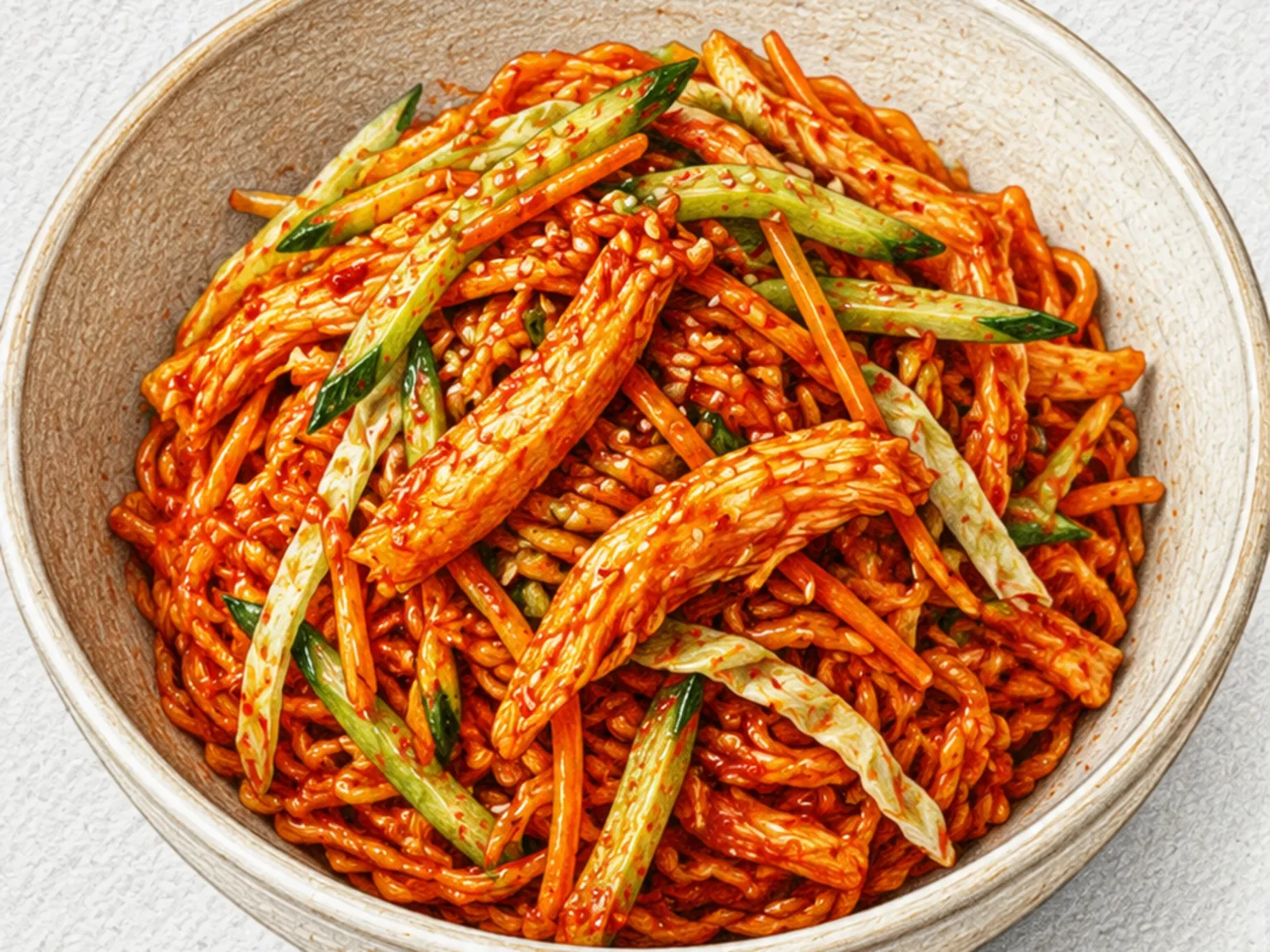
Jjolmyeon is a Korean cold noodle dish built around unusually thick, springy wheat noodles that were accidentally invented at an Incheon noodle factory in the 1970s. The noodles are boiled, rinsed in ice water to firm up their chewy texture, then dressed in a sweet-sour-spicy sauce made from gochujang, vinegar, sugar, soy sauce, and sesame oil. Shredded cabbage and julienned cucumber are chilled separately and piled on top, giving each bite a crisp contrast to the bold sauce. A halved boiled egg adds a creamy counterpoint to the heat. The dish is served cold and eaten after thorough mixing, making it a go-to summer meal and late-night snack across Korea.

🌙 Late Night Quick
Prep 10minCook 10min2 servings
Sapporo Miso Ramen (Hokkaido-Style Rich Miso Broth Ramen with Pork)
AsianMedium

Sapporo Miso Ramen (Hokkaido-Style Rich Miso Broth Ramen with Pork)

Sapporo miso ramen was born in Hokkaido's capital as a way to warm up against brutal northern winters, and everything about the bowl reflects that purpose. The broth starts with chicken stock fortified with a generous amount of miso paste, giving it a thick, opaque body and a deep fermented savoriness. Ground pork, cabbage, and bean sprouts are stir-fried in a wok before being added to the broth, which picks up smoky wok flavor in the process. Sweet corn kernels and a pat of butter melt into the surface, adding richness that feels earned rather than excessive. The noodles are thick and curly, engineered to trap the heavy broth in every coil. Garlic and chili oil variations are common in Sapporo's ramen shops.

🎉 Special Occasion
Prep 15minCook 30min2 servings
Korean Jjajang Tteokbokki
Street foodEasy

Korean Jjajang Tteokbokki

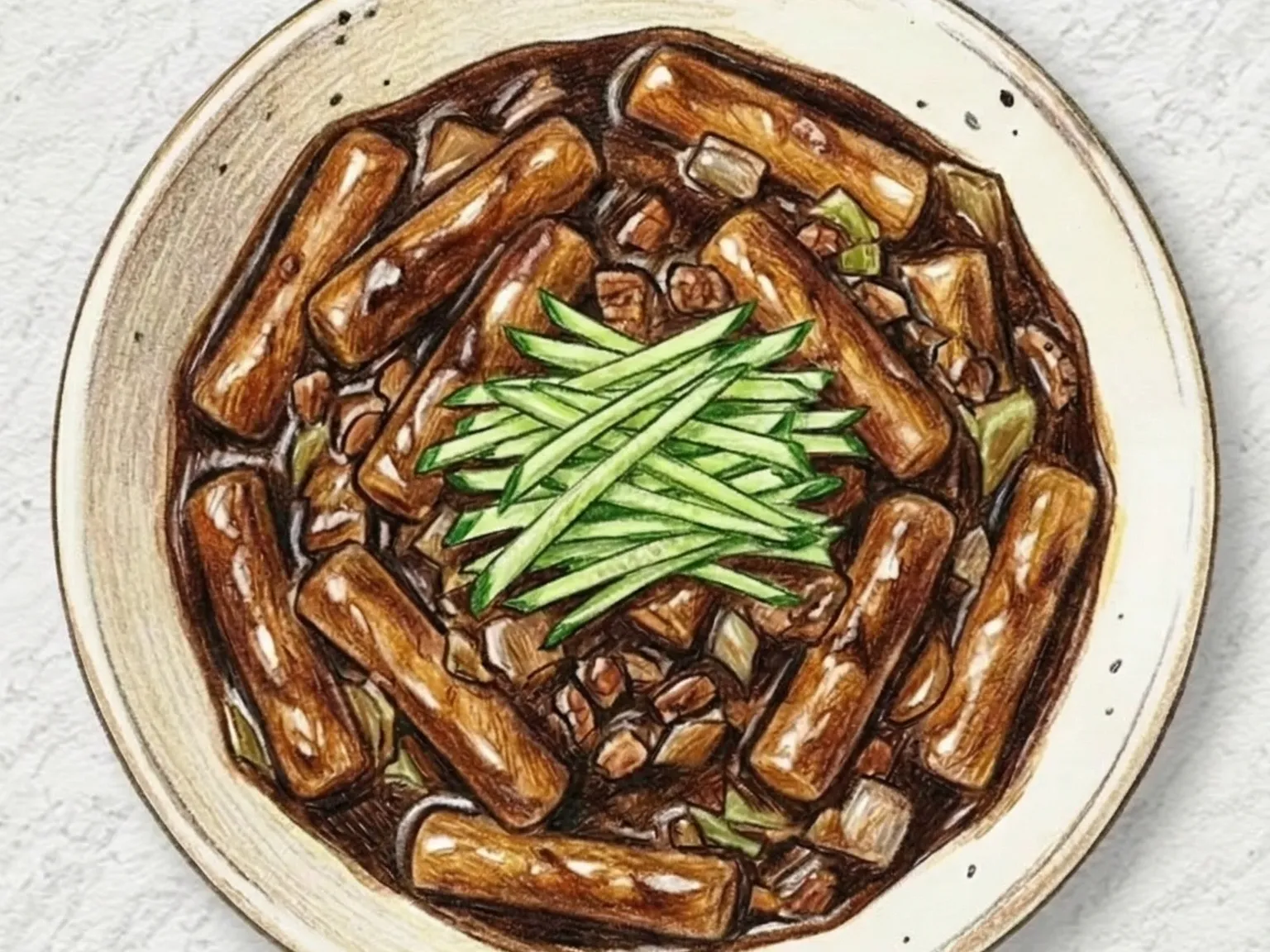
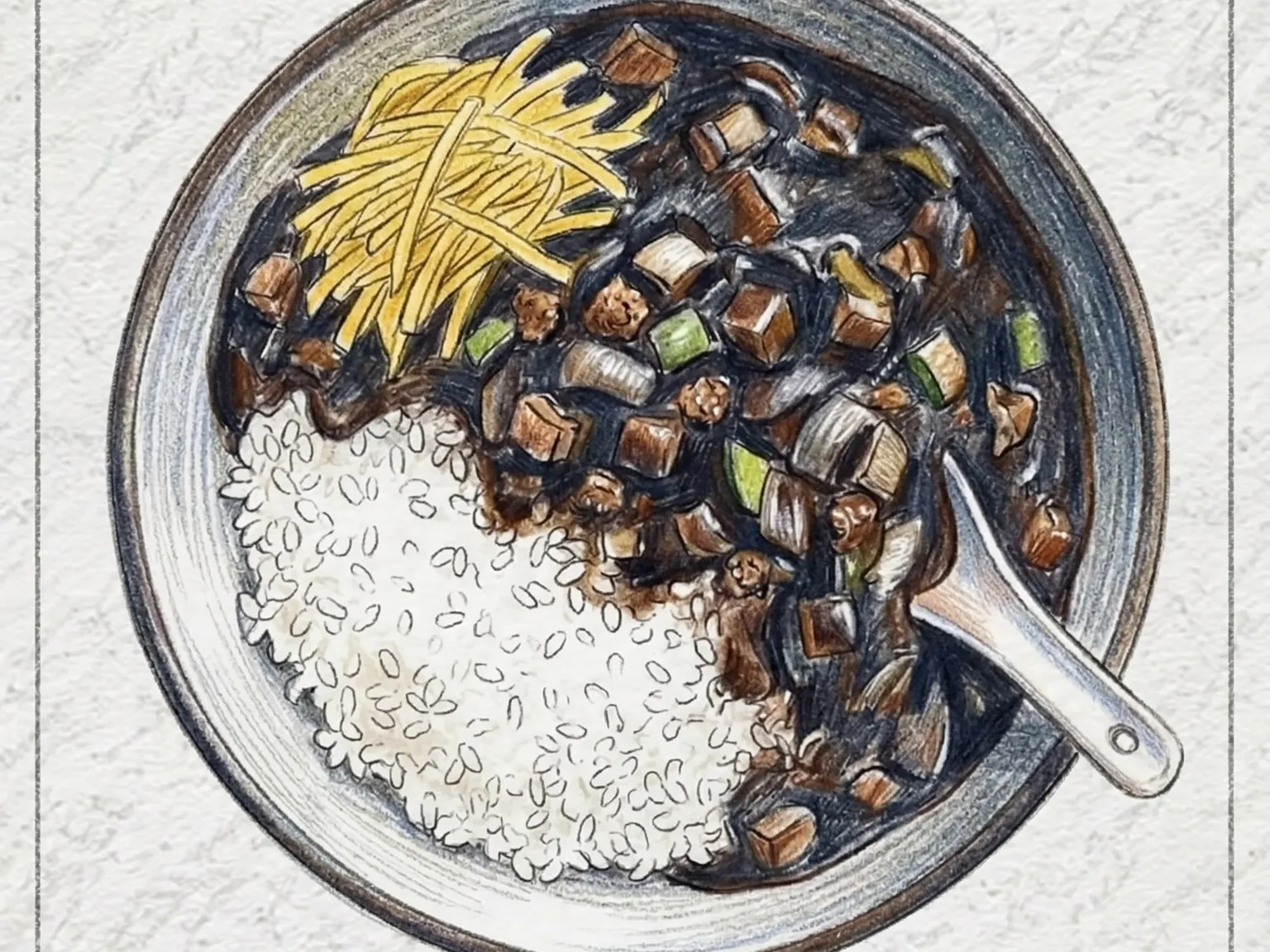
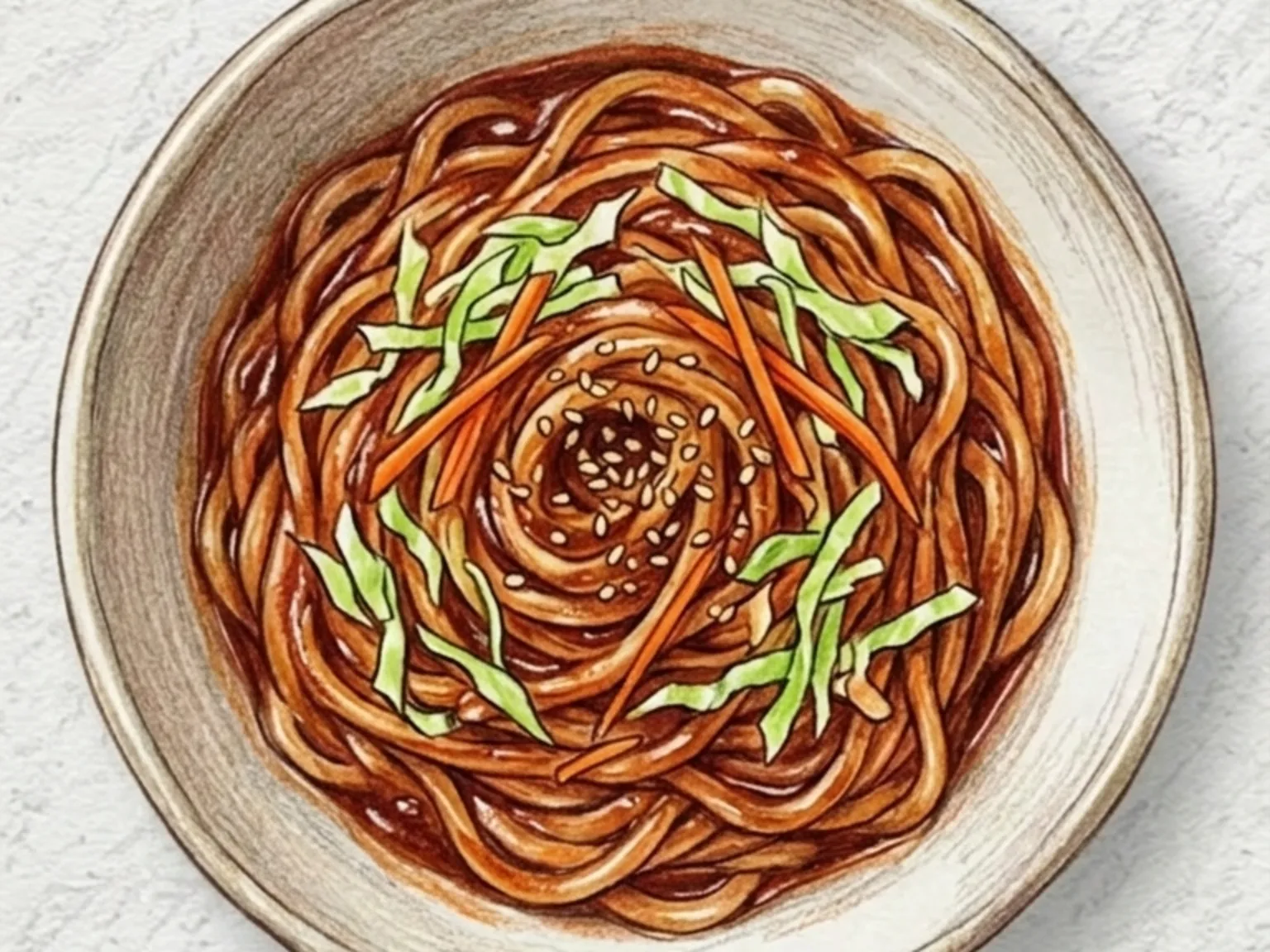
Jjajang tteokbokki simmers chewy rice cake sticks in a sauce of black bean paste (chunjang) stir-fried with ground pork, onion, and cabbage. The critical first step is pre-frying the chunjang in a generous amount of oil before adding any other ingredients: raw black bean paste carries a flat, slightly bitter taste, but several minutes of stirring in hot oil transforms it, removing the harsh edge and developing the characteristic deep, roasted sweetness that defines the dish. As the sauce reduces and thickens, it clings heavily to each rice cake, delivering an intense hit of savory black bean flavor with every bite. Unlike gochujang-based tteokbokki, there is no chili heat present at all, making this a version accessible to those who find standard tteokbokki too spicy. The ground pork renders fat into the sauce as it cooks, adding richness and making the sauce glossier and heavier in body. Julienned cucumber scattered on top at serving provides a fresh, crunchy contrast that cuts through the richness of the black bean sauce and brightens the overall flavor of the bowl.

🧒 Kid-Friendly🌙 Late Night
Prep 10minCook 15min2 servings
Pancit Canton (Filipino Stir-Fried Egg Noodles with Chicken and Vegetables)
NoodlesEasy

Pancit Canton (Filipino Stir-Fried Egg Noodles with Chicken and Vegetables)

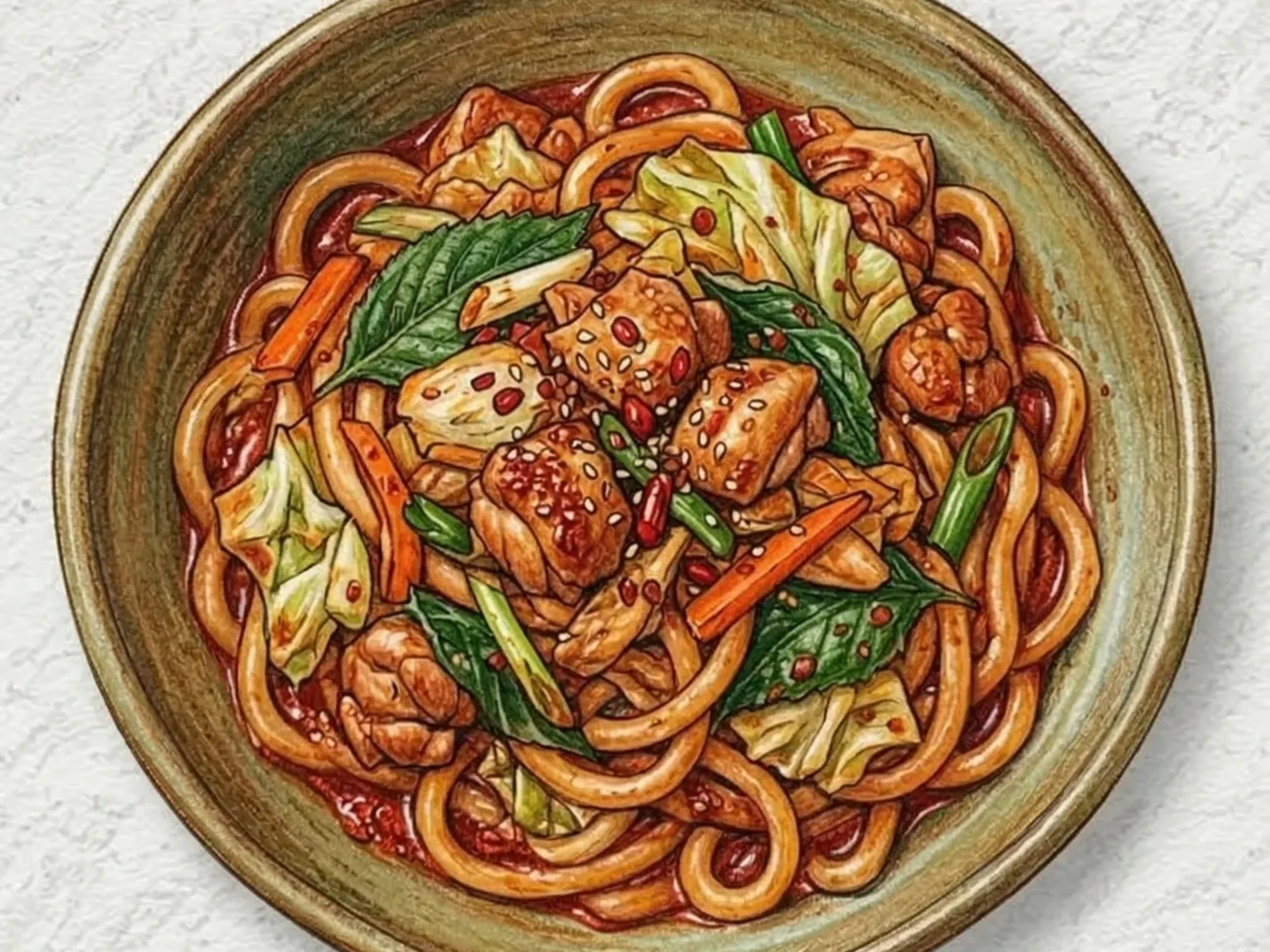
Pancit canton is a Filipino stir-fried egg noodle dish cooked with chicken, carrot, and cabbage in a soy sauce and oyster sauce base. The salty depth of soy sauce and the savory richness of oyster sauce permeate the noodles evenly, and a squeeze of fresh lemon at the end cuts through the oil to leave a clean, bright finish. The noodles are parboiled to roughly seventy percent doneness so they finish cooking in the wok while absorbing the sauce, retaining their springy texture rather than turning soft. Chicken thigh is stir-fried first to render its fat and release its juices into the pan, and that rendered fat then carries the carrot and cabbage through a quick, high-heat toss that preserves their crunch. Small additions of broth or water allow the noodles to absorb the sauce gradually, but too much liquid tips the dish toward soupy rather than stir-fried, so the volume must be controlled carefully. Lemon juice is added only after removing the pan from heat, because its volatile citrus aroma dissipates almost instantly on contact with a hot surface. In the Philippines, long noodles symbolize longevity and a full life, making pancit canton a fixture at birthdays and holiday celebrations.

🎉 Special Occasion🌙 Late Night
Prep 15minCook 15min2 servings
Hakata Motsu Nabe (Offal Hot Pot)
AsianEasy

Hakata Motsu Nabe (Offal Hot Pot)

Hakata motsu nabe is a hot pot from Fukuoka's Hakata district that features pork offal - specifically small intestines - simmered in a soy or miso-based broth with heaps of garlic, red chili, and a mountain of shredded cabbage and garlic chives. As the pot bubbles, the fat from the intestines renders into the broth, giving it a rich body, while the garlic and chili infuse everything with a punchy, aromatic warmth. The cabbage wilts down and soaks up the broth, becoming sweet and silky. Once the meat and vegetables are eaten, the standard finish is to add ramen noodles or rice to the remaining broth, absorbing every last bit of flavor. It is especially popular in the colder months and is considered a source of collagen, which adds to its appeal in Fukuoka's dining culture.

🍺 Bar Snacks🎉 Special Occasion
Prep 15minCook 20min3 servings
Pork Cutlet Sandwich
Street foodMedium

Pork Cutlet Sandwich

Katsu sando is a Japanese sandwich built around a thick pork loin cutlet breaded in flour, egg, and panko, then deep-fried at 170C until the exterior turns a deep, even gold. The cutlet rests on soft milk bread generously spread with tonkatsu sauce, and a layer of shredded cabbage dressed in mayonnaise goes in between. The contrast between the cutlet's rigid panko crust and the yielding bread is what defines the sandwich, while the mayo-dressed cabbage absorbs some of the richness and keeps the whole thing from feeling heavy. Wrapping the assembled sandwich firmly in plastic wrap and resting it for three minutes gives the sauce time to soak into the bread, producing a clean cross-section when cut. Draining the cutlet upright for a minute after frying removes surface oil and prevents the bread from going soggy. Using fine-ground fresh panko rather than dried gives the crust a slightly denser, more refined texture.

🧒 Kid-Friendly🌙 Late Night
Prep 20minCook 18min2 servings
Japanese Stir-Fried Udon
NoodlesMedium

Japanese Stir-Fried Udon

Yaki udon is a Japanese stir-fried noodle dish where thick udon noodles are tossed in a soy-based sauce over high heat with sliced pork or seafood and vegetables such as cabbage, carrot, and scallion. The high heat gives the noodles lightly charred edges while keeping their chewy center intact. Bonito flakes (katsuobushi) are often scattered on top just before serving, where they wave from the residual heat. The recipe takes about 25 minutes and depends on maintaining strong heat throughout the stir-fry to avoid steaming the noodles.

🏠 Everyday🌙 Late Night
Prep 10minCook 15min2 servings
Steamed Pork Buns
AsianHard

Steamed Pork Buns

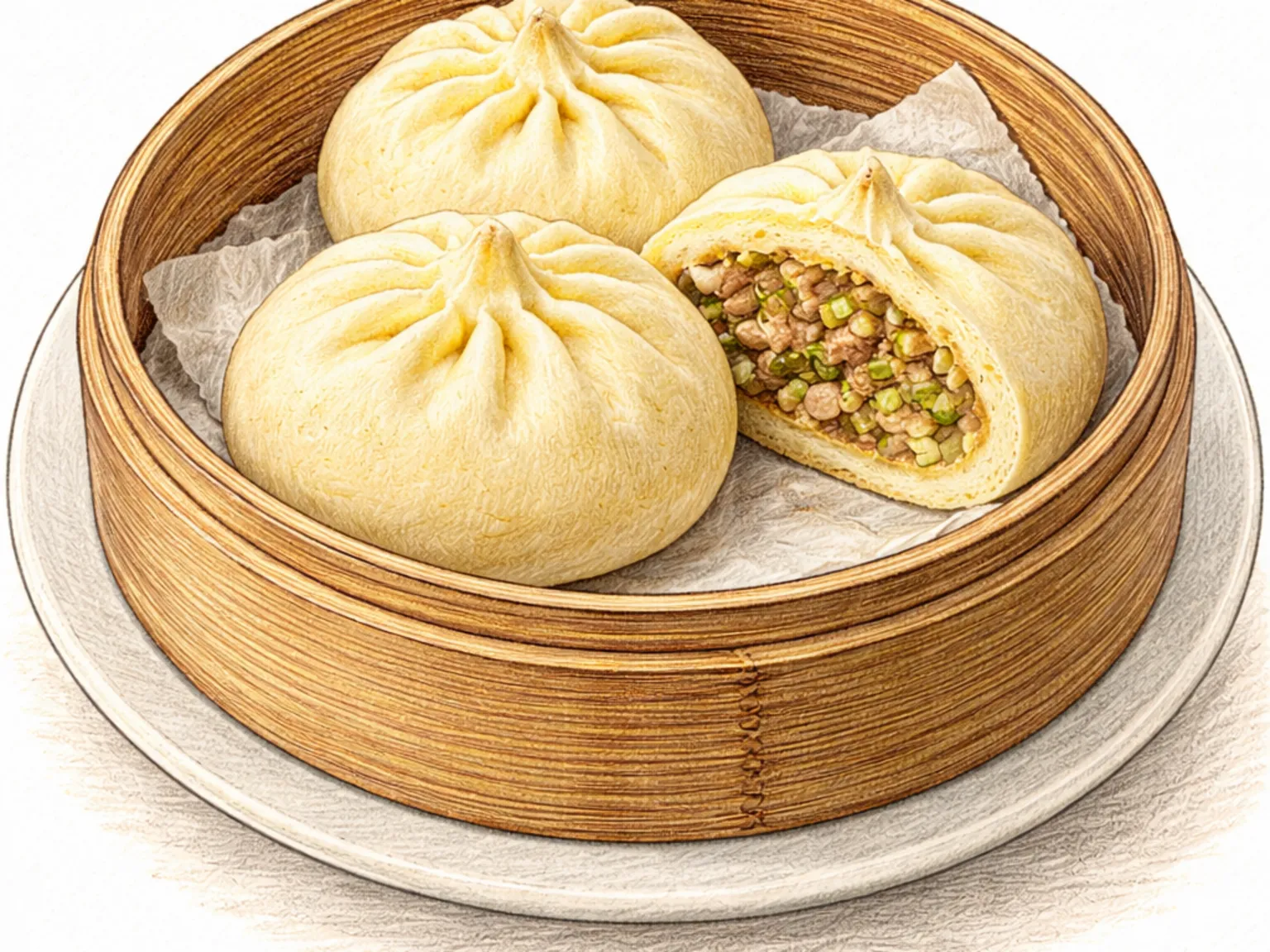
Nikuman is a Japanese steamed pork bun descended from Chinese baozi but adapted to local tastes over generations. Yeasted wheat dough is kneaded, left to rise, then filled with a mixture of ground pork seasoned with soy sauce, ginger, and sesame oil, along with finely chopped cabbage. After pleating and steaming, the bun emerges snow-white and pillowy, with a moist, savory filling inside. Opening the steamer releases a cloud of fragrant steam carrying notes of ginger and soy. In Japan, nikuman is the defining winter convenience-store snack -- warming your hands around the bun before biting into the hot, juicy filling.

🎉 Special Occasion
Prep 40minCook 20min4 servings
Korean Stir-fried Sundae (Sundae Bokkeum)
Street foodEasy

Korean Stir-fried Sundae (Sundae Bokkeum)

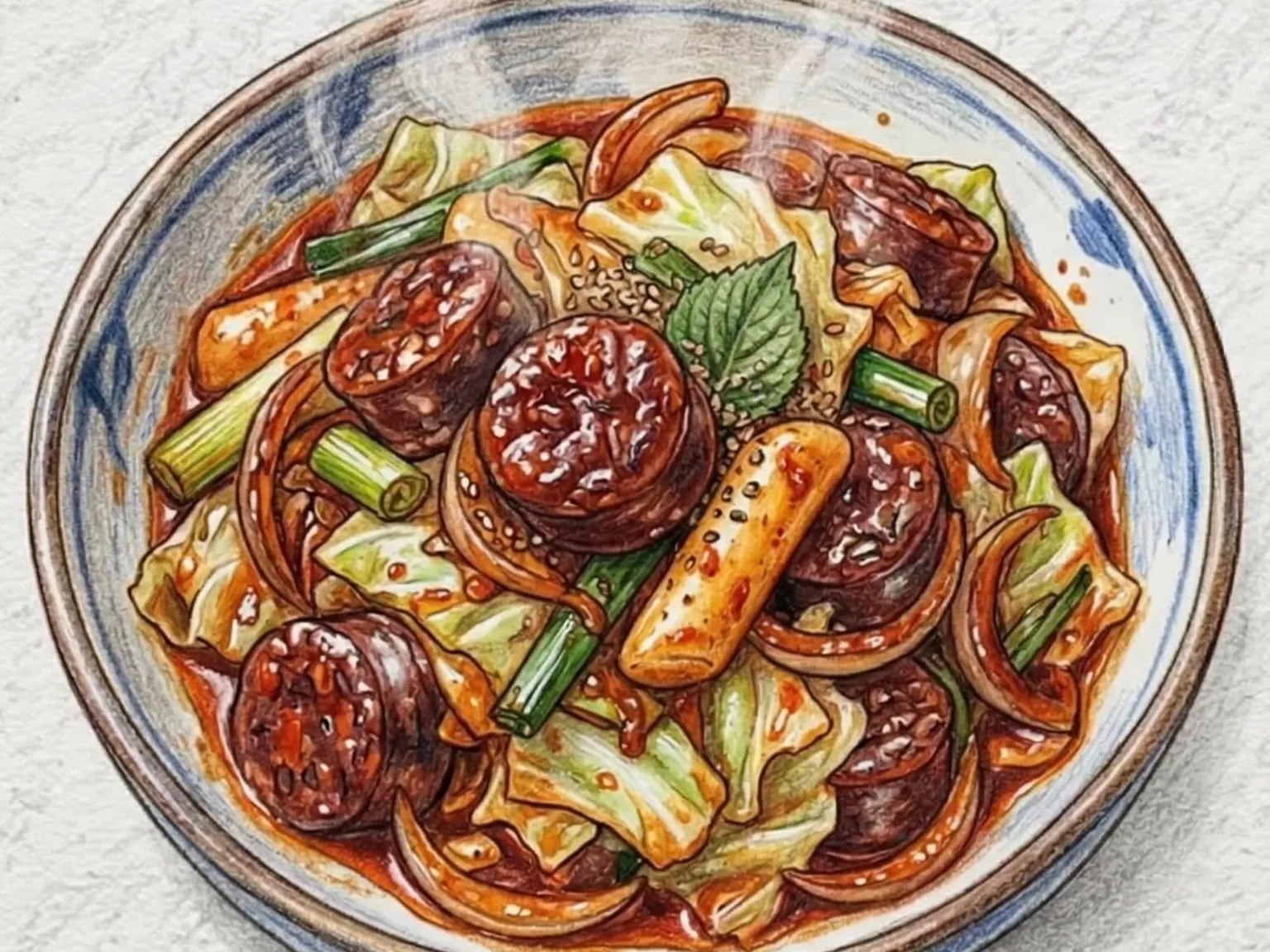
Sundae-bokkeum is a spicy Korean stir-fry of blood sausage with cabbage, onion, and green onion in a sauce made from gochujang, gochugaru, soy sauce, sugar, and garlic. High heat and a short cooking time are essential because prolonged stir-frying causes the sundae casing to burst and the filling to toughen, while the cabbage and onion release just enough moisture as they wilt to help the sauce coat every piece evenly. The seasoning stacks direct heat from gochujang, a gentler radiant warmth from gochugaru flakes, and sweetness from sugar into a multidimensional spicy-sweet profile. Green onion is held until the very last moment so its fragrance survives the heat; added earlier, the aroma disappears before the dish reaches the table. Adding tteokbokki rice cakes transforms the dish into the popular combo known as tteoksuni, and a layer of melted cheese on top rounds out the spice.

🍺 Bar Snacks🌙 Late Night
Prep 10minCook 15min2 servings
Osaka-Style Okonomiyaki (Japanese Savory Cabbage Pancake)
AsianEasy

Osaka-Style Okonomiyaki (Japanese Savory Cabbage Pancake)

Osaka-style okonomiyaki is the signature griddle dish of Japan's Kansai region - a thick, cabbage-loaded savory pancake whose name means 'grilled as you like it.' Finely shredded cabbage is folded into a batter of flour, eggs, and dashi stock, then poured onto a hot griddle with strips of pork belly laid across the top. The pancake cooks slowly on medium heat, developing a golden crust on each side while the interior stays moist from the cabbage. Once done, it receives thick okonomiyaki sauce, zigzags of Japanese mayonnaise, a shower of bonito flakes that dance in the rising heat, and a dusting of aonori seaweed powder.

🍺 Bar Snacks🎉 Special Occasion
Prep 15minCook 15min2 servings
Korean Vegetable Bibim Mandu
Street foodEasy

Korean Vegetable Bibim Mandu

Yachae-bibim-mandu combines pan-fried or air-fried dumplings with raw shredded cabbage, lettuce, and cucumber, all tossed in a tangy-spicy dressing of gochujang, vinegar, sugar, and sesame oil. Soaking the vegetables briefly in cold water and draining them well ensures maximum crispness, and tossing half the sauce with the greens first lets the seasoning penetrate evenly. The hot dumplings are placed on top just before serving so their fried shells stay intact against the moisture underneath. Drizzling the remaining sauce over everything ties the dish together with layers of crunch from the wrapper, snap from the vegetables, and a bright, vinegar-lifted heat from the dressing.

🧒 Kid-Friendly🌙 Late Night
Prep 18minCook 10min2 servings
Pad Woon Sen (Thai Stir-Fried Glass Noodles with Shrimp and Egg)
AsianEasy

Pad Woon Sen (Thai Stir-Fried Glass Noodles with Shrimp and Egg)

Pad woon sen is a Thai stir-fried glass noodle dish that comes together in minutes. The noodles, made from mung bean starch, turn translucent when soaked and have a springy, slippery texture that absorbs sauce without becoming mushy. Shrimp is cooked first until just pink, then vegetables - typically cabbage and carrot - are tossed in over high heat to keep their crunch. Eggs are scrambled to one side of the wok and folded into the noodles along with soy sauce and oyster sauce. The seasoning is deliberately simple, allowing the natural sweetness of the shrimp and the clean bite of the vegetables to come through.

🏠 Everyday🌙 Late Night
Prep 15minCook 12min2 servings
Korean Vegetable Dumplings
Street foodMedium

Korean Vegetable Dumplings

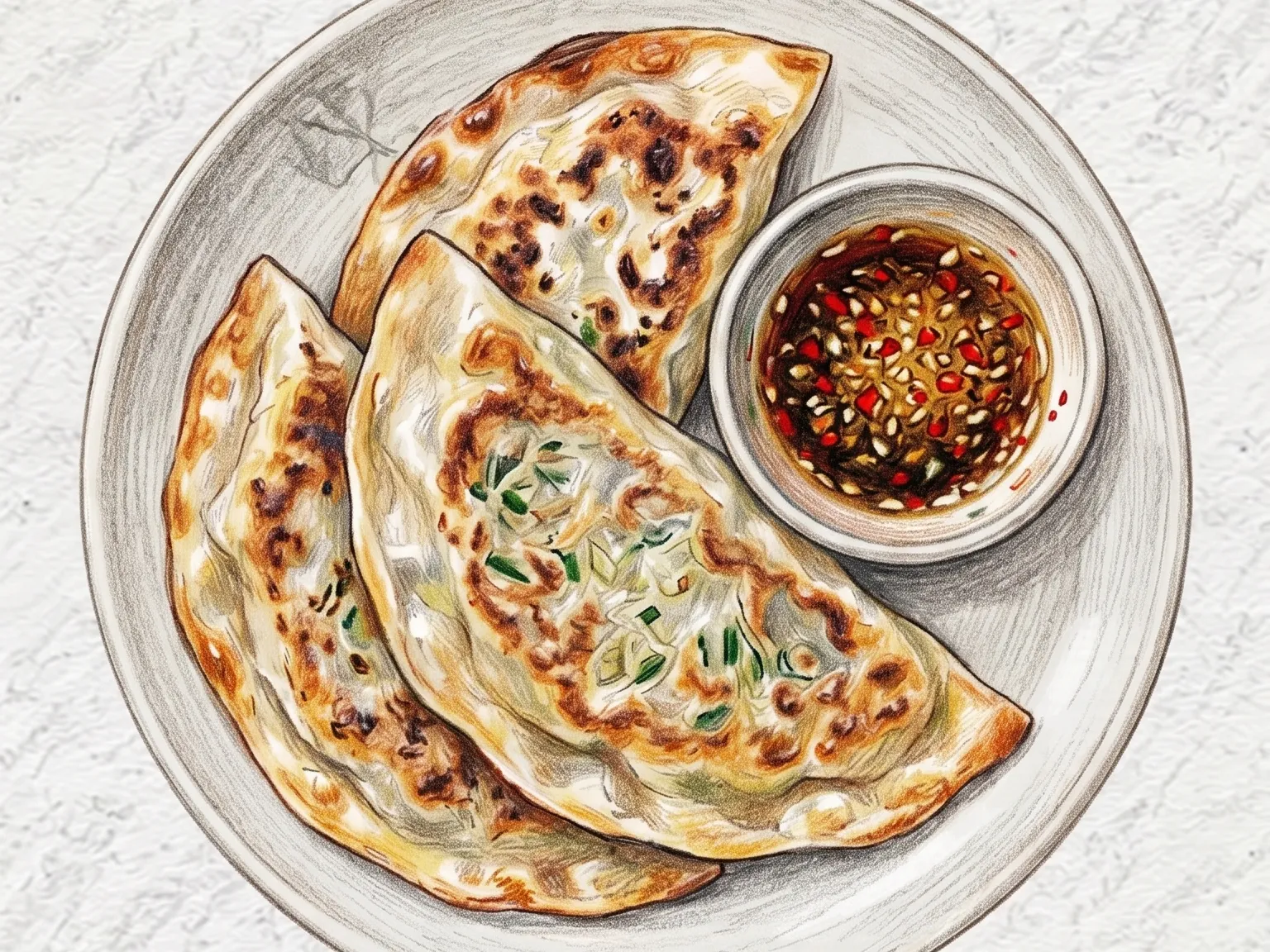
Yachae-mandu are Korean vegetable dumplings filled with finely chopped cabbage, garlic chives, rehydrated glass noodles, and crumbled firm tofu, seasoned with soy sauce, sesame oil, and minced garlic. Squeezing all moisture from the tofu through a clean cloth and salting the cabbage before pressing it dry are both essential steps that prevent the wrappers from bursting during cooking. The glass noodles, cut short before going into the filling, distribute a springy chew throughout each bite rather than clumping in one place. Garlic chives stand in for green onions and bring a pungent, grassy aroma that gives the filling its character without any meat. Pan-frying over medium heat creates a thin, golden crust along the bottom of each dumpling while the upper half stays soft and slightly moist, so every bite delivers a contrast between crisp and tender. Leaving enough border around the filling when sealing the edge prevents blowouts during cooking and keeps the shape intact through to the table.

🧒 Kid-Friendly🌙 Late Night
Prep 20minCook 12min2 servings
Pancit Bihon (Filipino Stir-Fried Rice Vermicelli with Chicken)
AsianEasy

Pancit Bihon (Filipino Stir-Fried Rice Vermicelli with Chicken)

Pancit bihon is the most widely eaten noodle dish in the Philippines, made with thin rice vermicelli stir-fried with meat, vegetables, and a savory soy-fish sauce seasoning. It holds a special place in Filipino culture as a celebration dish - no birthday party is complete without a large platter, symbolizing long life and good fortune. The technique involves boiling chicken to create a broth, then using that broth to cook the noodles in the wok so every strand absorbs savory depth. Shredded cabbage and julienned carrots provide crunch, while a squeeze of calamansi brightens the dish with a tart, floral acidity.

🏠 Everyday🎉 Special Occasion
Prep 20minCook 20min4 servings
Yakisoba Pan (Noodle Bread)
Street foodEasy

Yakisoba Pan (Noodle Bread)

A staple of Japanese street food culture, Yakisoba-pan combines a toasted, buttered hot dog bun with a filling of stir-fried egg noodles seasoned with yakisoba and soy sauce. Shredded cabbage, onions, and carrots start in the pan over high heat for exactly two minutes before the noodles are added. This timing ensures the vegetables remain crisp and provide a textural contrast to the soft noodles rather than becoming limp during the cooking process. As the yakisoba sauce hits the hot metal, it caramelizes quickly to wrap every noodle strand in a glossy, sweet-savory glaze. The act of spreading butter on the interior of the bun and giving it a quick toast serves a functional purpose beyond flavor. This butter layer acts as a moisture barrier, preventing the sauce from soaking into the bread and keeping the bun from turning soggy as it sits. The subtle richness of the butter bridges the gap between the savory noodle filling and the soft crumb of the bun. Sprinkling dried parsley over the top introduces a mild herbal scent that balances the heavy, concentrated sauce. For a burst of acidity, a small amount of beni shoga pickled ginger is tucked into the noodles to cleanse the palate. Spreading a layer of Japanese mayonnaise inside the bun alongside the butter creates an additional creamy texture. Softening the noodles in hot water before they hit the pan prevents clumping and allows for easier separation during the stir-frying stage.

🧒 Kid-Friendly
Prep 12minCook 10min2 servings
Japanese Stir-Fried Noodles (Yakisoba)
AsianEasy

Japanese Stir-Fried Noodles (Yakisoba)

Yakisoba is a Japanese stir-fried noodle dish found everywhere from festival stalls to home kitchens. Wheat noodles are tossed on a hot griddle with thinly sliced pork, shredded cabbage, onion, and carrot, then coated in a thick, Worcestershire-based yakisoba sauce that gives the noodles their signature dark glaze and sweet-savory depth. The high heat chars the edges of the vegetables while keeping them crisp, and the noodles pick up slightly caramelized spots where they press against the cooking surface. Bonito flakes scattered on top dance in the rising steam, releasing a smoky, oceanic aroma. Additional garnishes like aonori seaweed powder and pickled red ginger add color and sharpness.

🏠 Everyday🌙 Late Night
Prep 15minCook 12min2 servings
Korean Spicy Bellflower Root Chewy Noodles
NoodlesMedium

Korean Spicy Bellflower Root Chewy Noodles

Deodeok gochujang jjolmyeon is a spicy noodle dish that pairs the aromatic bitterness of bellflower root with gochujang-dressed chewy jjolmyeon noodles. Lightly pounding the peeled deodeok against a cutting board loosens its fibrous texture, releasing its distinctive herbal scent and making each piece more receptive to seasoning. A brief salt cure draws out moisture and dials down the bitterness, allowing the sauce to penetrate more effectively into the root. The sauce blends gochujang with vinegar and oligosaccharide syrup, balancing heat with a clean tangy edge and gentle sweetness that complements the root's inherent character without masking it. Julienned cabbage, carrot, and cucumber supply a crisp, refreshing layer between the dense noodles and the fibrous deodeok. All ingredients should be combined just before eating to preserve the crunch of the vegetables.

🥗 Light & Healthy
Prep 18minCook 8min2 servings
Korean Ginger Chicken Breast Stir-fry
Stir-fryEasy

Korean Ginger Chicken Breast Stir-fry

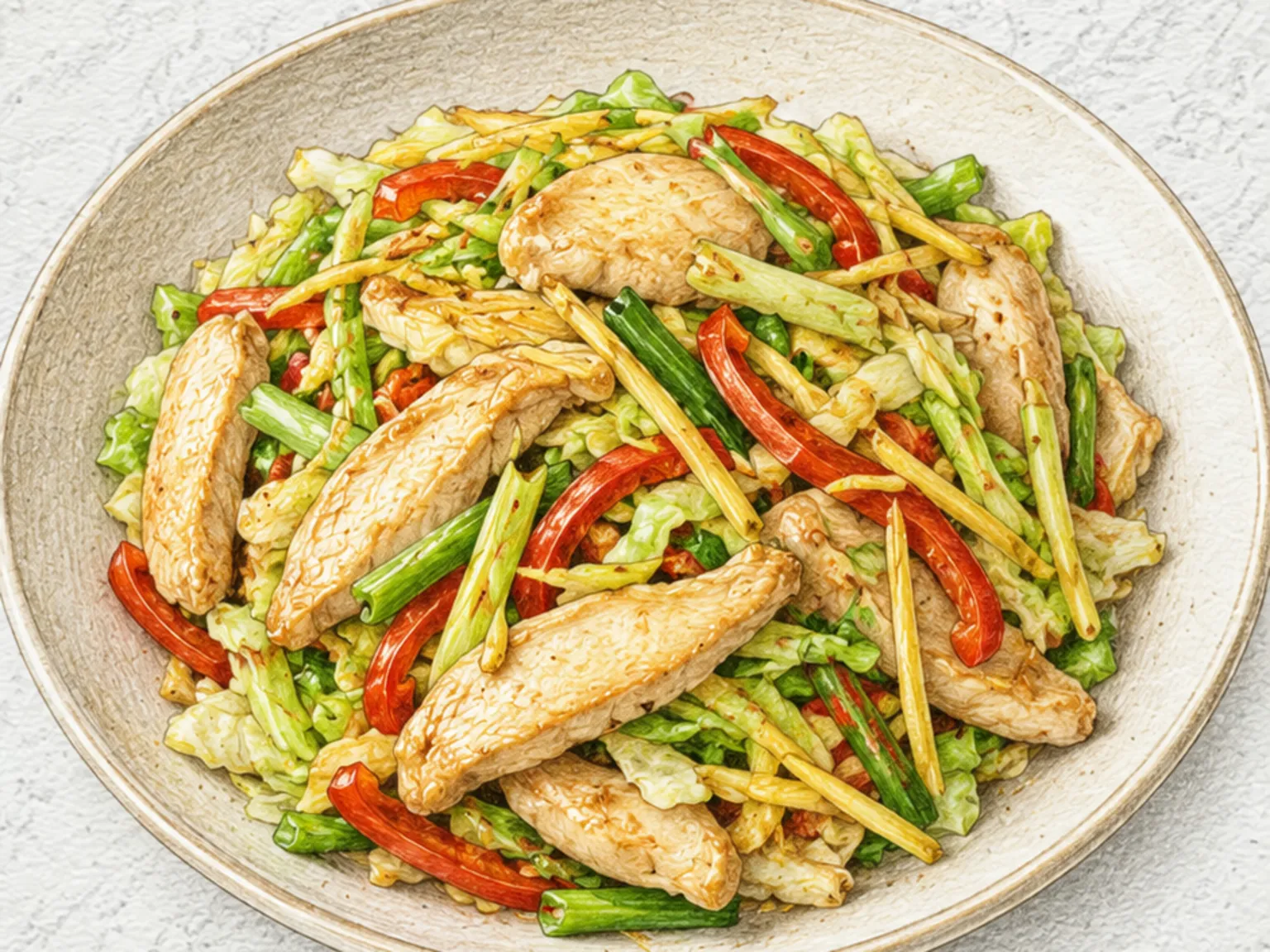
Saenggang dakgaseumsal-bokkeum stir-fries marinated chicken breast with julienned fresh ginger, cabbage, bell pepper, and green onion over high heat. The chicken is briefly seasoned with soy sauce, garlic, and black pepper, then seared in a pan where ginger and scallion have already bloomed their aroma. Vegetables go in last to keep their crunch, and a touch of honey rounds out the seasoning. The result is a lean, aromatic stir-fry where ginger's sharp warmth permeates every piece of chicken without heaviness.

🥗 Light & Healthy🏠 Everyday
Prep 12minCook 10min2 servings
Korean Blood Sausage Perilla Stew
StewsMedium

Korean Blood Sausage Perilla Stew

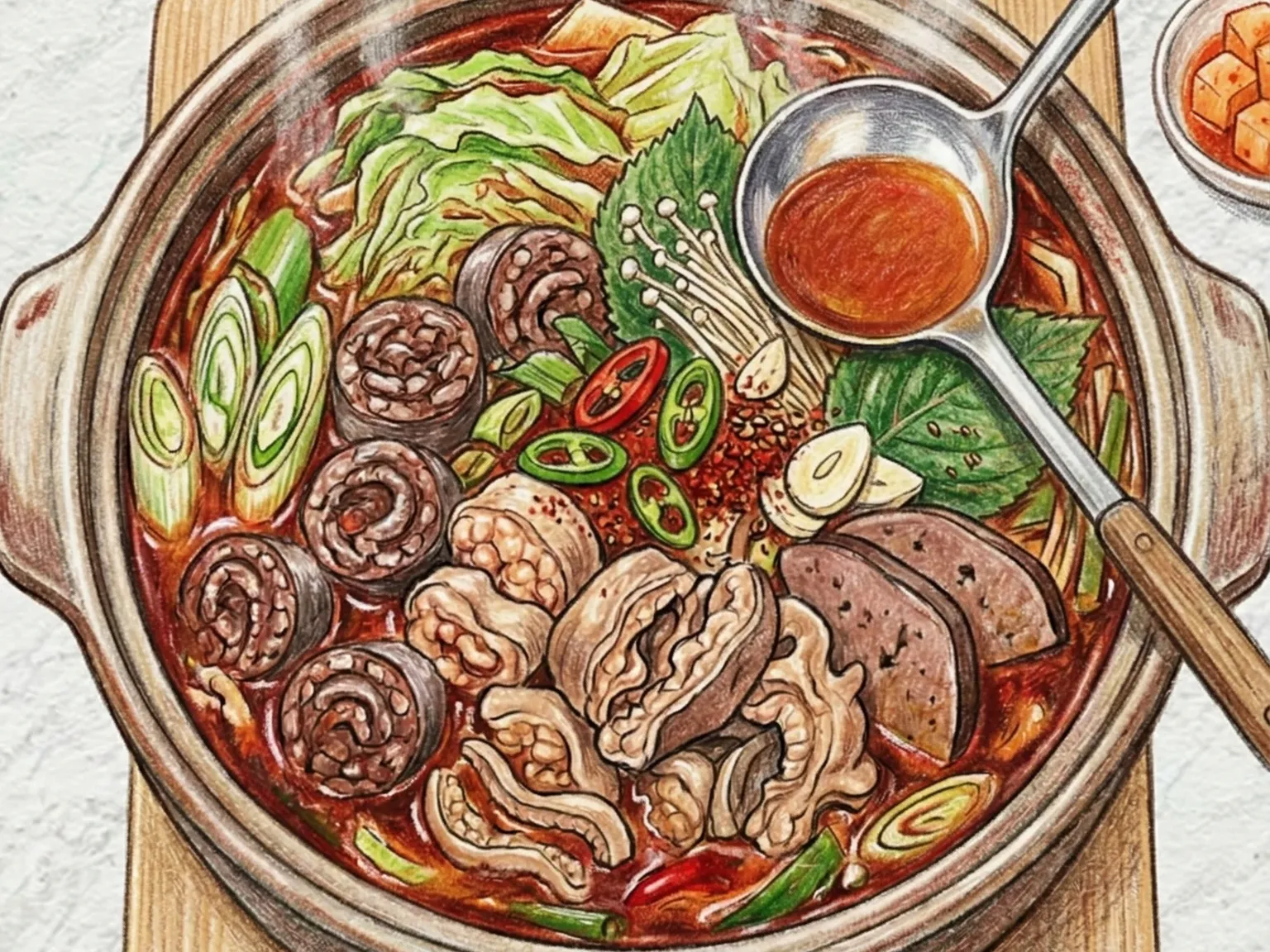
Perilla seed powder transforms beef bone broth into a thick, nutty liquid that serves as the foundation for this particular type of Korean stew. The main component, sundae, uses pork intestine as a casing to hold a mixture of glass noodles, glutinous rice, and vegetables, resulting in a chewy exterior and a multi-layered interior structure. This texture provides a different eating experience compared to stews that rely on standard cuts of meat. The oily characteristics of the ground seeds interact with the sausage filling to create a savory profile that stands apart from more common jjigae varieties. Pieces of cabbage maintain their firm texture throughout the simmering process, adding volume and a clean element that balances the heavy base. Just before the pot leaves the stove, fresh perilla leaves are added to introduce a grassy scent into the fatty broth, which helps manage the overall richness. A single spoonful of gochugaru provides enough heat to sharpen the nutty qualities of the perilla without overpowering the savory elements. Because the sausage casing can burst if boiled for too long, the pieces are only heated briefly at the very end of the cooking process. Serving the stew in a heavy stone pot ensures that the liquid remains at a boiling temperature for the duration of the meal.

🏠 Everyday
Prep 18minCook 22min4 servings
Korean Spicy Stir-fried Squid
Stir-fryMedium

Korean Spicy Stir-fried Squid

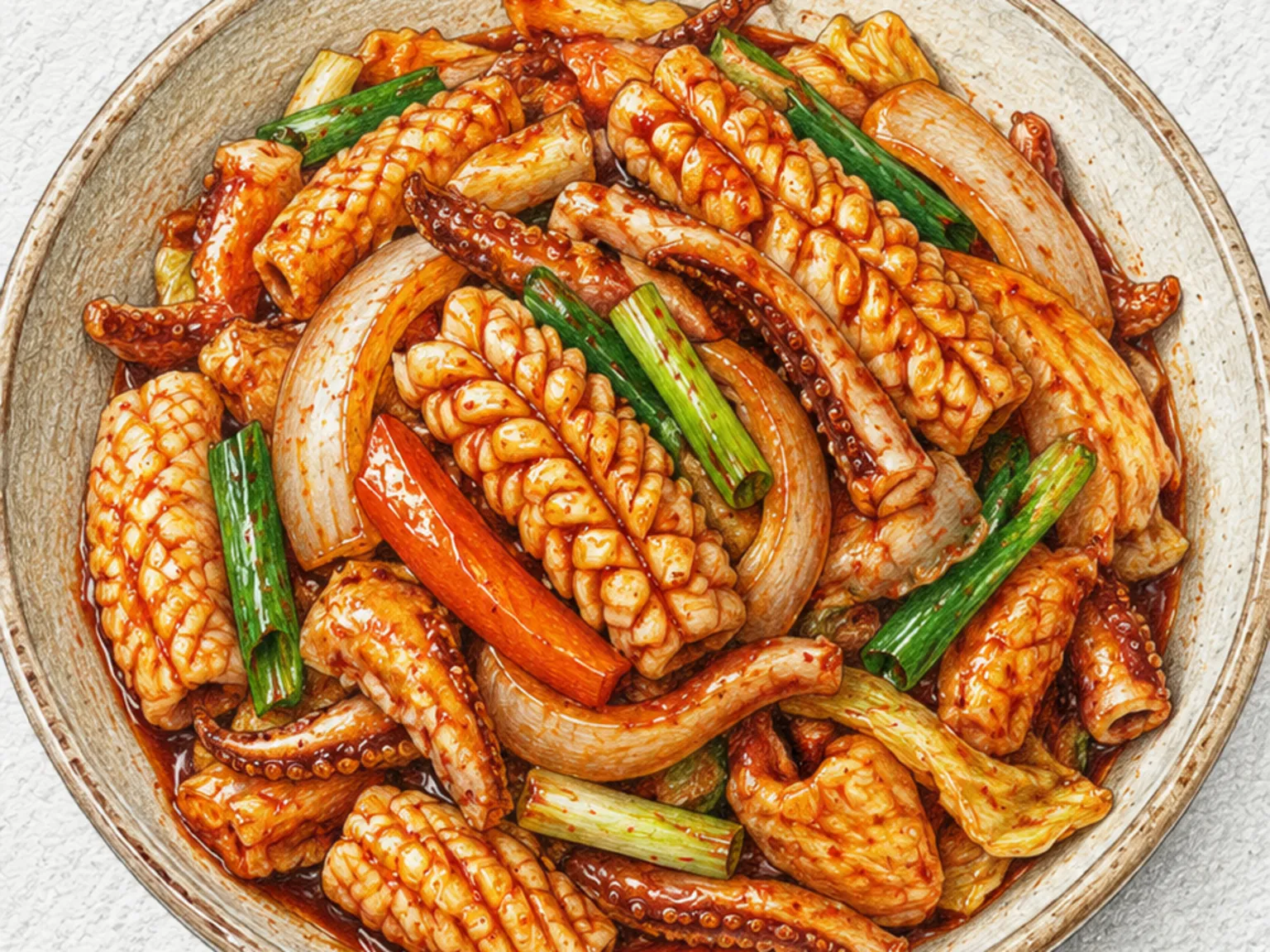
Ojingeo-bokkeum is one of Korea's most popular spicy stir-fries, featuring scored squid bodies and tentacles tossed over high heat with onion, carrot, cabbage, and scallion in a gochujang-gochugaru-soy-sugar sauce. Crosshatch scoring on the squid allows the thick, spicy sauce to penetrate deeply, ensuring consistent flavor in every bite. The entire stir-fry takes only a few minutes on maximum heat - essential for keeping the squid springy rather than rubbery. Cabbage and carrot go in near the end to retain their crunch, and a final sesame oil drizzle ties the smoky wok char to the bold red seasoning.

🏠 Everyday🍱 Lunchbox
Prep 15minCook 10min2 servings
Tonkatsu Korean Style (Panko-Breaded Pork Cutlet with Sweet Sauce)
Street foodEasy

Tonkatsu Korean Style (Panko-Breaded Pork Cutlet with Sweet Sauce)

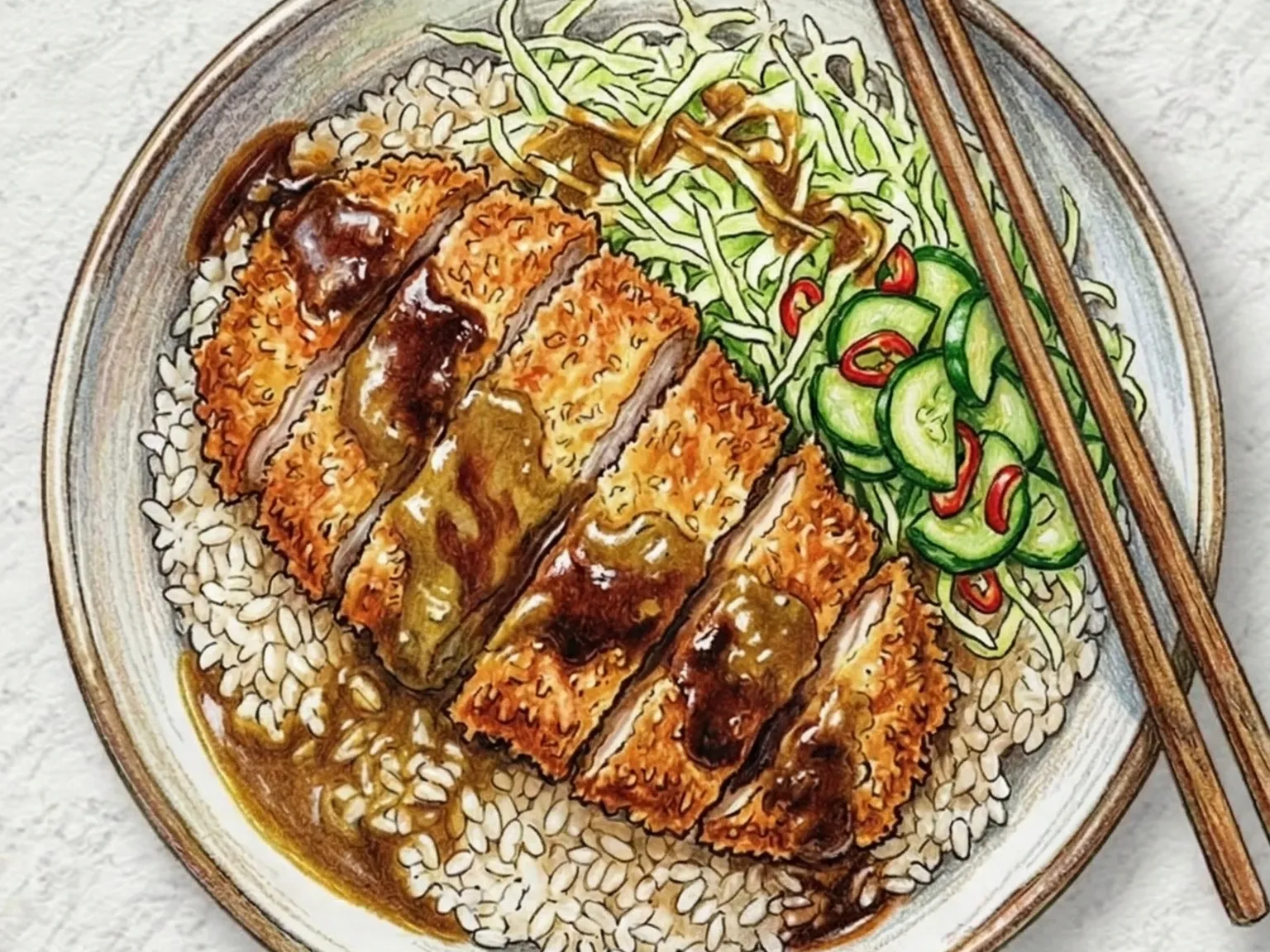
Donkatsu is Korean-style breaded pork cutlet, made by dredging pork loin through flour, egg, and panko breadcrumbs in sequence before deep-frying in hot oil. Pounding the loin with a meat mallet to an even thickness ensures uniform heat transfer so the interior cooks through while staying moist, and the panko shell turns golden and audibly crunchy. Korean donkatsu sauce blends ketchup, Worcestershire sauce, and sugar into a sweet-salty condiment that is noticeably sweeter than Japanese tonkatsu's demi-glace-based sauce. Shredded raw cabbage served alongside provides a crisp, refreshing contrast to the fried cutlet and cuts through the richness. In Korean bunsik restaurants, donkatsu typically arrives as a set with rice and soup.

🧒 Kid-Friendly🌙 Late Night
Prep 20minCook 15min2 servings