Recipes with glutinous rice

31 recipes. Page 1 of 2

Buy glutinous rice

As an Amazon Associate, we may earn from qualifying purchases.

Iiyachi (Glutinous Rice, Millet, and Azuki Cakes)
Rice Hard

Iiyachi (Glutinous Rice, Millet, and Azuki Cakes)

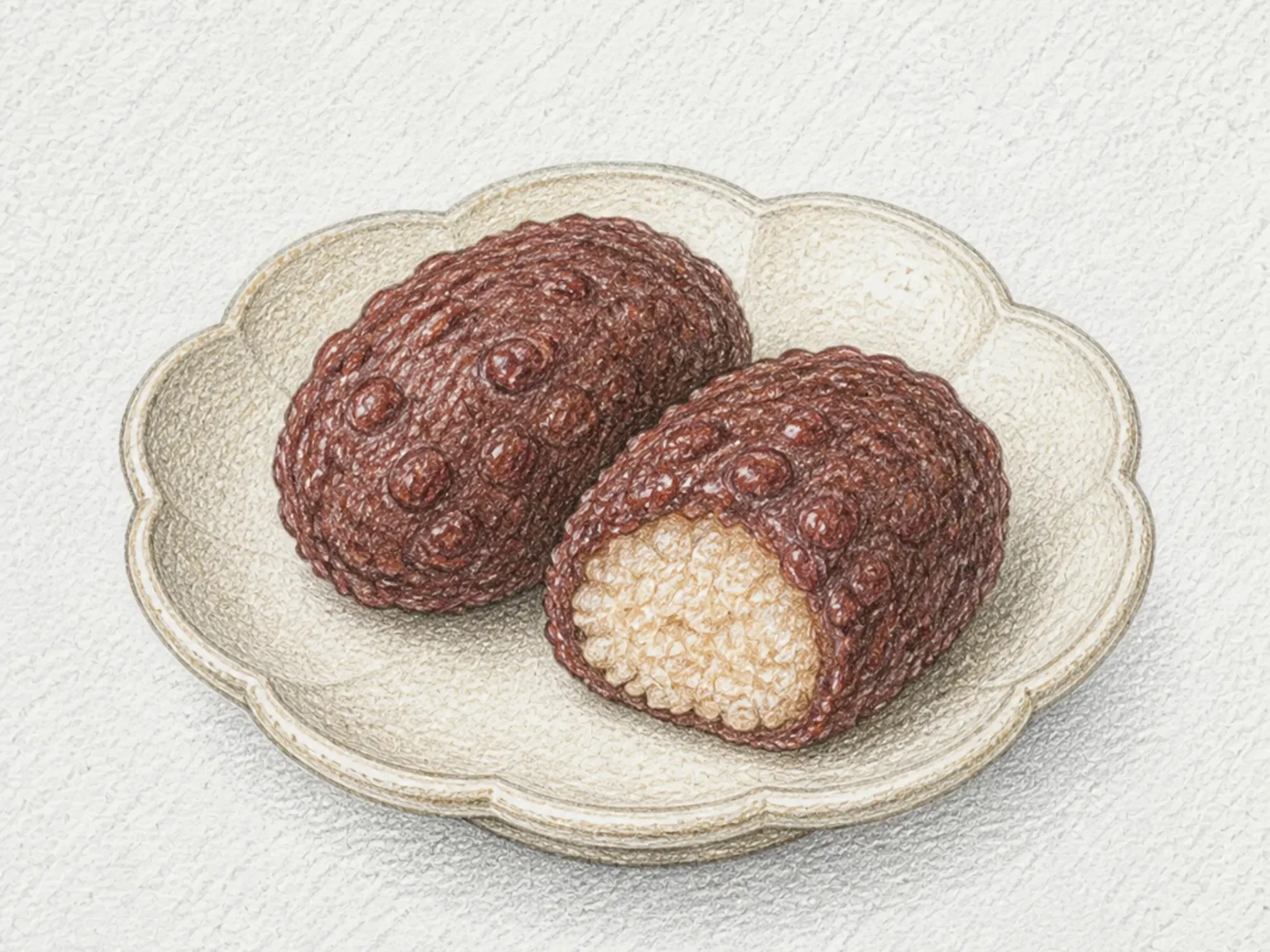
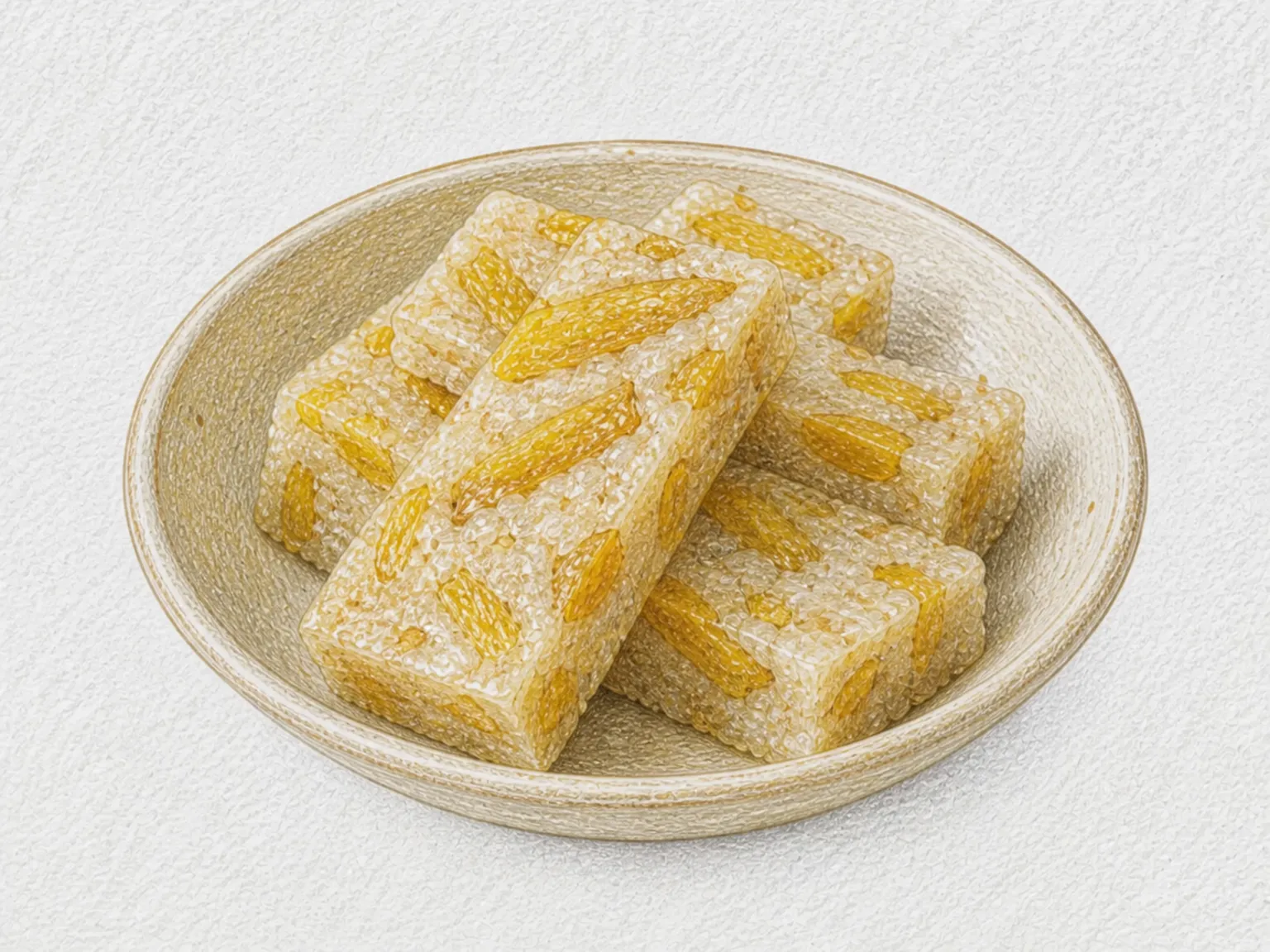
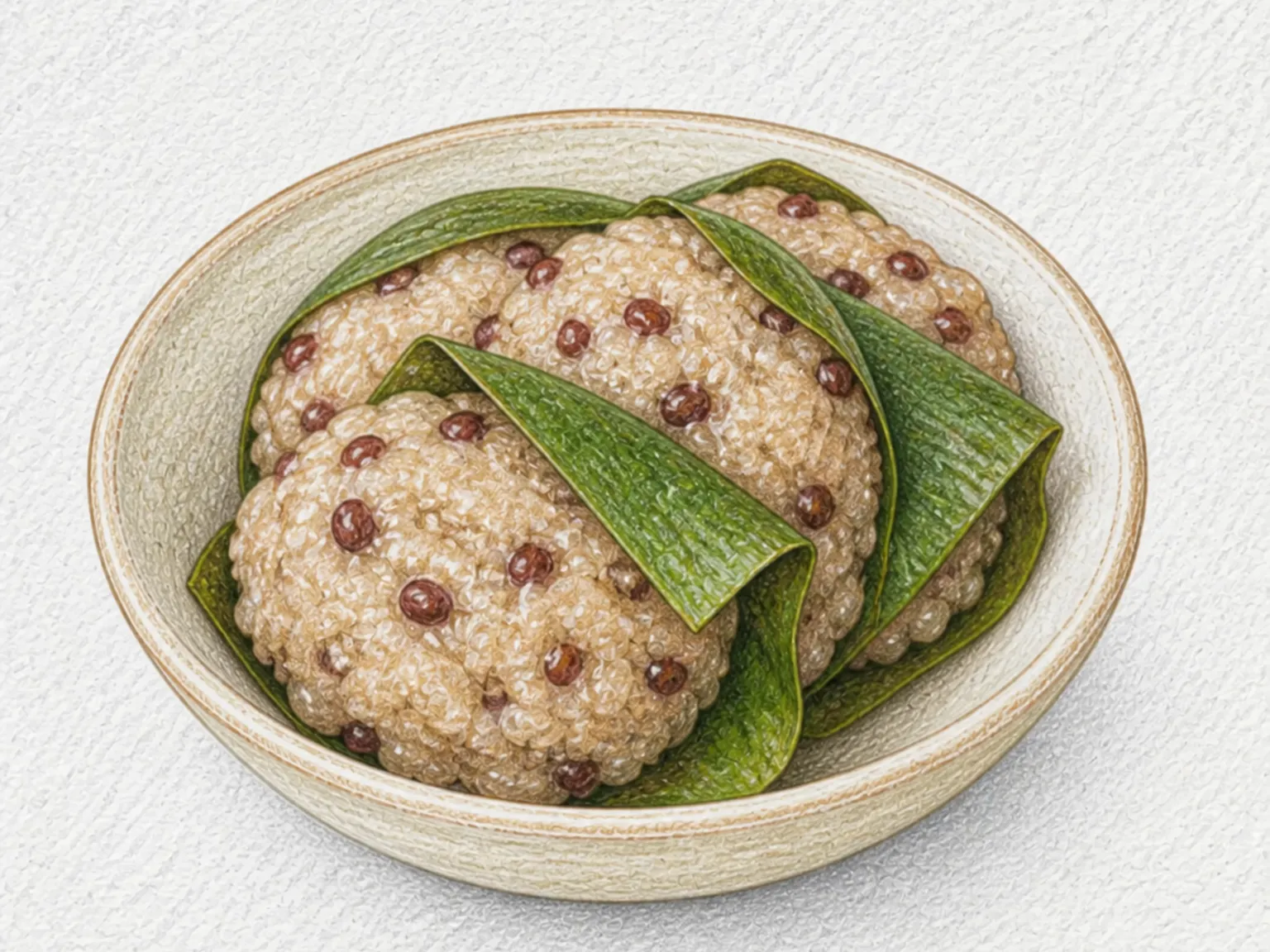
Glutinous rice, sticky millet, and azuki beans are boiled together, then worked with a wooden paddle while still hot until some grains break and the mass holds together without any sugar. On Taketomi Island in Okinawa, these cakes were prepared ahead for the Tanedori festival. Each round is wrapped in a bashō leaf, a relative of the banana leaf, and steamed, which perfumes the cake. Expect a grainy bite, with whole beans and millet still visible.

Prep 260min Cook 55min 8 servings
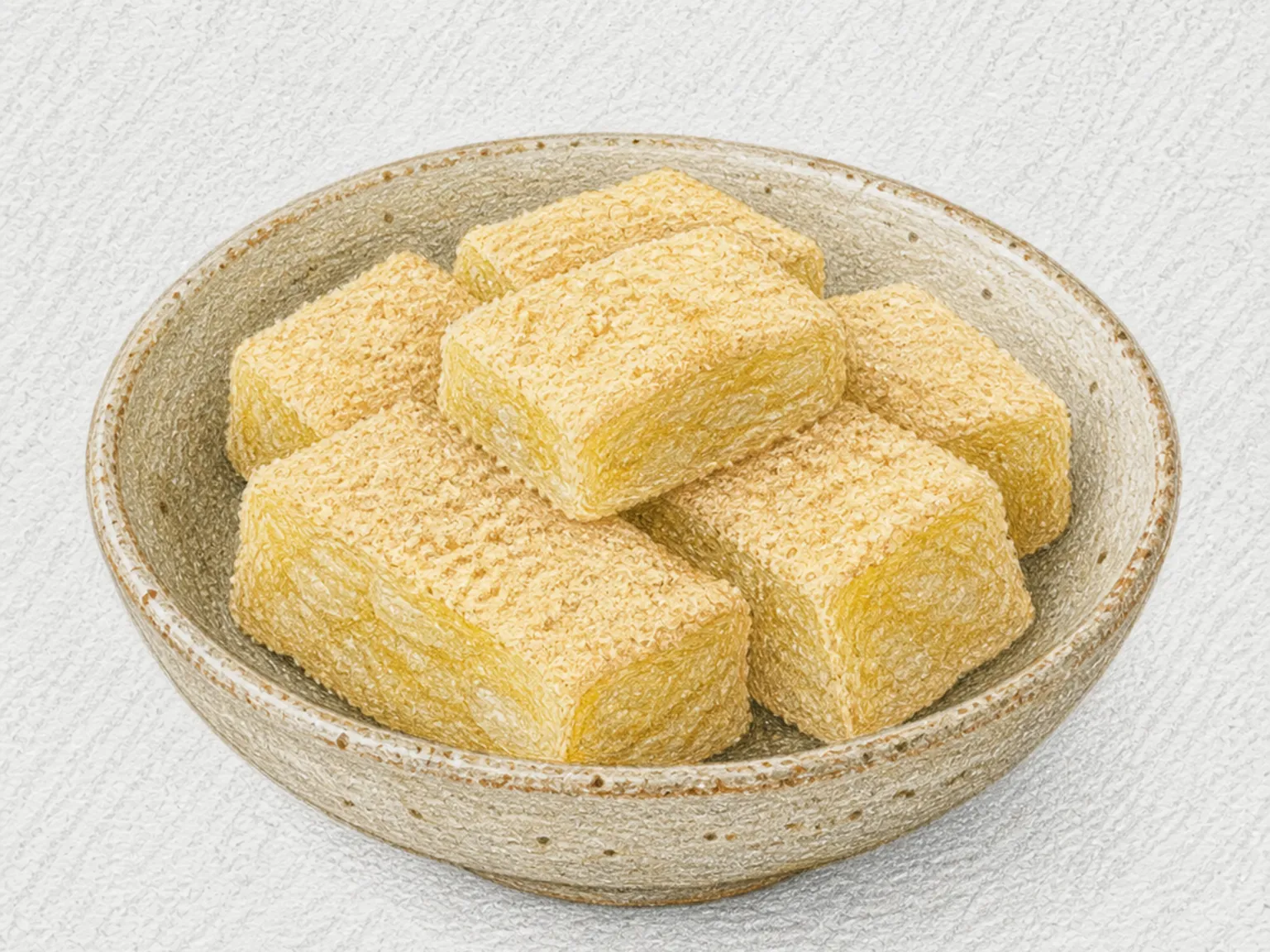
Akaneko (Wheat and Glutinous Rice Mochi)
Desserts Medium

Akaneko (Wheat and Glutinous Rice Mochi)

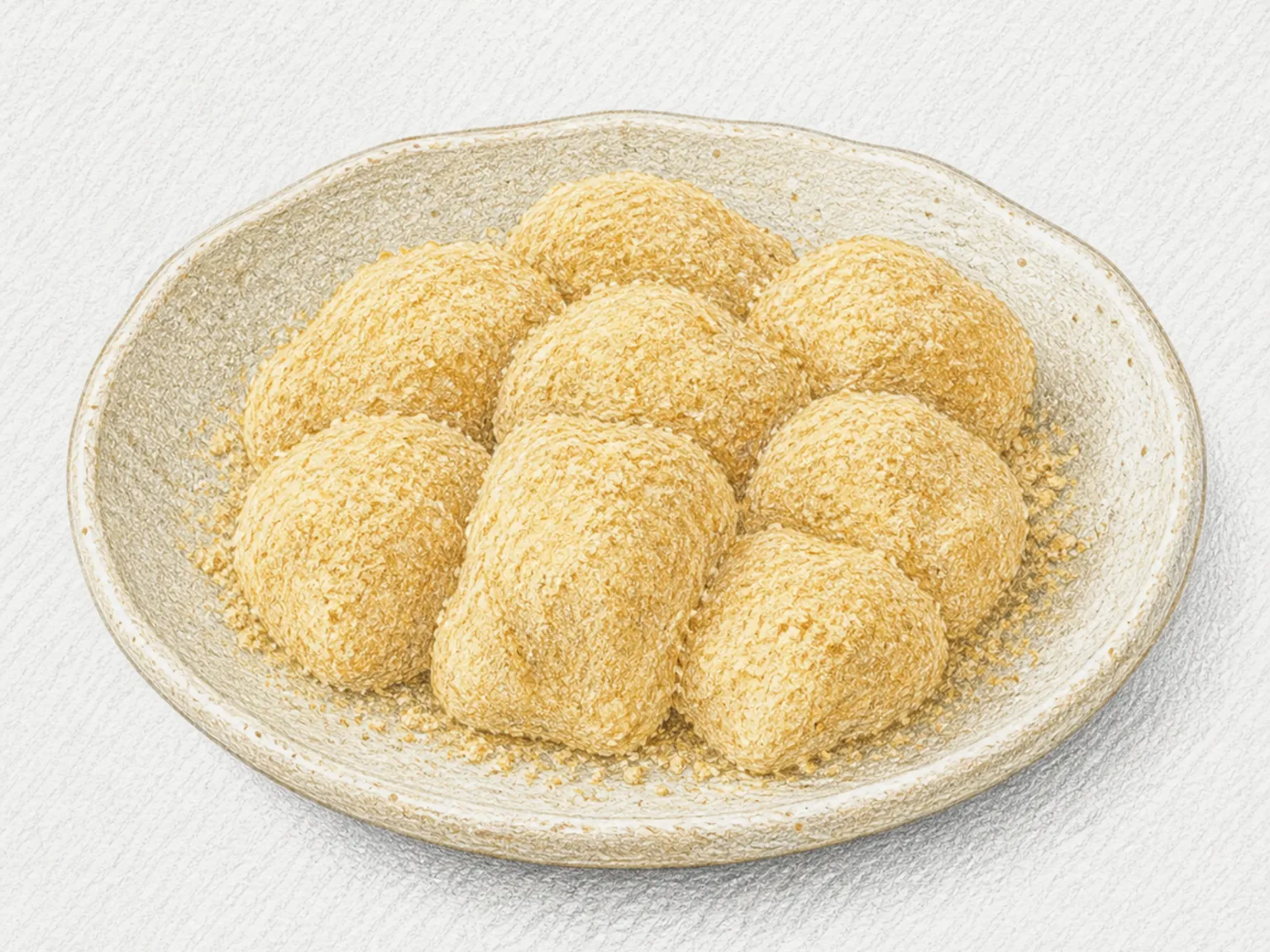
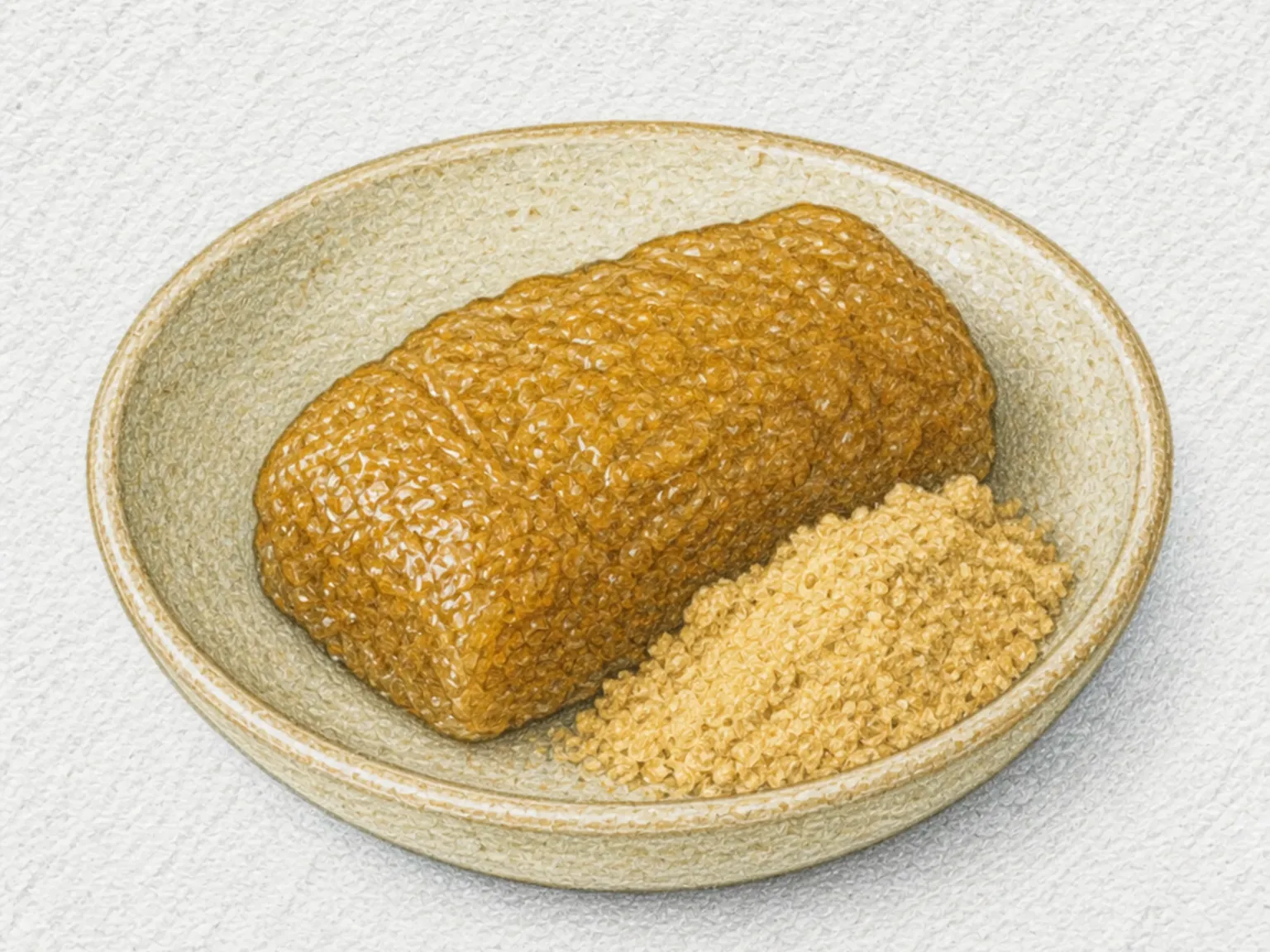
Pull a piece and it breaks off cleanly instead of stretching the way all-rice mochi does. That is the wheat at work: a soft flour dough steams in the same basket as the glutinous rice, and the two are pounded together while hot. In the Nakakawachi and Minamikawachi areas of Osaka it was made around Hangesho, once rice planting was done, to give thanks and pray for a good harvest, and it is rolled in sugared kinako.

Prep 50min Cook 40min 4 servings
Korean Baekseju Herbal Rice Wine
Drinks Medium

Korean Baekseju Herbal Rice Wine

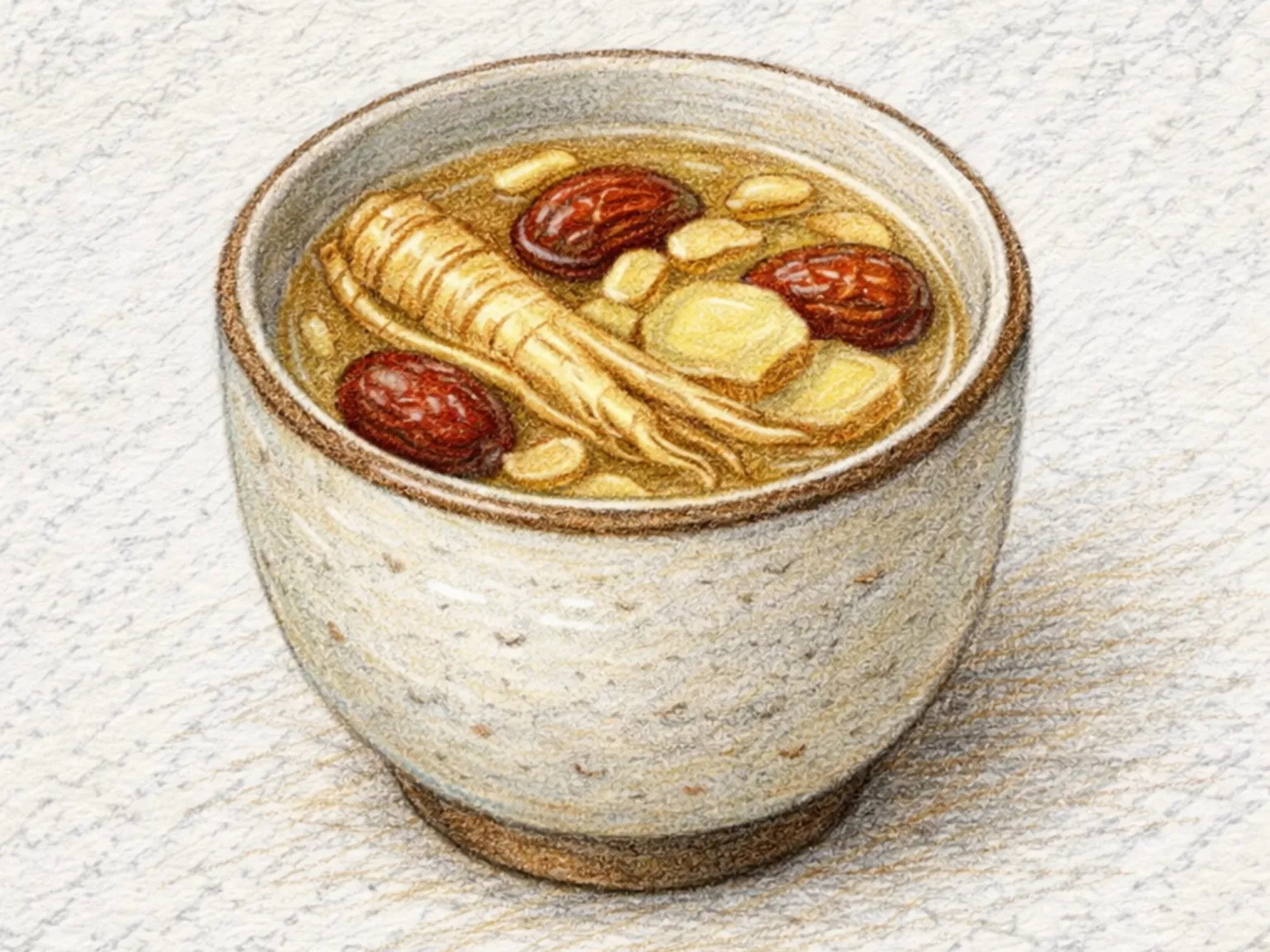
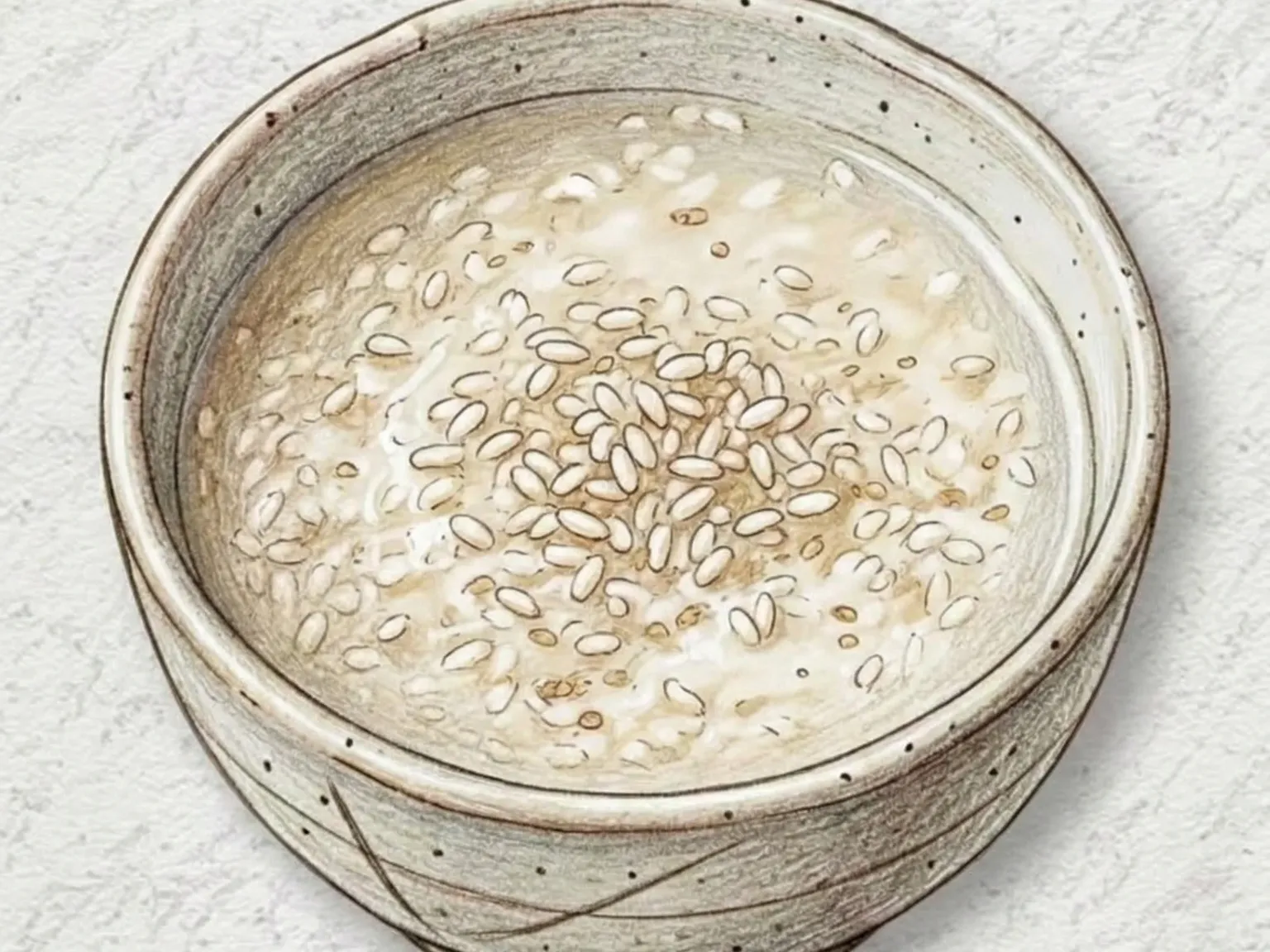
This is not a copy of Kooksoondang's Baekseju but a homemade rice wine of glutinous rice and Korean nuruk with fresh ginseng, jujubes and ginger. Whether fermentation is done is judged less by the day count than by the bubbling dropping off noticeably and the liquid separating into layers. Live yeast remains even in the strained wine and would ferment honey stirred into it, so honey goes only into each glass at serving.

At least 7 days 3 hr 20 min 4 servings
Nasu no Hana-zushi
Kimchi Hard

Nasu no Hana-zushi

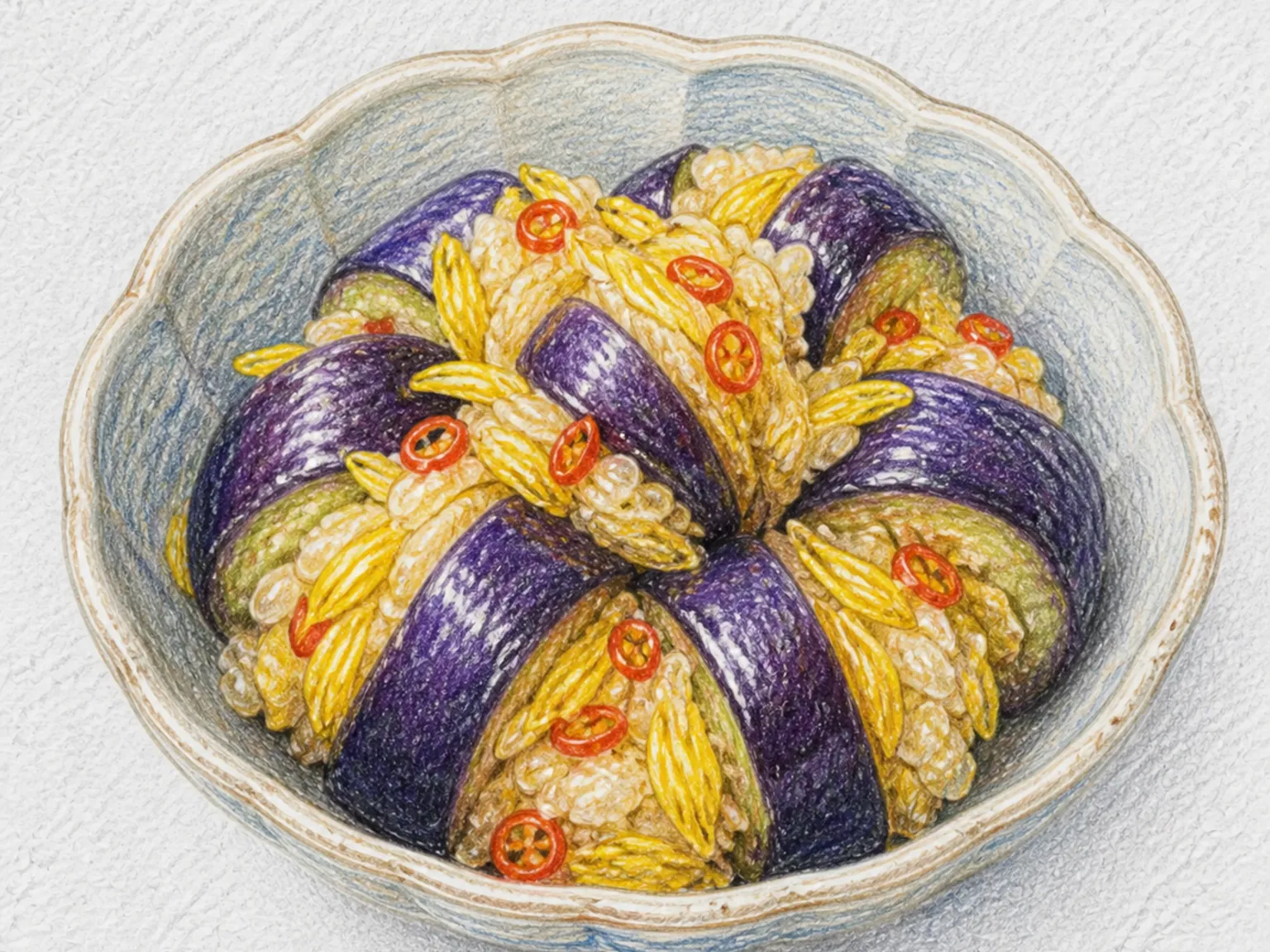
Halved eggplants layered with sweetened sticky rice, yellow chrysanthemum petals and sliced red chili show stripes of yellow and red when cut. In southern Akita it has long been set out at New Year and on celebration tables, and it is called sushi because the pickle is built on rice, not fish. Sugar, salt and sake are mixed into the rice, which becomes the pickling bed: the eggplant comes out more sweet than salty, with soft rice clinging to it. Alum, chrysanthemum and bamboo leaves all have to be food-grade, with no decorative flowers or unidentified leaves. The container stays at 4°C the whole time, and any mold or rotten smell means it is not eaten.

Prep 60min Cook 35min 12 servings
Kakimochi (Dried and Fried Rice-Cake Crackers)
Rice Hard

Kakimochi (Dried and Fried Rice-Cake Crackers)

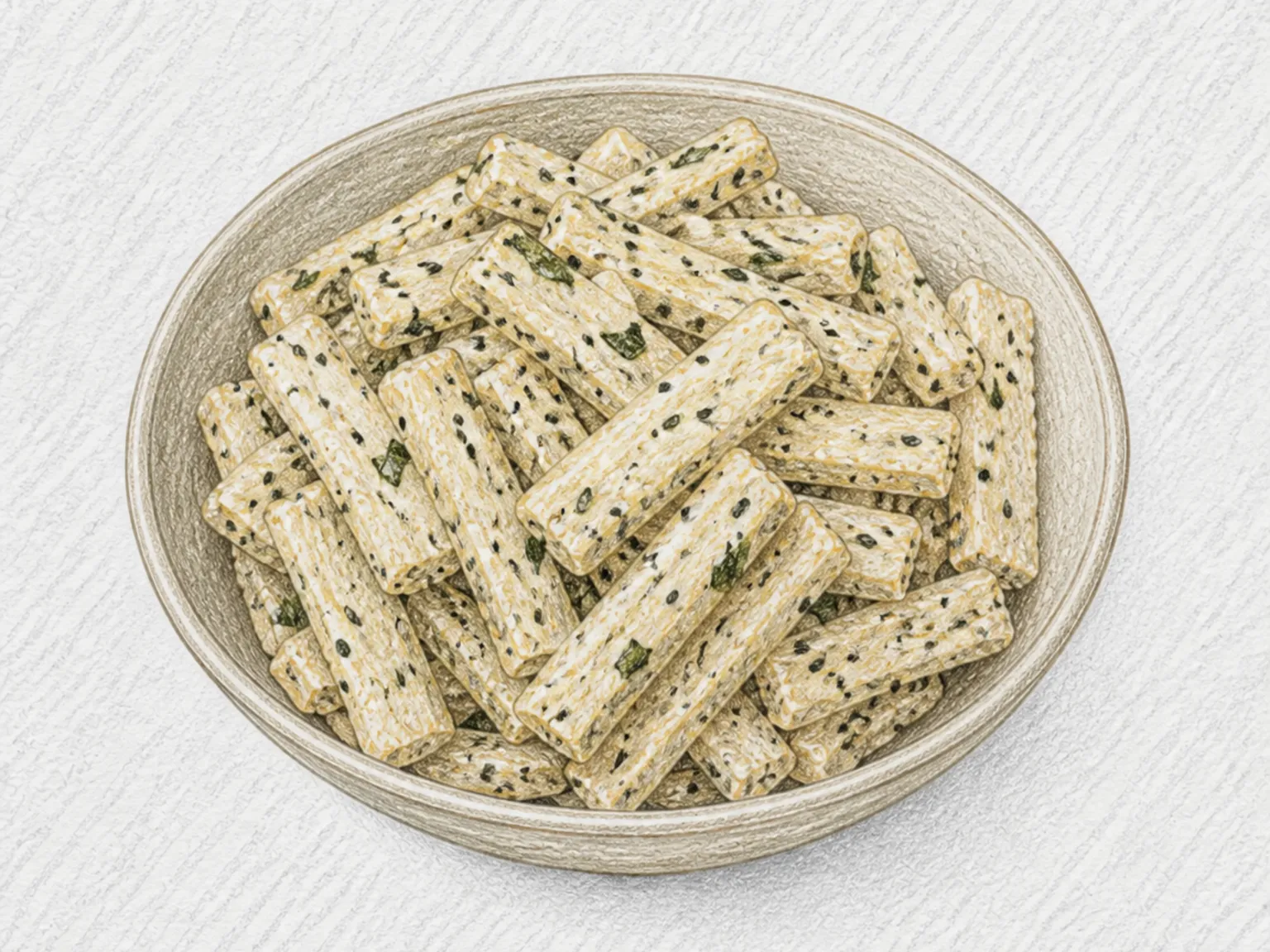
Pounded glutinous rice studded with grated taro, black sesame, and torn nori is sliced thin, air-dried for about two weeks, and only then fried. In oil that is not too hot, each dry slice puffs up into a light, crisp cracker. The rice has to be pounded longer than for ordinary mochi, until no grains show, or the thin slices crumble at the edges. Before frying, a test piece should snap with no damp layer at its center, and any piece with a mold spot or musty smell is thrown out along with its neighbors. A cool, dry, well-ventilated spot is needed before starting, because the drying takes weeks.

Prep 23730min Cook 90min 80 servings
Samgyetang (Korean Ginseng Chicken Soup)
Soups Medium

Samgyetang (Korean Ginseng Chicken Soup)

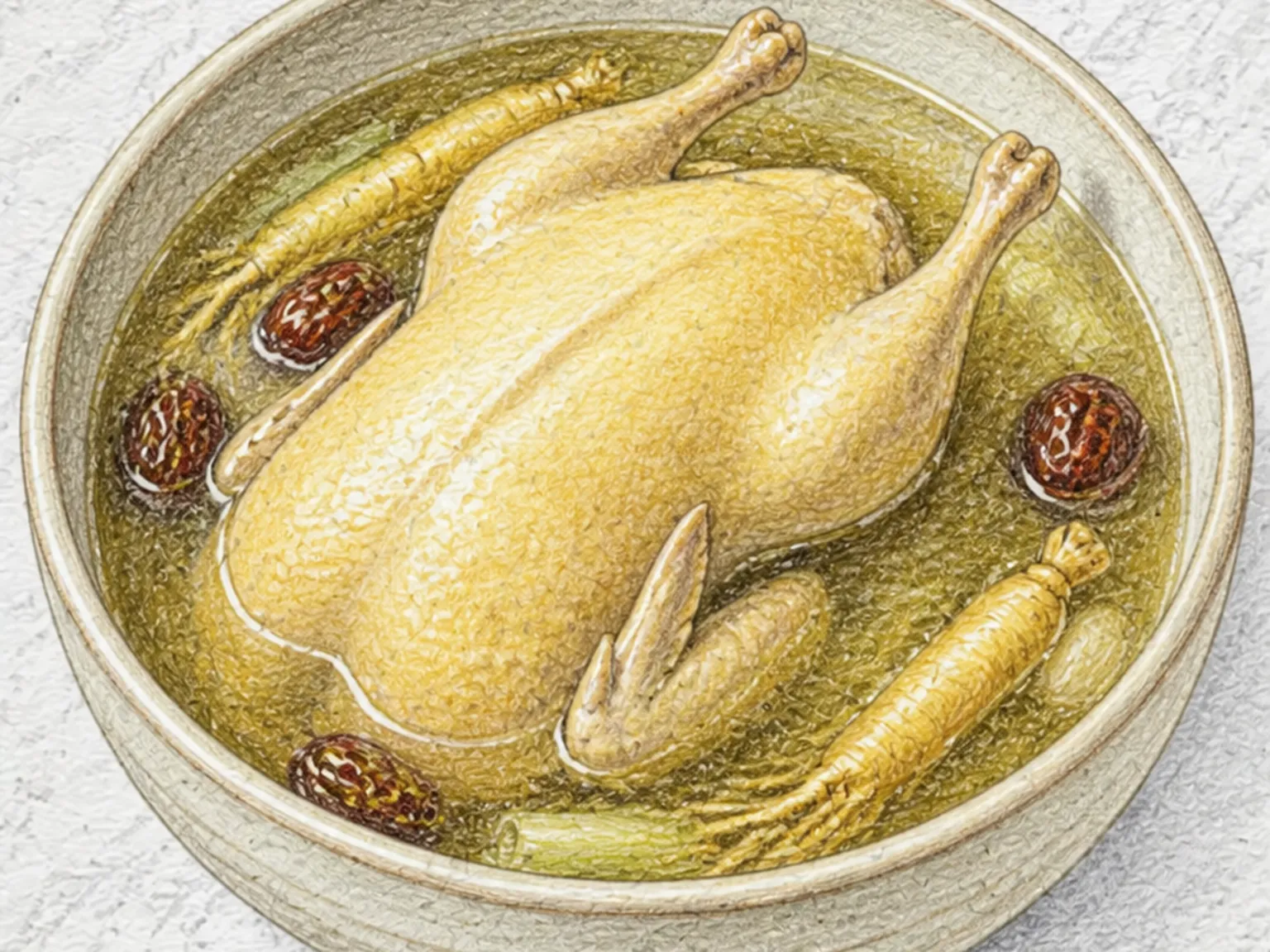
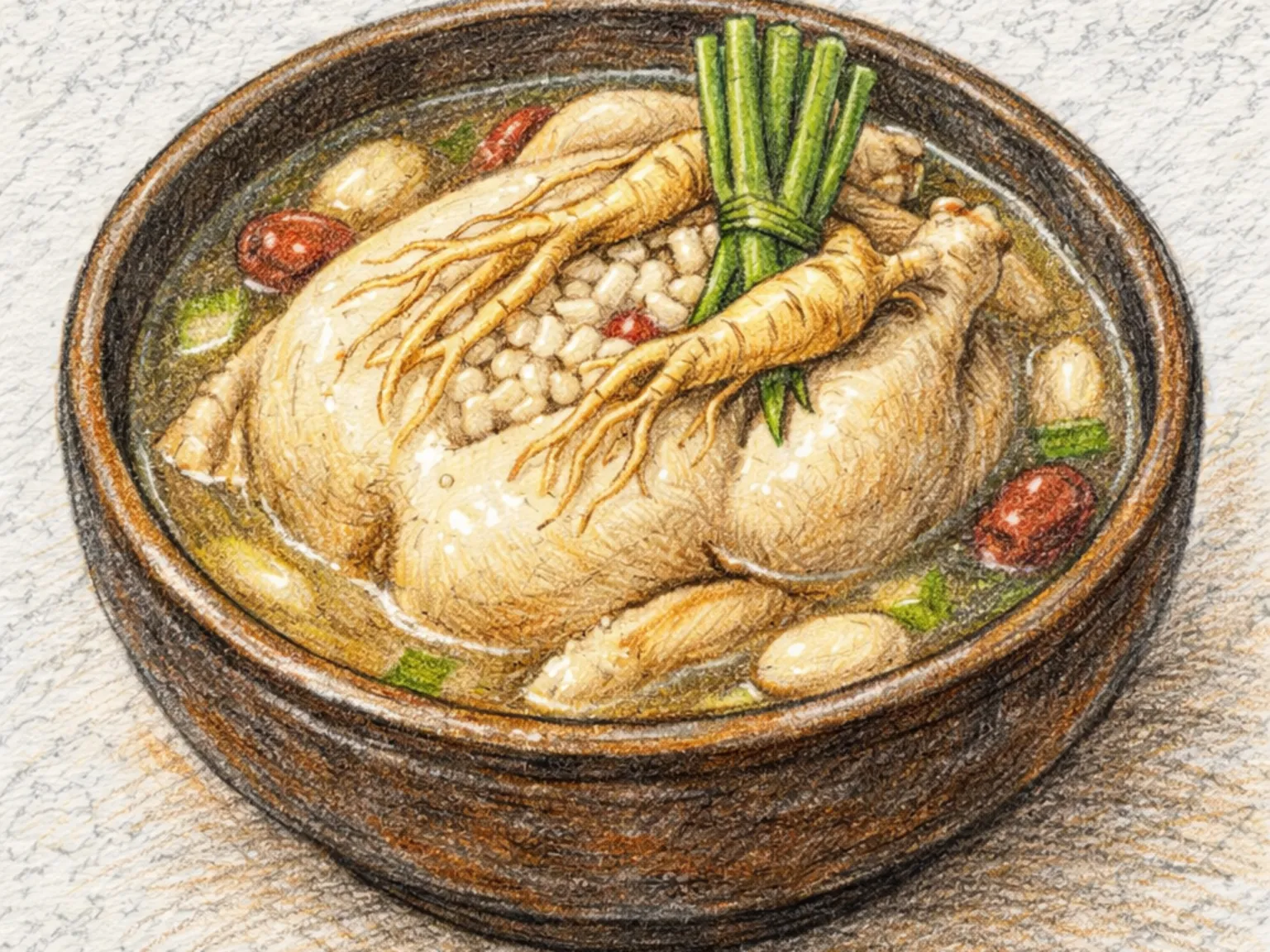
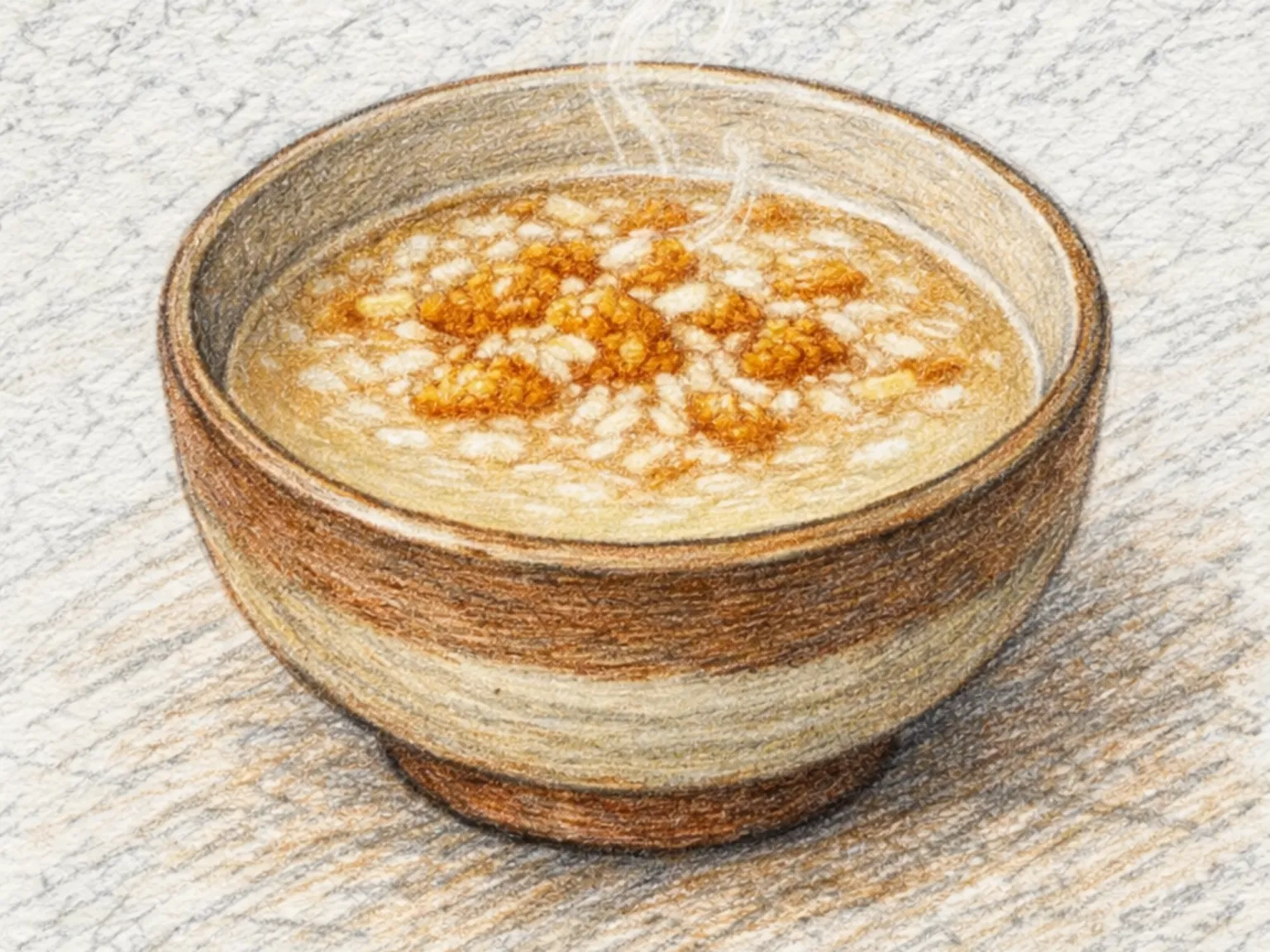
Each small hen is stuffed with soaked glutinous rice, fresh ginseng, jujubes, and garlic, and as it simmers the rice releases starch that gives the broth a soft, nutty body. Soak the rice at least 30 minutes so it cooks through inside the bird, and leave room for it to swell. A loose leg joint signals the hen is nearly there, but the thickest thigh meat and the rice in the cavity each need their own look. Salt is served on the side for dipping rather than added to the pot.

🏠 Everyday
Prep 30min Cook 90min 2 servings
Sushiko (Lactic-Fermented Glutinous Rice and Vegetables)
Kimchi Hard

Sushiko (Lactic-Fermented Glutinous Rice and Vegetables)

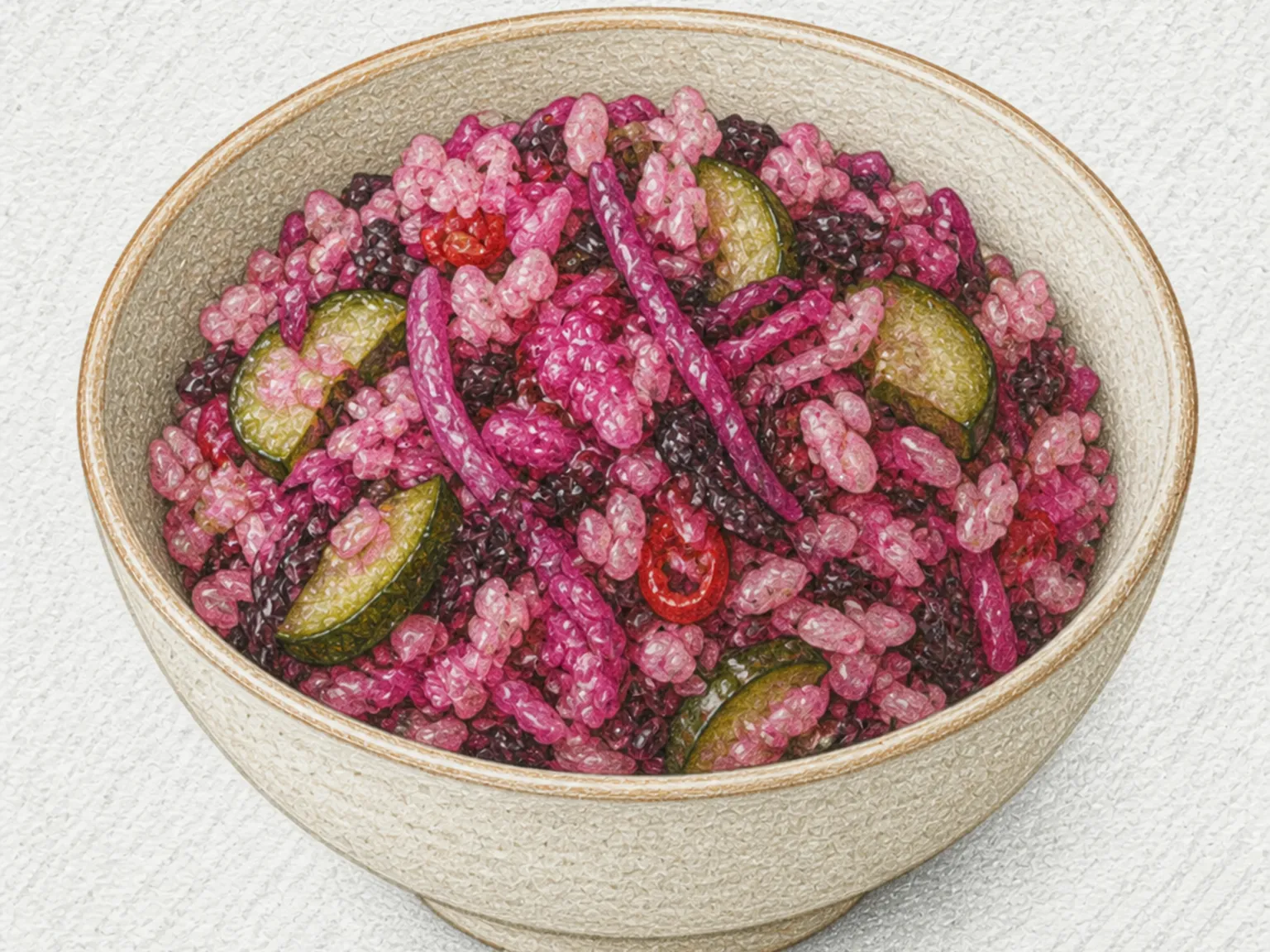
Steamed glutinous rice mixed with cucumber, red cabbage and red shiso ferments into something thick and tangy, stained red from grain to grain. Northwestern Tsugaru in Aomori has long put it up as a winter preserve. The shiso is salted and kneaded separately and its dark juice squeezed out, which removes its harsh astringency before it meets the rice. The grains should stay mostly whole while the shiso and vegetables spread evenly through them. The recipe fills an 18 L crock, so a pressing weight and a cool spot are needed before starting. Sourness and thickness keep shifting as it ferments, and it is eaten with rice once it reaches the stage you like.

Prep 90min Cook 60min 60 servings
Lo Mai Gai (Cantonese Lotus Leaf Glutinous Rice with Chicken)
Rice Hard

Lo Mai Gai (Cantonese Lotus Leaf Glutinous Rice with Chicken)

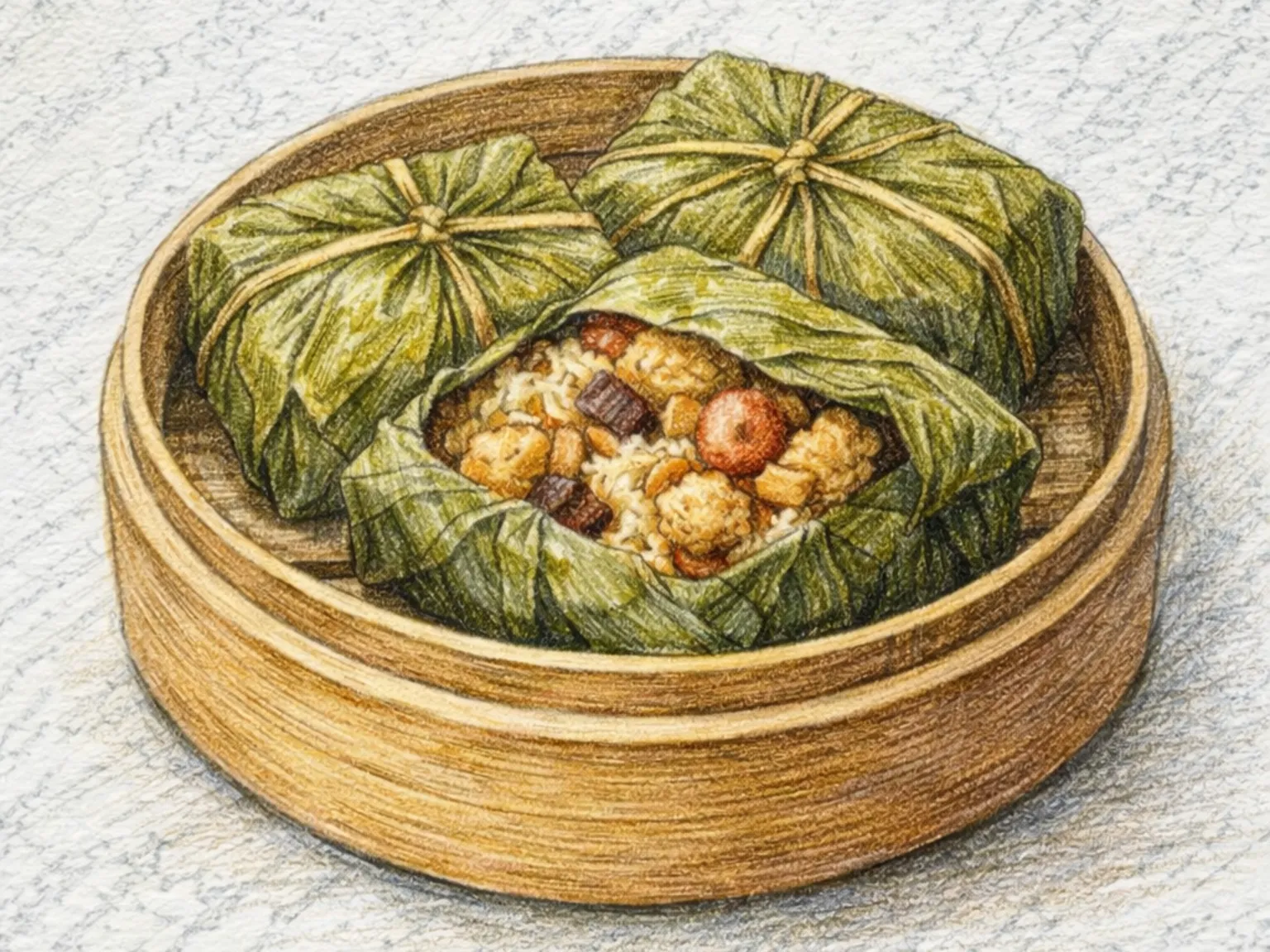
Chicken thigh and shiitake are marinated in soy and oyster sauce, stir-fried, and wrapped in dried lotus leaves with sticky rice that has already been steamed halfway, then steamed again. Nobody moves it to a plate: the leaf is opened and the rice eaten straight off it, and the moment it opens, a rush of lotus-scented steam comes up. Cantonese dim sum restaurants bring it out in a bamboo steamer.

Prep 40min Cook 45min 4 servings
Hiruzen Okowa
Rice Hard

Hiruzen Okowa

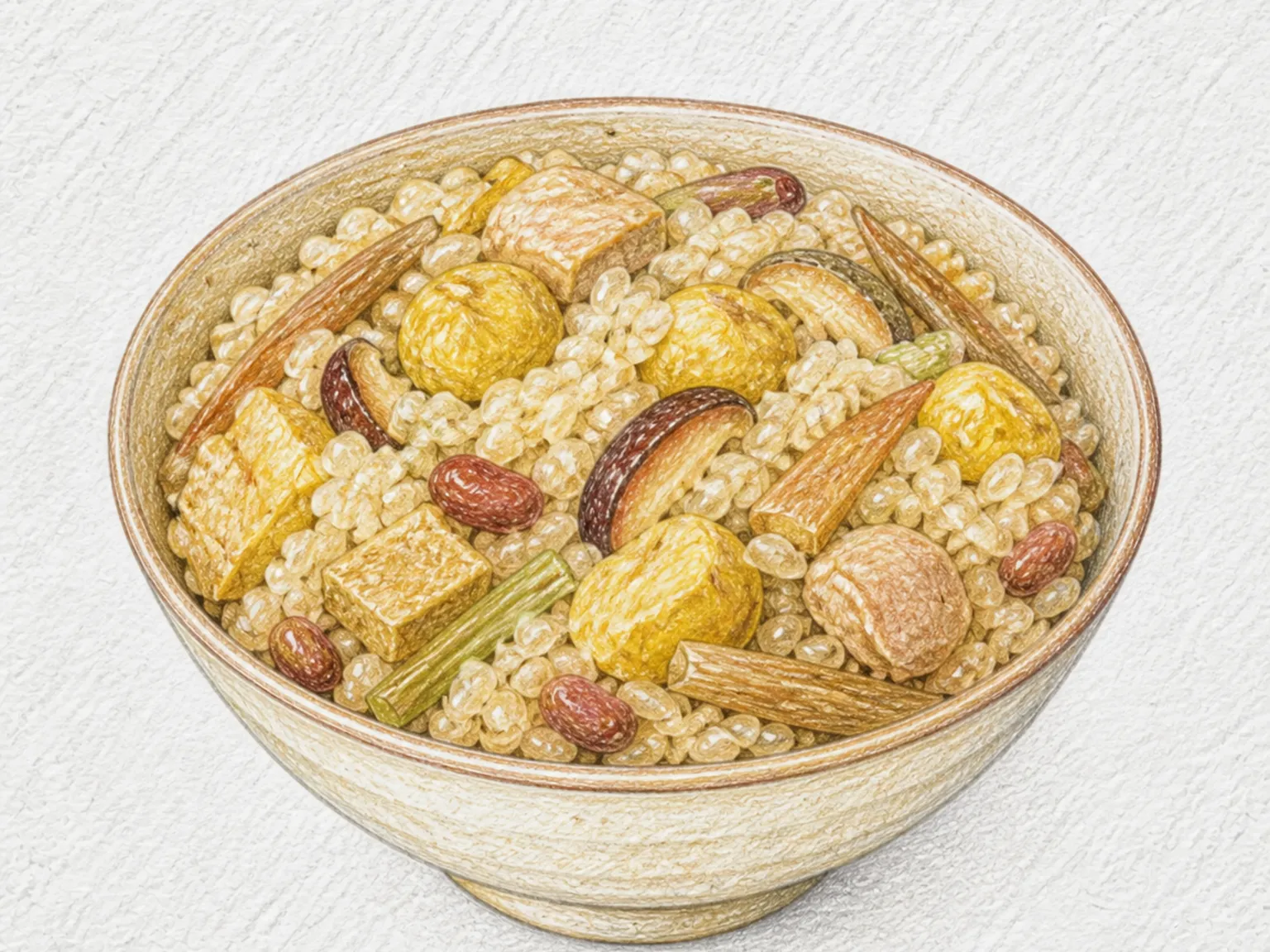
Barley grains and chestnuts dried for a day give chew to this steamed sticky rice, which also carries chicken, burdock, fuki, shiitake, and fried tofu glossed with soy seasoning. The dish came to the Hiruzen area of Maniwa in Okayama from Daisen okowa in Tottori, and barley entered the mix around 1972 through a local staple-food improvement campaign. Families served it at New Year, seasonal celebrations, and festivals. The liquid left from simmering the filling is kept and sprinkled over the grains partway through steaming.

Prep 510min Cook 75min 4 servings
Hoshi-mochi (Winter Freeze-Dried Rice Cakes)
Desserts Hard

Hoshi-mochi (Winter Freeze-Dried Rice Cakes)

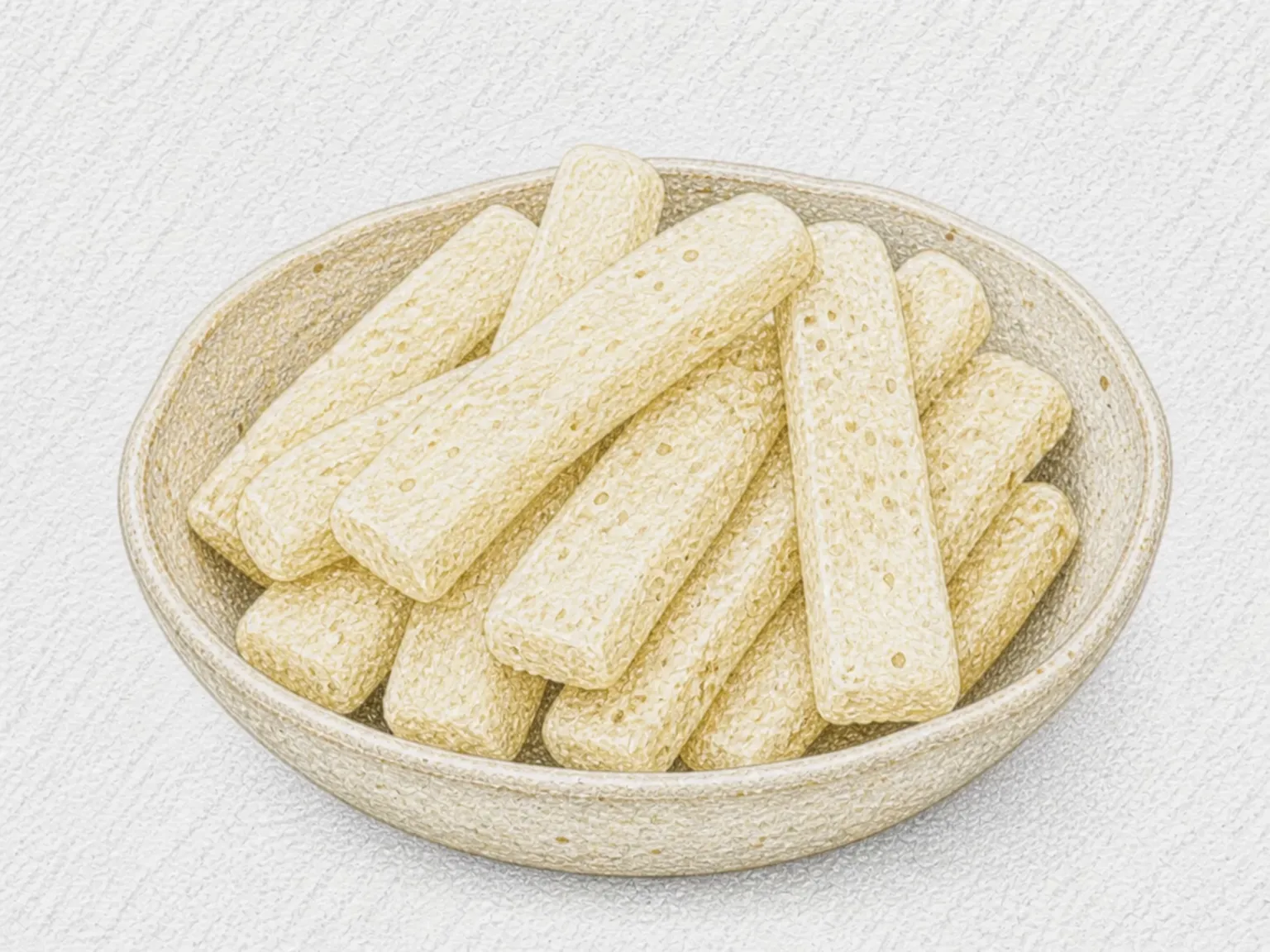
Freezing and thawing over and over pulls the moisture out of these rice cakes, leaving them porous and nearly weightless, which is why they are also called kori-mochi. Strung on rice straw, long curtains of mochi under the eaves were once the look of February in Goshogawara, and each household had someone who read the weather to pick the day to hang them. It is a winter job: 4.5 kg of glutinous rice steamed, pounded, and dried for about two months. The finished pieces are chewed crisp, lightly toasted, brushed with butter and soy sauce, or fried.

Prep 180min Cook 120min 90 servings
Clear Korean Rice Wine (Traditional Fermented Yakju)
Drinks Hard

Clear Korean Rice Wine (Traditional Fermented Yakju)

Steamed glutinous rice and nuruk, a traditional Korean fermentation starter, ferment in a shady spot for more than a week until clear wine rises to the top. Unlike makgeolli, which is strained with the solids, only that top layer is gently drawn off, so yakju comes out a transparent gold. During fermentation it gets one stir a day with a sanitized paddle. The drawn-off wine is bottled, rested in the fridge for two days, and poured cold into small cups.

Prep 25min Cook 35min 4 servings
Sankaku Chimaki (Plain Glutinous Rice in Bamboo Leaves)
Rice Hard

Sankaku Chimaki (Plain Glutinous Rice in Bamboo Leaves)

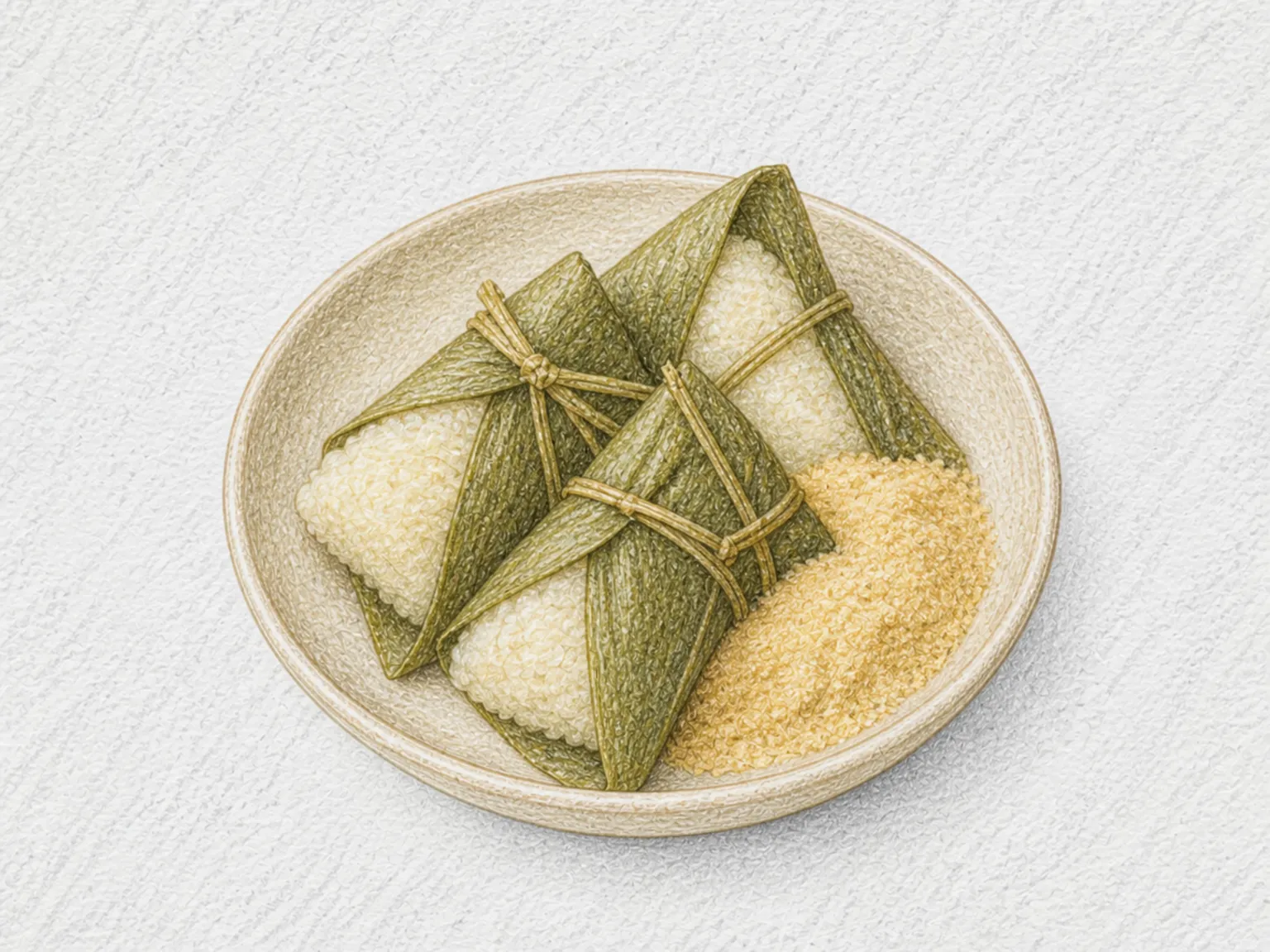
Plain glutinous rice, with no filling and no seasoning, is folded into triangles of doubled bamboo leaves, tied with rush, and boiled for close to two hours. In Niigata the dense, chewy parcels are unwrapped and dipped in roasted soybean flour mixed with sugar and a little salt. Triangular chimaki turn up in writings from the Nara and Heian periods, and because the leaves kept them from spoiling, they became food for breaks in farm work. Local legend credits the warlord Uesugi Kenshin with ordering them as battle rations.

Prep 40min Cook 120min 20 servings
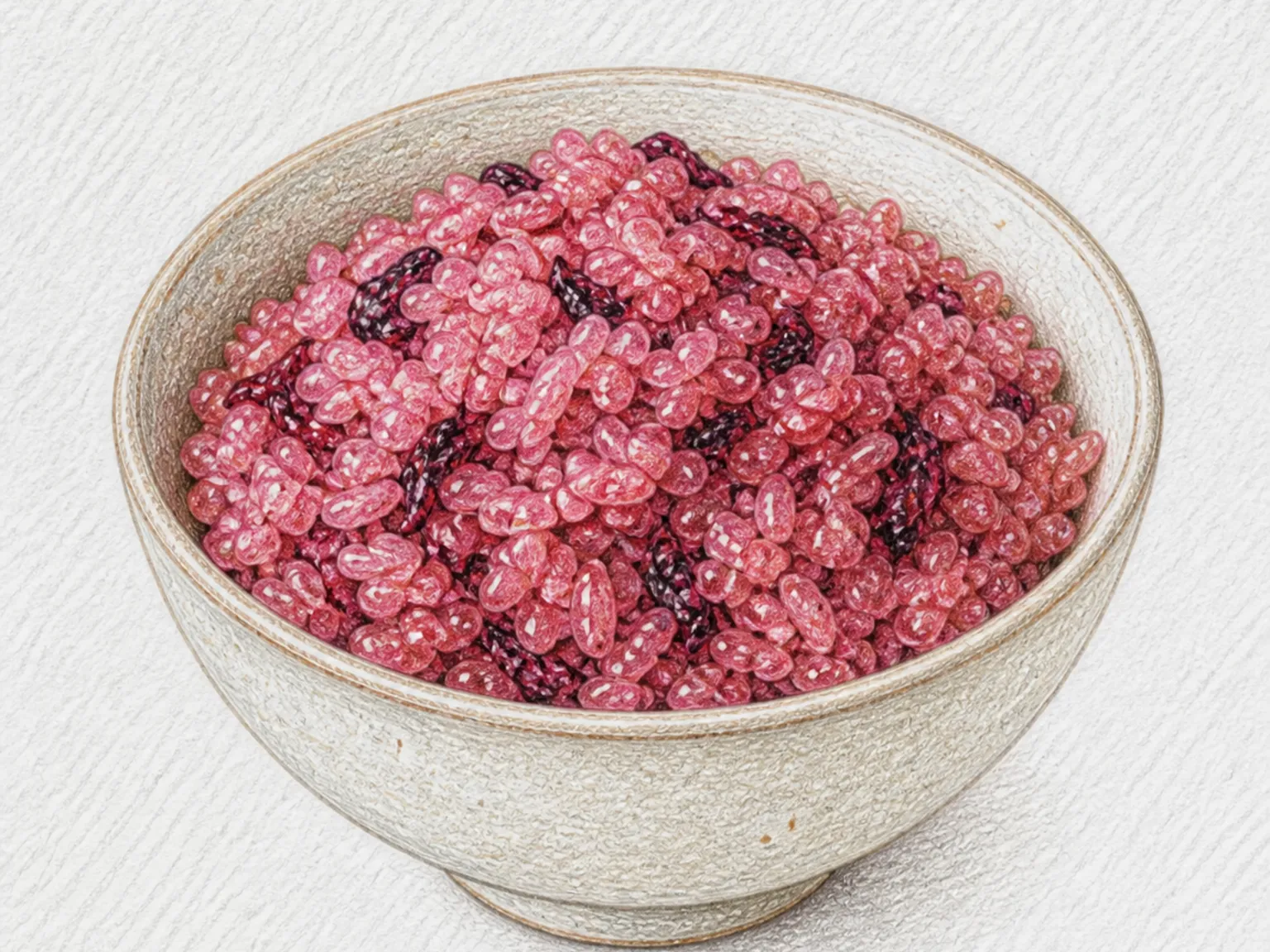
Aka-zuke Red Shiso Rice
Rice Hard

Aka-zuke Red Shiso Rice

Red shiso rubbed twice with salt releases a deep red juice that dyes cooked glutinous rice, and warm sweetened rice vinegar gives it a sweet-sour edge. This version replaces traditional room-temperature fermentation with refrigerated curing, so it will not taste identical, and it relies on measured pH and temperature instead. The shiso color makes test strips hard to read, which is why a calibrated penetrating food pH meter is required; without one, a finished product from an established producer is the safer route. Only a batch whose highest pH reading, taken at several points, is 4.2 or below moves on to curing. Mold, swelling, bubbles, slime, or an off smell after curing mean the batch is discarded untasted.

Prep 75min Cook 45min 25 servings
Hasune-mochi (Steamed Lotus Root Stuffed with Rice)
Rice Hard

Hasune-mochi (Steamed Lotus Root Stuffed with Rice)

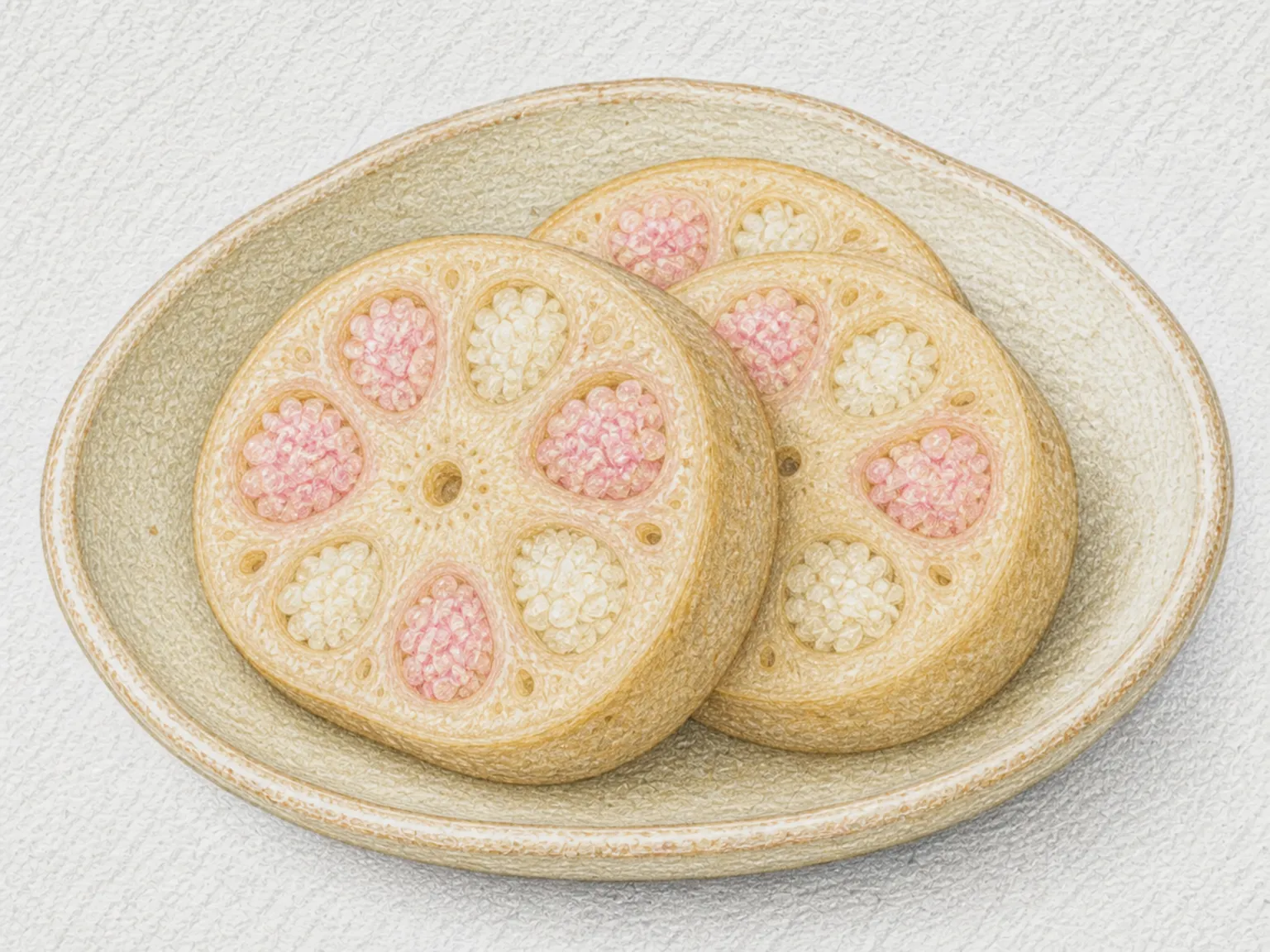
Sliced, each round shows white and pale pink glutinous rice packed into the channels of the lotus root, a red-and-white pattern meant for celebrations in Kadoma, Osaka. Lotus root counts as auspicious because its open holes suggest a clear view of the future, and the clay soil of Kawachi and Kadoma has grown it since the Edo period. After about 2 hours of steaming, the root turns sweet with a light crispness while the rice becomes chewy. Served in 8mm slices with kinako and sweet azuki paste, it eats like a dessert.

At least 10 hr 30 min 4 servings